Supply chain security is moving from a back-office concern to a boardroom priority across the global packaging industry in 2026. Rising geopolitical uncertainty, stricter compliance expectations, volatile freight routes, cyber risks, and raw material fluctuations are forcing packaging manufacturers, brand owners, and distributors to rethink how resilient their operations really are.
What used to be viewed as a cost-control challenge is now a strategic issue tied directly to business continuity, customer trust, and long-term competitiveness. For packaging businesses serving food, pharmaceutical, personal care, chemical, and health product sectors, a disruption in one part of the chain can quickly affect delivery schedules, regulatory performance, and end-market reputation.
Why supply chain security is climbing the agenda
Packaging operations today depend on a highly connected network of material suppliers, machine builders, automation providers, logistics partners, software systems, and local service teams. Any weakness in that network can create serious downstream consequences.
- Raw material instability affecting films, foils, paperboard, resins, and specialty components
- Longer lead times for motors, PLCs, sensors, and precision packaging parts
- Regulatory pressure in food safety, pharma validation, serialization, and traceability
- Cybersecurity threats targeting smart factories and connected packaging lines
- Regional trade risks impacting imports, exports, and supplier diversification plans
Industry analysts note that packaging companies are no longer asking whether disruption will happen, but how prepared they are when it does.
From efficiency to resilience
For years, many packaging businesses optimized supply chains around lean inventory and low-cost sourcing. That model delivered short-term savings, but it also exposed operations to single-point failures. In 2026, resilience is becoming just as important as speed and price.
Manufacturers are increasingly investing in:
- Multi-source procurement strategies
- Regionalized spare parts storage
- Digital tracking across equipment and materials
- Predictive maintenance for critical packaging assets
- Supplier audits focused on continuity and compliance
A new standard for packaging equipment partners
Buyers are paying closer attention to the security profile of machinery suppliers. Beyond machine performance, procurement teams now evaluate whether equipment partners can provide stable production support, documentation, replacement parts, remote diagnostics, and scalable customization.
This is especially important in industries where packaging lines must run consistently with minimal downtime, such as food, pharmaceutical, nutraceutical, and daily-use products. A reliable equipment partner helps reduce risk not only during installation, but across the full lifecycle of the line.
| Security Focus Area | Why It Matters in 2026 | Typical Response |
|---|---|---|
| Critical spare parts | Prevents long production stoppages | Local stocking and backup sourcing |
| Supplier transparency | Improves traceability and compliance confidence | Vendor qualification and audit systems |
| Automation reliability | Supports stable output and lower labor dependency | Integrated packaging lines with monitoring functions |
| Cyber protection | Connected lines increase digital risk exposure | Access control, software updates, and network segmentation |
| Regulatory readiness | Avoids recalls and market access disruption | Validation, documentation, and process consistency |
Traceability becomes non-negotiable
One of the clearest trends in 2026 is the shift toward end-to-end traceability. Packaging companies want better visibility across incoming materials, production batches, coding systems, sealing performance, and outbound logistics.
That means packaging lines are increasingly expected to connect with inspection systems, checkweighers, coding devices, labeling modules, and digital production records. Strong traceability reduces response time during audits, quality investigations, and product recalls.
Industries under the greatest pressure
- Food packaging requires secure material supply, contamination control, and accurate date/batch coding
- Pharmaceutical packaging demands validation, traceability, and stable long-term equipment support
- Health supplement packaging needs precision dosing and consistent pouch or stick pack quality
- Chemical packaging depends on material compatibility, operator safety, and transport compliance
- Personal care packaging requires flexibility for fast product changes and reliable filling performance
Turnkey lines gain attention as risk-control tools
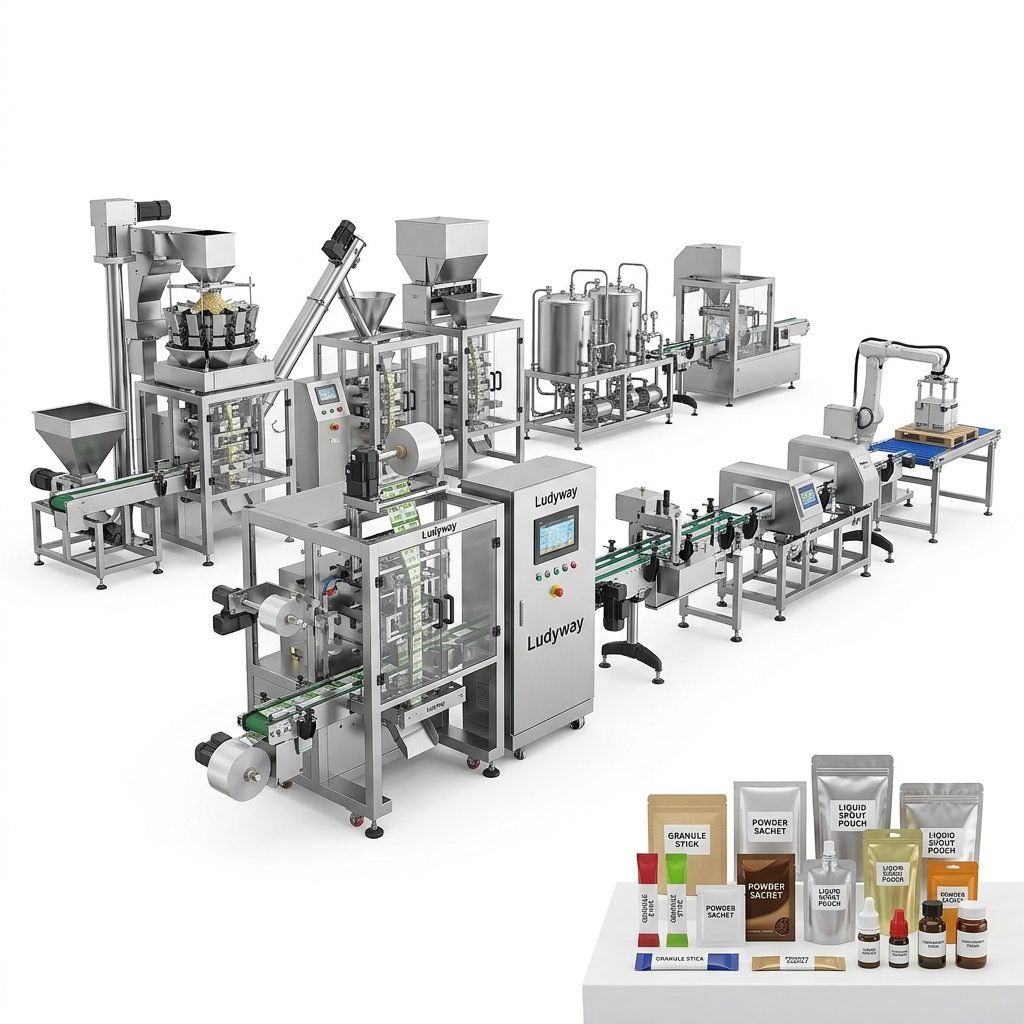
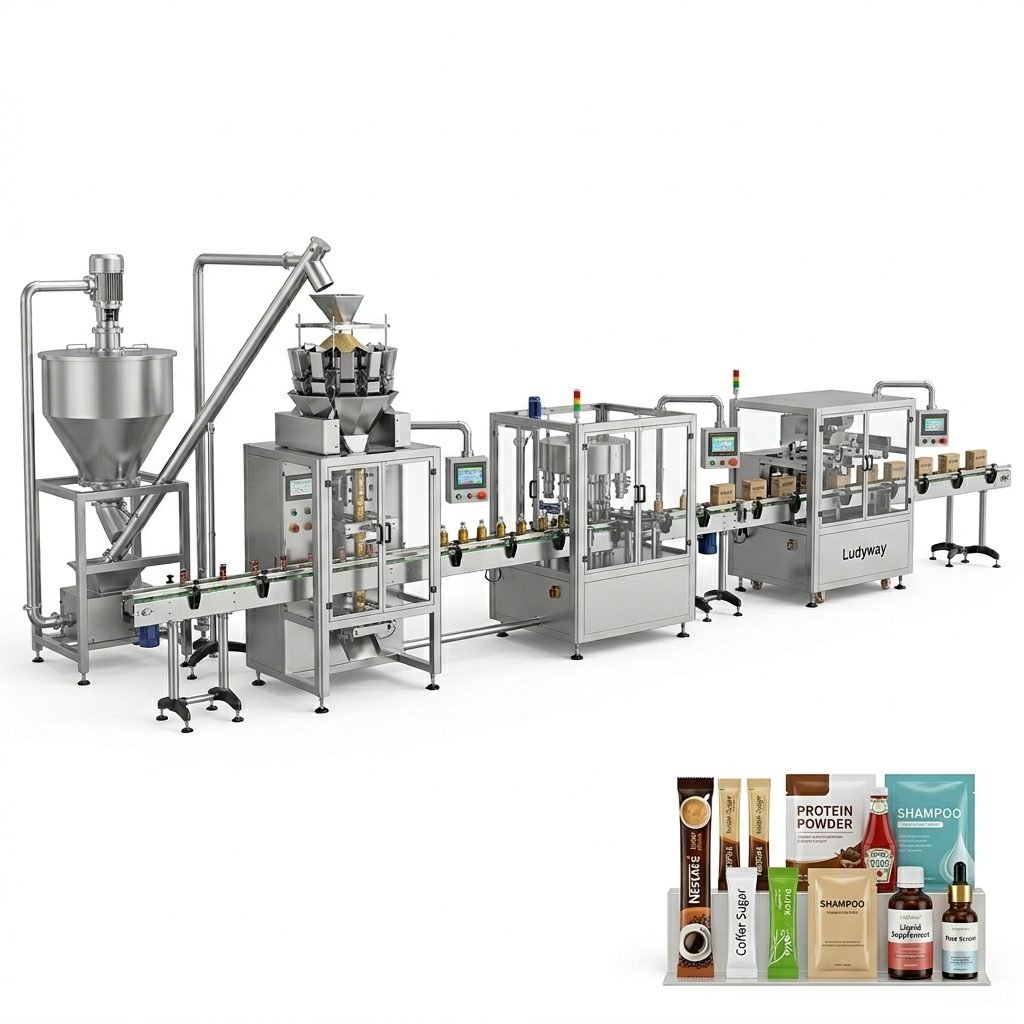
Another major development is the growing preference for turnkey packaging lines. Instead of sourcing separate machines from multiple vendors, many buyers now prefer integrated systems that reduce compatibility risks and simplify project execution.
Integrated lines can improve security by offering:
- More consistent machine-to-machine communication
- Clearer accountability during commissioning and after-sales service
- Streamlined spare parts planning
- Better production data visibility
- Faster troubleshooting across the full line
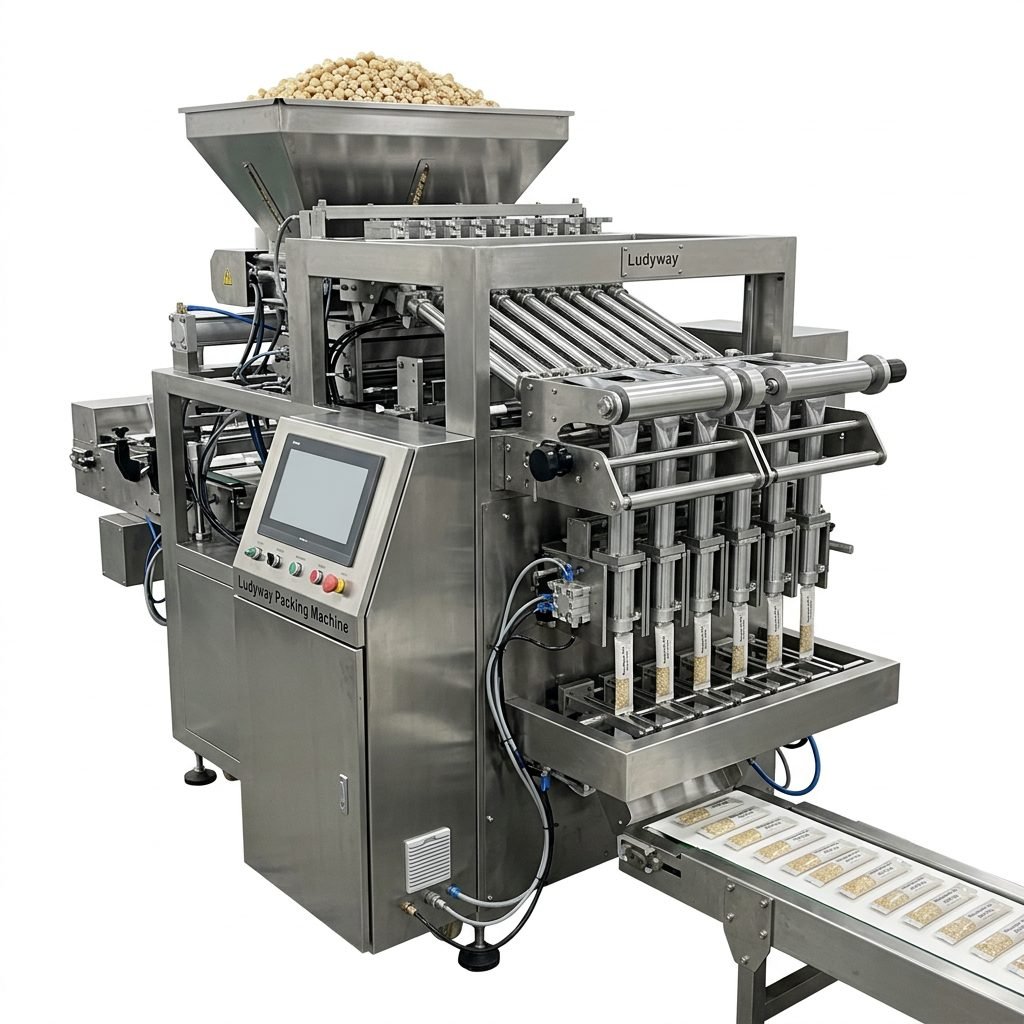
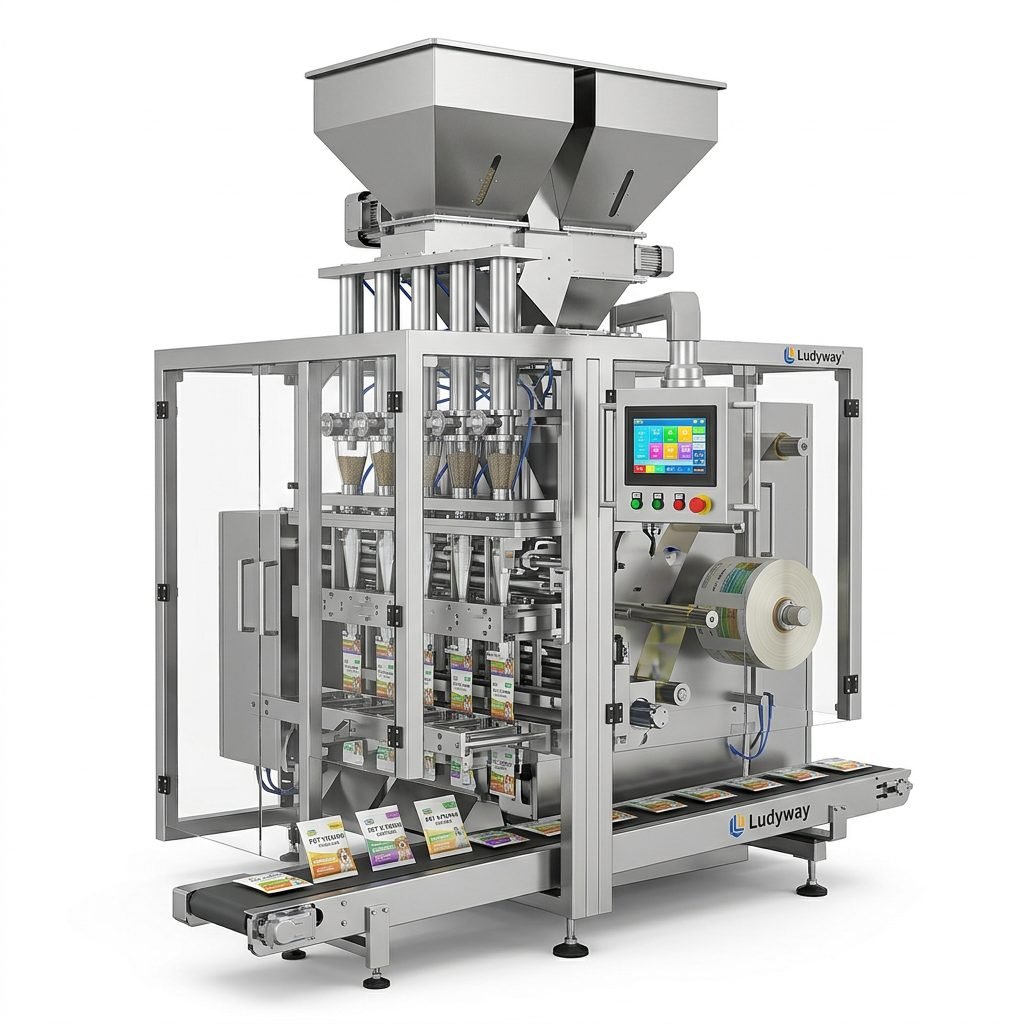
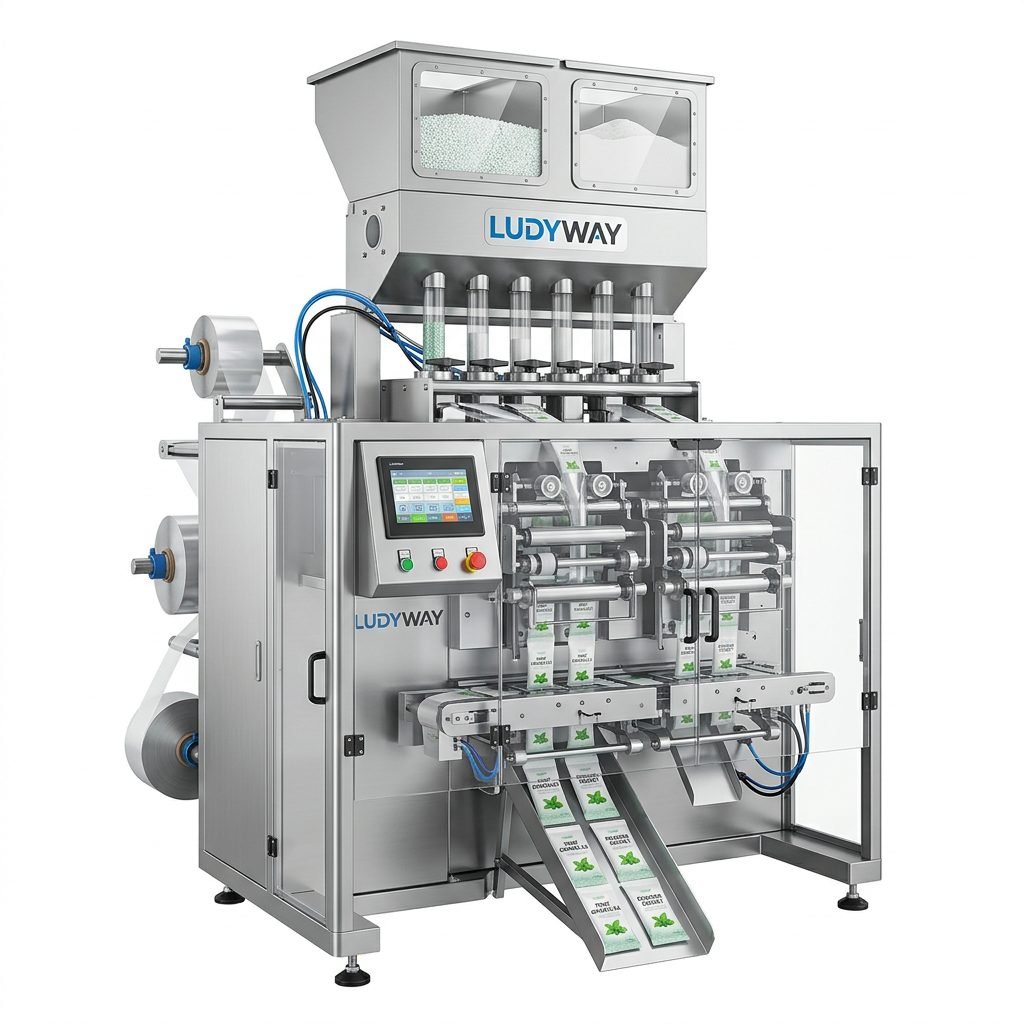
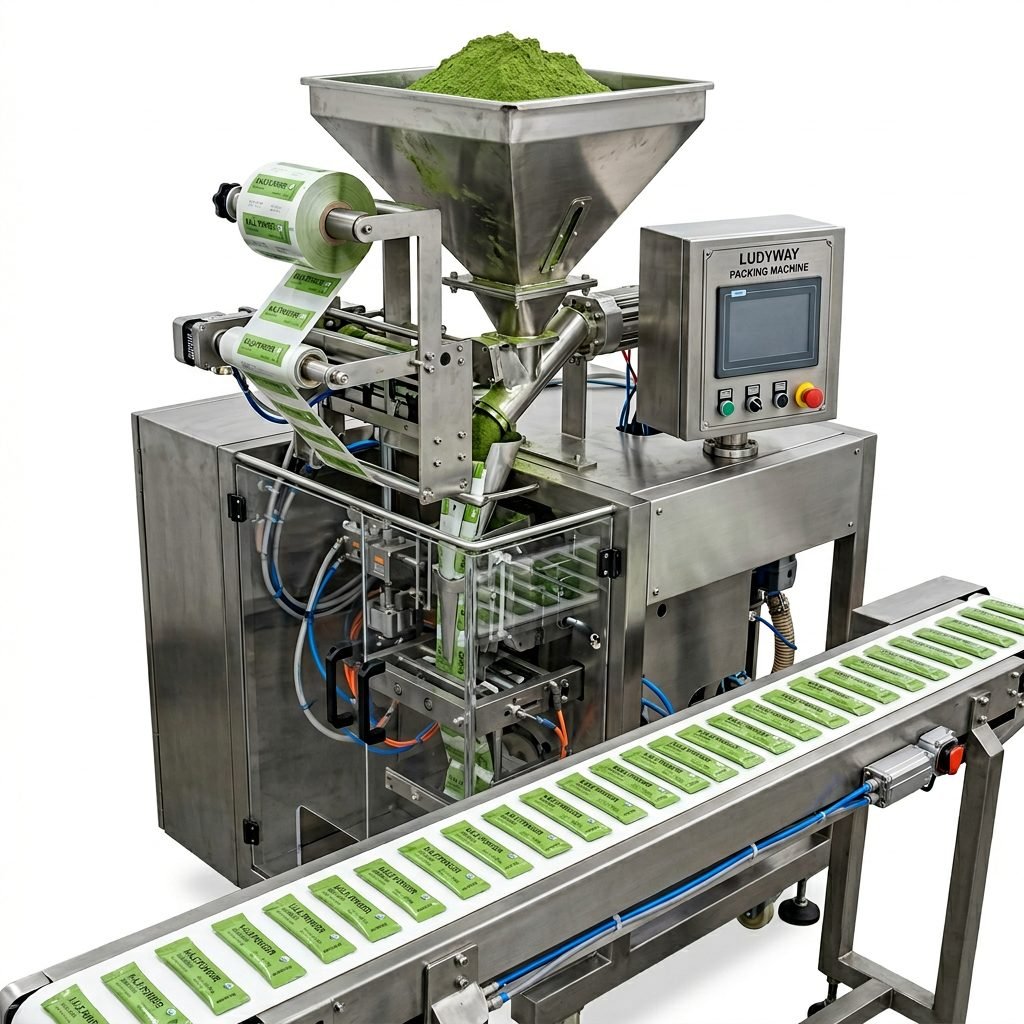
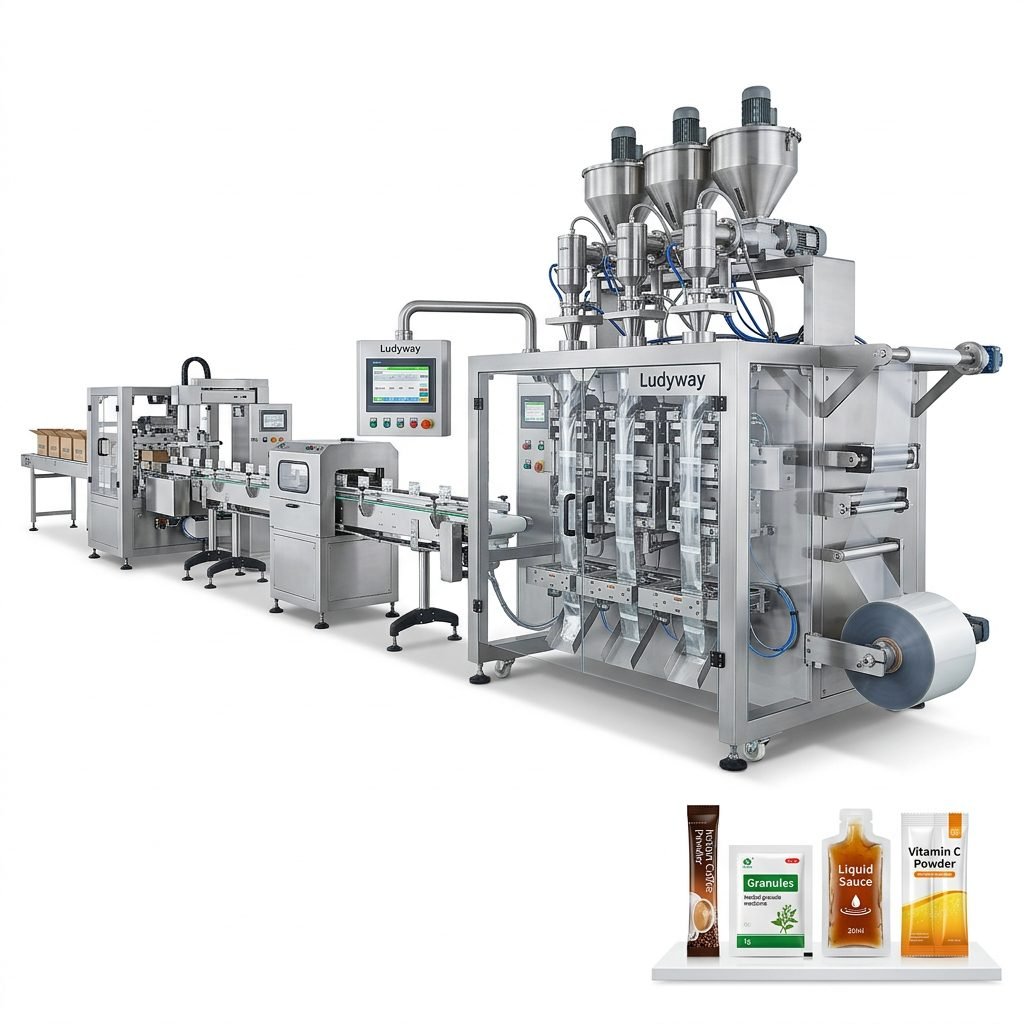
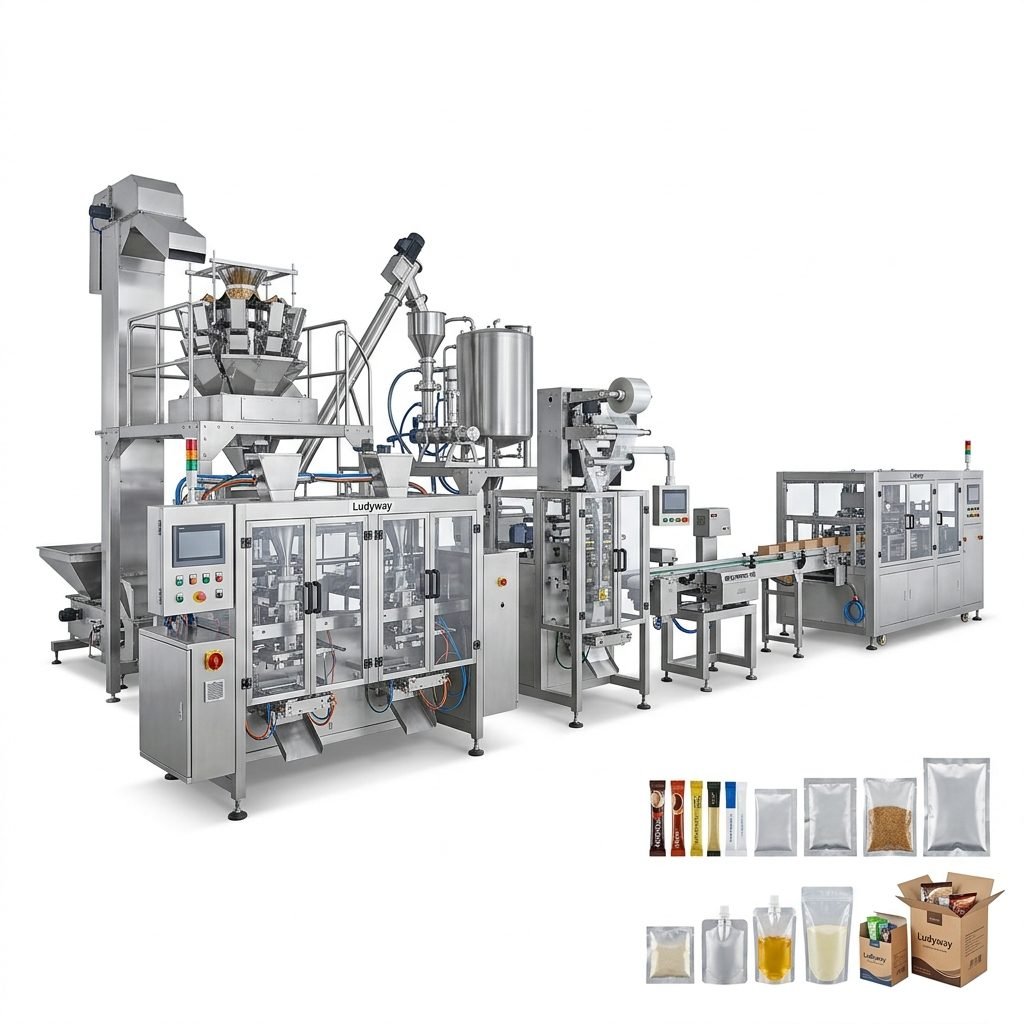
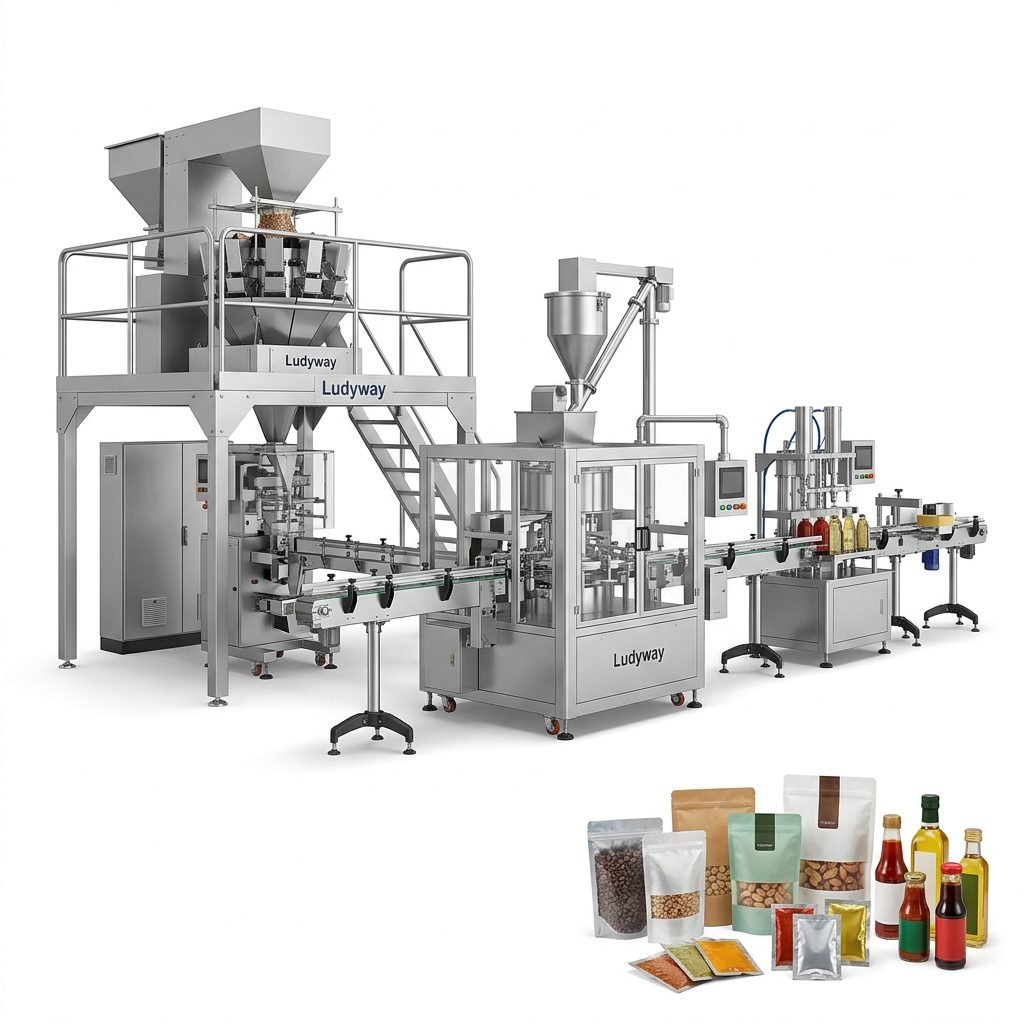
For companies expanding automation, trusted manufacturers such as Ludyway packaging machine supplier are gaining attention for their ability to provide both standalone equipment and turnkey packaging line solutions for food, pharmaceutical, health supplement, and related industries.
What buyers should evaluate in 2026
When reviewing suppliers and packaging line investments, procurement and operations teams are asking more detailed questions than before. Price and speed still matter, but resilience indicators are now part of the decision.
Key questions buyers are raising
- How stable is the supplier’s manufacturing capacity?
- Can the supplier support exports across multiple regions?
- Are spare parts, service response, and technical guidance structured properly?
- Does the equipment support future upgrades in traceability or automation?
- Can the supplier customize solutions for different product formats and compliance needs?
These factors are particularly relevant for companies planning expansion into new markets or upgrading from manual and semi-automatic lines to fully automatic packaging systems.
2026 outlook: security as a growth strategy
The packaging sector is entering a period where supply chain security is no longer viewed only as protection against disruption. It is increasingly seen as a growth strategy. Businesses with stronger supplier networks, dependable machinery support, better digital visibility, and more resilient packaging operations will be better positioned to win contracts and maintain customer confidence.
In practical terms, this means the most competitive packaging companies in 2026 will likely be those that combine automation with preparedness. Resilience, service capability, traceability, and supplier reliability are becoming key differentiators in global packaging markets.
Bottom line for the industry
As uncertainty remains part of the operating environment, packaging companies are redesigning their supply chains with security in mind. The message from the market is clear: stable supply, reliable automation, and end-to-end visibility are now essential business requirements, not optional upgrades.