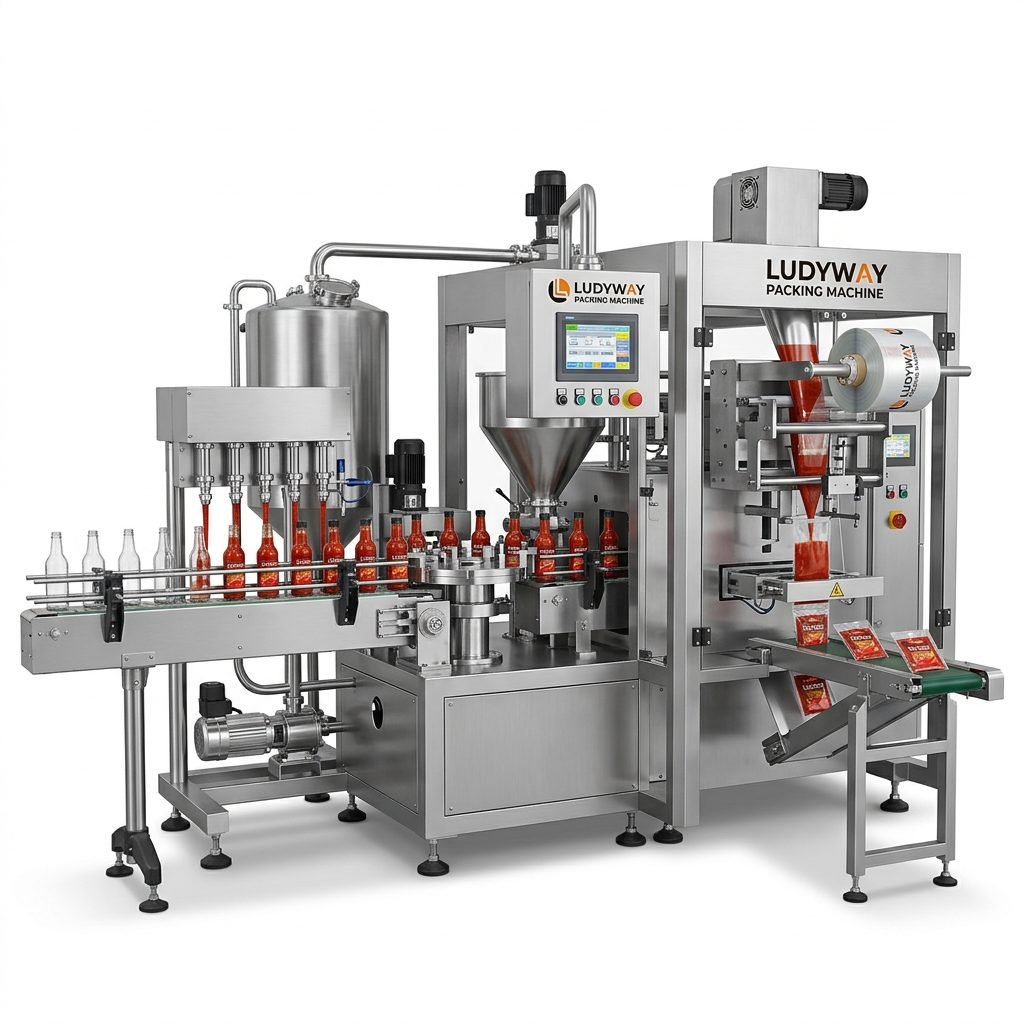
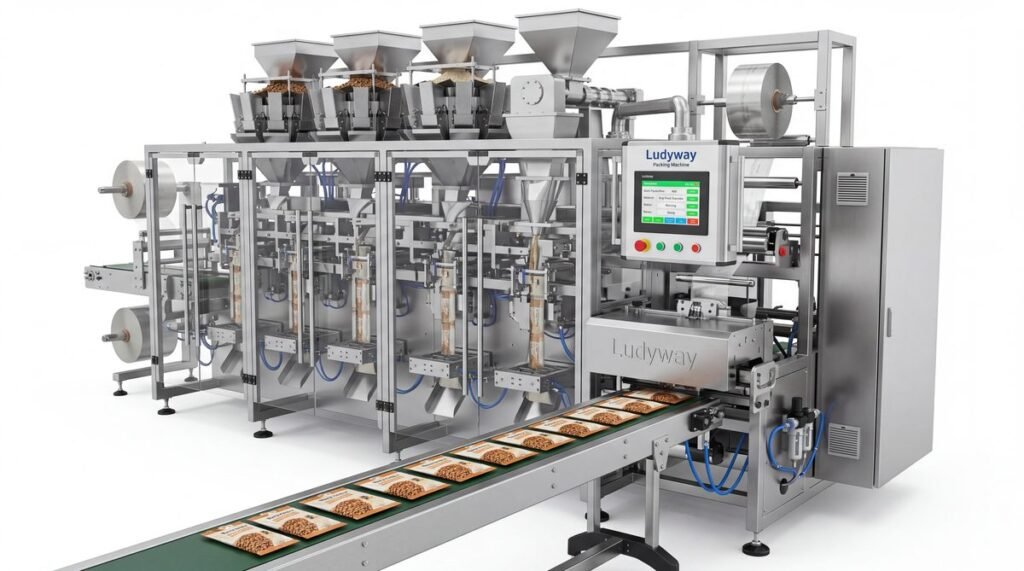
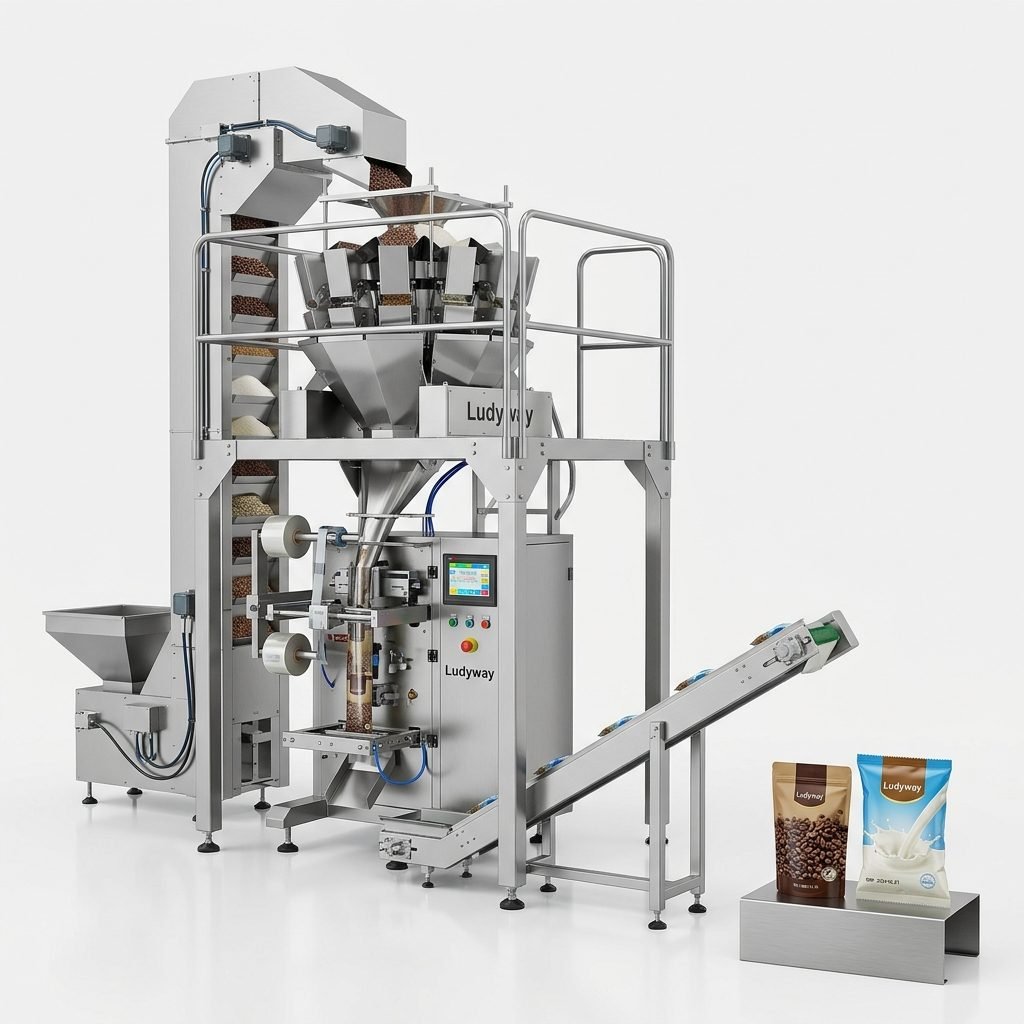
Investing in a packaging machine is one of the most important decisions for any manufacturer. The right equipment can improve efficiency, reduce operational costs, and maintain product quality, while the wrong choice can lead to production bottlenecks, excessive downtime, and unexpected expenses. With hundreds of machine types, configurations, and suppliers available worldwide, the selection process can feel overwhelming. This guide walks you through the essential factors to evaluate when choosing packaging machinery, helping you make a confident, informed decision.
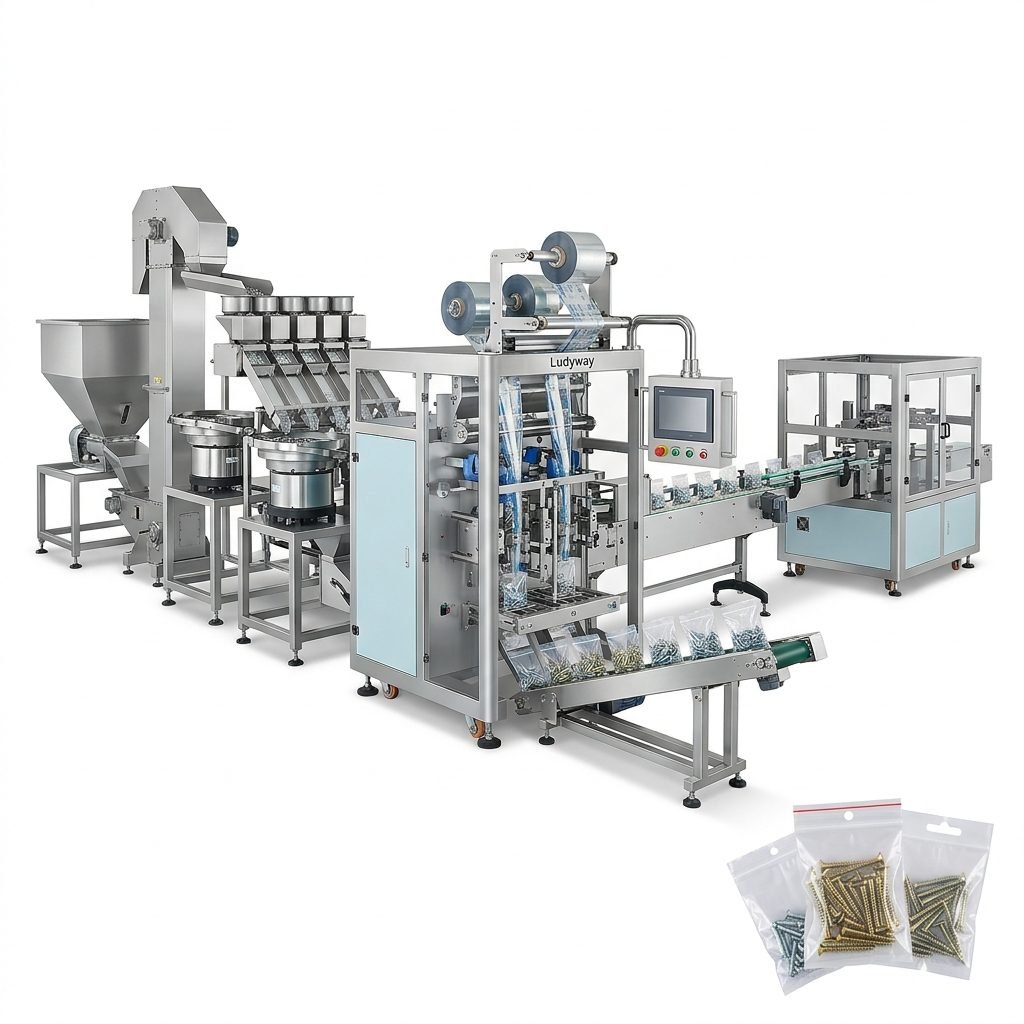
1. Define Your Product and Packaging Requirements
Before comparing machine specifications, start by clearly defining what you need to package. Every product has unique characteristics that directly influence equipment selection.
Product Characteristics to Evaluate
- Product form: Is your product a powder, granule, liquid, paste, or solid? Each form requires different filling and dosing technologies.
- Flow properties: Free-flowing granular products behave differently from cohesive powders that tend to bridge or clump.
- Viscosity: For liquids, viscosity determines pump type, nozzle design, and filling speed capabilities.
- Sensitivity: Consider whether your product is hygroscopic, oxygen-sensitive, fragile, or requires temperature-controlled processing.
- Particle size distribution: Variations in granule or powder size can affect dosing accuracy and filling consistency.
- Bulk density: This affects hopper size, feeder selection, and overall machine throughput calculations.
Target Packaging Format
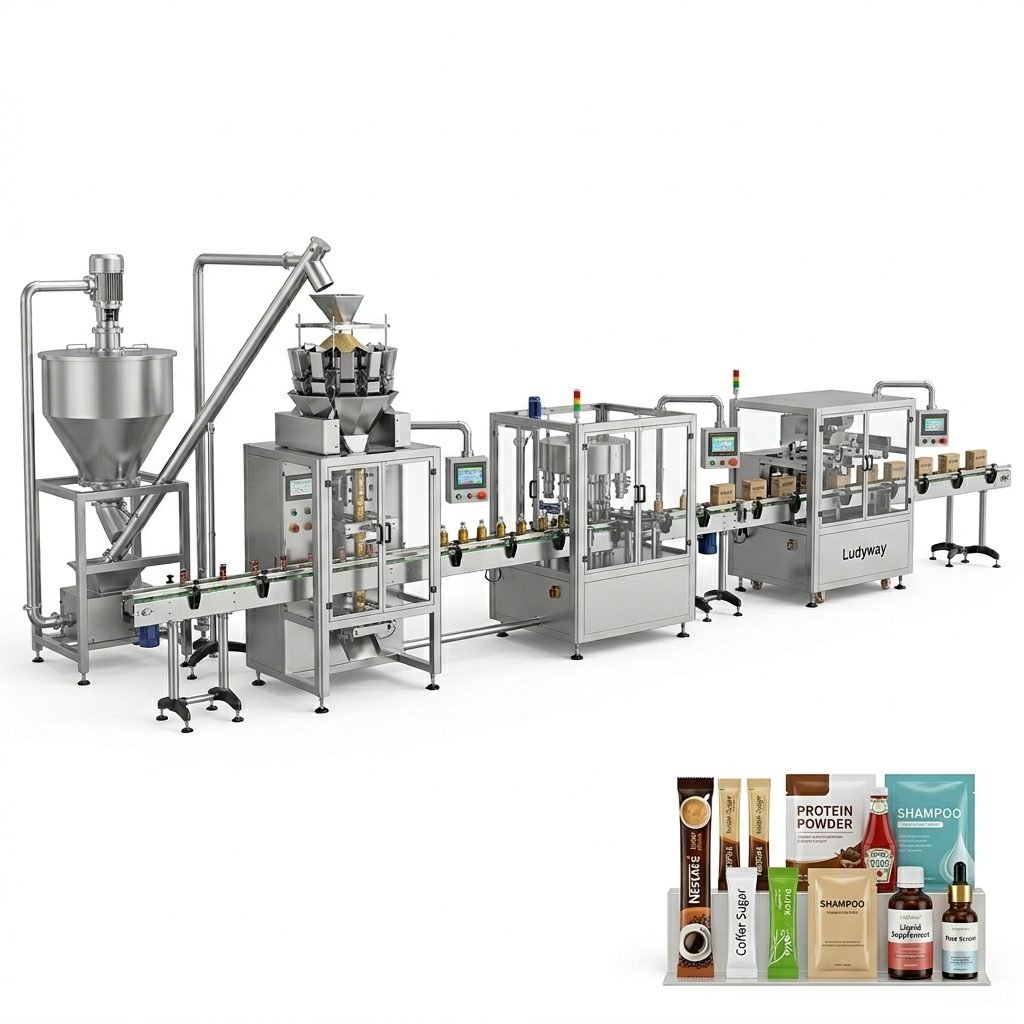
Determine the packaging format best suited to your market and distribution channels. Common flexible packaging formats include stick packs, sachets, pouches, and bulk bags. Each format has different film requirements, seal integrity needs, and consumer convenience factors. According to the Flexible Packaging Association’s industry data, flexible formats continue to gain market share across food, pharmaceutical, and consumer goods sectors due to material efficiency and consumer preference.
2. Understand Machine Types and Technologies
Packaging machinery spans a wide spectrum of technologies. Understanding the main categories helps narrow your focus before evaluating individual models.
| Machine Type | Best For | Key Advantage |
|---|---|---|
| Vertical Form-Fill-Seal (VFFS) | Powders, granules, snacks, free-flowing solids | High-speed continuous operation; compact footprint |
| Horizontal Form-Fill-Seal (HFFS) | Solid products, baked goods, medical devices | Gentle product handling; flexible format changes |
| Multi-Lane Stick Pack Machines | Single-serve powders, instant beverages, supplements | Very high output per square meter; portion control |
| Premade Pouch Fill-Seal | Liquids, sauces, viscous products, retort applications | Superior seal integrity; compatible with spouted pouches |
| Liquid Filling Lines | Beverages, cosmetics, chemicals, pharmaceuticals | Precision volumetric or weight-based filling |
| Bulk Bag Filling Systems | Large-volume powders, granules, aggregates | High capacity; integrated weighing and palletizing |
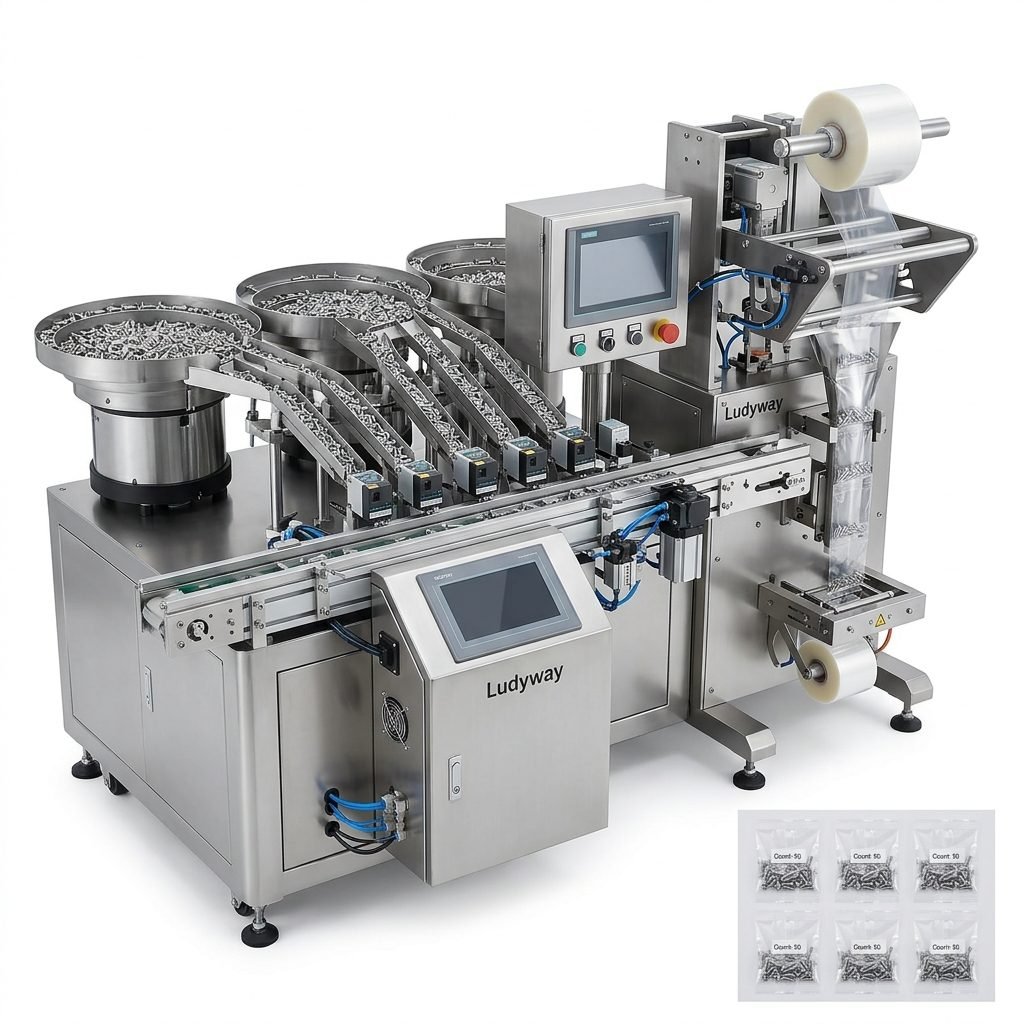
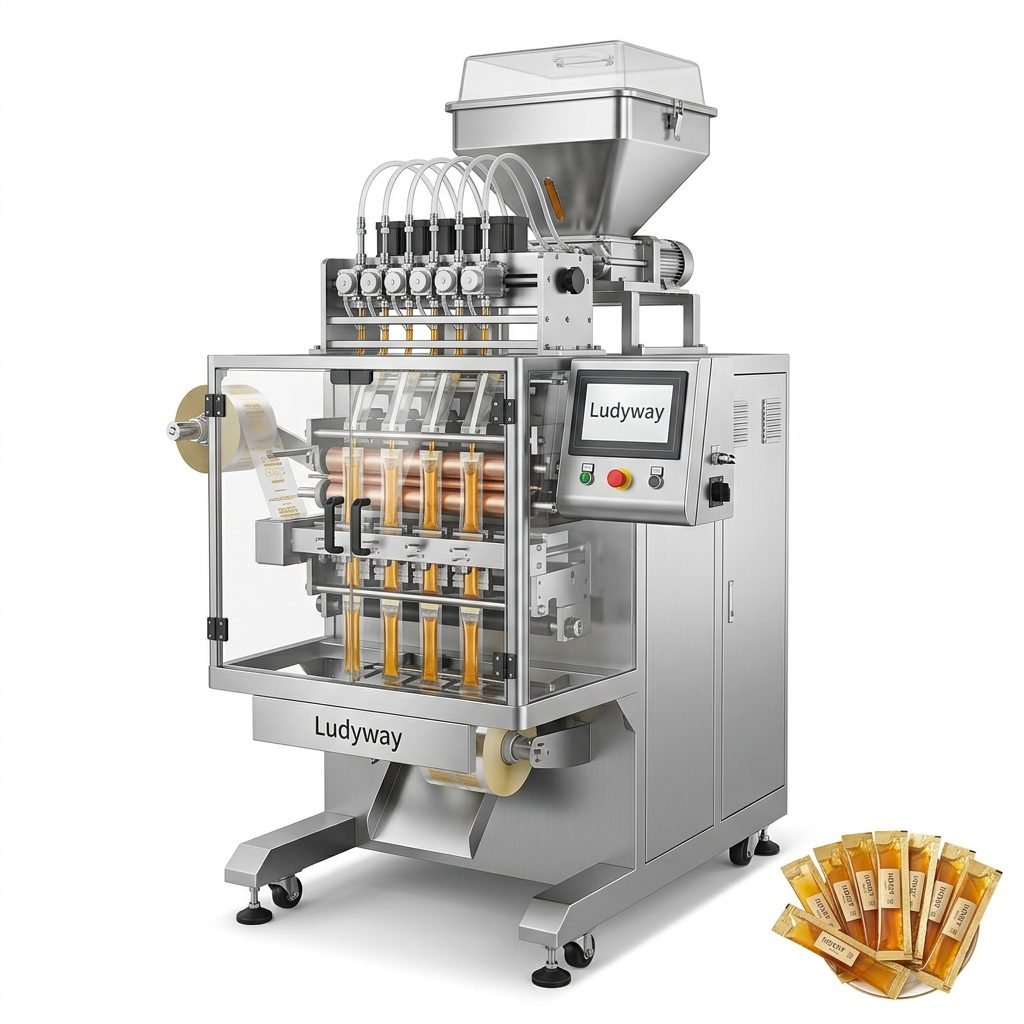
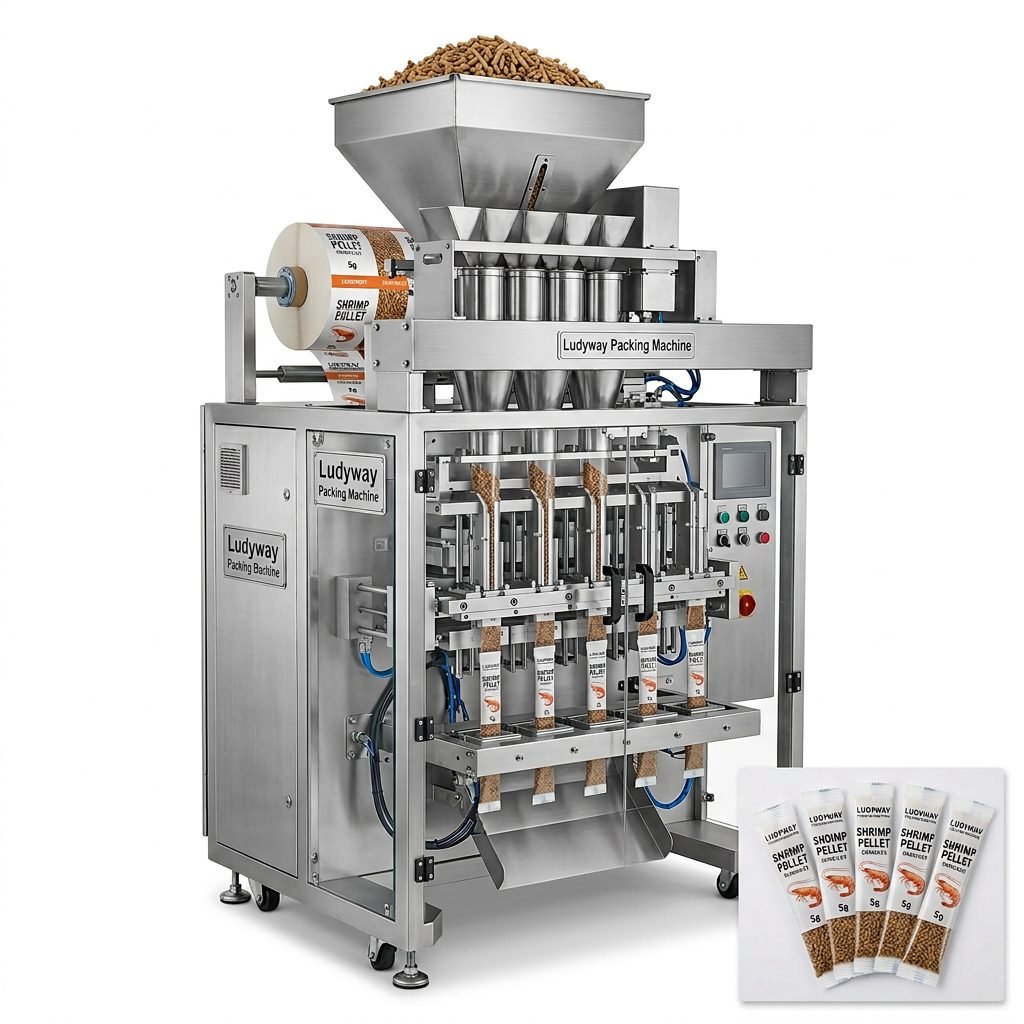
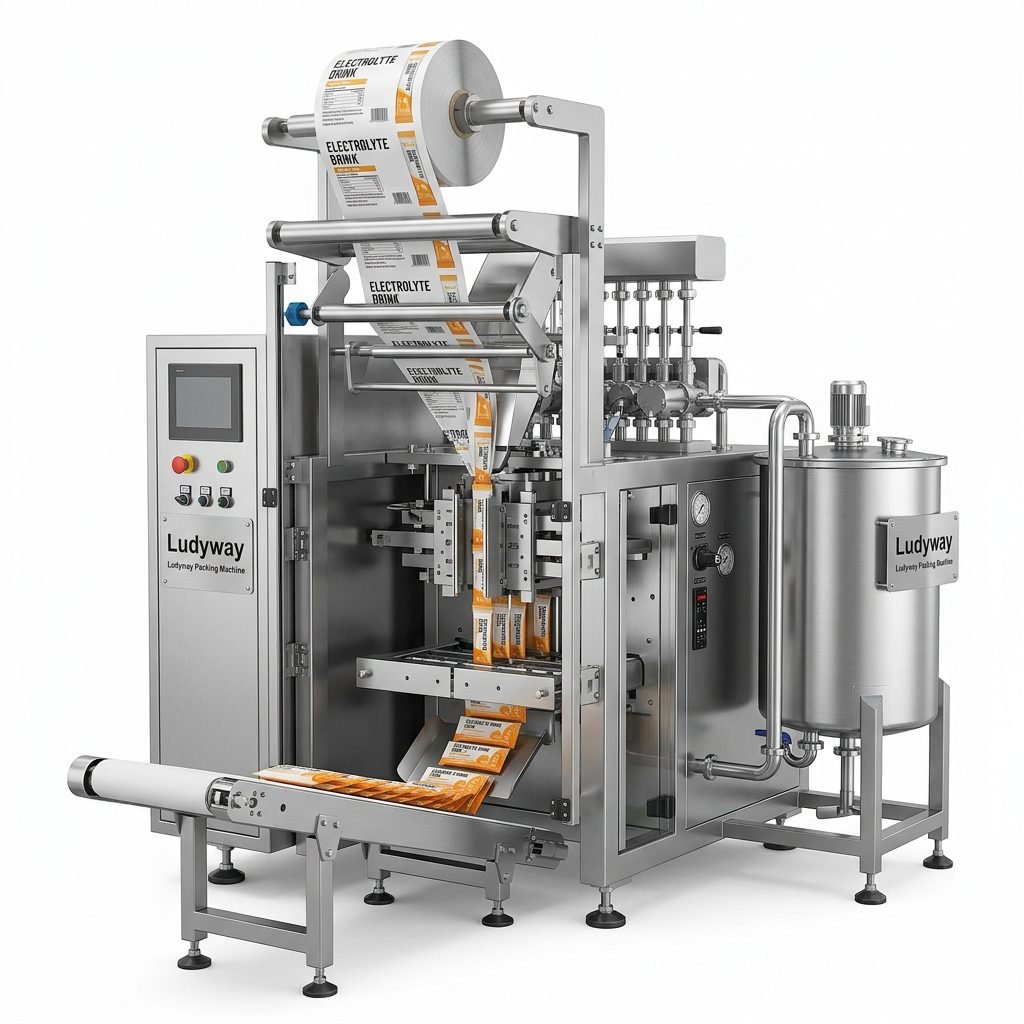
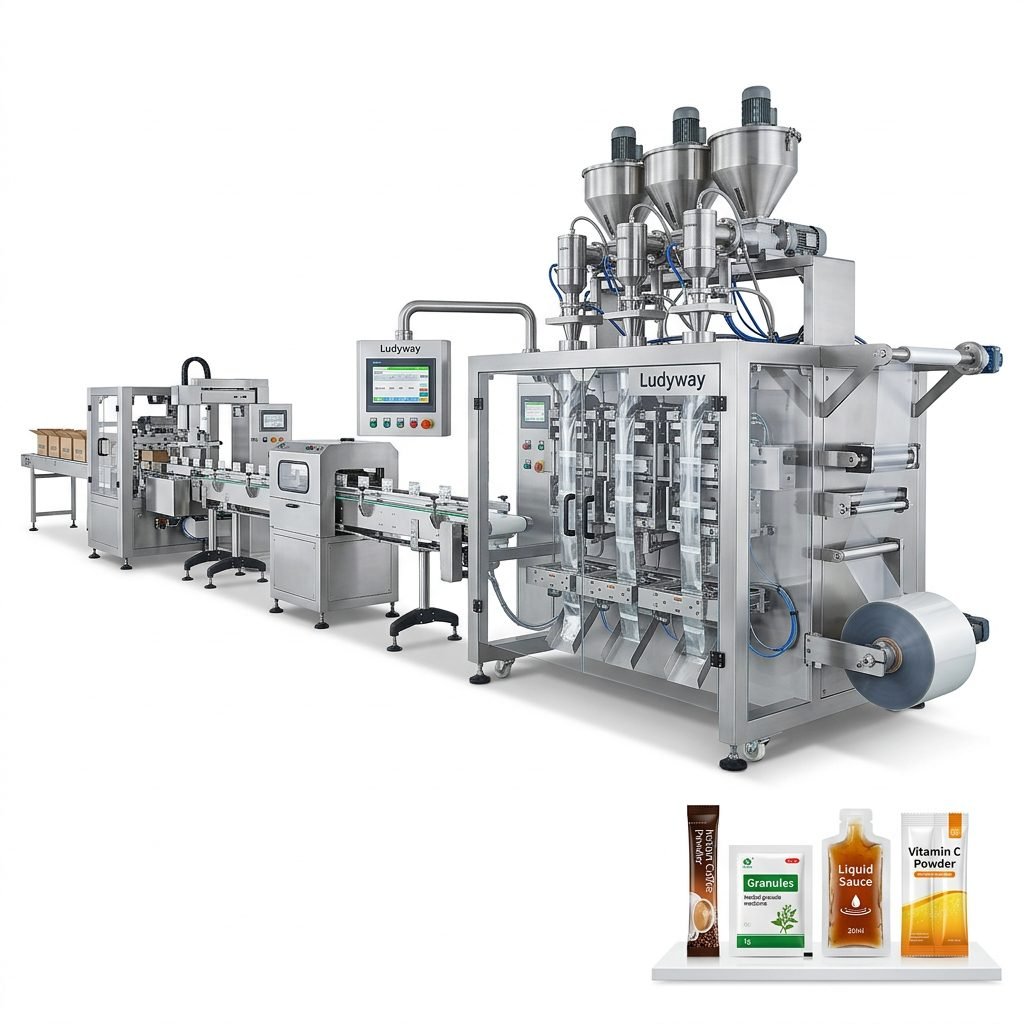
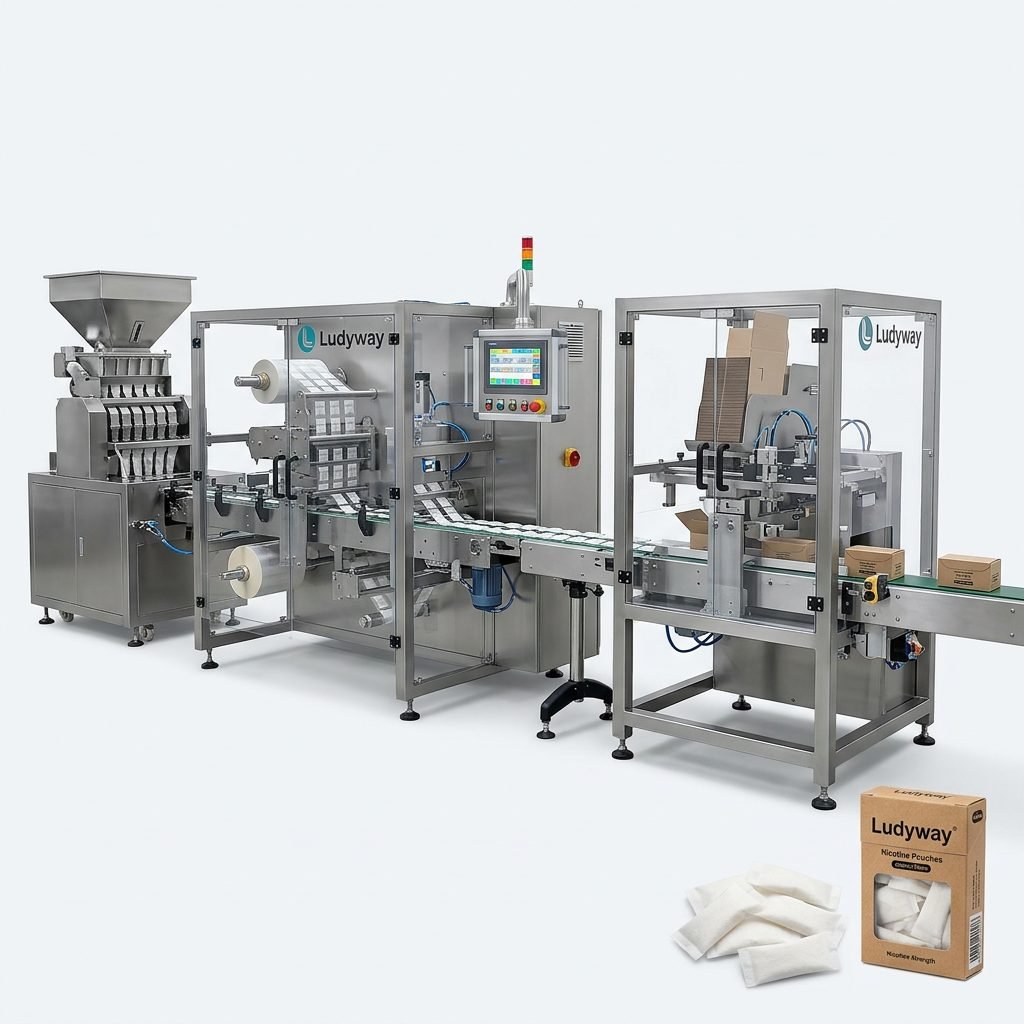
For manufacturers seeking integrated turnkey packaging solutions, multi-lane systems offer a compelling balance of throughput and floor-space efficiency. These machines can produce hundreds of filled sachets or stick packs per minute, significantly outperforming single-lane configurations in high-volume applications.
3. Key Technical Specifications to Evaluate
Once you have identified the appropriate machine category, evaluate technical specifications against your production requirements. The following parameters directly affect machine performance and suitability.
Production Speed and Capacity
Match the machine’s rated speed to your current and projected production volumes. Consider not just the theoretical maximum speed but the sustainable operating speed under real production conditions. A machine running continuously at 90% of its maximum rated speed may experience more wear and unplanned downtime than one operating comfortably at 70%.
Filling Accuracy and Dosing Precision
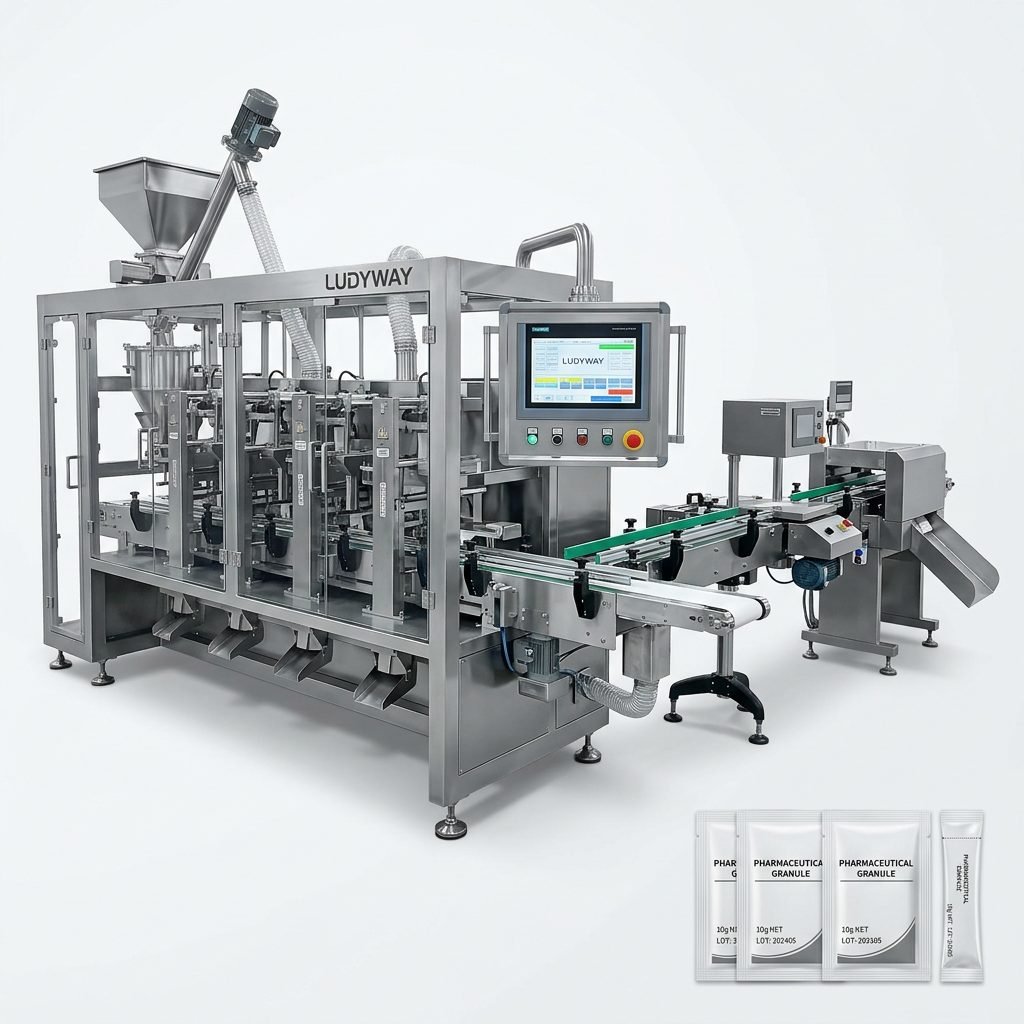
Dosing accuracy directly impacts product giveaway and regulatory compliance. For high-value products such as pharmaceutical powders or nutritional supplements, even small dosing variations can represent significant financial losses over time. Look for machines with validated dosing accuracy within your acceptable tolerance range, and verify these claims with documented test data rather than relying solely on specifications.
Packaging Material Compatibility
The machine must be compatible with your chosen packaging materials, including film structures, laminates, and sealant layers. Key considerations include seal temperature range, film tension control, and registration systems for printed materials. Review the ISO packaging standards for guidance on material specifications and performance requirements relevant to your application.
Changeover Flexibility
If you produce multiple SKUs with different bag sizes, fill weights, or packaging formats, evaluate changeover time and complexity. Quick-change tooling and automated recipe management can significantly reduce downtime between production runs. This is particularly important for contract packagers and manufacturers with diverse product portfolios.
4. Assess Quality Standards and Regulatory Compliance
Packaging machinery must meet applicable quality standards and regulatory requirements for your industry and target markets. This is especially critical for food, pharmaceutical, and medical device applications.
Industry-Specific Requirements
- Food packaging: Machines should be designed with sanitary features, including accessible surfaces for cleaning and hygienic design principles. Refer to FDA food packaging and food contact substances regulations for compliance requirements in the U.S. market.
- Pharmaceutical packaging: Equipment must support good manufacturing practice (GMP) requirements, with validated dosing accuracy, traceability features, and documentation capabilities.
- Chemical and industrial products: Material compatibility with corrosive or reactive substances, plus safety features for operator protection.
- Export markets: Verify that equipment can be configured to meet regional standards such as CE marking for European markets or specific electrical and safety certifications required in your destination countries.
5. Calculate Total Cost of Ownership
The purchase price of a packaging machine represents only a fraction of its total lifetime cost. A comprehensive cost analysis should account for all direct and indirect expenses over the machine’s expected service life.
| Cost Category | What to Consider | Estimated Impact |
|---|---|---|
| Capital expenditure | Machine purchase price, shipping, import duties, installation | Upfront, one-time |
| Consumables | Packaging film, spare parts, lubricants, filters | Ongoing, variable with production volume |
| Energy consumption | Electrical power, compressed air, cooling water | Ongoing, rate-dependent |
| Labor | Operators per shift, skill level required, training costs | Ongoing, significant in manual operations |
| Maintenance and repairs | Scheduled service, unexpected breakdowns, technician availability | Increases with machine age |
| Downtime cost | Lost production, missed orders, idle labor during stoppages | Variable, potentially very high |
A machine with a lower purchase price but higher running costs and more frequent downtime may prove more expensive over a five-to-ten-year period than a higher-quality machine with better reliability and lower maintenance requirements. Always request detailed maintenance schedules and expected spare parts consumption data when comparing options.
6. Evaluate Supplier Capabilities and Support
The supplier you choose is as important as the machine itself. A reliable packaging machinery partner provides value far beyond the initial equipment sale, including technical expertise, responsive support, and long-term partnership.
What to Look for in a Supplier
- Industry experience: Look for suppliers with a proven track record in your specific industry. Experience with similar products and packaging challenges reduces project risk.
- Manufacturing capabilities: Evaluate whether the supplier has in-house manufacturing, engineering, and assembly capabilities. This affects quality control, customization flexibility, and lead times.
- Customization approach: For manufacturers with unique requirements, working with a supplier that offers customized packaging machinery and engineering solutions rather than one that only provides standard off-the-shelf models can be a significant advantage.
- Installation and commissioning: Confirm what support is included for equipment setup, calibration, and initial production runs at your facility.
- Spare parts availability: Quick access to genuine spare parts minimizes downtime. Ask about typical parts inventory, shipping times, and whether critical components are stocked locally or must be shipped from the manufacturer.
- Technical support: Remote assistance capabilities, on-site service availability, and response times for troubleshooting requests are critical factors that affect long-term equipment performance.
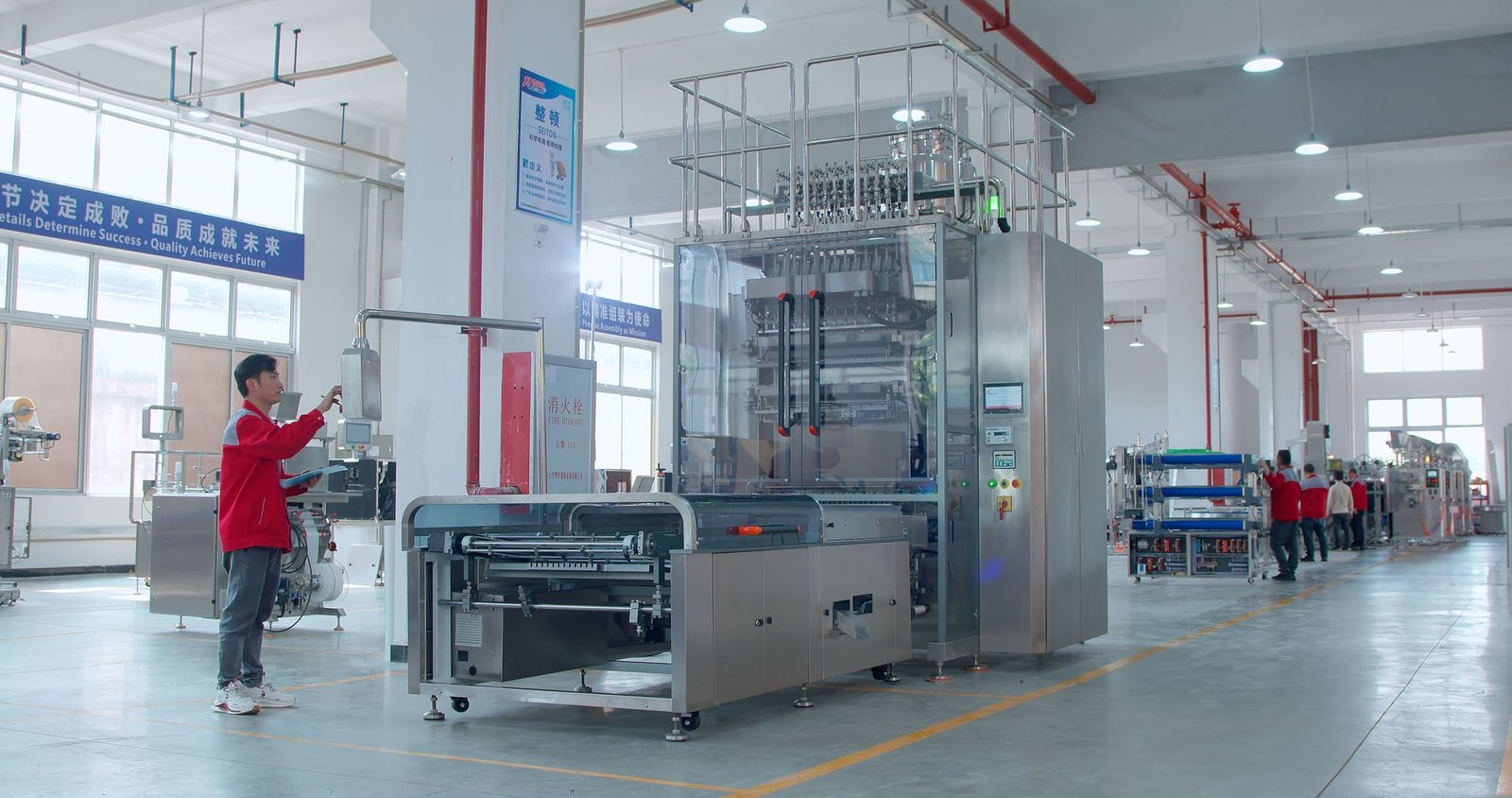
As an example of a comprehensive packaging machinery provider, Ludyway Machinery is a China-based manufacturer with more than 30 years of industry experience, a 20,000-square-meter manufacturing facility, and a portfolio of over 50 packaging machine models serving customers in more than 100 countries. The company provides both individual packaging machines and integrated turnkey packaging line solutions, with in-house engineering, customization capabilities, and global technical support throughout the project lifecycle. For the latest industry growth trends, you can review the Ludyway Packaging Machinery global growth trend report.
7. Plan for Integration and Future Scalability
A packaging machine rarely operates in isolation. It must integrate with upstream processes such as product feed systems, inspection equipment, and coding or marking devices, as well as downstream processes including cartoning, case packing, and palletizing.
Integration Considerations
- Upstream connectivity: How will product be fed to the packaging machine? Consider automated feeding systems, conveyors, and buffer storage to ensure consistent product supply.
- In-line quality control: Integration with checkweighers, metal detectors, X-ray inspection, and vision systems helps maintain quality standards without manual intervention.
- Coding and serialization: For pharmaceutical and regulated industries, ensure compatibility with serialization and track-and-trace requirements.
- Data connectivity: Modern packaging lines increasingly leverage industrial IoT capabilities for production monitoring, OEE tracking, and predictive maintenance.
Future-Proofing Your Investment
Consider whether the machine can accommodate future changes in your production requirements. Modular machine designs that allow for additional lanes, upgraded dosing systems, or format changes provide greater long-term flexibility than fixed-configuration equipment. As packaging technology continues to evolve, the PMMI business intelligence library offers valuable market research and state-of-the-industry reports that can help you stay informed about technology trends and investment benchmarks.
8. Key Questions to Ask Before Purchasing
Before making your final decision, use the following checklist to ensure you have addressed all critical evaluation points with each potential supplier.
| Evaluation Area | Key Questions |
|---|---|
| Performance | What is the demonstrated speed and efficiency with products similar to mine? Can the supplier provide references or trial data? |
| Customization | Can the machine be configured to my exact product and packaging requirements? What modifications are possible? |
| Quality assurance | What quality control processes are used during manufacturing? Are certifications and compliance documentation available? |
| Service and support | What is included in the warranty? How are spare parts supplied? What are the response times for technical support? |
| Installation | Is on-site installation and commissioning included? What training is provided for operators and maintenance staff? |
| Total cost | What is the complete cost breakdown including shipping, installation, training, and first-year spare parts? |
9. Making the Final Decision
After completing your technical evaluation and supplier assessment, weigh all factors together rather than focusing on any single criterion. The best packaging machine for your operation is the one that meets your product requirements, production targets, quality standards, and budget constraints while being supported by a reliable supplier with proven industry experience.
Remember that a packaging machine is a long-term production asset. The decision you make today will affect your operational efficiency, product quality, and competitiveness for years to come. Taking the time to conduct a thorough evaluation—considering product characteristics, machine technology, total cost of ownership, supplier capabilities, and future scalability—will help ensure you select equipment that delivers sustained value for your manufacturing operation.
For additional information on packaging machinery standards and market developments, the PMMI packaging industry resources and Flexible Packaging Association knowledge hub are excellent sources of technical and market intelligence that can support your decision-making process.