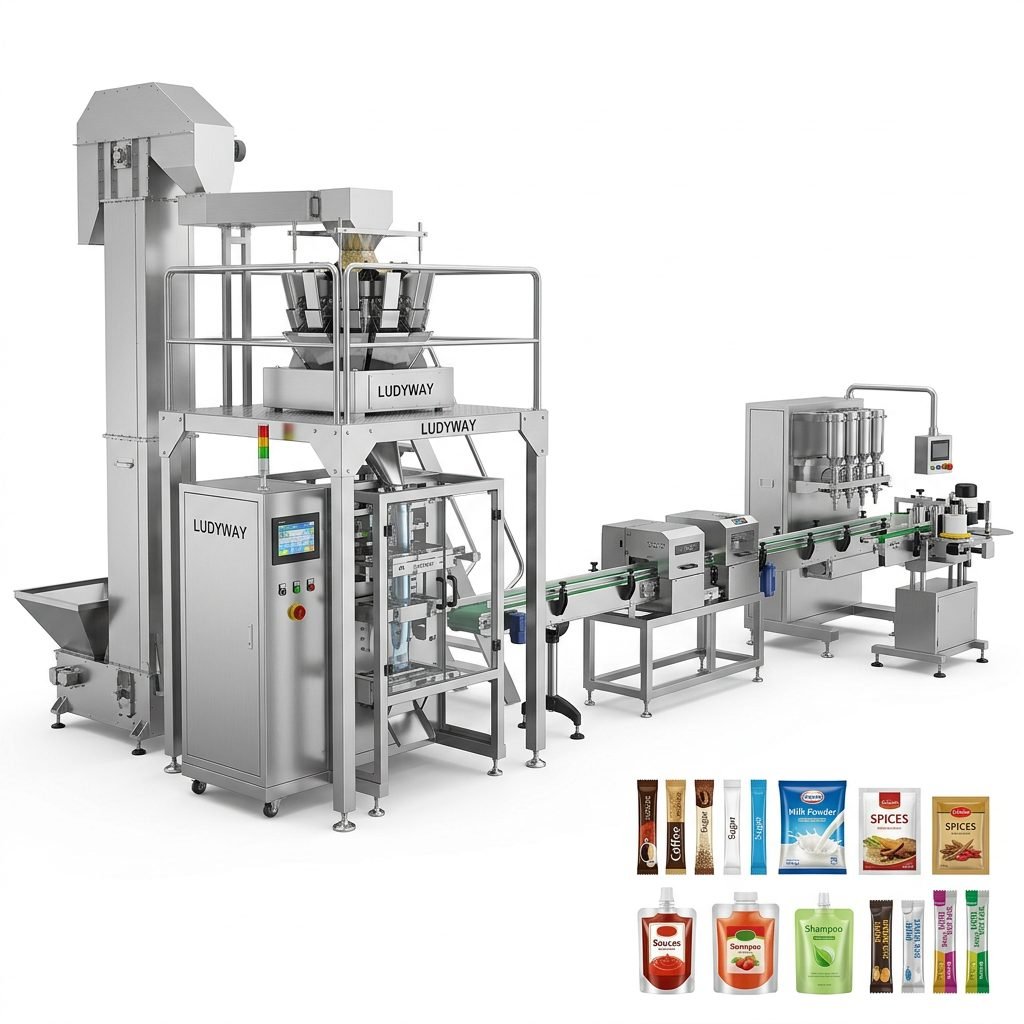
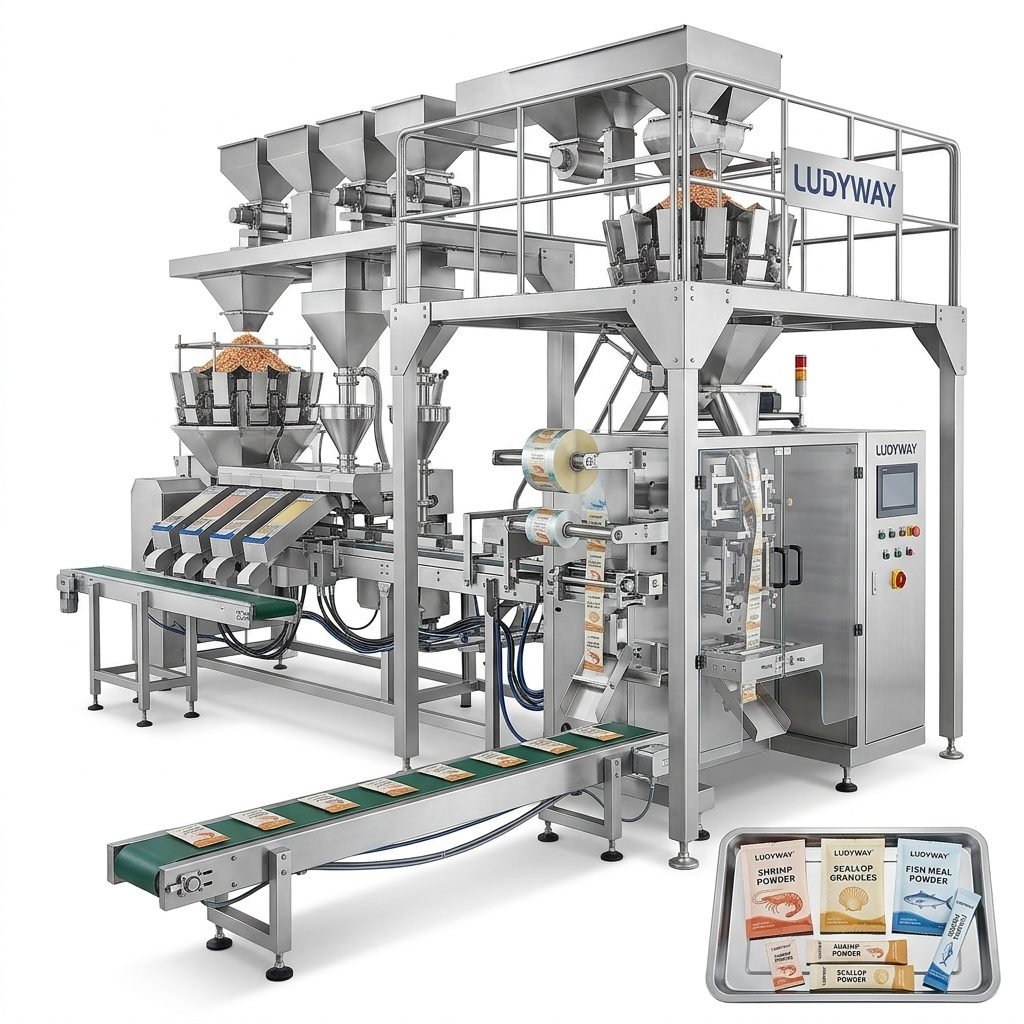
Investing in the right bakery packaging machine is one of the most critical decisions a food manufacturer can make. Whether you are packaging flour, bread mixes, cake premixes, cookies, or frozen dough, the equipment you choose directly affects product quality, shelf life, production efficiency, and long-term profitability. With dozens of machine types, configurations, and automation levels available, the selection process can quickly become overwhelming. This comprehensive guide walks you through every factor you need to evaluate — from production requirements and material compatibility to supplier qualification and total cost of ownership.
Understanding Your Production Requirements
Before comparing machine specifications, you need a clear picture of your current and future production needs. Skipping this step often leads to purchasing equipment that is either underpowered or unnecessarily complex. Start by answering these fundamental questions:
- What products are you packaging? Flour, granulated sugar, powdered mixes, whole grains, cookies, crackers, bread loaves, or frozen pastries each require different handling and filling mechanisms.
- What is your target output per hour or per shift? Production speed requirements will determine whether you need a single-lane, multi-lane, or fully automated high-speed system.
- What packaging format do you need? Stick packs, sachets, pillow pouches, stand-up pouches, gusseted bags, or bulk bags — the format affects machine type, tooling, and changeover complexity.
- What are your fill weight targets? Precision requirements vary significantly between small single-serve sachets (1-5g) and bulk bakery bags (1-25kg).
- How often will you change over between products or formats? Frequent changeovers demand quick-release tooling, recipe memory, and user-friendly controls.
According to the PMMI State of the Industry report, bakery and snack packaging continues to see strong growth driven by on-the-go consumption and single-serve formats. Understanding where your product fits within market trends helps future-proof your investment.
Types of Bakery Packaging Machines
Different bakery products demand different packaging technologies. Below is a comparison of the most common machine categories used in the bakery industry:
| Machine Type | Best For | Packaging Formats | Typical Speed Range |
|---|---|---|---|
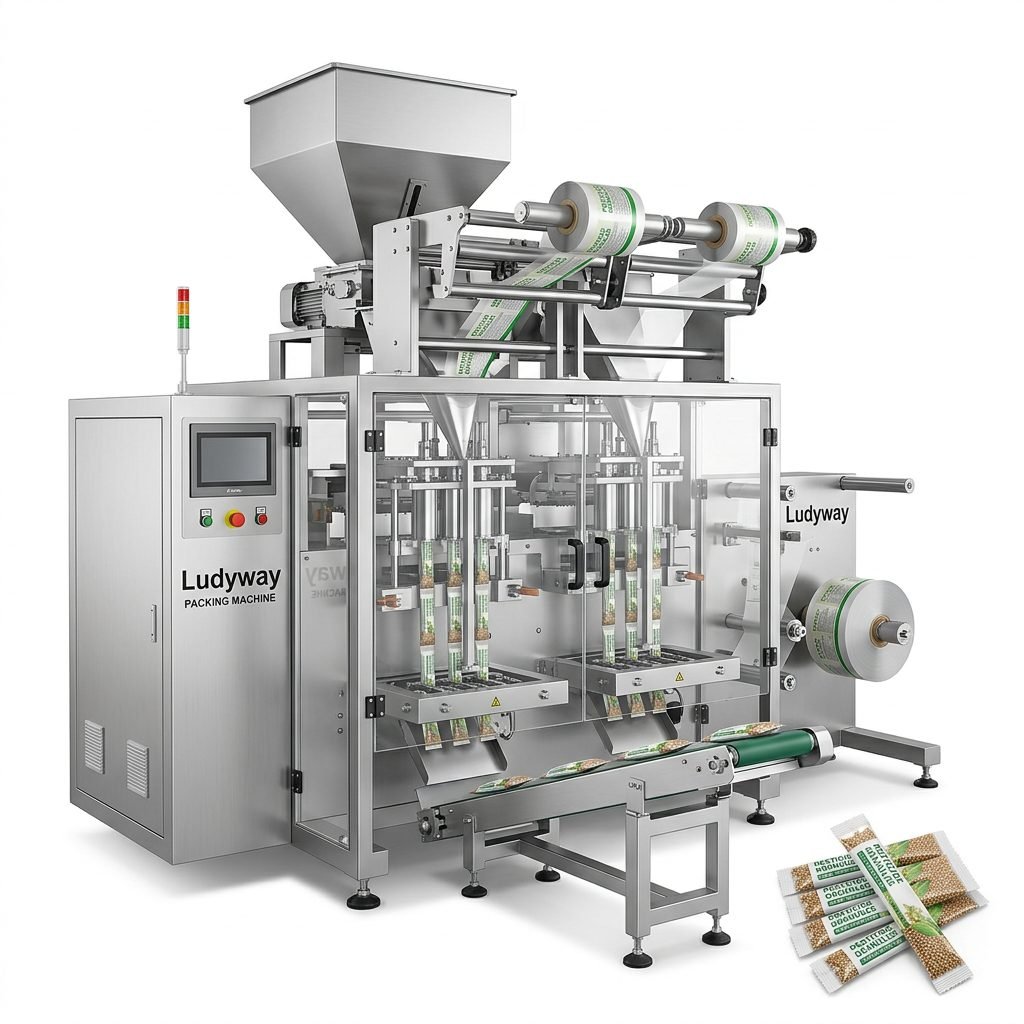
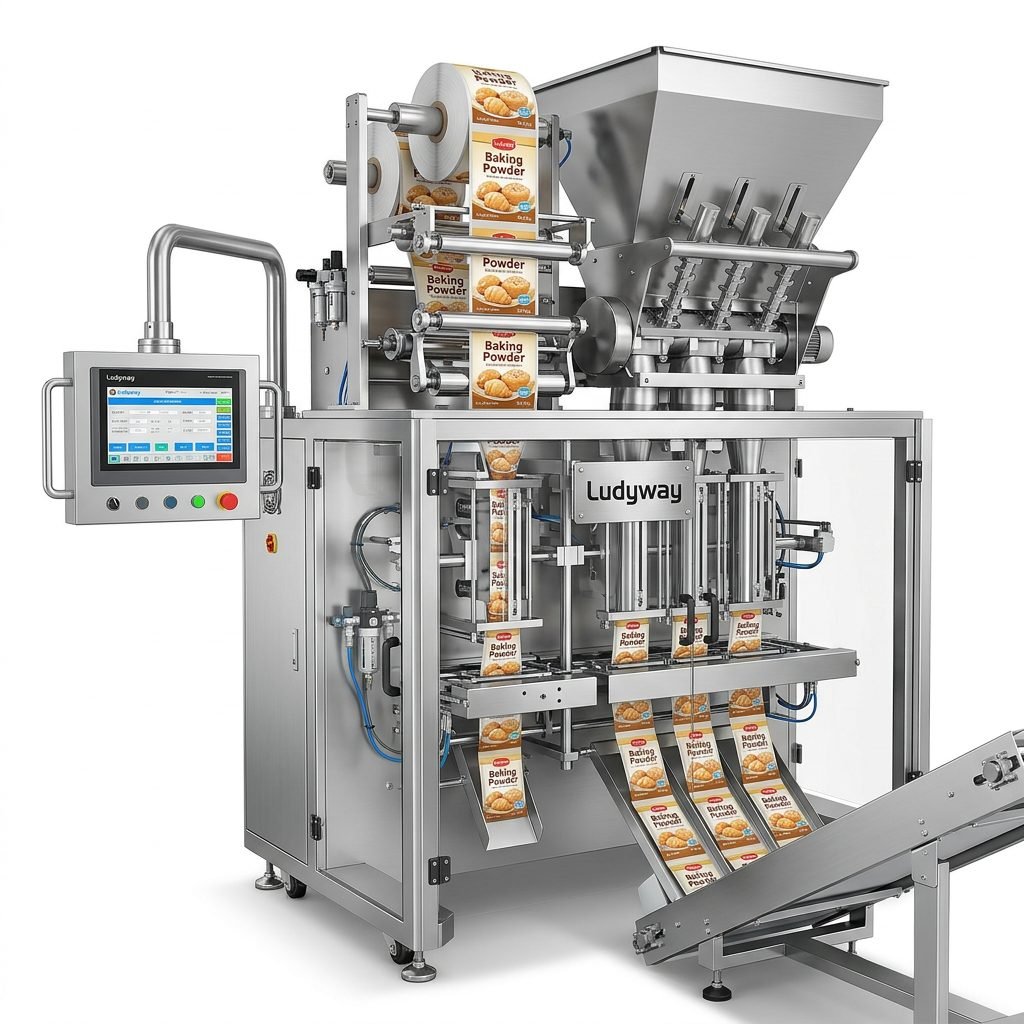
| Vertical Form Fill Seal (VFFS) | Flour, powdered mixes, granulated sugar, baking powder | Pillow pouches, gusseted bags, block-bottom bags | 30-120 bags/min (single lane); up to 600+ bags/min (multi-lane) |
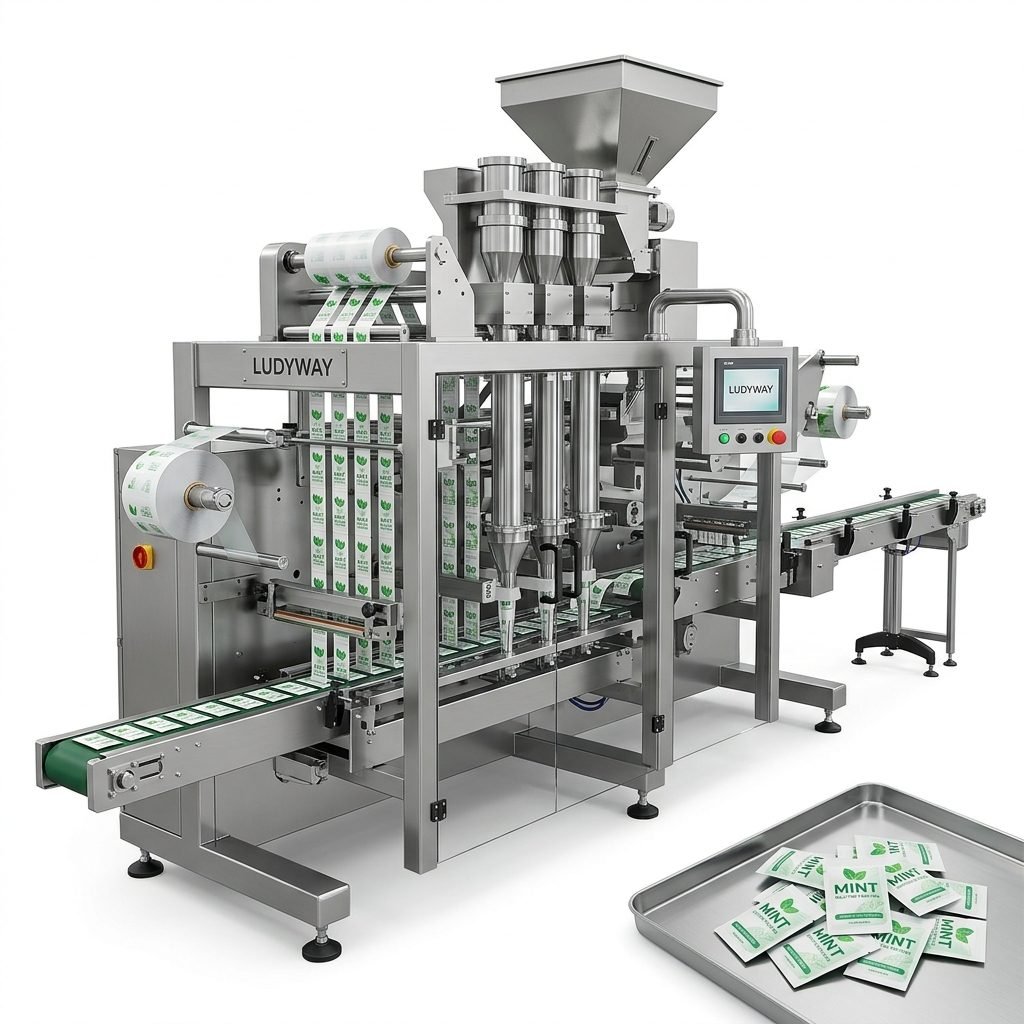
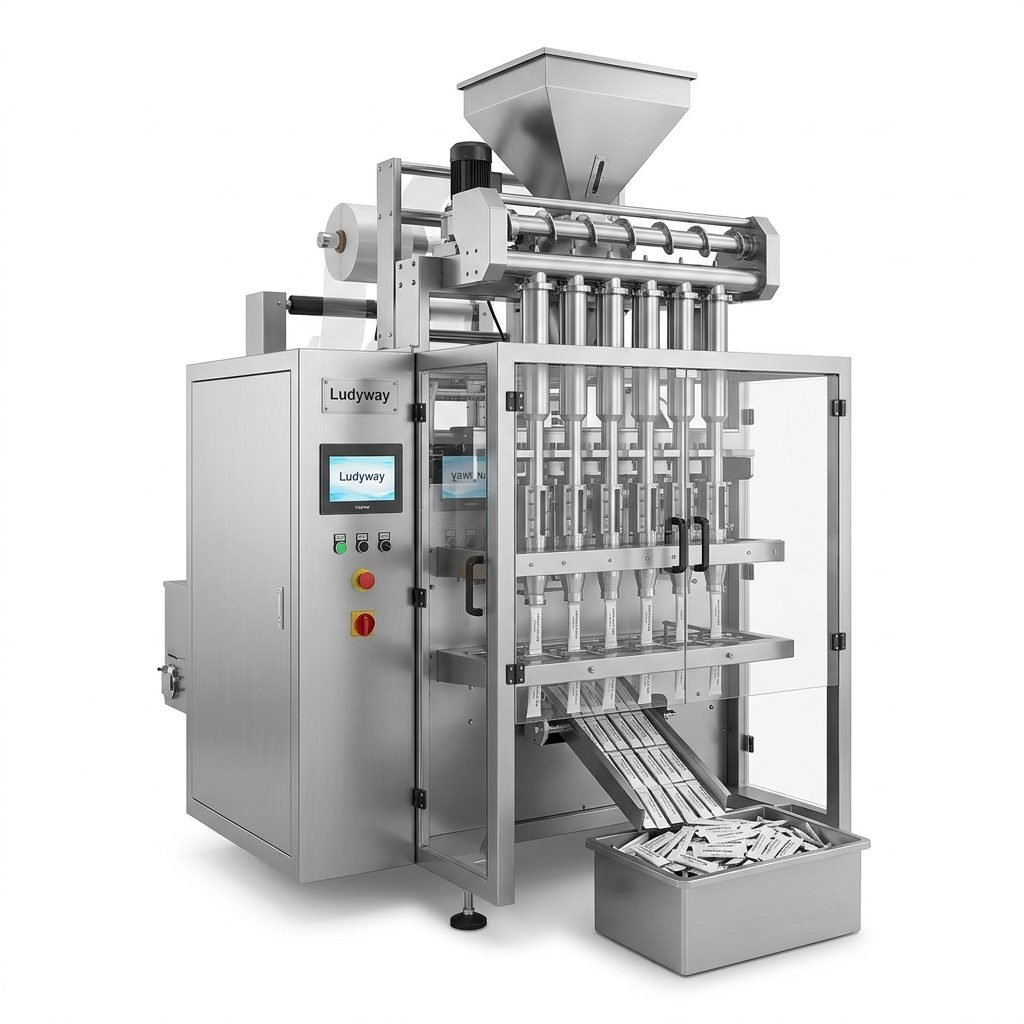
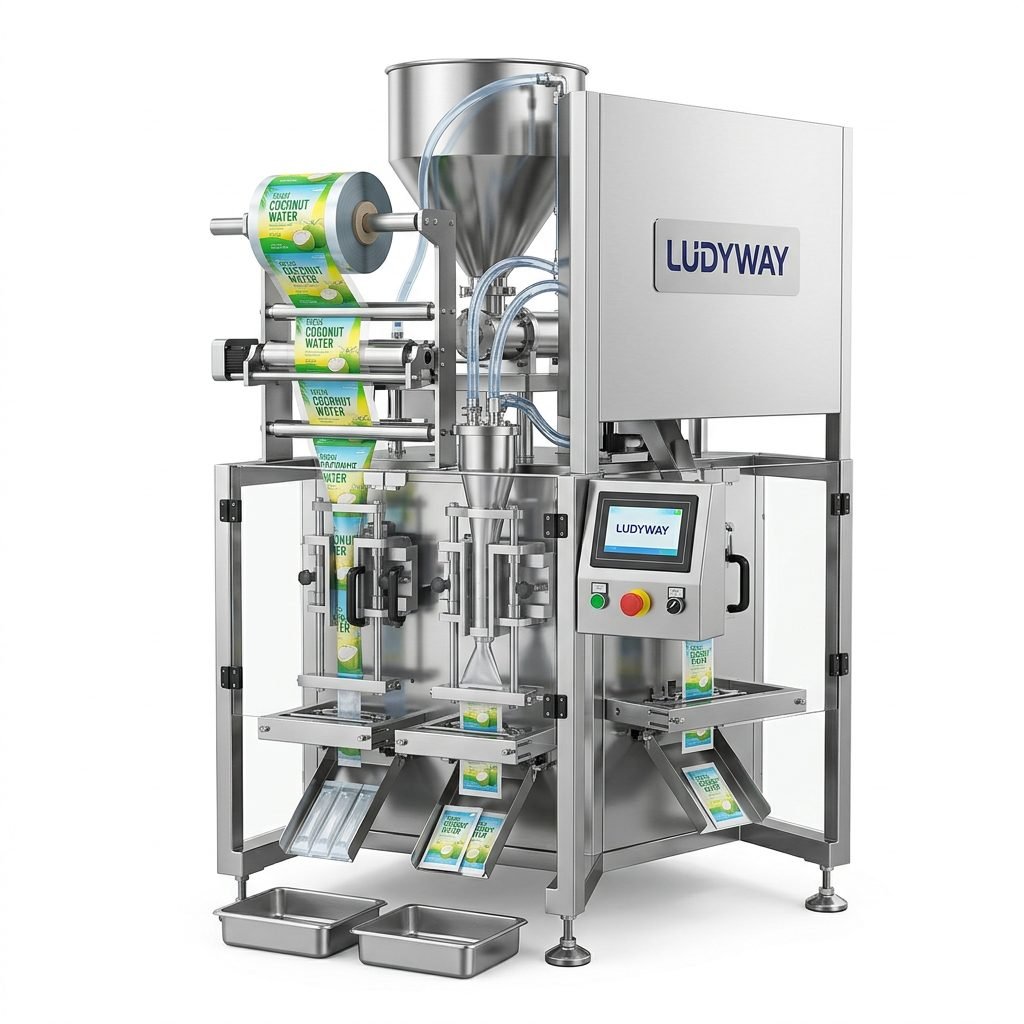
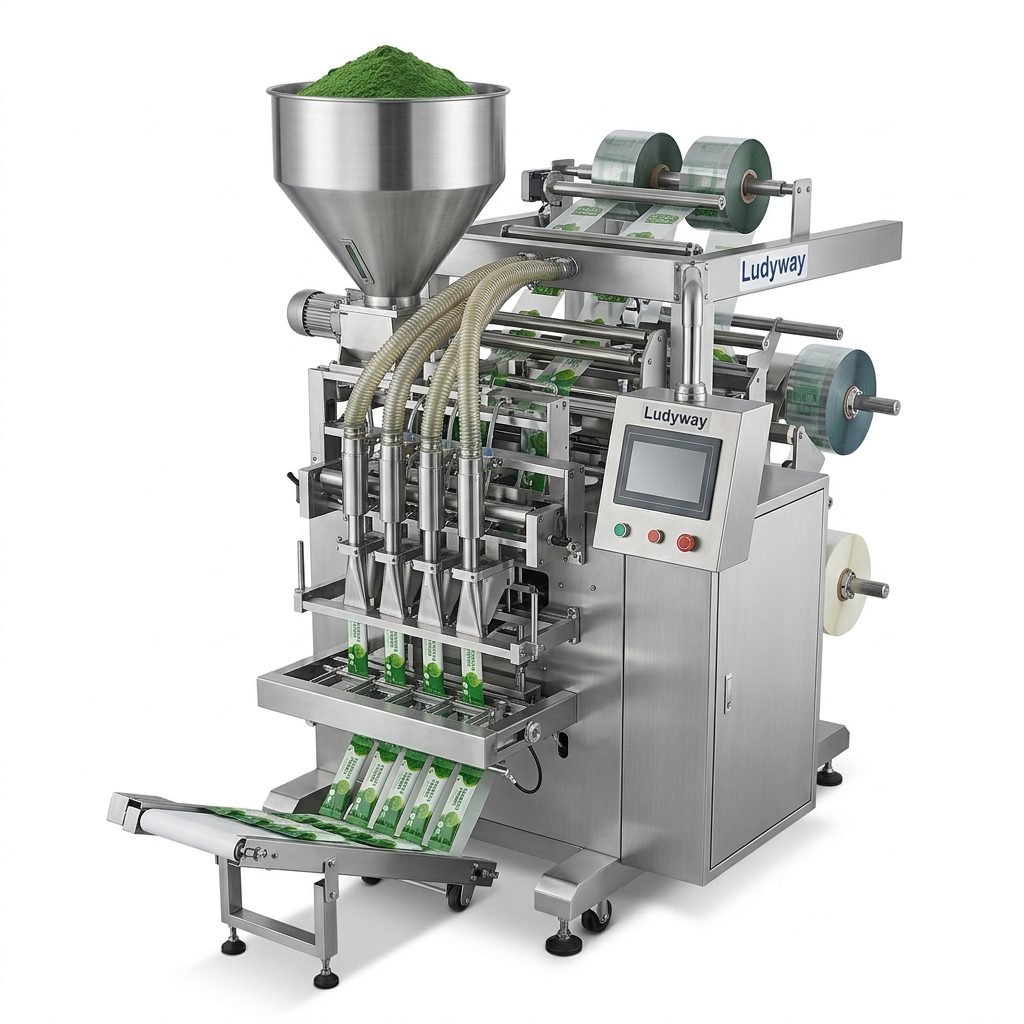
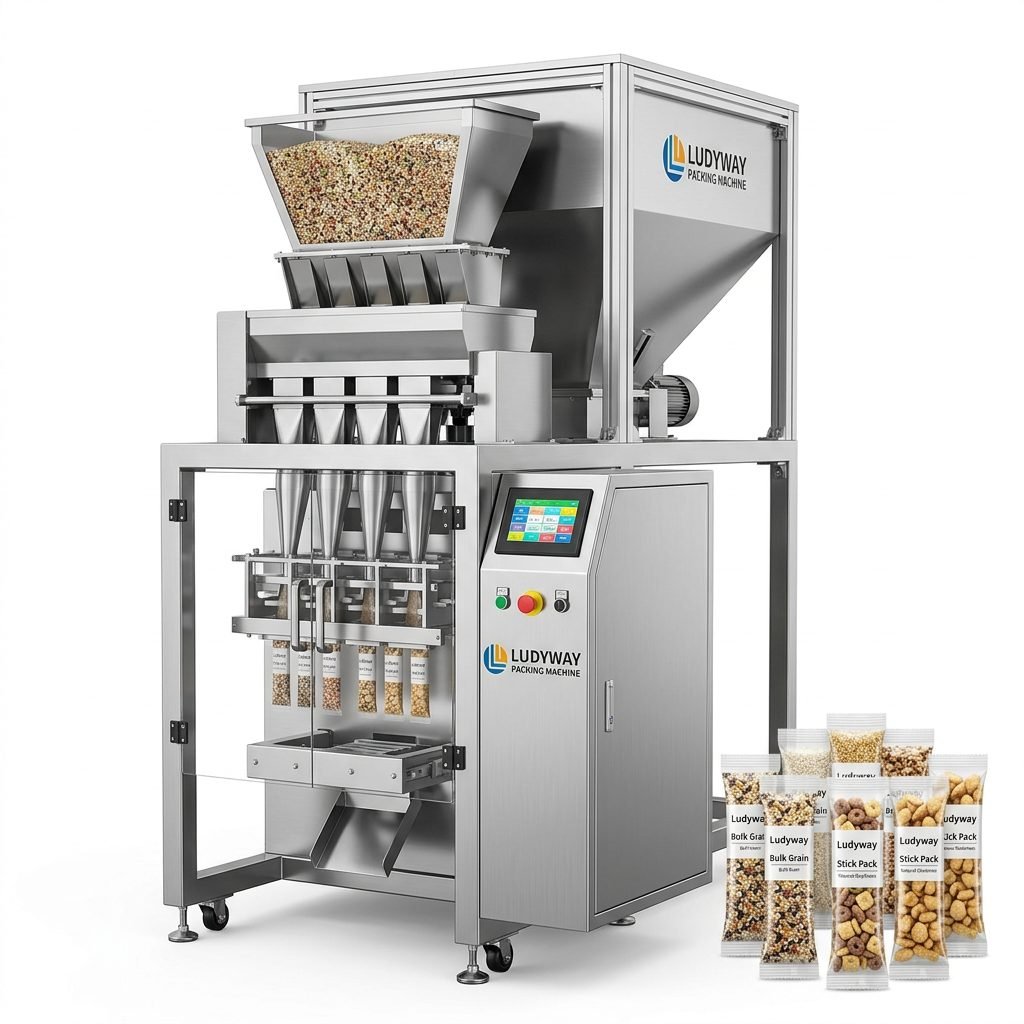
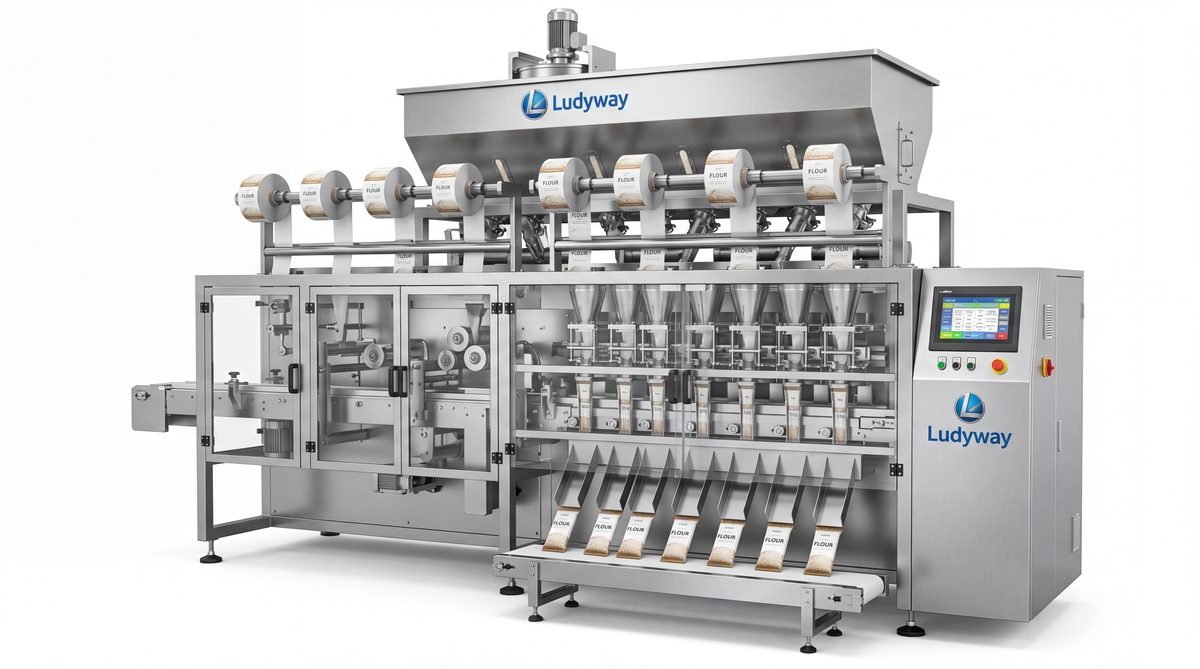
| Multi-Lane Stick Pack Machines | Single-serve sugar, instant coffee, creamer, seasoning mixes | Stick packs, sachets (4-16 lanes typical) | 200-800+ packs/min across all lanes |
| Horizontal Flow Wrappers | Cookies, crackers, bread loaves, pastries, bars | Pillow packs, fin-seal wraps, gusseted wraps | 60-300 packs/min |
| Premade Pouch Fill & Seal Machines | Premium bakery mixes, gluten-free flour, specialty products | Stand-up pouches, zipper pouches, spouted pouches | 20-80 pouches/min |
| Bulk Bagging & Weighing Systems | Industrial flour, bulk sugar, wholesale bakery ingredients | Open-mouth bags, valve bags (5-50kg) | 4-20 bags/min depending on fill weight |
As highlighted in the Flexible Packaging Association’s industry data, demand for stick packs and single-serve sachets in the bakery sector has grown substantially, driven by portion control trends and convenience-oriented consumers.
Key Technical Features to Evaluate
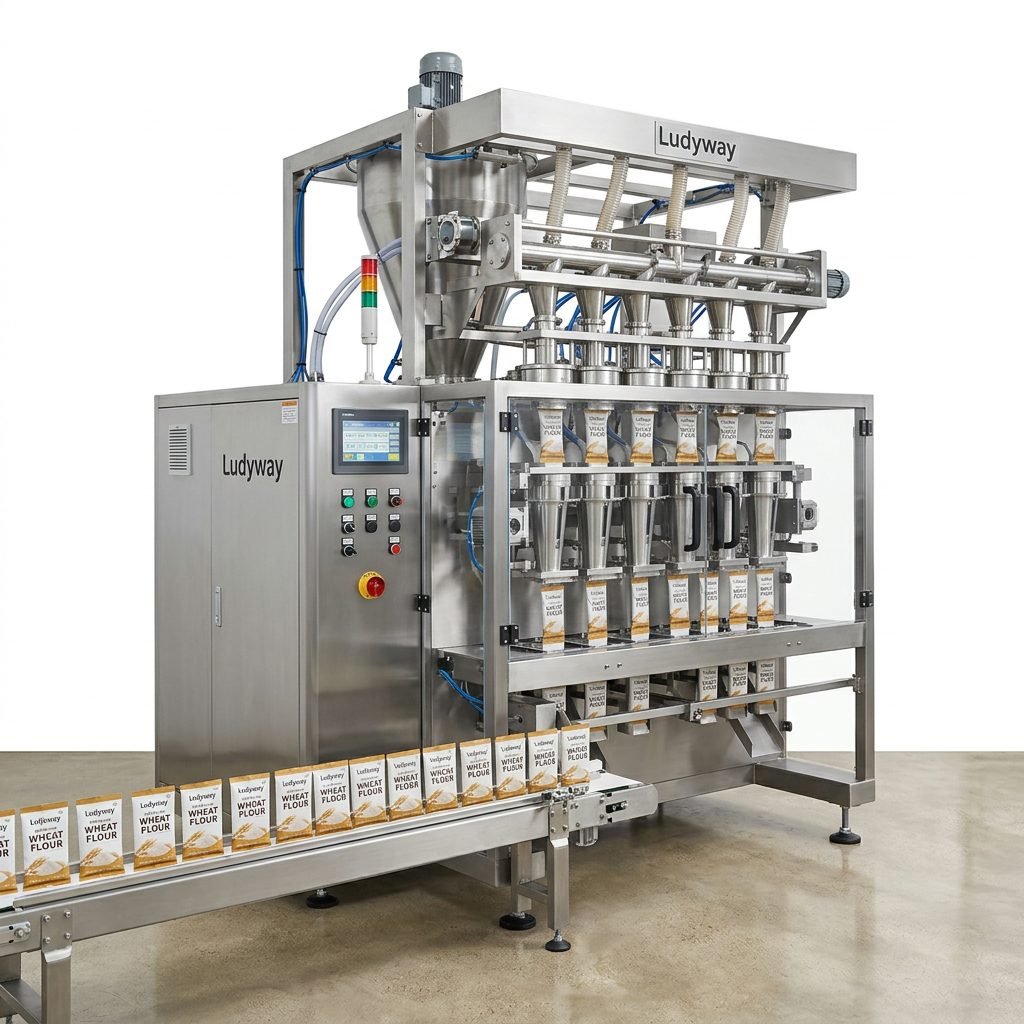
Once you have narrowed down the machine type, the next step is scrutinizing technical specifications and build quality. Not all machines in the same category are created equal. Here are the features that separate production-grade equipment from entry-level alternatives:
Filling and Dosing Accuracy
For bakery products like flour and powdered mixes, volumetric cup fillers, auger fillers, and multi-head weighers are common. Auger fillers provide excellent accuracy for fine powders (±0.5-1% depending on product characteristics), while multi-head weighers excel with granular and free-flowing products. If you are packaging high-value ingredients like specialty gluten-free flour blends or premium baking mixes, dosing accuracy directly impacts your product give-away costs — even a 1% overfill can translate into significant annual losses at scale.
Sealing System Integrity
The sealing mechanism is arguably the most critical component for bakery packaging. A weak or inconsistent seal leads to product spoilage, moisture ingress, and customer complaints. Look for machines with independent temperature-control zones, adjustable sealing pressure, and dwell time settings. For powder-heavy products like flour, dust extraction systems near the sealing area are essential to prevent contamination of the seal and ensure airtight closure. Machines equipped with gas-flushing or vacuum-sealing capabilities may be necessary for products requiring extended shelf life.
Material Handling and Feeding
Bakery powders and granules — especially fine flours — can be notoriously difficult to handle. They tend to bridge, cake, and generate dust. Your packaging machine should be compatible with appropriate feeding systems such as vibratory feeders, screw conveyors, or vacuum conveying systems that maintain consistent product flow without degradation. The PMMI packaging machinery standards provide useful benchmarks for evaluating material handling integration and safety compliance.
Control System and Automation Integration
Modern bakery packaging machines should feature PLC-based controls with touchscreen HMI interfaces. Key considerations include recipe storage for quick product changeovers, real-time production data tracking, and compatibility with upstream and downstream equipment such as checkweighers, metal detectors, and cartoning machines. Machines supporting Industry 4.0 connectivity protocols (Ethernet/IP, Modbus, OPC-UA) offer greater flexibility for integration into smart factory environments.
Material Compatibility and Packaging Sustainability
The packaging materials you use — or plan to use — should be a primary factor in machine selection. With increasing regulatory pressure around packaging waste, as outlined in the European Commission’s Packaging and Packaging Waste Regulation, many bakery manufacturers are transitioning toward recyclable mono-materials, bio-based films, and reduced-thickness laminates.
Not all packaging machines handle sustainable materials equally well. Thinner films may require more precise tension control and gentler handling to prevent tearing. Recyclable mono-material structures often have different heat-seal characteristics than traditional multi-layer laminates, necessitating machines with wider sealing temperature ranges and more sophisticated jaw designs. Verify that any machine you evaluate has been tested with the specific film structures you intend to use.
Evaluating Automation Levels: From Semi-Automatic to Fully Integrated Lines
The right level of automation depends on your labor costs, production volume, and consistency requirements. Here is a practical breakdown:
- Semi-Automatic Machines: Require manual product feeding and bag handling. Suitable for small bakeries, co-packers, and startups with lower throughput needs. Lower capital cost but higher per-unit labor cost.
- Automatic Standalone Machines: Automated filling, sealing, and discharge. Ideal for mid-sized manufacturers running 30-80 packs per minute. Moderate capital investment with good labor efficiency.
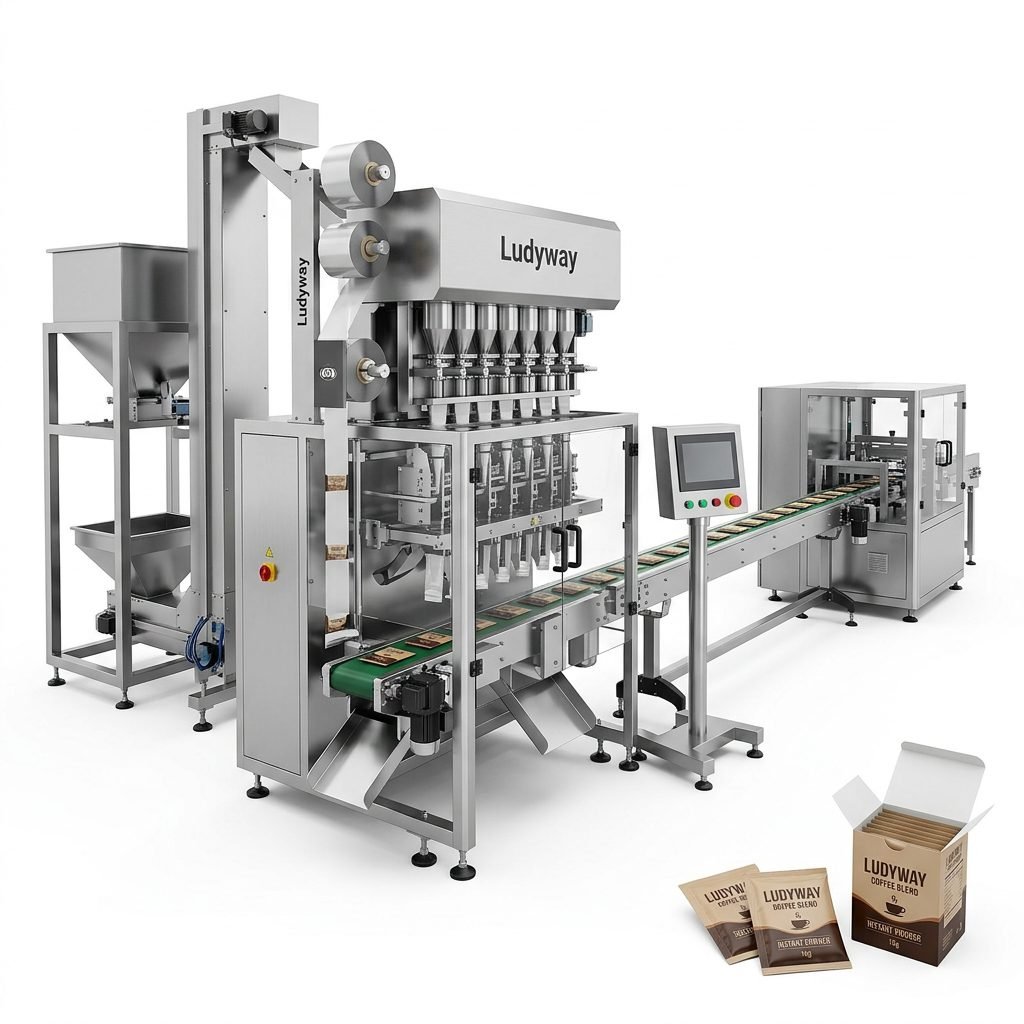
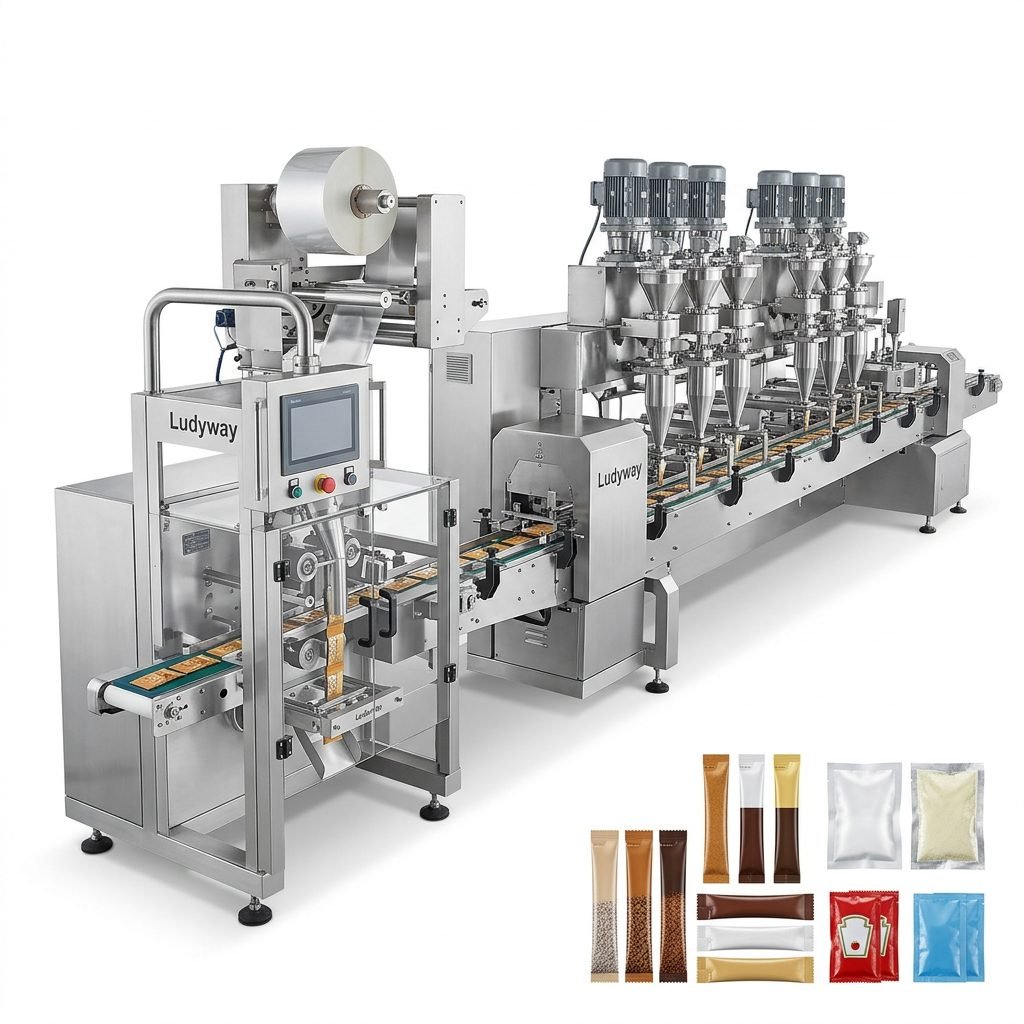
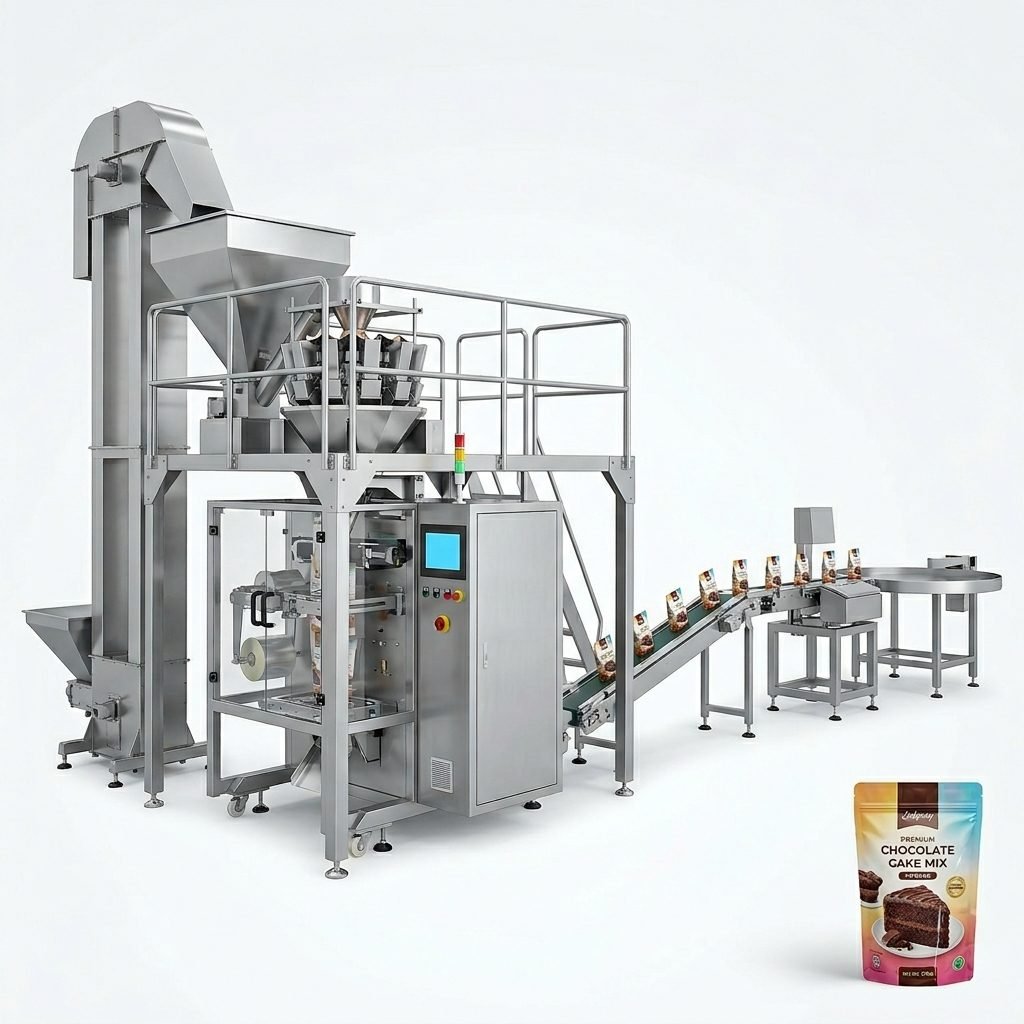
- Fully Integrated Packaging Lines: Combine filling, sealing, checkweighing, metal detection, coding, cartoning, and palletizing into one continuous system. Best for high-volume bakery operations producing 100+ packs per minute where consistency, traceability, and minimal downtime are critical.
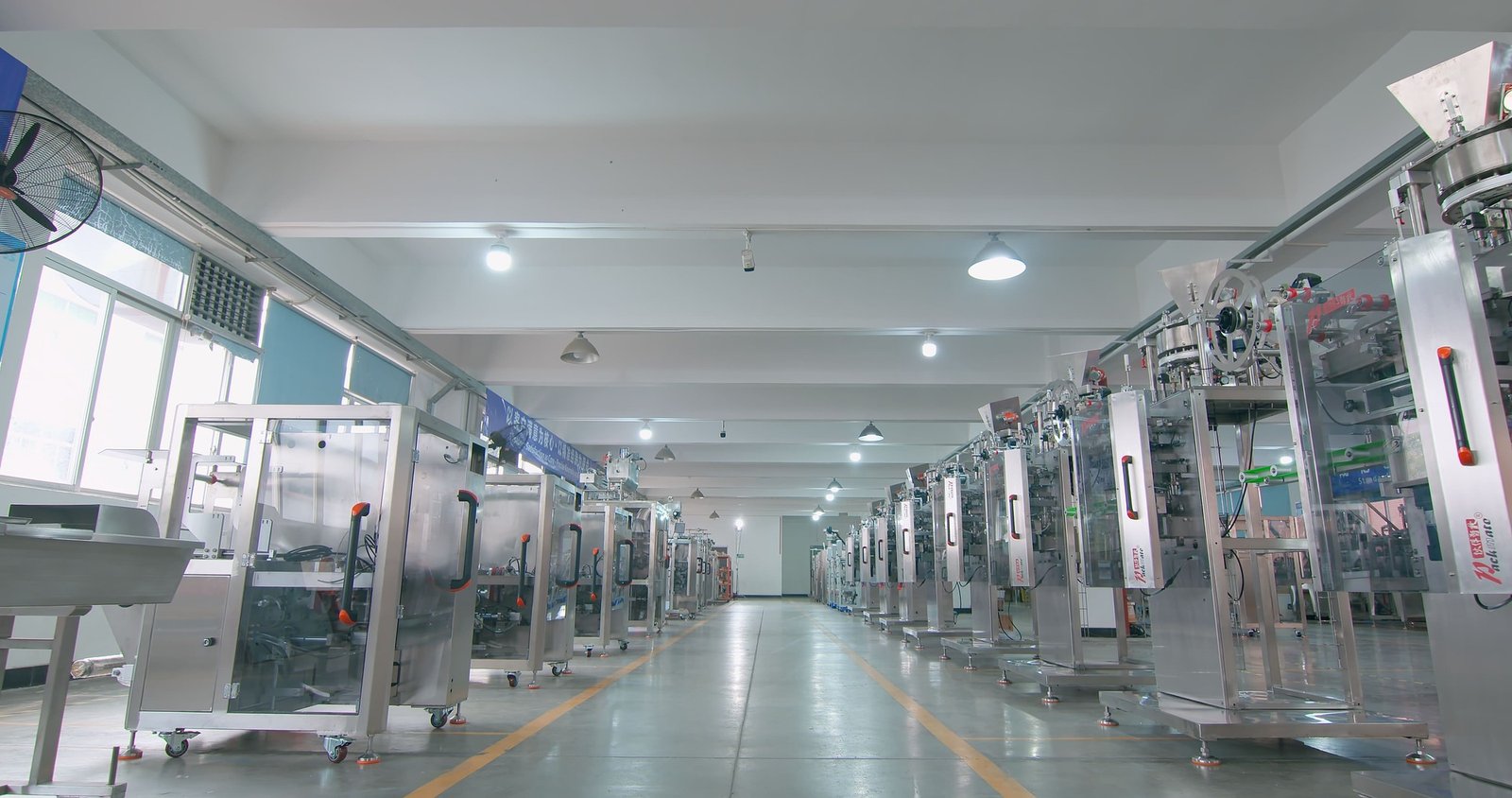
For manufacturers seeking a single partner for integrated systems, companies like Ludyway Machinery — a China-based packaging machinery manufacturer with more than 30 years of experience and a 20,000-square-meter facility — provide turnkey packaging solutions spanning individual machines to complete multi-stage production lines. This approach allows bakery producers to work with one supplier for equipment selection, integration, and after-sales support rather than coordinating multiple vendors.
Hygiene, Cleanability, and Regulatory Compliance
Bakery products — especially those containing flour, eggs, or dairy — are susceptible to allergen cross-contamination, pest infestation, and microbial growth. Your packaging machine must support rigorous sanitation protocols. Key design features to look for include:
- Stainless steel construction on all product-contact surfaces (304 or 316L grade)
- Tool-free disassembly for rapid cleaning and changeover
- Sloped surfaces to prevent product accumulation and facilitate washdown
- IP65 or higher protection rating for electrical components in washdown environments
- Sealed bearings and enclosed drives to prevent contamination ingress
If you export to markets requiring FDA food contact compliance or ISO packaging standards certification, confirm that the machine manufacturer can provide appropriate documentation and that the equipment design supports these requirements.
Total Cost of Ownership and ROI Calculation
The purchase price of a bakery packaging machine is only one component of its true cost. A comprehensive total cost of ownership (TCO) analysis should account for:
| Cost Category | Key Considerations | Typical Impact on TCO |
|---|---|---|
| Initial Capital | Machine price, shipping, installation, commissioning | 40-55% of 5-year TCO |
| Spare Parts | Sealing jaws, belts, sensors, wear components | 10-15% of TCO |
| Consumables | Packaging film waste, lubricants, cleaning agents | 8-12% of TCO |
| Labor | Operator, maintenance technician hours | 15-25% of TCO |
| Downtime | Lost production, emergency repairs, delayed orders | 5-10% of TCO (often underestimated) |
| Energy | Electricity, compressed air consumption | 2-5% of TCO |
A machine with a higher upfront cost but superior reliability, faster changeover times, and lower film waste can deliver significantly better ROI over a five-year period. When evaluating proposals, request detailed breakdowns of expected spare parts consumption, maintenance schedules, and typical downtime statistics for similar installations.
Supplier Qualification: What to Look For Beyond the Specification Sheet
Choosing the right packaging machine supplier is as important as choosing the right machine. A thorough supplier evaluation should cover:
- Industry Experience: How many years has the supplier been manufacturing bakery packaging equipment? Do they have reference installations in your specific product category?
- Manufacturing Capability: In-house manufacturing of critical components often indicates better quality control and faster lead times for custom parts. Suppliers with dedicated engineering teams can provide more responsive customization.
- After-Sales Support: What are their service response times? Do they offer remote diagnostics, on-site training, and readily available spare parts? A supplier with a growing global footprint can be a strong indicator of reliable international support infrastructure.
- Customization Approach: Bakery products vary widely in density, flow characteristics, and particle size. A supplier that offers engineered-to-order solutions rather than only standardized machines can better match your specific product requirements.
Questions to Ask Before Making Your Final Decision
Before signing a purchase order, make sure you have answers to these critical questions:
- Has the machine been tested with my specific product and packaging material? Request a factory acceptance test (FAT) with your actual product whenever possible.
- What is the expected lifespan of key wear components such as sealing jaws, belts, and filling augers?
- What is the guaranteed production output under continuous operation, not just peak speed?
- How long does a complete format changeover take, and does it require specialized tools or technician support?
- What remote support and diagnostic capabilities are built into the machine?
- Is there a local service partner or distributor in my region, or does support come directly from the factory?
- What certifications and compliance documentation are included for my target markets?
The packaging machinery market continues to evolve, with the PACK EXPO International and other major trade shows serving as important venues for evaluating the latest technology. Attending these events — or requesting virtual demonstrations — can provide valuable hands-on insight before committing to a major capital investment.
Final Thoughts
Selecting the right bakery packaging machine is a strategic decision that extends far beyond comparing technical specifications. It requires a holistic evaluation of your product characteristics, production goals, packaging material strategy, hygiene requirements, automation roadmap, and the long-term partnership potential of your equipment supplier.
By thoroughly assessing each of the factors outlined in this guide — from filling accuracy and seal integrity to TCO and after-sales support — you can make a confident, well-informed decision that supports your bakery business for years to come. The right machine not only packages your product efficiently; it protects your brand reputation, reduces operational risk, and positions your production line for scalable growth.