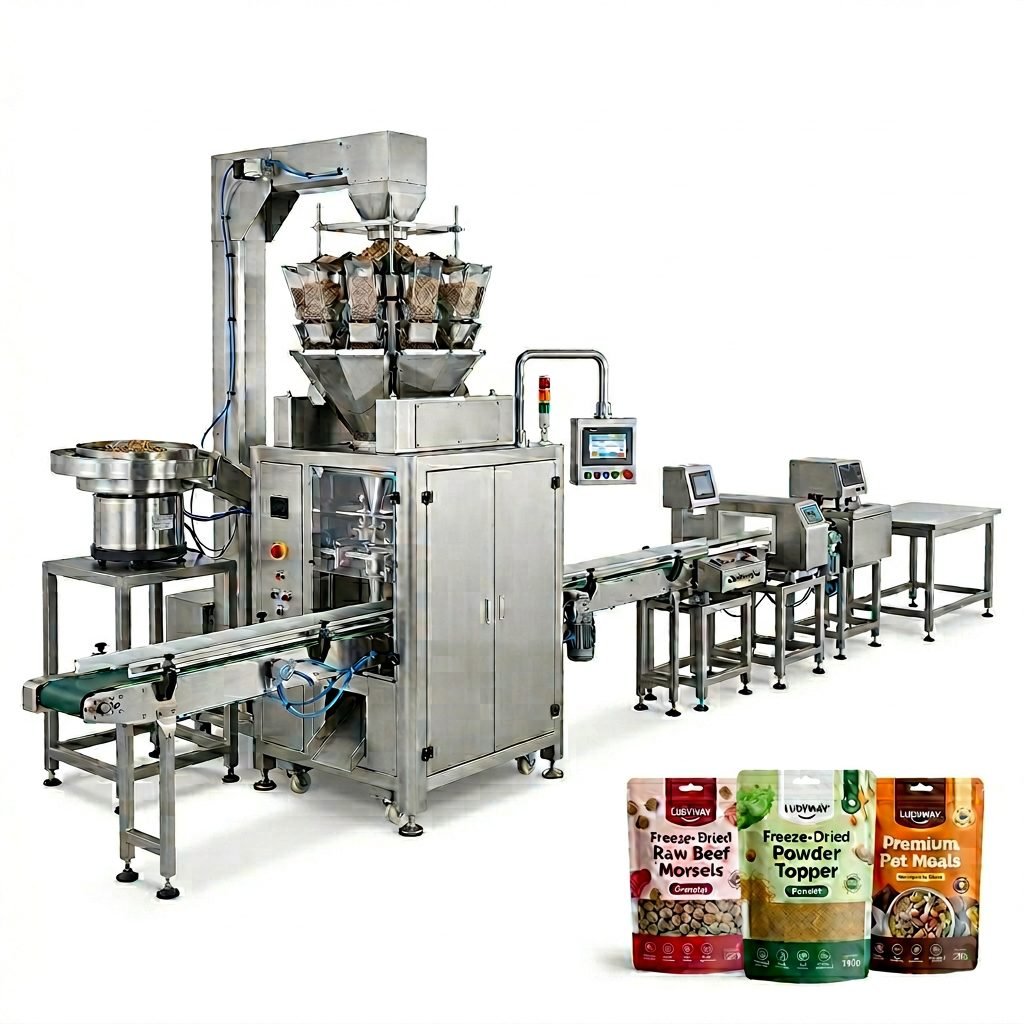
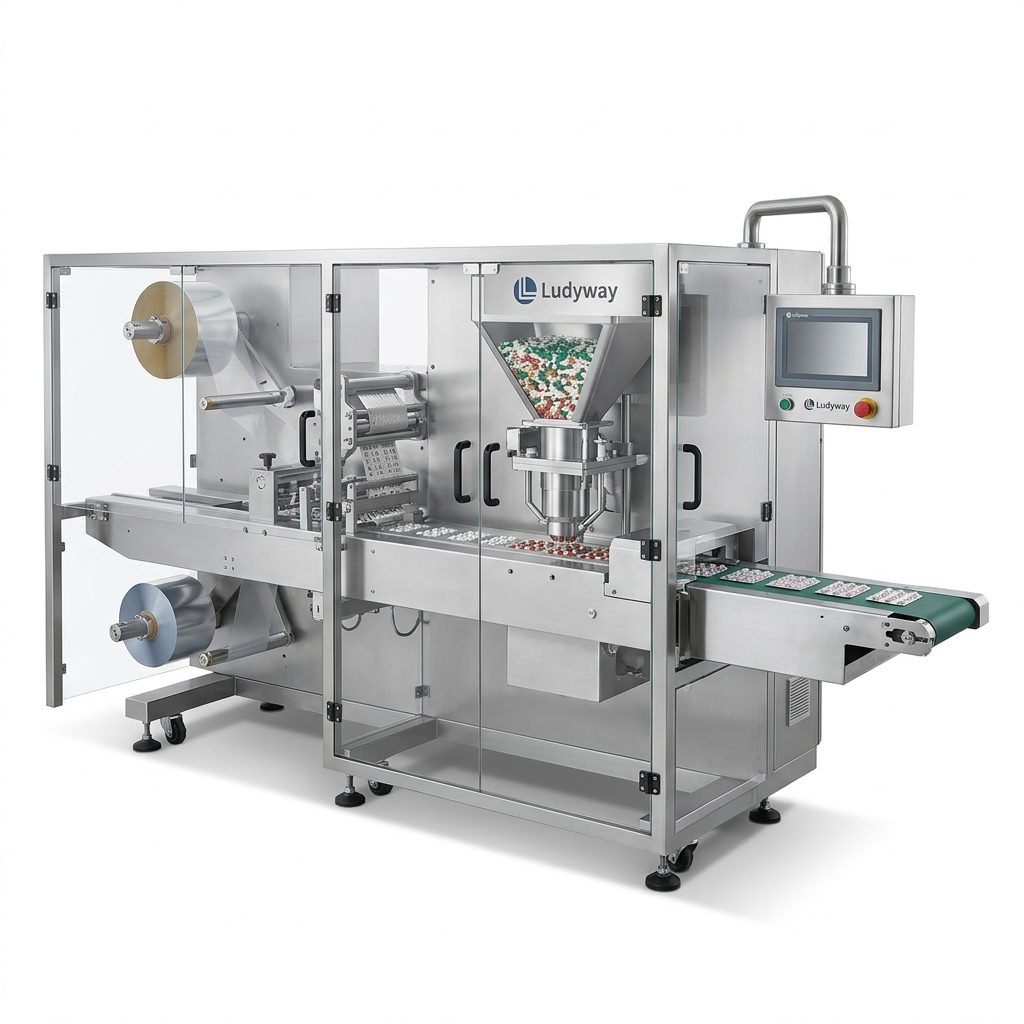
Investing in the right frozen food packaging machine is one of the most critical decisions a food manufacturer can make. Frozen products present unique challenges — from temperature extremes and moisture control to seal integrity and material compatibility. Selecting the wrong equipment can lead to packaging failures, product waste, and compromised food safety. This comprehensive buyer’s guide walks you through every factor you need to evaluate before purchasing a frozen food packaging solution.
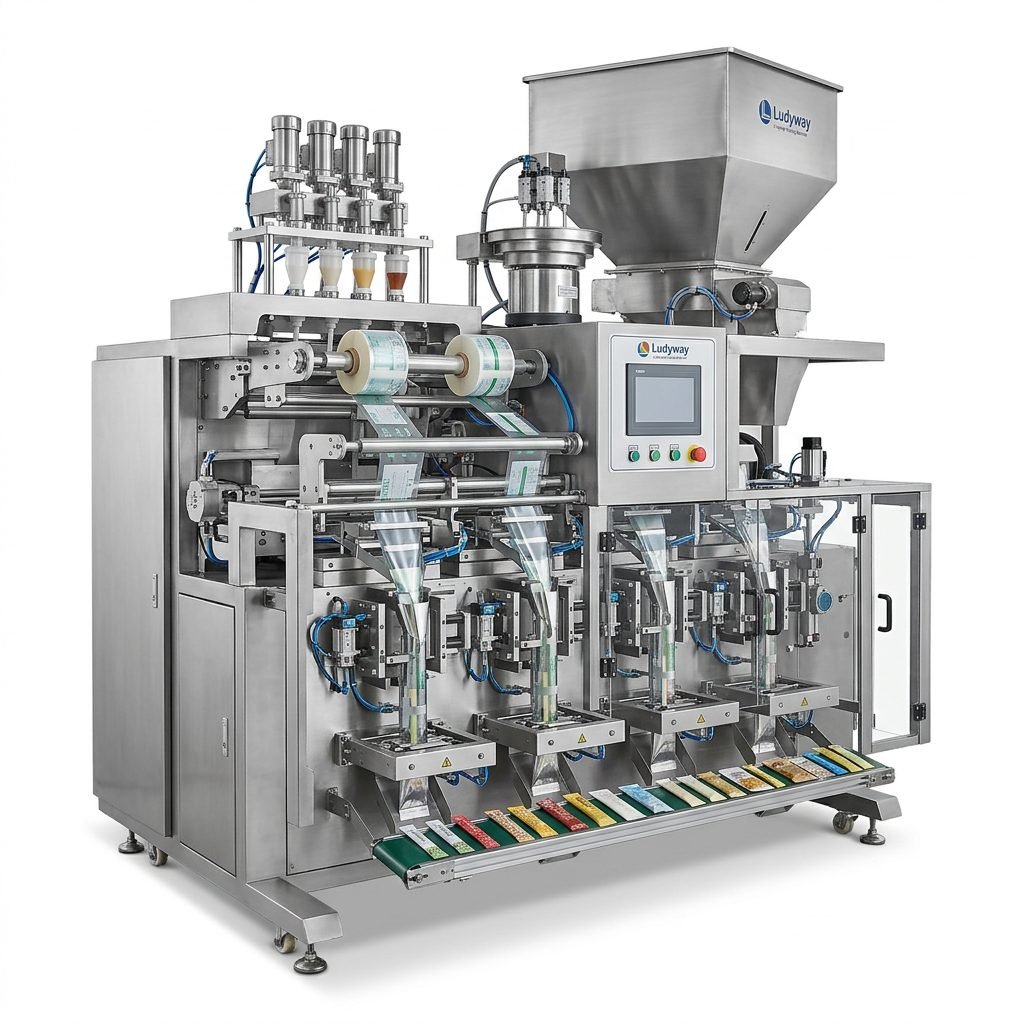
Understanding the Unique Demands of Frozen Food Packaging
Frozen food packaging is fundamentally different from ambient or chilled packaging. The machinery must operate reliably in cold environments, handle materials that become brittle at low temperatures, and maintain hermetic seals that withstand freezing, storage, and transportation. Key challenges include:
- Temperature resilience — Equipment components must function consistently in sub-zero environments without lubrication failures or material contraction issues.
- Moisture and ice crystal formation — Packaging must prevent freezer burn and moisture migration that degrades product quality.
- Seal integrity under thermal stress — Seals that hold at room temperature may fail after freezing and thawing cycles.
- Material flexibility at low temperatures — Films and laminates can become brittle, requiring specialized material handling systems.
- Condensation management — Rapid temperature changes during packaging can cause condensation that compromises seal quality.
According to industry research from the PMMI Business Intelligence Library, the frozen food packaging sector continues to grow, driven by consumer demand for convenience foods and improved freezing technologies. This makes choosing the right frozen food packaging equipment more important than ever.
Key Factors to Consider When Choosing a Frozen Food Packaging Machine
1. Product Characteristics and Packaging Format
Your product’s physical properties directly determine the appropriate machine configuration. Consider:
- Product state: Is your product solid, granular, powdered, liquid, or a combination? IQF (Individually Quick Frozen) vegetables require different handling than frozen meat portions or liquid-based frozen foods.
- Packaging format: Common formats include pillow bags, gusseted bags, stand-up pouches, stick packs, sachets, and bulk bags. The Flexible Packaging Association provides extensive data on format trends and material innovations.
- Portion sizes: Single-serve frozen meals demand different filling systems compared to family-size or bulk institutional packs.
- Production volume: Your required output rate (packages per minute) will influence whether you need a single-lane, multi-lane, or high-speed rotary system.
2. Machine Type and Configuration
Different machine types suit different frozen food applications. The table below compares the most common configurations:
| Machine Type | Best For | Key Advantages | Typical Speed Range |
|---|---|---|---|
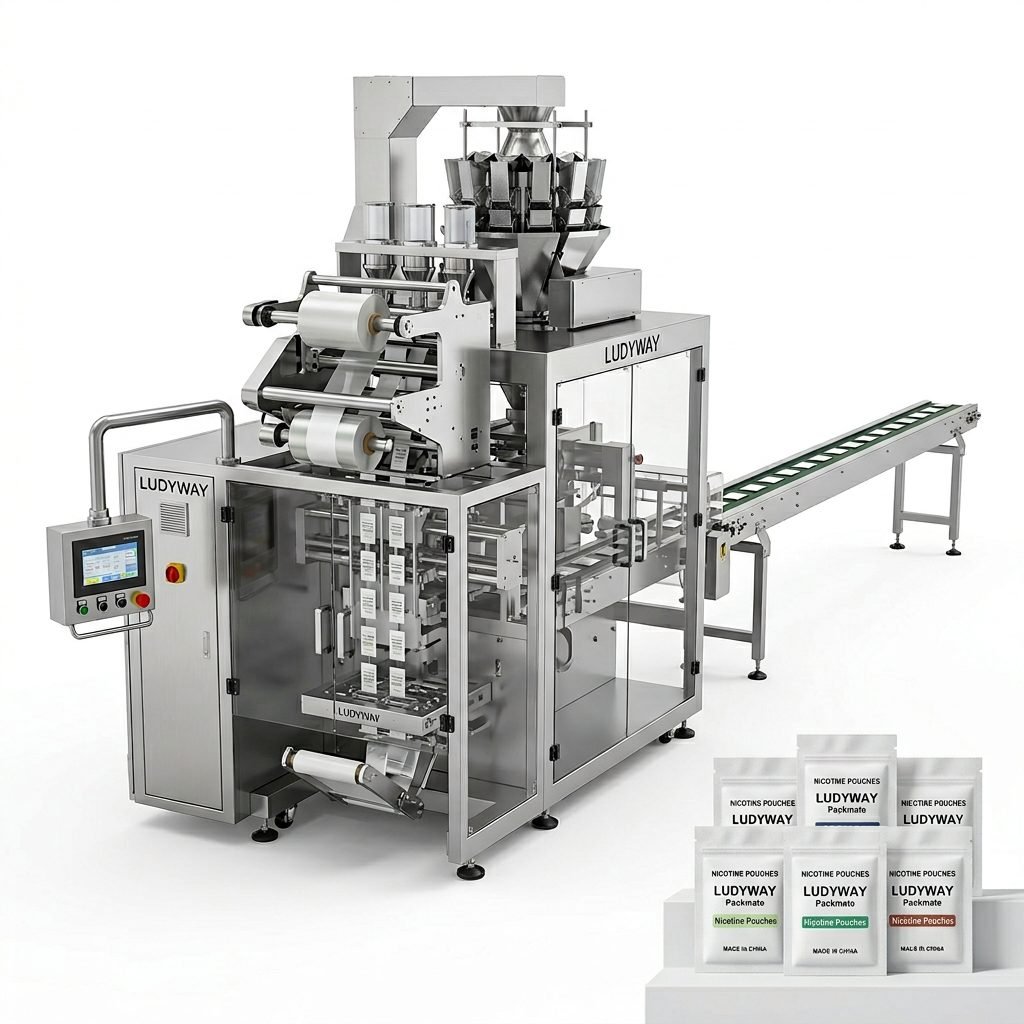
| Vertical Form Fill Seal (VFFS) | IQF vegetables, frozen fruits, bulk frozen items | Versatile, cost-effective, wide bag format range | 30-120 packs/min |
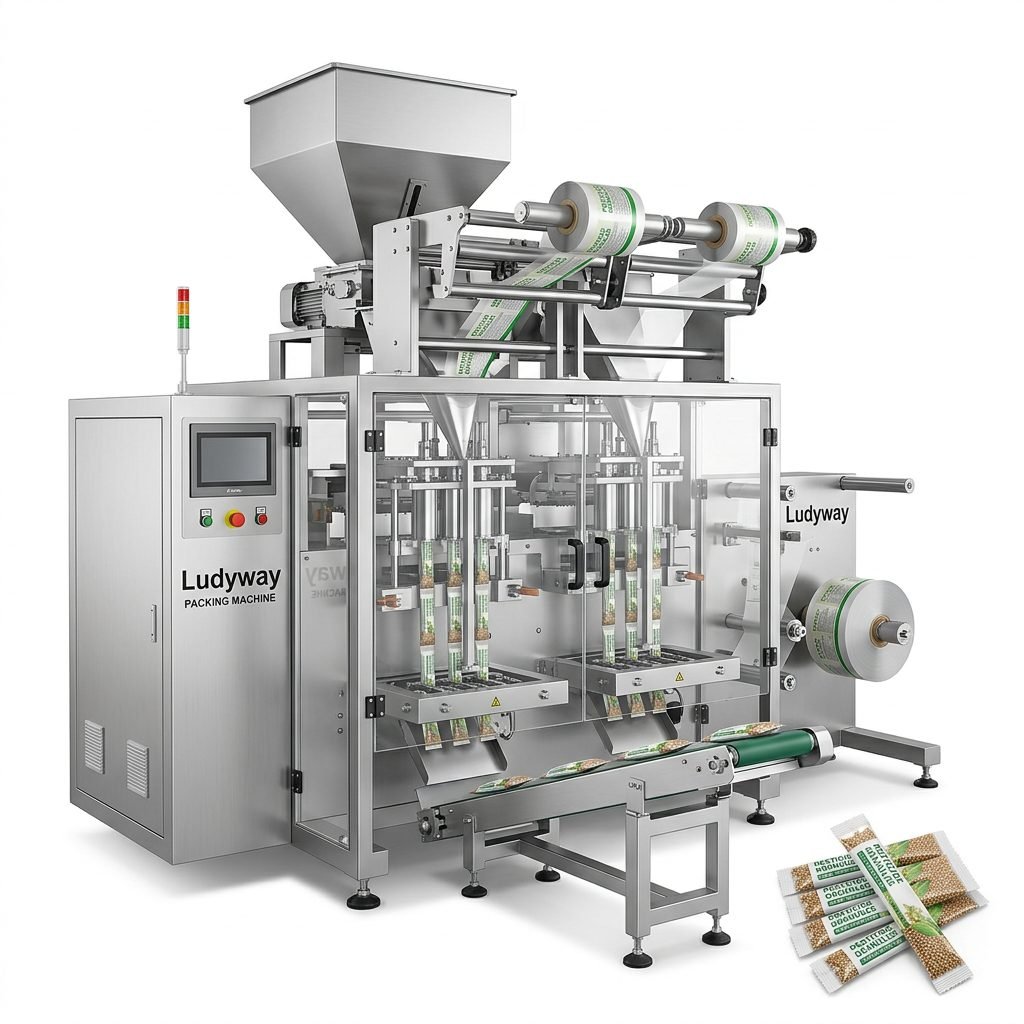
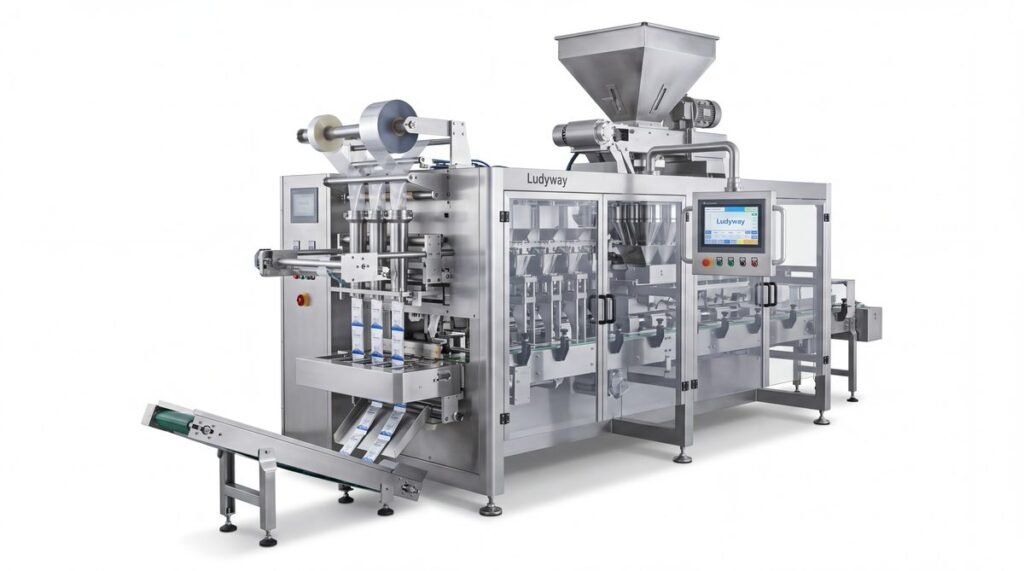
| Multi-Lane Stick Pack / Sachet | Frozen sauces, concentrates, single-serve portions | High output, precise portion control, compact footprint | 200-800+ packs/min |
| Horizontal Form Fill Seal (HFFS) | Frozen burgers, patties, baked goods, pizzas | Gentle product handling, suitable for flat products | 40-150 packs/min |
| Pre-Made Pouch Filling & Sealing | Premium frozen meals, stand-up pouches, retort applications | Superior seal quality, premium appearance, flexible formats | 20-80 packs/min |
| Bulk Bag Filling Systems | Institutional frozen products, industrial ingredients | High capacity, durable construction, accurate weighing | 5-30 bags/min |
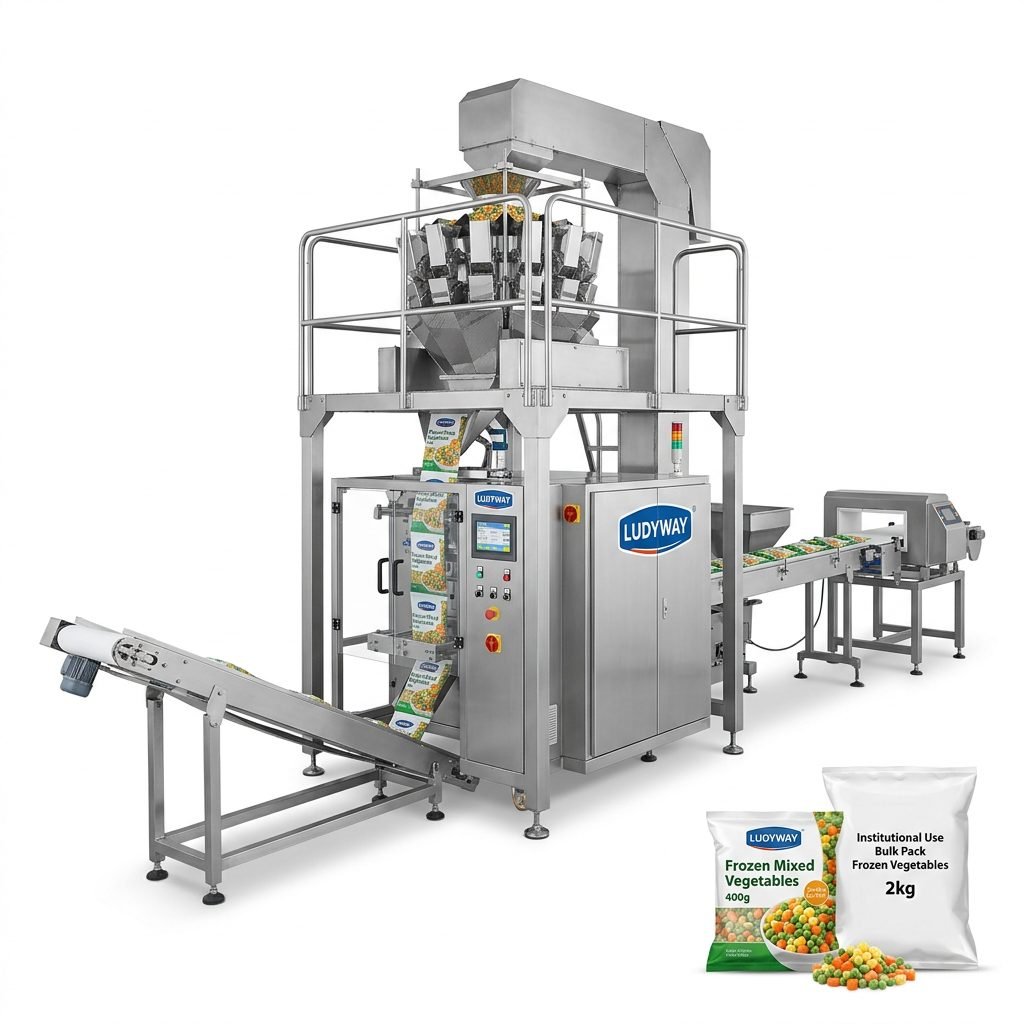
3. Seal Integrity and Packaging Material Compatibility
For frozen foods, seal integrity is non-negotiable. A compromised seal leads to freezer burn, contamination, and product returns. When evaluating machines, pay close attention to:
- Sealing technology: Heat sealing, ultrasonic sealing, and impulse sealing each have different performance characteristics with frozen-grade films. Multi-layer laminates with polyethylene sealing layers are common in frozen applications.
- Seal bar design: Serrated, flat, or patterned seal bars affect seal strength and appearance. Machines should offer adjustable temperature, pressure, and dwell time controls.
- Film handling in cold environments: The machine’s unwinding and tension control systems must accommodate films that stiffen at low temperatures without wrinkling or misalignment.
- Gas flushing capability: For oxygen-sensitive frozen products, modified atmosphere packaging (MAP) with nitrogen or CO₂ flushing may be required to extend shelf life.
Consult the FDA Packaging and Food Contact Substances guidelines to ensure all packaging materials in contact with frozen food meet regulatory standards for your target markets.
4. Hygiene, Cleanability, and Food Safety Compliance
Frozen food packaging equipment must meet stringent hygiene standards to prevent microbial contamination. Even though freezing inhibits bacterial growth, any contamination present before freezing remains in the product. Key hygiene considerations include:
- Stainless steel construction: Food-contact surfaces and machine frames should use 304 or 316L stainless steel for corrosion resistance and cleanability.
- Washdown capability: Depending on your cleaning protocols, you may need IP65 or IP66-rated machines that withstand pressure washing.
- Tool-free disassembly: Quick-release components reduce cleaning downtime and ensure thorough sanitation.
- Sloped surfaces and drainage: Design features that prevent water pooling and facilitate complete drainage.
- HACCP-compatible design: Equipment should support your Hazard Analysis Critical Control Point plan with accessible inspection points and documented cleaning procedures.
5. Automation Level and Production Line Integration
Modern frozen food packaging increasingly relies on integrated automation to improve efficiency and reduce labor costs. Consider how the packaging machine will fit into your broader production line:
- Upstream integration: Can the machine connect directly to freezers, weighers, metal detectors, and conveying systems? Automated feeding systems minimize product temperature fluctuation during transfer.
- Downstream integration: Compatibility with checkweighers, X-ray inspection, case packing, cartoning, and palletizing equipment ensures seamless end-of-line operations.
- Control system compatibility: PLC-based controls with Industry 4.0 capabilities enable remote monitoring, data collection, and predictive maintenance scheduling.
- Quick changeover: If you package multiple frozen products, look for machines with servo-driven adjustments and recipe management to minimize changeover time.
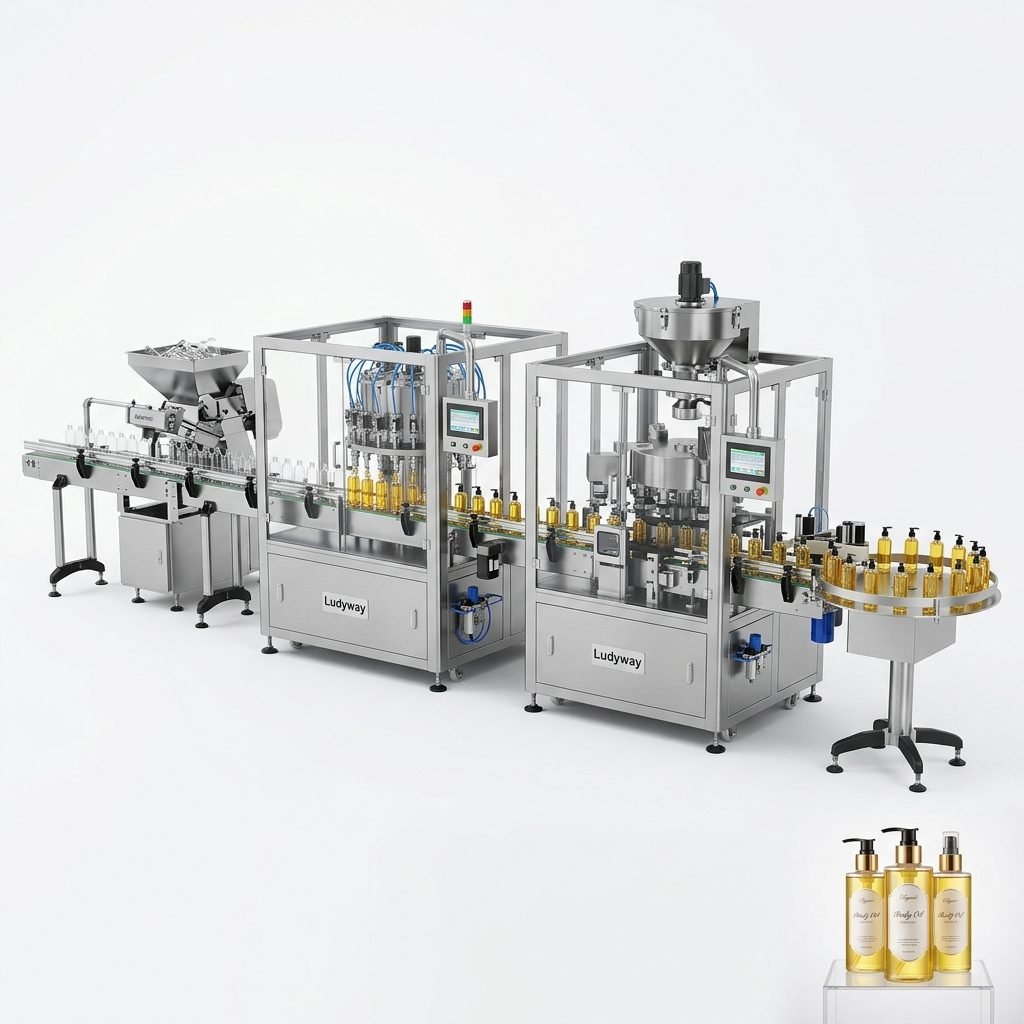
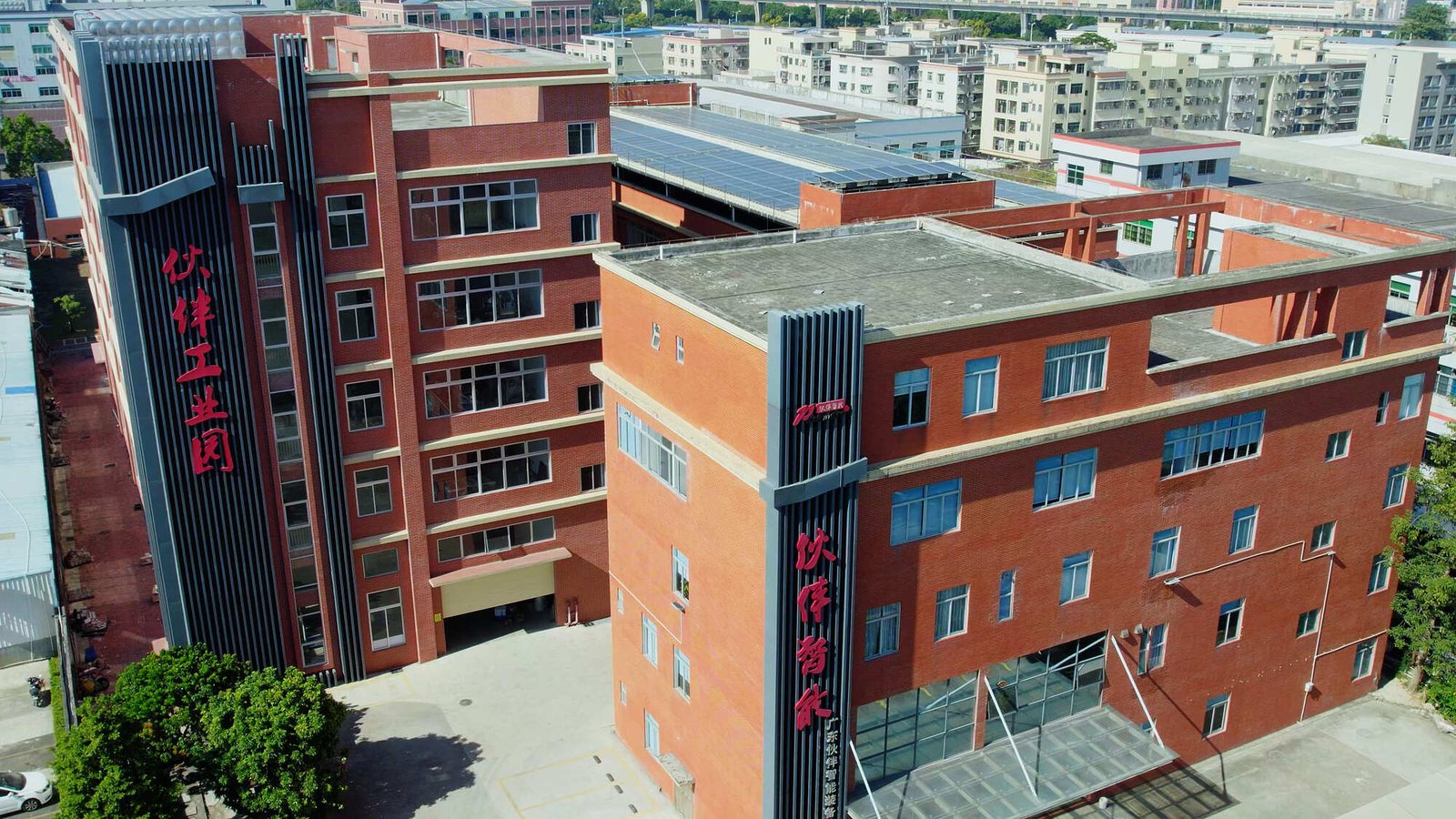
For manufacturers seeking turnkey frozen food packaging solutions, working with a single packaging machinery manufacturer that provides integrated systems — from feeding through to palletizing — can simplify project management, ensure compatibility, and streamline after-sales support. Ludyway Machinery, for instance, is a China-based packaging equipment manufacturer with over 30 years of experience, offering customized turnkey packaging lines that span multiple stages of the production process for food manufacturers worldwide.
6. Energy Efficiency and Operating Costs
The total cost of ownership for a frozen food packaging machine extends well beyond the initial purchase price. Evaluate these ongoing operational factors:
- Energy consumption: Machines operating in refrigerated environments consume additional energy. Look for energy-efficient servo motors, optimized heating elements, and intelligent standby modes.
- Film waste: Precision film registration and tension control reduce material waste, which directly impacts per-package costs over time.
- Maintenance requirements: Accessible components, standardized parts, and clear maintenance schedules reduce downtime and service costs.
- Spare parts availability: Confirm that critical spare parts are readily available and reasonably priced in your region.
- Operator training: Intuitive HMI interfaces reduce training time and operator errors.
7. Regulatory Compliance and Certification Requirements
Depending on your target markets, your frozen food packaging machinery may need to comply with various international standards. Key certifications and regulations to verify include:
- CE marking for European markets
- UL or CSA certification for North American markets
- ISO 22000 and food safety management system compatibility
- GFSI-benchmarked standards (SQF, BRC, FSSC 22000) equipment requirements
- FDA 21 CFR compliance for materials in contact with food
Refer to the ISO Packaging Standards for comprehensive guidance on international packaging machinery requirements. Additionally, the PMMI Packaging Machinery Standards and Regulations resource provides valuable industry-specific compliance information.
Common Mistakes to Avoid When Buying a Frozen Food Packaging Machine
- Underestimating production growth: Choose a machine that can scale with your business. A machine operating at 90% capacity on day one leaves no room for growth.
- Overlooking material costs: Some high-barrier frozen food films are significantly more expensive than standard films. Verify that your chosen machine can run cost-effective materials without compromising seal quality.
- Ignoring environmental conditions: Machines not designed for cold, humid environments may experience electrical issues, condensation problems, and premature component wear.
- Skipping factory acceptance testing (FAT): Always test the machine with your actual frozen product and packaging materials before shipment.
- Neglecting after-sales support: The availability of technical support, spare parts, and service engineers in your region is as important as the machine itself.
Evaluating Suppliers and Manufacturers
Selecting the right supplier is just as important as selecting the right machine. When evaluating potential frozen food packaging machine manufacturers, consider:
- Industry experience: How many years has the manufacturer been building frozen food packaging equipment? Do they understand the unique challenges of your product category?
- Reference installations: Request case studies or references from customers packaging similar frozen products.
- Engineering capabilities: Can the manufacturer provide customized solutions, or do they only offer standard configurations?
- Global service network: For manufacturers exporting to multiple countries, local service support is essential.
- Documentation and training: Comprehensive manuals, training programs, and ongoing technical support indicate a manufacturer committed to long-term partnerships.
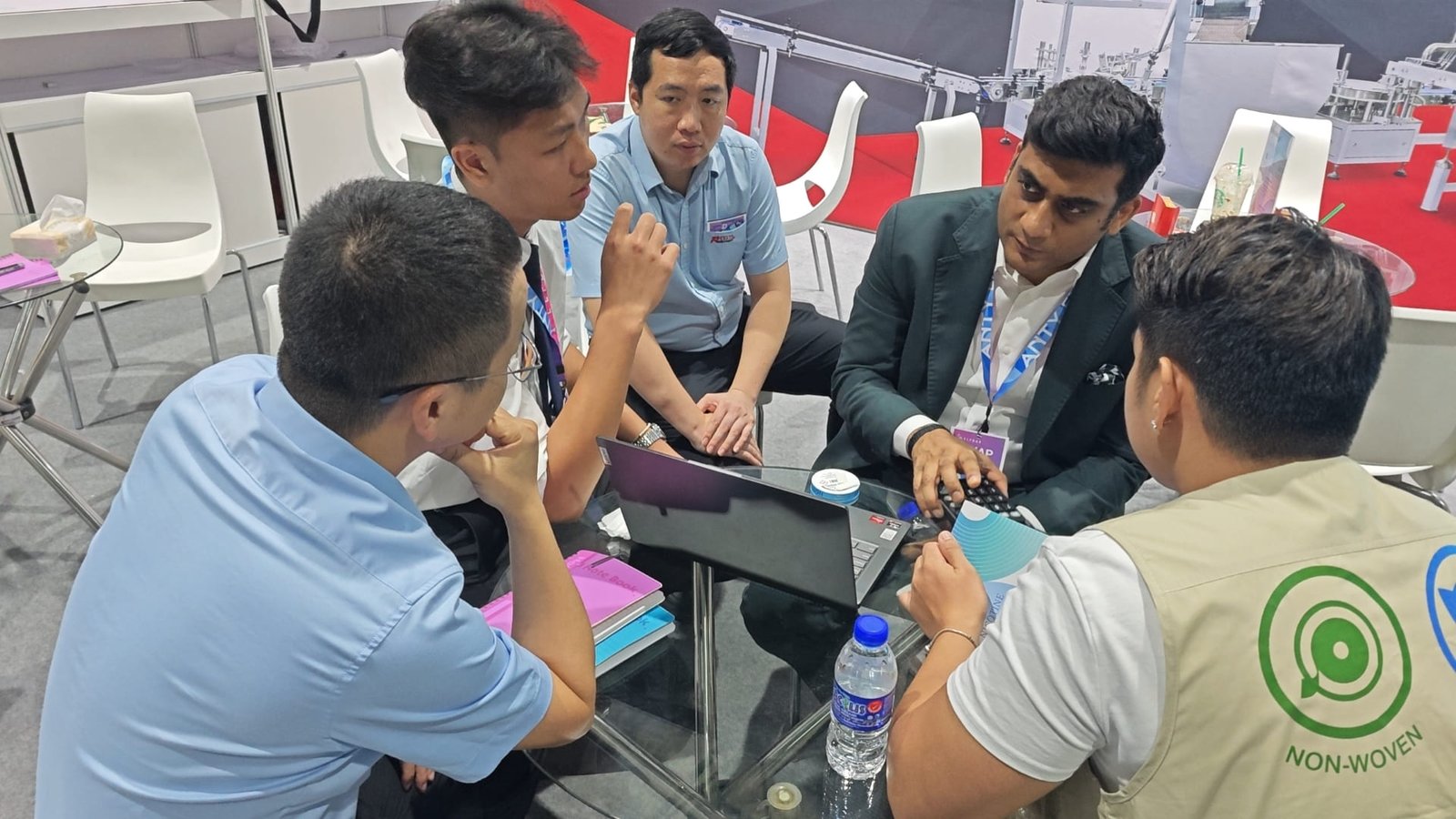
Industry events such as PACK EXPO International and PACK EXPO Las Vegas are excellent opportunities to see frozen food packaging machinery in operation and meet manufacturers face-to-face.
Budgeting and Return on Investment
A frozen food packaging machine represents a significant capital investment. Understanding the full financial picture helps justify the expenditure and select the right equipment tier:
- Entry-level semi-automatic machines: Suitable for small-scale producers or niche frozen products. Lower upfront cost but higher labor requirements.
- Mid-range automatic machines: Offer a balance of automation, speed, and cost. Ideal for growing manufacturers transitioning from manual or semi-automatic processes.
- High-speed fully automatic lines: Designed for large-scale production with integrated automation. Highest upfront investment but lowest per-package cost at volume.
Calculate ROI by factoring in labor savings, reduced material waste, increased throughput, lower product giveaway, and decreased package failure rates. Many manufacturers recover their equipment investment within 12-24 months through efficiency gains alone.
Final Checklist Before Purchase
| Checklist Item | Verified? |
|---|---|
| Machine speed matches current and projected production requirements | ☐ |
| Compatible with required frozen food packaging materials and formats | ☐ |
| Seal integrity validated with actual frozen product testing | ☐ |
| Hygiene design meets food safety standards (HACCP, GFSI) | ☐ |
| Required certifications confirmed (CE, UL, ISO) | ☐ |
| Integration plan with upstream and downstream equipment defined | ☐ |
| Spare parts availability and service support confirmed for your region | ☐ |
| Operator training and documentation included in the proposal | ☐ |
| Total cost of ownership calculated (energy, film waste, maintenance) | ☐ |
| Factory acceptance testing (FAT) scheduled with your product | ☐ |
Conclusion
Choosing the right frozen food packaging machine requires careful evaluation of your product characteristics, production goals, hygiene requirements, and budget. By systematically assessing machine types, seal technologies, automation levels, and supplier capabilities, you can select equipment that delivers reliable performance, consistent package quality, and strong return on investment. Whether you are upgrading an existing line or building a new frozen food packaging operation, investing time in the selection process pays dividends in production efficiency and product quality for years to come.
For further reading on packaging industry trends and market data, explore the PMMI 2026 State of the Industry Report and the Flexible Packaging Association Industry Resources. For information on global packaging machinery growth and export trends, you can also review recent industry analysis on packaging machinery export growth.