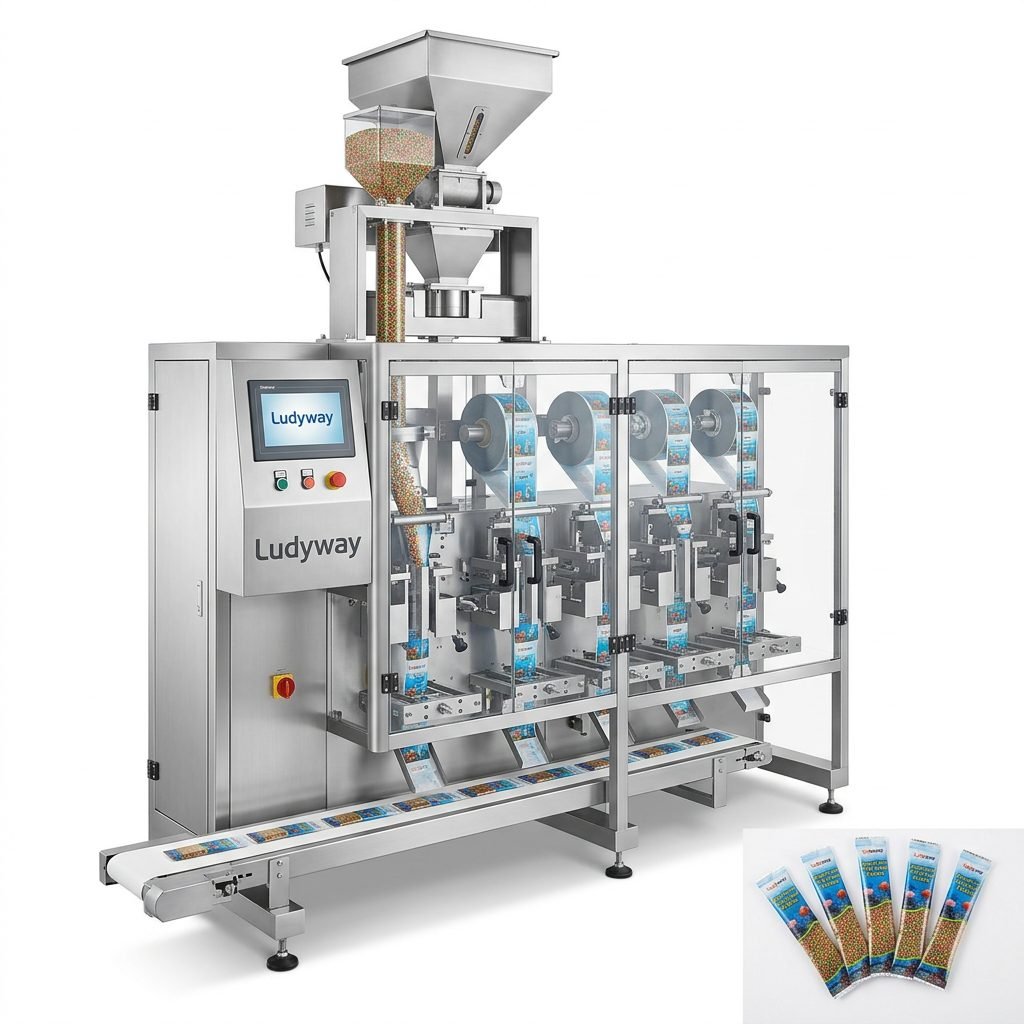
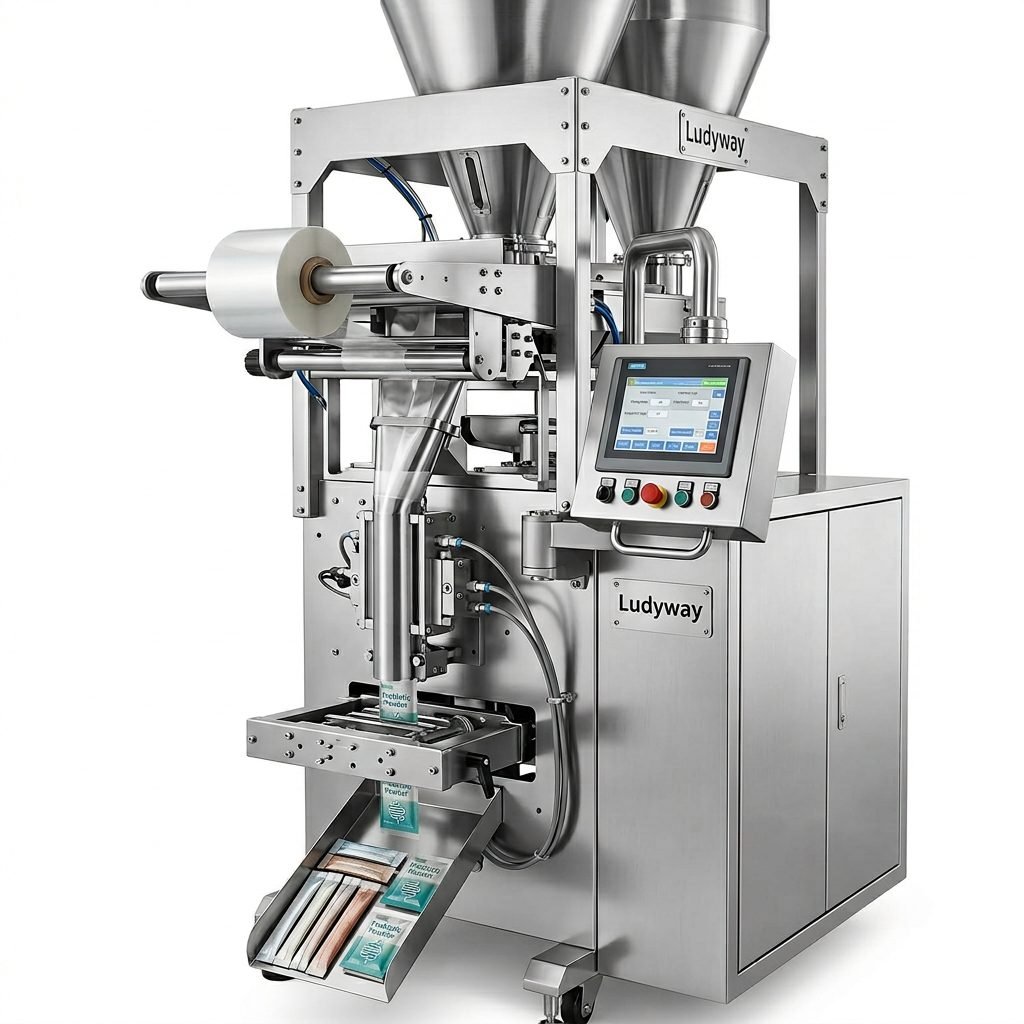
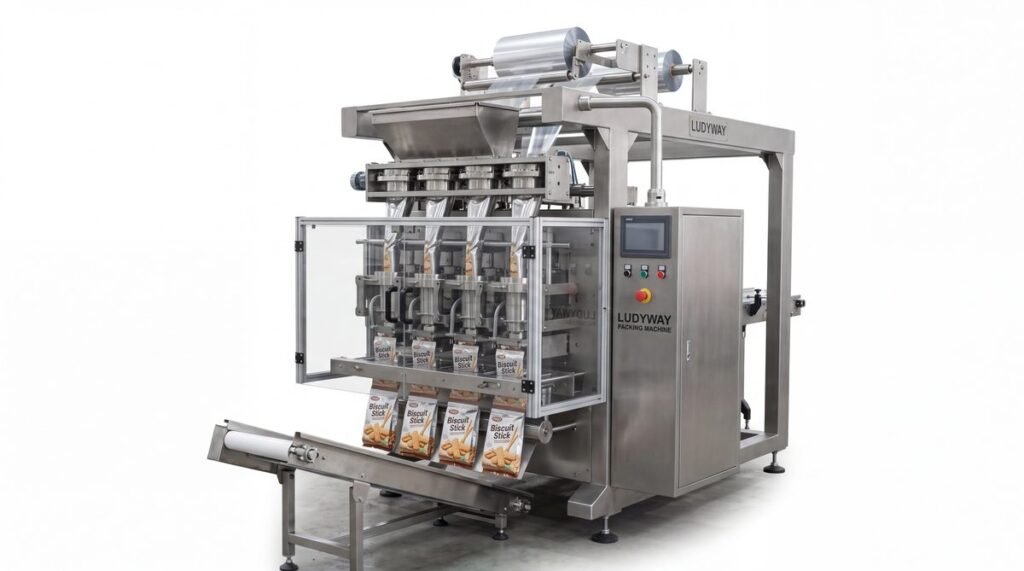
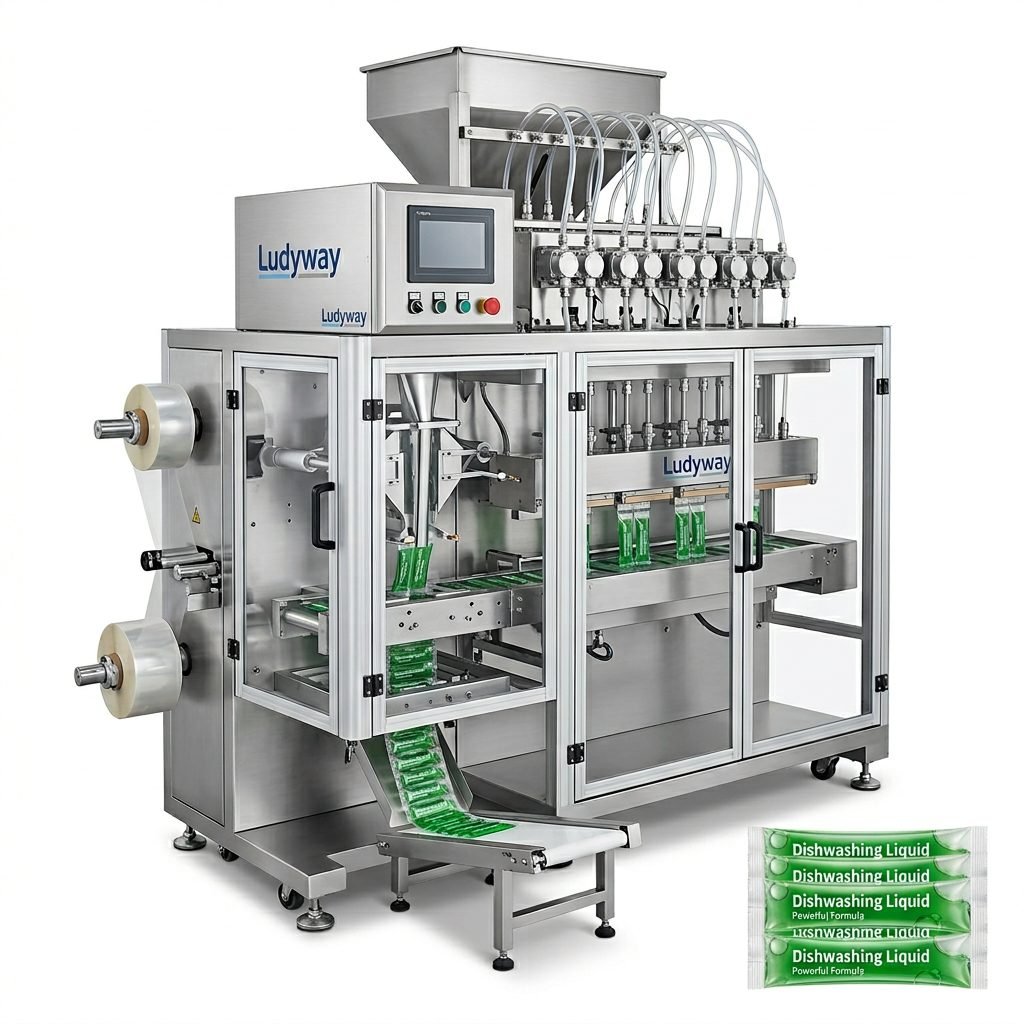
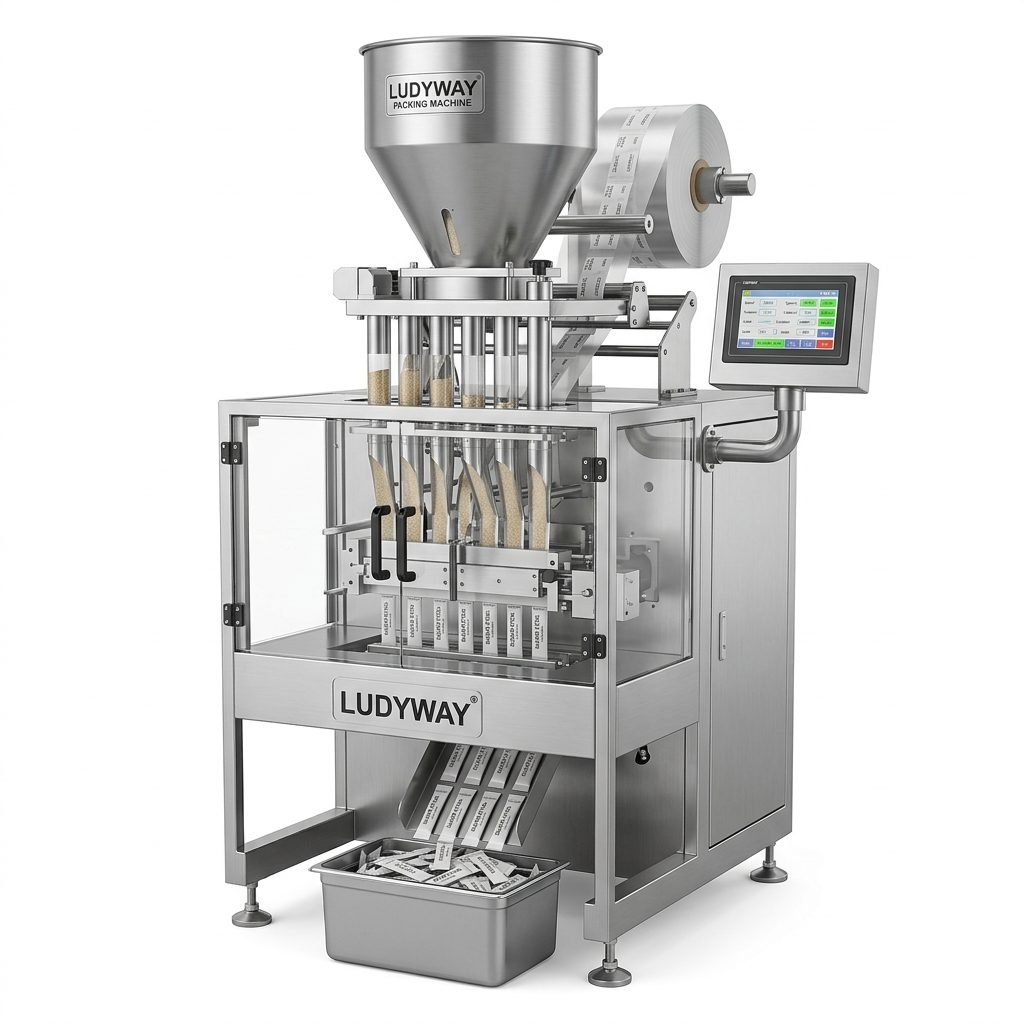
Selecting the right flour packaging machine is a critical decision that directly affects your production efficiency, product quality, and long-term operational costs. Whether you are packaging wheat flour, corn flour, rice flour, or specialty gluten-free blends, the equipment you choose must handle your specific product characteristics while meeting your production throughput targets. This comprehensive buyer’s guide walks you through every factor to consider before making your investment.
Understanding Flour Types and Their Packaging Challenges
Not all flour behaves the same way on a packaging line. Understanding your product’s physical characteristics is the first step in choosing the right equipment.
Common Flour Varieties and Their Properties
- Wheat Flour (All-Purpose & Bread Flour): Fine powder with moderate flowability; prone to dust generation during filling.
- Whole Wheat & Multigrain Flour: Coarser texture with higher oil content; may require specialized sealing to prevent rancidity.
- Corn Flour & Cornstarch: Very fine and highly dusty; demands superior dust containment systems.
- Rice Flour: Slightly granular with good flow characteristics; generally easier to handle than wheat flour.
- Gluten-Free Blends (Almond, Coconut, Chickpea): Variable particle sizes and moisture content; often require flexible packaging solutions with modified atmosphere capabilities.
- Specialty & Fortified Flour: May contain added vitamins, minerals, or leavening agents; precise dosing accuracy is essential.
Key Product Characteristics That Influence Machine Selection
Before contacting any packaging machinery manufacturer, document these product-specific parameters:
- Bulk density — determines hopper and feeder design
- Particle size distribution — affects filling accuracy and dust control
- Moisture content — influences material flow and sealing requirements
- Hygroscopicity — dictates the need for moisture-barrier packaging materials
- Dust explosion risk — may require ATEX-rated or ISO-compliant packaging standards equipment
Key Factors to Consider When Choosing a Flour Packaging Machine
1. Production Capacity and Speed Requirements
Your required packaging speed — measured in bags or pouches per minute — must align with your current and projected production volumes. A machine that cannot keep pace creates bottlenecks, while an oversized machine wastes capital and energy. Consider:
- Current daily and peak-season production volumes
- Anticipated growth over the next 3–5 years
- Shift patterns and available operating hours
- Changeover frequency between different flour types or bag sizes
2. Packaging Format and Bag Style
Flour is packaged in a variety of formats depending on the target market. Your machine must be compatible with your chosen packaging style:
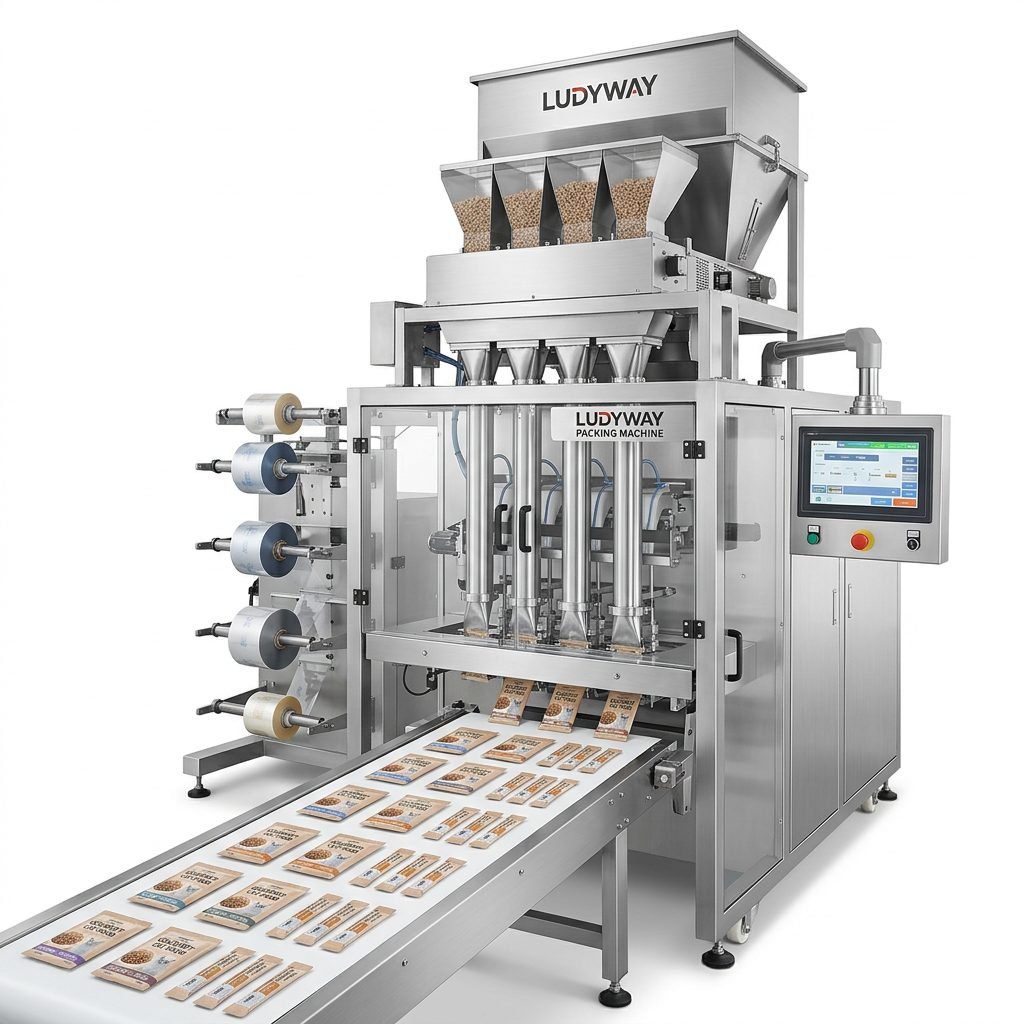
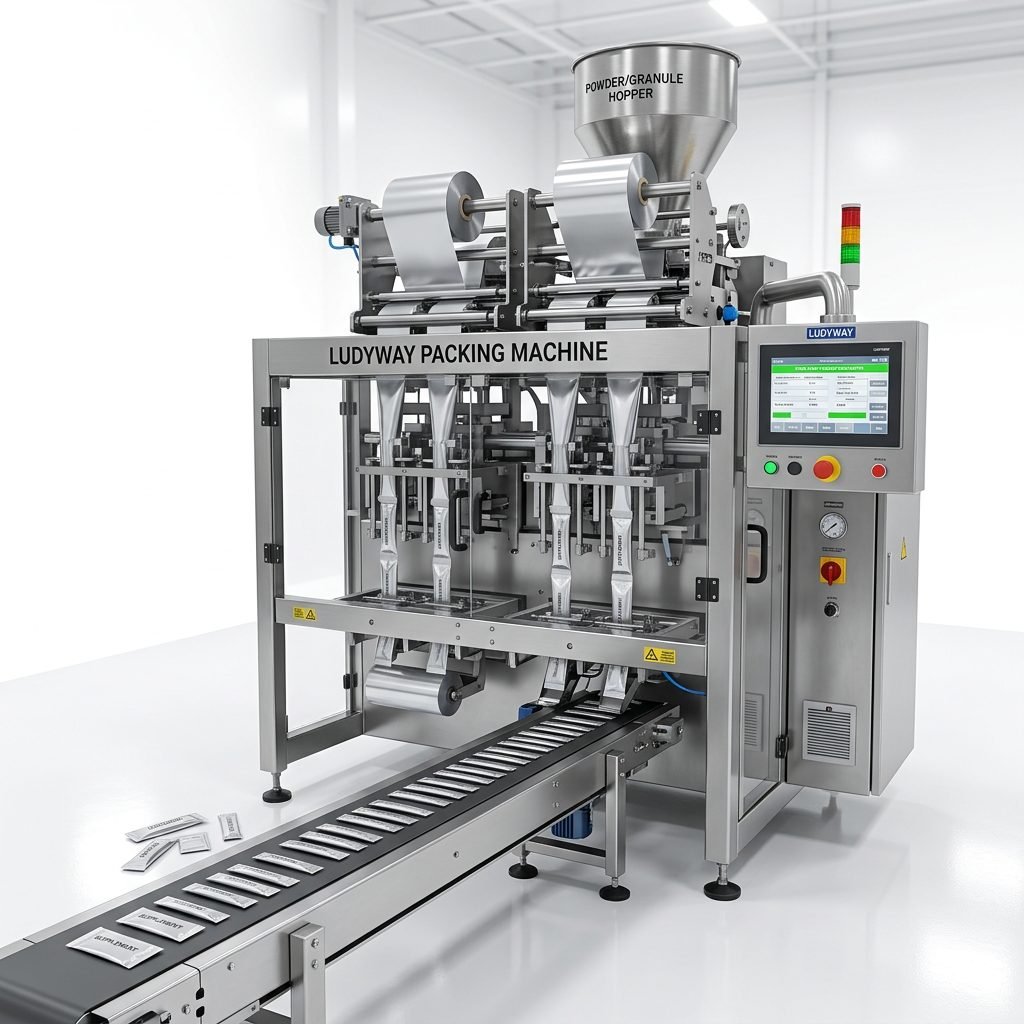
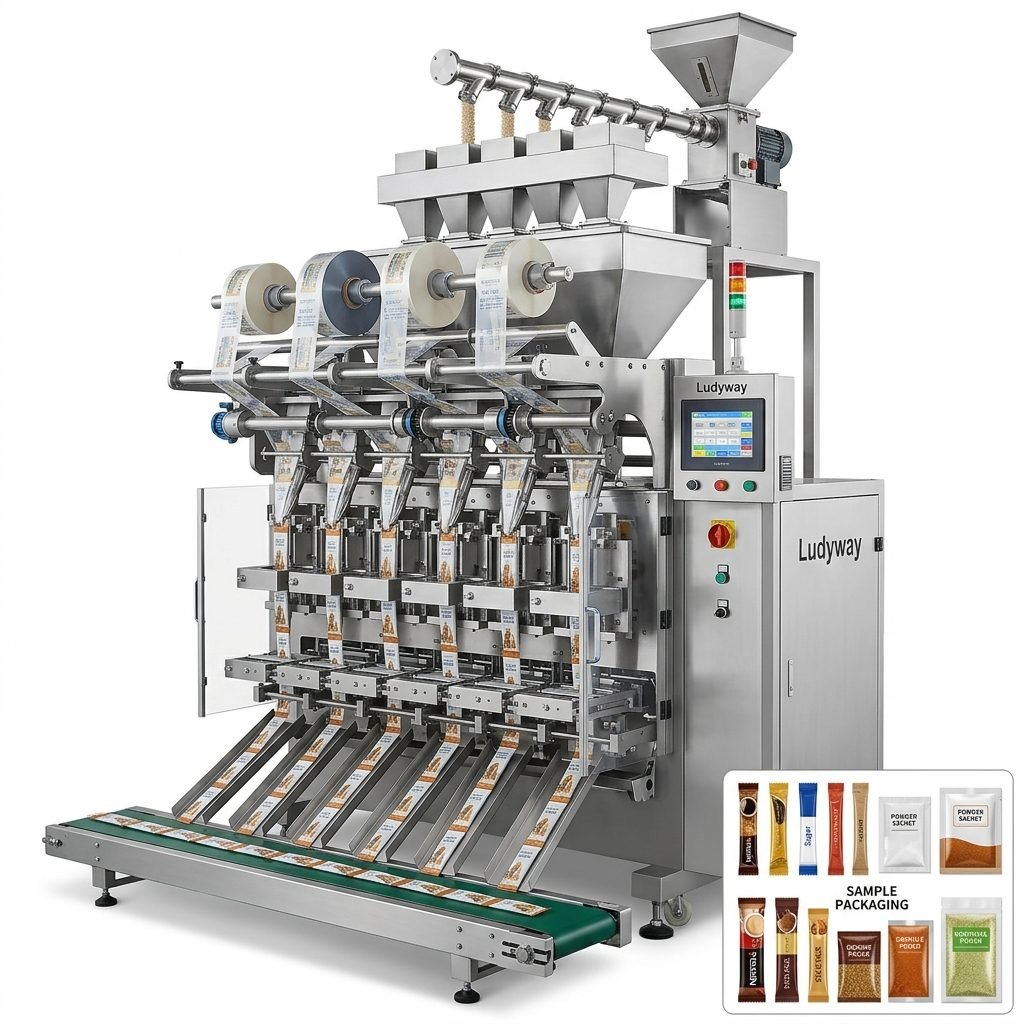
- Sachets & Stick Packs: Single-serve portions (10g–50g) popular in food service and hospitality
- Pillow Bags & Flat Pouches: Common retail formats from 500g to 2.5kg
- Gusseted Bags & Stand-Up Pouches: Premium retail presentation with improved shelf visibility
- Block-Bottom Bags: Heavy-duty formats for bulk flour (5kg–25kg)
- Open-Mouth Bags & Valve Bags: Industrial and wholesale packaging (25kg–50kg)
3. Filling Technology and Accuracy
Filling accuracy directly impacts your profit margins. Even a small overfill on each bag adds up to significant product giveaway over thousands of units. Common filling technologies for flour include:
- Auger Fillers: Ideal for fine, non-free-flowing powders; offers high accuracy for small to medium fill weights
- Volumetric Cup Fillers: Cost-effective for free-flowing granular products; less precise for fine powders
- Multi-Head Weighers: Excellent speed and accuracy for larger production volumes; suitable for various flour types
- Net Weigh Fillers: Highest accuracy for bulk packaging applications where precise weight compliance is mandatory
Types of Flour Packaging Machines: A Comparative Overview
The table below compares the most common flour packaging systems to help you identify which category best fits your operation:
| Machine Type | Best For | Bag Range | Speed Range | Relative Cost |
|---|---|---|---|---|
| Vertical Form Fill Seal (VFFS) | Retail & wholesale bags | 100g – 5kg | 30–120 bags/min | Moderate |
| Multi-Lane Stick Pack Machine | Single-serve sachets | 5g – 50g | 200–600 packs/min | High |
| Premade Pouch Filling Machine | Premium retail pouches | 250g – 2.5kg | 20–60 pouches/min | Moderate to High |
| Open-Mouth Bagging System | Bulk industrial packaging | 5kg – 50kg | 6–20 bags/min | Moderate |
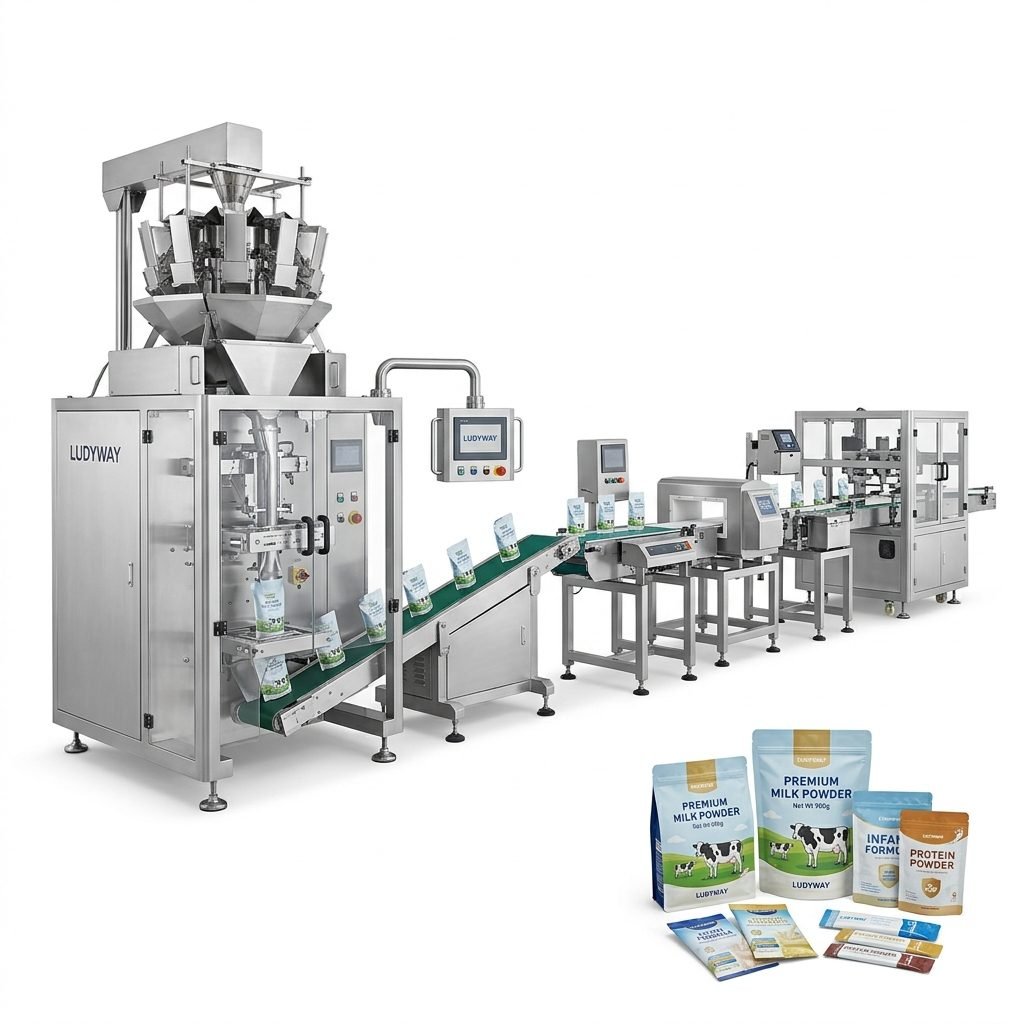
| Fully Automated Turnkey Line | High-volume integrated production | Custom range | Custom up to 800+ units/min | Very High |
4. Dust Management and Operator Safety
Flour dust is not only a housekeeping challenge but also a serious safety hazard. Flour particles suspended in air can form an explosive dust cloud when exposed to an ignition source. Your packaging machine should include:
- Enclosed filling zones with negative pressure dust extraction
- Anti-static components and proper grounding systems
- Dust-tight seals on hoppers, conveyors, and transfer points
- Easy-clean surfaces that prevent product accumulation
- Compliance with FDA food packaging regulations and local safety codes
5. Packaging Material Compatibility
Your machine must be compatible with your chosen packaging film or bag material. Flour packaging commonly uses:
- Laminated films (PET/PE, BOPP/PE): Provide moisture barrier and printability
- Kraft paper with PE liner: Traditional look with acceptable barrier properties
- Biodegradable and compostable films: Growing demand for sustainable packaging solutions
- Woven polypropylene bags: Common for bulk industrial packaging
Ensure the machine’s sealing system — whether heat-seal, impulse-seal, or ultrasonic — is optimized for your specific material structure and thickness.
Technical Specifications That Matter
When comparing different models, pay close attention to these technical parameters beyond just speed and bag size:
Automation and Control Systems
- PLC and HMI interface: Modern touch-screen controls with recipe storage for quick changeovers
- Servo-driven vs. mechanical systems: Servo motors offer greater precision, flexibility, and energy efficiency
- Remote monitoring capabilities: IoT-enabled machines allow real-time production tracking and predictive maintenance
- Integration readiness: Ability to connect with upstream and downstream equipment such as packaging line automation systems
Construction Materials and Hygiene
- Food-grade stainless steel (304 or 316L): All product-contact surfaces must be corrosion-resistant and easy to sanitize
- IP rating: Adequate protection against dust ingress in flour-handling areas
- Tool-free disassembly: Facilitates rapid cleaning during product changeovers and allergen control
- HACCP-compliant design: Especially important for food contact compliance in regulated markets
Budget and ROI: Understanding Total Cost of Ownership
The purchase price is just the starting point. A thorough financial evaluation should account for:
- Initial capital cost: Machine price including freight, import duties, and installation
- Operational costs: Energy consumption, compressed air usage, and consumable parts
- Labor requirements: How many operators are needed per shift
- Maintenance and spare parts: Availability, cost, and lead times for critical components
- Product giveaway reduction: Improved filling accuracy translates directly to savings
- Downtime cost: Reliability and local technical support availability
A machine priced 20–30% lower upfront can end up costing significantly more over a 5–7 year lifecycle if it lacks reliability, accuracy, or after-sales support.
Evaluating Packaging Machinery Suppliers
Choosing the right supplier is as important as choosing the right machine. Here are the key criteria to evaluate:
Industry Experience and Technical Expertise
Look for a supplier with proven experience in powder and flour packaging applications. A manufacturer that specializes in your product category will understand the nuances of dust control, filling accuracy, and material handling specific to flour. Companies like Ludyway Machinery have developed dedicated expertise in powder, granule, and liquid packaging across multiple industries including food, pharmaceutical, and chemical sectors, with more than 30 years of packaging machinery experience and a portfolio of over 50 machine models configured for different production requirements.
Key Supplier Assessment Questions
- Does the supplier have specific experience with flour or similar fine-powder products?
- Can they provide factory acceptance testing (FAT) with your actual product before shipment?
- What is their installed base in your region or industry?
- Do they offer turnkey packaging solutions including upstream feeding and downstream cartoning?
- What are their warranty terms and after-sales service commitments?
- Are spare parts readily available with reasonable lead times?
- Can the machine be configured to meet international packaging standards and certifications required in your market?
Customization vs. Standardized Solutions
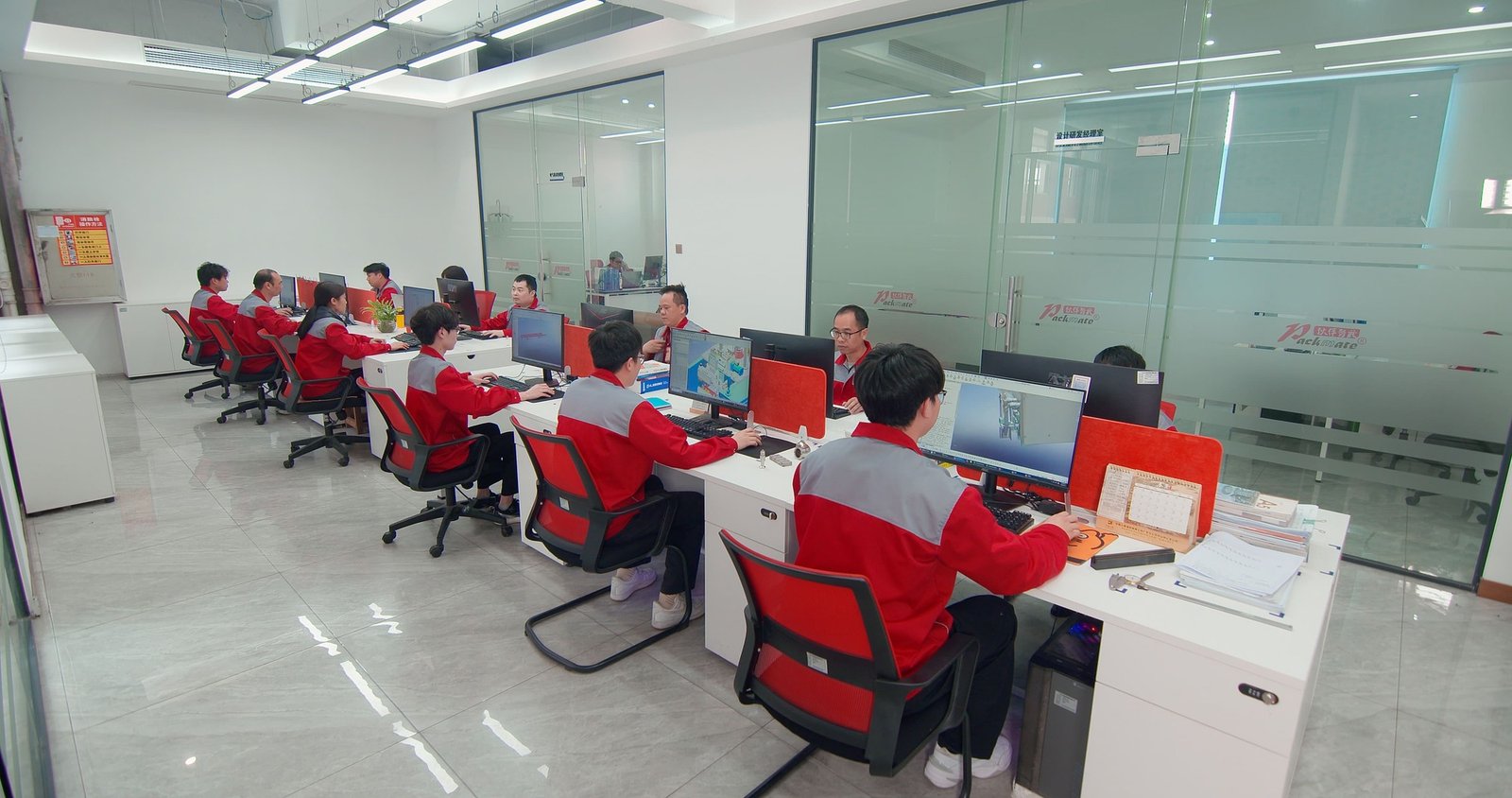
Flour packaging requirements vary significantly between manufacturers. Product characteristics, bag formats, filling volumes, production speeds, and factory layouts all affect the appropriate machine configuration. Seek a supplier that offers customized engineering solutions rather than only standardized machines. A technical team that can evaluate your specific product and packaging requirements and recommend an appropriate machine configuration will deliver far better long-term value than a one-size-fits-all approach.
Making Your Final Decision: A Step-by-Step Checklist
- Define your production requirements — current and projected volumes, bag sizes, and packaging formats
- Characterize your flour product — density, flowability, dustiness, and moisture sensitivity
- Select the appropriate machine type — VFFS, multi-lane stick pack, premade pouch, or bulk bagging
- Specify filling technology — auger, volumetric, multi-head weigher, or net weigh filler based on accuracy needs
- Evaluate dust management features — extraction systems, enclosed zones, and safety compliance
- Confirm material compatibility — sealing system must work with your chosen packaging films
- Assess automation level — from semi-automatic to fully integrated turnkey lines
- Compare total cost of ownership — not just purchase price, but 5-year lifecycle costs
- Visit supplier facilities or arrange video demonstrations — see machines running with flour or similar products
- Check references and case studies — speak with existing customers in the flour or powder industry
- Confirm after-sales support — installation, commissioning, training, spare parts, and remote assistance
- Verify certifications and compliance — ensure the machine meets regulatory requirements for your target markets
Conclusion: Your Flour Packaging Machine Investment
Choosing the right flour packaging machine requires balancing speed, accuracy, reliability, and total cost of ownership. A thorough understanding of your product characteristics, production goals, and packaging format requirements will guide you toward the most suitable solution. Take the time to evaluate multiple suppliers, request demonstrations with your actual product, and carefully compare the long-term value each machine offers. The right equipment investment will serve as a reliable production asset for years, contributing to consistent product quality, reduced giveaway, improved operational efficiency, and the flexibility to respond to changing market demands. By following the systematic evaluation approach outlined in this guide, you can make an informed decision that supports your business growth and positions your flour brand for success in an increasingly competitive marketplace.