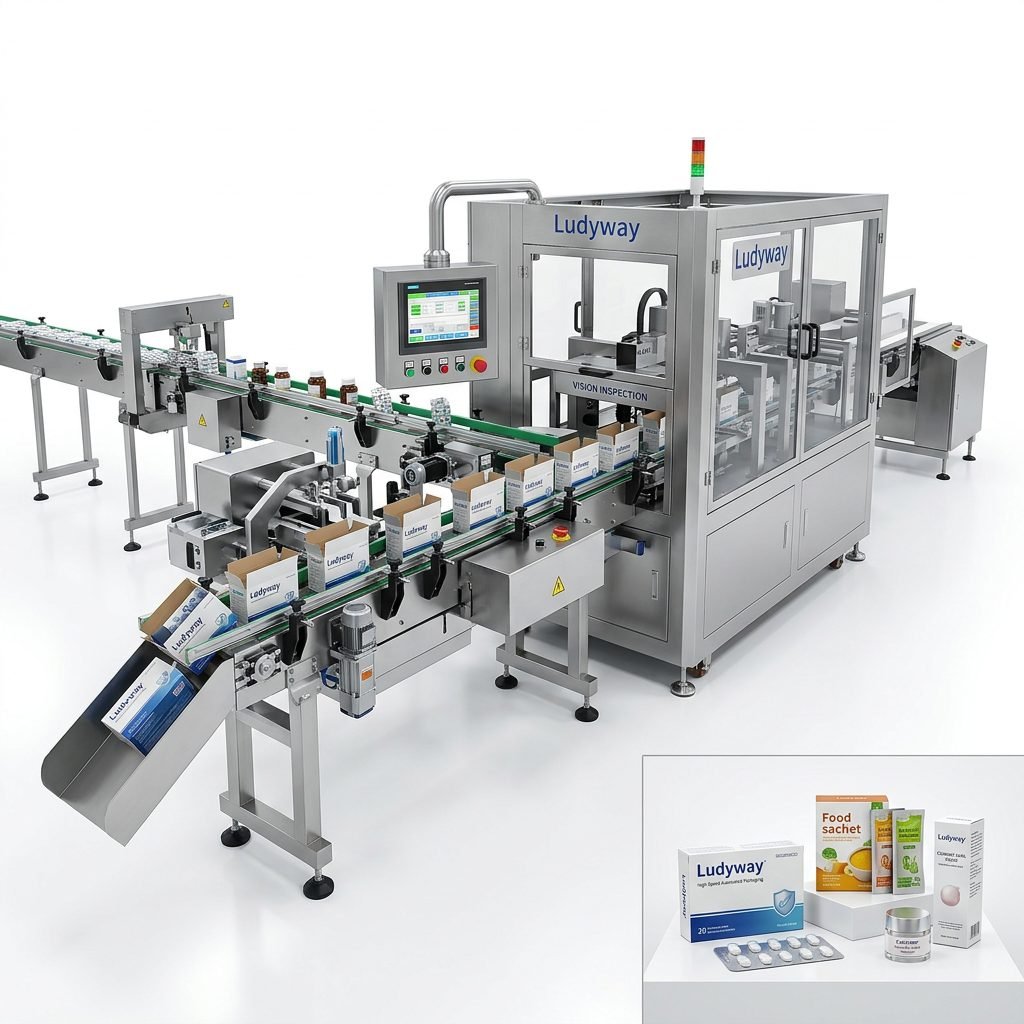
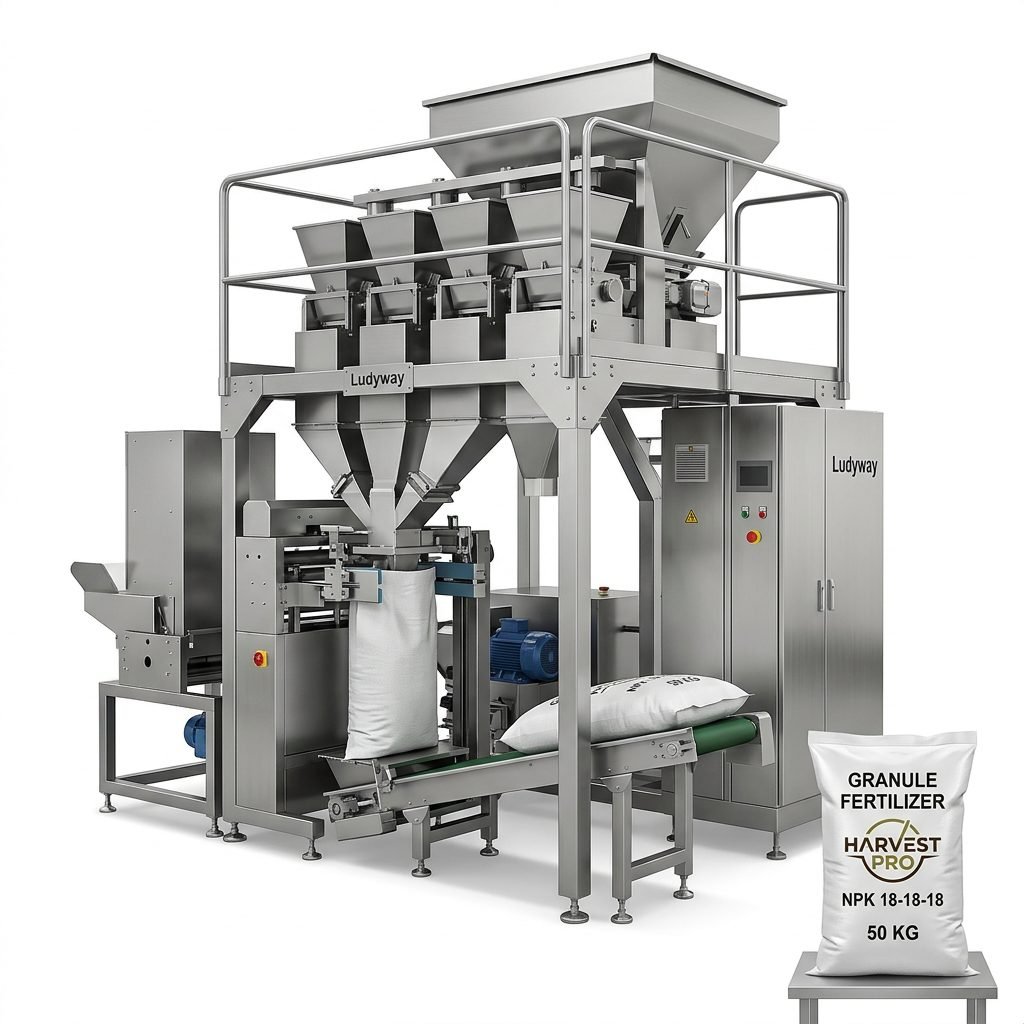
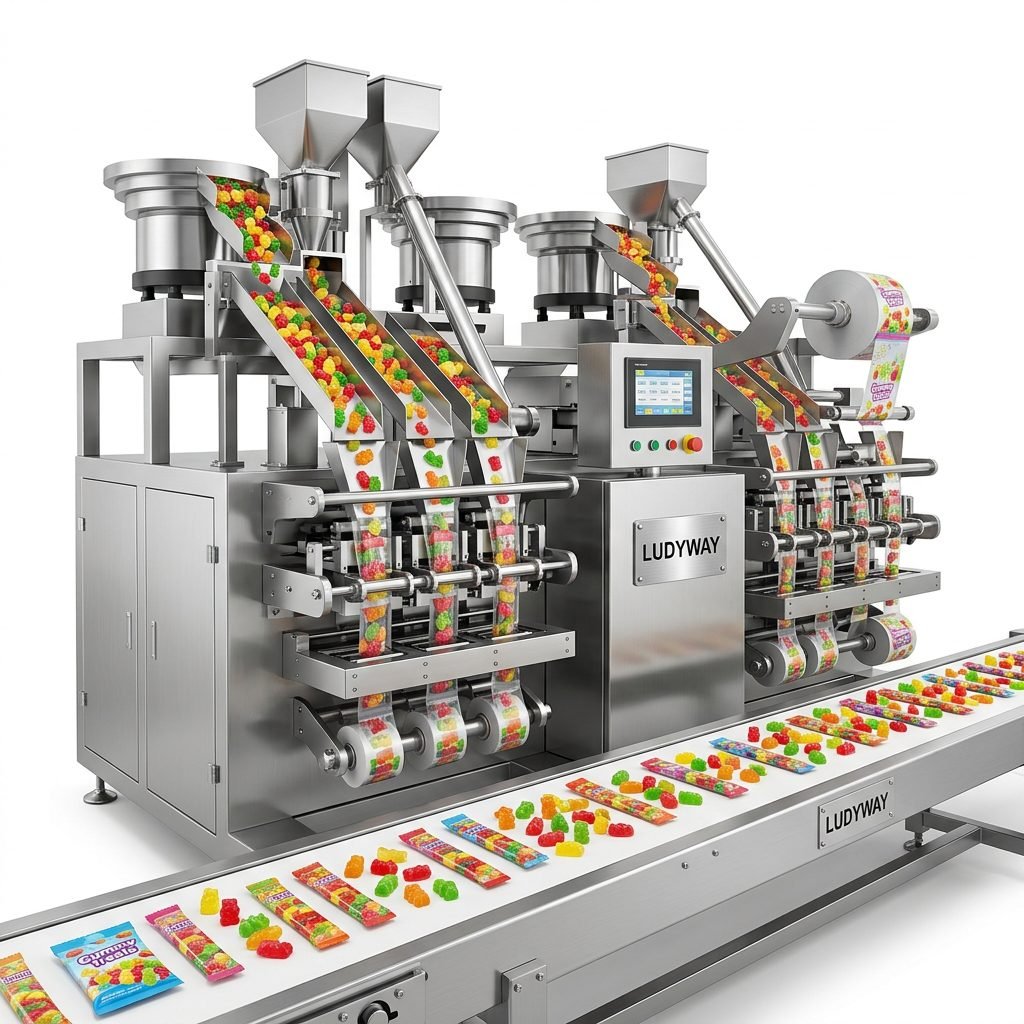
Investing in a confectionery packaging machine is a significant decision that directly impacts your production efficiency, product quality, and bottom line. Whether you are packaging hard candies, gummies, chocolates, lollipops, or toffees, selecting the wrong equipment can lead to costly downtime, inconsistent seal quality, and material waste. This comprehensive buyer’s guide walks you through the essential factors to evaluate before making your purchase, helping you choose a machine that aligns with your production goals, budget, and future growth plans.
Understanding Your Confectionery Packaging Requirements
Before comparing machine specifications, you need to clearly define your packaging requirements. Confectionery products vary widely in shape, size, texture, and sensitivity, and each type demands a specific approach to handling, dosing, and sealing. Start by asking these fundamental questions:
- What type of confectionery are you packaging? Hard candies, soft gummies, chocolate-coated products, sticky toffees, and powdery confectionery all behave differently during the packaging process.
- What is your target output? Determine the number of packs per minute or per day you need to produce. This will narrow down machine speed requirements significantly.
- What packaging format do you need? Stick packs, sachets, pouches, or flow wraps are common in the confectionery industry, and each format requires different machine configurations.
- What are your packaging material requirements? Consider material compatibility, barrier properties, and whether you need features like nitrogen flushing for extended shelf life.
- What is your available floor space? Machine footprint and layout considerations affect installation and workflow integration.
Types of Confectionery Packaging Machines
The packaging machinery market offers several machine types suitable for confectionery applications. Understanding the differences helps you match the right technology to your product and production scale.
Multi-Lane Stick Pack Machines
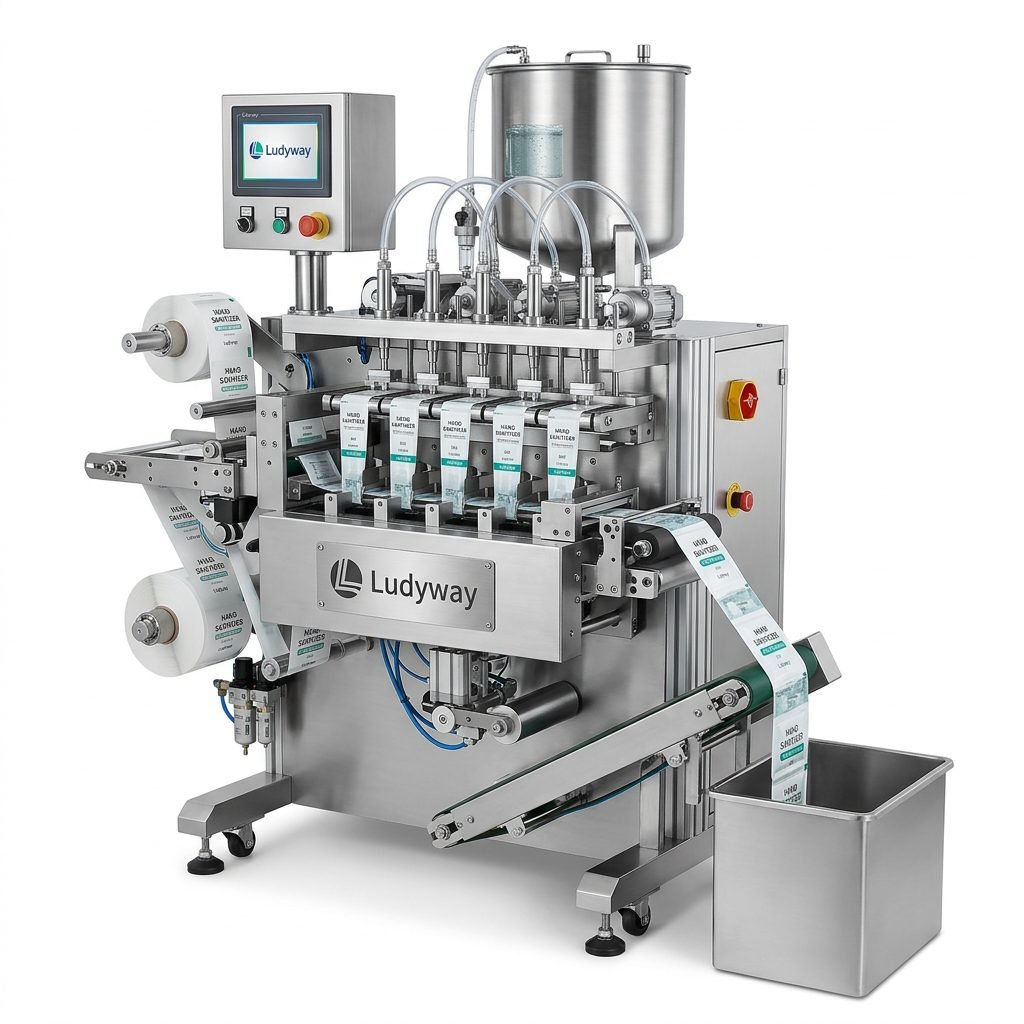
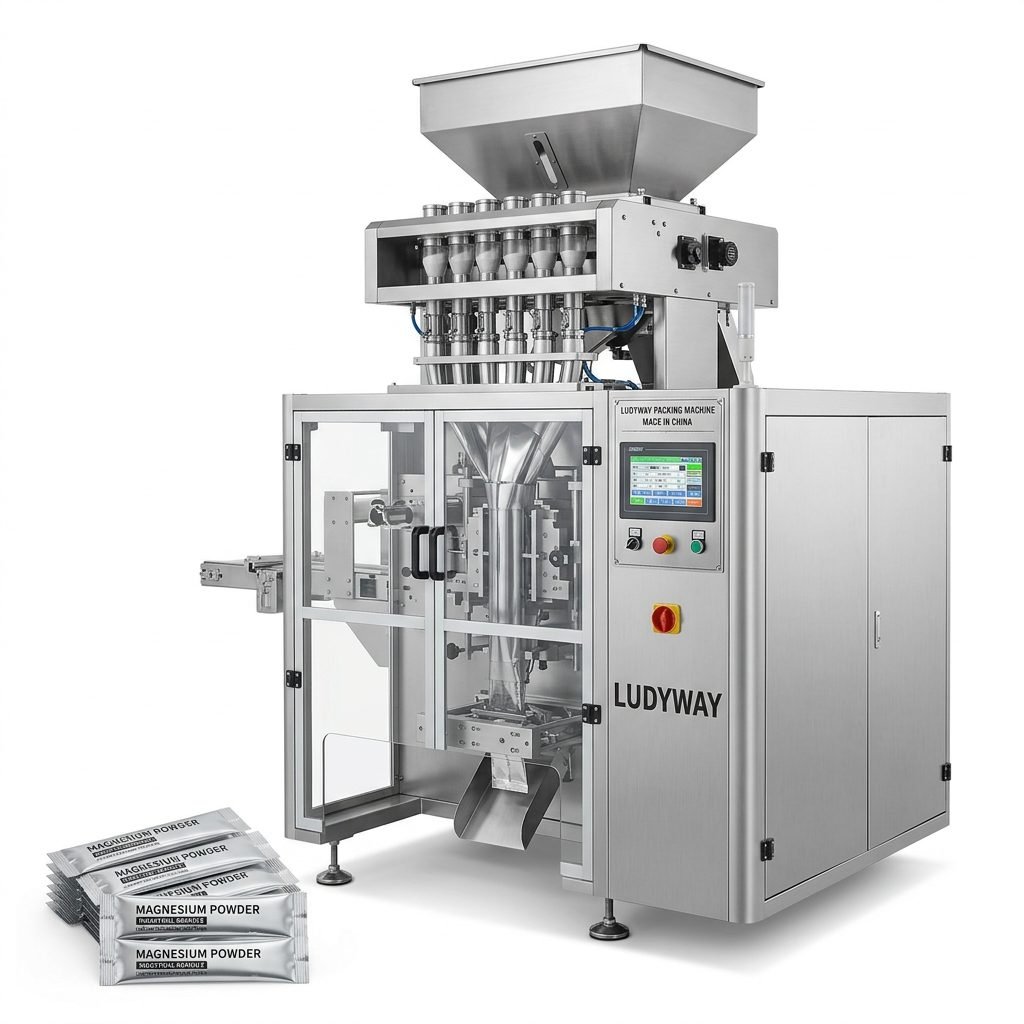
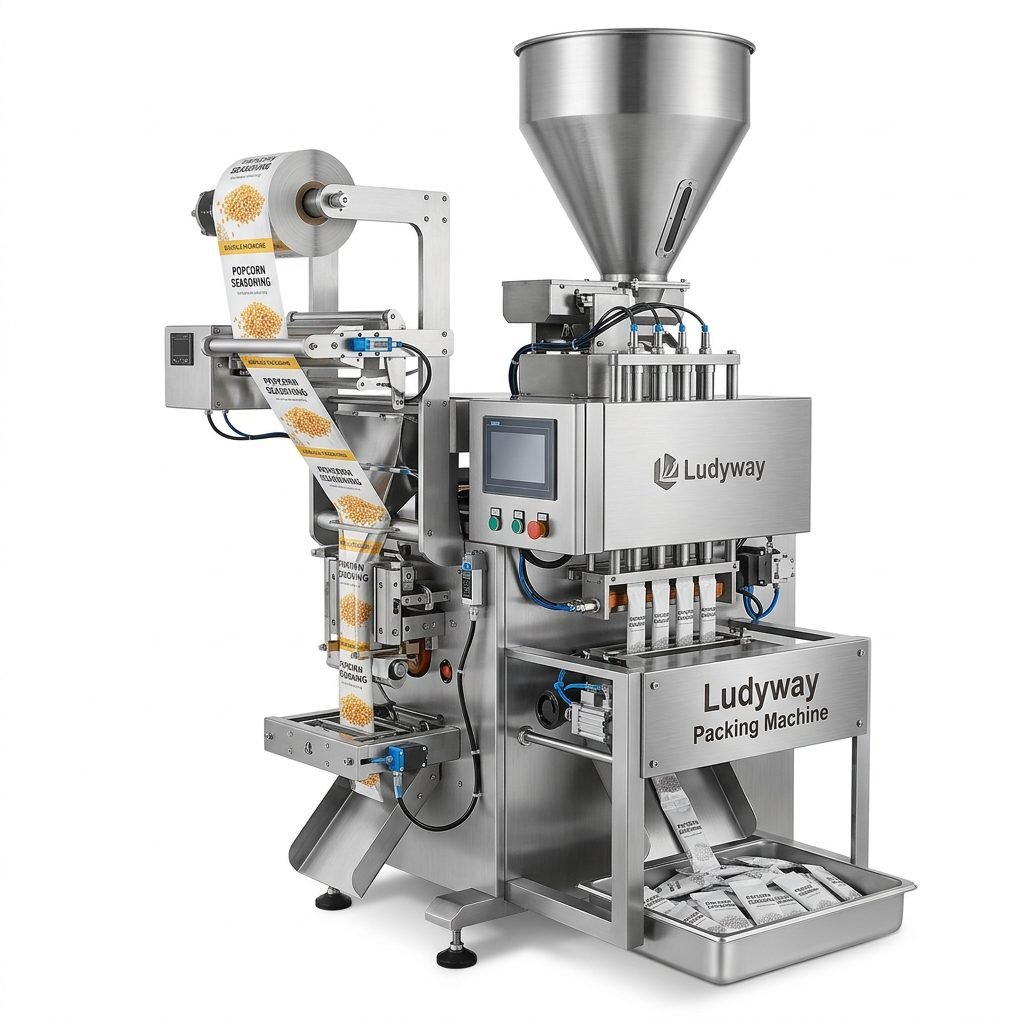
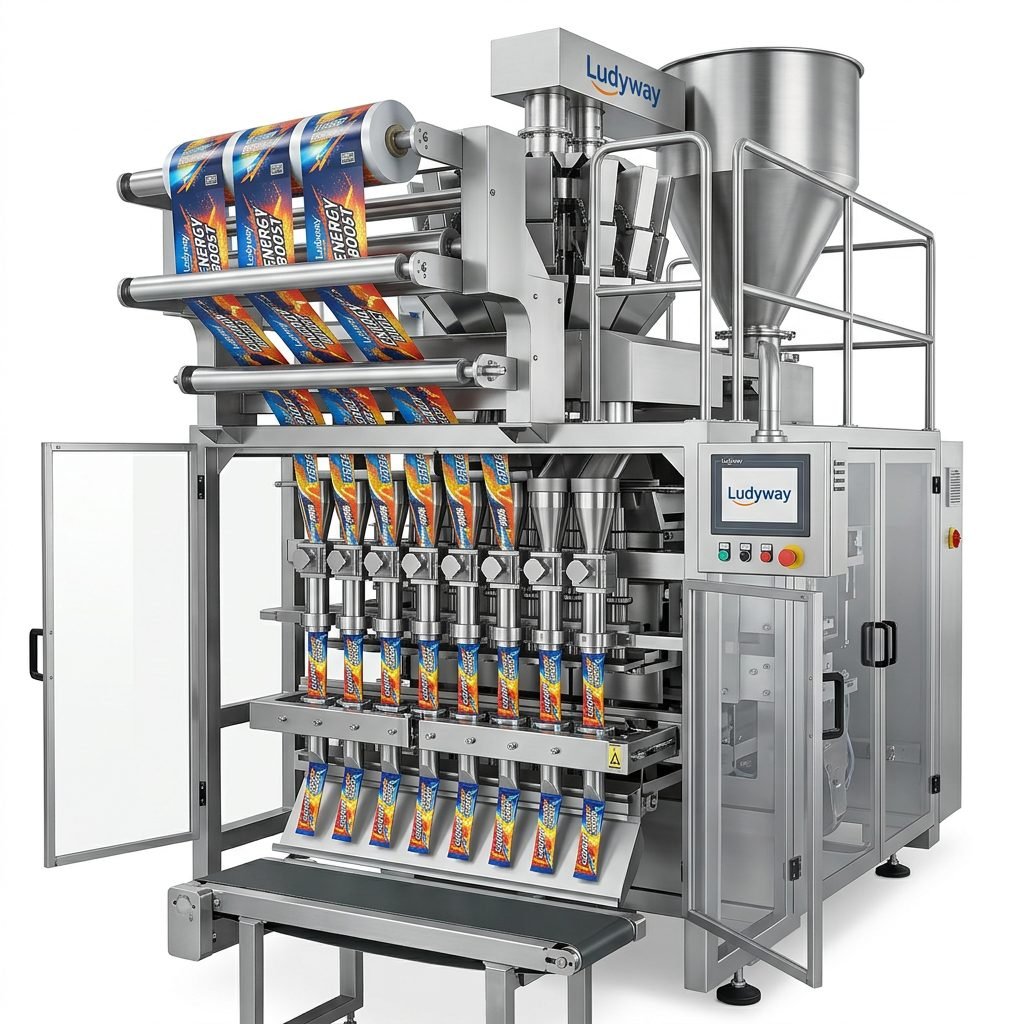
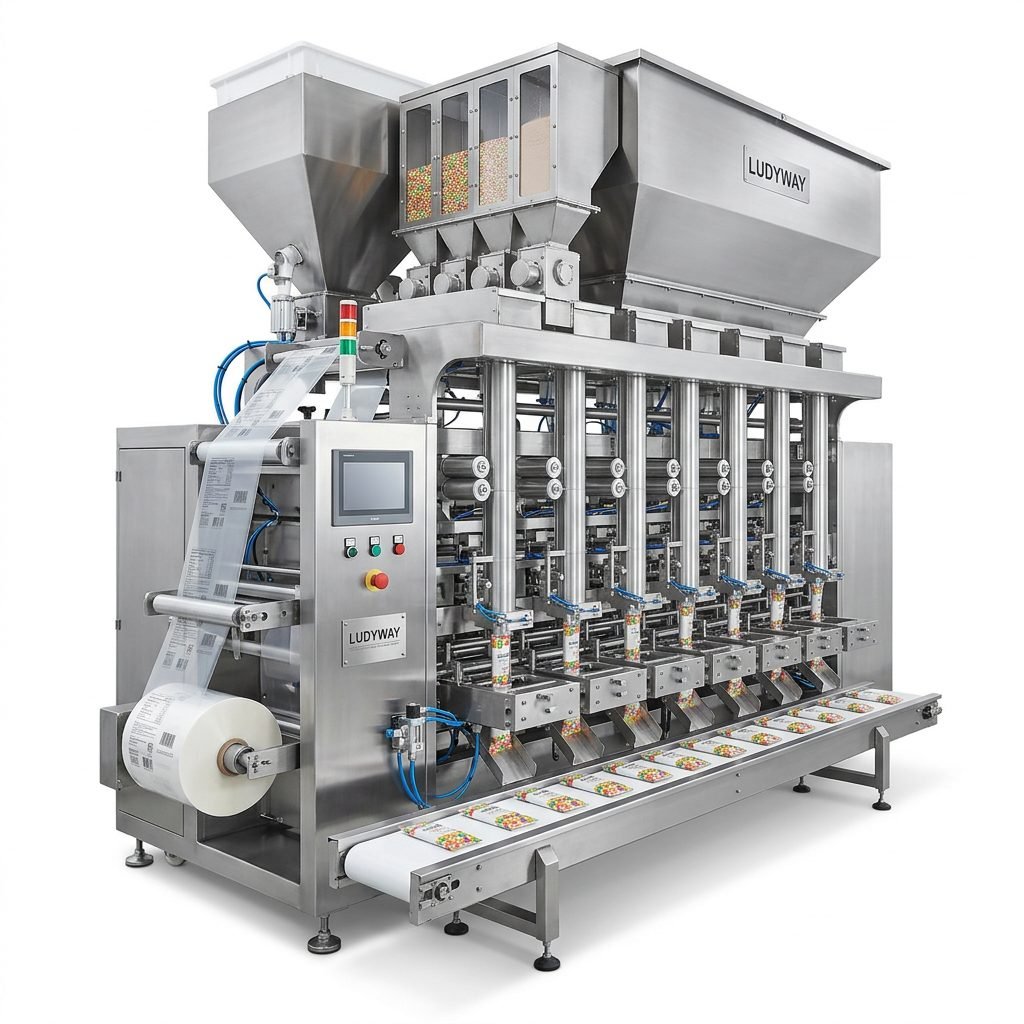
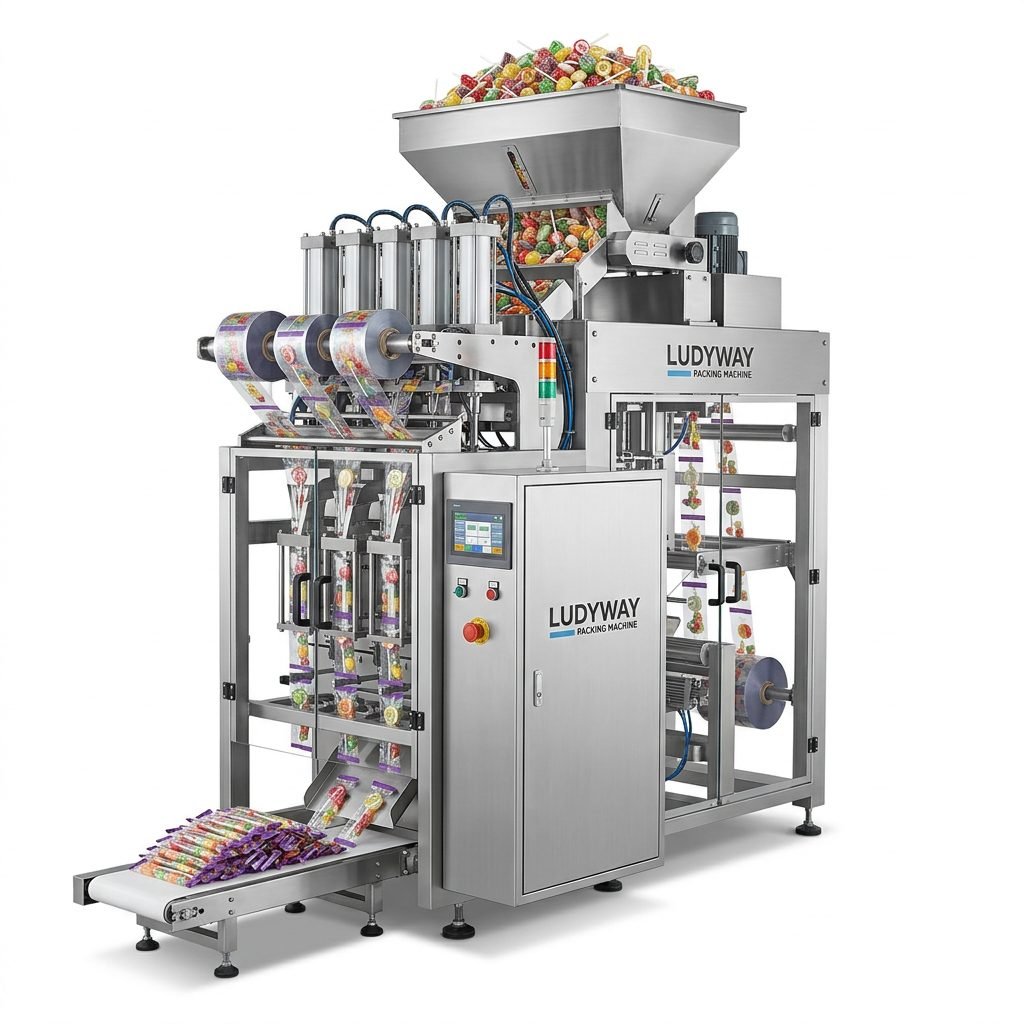
Multi-lane stick pack machines are among the most efficient solutions for high-volume confectionery packaging. These machines can run 4, 6, 8, 10, or even 12 lanes simultaneously, dramatically increasing output without requiring proportionally more floor space. They are ideal for packaging powdered drink mixes, granulated sugar candies, and small solid confectionery items into narrow, elongated stick packs. The multi-lane configuration allows manufacturers to scale production efficiently while maintaining consistent fill accuracy across all lanes.
Vertical Form Fill Seal (VFFS) Machines
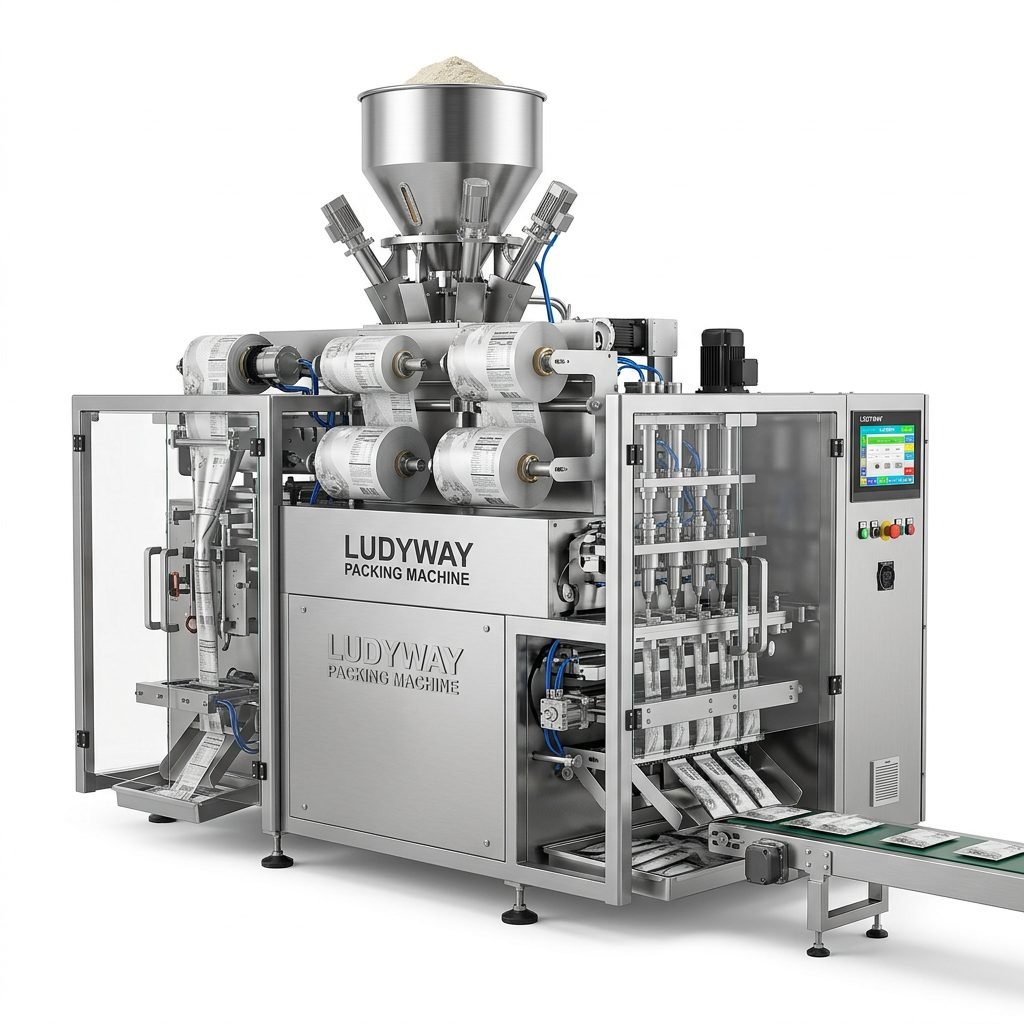
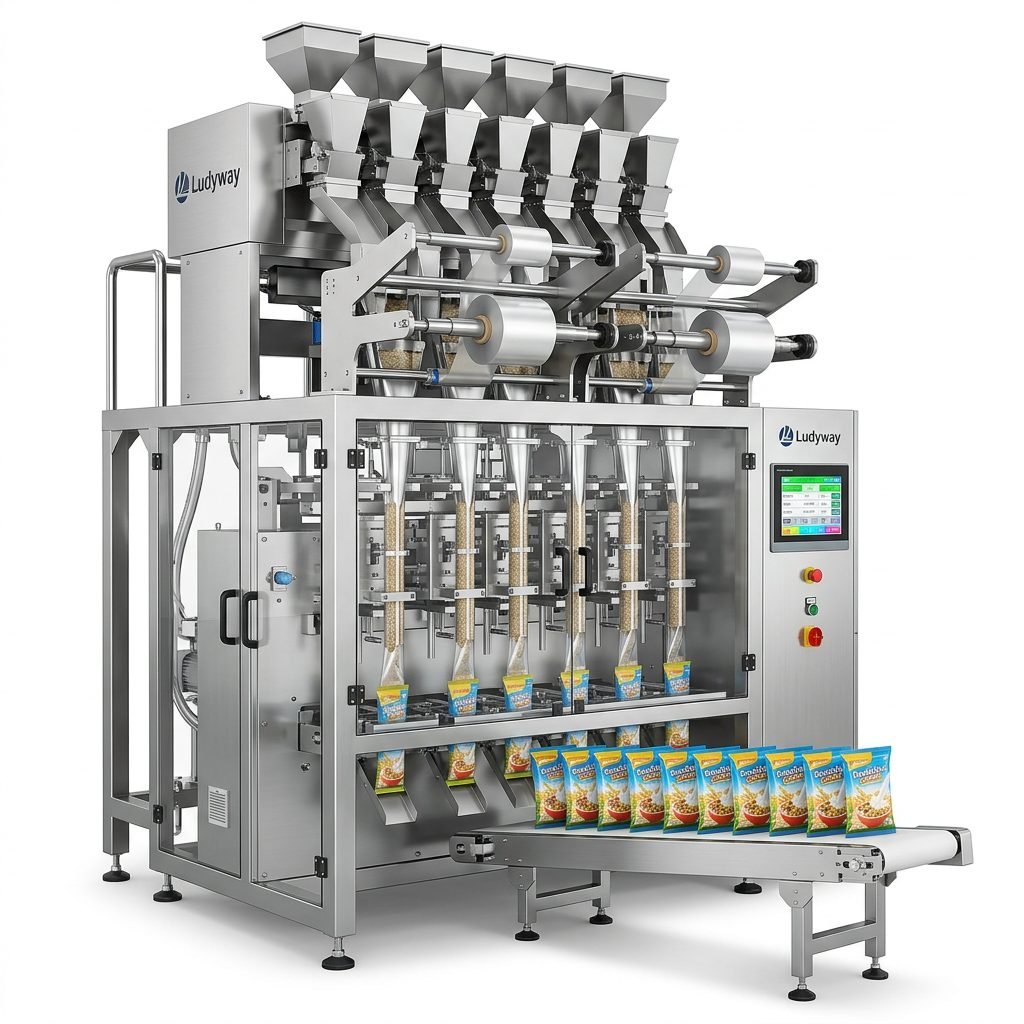
VFFS machines are versatile workhorses suitable for a wide range of confectionery products. They form a bag from a flat roll of film, fill it with product, and seal it in a continuous vertical motion. These machines can handle pillow bags, gusseted bags, and quad-seal bags, making them suitable for everything from individually wrapped candies to family-size confectionery pouches. Many modern VFFS systems integrate with industry-standard automation components for reliable performance.
Horizontal Flow Wrapping Machines
Flow wrappers are the preferred choice for individually wrapping chocolate bars, candy bars, and confectionery trays. The product is fed horizontally into a tube of packaging film, which is then sealed and cut between items. These machines excel at handling delicate or irregularly shaped products and can achieve high speeds with precise registration for printed films.
Premade Pouch Filling and Sealing Machines
For manufacturers using stand-up pouches, zipper bags, or spouted pouches, premade pouch machines offer excellent flexibility. These rotary or inline systems pick, open, fill, and seal premade pouches, providing superior package presentation and the ability to handle various pouch formats on the same machine with minimal changeover time.
Key Technical Specifications to Evaluate
When comparing confectionery packaging machinery, several technical specifications directly affect performance, reliability, and product quality. Use the following table as a checklist during your evaluation process.
| Specification | Why It Matters | What to Look For |
|---|---|---|
| Production Speed | Determines throughput and ability to meet demand | Packs per minute across all lanes; verify sustained speed vs. peak speed |
| Filling Accuracy | Impacts product giveaway and pack consistency | ±0.5% to ±1% accuracy; multi-head weigher or volumetric options |
| Bag Size Range | Flexibility to run different SKUs | Width and length range; quick-change adjustment features |
| Material Compatibility | Affects seal integrity and shelf appeal | Support for laminates, metallized films, paper-based materials |
| Changeover Time | Impacts production scheduling flexibility | Tool-less adjustments; recipe memory; under 15 minutes ideal |
| Automation Level | Labor requirements and consistency | Auto-splice, auto-registration, remote monitoring capabilities |
| Hygiene Design | Food safety and cleaning efficiency | Stainless steel construction, sloped surfaces, IP65 or higher rating |
Critical Features for Confectionery Packaging Success
Temperature Control and Sealing Precision
Confectionery products are often temperature-sensitive. Chocolate coatings can melt, gummies can become sticky, and hard candies can develop surface imperfections if exposed to excessive heat during sealing. Look for machines with precise temperature control systems, PID controllers, and independently adjustable sealing jaw temperatures. This ensures strong hermetic seals without compromising product integrity.
Gentle Product Handling
Fragile confectionery items require careful handling throughout the packaging process. Minimizing product drop height, using specialized feeding systems, and incorporating buffer zones can significantly reduce product breakage and waste. For coated products like chocolate-covered nuts or candy-coated chocolates, gentle handling preserves surface finish and prevents coating damage.
Gas Flushing and Modified Atmosphere Packaging (MAP)
For confectionery products requiring extended shelf life, nitrogen flushing or MAP capabilities are essential. Oxygen accelerates rancidity in fat-containing products and can cause texture changes in hygroscopic candies. Machines equipped with gas flushing systems replace oxygen with inert gas before sealing, dramatically extending freshness and protecting flavor profiles.
Industry Standards and Regulatory Compliance
Confectionery packaging equipment must comply with food safety regulations in your target markets. Familiarize yourself with relevant standards from organizations like the FDA for food packaging requirements in the United States, and ISO packaging standards for international markets. The Flexible Packaging Association also provides valuable resources on material compliance and sustainability considerations.
Budget Considerations and ROI Analysis
The purchase price of a confectionery packaging machine represents only part of the total cost equation. A thorough ROI analysis should account for:
- Initial capital expenditure – machine cost, installation, and facility modifications
- Operating costs – labor requirements, energy consumption, and packaging material waste rates
- Maintenance expenses – spare parts availability, preventive maintenance schedules, and technician support
- Productivity gains – increased throughput, reduced giveaway, and improved first-pass yield
- Downtime risk – reliability track record and speed of technical support response
While entry-level machines may have lower upfront costs, investing in higher-quality equipment often delivers better long-term value through reduced downtime, longer service life, and superior packaging quality that enhances brand perception at retail.
Evaluating Machine Suppliers
Choosing the right supplier is as important as choosing the right machine. Look for manufacturers with proven experience in confectionery packaging applications, not just general packaging. Key evaluation criteria include:
- Industry-specific experience – Has the supplier successfully deployed machines for similar confectionery products?
- Technical support capabilities – Is remote and on-site support available in your region? What are response times?
- Spare parts availability – Are critical components readily accessible, or will you face extended lead times?
- Customization options – Can the machine be configured to your specific requirements, or are you limited to standard configurations?
- References and track record – Request customer references and case studies from similar applications.
- After-sales commitment – Evaluate training programs, documentation quality, and ongoing technical partnership.
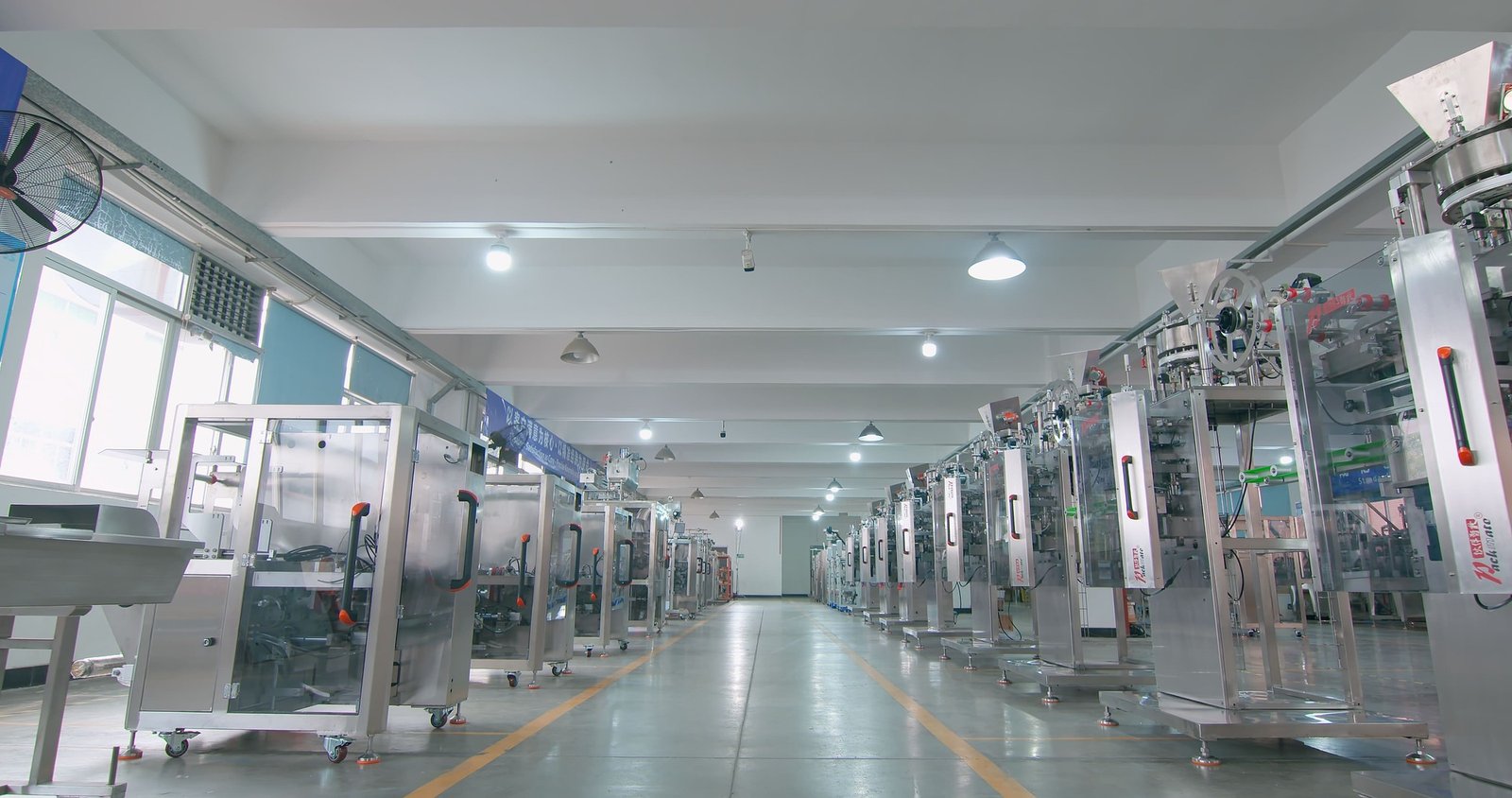
Established manufacturers like Ludyway Machinery, with over 30 years of experience and a 20,000-square-meter manufacturing facility, offer integrated packaging solutions that span powder, granule, liquid, stick pack, sachet, and pouch applications across multiple industries. Working with an experienced partner that provides customized engineering solutions rather than only standardized machines can make a significant difference in achieving your production goals.
Integration with Existing Production Lines
A confectionery packaging machine rarely operates in isolation. Consider how the new equipment will integrate with upstream processes like cooking, cooling, and conveying, as well as downstream operations such as cartoning, case packing, and palletizing. Turnkey packaging line solutions that connect multiple stages can simplify integration, reduce interface risks, and provide single-source accountability. When evaluating machines, discuss your full production line context with potential suppliers to ensure seamless compatibility.
Future-Proofing Your Investment
Packaging trends evolve, and your machine should accommodate future needs. Modular machine designs allow you to add features, increase lanes, or integrate new technologies without replacing the entire system. Consider whether the machine platform supports:
- Adding more filling lanes for increased capacity
- Retrofitting with updated automation and vision inspection systems
- Switching between different packaging formats and materials
- Integration with Industry 4.0 data collection and analytics platforms
- Adaptation to sustainable packaging materials as they become available
Common Mistakes to Avoid
Drawing from industry experience and insights from organizations like the PMMI packaging industry reports, here are frequent pitfalls buyers encounter:
- Underestimating production growth – Purchase a machine with some headroom above your current needs to accommodate growth without immediate reinvestment.
- Overlooking material testing – Always test your specific packaging materials on the machine before purchase; film characteristics vary significantly between suppliers.
- Focusing solely on purchase price – A cheaper machine that produces higher waste, requires more labor, or experiences frequent downtime quickly erodes any initial savings.
- Ignoring operator training needs – Complex machines require skilled operators; factor training time and ongoing skill development into your implementation plan.
- Neglecting environmental conditions – Confectionery production environments with humidity, dust, or temperature fluctuations can affect machine performance; ensure the equipment is rated for your specific conditions.
Making the Final Decision
After evaluating technical specifications, supplier qualifications, and total cost of ownership, the final decision should balance current requirements with future flexibility. The right confectionery packaging machine is one that delivers consistent, high-quality packaging at your required throughput, integrates smoothly with your production environment, and is backed by a supplier committed to your long-term success. Take time to visit supplier facilities when possible, run product trials with your actual materials, and speak directly with reference customers before committing to your investment.
For manufacturers seeking customized packaging solutions that go beyond standardized equipment, working with an experienced provider that offers comprehensive packaging machinery engineering and turnkey solutions can provide the technical depth and application expertise needed for successful confectionery packaging operations across global markets.