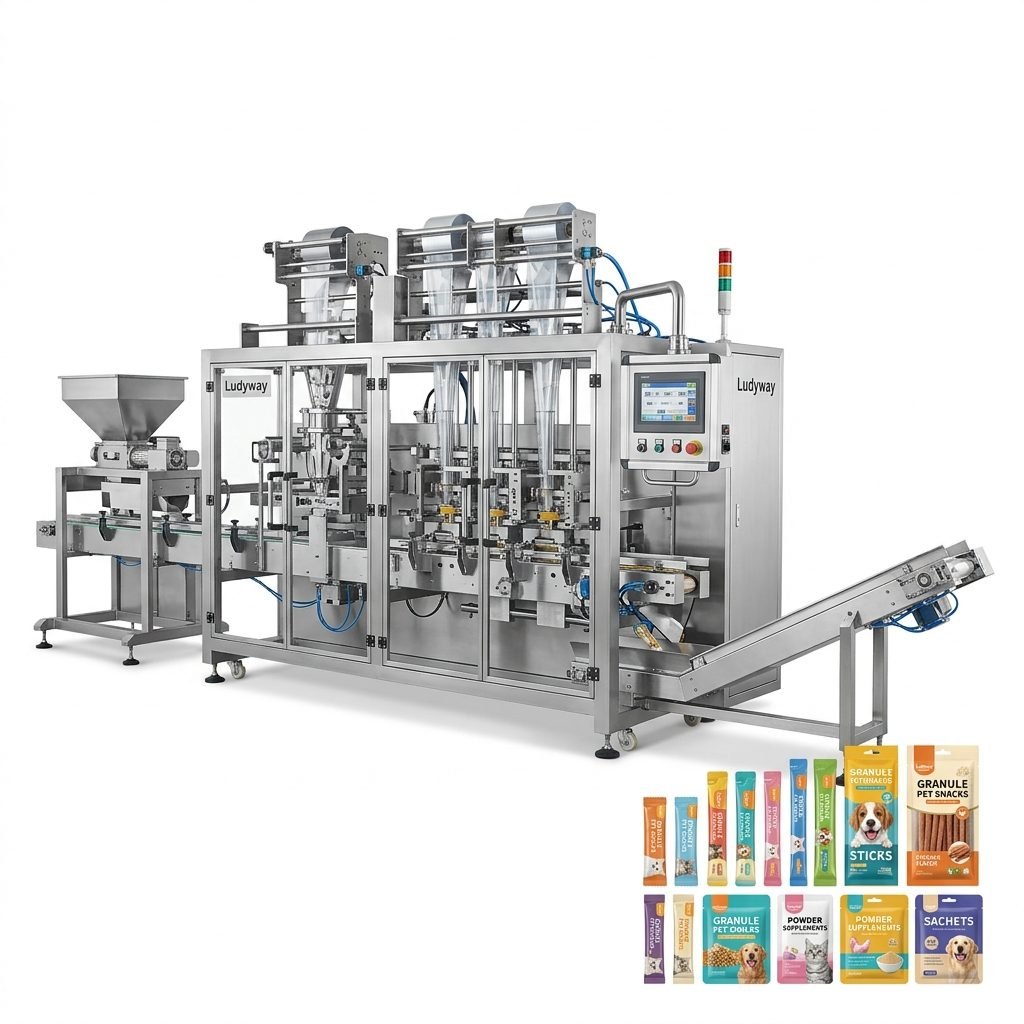
Investing in a small coffee packaging machine is a significant step for any coffee business looking to scale production, improve consistency, and reduce labor costs. Whether you are a specialty roaster moving from manual packaging or a growing brand entering new markets, selecting the right equipment requires careful evaluation of multiple factors. This guide walks you through the essential considerations to help you make an informed decision.
Understanding Your Coffee Product Characteristics
Before evaluating any coffee packaging machine, you must first understand the physical properties of your product. Different coffee types present unique challenges for packaging equipment:
- Ground coffee: Varies in particle size and can be dusty, requiring precision auger fillers and dust extraction systems.
- Whole bean coffee: Fragile and prone to breakage; needs gentle handling and volumetric or weigh-filling systems.
- Instant coffee powder: Highly hygroscopic and free-flowing; demands airtight sealing and moisture-resistant packaging materials.
- Freeze-dried coffee granules: Irregular shapes that can bridge during filling; requires specialized dosing mechanisms.
- Coffee mixes and blends: Multiple ingredients with different densities; multi-component dosing systems are often necessary.
According to the Flexible Packaging Association’s industry data, coffee packaging demands have evolved significantly, with manufacturers increasingly seeking equipment that can handle multiple product formats without extensive changeover time.
Key Factors to Evaluate Before Purchasing
Selecting the right small coffee packaging machine involves balancing technical requirements with business objectives. The following criteria should guide your packaging machinery market research and evaluation process.
Packaging Format and Bag Style
The type of package you plan to produce directly determines the machine configuration you need. Common coffee packaging formats include:
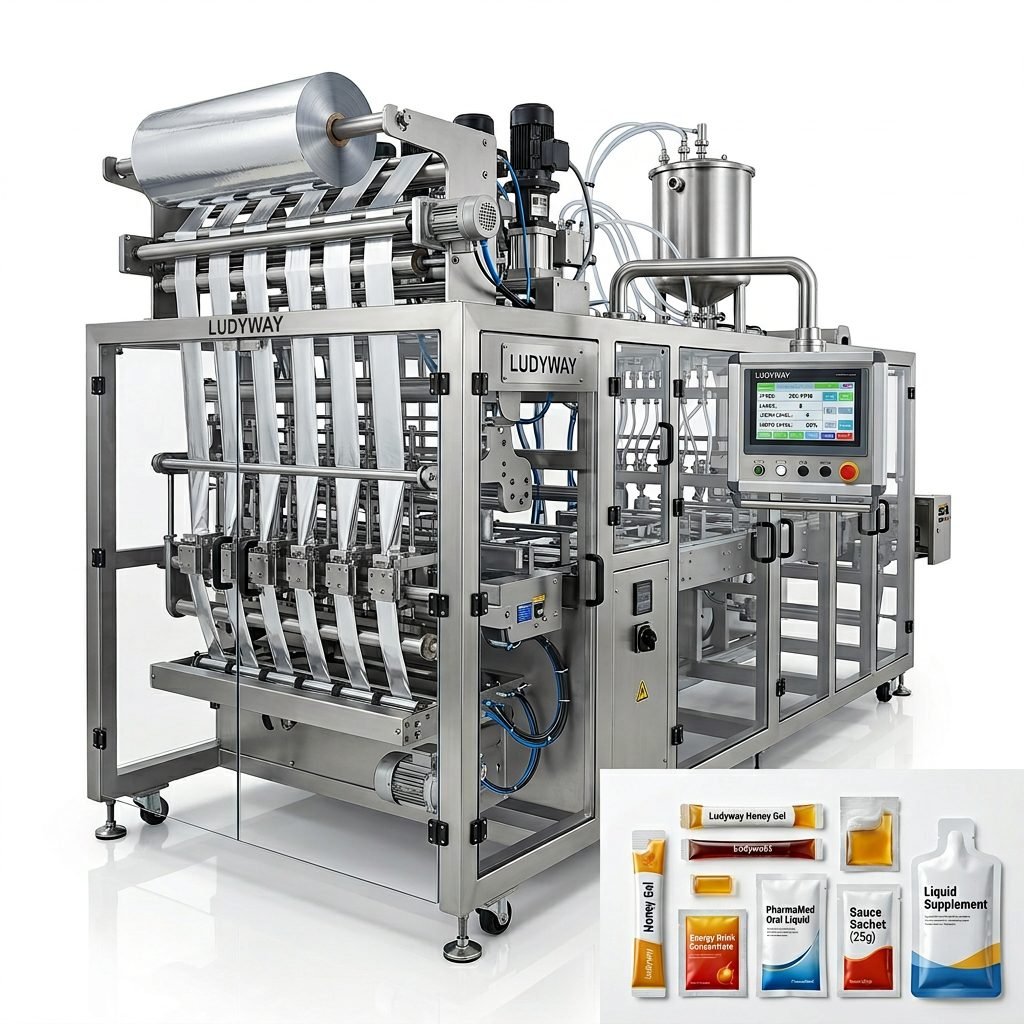
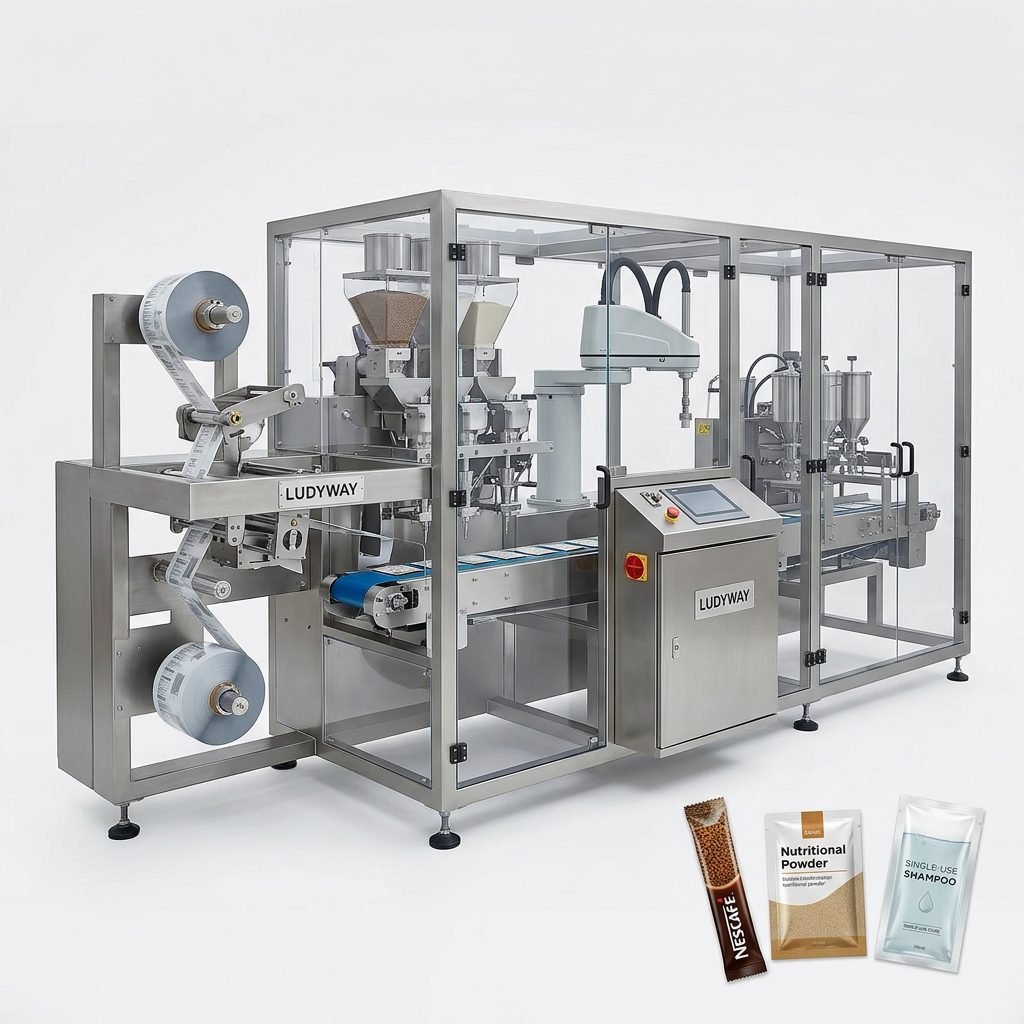
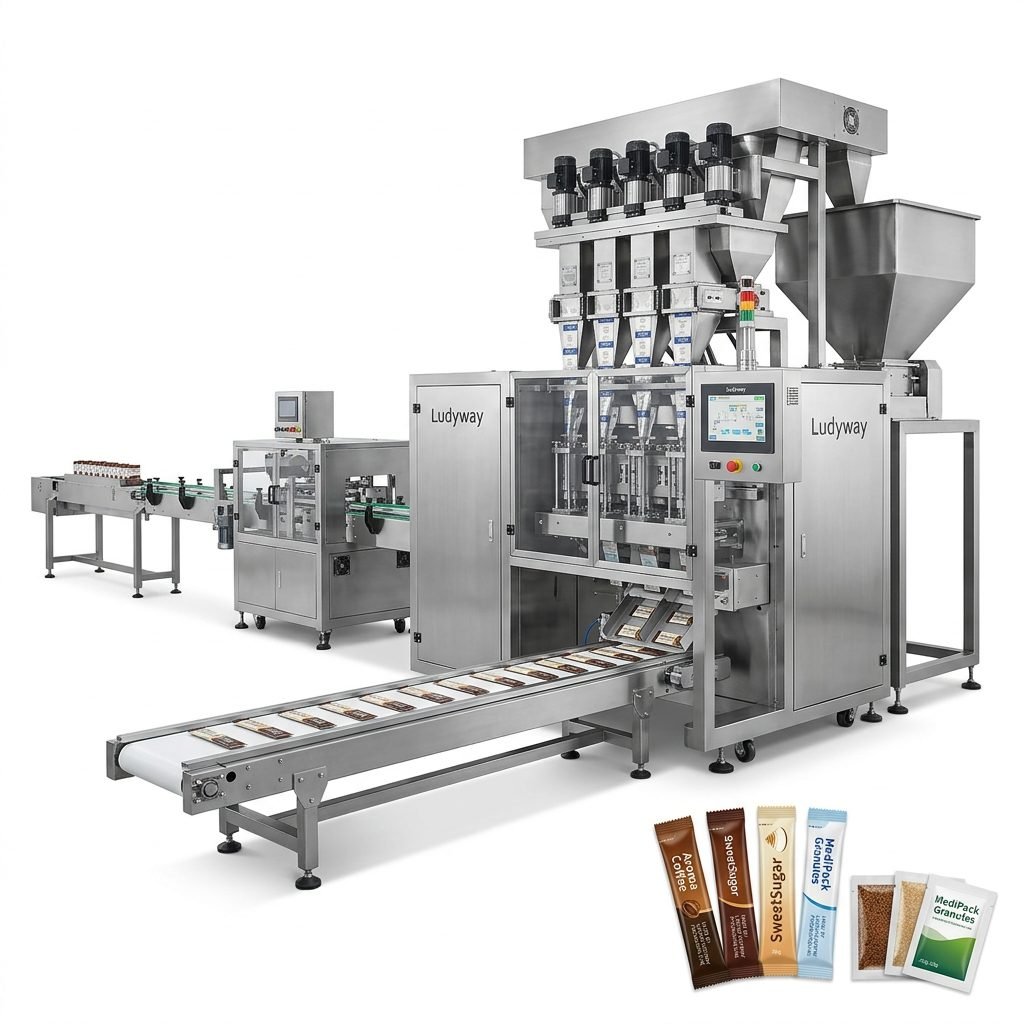
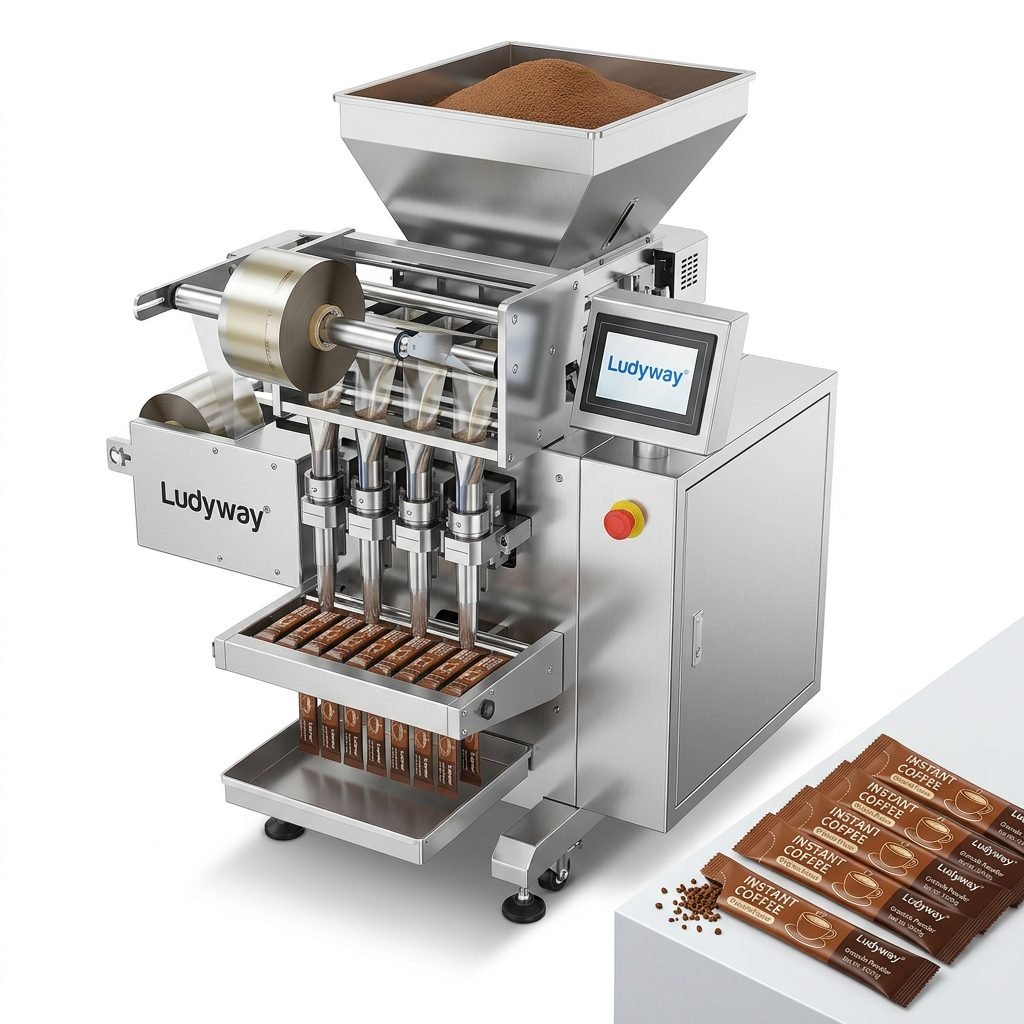
- Stick packs: Narrow, single-serve sachets ideal for instant coffee; require multi-lane stick pack machines for high-output production.
- Flat sachets: Three- or four-side sealed pouches suitable for single-serve ground coffee portions.
- Stand-up pouches: Popular for retail coffee sales with degassing valves; require advanced form-fill-seal technology.
- Quad-seal bags: Provide excellent shelf presence and barrier protection for premium coffee brands.
Production Speed and Capacity Requirements
Matching machine speed to your current and future production needs is critical. A machine that is too slow creates bottlenecks, while one that is too fast may lead to unnecessary capital expenditure. Consider:
- Current daily or monthly production volumes in kilograms or units
- Projected growth over the next 3 to 5 years
- Seasonal demand fluctuations common in the coffee industry
- Shift patterns and available operating hours
Multi-lane configurations can significantly increase output for stick pack and sachet formats, with some systems achieving over 400 packs per minute per lane.
Filling Accuracy and Dosing Technology
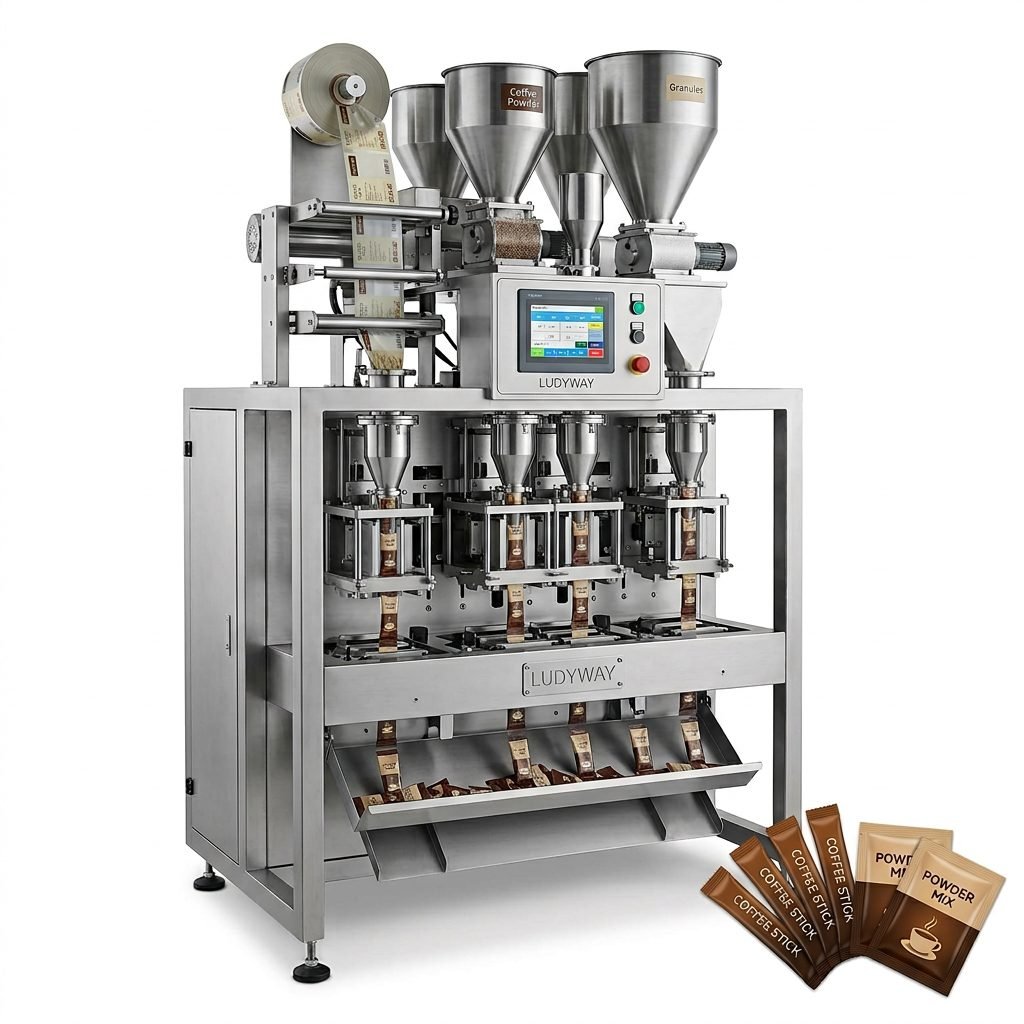
Consistent fill weights protect your profit margins and ensure regulatory compliance. The FDA packaging regulations require accurate net content declarations, making dosing precision non-negotiable. Key dosing technologies for coffee include:
- Auger fillers: Best for ground coffee and powders; offer ±1% accuracy with proper calibration.
- Volumetric cup fillers: Suitable for whole beans and free-flowing granules; cost-effective but less precise.
- Multi-head weighers: Provide the highest accuracy for premium products; ideal for whole bean and coarse ground coffee.
- Combination weighing systems: Balance speed and accuracy for high-volume production lines.
| Machine Type | Best For | Speed Range | Approximate Investment Level |
|---|---|---|---|
| Single-Lane Stick Pack Machine | Instant coffee, small batch production | 30–80 packs/min | Entry to mid-range |
| Multi-Lane Stick Pack Machine (4–12 lanes) | High-volume instant coffee, coffee mixes | 200–600+ packs/min | Mid to high-range |
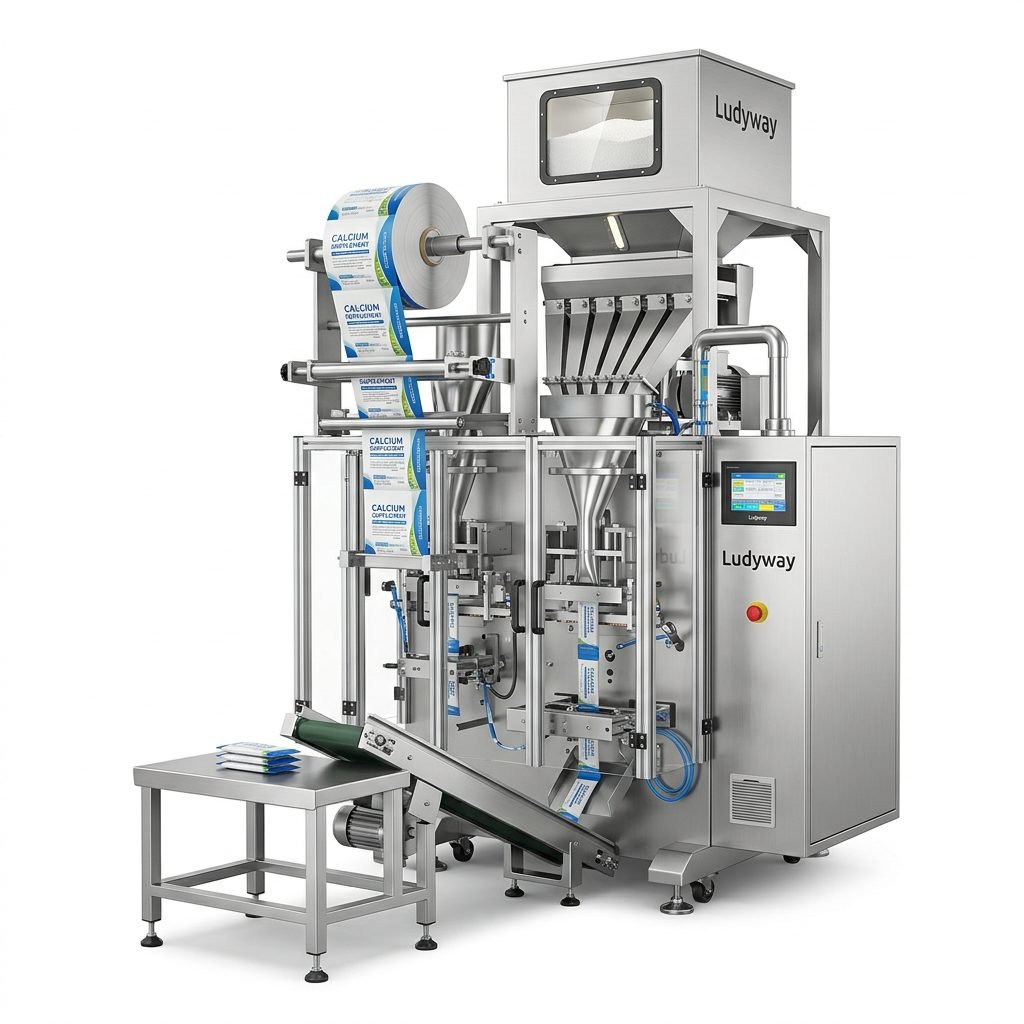
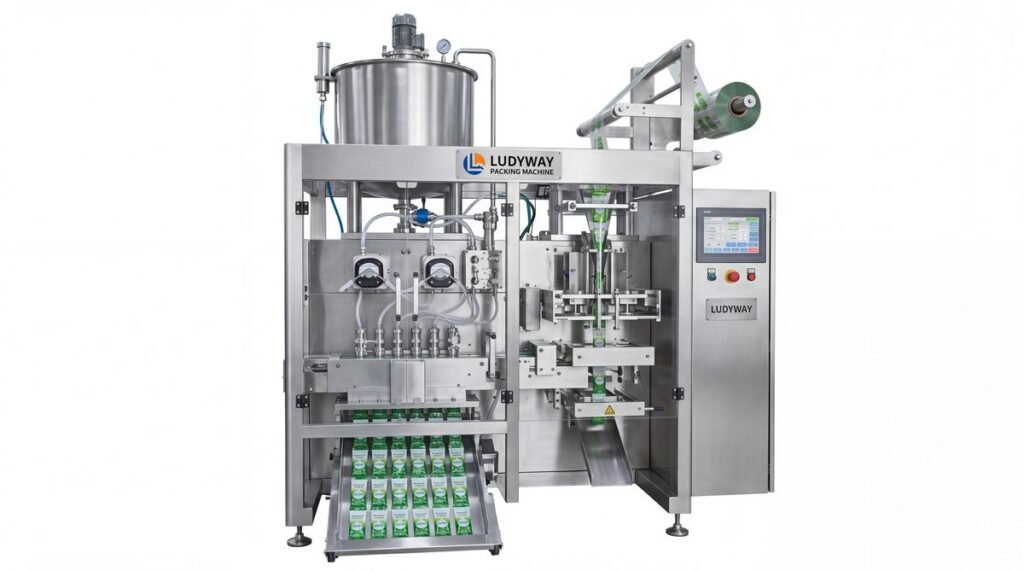
| Vertical Form-Fill-Seal (VFFS) | Ground coffee, whole beans in pouches | 40–120 packs/min | Mid-range |
| Premade Pouch Rotary Machine | Premium retail coffee bags with valves | 30–80 packs/min | Mid to high-range |
Machine Footprint and Production Line Integration
Space constraints in coffee roasting and packaging facilities often dictate equipment selection. A compact small coffee packaging machine should integrate seamlessly with existing infrastructure. Evaluate:
- Available floor space and ceiling height in your facility
- Compatibility with upstream equipment such as grinders, conveyors, and weighers
- Downstream integration with cartoners, case packers, and palletizers
- Utility requirements including compressed air, power supply, and dust extraction
Material Compatibility and Seal Integrity
Coffee requires high-barrier packaging materials to preserve freshness, aroma, and flavor. Your chosen machine must be compatible with the films and laminates needed for your product. Common coffee packaging materials include:
- PET/Aluminum/PE laminates for maximum oxygen and moisture barrier
- Metallized PET/PE for moderate barrier requirements
- Kraft paper/PE with valve for whole bean coffee
- Compostable and biodegradable films for sustainable packaging lines
Seal quality is paramount. Poor seals lead to product spoilage, customer complaints, and brand damage. Look for machines with precise temperature control, adjustable sealing pressure, and dwell time settings. The ISO packaging standards provide guidelines for seal integrity testing that reputable manufacturers follow.
Automation Level and Operational Efficiency
Modern coffee packaging machines offer varying degrees of automation, from semi-automatic systems requiring significant operator involvement to fully automated lines with minimal human intervention. Consider:
- Semi-automatic machines: Lower upfront cost; suitable for startups and small roasters with lower output requirements.
- Fully automatic machines: Higher throughput with reduced labor dependency; faster return on investment for medium to high volumes.
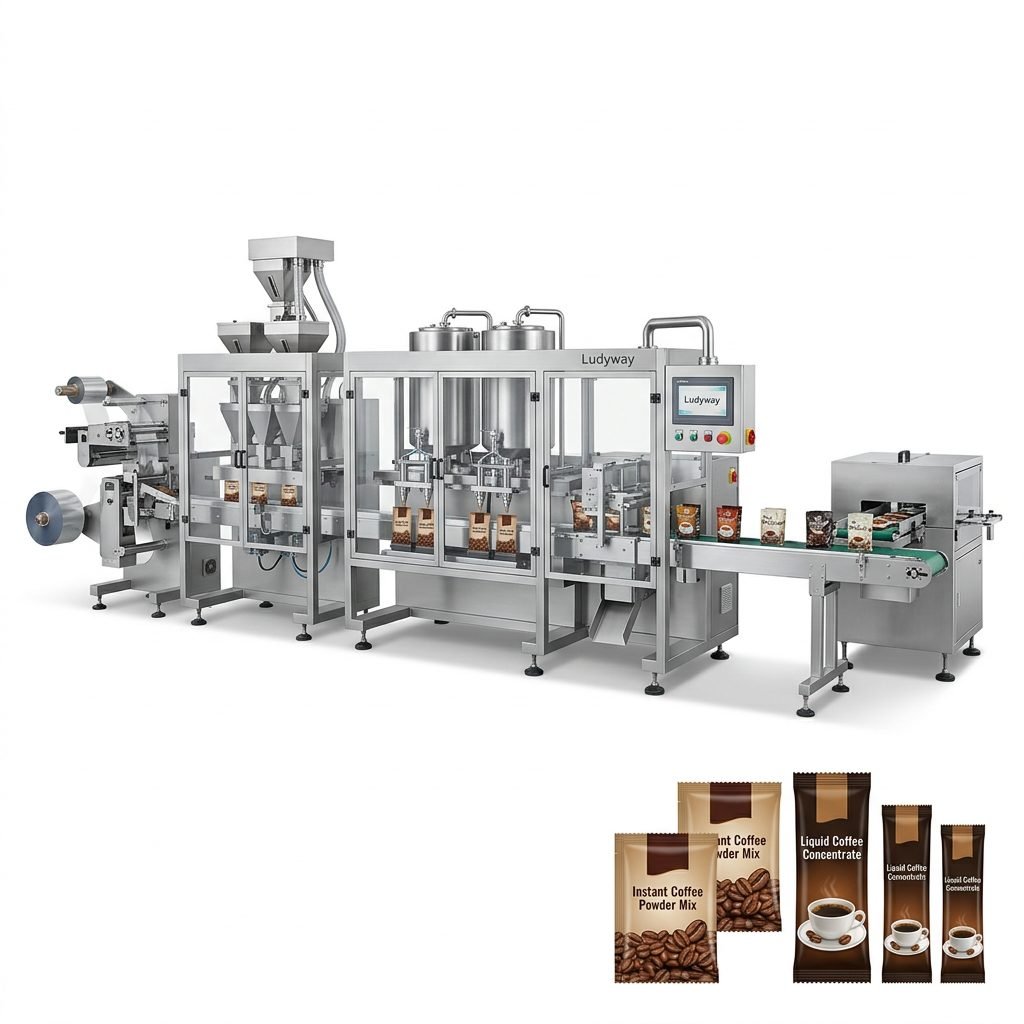
- Turnkey packaging lines: Integrated systems connecting filling, sealing, coding, inspection, and cartoning; maximize efficiency for large-scale operations.
User-friendly controls with touchscreen interfaces, recipe storage, and automated cleaning cycles reduce operator training time and minimize downtime. Remote diagnostic capabilities are increasingly valuable for troubleshooting and maintenance support.
Certifications, Compliance, and Quality Standards
For coffee businesses targeting domestic and international markets, equipment compliance with relevant standards is essential. Verify that your chosen small coffee packaging machine meets applicable requirements:
- CE marking for European market access
- FDA compliance for food contact materials in the United States
- GFSI-compliant design with sanitary construction for food safety
- ISO 9001 quality management certification of the manufacturer
- HACCP-compatible design features for critical control points
The PMMI packaging machinery standards and regulations provide comprehensive guidance on compliance requirements across different regions.
Evaluating Supplier Expertise and Support
Your relationship with the equipment supplier extends far beyond the initial purchase. A reliable packaging machinery partner provides value throughout the machine’s lifecycle. Key evaluation criteria include:
- Industry experience: How many years has the supplier been manufacturing coffee packaging equipment?
- Technical support: Availability of remote assistance, on-site service, and operator training programs.
- Spare parts availability: Quick access to critical components to minimize production interruptions.
- Customization capabilities: Can the supplier adapt machine configurations to your specific product and packaging requirements?
- Global service network: Particularly important for exporters serving multiple international markets.
As highlighted in a recent packaging machinery global growth report, the demand for automated coffee packaging solutions continues to expand rapidly across emerging markets in Southeast Asia, Africa, and Latin America, driven by rising coffee consumption and increasing automation adoption.

Total Cost of Ownership Considerations
Looking beyond the purchase price ensures a realistic assessment of long-term costs. A comprehensive cost analysis should account for:
- Initial investment: Machine cost including tooling, shipping, and installation.
- Operating costs: Energy consumption, compressed air usage, and consumables.
- Packaging material waste: Machines with precise film registration and tension control minimize waste, directly impacting per-unit packaging costs.
- Maintenance and spare parts: Preventive maintenance schedules and typical component replacement intervals.
- Labor requirements: Number of operators needed per shift and associated training investment.
- Downtime risk: Reliability track record and availability of local service support.
Making the Final Decision
Choosing the right small coffee packaging machine requires balancing technical specifications, budget constraints, and long-term business goals. We recommend the following decision process:
- Define your requirements in writing, including product characteristics, packaging formats, target output, and budget range.
- Research potential suppliers with proven experience in coffee packaging applications and strong references.
- Request detailed proposals including machine specifications, lead times, warranty terms, and after-sales support details.
- Conduct factory acceptance testing with your actual product and packaging materials whenever possible.
- Evaluate total cost of ownership over a 5-year period rather than focusing exclusively on the purchase price.
- Visit reference installations to observe similar machines operating in real production environments.
Manufacturers like Ludyway Machinery, a China-based packaging machinery manufacturer with more than 30 years of experience and over 50 packaging machine models, provide comprehensive support from equipment selection through installation, commissioning, and ongoing technical service. With a 20,000-square-meter manufacturing facility serving customers in more than 100 countries, such suppliers offer the engineering expertise and global service infrastructure needed for long-term packaging success. The 2025 State of the Industry report from PMMI confirms that coffee remains one of the fastest-growing segments within flexible packaging applications.
By thoroughly evaluating these factors and partnering with an experienced equipment supplier, you can select a coffee packaging solution that supports your quality standards, production goals, and business growth for years to come.