Understanding Your Production Needs: K-Cup Machine Types and Configurations
Before selecting a K-Cup packaging machine, manufacturers must first analyze their specific production volume and operational goals. The packaging machinery market offers a wide spectrum of solutions, ranging from semi-automatic systems suitable for startups to fully automated, high-speed multi-lane K-Cup manufacturing lines designed for large-scale coffee production. Understanding the fundamental differences between these configurations is the first critical step in your buyer’s journey.
Single-Lane vs. Multi-Lane Systems
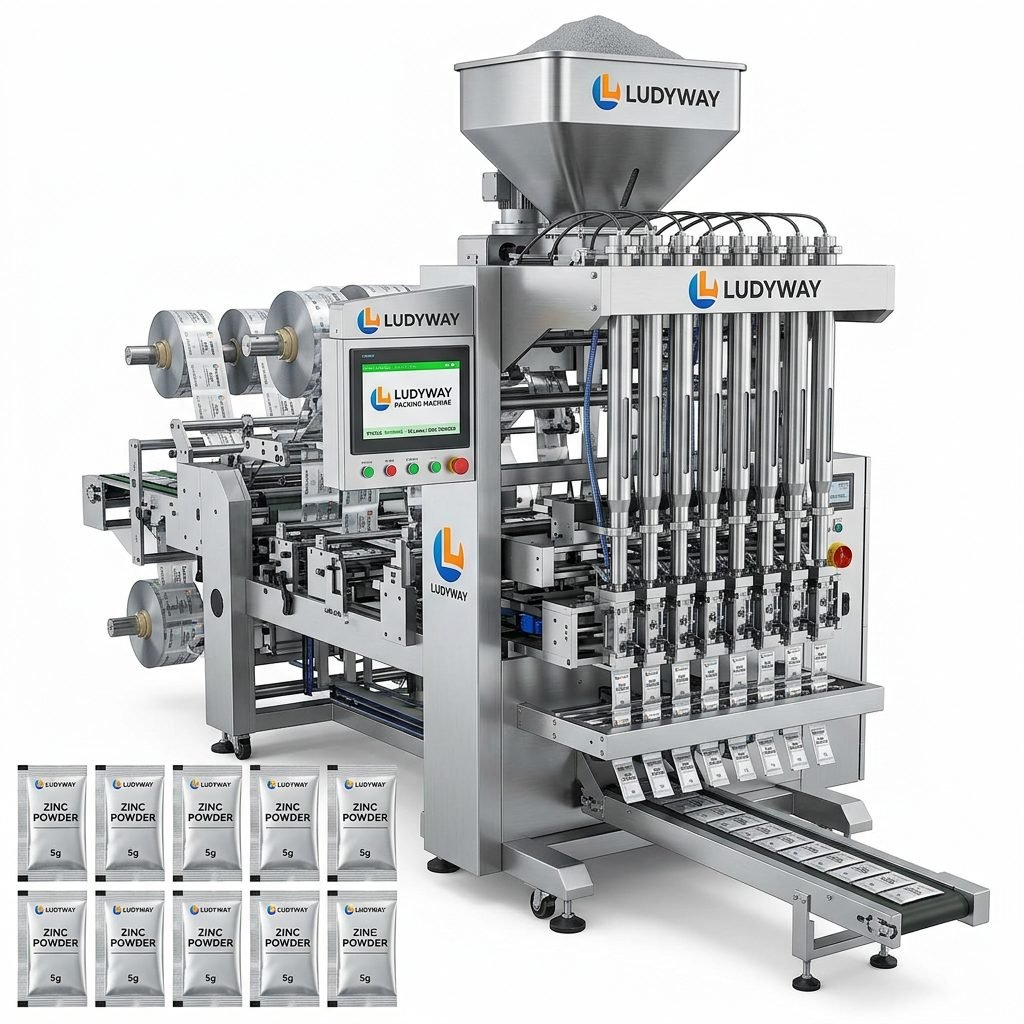
Single-lane K-Cup sealers are typically compact, cost-effective machines ideal for small to medium-sized roasters entering the single-serve market. In contrast, multi-lane K-Cup packaging equipment significantly increases throughput. These high-speed systems can operate with 4, 8, or even 12 lanes simultaneously, helping manufacturers achieve outputs of hundreds of K-Cups per minute while maintaining precision in dosing and sealing.
Speed and Capacity Metrics
When evaluating speed, look beyond the theoretical maximum. Consider practical uptime, changeover times between different coffee blends, and the ease of switching cup formats. A reliable K-Cup filling and sealing machine must balance high-speed automation with consistent filling accuracy and strong seal integrity to prevent product waste and ensure quality.
| Feature Comparison | Single-Lane K-Cup Sealer | Multi-Lane K-Cup Packaging Line |
|---|---|---|
| Typical Output | 50 – 80 cups per minute | 200 – 800 cups per minute |
| Footprint | Compact, medium scale | Industrial-grade, modular structure |
| Investment Level | Lower initial capital | Higher investment, faster ROI |
Assessing Product Characteristics and Packaging Materials
The physical properties of your coffee play a vital role in choosing the right machine. An optimal K-Cup filling station must handle specific grind sizes, densities, and extraction requirements without clogging or creating dust. High-precision auger or volumetric fillers are essential for maintaining portion control—a critical factor for both flavor consistency and material cost management.
Filter and Cup Material Compatibility
Your selected K-Cup packaging machine must be compatible with the specific materials used for your cups and lids. Whether you are utilizing standard plastic cups, compostable materials, or specialized oxygen-barrier films, the heat-sealing parameters (temperature, dwell time, and pressure) must be finely adjustable. Adequate material handling ensures that the filter paper is ultrasonically sealed or heat-bonded without distortion, guaranteeing a leak-proof and contamination-free final product.
Essential Automation Features: From Nitrogen Flushing to Counting Systems
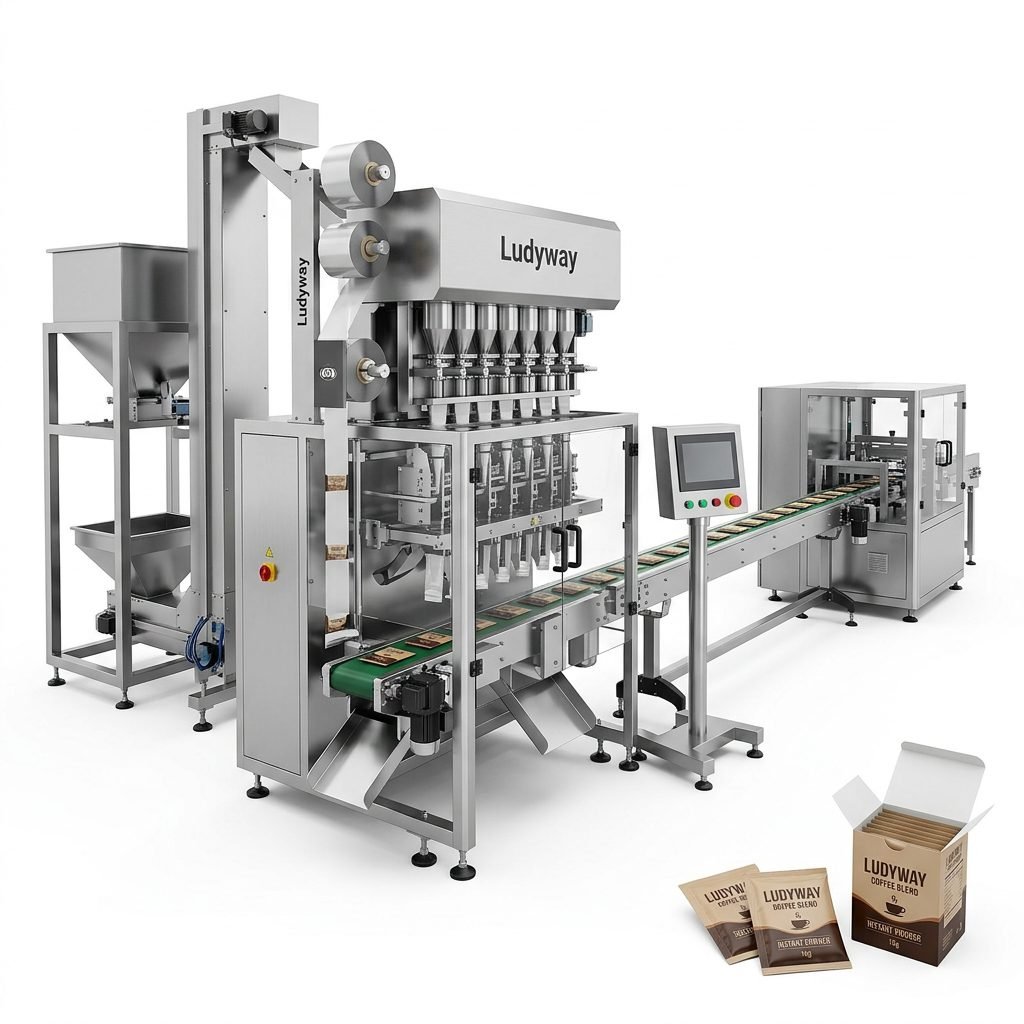
Modern single-serve coffee packaging relies heavily on integrated automation to preserve freshness and boost operational efficiency. A top-tier K-Cup manufacturing line should integrate several key auxiliary functions that go beyond simple filling and sealing.
- Nitrogen Flushing: Essential for displacing oxygen and extending the shelf life of coffee. The machine must inject nitrogen precisely without disturbing the coffee grinds.
- Integrated Coding and Marking: Capabilities that ensure traceable batch codes, production dates, and barcodes are clearly printed on the K-Cup lids.
- Automated Counting and Stacking: These systems count the final K-Cups and automatically stack them into cartons or trays, reducing manual labor and potential contamination risks.
Quality Control Systems
In-line vision inspection systems and checkweighers are vital for rejecting malformed cups or those with incorrect fill weights. These quality assurance features ensure that every K-Cup packaging run meets strict retail and regulatory standards, minimizing costly product recalls.
Customization and Future Scalability of Your Packaging Line
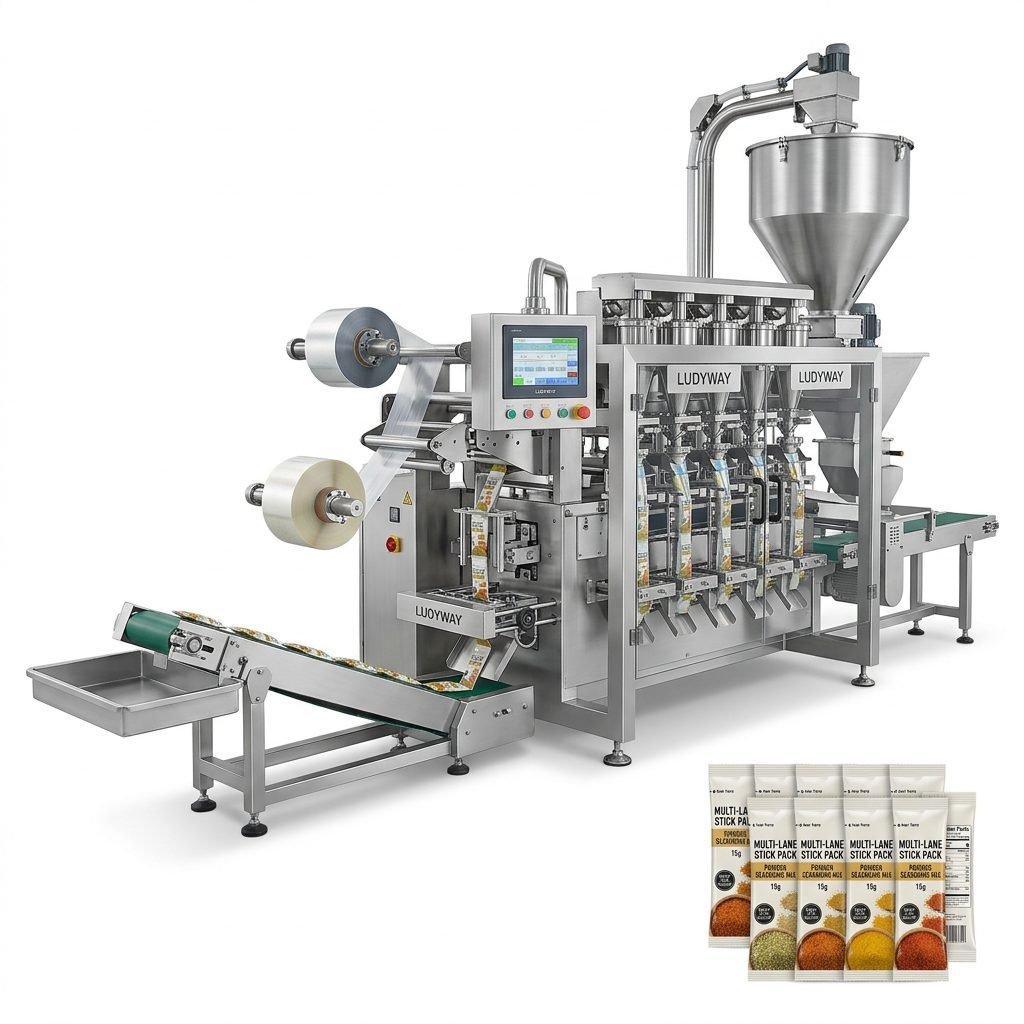
The K-Cup market is dynamic, with consumer demand shifting between different coffee roasts, origin profiles, and eco-friendly packaging formats. A rigid machine configuration can quickly become obsolete. It is crucial to invest in a K-Cup packaging machine manufacturer that offers modular and scalable engineering solutions. For example, Ludyway Machinery, with over 30 years of experience in the packaging industry, specializes in tailored automation. Their turnkey approach allows manufacturers to start with a core K-Cup filling line and later integrate advanced features like automated cartoning, robotic palletizing, or upgraded dosing systems without requiring a full asset replacement. This forward-thinking approach safeguards your investment against evolving market trends.
Standards, Compliance, and Food Safety
Any piece of equipment that comes into contact with consumable products must adhere to stringent international regulations. Adherence to these standards is not only a legal requirement but also a hallmark of a high-quality machine build.
- Material Traceability: Components must be manufactured from food-grade stainless steel (SUS304/SUS316) to prevent chemical reactions.
- Regulatory Adherence: Your K-Cup packaging process must comply with FDA food contact substance regulations for the North American market, as well as applicable ISO packaging standards for international distribution.
Budget, ROI, and Long-Term Technical Support
Calculating the total cost of ownership (TCO) goes far beyond the initial purchase price of the K-Cup packaging machine. A thorough financial assessment should account for electrical consumption, wear parts replacement frequency, operator training, and the availability of responsive after-sales technical support. A lower upfront cost can translate to significant downtime and maintenance expenses if the manufacturer does not provide robust remote assistance or local spare parts availability.
Evaluating the Supply Partner
Analyze the supplier’s reputation and global reach. Reviewing case studies and market reports, such as the Ludyway Packaging Machinery Global Growth Trend report, provides valuable insights into a manufacturer’s market stability and export capabilities. A stable, rapidly growing partner with a global service infrastructure ensures you receive real-time support for troubleshooting, installation, and employee training throughout the entire lifecycle of the machine.
Key Takeaways for Buyers
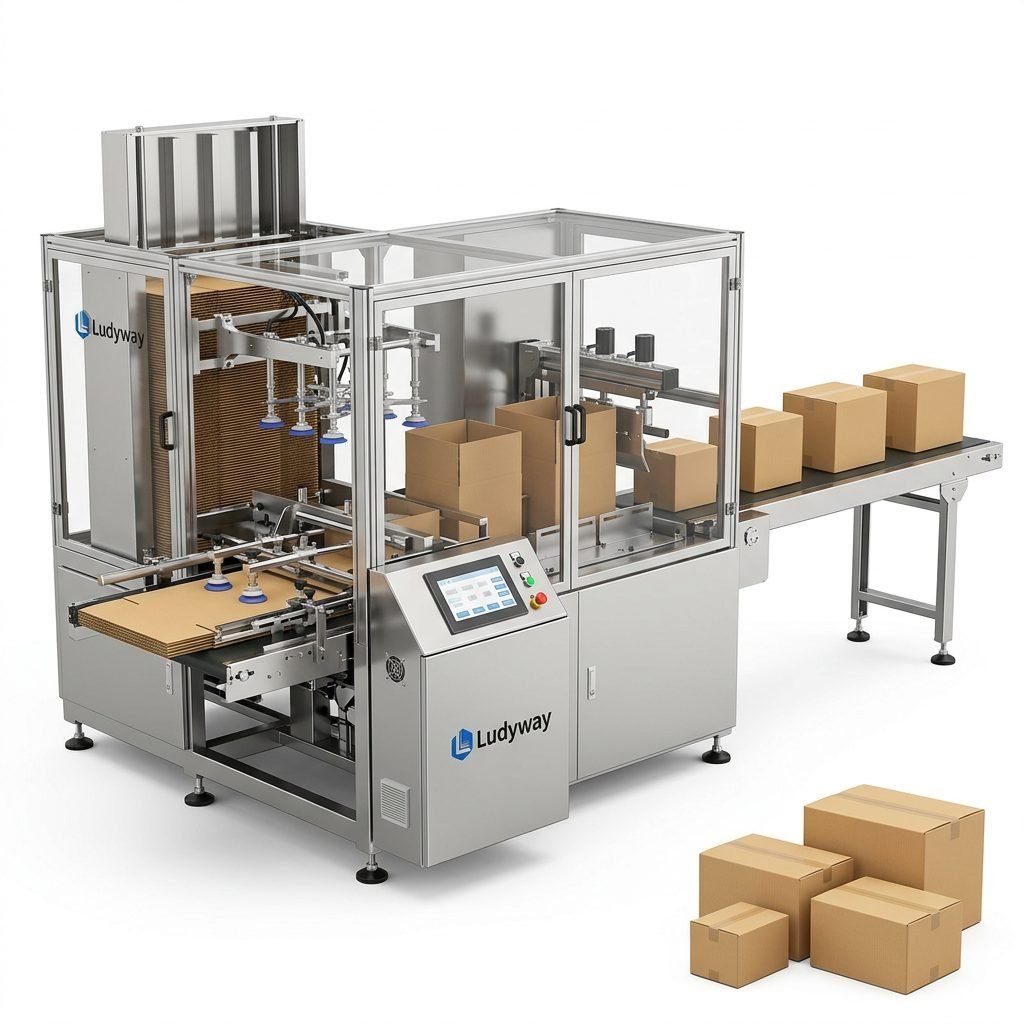
Selecting the ideal K-Cup packaging machine is a strategic decision that impacts product quality, production scalability, and operational costs. Always verify the physical compatibility of the machine with your materials, prioritize scalable modular designs, validate adherence to PMMI packaging industry insights, and thoroughly vet the long-term technical support framework before finalizing your purchase.
Need Help with Your K-Cup Packaging Project?
Selecting a machine involves balancing speed, accuracy, and long-term reliability. Exploring the full capabilities of integrated K-Cup manufacturing systems can help you build a future-proof factory.