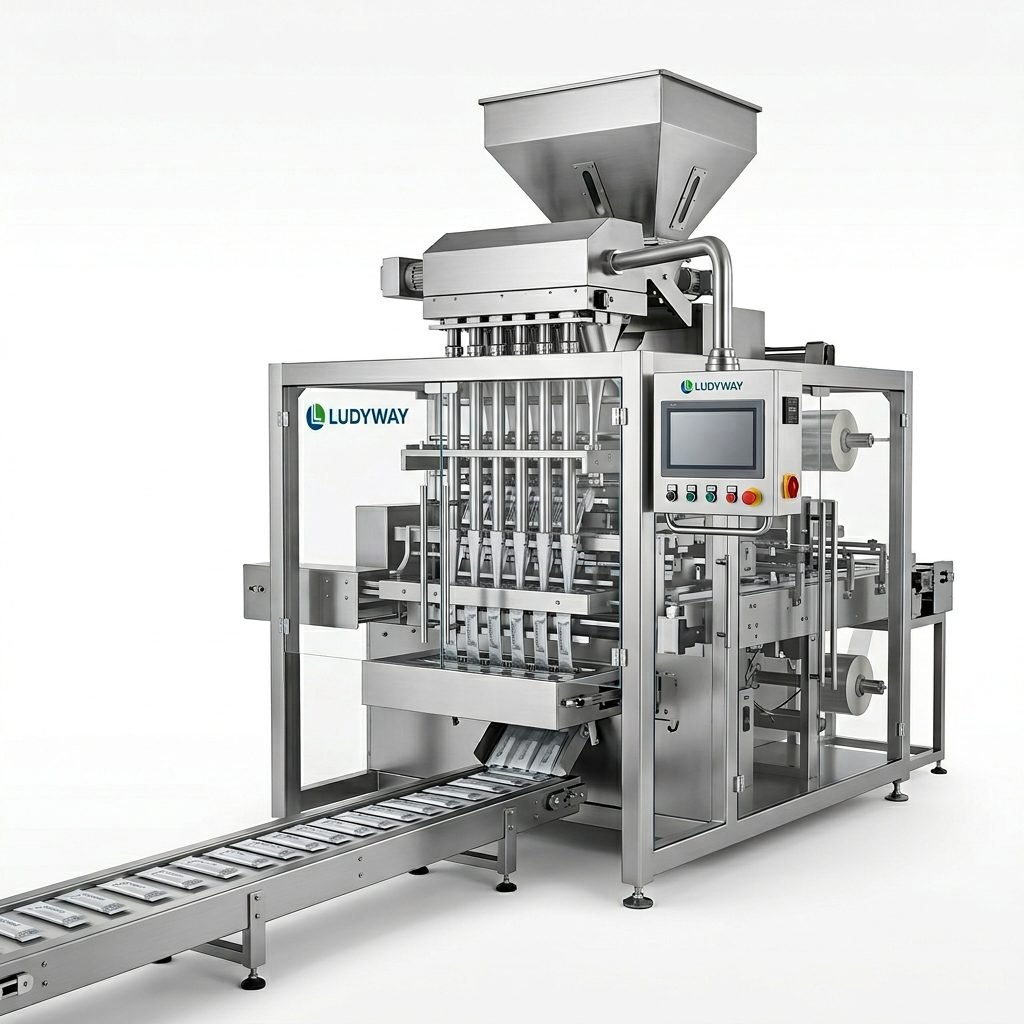
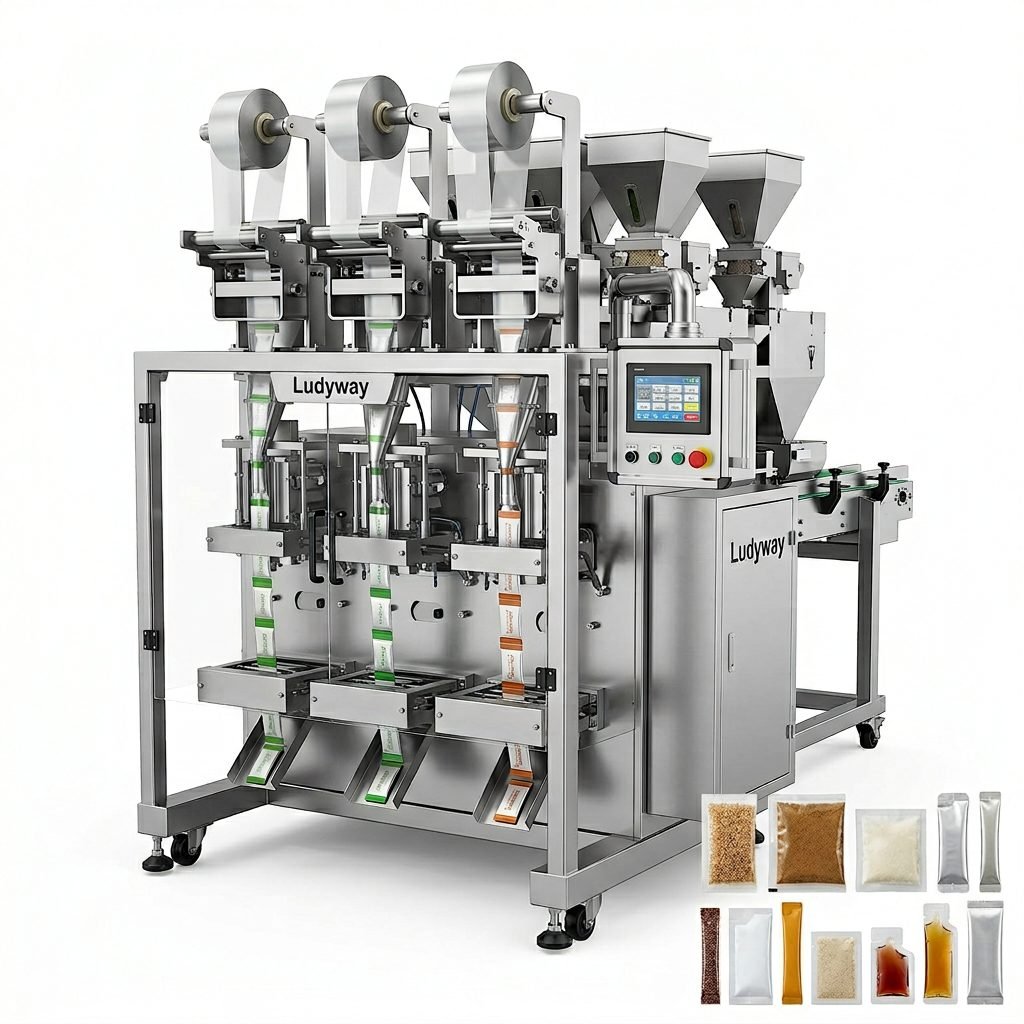
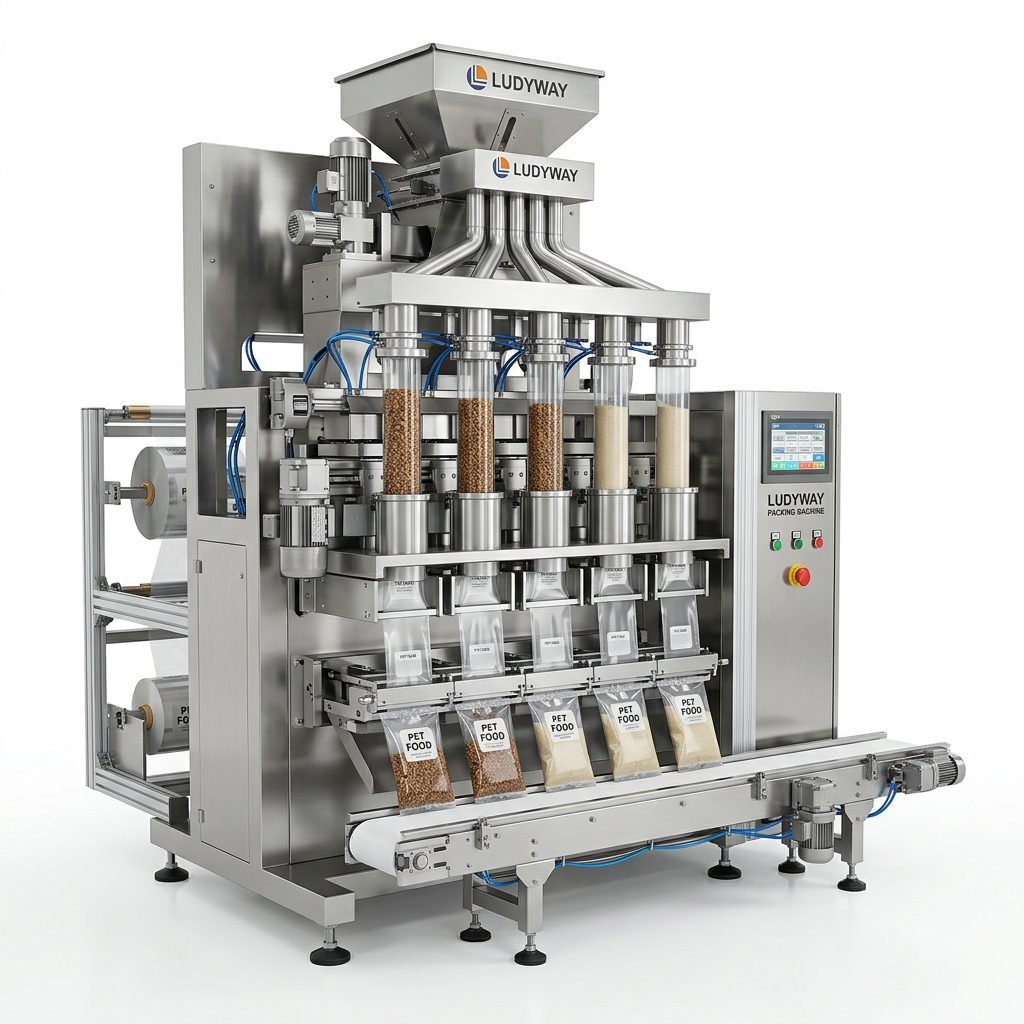
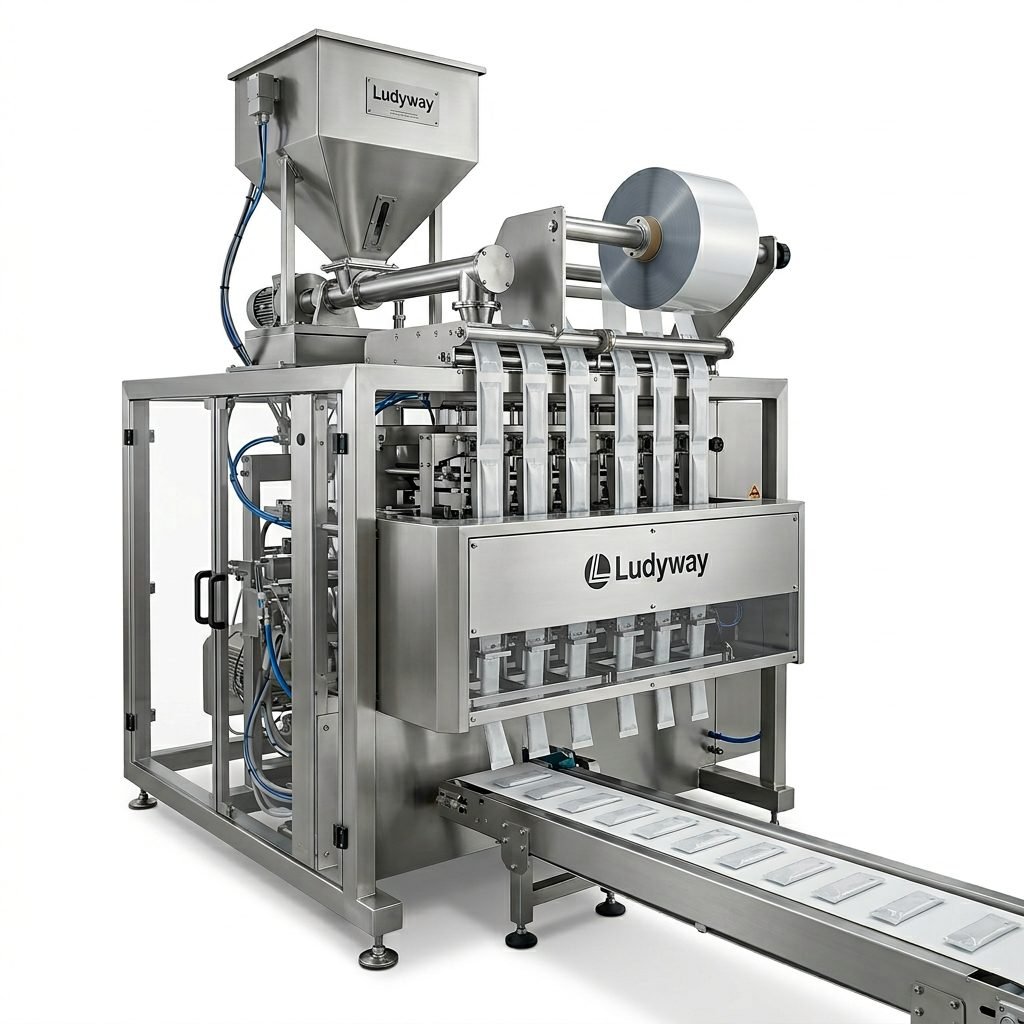
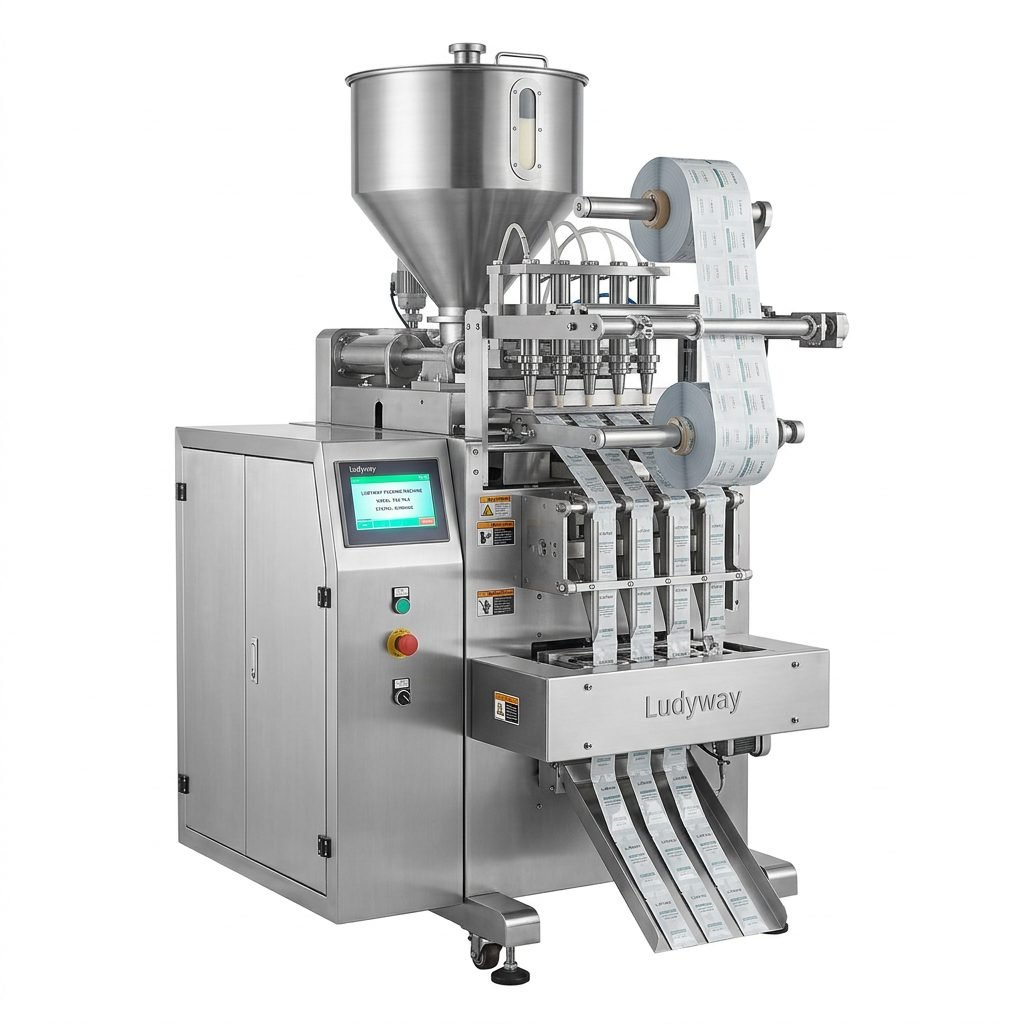
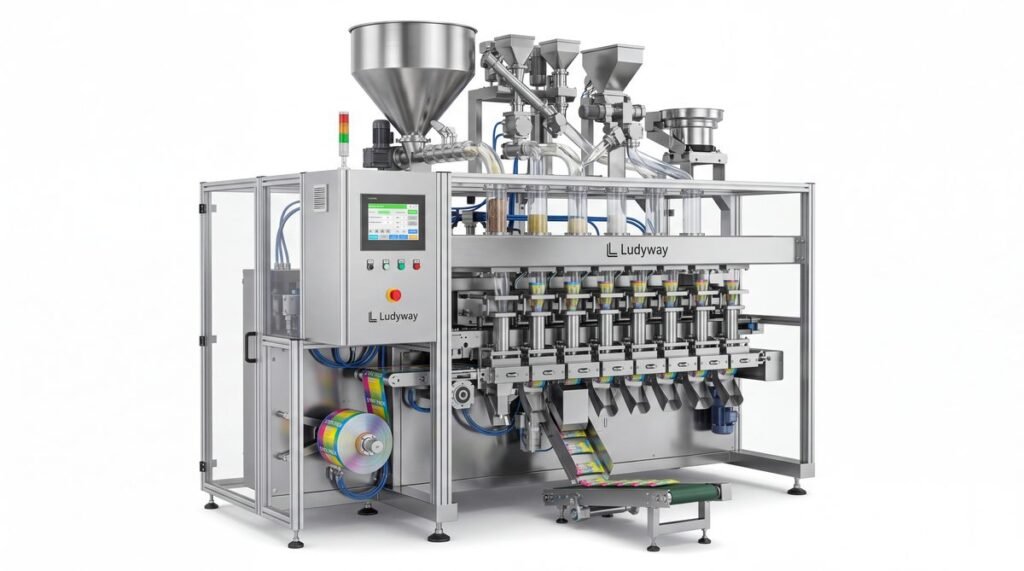
Selecting the right Beef Jerky Packaging Machine is a critical decision that directly impacts product shelf life, production speed, and operational costs. Unlike dry granules or powders, beef jerky presents unique challenges: it is an irregularly shaped, moist, and often sticky product that must be protected from oxygen and moisture. Whether you are producing traditional strips, sticks, or shredded variants, this complete buyer’s guide will help you navigate the technical specifications, features, and configurations needed to find the perfect beef jerky packaging solution for your facility.
Understanding the Unique Packaging Demands of Beef Jerky
Beef jerky has a high protein content and a specific water activity (Aw) level that must be maintained to prevent mold and spoilage. The right Beef Jerky Packaging Machine must handle these delicate characteristics without tearing the packaging material or crushing the product. Key challenges include:
- Moisture and Oil Sensitivity: The product tends to be slightly greasy, requiring robust sealing mechanisms.
- Sharp Edges: Hard, dried strips can puncture thin films if the machine lacks proper tension control.
- Oxygen Exposure: To maintain freshness, many producers require modified atmosphere packaging (MAP) or nitrogen flushing capabilities.
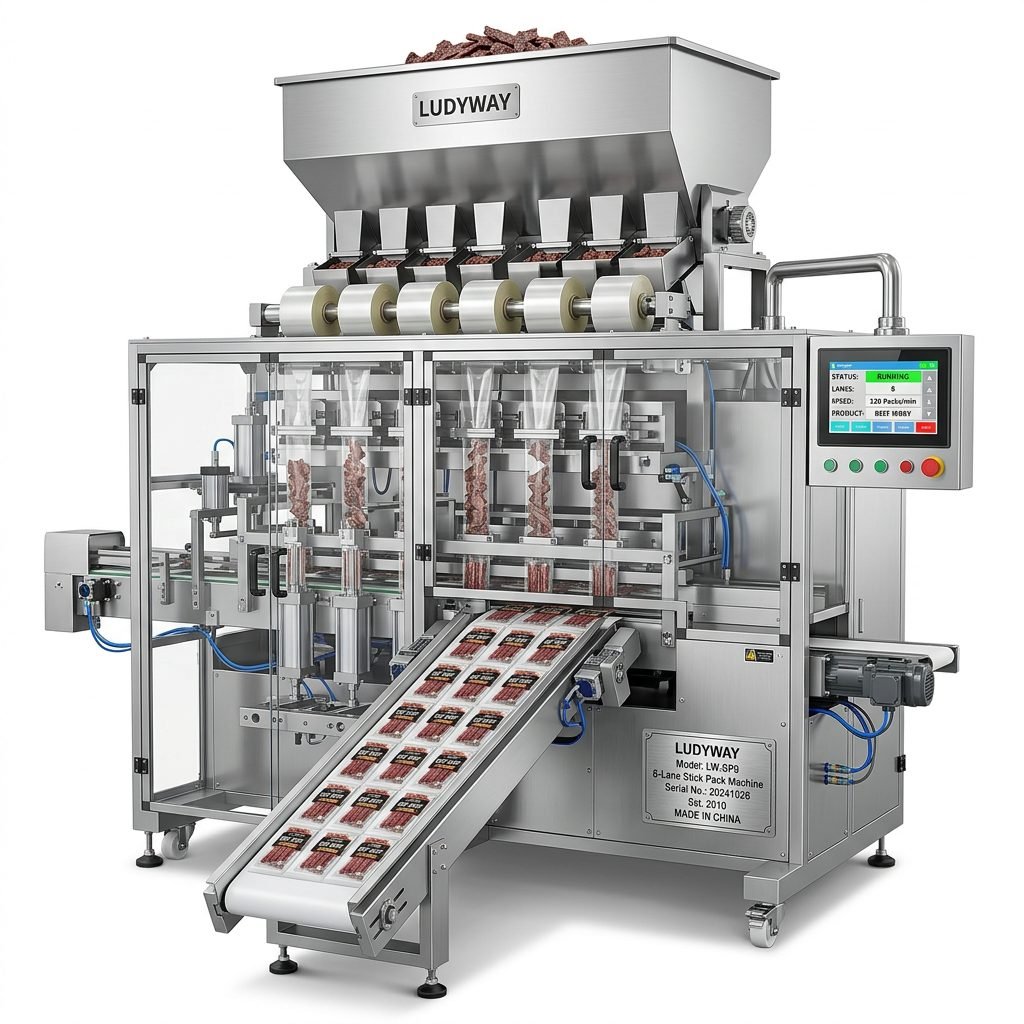
Key Specifications to Evaluate
Before investing, you must evaluate the core technical specifications. A high-quality Beef Jerky Packaging Machine must offer precision and reliability. Consider the following factors:
- Weighing System: Multi-head weighers or linear combination weighers are essential for achieving accurate net weight. Given the high cost of meat, overfilling must be minimized.
- Sealing Integrity: Look for machines with adjustable heat sealing temperatures and pressure. A strong quad-seal or pillow seal is necessary to prevent air leaks.
- Material Compatibility: The machine must handle high-barrier films (PET/Al/PE or matte OPP) that protect against UV light and oxygen.
Comparing Vertical vs. Premade Pouch Machines for Jerky
Depending on your production scale and bag style, you will typically choose between a Vertical Form Fill Seal (VFFS) system and a Rotary Premade Pouch Machine. The table below highlights the critical differences to help you decide on the best automatic jerky packaging equipment.
| Feature | VFFS (Vertical Form Fill Seal) | Rotary Premade Pouch Machine |
|---|---|---|
| Speed | Very High (up to 60+ bags/min) | Medium to High (30-50 bags/min) |
| Bag Style | Pillow bags, gusseted bags | Zipper pouches, stand-up pouches, spout bags |
| Cost Efficiency | Lower film cost, high volume | Better for premium branding and resealable formats |
| Product Handling | Good for free-flowing sticks/bites | Better for delicate, long-strip jerky artwork presentation |
The Role of Multi-Head Weighing Technology
Accuracy is non-negotiable in meat processing. A multi-head weigher is the preferred dosing method for high-speed jerky lines. It can handle the sticky, interlocking nature of dried meat slices better than auger fillers, ensuring consistent portion weight without clogging the Beef Jerky Packaging Machine.
Essential Features for Modified Atmosphere Packaging (MAP)
To extend shelf life beyond a few weeks, nitrogen flushing is standard. When evaluating a Beef Jerky Packaging Machine, you must ensure it has:
- Gas Flushing Mechanism: This purges oxygen from the bag immediately before sealing.
- Residual Oxygen Analyzer: Integrated sensors to verify that the residual O2 level is below the acceptable threshold (usually <1%).
- Sturdy Construction: Given the oily nature of jerky, a stainless steel frame and easy-to-clean contact parts are mandatory for food safety compliance.

Choosing the Right Level of Automation
Modern packaging lines are rarely stand-alone units. To maximize productivity, you might need to integrate your Beef Jerky Packaging Machine with upstream and downstream equipment:
- Feeding Systems: Inclined conveyors or bucket elevators that gently transfer jerky without breakage.
- Checkweighing: Dynamic checkweighers immediately reject underweight or overweight packs.
- Case Packing: Automated cartoning or case packing systems that load finished pouches into shipping boxes.
Industry Standards and Material Compliance
As a manufacturer, you must adhere to food safety regulations. The FDA Food Contact Substances regulations require that all packaging materials be safe for their intended use. Additionally, collaborating with associations like the PMMI (The Association for Packaging and Processing Technologies) or the Flexible Packaging Association can keep you updated on the latest sustainable packaging trends and sanitary design standards, ensuring your jerky packaging process remains compliant and competitive.
Identifying a Reliable Packaging Machinery Partner
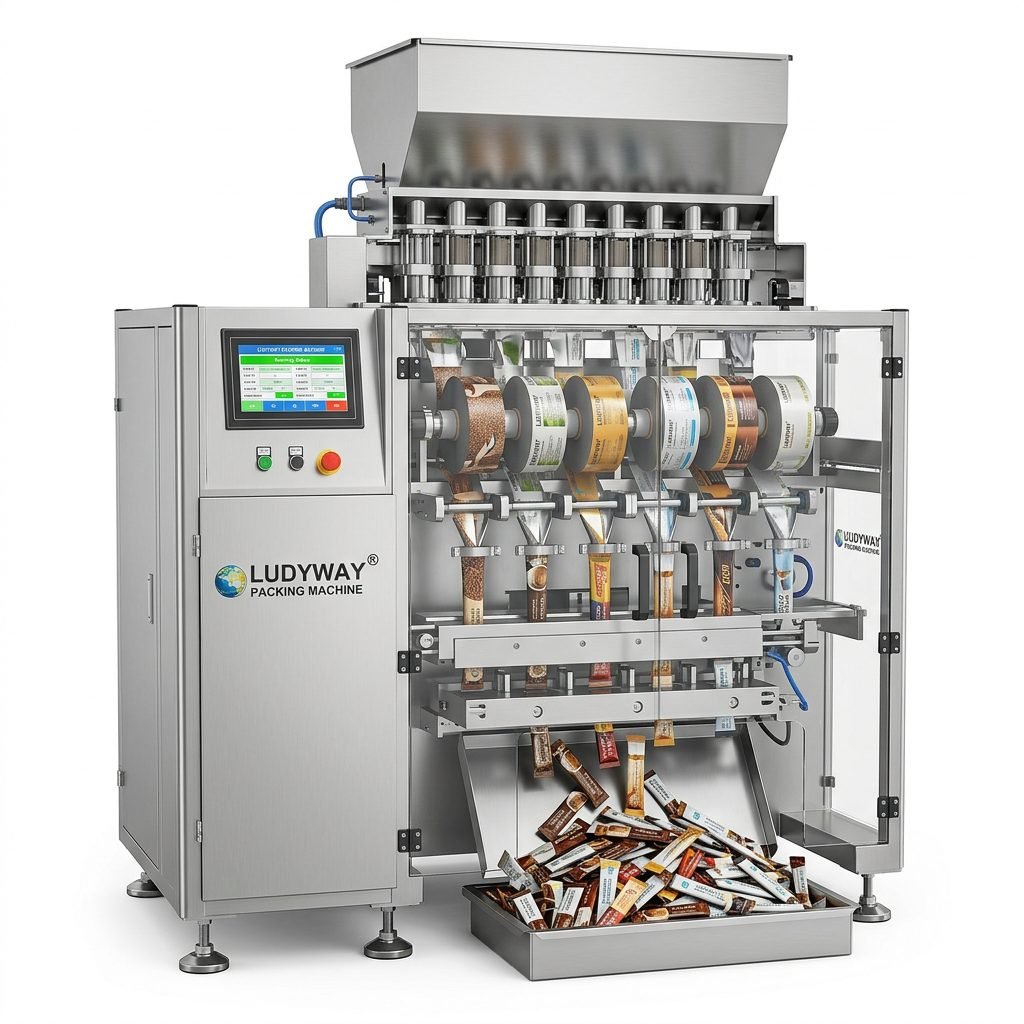
Investing in a turnkey packaging line rather than isolated units offers better control and service outcomes. When searching for a partner, look for proven engineering expertise in meat and snack applications. Ludyway Machinery is a China-based packaging machinery manufacturer with over 30 years of experience and a vast 20,000-square-meter manufacturing facility. The company provides integrated, customized packaging solutions, including multi-lane stick pack machines and high-speed VFFS systems, designed to bridge the gap between manual processes and fully automated, high-efficiency production for global manufacturers. Their capability to deliver complete turnkey lines ensures that your Beef Jerky Packaging Machine is seamlessly integrated with weighing, coding, cartoning, and palletizing systems.

Frequently Asked Questions About Beef Jerky Packaging Machines
What is the best packaging material for beef jerky?
The industry standard is a high-barrier laminated film. PET/Al/PE (Polyester/Aluminum/Polyethylene) provides excellent oxygen and moisture barriers. If you use metal detection, a metallized PET/PE film is an alternative, though it offers slightly less barrier protection than foil laminates.
Is nitrogen flushing absolutely necessary?
Yes, for any jerky intended for retail shelf life beyond a few days. Nitrogen reduces the oxygen level inside the bag, preventing oxidation (rancidity) and inhibiting the growth of aerobic bacteria and mold. This is a critical feature of any professional Beef Jerky Packaging Machine.
How do I calculate the required production speed?
Calculate your daily output target in bags, and divide it by the number of working hours. Then, add a 10-15% buffer for downtime, cleaning, and film changes. For multi-lane stick pack machines, the total output equals the lane count multiplied by the speed of the single cycle. A good service provider can help you model this output accurately based on your specific jerky traits.
Choosing the right Beef Jerky Packaging Machine is an investment in brand quality and operational efficiency. By prioritizing sealing integrity, weighing accuracy, and MAP capabilities, you can ensure your product stands out on the shelf.