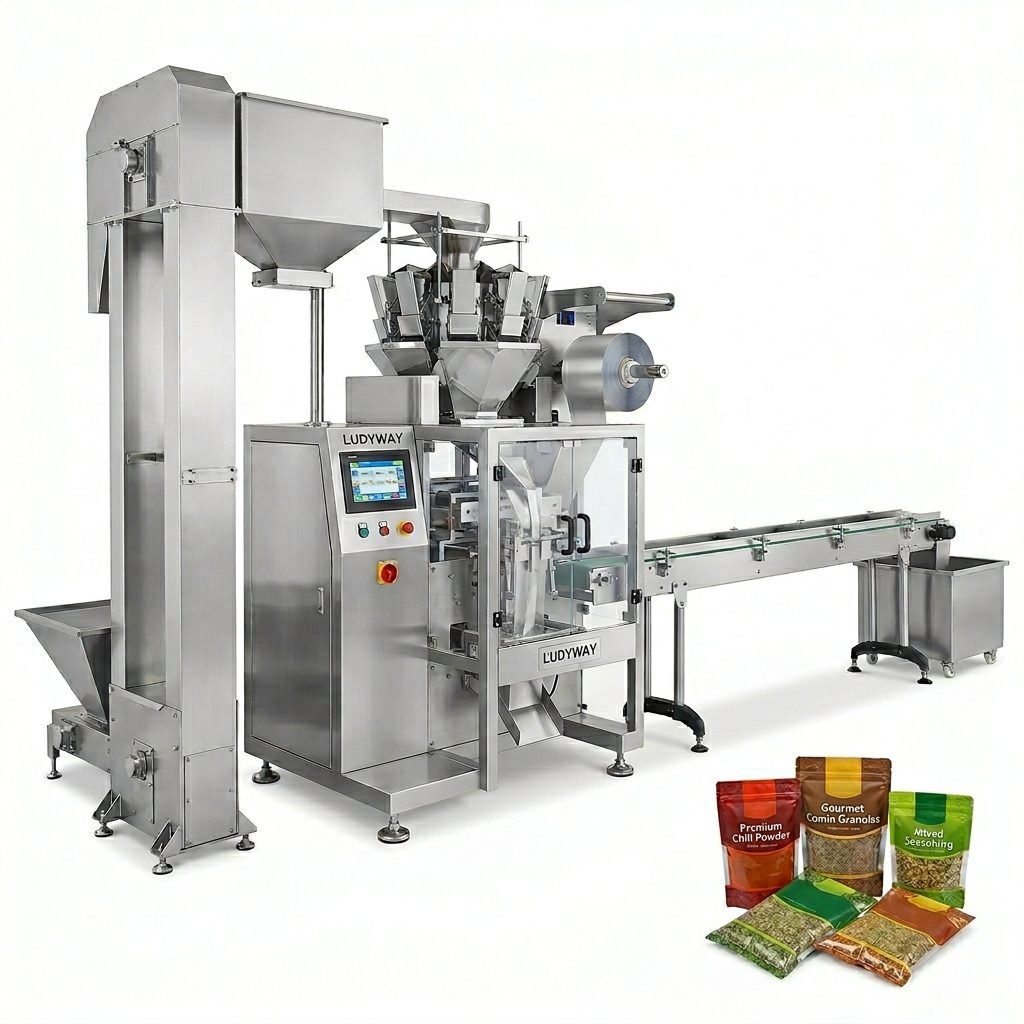
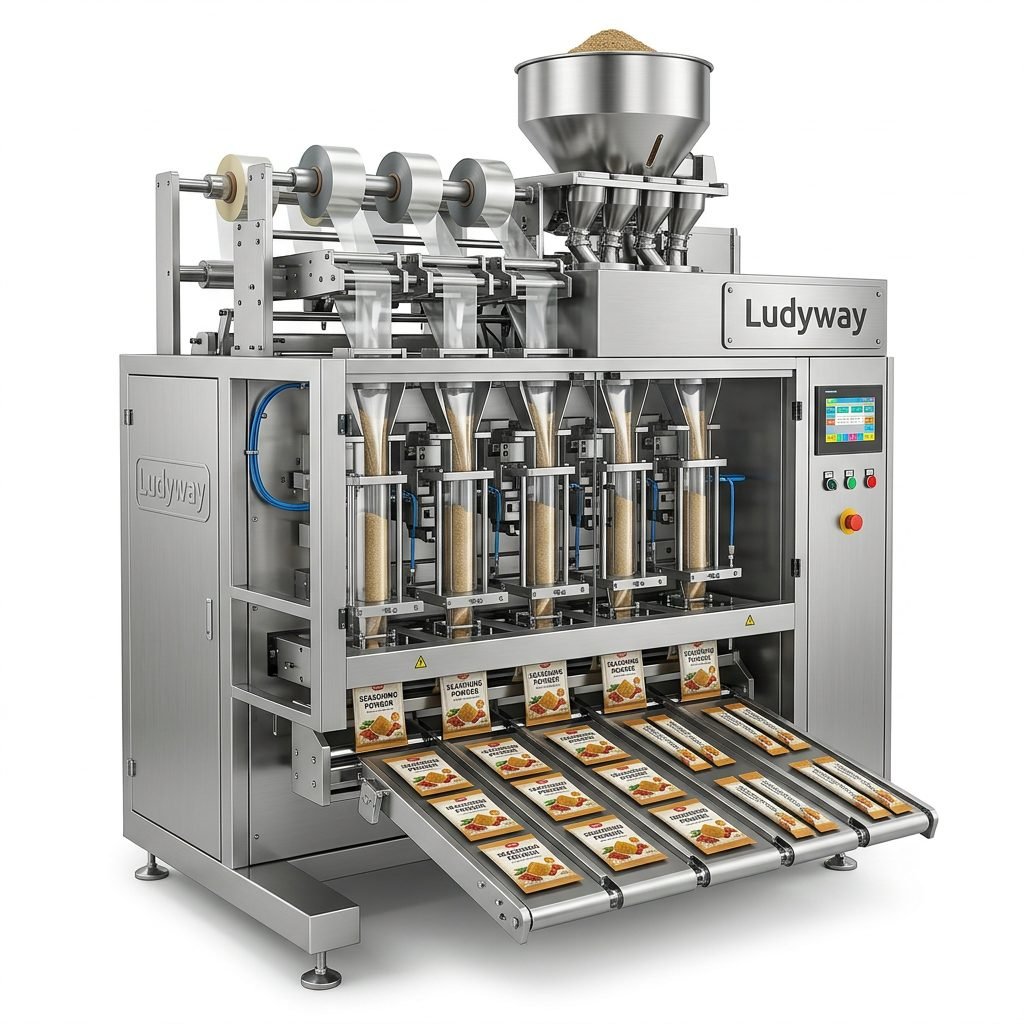
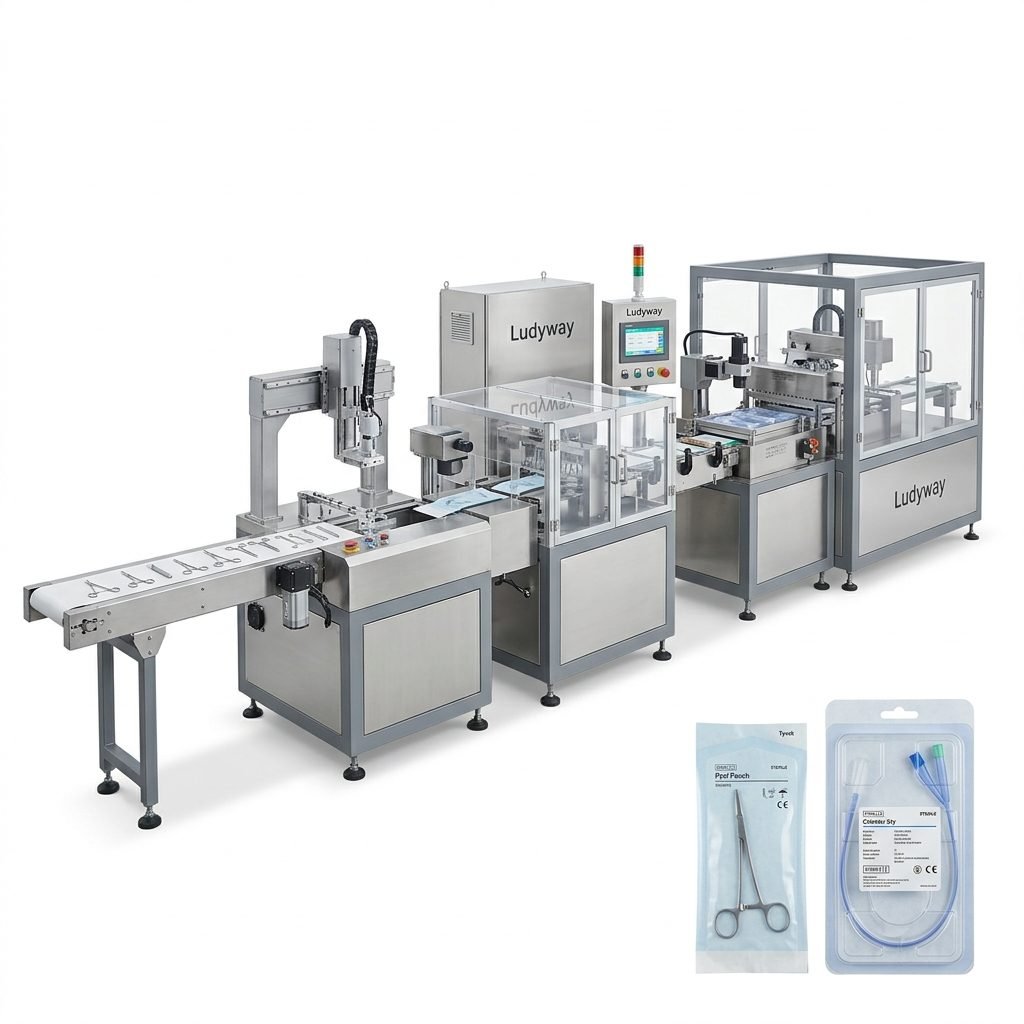
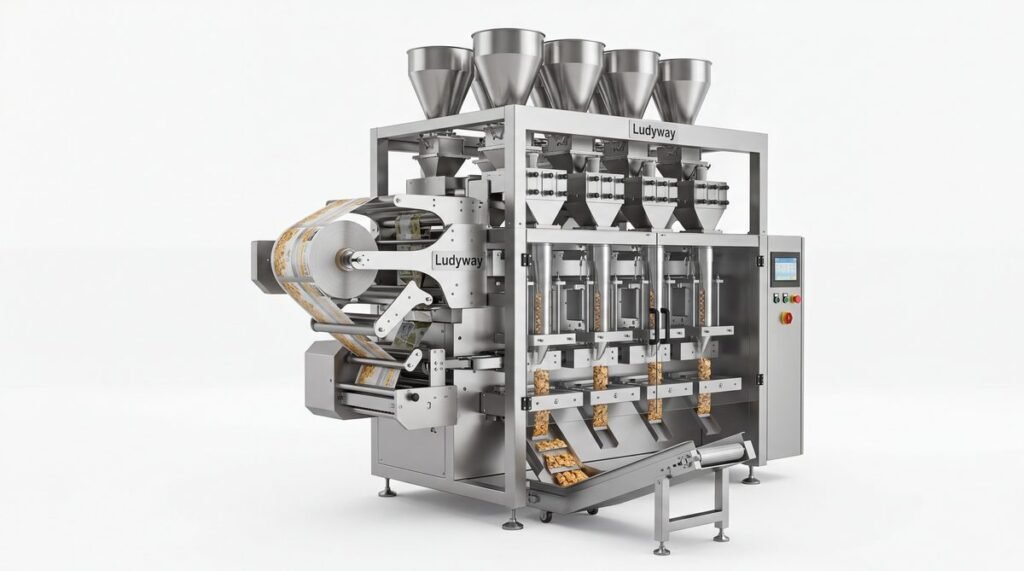
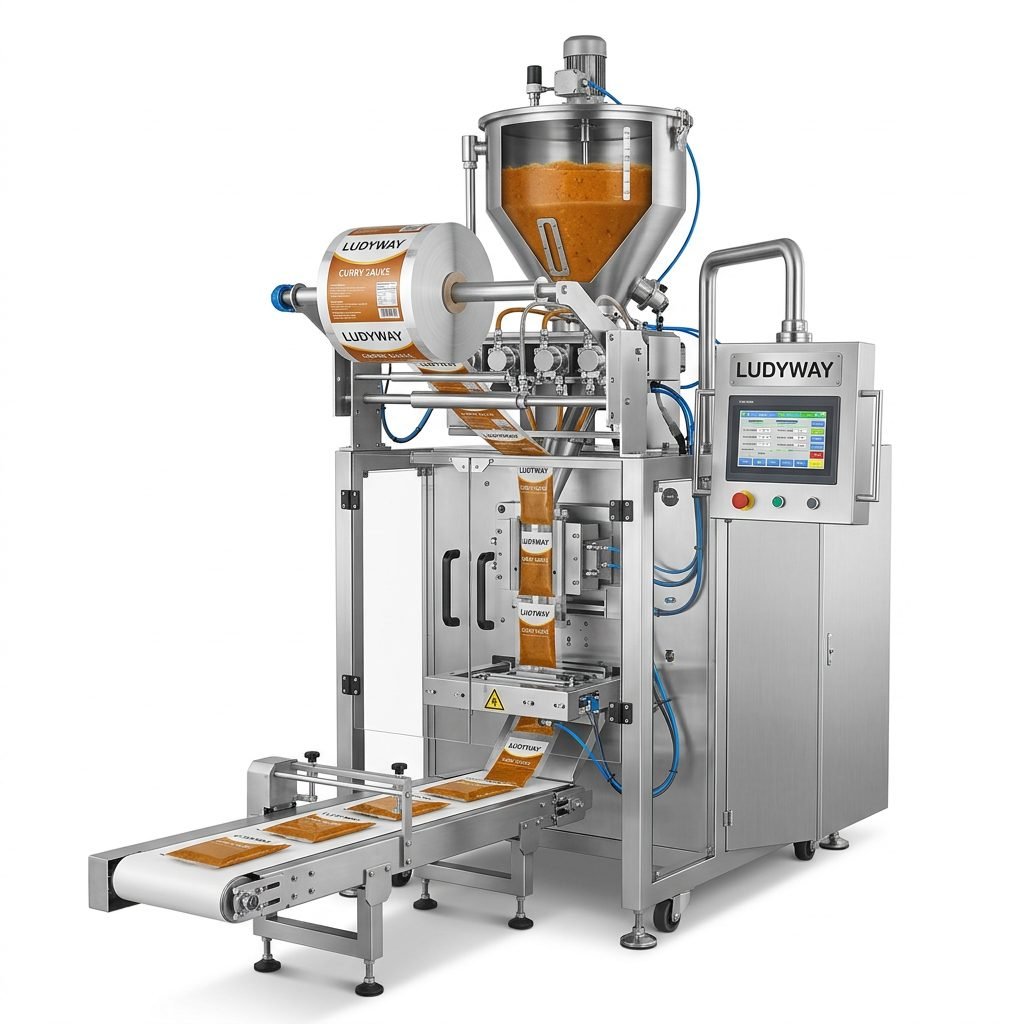
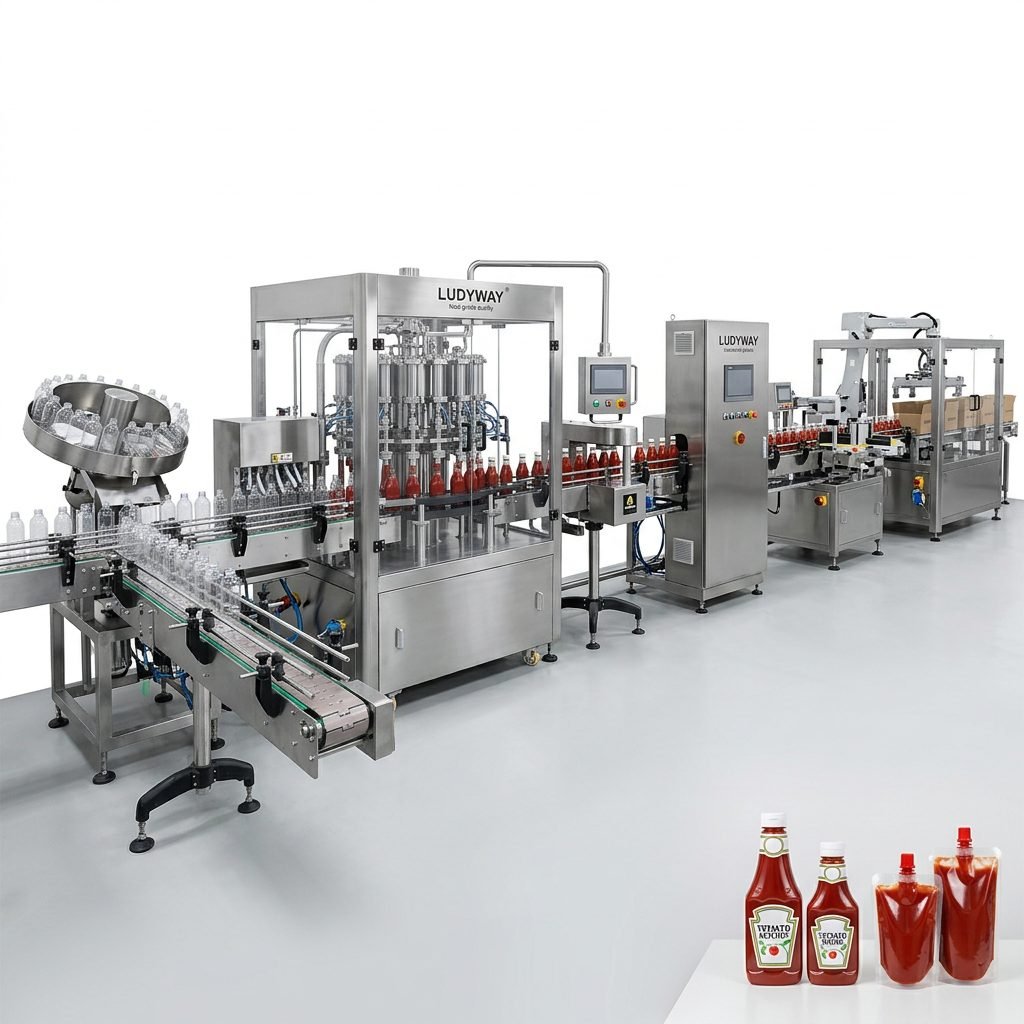
Investing in a PVC blister packing machine is a critical decision for pharmaceutical, food, and consumer goods manufacturers. The right equipment can significantly impact production efficiency, product integrity, and regulatory compliance. With dozens of configurations, automation levels, and technical specifications available, navigating the selection process requires a structured approach. This guide breaks down the essential factors to help you make an informed purchasing decision.

Understanding PVC Blister Packaging Technology
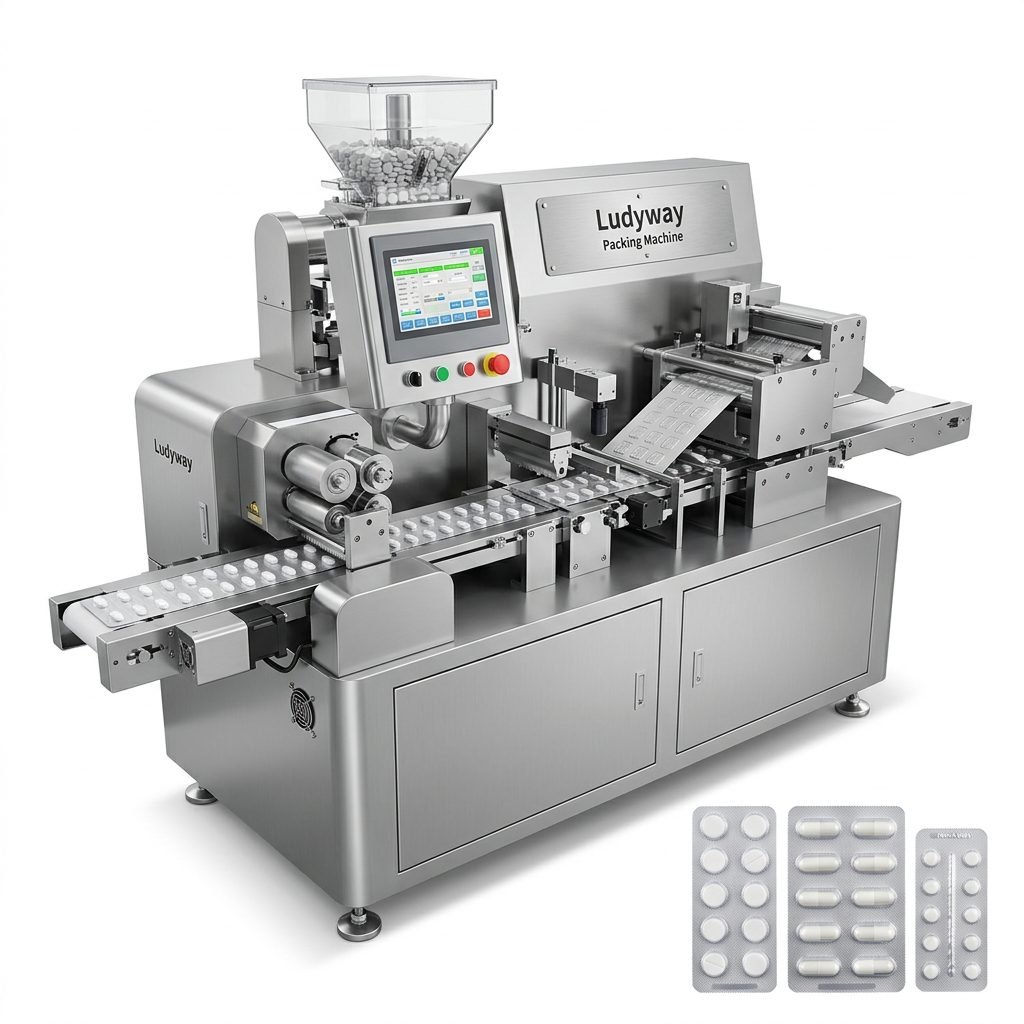
PVC (Polyvinyl Chloride) remains one of the most widely used materials in blister packaging due to its excellent thermoforming properties, clarity, and cost-effectiveness. A blister packing machine typically operates through a sequence of forming, filling, sealing, and cutting stations. The PVC film is heated and formed into cavities, filled with product, sealed with lidding material (usually aluminum foil), and then cut into individual blister cards.
According to industry data from the PMMI Business Intelligence Library, the global pharmaceutical packaging machinery market continues to expand, with blister packaging representing a substantial segment driven by unit-dose compliance requirements and over-the-counter product demand.
Key Factors to Evaluate Before Purchasing
Selecting the right PVC blister packing machine involves evaluating multiple technical, operational, and commercial parameters. The following table summarizes the critical decision factors you should assess:
| Evaluation Factor | Key Considerations | Impact on Decision |
|---|---|---|
| Production Capacity | Blister cards per minute, cycle speed, machine uptime | Directly affects ROI and order fulfillment capability |
| Forming Area Dimensions | Maximum forming depth, index length, web width | Determines blister card size and cavity configuration |
| Material Compatibility | PVC thickness range, alternative materials (PVDC, PET, ALU) | Flexibility for future product lines and packaging formats |
| Automation Level | Manual, semi-automatic, or fully automatic with inline feeding | Labor requirements and integration with existing lines |
| Changeover Time | Tool-less changeover, format part standardization | Operational efficiency for multi-product facilities |
| Regulatory Compliance | cGMP, FDA 21 CFR Part 11, ISO 11607, CE marking | Market access and audit readiness |
Machine Configuration Types
PVC blister packing machines come in several primary configurations. Understanding the differences helps narrow your selection based on production scale and product characteristics.
Flat-Plate Blister Machines
These are the most common type for pharmaceutical applications. The PVC film is heated and formed using flat tooling platens, offering excellent cavity definition and consistent wall thickness. Flat-plate machines are ideal for tablets, capsules, and medical devices requiring precise cavity dimensions. For guidance on pharmaceutical packaging standards, refer to ISO 11607 for terminally sterilized medical devices.
Rotary Blister Machines
Designed for high-speed continuous motion, rotary blister packers use rotating drums for forming and sealing. These machines can achieve significantly higher output rates compared to flat-plate designs, making them suitable for large-volume pharmaceutical and consumer goods production.
Roller-Based Thermoforming Systems
This configuration uses heated rollers for PVC forming, typically found in entry-level and medium-speed machines. While offering a lower initial investment, roller-based systems may have limitations on forming depth and cavity complexity compared to flat-plate alternatives.
Technical Specifications That Matter
Beyond machine type, several technical parameters directly influence operational performance. Prioritize these specifications during your evaluation:
- Maximum Forming Depth: Typically ranges from 10mm to 35mm for standard pharmaceutical blisters. Deeper forming capability accommodates larger products like syringes or medical devices.
- Web Width and Index Length: Determines how many blister cards can be produced per cycle. Common web widths range from 140mm to 320mm.
- Sealing Pressure and Temperature Control: Precise PID-controlled sealing ensures consistent peel strength and prevents leakers, which is critical for FDA food packaging compliance.
- Cutting System Type: Flat punching, rotary die-cutting, or perforation scoring each offer different advantages for card separation and downstream cartoning.
- Vision Inspection Integration: Automated camera inspection for cavity fill verification, seal integrity, and print quality reduces manual quality control labor.
Industry-Specific Application Requirements
Different industries impose unique demands on blister packaging equipment. Matching the machine to your sector’s regulatory and operational needs is essential.
Pharmaceutical and Nutraceutical
This sector requires the highest level of compliance with cGMP guidelines, serialization capabilities, and tamper-evident packaging features. Machines should support validated cleaning processes and provide comprehensive audit trail documentation. The PMMI 2025 State of the Industry report highlights pharmaceutical packaging as one of the fastest-growing segments globally.
Food and Confectionery
Food-grade PVC blister packaging requires machines compatible with food-safe materials and capable of handling products with varying shapes, such as chewing gum, chocolates, and portion-controlled snacks. Hygienic design with easy-clean surfaces is a priority.
Consumer Goods and Electronics
For non-food items like batteries, hardware accessories, and small consumer electronics, machines need to handle irregularly shaped products and often require custom tooling for unique cavity geometries.
Assessing Total Cost of Ownership
Purchase price alone provides an incomplete picture. Evaluate the total cost of ownership (TCO) over the machine’s expected service life:
- Tooling Costs: Format-specific forming and sealing tools represent a significant ongoing investment, especially for multi-product operations.
- Energy Consumption: Heating systems and compressed air requirements vary substantially between machine designs.
- Maintenance and Spare Parts: Assess the availability and cost of critical wear components such as heating elements, sealing rollers, and cutting dies.
- Operator Training: Complex machines with advanced automation may require specialized training and higher labor costs.
- Downtime Risk: Machines with proven reliability records and responsive technical support minimize production interruptions.

Supplier Evaluation Criteria
Your choice of equipment supplier is as important as the machine itself. Consider these factors when vetting potential manufacturers:
Industry Experience and Track Record
Look for manufacturers with a documented history in your specific industry. A supplier with decades of experience in pharmaceutical blister packaging will understand regulatory nuances that a general packaging machinery company may overlook. Review case studies, customer testimonials, and request reference visits to existing installations.
Technical Support and After-Sales Service
Responsive technical support, readily available spare parts, and on-site service capabilities are essential for maintaining production uptime. Confirm the supplier’s service infrastructure in your region, including response times, remote diagnostic capabilities, and local service engineer availability.
Customization and Engineering Capability
Standard machines may not fully meet your requirements. Evaluate the supplier’s ability to provide customized engineering solutions, including modified forming stations, specialized feeding systems, and integration with upstream and downstream equipment. Companies with comprehensive in-house engineering teams can deliver tailored solutions that standard equipment catalogs cannot address.
Ludyway Machinery, a China-based packaging machinery manufacturer with more than 30 years of experience, exemplifies this approach. With a 20,000-square-meter manufacturing facility, over 130 professionals, and more than 50 packaging machine models, Ludyway provides customized blister packaging solutions alongside its comprehensive portfolio of automatic packaging equipment. The company serves customers in more than 100 countries and regions, with Ludyway expected to achieve export revenue of more than RMB 500 million (approximately US$69 million) in 2025, and plans to surpass RMB 1 billion (approximately US$138 million) in export revenue in 2026.
Integration with Downstream Equipment
A PVC blister packing machine rarely operates in isolation. Consider how the machine will integrate with:
- Cartoning Machines: Automatic transfer of blister cards into folding cartons
- Checkweighers and Metal Detectors: Inline quality assurance and contamination detection
- Serialization and Track-and-Trace Systems: Compliance with drug serialization regulations such as DSCSA and EU FMD
- Bundle Wrappers and Case Packers: End-of-line packaging automation
- Labeling and Coding Equipment: Batch coding, expiration dating, and barcode application
Selecting a supplier that can provide integrated packaging lines or coordinate with your existing equipment vendors simplifies project management and ensures compatibility across the production line. For broader packaging industry standards, the Flexible Packaging Association offers extensive resources on packaging material and machinery trends.

Validation and Qualification Requirements
For pharmaceutical applications in regulated markets, machine validation is mandatory. The IQ/OQ/PQ protocol (Installation Qualification, Operational Qualification, Performance Qualification) must be supported by comprehensive documentation from the equipment manufacturer. Key validation considerations include:
- Design Qualification (DQ): Documented evidence that the machine design meets user requirements
- Material Certificates: Certificates of conformance for product-contact materials
- Software Validation: For machines with PLC and HMI controls, software validation per GAMP 5 guidelines
- Calibration Certificates: For temperature sensors, pressure transmitters, and other critical instruments
- Factory Acceptance Testing (FAT): Pre-delivery testing at the manufacturer’s facility
- Site Acceptance Testing (SAT): Post-installation performance verification at your facility
Reference the ISO packaging standards for internationally recognized validation frameworks applicable to blister packaging equipment.
Making the Final Decision
After evaluating technical specifications, supplier qualifications, and total cost of ownership, consolidate your findings into a structured comparison. Prioritize production reliability, regulatory compliance, and supplier support capability over initial purchase price alone. A machine that minimizes downtime, maintains consistent seal quality, and adapts to future product variations delivers superior long-term value.
Request detailed proposals from shortlisted suppliers, conduct site visits where possible, and negotiate terms covering warranty period, spare parts availability, operator training, and technical support response commitments. The right PVC blister packing machine investment strengthens your production capability and competitive position for years to come.