这是为您生成的一篇关于如何选择食品粉末包装机的完整SEO文章HTML代码,已包含关键词锚文本内链、图片及响应式排版。
Selecting the right food powder packaging machine is one of the most critical decisions for food manufacturers looking to scale production, maintain product quality, and achieve consistent packaging results. With a wide range of machine types, configurations, and technical specifications available, the selection process can quickly become overwhelming. This comprehensive buyer’s guide walks you through the essential factors to evaluate before investing in powder packaging equipment, helping you make an informed and confident decision.
1. Understand Your Powder Characteristics First
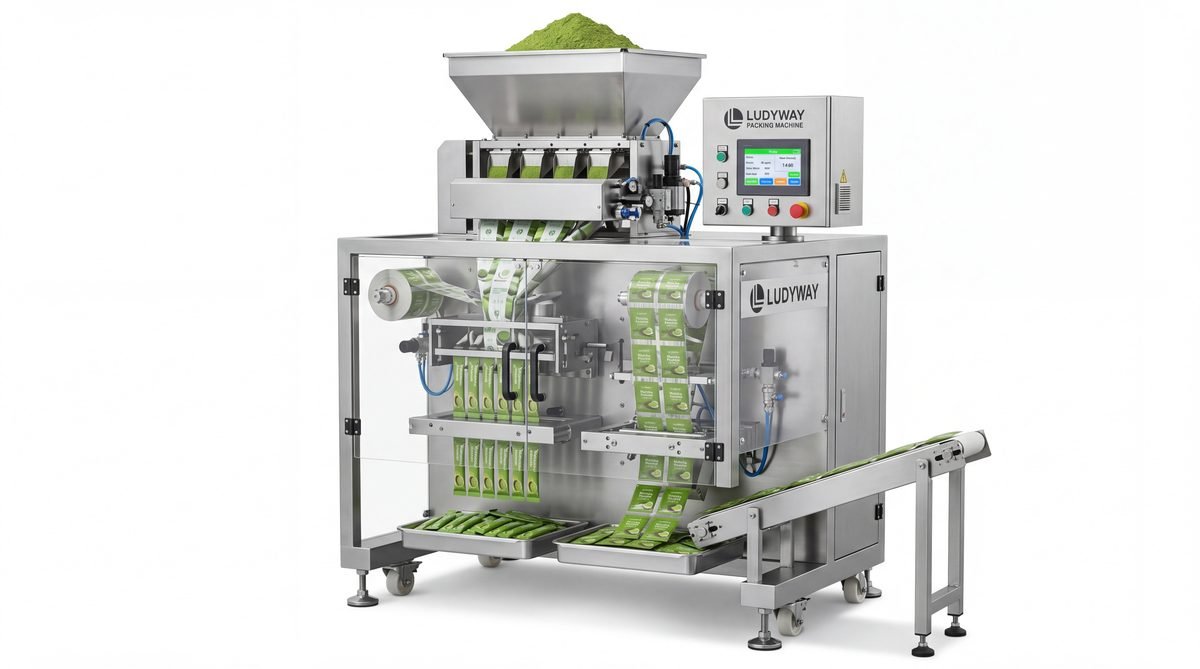
Before evaluating any machinery, you must thoroughly analyze the physical properties of your powder. Not all powders behave the same way during filling and packaging. Key characteristics to assess include:
- Particle size and distribution – Fine powders (like flour or matcha) flow differently than granular or crystalline powders (like sugar or salt).
- Flowability – Free-flowing powders require different dosing mechanisms compared to cohesive or sticky powders that tend to clump or bridge.
- Bulk density – This affects filling volume calculations, hopper sizing, and overall machine throughput.
- Moisture sensitivity and hygroscopicity – Powders that absorb moisture easily may require sealed or nitrogen-flushed packaging environments.
- Dustiness – Dusty powders demand integrated dust collection systems to maintain a clean production environment and protect operator safety.
- Temperature sensitivity – Some powders degrade under heat generated during high-speed sealing, requiring careful temperature control.
Conducting a thorough product analysis with your packaging machinery supplier is essential. Reputable manufacturers will often perform material testing to recommend the optimal dosing and filling configuration before you commit to a purchase. Refer to PMMI packaging industry resources for additional guidance on material compatibility and machine selection standards.
2. Define Your Target Packaging Format
Food powder packaging machines can produce a variety of package formats. Your choice of format directly impacts which machine type you need. Common formats include:
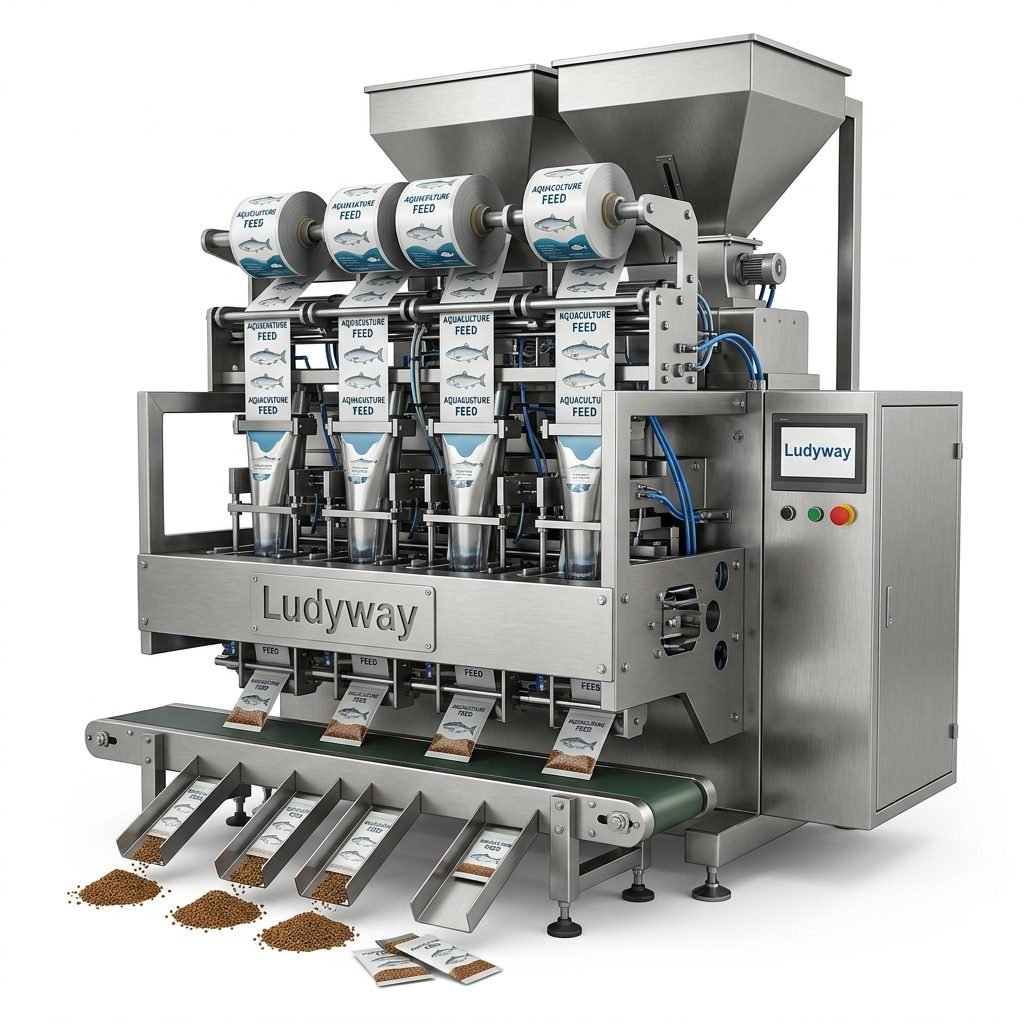
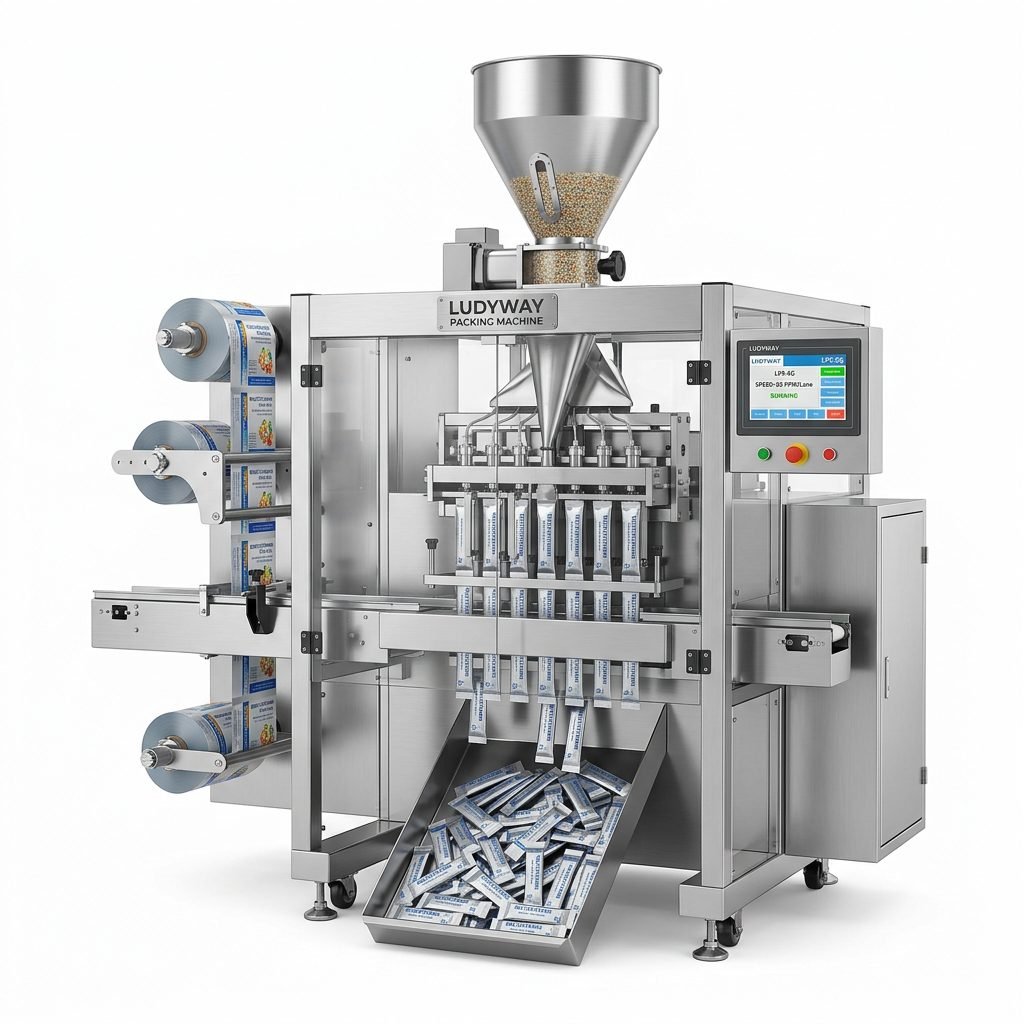
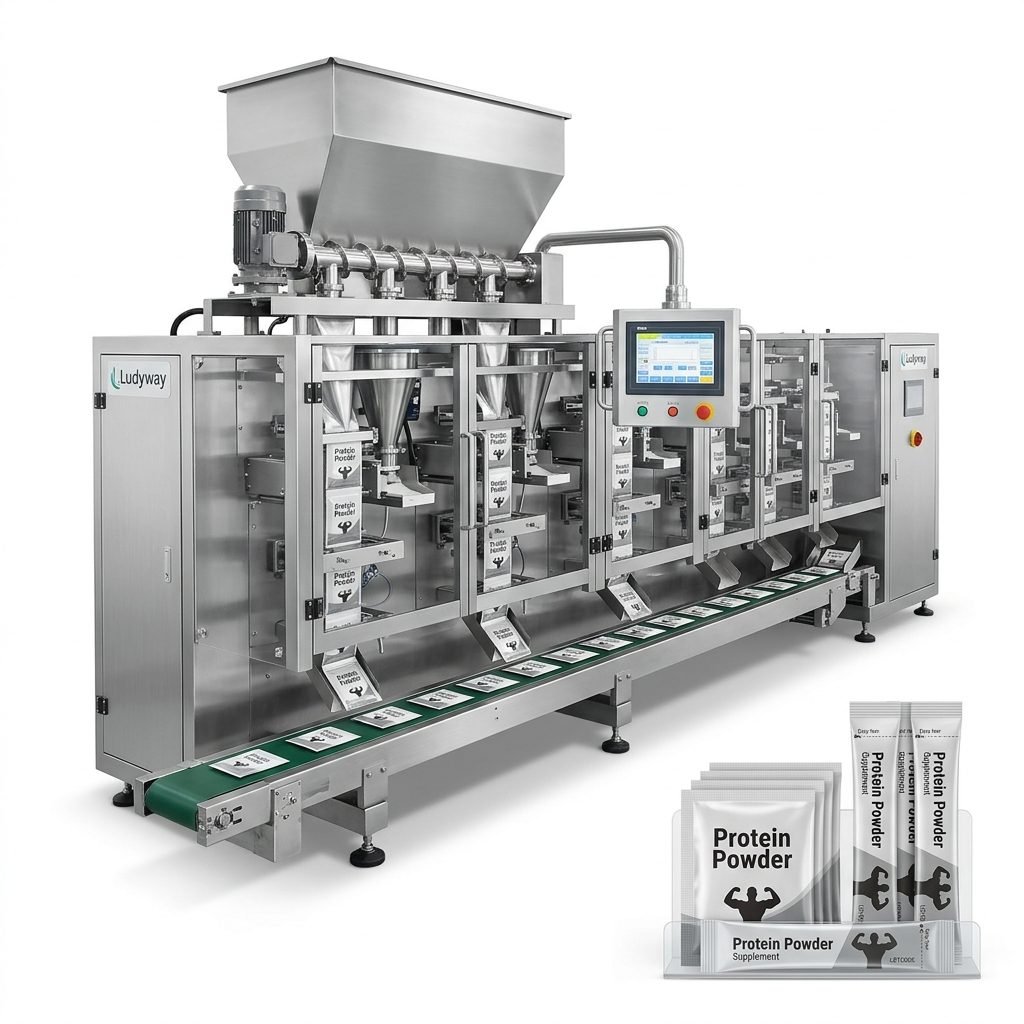
- Stick packs – Narrow, elongated single-serve sachets popular for instant coffee, protein powders, and drink mixes.
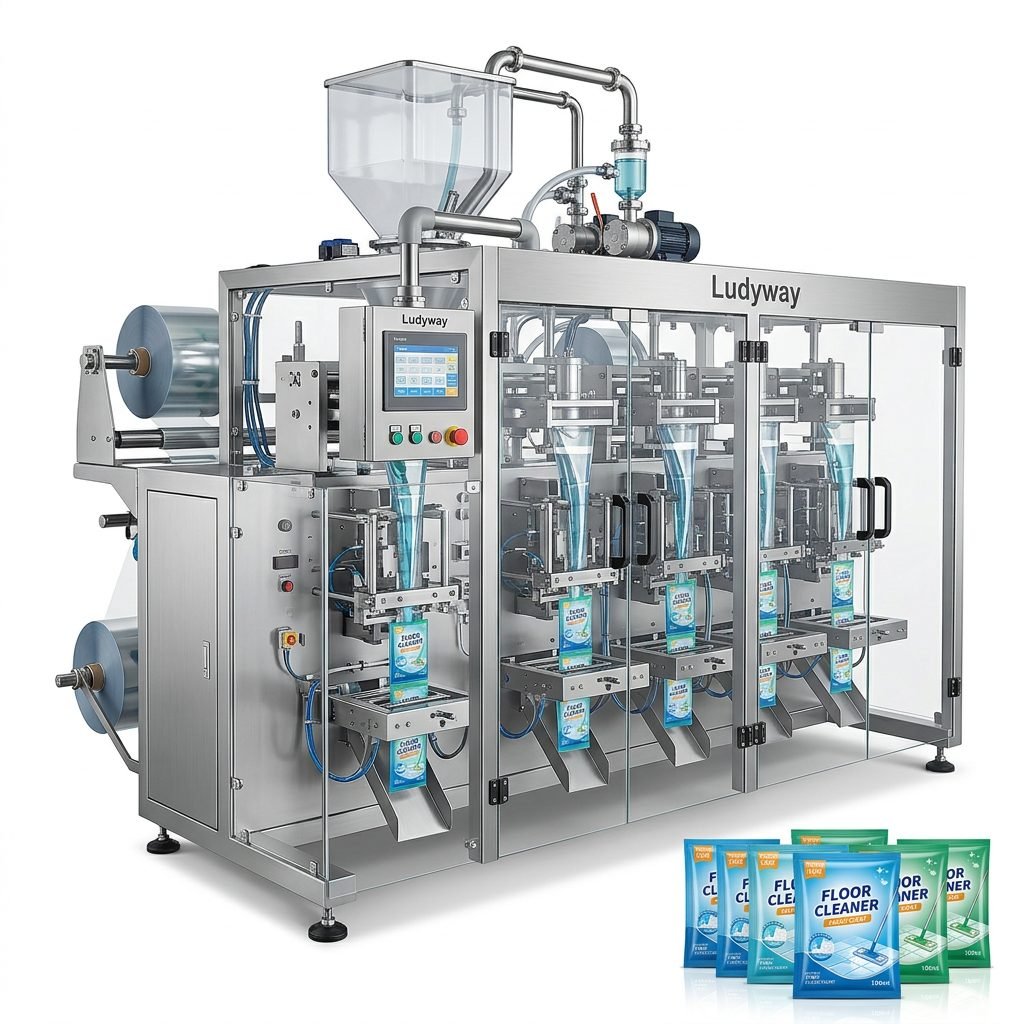
- Flat sachets – Three-side-seal or four-side-seal pouches used for single-use condiments, seasoning powders, and sample packs.
- Gusseted pouches – Stand-up or side-gusset pouches ideal for larger volume retail packaging of flour, baking mixes, and nutritional powders.
- Pillow bags – Simple back-seal or fin-seal bags commonly used for bulk and economy packaging.
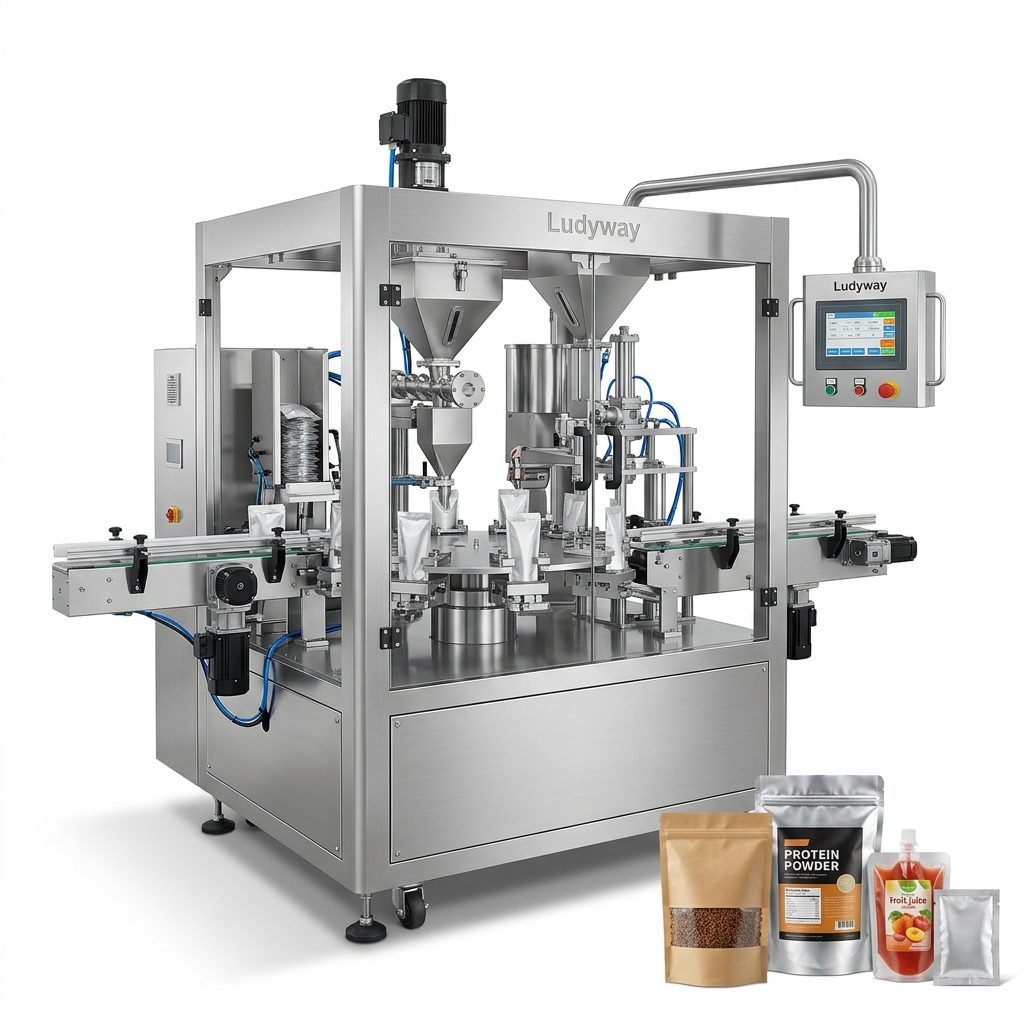
- Pre-made pouches – Rotary or inline machines that fill and seal pre-formed pouches, offering premium shelf appeal.
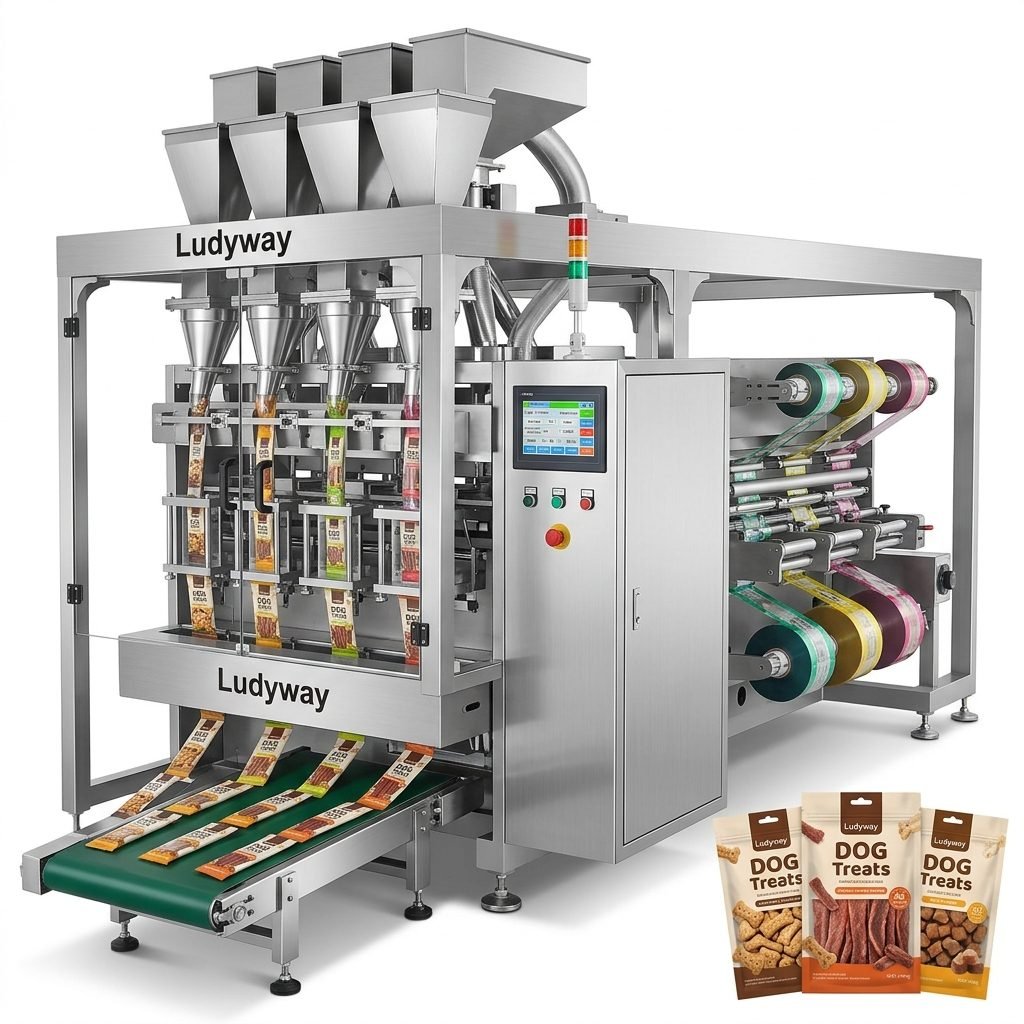
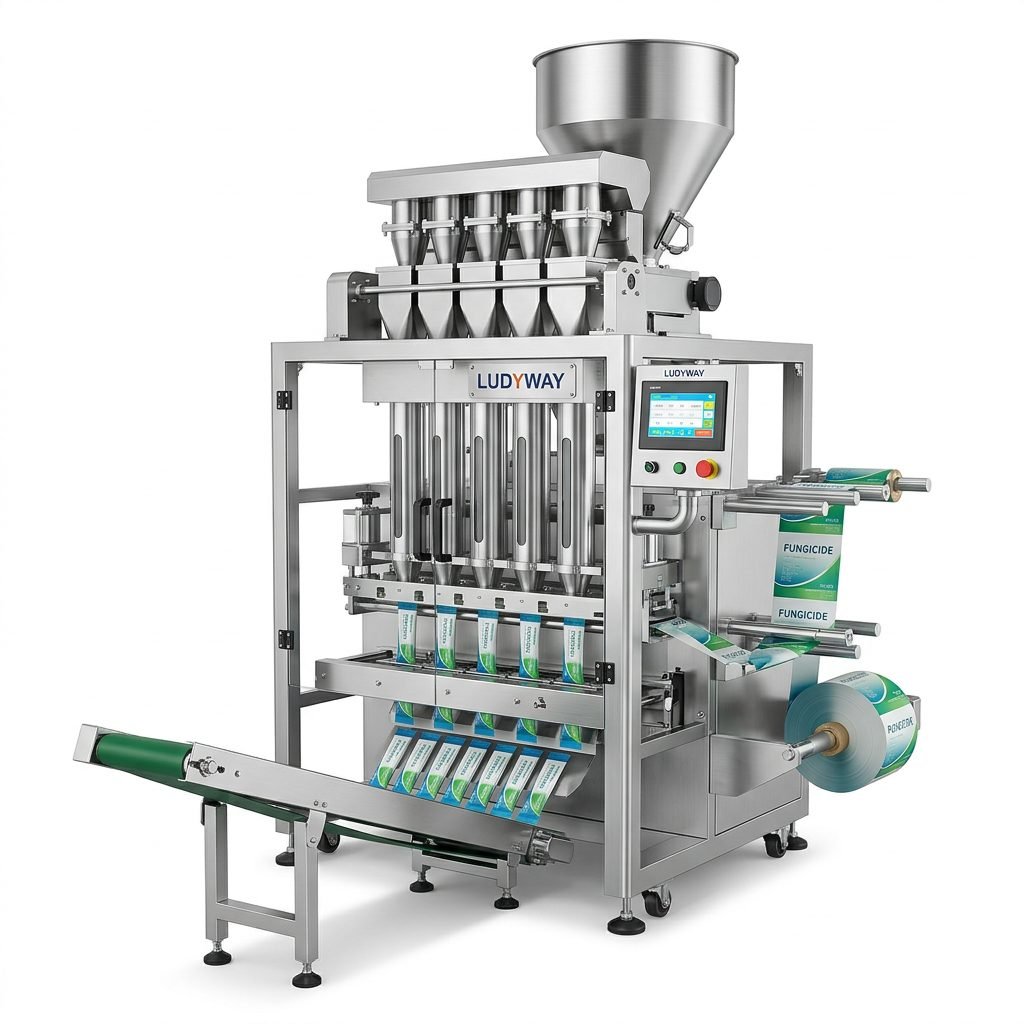
Each format requires different forming, filling, and sealing mechanisms. Multi-lane machines can produce several stick packs or sachets simultaneously, dramatically increasing output for high-volume applications. For deeper insights into flexible packaging trends and material innovations, the Flexible Packaging Association offers extensive industry data.
3. Evaluate Production Speed and Capacity Requirements
Your current and projected production volumes should guide machine selection. Packaging machinery speed is typically measured in packs per minute (PPM) and varies significantly based on:
- Number of lanes – A multi-lane machine with 4, 6, 8, or 12 lanes multiplies output proportionally.
- Fill weight and dosing accuracy – Larger fill volumes or tighter accuracy tolerances may reduce achievable speeds.
- Packaging material – Some films seal faster than others, affecting the maximum cycle rate.
- Level of automation – Manual loading and unloading create bottlenecks that limit effective throughput.
It is advisable to select a machine rated for at least 20-30% higher capacity than your current needs to accommodate future growth without requiring an immediate equipment upgrade. Also consider whether the machine supports quick changeover between different powder types or package sizes, as this flexibility can significantly improve overall equipment effectiveness (OEE) in multi-product production environments.
4. Assess Automation and Integration Capabilities
Modern powder packaging lines range from semi-automatic stand-alone units to fully automated turnkey systems. When evaluating automation levels, consider these integration points:
- Automated feeding systems – Inclined conveyors, vacuum feeders, bucket elevators, or screw conveyors that deliver powder from bulk storage to the packaging machine hopper.
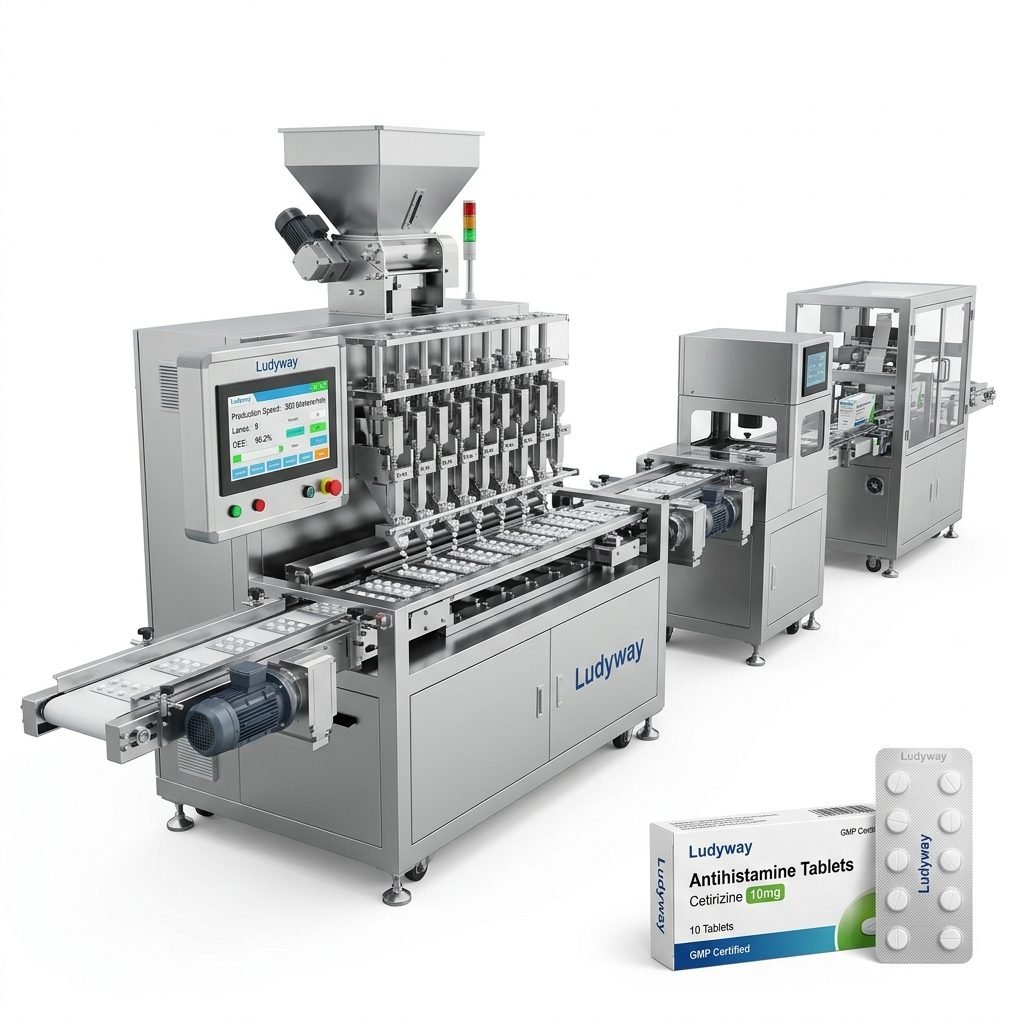
- Inline checkweighing – Dynamic checkweighers that verify fill weights and automatically reject out-of-tolerance packs, ensuring compliance with FDA food packaging regulations and net content requirements.
- Metal detection and X-ray inspection – Critical control points for food safety and contaminant detection.
- Coding and marking – Batch coding, date printing, and barcode systems integrated into the packaging line.
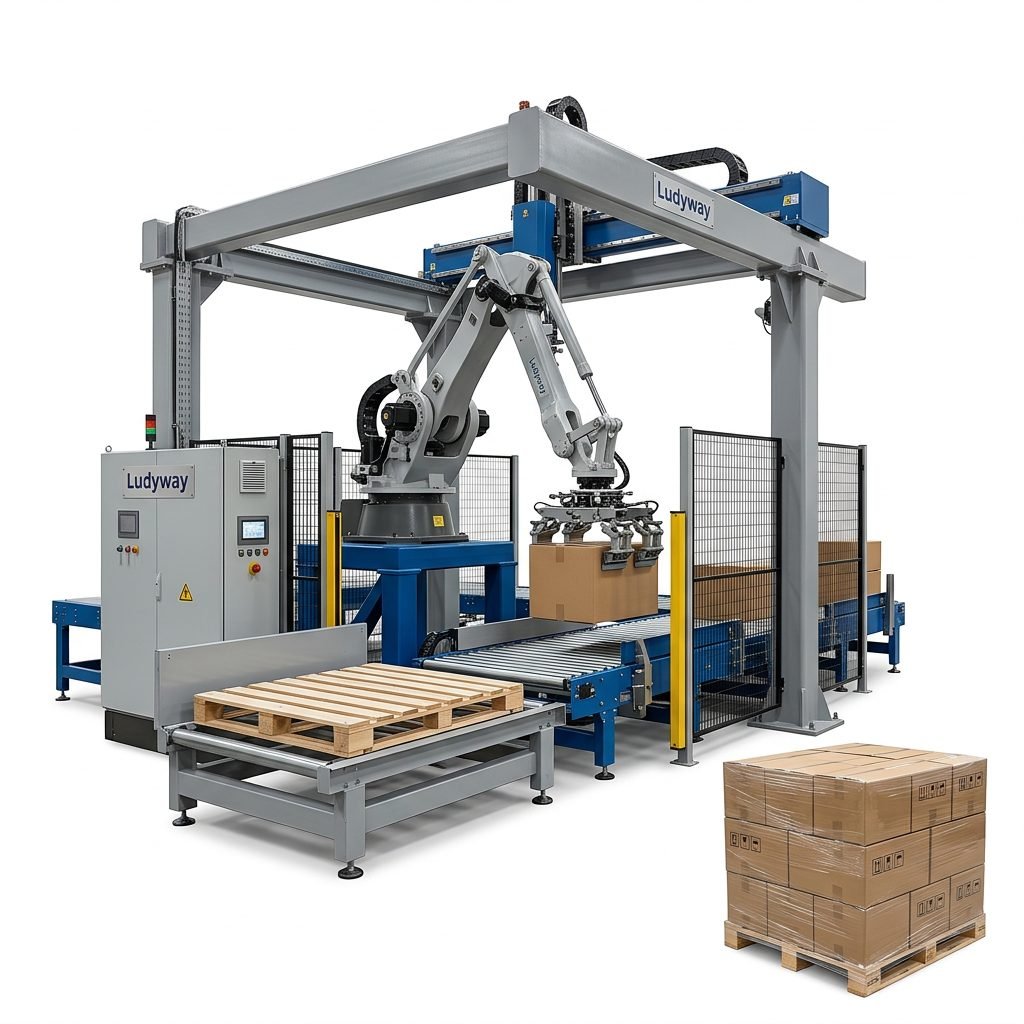
- Cartoning and case packing – End-of-line automation that reduces manual handling and improves throughput consistency.
- Palletizing – Robotic or conventional palletizers for high-volume operations.
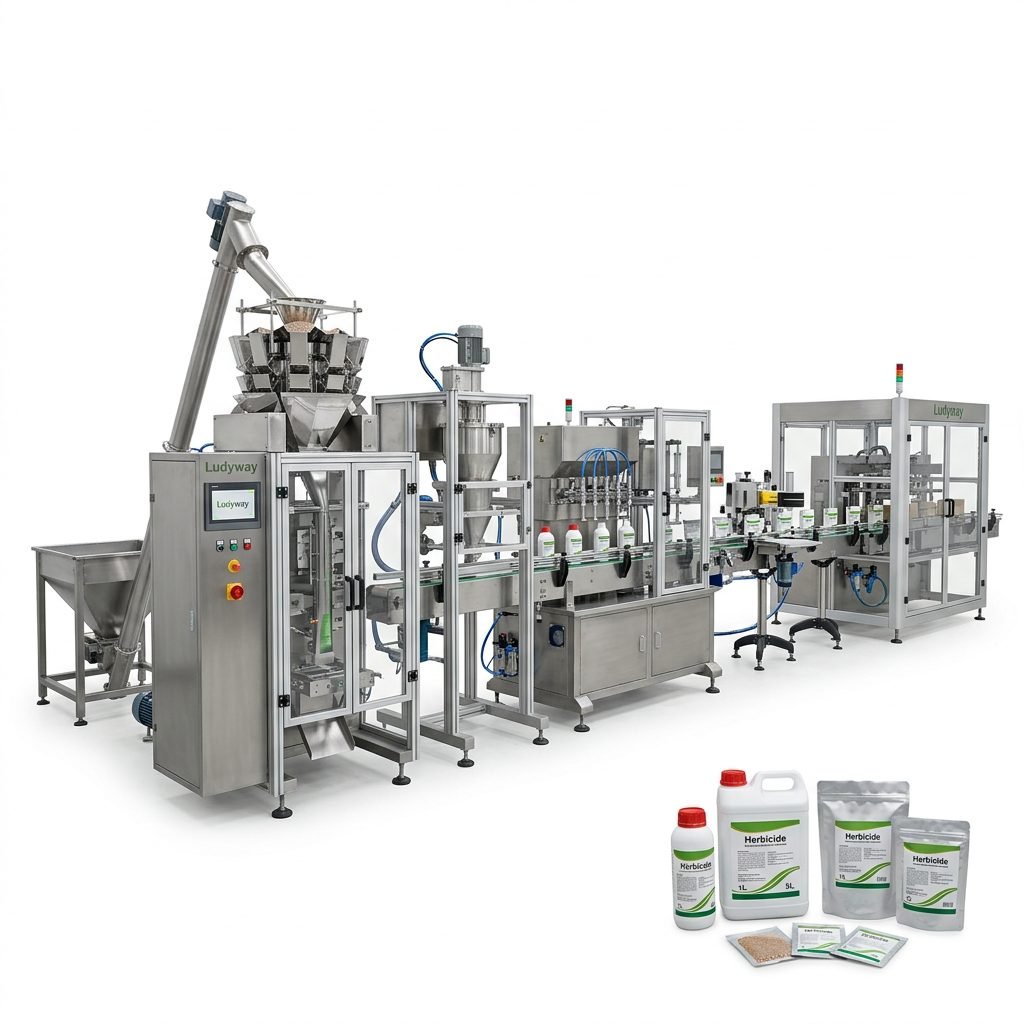
A fully integrated line reduces labor dependency, minimizes human error, and provides traceability data for quality management systems. When sourcing equipment, look for manufacturers who can provide complete packaging line solutions rather than just individual machines, as this simplifies project management and ensures system compatibility.
5. Prioritize Hygiene, Cleanability, and Regulatory Compliance
For food-grade powder packaging, sanitary design is non-negotiable. Key hygiene and compliance considerations include:
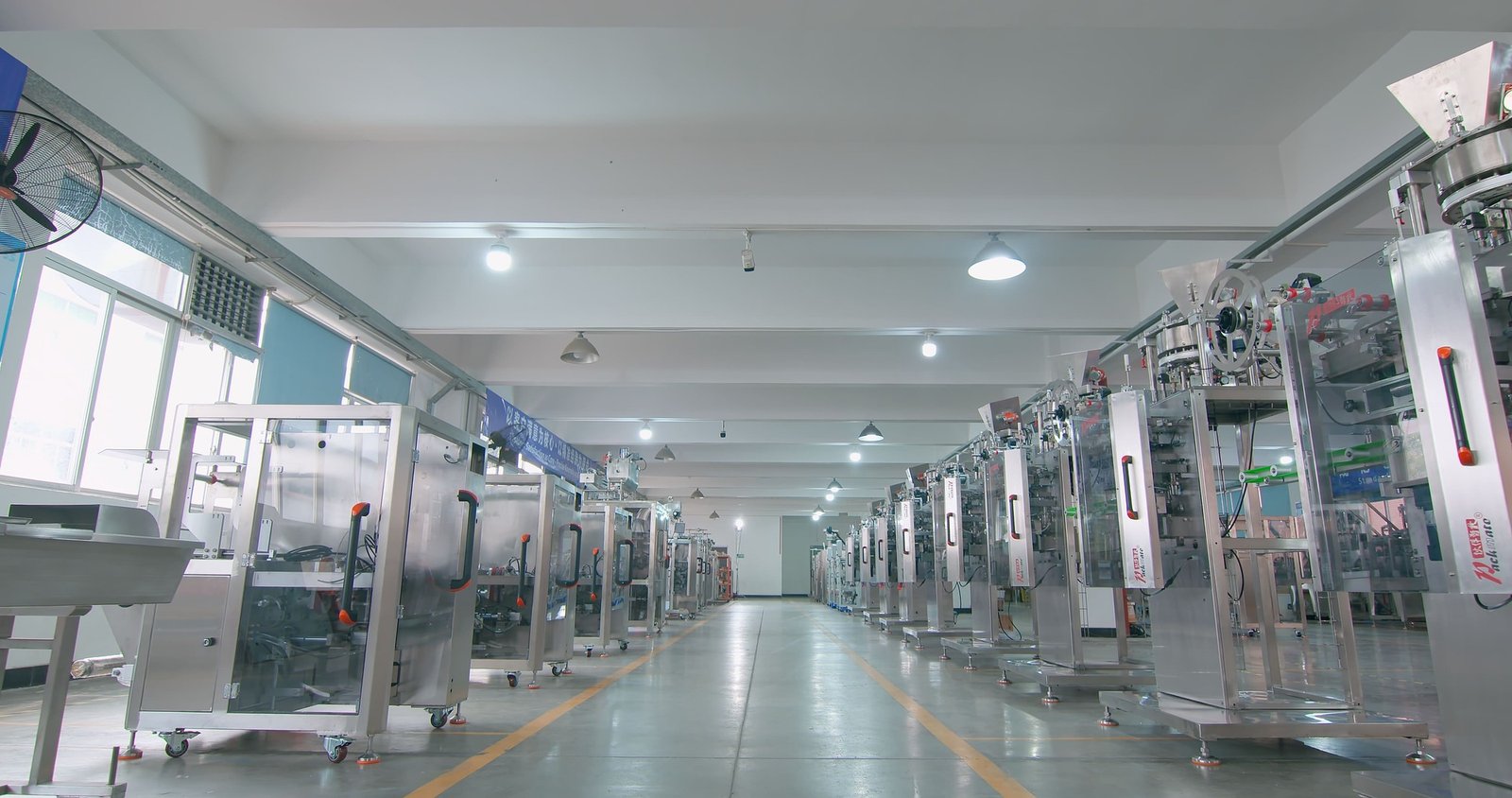
- Stainless steel construction – Food-contact surfaces should be 304 or 316L stainless steel, with polished finishes to prevent product adhesion and facilitate cleaning.
- Tool-free disassembly – Machines designed for quick teardown and reassembly reduce cleaning downtime and support frequent product changeovers.
- Washdown capability – Depending on your facility’s sanitation protocols, IP65 or higher-rated electrical components may be necessary.
- Sealed bearing housings – Prevents powder ingress into mechanical components, reducing contamination risk and maintenance frequency.
- HACCP-compatible design – Machines that support Hazard Analysis Critical Control Point protocols help facilities meet food safety certification requirements.
Additionally, verify that the equipment can be configured to meet relevant ISO packaging standards and local regulatory requirements for your target markets. Certifications such as CE marking for European markets or UL compliance for North America may be mandatory depending on your export destinations.
6. Compare Total Cost of Ownership, Not Just Purchase Price
While the initial equipment price is important, a comprehensive total cost of ownership (TCO) analysis provides a more accurate picture of long-term investment value. Include these factors in your evaluation:
- Spare parts availability and cost – Common wear items like sealing jaws, cutting blades, belts, and sensors should be readily available and reasonably priced.
- Energy consumption – More efficient machines with optimized heating and drive systems can generate significant utility savings over time.
- Film waste rates – Machines with precise film registration and tension control minimize packaging material waste during start-up and operation.
- Maintenance requirements – Understand the recommended preventive maintenance schedule and whether specialized technicians are required.
- Operator training needs – Intuitive HMI interfaces and accessible controls reduce training time and operator errors.
- Technical support responsiveness – Evaluate the manufacturer’s after-sales support infrastructure, including remote diagnostics capabilities and local service coverage.
7. Choose the Right Packaging Machinery Partner
Selecting a reliable equipment manufacturer is as important as choosing the right machine specifications. Evaluate potential suppliers based on their industry experience, engineering capabilities, and commitment to ongoing technical support. A manufacturer with decades of experience across multiple industries can often provide valuable insights that go beyond basic equipment specifications, helping you optimize your entire packaging process.
For manufacturers seeking comprehensive powder packaging solutions, Ludyway Machinery is a China-based packaging machinery manufacturer and turnkey packaging solution provider with more than 30 years of experience, operating a 20,000-square-meter manufacturing facility with over 50 packaging machine models serving customers in more than 100 countries. The company provides customized equipment configurations, integrated packaging systems, and comprehensive after-sales support including installation, commissioning, operator training, and spare parts supply. Working with a single partner for equipment selection, system integration, and technical support can streamline project execution and reduce the complexity of managing multiple vendors.
Key Selection Criteria Comparison Table
| Selection Criterion | What to Evaluate | Impact on Performance |
|---|---|---|
| Powder Characteristics | Flowability, density, particle size, moisture sensitivity | Determines dosing method, hopper design, and sealing parameters |
| Packaging Format | Stick pack, sachet, pouch, gusseted bag | Defines machine type, forming tube size, and film requirements |
| Production Speed | Packs per minute, lane count, cycle rate | Directly affects throughput and labor cost per unit |
| Automation Level | Feeding, weighing, inspection, cartoning integration | Reduces manual labor, improves consistency, enables traceability |
| Hygiene Design | Material grade, cleanability, dust management | Critical for food safety compliance and product integrity |
| Supplier Capability | Engineering expertise, support infrastructure, global service | Ensures long-term reliability and responsive problem resolution |
8. Plan for Installation, Commissioning, and Ongoing Support
A successful packaging machine investment extends well beyond the equipment purchase. Confirm that your supplier provides:
- Factory acceptance testing (FAT) – Verify machine performance at the manufacturer’s facility before shipment.
- Site preparation guidance – Detailed utility requirements, floor layout drawings, and installation specifications.
- On-site commissioning – Professional installation, calibration, and initial production run support.
- Operator and maintenance training – Comprehensive hands-on training to ensure your team can operate and maintain the equipment effectively.
- Remote technical assistance – Ability to diagnose and resolve issues through remote connectivity, reducing downtime.
- Spare parts program – Recommended spare parts lists and expedited shipping options for critical components.
Building a long-term partnership with your packaging machinery supplier ensures that as your production needs evolve, your equipment and support infrastructure can adapt accordingly. This strategic approach to supplier selection often yields better results than transactional purchasing based solely on equipment specifications and price.
Conclusion: Making an Informed Investment
Choosing the right food powder packaging machine requires a holistic evaluation of your product characteristics, packaging format requirements, production capacity goals, hygiene standards, and long-term operational needs. Rather than focusing narrowly on machine specifications or purchase price, consider how the equipment will integrate into your broader production environment and support your growth trajectory.
By carefully assessing each of the factors outlined in this guide and partnering with an experienced packaging machinery manufacturer who offers customized solutions, engineering expertise, and reliable global support, you can make a confident investment that delivers consistent packaging quality, operational efficiency, and long-term value for your food manufacturing business.