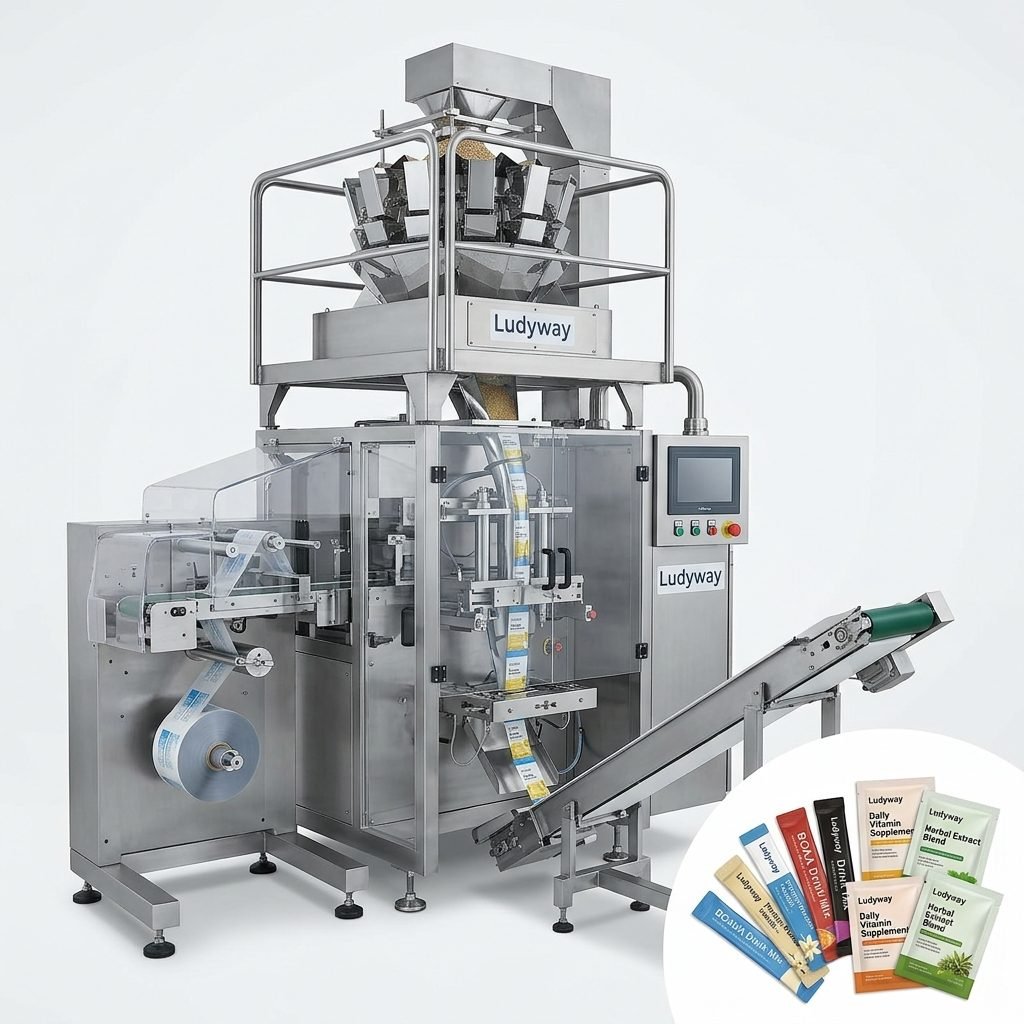
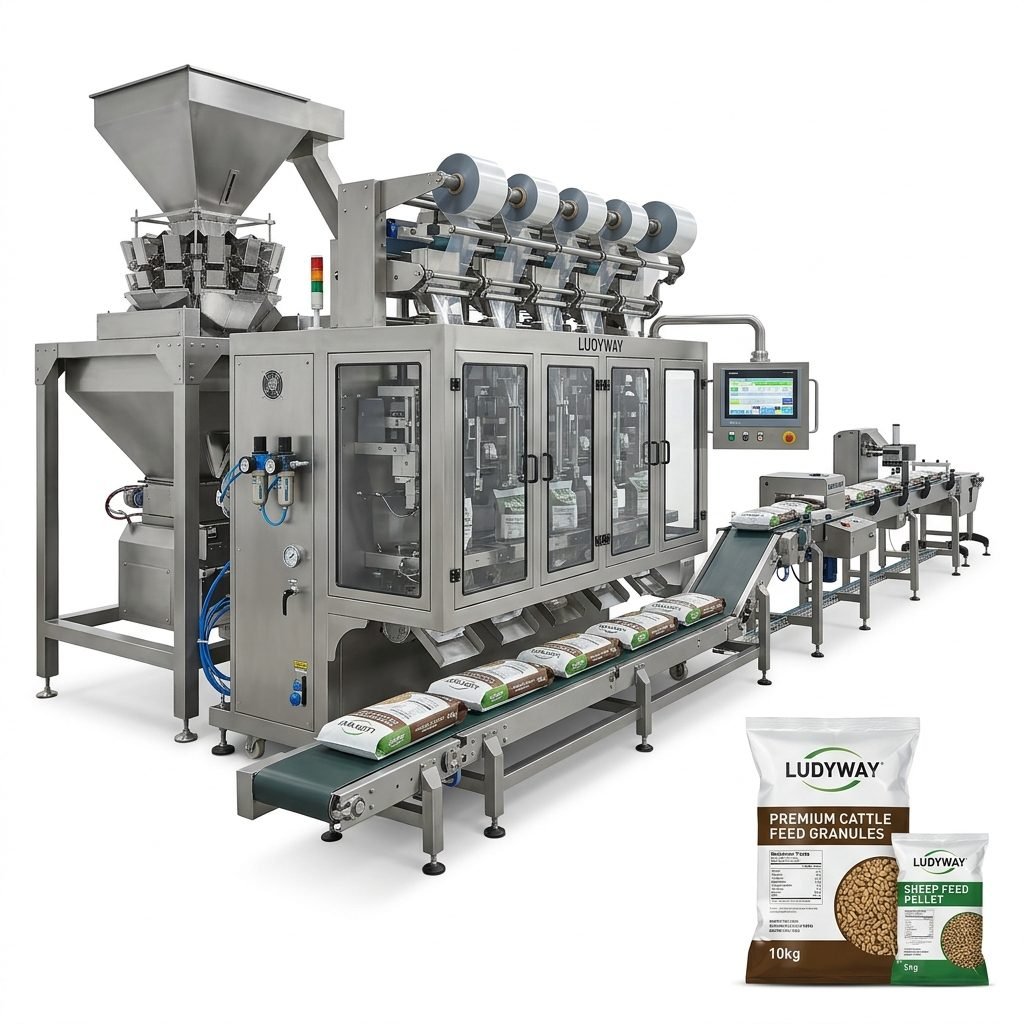
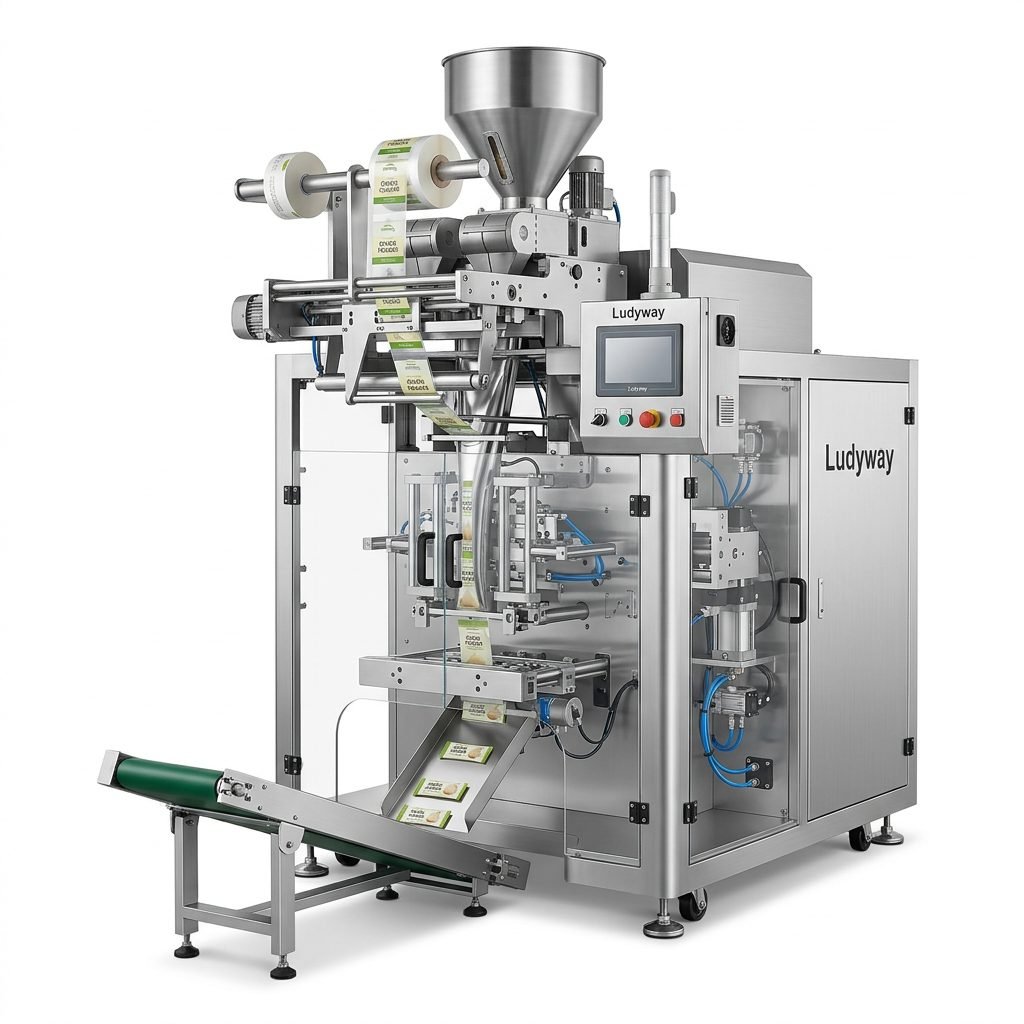
Investing in a coffee sachet packing machine is a strategic decision that directly affects your production efficiency, product quality, and long-term profitability. Whether you produce instant coffee, ground coffee, or specialty coffee blends, choosing the right equipment requires a clear understanding of your product characteristics, packaging format, speed requirements, and automation needs. This guide walks you through the essential factors to evaluate before making a purchase.
Understanding Your Production Requirements
Before evaluating specific machines, define your production goals clearly. Consider the following:
- Product form: Is your coffee in powder, granule, or liquid concentrate form? Each physical state requires different filling and dosing mechanisms.
- Target output: How many sachets per minute do you need? Production speed requirements determine whether a single-lane or multi-lane packaging machine is the right fit.
- Sachet size and format: What are your target fill weights and bag dimensions? The machine must accommodate your specific sachet size range.
- Packaging material: Coffee requires barrier films to preserve freshness. Ensure the machine supports your preferred laminate structures and film thicknesses.
Key Technical Specifications to Evaluate
Not all sachet packing machines are built the same. Pay close attention to these technical aspects when comparing models:
| Feature | Why It Matters |
|---|---|
| Filling System | Auger fillers suit powders; volumetric cup fillers suit granules. Precision dosing reduces product giveaway. |
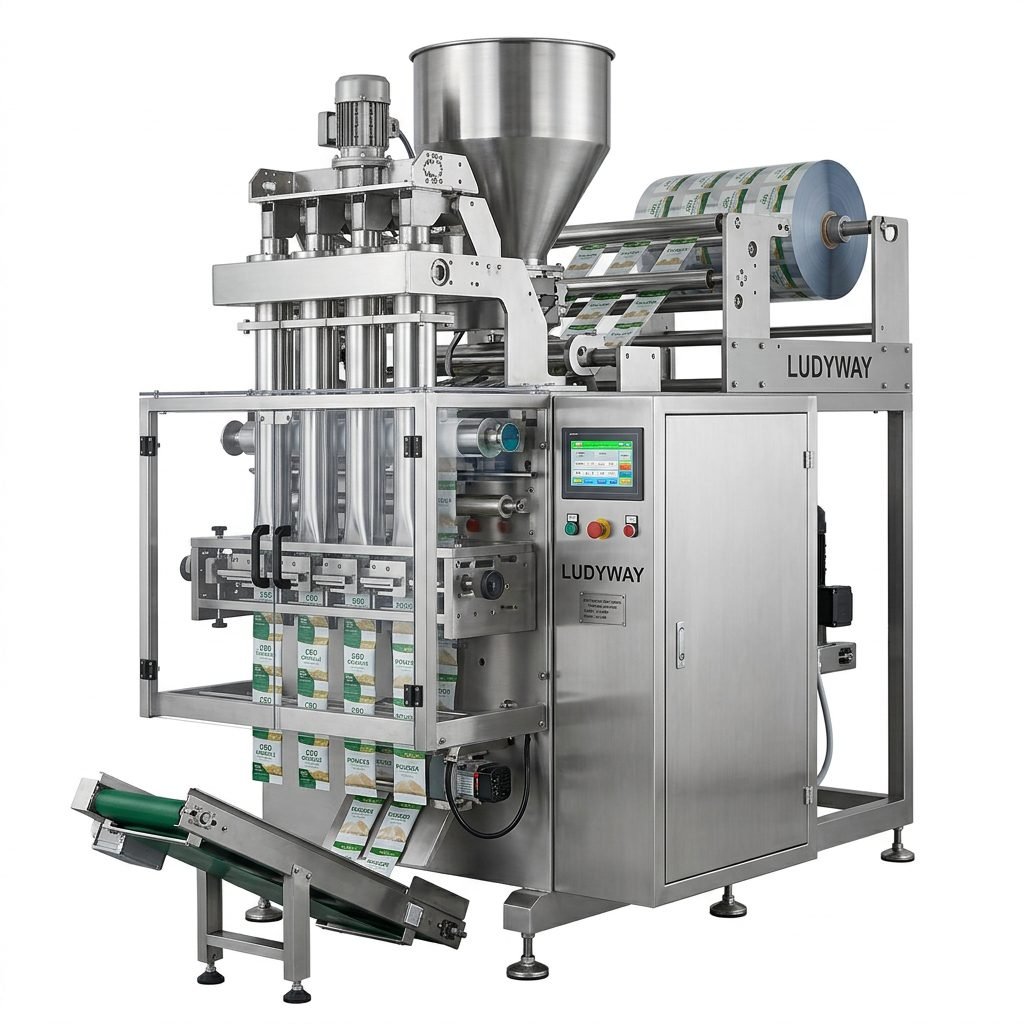
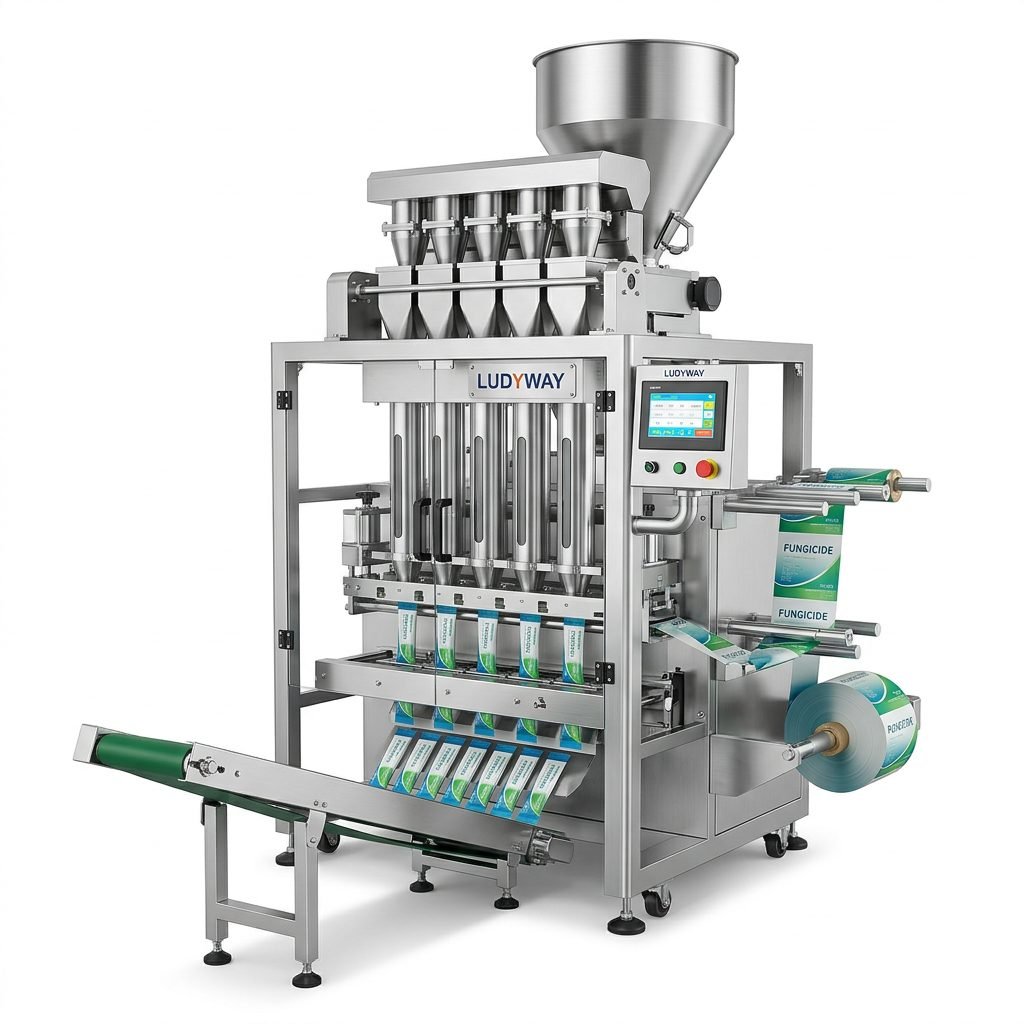
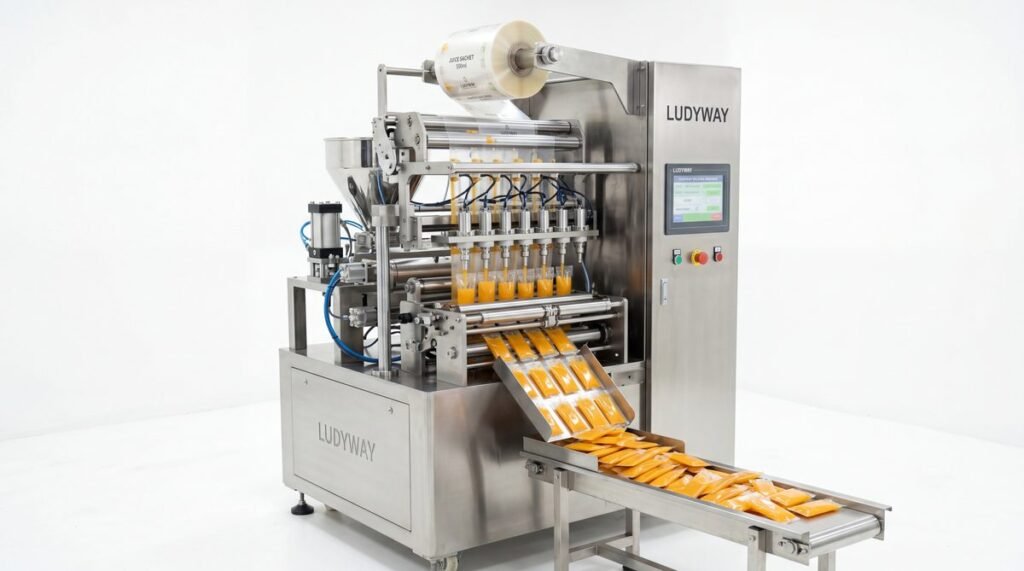
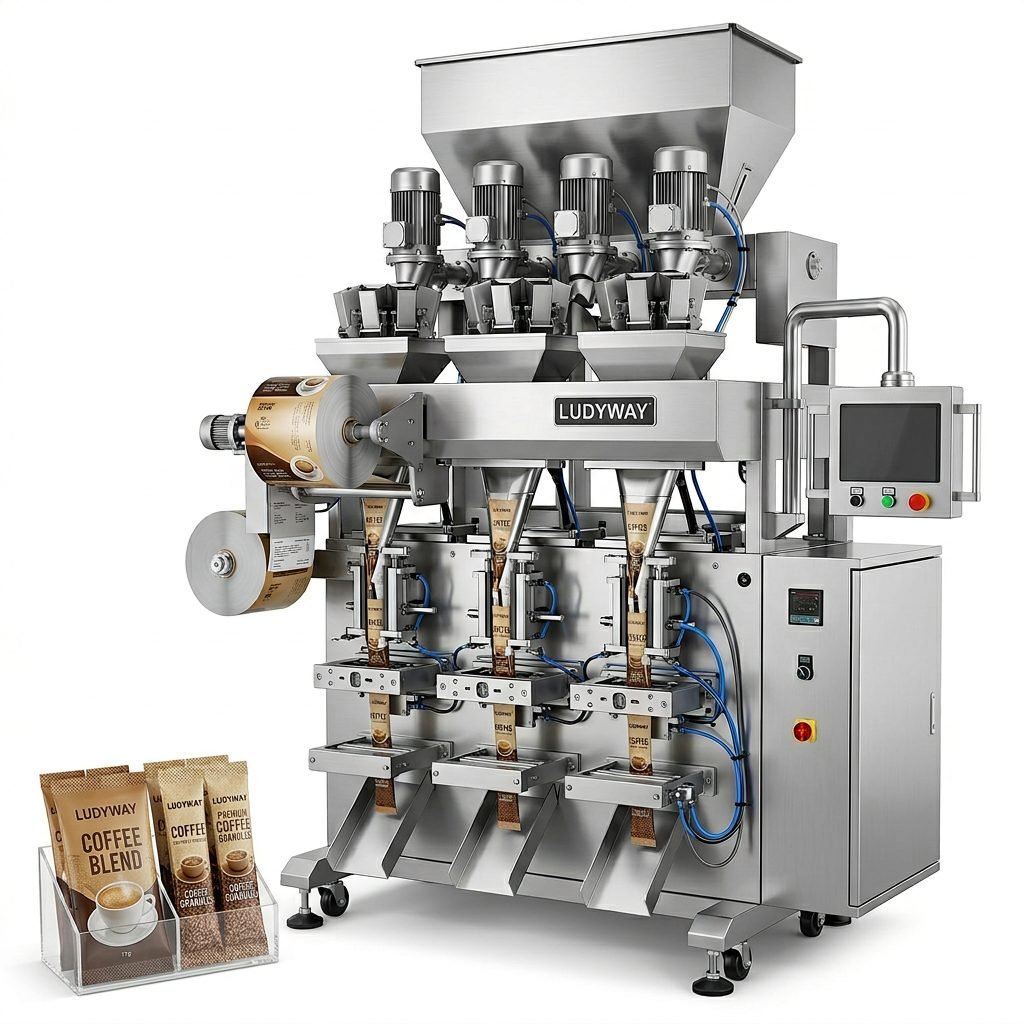
| Number of Lanes | Multi-lane configurations multiply output without proportionally increasing floor space or labor. |
| Sealing Technology | Consistent heat sealing ensures package integrity. Look for precise temperature control and pressure adjustment. |
| Automation Level | Fully automated systems reduce labor costs and human error. Consider integration with upstream and downstream equipment. |
| Changeover Time | Quick changeover between different sachet sizes or product types improves overall equipment effectiveness (OEE). |
Stick Pack vs. Flat Sachet: Choosing the Right Format
Coffee packaging commonly uses two sachet formats, each with distinct advantages. Understanding these differences helps you align machine selection with market demands and consumer preferences.
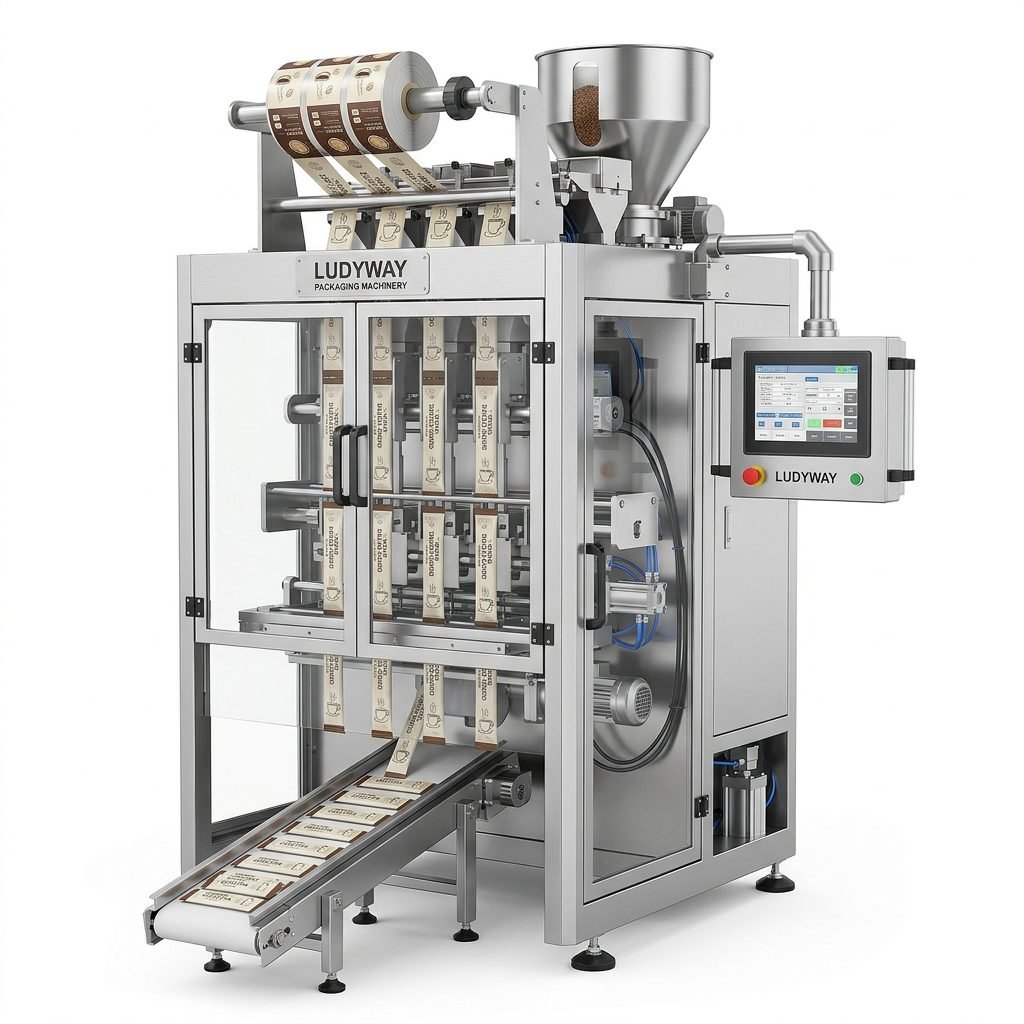
- Stick packs: These narrow, elongated sachets are increasingly popular for single-serve instant coffee. They offer excellent portability, reduced material usage, and a premium feel. Stick pack packaging machines designed for coffee often run at very high speeds with multi-lane configurations.
- Flat sachets: Traditional three-side or four-side seal sachets provide larger surface area for branding and are suitable for larger portion sizes. They remain the standard format in many markets and for ground coffee applications.
Essential Features for Coffee Packaging
Coffee presents unique packaging challenges that demand specific machine capabilities:
Freshness Protection
Oxygen and moisture are coffee’s biggest enemies. Look for machines that support nitrogen flushing or vacuum-assisted sealing to extend shelf life. The sealing system must create hermetic closures that prevent oxidation and preserve the coffee’s aroma and flavor profile.
Gentle Product Handling
For ground coffee, maintaining particle consistency is essential. The filling system should minimize product degradation. Auger fillers with appropriate flight designs help preserve grind integrity during the dosing process, which directly impacts the final cup quality experienced by consumers.
Precision Dosing Accuracy
Inconsistent fill weights create compliance issues and erode profit margins. Advanced servo-driven dosing systems provide superior accuracy compared to mechanical alternatives. For instant coffee powder, the filling mechanism must compensate for density variations that occur during production and storage.
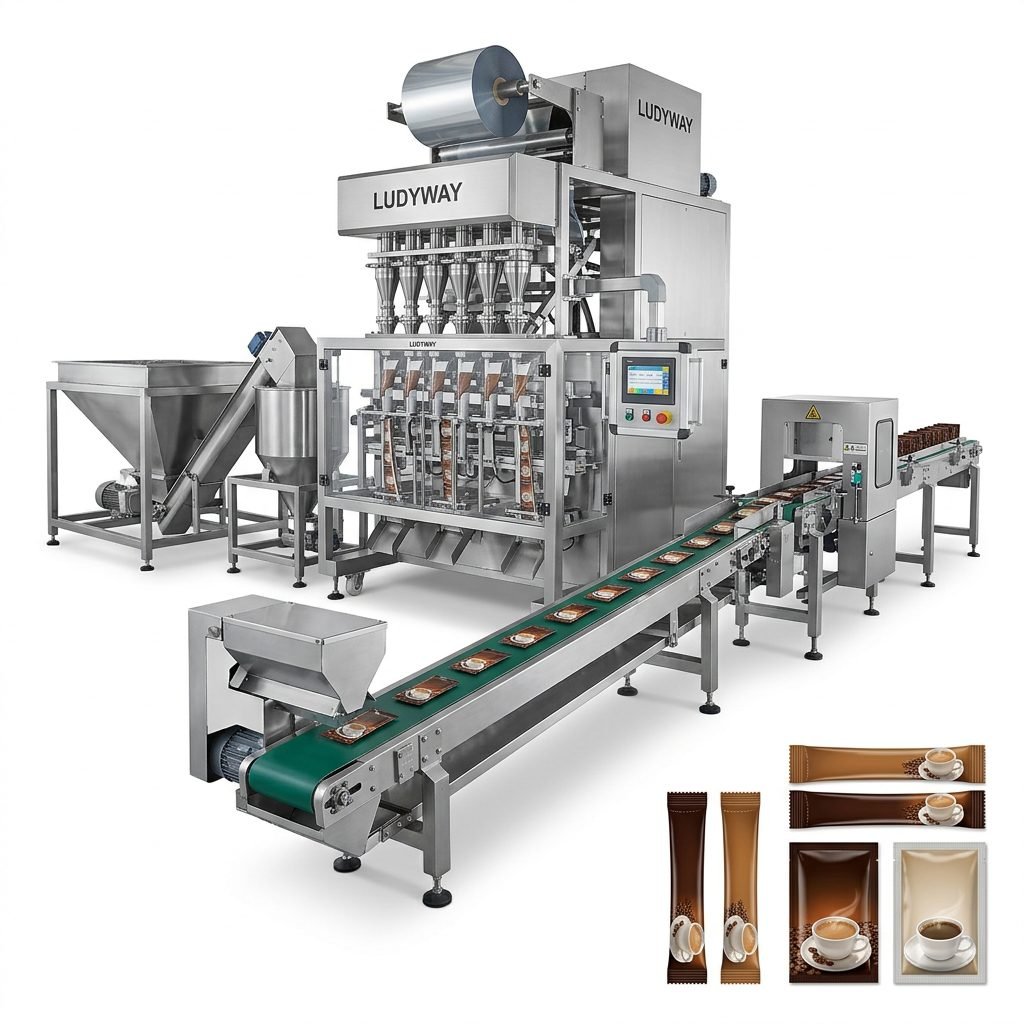
Production Speed and Lane Configurations
Production speed requirements directly influence machine configuration and investment level. Understanding the trade-offs helps you make an informed decision that matches your current needs and anticipated growth.
Single-lane machines typically produce 40-80 sachets per minute, suitable for startups and small-scale operations. Multi-lane configurations dramatically increase output: a 4-lane machine can produce 160-320 sachets per minute, while 10-lane or 12-lane systems reach 400-600+ sachets per minute. The right choice depends on your current and projected production volumes, available floor space, and budget.
Material Compatibility and Film Handling
Coffee packaging films typically include multiple layers: PET for printability, aluminum foil for barrier properties, and PE for sealability. The machine’s film handling system must accommodate these materials without wrinkling, misalignment, or seal contamination. Key considerations include:
- Film tension control to prevent stretching or distortion during unwinding
- Precise registration for printed films with eye marks
- Compatibility with aluminum-laminated structures that require gentle folding
- Easy film roll changeover to minimize downtime
Automation Integration and Industry 4.0 Readiness
Modern coffee sachet packing machines increasingly incorporate smart features that enable real-time monitoring, data collection, and predictive maintenance. When evaluating equipment, consider connectivity options, recipe management capabilities, and compatibility with factory management systems. Fully automated packaging machines with integrated sensors can track key parameters like seal temperature, fill weight, and production rate, providing valuable data for continuous improvement initiatives.
Cleaning, Maintenance, and Hygiene Standards
For coffee packaging, hygiene is non-negotiable. Equipment design should facilitate thorough cleaning and prevent product buildup in hard-to-reach areas. Look for tool-free access to product contact parts, smooth surfaces without crevices, and sealed bearings that prevent contamination. Machines designed for easy maintenance reduce downtime and extend equipment lifespan, contributing to lower total cost of ownership over the machine’s lifecycle.
Evaluating Total Cost of Ownership
The purchase price is only one component of long-term cost. A comprehensive evaluation should include:
- Initial purchase and installation costs
- Energy consumption and utility requirements
- Spare parts availability and maintenance expenses
- Labor requirements for operation and supervision
- Expected service life and depreciation
- Downtime costs associated with repairs and changeovers
Working with the Right Supplier
Choosing a reliable packaging machinery partner is as important as selecting the right machine. Ludyway Machinery, a China-based packaging machinery manufacturer with over 30 years of experience, provides comprehensive coffee sachet packing solutions that integrate multi-lane technology, precision dosing systems, and automated production capabilities. A supplier with strong engineering expertise, responsive technical support, and global service coverage ensures your investment continues delivering value long after installation. For insights into packaging industry trends and standards, resources such as the PMMI Business Intelligence reports and Flexible Packaging Association industry data provide valuable benchmarks for equipment evaluation and market analysis.

Checklist for Final Decision-Making
Before finalizing your purchase, verify these critical points:
- Machine specifications match your product characteristics and packaging material
- Production speed meets current needs with capacity for future growth
- Dosing accuracy meets your tolerances and regulatory requirements
- Sealing system provides consistent, leak-proof seals on your chosen film
- Supplier offers adequate installation, training, and after-sales support
- Changeover procedures are documented and manageable for your operators
- Spare parts are readily available in your region
- Machine complies with relevant safety and hygiene standards in your target markets
Selecting the right coffee sachet packing machine requires balancing technical capabilities, production requirements, and budget considerations. By systematically evaluating these factors and partnering with an experienced supplier, you can invest in equipment that supports your production goals, maintains product quality, and delivers reliable performance over years of operation. For additional guidance on packaging machinery standards, the ISO packaging standards provide comprehensive technical references that inform machine design and performance expectations.