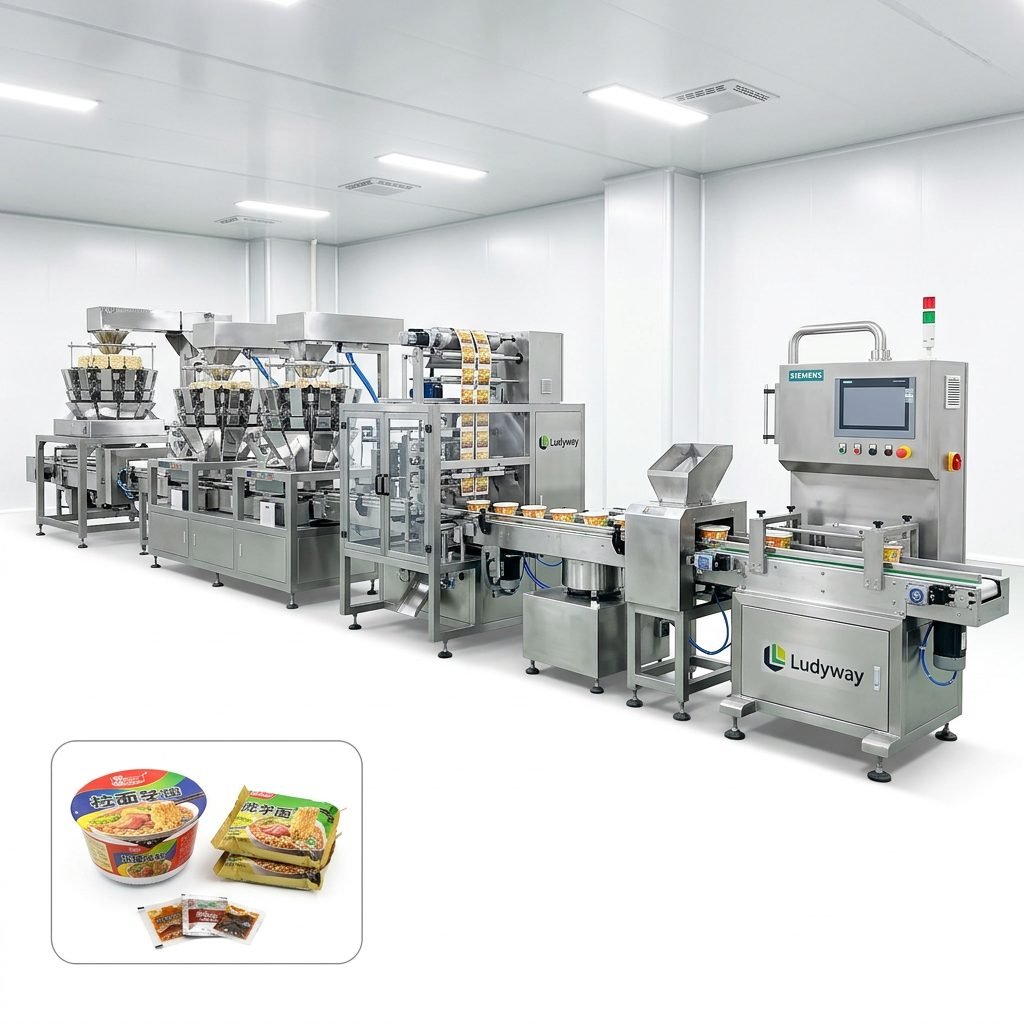
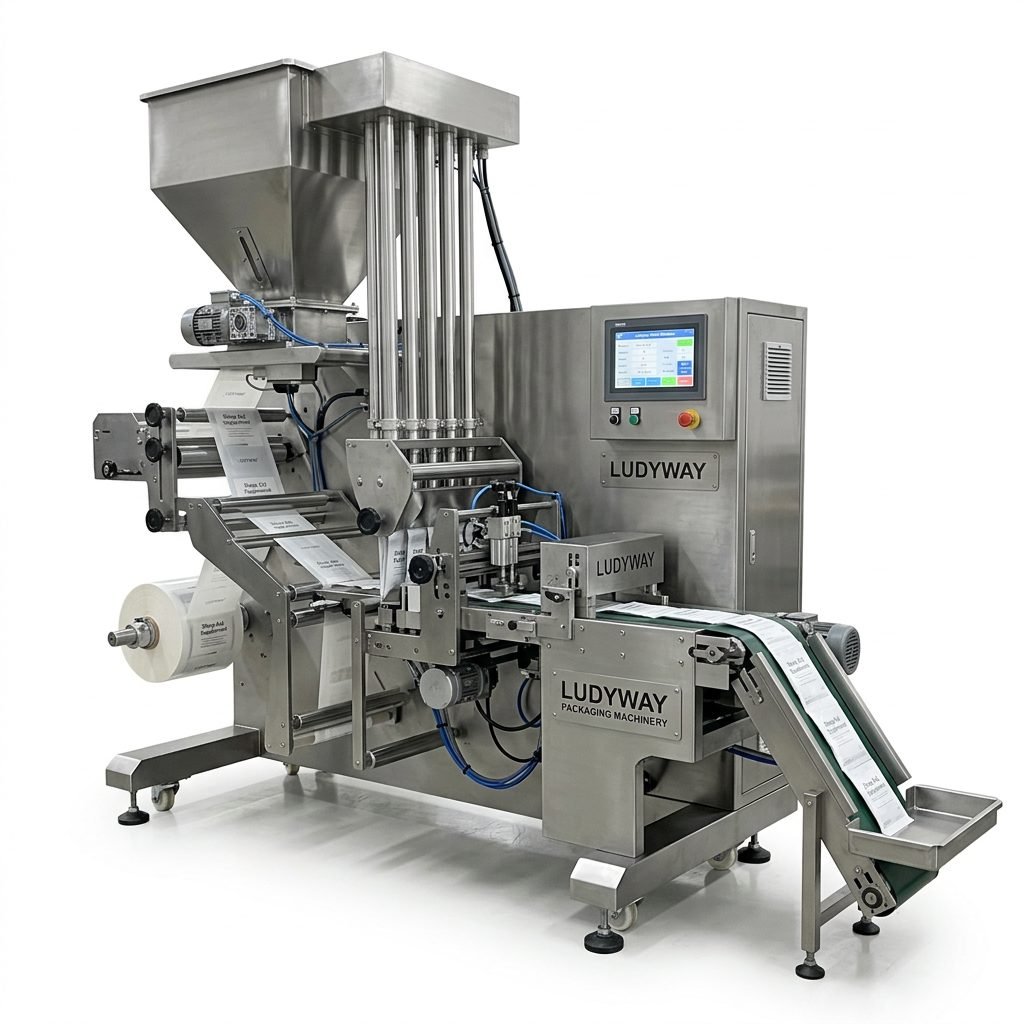
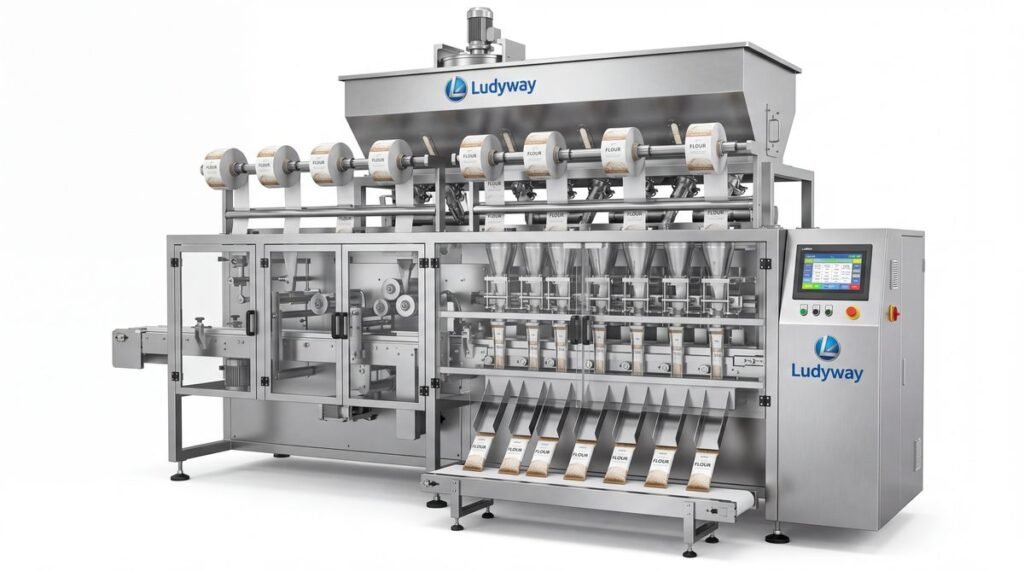
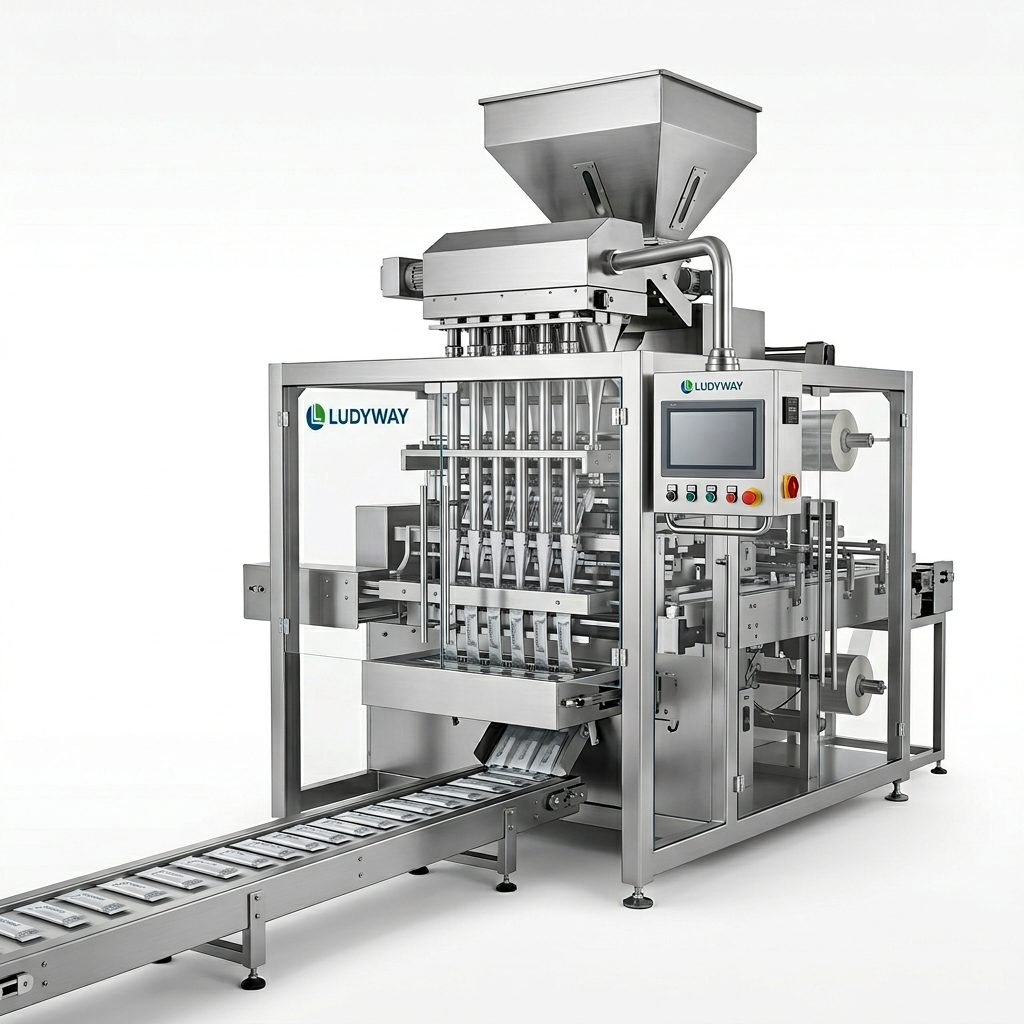
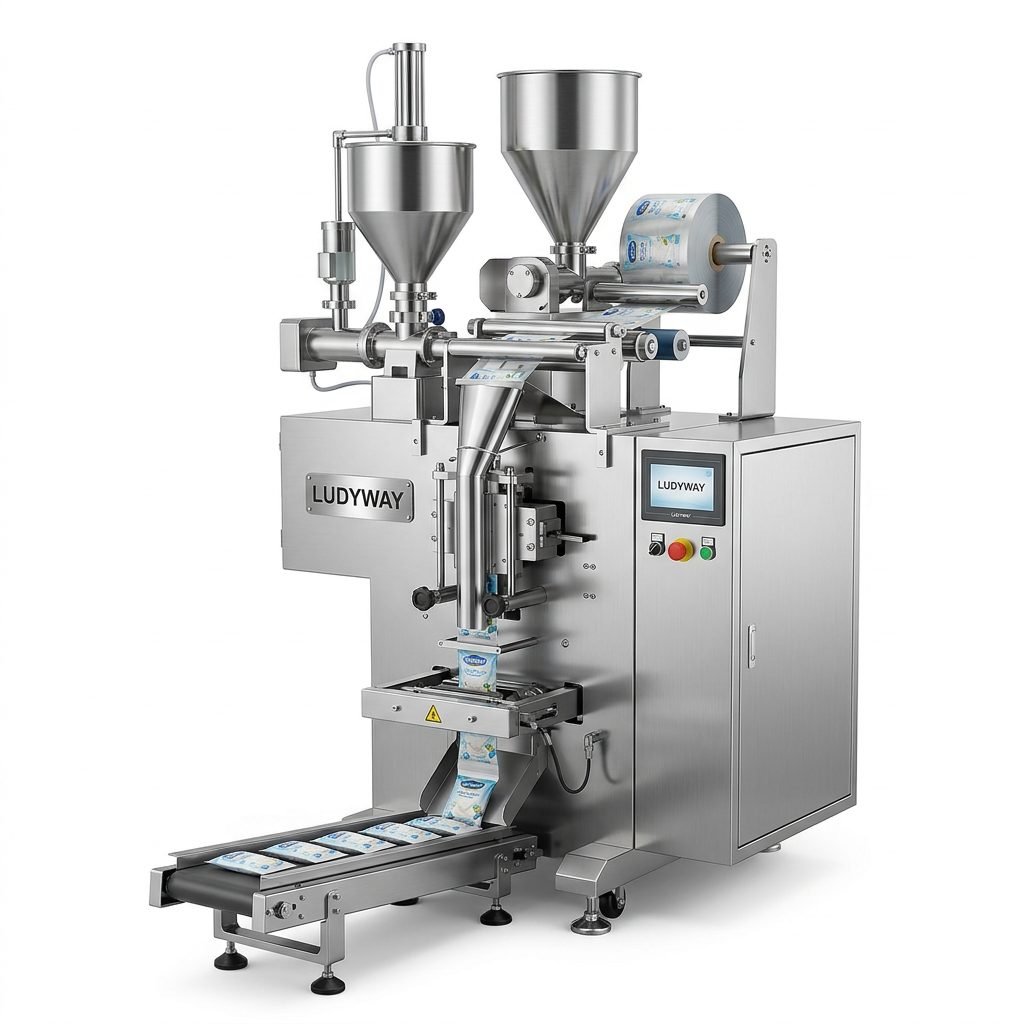
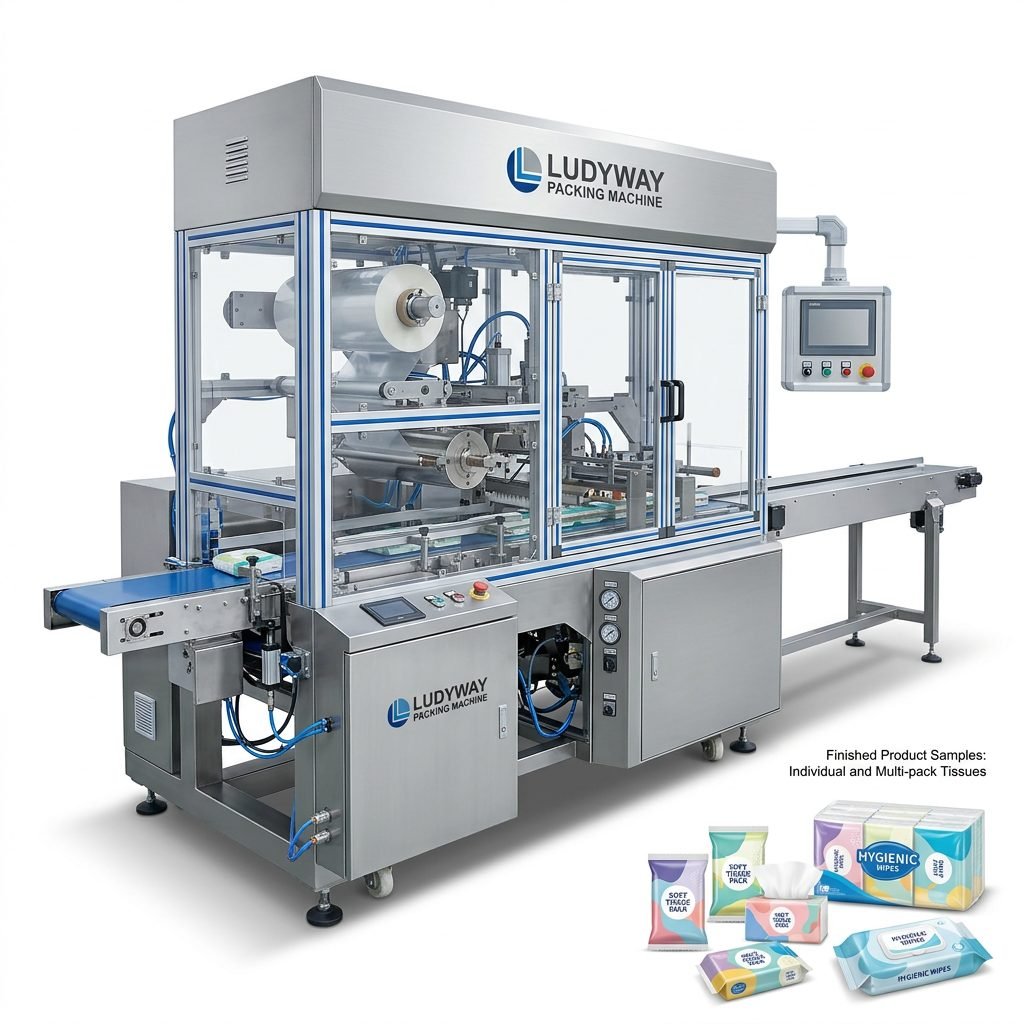
Investing in an automatic bag filling machine is a critical decision for any manufacturer handling powders, granules, liquids, or other bulk products. The right equipment can significantly boost production efficiency, reduce labor costs, and improve packaging consistency. However, with dozens of machine types, configurations, and suppliers available, navigating the selection process can be overwhelming. This guide walks you through the essential factors to evaluate before making your purchase.
Understanding Automatic Bag Filling Machine Types
Before evaluating specific models, it’s important to understand the primary categories of bag filling equipment. Each type is designed for different product characteristics and production environments:
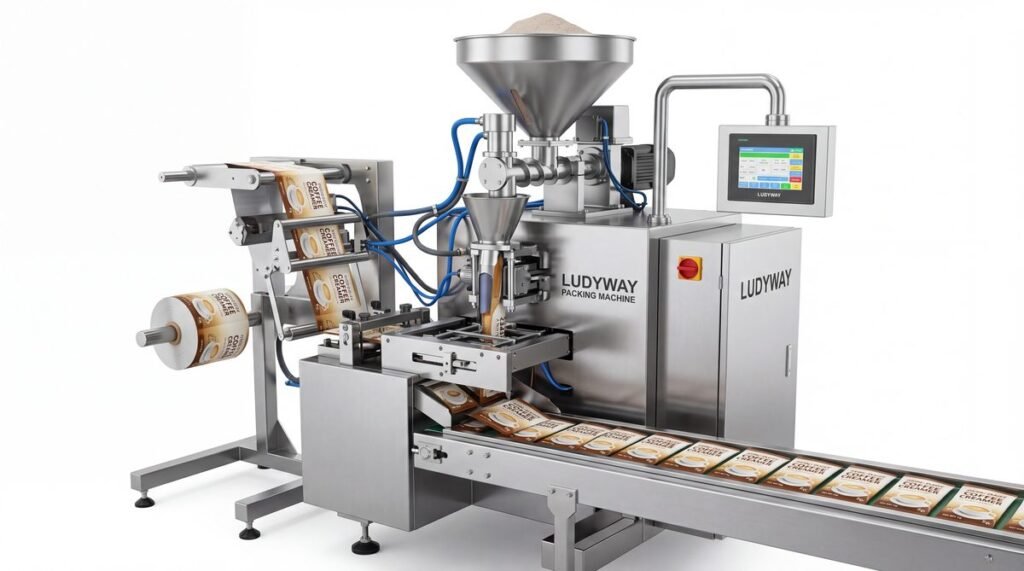
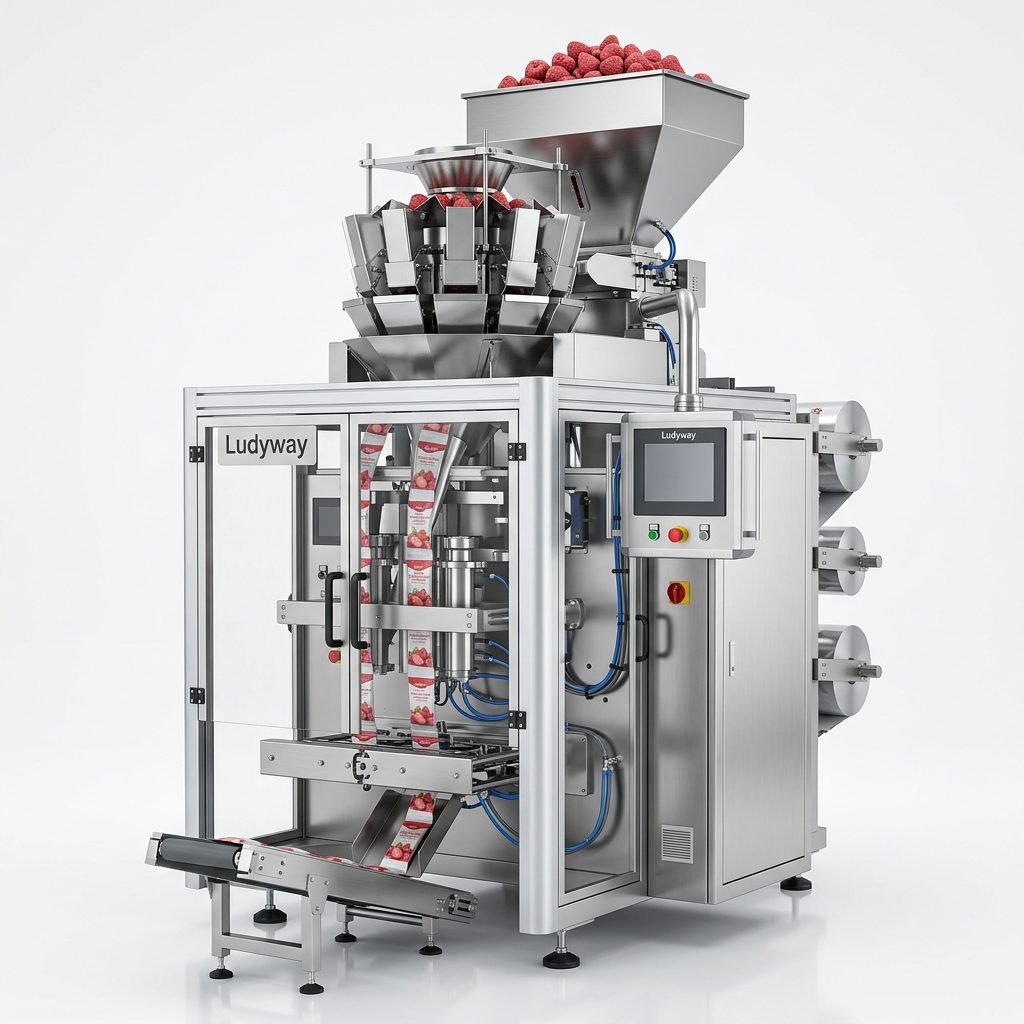
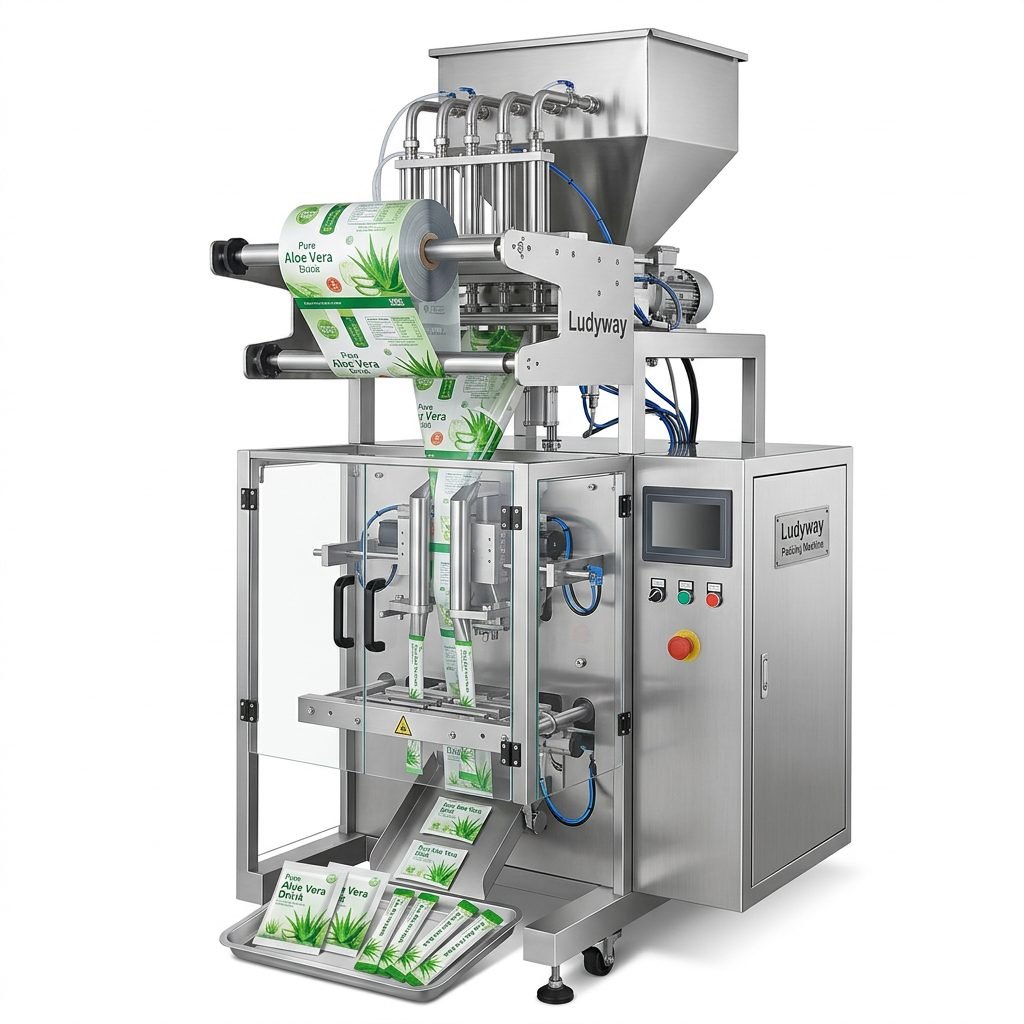
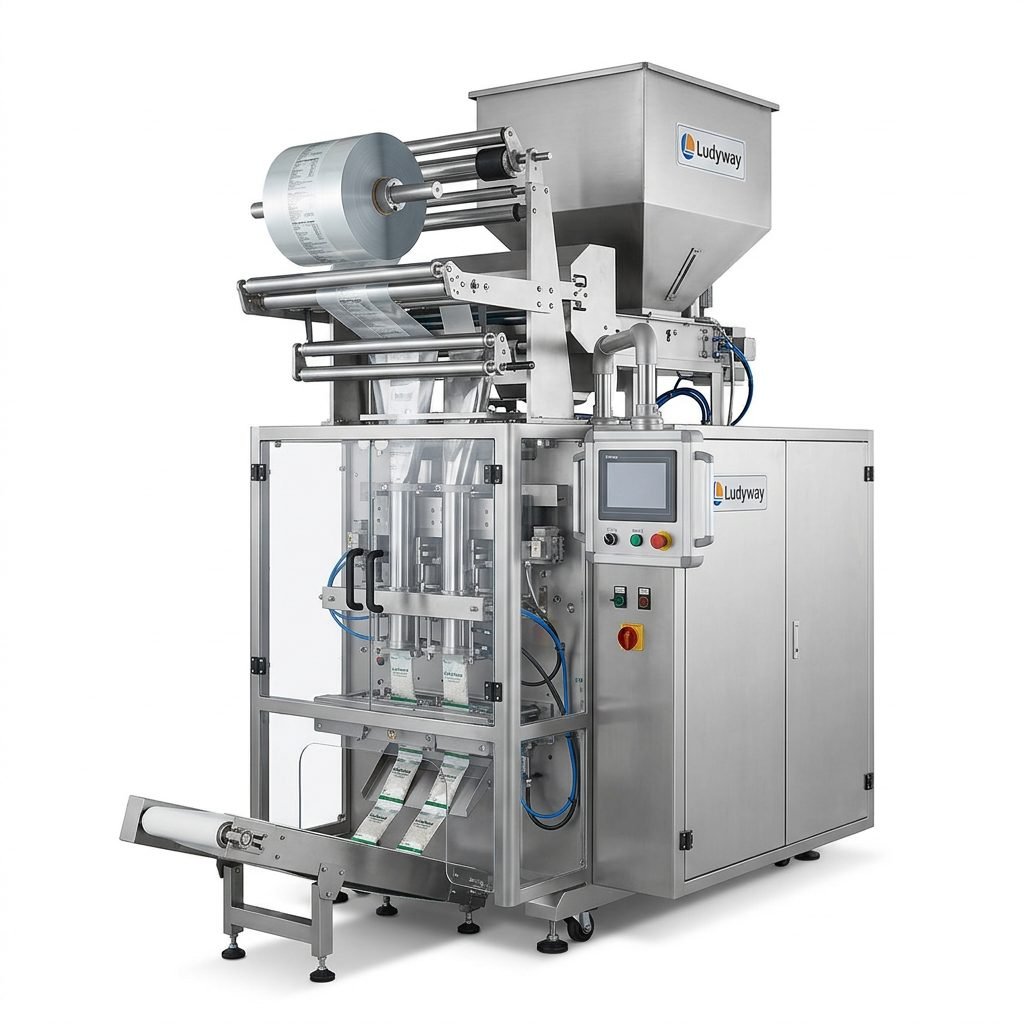
- Vertical Form Fill Seal (VFFS) Machines: Ideal for free-flowing granules and powders, these machines form bags from a roll of film, fill them, and seal them in a continuous vertical motion.
- Horizontal Form Fill Seal (HFFS) Machines: Best suited for products requiring gentle handling, such as fragile snacks or medical devices, with the packaging process occurring horizontally.
- Premade Pouch Filling Machines: Designed for manufacturers using pre-formed bags, these machines open, fill, and seal ready-made pouches at high speeds.
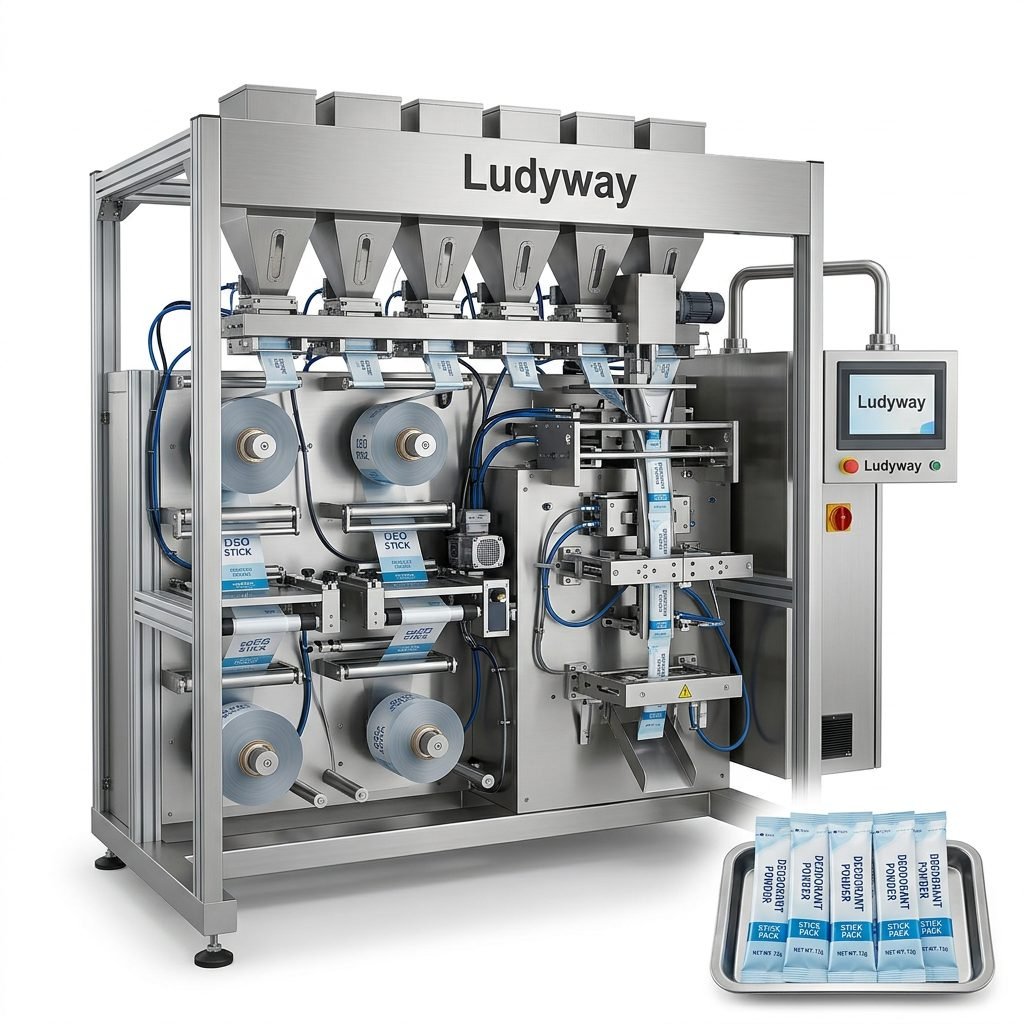
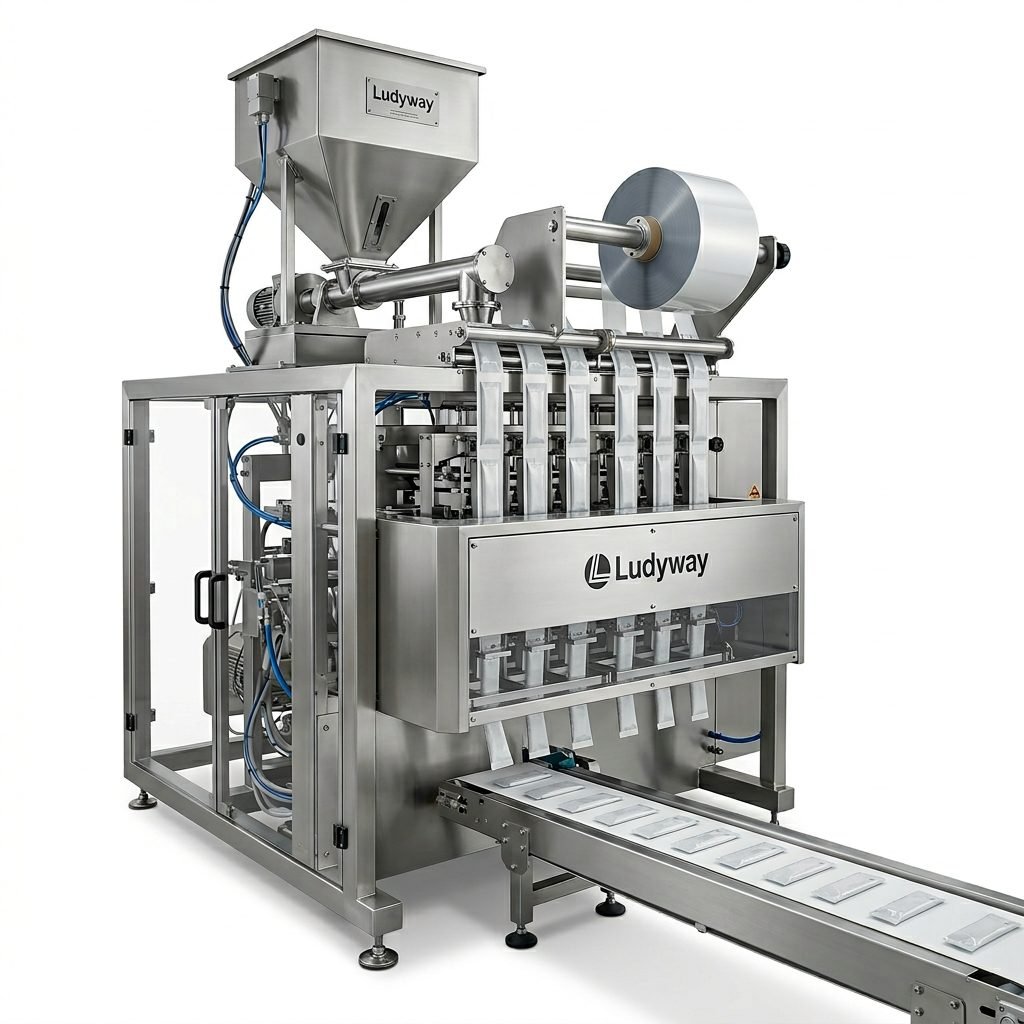
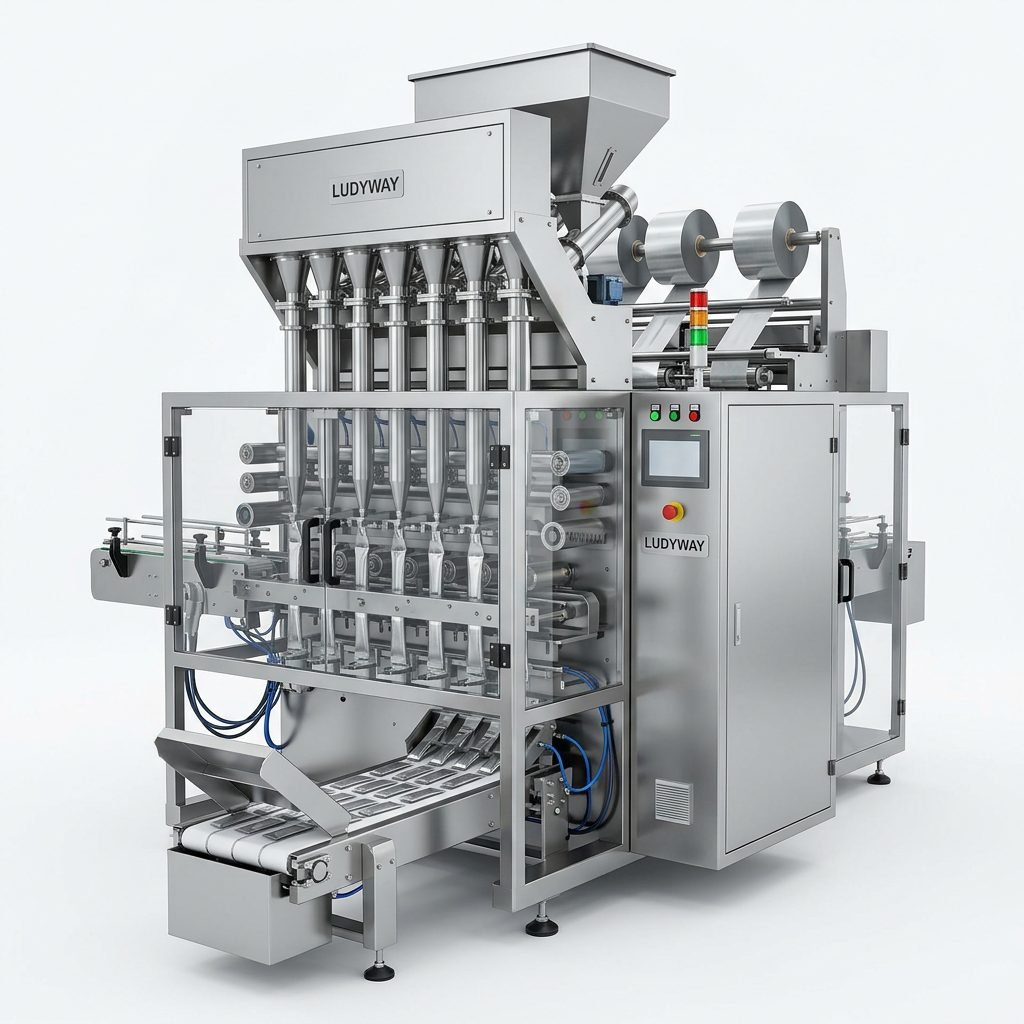
- Multi-Lane Sachet and Stick Pack Machines: Configured for high-volume production of small-format packages, commonly used in food, pharmaceutical, and cosmetic industries.
- Bulk Bag and Jumbo Bag Fillers: Engineered for large-format packaging of granular and powder materials in industrial quantities.
Key Factors to Consider Before Purchase
Selecting the right machine requires a thorough analysis of your product, production goals, and facility constraints. The following factors should guide your evaluation.
Product Characteristics
Your product’s physical properties directly determine which filling and dosing system is appropriate. Key characteristics include:
- Flowability: Free-flowing granules behave differently than cohesive powders or sticky materials. Packaging industry resources provide detailed guidance on matching dosing systems to product types.
- Particle Size and Density: These factors affect filling accuracy and speed. Volumetric fillers work well for uniform products, while multi-head weighers excel with variable particle sizes.
- Moisture Sensitivity: Products requiring protection from humidity may need machines equipped with nitrogen flushing or specialized sealing systems.
- Temperature Sensitivity: Heat-sensitive materials may require cold-seal packaging or temperature-controlled dosing systems.
Production Volume and Speed Requirements
Your current and projected output needs should drive machine specifications. Consider both peak capacity requirements and average daily production volumes. Multi-lane configurations can dramatically increase throughput for small-format packages, while single-lane machines may suffice for lower-volume operations. According to packaging machinery market research, understanding your speed requirements upfront prevents costly bottlenecks or over-investment in unnecessary capacity.
Bag Formats and Sizes
Different machines support different bag styles. Common formats include pillow bags, gusseted bags, stick packs, sachets, quad-seal bags, and doypacks. If you anticipate introducing new packaging formats in the future, select equipment with modular tooling that allows format changes without replacing the entire machine.
Technical Specifications That Matter
Beyond basic machine type, several technical factors significantly impact performance and long-term reliability:
| Specification | Why It Matters | Key Consideration |
|---|---|---|
| Filling Accuracy | Directly affects product giveaway and profitability | ±0.5% to ±1% for weighing systems; ±1% to ±3% for volumetric |
| Sealing Technology | Critical for product integrity and shelf life | Heat seal, ultrasonic, or cold seal depending on material |
| Changeover Time | Impacts production flexibility and downtime | Tool-less changeover preferred for frequent format switches |
| Automation Level | Determines labor requirements and consistency | Semi-automatic to fully automated with integrated inspection |
| Material Compatibility | Affects packaging film options and costs | Verify compatibility with your preferred film suppliers |
Industry-Specific Requirements
Different industries impose unique demands on packaging equipment. Flexible packaging industry data highlights how sector-specific regulations and standards shape equipment design:
- Food and Beverage: Requires food-grade materials, washdown-ready construction, and compliance with safety standards.
- Pharmaceuticals: Demands strict validation protocols, traceability features, and often cleanroom compatibility.
- Chemicals and Industrial Products: Needs corrosion-resistant components and robust construction for harsh environments.
- Cosmetics and Personal Care: Requires gentle product handling, precise dosing for high-value formulations, and attractive package presentation.
Evaluating Total Cost of Ownership
The purchase price is only one component of the total cost. A comprehensive evaluation should factor in:
- Energy consumption and operational efficiency over the machine’s lifespan
- Spare parts availability and typical maintenance intervals
- Film material waste rates during startup and changeover
- Training requirements for operators and maintenance personnel
- Potential downtime costs and supplier response times for technical support
Machines with higher initial investment but lower operating costs often deliver better long-term value, especially for high-volume operations. Reviewing state of the industry reports can provide benchmarks for evaluating cost-performance tradeoffs.
Choosing the Right Supplier
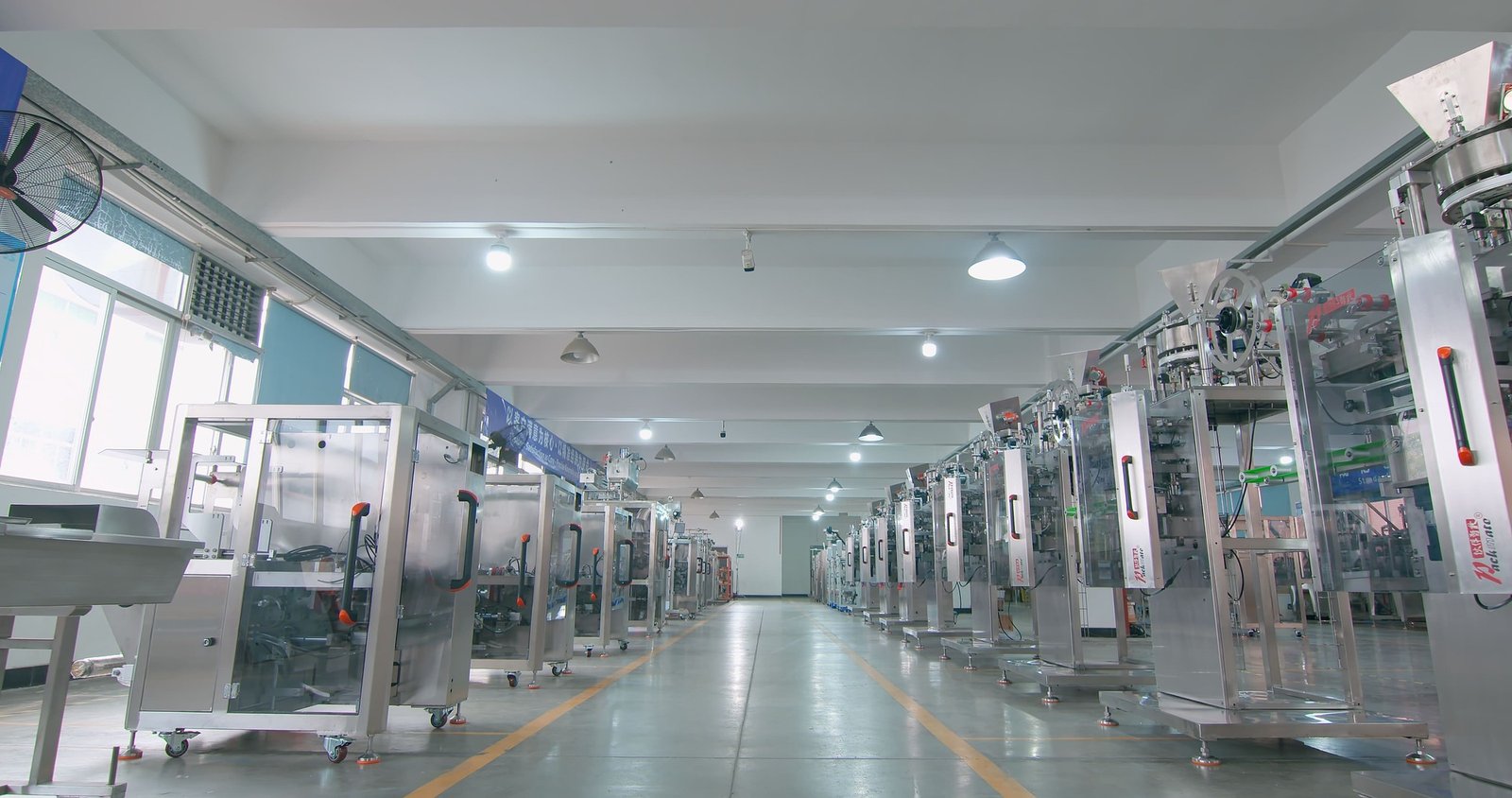
A machine is only as good as the company behind it. When evaluating suppliers, look beyond the equipment specifications to assess their engineering capabilities, after-sales support, and industry experience. Manufacturers like Ludyway Machinery, with over 30 years of experience and a 20,000-square-meter manufacturing facility, demonstrate how established suppliers can provide comprehensive support from equipment selection through installation, commissioning, and ongoing technical service. Key supplier evaluation criteria include:
- Technical expertise in your specific product category and packaging format
- Customization capabilities for adapting machines to unique requirements
- Global service network and response times for troubleshooting
- References and case studies from manufacturers in similar industries
- Certifications and compliance with relevant international standards
After-Sales Support and Service
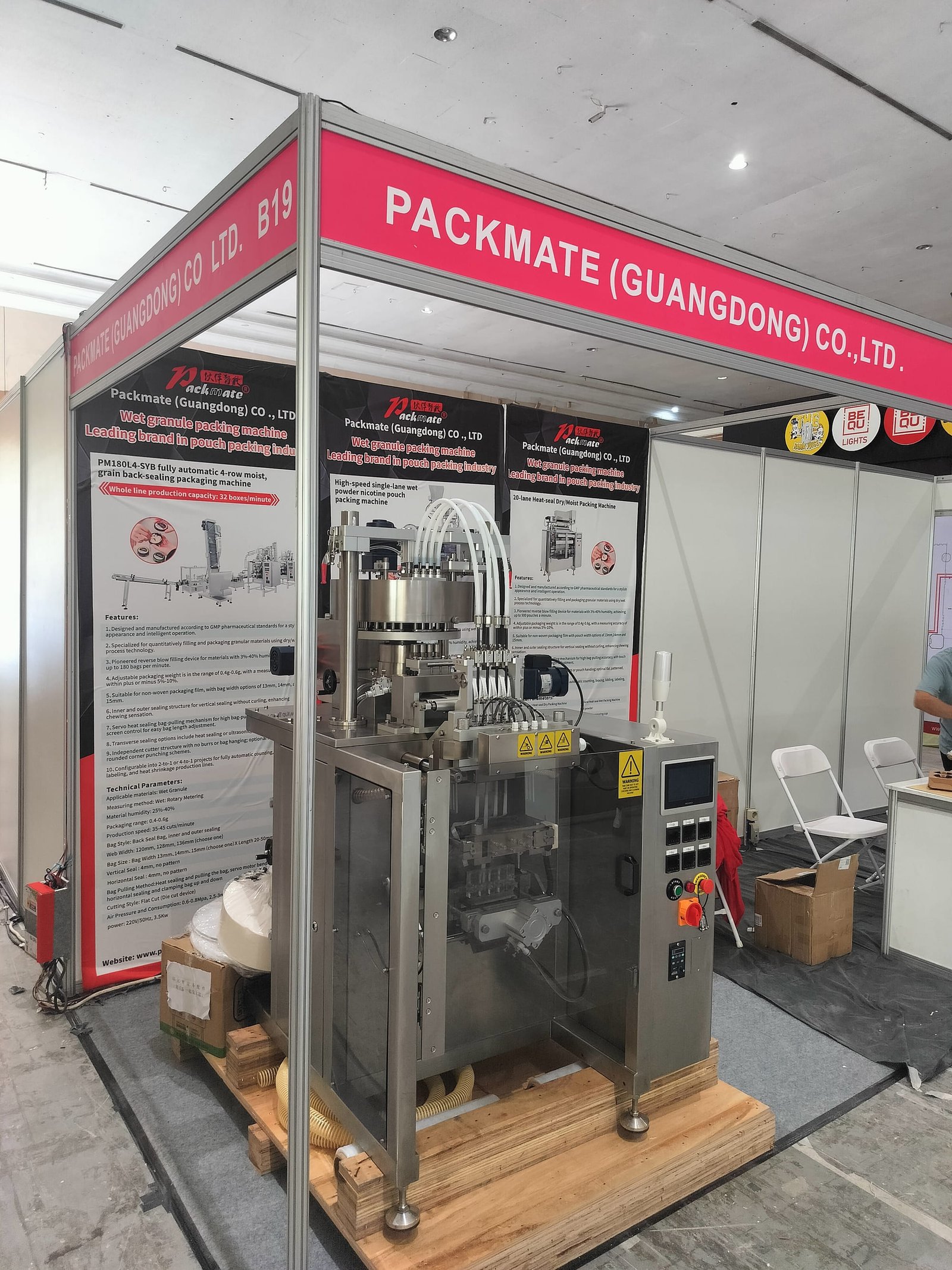
Even the most reliable equipment requires preventive maintenance and occasional troubleshooting. Confirm that your supplier offers comprehensive after-sales support, including remote technical assistance, readily available spare parts, operator training programs, and clear warranty terms. The Flexible Packaging Association emphasizes that strong supplier partnerships contribute significantly to long-term packaging line performance.
Making the Final Decision
Choosing the right automatic bag filling machine requires balancing technical specifications, production requirements, budget constraints, and supplier capabilities. Start by clearly defining your product characteristics and production goals. Then evaluate machines that match your speed, accuracy, and format requirements. Factor in total cost of ownership rather than focusing solely on purchase price. Finally, partner with a supplier that offers the engineering expertise, customization capabilities, and after-sales support to ensure your packaging line performs reliably for years to come. A methodical, data-driven selection process will help you avoid costly mistakes and secure equipment that supports your long-term manufacturing objectives.