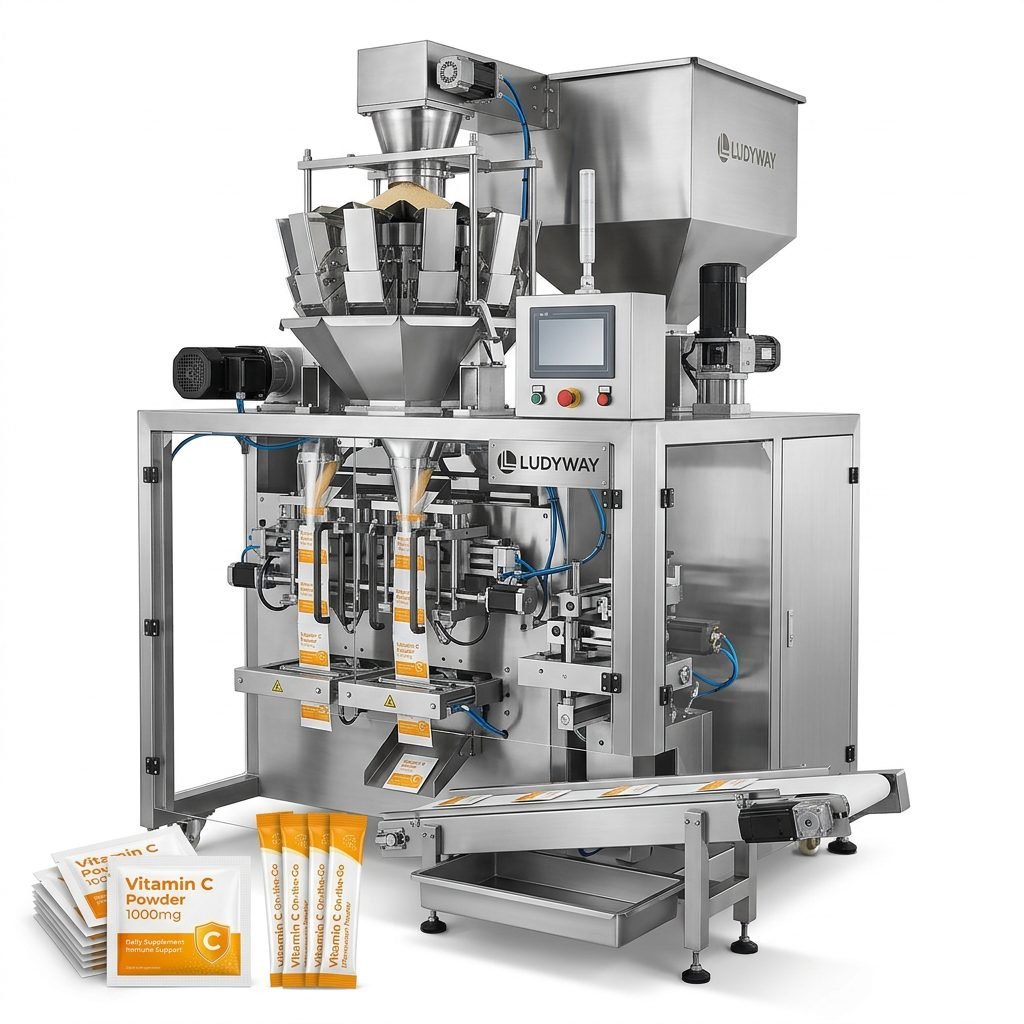
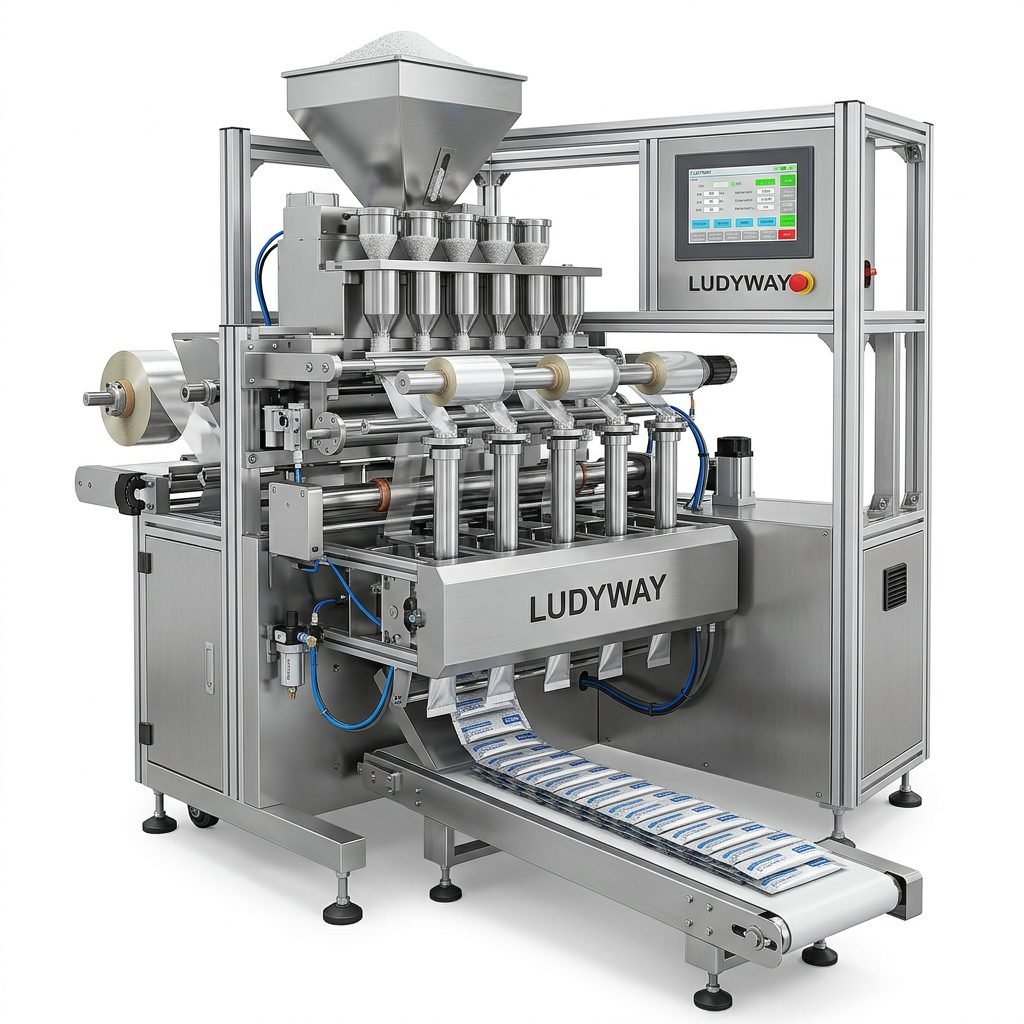
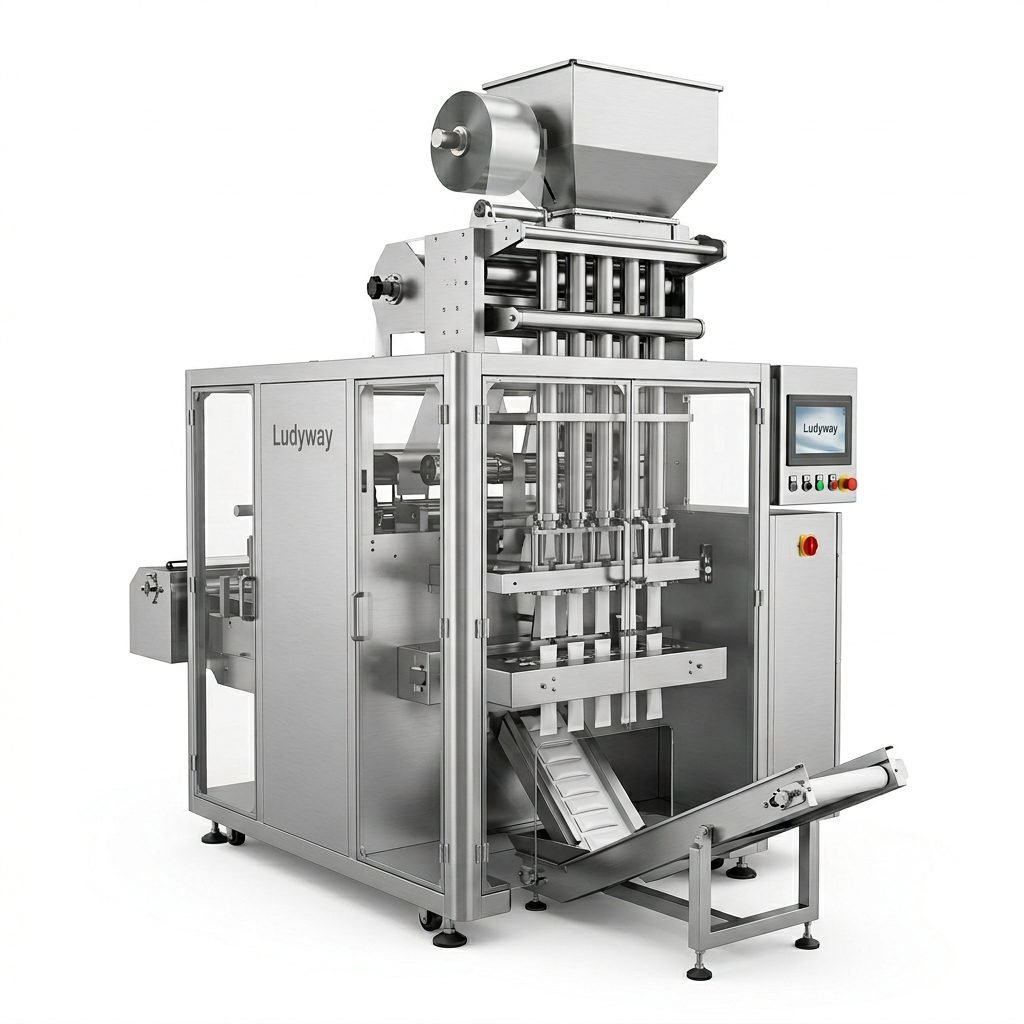
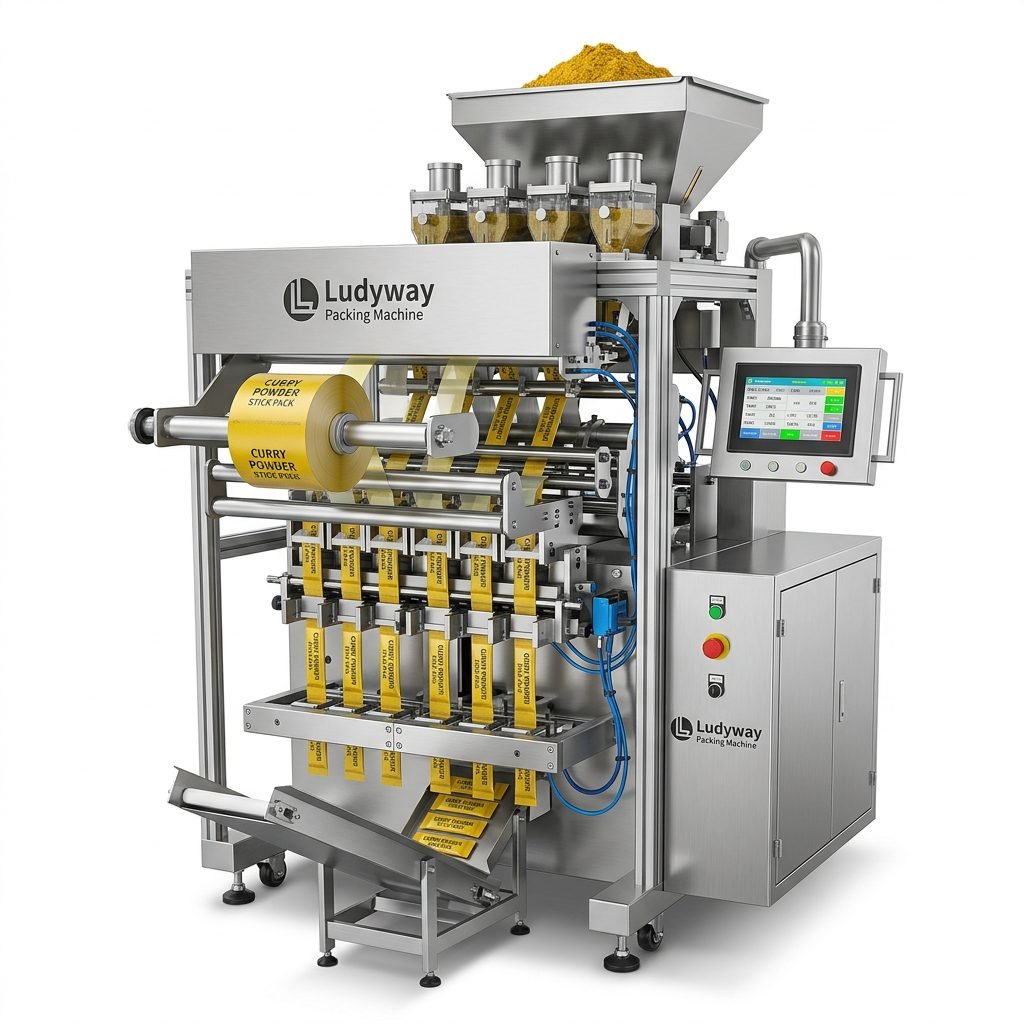
In the Middle East, where scorching temperatures and fine desert dust challenge traditional food storage, a home vacuum packaging machine has become a kitchen essential. From preserving bulk purchases of dates, spices, and coffee to protecting delicate electronics, the demand for this appliance is skyrocketing. This guide explores the unique regional factors you must consider before buying.

Why Vacuum Sealing is Non-Negotiable in the Gulf Climate
The Middle Eastern environment presents specific challenges. High humidity in coastal zones like Dubai and Jeddah, combined with fine sand, accelerates food spoilage. A vacuum packaging machine effectively removes oxygen, preventing oxidation and freezer burn. It is ideal for bulk storage of dry goods such as grains, nuts, and coffee beans, which are staples in regional households.
Key Buying Factors for Home Users in the Middle East
Before selecting a model, evaluate these critical performance features to ensure you get the best value for your investment:
- Sealing vs. Vacuum Power: Look for pumps with a strong vacuum draw capable of handling delicate bags. Dual-piston pumps often offer better performance than single-piston varieties in high-altitude cities like Riyadh.
- Heat Seal Width: A wider sealing strip ensures an airtight lock, preventing leaks during the thawing process.
- Bag Compatibility: The machine should work seamlessly with textured or embossed bags. Standard smooth bags are not universally compatible with all external suction models.
- Cooling Cycle: In hot Middle Eastern kitchens, the machine must have an effective cooling cycle to prevent overheating during batch processing.
Chamber vs. External Suction: Which Suits Your Villa?
For most home applications, an external suction sealer is sufficient. It handles dry goods perfectly. However, if you plan to seal liquids like traditional Arabic soups or marinated meats, an entry-level powder packaging lines style chamber unit is superior as it prevents liquid from being drawn into the pump.

Essential Features for Modern Smart Kitchens
Modern units go beyond simple sealing. Consider these innovative additions that elevate the user experience:
- Built-in Bag Roll Storage & Cutter: Saves counter space and allows custom bag sizing for odd-shaped items.
- Lid Lock Mechanism: Ensures optimal pressure during the vacuum process without the user holding down the hatch.
- Pulse Function: Gives you manual control over the pressure, perfect for crushing-prone items like baked sweets and chips.
- Moist/Dry Settings: A switch that adjusts the sealing time to accommodate juicy foods or completely dry powders.
Accessory Compatibility
Check if the unit supports hose ports for external canisters and wine stoppers. Vacuum-sealing glass jars for spices is a common practice in regional cooking, making this a vital feature.
Common Mistakes to Avoid When Buying
Many first-time buyers in the market overlook technical details that impact longevity:
- Ignoring the Foam Gasket Quality: Degraded gaskets cause seal failures. Prioritize machines with removable, washable silicone gaskets.
- Overlooking Duty Cycle: A low-cost machine may require a 2-minute rest after every 60 seconds of operation, significantly slowing down your meal prep sessions.
- Not Checking Local Warranty Support: Complex electronics require reliable local service centers. Verify this with Middle Eastern distributors before purchasing.

Comparing Value Tiers: Budget vs. Premium
| Feature | Budget Entry-Level | Mid-Range & Premium |
|---|---|---|
| Suction Power | -0.6 to -0.7 bar | -0.8 bar or higher |
| Duty Cycle | Low (often requires long rests) | Industrial-grade (continuous use capable) |
| Bag Detection | Manual clamp-down | Automatic bag sensing & lock |
| Gasket Type | Integrated foam (harder to clean) | Removable silicone (washable) |
Installation and Maintenance in Desert Environments
Dust is the biggest enemy of electronics in this region. Wipe down the heating strip after every use and keep the unit covered when idle. Do not place the machine near open windows or ovens. Ensure the cooling vents are unblocked; the ambient kitchen heat already makes heat dissipation harder for the motor.
Electrical Voltage and Plug Types
While most of the Middle East operates on 220-240V, always check the plug type (Type G in the UAE/Kuwait/Saudi Arabia/Qatar, or Type C/E in parts of the Levant). Using a converter for a 110V US-imported model can be dangerous and void the warranty.
Cost Analysis and Long-Term Savings
Given the import-heavy nature of food supplies in the Middle East, preventing spoilage directly impacts household budgets. While consumable bag rolls represent an ongoing cost, sourcing bulk universal rolls rather than proprietary branded refills drastically reduces operational expenses. The initial wait time for ordering replacement parts should factor into your total cost calculation.
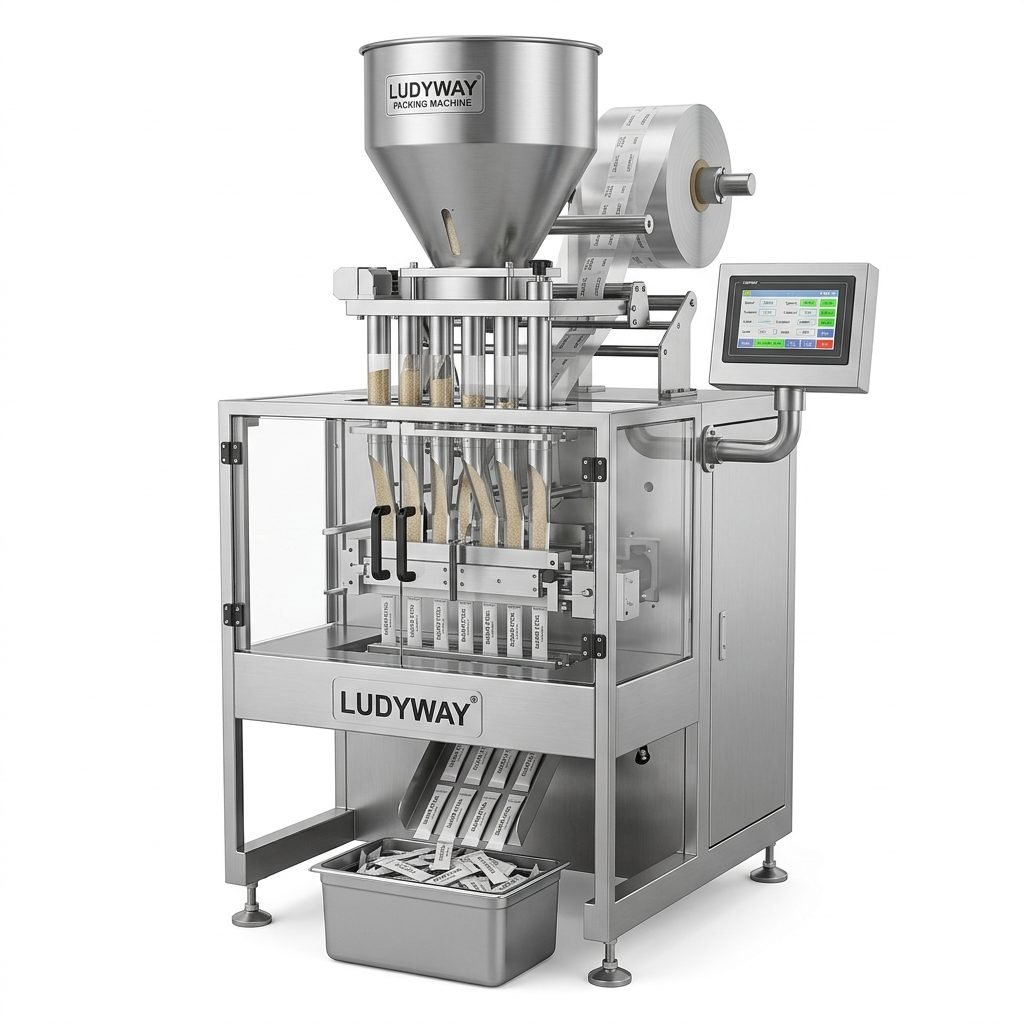
For those seeking commercial-grade reliability at home, Ludyway stands out as one of the largest packaging machine manufacturers, leveraging over 30 years of expertise in advanced sealing technology to bring professional-level preservation to modern kitchens globally.
Where to Find Reliable Suppliers
Authorized dealers often display products at major trade shows like Gulfood Manufacturing. When looking for a custom turnkey packaging line or a compact home unit, ensure the seller provides proof of electrical safety certification relevant to GCC standards.
For further reading on industry standards, you might check the Flexible Packaging Association or explore international directives on packaging waste from the European Commission.