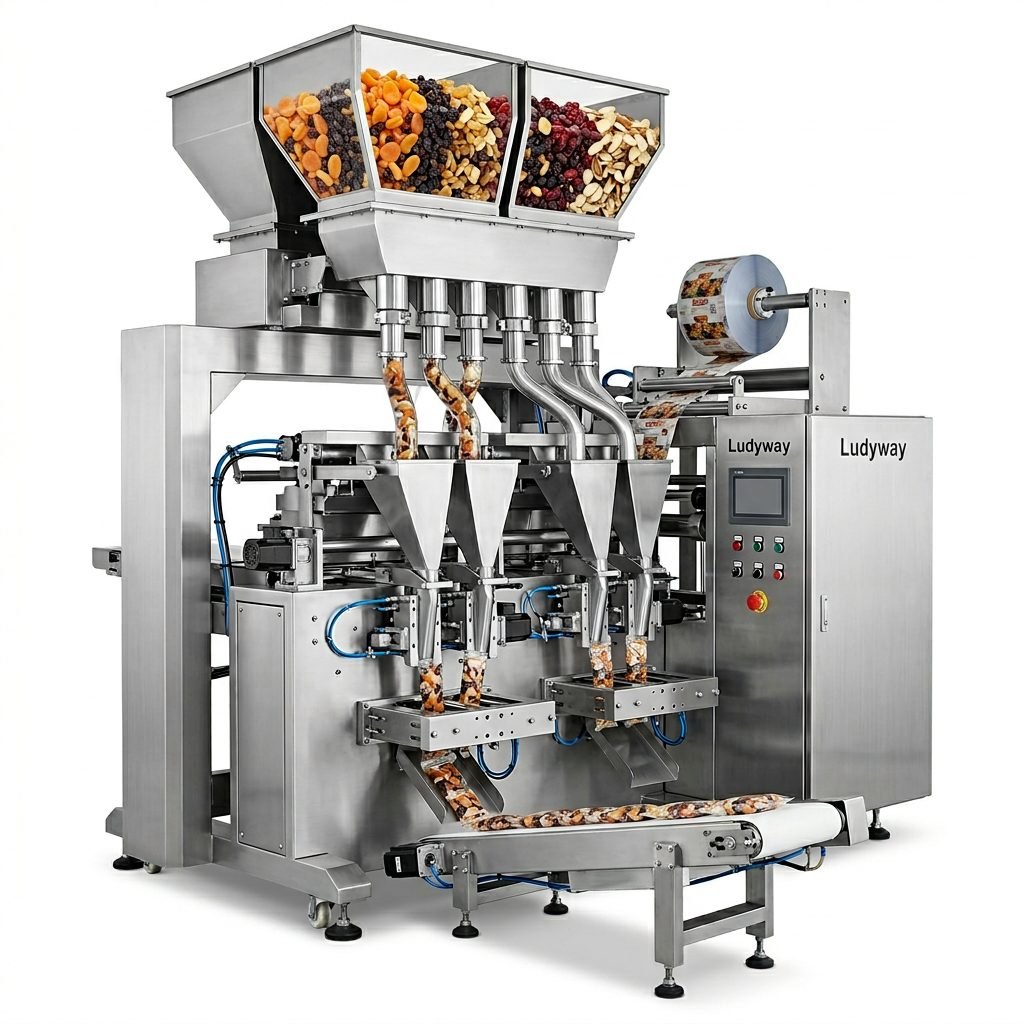
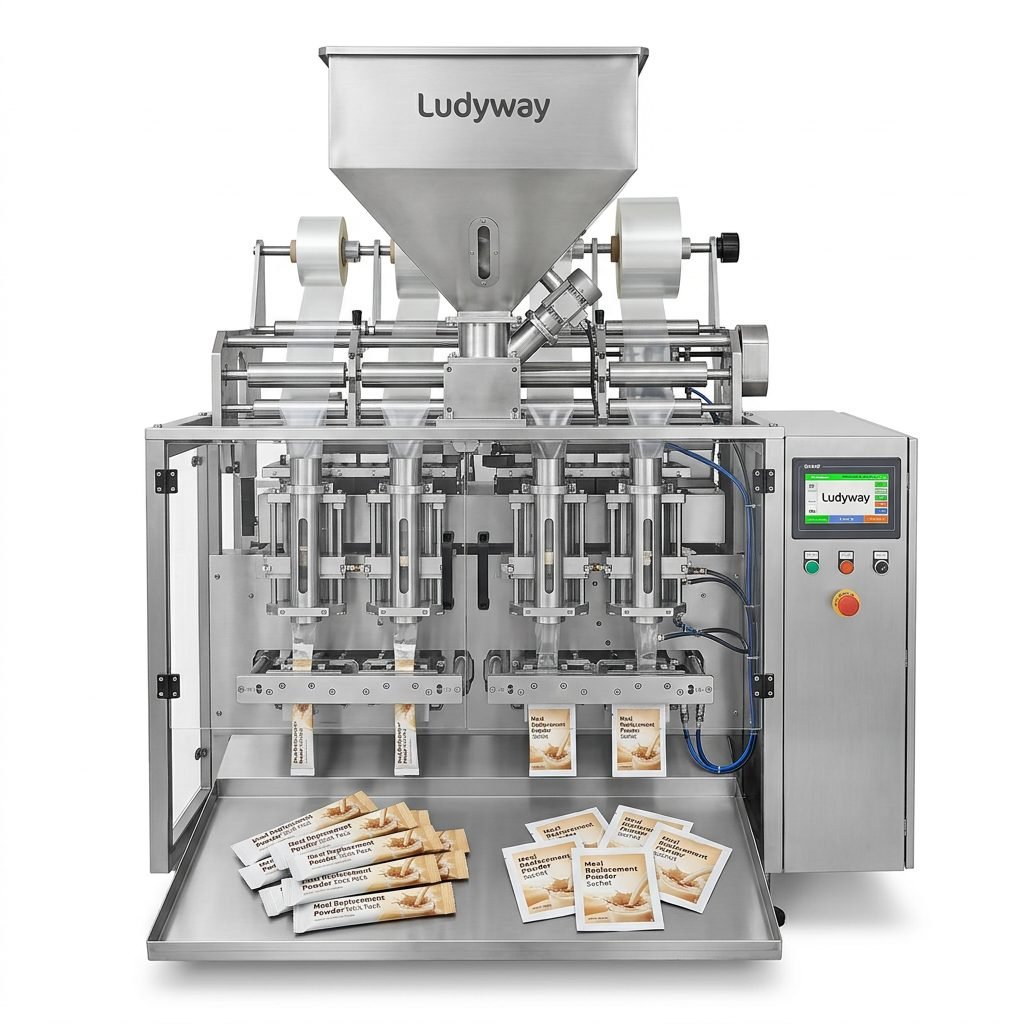
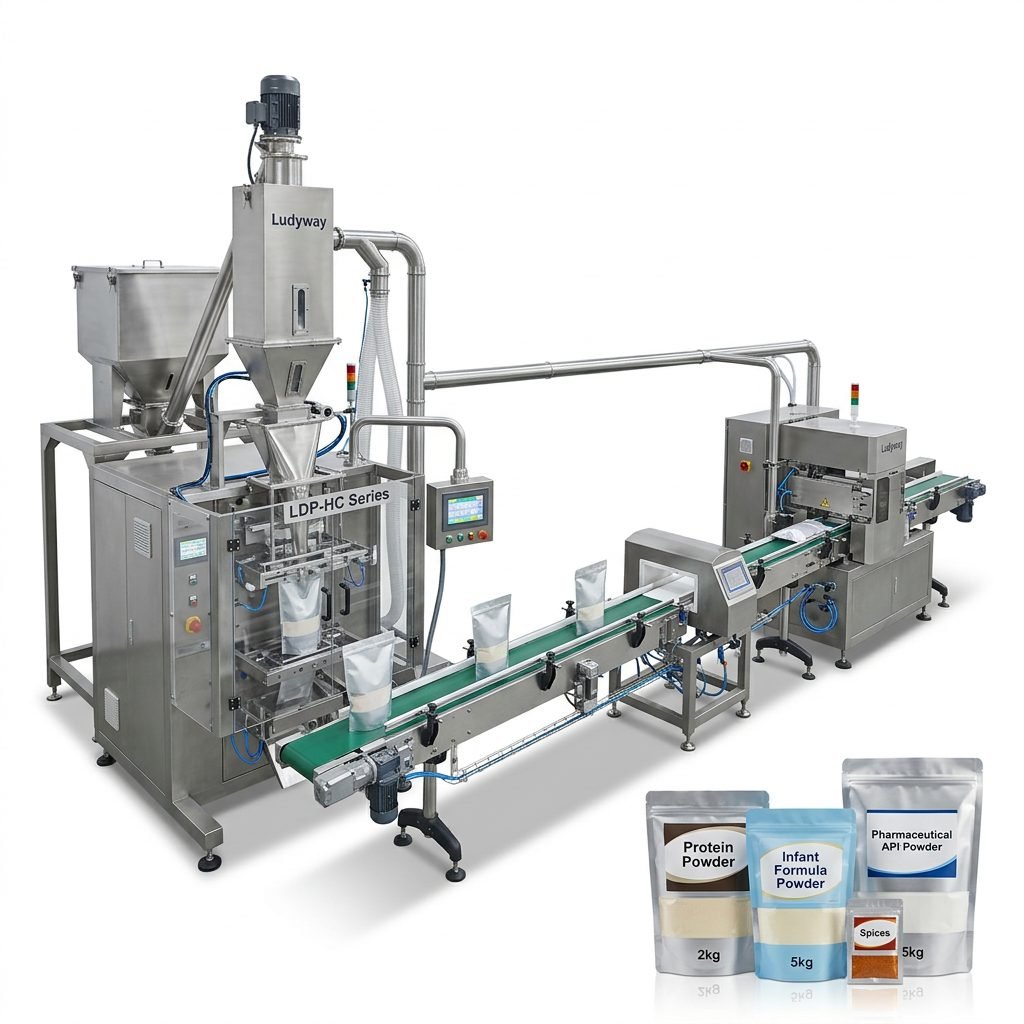
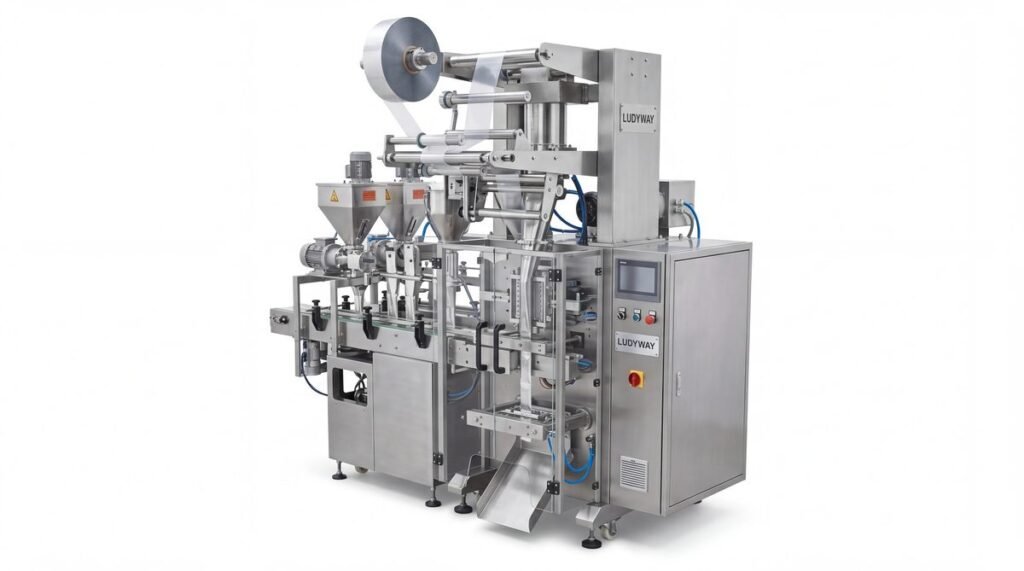
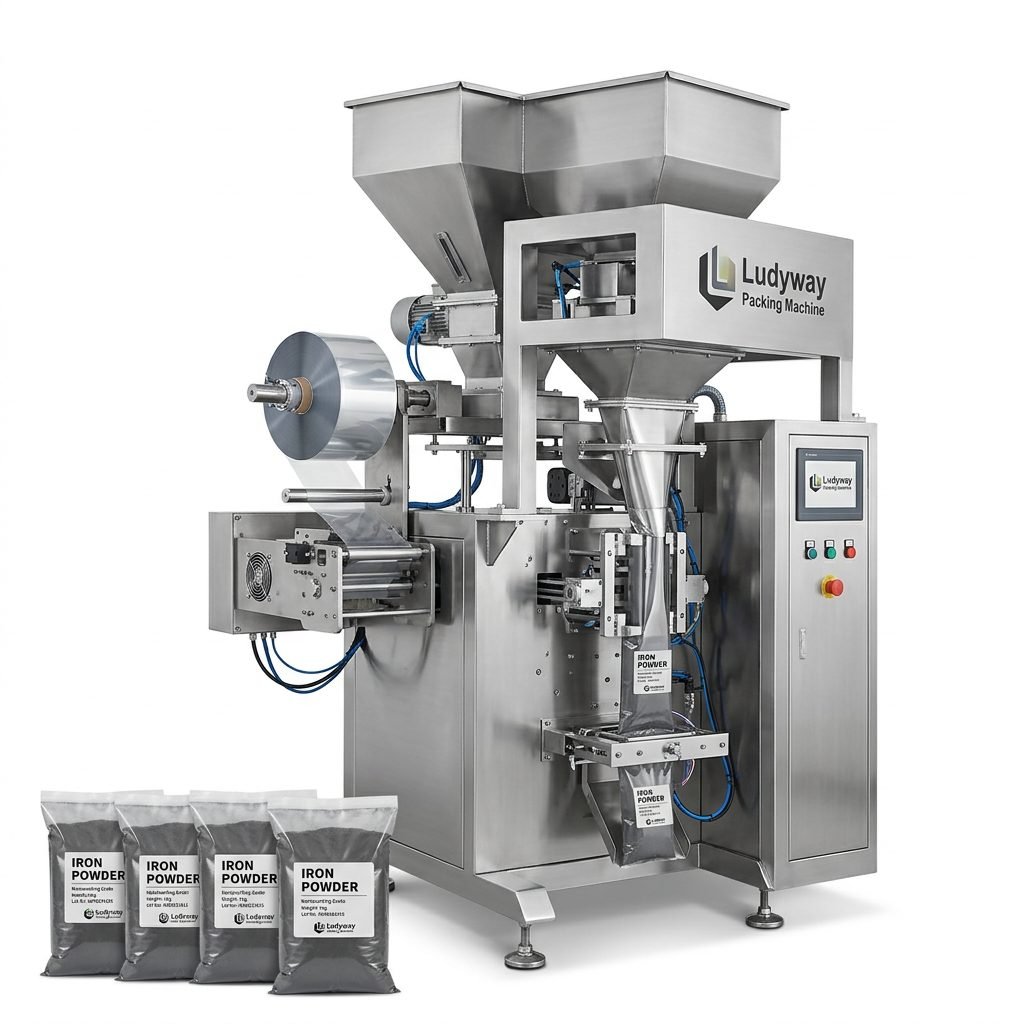
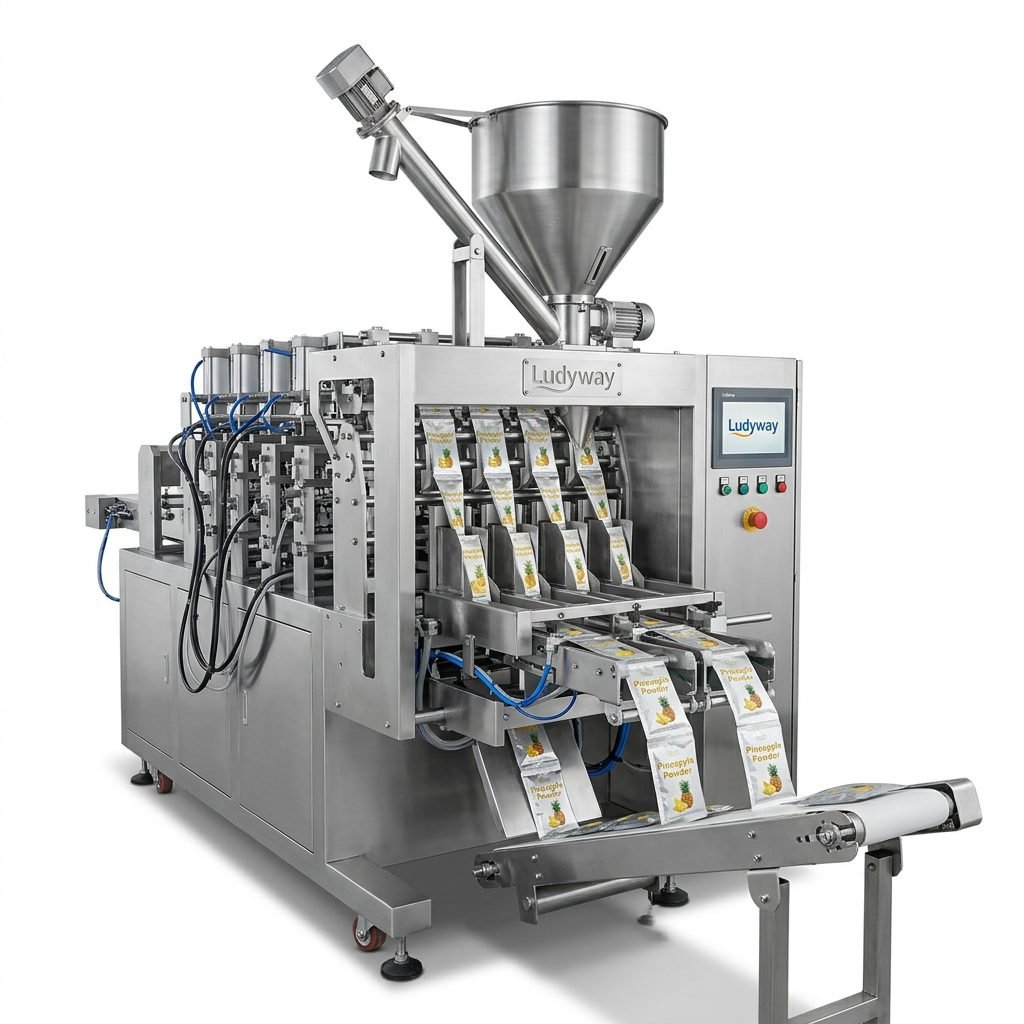
Selecting the right protein powder packing machine is one of the most important equipment decisions a manufacturer can make. Whether you are launching a new sports nutrition brand, expanding a contract packaging operation, or upgrading an existing production line, the machine you choose directly impacts fill accuracy, packaging speed, product integrity, and long-term operational costs. With dozens of machine types, configurations, and suppliers available, narrowing down the options can feel overwhelming. This guide walks you through every factor you need to evaluate — from powder characteristics to automation levels — so you can make a confident, well-informed purchasing decision.
Understanding Protein Powder Characteristics and Their Impact on Packaging Equipment
Before comparing machine specifications, you need to understand how your specific powder behaves. Protein powders are not all the same. Whey protein, casein, plant-based blends, collagen peptides, and mass gainers each present unique handling challenges during filling and packaging.
Key powder properties that affect powder packaging machine selection include:
- Flowability: Some proteins flow freely like sand, while others are sticky or cohesive and tend to bridge or clump inside hoppers and filling nozzles.
- Bulk density: This determines how much powder fits into each package and affects the type of dosing system required — volumetric or gravimetric.
- Dust generation: Fine powders like whey protein isolate can create significant dust during filling, which may require dust extraction systems integrated into the machine.
- Hygroscopicity: Proteins that absorb moisture from the air often need packaging machines with sealed product pathways and humidity control.
- Particle size distribution: Blends containing multiple ingredients with different particle sizes can segregate during filling without the right handling design.
According to the PMMI Business Intelligence reports, understanding material characteristics is the foundational step in specifying any packaging equipment, as it directly influences dosing accuracy and machine throughput.
Types of Protein Powder Packaging Machines: A Comparison
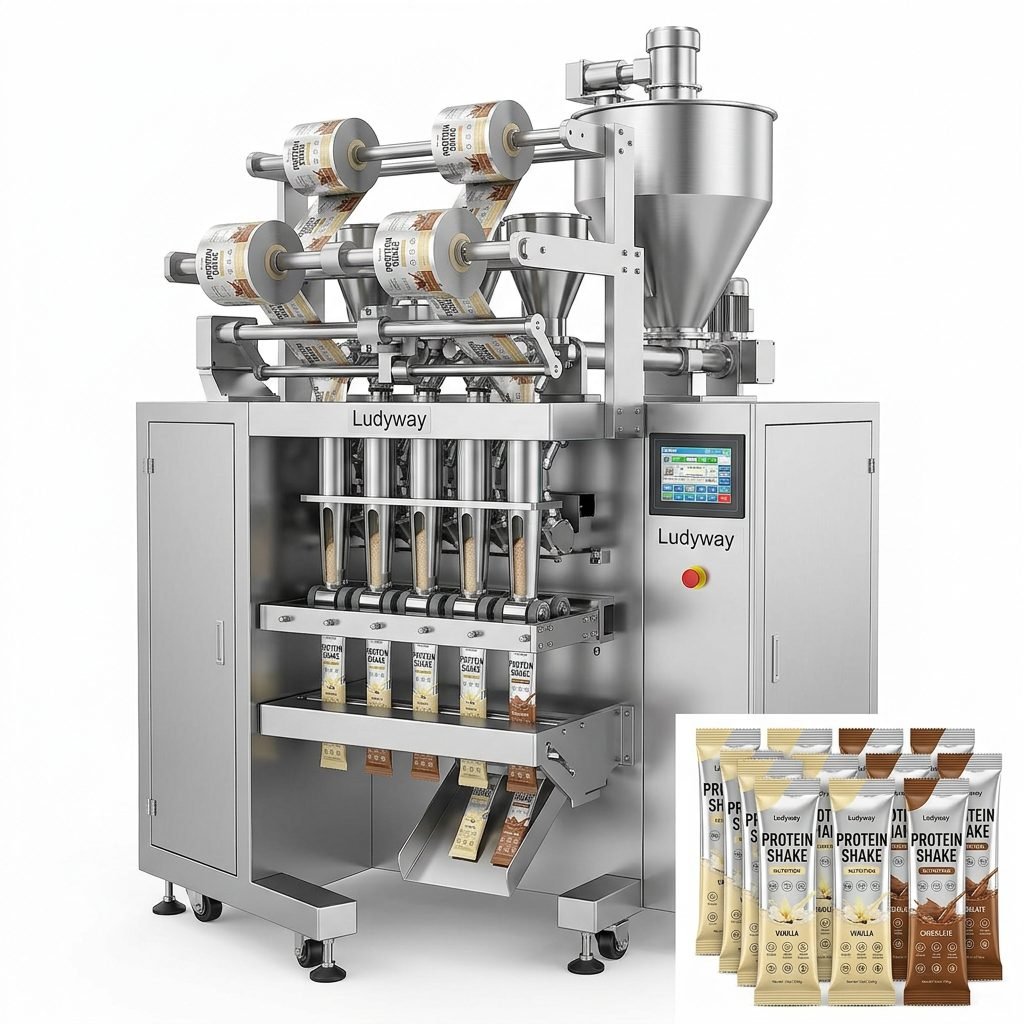
The market offers several distinct machine categories, each suited to different packaging formats, production volumes, and budget levels. Below is a side-by-side comparison of the most common types used in protein powder packaging.
| Machine Type | Best For | Typical Speed Range | Key Advantage |
|---|---|---|---|
| Single-Lane Stick Pack Machine | Small brands, sample packs, low-medium volume | 30–80 packs/min | Lower investment, easier to operate |
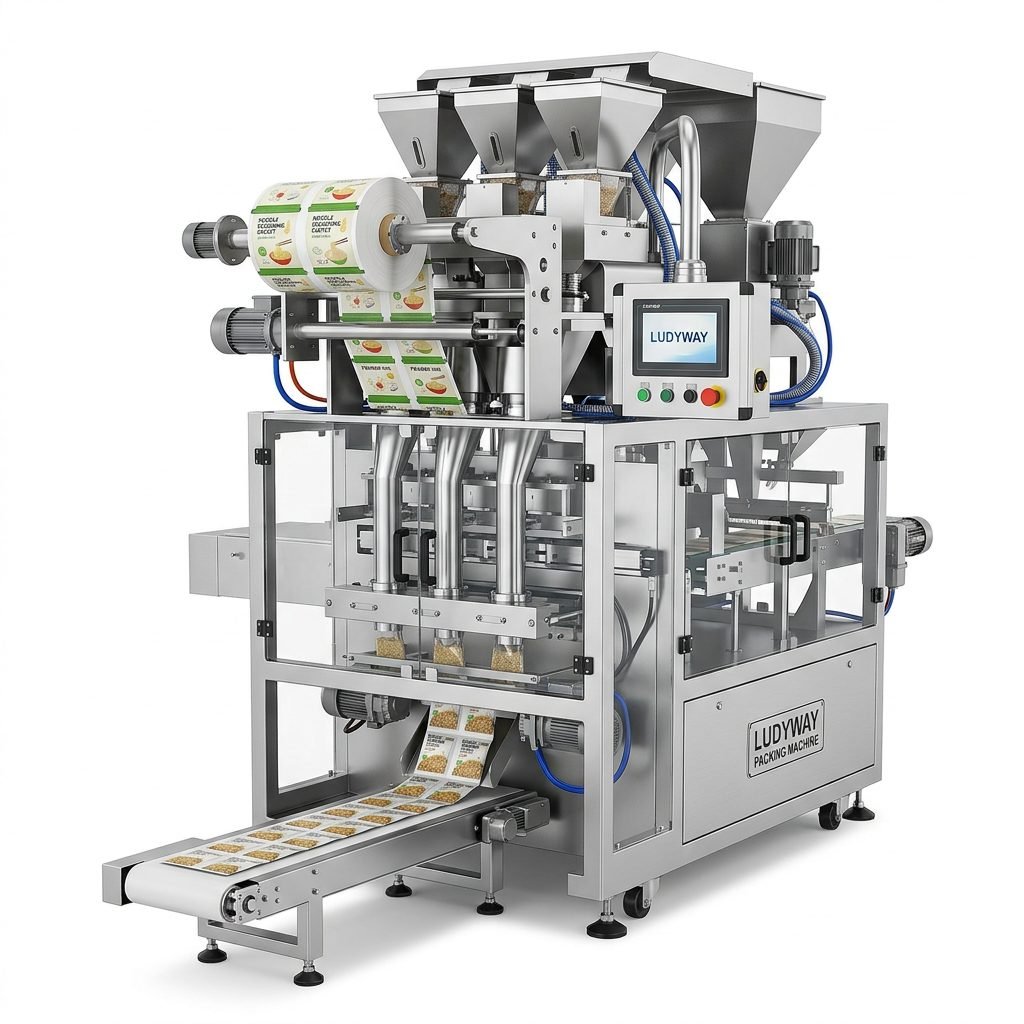
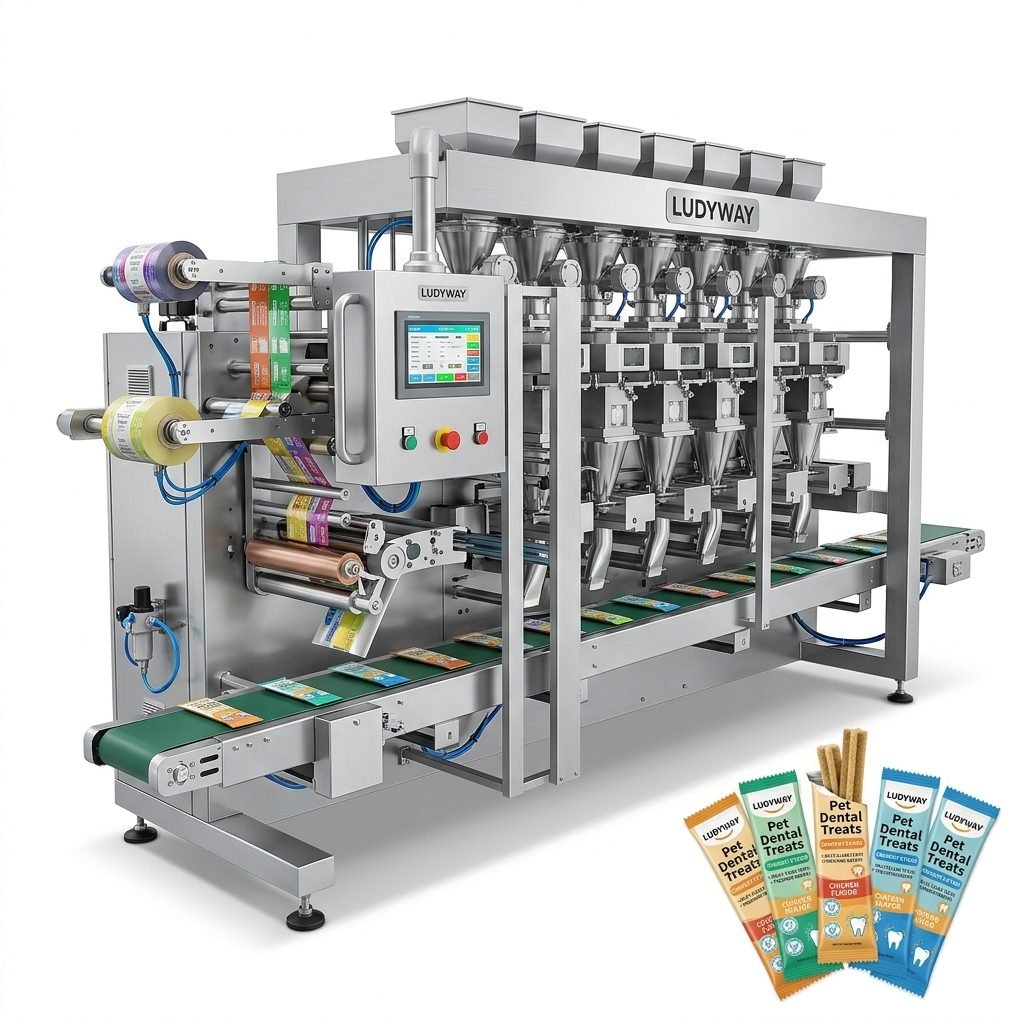
| Multi-Lane Stick Pack Machine | High-volume protein sachets, contract packers | 200–600+ packs/min | Maximum output per shift |
| Vertical Form Fill Seal (VFFS) Machine | Pillow bags, gusseted pouches, medium-large formats | 40–120 packs/min | Versatile bag formats and sizes |
| Premade Pouch Filling & Sealing Machine | Premium branding, stand-up pouches, resealable zippers | 20–60 packs/min | High-quality pouch presentation |
| Rotary Powder Filling Machine | Bulk powder into jars, tubs, or canisters | 30–100 containers/min | Handles large container formats |
Critical Factors to Evaluate Before Buying
1. Filling Accuracy and Dosing Technology
In the protein powder business, overfilling erodes margins and underfilling damages brand trust. Most modern machines use either volumetric auger fillers or gravimetric weighing systems. Auger-based dosing is common for free-flowing powders and offers good speed-to-accuracy balance. For premium products where every gram matters, gravimetric filling with real-time weight feedback provides the highest accuracy — typically within ±1–2 grams per pack. The FDA’s packaging regulations emphasize net content accuracy, making this a compliance-critical feature for brands entering regulated markets.
2. Production Speed and Lane Configuration
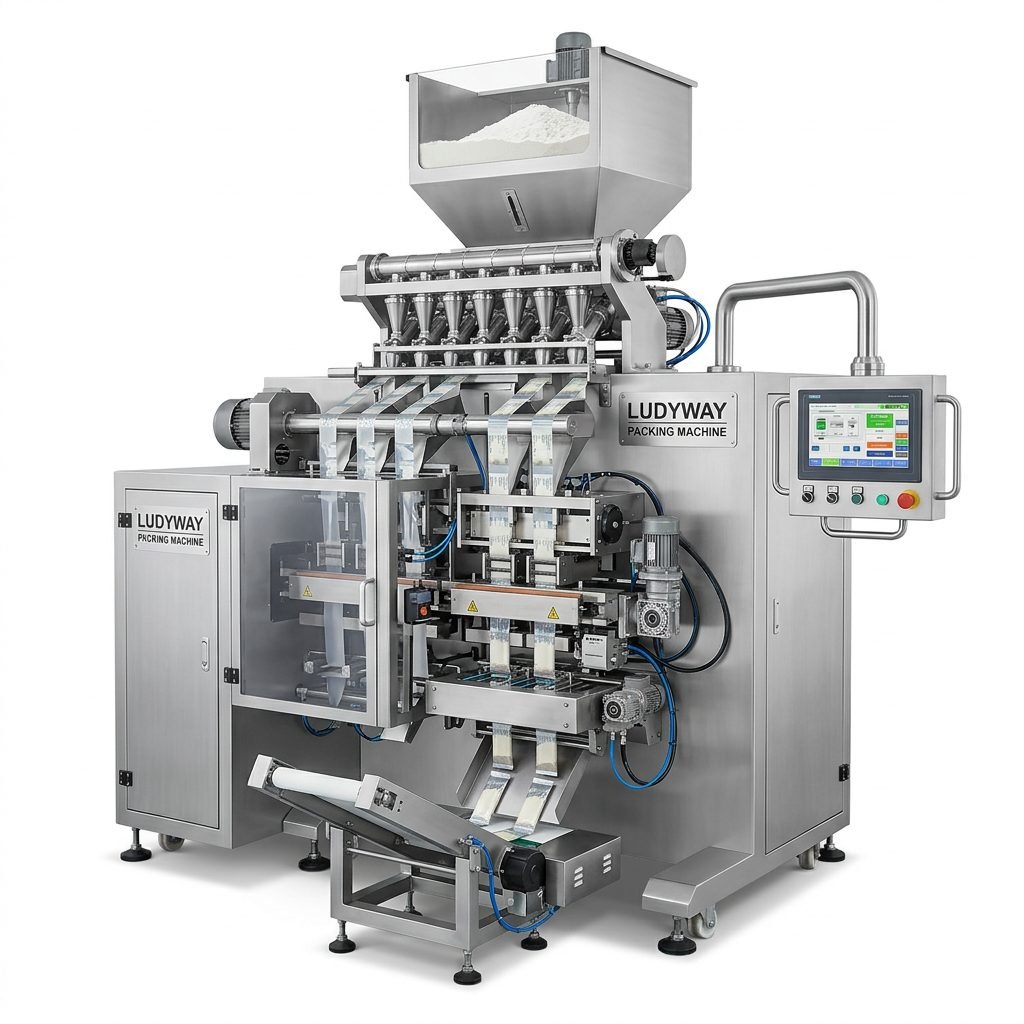
Production volume requirements should drive your lane configuration decision. A single-lane stick pack machine may suffice for a startup producing 50,000 sachets per month. However, a brand scaling toward 500,000+ units monthly will need a multi-lane system with 4, 6, 8, or even 12 lanes running simultaneously. Multi-lane machines dramatically increase output without proportionally increasing floor space or labor.
3. Packaging Format and Material Compatibility
Protein powders can be packaged in stick packs, sachets, flat pouches, stand-up pouches, jars, or bulk bags. Your machine choice must align with your target format. Additionally, consider the packaging film or material — many protein products require high-barrier laminates with foil layers to protect against moisture and oxygen. Not all machines handle foil-based films well, especially at high sealing temperatures. Refer to Flexible Packaging Association resources for guidance on material selection and compatibility.
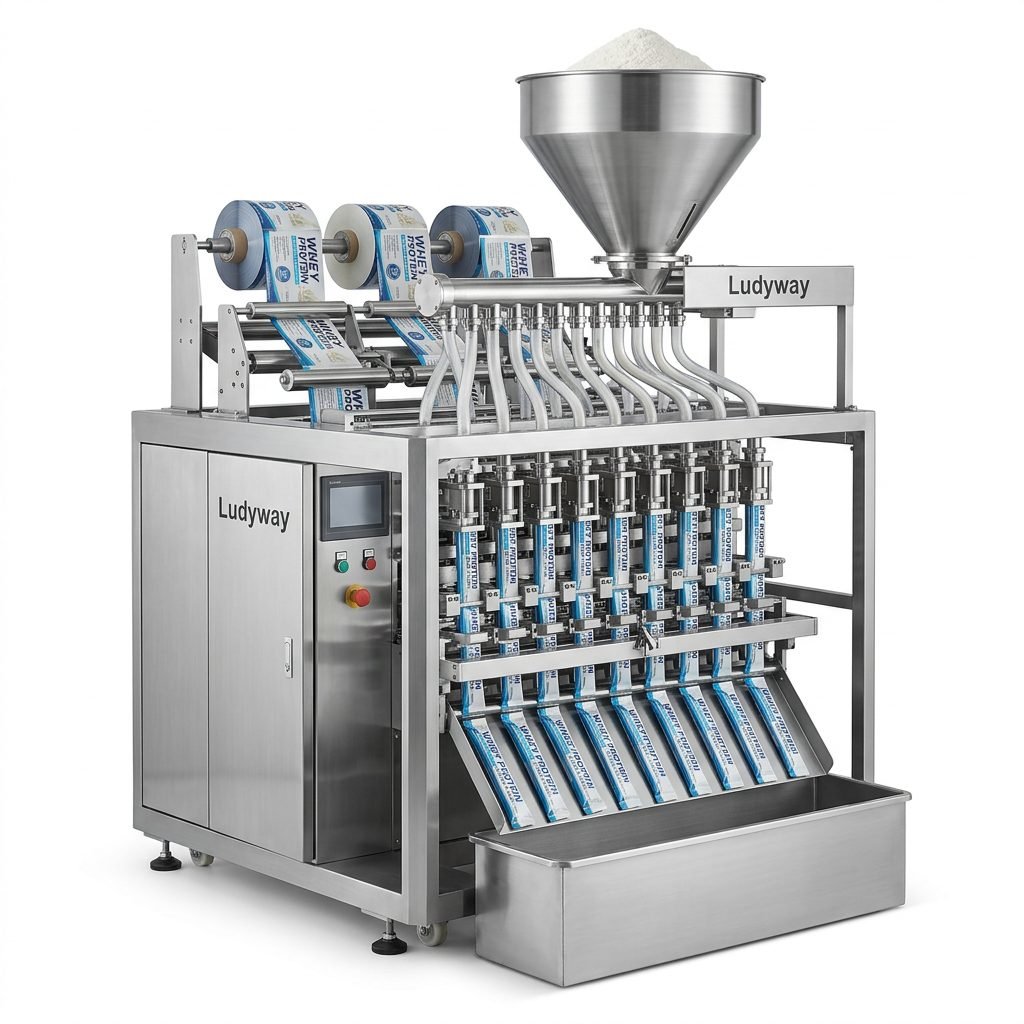
4. Automation Level and Integration Capabilities
Modern protein powder packaging lines can range from semi-automatic standalone machines to fully automated turnkey systems. Key automation features to evaluate include:
- Automatic feeding systems such as vacuum conveyors or Z-type bucket elevators that eliminate manual powder loading
- Inline checkweighers for 100% weight verification and automatic rejection of out-of-spec packs
- Metal detectors for contaminant detection, critical for food safety compliance
- Cartoning and case packing modules that automate secondary packaging downstream
- Date coding and serialization integrated into the packaging line for traceability
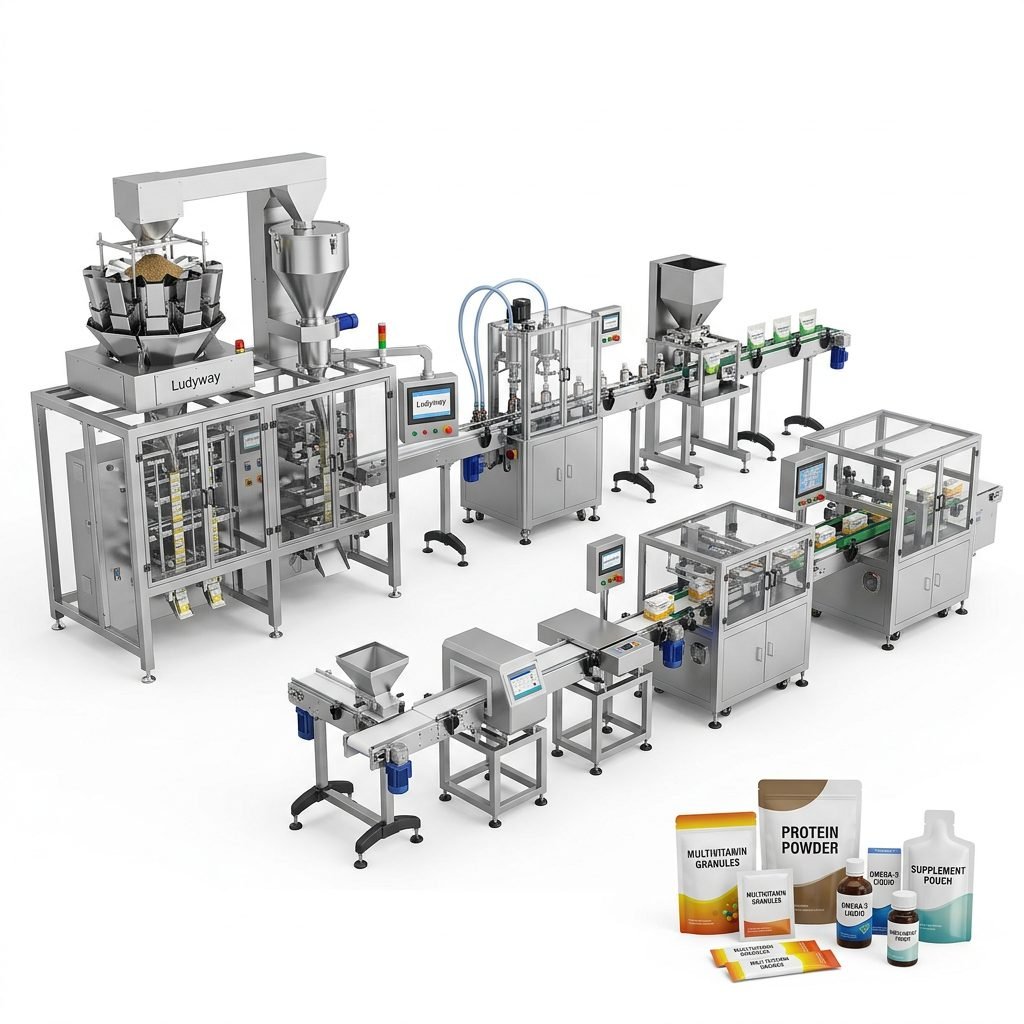
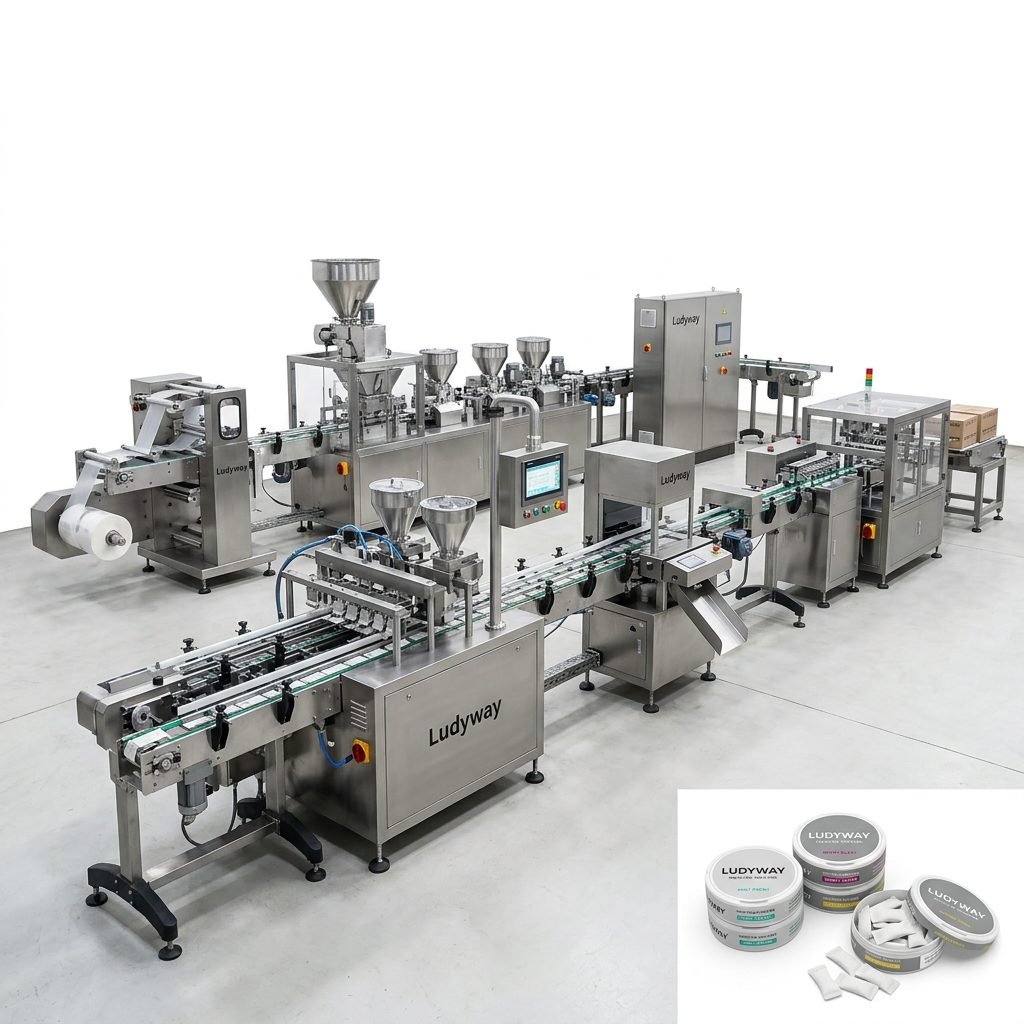
For manufacturers considering a complete turnkey packaging line, working with a single supplier who can integrate primary packaging, secondary cartoning, and end-of-line palletizing offers significant efficiency and accountability advantages. Ludyway Machinery, a China-based packaging machinery manufacturer with more than 30 years of experience, provides integrated packaging systems that connect multiple stages of the packaging process — from dosing and filling to sealing, coding, inspection, and cartoning — helping manufacturers achieve consistent output across their production lines.
5. Cleanability, Changeover, and Maintenance
Frequent product changeovers are common for contract packers and brands with multiple SKUs. Machines designed with tool-free disassembly, quick-release components, and accessible product contact surfaces can reduce changeover time from hours to minutes. Proper cleanability also supports allergen control — essential if you package both dairy-based and plant-based proteins on the same line.
Budget Considerations: Beyond the Purchase Price
The sticker price of a protein powder packing machine is only one component of total cost. A thorough financial evaluation should account for:
- Initial capital expenditure: Machine cost including shipping, import duties, and installation
- Operational costs: Labor requirements, energy consumption, and consumables like film and spare parts
- Maintenance costs: Preventive maintenance schedules, spare parts availability, and technical support
- Downtime cost: Revenue lost during machine breakdowns, which is directly influenced by machine reliability and supplier responsiveness
- Scalability reserve: Some machines allow lane expansion or speed upgrades, protecting your investment as demand grows
Evaluating Suppliers and After-Sales Support
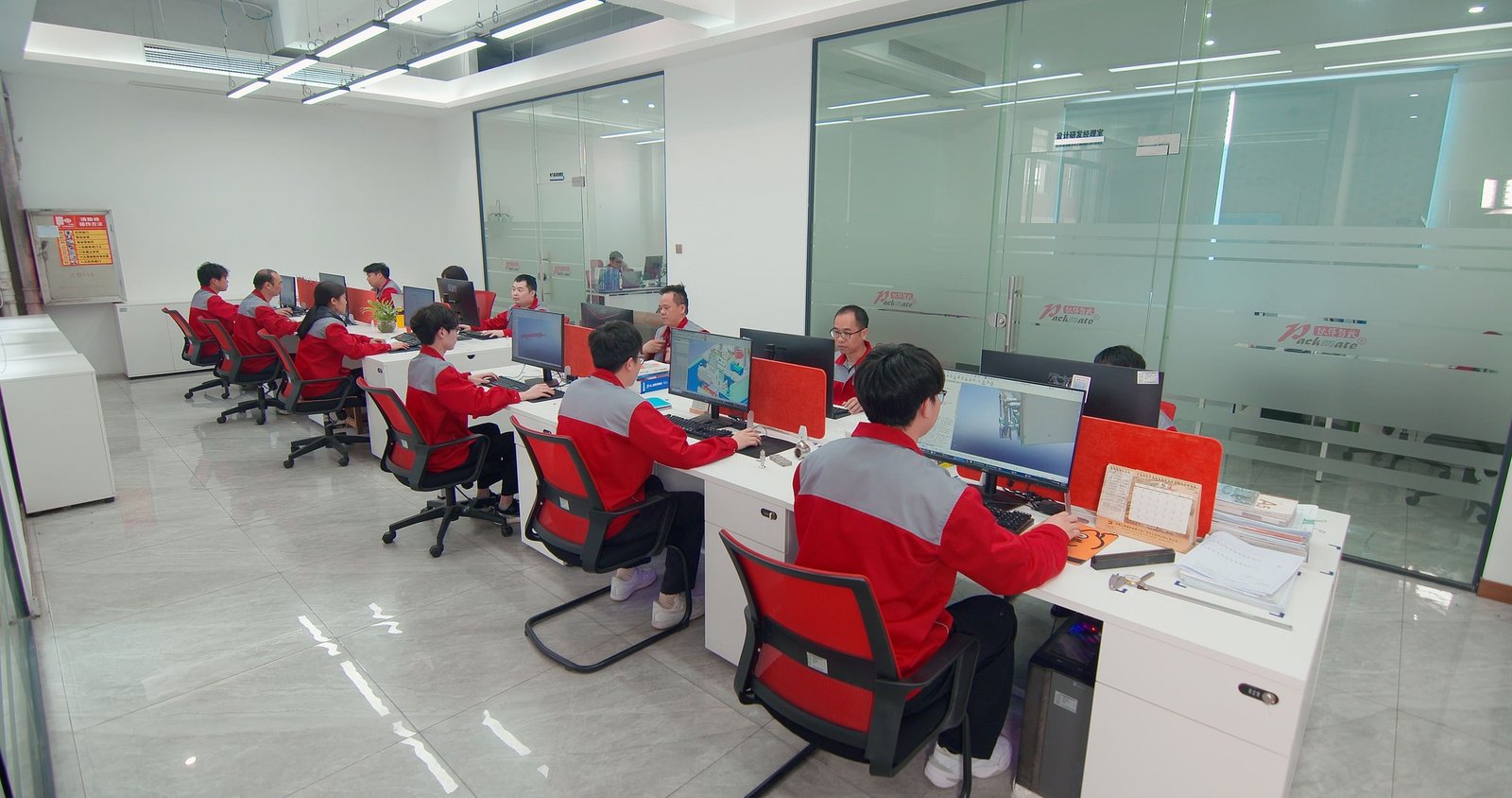
Choosing the right machine is only half the equation — choosing the right supplier is equally important. When evaluating potential suppliers, investigate these areas thoroughly:
- Industry experience: Does the supplier have specific experience with protein powders and nutritional products? General packaging experience does not always translate to powder-specific expertise.
- Manufacturing quality: Look for suppliers that use recognized industrial automation components and can provide certifications relevant to your market — such as CE, UL, or ISO standards like ISO packaging standards.
- Technical support: What support is available during installation, commissioning, and ongoing operation? Remote diagnostic capabilities and accessible spare parts inventory are valuable.
- Customer references: Request references from companies in similar industries running similar powder products. Real-world feedback is invaluable.
- Global reach: If you operate across multiple regions, a supplier with international service capabilities and experience in over 100 countries can provide consistent support wherever your production facilities are located.
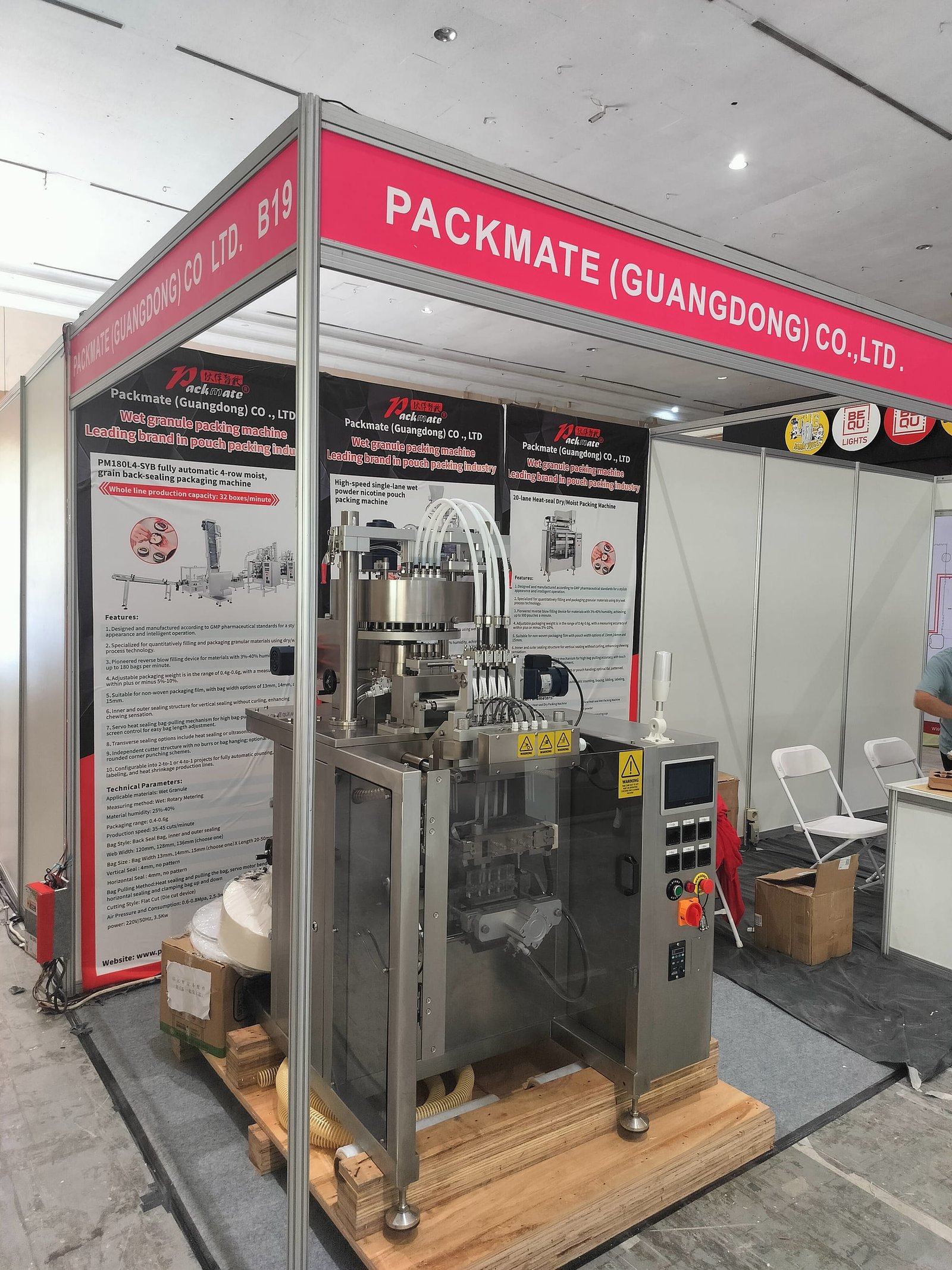
Future-Proofing Your Investment
The protein powder market continues to evolve, with new formats, cleaner-label formulations, and sustainability requirements shaping packaging trends. When selecting equipment, consider whether the machine can accommodate:
- Different packaging formats — can it run stick packs today and pouches tomorrow?
- Recyclable film materials — the industry is moving toward mono-material structures that may require different sealing parameters
- Higher production volumes — modular designs that allow adding lanes or upgrading speed are preferable to replacing the entire machine
- Industry 4.0 integration — data connectivity for production monitoring, OEE tracking, and predictive maintenance is becoming a competitive necessity
According to PMMI’s 2026 State of the Industry report, the packaging machinery market continues to grow, driven by automation adoption and demand for flexible packaging solutions across food, pharmaceutical, and nutraceutical sectors. Investing in a machine that aligns with both current needs and future market direction helps protect your capital expenditure over the equipment’s service life.
Making Your Final Decision
Choosing the right protein powder packing machine ultimately comes down to matching your product characteristics, production goals, budget, and growth plans with the right equipment and the right supplier. Start by thoroughly characterizing your powder, defining your current and projected volume requirements, and researching machines that fit those parameters. Request detailed proposals from multiple suppliers, arrange factory acceptance tests when possible, and prioritize suppliers who demonstrate deep powder handling expertise rather than just general packaging knowledge.
A well-chosen machine will deliver consistent fill accuracy, reliable throughput, and low total cost of ownership for years to come — making the upfront research effort a worthwhile investment for any serious protein powder manufacturer.