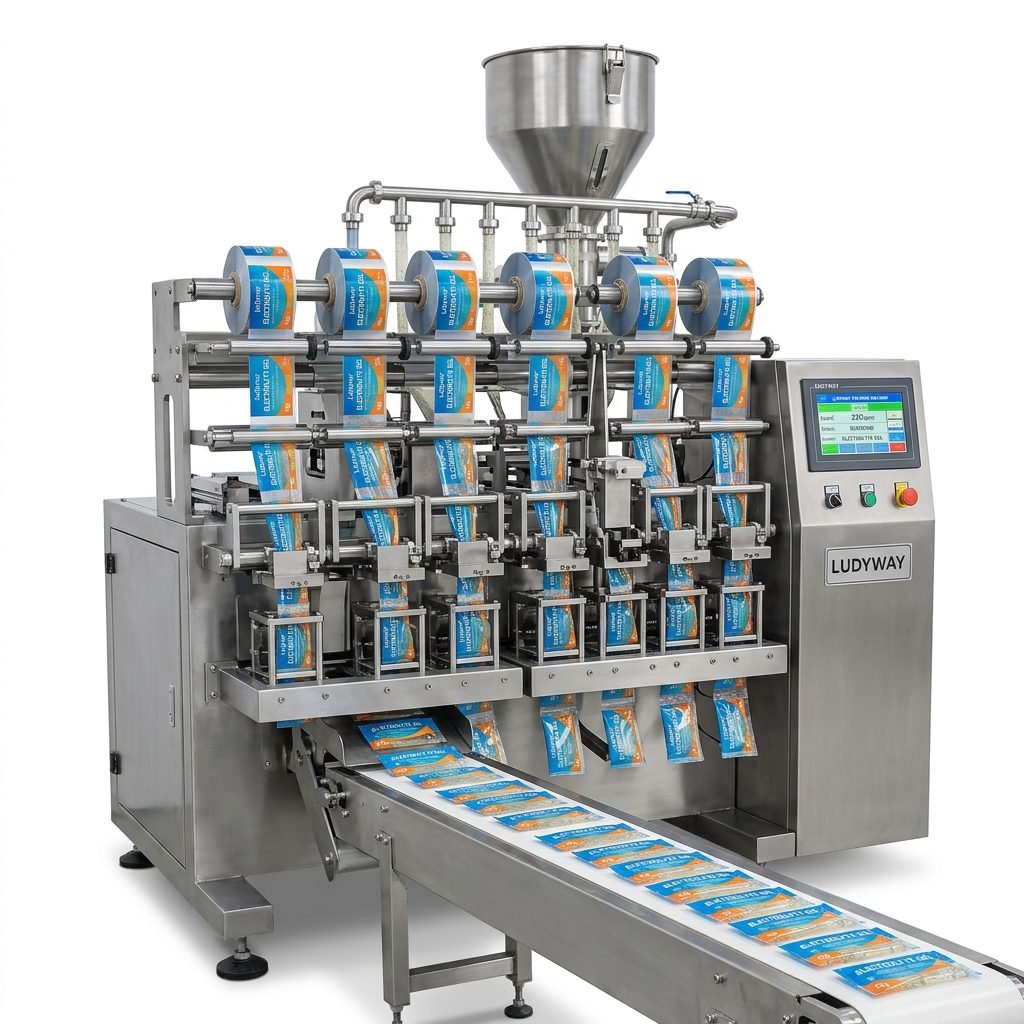
Selecting the right spice filling machine is one of the most critical purchasing decisions for any spice processing or packaging business. Whether you are packing turmeric, chili powder, cinnamon, mixed seasonings, or granulated spice blends, the equipment you choose directly impacts filling accuracy, production output, packaging consistency, and long-term operational costs. A poorly matched machine can lead to product giveaway, downtime, and inconsistent seal quality — all of which affect your bottom line.
This buyer’s guide walks you through the essential factors to evaluate when choosing a spice filling machine, covering product characteristics, filling technologies, packaging formats, production speed, compliance requirements, and supplier selection. By the end, you will have a clear framework for making an informed equipment investment.
Understanding Your Spice Product Characteristics
Before comparing machine specifications, you must first analyze the physical properties of your spice products. Different spices behave very differently during the filling process, and these characteristics determine which dosing system will work best.
Key Product Variables to Evaluate
- Particle size and uniformity — Fine powders like ground cinnamon flow differently than coarse granules like dried oregano or crushed red pepper
- Bulk density — Spices like turmeric powder have different density profiles compared to lightweight blends or seasoning mixes
- Flowability — Some spices are free-flowing, while others tend to bridge, clump, or stick to contact surfaces
- Moisture content and hygroscopicity — Spices that absorb moisture from the air may require special handling and sealing considerations
- Dust generation — Fine spice powders often create dust during filling, requiring dust extraction systems
- Temperature sensitivity — Certain spices need to be processed within specific temperature ranges to preserve flavor and aroma
Conducting a thorough product analysis with your potential equipment supplier is essential. As noted by the PMMI packaging industry association, understanding material characteristics is the foundation of selecting appropriate packaging machinery.
Filling Technology Comparison for Spice Applications
The filling mechanism is the heart of any spice packaging machine. Choosing the wrong technology can result in inaccurate fills, product waste, and frequent stoppages. Below is a comparison of the most common filling technologies used in spice packaging.
| Filling Technology | Best For | Accuracy Level | Speed Range |
|---|---|---|---|
| Auger Filling | Fine & medium powders (turmeric, cinnamon, garlic powder) | High (±0.5-1%) | Moderate to high |
| Volumetric Cup Filling | Free-flowing granules (dried herbs, seeds, coarse blends) | Moderate (±1-2%) | High |
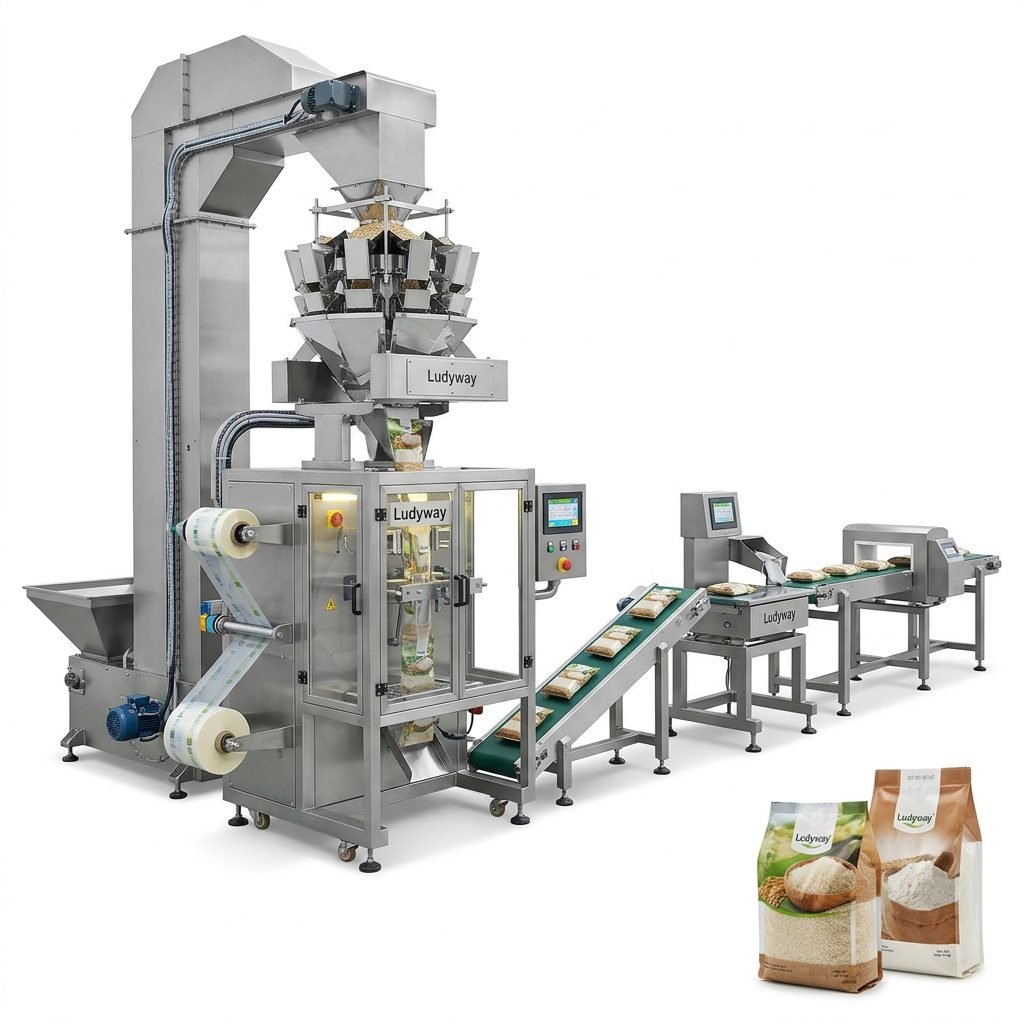
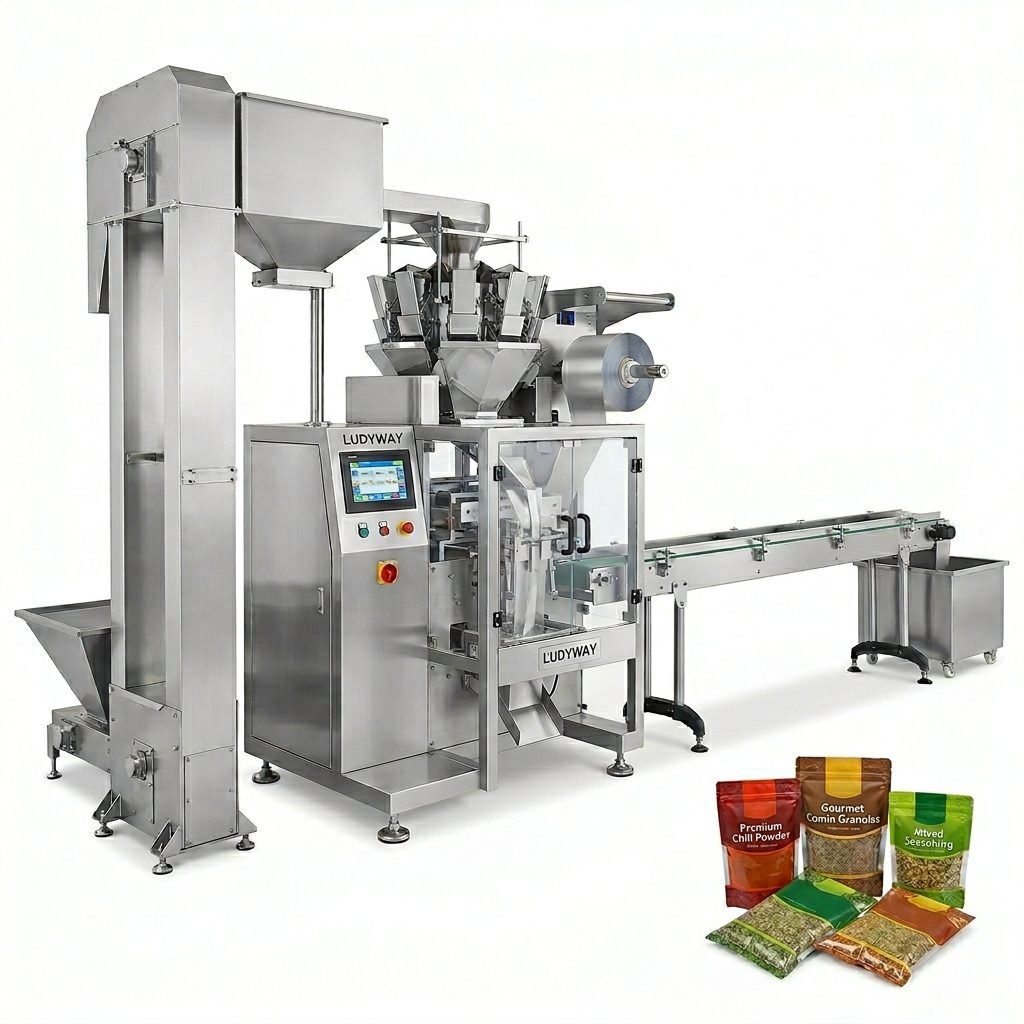
| Multi-Head Weighing | Mixed spices, irregular shapes, premium products | Very high (±0.1-0.5%) | Very high |
| Net Weight Filling | High-value spices, bulk packaging | Highest (±0.1%) | Moderate |
For most spice applications, auger filling and multi-head weighing are the preferred technologies. Auger fillers handle a wide range of powder densities reliably, while multi-head weighers excel when packing premium spice blends where every gram counts. Refer to the PMMI business intelligence resources for deeper market data on filling technology adoption trends.
Packaging Format: Sachets, Stick Packs, Pouches, or Bulk Bags
Your target packaging format significantly influences machine selection. Spice products are packaged in a variety of formats depending on the end market, distribution channel, and consumer usage patterns.
Common Spice Packaging Formats
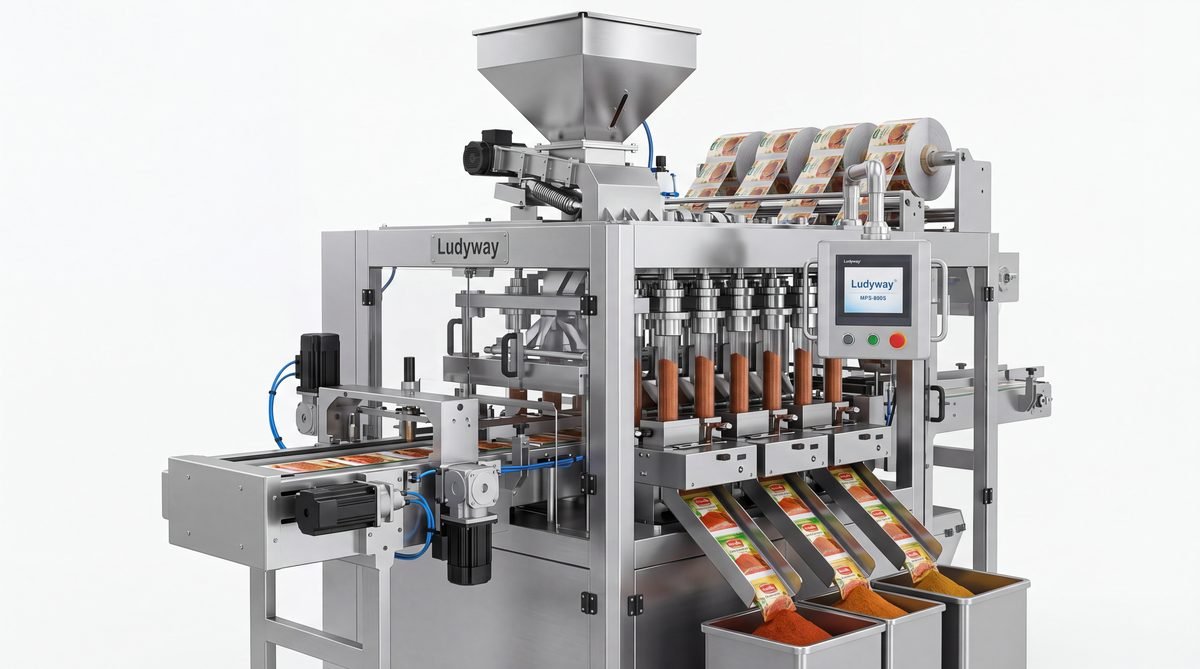
- Single-serve sachets — Ideal for food service, hotels, and sample packs; typically 1g to 10g fills
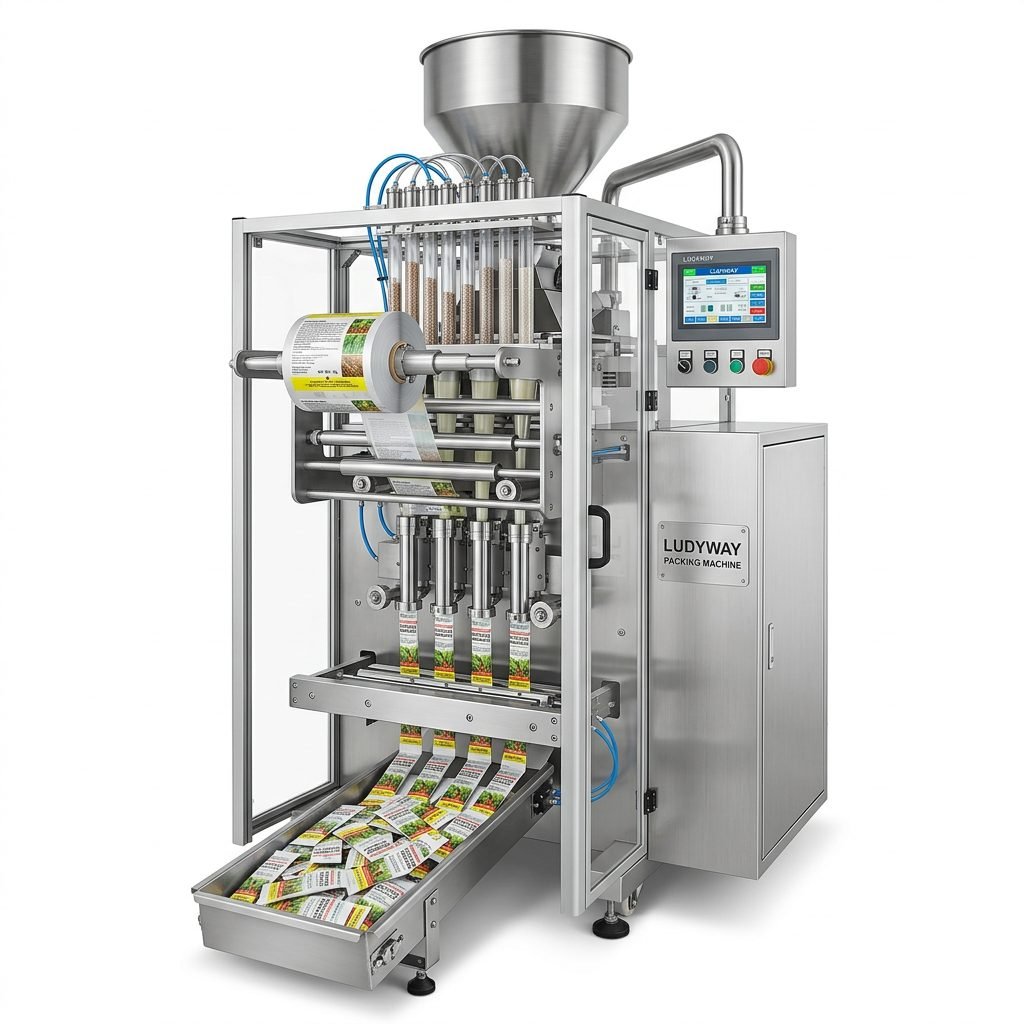
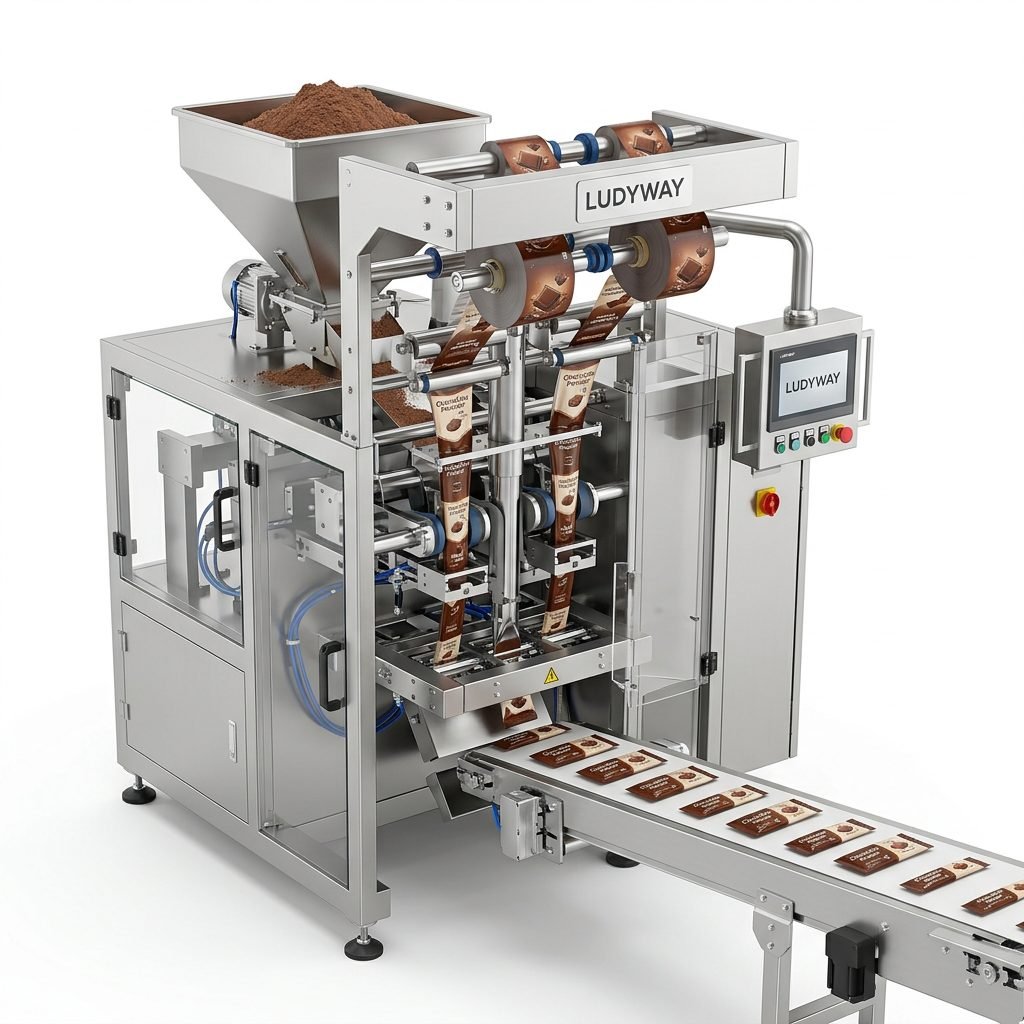
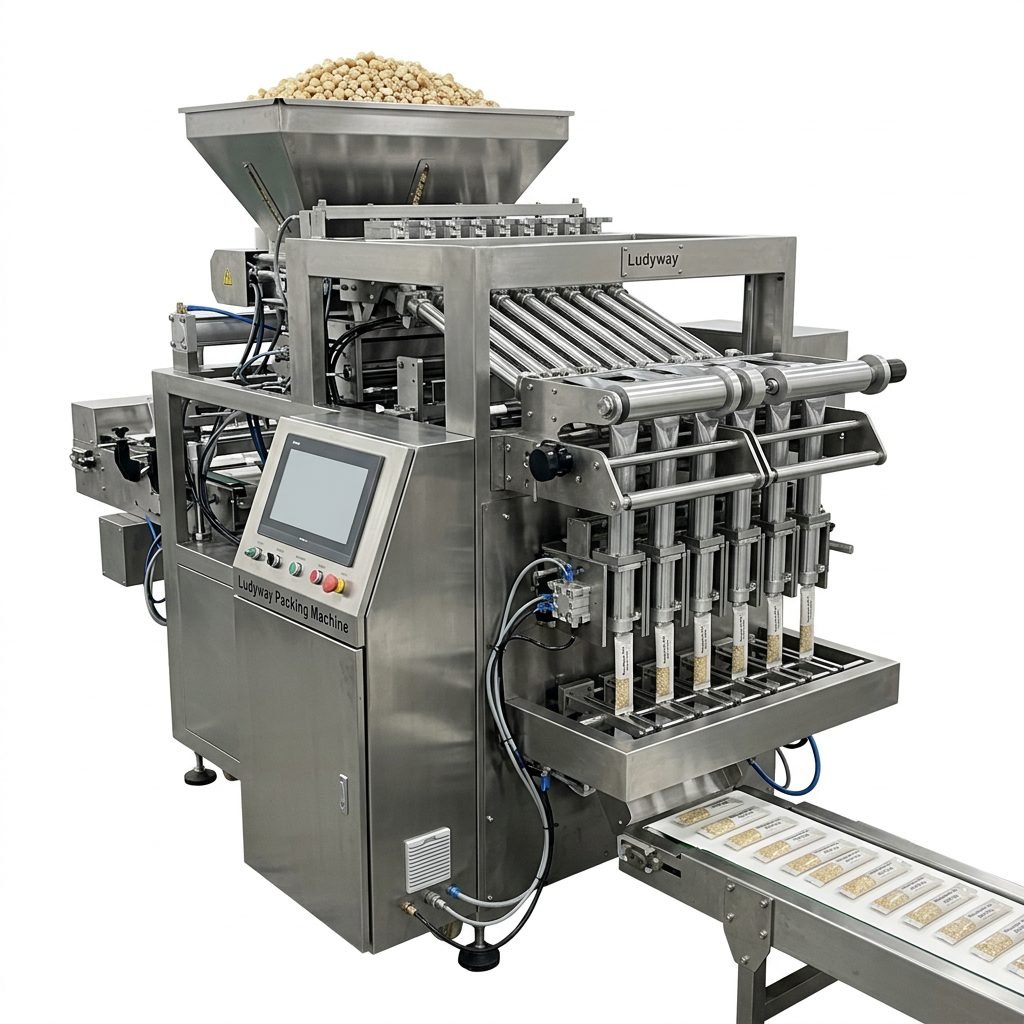
- Stick packs — Slim, elongated format popular for convenience and on-the-go consumption; suits 2g to 15g portions
- Pillow pouches — Common retail format for home cooking spices; ranges from 25g to 500g
- Stand-up pouches (SUP) — Premium retail presentation with zipper reclosure; excellent shelf appeal
- Bulk bags — For industrial and wholesale spice distribution; 1kg to 25kg and above
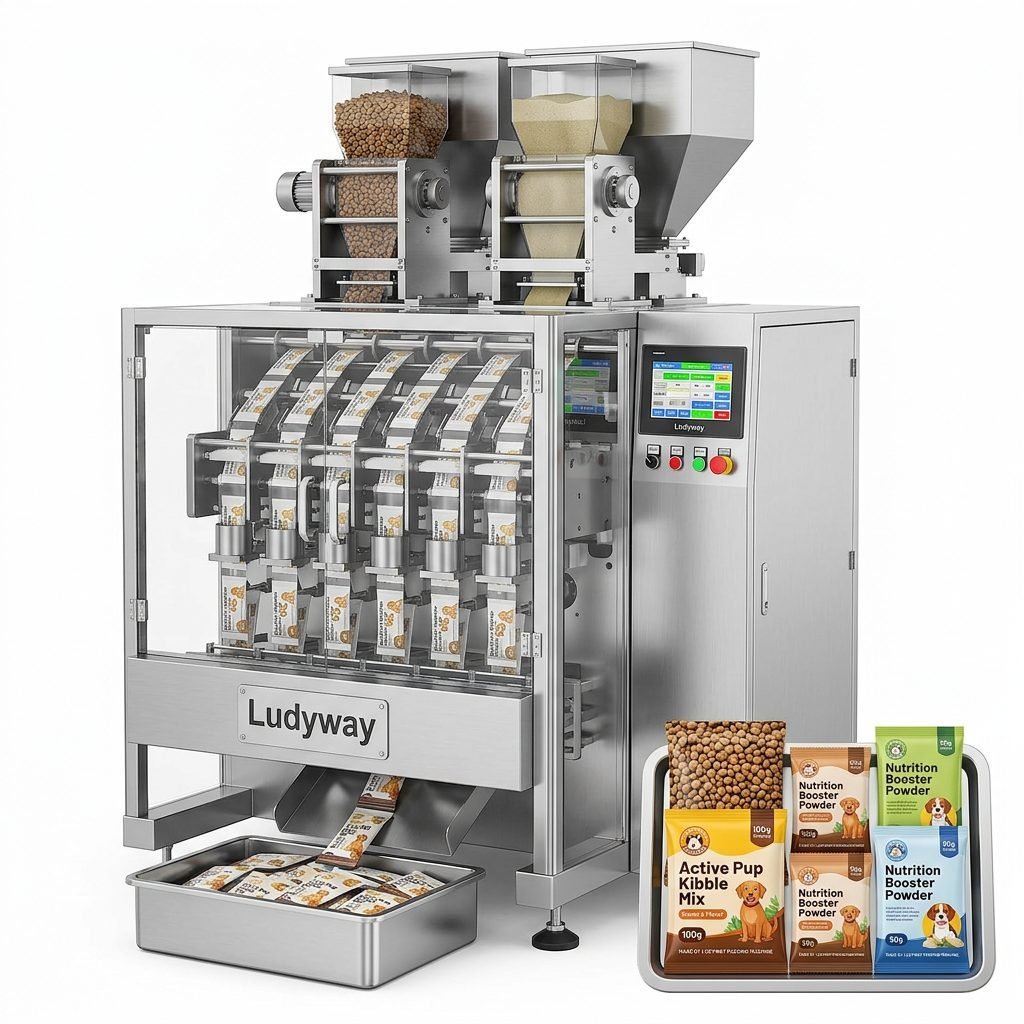
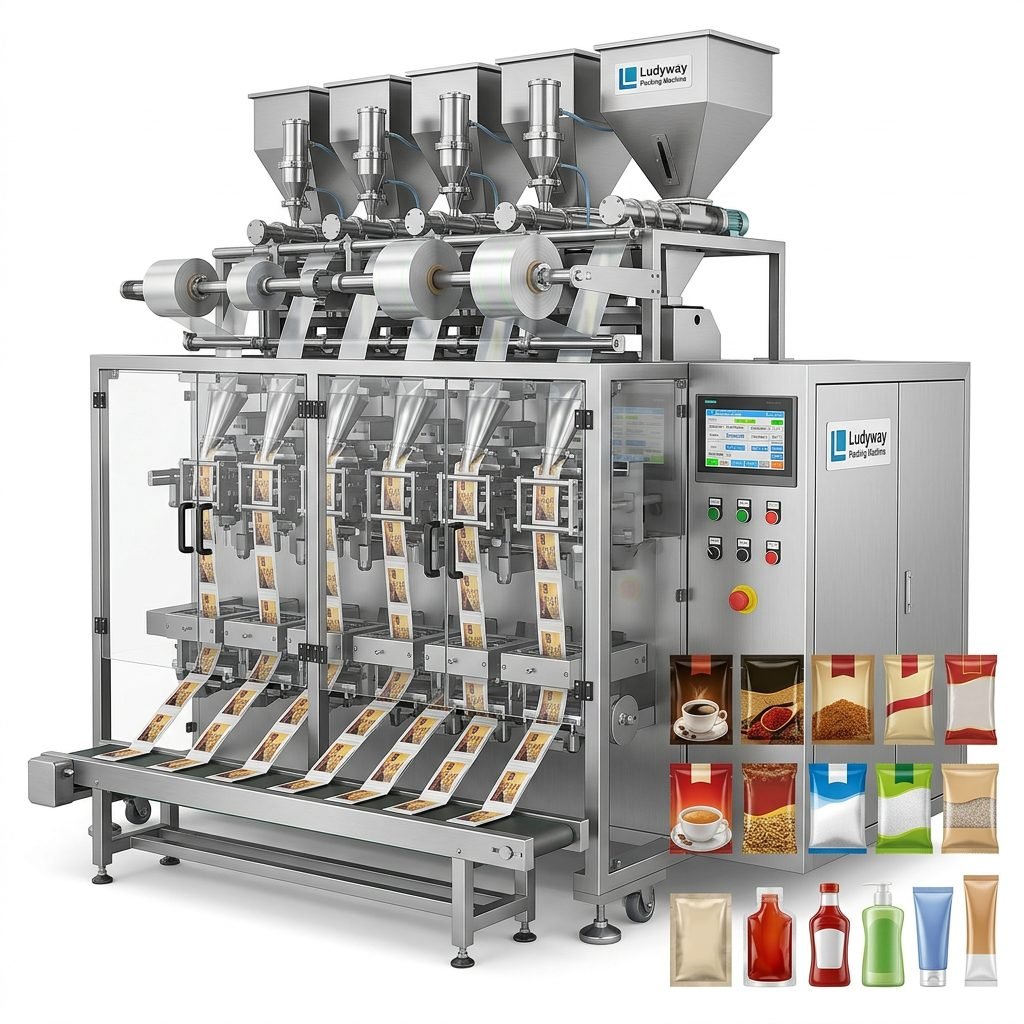
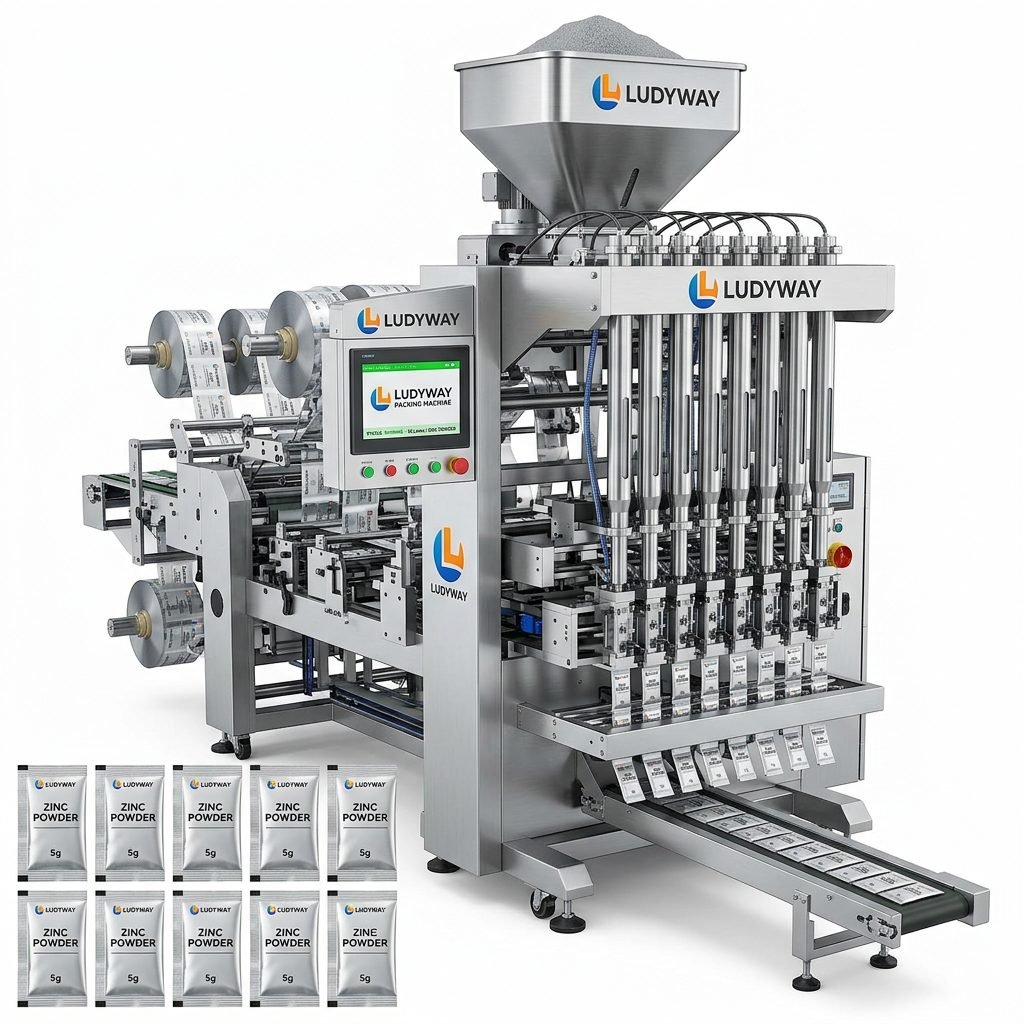
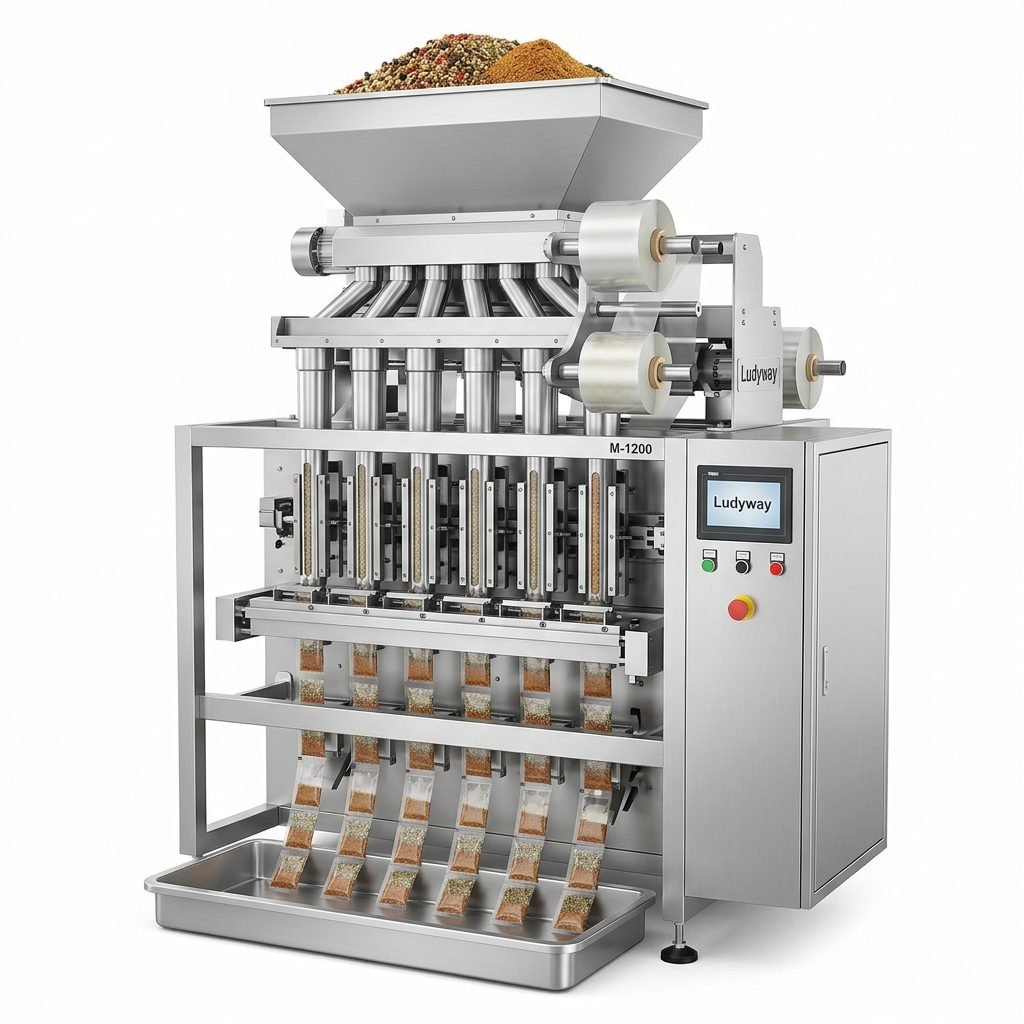
Each format requires different forming, filling, and sealing configurations. Multi-lane packaging machines can significantly increase output for small-format sachets and stick packs by running multiple lanes simultaneously. According to the Flexible Packaging Association, stand-up pouches and stick packs continue to gain market share in the spice and seasoning category due to consumer preference for convenience and portion control.
Production Speed and Automation Level
Matching machine speed to your current and projected production requirements is crucial. Under-specifying speed creates bottlenecks as your business grows, while over-specifying leads to unnecessary capital expenditure and potentially underutilized equipment.
Speed Considerations by Format
- Single-lane sachet machines: 30–80 packs per minute
- Multi-lane sachet machines (4–12 lanes): 200–800 packs per minute
- Stick pack machines: 150–600 packs per minute depending on lane count
- Premade pouch fill-seal machines: 30–60 pouches per minute
- Bulk bag filling systems: 3–15 bags per minute
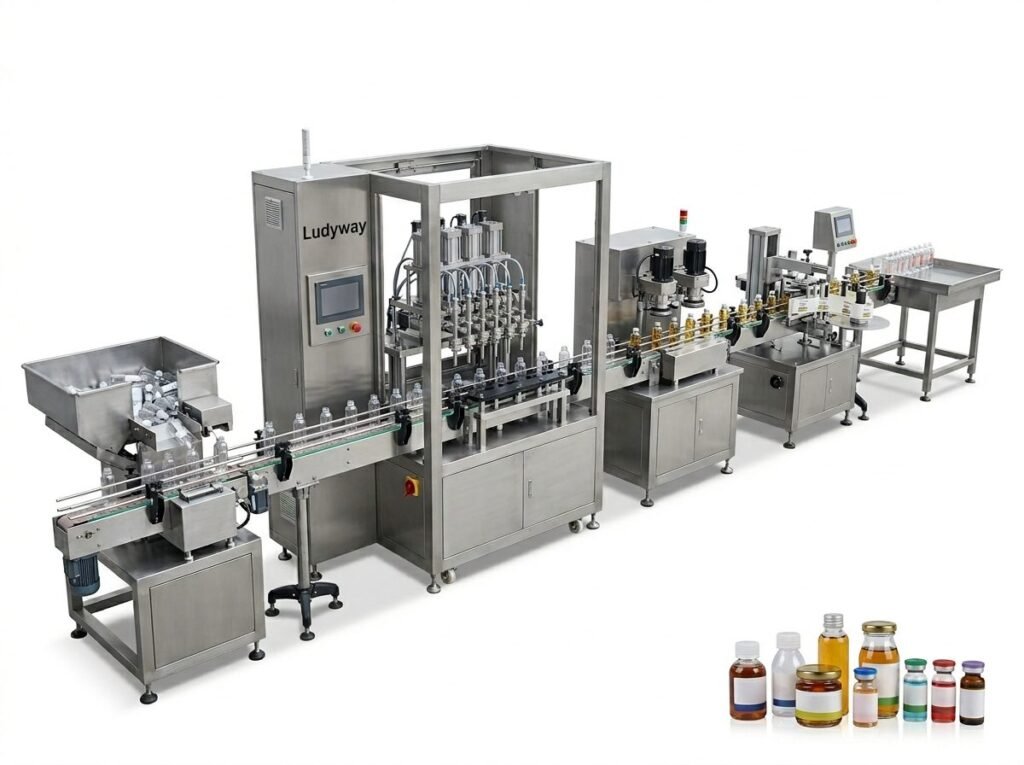
Beyond basic speed, consider the automation level that suits your operation. Manual and semi-automatic machines work for small-batch production, but medium to large spice manufacturers typically benefit from fully automatic systems that integrate filling, sealing, coding, and inspection in one line. Automated powder packaging lines reduce labor dependency and improve output consistency.
Material Compatibility and Sealing Integrity
Spice packaging requires excellent seal integrity to protect against moisture ingress, oxygen exposure, and aroma loss. The machine’s sealing system must be compatible with your chosen packaging material — whether that is laminate films, aluminum foil, paper-based laminates, or biodegradable materials.
Key sealing considerations include:
- Seal temperature control — Precise temperature regulation prevents burnt seals or weak bonds
- Dwell time adjustment — Proper sealing time ensures consistent seal strength across production runs
- Pressure uniformity — Even pressure distribution across the seal area eliminates leak points
- Gas flushing capability — Nitrogen flushing extends shelf life for oxygen-sensitive spice products
For manufacturers exporting to regulated markets, packaging materials must also comply with relevant food contact regulations. The FDA food packaging and food contact substances guidelines and ISO packaging standards provide essential regulatory frameworks that your equipment and materials should align with.
Quality Control and Inspection Features
Modern spice filling machines should incorporate or integrate with quality control systems to minimize defective packages reaching customers. Look for machines that support:
- Checkweighing — In-line weight verification with automatic reject for out-of-tolerance packs
- Metal detection — Critical for food safety compliance in spice processing
- Seal integrity inspection — Vision systems or pressure-decay testing to detect seal defects
- Date coding and batch printing — Integrated coding for traceability and regulatory compliance
- Dust management — Vacuum extraction systems to maintain clean sealing surfaces
Evaluating Machine Build Quality and Hygiene Design
For spice applications, hygienic design is non-negotiable. Spice residues can accumulate in crevices, leading to cross-contamination between batches and potential allergen issues. When evaluating a machine, pay close attention to:
- Frame and contact surface materials — 304 or 316 stainless steel construction for product contact areas
- Surface finish — Smooth, polished surfaces that resist product adhesion and are easy to clean
- Tool-free disassembly — Quick-change parts that simplify cleaning and product changeovers
- Sealed electrical enclosures — Protection against dust ingress in the production environment
- Sloped surfaces — Design features that prevent product accumulation on horizontal surfaces
Supplier Selection: What to Look For
Choosing the right equipment supplier is as important as choosing the right machine. A reliable packaging machinery manufacturer provides value far beyond the initial equipment sale. Evaluate potential suppliers on these criteria:
Supplier Evaluation Checklist
- Industry experience — How many years has the supplier been manufacturing spice packaging equipment?
- Application expertise — Does the supplier have references and case studies in spice and seasoning applications specifically?
- Manufacturing capabilities — Does the supplier have in-house engineering and manufacturing, or do they outsource critical components?
- Customization ability — Can the supplier configure machines to your specific product and packaging requirements?
- After-sales support — What is the availability of technical support, spare parts, and field service in your region?
- Training provision — Does the supplier offer operator training and maintenance training as part of the package?
- Compliance documentation — Can the supplier provide relevant certifications and compliance documentation for your target markets?
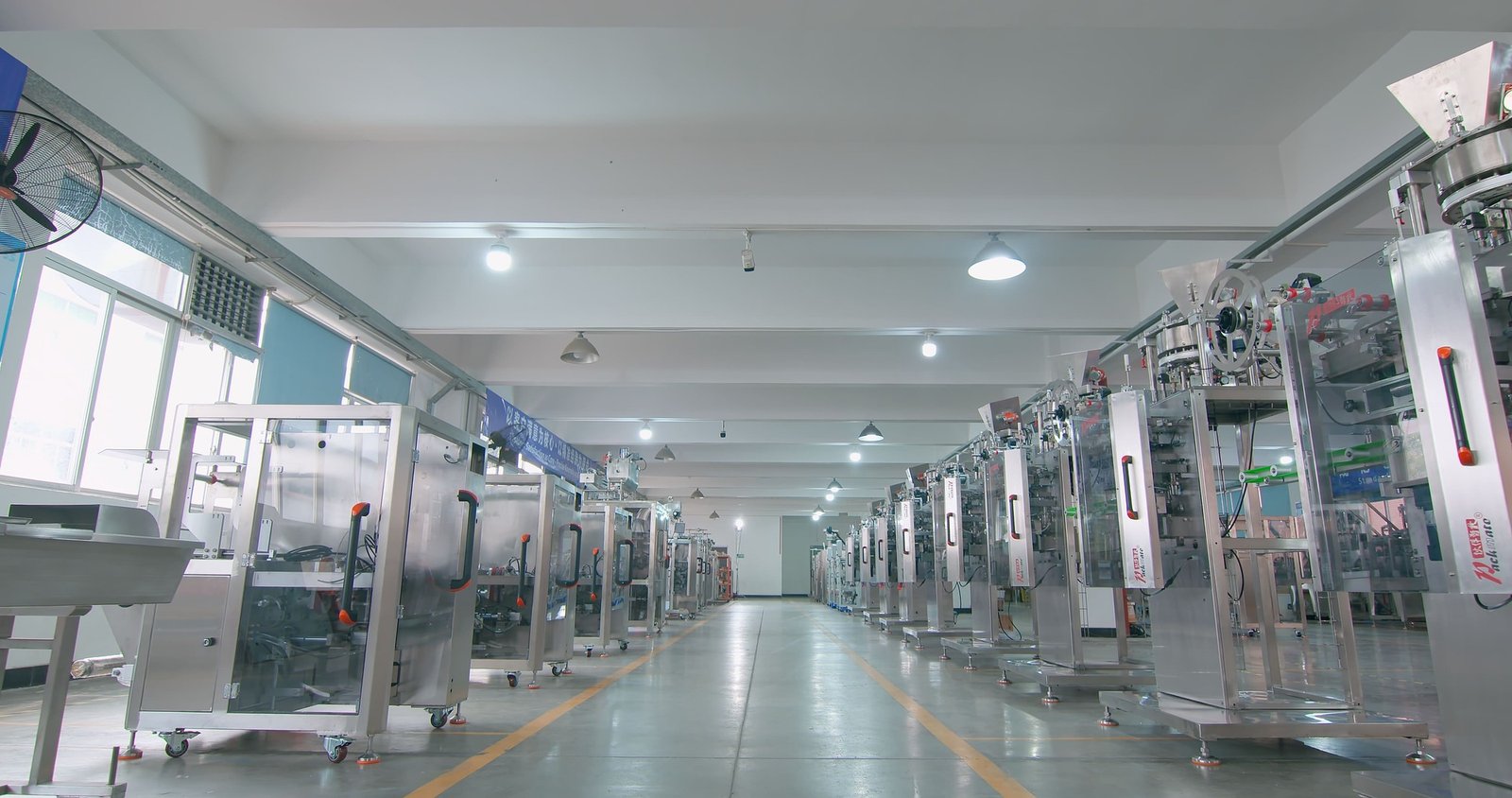
With over 30 years of experience in the packaging industry, Ludyway Machinery is a China-based packaging machinery manufacturer that provides automated spice packaging equipment and turnkey packaging solutions for manufacturers worldwide. The company combines a 20,000-square-meter manufacturing facility, in-house engineering capabilities, and extensive application experience to help customers select and configure suitable packaging systems for their spice products.
Total Cost of Ownership and ROI Analysis
When budgeting for a spice filling machine, look beyond the initial purchase price. A comprehensive total cost of ownership (TCO) analysis includes:
| Cost Category | Considerations | Typical Impact |
|---|---|---|
| Purchase price | Base machine cost plus optional modules | One-time capital expenditure |
| Installation & commissioning | Site preparation, installation labor, initial setup | 5-15% of machine cost |
| Consumables & spare parts | Wear parts, sealing elements, filters, lubricants | Ongoing annual cost |
| Labor | Operator requirements per shift | Recurring operational cost |
| Product giveaway reduction | Savings from improved filling accuracy | ROI driver over time |
| Downtime cost | Lost production during breakdowns or changeovers | Variable, machine-dependent |
A high-quality machine with better filling accuracy can often pay for itself through reduced product giveaway alone. For a spice manufacturer filling millions of sachets annually, even a 0.5% improvement in filling accuracy translates to significant material savings. Explore PMMI’s state of the industry reports for benchmarking data on packaging machinery ROI across food sectors.

Future-Proofing Your Investment
The spice market continues to evolve with new product formats, packaging sustainability requirements, and changing consumer preferences. When selecting a spice filling machine, consider these forward-looking factors:
- Format flexibility — Can the machine handle multiple bag sizes and formats with minimal changeover time?
- Material adaptability — Is the machine compatible with emerging sustainable packaging materials, including recyclable mono-materials and paper-based structures?
- Scalability — Can additional lanes or modules be added as your production needs grow?
- Industry 4.0 readiness — Does the machine support data connectivity, remote monitoring, and integration with production management systems?
- Regulatory evolution — Will the machine design accommodate future food safety and packaging waste regulations?
Key Takeaways for Spice Filling Machine Buyers
- Start with a thorough analysis of your spice product’s physical properties before evaluating machine types
- Match the filling technology to your product’s flow characteristics and accuracy requirements
- Choose a packaging format that aligns with your target market and distribution channels
- Prioritize build quality, hygienic design, and sealing integrity for food-safe spice packaging
- Evaluate suppliers on total capabilities — not just machine price, but engineering support, customization, and after-sales service
- Calculate total cost of ownership including product giveaway, maintenance, and downtime costs
- Invest in a machine that can adapt to future packaging trends and regulatory requirements
For more information on spice packaging machinery and customized filling solutions, consulting with an experienced packaging equipment manufacturer is the recommended next step. A thorough application review with a qualified supplier will help you identify the optimal machine configuration for your specific spice products, production volume, and business goals.
Additional resources: Flexible Packaging Association | PMMI Business Intelligence | ISO Packaging Standards