Investing in a tea bag filling machine is a significant decision that directly impacts your production efficiency, product quality, and long-term profitability. Whether you are transitioning from manual packing to automation or upgrading an existing line, understanding the key technical and commercial factors is essential. This guide walks you through every step of the selection process, helping you match equipment capabilities to your specific tea packaging requirements.
1. Define Your Tea Product Characteristics
Your product’s physical properties are the single most important factor in choosing the right tea bag filling machine. Different tea types demand different handling, dosing, and sealing mechanisms.
- Particle Size and Flowability: Fine tea dust, CTC granules, and whole leaf blends each flow differently. A machine suitable for free-flowing granulated tea may not handle coarse, interlocking leaf particles without bridging or inconsistent fills.
- Density and Dust Content: Products with high dust content require specialized dust extraction systems to maintain seal integrity. Volumetric cup fillers often struggle with varying bulk densities, while multi-head weighers provide superior accuracy for premium blends.
- Hygroscopic and Fragile Materials: Herbal teas or blends with delicate flowers and leaves need gentle handling systems to prevent breakage. For moisture-sensitive products, a nitrogen flushing system may be recommended to extend shelf life.

2. Understand Bag Formats and Packaging Styles
Tea is packaged in a wide variety of formats. Your machine must be configured for the exact bag style your market demands. A modular machine design offers the flexibility to switch between formats if you plan to diversify your product line.
| Bag Format | Common Applications | Key Machine Features |
|---|---|---|
| Double-Chamber Bag | Premium loose leaf, herbal blends | String and tag attachment, envelope wrapping |
| Pyramid / 3D Bag | Whole leaf teas, fruit infusions | Ultrasonic sealing, mesh material handling |
| Flat / Square Sachet | Standard black tea, herbal single-serve | High-speed heat sealing, multi-lane configuration |
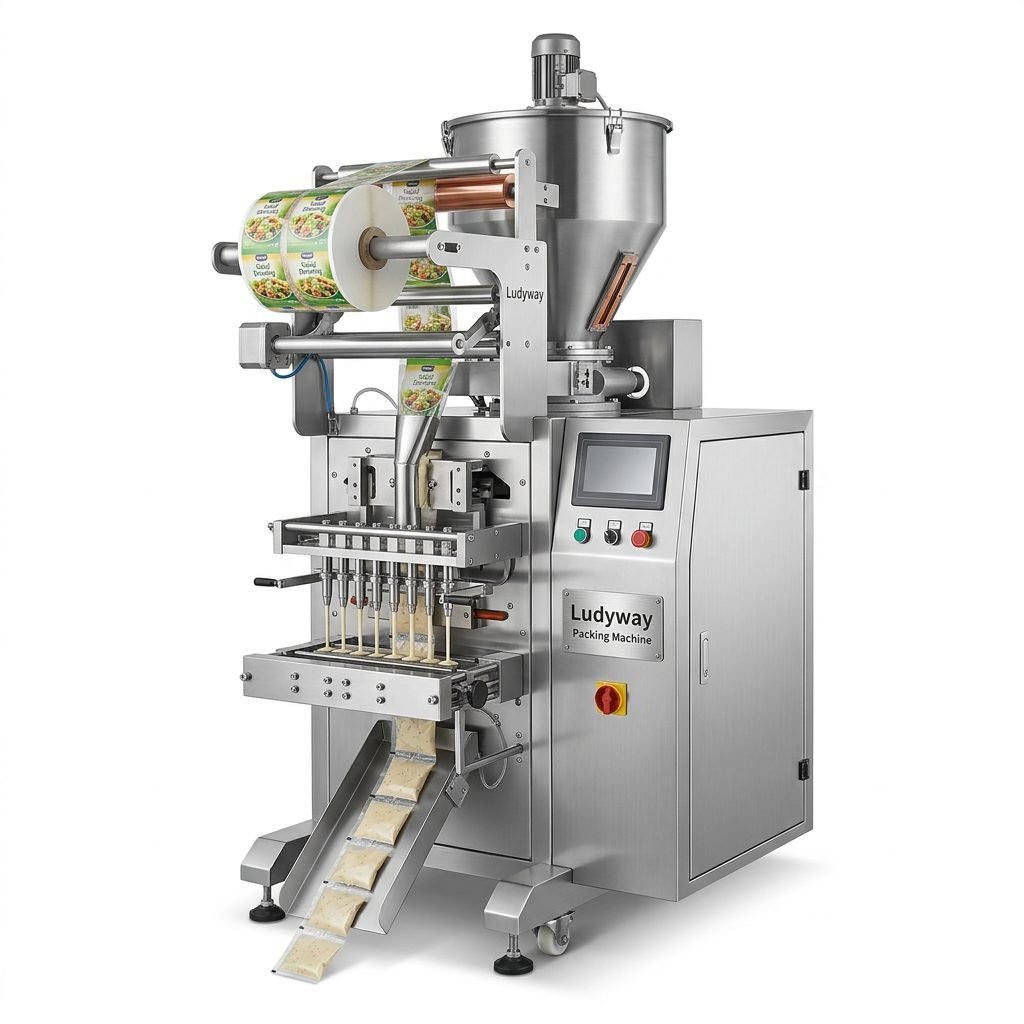
| Stick Pack | Instant tea powder, matcha, functional beverages | Vertical form-fill-seal, precise powder dosing |
| Pillow Bag with Tag | Traditional tea bag style, retail focused | Thread and tag applicator, cartoning integration |
3. Evaluate Filling Technology and Accuracy
Dosing precision directly affects product consistency, customer satisfaction, and material costs. For tea bag filling machines, selecting the appropriate filling mechanism is critical. Overfilling by just 0.2 grams per bag can result in thousands of dollars in annual product giveaway.
- Volumetric Cup Fillers: Economical and fast, ideal for consistent-density granular teas. Less suitable for blends with variable particle sizes due to potential weight fluctuations.
- Auger Fillers: Excellent for powdered teas like matcha or instant tea. Provides good accuracy for fine, non-free-flowing products. An advanced auger filling system can achieve high precision with proper tooling.
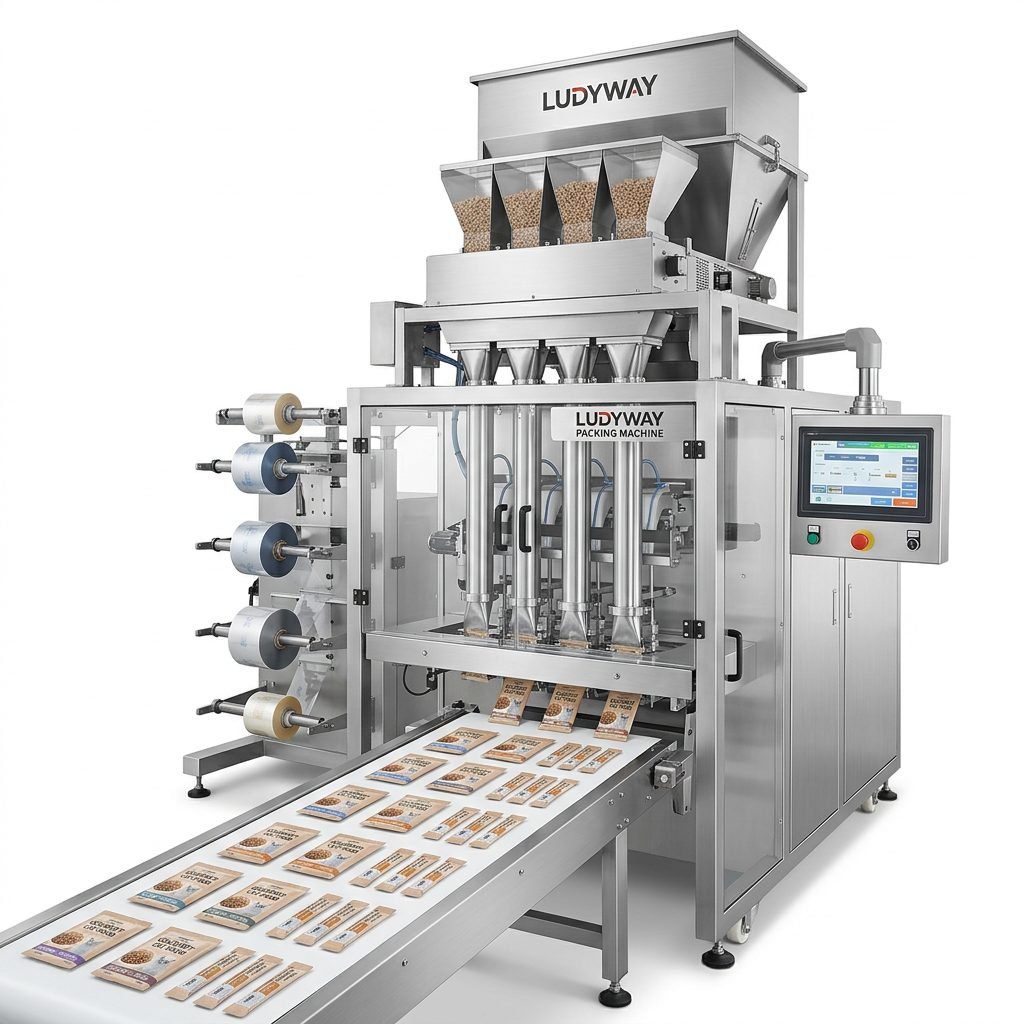
- Multi-Head Weighers: The gold standard for high-value tea blends, offering superior accuracy (±0.1g or better) and high speed. These systems are ideal for products with mixed particle sizes and can handle up to 100+ bags per minute.
- Net Weigh Filling: Weighs product before dispensing, providing the highest accuracy for premium products. Often integrated into turnkey packaging systems.
4. Assess Sealing Technology and Material Compatibility
The sealing method must be perfectly matched to your chosen filter paper or non-woven fabric. Poor seal integrity is a leading cause of product returns and brand damage in the tea industry.
Heat Sealing is the most common method for standard filter paper with a thermoplastic coating. It requires precise temperature control to avoid burning delicate materials. Ultrasonic Sealing is often preferred for pyramid tea bags made from PLA mesh or nylon, as it creates a strong seal without heat, preserving material integrity and allowing for gentle, high-infill shapes. Your machine should be compatible with eco-friendly and biodegradable materials, a growing requirement in markets focused on sustainability.
5. Calculate Production Speed and Capacity Requirements
Speed is measured in bags per minute (BPM), but your focus should be on sustainable throughput over an entire shift, not just peak speed. A machine rated at 120 BPM might realistically average 85-100 BPM when accounting for film splicing, changeovers, and minor stoppages.
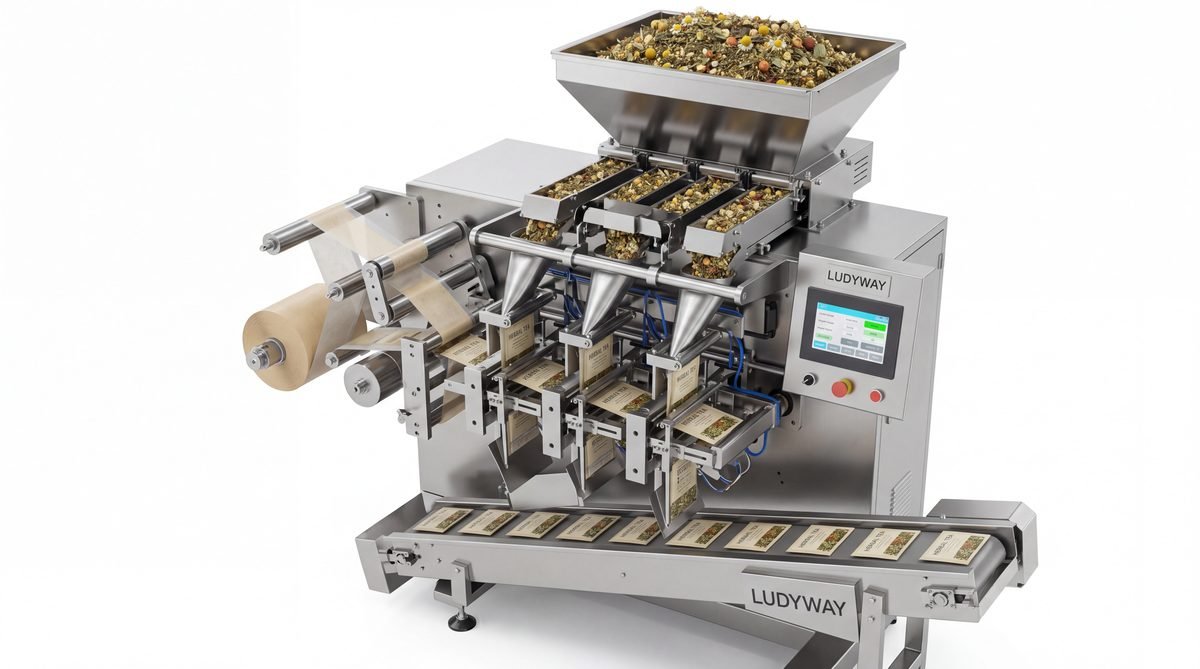
Consider your current demand and project growth over the next 3-5 years. A multi-lane stick pack machine or a high-speed rotary sachet system can produce several hundred bags per minute but requires a larger initial investment. Align your capacity choice with realistic sales forecasts rather than aspirational targets to avoid over-capitalization.
6. Automation Level and Integrated Systems
Modern packaging lines extend far beyond the primary filling machine. Decide on the level of automation you need:
- Standalone Machine: Suitable for smaller operations with manual loading and offline cartoning.
- Semi-Automated Line: Machine with automatic feeding but manual packing into cartons.
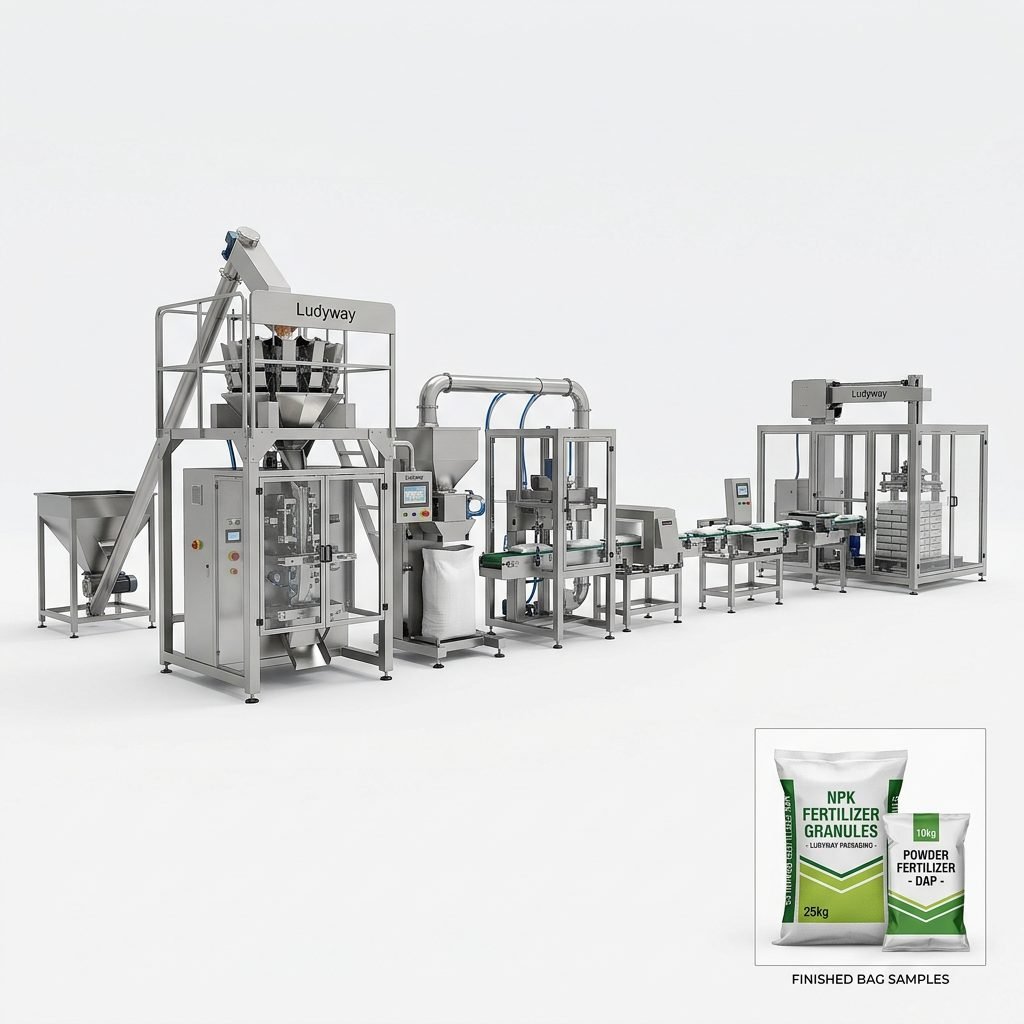
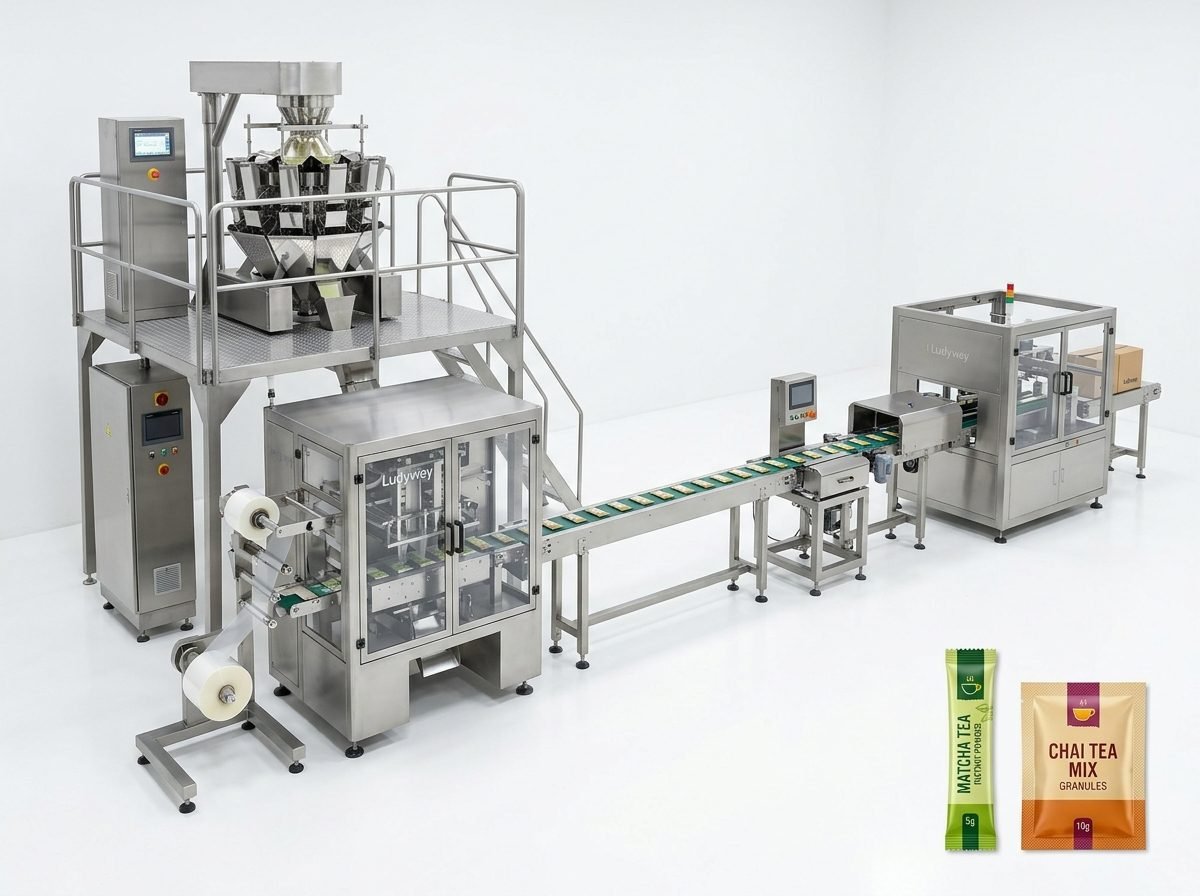
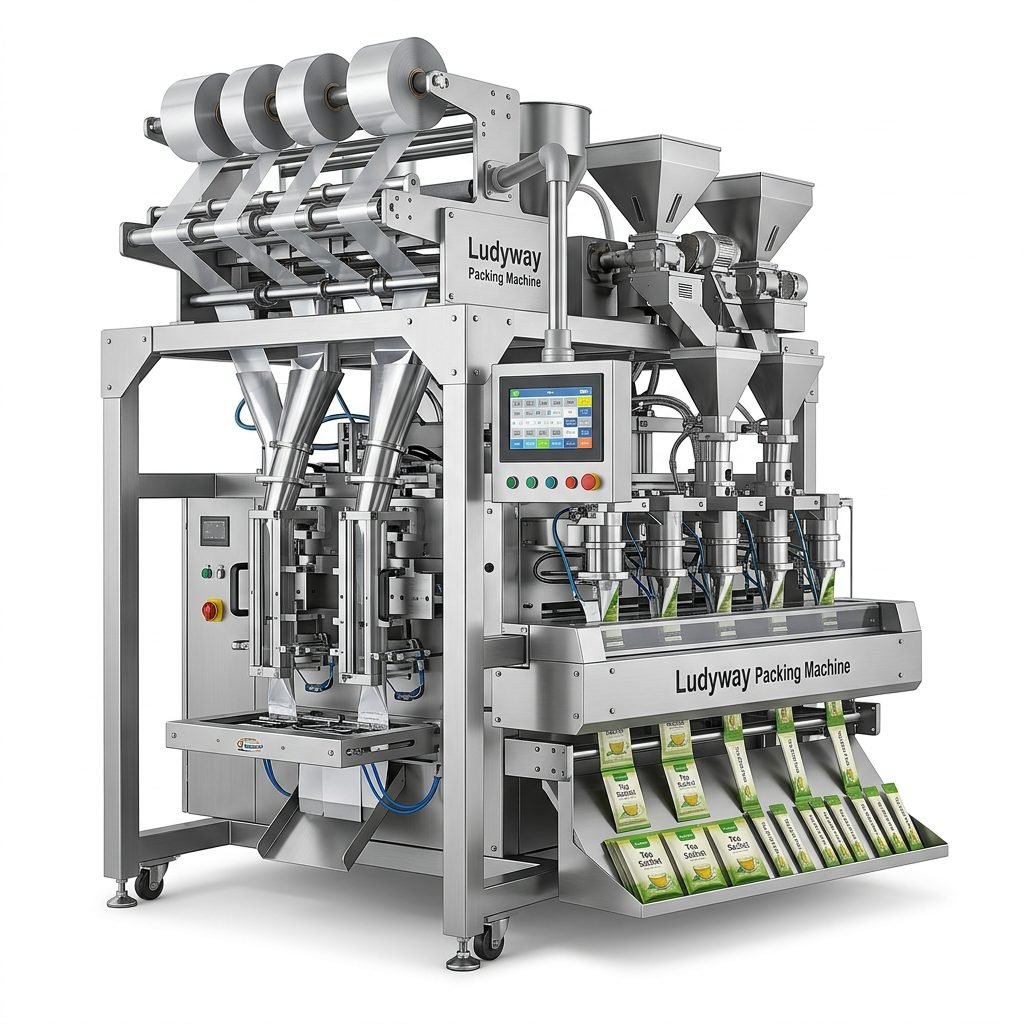
- Fully Automated Turnkey Line: Includes product feeding, bagging, string and tag application, enveloping, cartoning, checkweighing, and case packing. A customized turnkey packaging line can integrate all these stages, reducing labor costs and improving throughput consistency.
If you produce multiple tea SKUs, rapid and tool-free changeover capabilities are essential to minimize downtime.
7. Key Supplier Evaluation Criteria
Choosing the right equipment partner is as important as the machine itself. Evaluate manufacturers based on more than just the purchase price.
| Evaluation Factor | What to Look For |
|---|---|
| Industry Experience | Proven track record in tea or similar granular/powder packaging. Look for case studies, references, and a deep understanding of tea product behavior. |
| Manufacturing Quality | In-house manufacturing facilities, use of reputable component brands (PLC, pneumatics), and adherence to international standards. |
| Customization Capability | A partner that can engineer solutions around your product, not force your product into a standard machine. This is vital for unique tea blends. |
| Global Support | Availability of remote technical assistance, on-site installation and commissioning, operator training, and reliable spare parts availability. |
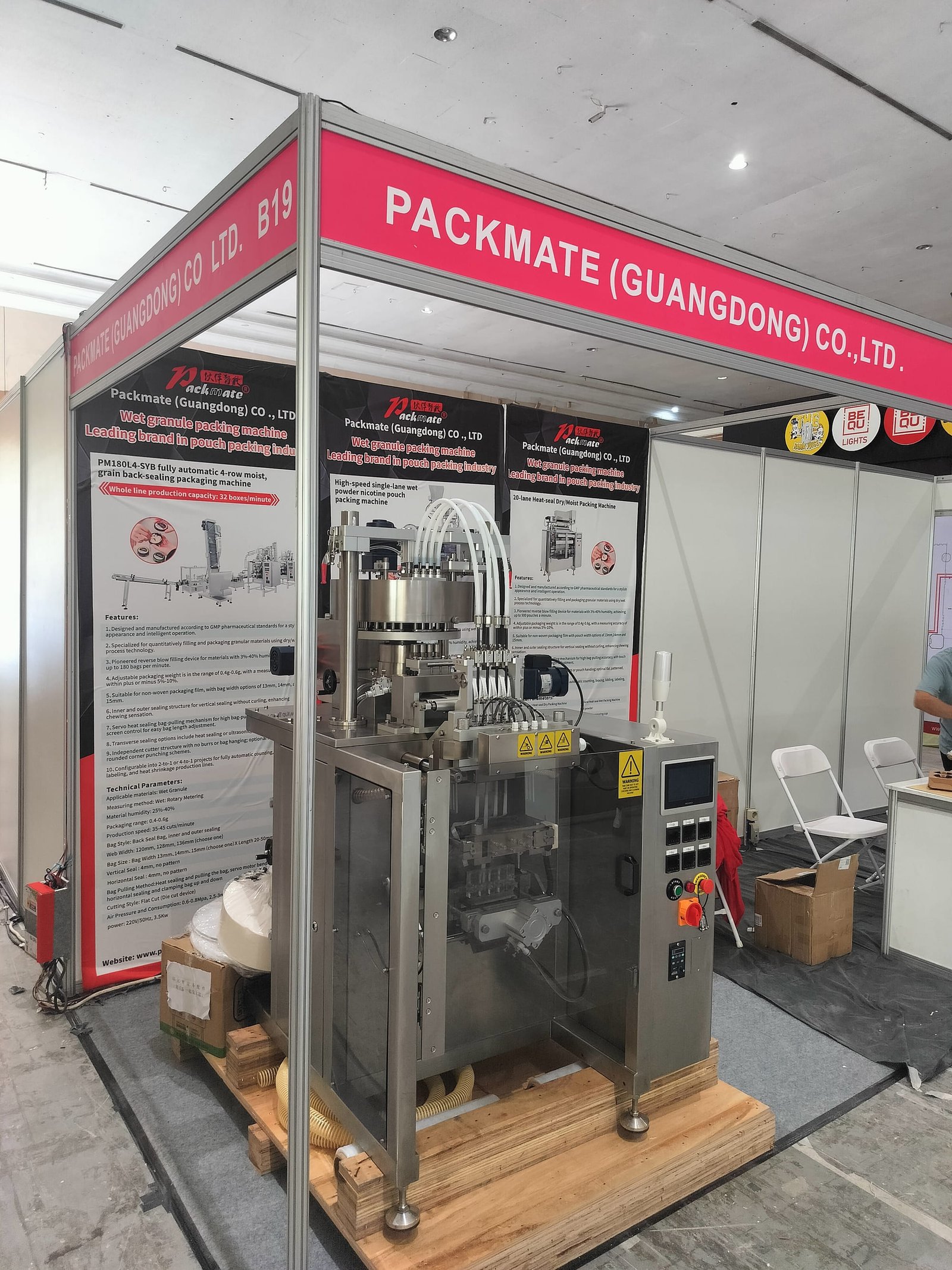
Manufacturers with integrated engineering and service teams, such as Ludyway Machinery, which combines 30 years of experience with a 20,000-square-meter facility, offer a distinct advantage by providing end-to-end support from machine selection through installation and technical service in over 100 countries.
8. Certifications, Compliance, and Quality Standards
For tea packaging, especially for food-grade applications, your machine must meet relevant regulatory requirements. Confirm that the equipment can be configured to comply with ISO packaging standards and FDA food contact substance regulations where applicable. Certifications like CE mark are essential for European markets. Machines designed with stainless steel construction, accessible parts for CIP (Clean-in-Place), and proper dust management are non-negotiable for food safety.
9. Total Cost of Ownership (TCO) and ROI Analysis
The initial capital expenditure is just one part of the equation. A comprehensive TCO analysis includes:
- Energy consumption and compressed air requirements.
- Cost and availability of consumable parts (sealing jaws, cutting blades).
- The machine’s mean time between failures (MTBF) and typical repair costs.
- Labor savings achieved through automation and reduced manual handling.
- Product giveaway reduction through precise filling, which often provides the fastest payback.
A well-chosen tea bag filling machine from a reputable manufacturer should demonstrate a clear ROI within 12-24 months, largely through material savings and increased throughput. For insights into packaging machinery market trends and industry data, resources like the PMMI Business Intelligence Library provide valuable benchmarks.
10. Final Selection Checklist
Before making your final decision, confirm that the selected machine and supplier align with these critical requirements:
- Product testing completed: Have you run your exact tea blend on the intended machine model with documented results for speed, accuracy, and seal integrity?
- Material trialed: Has the machine been validated with your specific filter paper or mesh material?
- Changeover simplicity: Can operators perform format changes without specialized tools or technical support?
- Future-proof design: Can the machine accommodate potential bag format changes or upgraded automation later?
- Service and support confirmed: Do you have clear contact points for after-sales service, spare parts, and remote troubleshooting?
By systematically evaluating these factors, you can select a tea bag filling machine that not only meets your current production goals but also provides a scalable, efficient foundation for long-term growth. The partnership with a technically capable manufacturer is the cornerstone of a successful packaging operation.
For a deeper understanding of packaging industry standards and innovations, visit authoritative resources such as the Flexible Packaging Association and the PMMI Resources Portal. Reviewing economic reports like the 2026 State of the Industry can also provide context for your investment strategy.