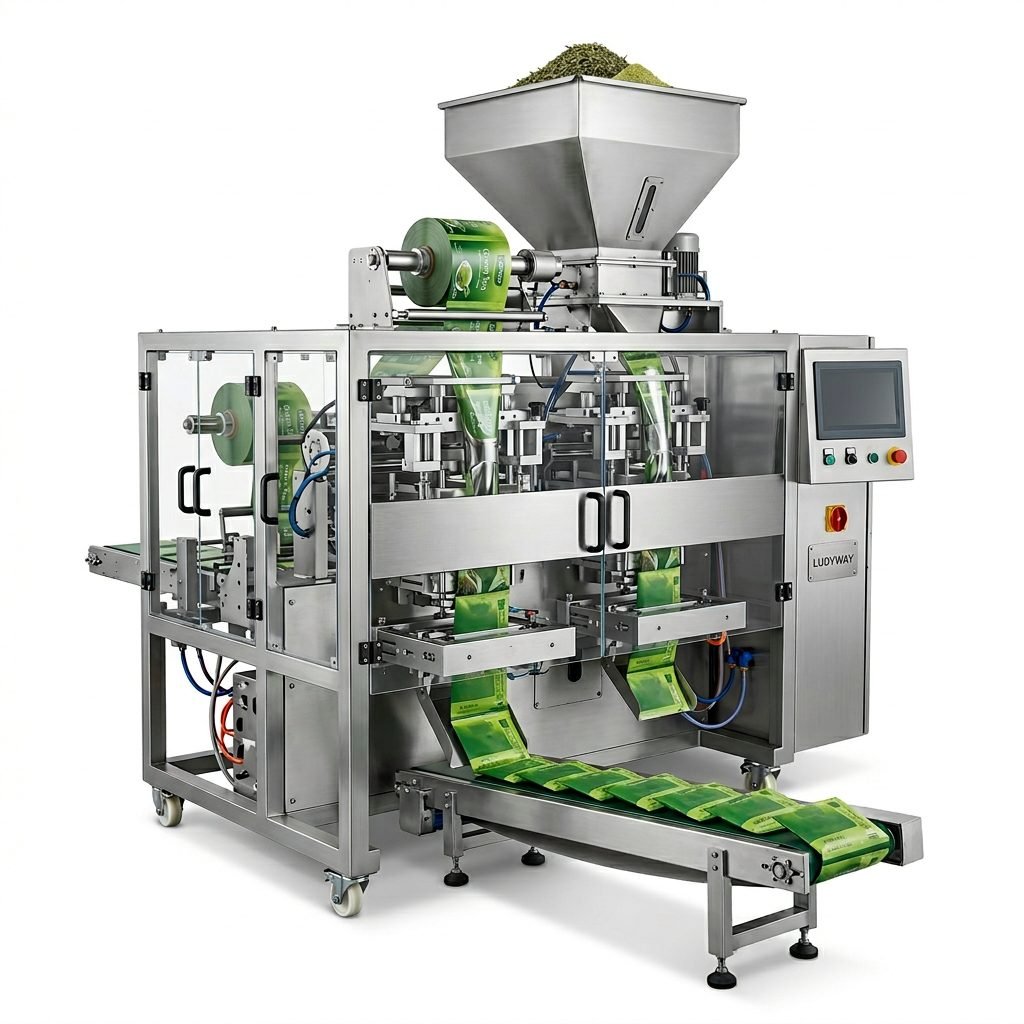
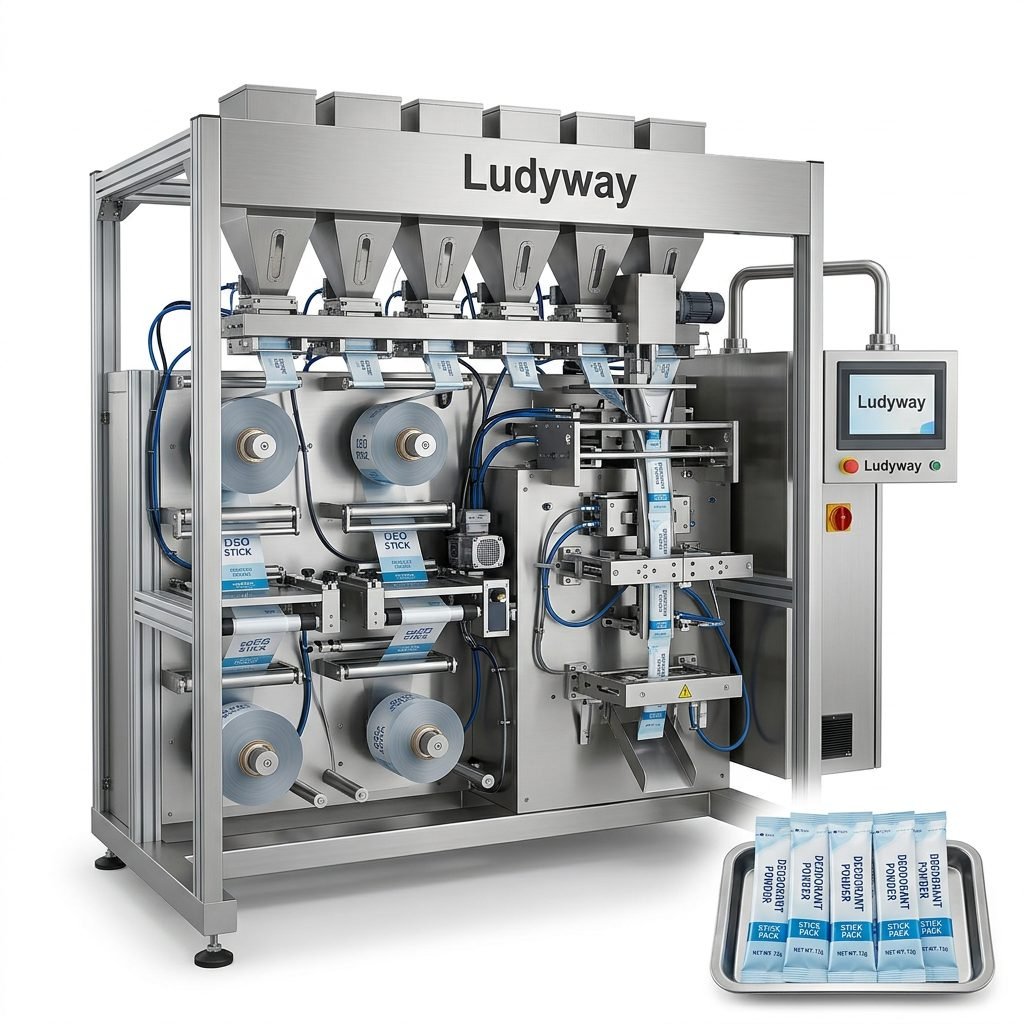
Investing in an automatic packing machine is one of the most critical decisions a manufacturer can make. The right equipment can dramatically improve production efficiency, reduce labor costs, ensure product consistency, and position your business for scalable growth. However, with dozens of machine types, configurations, and technologies available on the market, the selection process can quickly become overwhelming.
This comprehensive buyer’s guide walks you through the essential factors to evaluate when choosing an automatic packing machine — from product characteristics and packaging formats to speed requirements and compliance standards. Whether you are automating a manual line for the first time or upgrading to a higher-capacity system, a structured evaluation approach will help you make a confident, informed investment.
1. Define Your Product Characteristics First
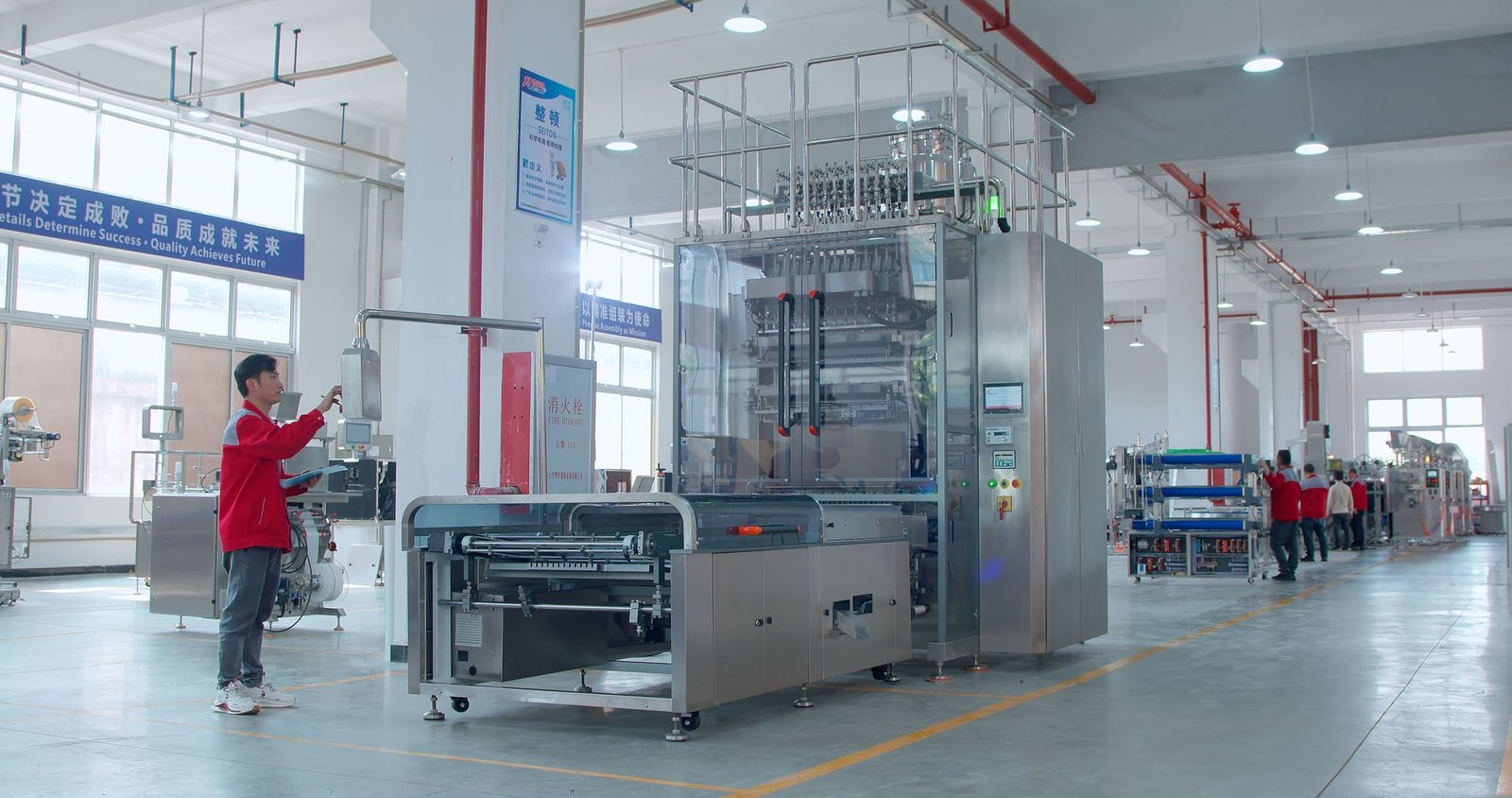
Before evaluating any machine specifications, you must have a thorough understanding of the physical and chemical properties of the product you intend to package. The product’s nature directly determines which dosing system, filling mechanism, and sealing technology will work effectively. Overlooking this step is one of the most common reasons packaging machinery fails to perform as expected.
Key product attributes to document include:
- Physical form: Is your product a free-flowing powder, cohesive powder, granule, pellet, liquid, paste, gel, or a combination?
- Flow characteristics: Does the material flow freely or tend to bridge, clump, or stick to surfaces?
- Particle size and uniformity: Are particles consistent in size, or does the product contain a wide distribution of particle sizes?
- Bulk density: What is the weight-to-volume ratio? This affects filling volume calculations and hopper sizing.
- Moisture content and hygroscopicity: Is the product sensitive to moisture? Does it require nitrogen flushing or vacuum packaging?
- Temperature sensitivity: Does the product require cold filling or heat-resistant packaging material?
- Abrasiveness and corrosiveness: Will the product cause accelerated wear on machine contact parts?
Products that fall into multiple categories — such as a granule-and-powder blend or a suspension with solids in liquid — may require specialized dosing systems. Clearly defining these characteristics upfront allows packaging machinery manufacturers to recommend the most appropriate packaging equipment configuration for your specific application.
2. Match the Packaging Format to Your Market Requirements
The packaging format you choose impacts everything from machine selection to material costs, shelf life, transportation efficiency, and consumer convenience. Different markets and distribution channels favor different formats, so your decision should align with both operational capabilities and end-user expectations.
The most common flexible packaging formats for automatic packing machines include:
| Packaging Format | Typical Applications | Key Advantages |
|---|---|---|
| Stick Packs | Powdered beverages, supplements, sugar, instant coffee | Single-serve convenience, excellent shelf presence, portion control |
| Sachets / Flat Pouches | Shampoo, sauces, spices, pharmaceuticals, cosmetic samples | Cost-effective, high production speeds, wide material compatibility |
| Stand-Up Pouches | Snacks, pet food, frozen foods, detergent, coffee | Excellent branding surface, resealable options, retail-friendly |
| Gusseted Bags | Bulk powders, grains, pet food, industrial materials | High volume capacity, stable stacking, efficient palletization |
| Bottles / Jars | Liquids, creams, capsules, tablets, sauces | Rigid protection, premium perception, reusable packaging |
According to the Flexible Packaging Association, flexible packaging continues to gain market share across multiple industries due to its material efficiency, lightweight nature, and extended shelf-life capabilities. Your choice of format should also consider sustainability goals, as some materials offer better recyclability or use less plastic per unit.
3. Determine Your Production Speed and Capacity Requirements
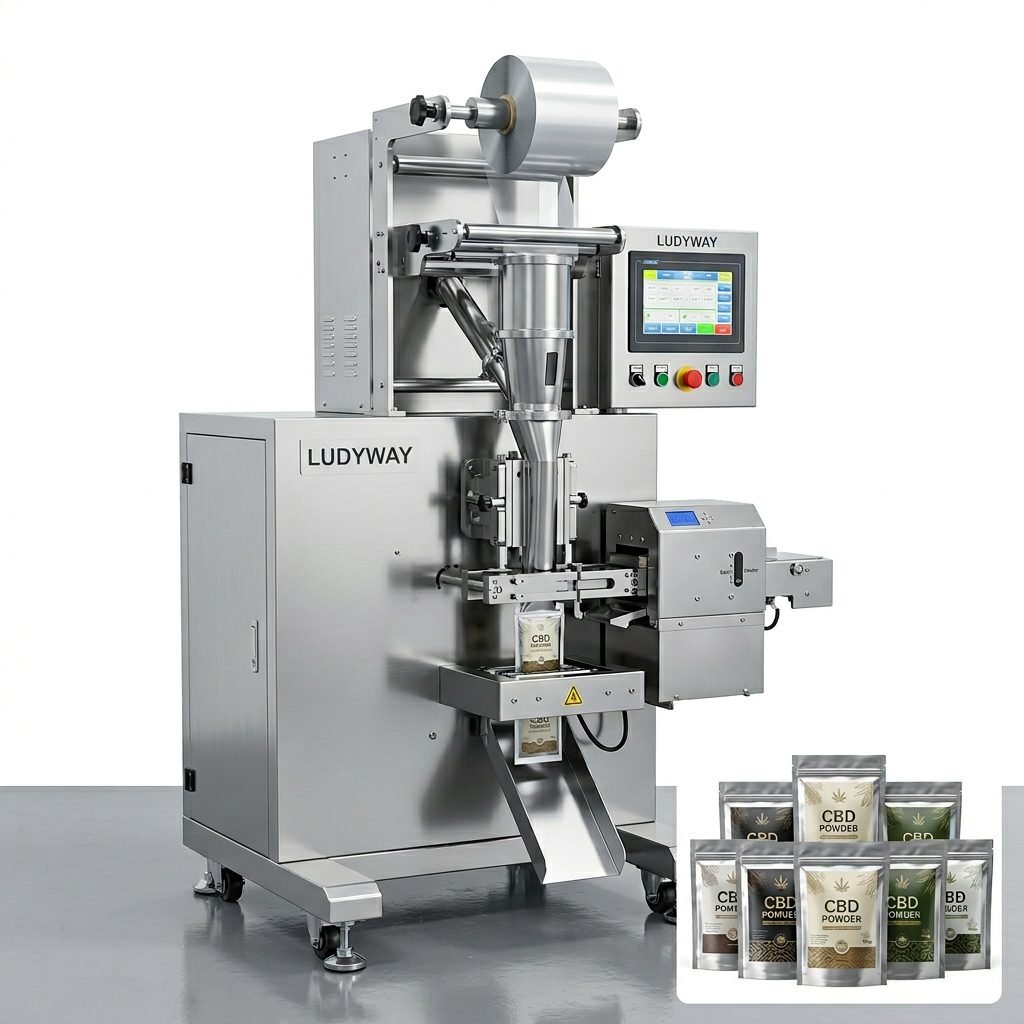
One of the most important specifications to clarify is required output capacity — typically measured in packs per minute (PPM), bags per minute (BPM), or units per hour. This figure must account for both your current production volume and your projected growth over the next three to five years.
When calculating your speed requirements, consider the following variables:
- Current daily or shift-based output: How many units do you need to produce per shift, day, or month?
- Planned growth trajectory: Will your volume increase by 20%, 50%, or more within the equipment’s expected service life?
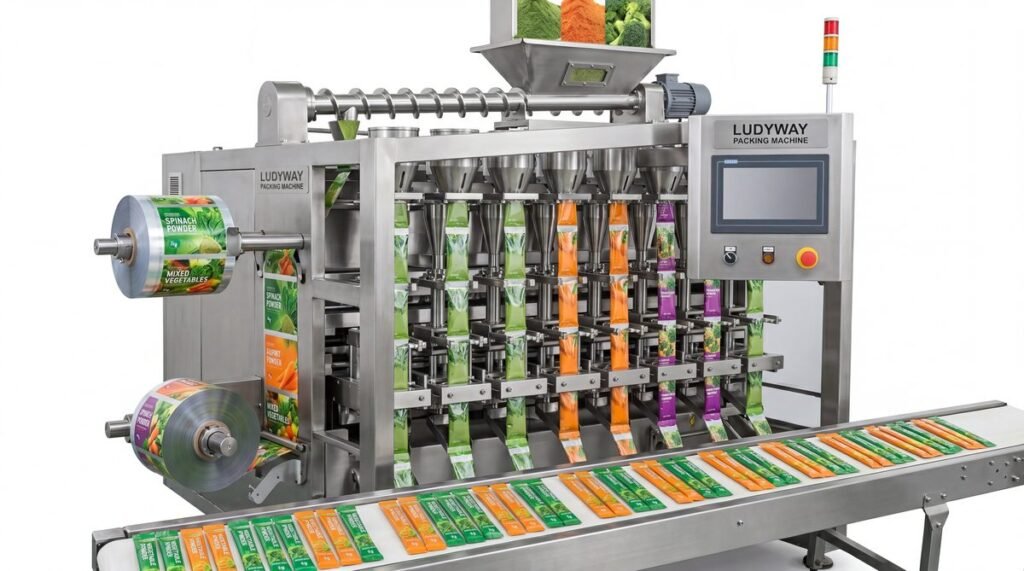
- Multi-lane vs. single-lane configurations: A multi-lane packaging machine can produce 4, 6, 8, or more lanes simultaneously, multiplying throughput without proportionally increasing floor space.
- Changeover frequency: If you run multiple products or package sizes on the same line, rapid changeover capability can significantly impact total productive time.
- Upstream and downstream integration: Your packaging machine must match the speed of feeding systems, fillers, and end-of-line equipment to avoid bottlenecks.
A common mistake is purchasing a machine rated for your exact current needs without accounting for growth. Running equipment at or near its maximum rated speed continuously can lead to increased wear and tear, more frequent maintenance, and reduced machine lifespan. Industry experts at PMMI’s business intelligence resources generally recommend selecting equipment that can comfortably handle at least 120% of your current peak demand to allow for growth and operational flexibility.
4. Evaluate Machine Configuration and Automation Level
The level of automation you choose has a direct impact on labor requirements, operational consistency, and quality control. Modern automatic packing machines can range from semi-automatic systems requiring significant operator involvement to fully automated turnkey packaging lines that integrate multiple processes into a seamless operation.
Core Machine Components to Evaluate
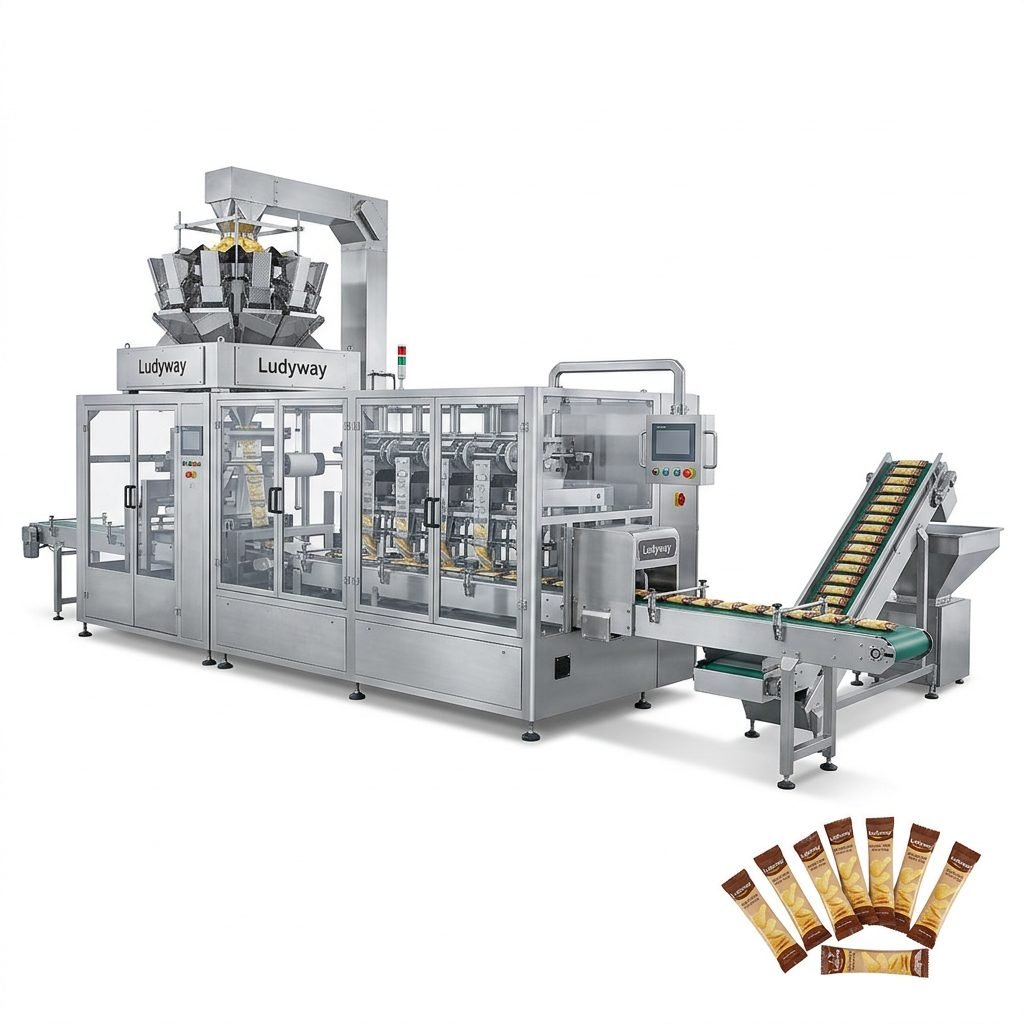
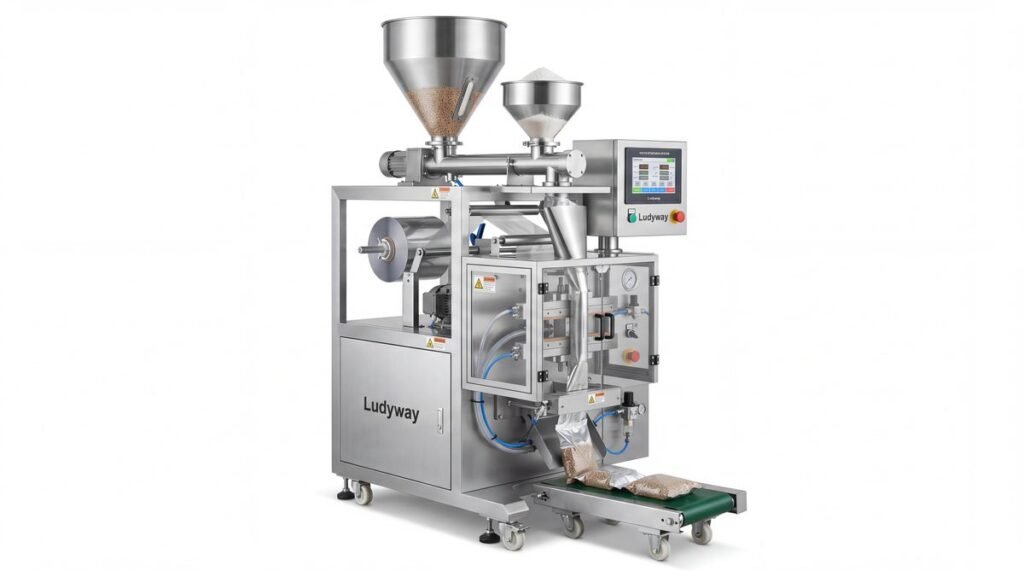
- Feeding and dosing systems: Auger fillers for powders, volumetric cup fillers for granules, piston fillers for liquids, multi-head weighers for high-precision applications, and vibratory feeders for irregular products.
- Film handling and forming: The film unwinding, tension control, forming tube or collar, and sealing jaw design determine packaging quality and material waste rates.
- Sealing technology: Heat sealing, ultrasonic sealing, and impulse sealing each have different advantages depending on packaging material and product requirements.
- Control systems: PLC-based controls with touchscreen HMI interfaces allow for recipe storage, parameter adjustment, and production data monitoring.
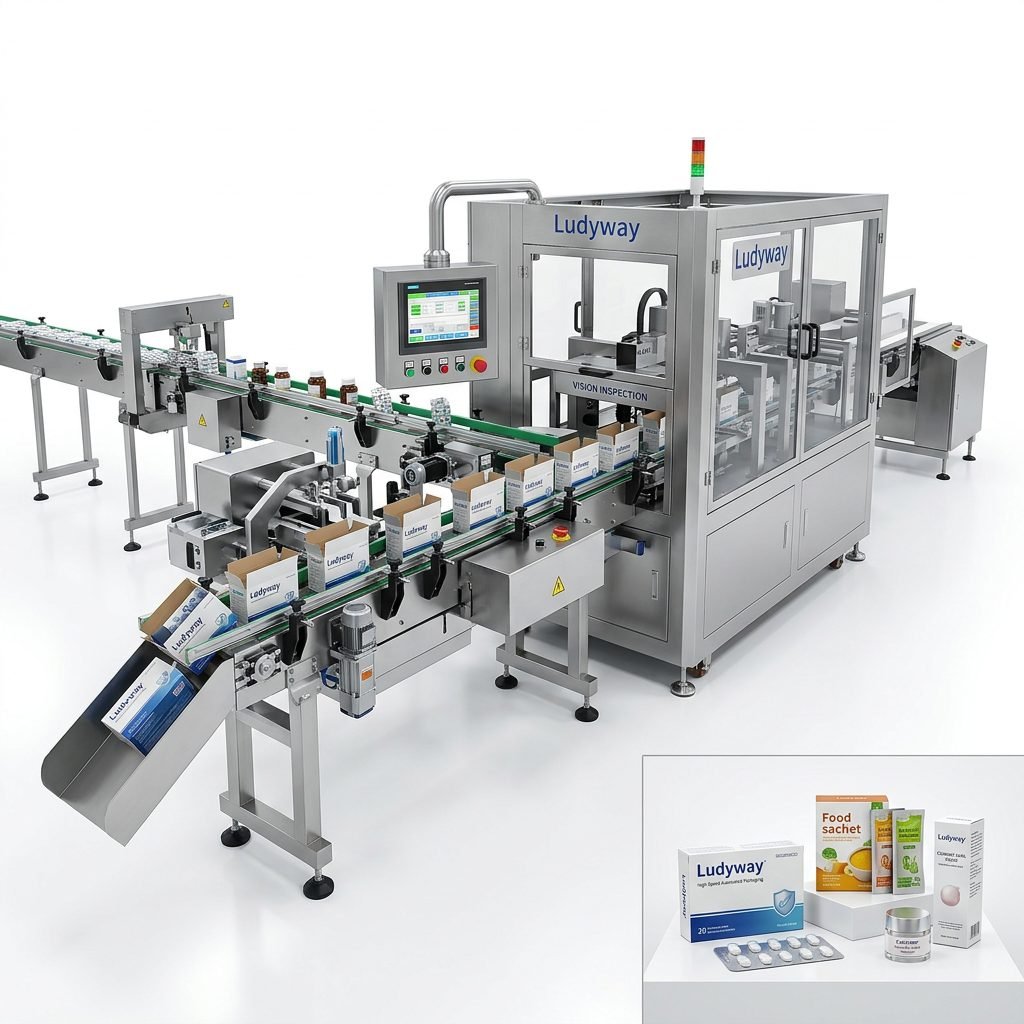
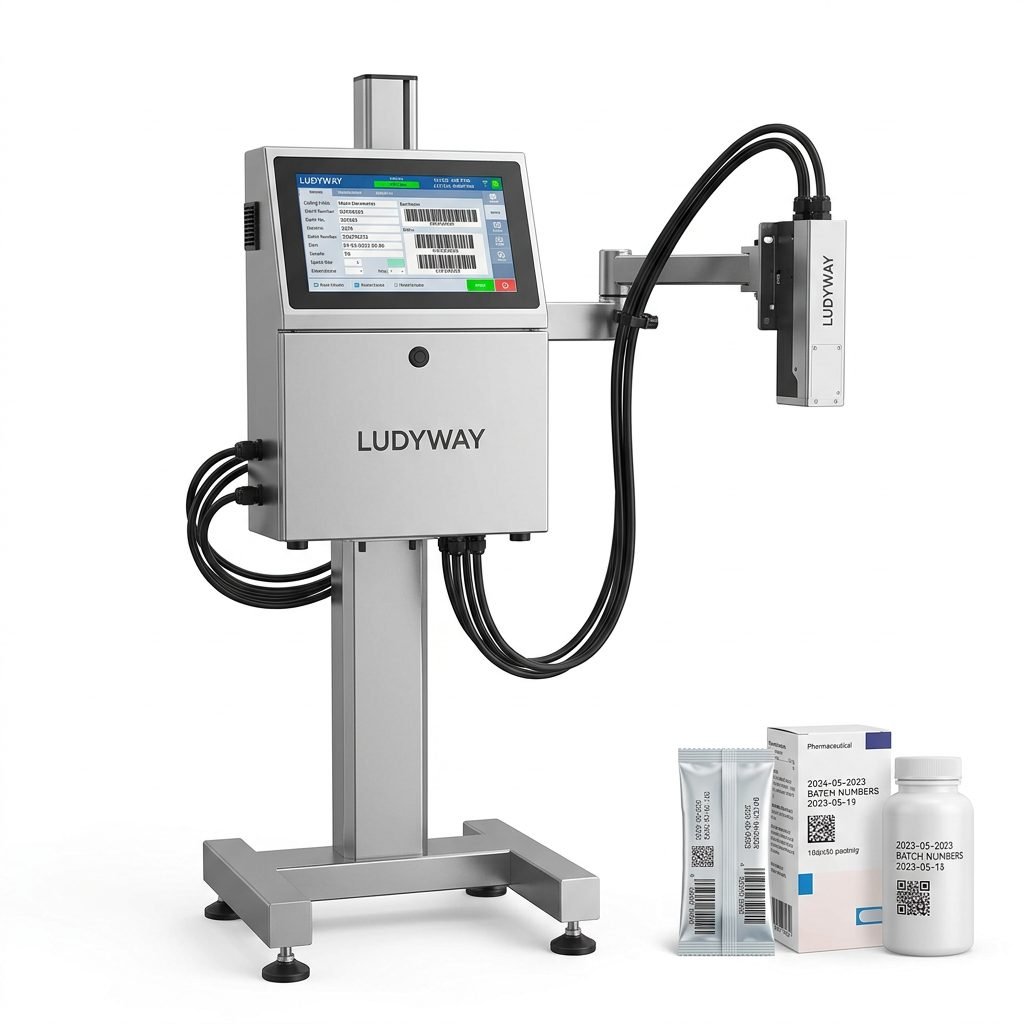
- Inspection and quality systems: Checkweighers, metal detectors, X-ray inspection, vision systems, and reject mechanisms ensure product quality and safety.
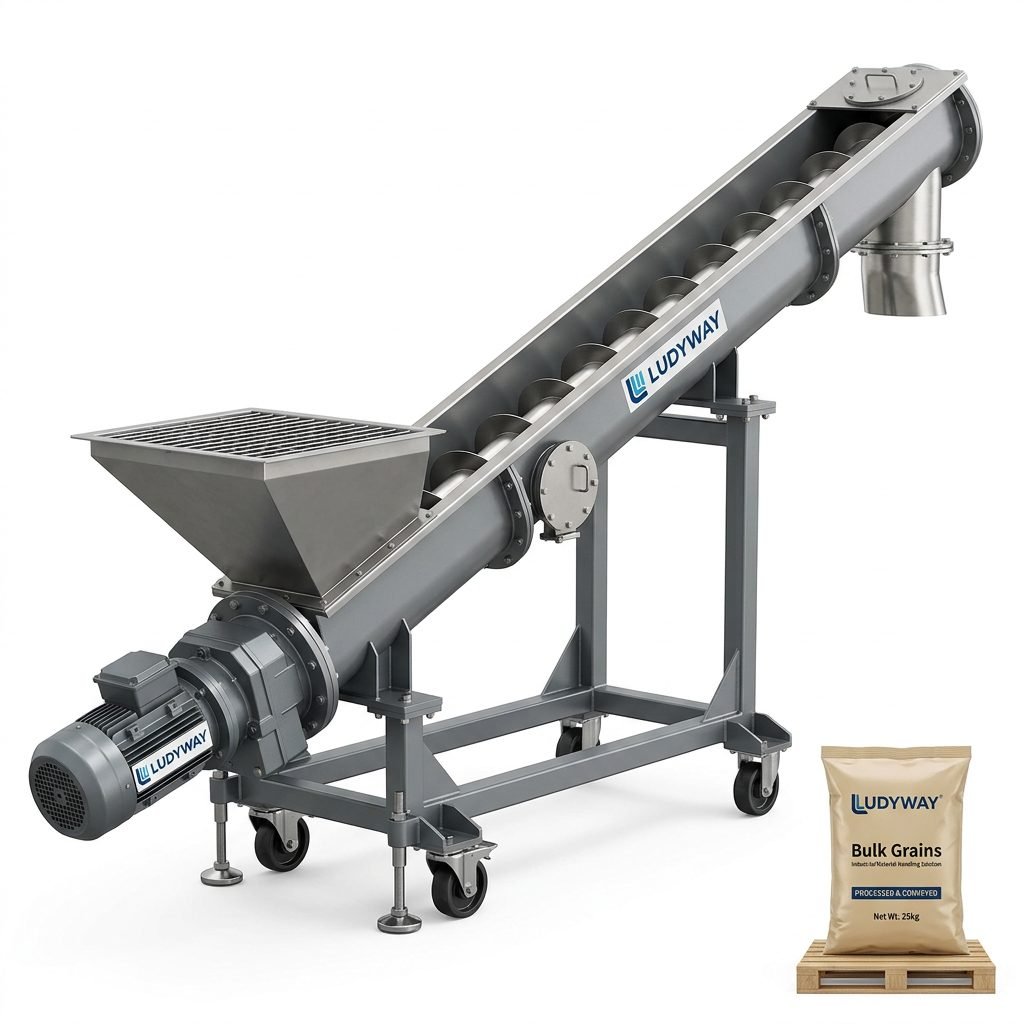
- End-of-line equipment: Cartoning machines, case packers, palletizers, stretch wrappers, and conveyors complete the packaging line.
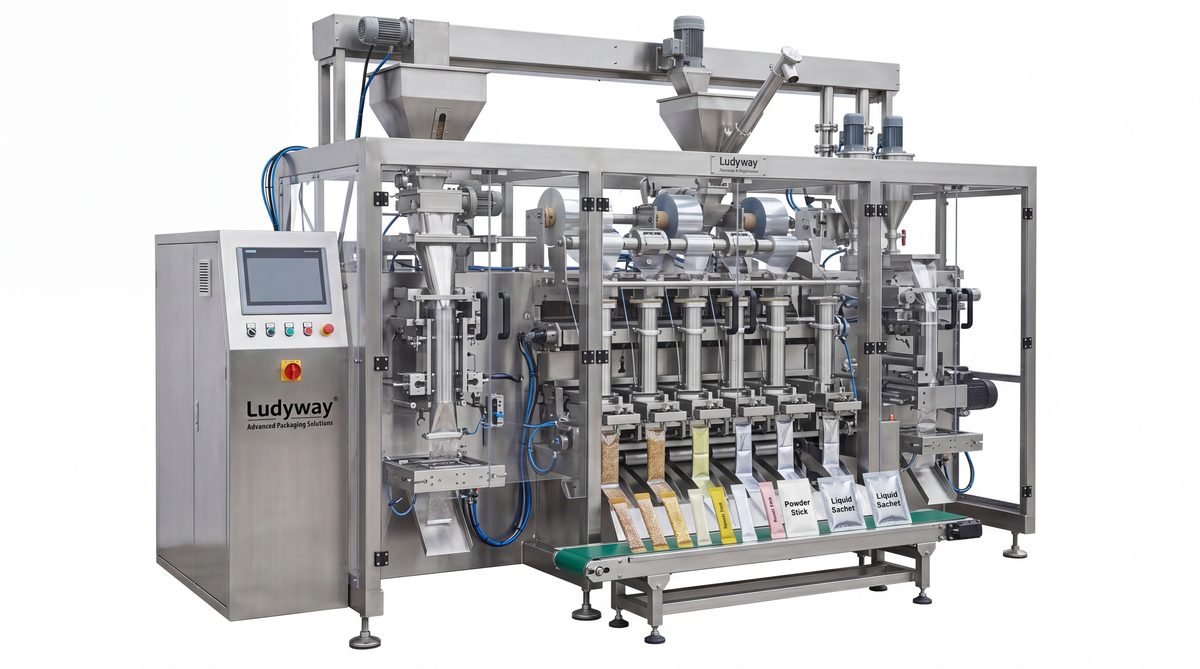
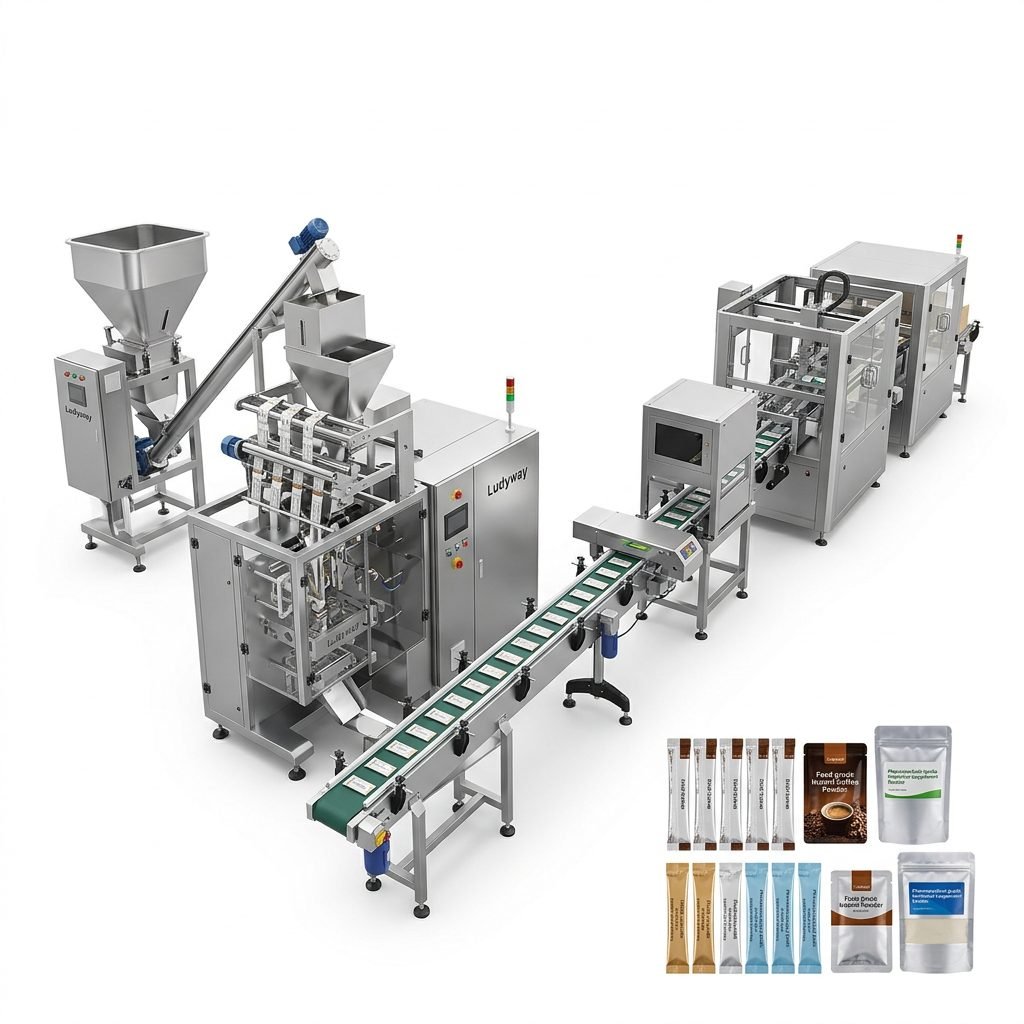
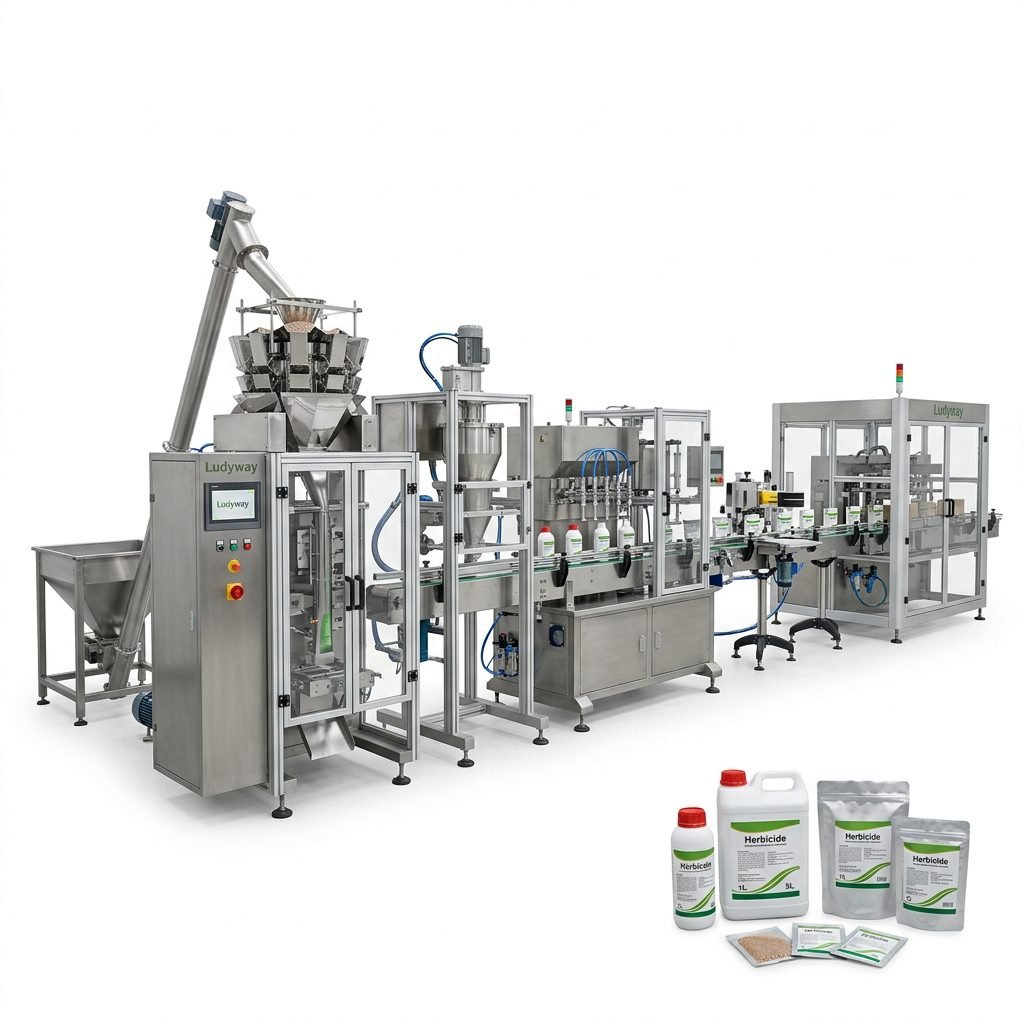
A turnkey packaging solution that integrates feeding, dosing, filling, sealing, coding, inspection, and cartoning into one coordinated system can dramatically simplify operations. Instead of managing multiple suppliers and troubleshooting integration issues, manufacturers work with a single partner responsible for the entire line’s performance. This approach reduces engineering overhead and accelerates time-to-production.
5. Consider Material Compatibility and Packaging Film Requirements
The packaging material you select affects machine configuration, seal quality, shelf life, and regulatory compliance. Not all automatic packing machines can handle all film types, so material compatibility should be verified early in the selection process.
Common flexible packaging materials include:
- Laminated films: Multi-layer structures combining PET, aluminum foil, PE, or BOPP for barrier protection.
- Monolayer films: Single-material films like PE or PP, increasingly preferred for recyclability.
- Paper-based laminates: Often used for dry products like sugar or salt sachets.
- Biodegradable and compostable films: Growing in demand but require specific sealing parameters and may have different machine compatibility.
- Aluminum foil laminates: Excellent barrier properties for oxygen-sensitive and moisture-sensitive products.
Verify with your packaging machinery supplier that the machine can handle your specified film thickness range, seal temperature requirements, and any special features such as easy-tear notches, zipper closures, or laser scoring. The film’s coefficient of friction (COF) also affects feeding and forming performance on vertical form-fill-seal (VFFS) and horizontal form-fill-seal (HFFS) machines.
6. Understand Industry-Specific Standards and Regulatory Compliance
Different industries impose different regulatory requirements on packaging machinery. A machine suitable for packaging industrial chemicals may not meet the stringent hygiene standards required for pharmaceutical or food applications. Before finalizing equipment specifications, identify all applicable standards and certifications.
| Industry | Key Standards & Regulations | Machine Design Implications |
|---|---|---|
| Food & Beverage | FDA 21 CFR, EU 1935/2004, HACCP, GFSI | Stainless steel construction, easy-clean design, washdown capability |
| Pharmaceuticals | cGMP, FDA 21 CFR Part 210/211, EU GMP Annex 1 | Validated processes, cleanroom compatibility, full traceability |
| Medical Devices | ISO 11607, FDA QSR, EU MDR | Sterile barrier system validation, seal integrity testing |
| Cosmetics & Personal Care | ISO 22716, FDA regulations, EU Cosmetics Regulation | GMP-compliant design, contamination prevention |
| Chemicals & Industrial | UN packaging requirements, GHS labeling, local safety codes | Corrosion-resistant materials, hazardous area compliance |
For products requiring food contact compliance, consult the FDA’s food packaging regulations to ensure all machine contact parts and packaging materials meet applicable requirements. Similarly, international markets may require CE marking, UL certification, or compliance with specific ISO packaging standards. Clarify these requirements with your supplier before placing an order to avoid costly retrofits later.
7. Calculate Total Cost of Ownership, Not Just Purchase Price
A common pitfall in packaging machinery purchasing is focusing exclusively on the initial capital expenditure while overlooking long-term operating costs. A cheaper machine can quickly become more expensive over its lifecycle due to higher maintenance requirements, increased downtime, greater material waste, and lower energy efficiency.
The Total Cost of Ownership (TCO) for an automatic packing machine should account for:
- Capital cost: Machine purchase price, shipping, import duties, installation, and commissioning.
- Operating costs: Energy consumption, compressed air usage, consumable parts replacement, film or packaging material waste rates.
- Labor costs: Number of operators required per shift, skill level requirements, training time.
- Maintenance costs: Preventive maintenance schedule, spare parts availability, average repair costs, and expected component lifespan.
- Downtime costs: Lost production during planned maintenance, unplanned breakdowns, and changeovers between products.
- Quality costs: Product giveaway from overfilling, reject rates, and customer returns due to packaging defects.
A well-built machine with higher upfront cost but lower operating expenses often delivers better long-term value. The packaging industry reports consistently show that machine reliability and after-sales support rank among the top purchasing criteria for manufacturers, often outweighing initial price in importance.
8. Assess the Manufacturer’s Experience and Support Infrastructure
The manufacturer behind the machine is just as important as the machine’s technical specifications. A packaging line is a long-term investment, and the relationship with your equipment supplier typically spans years — from initial consultation and customization through to installation, training, maintenance, and eventual upgrades.
Key factors to evaluate when selecting a packaging machinery partner include:
- Industry experience and specialization: Does the manufacturer have proven experience in your specific industry and product category? A company with 30 years of experience across food, pharmaceutical, and chemical sectors brings cross-industry knowledge to each application.
- Manufacturing facility and scale: A manufacturer with a substantial production facility — such as a 20,000-square-meter plant with more than 130 professionals — demonstrates the infrastructure to handle complex projects and deliver on time.
- Customization capability: Can the manufacturer offer custom engineering solutions rather than only standardized machines? Product-specific adaptations often determine whether a packaging line succeeds or fails.
- Global service reach: If you operate in multiple countries or plan to export, a manufacturer serving customers in more than 100 countries provides consistent support across markets.
- Turnkey project capability: A supplier that can deliver integrated packaging systems — from feeding to final palletizing — reduces the complexity of coordinating multiple vendors.
- After-sales support and spare parts: Prompt technical support, remote troubleshooting, readily available spare parts, and operator training programs ensure your production keeps running smoothly.
Ludyway Machinery, a China-based packaging machinery manufacturer with more than 30 years of industry experience, exemplifies this comprehensive approach — combining in-house manufacturing, engineering design, automation expertise, and global service capabilities to provide customized packaging solutions for manufacturers across food, pharmaceutical, cosmetic, chemical, and other industries. This integrated model allows customers to work with a single partner for equipment selection, system integration, and ongoing technical support.
9. Plan for Future Scalability and Flexibility
A packaging machine is rarely a static investment. Market demands shift, product lines expand, and packaging trends evolve. Selecting equipment that can adapt to future requirements protects your investment and avoids premature obsolescence.
Consider these forward-looking factors during your evaluation:
- Modular design: Can additional lanes, filling stations, or inspection modules be added later without replacing the entire machine?
- Multiple format capability: Can the machine handle different bag sizes, styles, and materials with quick changeover procedures?
- Industry 4.0 readiness: Does the control system support data collection, remote monitoring, and integration with manufacturing execution systems (MES) or enterprise resource planning (ERP) platforms?
- Sustainability adaptation: Can the machine run recyclable mono-material films or bio-based packaging materials that may become standard in your market?
- Speed upgrade potential: Is the machine’s frame and drive system capable of supporting faster speeds if production volumes increase?
10. Make Your Final Decision with Confidence
Choosing the right automatic packing machine is a strategic decision that impacts your production efficiency, product quality, and competitive position for years to come. By systematically evaluating each of the factors outlined in this guide — from product characteristics and packaging format to manufacturer experience and total cost of ownership — you can narrow down your options and select equipment that truly matches your operational needs.
Quick Decision Checklist
- Document all product characteristics including flow behavior, density, and sensitivity factors
- Confirm the packaging format and film material compatibility with your target market
- Calculate required output speed with room for growth
- Evaluate automation level and integration requirements for your entire line
- Verify regulatory compliance for your industry and target markets
- Calculate total cost of ownership beyond the initial purchase price
- Research the manufacturer’s experience, facility, and global support infrastructure
- Ensure the equipment can scale and adapt to future business needs
- Request factory acceptance testing (FAT) and reference visits when possible
- Confirm warranty terms, spare parts availability, and after-sales service commitments
Taking the time to follow a structured evaluation process will help you avoid costly mistakes and ensure that your packaging machinery investment delivers reliable, efficient performance for years to come. Remember that the lowest purchase price rarely translates to the best long-term value — prioritize quality engineering, manufacturer support, and equipment that can grow alongside your business.
For more in-depth industry data and packaging trends, the Association for Packaging and Processing Technologies (PMMI) and the Flexible Packaging Association (FPA) offer extensive resources, market research, and technical standards that can inform your equipment selection process.