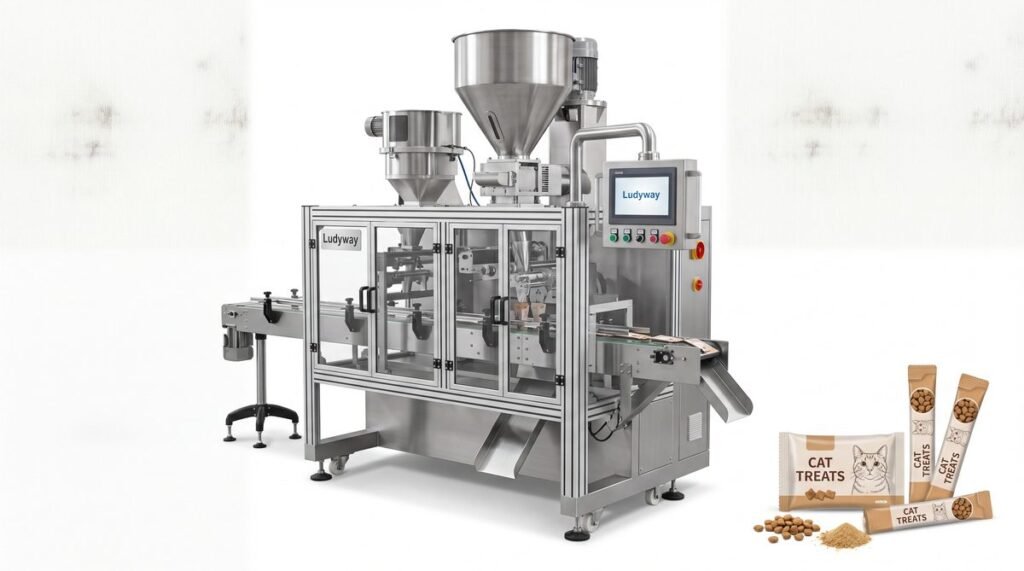
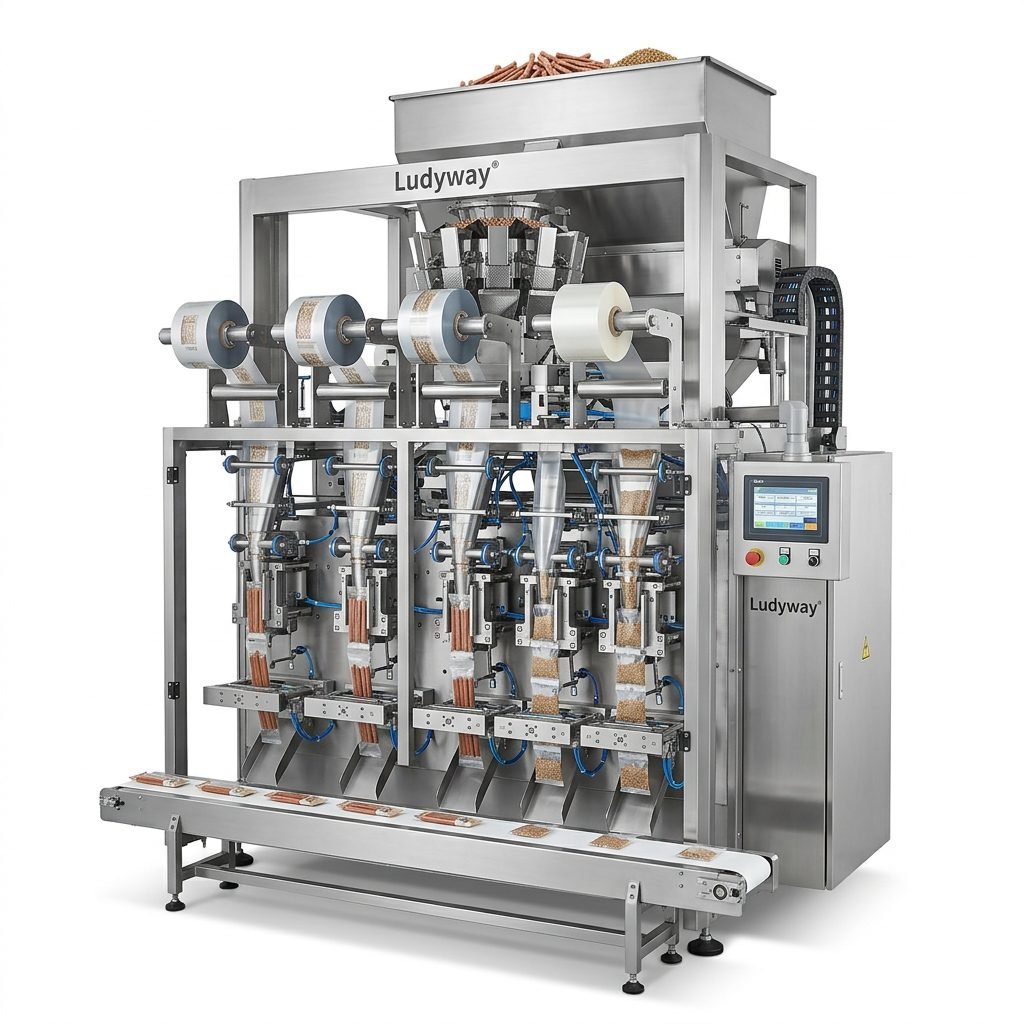
Investing in a water packing machine is a significant decision for any production facility. Whether you’re packaging purified water, mineral water, or flavored water in sachets, stick packs, or pouches, choosing the right equipment can have a direct impact on your output, efficiency, and long-term profitability. The challenge lies in navigating a wide range of machine types, configurations, and suppliers — each with different capabilities and limitations. According to the latest packaging machinery market research, demand for automated liquid packaging solutions continues to grow as manufacturers seek higher speeds and greater operational consistency. This guide walks you through the critical factors you need to evaluate when selecting the right machine for your application.

Understand Your Product Characteristics First
Before comparing machine specifications, you need to clearly define what you are packaging. Water may seem like a straightforward liquid, but several variables can influence your equipment choice:
- Viscosity and temperature: Still water at room temperature behaves differently from chilled or carbonated water during filling. High-speed filling systems must account for foaming, splashing, and precise volume control.
- Product sensitivity: If you are packaging purified or sterile water, the machine must support hygienic filling environments with appropriate material compatibility and clean-in-place (CIP) capabilities.
- Additives and particulates: Flavored or mineral-enhanced water products may require specialized dosing systems to ensure consistent mixing and accurate fill volumes across every sachet or pouch.
Matching your machine to your product’s physical properties helps avoid common issues like inaccurate fills, seal contamination, and excessive downtime. Industry data from the flexible packaging industry shows that product compatibility is one of the top three factors influencing packaging line performance.
Define Your Target Packaging Format
Water packaging machines are designed around specific packaging formats, and your choice here determines the type of equipment you need. Each format has distinct advantages depending on your target market, distribution channel, and end-user requirements.
Sachet Packaging
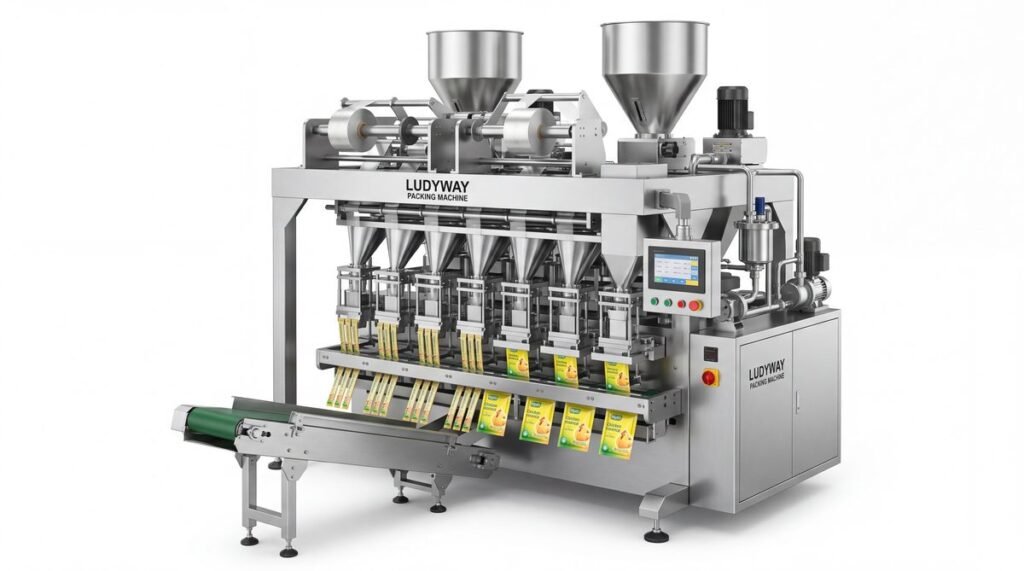
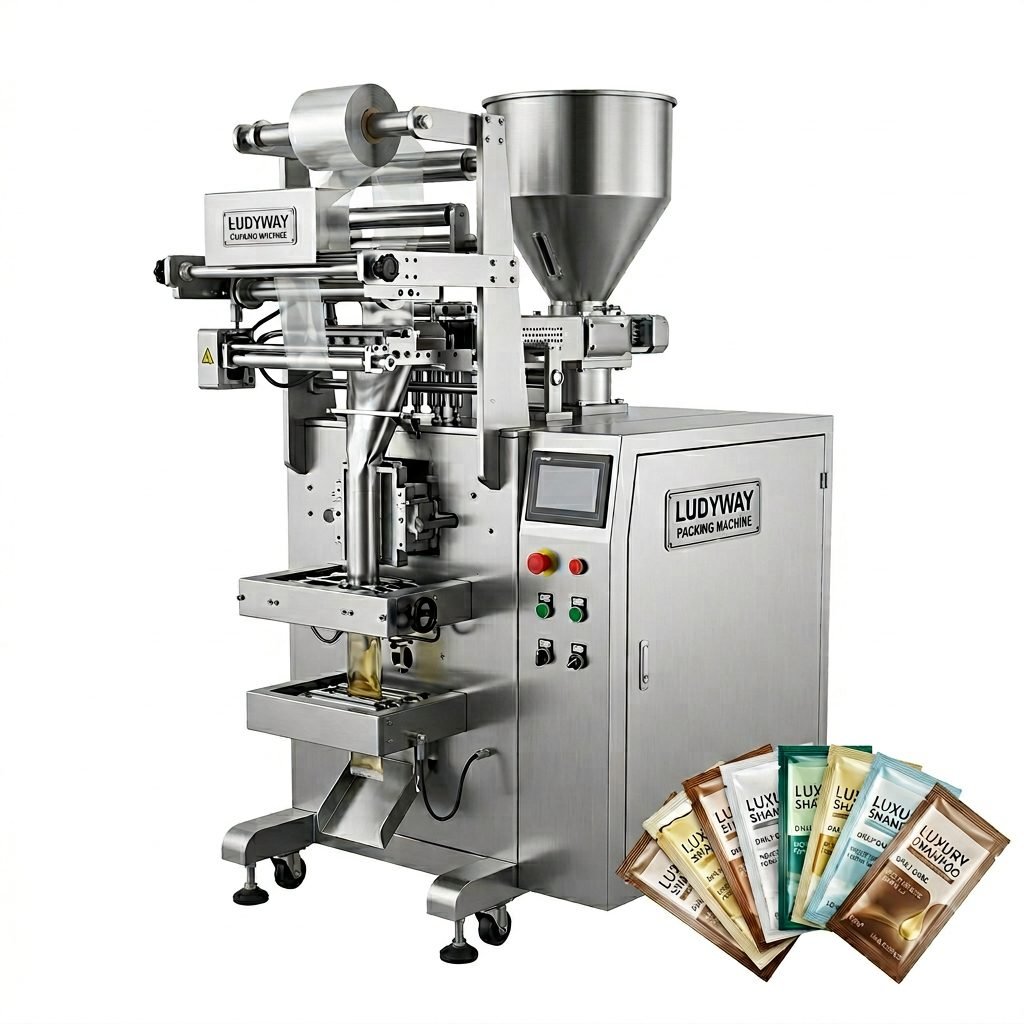
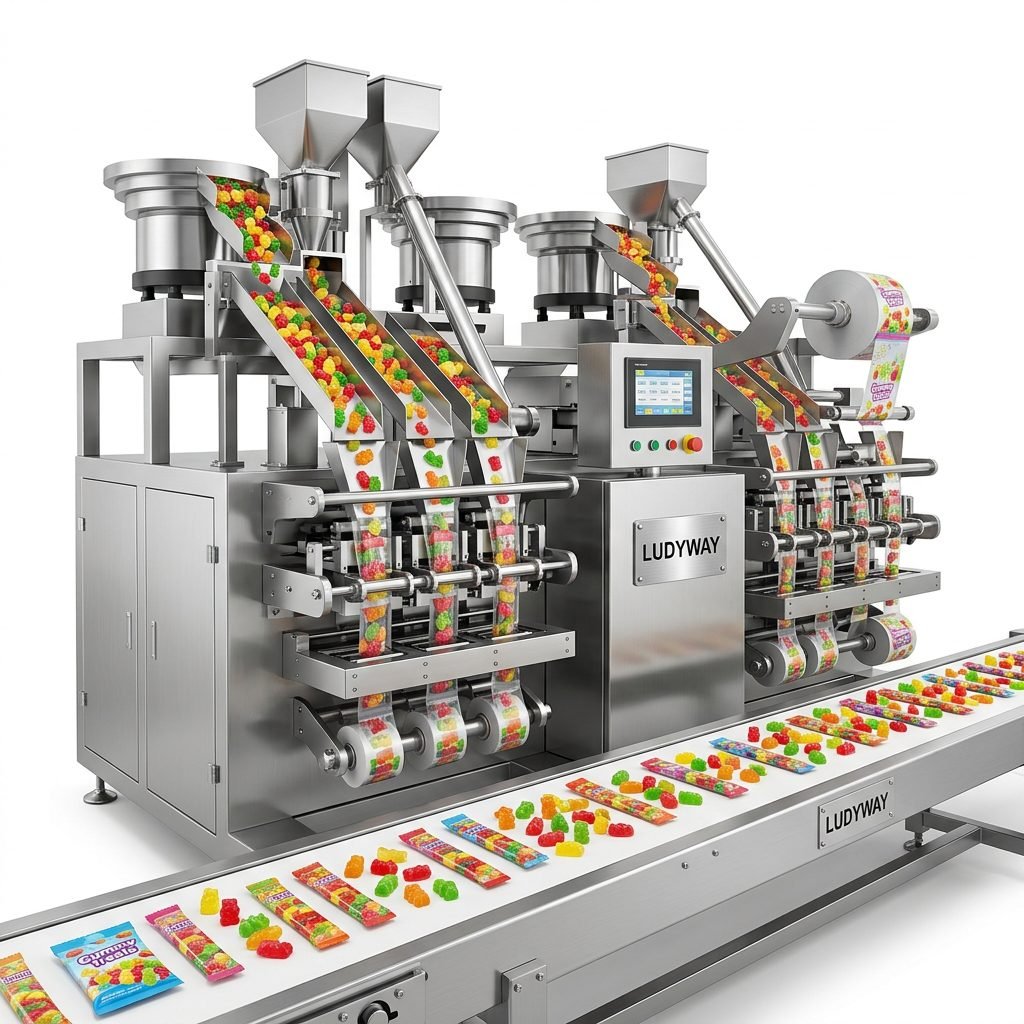
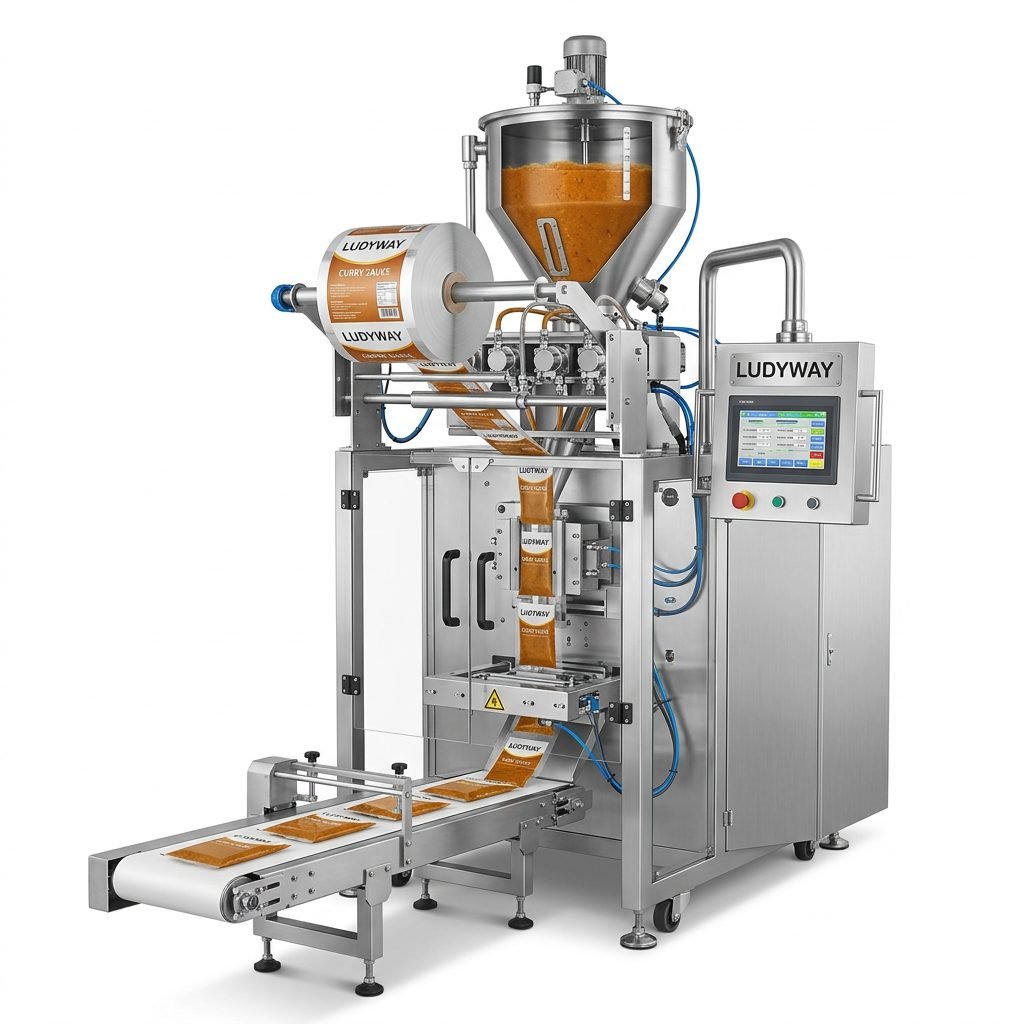
Sachets are a popular choice for single-serve water portions, especially in markets where affordability and portability are key. Sachet packaging machines can produce pillow-style or four-side-seal sachets at varying speeds. Multi-lane sachet machines can significantly increase output by running several lanes simultaneously, making them ideal for high-volume water packaging operations. The compact format also reduces material costs and shipping weight compared to rigid containers.
Stick Pack Packaging
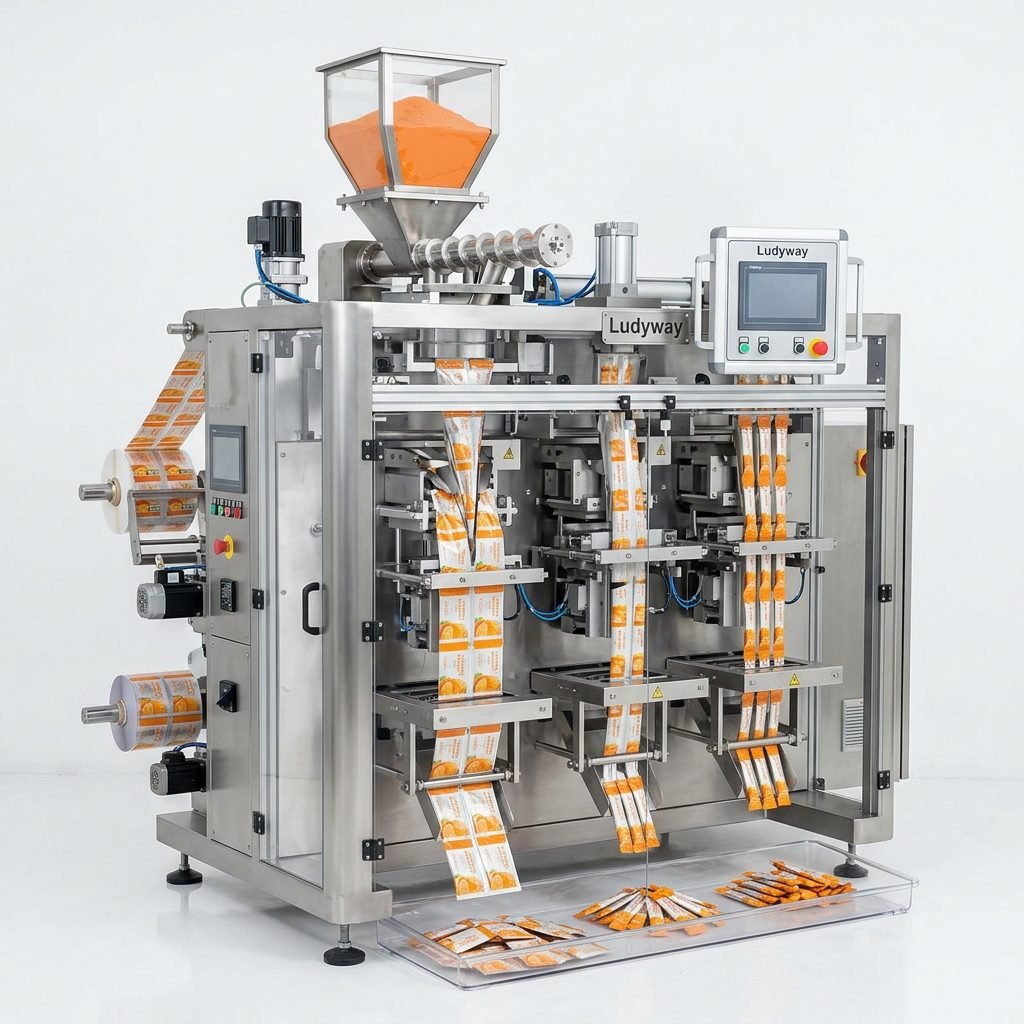
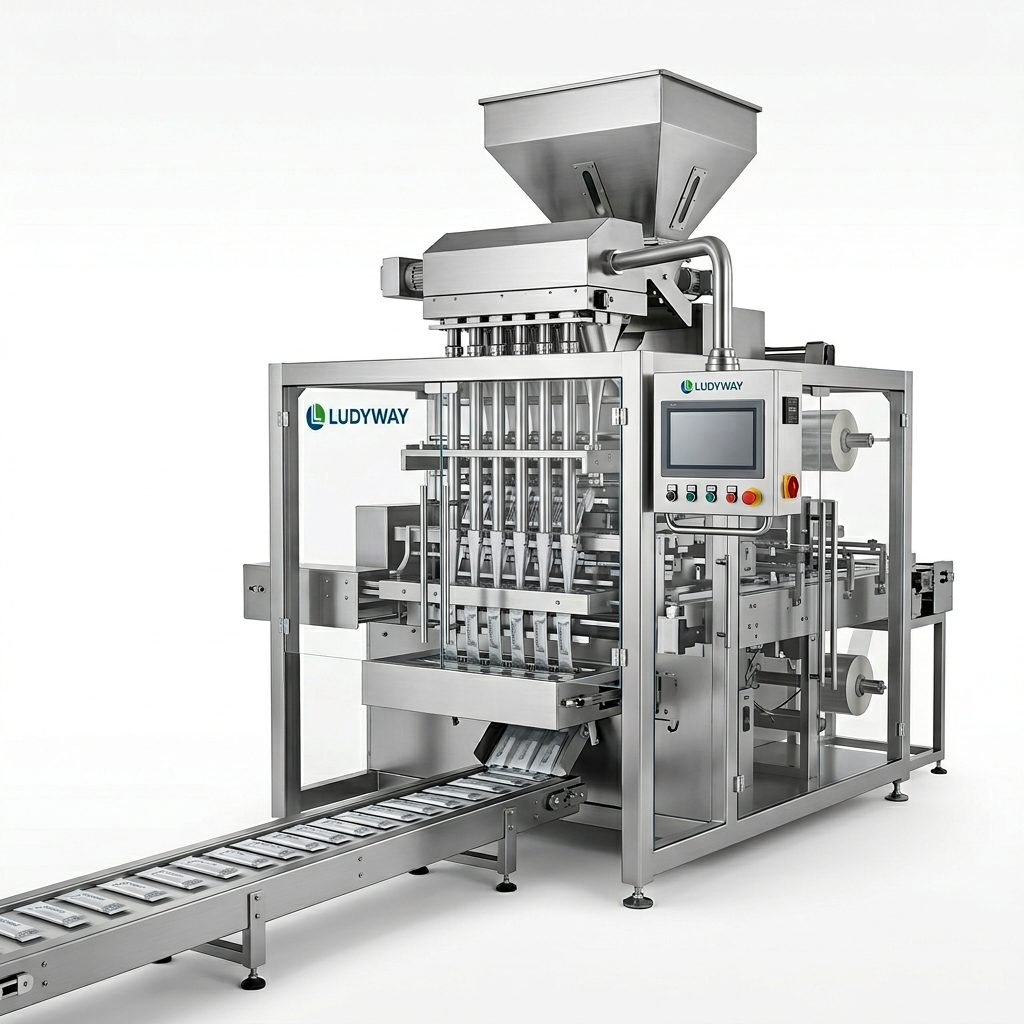
Stick packs offer a slim, elongated format that works well for powdered drink mixes and concentrated liquid water enhancers. These machines are typically configured in multi-lane layouts to maximize throughput. Stick pack packaging provides excellent portion control and a modern, convenient user experience that appeals to on-the-go consumers in developed and emerging markets alike.
Pouch and Bag-in-Box Packaging
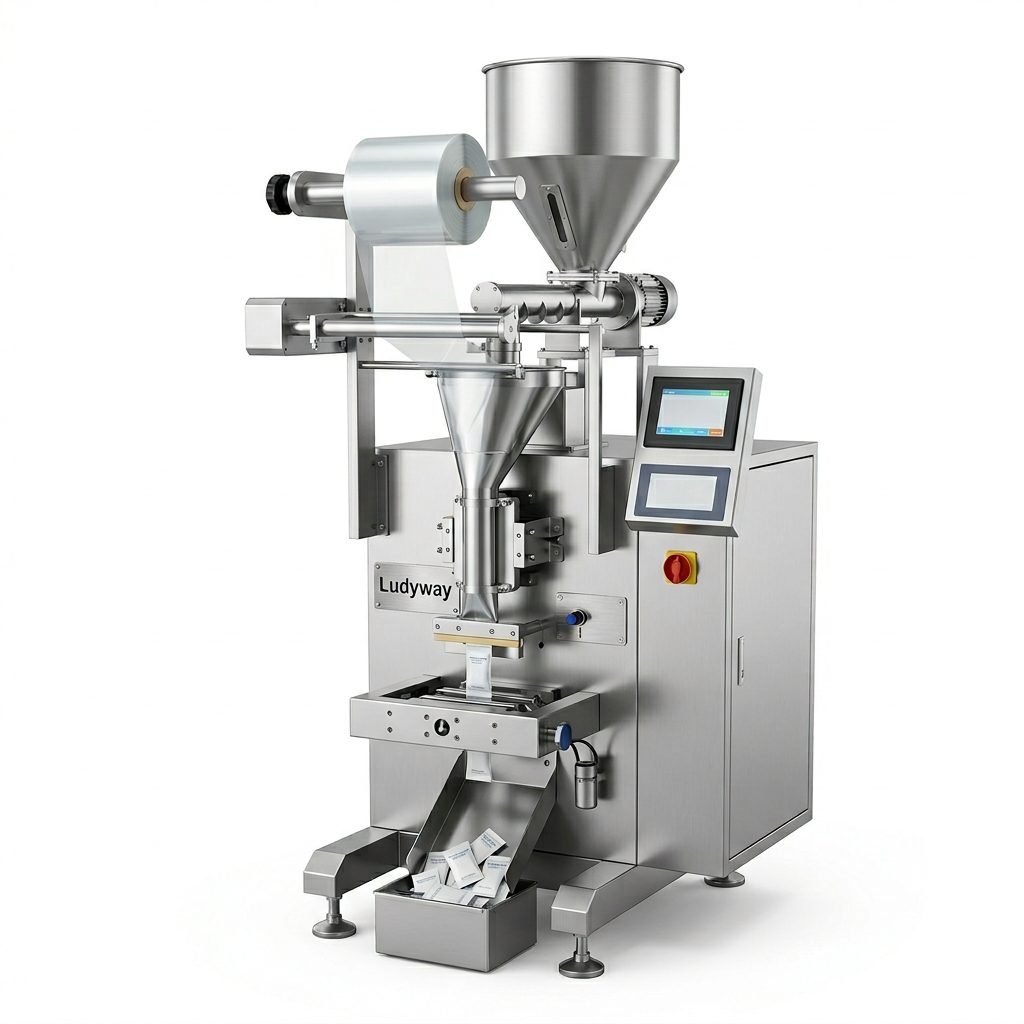
For larger water volumes, pouch packaging machines or bag-in-box systems may be more appropriate. These formats are commonly used for food service, institutional, and bulk retail applications. Vertical form-fill-seal (VFFS) machines configured for liquid filling can handle a wide range of pouch sizes and materials, offering flexibility across different product lines.
Evaluate Production Speed and Capacity Requirements
Your current and projected production volumes should directly inform your machine selection. Packaging machinery is typically rated in packs per minute (ppm), and actual performance depends on factors such as fill volume, packaging material, and sealing time. When assessing speed requirements, consider the following:
- Current daily output: Calculate your existing production needs based on orders, seasonality, and growth forecasts. A machine operating at 80% of its rated speed during a single shift provides more headroom than one running at full capacity across multiple shifts.
- Future growth projections: Investing in a machine that can scale with your business prevents the need for a costly replacement in two to three years. Modular designs that allow for adding lanes or upgrading components offer built-in scalability.
- Changeover frequency: If you package multiple water-based products in different formats or sizes, quick-changeover features become essential to maintaining overall equipment effectiveness (OEE).
The State of the Industry report from PMMI highlights that production speed remains the primary purchasing criterion for liquid packaging equipment across food and beverage sectors.
Determine the Right Level of Automation
Packaging machines for water products range from semi-automatic systems to fully automated, integrated production lines. The right level of automation for your facility depends on labor availability, desired consistency, and capital budget constraints.
| Automation Level | Key Features | Best Suited For |
|---|---|---|
| Semi-Automatic | Manual loading, automatic filling and sealing | Small-scale production, startups, niche products |
| Fully Automatic | Automated feeding, filling, sealing, and discharge | Mid-size manufacturers, growing brands |
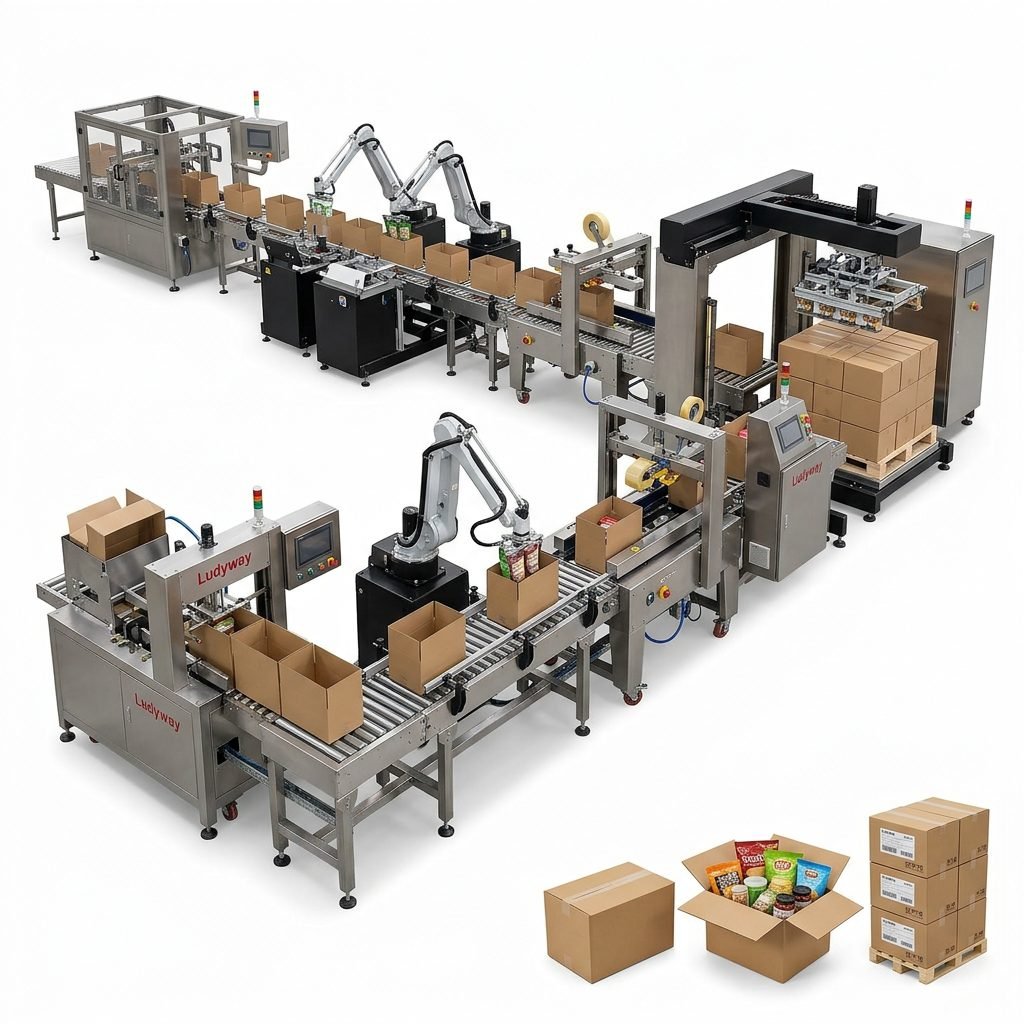
| Turnkey Integrated Line | Complete system with feeding, filling, coding, inspection, cartoning, and palletizing | High-volume operations, multi-shift production |
Fully integrated packaging lines offer the highest efficiency by connecting multiple stages of the packaging process — from automated liquid feeding and dosing all the way through to final case packing. While the upfront investment is higher, the labor savings, reduced material waste, and improved consistency often deliver a faster return on investment for manufacturers operating at scale.
Assess Filling and Sealing Technology
The filling mechanism is one of the most critical components in any water packing machine. Different technologies are suited to different products and packaging formats:
- Volumetric piston fillers: Provide excellent accuracy for water and low-viscosity liquids. These systems use a piston-cylinder arrangement to dispense precise volumes with each cycle, making them highly reliable for sachet and stick pack applications.
- Flow meter filling: Uses electronic flow measurement for high-speed, continuous filling. This technology is particularly well-suited for multi-lane operations where consistent fill accuracy across all lanes is critical to product quality and regulatory compliance.
- Gravity and time-pressure filling: Suitable for free-flowing liquids like water, especially in pouch and larger format applications where filling speed takes priority over ultra-precise portion control.
Sealing integrity is equally important for water packaging. Heat sealing with precise temperature control ensures leak-proof seals without damaging the packaging material. For products requiring extended shelf life, nitrogen flushing or vacuum-sealing capabilities may need to be integrated into the packaging process.
Plan Your Budget and Calculate ROI
The cost of a water packing machine varies significantly based on automation level, speed, and configuration. Rather than focusing solely on the purchase price, consider the total cost of ownership (TCO) over the expected lifespan of the equipment. Key financial factors include:
- Initial capital expenditure: The base machine cost plus any optional features, tooling, and installation fees.
- Operating costs: Energy consumption, packaging material usage rates, labor requirements, and routine maintenance expenses.
- Downtime costs: Lost production during changeovers, unscheduled maintenance, and equipment failures. Higher-quality machines typically offer greater reliability and faster manufacturer support response times.
- Scalability value: A machine that can grow with your production needs avoids the cost of purchasing entirely new equipment within a few years.
A thorough ROI analysis should compare these factors across multiple machine options and suppliers. In many cases, a higher initial investment in a robust, well-engineered machine yields significantly lower long-term costs through improved efficiency and reduced maintenance requirements.
Evaluate Supplier Experience and Technical Capabilities
The supplier you choose is just as important as the machine itself. A reliable packaging machinery partner should offer more than just equipment — they should provide engineering expertise, application knowledge, and responsive after-sales support. When evaluating potential suppliers, look for the following indicators of quality and reliability:
- Industry experience: Suppliers with decades of experience in liquid packaging understand the unique challenges of water filling, including hygiene requirements, material compatibility, and high-speed operation. This depth of knowledge translates into better machine designs and faster problem resolution.
- Manufacturing and engineering capabilities: Companies that design and build their own machines — rather than simply reselling equipment — can offer greater customization, tighter quality control, and more responsive technical support throughout the machine’s lifespan.
- Global service network: For manufacturers operating in international markets, a supplier with service capabilities across multiple regions helps ensure that technical support, spare parts, and operator training are available when and where they are needed.
- Compliance and certifications: Depending on your market, your packaging equipment may need to meet specific regulatory standards. A knowledgeable supplier can provide relevant packaging machinery standards documentation and configure equipment to meet applicable requirements.
Companies like Ludyway Machinery, with over 30 years of packaging industry experience, a 20,000-square-meter manufacturing facility, and a team of more than 130 professionals, exemplify the type of established partner that can support manufacturers through equipment selection, customization, installation, and long-term technical service across more than 100 countries and regions.
Prioritize After-Sales Support and Spare Parts Availability
Even the best-designed packaging machines require ongoing maintenance, occasional troubleshooting, and eventual replacement of wear parts. A supplier’s after-sales support infrastructure can be the difference between a minor production interruption and extended downtime that impacts your delivery commitments.
Before finalizing your purchase, confirm the following with any potential supplier:
- Spare parts inventory and delivery timelines: Ask about critical spare parts availability, typical shipping times to your location, and whether the supplier maintains regional parts stock for faster fulfillment. A well-organized spare parts program minimizes downtime when components need replacement.
- Technical support channels: Clarify whether remote support, on-site service visits, or both are available. Remote diagnostic capabilities can resolve many issues without waiting for a technician to travel to your facility, reducing response times and service costs.
- Operator training programs: Comprehensive training for your production and maintenance teams ensures that your staff can operate the machine efficiently, perform routine maintenance correctly, and identify potential issues before they cause unplanned stoppages.
- Warranty terms and extended service agreements: Review warranty coverage in detail, and consider whether an extended service agreement aligns with your production risk profile and budget planning.
Compare Machine Specifications: A Quick Reference
The table below summarizes the key specification areas you should evaluate when comparing water packing machines from different suppliers. Use this as a checklist during your equipment assessment process.
| Specification Area | What to Evaluate | Why It Matters |
|---|---|---|
| Filling System | Type, accuracy, volume range, number of lanes | Directly affects product consistency, waste, and throughput |
| Sealing Technology | Temperature control, seal integrity, material compatibility | Prevents leaks, ensures shelf life, maintains product safety |
| Production Speed | Rated ppm, actual throughput, lane configuration | Determines whether you can meet current and future demand |
| Changeover Time | Tool-less adjustments, recipe memory, format flexibility | Impacts OEE when running multiple products or sizes |
| Material Handling | Film unwind, tension control, splicing options | Reduces material waste and downtime during roll changes |
| Control System | PLC brand, HMI interface, data logging, remote access | Affects ease of use, diagnostics, and integration capabilities |
| Hygiene Design | Stainless steel construction, CIP compatibility, washdown rating | Essential for food-grade water products and regulatory compliance |
Making the Final Decision
Choosing a water packing machine is ultimately about finding the right balance between your product requirements, production goals, and budget constraints. A systematic evaluation process — one that considers product characteristics, packaging format, automation level, supplier capabilities, and long-term support — will guide you toward a decision that serves your business well for years to come.
Key takeaway: The lowest-priced machine rarely offers the best value over its operational lifetime. Instead, focus on total cost of ownership, supplier reliability, and the machine’s ability to scale with your production needs. A well-chosen packaging machine becomes a strategic asset that improves efficiency, product quality, and competitive positioning in the market. Take the time to visit supplier facilities when possible, request sample runs with your actual product and packaging materials, and speak with existing customers about their long-term experience — these steps help ensure that your investment delivers the performance and reliability your operation depends on.