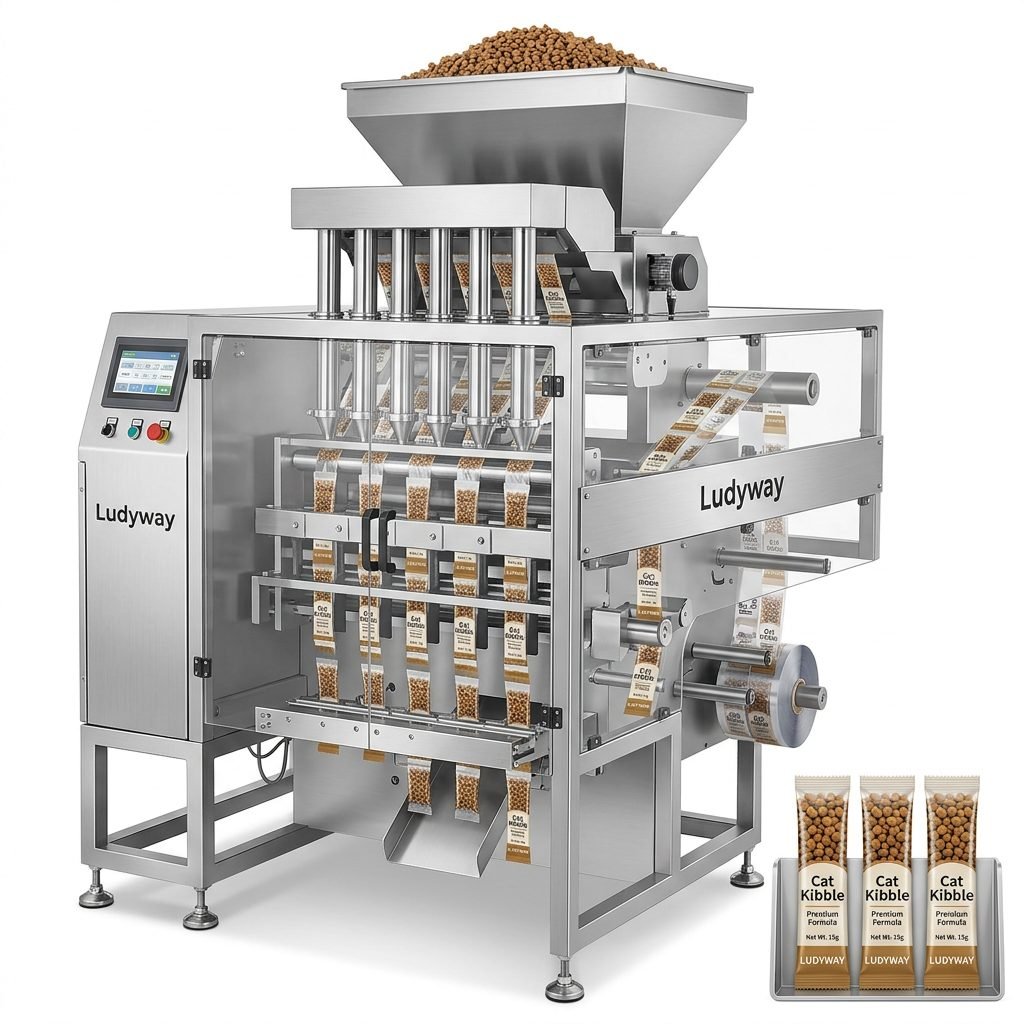
Investing in a bottle packing machine is a strategic decision that directly impacts your production efficiency, product quality, and long-term operational costs. Whether you are filling liquids, powders, granules, or viscous products, selecting the right equipment requires a thorough understanding of your current needs and future growth plans. A mismatched machine can lead to downtime, inconsistent fills, and costly rework. This guide walks you through the essential factors to consider, helping you make an informed purchasing decision.
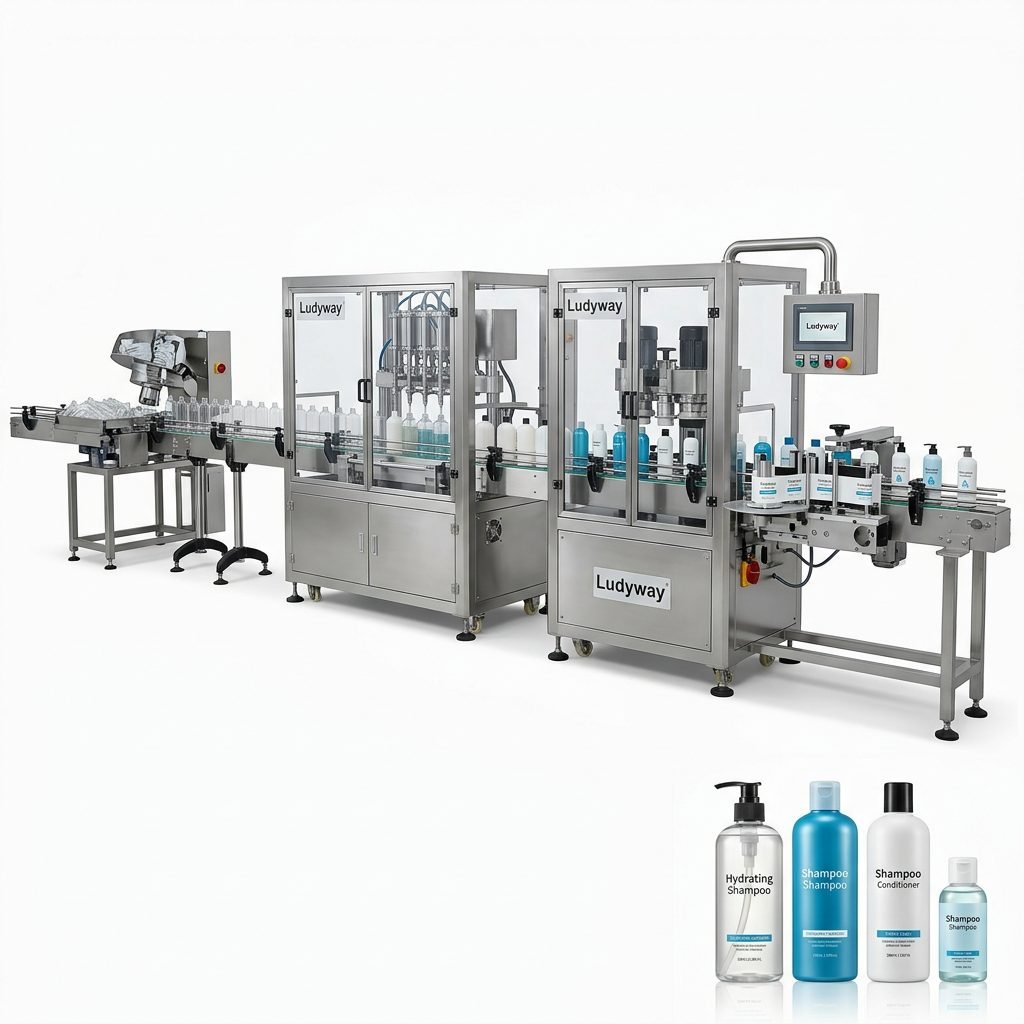
1. Define Your Production Requirements
Before evaluating specific bottle packing machine models, clearly define your production goals. Understanding the scope of your operation will narrow down the options and prevent overspending on unnecessary features.
Key Questions to Answer:
- Production Speed: How many bottles per minute (BPM) do you need to fill? Entry-level machines may handle 20-40 BPM, while high-speed inline systems can exceed 300 BPM.
- Bottle Size Range: What are the smallest and largest bottle dimensions and volumes you plan to run? Changeover flexibility is critical if you package multiple SKUs.
- Product Viscosity: Is your product a free-flowing liquid, a thick paste, or a foamy gel? Viscosity determines the type of filling system required.
- Shift Structure: Will the machine run 8 hours a day or 24/7? Continuous operation demands heavy-duty construction and durable components.
According to industry data from PMMI’s business intelligence resources, production speed and flexibility remain top priorities for manufacturers evaluating packaging machinery investments.
2. Understand Bottle Types, Shapes, and Materials
The physical characteristics of your bottles significantly influence machine configuration. A bottle packing machine designed for rigid HDPE containers may struggle with flexible or irregularly shaped packaging.
- Rigid Bottles: Glass, HDPE, PET, and aluminum bottles require stable handling and precise capping torque control.
- Flexible Containers: Squeeze bottles or thin-wall plastics may need specialized gripping mechanisms to prevent deformation during filling.
- Closures and Caps: Screw caps, snap-on lids, pumps, sprayers, and dropper assemblies each demand specific capping heads and torque settings.
- Orientation Features: Bottles with off-center necks, handles, or asymmetrical shapes may require orientation systems for consistent filling and labeling.
Important: Always provide samples to your equipment supplier for testing. What works in theory must be validated under real production conditions.
3. Select the Right Filling Technology
The filling mechanism is the heart of any bottle packing machine. Choosing the wrong technology can result in inaccurate fills, product waste, and quality issues. Below is a comparison of common filling systems.
| Filling Type | Best For | Viscosity Range | Key Advantage |
|---|---|---|---|
| Gravity Filling | Water-thin liquids | Low | Simple, cost-effective, minimal maintenance |
| Piston Filling | Thick pastes, creams, gels | Medium to High | High accuracy for viscous products |
| Pump Filling | Light to medium viscosity | Low to Medium | Versatile, easy clean-up |
| Overflow Filling | Foamy liquids, cosmetics | Low | Uniform fill height regardless of bottle volume |
| Net Weight Filling | High-value products | Any | Maximum accuracy by weight, ideal for expensive formulations |
For facilities handling multiple product types, a modular filling platform that allows quick changeover between different filling technologies can significantly improve operational flexibility.
4. Evaluate Capping, Labeling, and Coding Systems
A complete bottle packing machine line includes more than just filling. Secondary functions directly affect product integrity, shelf appeal, and regulatory compliance. Consider these integrated capabilities.
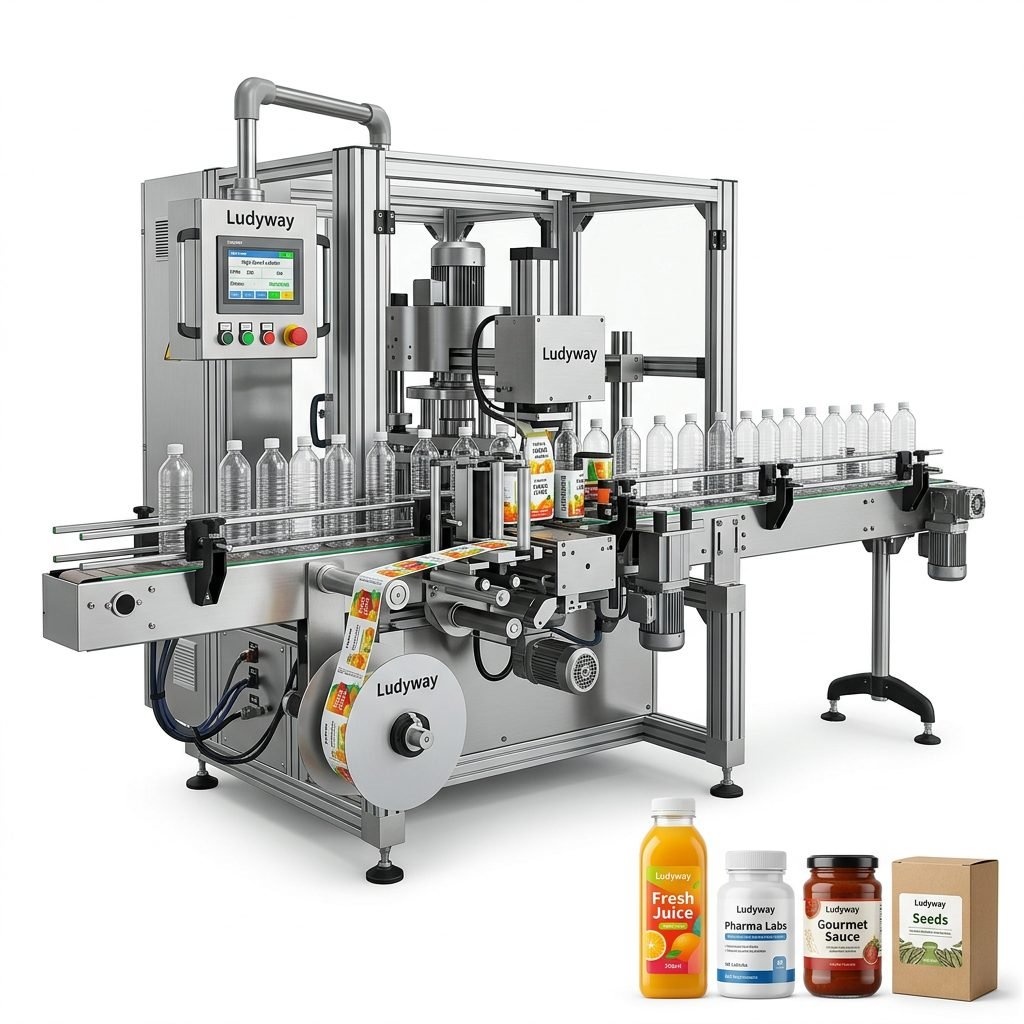
Capping Systems
- Spindle Cappers: Ideal for continuous rotary motion, handling screw caps at high speeds.
- Chuck Cappers: Provide precise torque control, suitable for child-resistant or tamper-evident closures.
- Snap Cappers: Designed for press-on lids, pumps, and specialty closures.
Labeling and Coding
- Pressure-Sensitive Labelers: Apply self-adhesive labels on bottles of various shapes with high precision.
- Sleeve Labelers: Shrink or stretch sleeves over containers for 360-degree branding coverage.
- Inkjet and Laser Coders: Print batch numbers, expiry dates, and barcodes directly on bottles or labels.
Regulatory requirements for food and pharmaceutical packaging are detailed by the FDA’s food packaging guidelines, which emphasize traceability and consumer safety through proper coding and labeling.
5. Choose Between Monoblock, Inline, and Rotary Configurations
The physical layout of your bottle packing machine affects floor space requirements, operator accessibility, and future scalability. The three primary configurations each offer distinct advantages.
- Monoblock Systems: Compact units combining filling, capping, and sometimes labeling in one integrated frame. Best for small-to-medium production with limited floor space.
- Inline Systems: Straight-line layout with modular stations that can be added or rearranged. Offers flexibility for multi-SKU production environments.
- Rotary Systems: High-speed turntable design where bottles move through stations in a circular path. Capable of the highest output rates for dedicated production lines.
Monoblock filling machines are particularly popular among contract packagers and startups because they provide a cost-effective entry point without sacrificing integration quality.
6. Assess Material Compatibility and Cleanability
Product contact parts must be compatible with your formulation to prevent corrosion, contamination, or flavor transfer. Stainless steel 316L is the industry standard for food, pharmaceutical, and cosmetic applications due to its corrosion resistance and ease of cleaning.
For manufacturers producing multiple product lines with frequent changeovers, Clean-in-Place (CIP) and Quick-Change features dramatically reduce downtime. Tool-free disassembly, sanitary tri-clamp fittings, and sloped surfaces that prevent liquid pooling are essential design elements to evaluate.
7. Consider Automation Levels and Integration Capabilities
Modern bottle packing machines range from semi-automatic bench-top fillers to fully automated production lines with robotic handling. The right automation level depends on your labor costs, production volume, and quality consistency requirements.
Automation Features to Evaluate:
- Automatic Bottle Unscramblers: Feed empty bottles from bulk hoppers into the line without manual placement.
- Checkweighers: Verify fill weights in real-time, rejecting non-conforming bottles automatically.
- Vision Inspection Systems: Detect cap presence, label alignment, fill level, and print quality errors.
- Conveyor and Material Handling: Ensure smooth transfer between filling, capping, labeling, and secondary packaging stations.
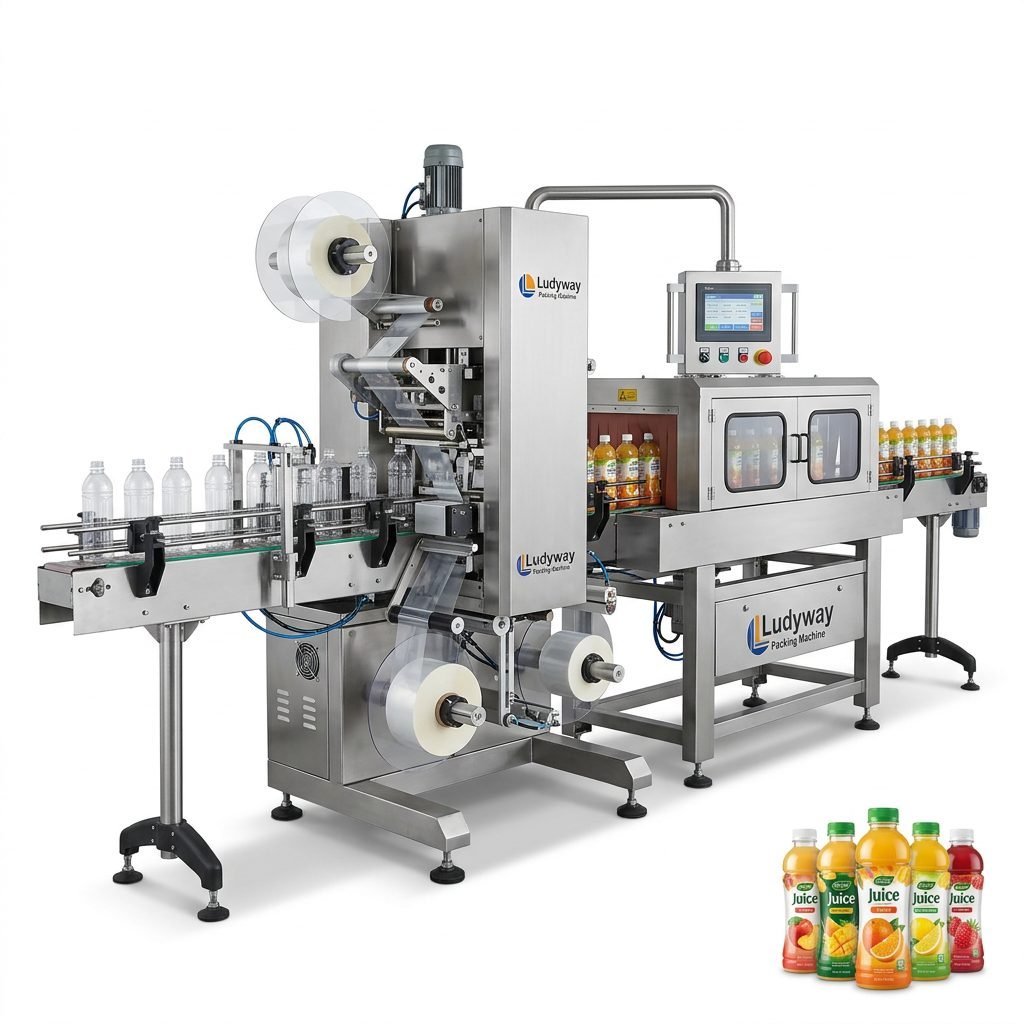
Integration with upstream and downstream equipment is critical for achieving a seamless production flow. Ensure the machine supports standard communication protocols for data exchange with your plant’s manufacturing execution system.
8. Verify Compliance with Industry Standards
Depending on your industry and target markets, your bottle packing machine may need to comply with specific regulations and standards. Non-compliant equipment can bar your products from key markets.
- Food and Beverage: FDA 21 CFR, EU 1935/2004, and 3-A Sanitary Standards for food contact materials and hygienic design.
- Pharmaceuticals: GMP, 21 CFR Part 210/211, and ISO 11607 for medical device packaging where applicable.
- Cosmetics: ISO 22716 GMP guidelines for cosmetic product manufacturing.
- Electrical Safety: CE marking for European markets, UL certification for North America.
Request documentation early in the evaluation process. Reputable manufacturers will provide compliance certificates and validation documentation for their equipment.
9. Calculate Total Cost of Ownership
The purchase price of a bottle packing machine is only one component of its total cost. A comprehensive TCO analysis helps avoid unexpected expenses and identifies the most economical option over the machine’s service life.
| Cost Category | Considerations |
|---|---|
| Initial Investment | Machine price, tooling, installation, freight, and import duties where applicable |
| Operational Costs | Energy consumption, compressed air usage, consumables like lubricants and filters |
| Changeover Time | Labor cost during format changes, lost production time, tooling storage and management |
| Maintenance and Spare Parts | Preventive maintenance schedules, spare parts availability, technician training costs |
| Downtime Risk | Mean time between failures (MTBF), local service availability, remote support capabilities |
A machine with a higher initial price but lower operational and maintenance costs often delivers better long-term value than a cheaper alternative with hidden expenses.
10. Evaluate the Supplier’s Experience and Support Infrastructure
Your relationship with the equipment manufacturer extends far beyond the initial purchase. A reliable supplier acts as a long-term partner, providing technical expertise and responsive support throughout the machine’s lifecycle.

Supplier Evaluation Checklist:
- Industry Experience: How long has the manufacturer been building bottle packing machines? Do they have references in your specific industry segment?
- Manufacturing Capability: Do they have in-house engineering, machining, and assembly capabilities, or do they outsource critical components?
- Customization Expertise: Can they adapt machines to your unique product characteristics and production requirements?
- After-Sales Support: What are the response times for technical inquiries? Do they offer remote diagnostics, on-site service, and operator training?
- Spare Parts Availability: Are critical spare parts stocked locally or shipped internationally? What are typical lead times?
For example, Ludyway Machinery is a China-based packaging machinery manufacturer with more than 30 years of experience, providing customized bottle packing and turnkey packaging solutions to customers in over 100 countries. Working with an experienced supplier that understands international market requirements can reduce the risk of compliance issues and operational disruptions.

11. Plan for Future Growth and Scalability
Selecting a bottle packing machine that meets today’s requirements but cannot accommodate tomorrow’s growth is a common and costly mistake. Consider these scalability factors during your evaluation.
- Modular Architecture: Can additional filling heads, capping stations, or labeling modules be added later?
- Speed Upgrades: Does the machine platform support higher output rates through hardware or software upgrades?
- New Product Capabilities: If you plan to launch products with different viscosities or bottle formats, can the machine be reconfigured?
- Integration Pathways: Is the control system compatible with future automation upgrades like robotic palletizing or automated guided vehicles?
Investing in a flexible platform with upgrade potential may cost more initially but can significantly reduce future capital expenditures as your business grows.
Making the Final Decision
Choosing the right bottle packing machine requires balancing technical specifications, budget constraints, and long-term business objectives. Prioritize machines that offer the best fit for your product portfolio and production environment rather than simply selecting based on price or brand recognition.
Conduct factory acceptance tests (FAT) with your actual products and packaging materials whenever possible. Visit the manufacturer’s facility to assess their engineering capabilities, quality management systems, and production standards. The insights gained from a site visit often reveal critical differences between seemingly comparable suppliers.
For additional industry benchmarks and packaging machinery market data, refer to resources such as the PMMI State of the Industry report and Flexible Packaging Association industry data. Staying informed about market trends and technology developments helps ensure your investment remains competitive in the years ahead.