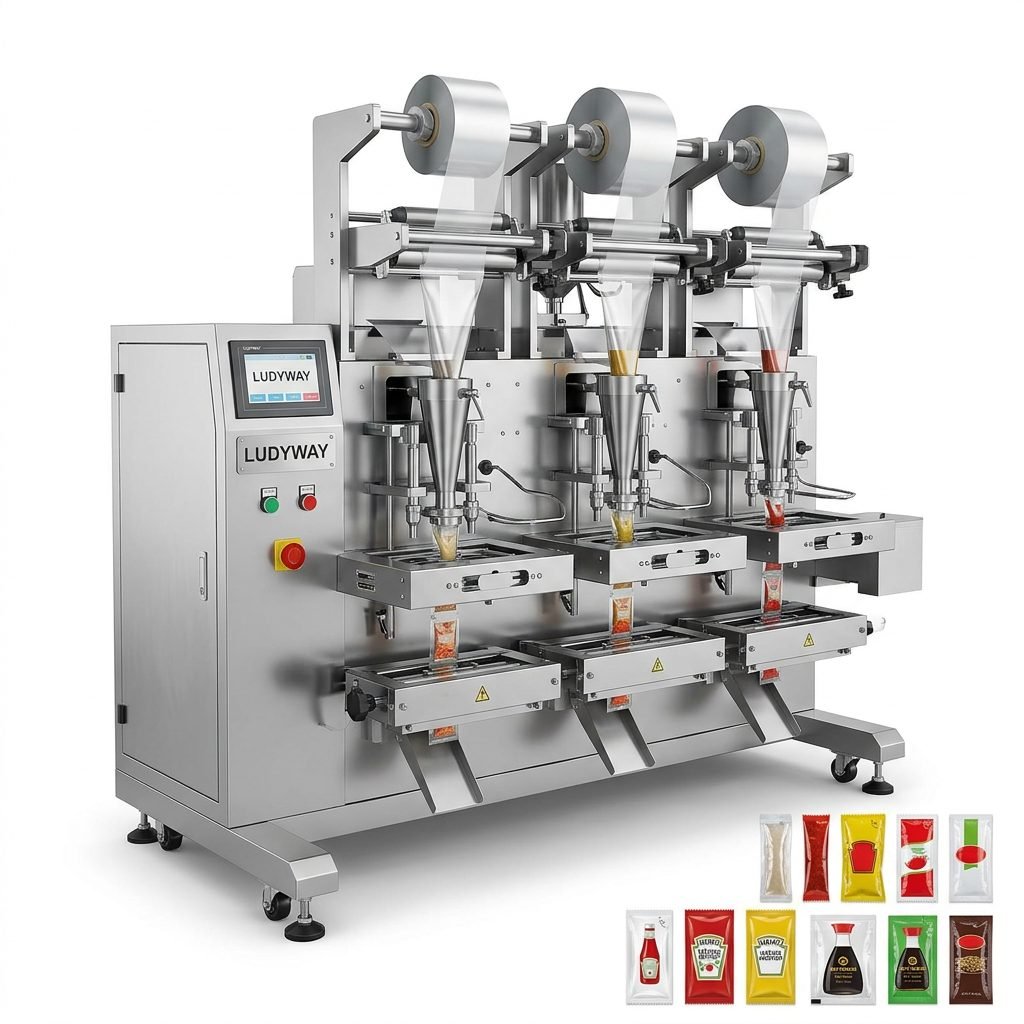
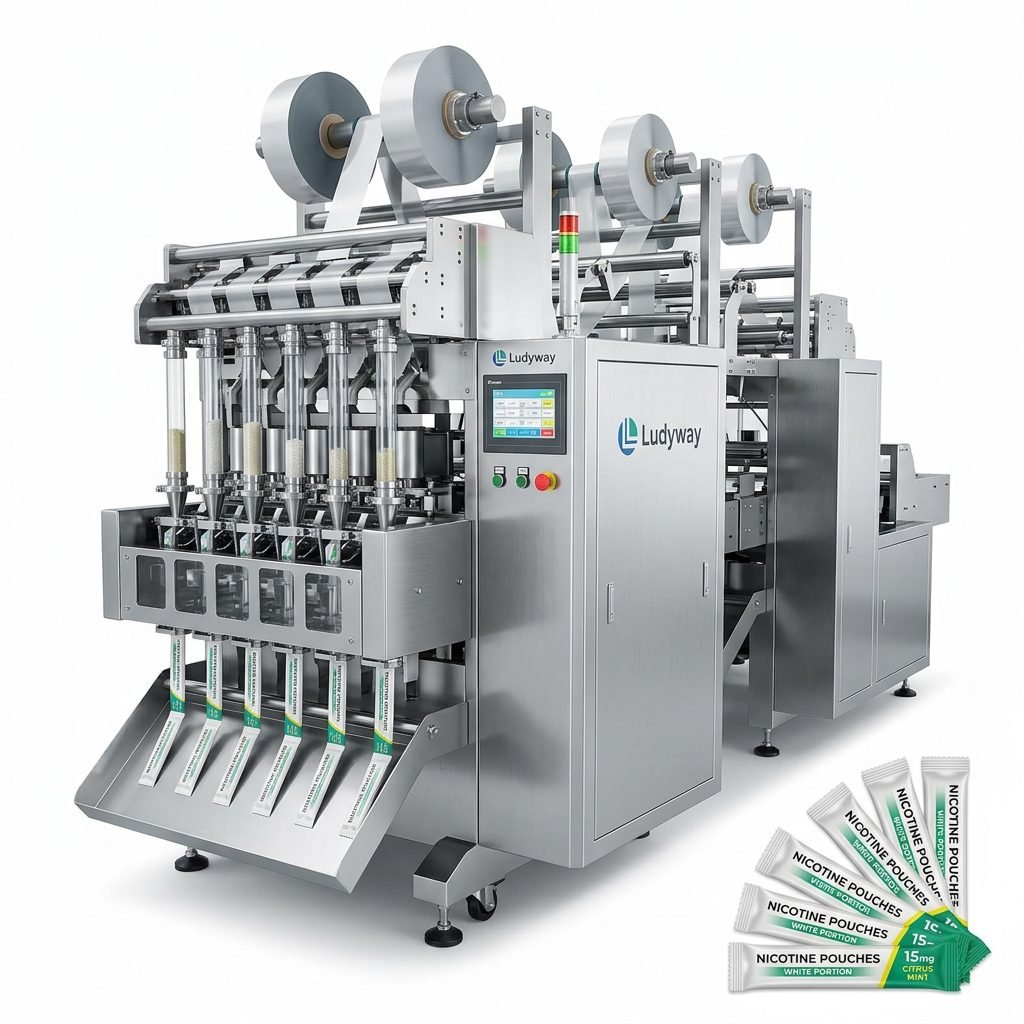
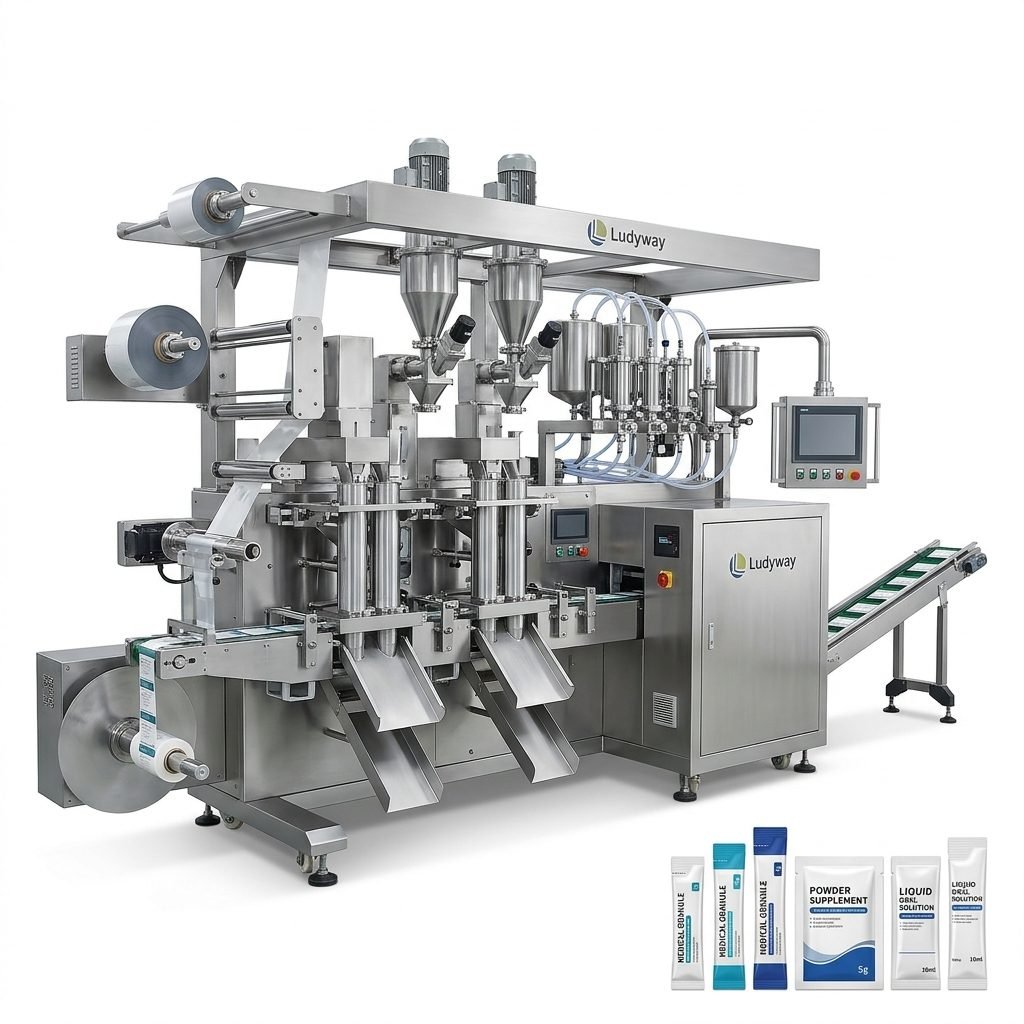
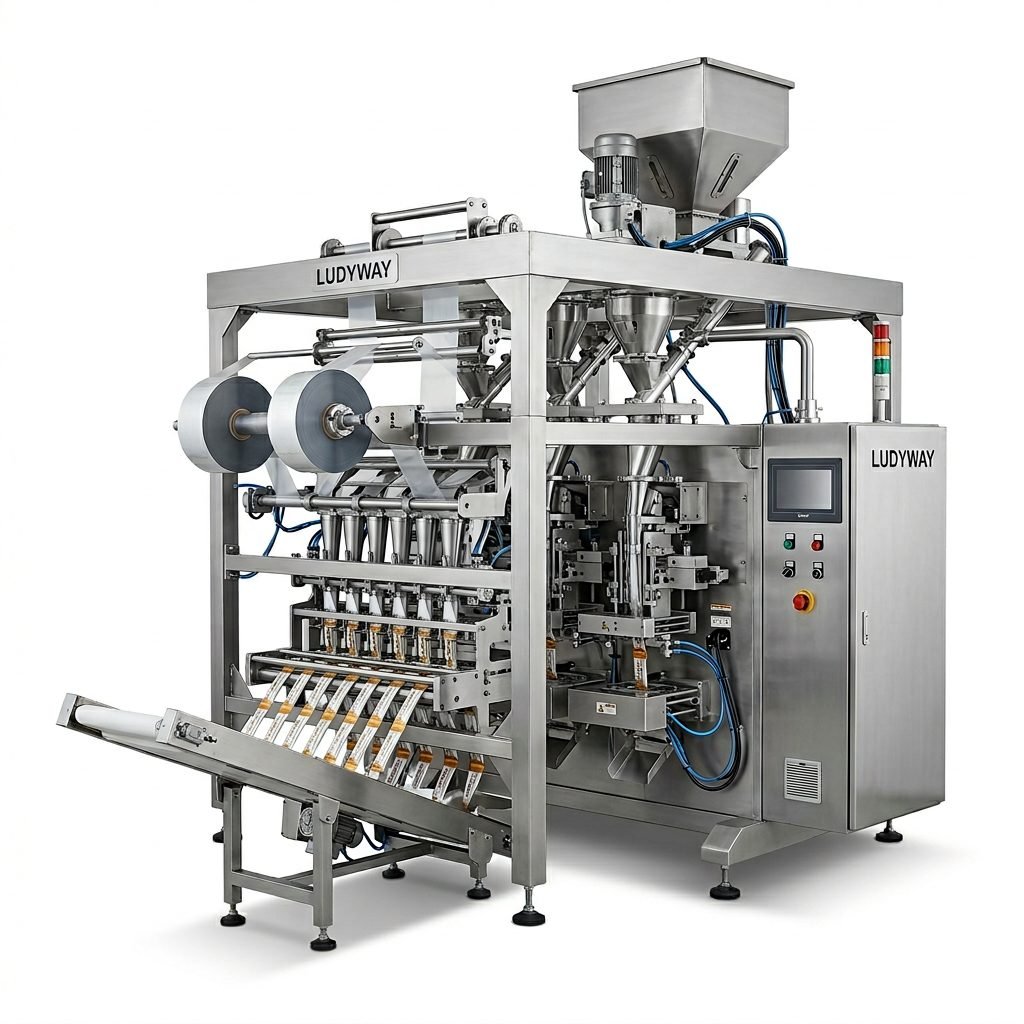
Selecting the right pillow packing machine is one of the most critical decisions for manufacturers in the food, pharmaceutical, and consumer goods industries. A pillow pack machine — known for its distinctive pillow-shaped bag with a center back seal and end seals — offers high-speed packaging, excellent product protection, and attractive shelf presentation. Whether you are packaging snacks, baked goods, frozen foods, or non-food items, the right machine can significantly improve your production efficiency and packaging quality.
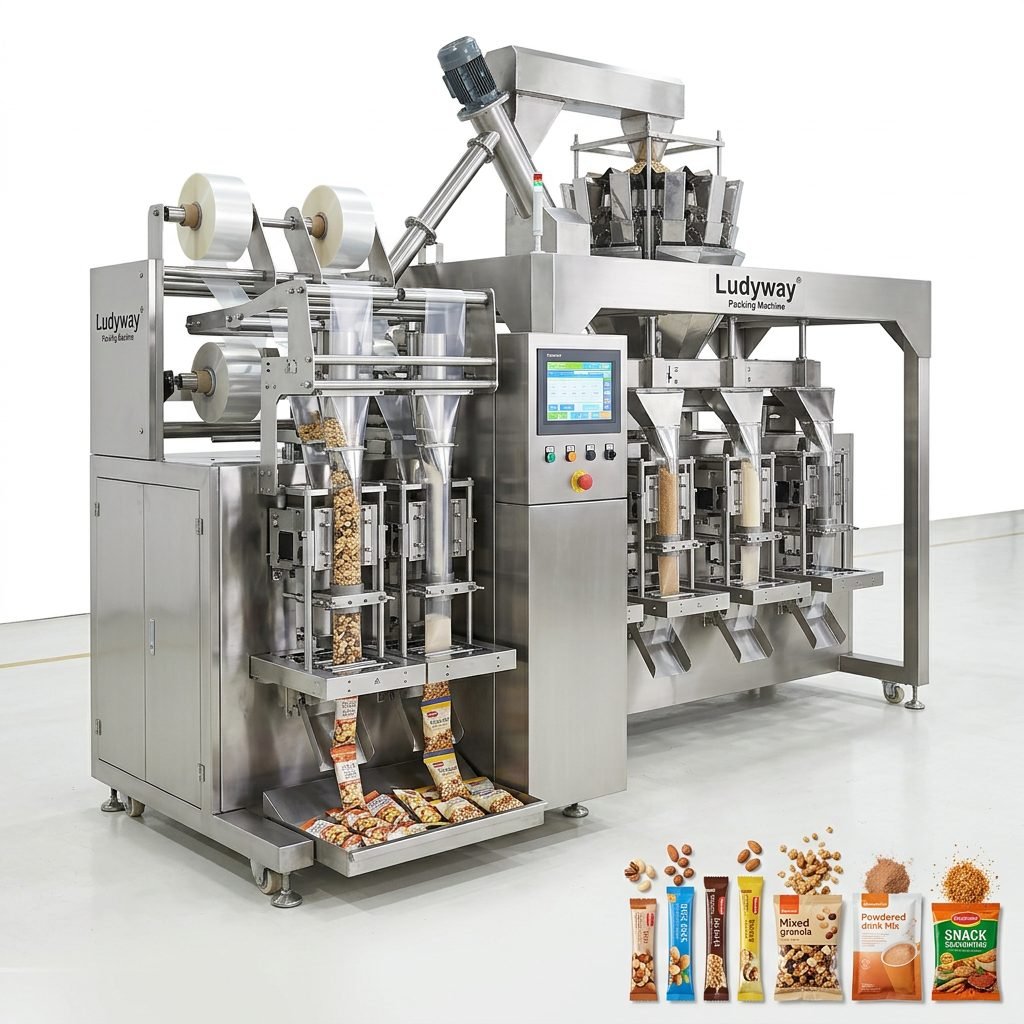
This comprehensive buyer’s guide walks you through the key factors to evaluate when choosing a pillow packaging machine, from machine types and technical specifications to material compatibility and after-sales support. By understanding these elements, you can make an informed investment that aligns with your production goals and delivers long-term value.
Understanding Pillow Pack Machine Types
Before diving into specifications, it’s essential to understand the primary configurations available. Pillow packing machines generally fall into two main categories based on their operation mode, and selecting the wrong type can lead to costly inefficiencies.
- Horizontal Flow Wrappers (HFFS): Products are fed horizontally into the film web. Ideal for solid, individual items like biscuits, candy bars, and baked goods. These machines are widely used for high-speed operations and can handle a variety of product shapes and sizes.
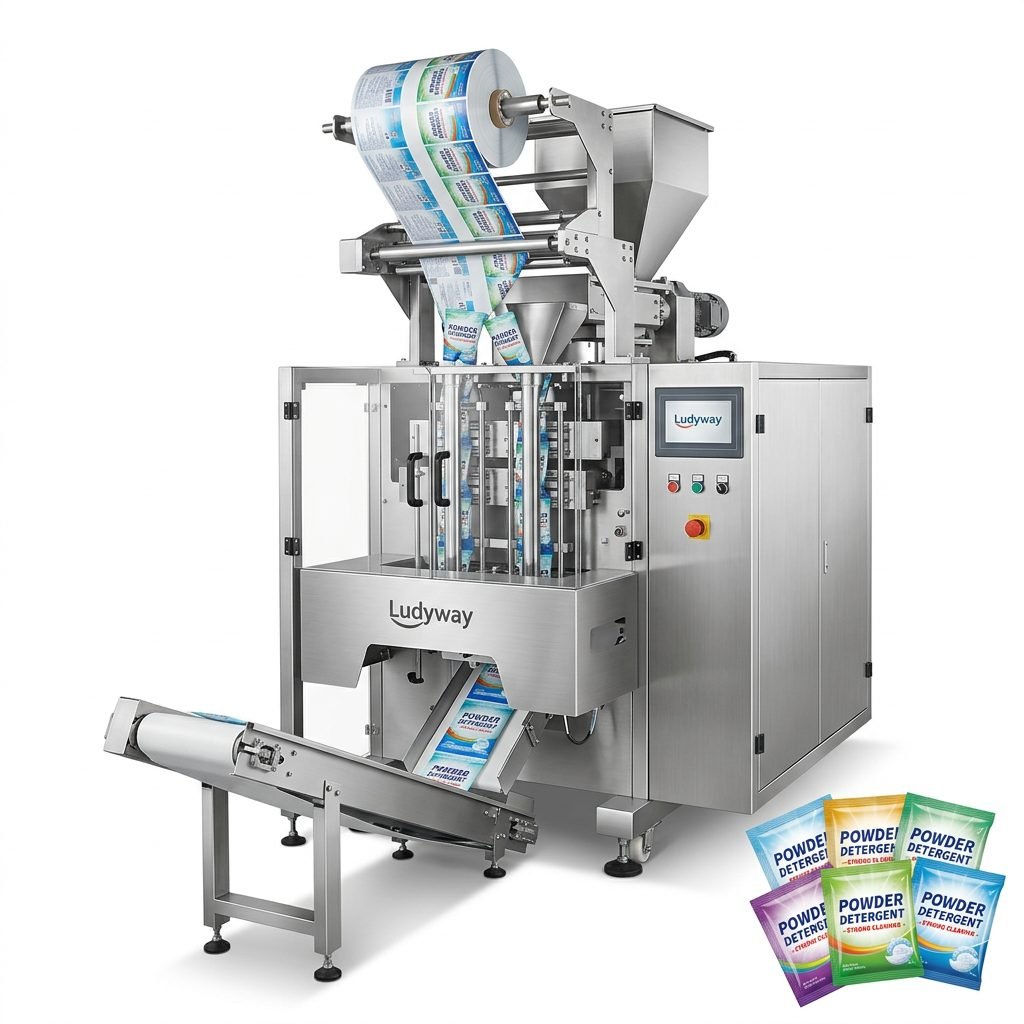
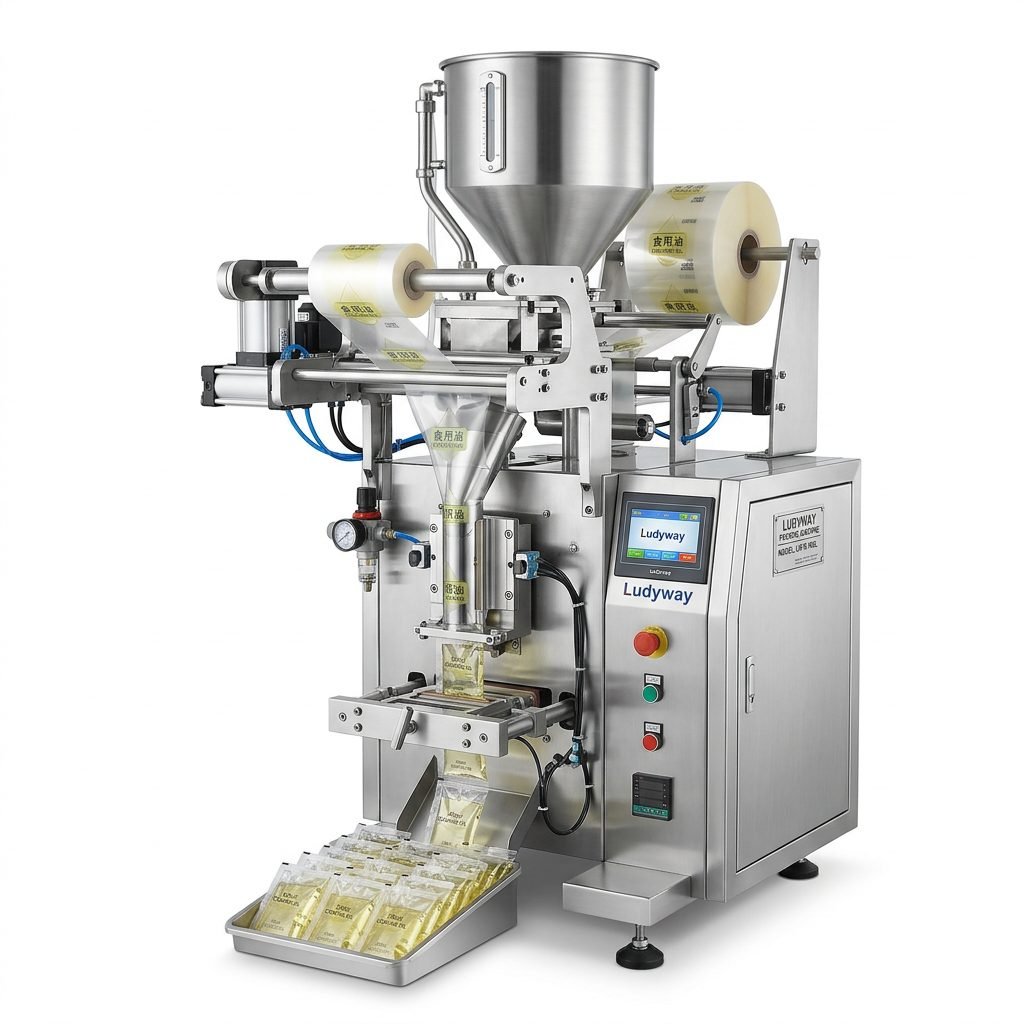
- Vertical Form Fill Seal Machines (VFFS): Film is formed vertically around a tube, and product drops from above. Best suited for granules, powders, and loose products such as sugar, coffee, or snack mixes. VFFS pillow packing machines offer exceptional speed for free-flowing products.
Key Factors to Consider Before Purchasing
Choosing the correct pillow pack machine requires a thorough evaluation of your product characteristics, production environment, and business objectives. Rushing this process often results in mismatched equipment that underperforms or requires expensive modifications later.
1. Product Characteristics and Compatibility
The nature of your product is the single most important factor. Product dimensions, weight, shape, and fragility will determine the feeding system, jaw design, and film handling capabilities required. Irregularly shaped products or those with sharp edges may need specialized feeding mechanisms. Additionally, consider whether your product is moisture-sensitive or requires gas flushing for extended shelf life.
2. Production Speed and Volume Requirements
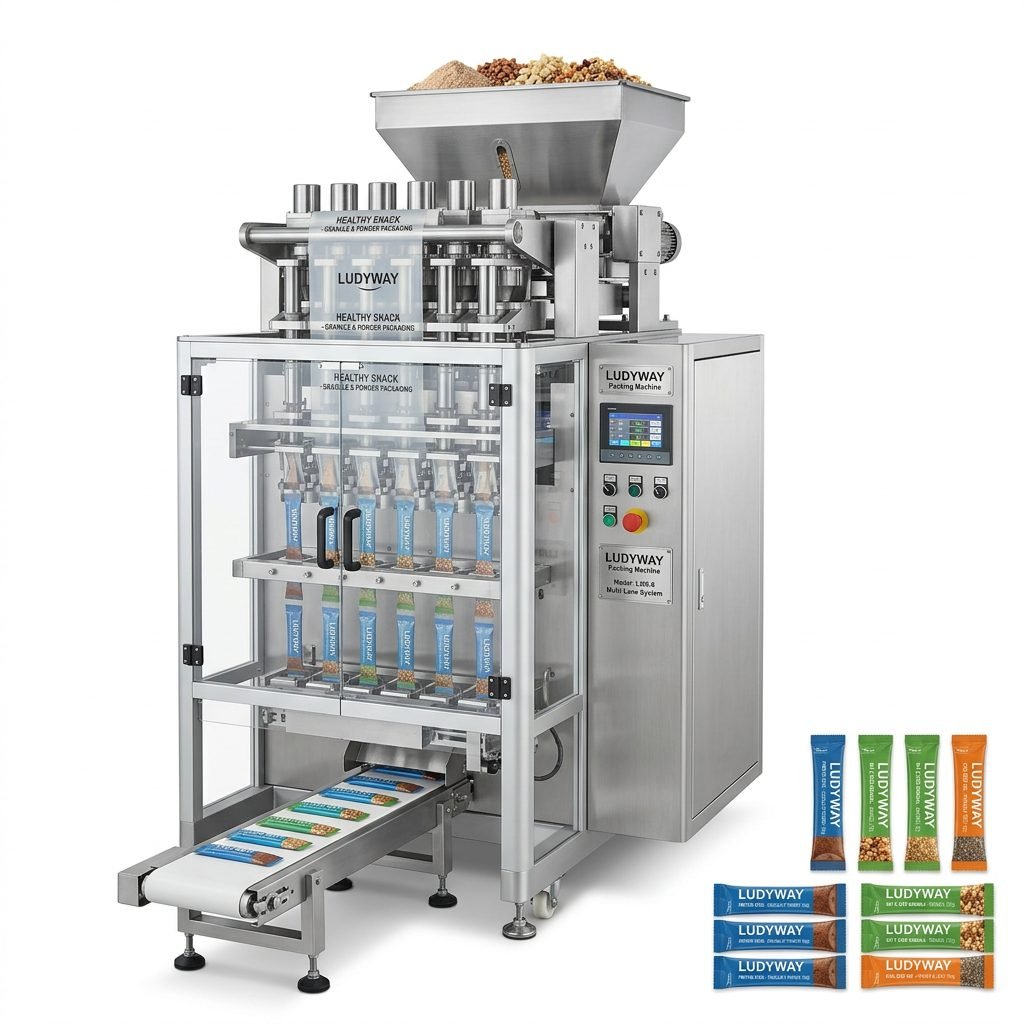
Pillow packing machines vary widely in speed, from 30 to over 200 packs per minute. Understanding your current and projected throughput is crucial. Selecting a machine that just meets current demand may limit scalability, while an oversized machine could strain your budget and floor space. Evaluate whether a single-lane or multi-lane configuration is more suitable for your output targets.
3. Film Material and Sealing Technology
The packaging film must be compatible with your machine’s sealing system. Common materials include BOPP, CPP, PET/PE laminates, and paper-based films. The sealing mechanism — whether heat-seal, cold-seal, or ultrasonic — should match the film’s thermal properties. Inconsistent sealing is a frequent source of downtime, so verify that the machine can maintain seal integrity at your required speed.
Automation Features and Smart Technology
Modern pillow pack machines incorporate advanced automation to reduce labor dependency and improve consistency. Features like automatic film tracking, servo-driven controls, and programmable recipe management allow for quick changeovers and minimal operator intervention. Machines equipped with Industry 4.0 capabilities and remote diagnostic support can significantly reduce maintenance costs and unplanned downtime.
Comparing Pillow Pack vs. Other Bag Formats
Understanding how pillow packs compare to other packaging styles helps justify your equipment choice. The table below outlines the key differences:
| Bag Format | Seal Type | Best For | Speed Range |
|---|---|---|---|
| Pillow Pack | Center back seal + end seals | Snacks, baked goods, frozen items | High (100+ ppm) |
| Gusseted Bag | Side gusset with bottom seal | Coffee, bulk snacks, pet food | Medium to high |
| Stick Pack | Three-side seal or center seal | Single-serve powders, liquids | Very high (200+ ppm) |
| Sachet / Flat Pouch | Four-side seal or three-side seal | Pharma, personal care samples | Very high |
Industry-Specific Considerations
Different industries impose unique requirements on pillow pack machinery. Understanding these nuances ensures compliance and operational reliability in your specific sector.
- Food Industry: Machines must meet hygienic design standards and facilitate easy cleaning. Stainless steel construction, washdown capability, and IP65-rated components are often required. Consider whether you need FDA-compliant food contact materials or specific certifications.
- Pharmaceutical Industry: Precision and validation are paramount. Pillow pack machines for pharma must ensure accurate dosing, sterile sealing, and serialization capabilities. Compliance with ISO 11607 for medical device packaging may be necessary, along with 21 CFR Part 11 for electronic records.
- Consumer Goods: Versatility for different package sizes and frequent changeovers is essential. Machines should support quick format adjustments and easy integration with coding systems for batch numbers and expiry dates.
Integration with Existing Production Lines
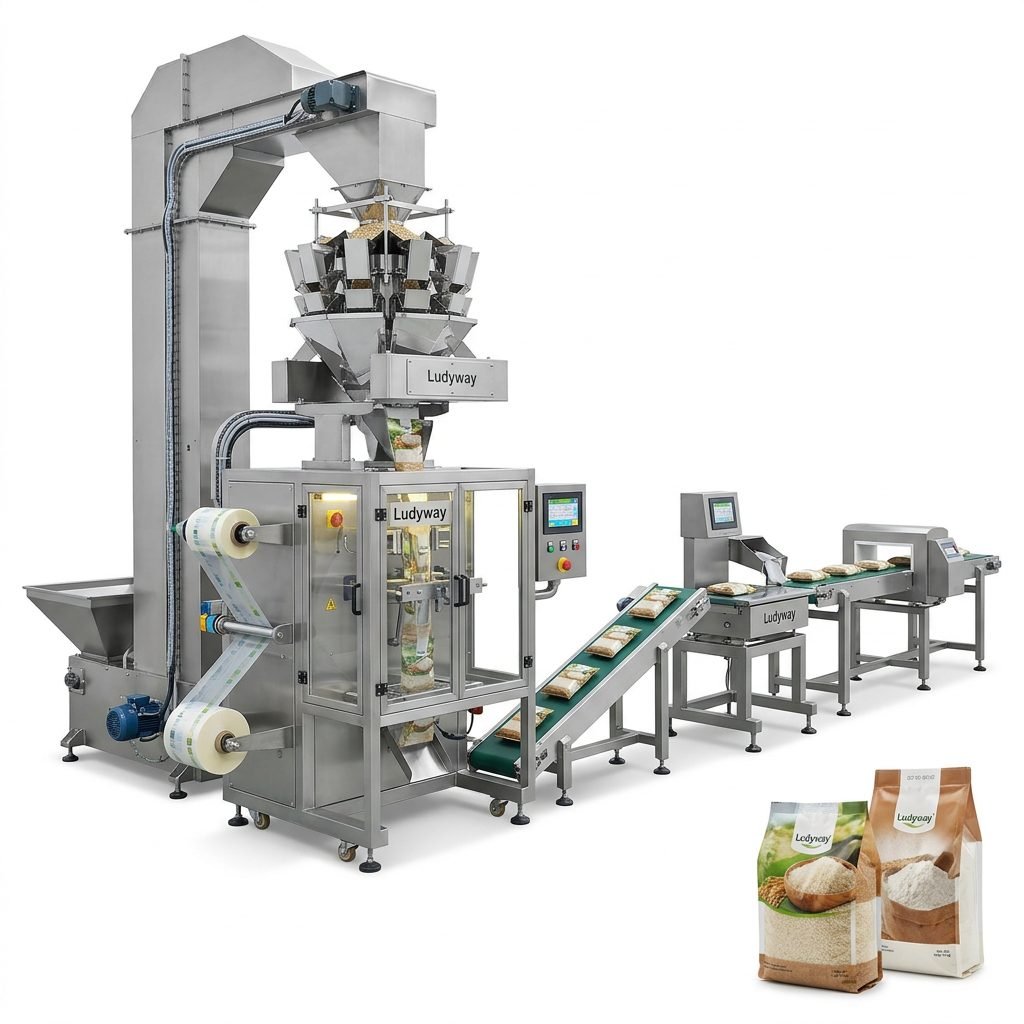
A pillow pack machine rarely operates in isolation. It needs to integrate seamlessly with upstream and downstream equipment such as conveyors, checkweighers, metal detectors, cartoners, and case packers. When evaluating machines, assess compatibility with your existing line layout and control architecture. Poor integration leads to bottlenecks and inefficiencies that negate the benefits of high-speed packaging.
For manufacturers seeking a single partner for equipment selection, system integration, and technical support, companies like Ludyway Machinery provide comprehensive packaging solutions that can connect multiple stages of the packaging process. This approach simplifies project management and ensures cohesive system performance.
Evaluating Total Cost of Ownership
The purchase price is just one component of the total cost. A thorough evaluation should include:
- Initial investment: Machine cost, delivery, installation, and commissioning.
- Operational costs: Energy consumption, film waste rates, and labor requirements for operation and changeover.
- Maintenance costs: Spare parts availability, service contract fees, and expected component lifespan.
- Downtime costs: Reliability track record and the impact of unplanned stoppages on production schedules.
A machine with a higher upfront cost but lower operational waste and downtime often delivers superior long-term value compared to a cheaper alternative with hidden inefficiencies.
Spare Parts and Technical Support
Verify the manufacturer’s spare parts policy and local support network. Rapid access to critical components can mean the difference between hours and days of downtime. Leading suppliers typically maintain regional parts inventories and offer remote troubleshooting capabilities to resolve issues quickly.
Key Certifications and Compliance Standards
Depending on your market and industry, your pillow pack machine may need to meet specific international standards. Common certifications include:
- CE Marking: Indicates compliance with EU safety, health, and environmental requirements.
- UL Certification: Important for electrical safety in North American markets.
- GMP Compliance: Ensures the machine is suitable for pharmaceutical and certain food applications.
Always verify that the manufacturer can provide appropriate documentation and compliance certificates for your target markets. For more detailed industry insights, refer to resources from PMMI – The Association for Packaging and Processing Technologies and Flexible Packaging Association.
Customization for Unique Requirements
Standard machines may not address every production challenge. If your product has unusual dimensions, requires modified atmosphere packaging, or demands specific automation levels, customized engineering becomes essential. Working with a manufacturer that offers in-house engineering and customization capabilities ensures that your machine is tailored to your exact requirements rather than forcing your product to fit a standard machine.
Custom solutions can include specialized feeding systems, printing and coding integration, automatic film splicing, and custom discharge configurations. These enhancements directly improve efficiency and reduce manual handling.
Making the Final Decision
After narrowing down your options, request detailed proposals and, if possible, conduct factory acceptance tests with your actual products and film materials. Seeing the machine run your product is invaluable for assessing seal quality, speed, and overall performance. Evaluate the manufacturer’s track record, customer references, and after-sales service commitment.
A well-chosen pillow packing machine is a long-term asset that enhances product quality, increases throughput, and reduces operational costs. By thoroughly analyzing your requirements and carefully vetting suppliers, you can secure a packaging solution that supports your business growth for years to come.