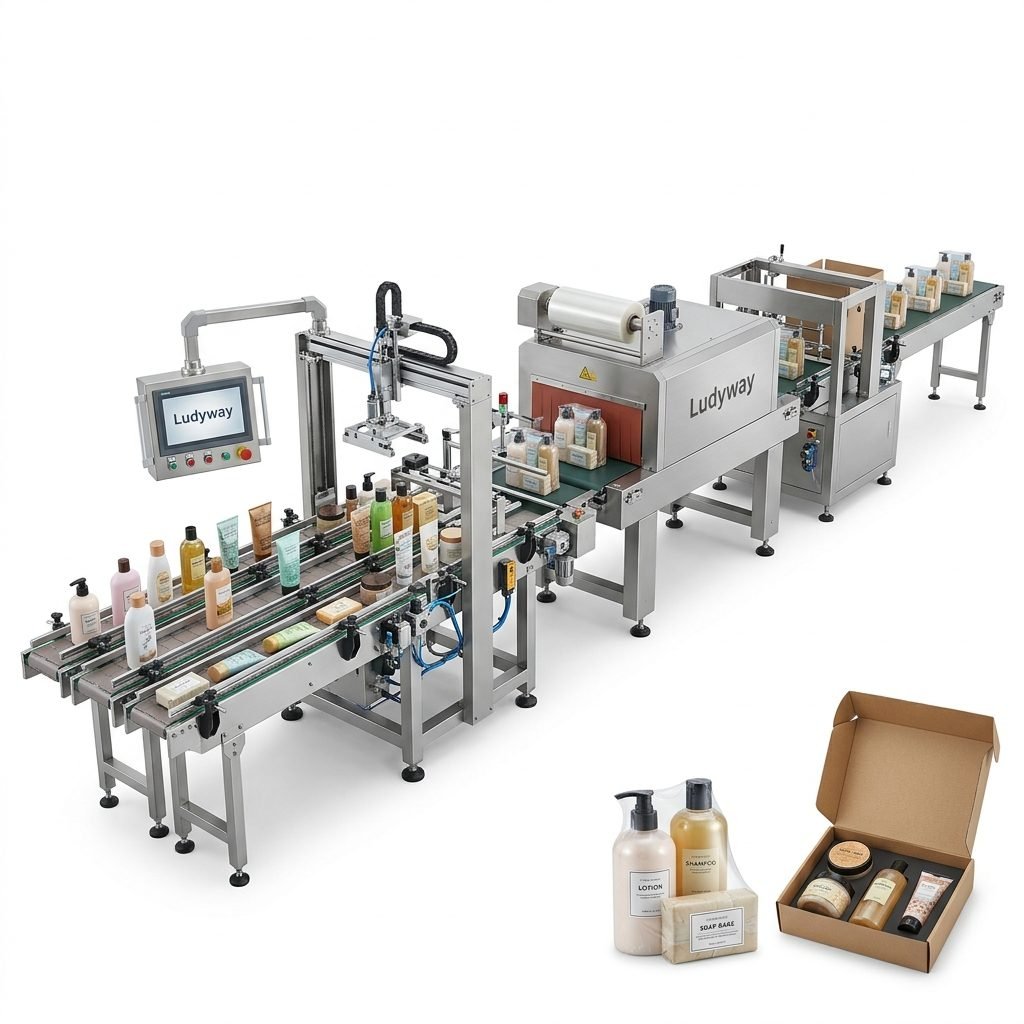
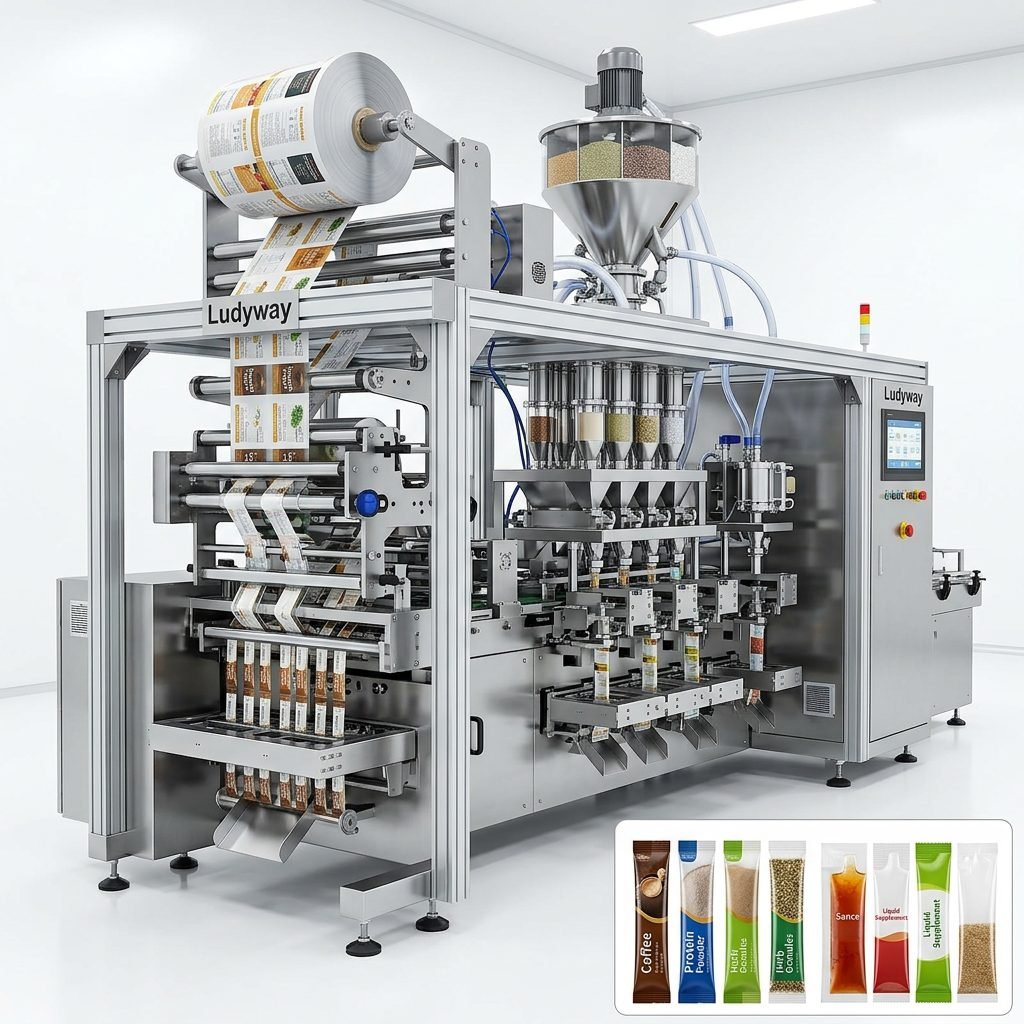
Investing in a flow wrapper packaging machine is a significant decision for any manufacturer. Whether you are packaging baked goods, confectionery, medical devices, or consumer products, the right horizontal flow wrapping system can dramatically improve production efficiency, reduce material waste, and extend product shelf life. However, with so many machine configurations, film types, and automation levels available, the selection process can quickly become overwhelming. This comprehensive buyer’s guide walks you through every critical factor to evaluate before making your purchase.
Understanding How Flow Wrapper Technology Works
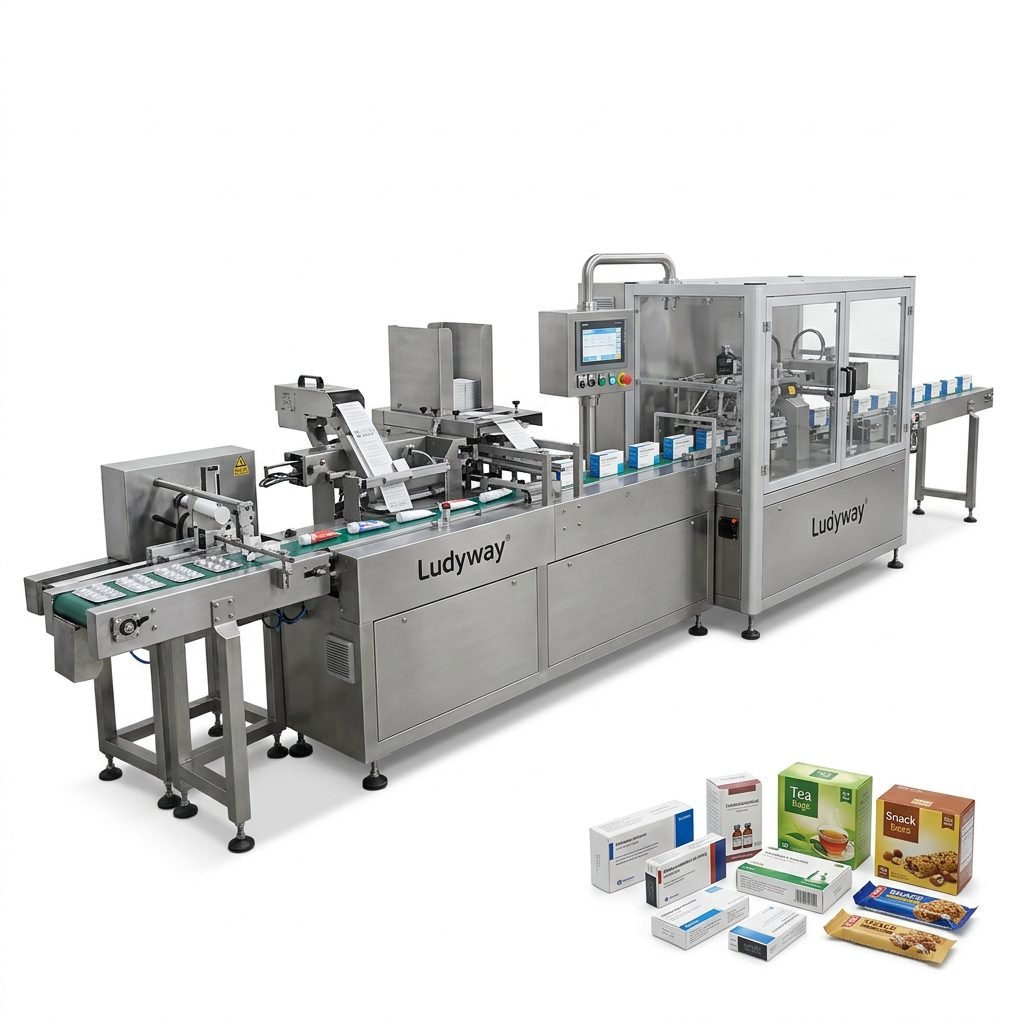
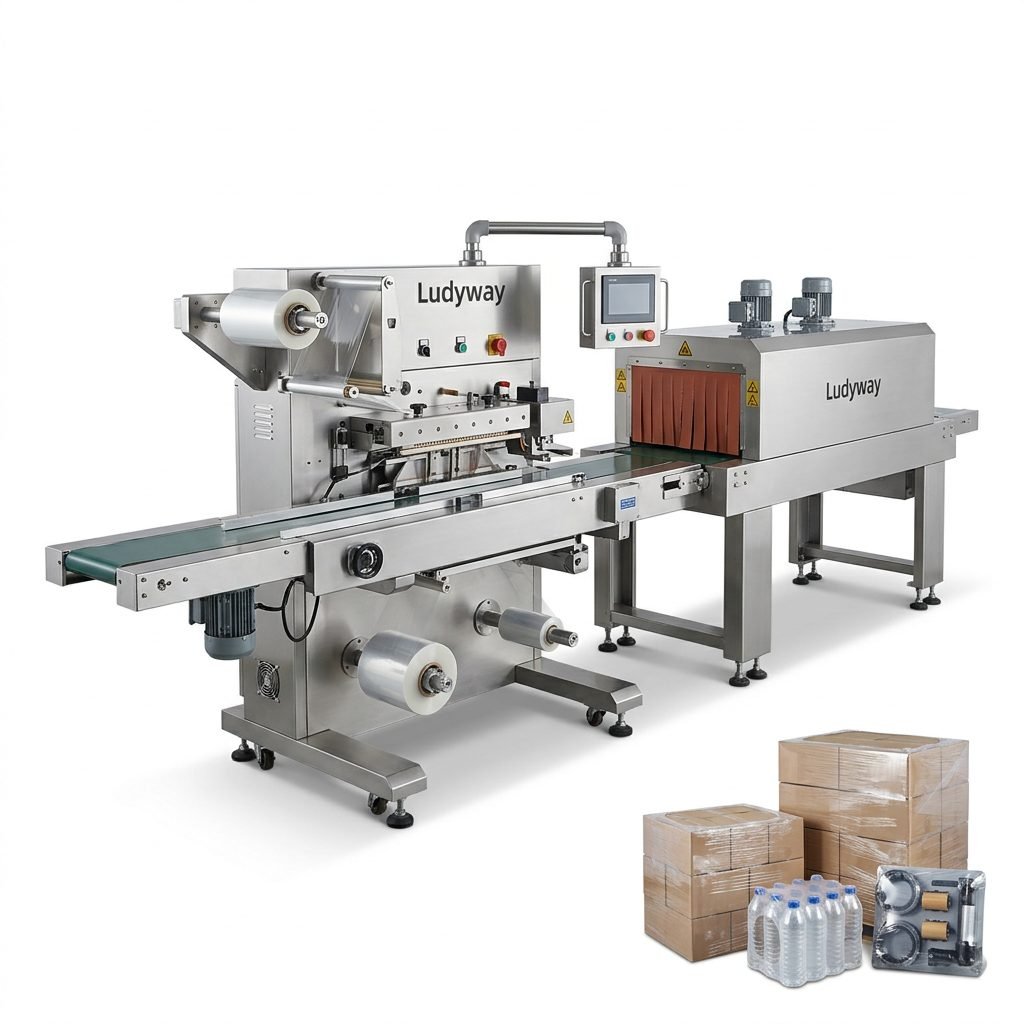
A flow wrapper, also known as a horizontal form fill seal (HFFS) machine, creates a sealed package by wrapping a continuous film around a product as it moves horizontally through the machine. The process involves three primary stages: product feeding, film forming around the product, and sealing — including longitudinal (fin seal) and transverse (end seal) operations. Unlike vertical form fill seal machines that are ideal for powders and granules, flow wrappers excel at packaging solid, individual items at high speeds. Understanding this fundamental mechanism helps you evaluate whether a flow wrapper matches your product characteristics, which is especially important when comparing technologies for different packaging industry applications.
Evaluating Your Product Characteristics First
Before comparing machine specifications, start with a thorough analysis of the product you intend to package. Product dimensions, shape, weight, and fragility directly determine the appropriate machine configuration. Irregularly shaped products may require specialized infeed systems, while sticky or delicate items might need non-stick sealing surfaces or gentle handling mechanisms. Consider whether your product is rigid or flexible, porous or dense, and how it behaves at different temperatures. Products with sharp edges can puncture standard films, requiring either thicker packaging materials or modified machine components. This evaluation also extends to understanding how your product interacts with flexible packaging materials during the sealing process.
Packaging Film and Material Compatibility
The choice of packaging film is inseparable from machine selection. Common materials include BOPP, CPP, PE, laminated films, and biodegradable alternatives. Each material has distinct heat-sealing properties, barrier characteristics, and cost profiles. Your flow wrapper must be compatible with the film type you plan to use — particularly regarding sealing temperature range, dwell time, and jaw design. If you intend to run multiple film types, look for machines with quick-change sealing modules and adjustable temperature controls. Film gauge and roll diameter capacity also affect production run length between changeovers, impacting overall equipment effectiveness. For manufacturers exploring sustainable packaging, verify that the machine supports newer recyclable or compostable film structures, which often require different heat profiles.
Production Speed and Throughput Requirements
Flow wrappers vary enormously in speed capability, from semi-automatic machines producing 30-50 packs per minute to fully automated high-speed systems exceeding 300 packs per minute. Your required throughput should be calculated based on current production volumes plus realistic growth projections over the next 3-5 years. However, do not simply select the fastest machine available. Higher speeds demand more precise product handling, tighter film tension control, and often more sophisticated infeed systems. Consider whether your upstream and downstream processes can match the wrapper’s output. A balanced production line is always more cost-effective than an isolated high-speed machine creating bottlenecks elsewhere, which aligns with broader packaging machinery market research findings on line integration.

Key Flow Wrapper Machine Type Comparison
| Machine Type | Best For | Typical Speed Range | Key Consideration |
|---|---|---|---|
| Semi-Automatic Flow Wrapper | Small batches, varied products, startups | 30-80 ppm | Manual product feeding; lower initial investment |
| Fully Automatic Inline Wrapper | High-volume uniform products | 80-200 ppm | Automated infeed required; consistent product orientation |
| High-Speed Rotary Flow Wrapper | Bakery, confectionery, snack bars | 200-400+ ppm | Long sealing jaws; complex maintenance |
| Multi-Lane Flow Wrapper | Small individually wrapped items | Per lane: 40-100 ppm | Multiple film rolls; higher complexity |
| Modified Atmosphere (MAP) Wrapper | Fresh food, bakery, meat, cheese | 40-120 ppm | Gas flushing system; seal integrity critical |
Machine Configuration and Customization Options
Modern flow wrappers offer extensive configuration choices that directly impact performance and versatility. Consider these critical options:
- Sealing jaw design: Rotary jaws for continuous motion at high speeds versus box-motion jaws for longer dwell times with thicker films.
- Infeed system type: Lug chain, belt, or servo-driven infeed — each suited to different product shapes and line speeds.
- Film registration: Photoelectric sensors for printed film registration ensure consistent package appearance, essential for branded products.
- Gas flushing capability: Essential for MAP applications requiring extended shelf life through modified atmosphere packaging.
- Quick-change modules: Reduce downtime when switching between product sizes or film types, improving overall equipment effectiveness.
Automation, Integration, and Smart Features
Today’s advanced flow wrapping systems go far beyond basic mechanical operation. Servo-driven machines offer precise programmable control over every motion parameter — film tension, sealing temperature, jaw speed, and product positioning can all be adjusted digitally. Integration with upstream equipment such as feeders, conveyors, and checkweighers creates seamless production flows. Look for machines with Industry 4.0 capabilities including remote monitoring, predictive maintenance alerts, and data analytics that track OEE (Overall Equipment Effectiveness). These features reduce unplanned downtime and provide actionable insights for continuous improvement. For pharmaceutical and medical device packaging, integration with ISO 11607 packaging standards validation processes is essential.
Seal Integrity and Quality Assurance
Seal quality is the single most important functional requirement for any flow wrapper. Poor seals lead to product contamination, leakage, reduced shelf life, and costly recalls. Evaluate machines based on their sealing technology — heat-sealing jaw design, temperature control precision, and pressure consistency all contribute to seal integrity. Modern machines incorporate seal inspection systems using vision technology or pressure-decay testing to verify every package meets quality standards. For food applications, compliance with FDA food packaging regulations regarding food contact substances and migration limits must be confirmed with your film supplier and machine manufacturer.
Maintenance Requirements and Long-Term Support
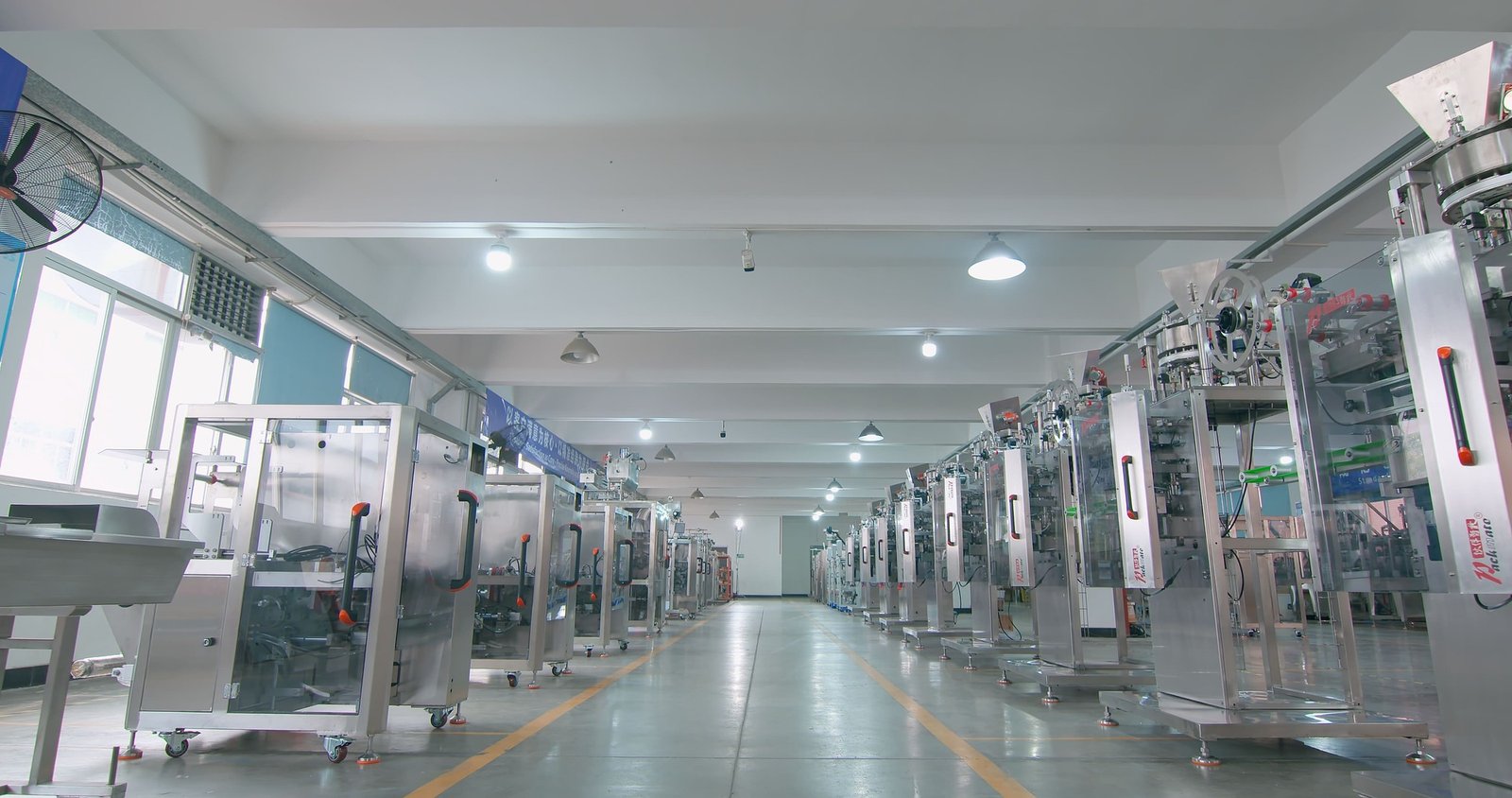
The total cost of ownership extends well beyond the initial purchase price. Consider preventive maintenance schedules, spare parts availability, and technical support responsiveness. Machines with accessible design, tool-less changeover features, and clear diagnostic displays reduce maintenance time and technician dependency. Before committing to a machine, investigate the manufacturer’s service network, warranty terms, and whether remote technical assistance is available. For international operations, confirmed local support capabilities are essential. Manufacturers with decades of experience, such as Ludyway Machinery, which operates a 20,000-square-meter manufacturing facility and serves customers in more than 100 countries, offer engineering expertise and global technical support that can significantly reduce long-term operational risk. Their teams provide support throughout the entire project lifecycle — from machine selection and packaging solution design through installation, commissioning, operator training, and after-sales service.
Key Questions to Ask Before Purchasing
- What is the range of product sizes the machine must handle, both now and in the foreseeable future?
- Which packaging films are compatible, and does the machine support sustainable material alternatives?
- What is the actual required throughput, and how does it align with upstream and downstream equipment speeds?
- Does the machine design facilitate easy cleaning and maintenance for your specific production environment?
- What validation documentation and compliance certifications are available for regulated industries?
- Is remote diagnostic capability available to minimize downtime in case of technical issues?
Budget Considerations and Return on Investment
The price range for flow wrapping machines varies dramatically — from under $20,000 for basic semi-automatic units to over $500,000 for fully automated high-speed systems with custom configurations. Calculate ROI based on labor savings, material waste reduction, increased throughput, and improved package quality. A higher initial investment often delivers lower per-package costs over time through faster speeds, reduced film waste, and fewer rejected packages. Factor in installation, operator training, and any facility modifications needed. For growing businesses, modular machine designs that allow future upgrades — such as adding automatic infeeds or gas flushing systems — provide a cost-effective upgrade path without requiring complete equipment replacement.
Making the Final Decision
Selecting the right flow wrapper requires balancing multiple factors — product characteristics, production volume, packaging material preferences, available floor space, and budget. The best machine is not necessarily the most expensive or the fastest, but the one that most precisely matches your operational requirements and growth trajectory. Request machine demonstrations using your actual products and packaging films whenever possible. Consult PACK EXPO International events to see multiple manufacturers side by side. Speak with references who run similar applications. A well-chosen flow wrapper becomes a reliable production asset for a decade or more, while a mismatched machine creates ongoing operational headaches. Take the time to evaluate thoroughly — your production efficiency, product quality, and bottom line depend on making the right choice.
Related Resources: PMMI 2026 State of the Industry Report | Flexible Packaging Association Industry Data | ISO Packaging Standards