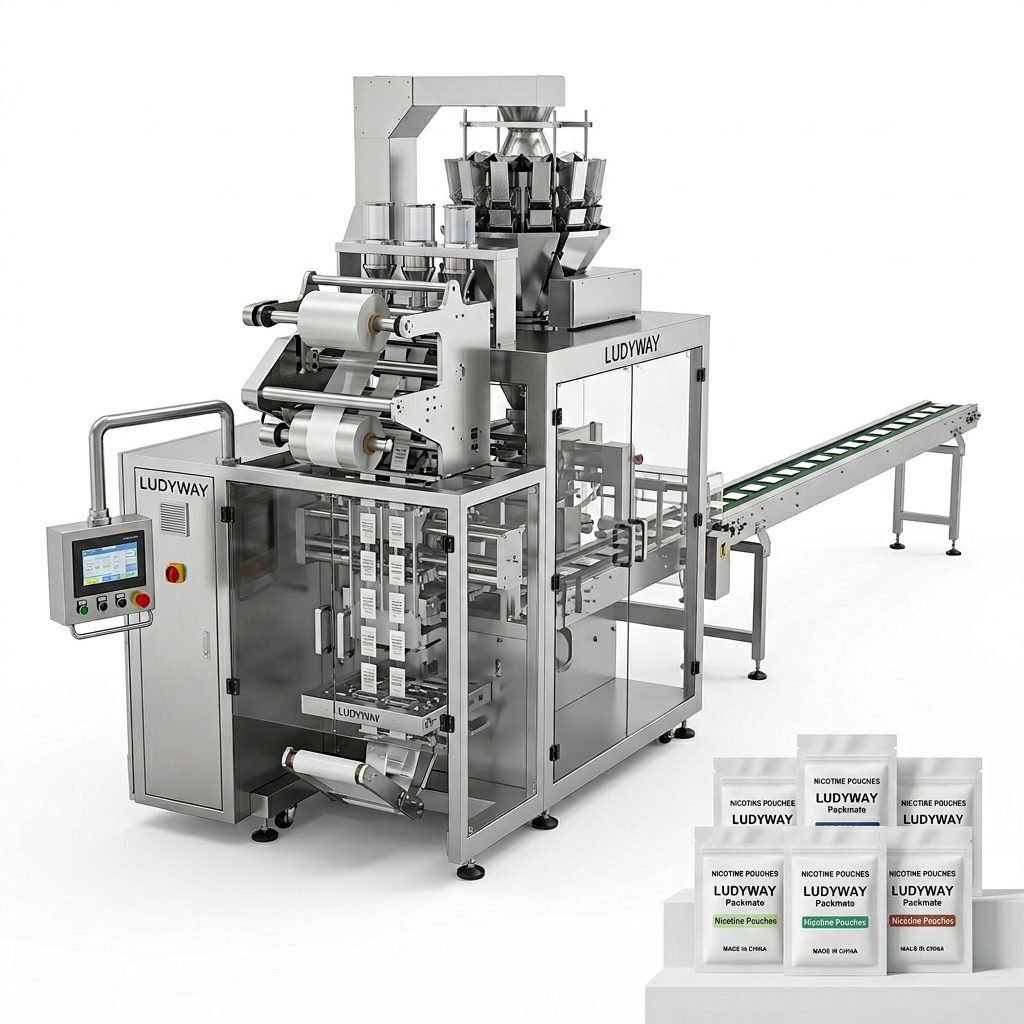
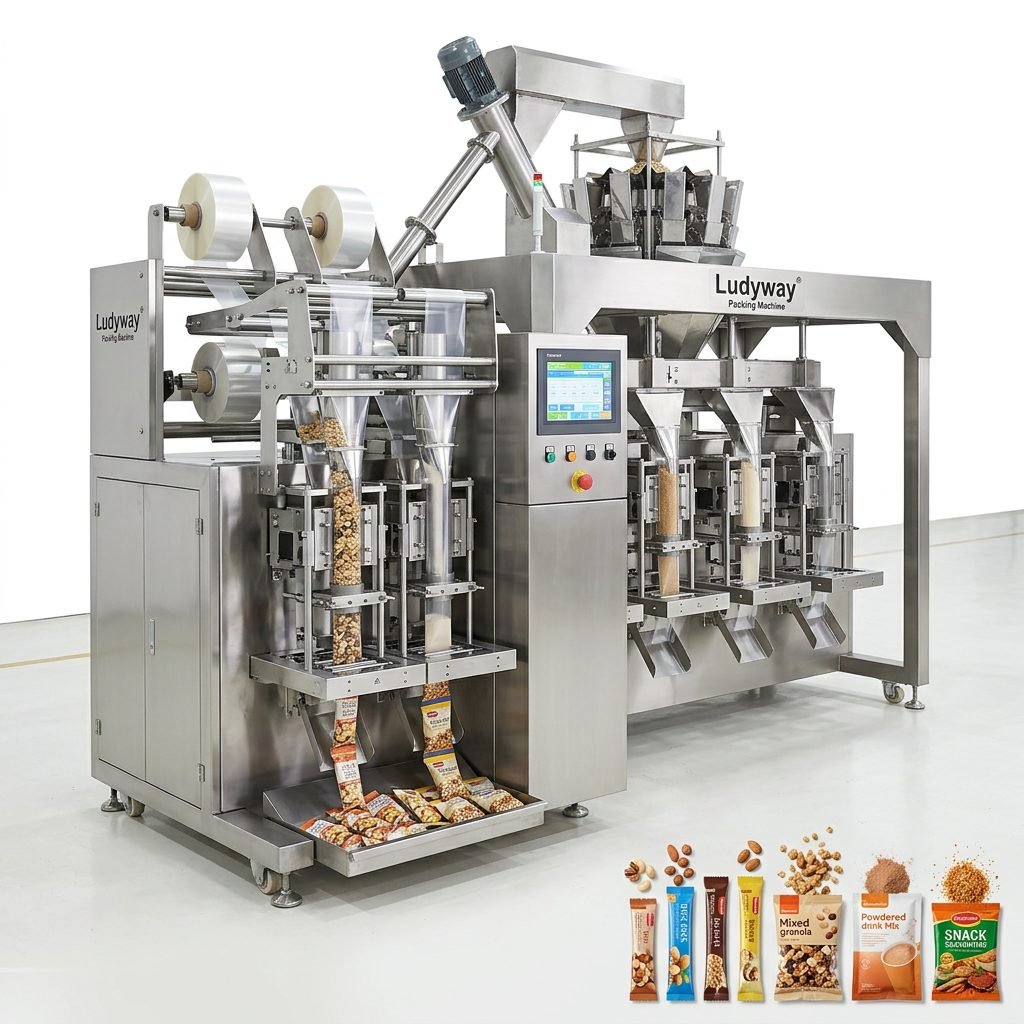
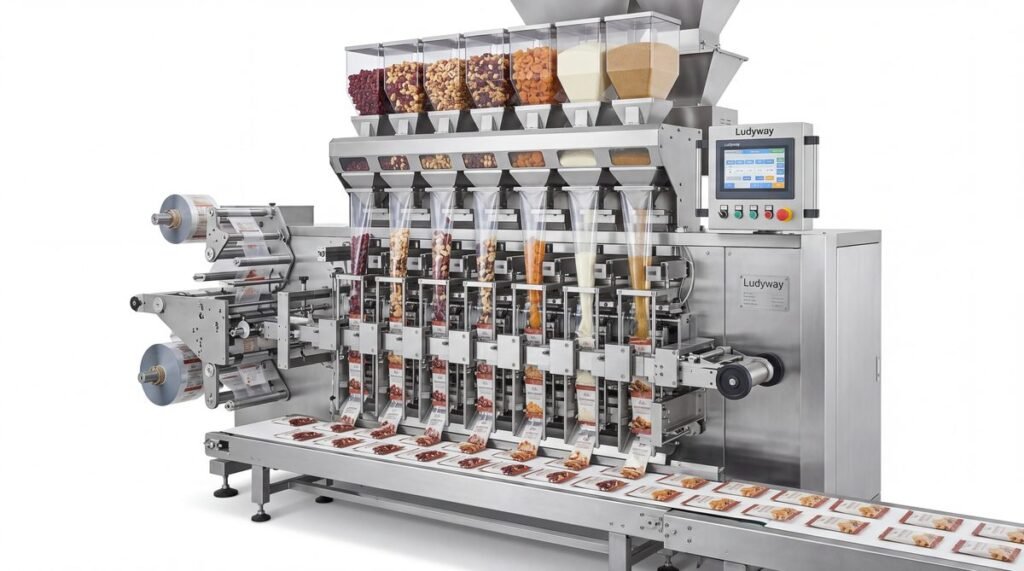
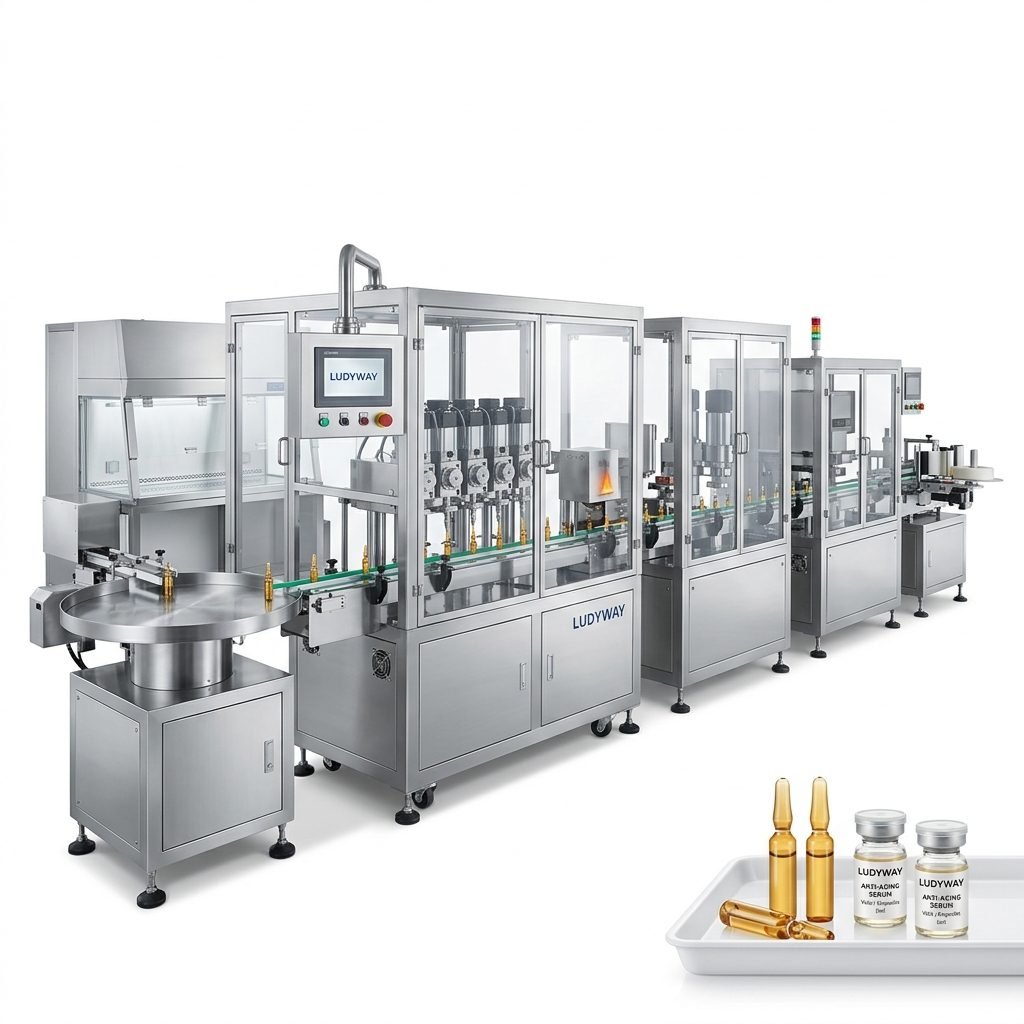
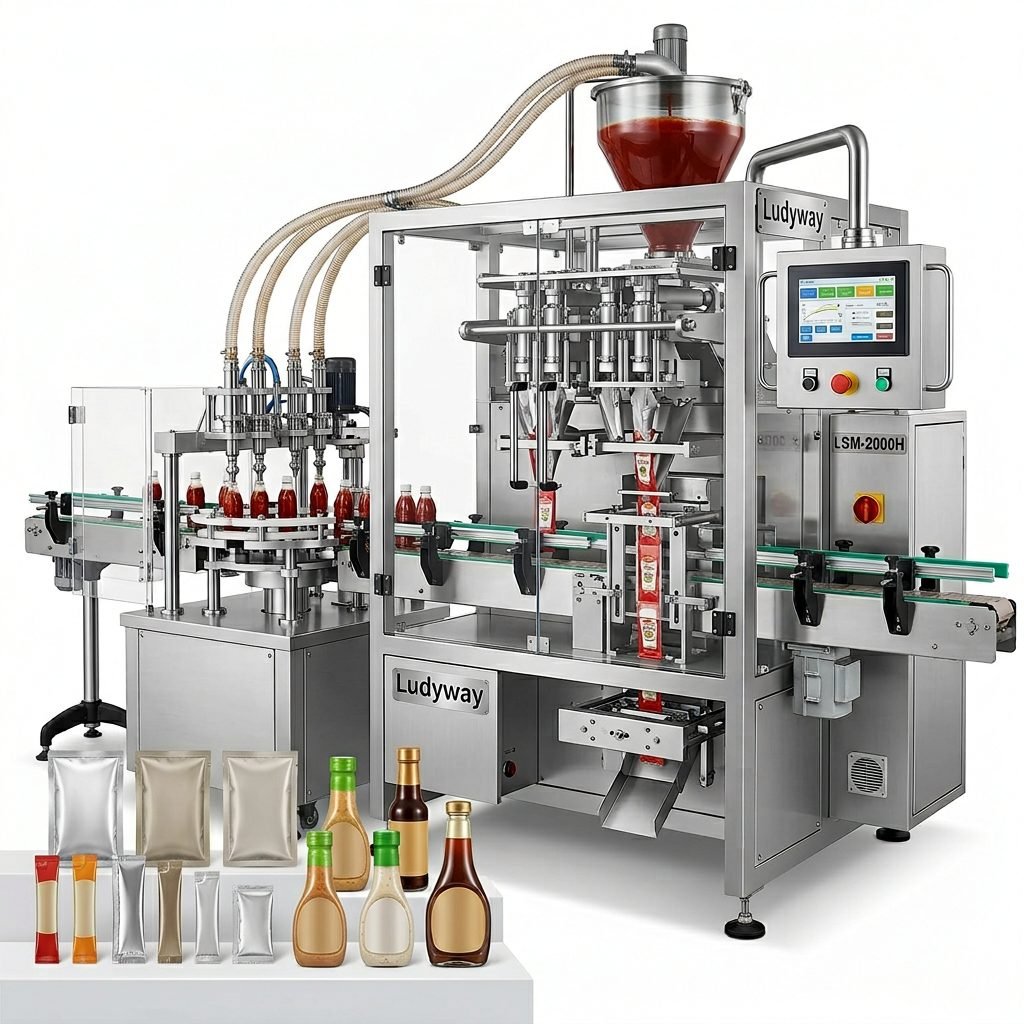
Investing in a premade pouch packing machine is a significant decision for any manufacturer looking to automate their packaging operations. With the global packaging machinery market continuing to expand, choosing the right equipment requires careful evaluation of your product characteristics, production goals, and operational requirements. This guide walks you through every critical factor to consider before making your purchase.
Understanding Premade Pouch Packaging Technology
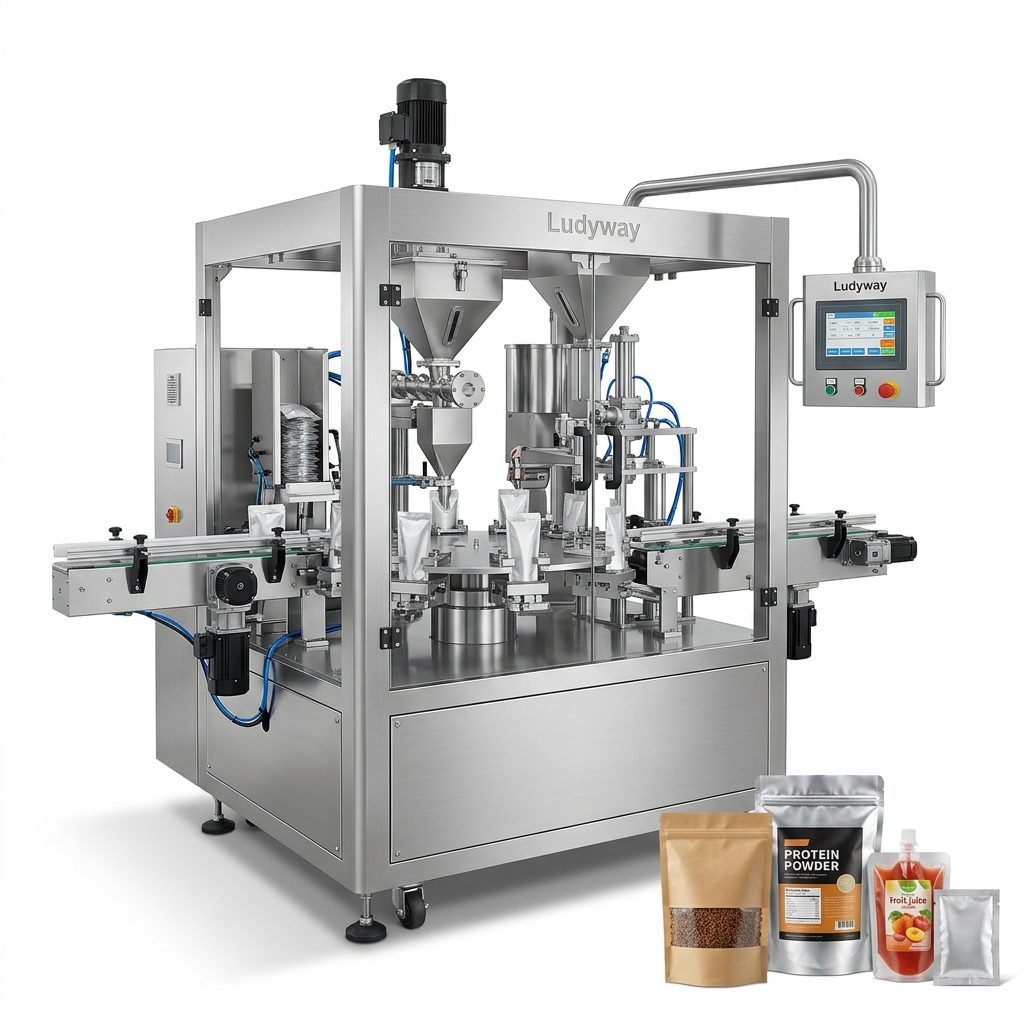
A premade pouch packing machine is designed to automatically open, fill, and seal pre-manufactured pouches. Unlike form-fill-seal systems that create pouches from roll stock, these machines work with ready-made pouches that come with pre-formed gussets, zippers, spouts, or other features. This approach offers greater flexibility in pouch design and often delivers superior seal quality for complex bag formats.
Key Factors to Evaluate Before Buying
Selecting the right equipment means matching machine capabilities to your specific production environment. Below are the most critical evaluation criteria every buyer should assess:
| Evaluation Factor | Why It Matters | Key Questions to Ask |
|---|---|---|
| Pouch Compatibility | Not all machines handle every pouch type | What pouch sizes, materials, and styles do you need to run? |
| Production Speed | Directly impacts throughput and ROI | How many pouches per minute does your operation require? |
| Filling System Type | Must match product characteristics | Is your product powder, granule, liquid, or solid? |
| Changeover Flexibility | Affects downtime between production runs | How frequently will you switch between pouch formats? |
| Automation Level | Determines labor requirements | Do you need semi-automatic or fully automatic operation? |
| Sealing Technology | Critical for product integrity and shelf life | Does your product require heat seal, ultrasonic, or vacuum sealing? |
Matching Machine Specifications to Your Product
Your product’s physical properties are the single most important factor in machine selection. A powder filling system behaves entirely differently from a liquid dosing system, and machines must be configured accordingly. Consider these product-specific requirements:
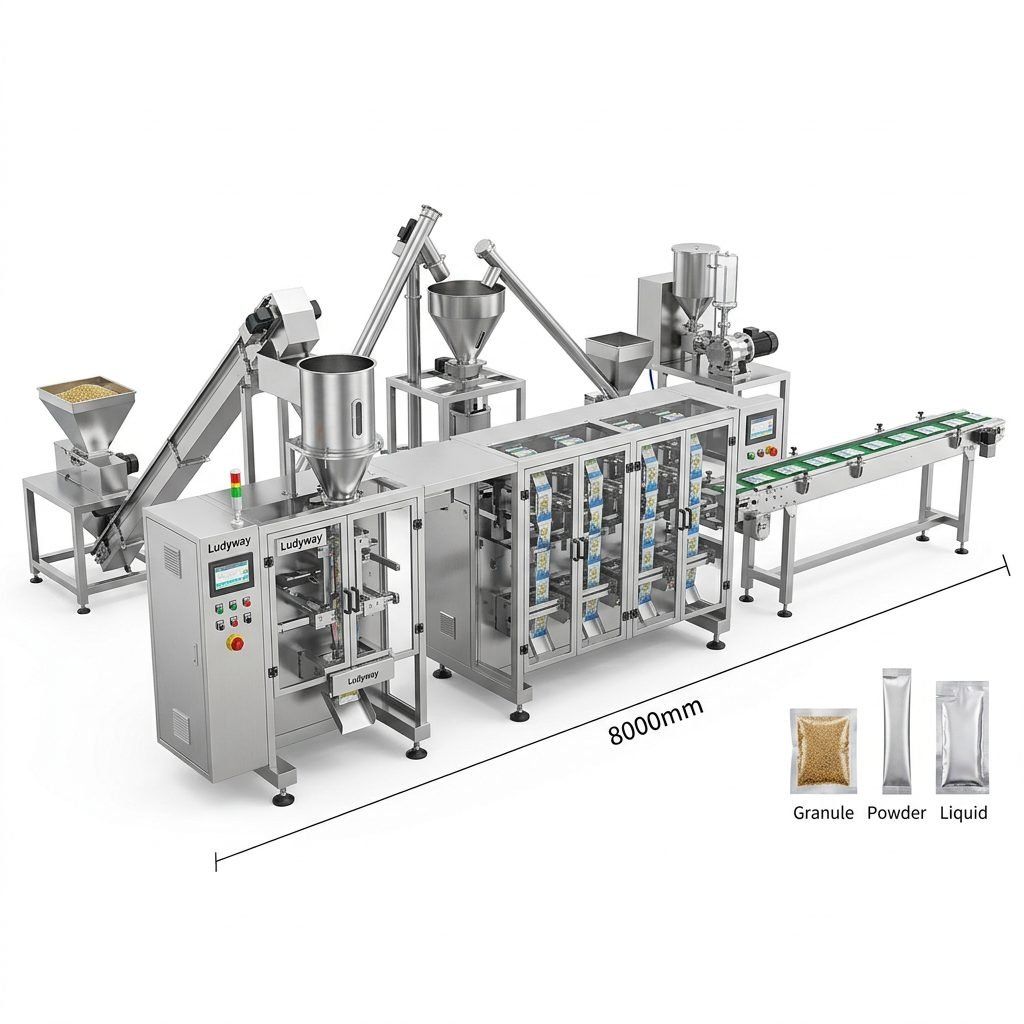
- Powder products — Require specialized auger fillers or vibratory feeding systems to handle varying densities and flow characteristics. Dust extraction may be necessary for fine powders.
- Granule products — Typically use volumetric cup fillers or multi-head weighers. Free-flowing granules are easier to handle than irregular or sticky granules.
- Liquid products — Need piston fillers, peristaltic pumps, or flow meters depending on viscosity. Foaming and sedimentation must be accounted for.
- Solid or piece products — May require counting systems, vibratory bowl feeders, or manual loading stations depending on product geometry.
Pouch Formats and Bag Styles
Modern flexible packaging comes in dozens of formats. Your premade pouch packing machine must be compatible with the specific pouch styles your products require. Common formats include:
- Stand-up pouches — Popular for food, pet food, and consumer goods with bottom gusset for shelf display
- Flat pouches — Cost-effective for single-use products and sachets
- Zipper pouches — Reclosable packaging ideal for products requiring multiple uses
- Spouted pouches — Growing in popularity for liquid beverages and sauces
- Side-gusseted pouches — Offer larger fill volumes and superior stability
- Stick packs — Narrow single-serve formats for powders and granules
Production Speed and Throughput Requirements
Speed capabilities vary dramatically across premade pouch packing machines. Entry-level semi-automatic machines may run at 10-20 pouches per minute, while high-speed rotary systems can exceed 60-80 pouches per minute on multi-lane configurations. When evaluating speed, consider not just the theoretical maximum but sustained production rates including changeover time, maintenance, and operator breaks.
Automation and Integration Capabilities
The level of automation you choose has major implications for labor costs, consistency, and scalability. Many manufacturers start with semi-automatic equipment and upgrade as production volumes grow. Key automation features to evaluate include:
- Automatic pouch loading — Eliminates manual pouch placement and increases speed
- Code printing integration — In-line date coding, batch numbering, and barcode printing
- Checkweighing systems — Real-time weight verification and rejection of out-of-spec pouches
- Gas flushing (MAP) — Modified atmosphere packaging for extended shelf life
- Conveyor and collection systems — Automated pouch discharge, counting, and collation
Industry-Specific Compliance and Standards
Different industries impose distinct regulatory requirements on packaging equipment. Food and pharmaceutical manufacturers, for instance, must comply with stringent hygiene and traceability standards. According to FDA packaging regulations, food contact surfaces must meet specific material safety requirements. Similarly, ISO packaging standards provide internationally recognized benchmarks for quality and safety compliance.
| Industry | Key Requirements | Recommended Machine Features |
|---|---|---|
| Food & Beverage | Washdown design, food-grade materials | Stainless steel construction, CIP compatibility |
| Pharmaceuticals | GMP compliance, validation documentation | Cleanroom-ready design, audit trail systems |
| Chemicals | Corrosion resistance, explosion-proof options | Hastelloy or coated contact parts, ATEX compliance |
| Cosmetics | Gentle product handling, aesthetic quality | Precision filling, no-drip nozzles |
Evaluating Total Cost of Ownership
The purchase price of a premade pouch packing machine is only one component of the total cost. Smart buyers evaluate the total cost of ownership (TCO) over the machine’s expected lifespan, which typically spans 7-15 years depending on usage and maintenance. Consider these cost factors:
- Initial capital expenditure — Machine cost, shipping, installation, and commissioning
- Ongoing consumables — Pouch material compatibility impacts per-unit packaging cost
- Spare parts inventory — Recommended spare parts and their availability from the supplier
- Energy consumption — Electrical and compressed air requirements
- Maintenance labor — In-house technician training versus external service contracts
- Downtime costs — Machine reliability directly affects production scheduling

Supplier Evaluation Criteria
Choosing the right equipment supplier is as important as choosing the right machine. A reliable packaging machinery partner provides value far beyond the initial sale. Key evaluation criteria for suppliers include:
- Industry experience — How many years has the supplier been manufacturing packaging equipment?
- Technical support — Is remote and on-site support available in your region?
- Customization capabilities — Can the machine be customized to your specific requirements?
- Installation and training — Does the supplier offer comprehensive commissioning and operator training?
- Spare parts availability — Are critical spare parts stocked and readily available?
- Customer references — Can the supplier provide references from manufacturers in your industry?
Customization vs. Standard Configuration
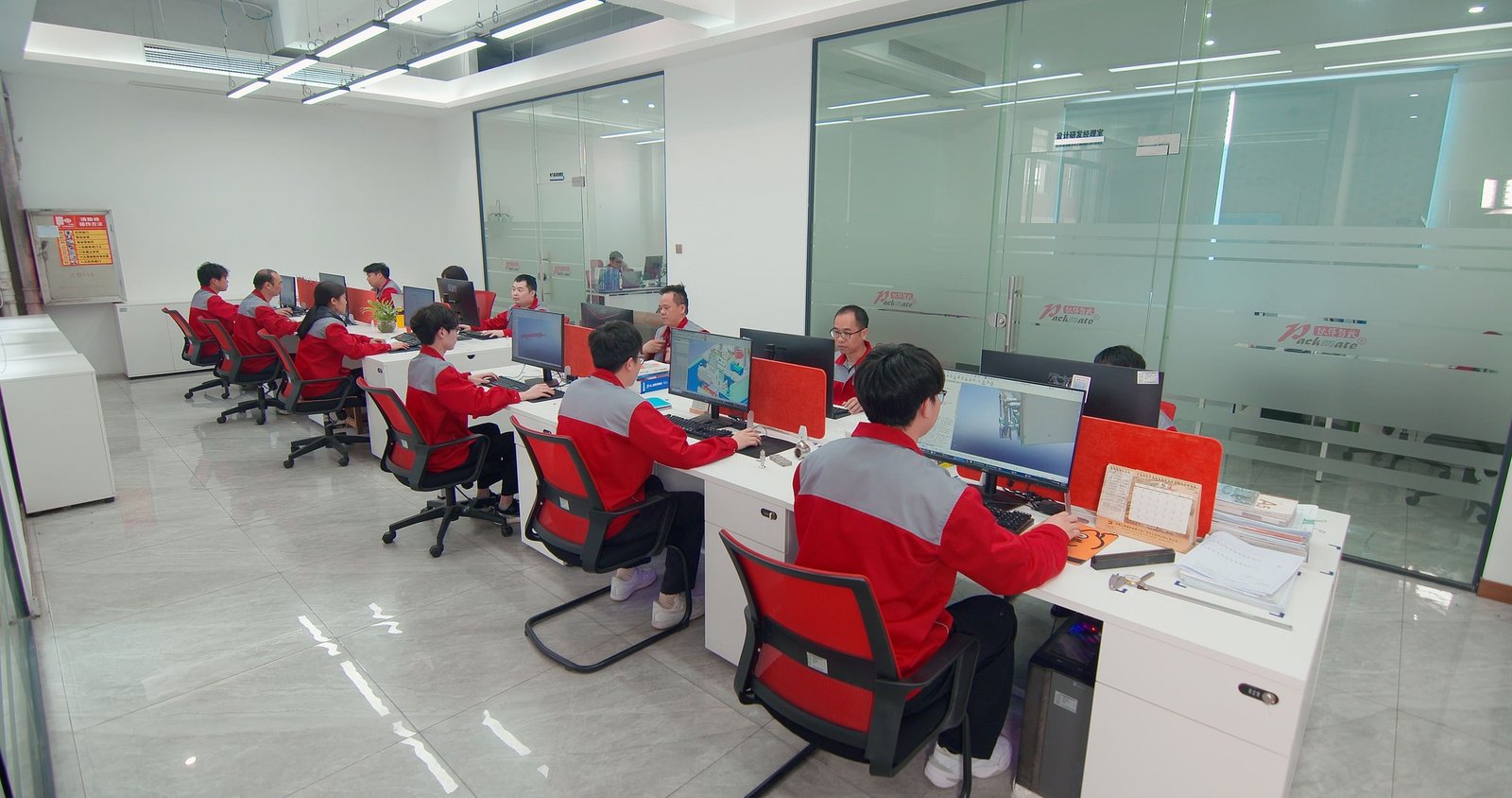
Many manufacturers find that standard machine configurations do not fully address their unique production requirements. Packaging industry resources suggest that customized engineering solutions often deliver better long-term value when product characteristics or packaging formats are specialized. Leading suppliers like Ludyway Machinery, a China-based packaging machinery manufacturer with over 30 years of experience, provide both standardized equipment and customized packaging solutions tailored to specific production needs across industries including food, pharmaceuticals, cosmetics, and chemicals.
Pre-Purchase Testing and Validation
Before finalizing your purchase, conduct thorough machine testing and validation using your actual products and packaging materials. Most reputable manufacturers offer factory acceptance testing (FAT) where you can observe the machine running your products. Key validation activities include:
- Product trials — Test with representative samples of your actual products
- Pouch material testing — Verify seal integrity and compatibility with your film suppliers
- Speed verification — Confirm sustained production rates under realistic conditions
- Accuracy assessment — Measure fill weight consistency and seal quality over extended runs
- Changeover evaluation — Time the changeover process between different pouch formats
After-Sales Support and Service Agreements
The relationship with your equipment supplier should extend well beyond installation. Comprehensive after-sales support ensures your machine maintains peak performance throughout its operational life. When evaluating suppliers, inquire about:
- Warranty coverage — Duration and scope of standard warranty terms
- Service level agreements (SLAs) — Guaranteed response times for technical support
- Remote diagnostics — Ability to troubleshoot issues via remote connection
- Operator training programs — Initial and ongoing training for production staff
- Preventive maintenance plans — Scheduled maintenance to minimize unplanned downtime
Regulatory and Certification Considerations
Depending on your target markets, your packaging equipment may need to comply with various international standards. International packaging standards provide frameworks for safety, quality, and environmental compliance. Key certifications to look for include CE marking for European markets, UL certification for North America, and GMP-compliant design for pharmaceutical applications. Always verify that your supplier can provide the necessary compliance documentation for your target markets.
Future-Proofing Your Investment
A premade pouch packing machine represents a multi-year investment. Consider how your packaging needs might evolve over the machine’s lifespan. Modular machine designs that allow for future upgrades—such as adding automatic pouch feeding, gas flushing capability, or integration with downstream cartoning equipment—provide greater long-term flexibility. Additionally, consider the growing emphasis on sustainable packaging regulations and ensure your equipment can handle recyclable or compostable film materials that may become standard in the coming years.
Making Your Final Decision
Selecting the right premade pouch packing machine ultimately comes down to aligning machine capabilities with your specific production requirements, budget, and growth plans. Take a systematic approach: define your must-have specifications, shortlist qualified suppliers, conduct thorough product trials, and evaluate total cost of ownership rather than focusing solely on purchase price. The right machine, backed by a reliable supplier with strong technical support capabilities, becomes a strategic asset that drives efficiency, consistency, and scalability for years to come.