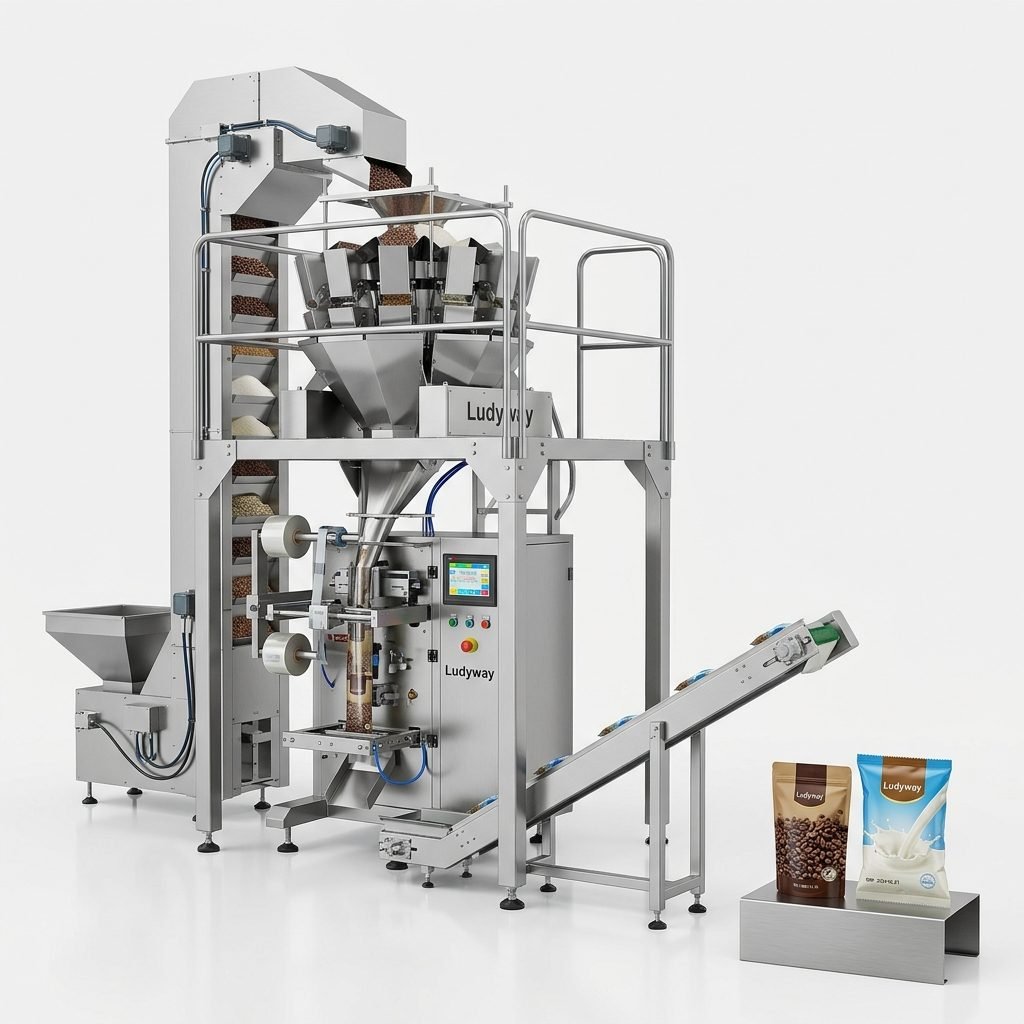
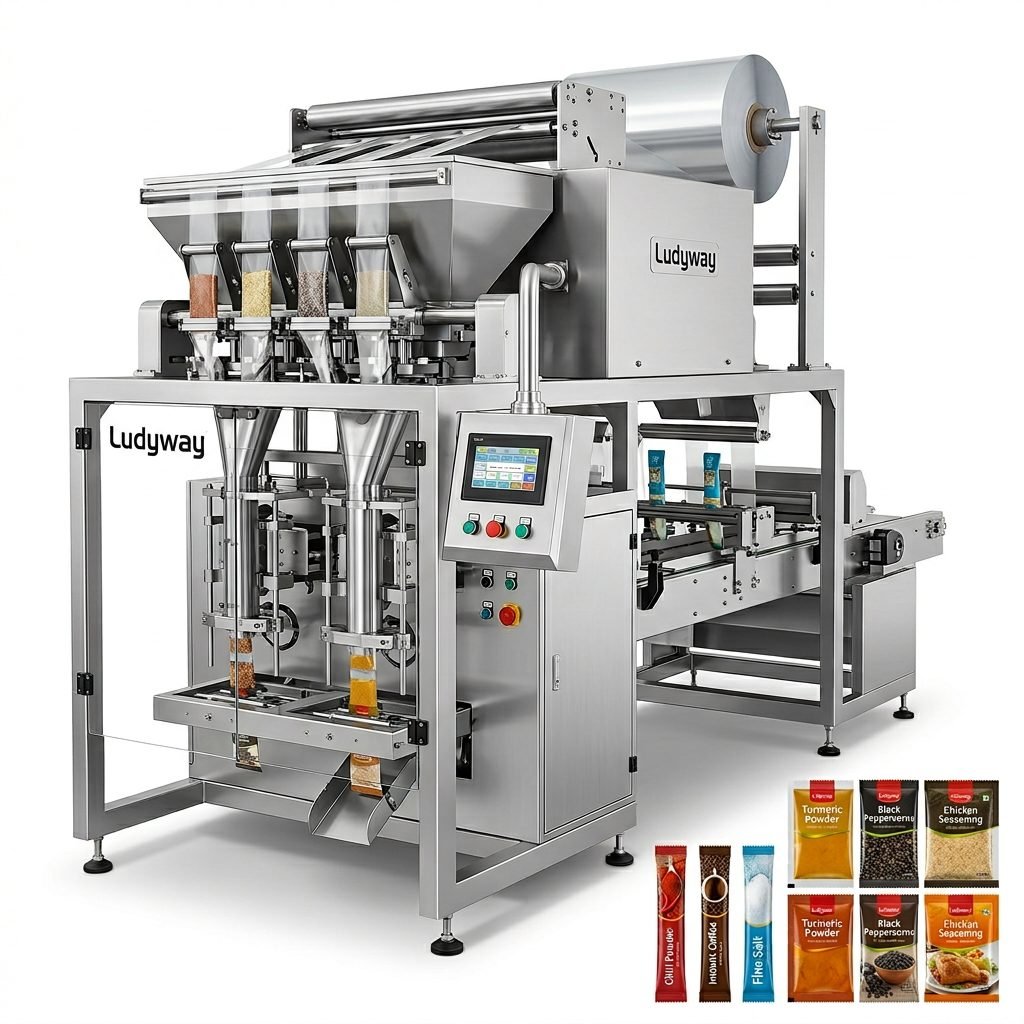
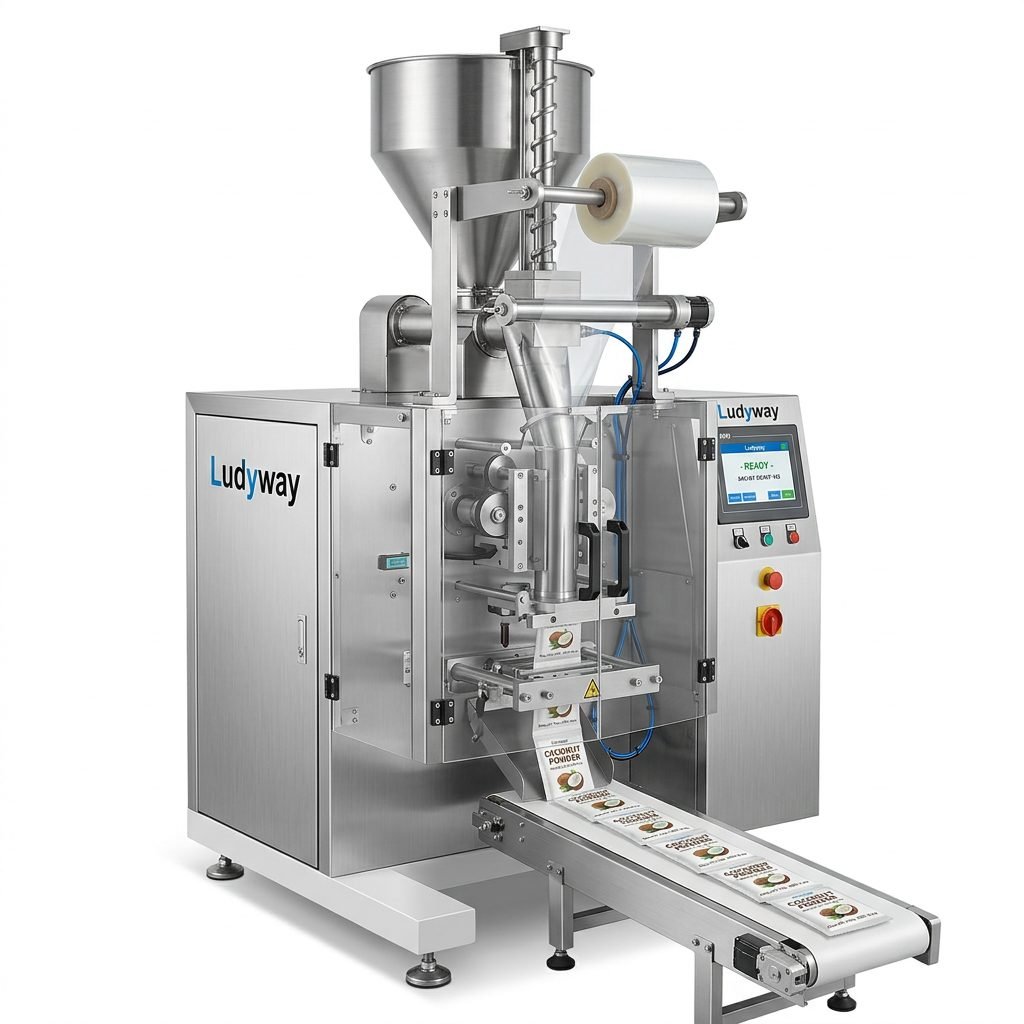
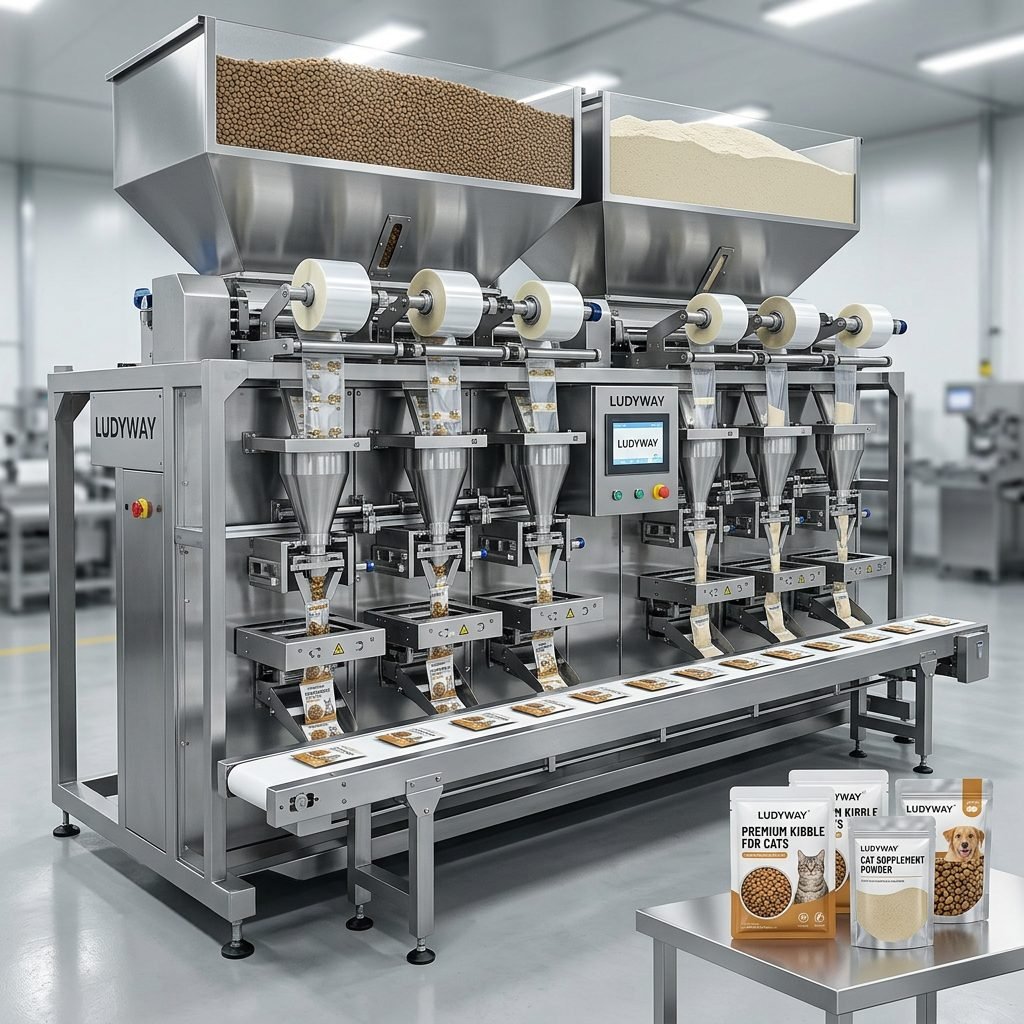
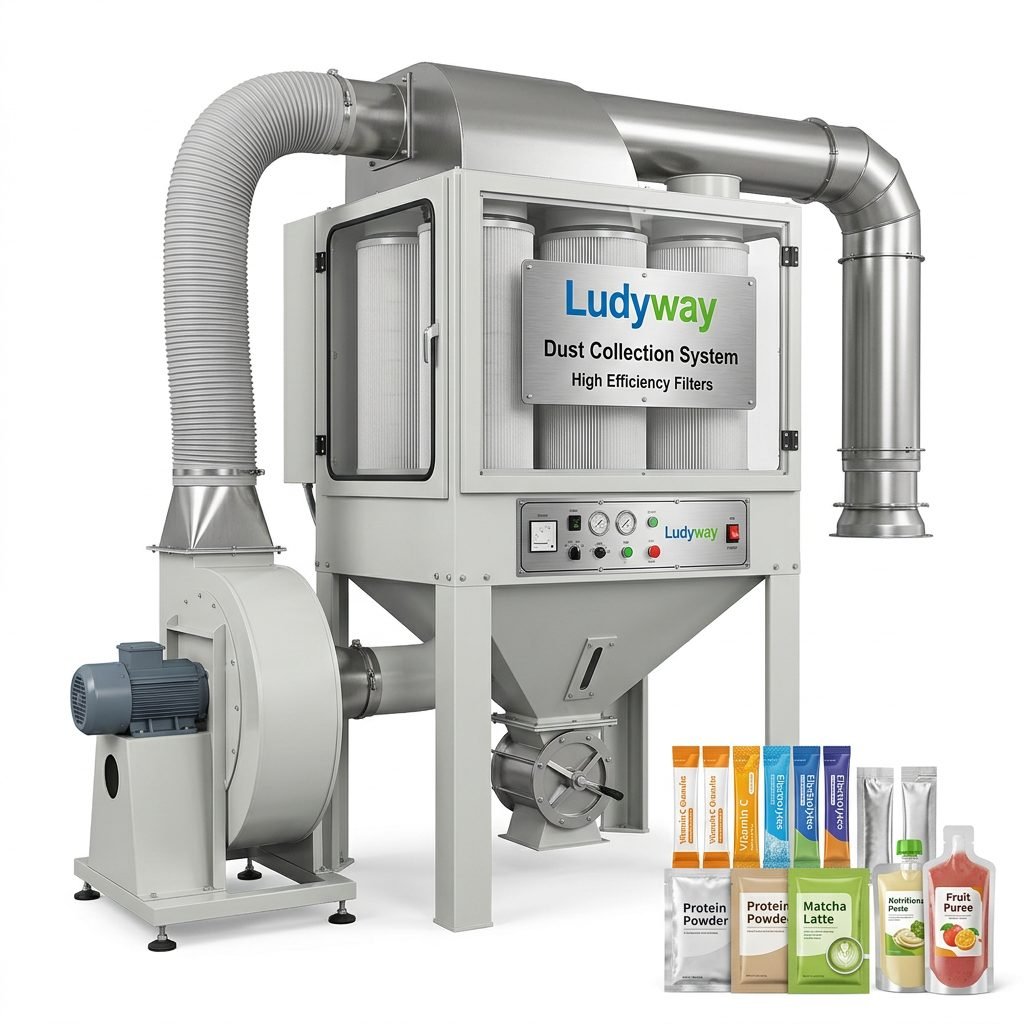
In the competitive landscape of consumer goods, pharmaceuticals, and industrial chemicals, the efficiency of your production line hinges on the precision and reliability of your equipment. Investing in the right automatic liquid packaging machine is a critical decision that impacts output, waste reduction, and brand consistency. Whether you are filling sachets, stick packs, bottles, or pouches, a structured approach to equipment selection ensures you match the machine’s capabilities to your product’s unique requirements.
1. Analyze Your Liquid Product Characteristics
The physical and chemical properties of your liquid are the primary determinants of the filling system you need. Not all liquids are created equal, and overlooking these nuances can lead to inaccurate fills or equipment damage.
- Viscosity: Free-flowing liquids (like water or juice) require different handling than semi-viscous (shampoo, oil) or highly viscous products (pastes, gels, heavy creams). Piston fillers or positive displacement pumps are typically recommended for thicker substances.
- Particulate Content: If your liquid contains chunks, seeds, or pulp (e.g., salad dressings, fruit concentrates), you need a filling nozzle designed to handle particulates without clogging.
- Chemical Compatibility: Corrosive chemicals, acids, or chlorinated products necessitate food-grade 316L stainless steel contact parts and specialized seals (EPDM, Viton) to prevent degradation.
- Foaming Tendency: Bottom-up filling or diving nozzle systems are essential for detergents or liquid soaps to minimize foam generation during the fill cycle.
2. Determine the Optimal Packaging Format and Material
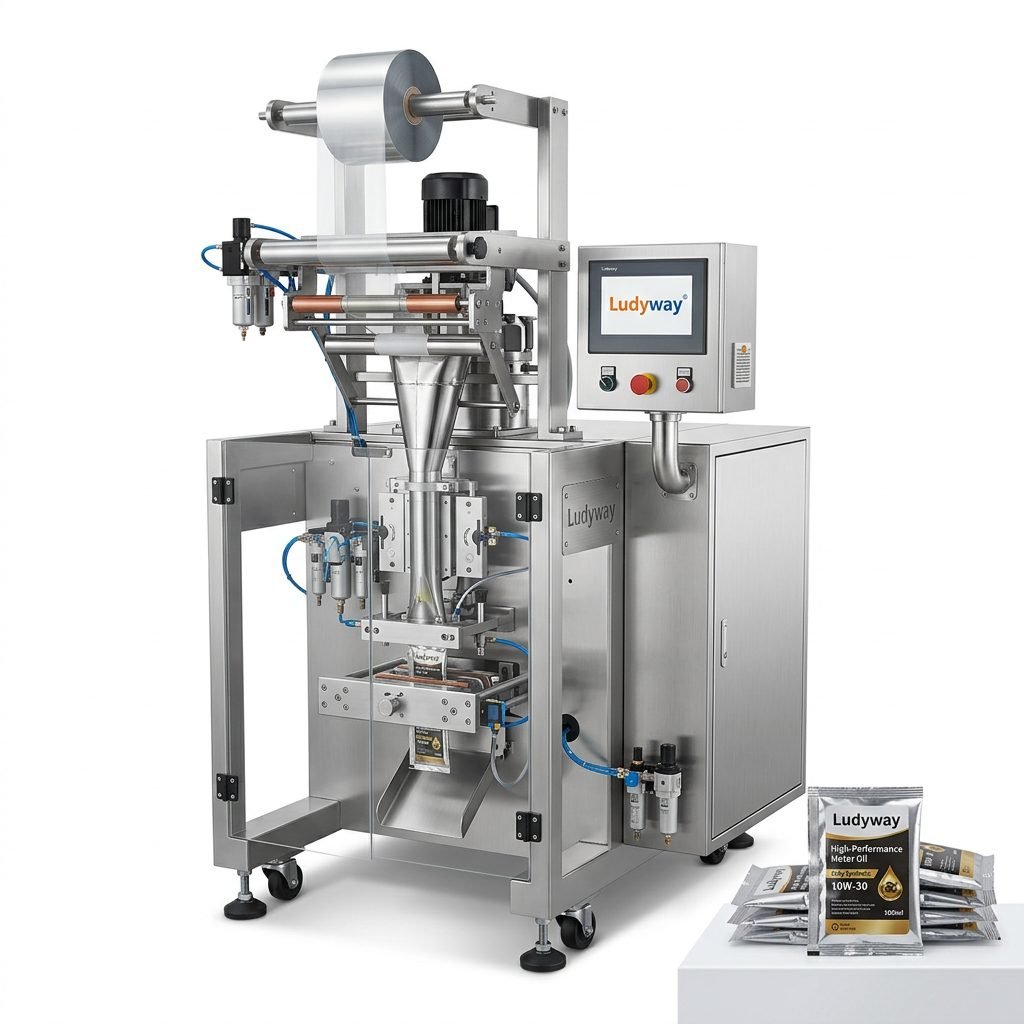
Your target market and brand strategy will dictate whether you package in multi-lane stick packs, sachets, pouches, or bottles. The machine’s web width and forming collar must align with your desired bag dimensions.
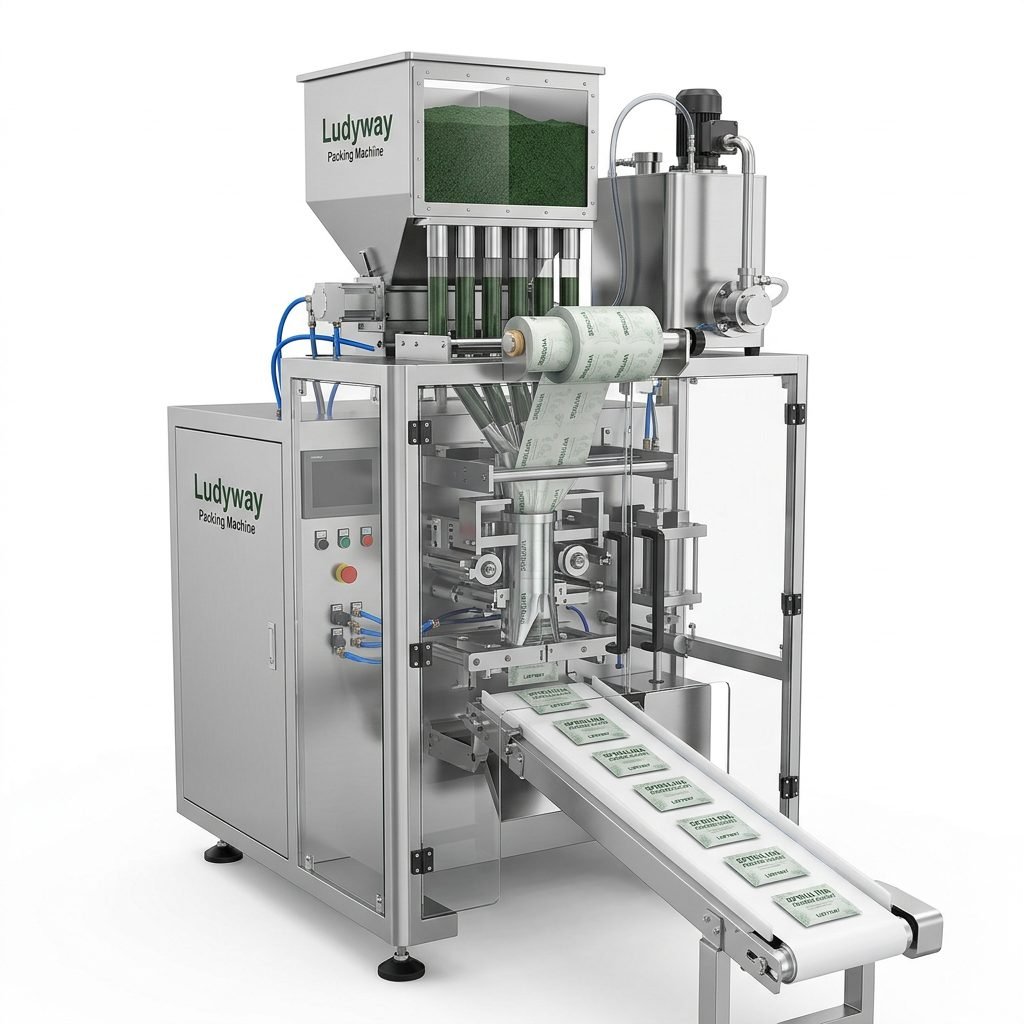
- Sachets & Stick Packs: Ideal for single-serve portions, promoting convenience and dosage accuracy.
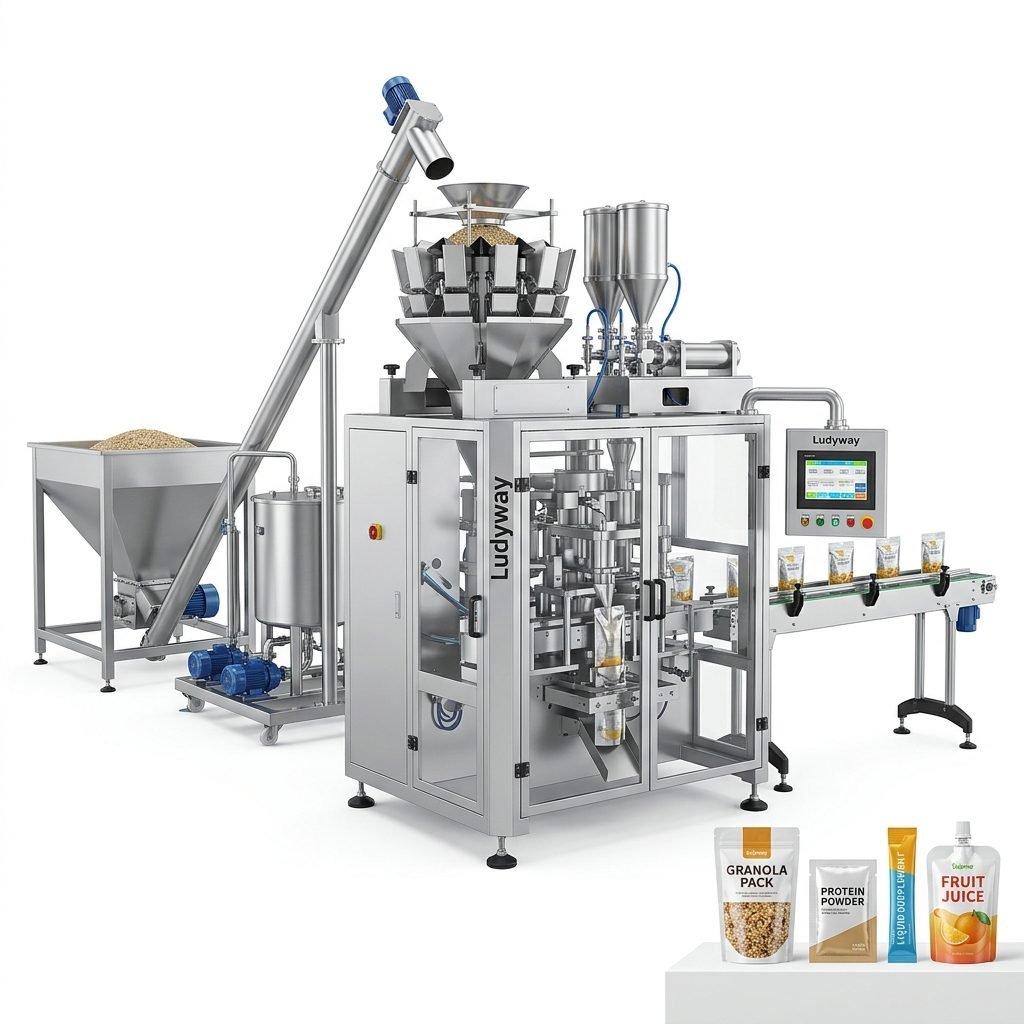
- Stand-up Pouches (Doypack): Feature bottom gussets for enhanced shelf presence and zipper/re-sealability options.
- Film Compatibility: Ensure the sealing system (heat seal vs. ultrasonic sealing) is tuned to your laminate structure (PET/AL/PE, BOPP/CPP). High-barrier films are crucial for extending the shelf life of sensitive liquids.
3. Match Production Speed with Filling Accuracy
Balancing throughput with accuracy is a common engineering challenge. While high-speed machinery can produce hundreds of packs per minute, filling accuracy (±0.5% to ±1%) directly correlates to your bottom line by preventing product giveaway.
| Machine Configuration | Typical Speed Range | Best Suited For |
|---|---|---|
| Single-Lane | 30 – 80 packs/min | Entry-level, large volume doses (e.g., shampoo sachets) |
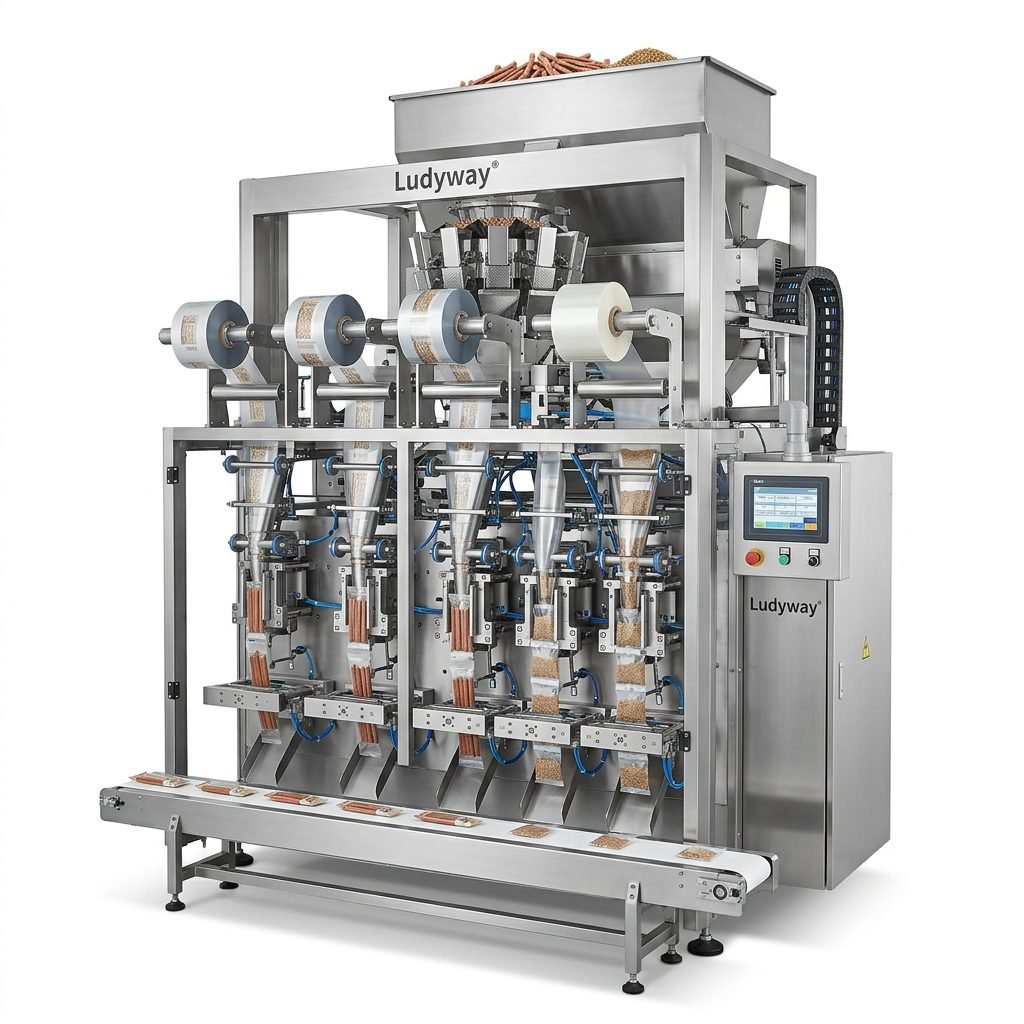
| Multi-Lane (4-12 lanes) | 200 – 600+ packs/min | High-volume stick packs (e.g., honey, ketchup, sanitiser) |
| Rotary Filler/Capper | Up to 100 bottles/min | Pharma glass/plastic bottles (e.g., syrups, oral liquids) |
4. Evaluate Automation and Integrated Ancillary Functions
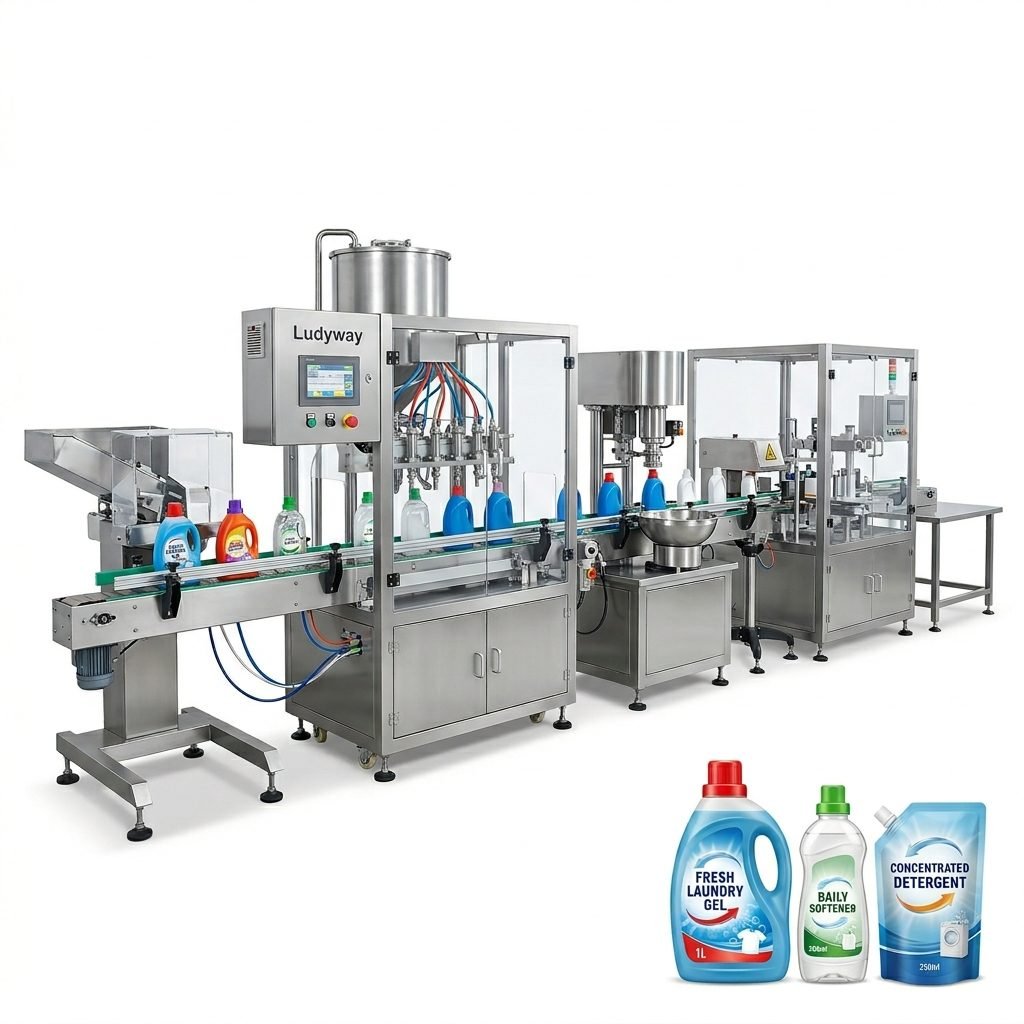
Modern packaging lines extend far beyond the basic fill-seal sequence. An automatic liquid packaging machine should offer modularity to integrate seamlessly with upstream and downstream equipment.
- CIP (Clean-in-Place) Systems: Critical for pharmaceutical or food-grade production to ensure hygiene without extensive dismantling.
- Gas Flushing (Nitrogen): Extends product freshness by removing oxygen from the headspace before sealing.
- Inspection Systems: Integrated checkweighers and metal detectors guarantee compliance and quality assurance.
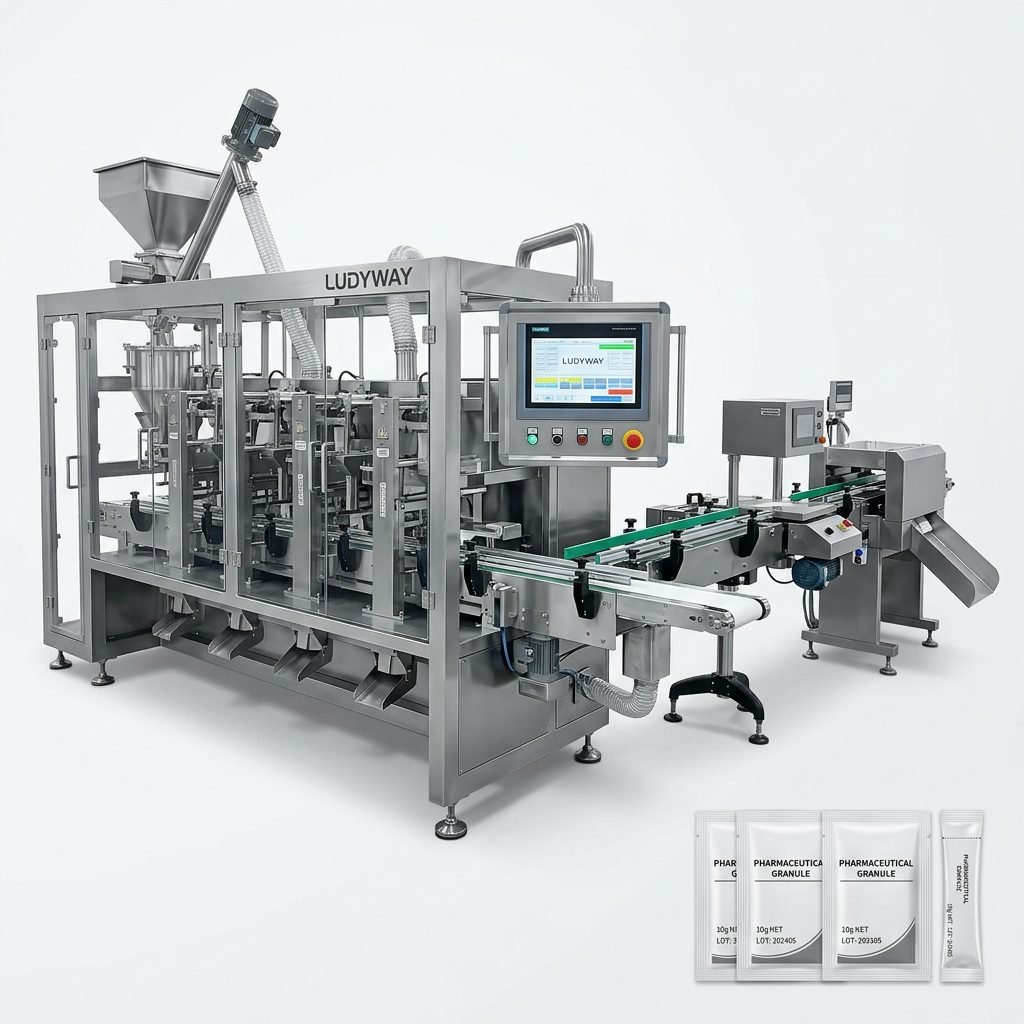
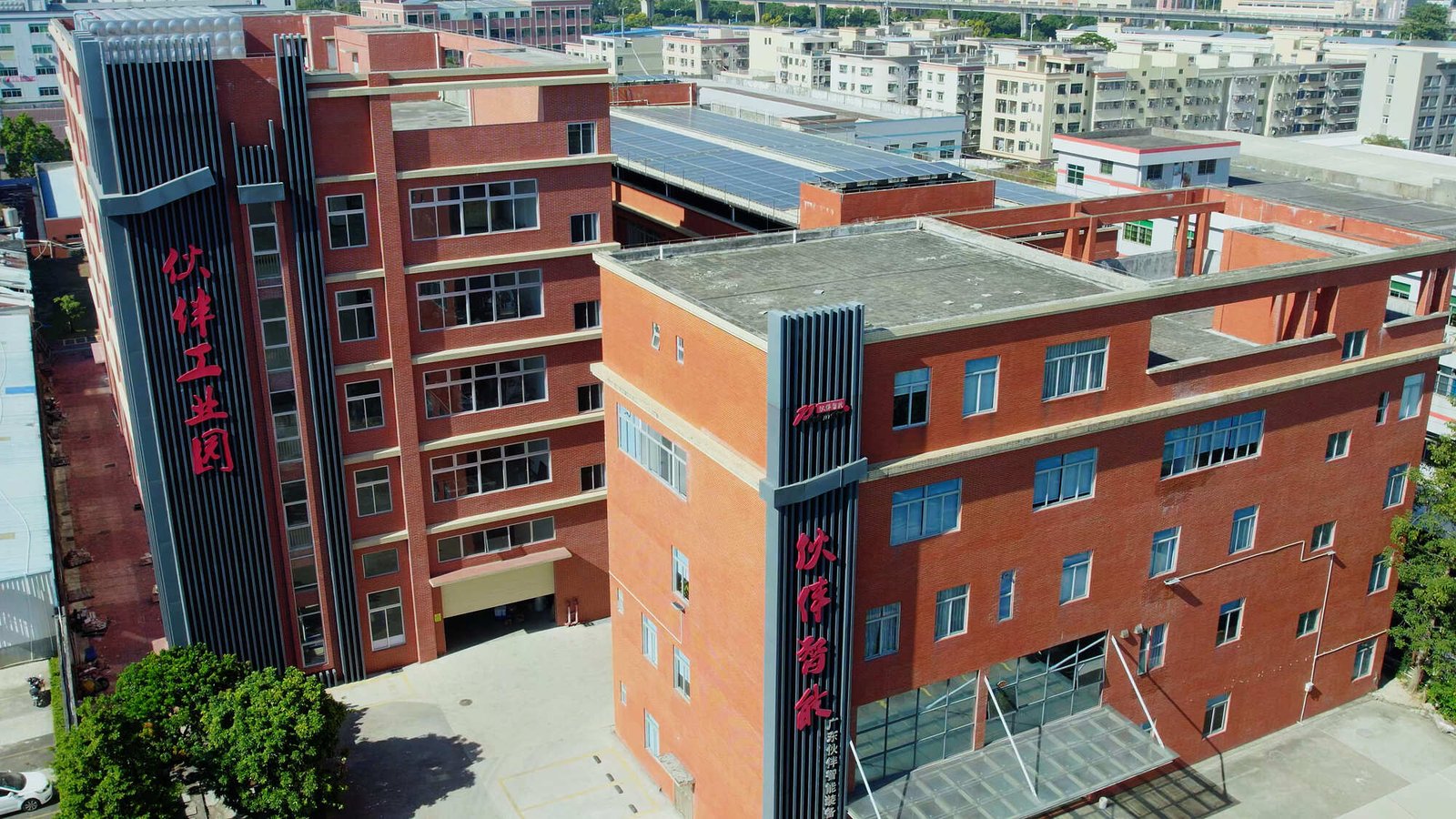
- Custom Engineering: Companies like Ludyway Machinery, with projected export revenues exceeding RMB 1 billion by 2026, offer comprehensive customized packaging solutions rather than off-the-shelf models, connecting multiple stages of the packaging process through automated feeding, dosing, filling, sealing, and coding.
5. Confirm Compliance with Industry Standards
Regulatory alignment is non-negotiable. Depending on your region and application, your equipment must meet strict safety and hygiene protocols.
- Pharmaceuticals: Adherence to cGMP, 21 CFR Part 11 (for electronic records), and ISO 11607 for terminally sterilized medical devices is mandatory.
- Food & Beverage: FDA food contact compliance and HACCP guidelines dictate material traceability and sanitary design.
- Chemical/Industrial: Explosion-proof (ATEX) certifications and robust sealing mechanisms to handle volatile solvents.
6. Assess Total Cost of Ownership (TCO)
The initial purchase price is only the tip of the iceberg. A comprehensive buyer’s guide considers the total cost of ownership over the machine’s lifecycle.
- Changeover Time: How quickly can the machine switch between different pouch sizes? A quick 10-minute tool-less changeover significantly boosts OEE (Overall Equipment Effectiveness).
- Spare Parts Availability: Verify the availability of critical wear parts like heat-sealing jaws, Teflon tapes, and cutting blades in your local market.
- Energy Efficiency: Examine the power consumption and compressed air requirements, which represent recurring operational overheads.
7. Request Factory Acceptance Testing (FAT)
Before the liquid packaging machine is shipped, a Factory Acceptance Test is vital. This allows you to witness the machine running with your actual product and packaging film, verifying speed, seal integrity, and fill accuracy before the unit leaves the manufacturing floor. This step is a hallmark of serious packaging machinery manufacturers committed to reducing on-site commissioning risks.
The decision to invest in an automatic liquid packaging machine is a strategic move toward scalability and consistency. By meticulously defining your product characteristics, throughput goals, and hygiene requirements, you ensure the technology you select drives measurable value for your manufacturing operation.