Introduction: Why Choosing the Right Coffee Packing Machine Matters
The global coffee market continues to expand rapidly, with increasing demand for convenient, single-serve formats such as stick packs, sachets, and portion-controlled pouches. For coffee producers and co-packers, selecting the right coffee packing machine is one of the most critical equipment decisions affecting product quality, production efficiency, and long-term profitability. A well-chosen machine delivers consistent fill weights, reliable sealing integrity, and the flexibility to adapt to changing market demands. Conversely, an unsuitable machine can lead to product waste, downtime, and missed market opportunities. This comprehensive buyer’s guide examines the key factors you need to evaluate before investing in coffee packaging equipment, helping you make an informed decision aligned with your production goals.
Understanding Your Coffee Product Characteristics
Before evaluating specific machine types, you must thoroughly understand the physical properties of your coffee product. Different coffee formats present distinct challenges for packaging machinery:
- Ground Coffee: Varies from fine espresso grinds to coarse French press grinds. Fine powders can become airborne, creating dust issues and requiring dust-controlled filling environments. Particle size distribution directly affects flowability and dosing accuracy.
- Instant Coffee Powder: Highly hygroscopic and moisture-sensitive, demanding excellent sealing integrity and often requiring nitrogen flushing or oxygen-barrier packaging materials to preserve freshness.
- Whole Bean Coffee: Relatively free-flowing but susceptible to crushing if mechanical handling is too aggressive. Requires gentle product handling and precise weighing systems.
- Coffee Pods and Capsules: Require specialized filling and sealing stations distinct from traditional form-fill-seal operations, often involving pre-formed pod assembly and nitrogen flushing for freshness.
- Liquid Coffee Concentrates: Demand hygienic liquid filling systems with precise volumetric or flow-meter dosing and strong seal integrity to prevent leaks.
Understanding these characteristics helps narrow down the appropriate dosing technology, sealing method, and overall machine configuration. According to the Association for Packaging and Processing Technologies (PMMI), matching machine capabilities to product properties is the foundation of successful packaging line design.
Types of Coffee Packing Machines: A Comparative Overview
Coffee packaging machinery comes in several configurations, each suited to specific bag formats, production volumes, and product types. The following table provides a structured comparison of the most common machine types used in coffee packaging operations:
| Machine Type | Best Suited For | Typical Speed Range | Key Advantages | Limitations |
|---|---|---|---|---|
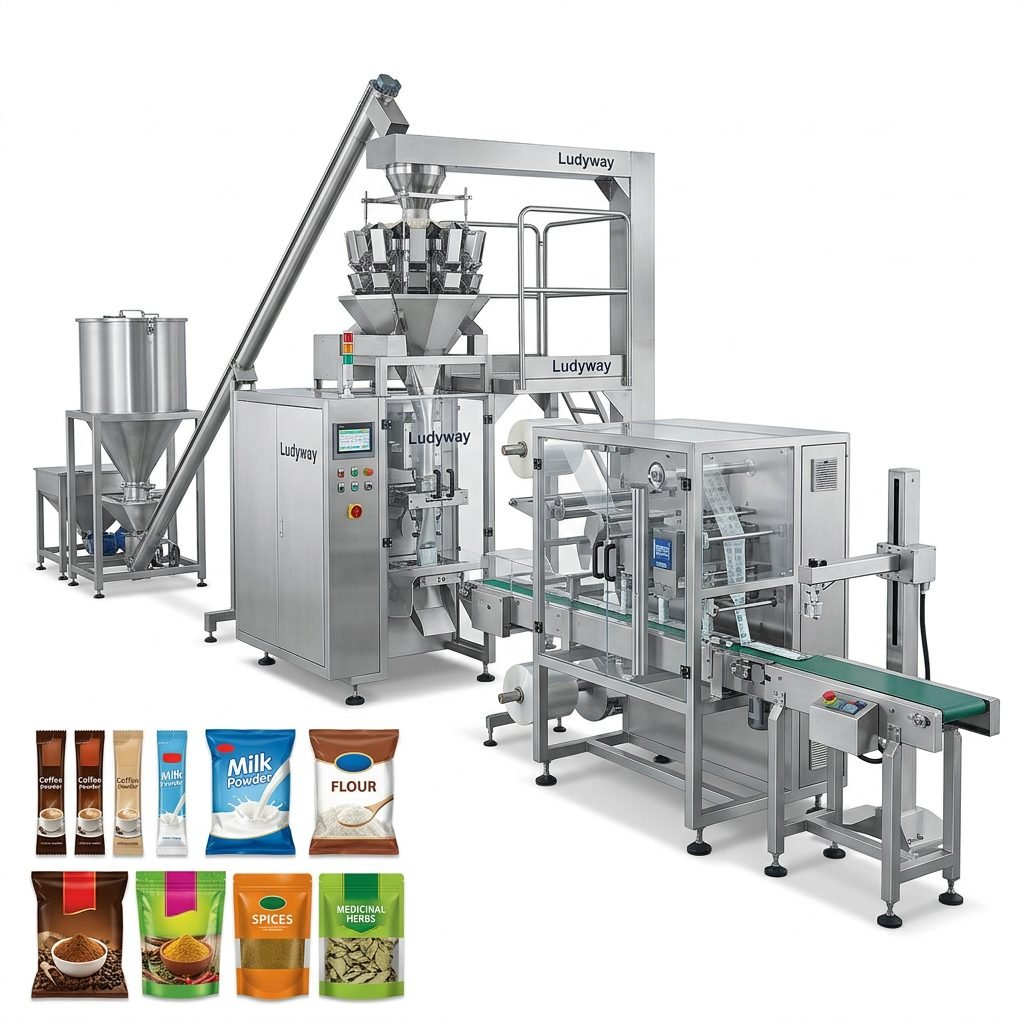
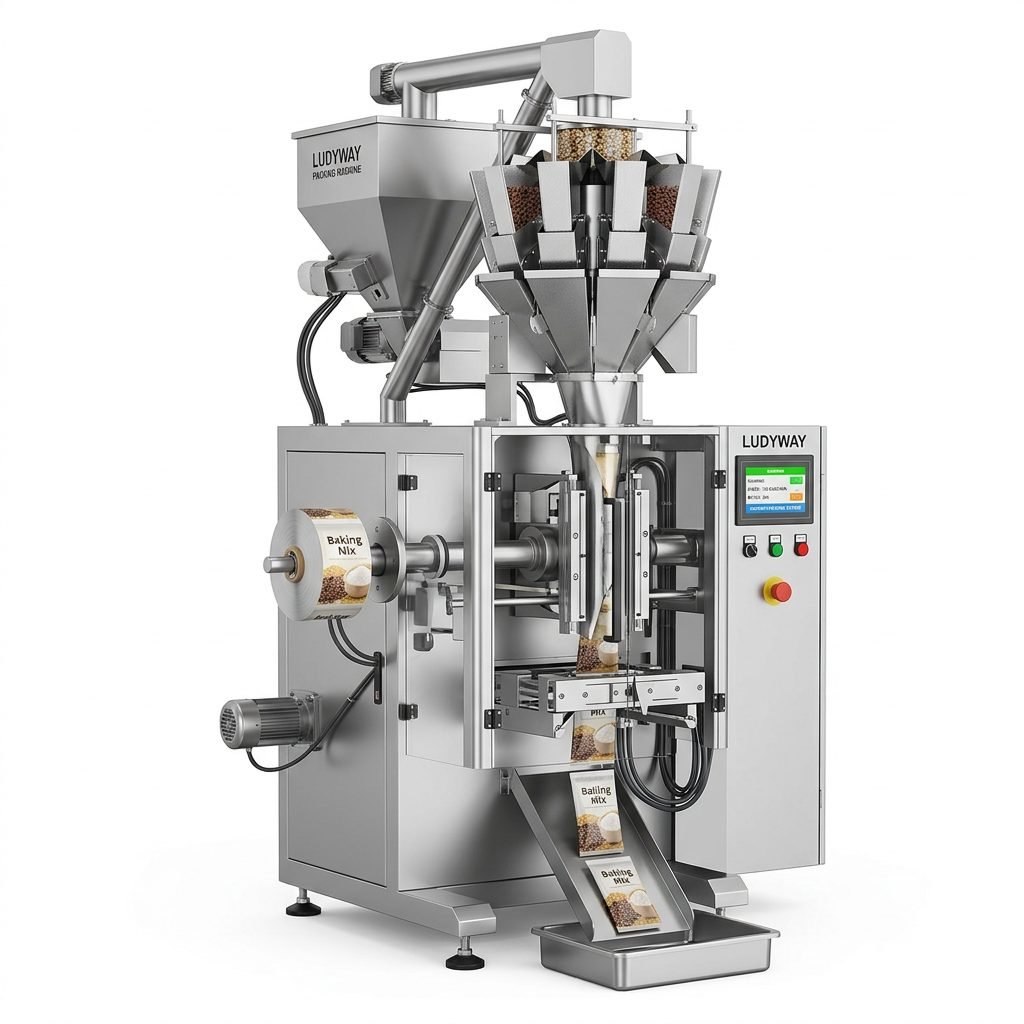
| Vertical Form Fill Seal (VFFS) | Ground coffee, whole beans, instant powder in pillow bags or gusseted pouches | 30–120 bags/min | Versatile bag formats, cost-effective film usage, wide industry adoption | Limited to flexible film packaging; may require additional gas flushing modules |
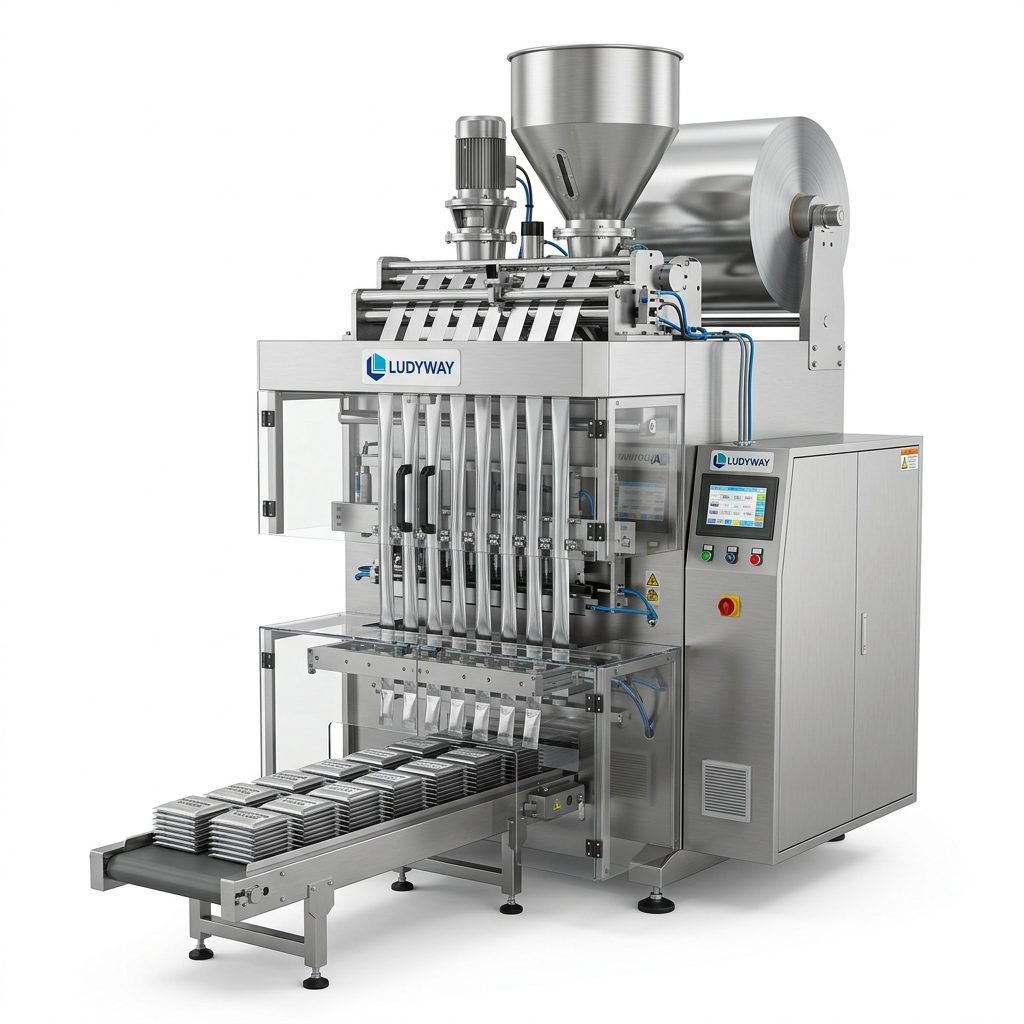
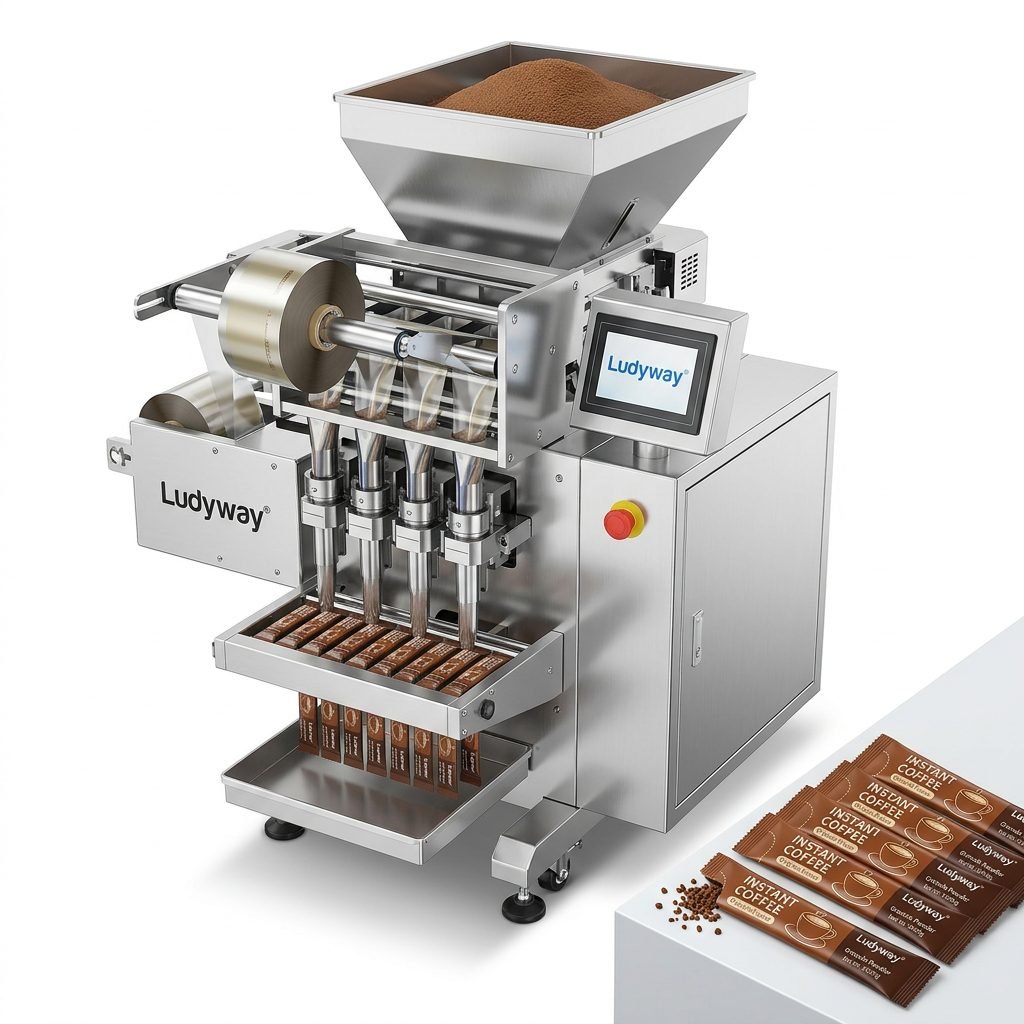
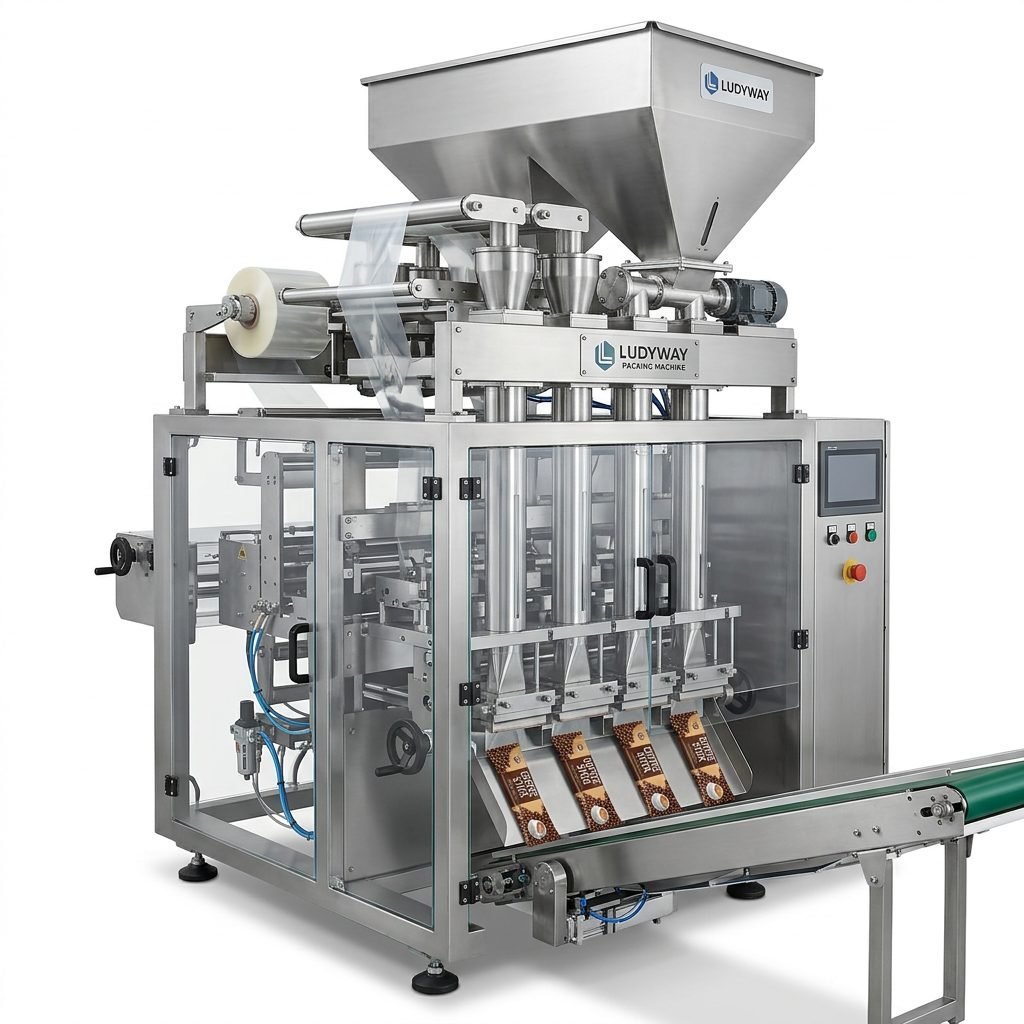
| Multi-Lane Stick Pack Machine | Instant coffee, 3-in-1 coffee mixes, single-serve stick packs | 200–600 packs/min (across multiple lanes) | Exceptionally high output, compact stick format, excellent for portion control | Higher initial investment; requires precise film tension control across all lanes |
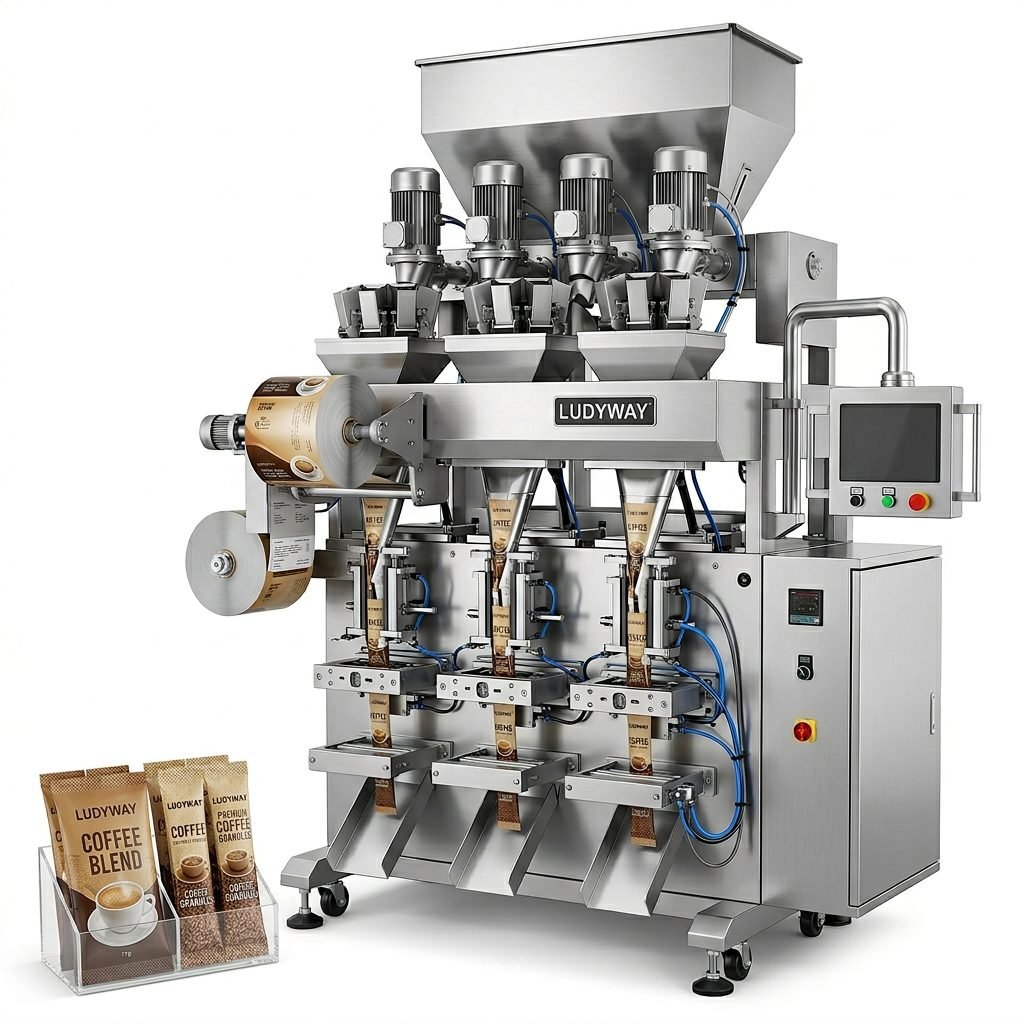
| Multi-Lane Sachet Machine | Single-serve sachets for instant coffee, coffee creamer, sugar-coffee combos | 200–800 sachets/min (across multiple lanes) | Maximum throughput, flexible sachet sizes, ideal for high-volume markets | Complex setup and changeover; requires skilled operators |
| Premade Pouch Machine | Premium whole beans, specialty ground coffee in stand-up pouches with zippers | 20–80 pouches/min | Premium packaging appearance, supports zippers and degassing valves, flexible pouch styles | Higher per-pack material cost; slower than continuous-motion systems |
| Coffee Capsule Filling Machine | Nespresso-compatible, K-Cup, and proprietary single-serve capsules | 100–500 capsules/min | Dedicated capsule handling, precise dosing, integrated nitrogen flushing | Limited to capsule formats; significant tooling costs for format changes |
Key Factors to Evaluate When Selecting a Coffee Packing Machine
Making the right equipment choice requires systematic evaluation of several interrelated factors. Each factor influences not only machine selection but also total cost of ownership and long-term operational flexibility.
Production Speed and Capacity Requirements
Your current and projected production volumes should drive speed specifications. Consider not just nominal machine speed but sustainable running speed with your specific product and packaging material. A machine rated at 120 packs per minute may realistically achieve 80–90 percent of that rate during continuous production, accounting for film splices, minor adjustments, and normal stoppages. Over-specifying speed leads to unnecessary capital expenditure, while under-specifying creates bottlenecks as demand grows. Factor in at least 20 percent headroom above current peak requirements to accommodate growth.
Bag Format and Size Flexibility
Coffee brands increasingly differentiate through packaging formats. Your machine should accommodate the bag styles and sizes relevant to your market strategy, whether that means pillow bags, gusseted pouches, quad-seal bags, stick packs, or sachets. Some machines offer quick-change modules that allow format switches in minutes rather than hours. If you anticipate introducing multiple SKUs or limited-edition packaging, prioritize flexibility over single-format optimization. The Flexible Packaging Association reports that format diversification is a key trend driving packaging machinery upgrades across the coffee sector.
Filling and Dosing Accuracy
For coffee products where ingredient costs are significant, overfilling directly erodes margins. Underfilling risks regulatory non-compliance and customer dissatisfaction. Auger fillers suit free-flowing and non-free-flowing powders, while multi-head weighers deliver exceptional speed and accuracy for granular products like whole beans and coarse grounds. Volumetric cup fillers offer a cost-effective solution for consistent-density products. Evaluate the accuracy specifications (±1g, ±0.5g, or tighter) against your product value and regulatory requirements.
Sealing Technology and Package Integrity
Coffee’s sensitivity to oxygen, moisture, and aroma loss makes seal integrity paramount. Heat-sealing is the most common method, with temperature, pressure, and dwell time precisely controlled for each film type. For products requiring extended shelf life, look for machines equipped with gas flushing (MAP) capability, which displaces oxygen with inert gas before sealing. Ultrasonic sealing is an alternative for certain laminate structures and offers energy efficiency benefits. Regardless of technology, the machine should produce consistently strong seals verified through regular quality checks.
Packaging Material Compatibility
Your choice of packaging material directly impacts machine selection. Common coffee packaging films include metallized PET/PE laminates, aluminum foil laminates, and increasingly, recyclable mono-material structures. Each material has different heat-sealing characteristics, barrier properties, and mechanical handling behavior. Verify machine compatibility with your intended packaging materials, including any sustainable or recyclable alternatives you may adopt in the future. Emerging regulations such as the European Packaging and Packaging Waste Regulation are accelerating the shift toward recyclable packaging structures, and your equipment investment should accommodate this transition.
Automation Level and Integration Capabilities
Coffee packaging operations range from semi-automatic systems requiring manual product loading to fully automated lines integrating feeding, filling, sealing, coding, inspection, cartoning, and palletizing. Evaluate your labor availability, skill levels, and automation objectives. Higher automation reduces labor dependency and improves consistency but increases upfront capital expenditure and maintenance complexity. Consider whether the machine can integrate with upstream roasting and grinding equipment and downstream secondary packaging systems. Modern packaging lines increasingly feature Industry 4.0 capabilities, including remote monitoring, predictive maintenance alerts, and production data analytics that support continuous improvement initiatives.
Budget, ROI, and Total Cost of Ownership
While purchase price is the most visible cost, total cost of ownership (TCO) encompasses installation, training, spare parts, maintenance, energy consumption, film waste rates, and downtime costs. A lower-priced machine that generates 5 percent film waste versus 1 percent for a premium machine can cost significantly more over its service life. Calculate projected ROI based on:
- Labor savings compared to current packaging methods
- Material waste reduction through precise film handling and sealing
- Product giveaway reduction from accurate dosing
- Increased throughput enabling higher sales volumes
- Reduced downtime through reliable, well-supported equipment
Industry data from PMMI Business Intelligence suggests that well-selected packaging machinery typically achieves ROI within 18–36 months in coffee applications, depending on production volume and automation level.
Compliance, Hygiene, and International Standards
Food-grade coffee packaging equipment must meet applicable regulatory requirements in your target markets. Machines should be constructed with food-safe materials, feature accessible cleaning points, and comply with relevant standards such as ISO packaging standards and FDA regulations for food contact surfaces where applicable. For manufacturers exporting to multiple regions, equipment designed to meet CE, UL, or other regional certifications can simplify market access. Verify that the machine builder can provide compliance documentation and certification support for your specific requirements.
After-Sales Support and Long-Term Partnership
Packaging machinery is a long-term investment, and the manufacturer’s support capability significantly affects operational uptime. Evaluate the availability of spare parts, technical support response times, remote diagnostic capabilities, and local service presence. A manufacturer with global service infrastructure can provide faster assistance when issues arise, minimizing production disruptions. Operator training is equally important; comprehensive initial training and ongoing support resources help your team maintain optimal machine performance and troubleshoot common issues independently.
Making the Final Decision: A Structured Approach
After evaluating the factors outlined above, a structured decision process helps consolidate your findings:
- Define your product range and target packaging formats for the next 3–5 years
- Calculate current and projected production volumes with realistic growth assumptions
- Shortlist machine types compatible with your product characteristics and format requirements
- Request detailed proposals from multiple manufacturers, including TCO projections
- Conduct product trials with your actual coffee product and packaging materials
- Visit reference installations to observe machines in production environments similar to yours
- Evaluate manufacturer support capabilities and spare parts availability in your region
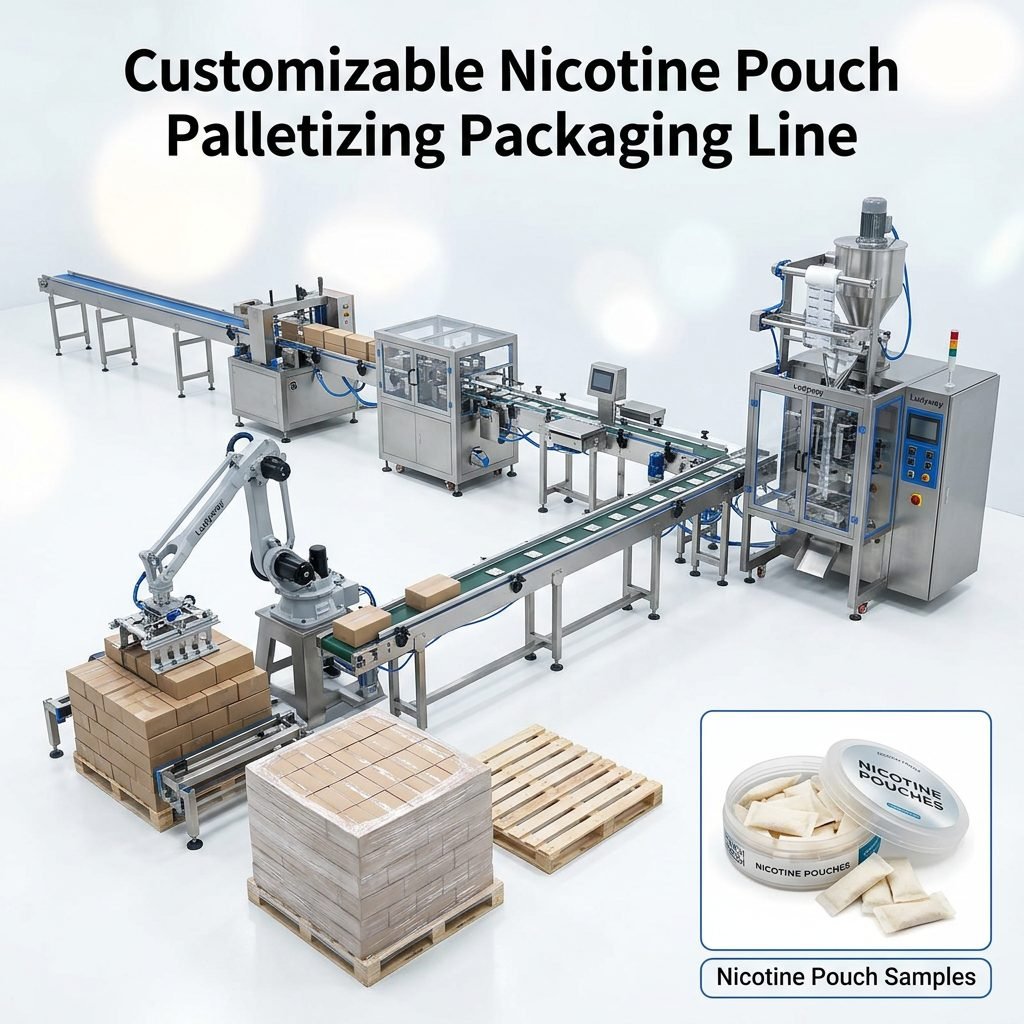
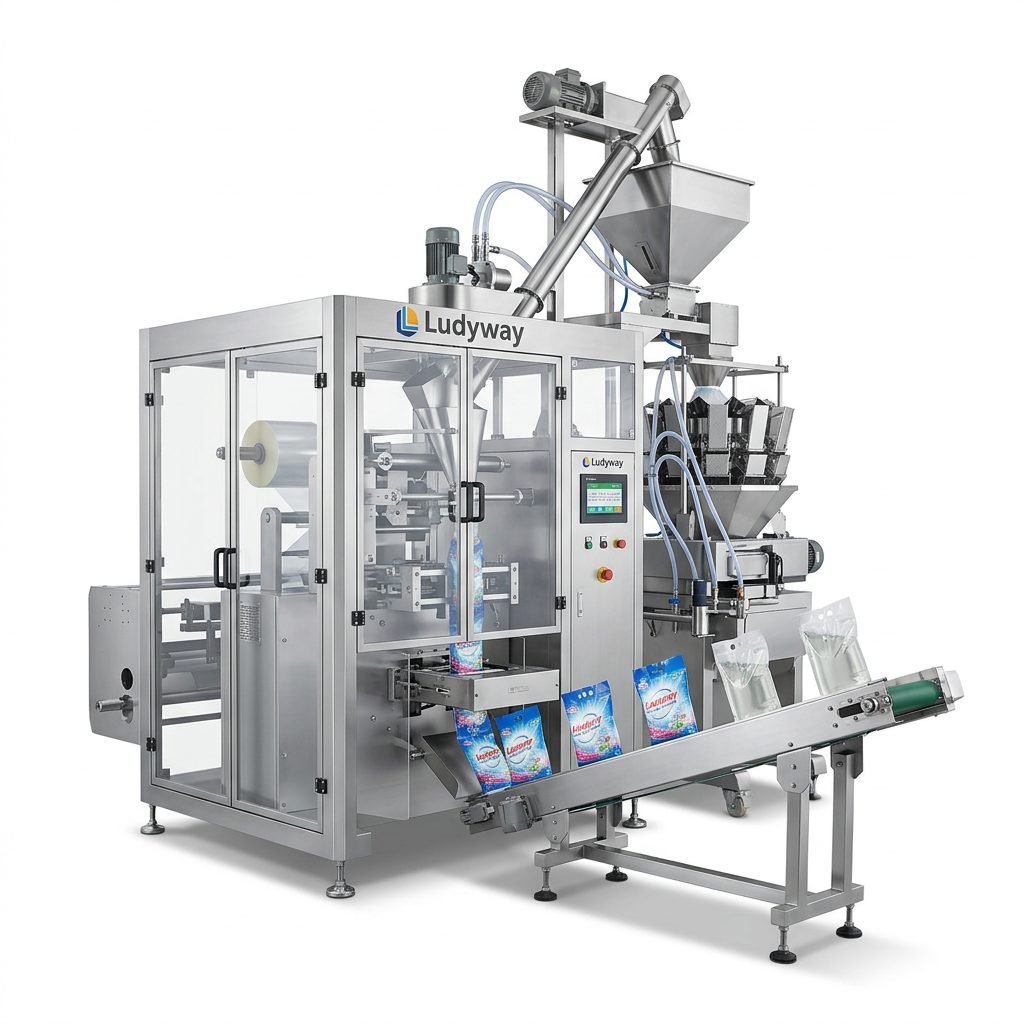
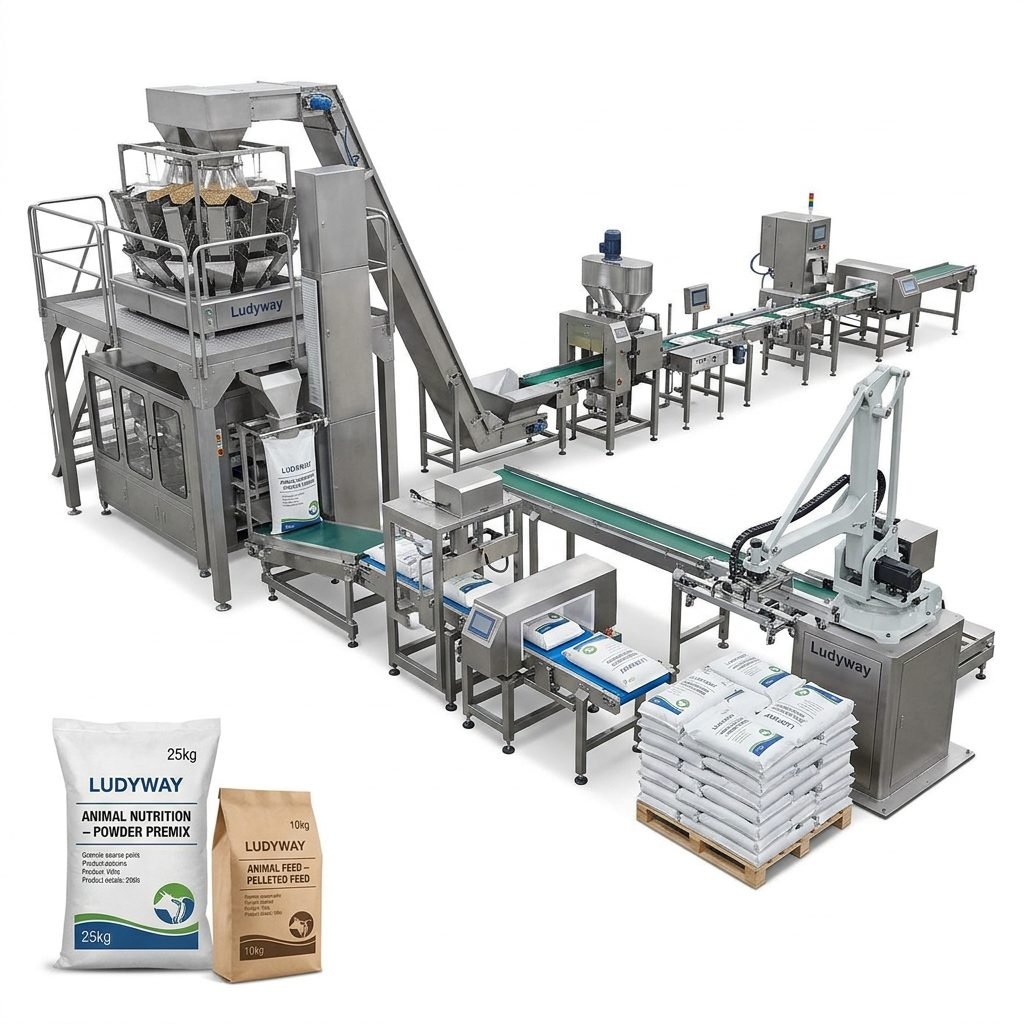
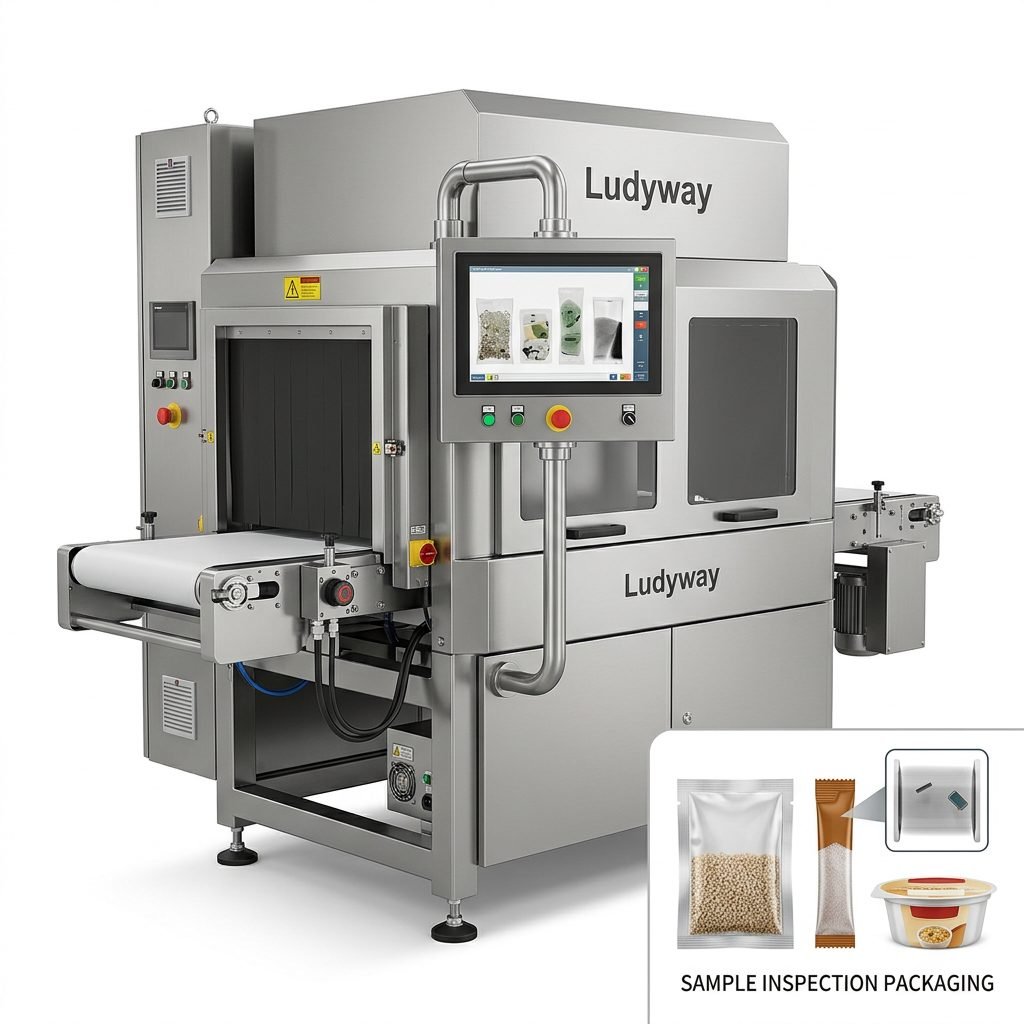
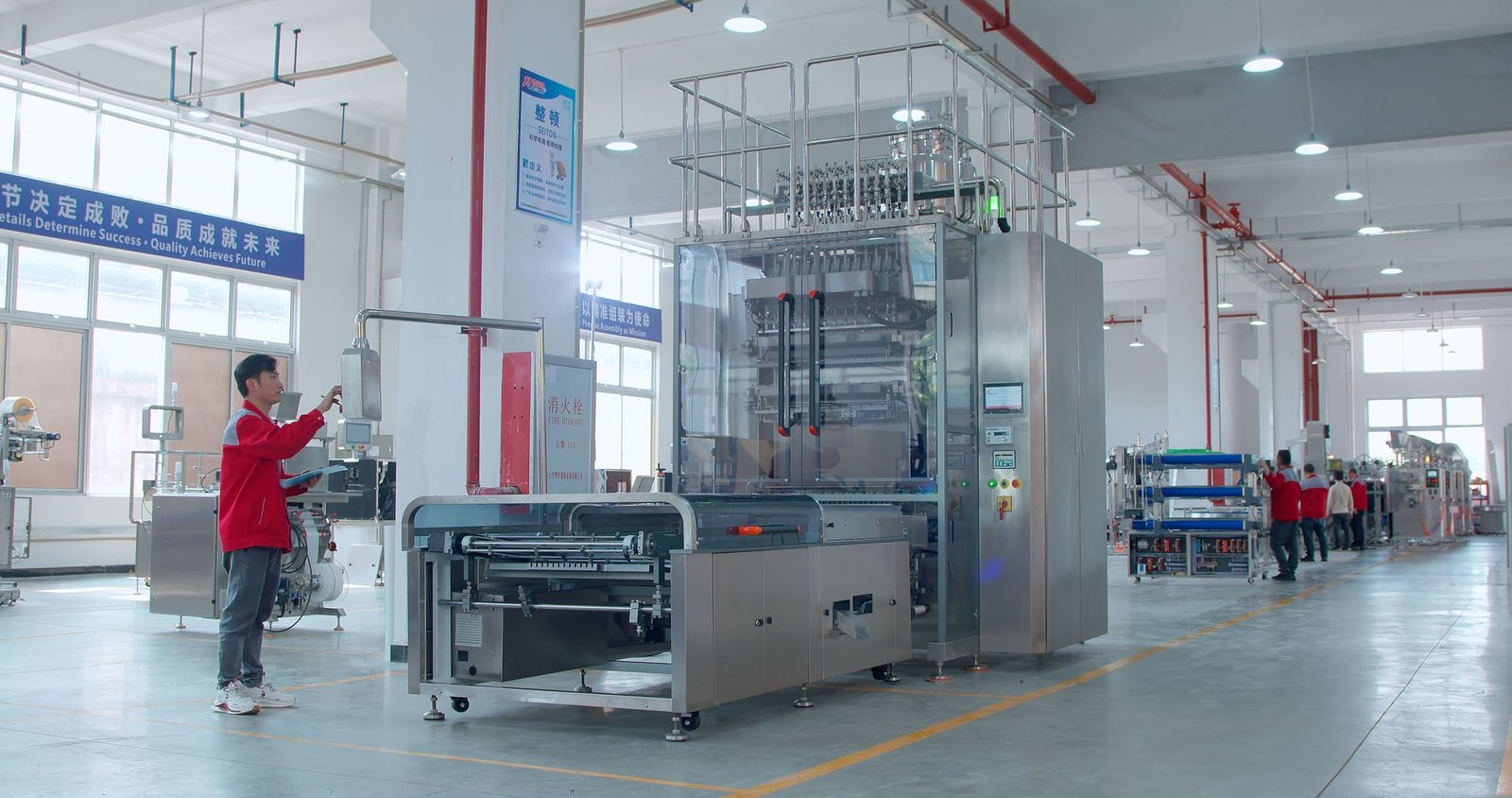
For manufacturers seeking a single partner capable of delivering integrated, customized packaging solutions — from individual automatic coffee packaging machines to complete turnkey production lines — companies like Ludyway Machinery offer comprehensive engineering and service support built on decades of packaging industry experience across more than 100 countries. Taking a methodical, requirements-driven approach to equipment selection helps ensure your investment delivers reliable performance, product quality, and production efficiency throughout its service life.
Conclusion
Choosing the right coffee packing machine is a strategic decision that influences product quality, brand reputation, operational costs, and market competitiveness. By thoroughly evaluating your product characteristics, production requirements, automation goals, and total cost of ownership — and by partnering with an experienced packaging machinery provider — you can select equipment that not only meets today’s demands but also supports your growth ambitions for years to come. The coffee market rewards brands that deliver consistent quality in convenient, well-sealed packaging, and the right machinery is essential to achieving that standard at scale.