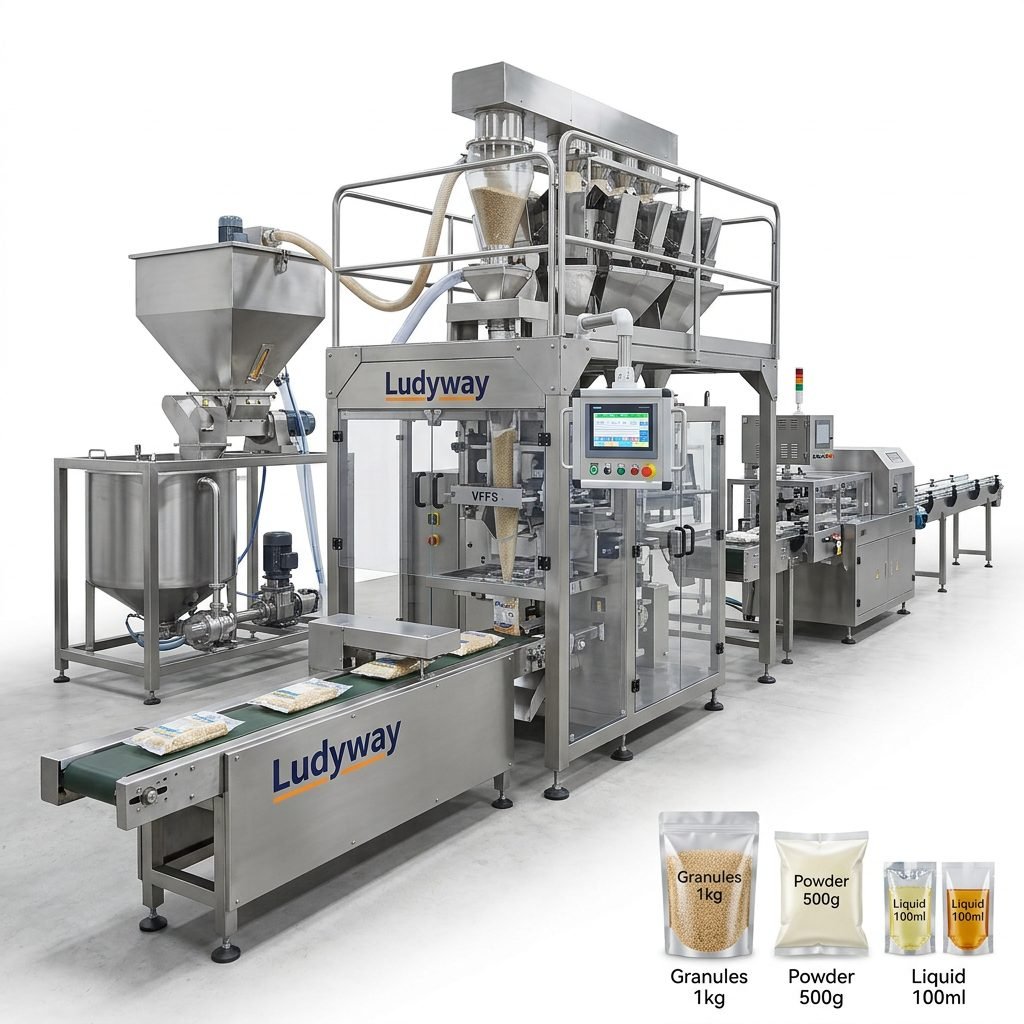
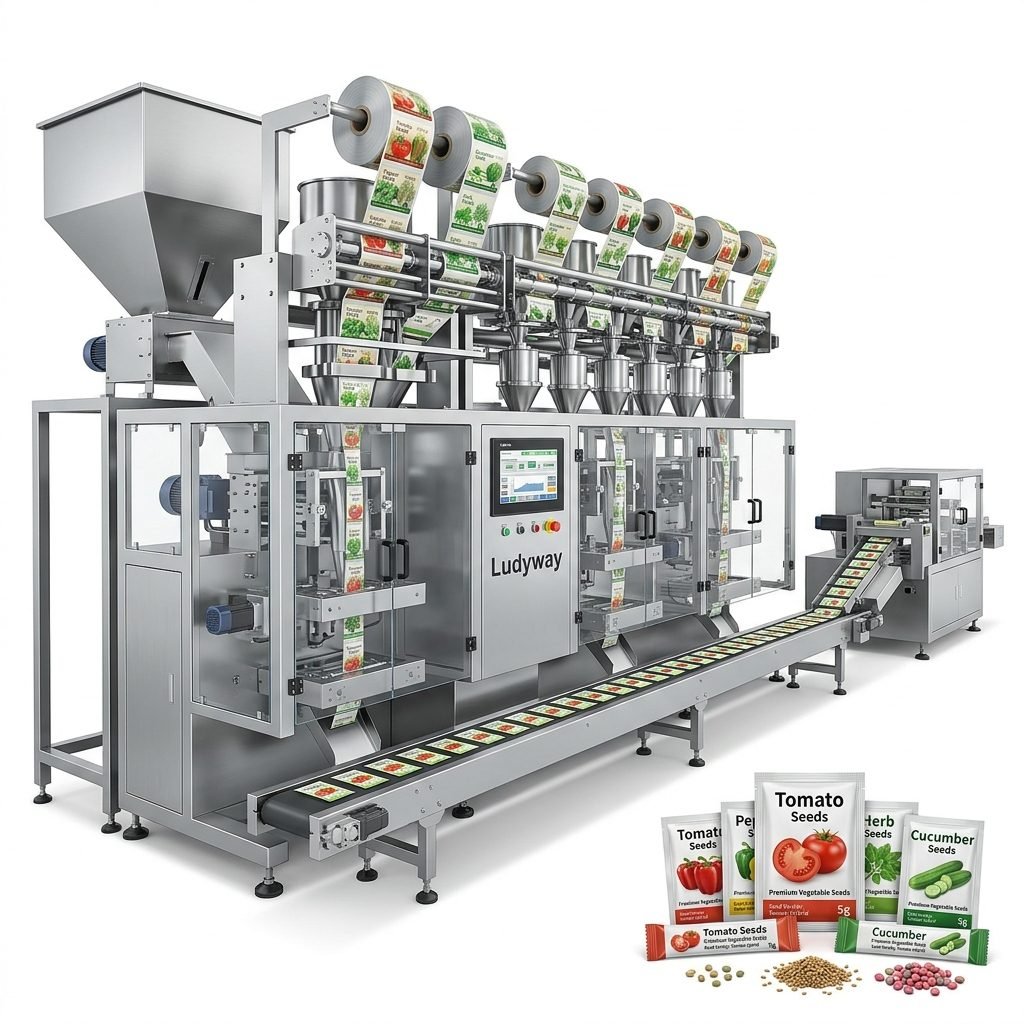
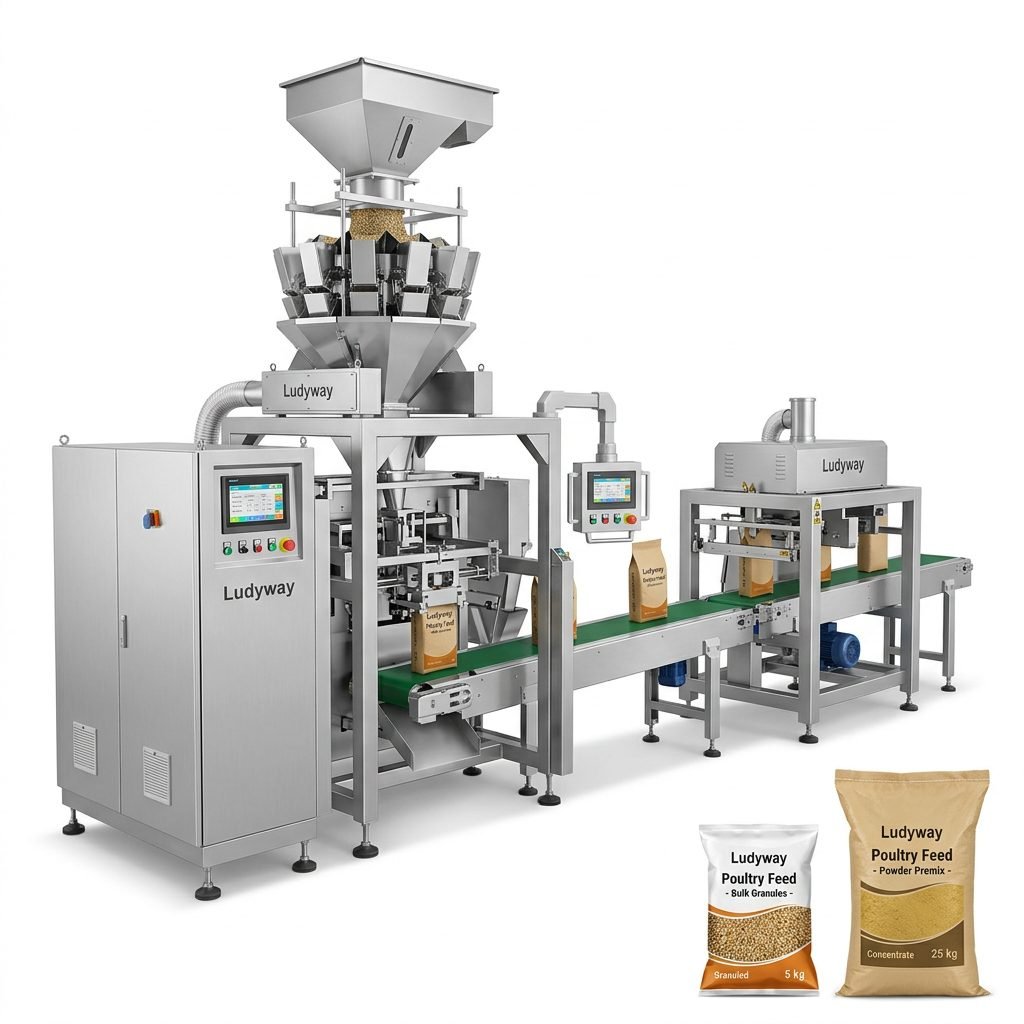
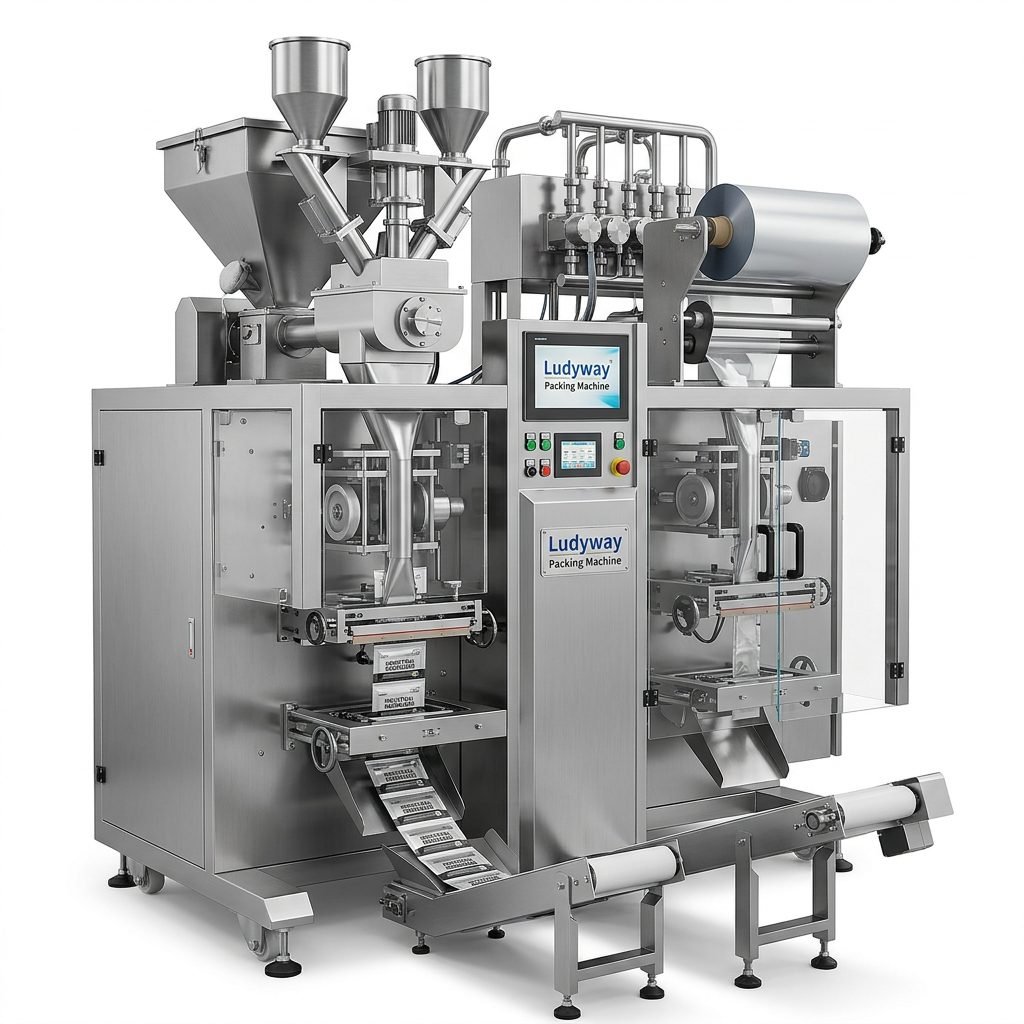
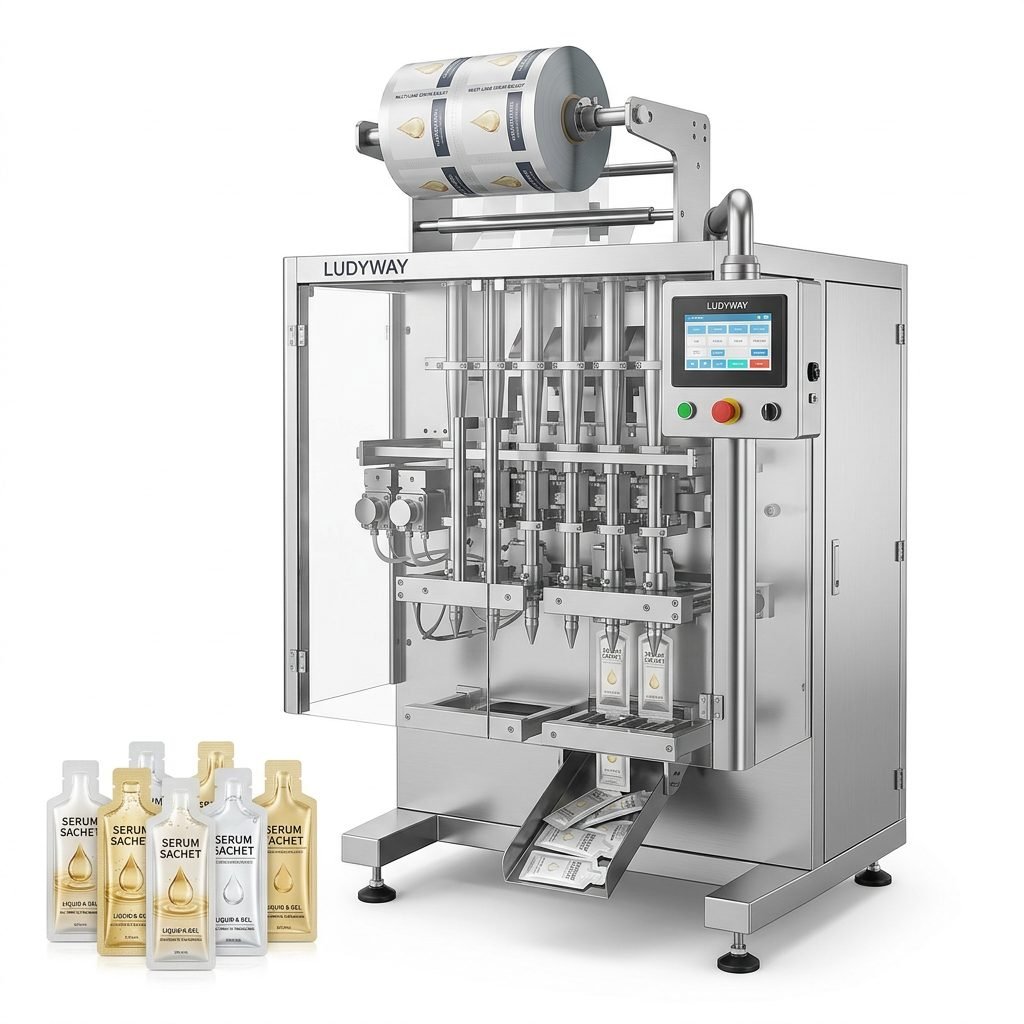
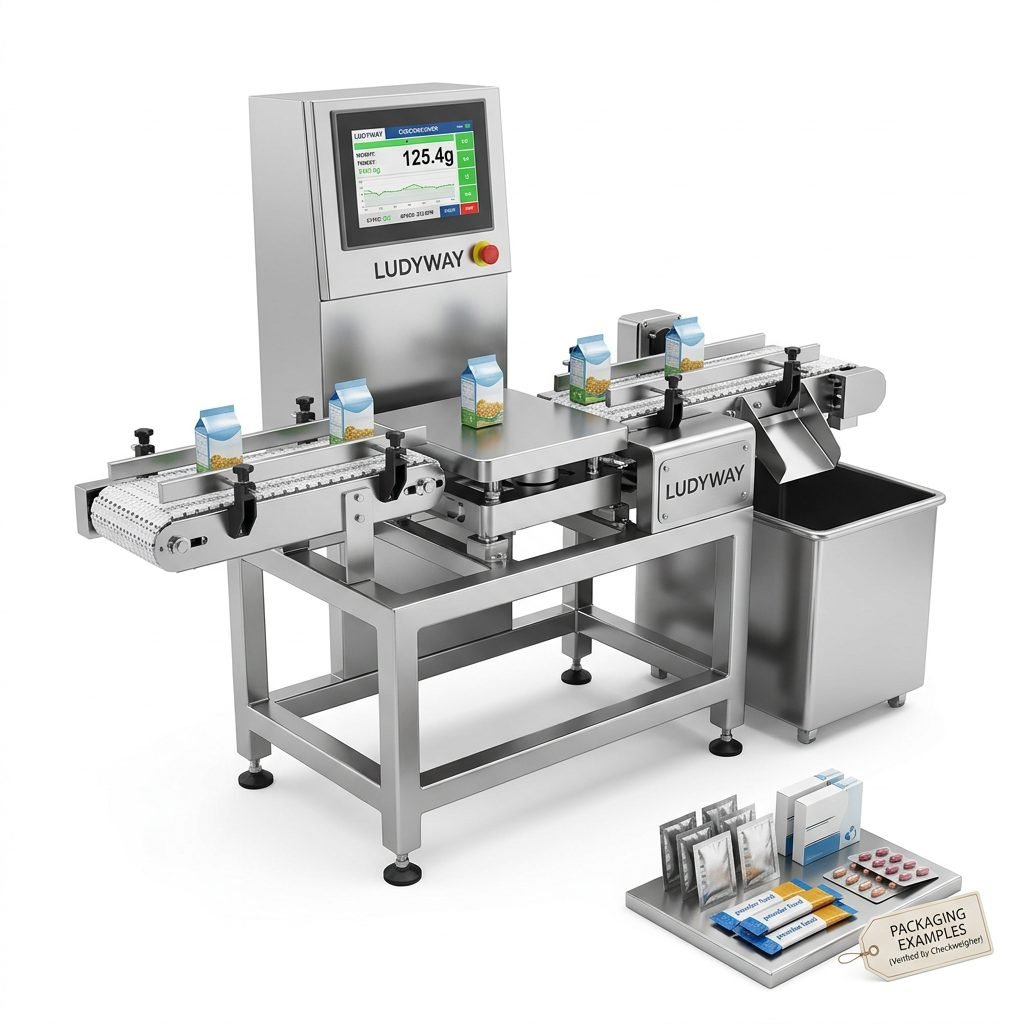
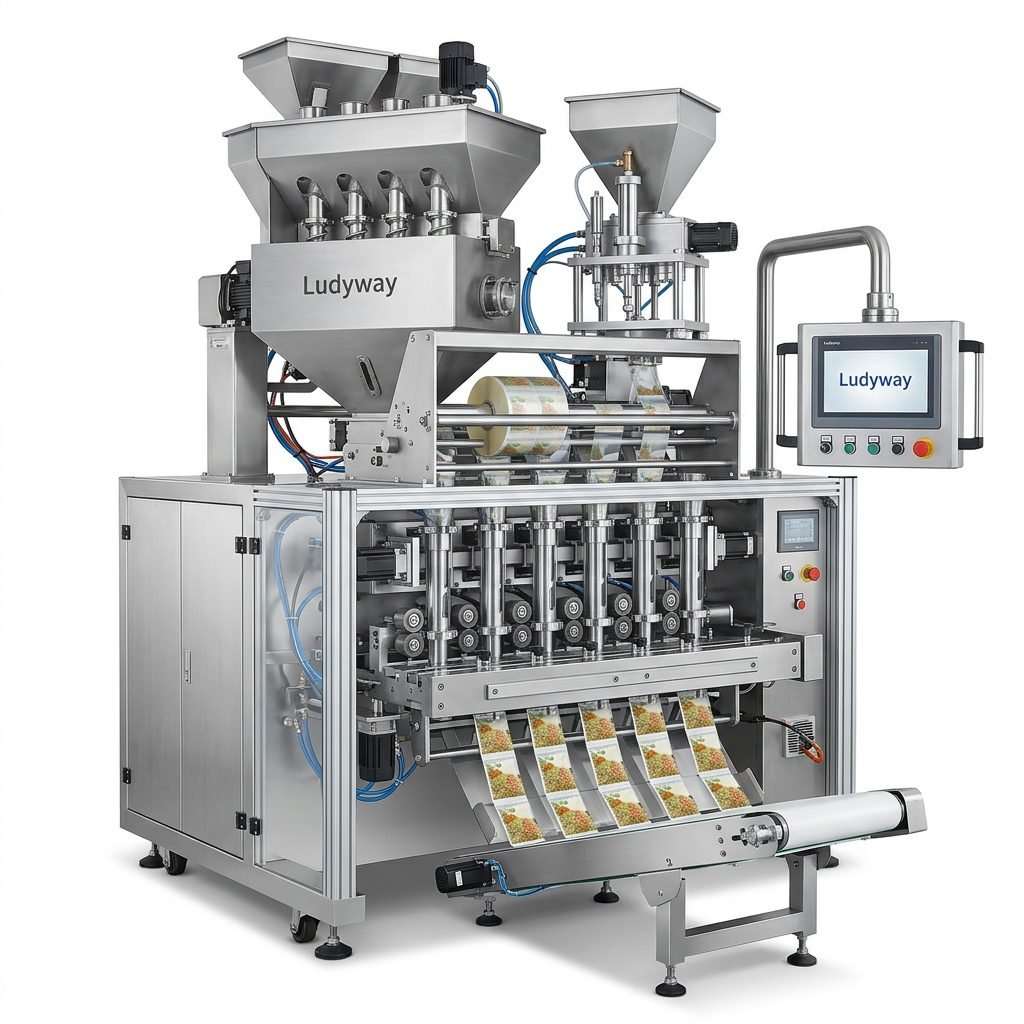
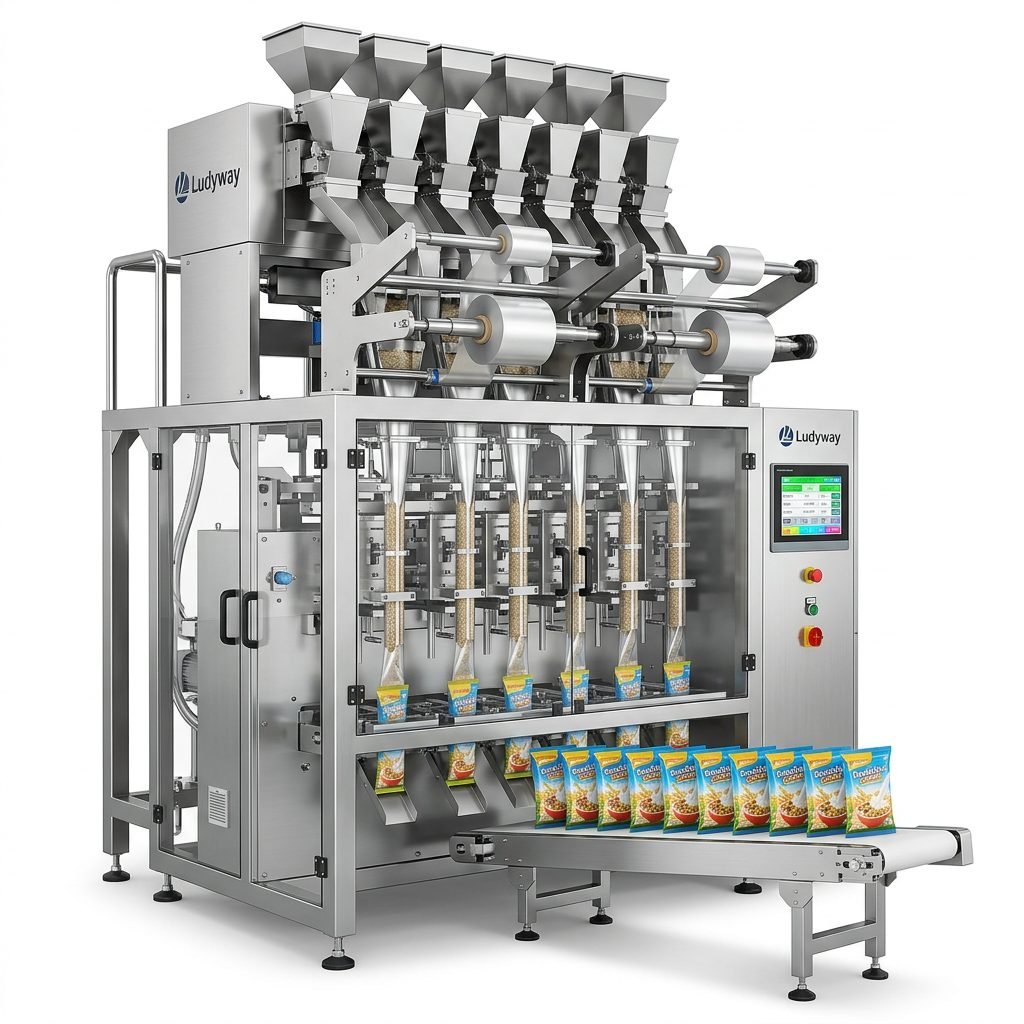
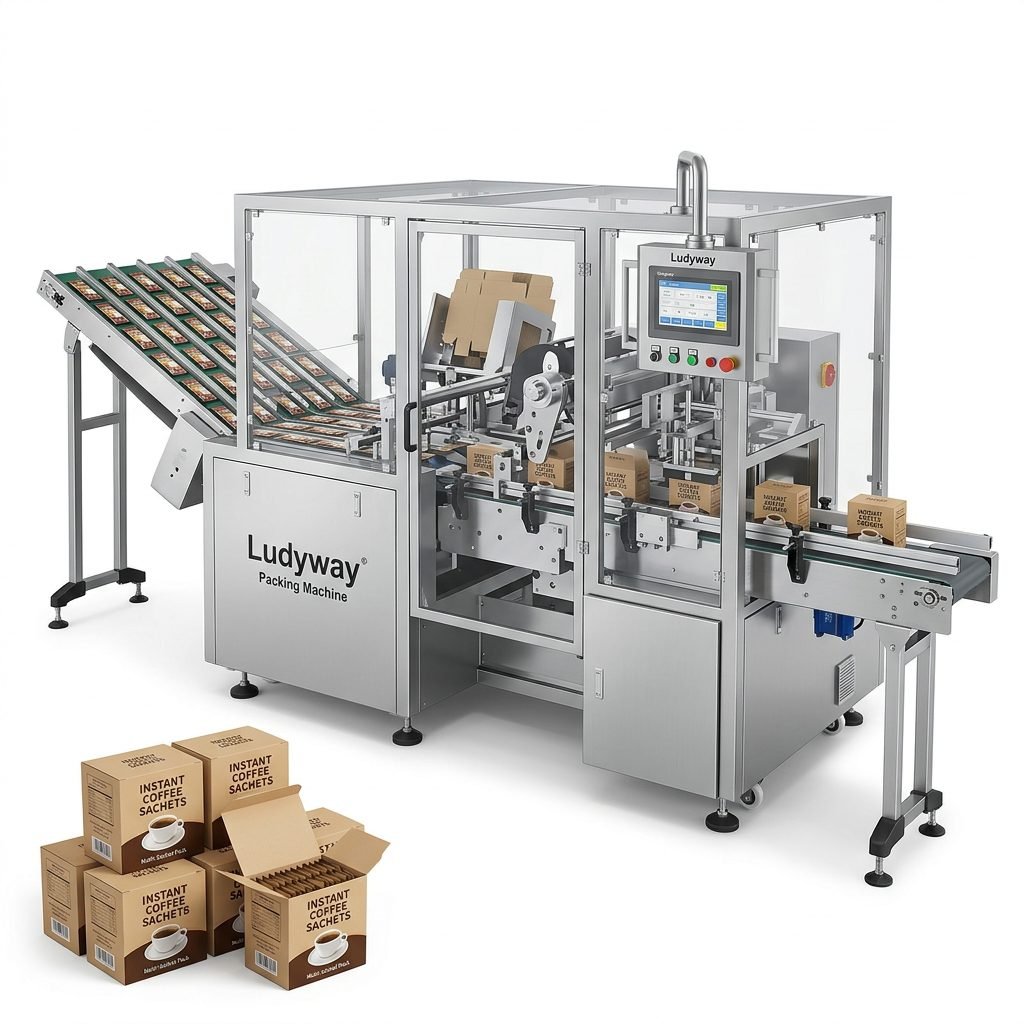
Investing in a small sachet packing machine is a critical decision for manufacturers across food, pharmaceutical, cosmetic, and chemical industries. The right equipment can dramatically improve production efficiency, reduce material waste, and ensure consistent package quality. However, with dozens of machine types, configurations, and technical specifications available, navigating the selection process can feel overwhelming. This comprehensive buyer’s guide breaks down the essential factors you need to evaluate before making a purchase, helping you match your specific production requirements with the most suitable packaging solution.
Understanding the core elements of sachet packaging machinery—from product characteristics and fill volume precision to automation levels and material compatibility—will empower you to make an informed, long-term investment. Whether you are upgrading an existing line or launching a new product, the insights below are designed to guide you step by step through the selection process.
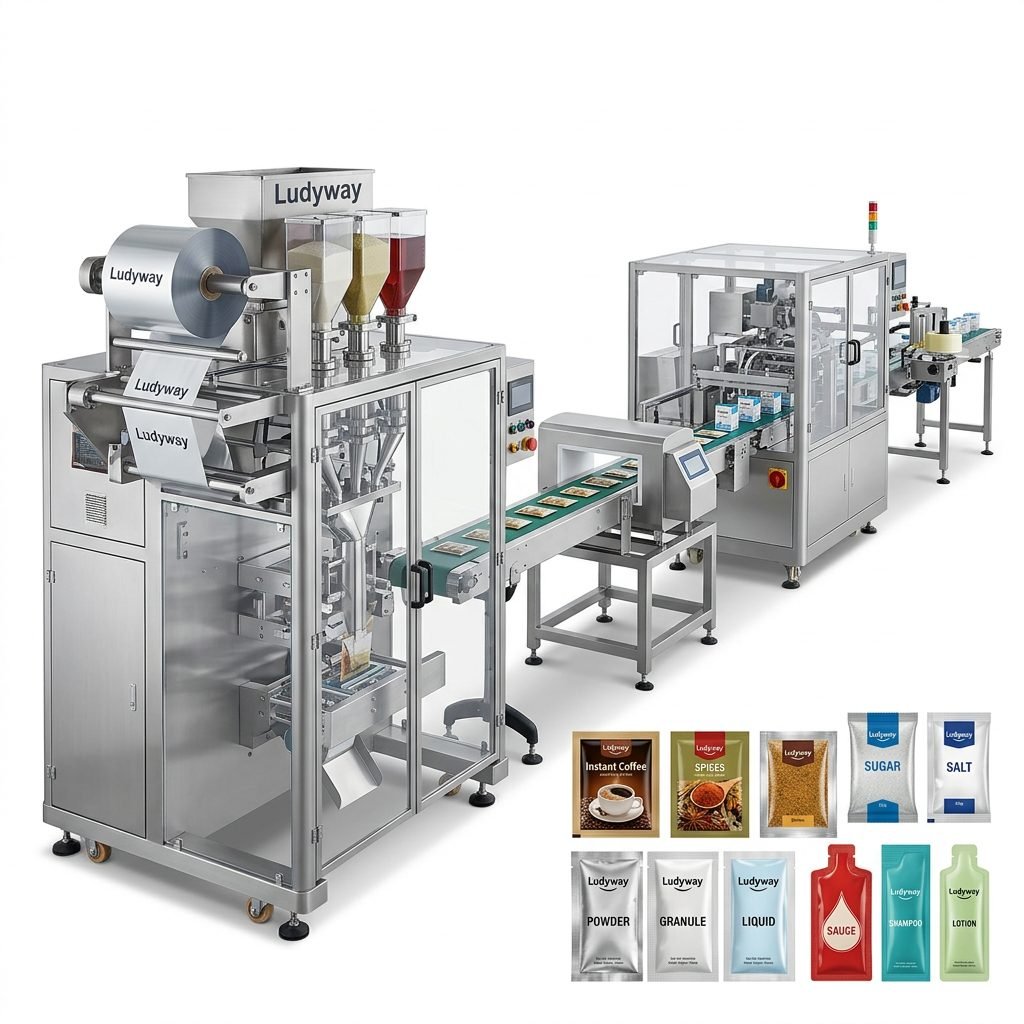
1. Define Your Product and Packaging Requirements
Before comparing machine specifications, you must thoroughly analyze the physical and chemical properties of your product. A sachet filling machine designed for free-flowing granules will struggle with sticky powders or liquids, and vice versa. Start by answering these foundational questions:
- Product state: Is your material a powder, granule, liquid, paste, emulsion, or a combination?
- Flow characteristics: Is the product free-flowing, cohesive, hygroscopic, dusty, or abrasive?
- Particle size and density: Fine powders require different dosing mechanisms compared to coarse, irregular granules.
- Temperature sensitivity: Some products require cooling or heated filling environments to maintain stability.
- Hygiene and safety standards: Food, pharmaceutical, and cosmetic packaging often requires sanitary construction, clean-in-place capabilities, and compliance with FDA regulations or other applicable standards.
2. Select the Appropriate Sachet Format and Dimensions
Small sachet packing machines can produce a variety of bag styles and sizes. Your choice here directly impacts the machine configuration, tooling requirements, and final shelf presentation. Common sachet formats include:
| Sachet Format | Best For | Typical Products |
|---|---|---|
| Three-side seal sachet | General-purpose, single-serve portions | Shampoo samples, sauce packs, powder mixes |
| Four-side seal sachet | Enhanced barrier protection, premium look | High-value cosmetic creams, pharmaceutical doses |
| Stick pack | Long, narrow single-serve format | Instant coffee, drink mixes, energy gels |
| Center-seal sachet | Cost-effective, high-speed runs | Salt, sugar, condiment packs |
When determining sachet dimensions, consider your target fill weight and required product headspace. Overly large sachets waste material and can appear underfilled on retail shelves, while undersized packages risk bursting or incomplete sealing.
3. Determine the Right Filling and Dosing Technology
The heart of any small sachet packing machine is its dosing and filling system. Accuracy, speed, and product integrity all depend on selecting the correct technology. The table below summarizes the primary options:
| Filling System | Product Compatibility | Key Advantages |
|---|---|---|
| Volumetric cup filler | Free-flowing granules, seeds, grains | Simple, robust, cost-effective |
| Auger filler | Powders, fine granules, spices | High accuracy for non-free-flowing materials |
| Piston filler | Liquids, pastes, creams, gels | Precise volume control, handles viscous products |
| Multi-head weigher | Granules, snacks, irregular solids | High speed, excellent weight accuracy |
For operations requiring high-speed output with multi-lane configurations, multi-head weighers and servo-driven auger systems offer the precision and throughput demanded by competitive markets. Always test filling accuracy with your actual product, as bulk density variations can significantly affect dosing consistency.
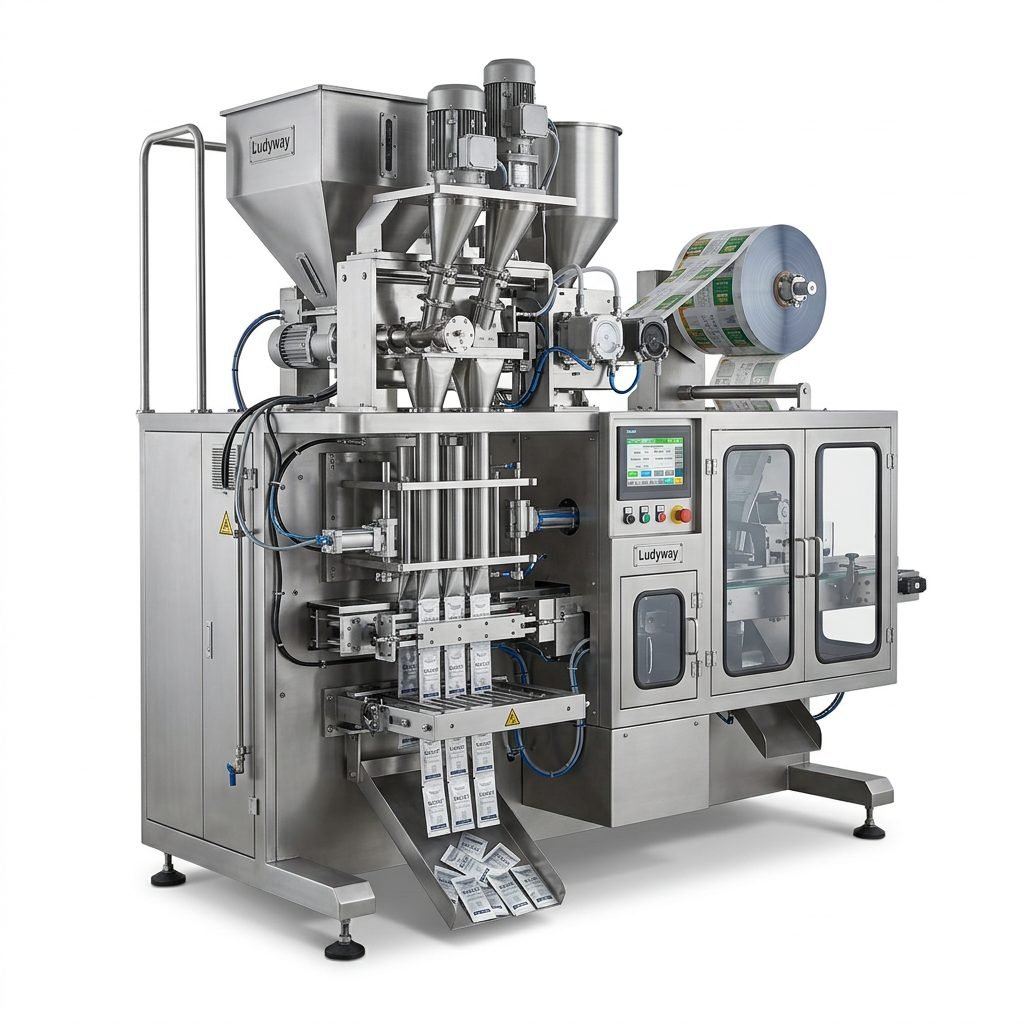
4. Evaluate Machine Speed and Automation Levels
Production volume requirements should be a primary driver of your machine selection. Small sachet packing machines range from semi-automatic tabletop units producing 20-40 packs per minute to fully automated multi-lane systems capable of over 400 packs per minute per lane. When calculating required speed, factor in:
- Current demand: Your peak output requirements during busy seasons.
- Future growth: Projected increases in production volume over the next 3-5 years.
- Changeover frequency: Frequent product or sachet size changes reduce effective running time.
- Integration capabilities: The machine should connect seamlessly with industry-standard packaging line components such as conveyors, checkweighers, and cartoning equipment.
5. Consider Packaging Film and Material Compatibility
The type of flexible packaging material you intend to use has a direct impact on machine selection. Not all machines handle all film structures equally well. Key factors include:
- Film composition: Laminated structures (PET/AL/PE, BOPP/CPP) require different sealing parameters than single-layer materials.
- Material thickness: Thicker laminates may need higher sealing temperatures and longer dwell times.
- Barrier properties: High-barrier films for sensitive products often require precise heat-seal control to prevent delamination.
- Sustainability goals: If you are transitioning to recyclable or compostable films, verify machine compatibility, as these materials often have narrower processing windows. The Flexible Packaging Association provides resources on evolving material standards.
6. Understand Construction, Cleanability, and Compliance
Machine construction should align with your industry’s regulatory and operational standards. For food and pharmaceutical applications, stainless steel construction (typically SS304 or SS316L) is mandatory for all product-contact parts. Beyond material selection, consider these design features:
- Tool-less disassembly: Quick-release components for rapid cleaning and product changeover.
- Washdown capability: If your facility requires frequent wet cleaning, IP65 or higher-rated electrical enclosures are essential.
- Compliance documentation: Machines should be designed to meet relevant ISO packaging standards, GMP guidelines, and applicable regional safety regulations.
- Validation support: Pharmaceutical manufacturers typically require Installation Qualification, Operational Qualification, and Performance Qualification documentation.

7. Compare Total Cost of Ownership
While the initial purchase price of a small sachet packing machine is an obvious consideration, a thorough financial analysis should encompass the total cost of ownership over the equipment’s expected lifespan. Include these often-overlooked expenses in your evaluation:
- Spare parts availability and cost: Consumable items like sealing jaws, cutting blades, and belts require periodic replacement.
- Energy consumption: High-speed machines with multiple heating zones and servo drives can significantly impact utility costs.
- Operator training: Complex multi-lane systems require skilled personnel, adding to labor costs.
- Downtime cost: A lower-priced machine with frequent maintenance stops may cost more in lost production than a premium, reliable model.
- Film waste rates: Precise tension control and accurate sealing reduce material scrap, directly affecting profitability.
8. Partner with an Experienced Manufacturer
Selecting the right small sachet packing machine is not simply a transactional purchase—it is the beginning of a long-term partnership with a packaging machinery manufacturer. Look for suppliers who offer application testing, customization capabilities, on-site installation support, operator training, and reliable after-sales service. A supplier with a global footprint and established engineering expertise can assist in navigating regional compliance requirements and integrating equipment into existing production lines.
Ludyway Machinery, a China-based packaging machinery manufacturer with over 30 years of experience and a 20,000-square-meter manufacturing facility, provides comprehensive packaging solutions—from individual sachet machines to complete turnkey production lines. Their engineering team works with customers to evaluate product characteristics, recommend appropriate machine configurations, and deliver customized packaging systems that align with specific production goals and industry benchmarks. With export revenue projected to exceed RMB 500 million in 2025, their global experience spans more than 100 countries.
9. Plan for Future Scalability and Flexibility
A forward-looking small sachet packing machine investment should accommodate future product lines, packaging formats, and capacity increases. Modular machine designs allow you to add features such as multi-lane functionality, additional filling systems, coding and labeling units, or automated cartoning modules as your business grows. When discussing requirements with suppliers, ask about the machine’s upgrade path and whether tooling changeovers can be completed within your acceptable downtime windows.
10. Key Questions to Ask Before Buying
Use the following checklist during supplier evaluation to ensure you have covered all critical decision points:
- Can you test our specific product on the proposed machine before purchase?
- What is the guaranteed speed and accuracy with our packaging material?
- What are the typical spare parts lead times for our region?
- Do you offer remote technical support and on-site service?
- Is the machine designed to integrate with third-party upstream and downstream equipment?
- What documentation and compliance certifications are provided?
- Can the machine be upgraded to multi-lane or different sachet formats in the future?
Selecting the ideal small sachet packing machine requires a structured approach that balances immediate production needs with long-term business objectives. By systematically evaluating product characteristics, sachet formats, filling technologies, material compatibility, total ownership cost, and supplier capabilities, you can confidently invest in equipment that delivers reliable performance, consistent package quality, and a strong return on investment. The most successful packaging operations are built on informed decisions and strong partnerships with experienced machinery manufacturers who understand the unique demands of your industry.