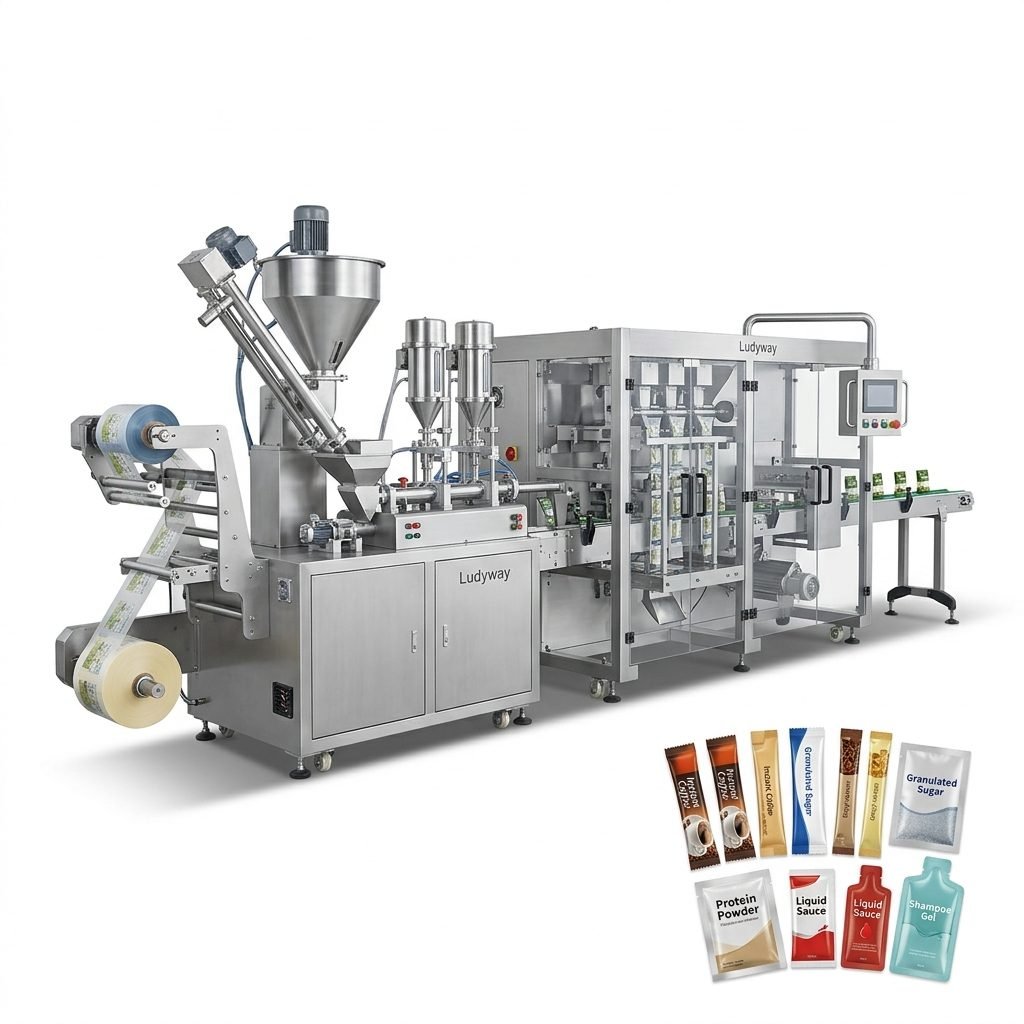
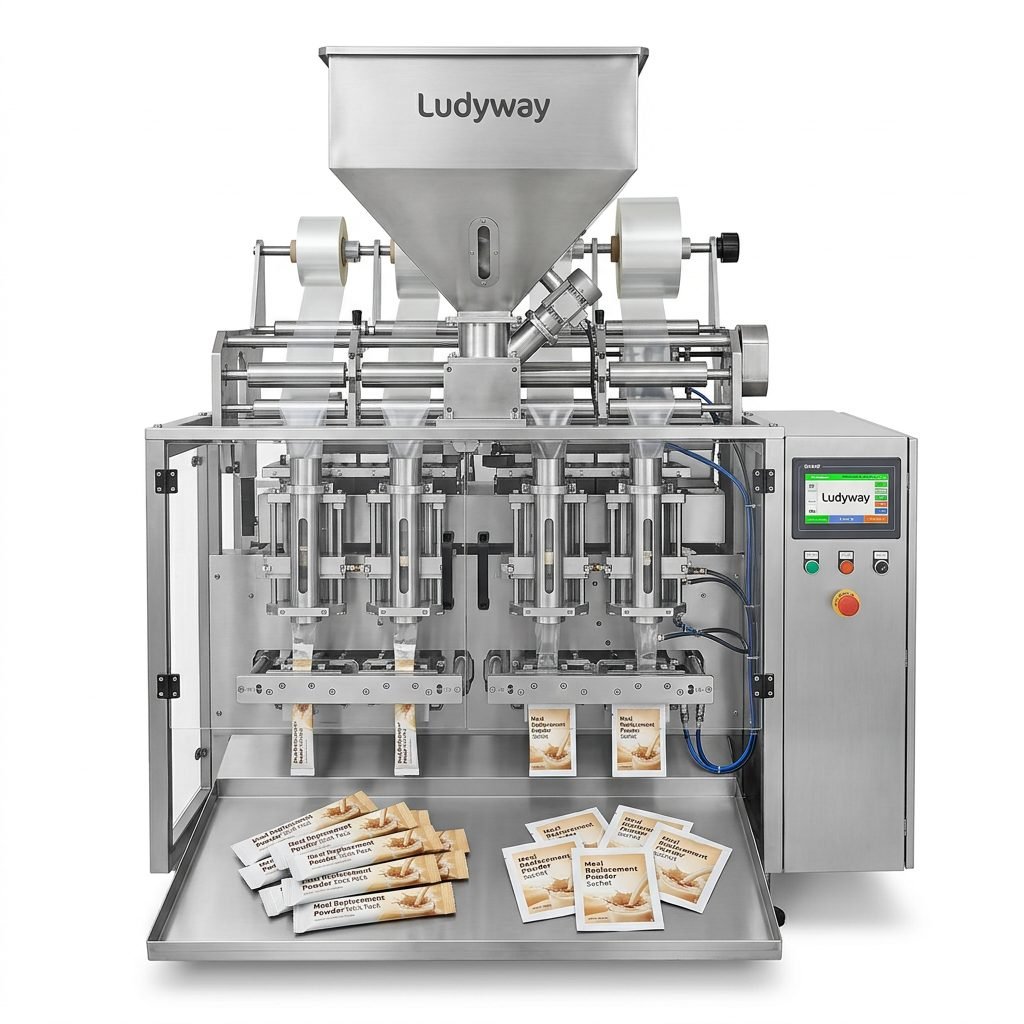
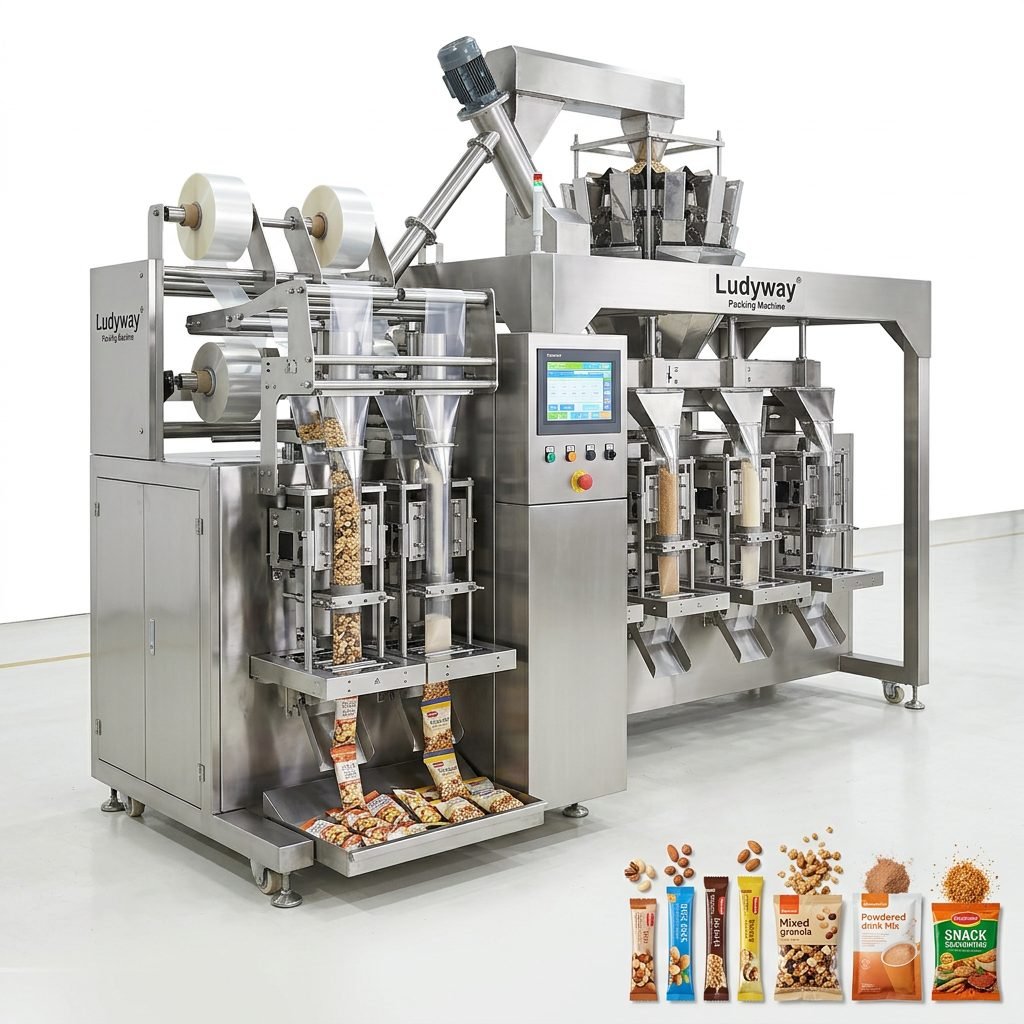
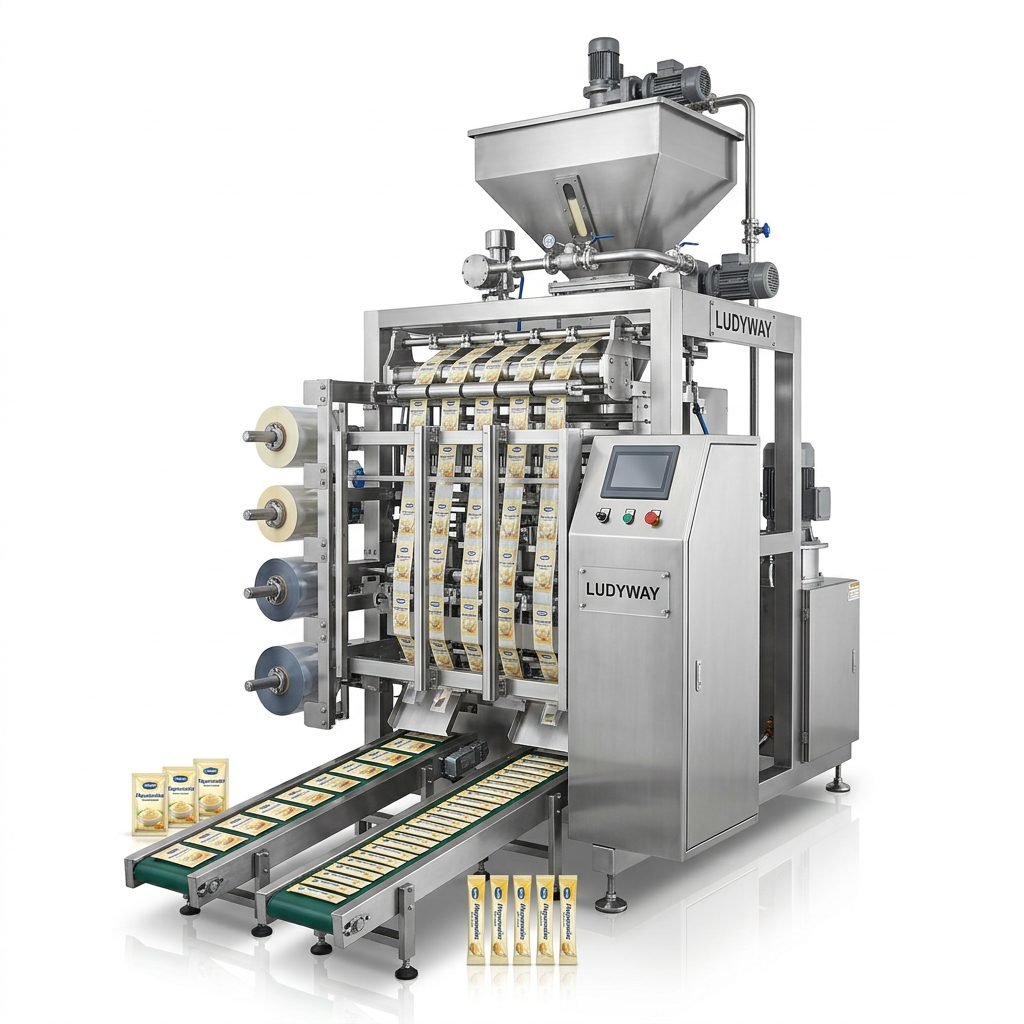
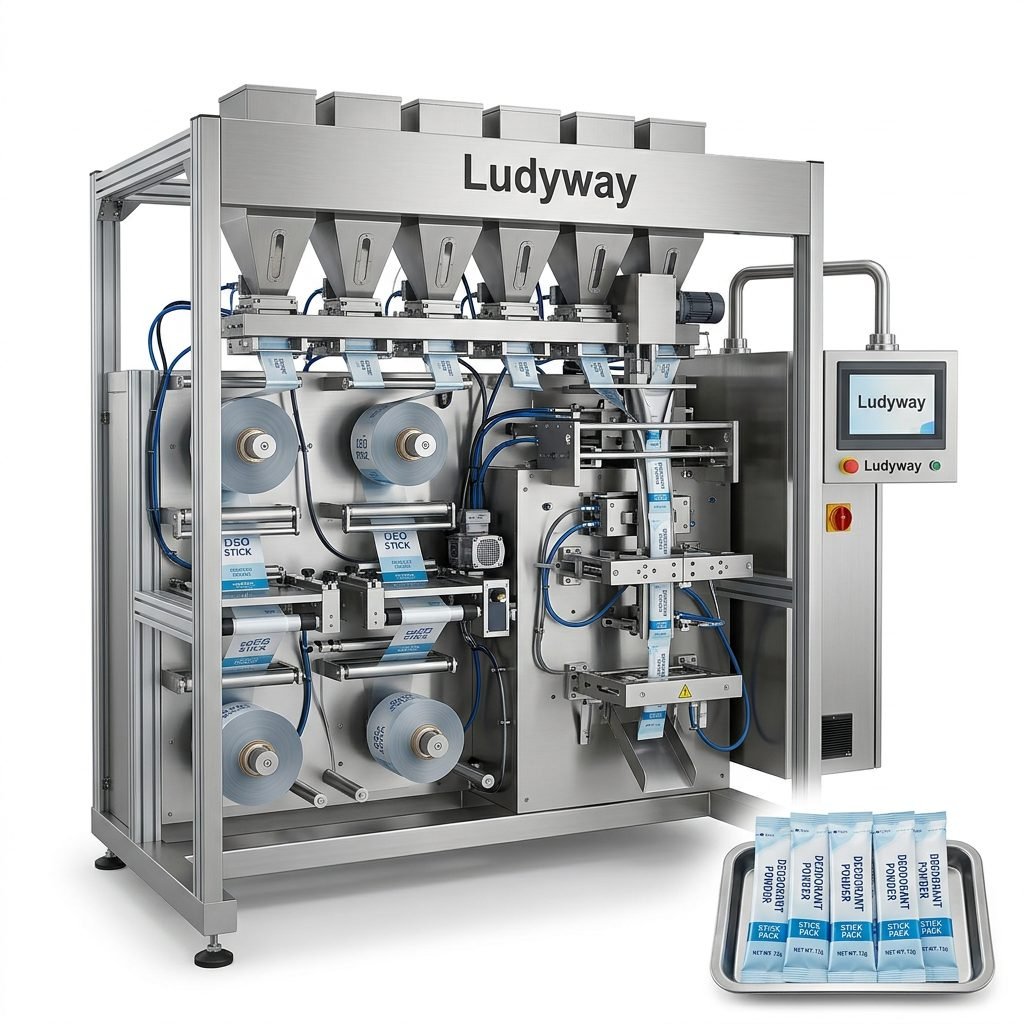
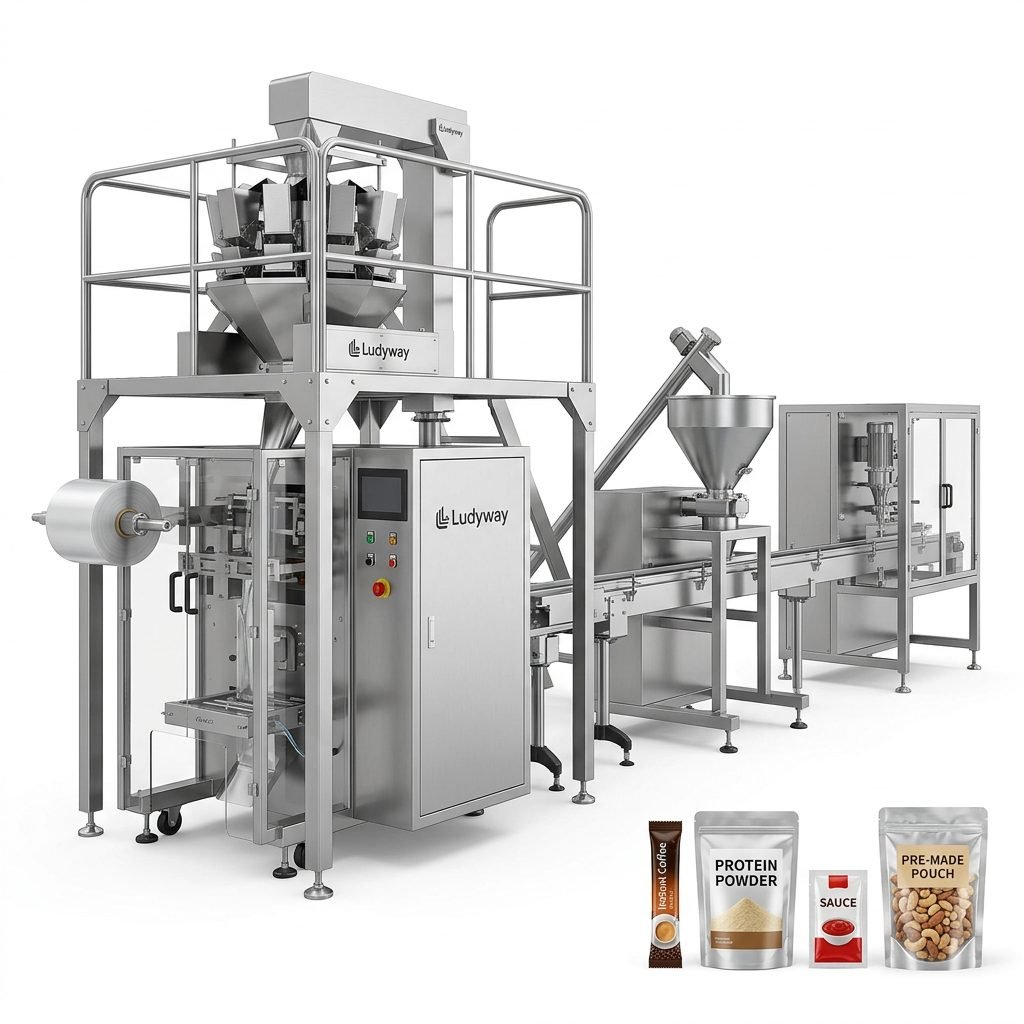
Investing in an automatic tea bag packing machine is a significant decision for any tea manufacturer or contract packager. The right equipment can dramatically improve production efficiency, reduce labor costs, and ensure consistent product quality. However, with dozens of machine types, configurations, and suppliers available, the selection process can quickly become overwhelming. This comprehensive buyer’s guide walks you through the essential factors to evaluate before making your purchase, helping you choose equipment that aligns with your production goals, product characteristics, and budget.
Understanding Your Tea Bag Packaging Requirements
Before comparing machine specifications, you need to clearly define your packaging requirements. Tea products vary widely in terms of particle size, density, moisture content, and packaging format. A machine designed for fine powder tea may not perform well with whole-leaf blends, and vice versa. Start by documenting every aspect of your current and projected packaging needs.
According to PMMI’s packaging industry data, the flexible packaging segment continues to grow, driven by consumer demand for convenience and portion control. Tea bag packaging falls squarely within this trend, making it essential to choose equipment that can handle evolving market demands.
Key Factors to Evaluate Before Purchasing
Selecting the right tea bag packaging equipment requires a systematic evaluation of multiple technical and operational factors. The following criteria should form the foundation of your decision-making process.
Product Characteristics and Flow Properties
Tea comes in various forms: fine powder, granular, loose leaf, and blends with inclusions such as dried fruits or herbs. Each form exhibits different flow characteristics that directly affect dosing accuracy and packaging speed. Fine powders may require auger fillers, while granular teas work well with volumetric cup fillers. Understanding your product’s bulk density, particle size distribution, and cohesiveness is critical to selecting the appropriate filling technology.
Production Speed and Capacity Requirements
How many tea bags do you need to produce per minute? Production speed requirements range from 30-40 bags per minute for small-scale operations to over 200 bags per minute for high-volume manufacturers. Be realistic about your current needs, but also consider future growth. Multi-lane machines can significantly increase output without proportionally increasing floor space. The Flexible Packaging Association notes that production efficiency remains a top priority for manufacturers across all packaging segments.
Bag Format, Size, and Sealing Type
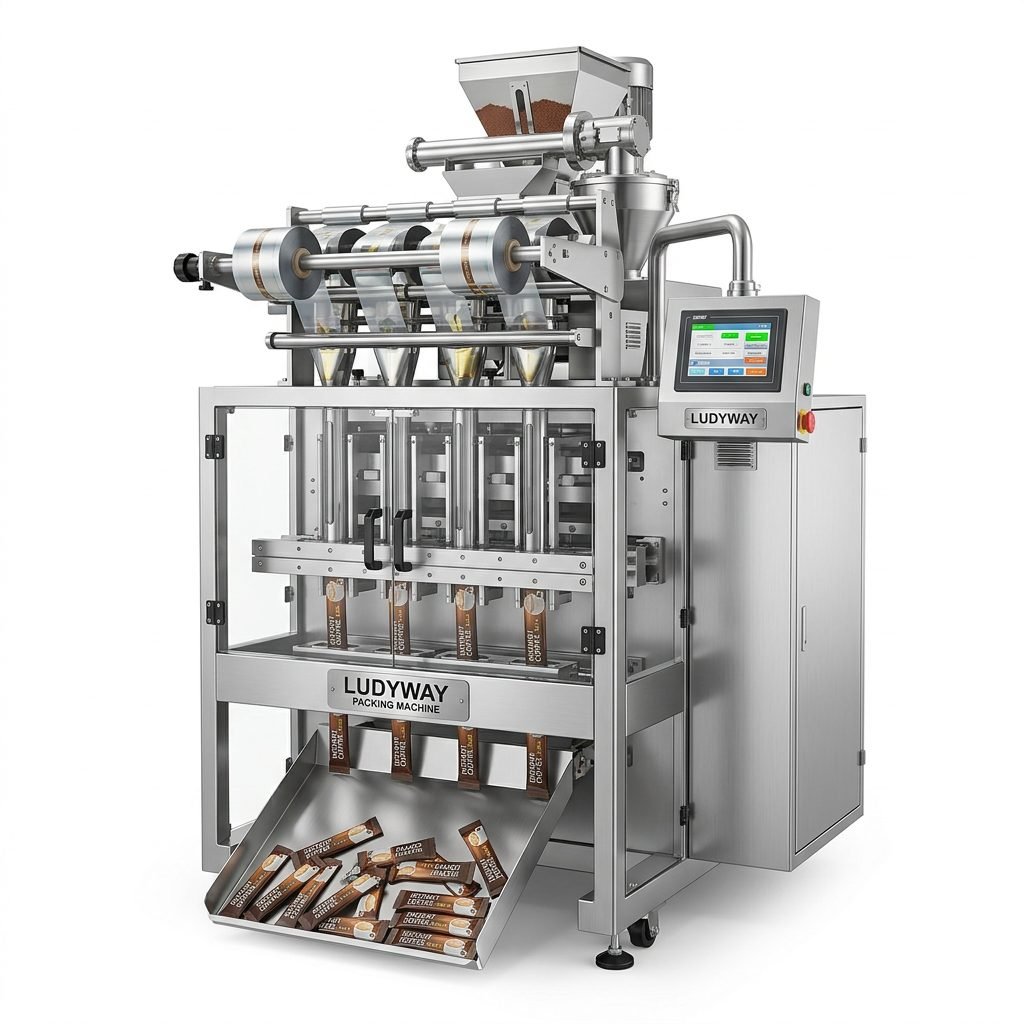
Tea bag packaging comes in multiple formats: single-chamber bags, double-chamber bags, pyramid bags, flat sachets, and stick packs. Each format requires specific machine configurations. Additionally, consider the sealing requirements — heat-sealable filter paper, non-heat-seal materials with crimped closures, and tagged or non-tagged options all demand different machine capabilities. Be sure to specify your bag dimensions, material type, and sealing method before evaluating equipment.
Filling and Dosing Technology
The dosing system is one of the most critical components of any tea bag packing machine. Common technologies include:
- Volumetric cup fillers — Best suited for free-flowing granular teas with consistent particle sizes
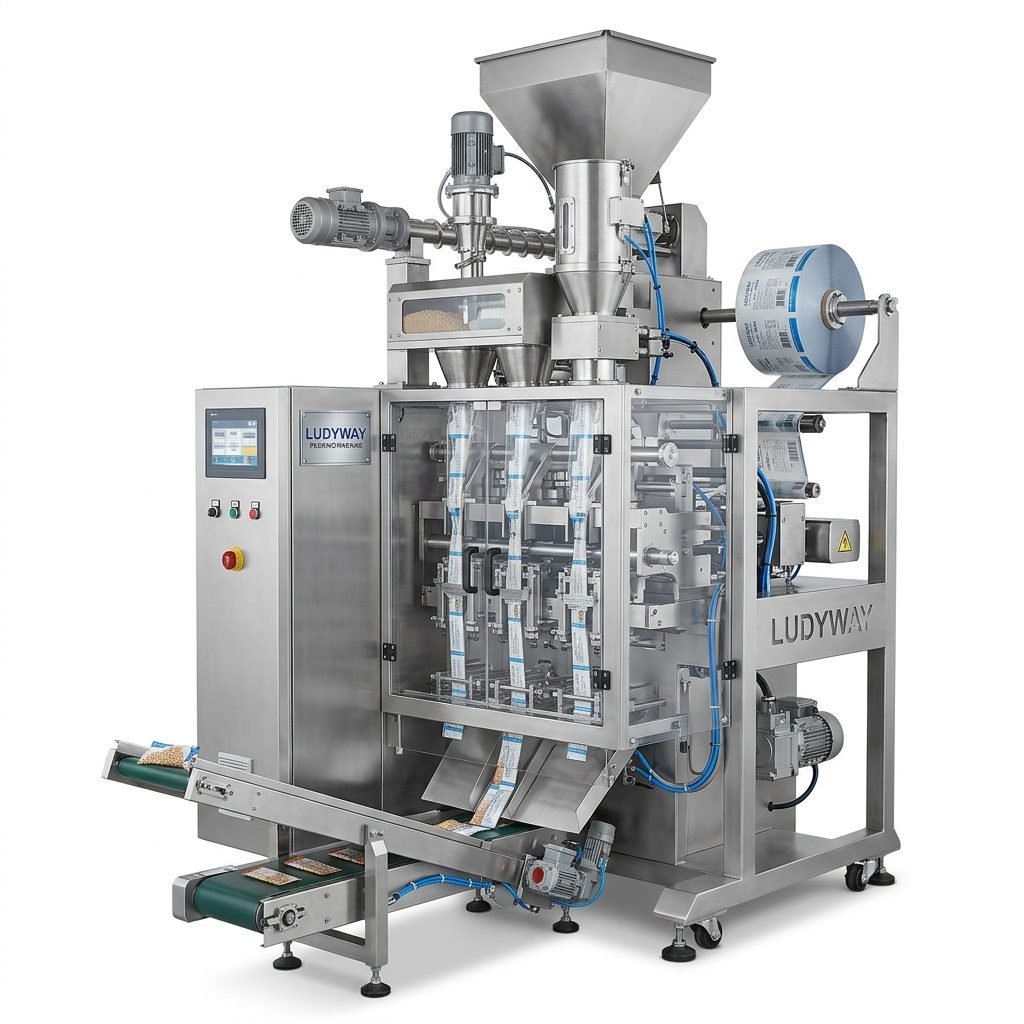
- Auger fillers — Ideal for fine powders and products with variable flow properties
- Multi-head weighers — Provide the highest accuracy for premium products and tea blends
- Piston fillers — Used for liquid concentrates or paste-like tea extracts
Automation Level and Integration Capabilities
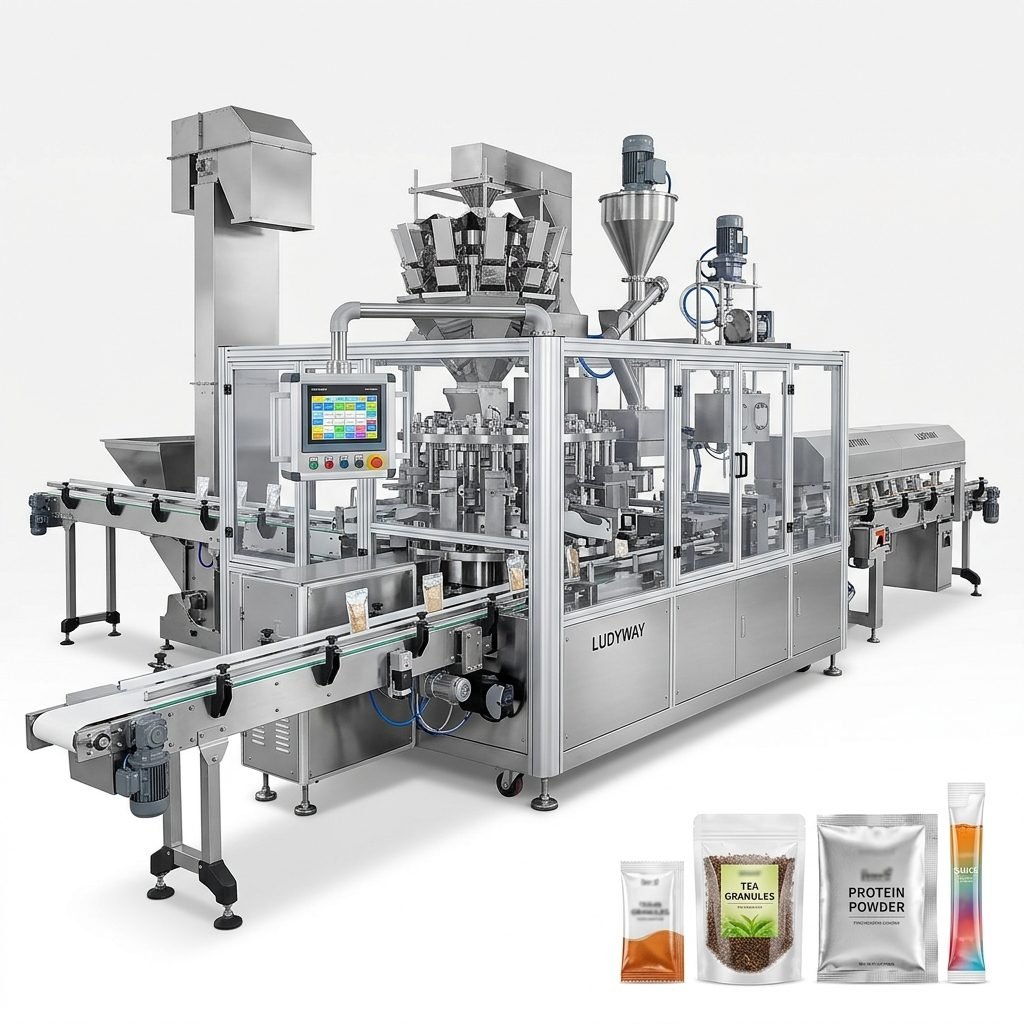
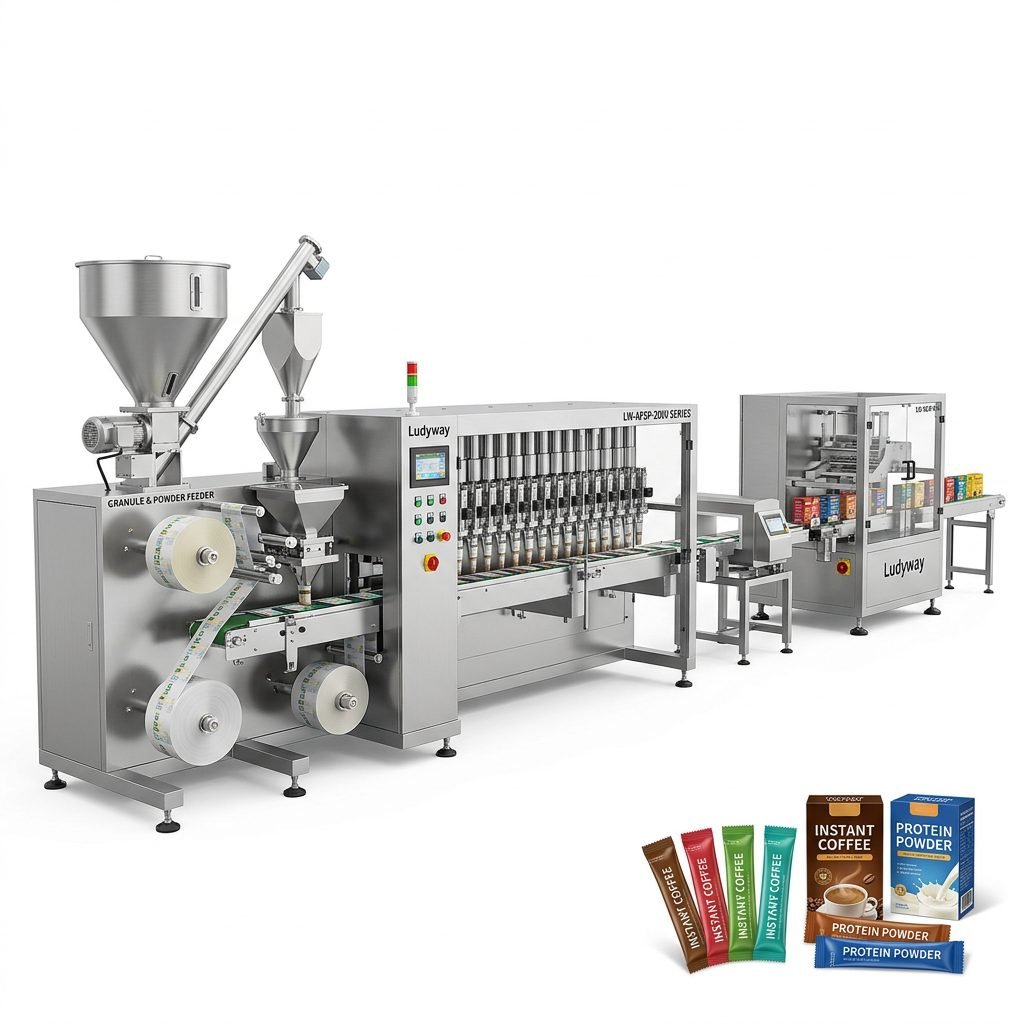
Modern tea bag packaging lines can range from semi-automatic machines requiring manual intervention to fully automated systems that handle everything from film unwinding to cartoning. Consider how the machine will integrate with your existing production line. Can it connect to upstream filling systems and downstream cartoners, case packers, and palletizers? Seamless line integration often delivers the greatest return on investment over the equipment’s lifetime.
Comparing Machine Types for Tea Bag Packaging
Understanding the different categories of tea bag packaging machinery helps narrow your options. The table below summarizes the main machine types and their typical applications.
| Machine Type | Best For | Speed Range | Key Considerations |
|---|---|---|---|
| Single-Lane Sachet Machine | Small to medium production volumes | 30-80 bags/min | Lower initial investment; limited scalability |
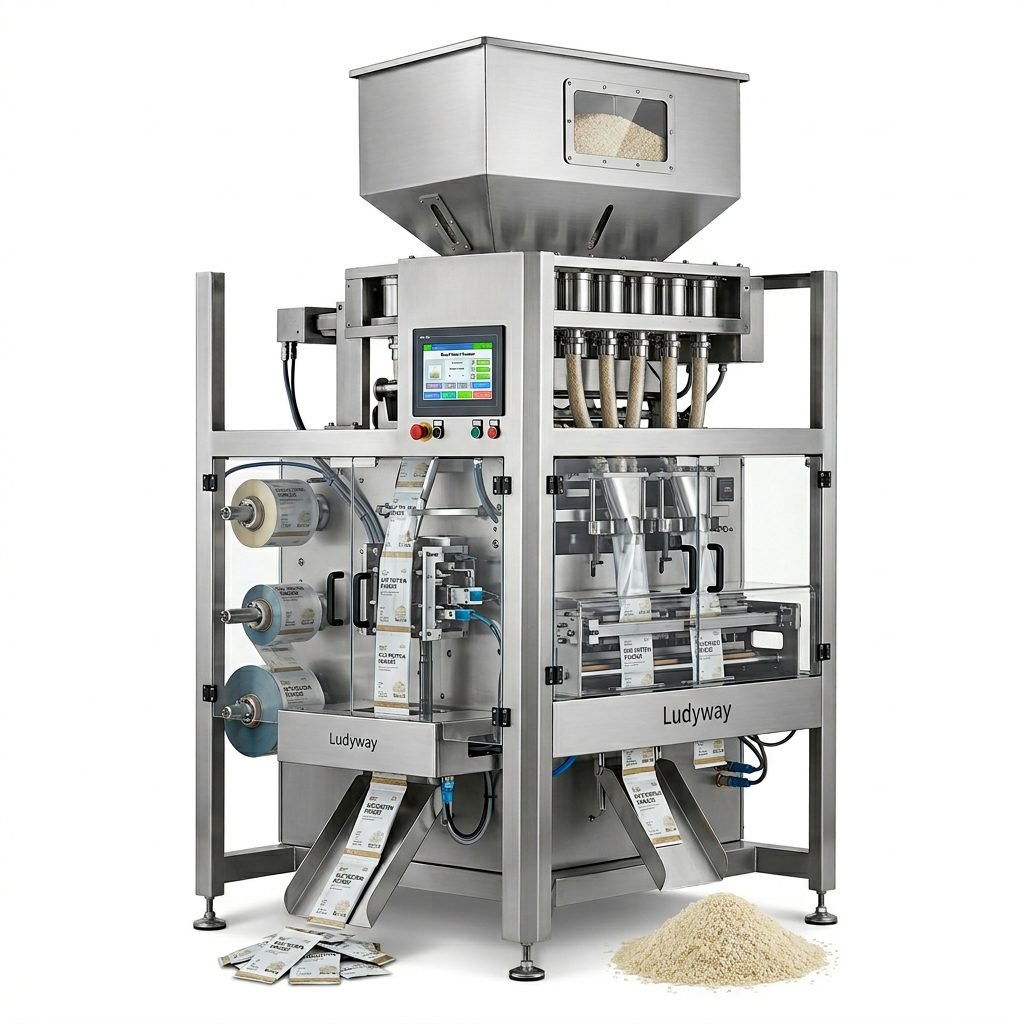
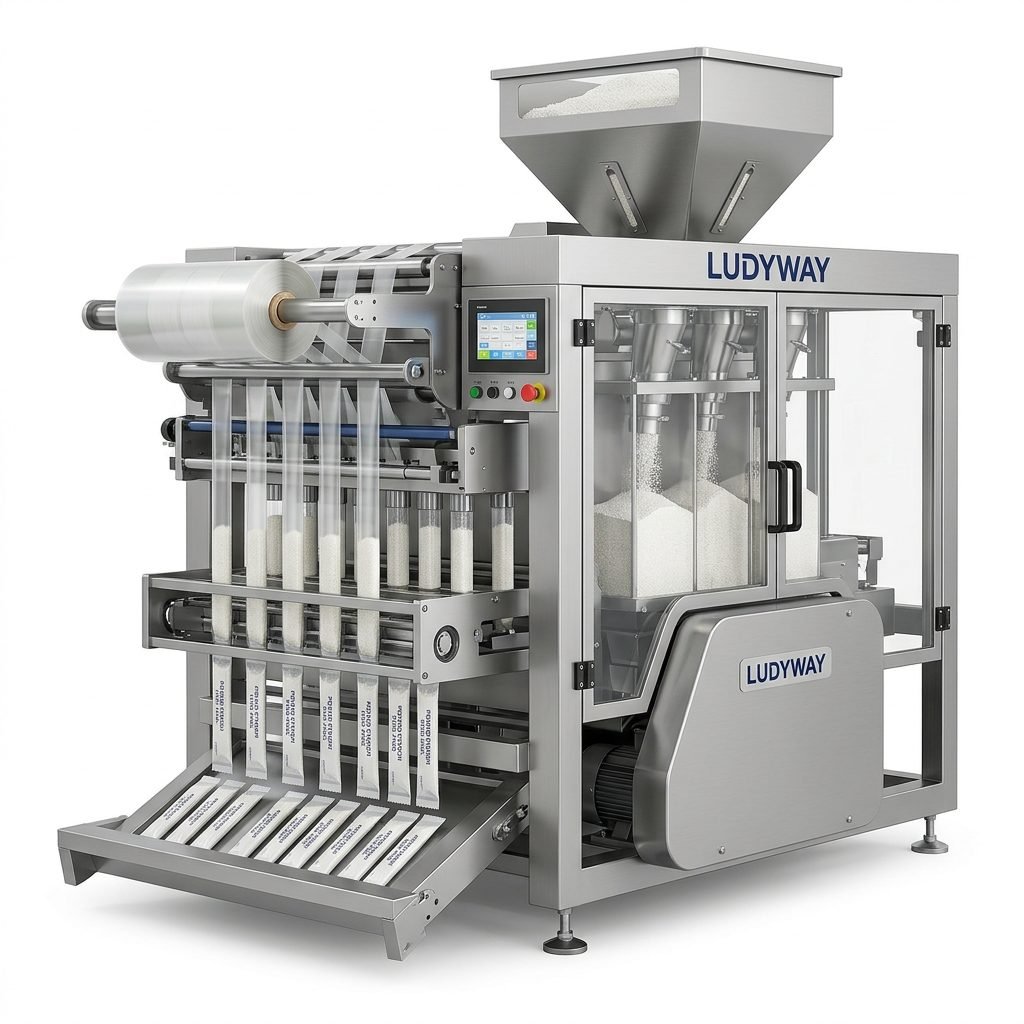
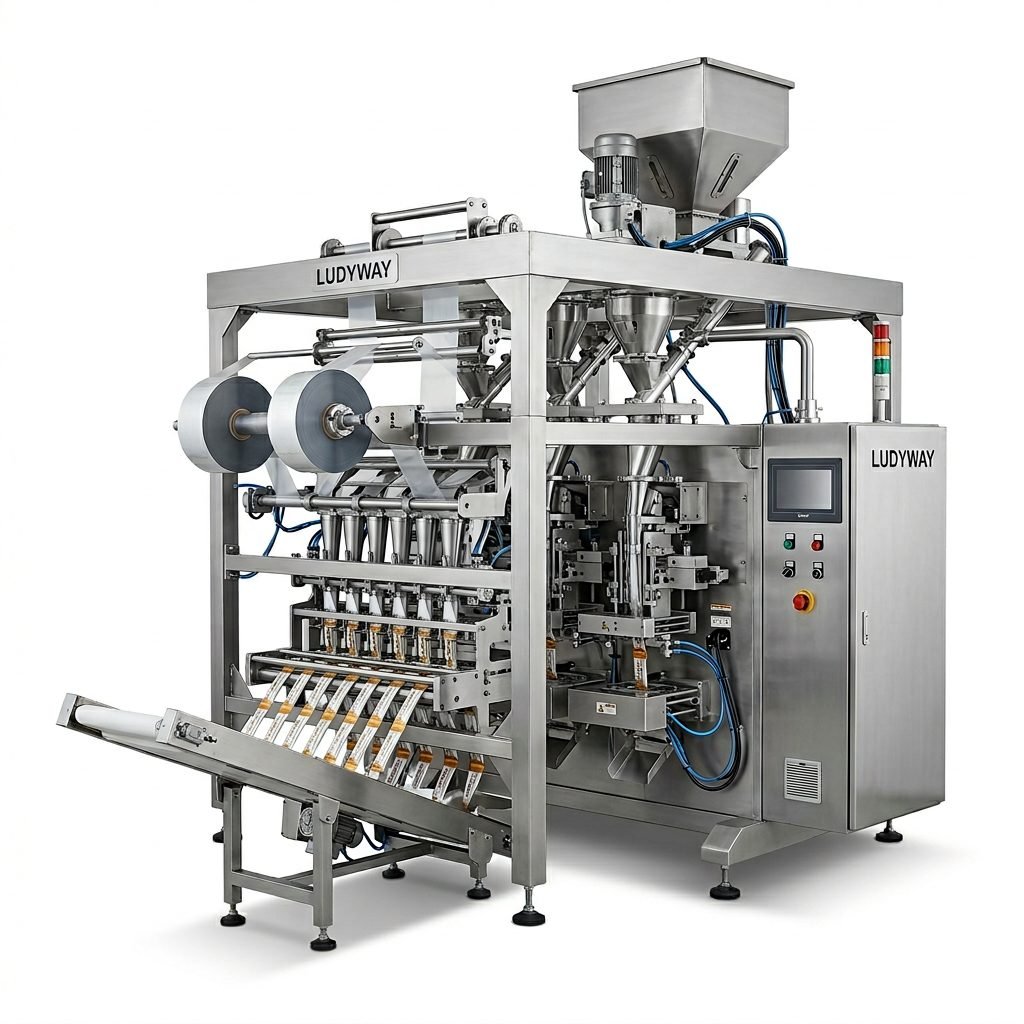
| Multi-Lane Stick Pack Machine | High-volume tea powder and granules | 100-400+ bags/min | Higher output in compact footprint; multi-lane flexibility |
| Pyramid Tea Bag Machine | Premium whole-leaf and specialty teas | 40-120 bags/min | Higher material cost; perceived premium quality |
| Double-Chamber Bag Machine | Traditional tea bag formats with tags | 100-350 bags/min | Industry standard for mainstream tea brands |
| Premade Pouch Filler | Larger-format tea pouches and refill packs | 30-60 bags/min | Flexible format changes; slower speeds |
Material Compatibility and Seal Quality
The packaging material you choose — whether standard filter paper, biodegradable non-woven fabric, or multilayer laminate — must be compatible with your machine’s sealing system. Seal integrity directly impacts product freshness and shelf life, making it a critical quality parameter. Verify that the machine can consistently produce strong, leak-free seals at your target production speed with your specified material. Request seal strength testing data from potential suppliers.
Compliance with Industry Standards and Regulations
Food packaging equipment must meet stringent safety and hygiene standards. Depending on your target markets, your tea bag packing machine may need to comply with FDA food packaging regulations, ISO packaging standards, or regional certifications such as CE marking. Machines constructed with food-grade stainless steel, featuring sanitary design principles, are essential for compliance and cleanability. Verify that your supplier can provide appropriate documentation and certification for your target markets.
Total Cost of Ownership Analysis
Beyond the initial purchase price, evaluate the total cost of ownership over the machine’s expected lifespan. Key cost components include:
- Consumables and spare parts — Sealing elements, cutting blades, and wear components
- Energy consumption — Electrical and compressed air requirements
- Maintenance costs — Routine servicing and preventive maintenance schedules
- Operator training — Initial and ongoing training requirements
- Downtime costs — Machine reliability and the availability of technical support
A slightly higher upfront investment often translates to lower operating costs and better long-term value, particularly for high-volume tea packaging operations.
After-Sales Support and Technical Service
The relationship with your equipment supplier extends well beyond the initial purchase. Evaluate potential partners based on their technical support capabilities, spare parts availability, and responsiveness to service requests. Key questions to ask include: Do they offer remote diagnostic support? What is the typical response time for on-site service? Are spare parts stocked locally or shipped internationally? The PMMI packaging resources emphasize that supplier support quality significantly impacts overall equipment effectiveness.
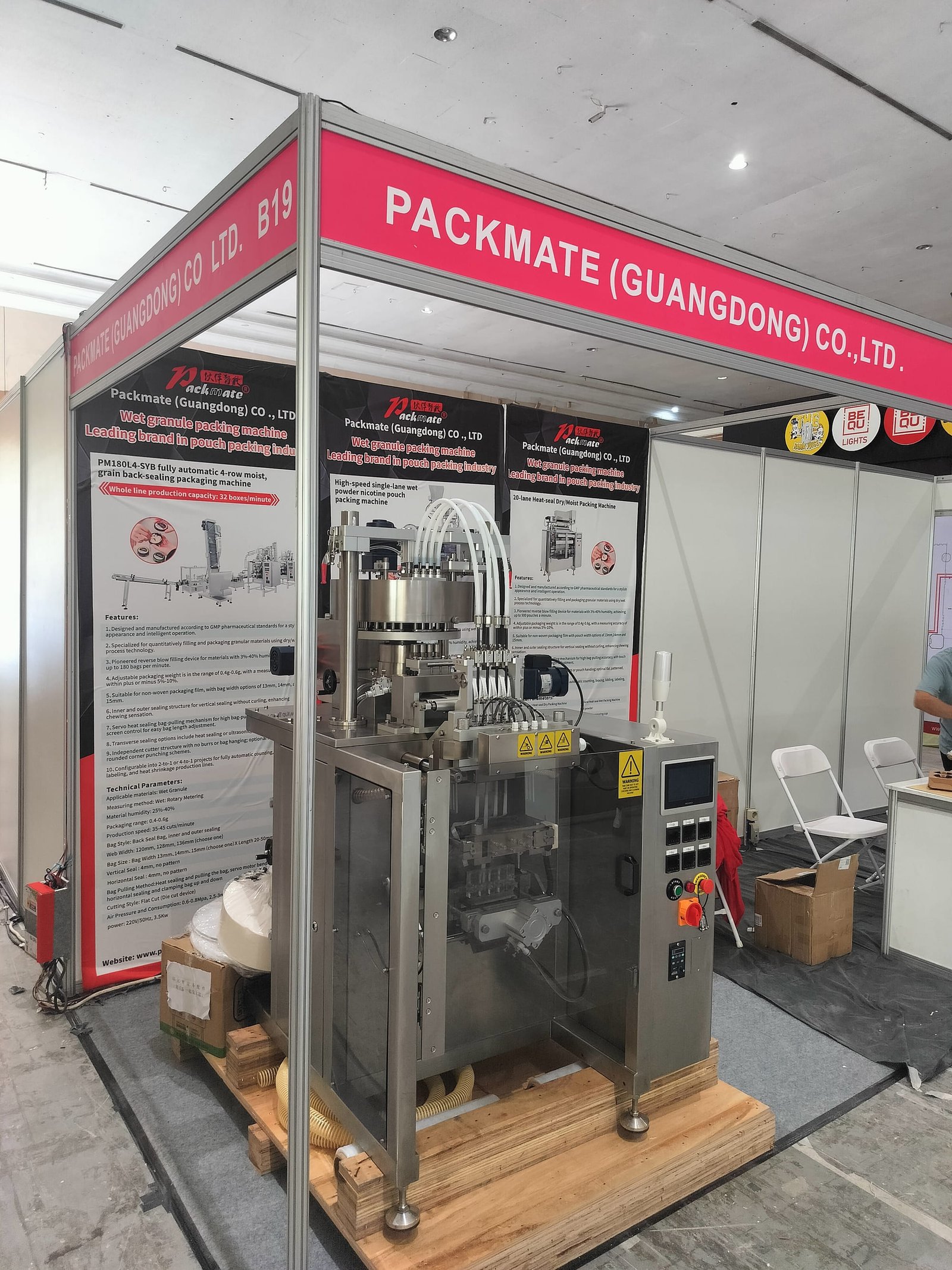
When evaluating suppliers, look for manufacturers with a proven track record in packaging machinery. For example, Ludyway Machinery is a China-based packaging machinery manufacturer with over 30 years of experience, serving customers in more than 100 countries. The company provides automated packaging equipment and turnkey solutions for manufacturers across food, pharmaceutical, and consumer product industries.
Making the Final Decision: A Practical Checklist
Before signing a purchase agreement, work through this final verification checklist:
- Confirm that the machine has been tested with your actual tea product, not just a similar material
- Verify production speed claims with documented test results at your required bag size
- Request references from customers with similar production requirements
- Review the warranty terms and understand what is covered and for how long
- Confirm lead times for both the initial machine and critical spare parts
- Evaluate the user interface and control system — is it intuitive for your operators?
- Assess the machine’s compatibility with your factory’s utilities and floor layout
Future-Proofing Your Investment
The tea market continues to evolve, with trends toward sustainable packaging materials, innovative bag formats, and customized blends. Choose a machine with sufficient flexibility to accommodate these changes. Modular designs that allow for future upgrades, format changeovers, and the ability to handle emerging packaging materials will protect your investment over the long term. For additional insights on packaging industry trends, refer to the Flexible Packaging Association and PMMI’s State of the Industry reports for the latest market data and forecasts.
Selecting the right automatic tea bag packing machine requires careful evaluation of your product, production goals, and long-term business strategy. By systematically assessing each of the factors outlined in this guide, you can make an informed decision that delivers reliable performance, consistent packaging quality, and a strong return on investment for years to come.