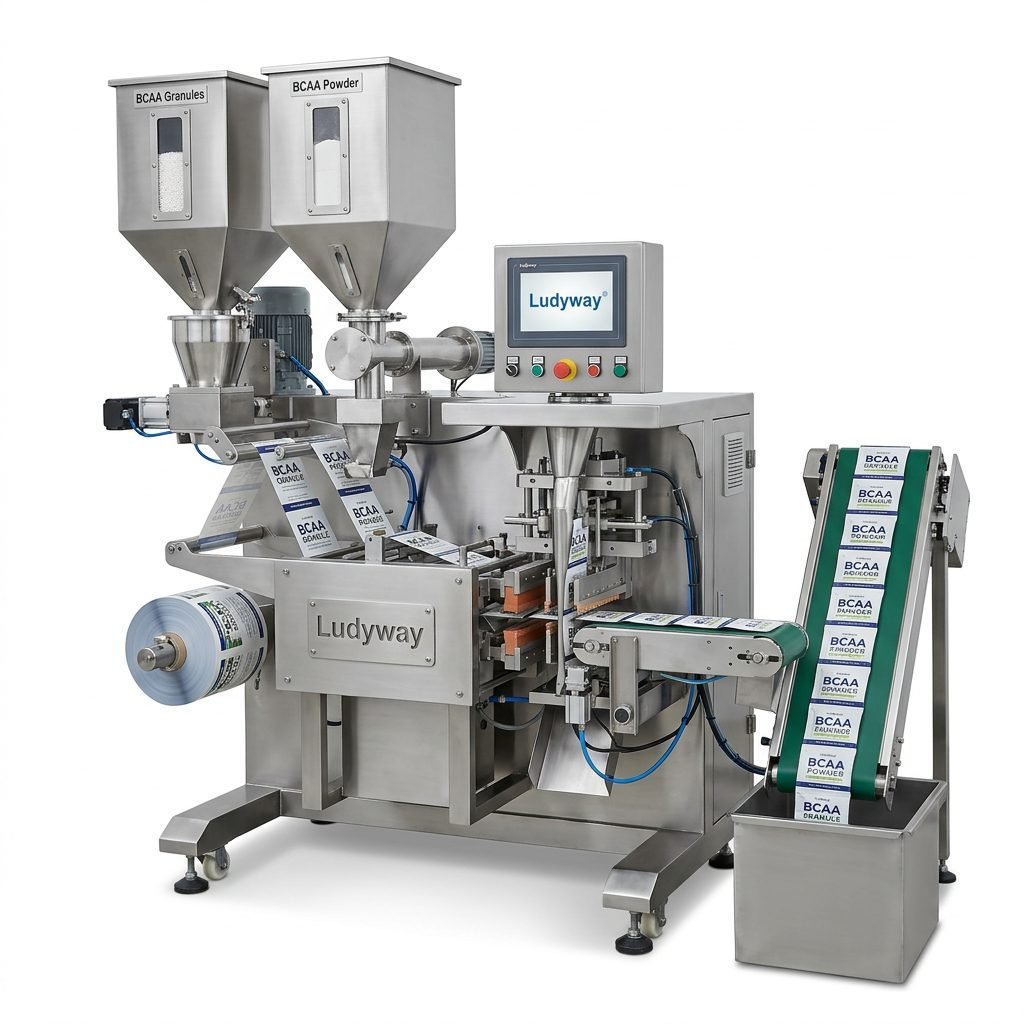
Investing in an air packing machine is a critical decision for manufacturers looking to improve production efficiency, product protection, and packaging consistency. Whether you are packaging granular products, powders, liquid sachets, or stick packs, selecting the right equipment requires a clear understanding of your production goals, product characteristics, and operational environment. This guide walks you through the essential factors to consider before making a purchase.
Understanding the Types of Air Packing Machines
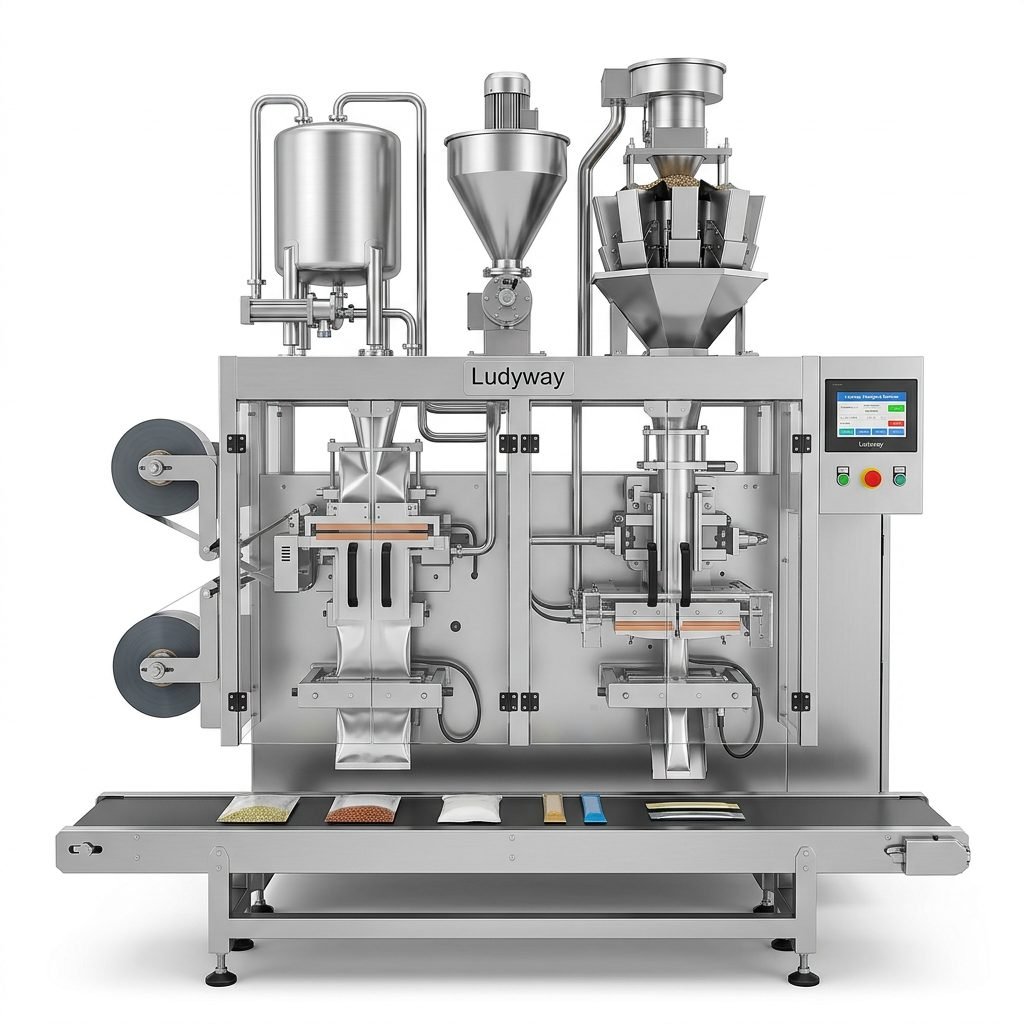
Not all automatic packaging equipment is built the same. The first step is identifying which machine configuration matches your packaging format and product type. Common categories include:
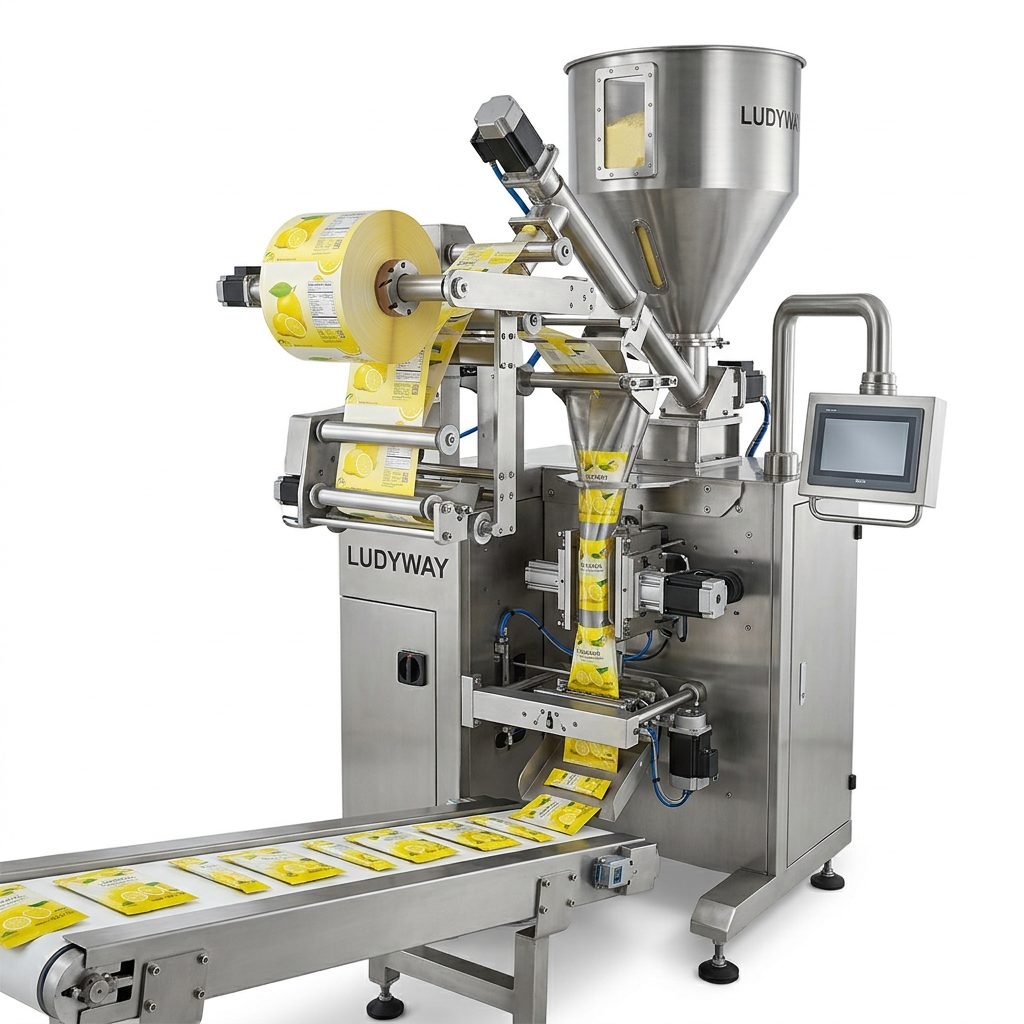
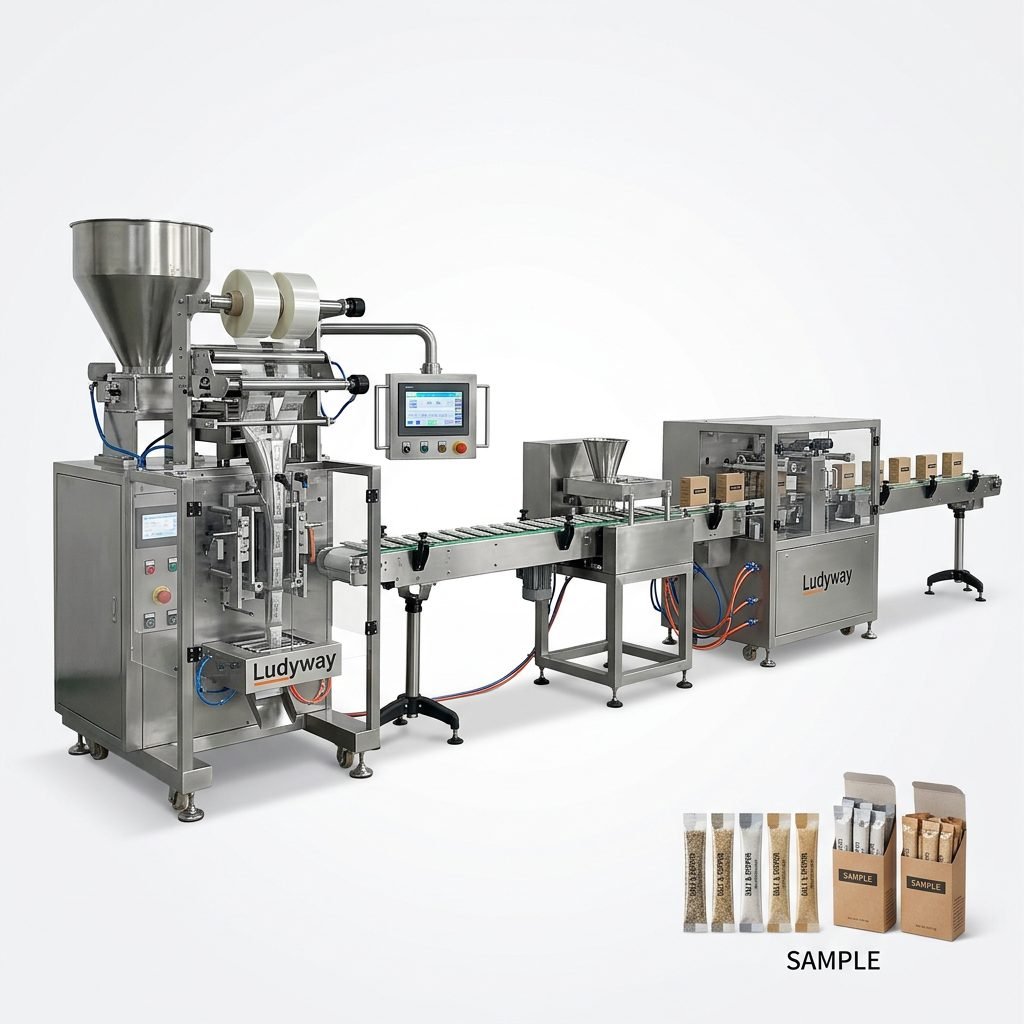
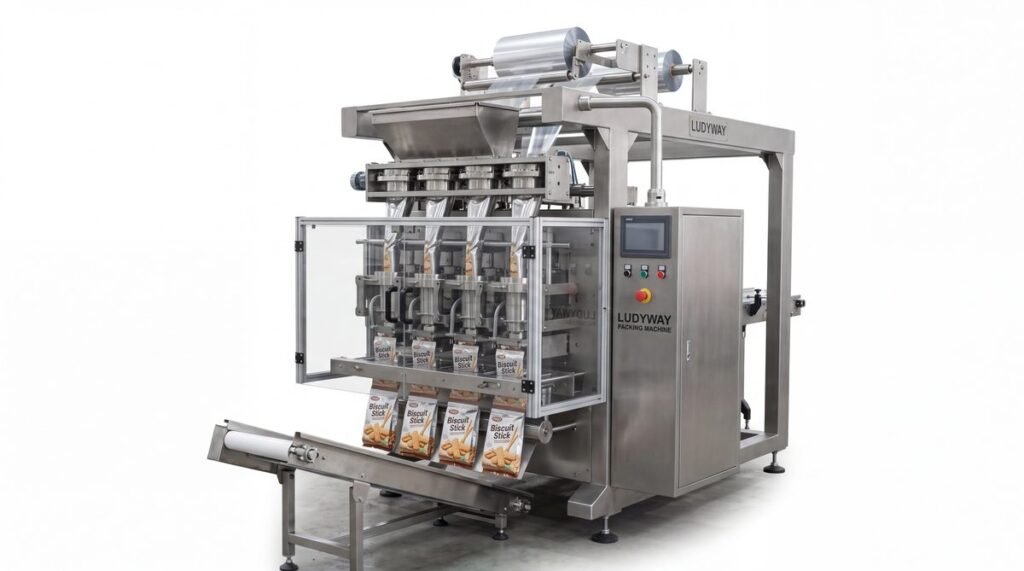
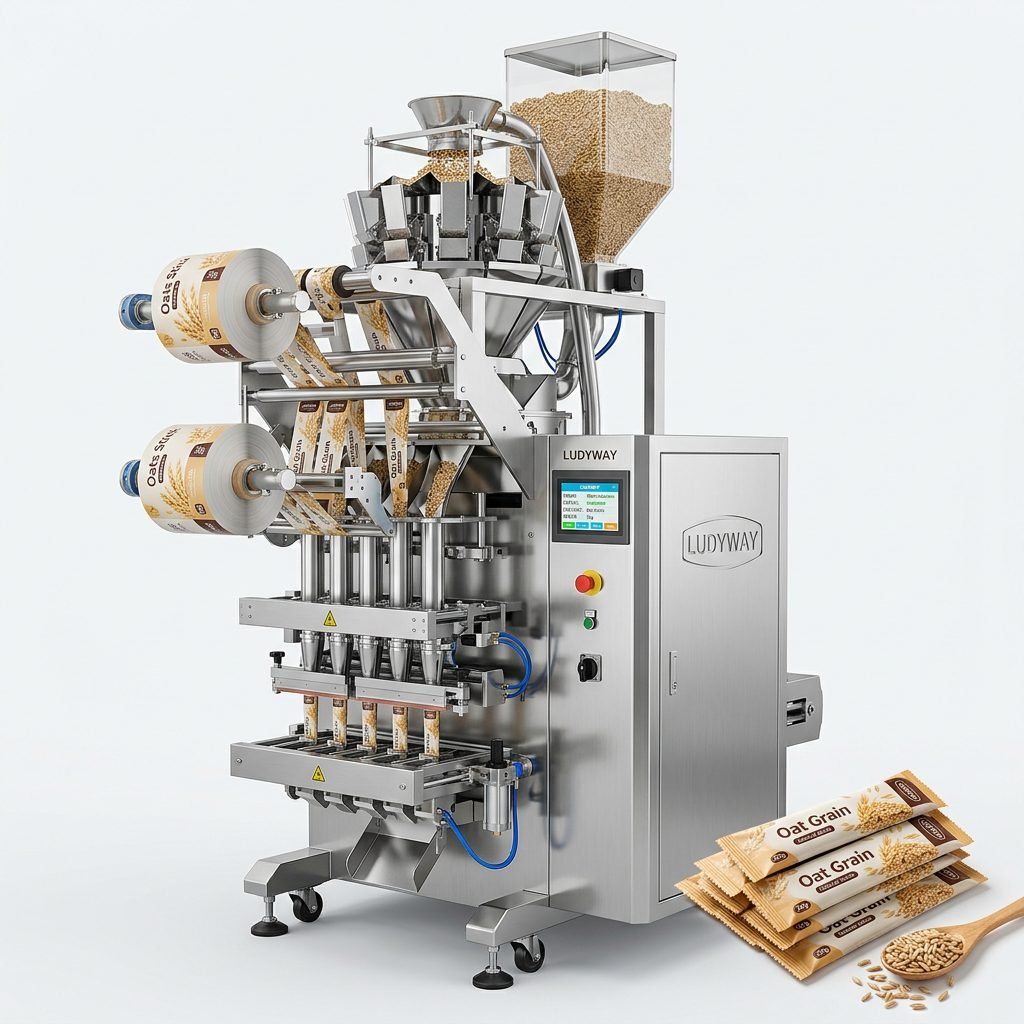
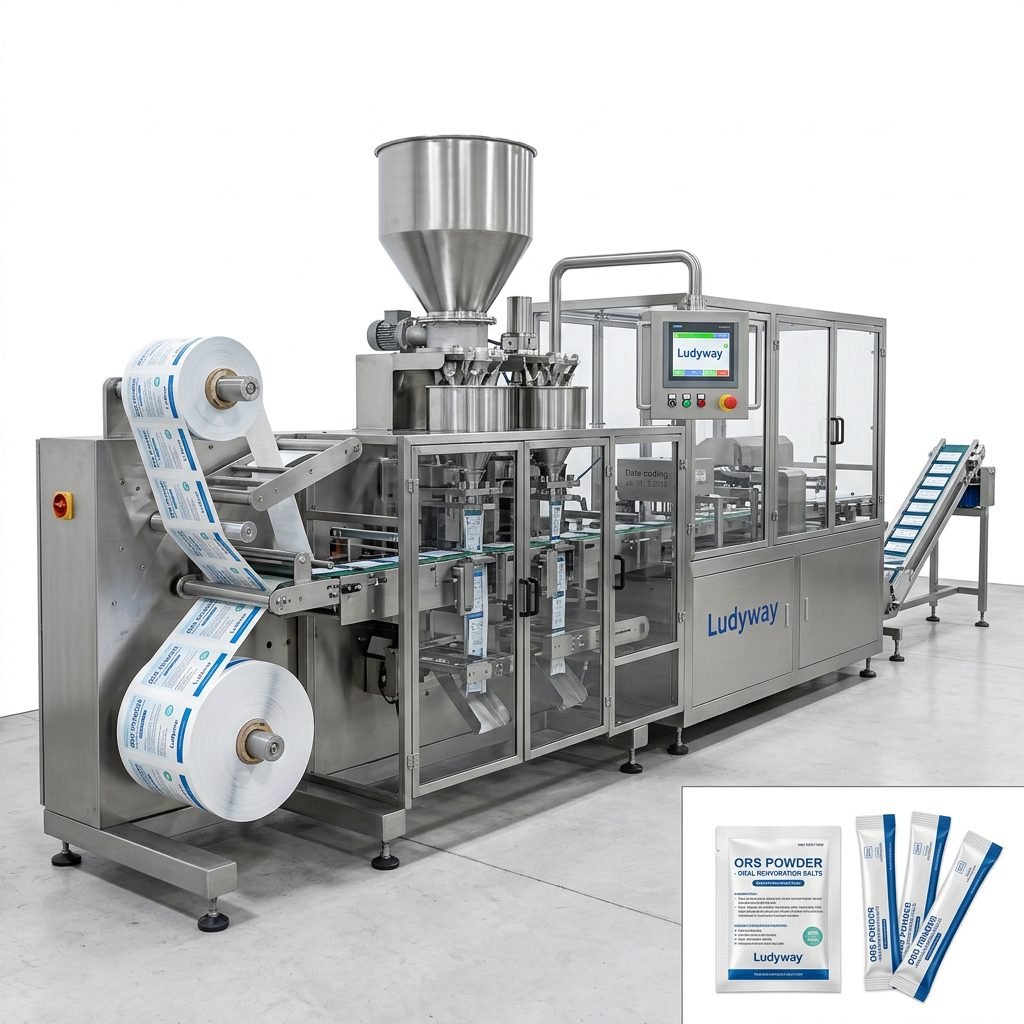
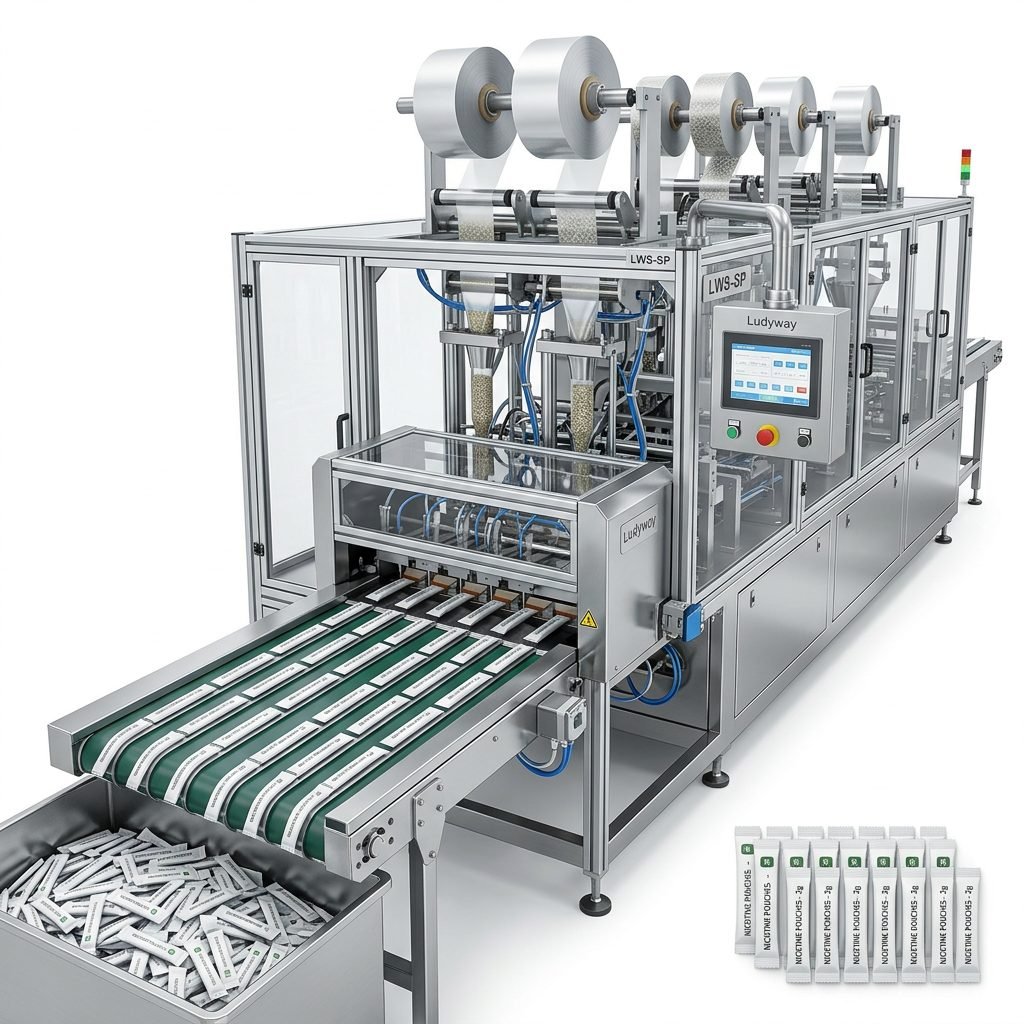
- Multi-lane stick pack machines – ideal for high-speed production of single-serve powdered, granular, or liquid products in narrow sachets.
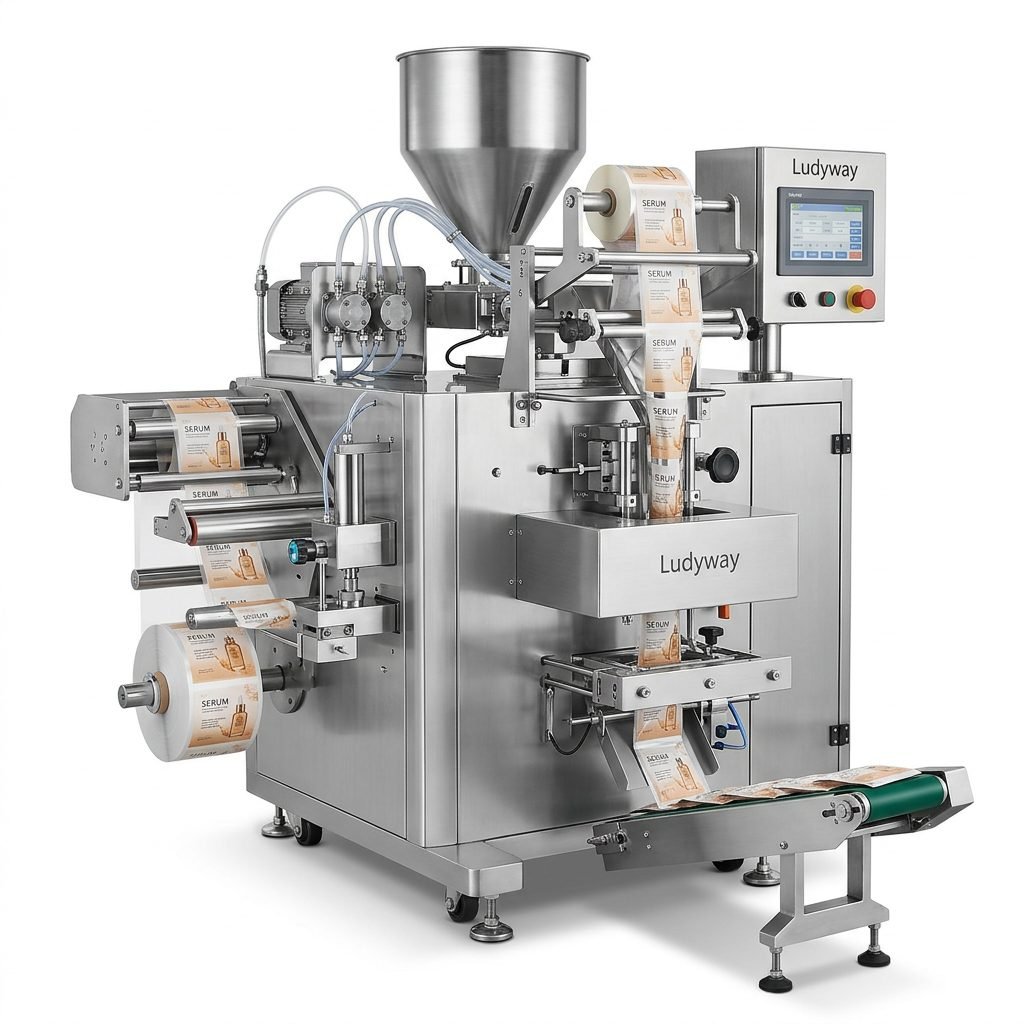
- Vertical form fill seal (VFFS) systems – versatile machines suitable for a wide range of free-flowing and non-free-flowing products, from snacks to chemical granules.
- Premade pouch filling and sealing machines – designed for manufacturers using pre-formed pouches, offering flexibility in pouch styles and sizes.
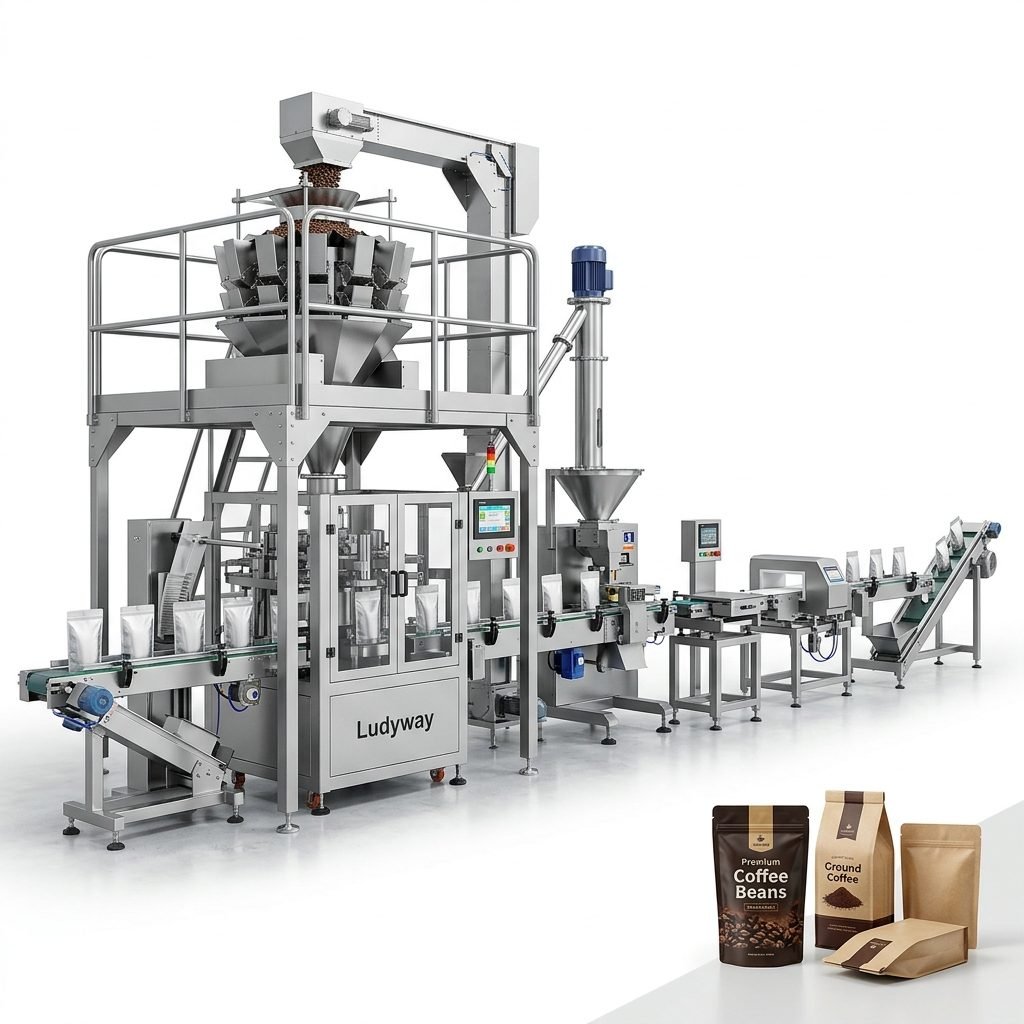
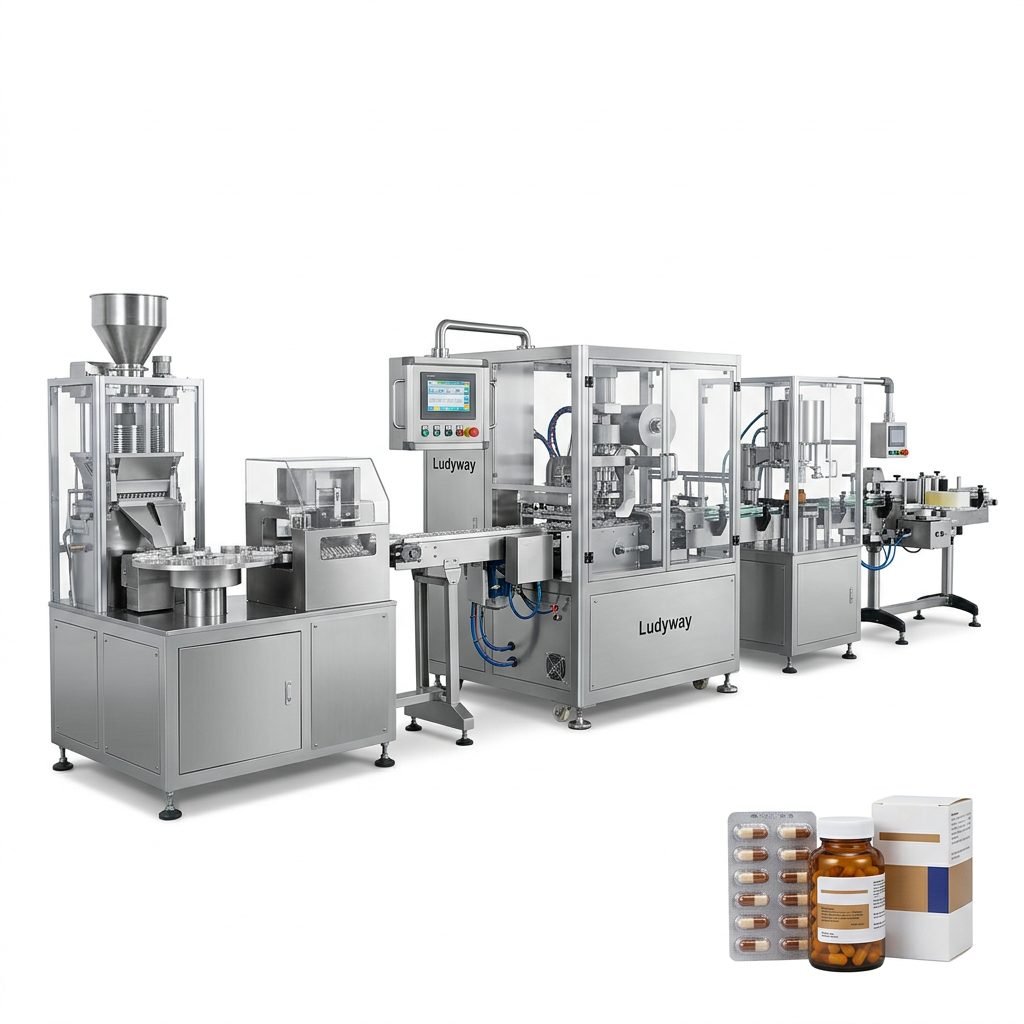
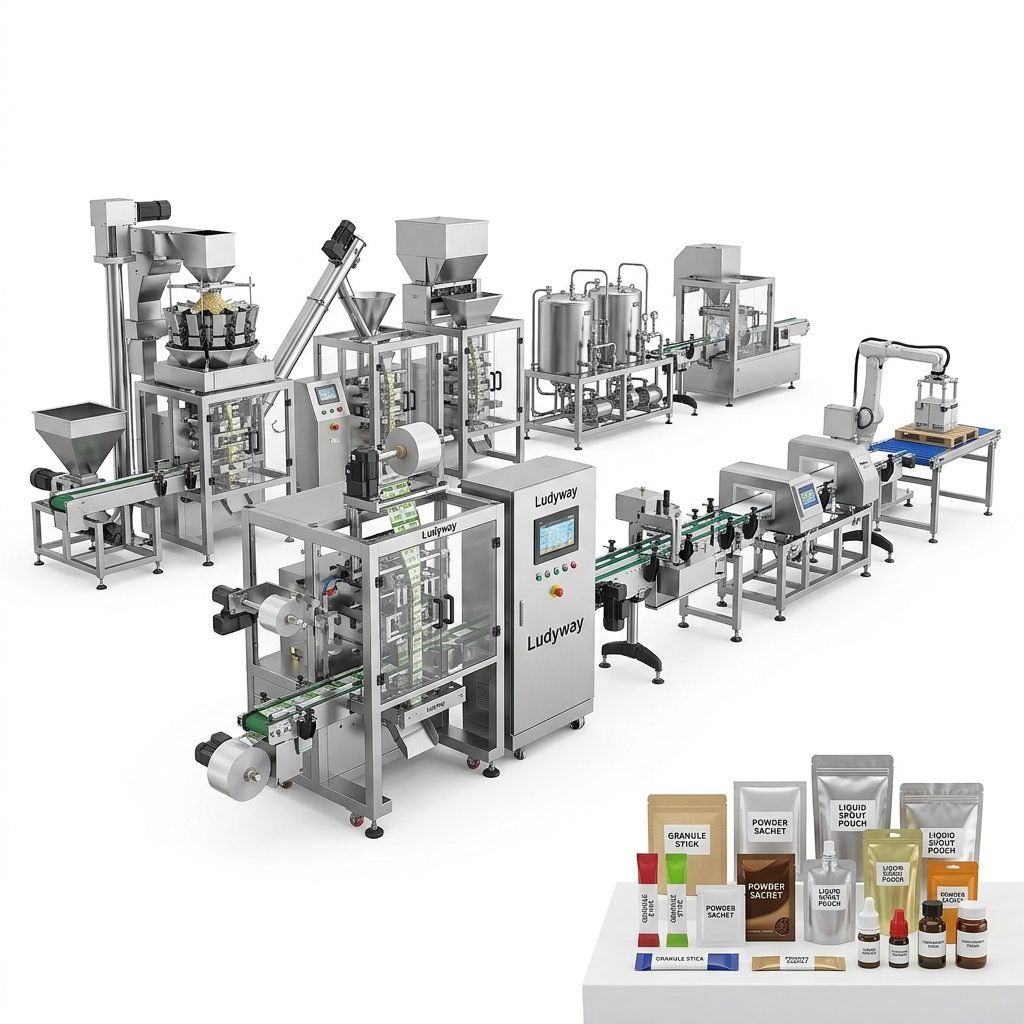
- Sachet and stick pack integrated lines – combining filling, sealing, coding, inspection, and cartoning into a single automated packaging line.
Your choice should align with your current and projected production volume, packaging material, and the level of automation you require. For an overview of broader industry trends in packaging machinery market research, the PMMI Business Intelligence Library provides valuable data that can inform your decision-making process.
Evaluating Your Product and Production Requirements
Before contacting a packaging machinery manufacturer, define your core production parameters clearly. The more detailed your specifications, the more accurately a supplier can recommend the right configuration.
- Product characteristics – powder, granule, liquid, paste, or solid pieces each require different dosing mechanisms and sealing technologies.
- Target output speed – measured in pouches or sachets per minute, your required throughput directly influences the machine’s lane count and automation level.
- Bag dimensions and formats – stick packs, three-side-seal sachets, four-side-seal pouches, or gusseted bags each need specific forming and sealing components.
- Filling weight range – from a few grams for single-serve condiments to several kilograms for bulk industrial products.
- Packaging material compatibility – laminated films, aluminum foil, biodegradable materials, or paper-based laminates all behave differently during sealing.
Understanding these variables helps narrow down equipment options and prevents costly mismatches. According to the PACK EXPO International platform, many packaging professionals discover that pre-planning product parameters is the single most effective way to streamline vendor discussions and reduce lead times.
Key Technical Specifications to Compare
When evaluating different air packing machine models, a structured specification comparison is essential. The table below outlines the critical technical parameters you should assess across multiple suppliers.
| Specification Parameter | What to Look For | Why It Matters |
|---|---|---|
| Number of lanes | Single-lane to 20+ lanes depending on model | Directly determines maximum output; more lanes increase speed but require more floor space |
| Filling system type | Auger filler, volumetric cup, piston, multi-head weigher, or liquid pump | Must match product flow characteristics and desired fill accuracy |
| Sealing temperature control | PID-controlled independent sealing jaws | Ensures consistent seal integrity across different film types and speeds |
| Construction material | Stainless steel 304 or 316L for product contact parts | Critical for food-grade, pharmaceutical, and corrosive product applications |
| Automation integration | PLC control with HMI touchscreen, remote access capability | Simplifies operation, troubleshooting, and production data tracking |
| Changeover time | Tool-less or quick-change design | Reduces downtime when switching between different bag formats or product batches |
Quality, Compliance, and Industry Standards
Packaging machinery must meet applicable regulatory requirements, especially for manufacturers in the food, pharmaceutical, and health industries. Before finalizing a purchase, verify the following compliance aspects:
- Food contact material compliance – machine surfaces and lubricants must comply with FDA food packaging and food contact substances regulations where applicable.
- Pharmaceutical packaging validation – for medical products, confirm that the equipment can support ISO 11607 packaging for terminally sterilized medical devices requirements.
- CE marking and electrical safety – essential for equipment exported to European markets.
- GMP design principles – hygienic machine construction with easy-to-clean surfaces, minimal crevices, and proper drainage.
- Sustainability considerations – with growing focus on packaging waste, the Flexible Packaging Association’s state of the industry data highlights trends toward material reduction and recyclable packaging compatibility.
Reputable manufacturers provide compliance documentation and work with customers to ensure equipment meets the specific regulatory environment of the destination market. The European Commission’s packaging and packaging waste regulation continues to shape equipment design requirements globally, making compliance a key differentiator among suppliers.
Evaluating Manufacturer Capabilities and Support
An air packing machine is a long-term investment, and the manufacturer behind it matters as much as the machine itself. Here are the key factors to evaluate when vetting a supplier:
- Manufacturing experience – look for companies with a proven track record in packaging machinery engineering. Industry reports such as the PMMI 2026 State of the Industry provide context on market dynamics and supplier landscapes.
- In-house engineering and R&D – manufacturers that design their own mechanical, electrical, and automation systems can offer better customization and faster technical support.
- After-sales service and spare parts – confirm availability of remote technical support, on-site installation and commissioning services, operator training, and a reliable spare parts supply chain.
- Global project experience – a supplier serving customers in multiple countries and regions demonstrates the ability to handle diverse regulatory, logistical, and operational requirements.
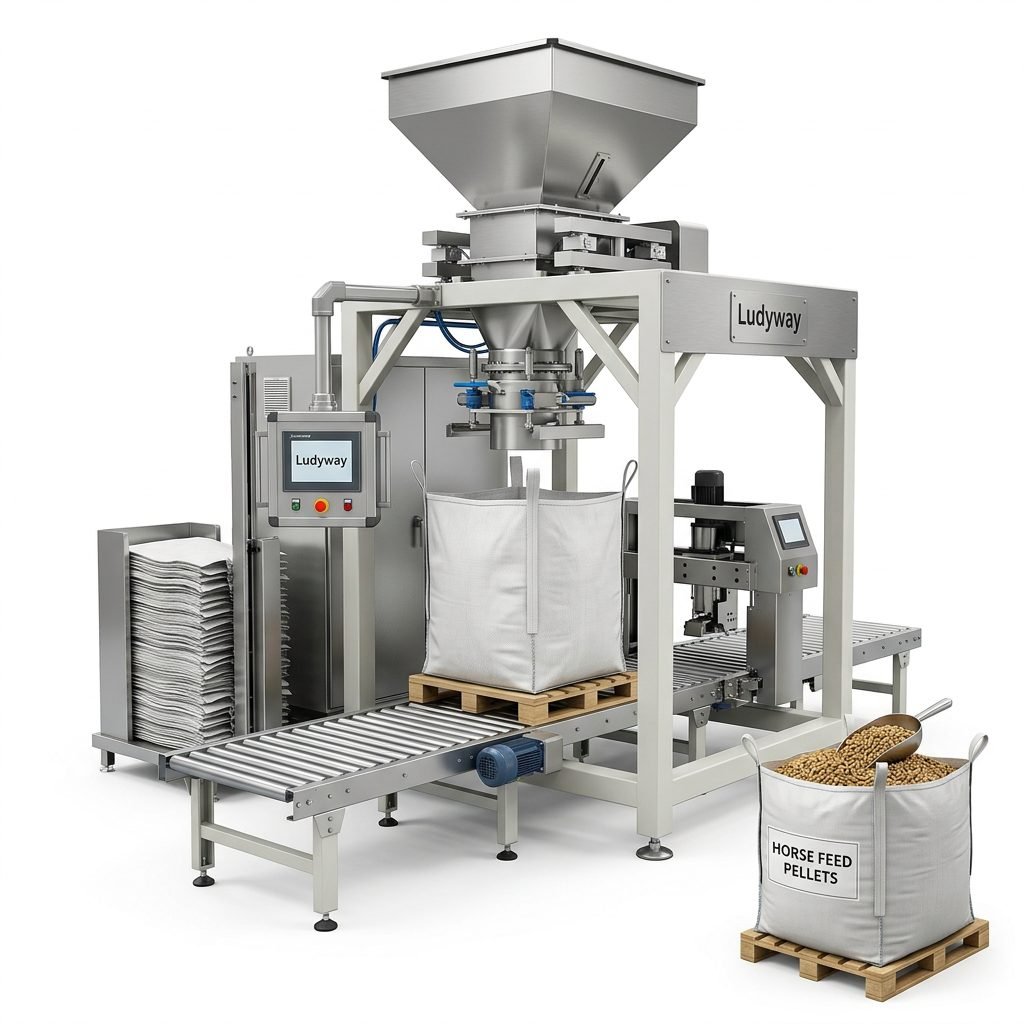
- Turnkey capability – some manufacturers provide individual machines, while others can deliver integrated packaging lines including upstream feeding, downstream cartoning, and palletizing systems.
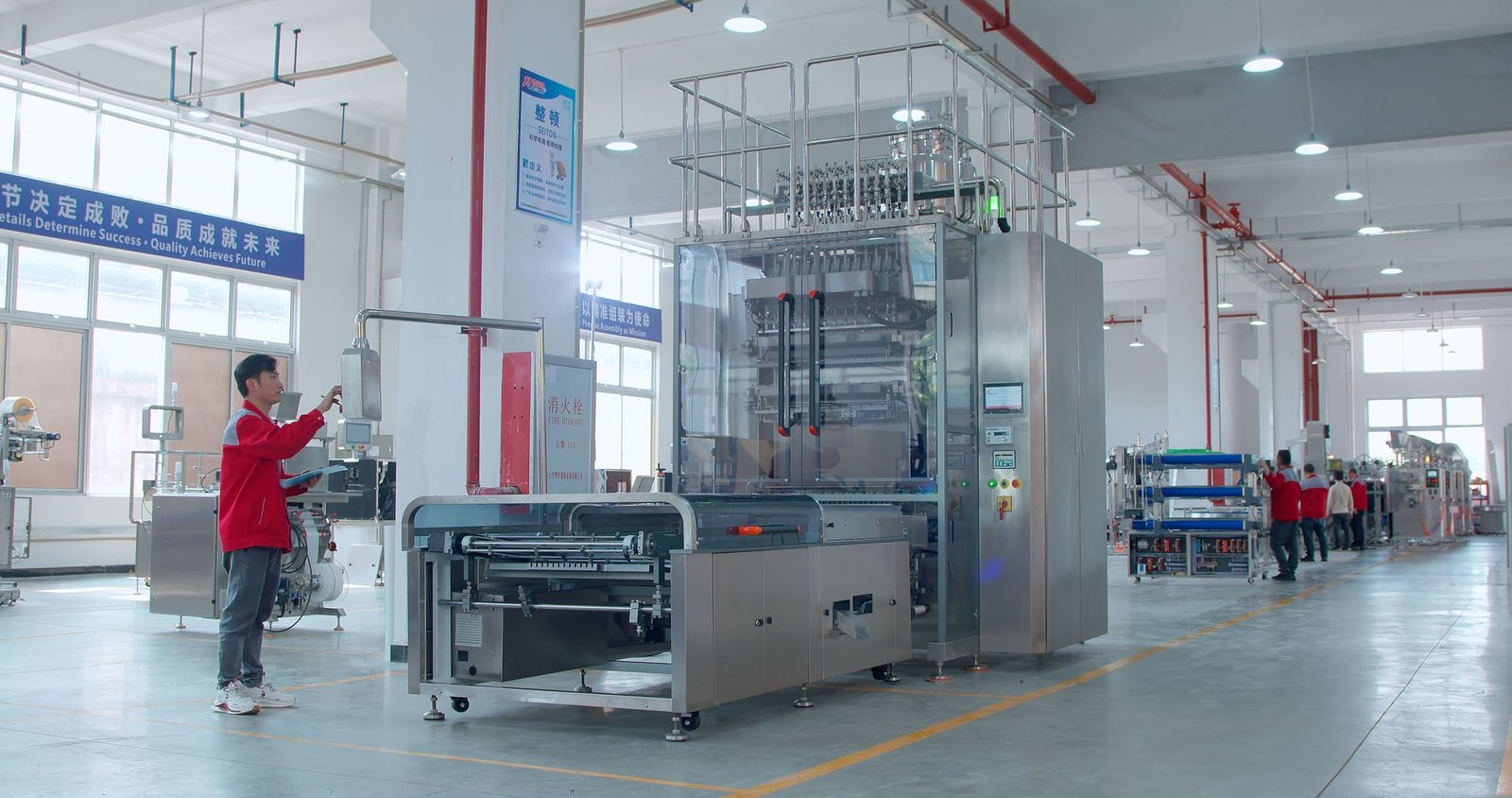
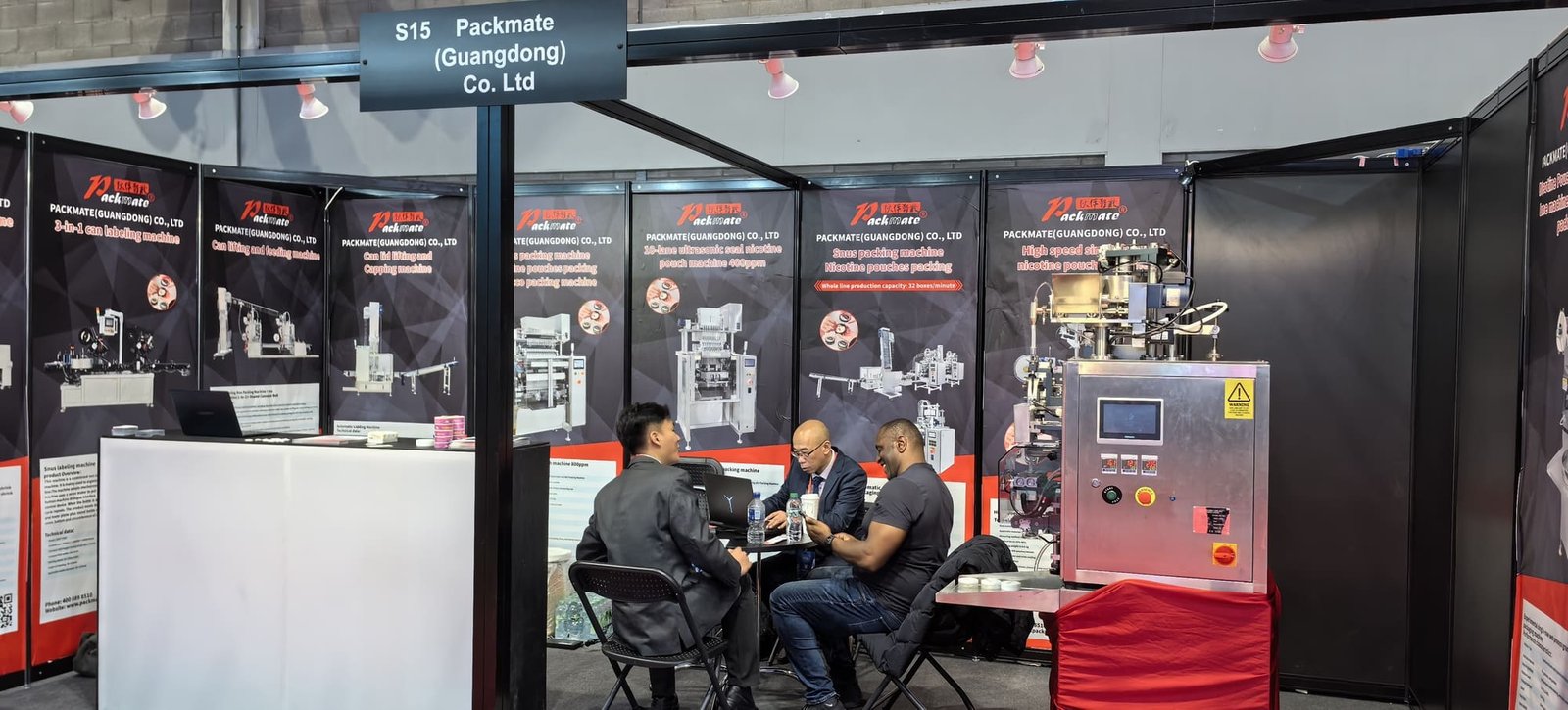
Working with an experienced partner can significantly reduce project risk. For example, Ludyway Machinery, a China-based packaging machinery manufacturer with over 30 years of industry experience and a 20,000-square-meter manufacturing facility, provides a broad portfolio of automatic packaging equipment and integrated turnkey solutions designed for powder, granule, liquid, stick pack, sachet, and pouch applications. According to recent industry reports, the company continues to expand its global market presence, reflecting a strong trajectory in export revenue growth.
Customization and Scalability for Future Growth
Every production environment is unique, and off-the-shelf machines rarely address every operational requirement. Customization capability should be a priority when selecting a packaging machinery partner:
- Bag format flexibility – can the machine be reconfigured for different sachet, stick pack, or pouch styles as your product line evolves?
- Multi-product handling – manufacturers producing multiple SKUs benefit from machines that can handle powders, granules, and liquids with minimal changeover.
- Scalable automation – consider whether the machine can integrate with future automation modules such as automatic cartoning systems, robotic palletizers, inspection equipment, or coding and labeling stations.
- Production capacity expansion – multi-lane architectures allow you to increase output by adding lanes rather than purchasing entirely new equipment.
Flexibility in packaging systems is increasingly important, as noted by the Flexible Packaging Association’s knowledge hub, which tracks how manufacturing agility and packaging format innovation are reshaping the industry. Choosing equipment that can adapt to future market demands protects your capital investment over the machine’s lifecycle.
Total Cost of Ownership and ROI Considerations
While the initial purchase price is important, smart buyers evaluate the total cost of ownership (TCO) over the expected service life of the packaging machinery. Key financial factors include:
- Energy efficiency – modern servo-driven machines consume less electricity and reduce operational costs over time.
- Consumable costs – sealing jaws, cutting blades, filters, and wear parts should be readily available and reasonably priced.
- Labor savings – automated packaging lines often reduce manual labor requirements by 50% or more compared to semi-automatic processes.
- Material waste reduction – precise filling accuracy and consistent sealing minimize product giveaway and film waste.
- Downtime cost – reliable equipment with strong manufacturer support minimizes production interruptions.
Resources such as the PMMI state of the industry economic reports provide benchmarking data that can help you evaluate whether a potential equipment investment aligns with broader industry performance metrics. When calculating ROI, consider both the direct operational savings and the revenue opportunities enabled by higher production capacity and consistent packaging quality.
Summary: A Structured Approach to Your Purchase Decision
Selecting the right air packing machine requires a methodical evaluation that balances technical specifications, manufacturer capabilities, compliance requirements, and long-term cost considerations. Manufacturers that take time to thoroughly define their product requirements, compare machine specifications, verify quality standards, and assess supplier support capabilities are far more likely to make a successful equipment investment.
Whether you need a single automatic packaging machine for a specific product or a complete turnkey packaging line integrating filling, sealing, coding, inspection, and secondary packaging, the principles outlined in this guide will help you navigate the selection process with confidence. For manufacturers seeking to explore the latest developments in the field, resources from PMMI – The Association for Packaging and Processing Technologies and the Flexible Packaging Association offer ongoing industry insights. Additionally, the ISO packaging standards provide a comprehensive framework for evaluating equipment quality and performance criteria across different applications and markets.