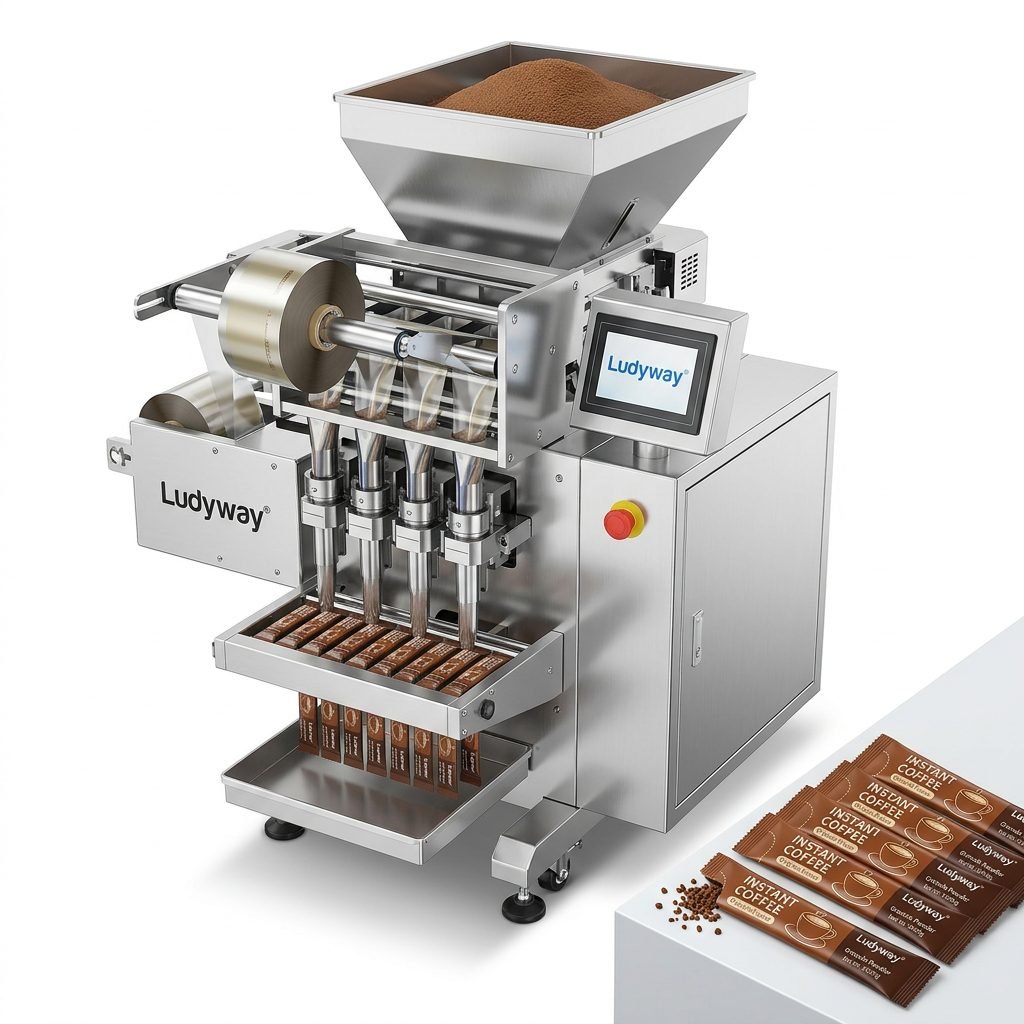
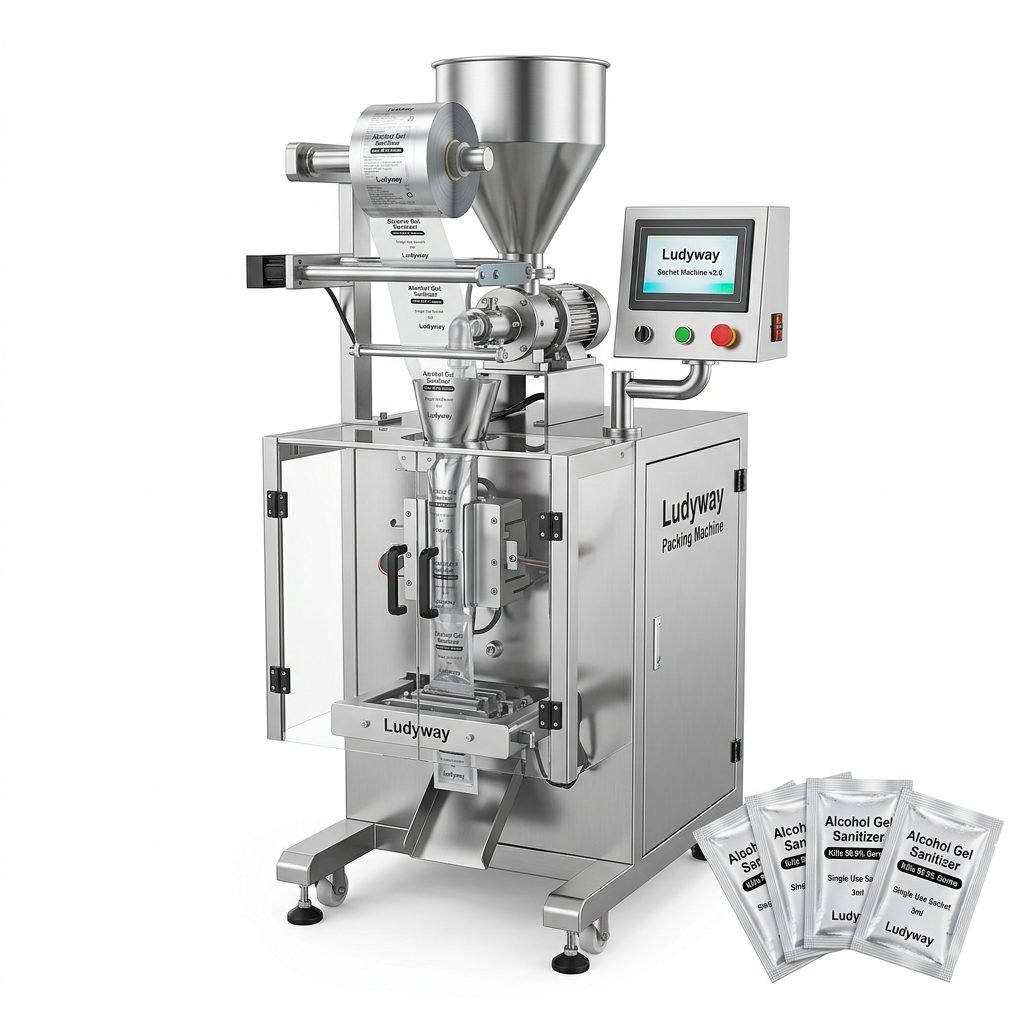
Investing in the right jerky packaging machine is one of the most critical decisions for any meat snack manufacturer. Whether you produce beef jerky, turkey jerky, or plant-based alternatives, the packaging equipment you choose directly impacts product shelf life, production efficiency, and overall profitability. With a wide range of technologies available—from vacuum sealers to multi-lane stick pack systems—navigating the selection process can be challenging. This guide walks you through every key consideration to help you make an informed, future-proof investment.
Understanding Your Jerky Packaging Requirements
Before comparing machine specifications, you need to clearly define your production goals. Jerky products vary significantly—some are dry and rigid, others are moist and flexible. The moisture content, shape, size, and texture of your jerky all influence which packaging technology will work best. Additionally, consider your target market: are you selling bulk packs for retail, single-serve snack packs, or both? Your flexible packaging format will determine much of the machinery specification.
Key Factors to Consider When Choosing a Jerky Packaging Machine
1. Product Characteristics and Shelf-Life Requirements
Jerky is particularly sensitive to oxygen and moisture exposure. If your product requires extended shelf life without preservatives, you may need a machine capable of vacuum packaging or nitrogen flushing. These modified atmosphere packaging (MAP) technologies help preserve freshness and prevent oxidation. Evaluate the barrier properties required for your packaging film and ensure the machine can handle the material effectively.
2. Packaging Format: Stick Pack, Sachet, Pouch, or Bulk Bag
The packaging format you choose depends on your distribution channels and consumer preferences. Common options include:
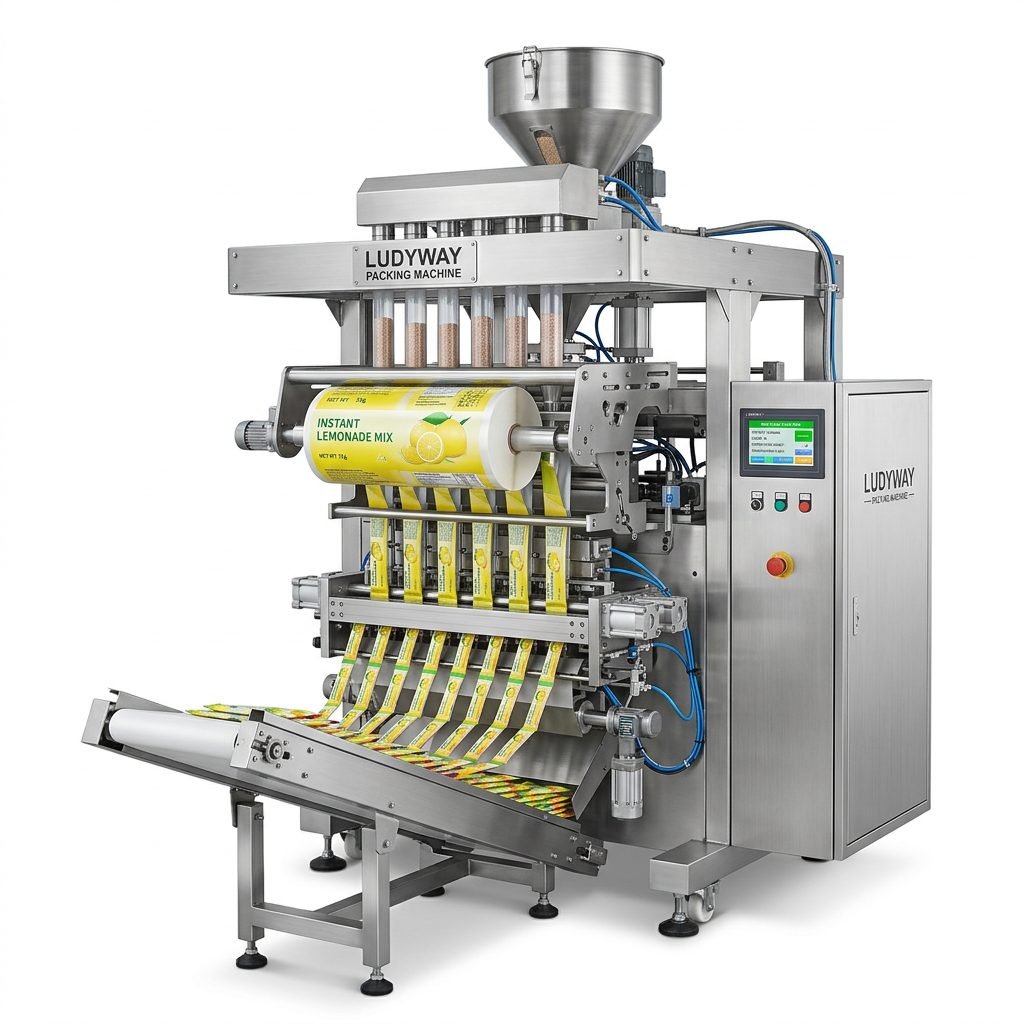
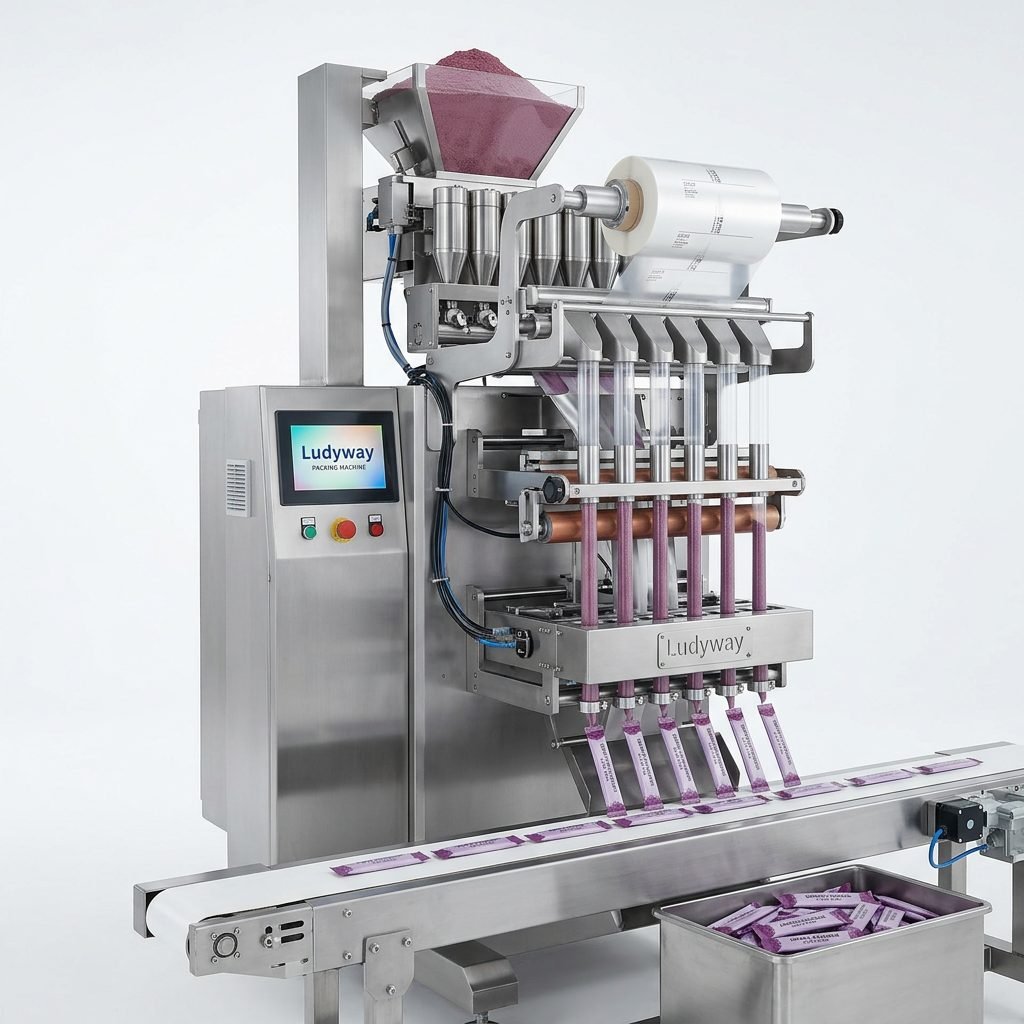
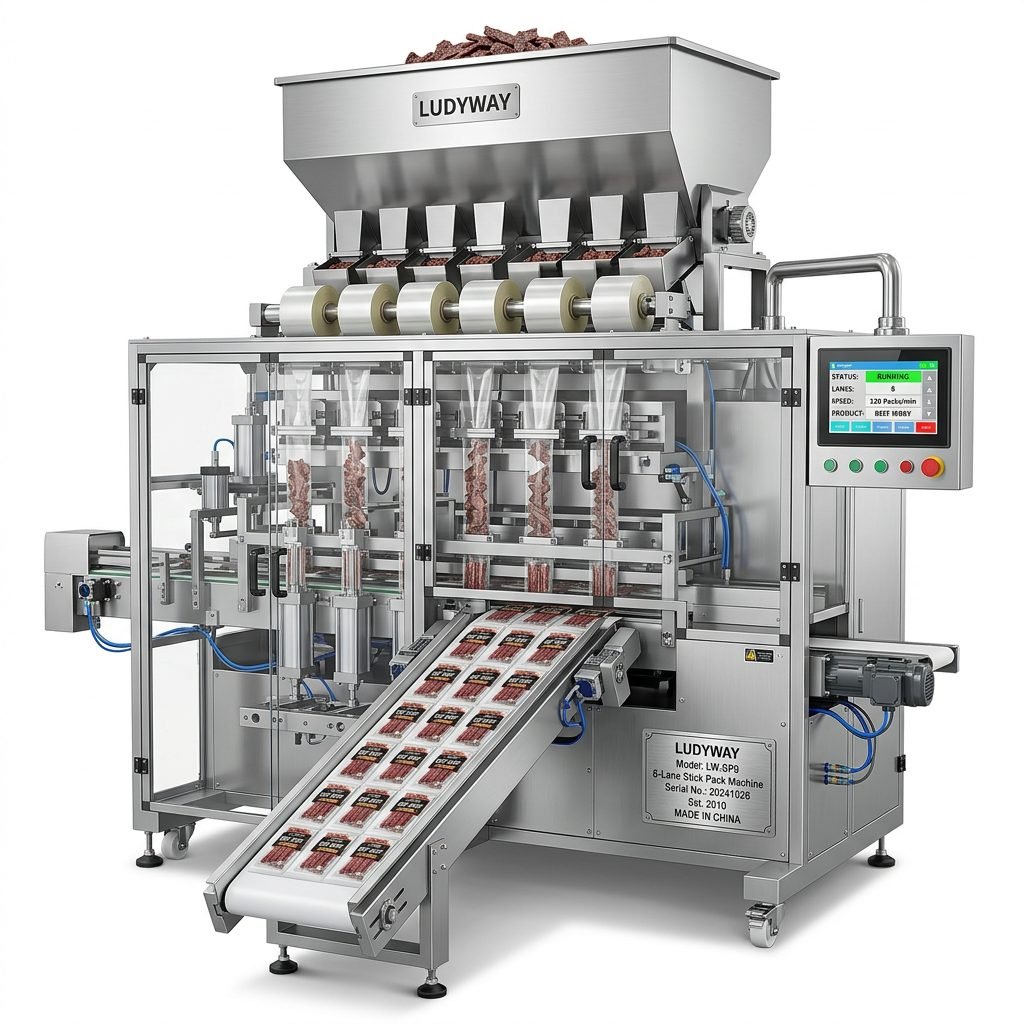
- Stick packs – Ideal for single-serve, on-the-go jerky snacks; compatible with multi-lane high-speed production
- Sachets and flat pouches – Suitable for small to medium portions with excellent branding space
- Stand-up pouches (doypacks) – Popular for retail shelves, offering resealable zippers and premium presentation
- Vacuum-sealed bulk bags – Best for wholesale, food service, or long-term storage applications
3. Production Speed and Capacity Demands
Your current and projected output volumes should guide your equipment selection. Entry-level machines may process 20-40 packs per minute, while high-speed multi-lane systems can exceed 200-400 packs per minute. Consider not just peak capacity but also changeover time between different SKUs or bag sizes. A machine that runs fast but takes hours to switch formats may not serve a diverse product line efficiently.
4. Automation Level: Manual, Semi-Automatic, or Fully Automatic
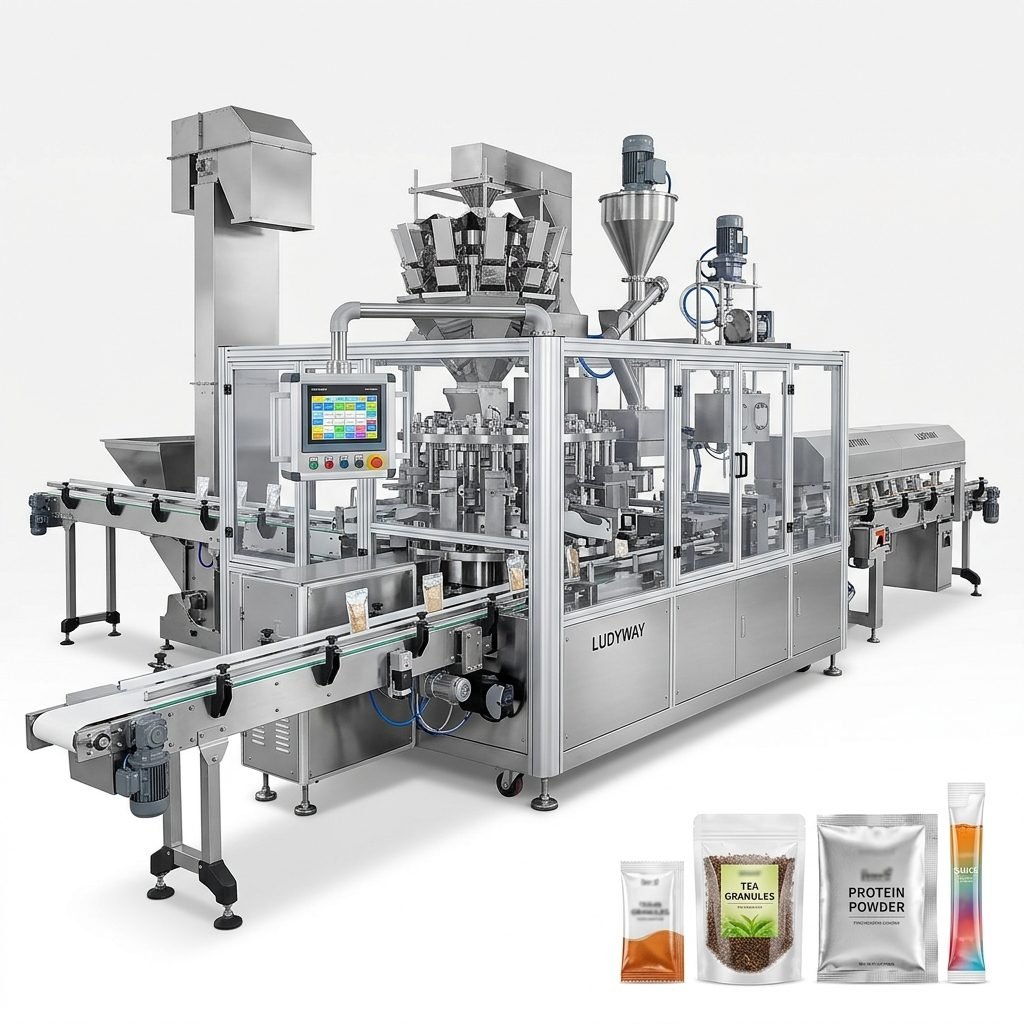
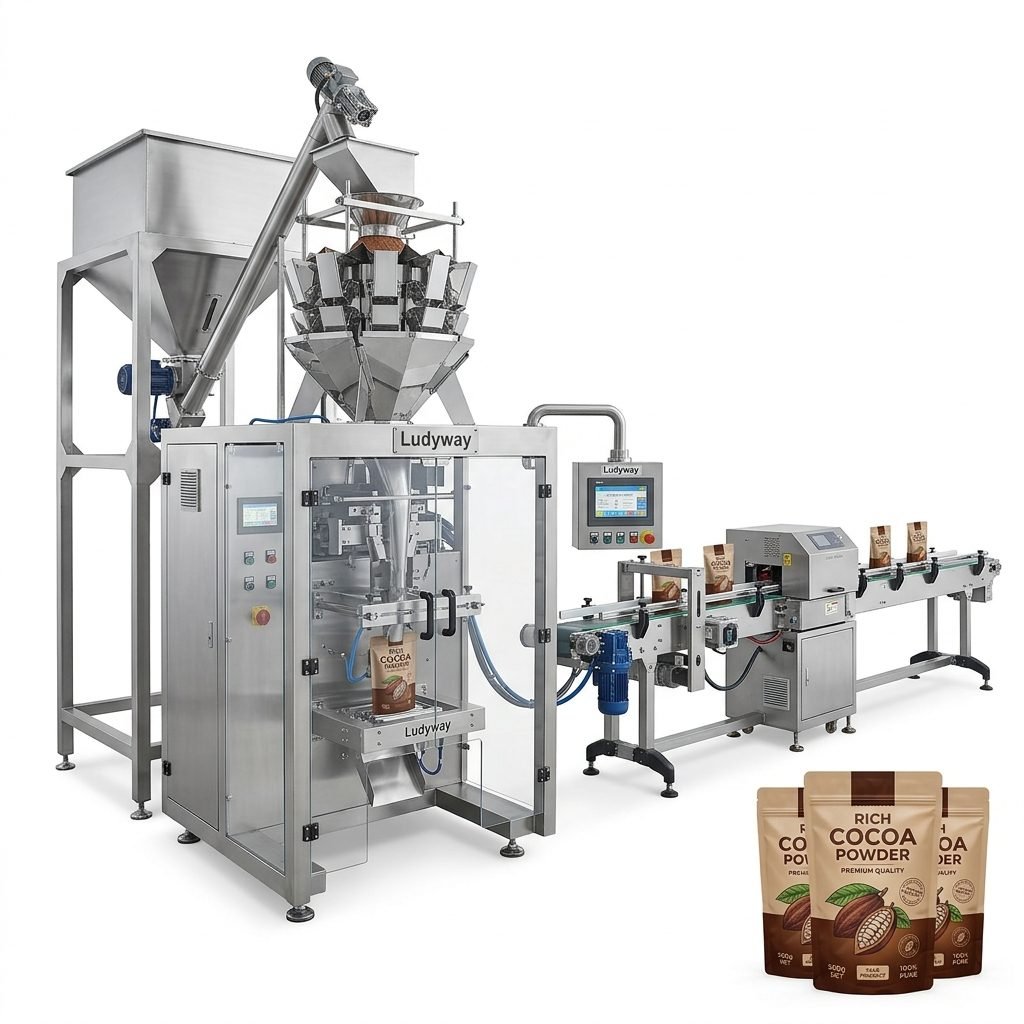
The degree of automation affects both labor costs and consistency. Fully automatic packaging machinery systems integrate feeding, weighing, filling, sealing, coding, and inspection into one continuous line. For smaller operations, a semi-automatic solution may offer a better balance of cost and flexibility. As your business grows, upgrading to a complete turnkey packaging line can significantly reduce per-unit costs.
Comparing Types of Jerky Packaging Machines
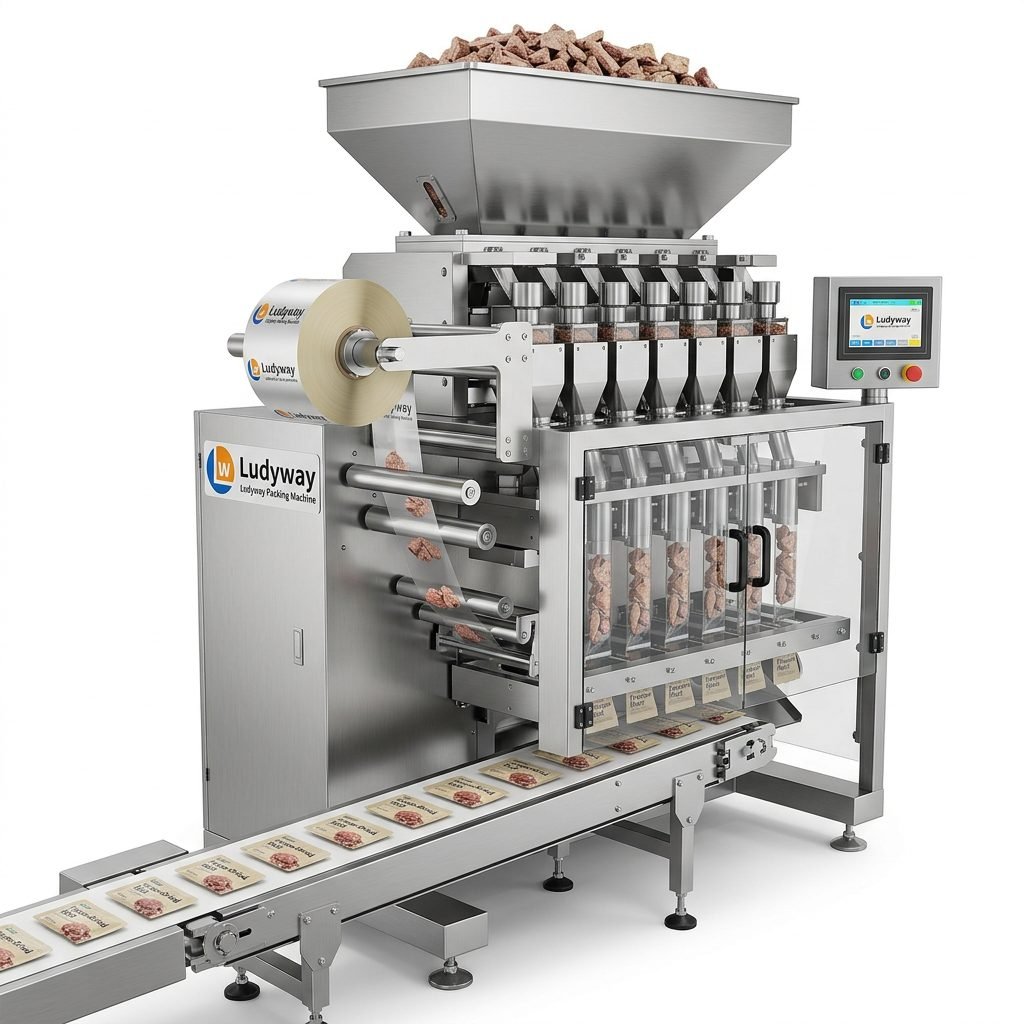
The table below summarizes the most common machine types used in jerky packaging, along with their typical applications and key considerations:
| Machine Type | Best For | Speed Range | Key Advantage |
|---|---|---|---|
| Vacuum Chamber Machine | Bulk bags, wholesale packs | 5-15 cycles/min | Maximum shelf-life extension |
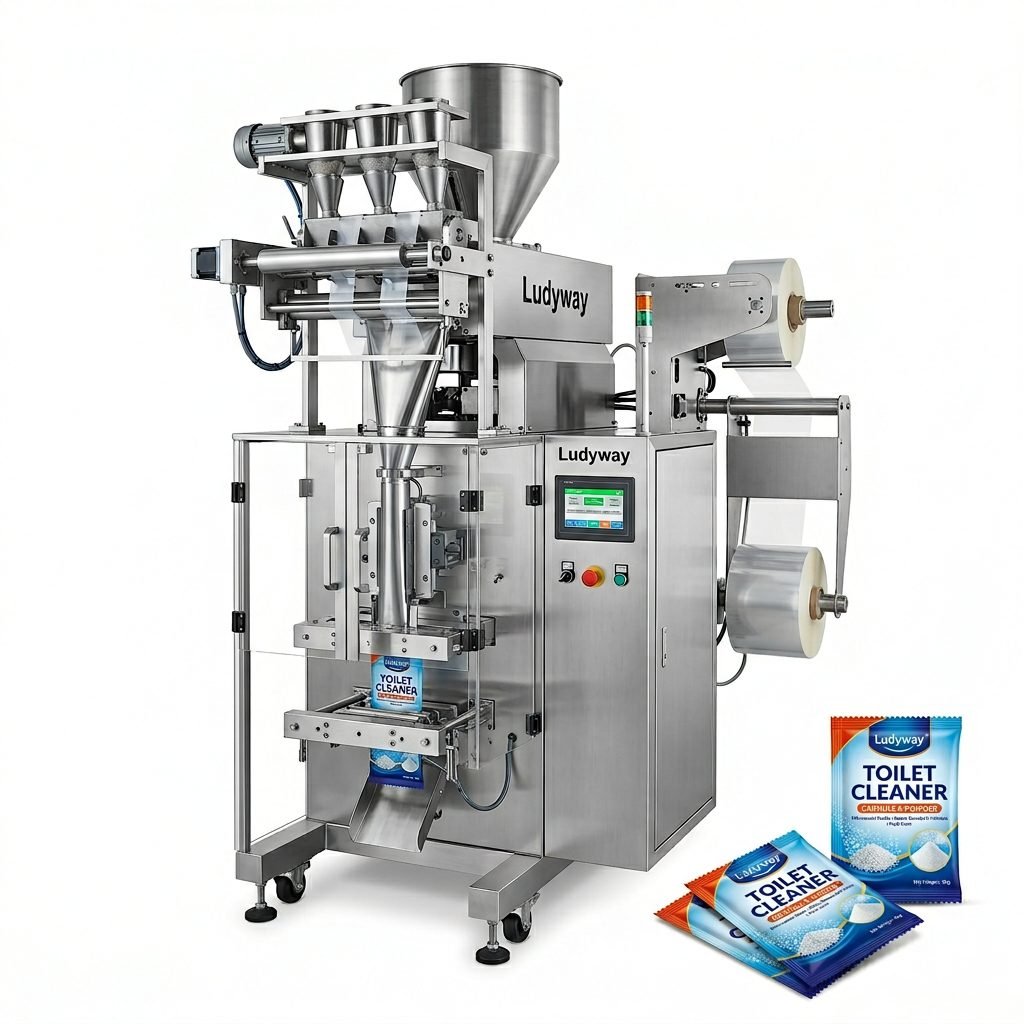
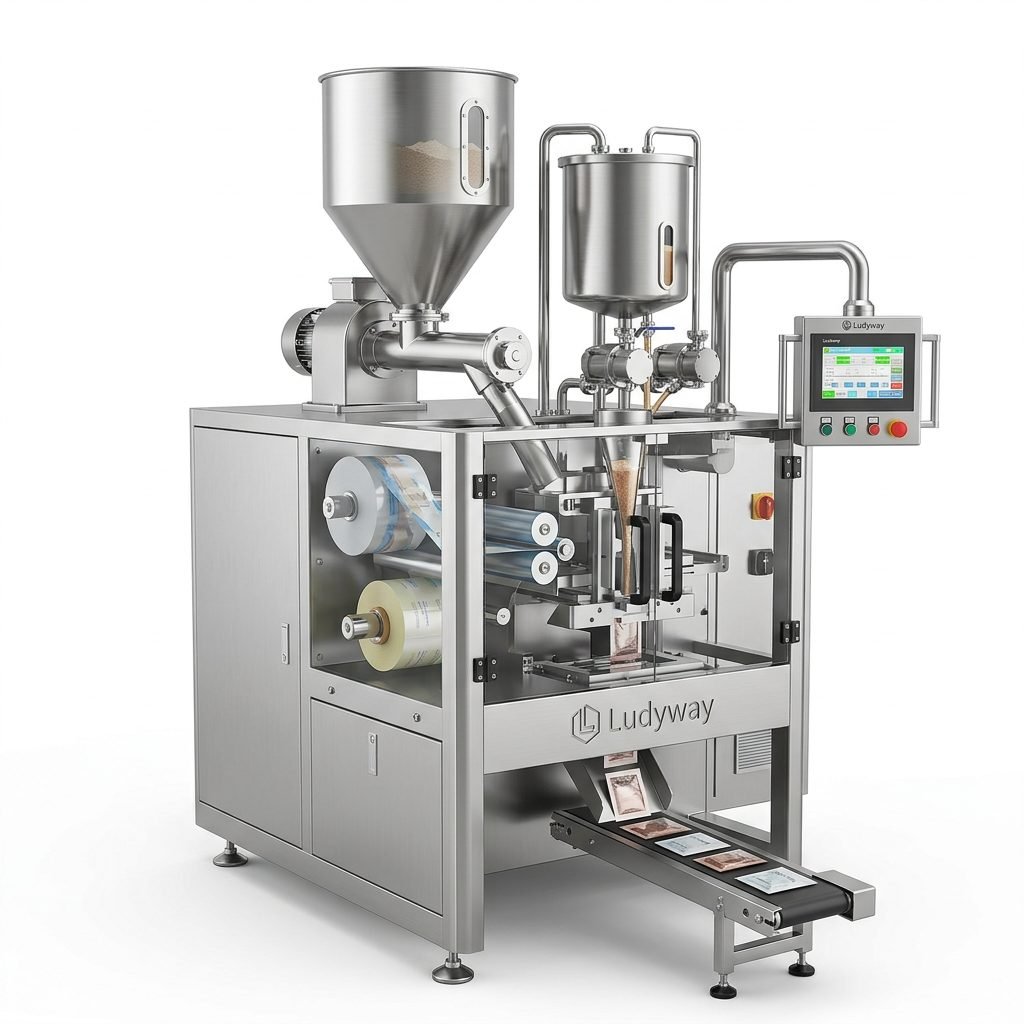
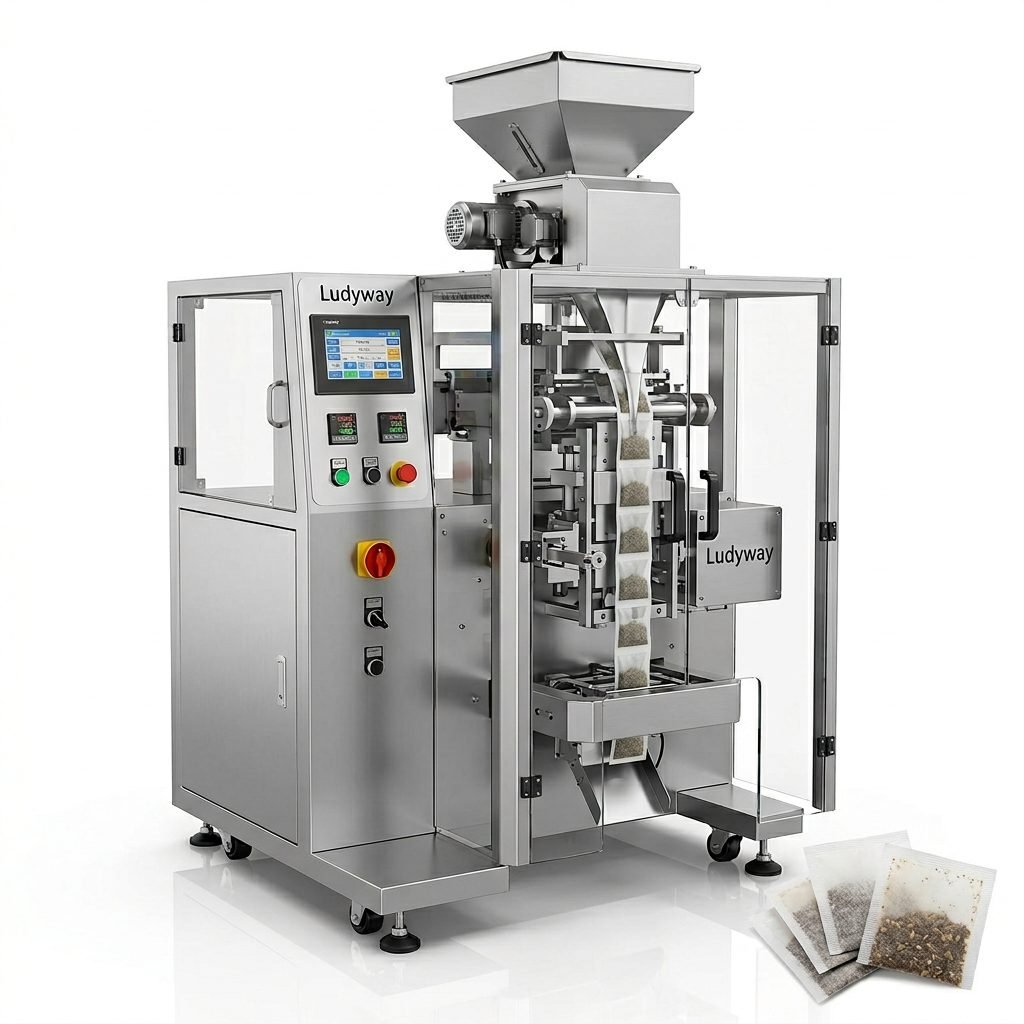
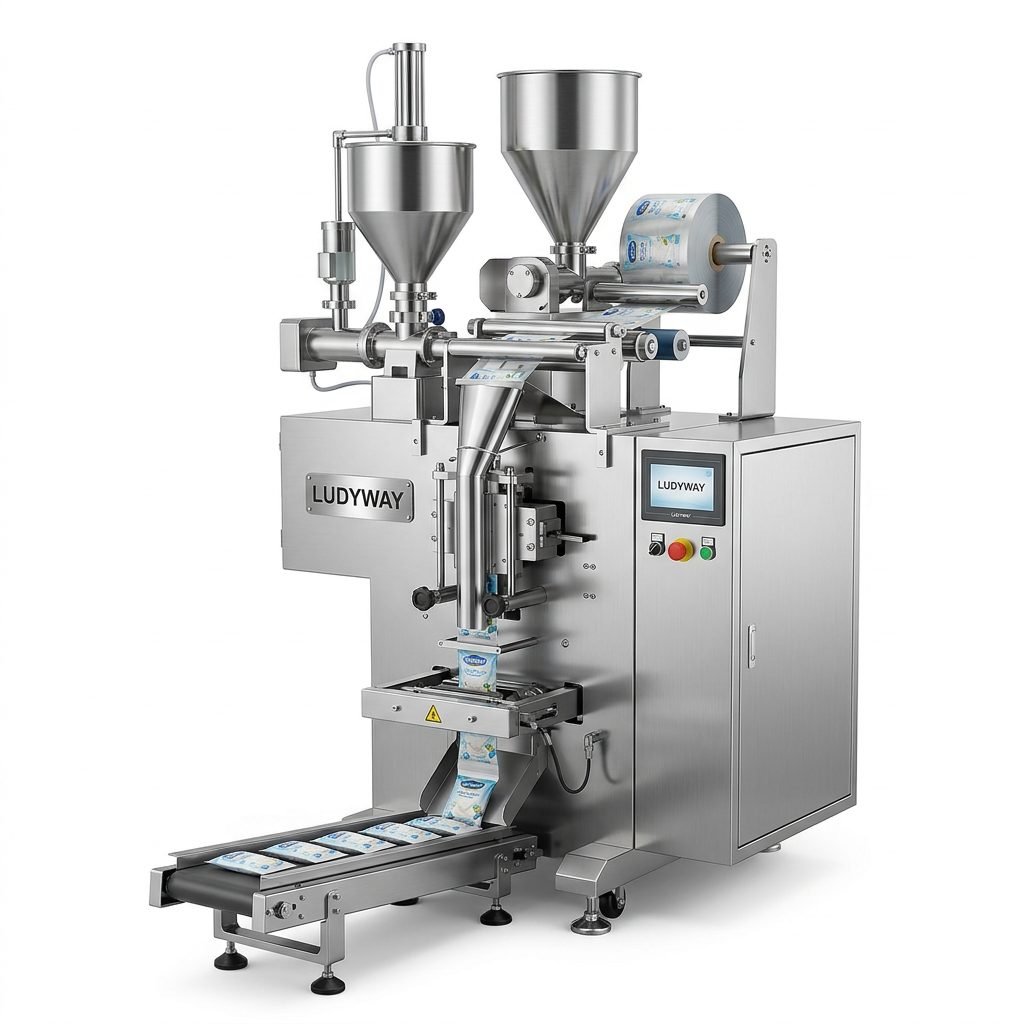
| VFFS (Vertical Form Fill Seal) | Pillow pouches, gusseted bags | 30-120 packs/min | Versatile, cost-effective for mid-volume |
| Multi-Lane Stick Pack Machine | Single-serve snack packs | 200-600 packs/min | Ultra-high throughput, portion control |
| Premade Pouch Filling & Sealing | Stand-up pouches, retail packs | 20-80 packs/min | Premium shelf appeal, resealable options |
| Thermoform Vacuum Packaging | Flat vacuum packs, retail display | 10-30 cycles/min | Excellent product visibility |
Essential Features to Look For in a Jerky Packaging Machine
Beyond the basic machine type, certain features can make a significant difference in day-to-day operations. Prioritize the following when evaluating equipment:
- Precision Weighing and Filling Systems – Jerky pieces vary in size and weight; multi-head weighers or auger fillers with high accuracy reduce give-away and ensure consistent portioning
- Gas Flushing / MAP Capability – Nitrogen flushing extends shelf life by displacing oxygen inside the package
- Easy Clean Design and Sanitary Construction – Stainless steel surfaces, tool-free disassembly, and washdown-ready components support food safety compliance
- User-Friendly HMI and Controls – Intuitive touchscreen interfaces with recipe storage simplify changeovers and reduce operator training time
- Inline Inspection Systems – Metal detectors, checkweighers, and seal integrity checkers help maintain quality standards automatically
- Date Coding and Labeling Integration – Built-in or compatible printing systems for batch codes, expiration dates, and barcodes
Quality Standards and Regulatory Compliance
Food packaging equipment must meet stringent hygiene and safety requirements. Depending on your market, your jerky packaging machine should comply with relevant ISO packaging standards and local food contact regulations. If you export to multiple regions, confirm that the equipment can be configured to meet CE, FDA, or other applicable certifications. Working with a manufacturer that understands international compliance can save significant time and expense during market expansion.
Choosing the Right Packaging Machinery Partner
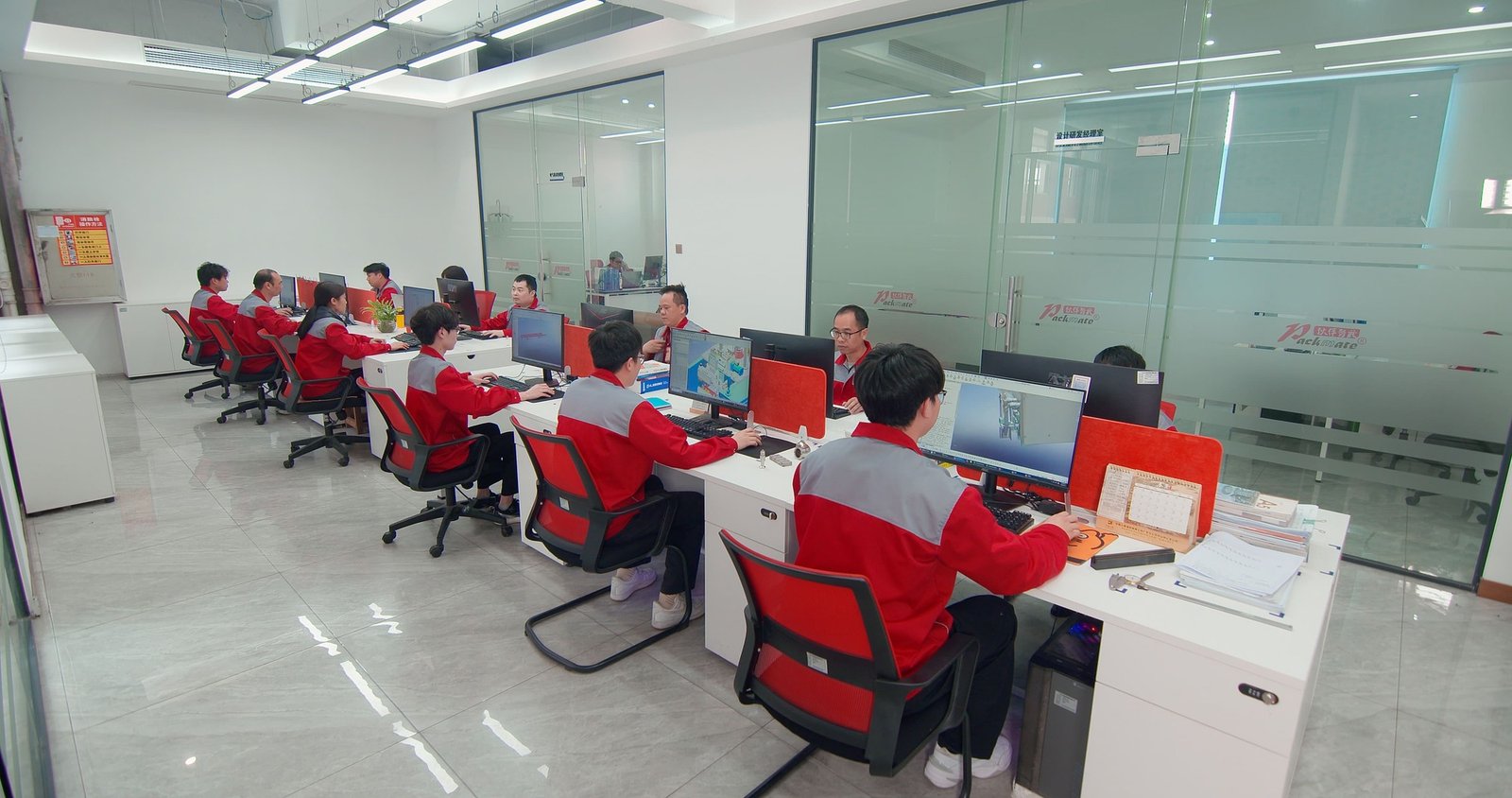
Selecting a reliable equipment supplier is just as important as choosing the right machine. Look for a manufacturer with proven experience in food packaging applications, a track record of successful installations, and comprehensive after-sales support. Ludyway Machinery is a China-based packaging machinery manufacturer with more than 30 years of experience, offering over 50 packaging machine models across a 20,000-square-meter manufacturing facility. With a broad portfolio spanning powder, granule, liquid, stick pack, sachet, and pouch applications, the company provides integrated packaging systems and turnkey production line solutions that connect multiple stages of the packaging process. Their technical team evaluates product and packaging requirements to recommend customized machine configurations—making them a practical partner for manufacturers seeking scalable, automated jerky packaging solutions. You can learn more about their global growth trajectory and export milestones in this industry report.
Evaluating Total Cost of Ownership
The purchase price is only one component of the total cost of ownership. Consider these additional factors when budgeting for a jerky packaging machine:
- Spare parts availability and typical lead times
- Energy consumption and utility requirements
- Film and material waste rates during production
- Preventive maintenance schedules and service contract options
- Operator training and ongoing technical support availability
- Future upgrade potential as production volumes increase
Planning for Scalability and Future Growth
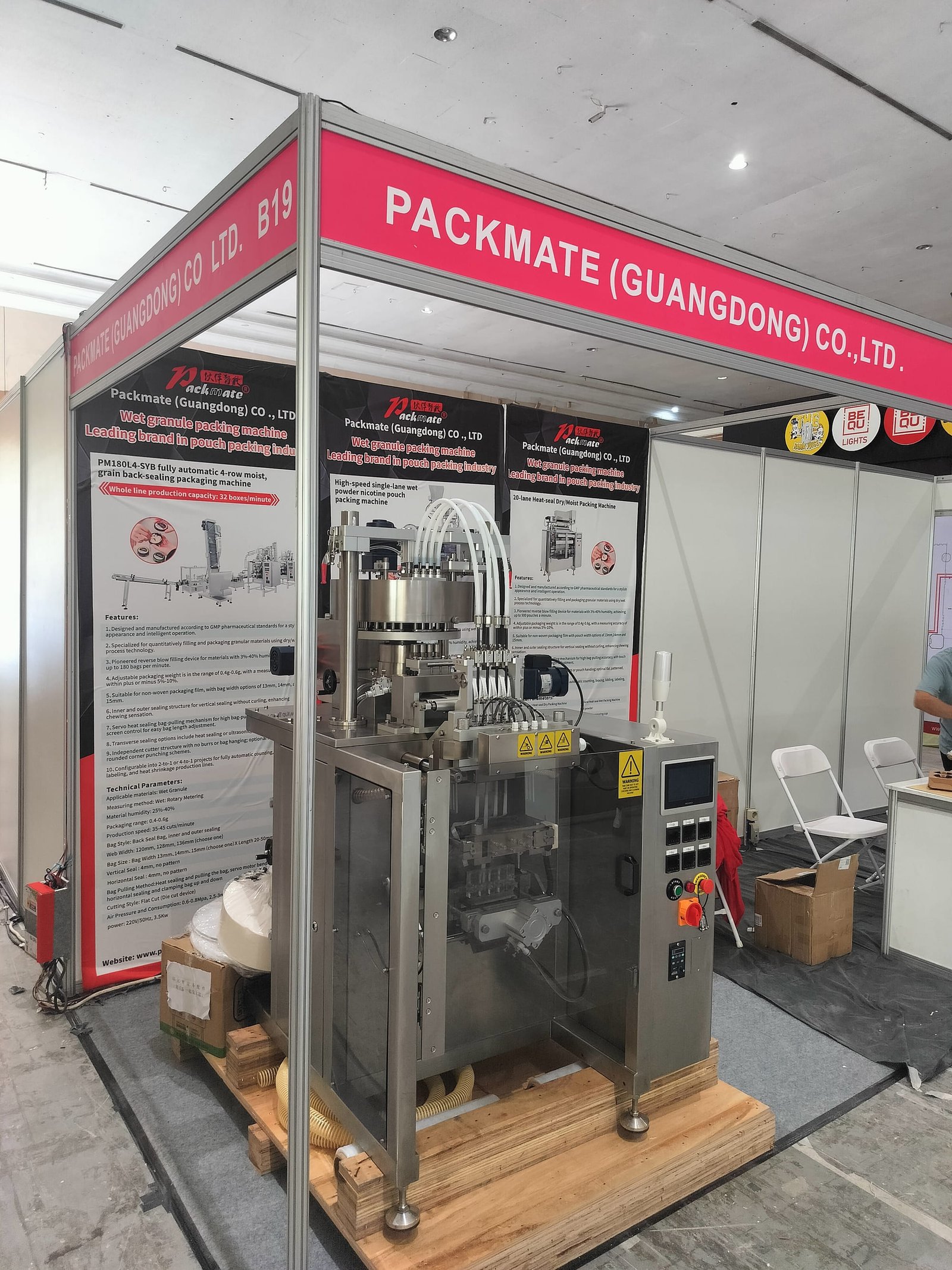
A packaging machine is a long-term investment. When evaluating options, consider not only your current production requirements but also where your business will be in three to five years. Modular systems that allow you to add lanes, upgrade filling heads, or integrate additional automation modules offer a more future-proof solution than fixed-configuration machines. Discuss your growth projections with potential suppliers to ensure the equipment can scale alongside your business.
Final Thoughts
Choosing the right jerky packaging machine requires a careful balance of product compatibility, packaging format, production speed, automation level, and long-term cost. By thoroughly assessing your needs and partnering with an experienced equipment provider, you can implement a packaging solution that protects product quality, enhances operational efficiency, and supports sustainable growth. Take the time to request demonstrations, review customer case studies, and examine sample packages before making your final decision.