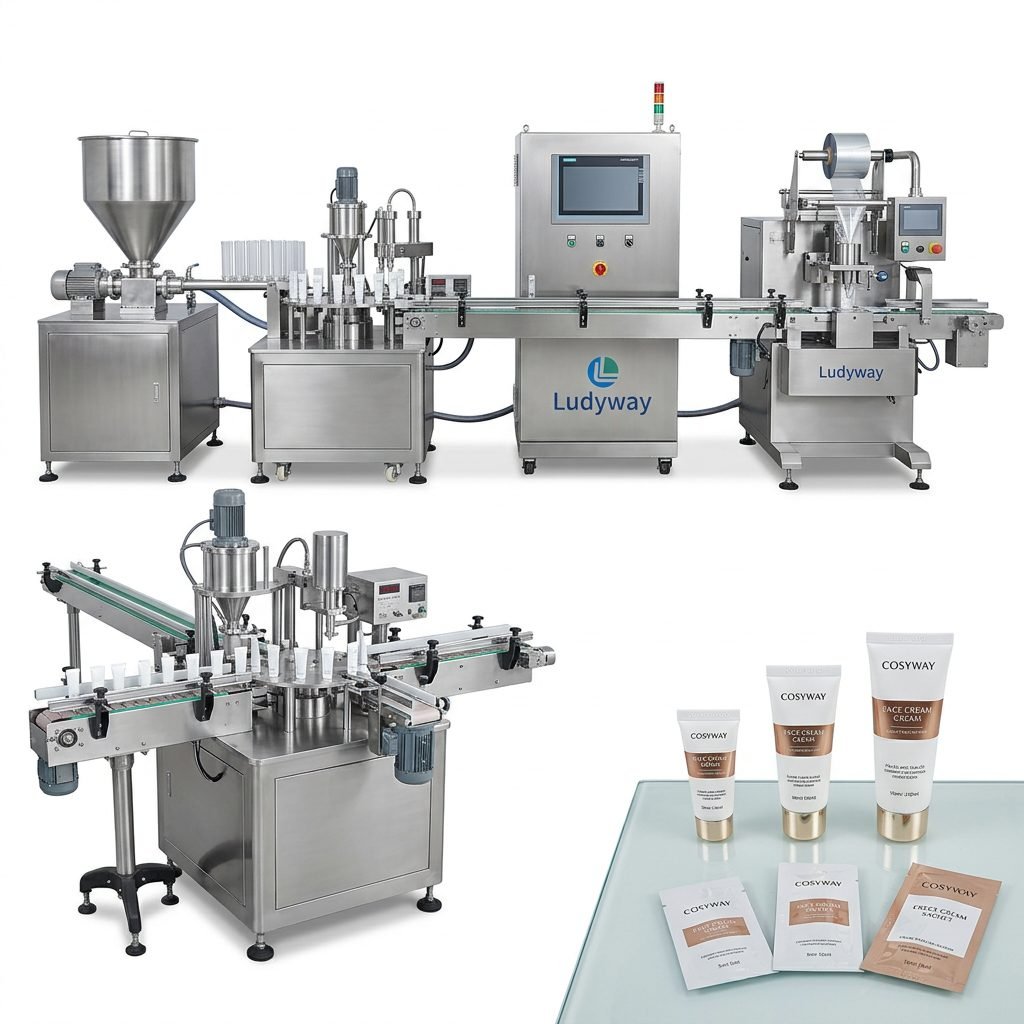
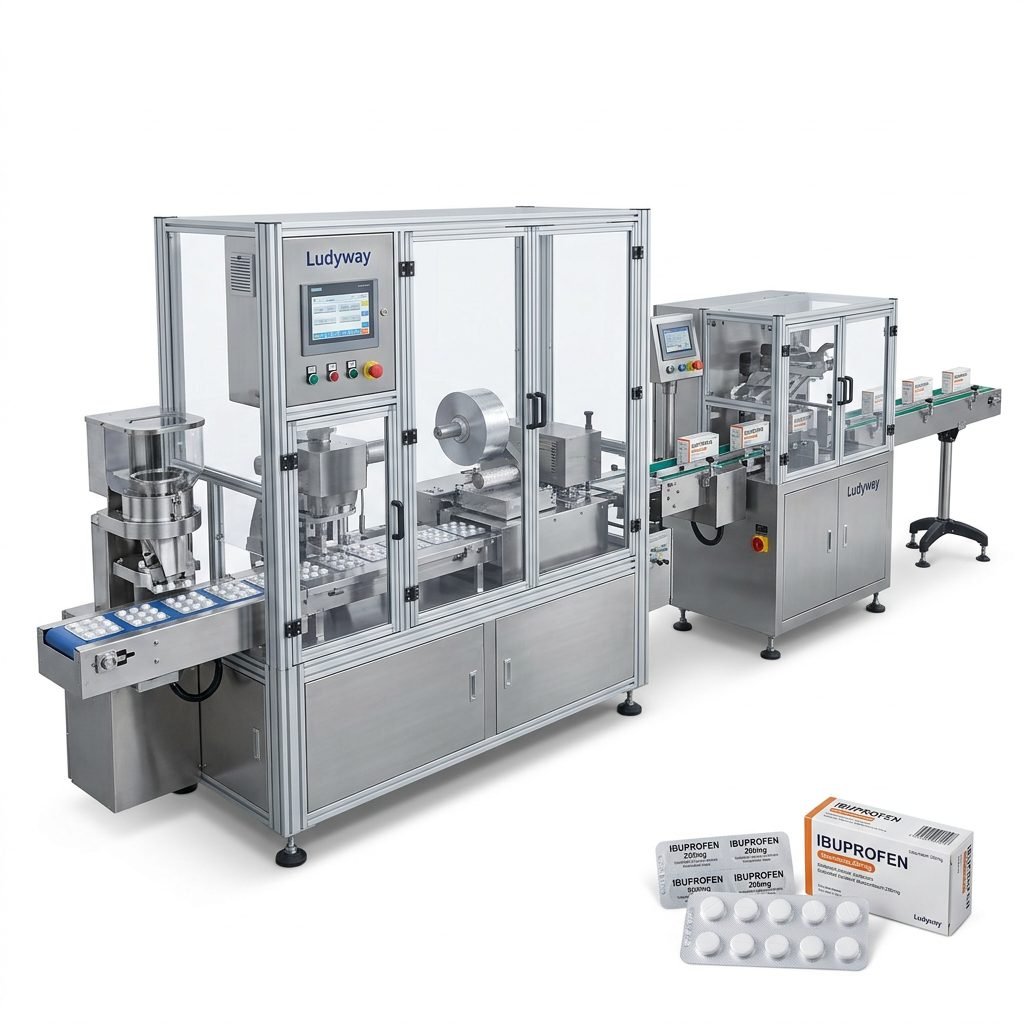
Understanding Plastic Bag Packaging Machines
The global demand for flexible packaging continues to grow, driven by food, pharmaceuticals, chemicals, and consumer goods sectors. Selecting the right plastic bag packaging machine is a strategic decision that directly impacts production efficiency, product integrity, and total cost of ownership. This buyer’s guide covers machine types, key specifications, and how to align your choice with real production needs.
Recent data from the 2026 State of the Industry report by PMMI confirms that automated plastic bag packaging equipment is one of the fastest-growing segments in the packaging machinery market. Before investing, understanding the fundamentals will help you avoid costly mismatches.
Key Factors to Consider Before Purchasing
Not all plastic bag machines are built the same. Paying attention to the following parameters will ensure the equipment aligns with your actual production demands:
- Production speed – measured in bags per minute (BPM), it must match your current and projected output.
- Bag dimensions – the machine should accommodate your minimum and maximum bag width and length without compromising seal integrity.
- Material compatibility – verify that the machine can handle your film types, including LDPE, HDPE, polypropylene, laminated films, and biodegradable materials.
- Filling accuracy – crucial for granular, powder, and liquid products to reduce giveaway and ensure regulatory compliance.
- Automation level – from semi-automatic models to fully integrated systems with auto-feeding, coding, and counting.
According to Flexible Packaging Association industry resources, material thickness and barrier properties directly influence seal quality and shelf life, so the machine’s sealing temperature and pressure controls must be precise.
Types of Plastic Bag Packaging Machines
Different bag styles and sealing technologies suit different applications. The table below compares the most commonly used configurations:
| Machine Type | Best For | Key Advantages |
|---|---|---|
| Side Seal Machine | Flat pouches, small sachets | High speed, simple changeover |
| Bottom Seal Machine | Heavier products, larger bags | Sturdy seals, versatile film handling |
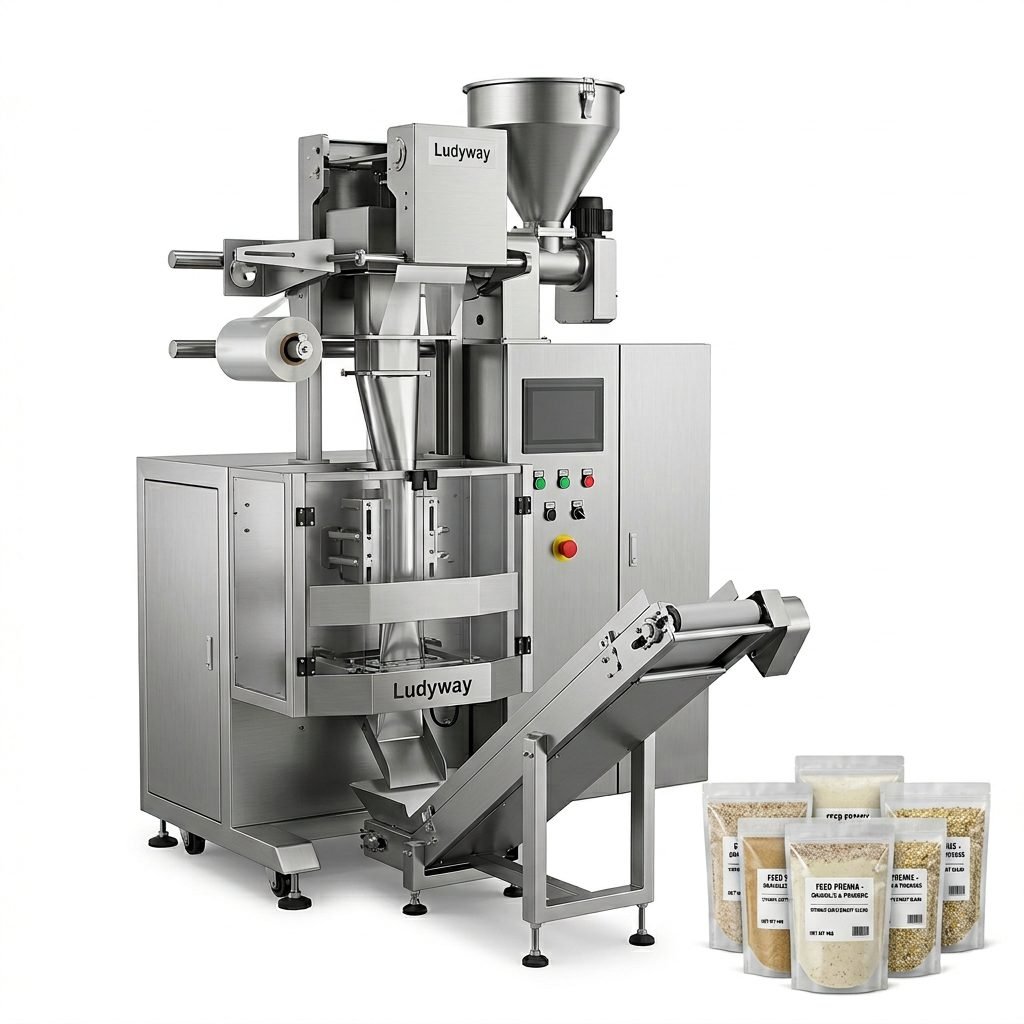
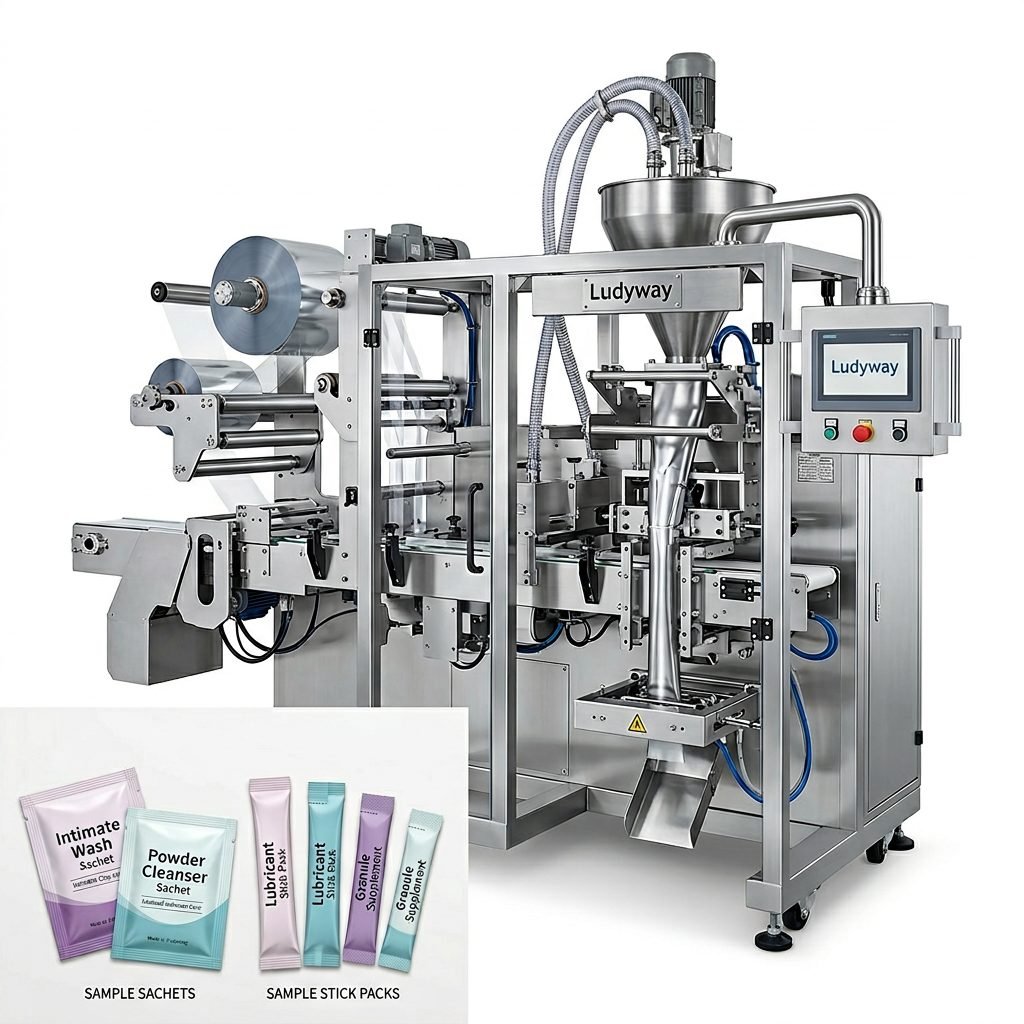
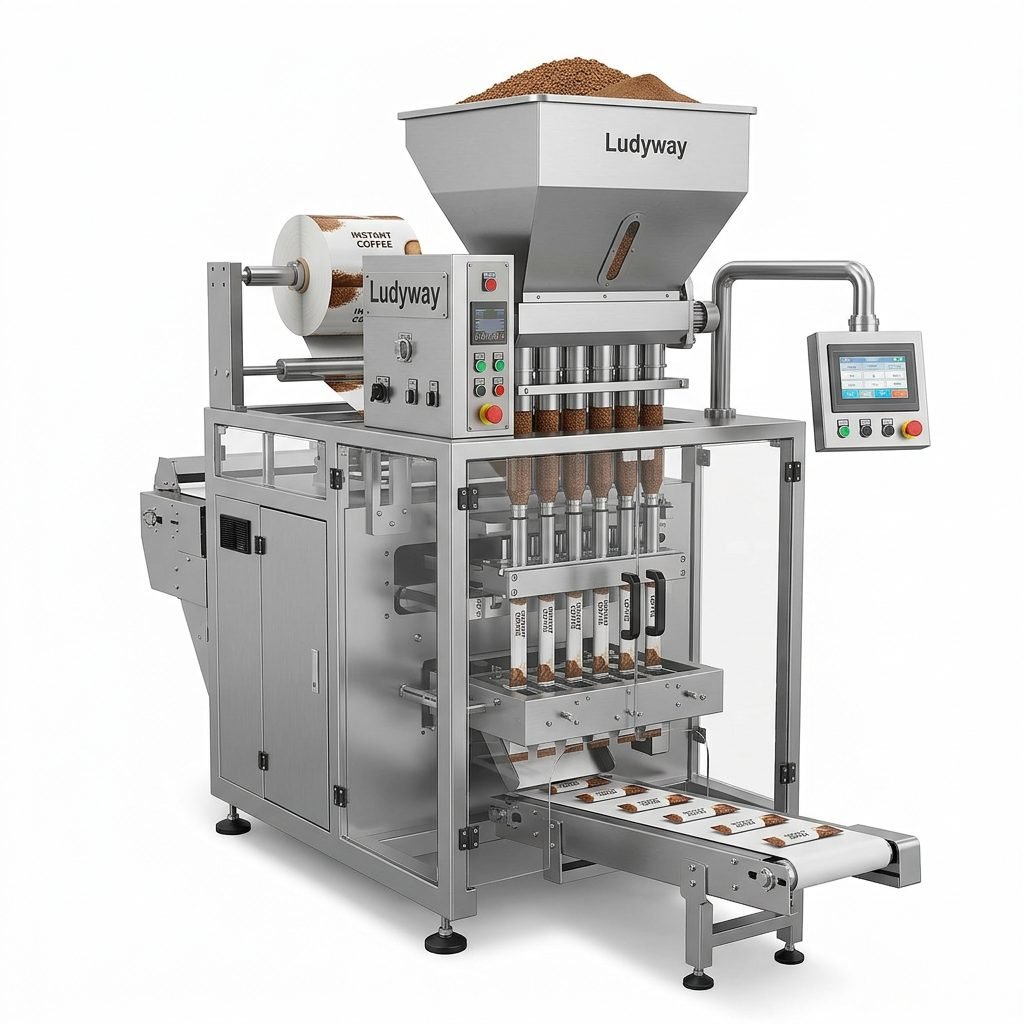
| Three-Side Seal Machine | Sachets, stick packs | Compact format, efficient for powders and granules |
| Zipper Pouch Machine | Resealable food, chemical bags | Consumer convenience, reusability |
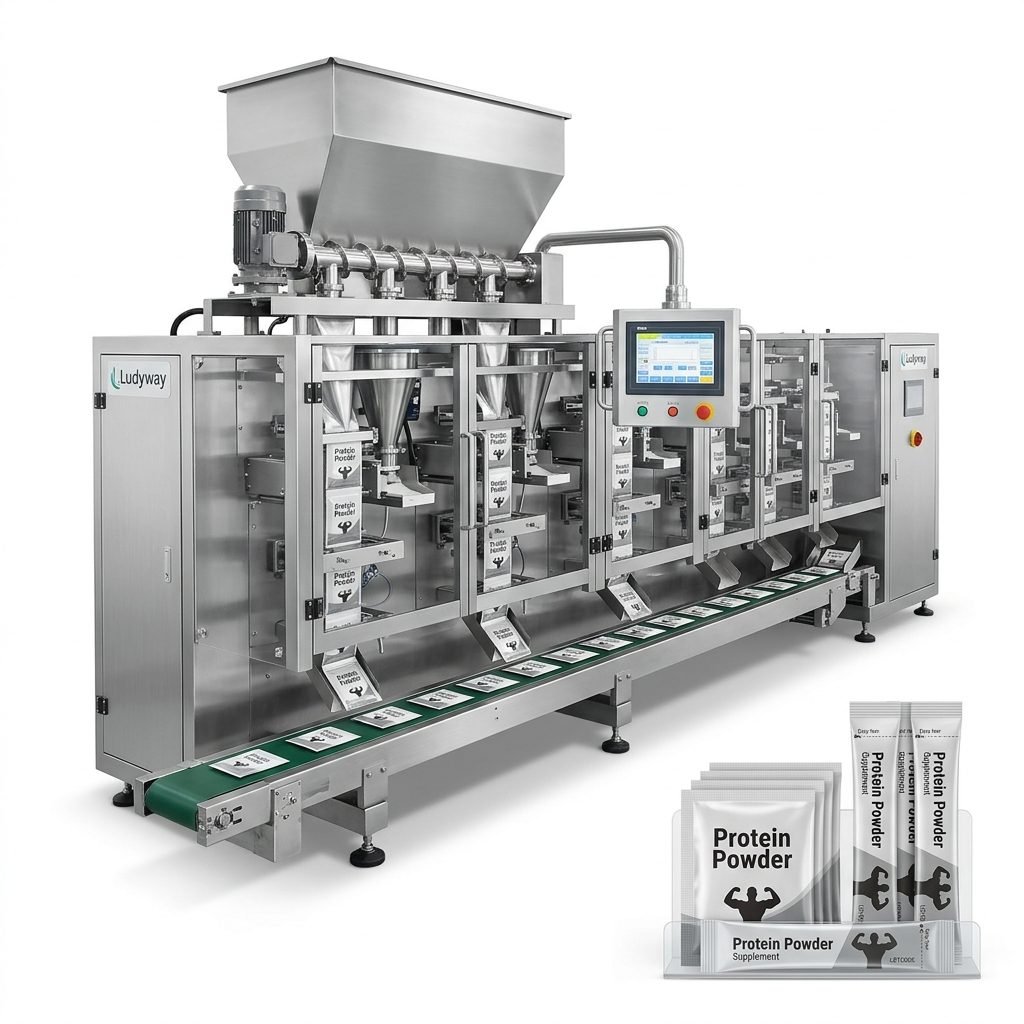
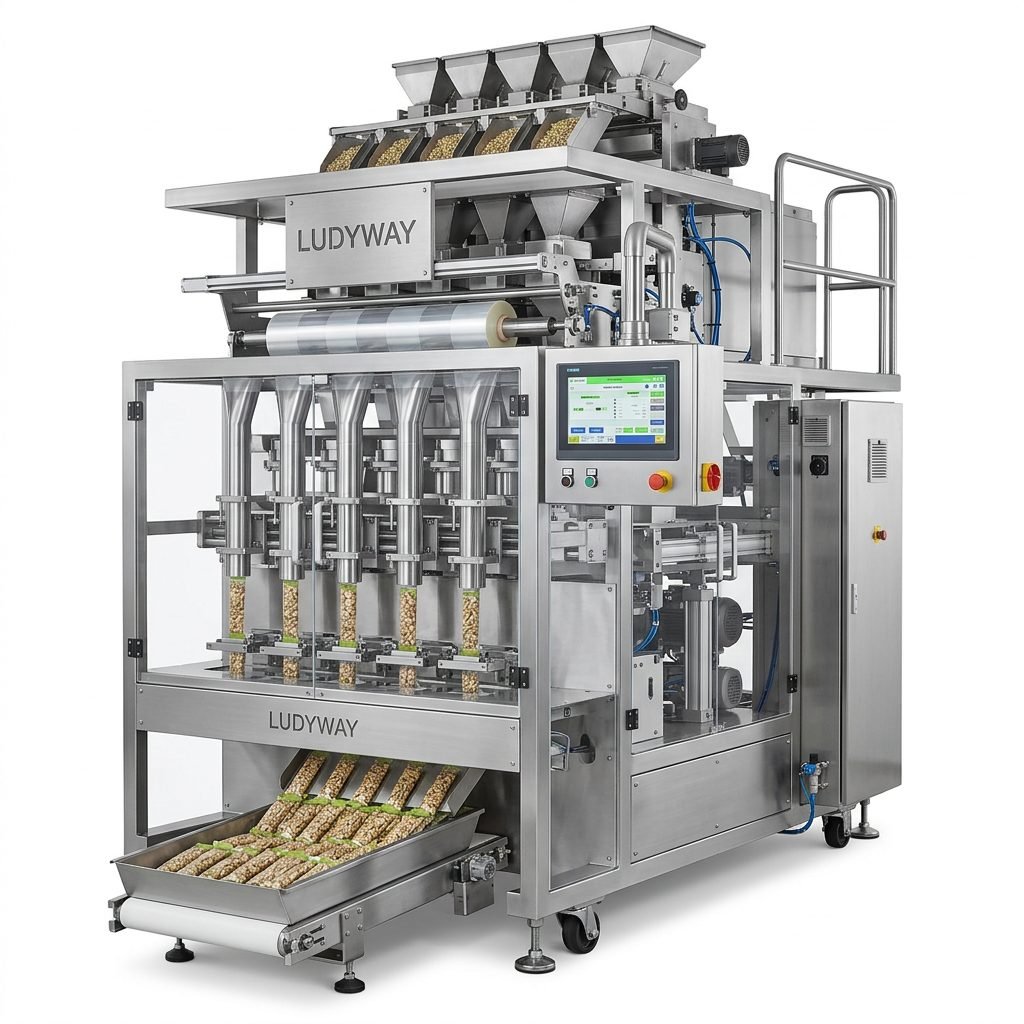
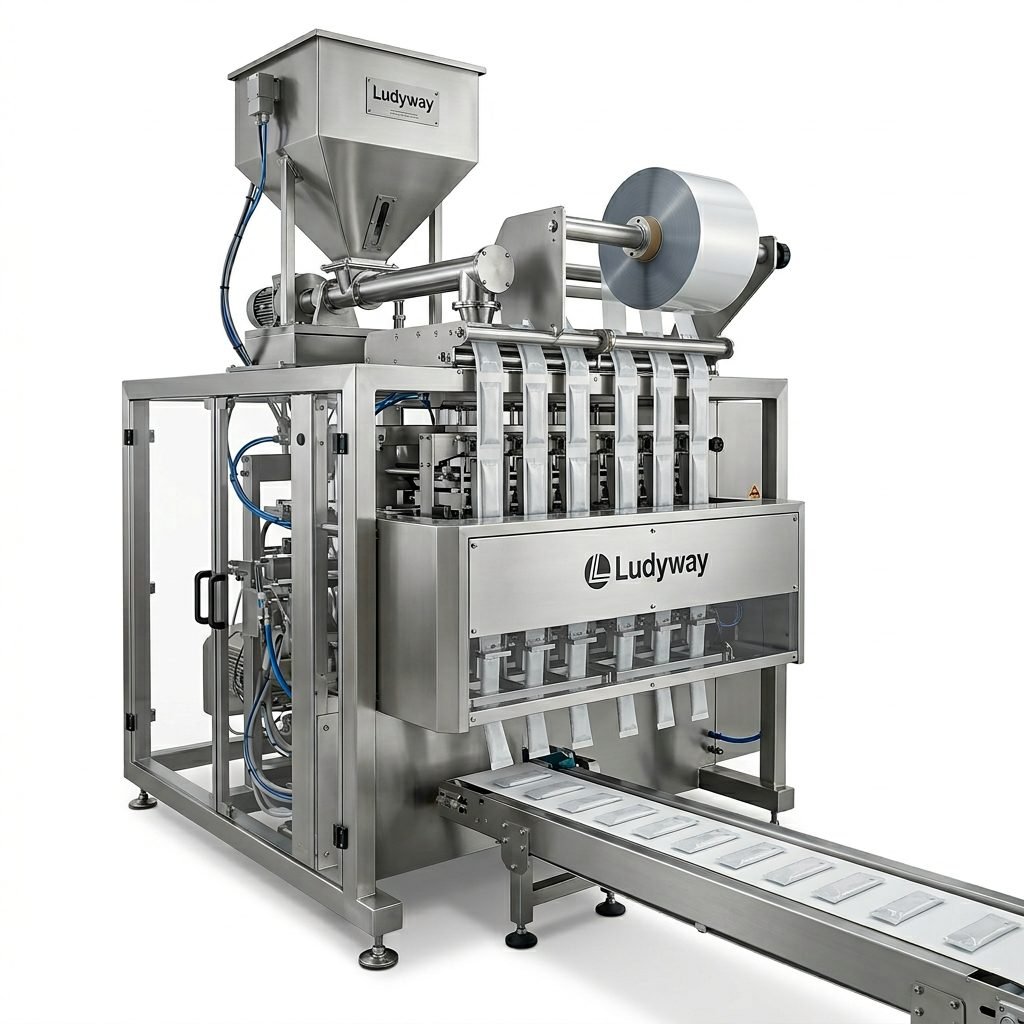
| Multi-Lane Stick Pack Machine | Single-serve products, high volume | Extremely high output, minimal film waste |
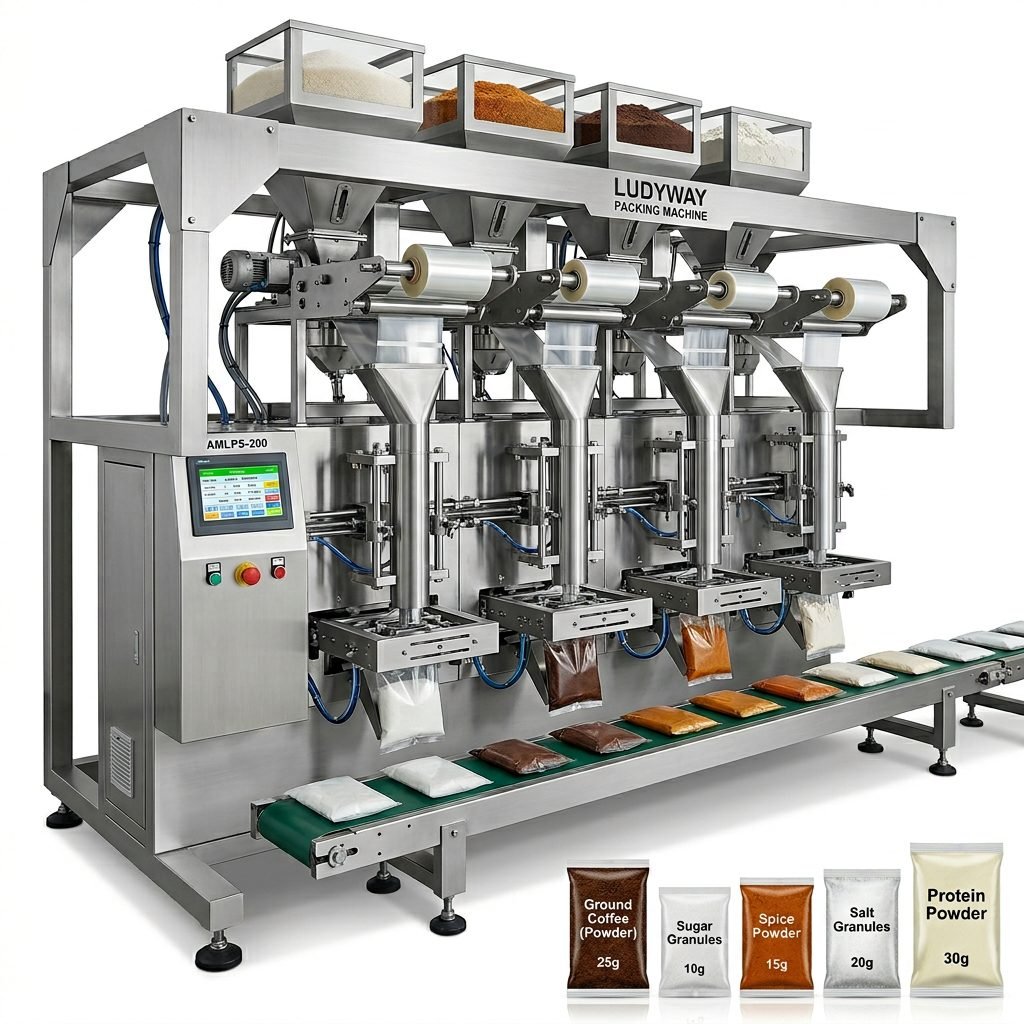
Choosing the right configuration starts with defining your bag style and product characteristics. The PMMI business intelligence library offers further insights into how packaging formats are evolving across industries.
Evaluating Your Packaging Requirements
Product Characteristics
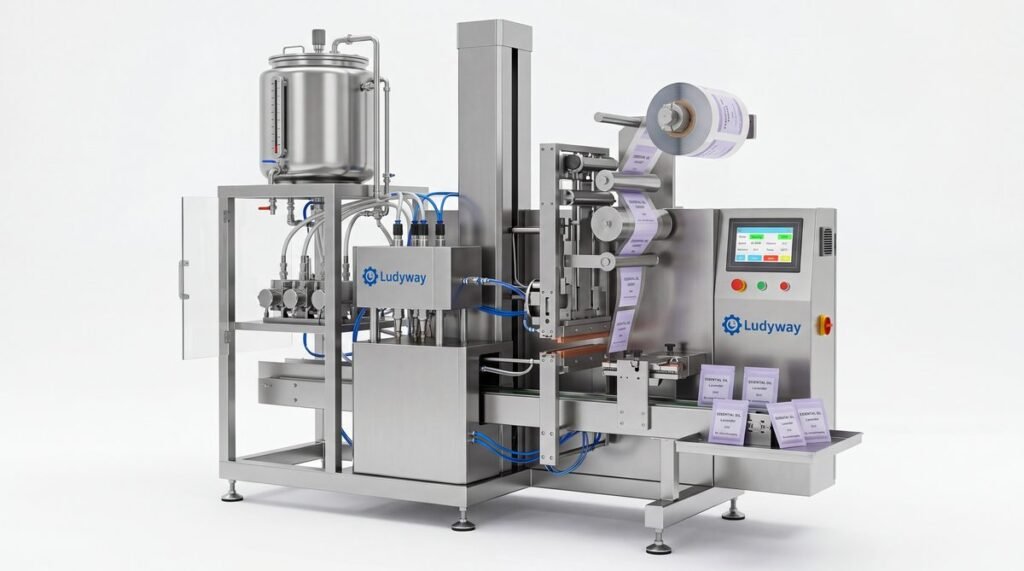
Granules, powders, liquids, and irregular solids each require specific filling mechanisms, such as auger fillers, volumetric cup fillers, or piston pumps. The machine must handle product density, flowability, and potential dust generation without sacrificing accuracy.
Automation and Integration
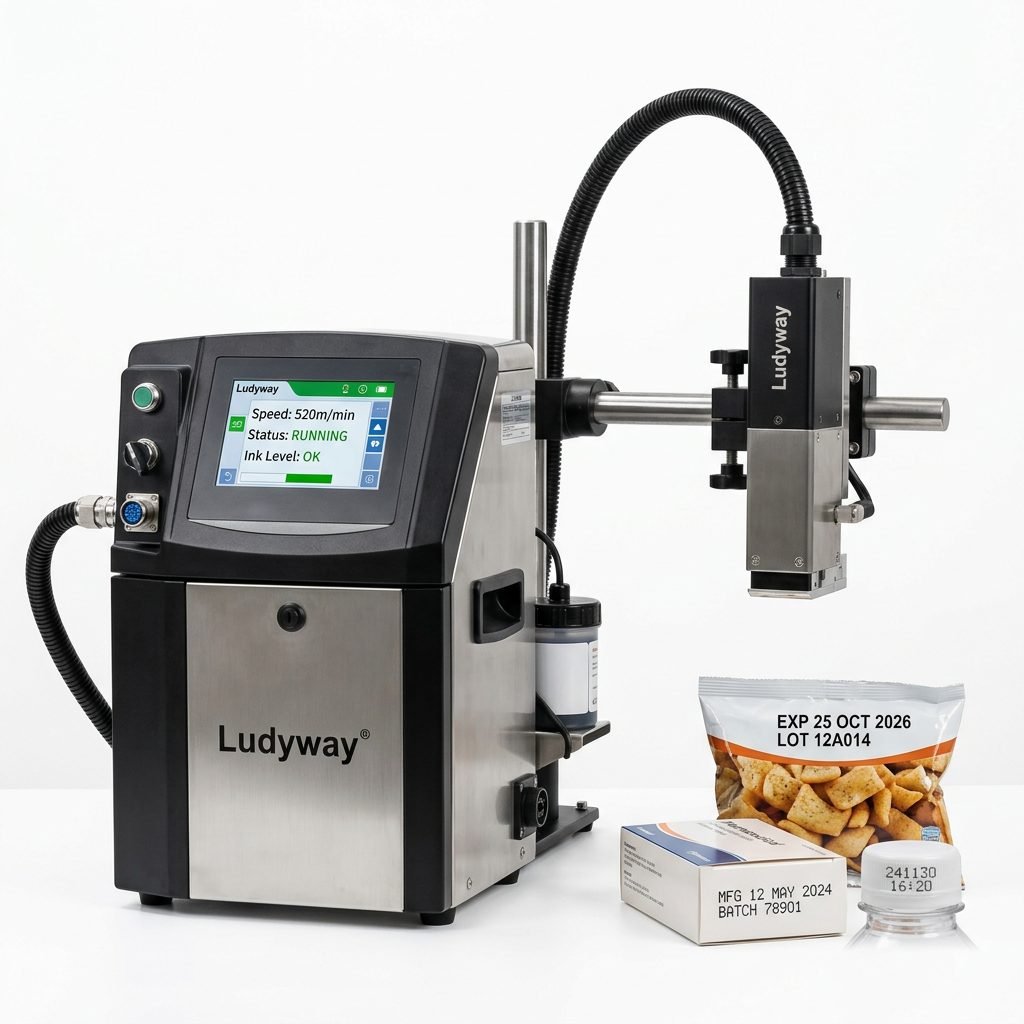
Determine whether you need a standalone unit or a full packaging line that integrates feeding, filling, gas flushing, coding, and cartoning. A fully automated plastic bag packaging machine reduces labor dependency and improves consistency, especially in fast-paced production environments.
Facility Constraints
Floor space, power supply, and compressed air requirements should be verified early. Compact vertical form-fill-seal machines can fit tighter layouts, while horizontal configurations may need more line length.
Choosing a Reliable Packaging Machine Manufacturer
A dependable supplier provides more than just equipment—they offer technical support, customization, and a clear roadmap for future upgrades. Look for manufacturers with established engineering capabilities, a solid global service network, and transparent after-sales policies.
For instance, Ludyway Machinery—a China-based packaging equipment manufacturer with over 30 years of experience—delivers customized plastic bag packaging solutions and turnkey systems for diverse industries. When evaluating similar suppliers, it is essential to review certifications, inquire about spare parts availability, and if possible, request a virtual or on-site factory assessment.
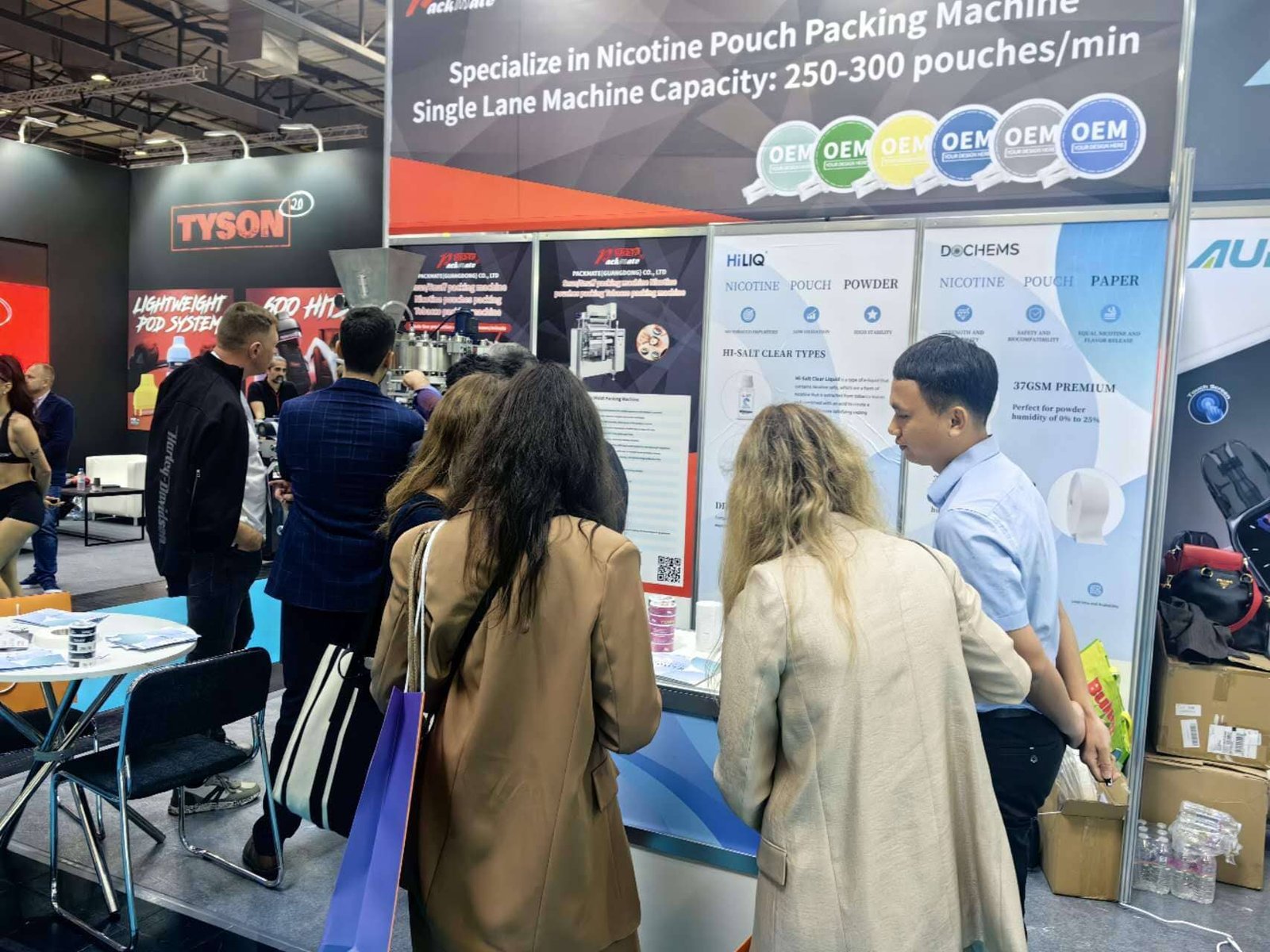
Tip: Always discuss your project with the manufacturer’s engineering team, not just sales representatives, to confirm that the proposed solution fits your unique packaging requirements.
Budget, ROI, and Long-Term Considerations
While initial cost matters, the total cost of ownership—including energy consumption, maintenance, downtime, and film waste—has a greater impact on profitability. Striking the right balance between price and performance is essential. A slightly higher upfront investment in a robust, energy-efficient machine with quick changeover features often yields a faster return on investment.
- Calculate payback period using increased output and reduced labor costs.
- Factor in spare parts and planned preventive maintenance schedules.
- Ask about modular upgrades if your product range may expand.
Common Mistakes to Avoid
Even experienced buyers can overlook critical details. Here are frequent missteps when selecting a plastic bag packaging machine:
- Underestimating speed requirements – a machine that can’t keep up with upstream processes creates ongoing bottlenecks.
- Ignoring film compatibility – not testing the machine with your actual packaging material often leads to poor seals and excessive waste.
- Overlooking operator safety – ensure the machine meets relevant safety standards and has adequate guarding.
- Neglecting after-sales support – remote troubleshooting and local technical assistance can drastically reduce downtime.
Making a Confident Purchase Decision
Choosing the right plastic bag packaging machine is a multifaceted process that blends technical specifications, material science, and operational strategy. By clearly defining your production parameters, understanding machine types, and partnering with a technically competent supplier, you can implement a packaging solution that supports scalable growth.
Continuous operator training, documented performance baselines, and regular preventive maintenance will help you maximize the lifespan and efficiency of your equipment well beyond the initial installation.