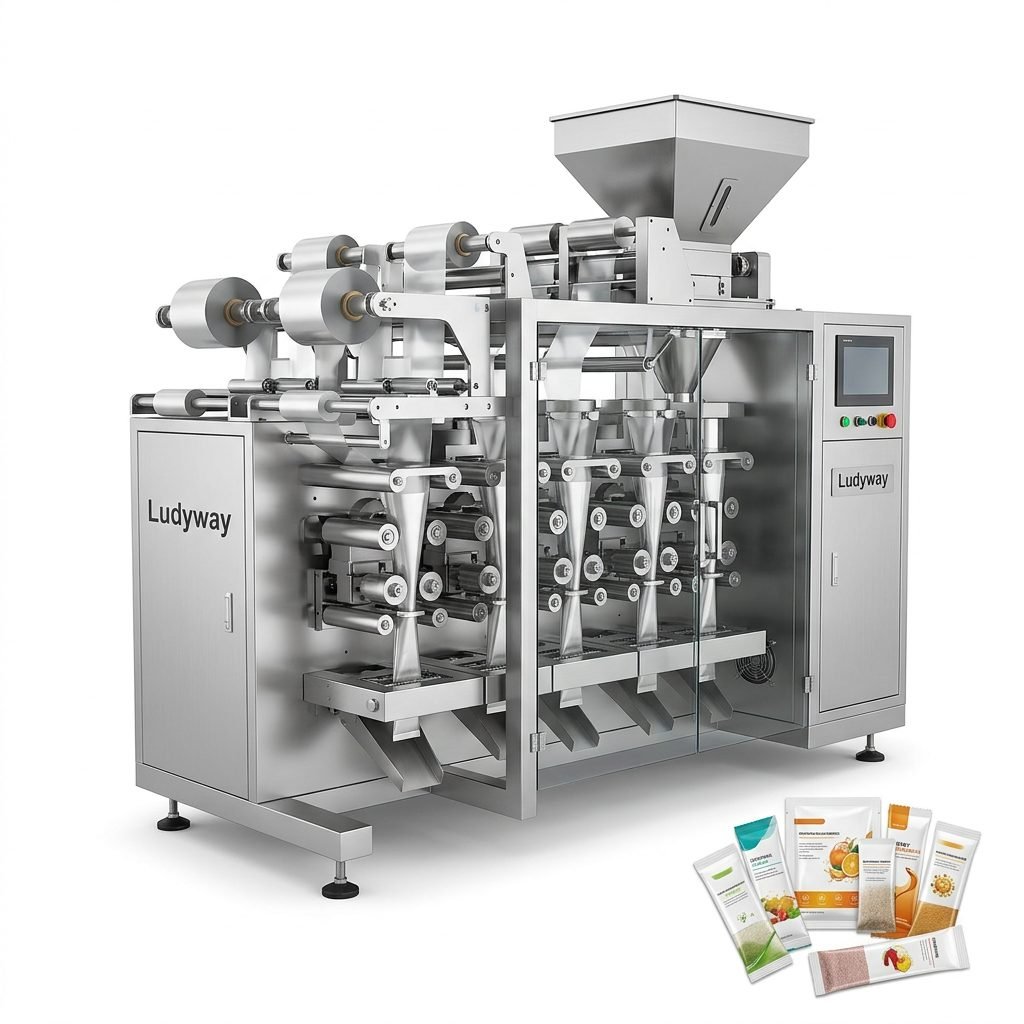
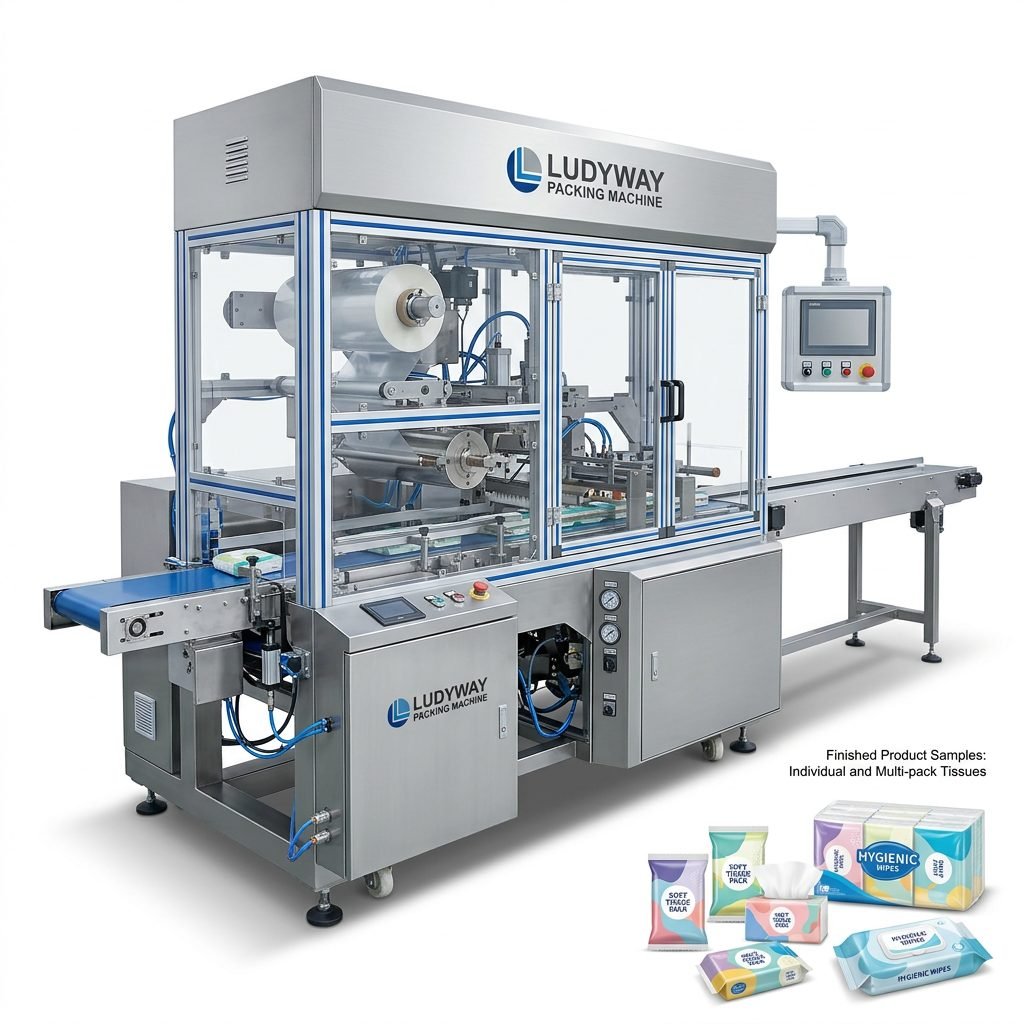
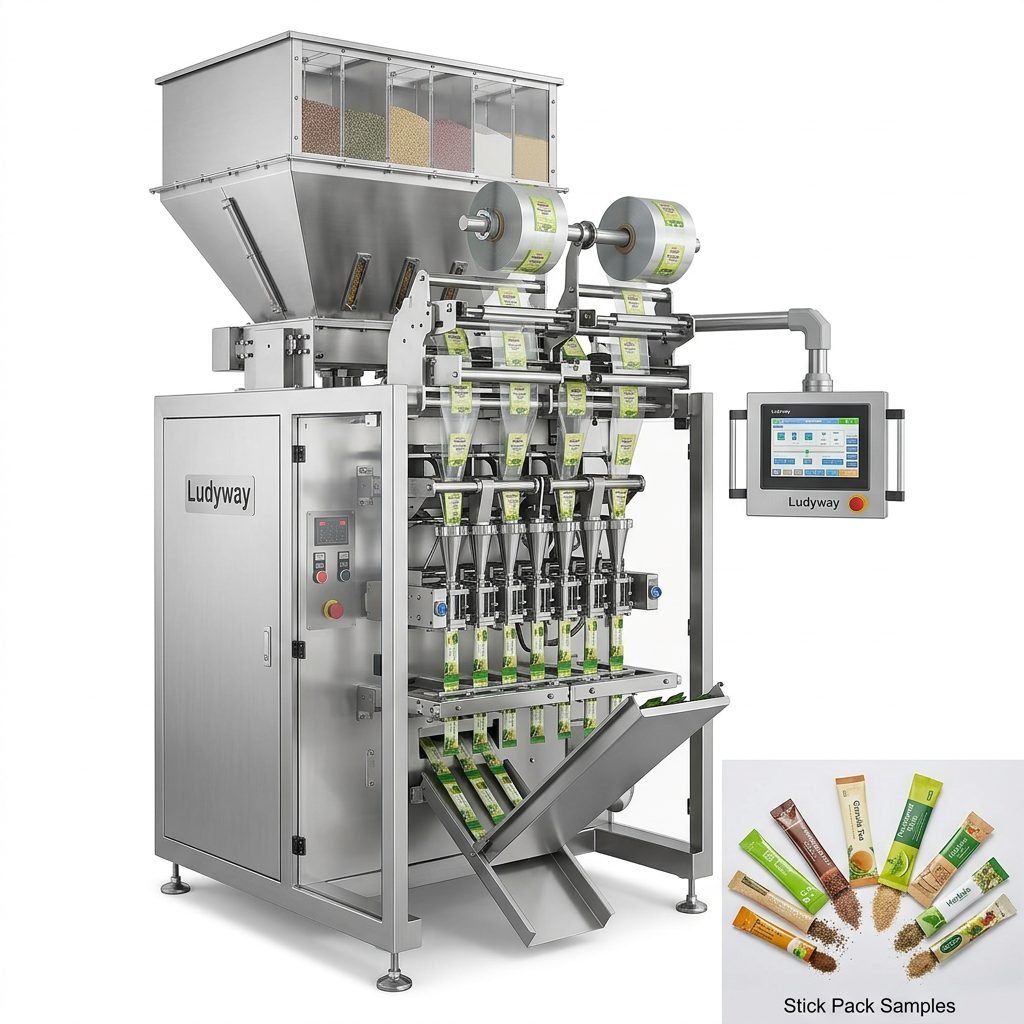
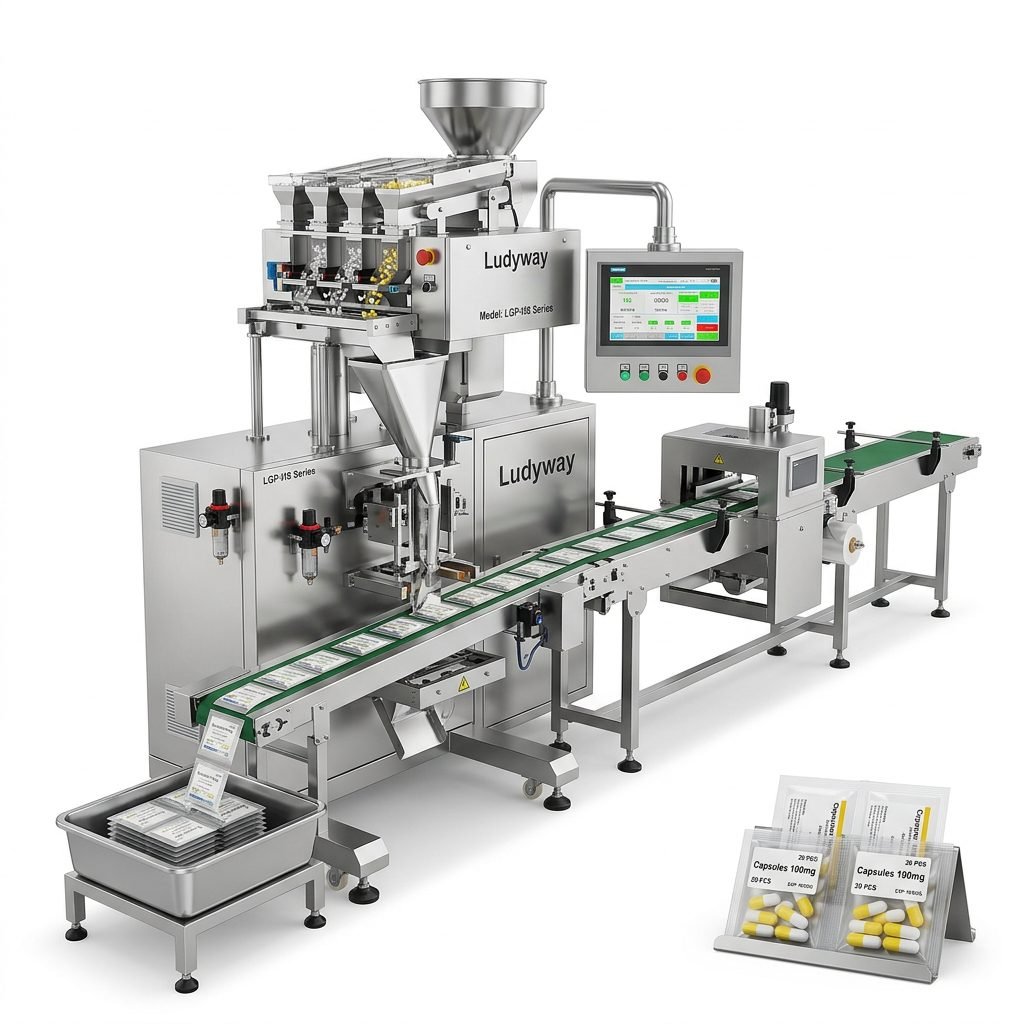
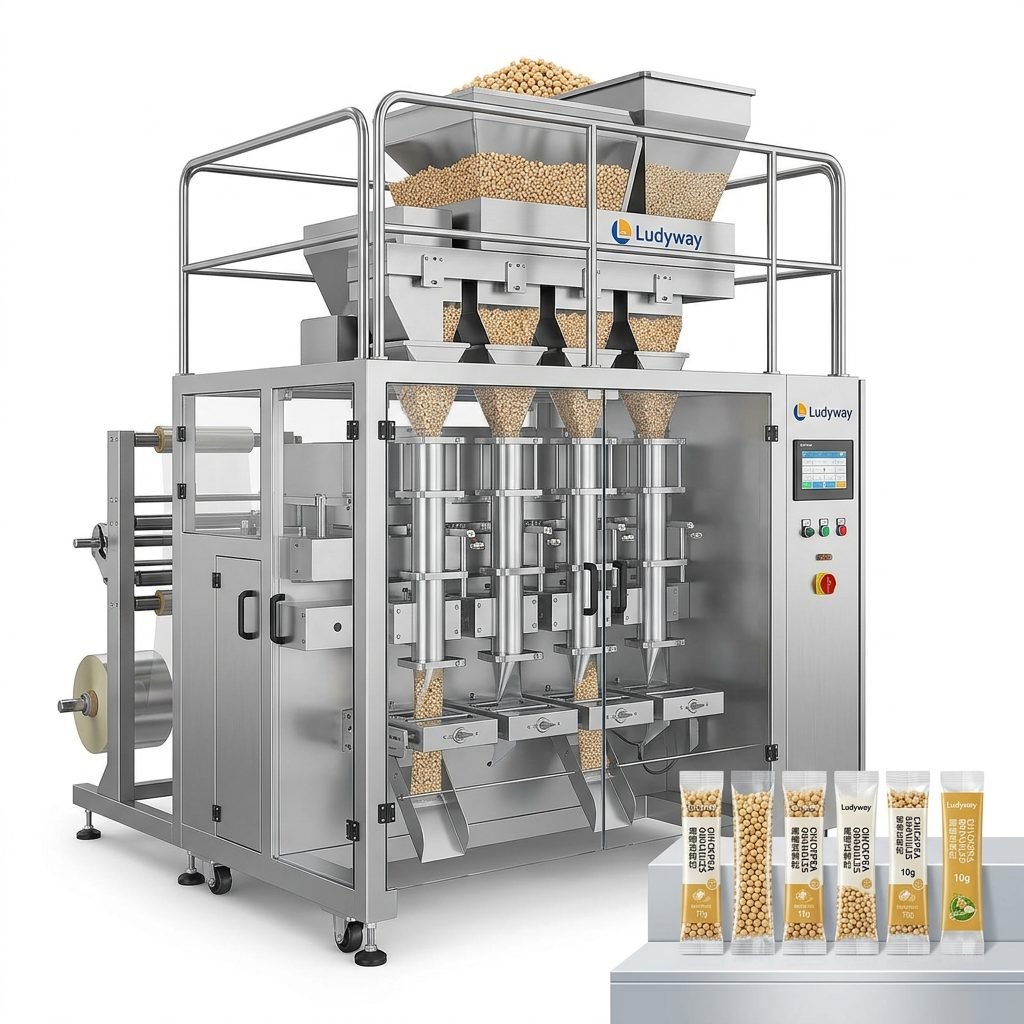
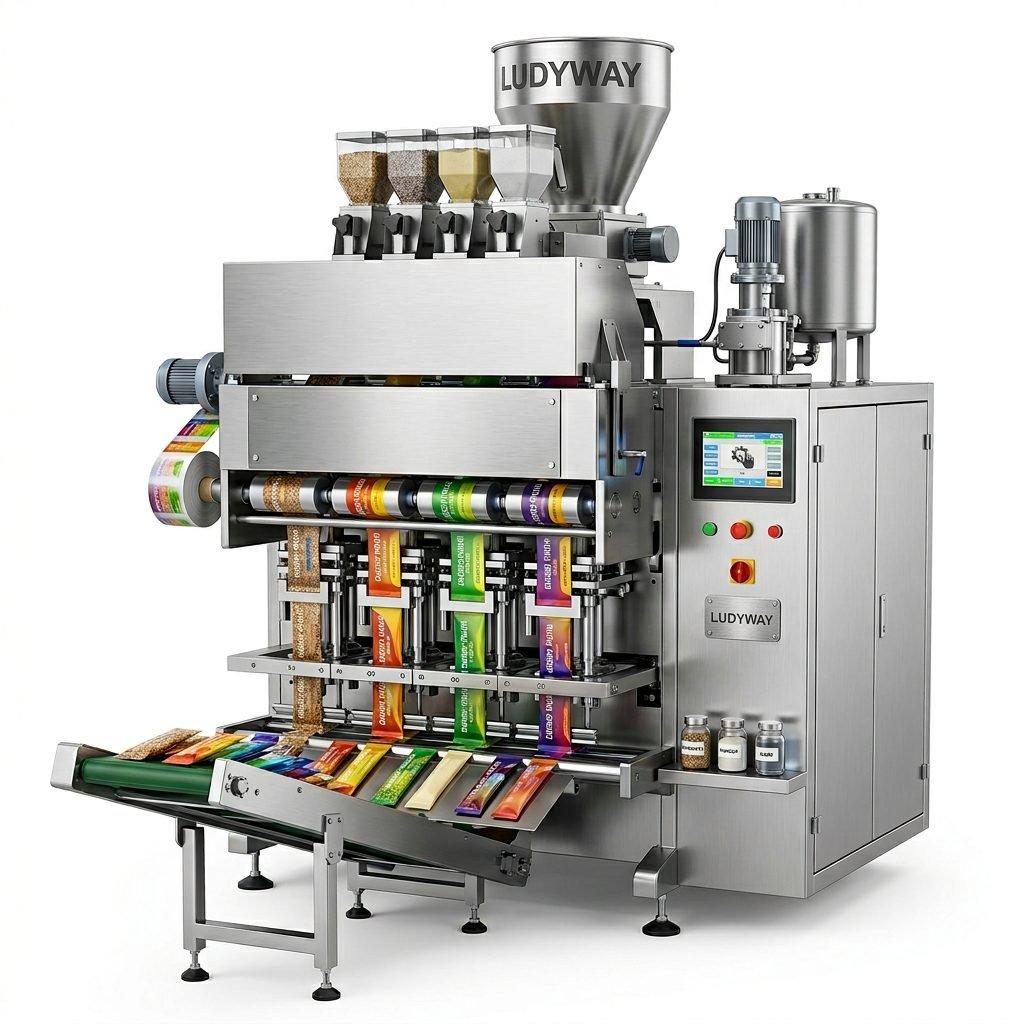
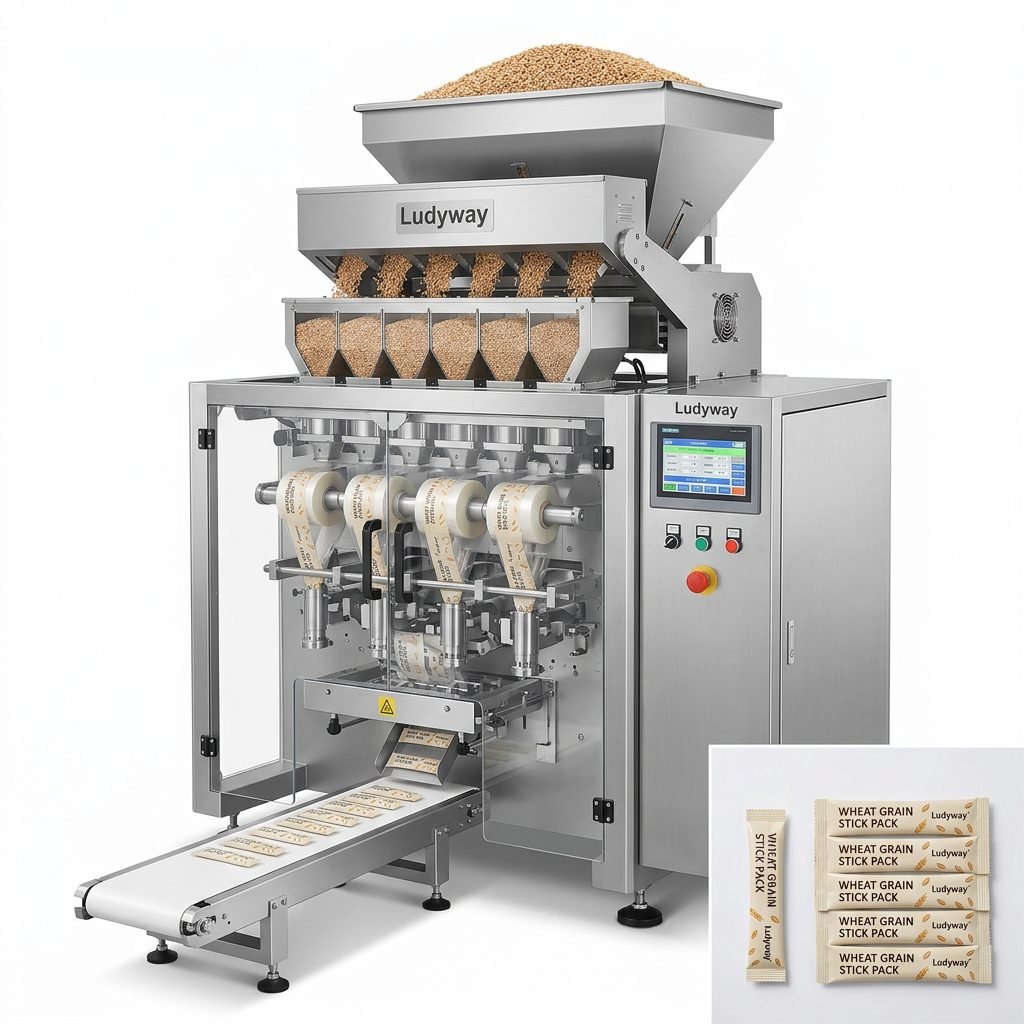
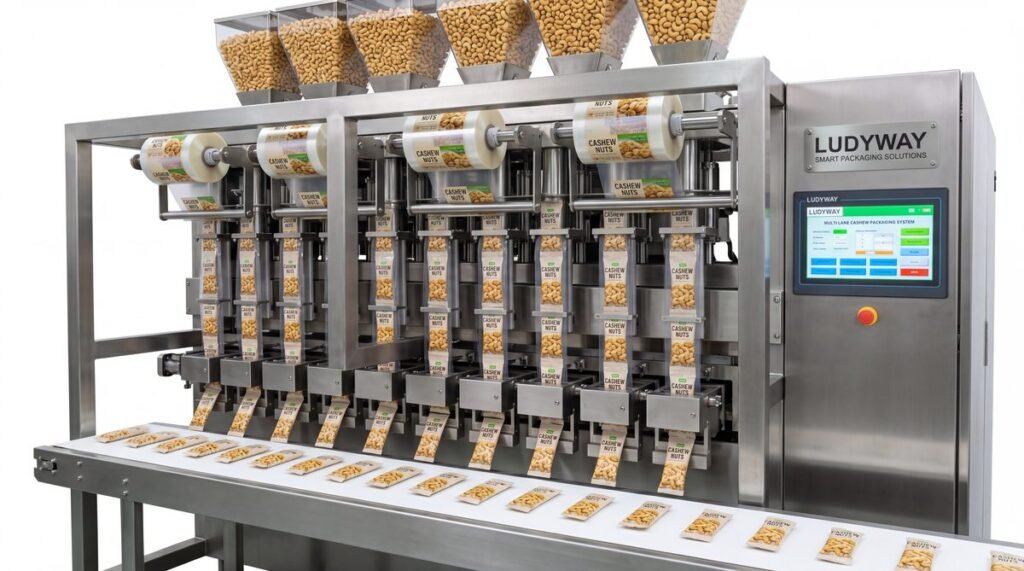
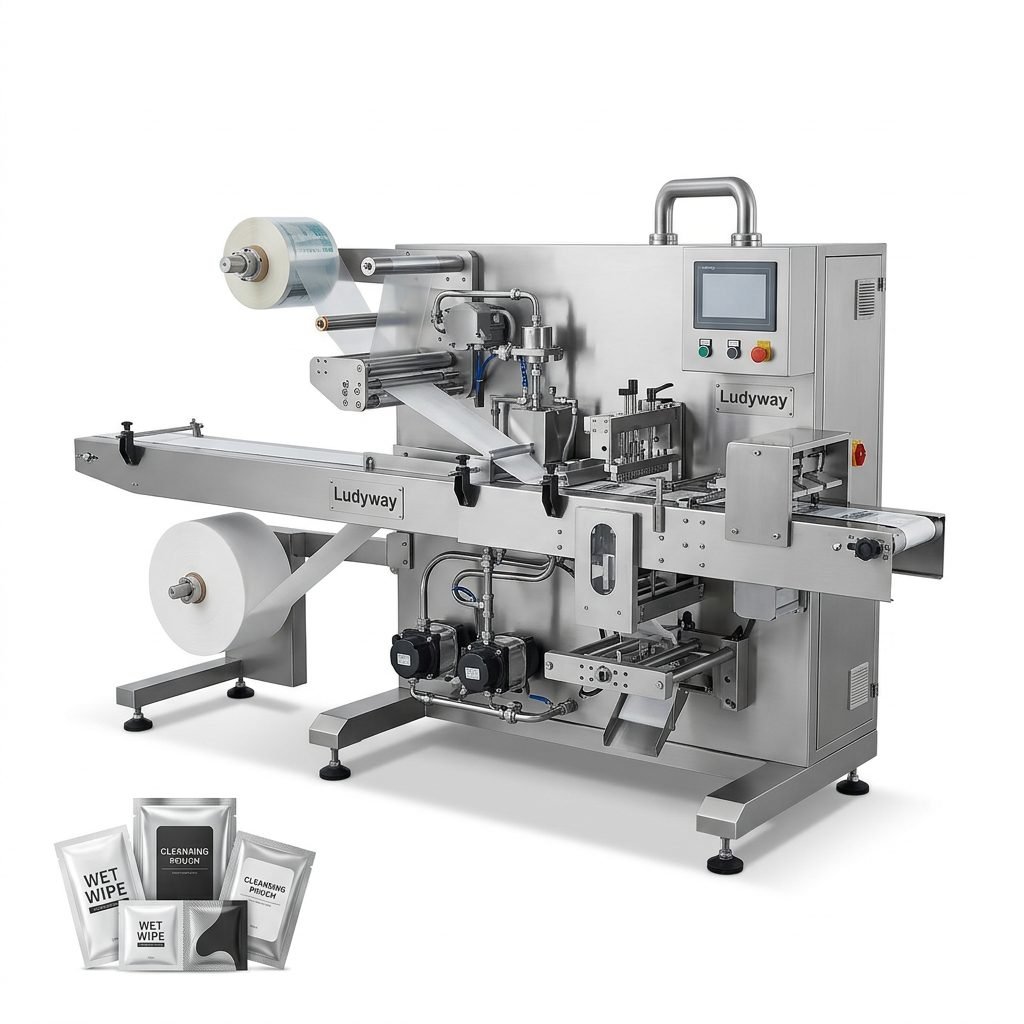
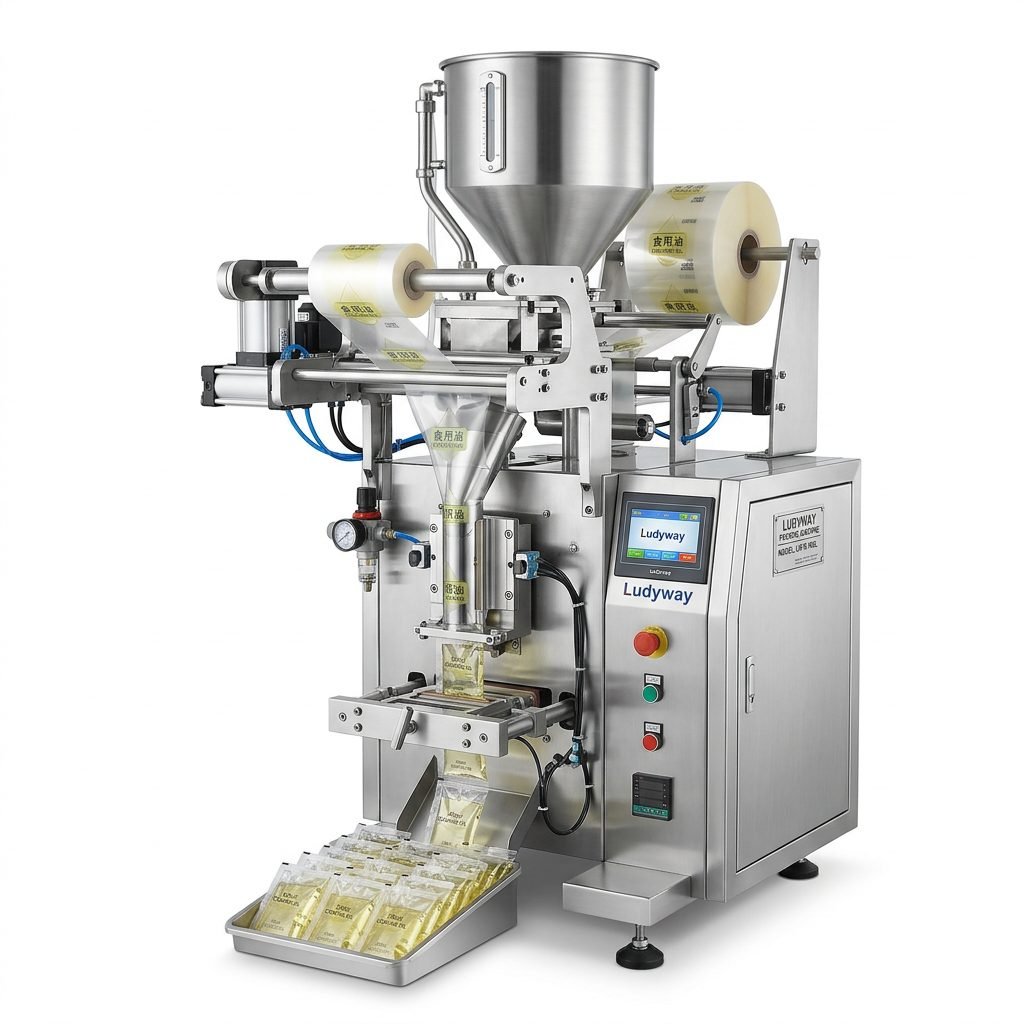
Investing in a tablet packing machine is a critical decision for pharmaceutical, nutraceutical, and healthcare manufacturers. The right equipment ensures product integrity, regulatory compliance, and optimal production efficiency. However, with a vast array of technologies available—from blister packaging to strip packing and counting lines—navigating the selection process can be complex. This guide breaks down the essential factors to consider, helping you specify a machine that aligns perfectly with your product characteristics, throughput goals, and quality standards.
1. Understanding Your Primary Packaging Format
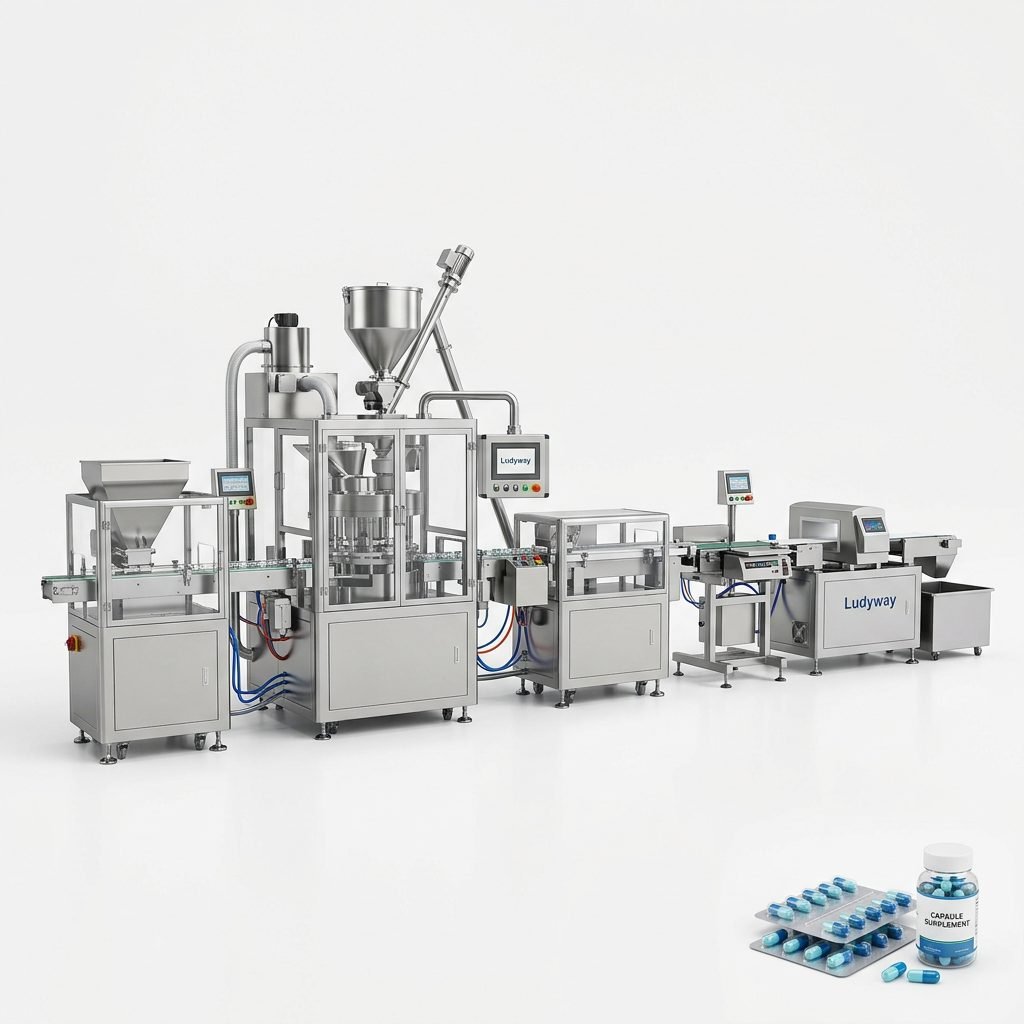
The first step in selecting a tablet packing machine is defining the primary packaging material and format. The most common configurations include blister packs, strip packs, and bottle filling lines. Your choice largely depends on your product’s sensitivity to moisture, light, and oxygen, as well as your target market’s regulatory demands. For instance, blister packaging remains the gold standard for solid dose pharmaceuticals due to its superior barrier properties and unit-dose convenience.
Conversely, for high-volume nutraceuticals, automated bottle filling and capping lines often provide a better return on investment. Consider whether you require flexible packaging formats or dedicated lines. A thorough assessment prevents costly retrofits down the road.
2. Evaluating Production Speed and Automation Levels
Output capacity, measured in blisters per minute or bottles per minute, is a pivotal specification. You must balance current demand against projected growth. A machine running at maximum capacity constantly will experience more wear than one operating within its optimal range. Furthermore, the level of automation significantly impacts labor requirements and operational consistency.
Key Automation Features to Consider
- Automatic Feeding Systems: Vibratory or centrifugal feeders that align tablets for high-speed packaging.
- Vision Inspection Systems: Critical for detecting broken tablets, foreign particles, or incomplete blister cavities.
- Robotic Cartoning: Integrated end-of-line solutions that reduce manual handling and increase throughput.
- Reject Stations: Automated removal of defective packs without stopping production.
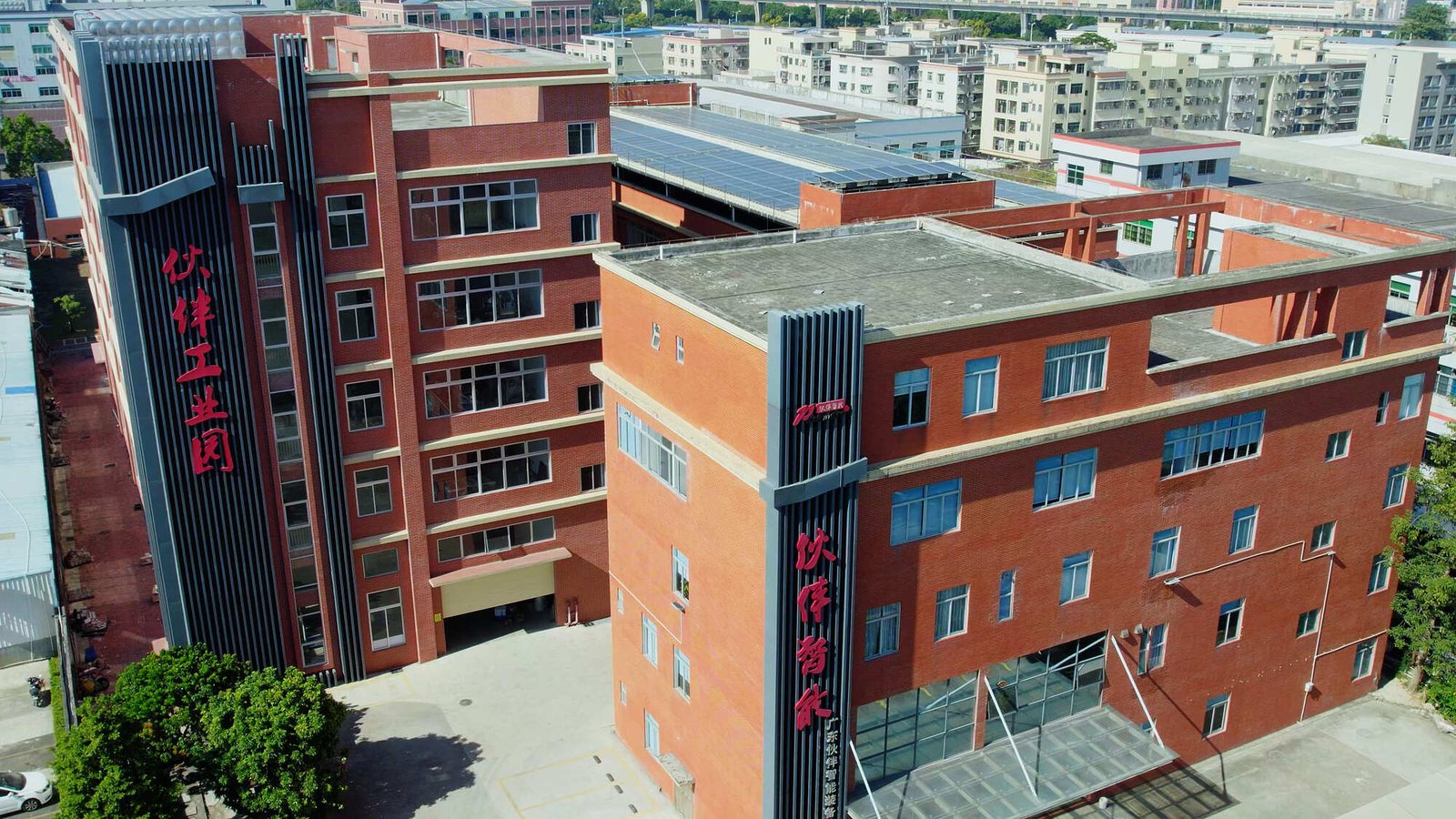
Manufacturers like Ludyway Machinery, with over 50 packaging machine models and a 20,000-square-meter facility, emphasize configurable automation to match specific production speeds and integration requirements, ensuring you don’t overpay for capacity you don’t need.
3. Material Compatibility and Changeover Flexibility
Modern manufacturing demands agility. Your tablet packing machine should handle various forming films and lidding materials, such as PVC, PVDC, Aclar, and aluminum. If you run multiple products or contract pack for different clients, rapid changeover capability is non-negotiable. Look for machines with servo-driven adjustments, recipe storage, and tool-less change parts to minimize downtime between batches.
4. Regulatory Compliance and Quality Standards
Compliance with Good Manufacturing Practices (GMP) is mandatory. The control system should support 21 CFR Part 11 compliance, providing secure audit trails, electronic signatures, and hierarchical user access. Additionally, the machine’s construction must facilitate thorough cleaning and validation.
| Standard | Region | Relevance to Tablet Packing |
|---|---|---|
| ISO 11607 | International | Packaging for terminally sterilized medical devices |
| 21 CFR Part 211 | USA (FDA) | Current GMP for finished pharmaceuticals |
| EU GMP Annex 11 | European Union | Computerized systems validation |
| CE Marking | European Economic Area | Health, safety, and environmental standards |
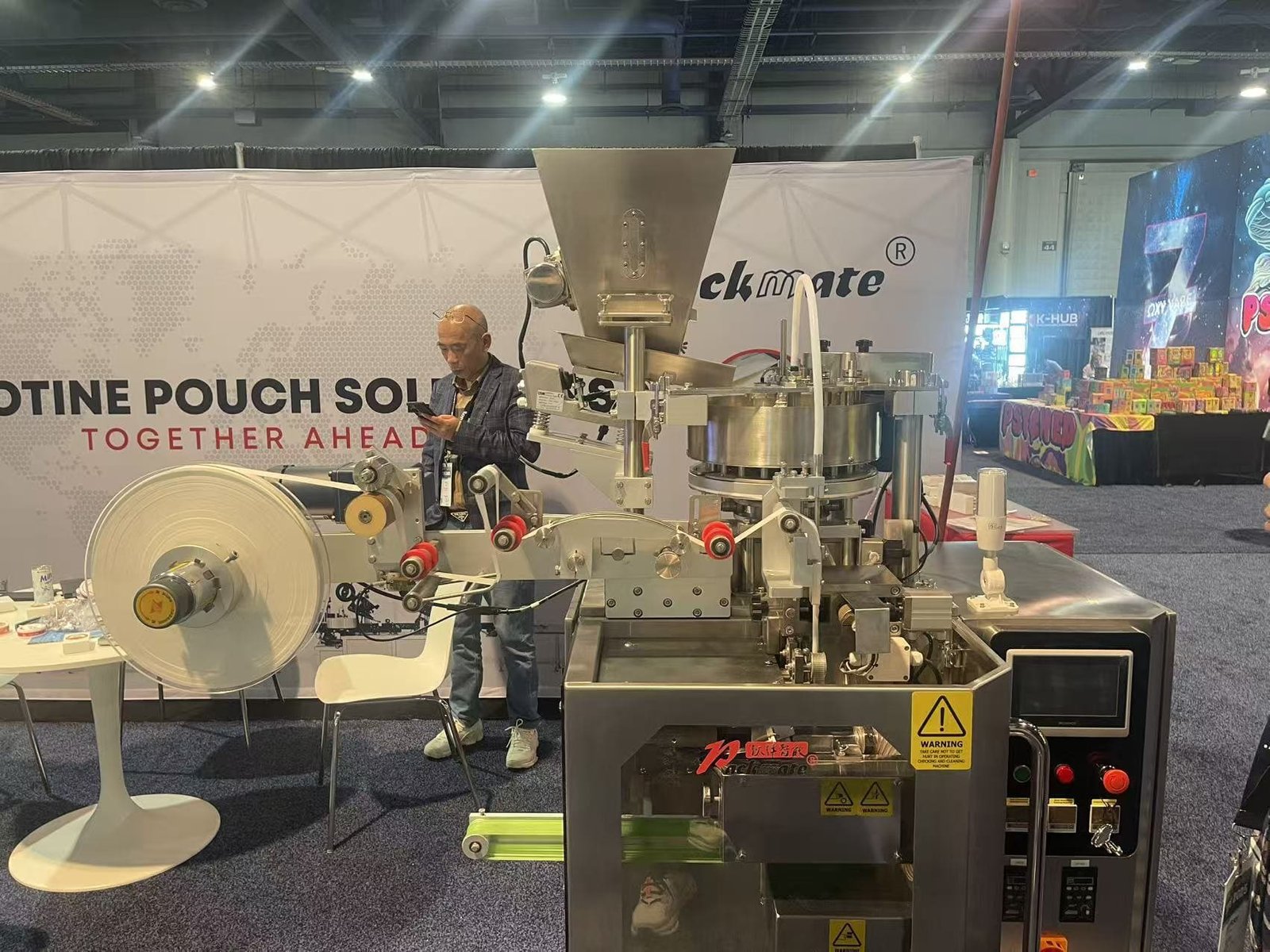
5. Comparing Packaging Technologies: Blister vs. Strip vs. Counting
Selecting the wrong technology can bottleneck your entire operation. Below is a comparison of the three primary tablet packing methodologies to clarify which suits your product portfolio.
Blister Packaging Machines
These machines form cavities from a flat roll of film, fill them with tablets, and seal with a lidding material. They are ideal for high-barrier protection and precise dosing. Accessories like ISO-compliant checkweighers can be integrated to ensure fill accuracy.
Strip Packing Machines
Strip packing involves sealing individual tablets between two layers of flexible material, creating a strip of packets. This format is widely used for powders and smaller granular doses but is increasingly popular for effervescent tablets due to its excellent moisture protection.
Automatic Counting and Bottle Filling Lines
For high-volume nutraceuticals and OTC drugs, counting machines offer unmatched speed. Modern systems utilize multi-channel electronic counting and weigh-checking to eliminate errors. According to the 2025 PMMI State of the Industry Report, automation in secondary packaging is a major trend driving efficiency in these lines.
6. Integration with Secondary and End-of-Line Systems
A tablet packing machine rarely operates in isolation. A fully integrated line includes cartoners, case packers, checkweighers, and palletizers. Ensuring your primary packer communicates seamlessly with downstream equipment via standard protocols (like EtherNet/IP or Profibus) prevents micro-stoppages. Look for a supplier that offers turnkey packaging solutions, managing the mechanical design, control systems, and installation under one roof to ensure line efficiency.
7. Critical Technical Specifications to Verify
Beyond the sales brochure, certain technical specifications dictate real-world performance. Create a checklist before visiting a supplier or requesting a quote.
- Maximum Forming Area and Depth: Determines the blister card size and cavity depth.
- Sealing Temperature and Pressure Control: Precision controls are vital for consistent peel-push lidding.
- Power Consumption and Air Requirements: Critical for assessing total cost of ownership.
- Noise Level: Important for operator comfort and workplace safety compliance.
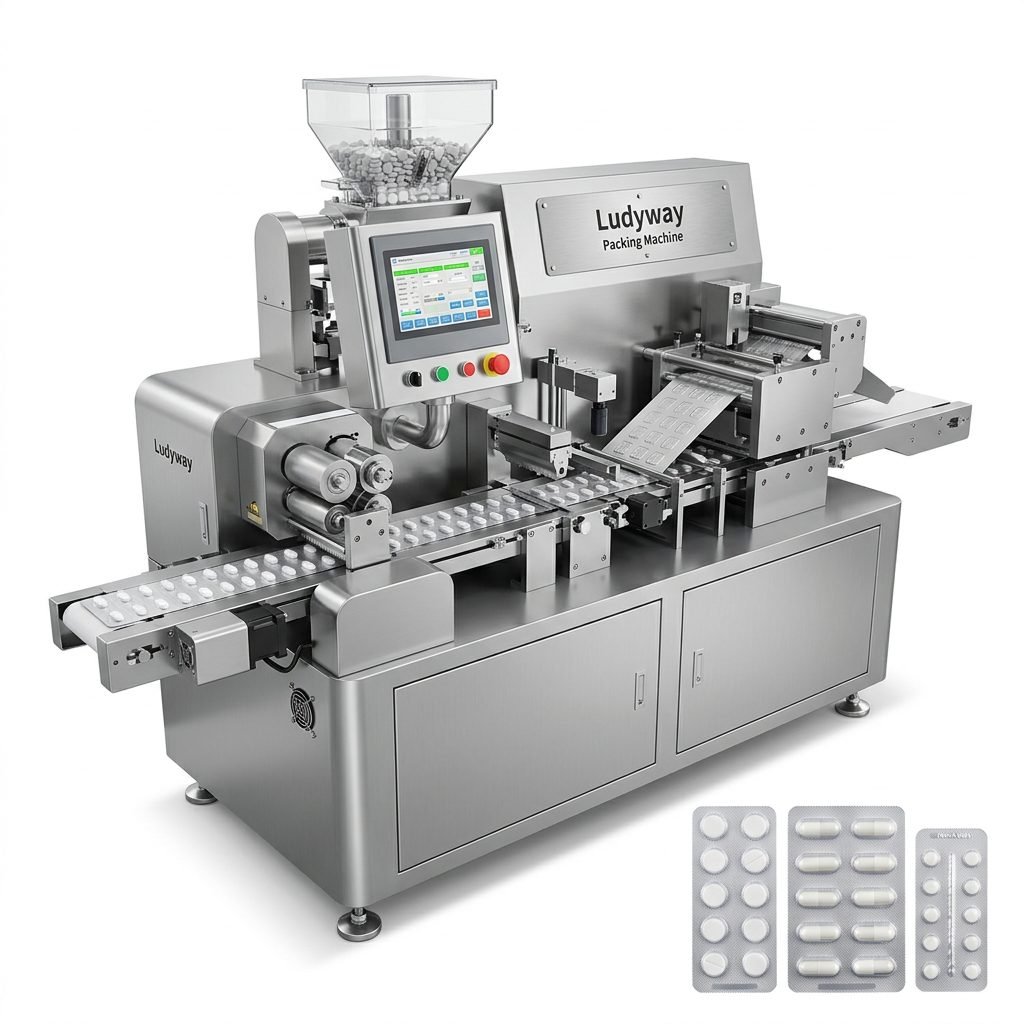
8. The Value of Customized Engineering Support
Off-the-shelf machines often compromise on efficiency. Product characteristics, factory layouts, and specific regulatory standards vary significantly. A partner that provides customized packaging machinery can adapt the dosing systems, sealing mechanisms, and even the stainless steel grades to suit your unique environment. This approach is particularly valuable for manufacturers introducing novel dosage forms or integrating equipment into an existing packaging line.
9. Total Cost of Ownership and After-Sales Support
The acquisition price is just the beginning. Evaluate the Total Cost of Ownership (TCO), which includes spare parts availability, energy efficiency, and preventive maintenance contracts. Robust global service and technical support is crucial for minimizing downtime. Ensure your supplier can offer remote troubleshooting, operator training, and fast logistics for wear parts.
10. Future-Proofing Your Investment
The pharmaceutical industry is moving toward sustainable materials and serialization. While your immediate need might be basic sealing, your new tablet packing machine should be architected for upgrades. Ask potential suppliers about compatibility with track-and-trace systems (serialization/aggregation) and the ability to run recyclable mono-material blister films without sacrificing speed or seal integrity.
Choosing the right equipment requires balancing product protection with output demands. By prioritizing format flexibility, regulatory compliance, and smart automation, you secure a system that supports both current operations and scalable growth.