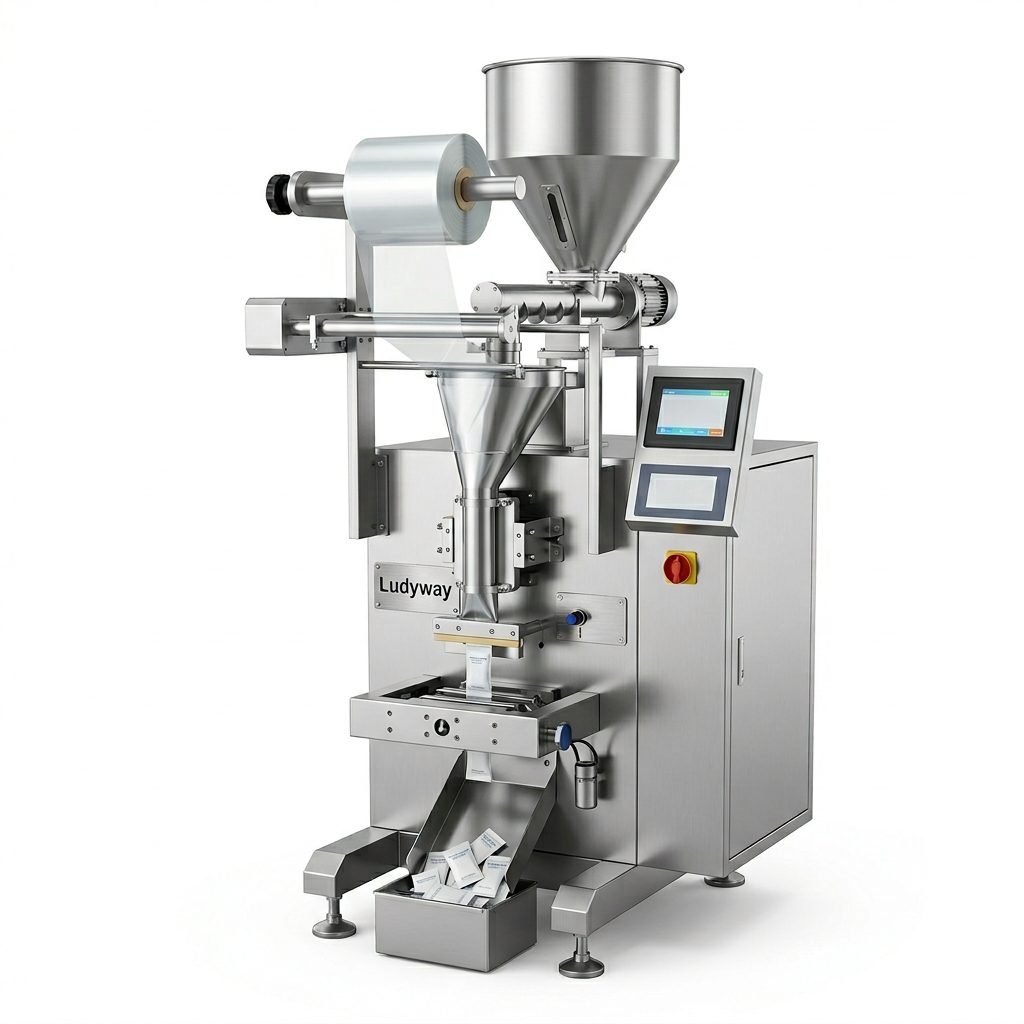
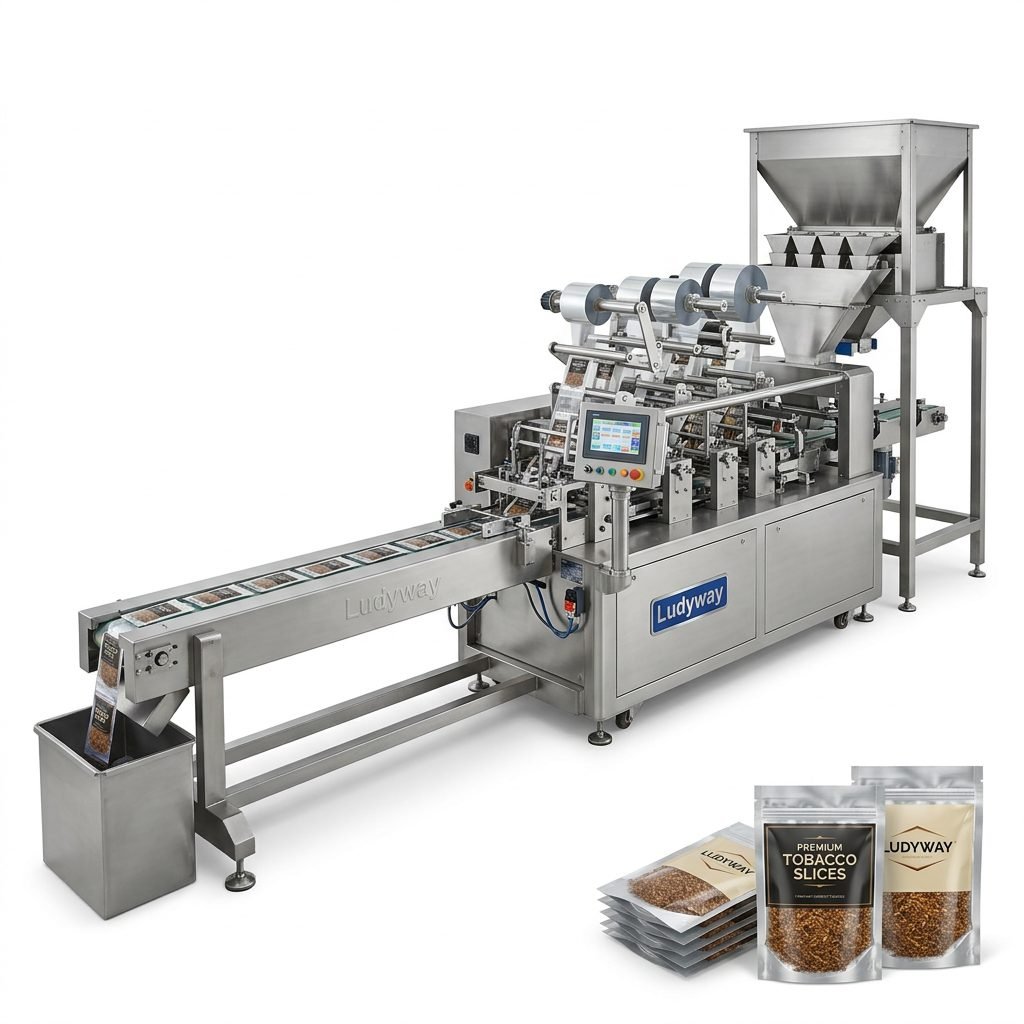
Selecting the right cutlery packing machine is a critical decision that directly impacts production efficiency, product presentation, and overall operational costs. Whether you are packaging disposable plastic forks, spoons, knives, or high-end reusable stainless steel sets, the machinery must align with your specific product characteristics, speed requirements, and packaging format.
This guide breaks down the essential factors to evaluate, helping you make an informed investment that supports scalable growth. Understanding these elements before contacting a supplier can significantly streamline the equipment selection process for your packaging machinery needs.
Understanding Your Cutlery Packaging Requirements
Before diving into machine specifications, you must define your core production parameters. The packaging format you choose directly dictates the type of machinery required. Common formats for cutlery include flow wrapping individual pieces, packing sets into pre-made pouches, or forming automated blister packs.
- Production Speed Needs: How many packages per minute does your operation require?
- Packaging Material: Will you use polyethylene (PE), polypropylene (PP), paper-based films, or biodegradable options?
- Product Configuration: Are you packaging single items or complete knife-fork-spoon-napkin sets?
- Hygiene Standards: Does the machine need to meet food-grade safety regulations or cleanroom standards?
Key Machine Types for Cutlery Packaging
Depending on your desired packaging style, you will typically encounter three primary configurations. Each serves a distinct market segment, from airline meal kits to bulk foodservice distribution.
| Machine Type | Best For | Primary Advantage |
|---|---|---|
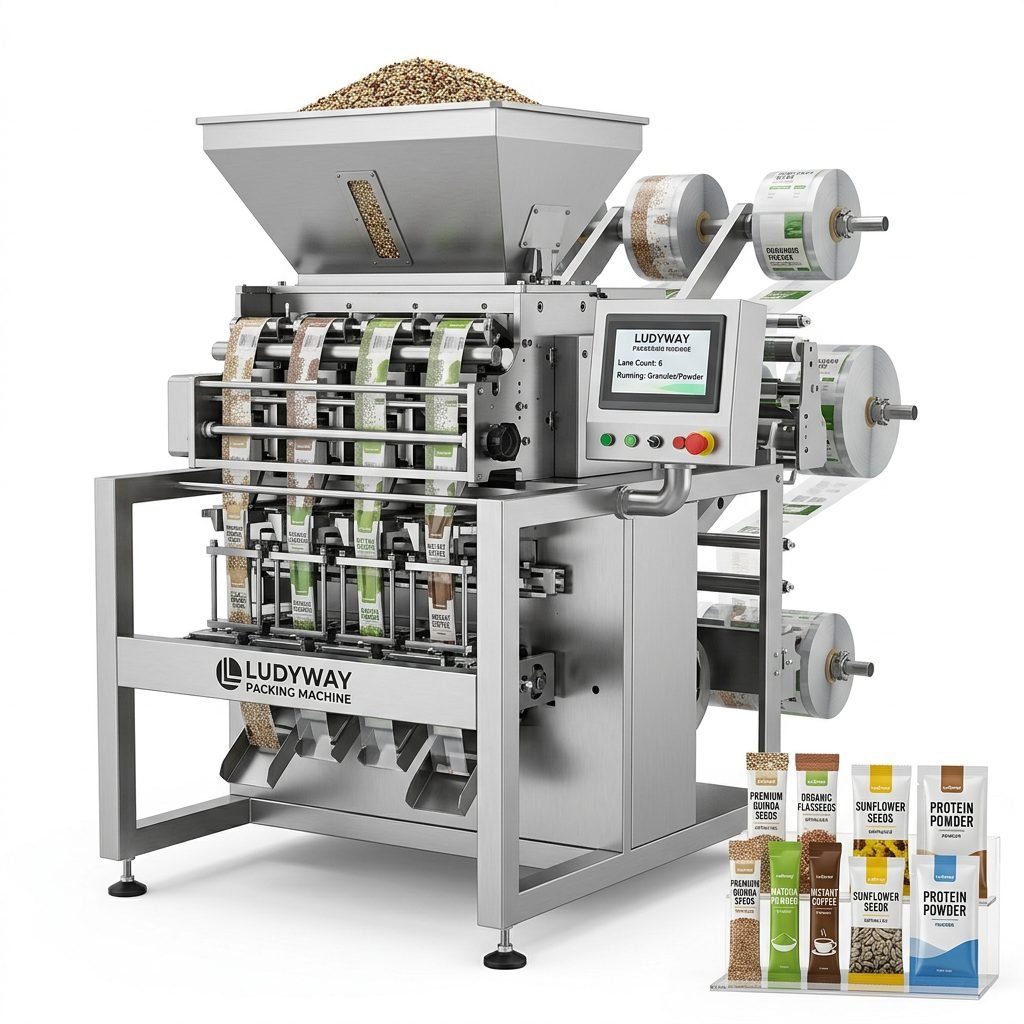
| Flow Wrapping Machines | Single cutlery items, airline packs | High speed, compact footprint |
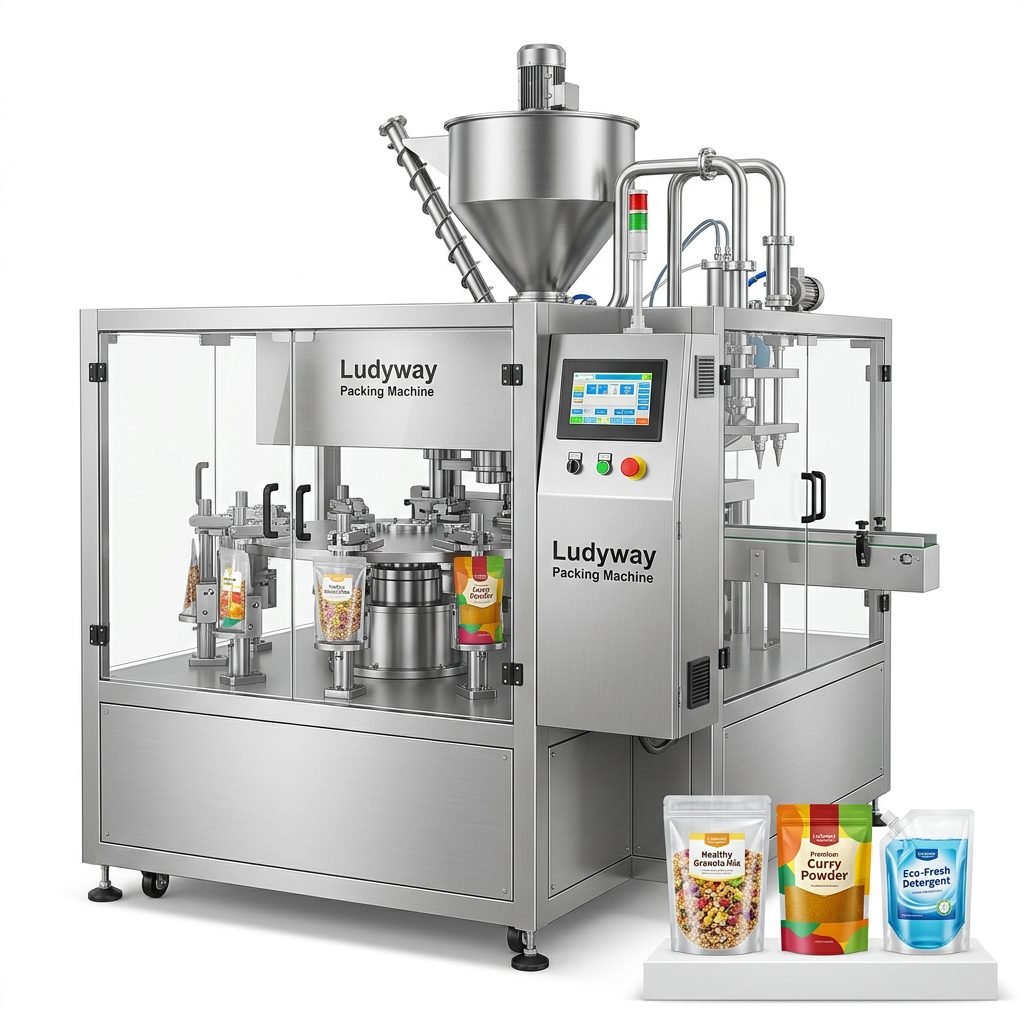
| Pre-made Pouch Fillers | Premium cutlery sets, retail display | Superior package presentation |
| Form-Fill-Seal (VFFS/HFFS) Systems | Bulk napkin-and-cutlery combos | Versatile bag shapes and sizes |
Evaluating Automation and Feeding Systems
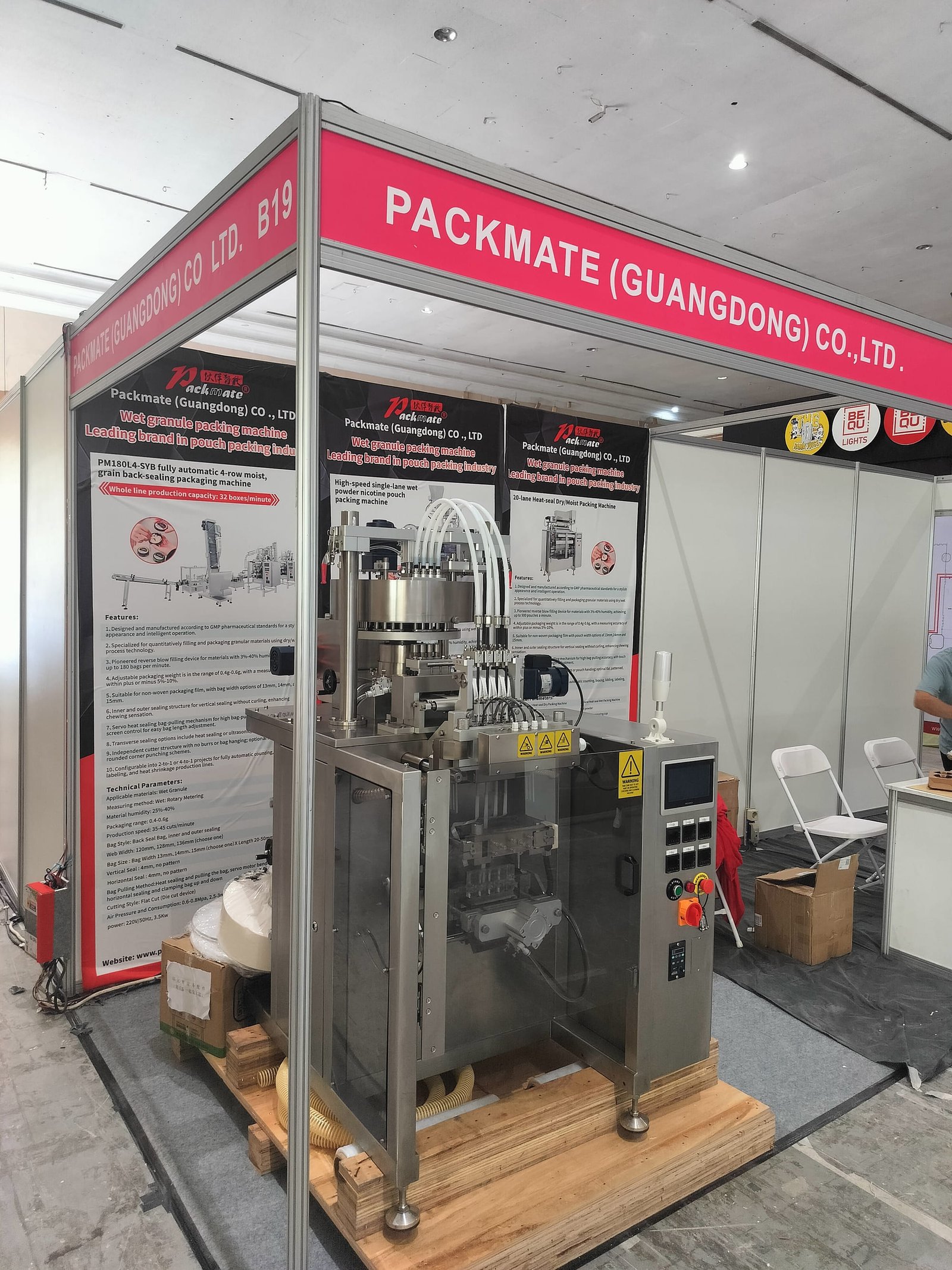
Manual feeding of cutlery is inefficient and prone to errors. Modern cutlery packing machines integrate automated feeding and collating systems. The density of cutlery, its tendency to nest, and the required orientation are significant engineering hurdles. Look for systems specifically designed to handle the slippage and irregular stacking of plastic or metal utensils.
High-level automation includes vision systems that reject deformed spoons or misaligned knives before entering the sealing area. This prevents jams and guarantees that every package is properly presented.
Compatibility with Packaging Materials and Sustainability
Sustainability targets are reshaping the packaging landscape. Many manufacturers are shifting away from traditional plastics toward flexible packaging solutions that offer source reduction. Your cutlery packing machine must be compatible with these newer films, which often have different sealing windows and tension tolerances.
Key material considerations include:
- Heat Sealability: Can the machine seal compostable bio-films without burning or wrinkling?
- Tension Control: Does the system maintain consistent film feed for ultra-light materials?
- Easy Clean Design: Is the machine structure accessible for sanitization to meet FDA food contact substance standards?
Integration and Smart Factory Readiness
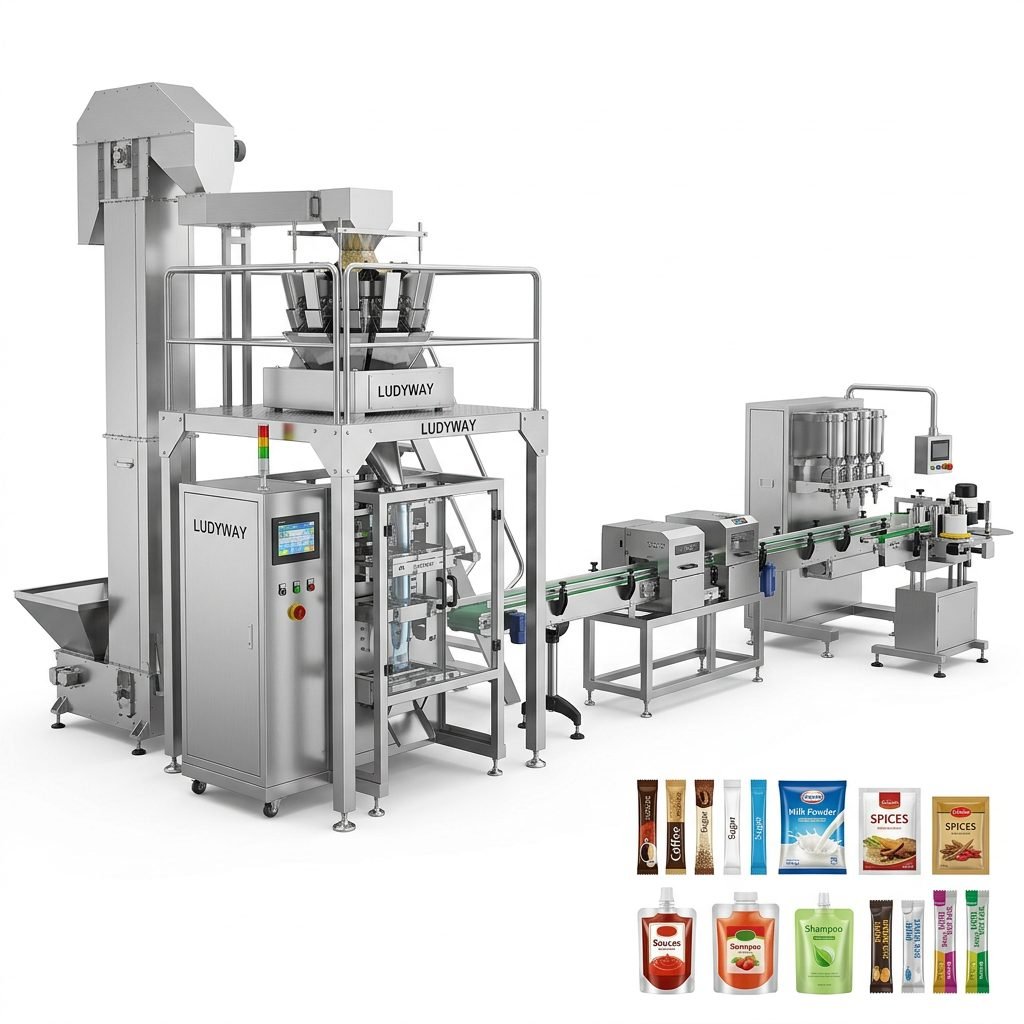
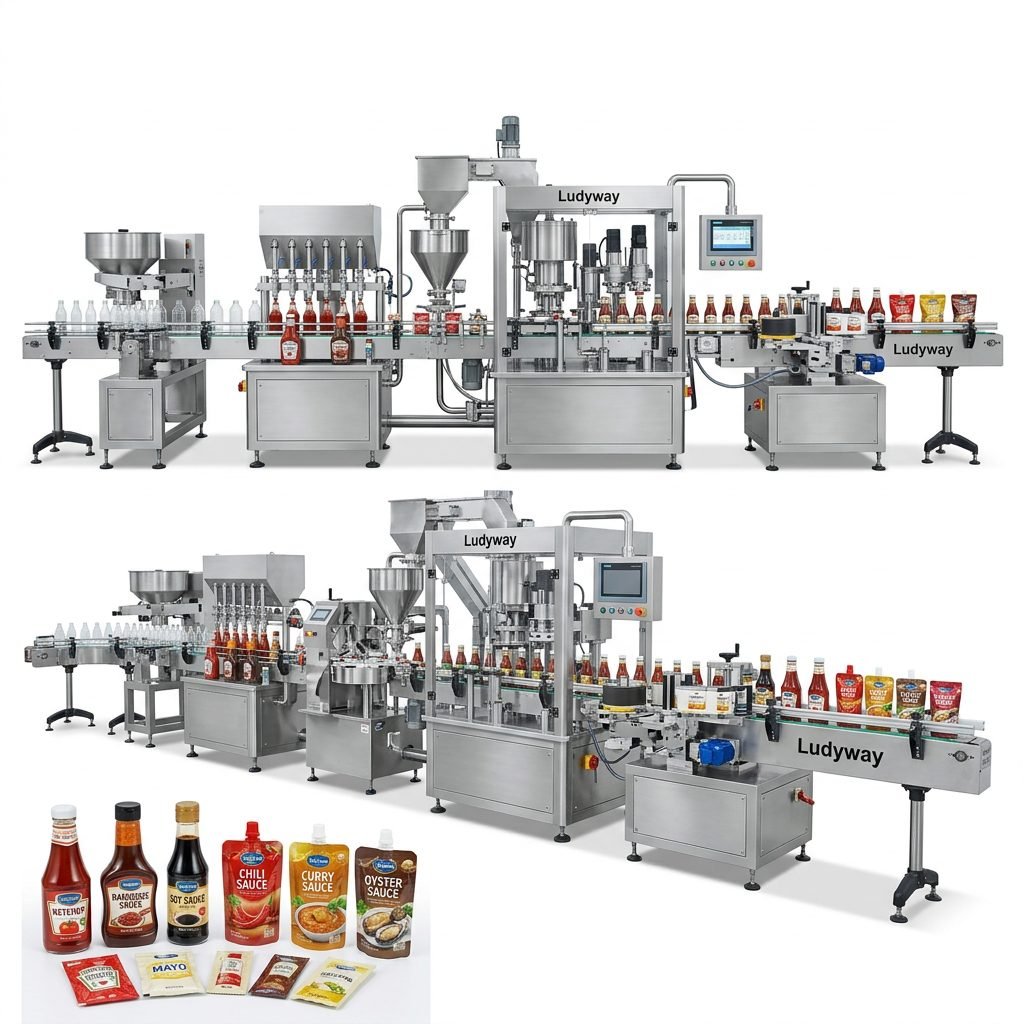
Beyond the core filling and sealing functions, your equipment should seamlessly integrate into the broader production line. This includes connection to upstream accumulation systems and downstream checkweighers, metal detectors, and case packers. Data logging and OEE tracking capabilities are no longer luxuries but necessities for optimizing operational efficiency.
Key Technical Specifications to Verify
When comparing quotes from different manufacturers, ensure you are comparing like-for-like. Frame construction, component brand, and safety certifications significantly impact the long-term reliability of a cutlery packing machine. Verify the country of origin for major components such as PLCs, servo motors, and pneumatic valves.
| Specification | Why It Matters |
|---|---|
| Film Width Range | Determines the maximum width of the package you can create. |
| Cut-off Length Accuracy | Directly affects material waste and pack consistency. |
| Sealing Temperature Control | Precise PID controllers prevent weak seals or film burn-through. |
| Frame Material | Stainless steel frames offer superior hygiene and longevity. |
Service, Support, and Total Cost of Ownership
The initial purchase price of a cutlery packing machine is only one component of the total cost. Analyze the lifecycle cost, including spare parts availability, preventive maintenance schedules, and the manufacturer’s capacity for remote technical support. A reliable partner should offer installation and commissioning services, operator training, and a robust supply chain for critical wearing parts.
In the context of global manufacturing, partnering with a supplier that understands both regional safety standards and the specific demands of the packaging industry’s economic outlook is vital. This ensures your machine is not only operational on day one but remains compliant and efficient for years to come.
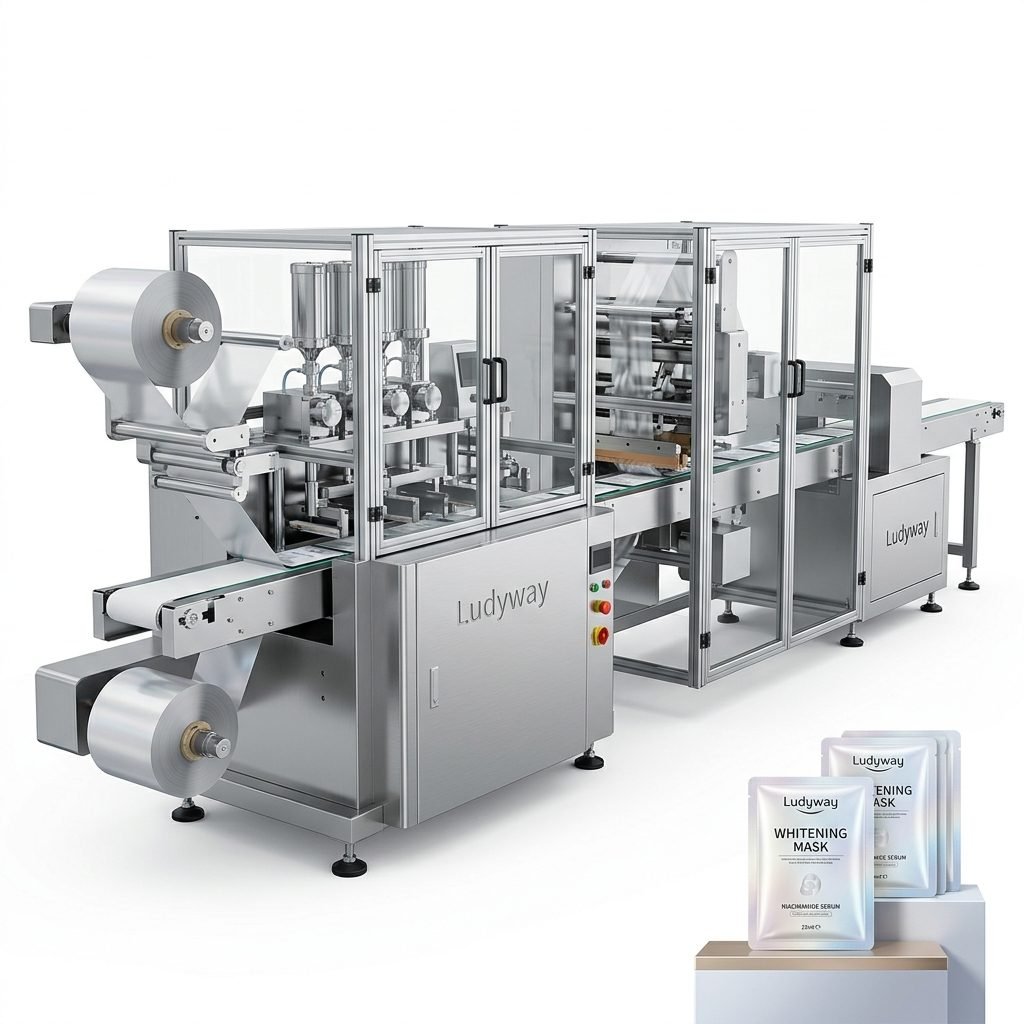
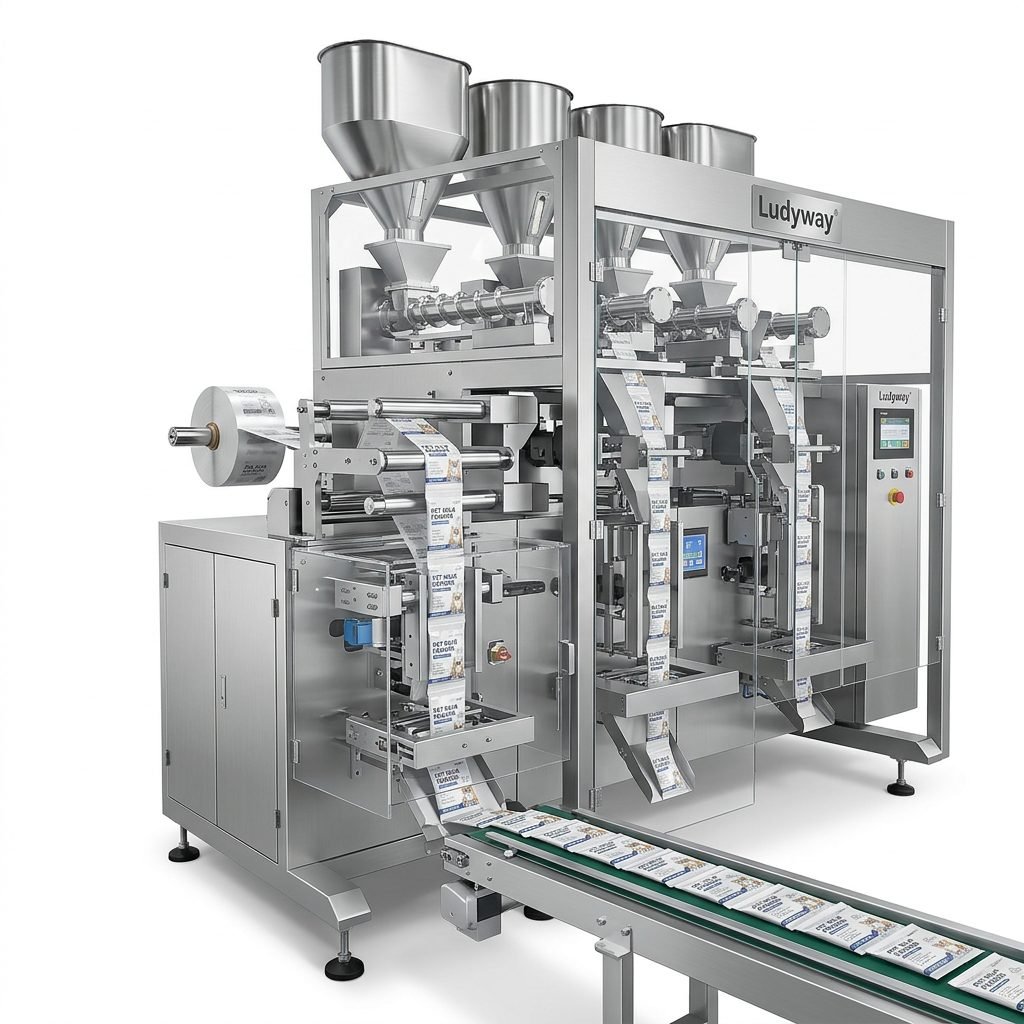
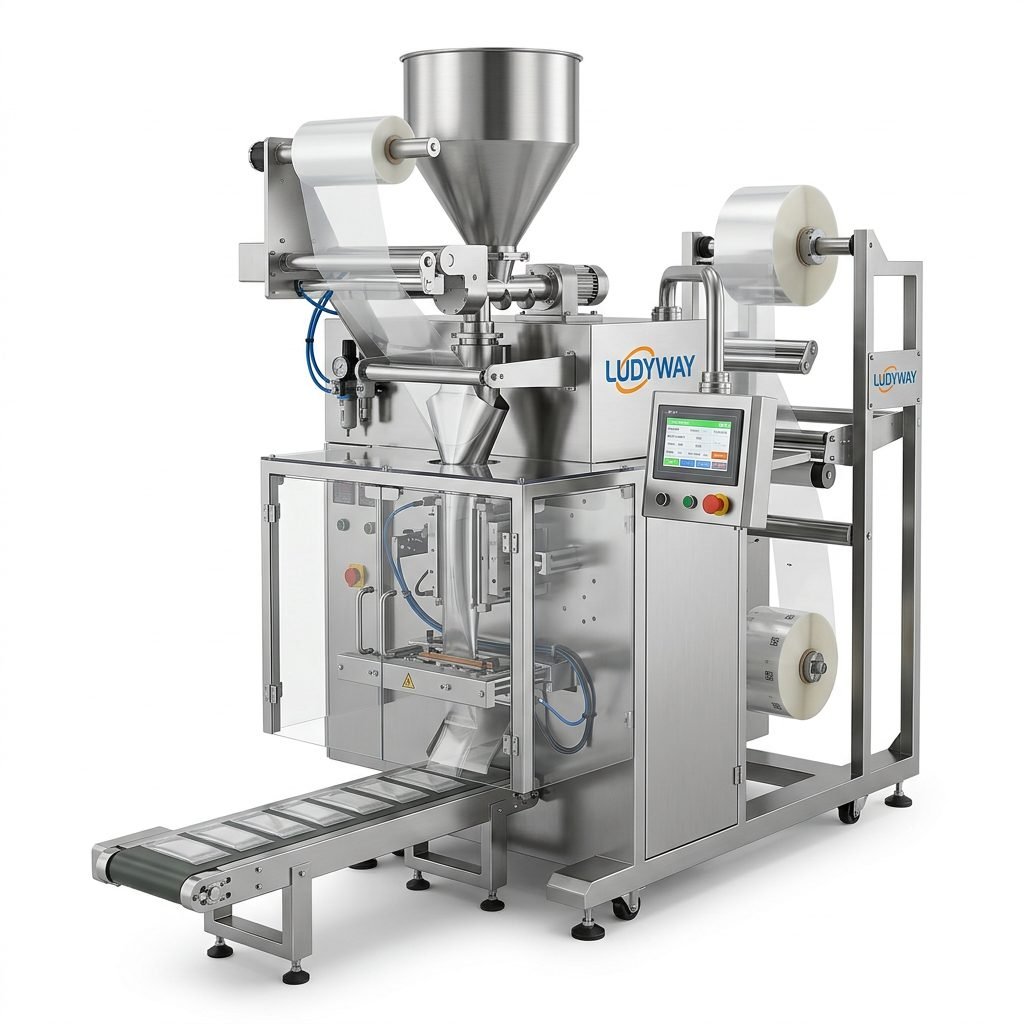
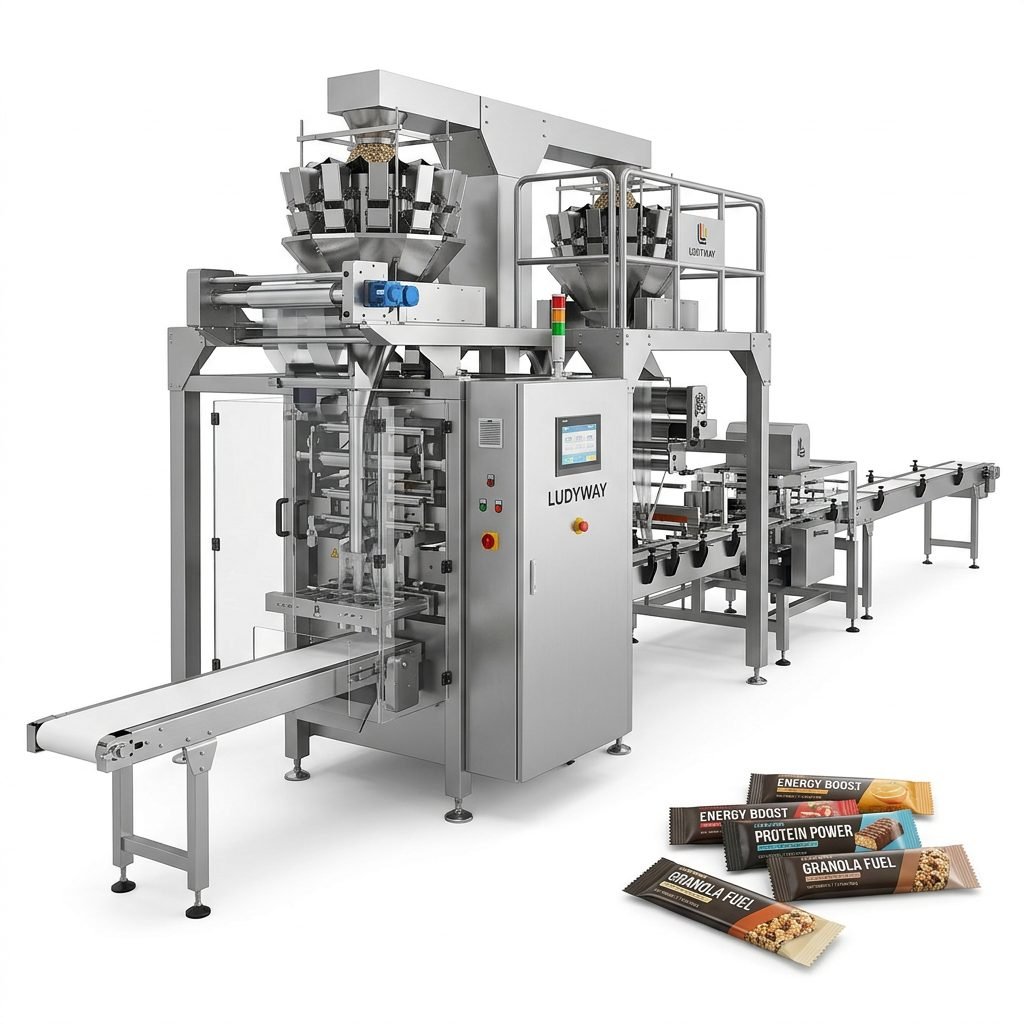
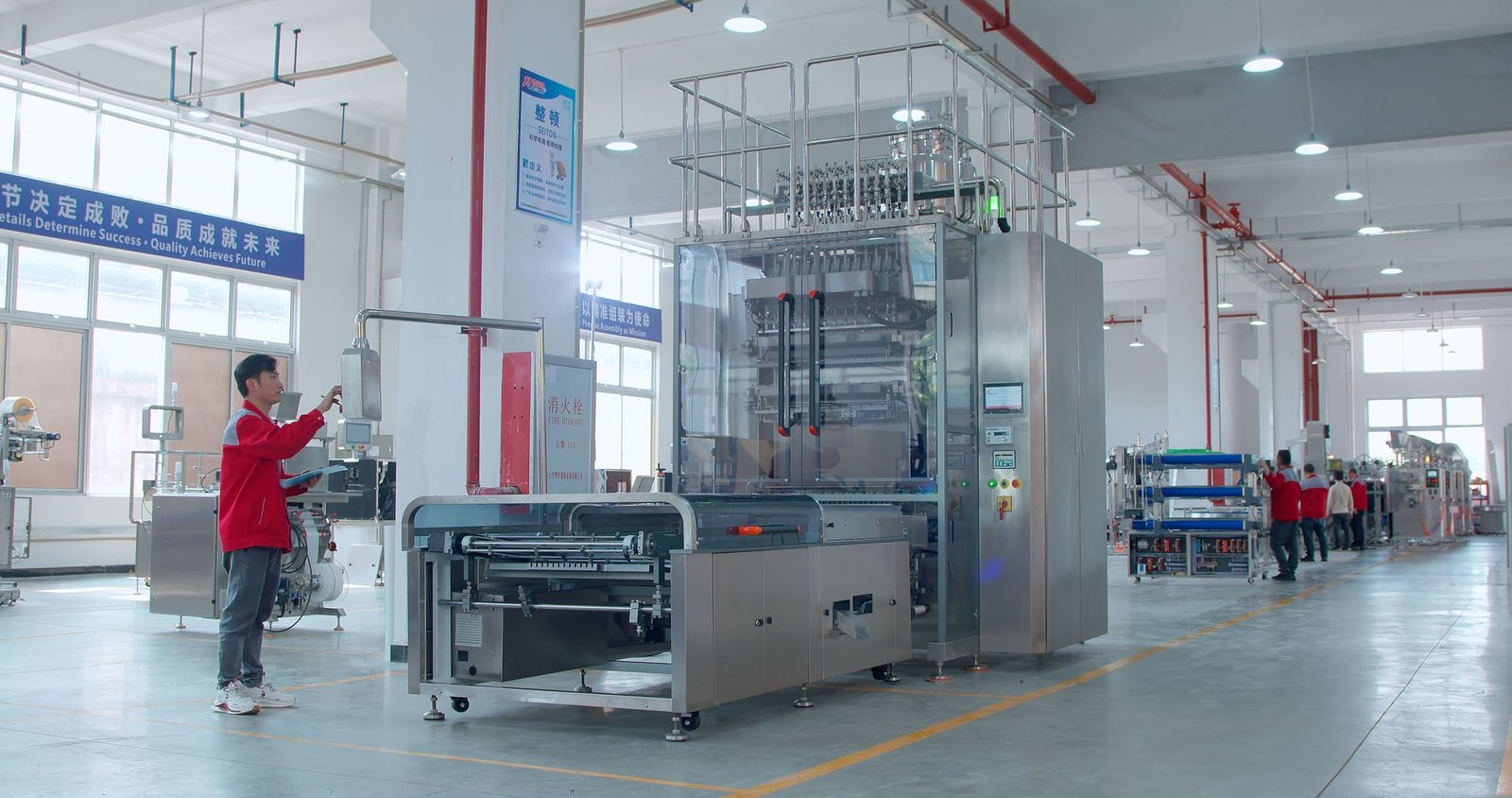
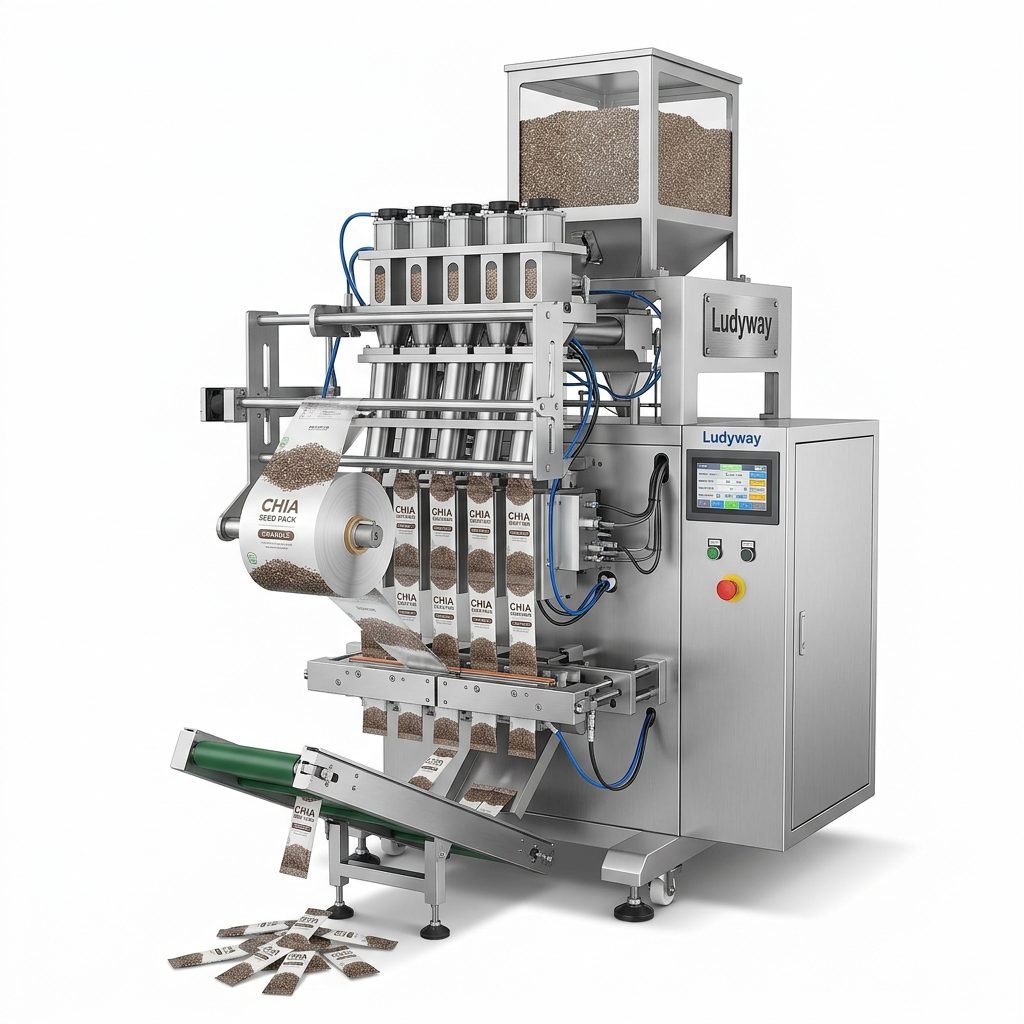
Leading manufacturers like Ludyway Machinery provide comprehensive packaging solutions that encompass these critical factors. With over 30 years of experience, the company operates from a 20,000-square-meter facility, integrating automated feeding, dosing, filling, sealing, and inspection into turnkey systems that help manufacturers achieve operational consistency and high production capacity.
To dive deeper into the factors driving the latest growth in packaging machinery exports and equipment innovation, you can explore this detailed industry growth trend analysis. Making the right choice involves balancing speed, hygiene, and future flexibility with a partner who offers a complete packaging and processing technology support system.