Investing in a pallet packing machine is a strategic decision that directly affects your end-of-line efficiency, labor costs, and product protection during transit. Whether you are handling bulk bags, heavy industrial goods, or consumer packaged products, the right stretch wrapping or pallet strapping system can transform your logistics operation. However, with a wide range of technologies available—from semi-automatic turntables to fully automated rotary ring wrappers—selecting the correct configuration requires a clear understanding of your production volume, load stability requirements, and facility layout.
1. Understanding Your Load and Production Requirements
Before comparing machine specifications, you need to define what you are wrapping. The weight, dimensions, and shape of your pallet loads are the primary drivers of equipment selection. Unstable or lightweight loads often require a machine with a high pre-stretch ratio and controlled wrap force to avoid crushing the product or film breaks. Conversely, heavy industrial loads, such as cement bags or chemical drums, demand robust structural frames and high-tension wrapping capabilities.
Key Load Factors to Evaluate
- Pallet size range: Standard (1200×1000 mm) vs. oversize custom dimensions.
- Load weight and stability: Light cartons require different handling than heavy bulk bags.
- Throughput volume: How many loads per hour need processing?
- Product sensitivity: Does the product require dust-proof or waterproof sealing?
According to packaging machinery market research from PMMI Business Intelligence, throughput speed often dictates whether you need a semi-automatic system (for under 20 loads per hour) or a fully automated inline solution. For high-speed production environments, you cannot afford bottlenecks at the pallet wrapping station.
2. Semi-Automatic vs. Fully Automatic Pallet Wrappers
This is often the most critical budgetary and operational decision. A semi-automatic pallet wrapping machine requires an operator to attach the film to the load and start the wrapping cycle, usually via a lanyard switch or remote control. A fully automatic pallet wrapping machine integrates directly into a conveyor line, automatically attaching, wrapping, and cutting the film without human intervention.
| Feature | Semi-Automatic System | Fully Automatic System |
|---|---|---|
| Operator Involvement | High (forklift/operator required per cycle) | Low (fully automated film cutting/clamping) |
| Optimal Loads/Hour | 5–25 | 30–100+ |
| Initial Investment | Lower capital cost | Higher capital cost, faster ROI for high volume |
| Integration | Standalone placement | Inline conveyor integration required |

3. Core Wrapping Technologies: Turntable, Rotary Arm, and Ring Wrappers
Choosing the wrong rotation style can limit your ability to handle specific product types. The standard turntable wrapper rotates the load on a platform suitable for stable, uniform loads. Rotary arm machines keep the pallet stationary while the arm rotates around the product, making them ideal for very heavy, unstable, or oddly shaped loads. For particularly large or awkward items, a ring-type wrapping machine passes the load through a rotating ring, offering the highest level of stability handling without moving the product itself.
Technical Specifications That Matter
- Pre-stretch ratio: Mechanical pre-stretch (up to 250%) vs. electronic variable pre-stretch for film cost savings.
- Film carriage system: Direct motor-driven carriages offer precise wrap control compared to chain-driven models.
- PLC control panel: Touchscreen interfaces allow storage of multiple wrap patterns (top wrap only, bottom wrap only, full cycle).
- Safety systems: Light curtains and emergency stops are essential for operator protection.
Industry standards for packaging machinery safety and quality continue to evolve. The latest regulatory updates, such as the European Commission Packaging and Packaging Waste Regulation, increasingly influence machine design, particularly regarding film consumption and recyclability. Selecting a machine that optimizes film usage not only reduces operational costs but also helps meet supplier sustainability scorecards.
4. The Role of Conveyor and Pallet Handling Systems
For automated systems, the pallet wrapper is just one component of a larger line. You must consider pallet conveyors, transfer cars, and accumulation zones. The wrapper needs to interface seamlessly with existing palletizers or fork-lift entry points. Inline automated systems often require a minimum of three conveyors: infeed, wrapping zone, and outfeed. If your upstream production fluctuates, an accumulation conveyor before the wrapper prevents product damage and ensures continuous flow.
5. Cost Analysis and Return on Investment
Price evaluation should extend beyond the equipment sticker. Stretch film represents a significant ongoing expense. A machine with a high pre-stretch ratio can reduce film consumption by 30% to 50% annually, frequently covering the price difference between a basic and an advanced model within the first year. Additionally, reducing labor costs and product damage from manual wrapping can yield a rapid return on investment. Calculate total cost of ownership including spare parts availability, film compatibility, and energy consumption.
6. Selecting a Reliable Packaging Machinery Partner
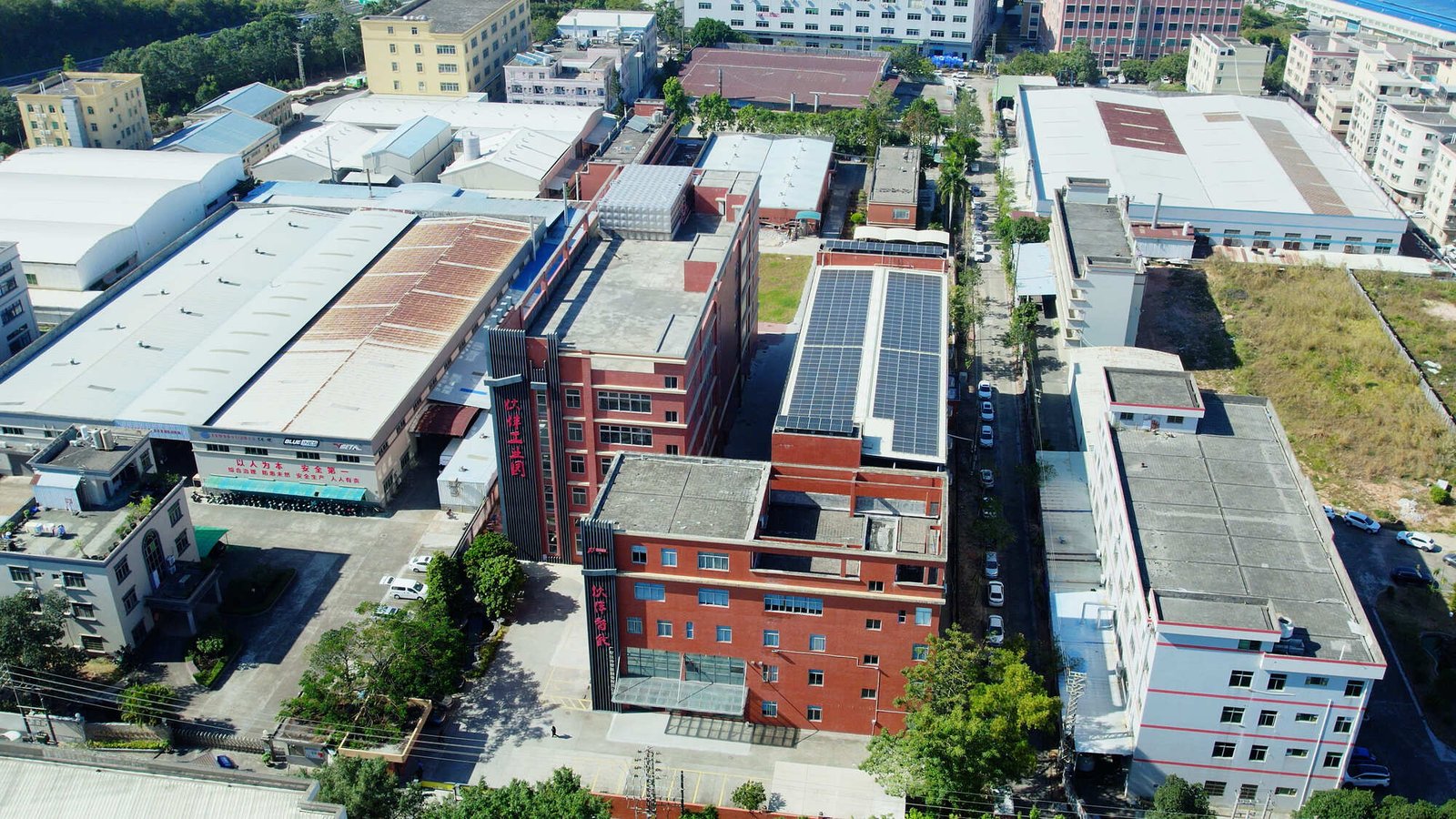
The longevity and performance of a pallet packing machine depend heavily on the engineering quality of the manufacturer. A partner with robust manufacturing capabilities can provide not just a standard machine, but a customized configuration tailored to your exact load specifications. For instance, Ludyway Machinery combines over 30 years of packaging machinery experience with a 20,000-square-meter manufacturing facility to configure end-of-line solutions across more than 50 packaging machine models. When evaluating suppliers, look for in-house manufacturing, automation expertise, and verified component quality from recognized industrial parts brands.
Flexible packaging associations, such as the Flexible Packaging Association, offer benchmarks for material handling and sustainable wrapping practices that can inform your machine specification process.
7. Common Mistakes to Avoid When Buying
Several pitfalls can lead to poor machine utilization or premature failure. Underestimating future production increases often forces manufacturers to replace semi-automatic systems within 18 months. Ignoring load profile changes is another common oversight. If you plan to expand product lines to include different pallet sizes or unstable loads, opt for a machine with adjustable wrap force control and modular design. Also, pay close attention to after-sales support and spare parts availability. A machine that cannot be serviced quickly will disrupt your entire shipping schedule.
8. Verification and Industry Standards
Depending on your target market, certain certifications and compliance documentation may be required for international shipping. Reviewing test data from the ISO Packaging Standards helps validate that equipment meets recognized load safety and transit packaging regulations. Verification ensures your wrapped pallets meet the stability requirements for both truck and ocean freight transport.
By systematically mapping your product characteristics to the right wrapping technology and control features, you select a machine that minimizes film costs, protects product integrity, and reliably meets your throughput targets without creating a logistical bottleneck. The right pallet packing machine integrates as a seamless, automated component within your full end-of-line packaging line rather than a standalone island.