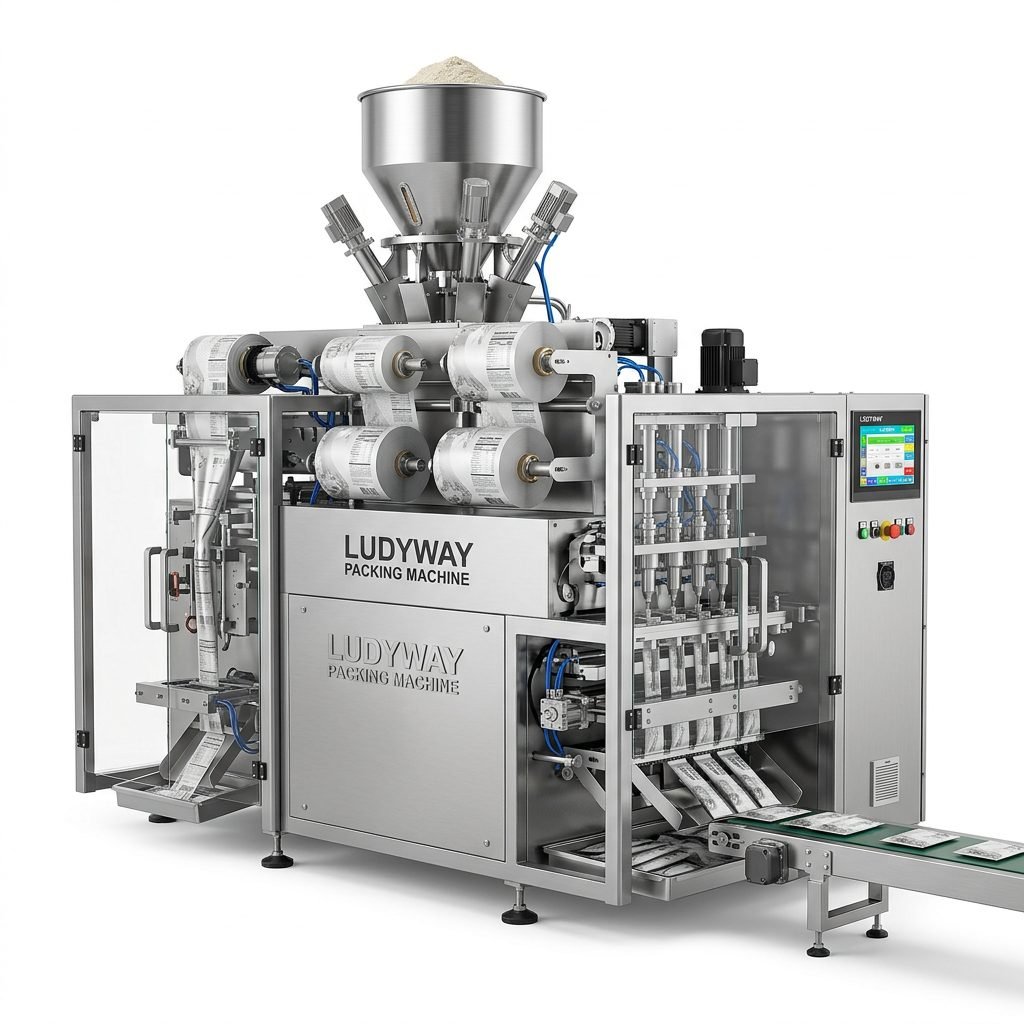
Selecting the right rotary packing machine is one of the most critical decisions for manufacturers looking to scale production, improve packaging consistency, and reduce operational costs. With a wide range of machine configurations, filling systems, and automation levels available, making an informed choice requires a clear understanding of your product characteristics, production goals, and the technical capabilities of modern packaging machinery.
This guide walks you through the essential factors to evaluate when choosing a rotary packaging machine, helping you match the right equipment to your application and avoid costly mistakes.
Understanding Rotary Packing Machines
A rotary packing machine is an automated packaging system that uses a rotating turret or carousel mechanism to perform multiple packaging functions — including bag forming, filling, sealing, and cutting — in a continuous, synchronized motion. Unlike intermittent-motion machines, rotary systems maintain constant movement, which significantly increases throughput while maintaining precision filling accuracy.
These machines are widely used across industries such as food and beverage, pharmaceuticals, nutraceuticals, cosmetics, chemicals, and pet food, handling products ranging from free-flowing granules to fine powders and viscous liquids. According to the State of the Industry report from PMMI, demand for high-speed automated packaging equipment continues to grow as manufacturers seek greater efficiency and flexibility.
Key Advantages of Rotary Packing Technology
Continuous High-Speed Operation
The defining feature of a rotary filler and sealer is its ability to run continuously without stop-start cycles. This design eliminates dwell time and dramatically increases output, with some multi-lane rotary machines capable of producing hundreds of packs per minute.
Superior Filling Accuracy
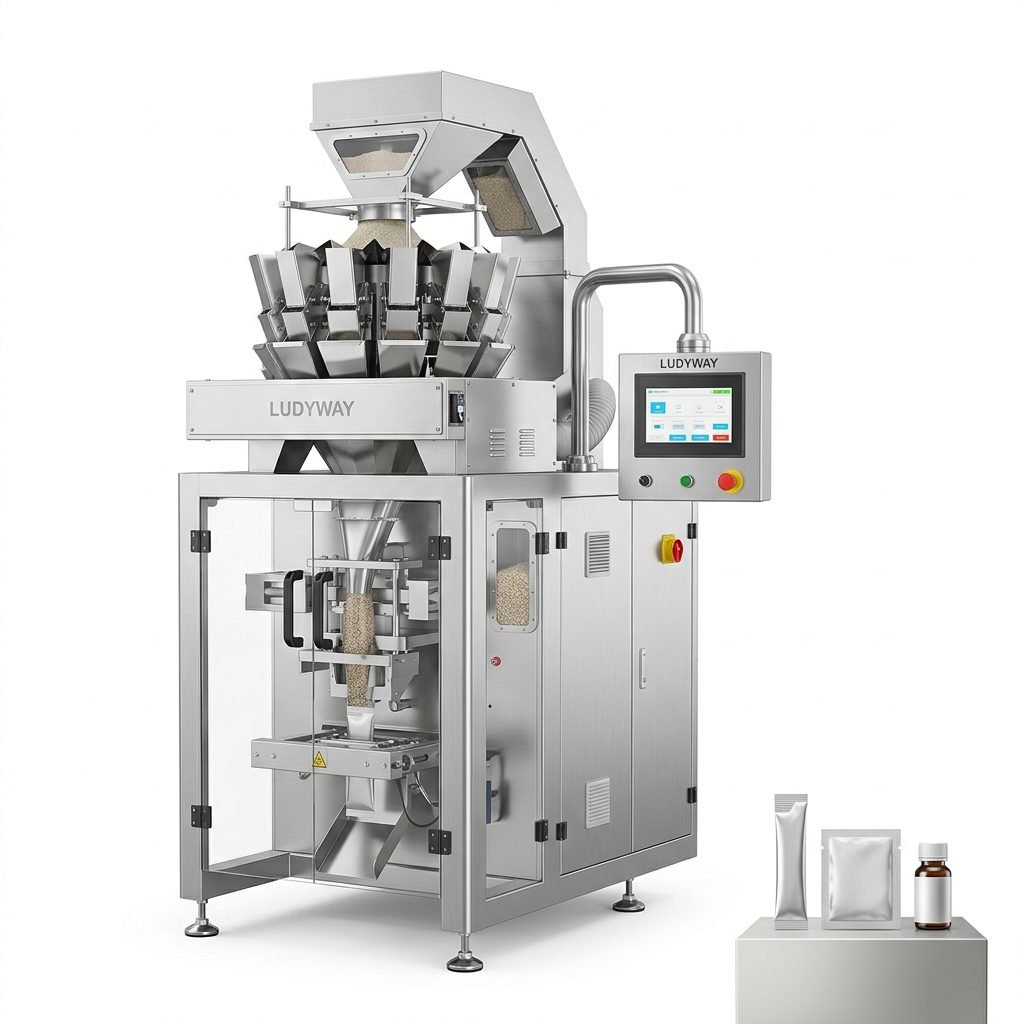
Rotary systems integrate advanced dosing mechanisms — including auger fillers, volumetric cup fillers, piston fillers, and multi-head weighers — that deliver consistent fill weights even at high speeds. This precision is essential for industries with strict regulatory requirements, such as food and pharmaceutical packaging.
Versatile Packaging Formats
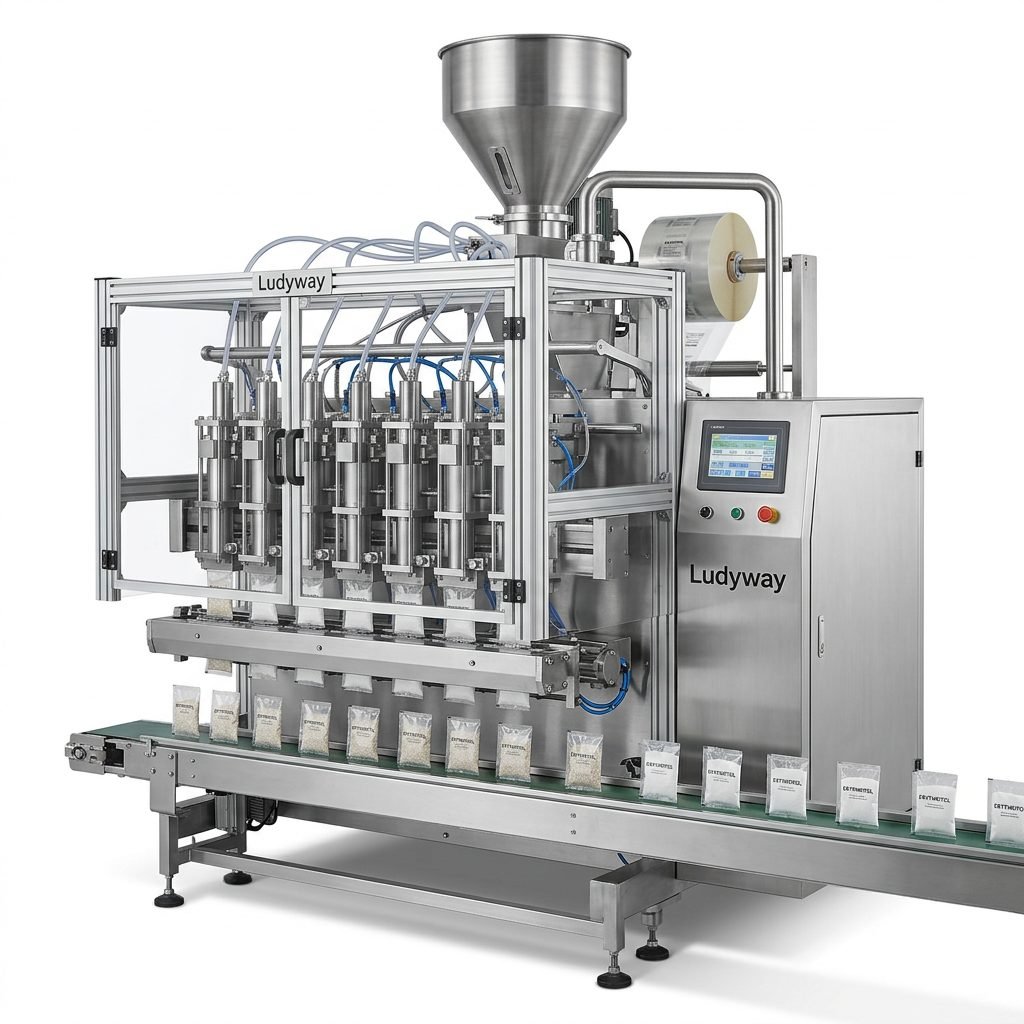
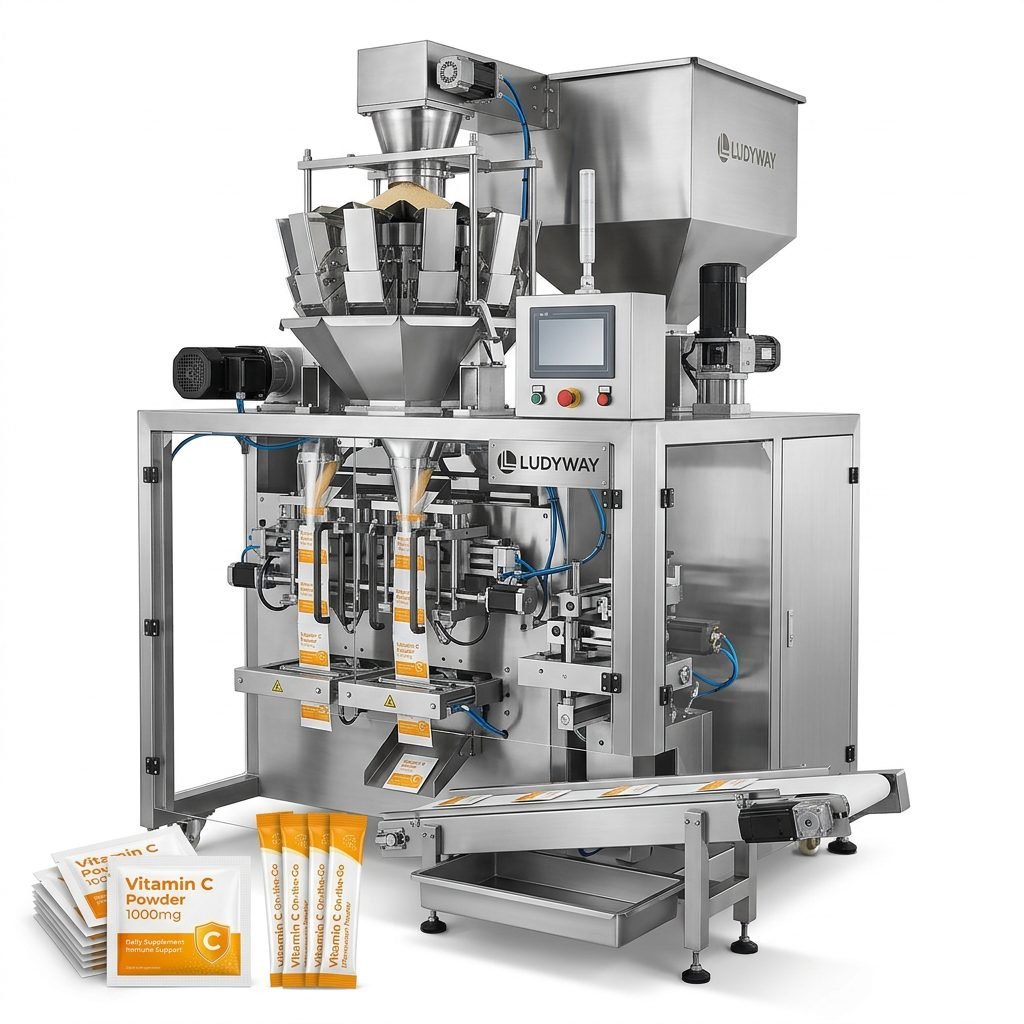
Modern automatic rotary packing machines can produce a variety of flexible packaging formats, including stick packs, sachets, three-side-seal pouches, four-side-seal pouches, and gusseted bags. This versatility allows manufacturers to serve multiple markets with a single machine platform.
Critical Factors to Consider When Choosing a Rotary Packing Machine
Evaluating the right rotary packing machine requires a systematic approach. Below are the key factors that should guide your decision-making process.
1. Product Characteristics and Flow Properties
The physical nature of your product directly determines the type of filling system required. Key considerations include:
- Particle size and uniformity — free-flowing granules versus cohesive powders
- Bulk density — affects filling speed and volume requirements
- Flowability — impacts dosing accuracy and machine speed
- Moisture sensitivity — determines whether nitrogen flushing or desiccant integration is needed
- Hygroscopicity — influences material handling and sealing requirements
2. Production Speed Requirements
Rotary machines are available in a wide range of speed ratings. A single-lane rotary packer may produce 40–80 packs per minute, while multi-lane rotary systems with 4, 6, 8, or more lanes can exceed 400–600 packs per minute. Understanding your current and future production targets helps avoid under-investing or over-specifying equipment.
3. Packaging Material Compatibility
Not all rotary machines handle every film type equally. Verify that the machine supports your intended packaging materials, including:
- Laminated films — PET/AL/PE, PET/PE, OPP/CPP
- Paper-based laminates
- Biodegradable and compostable films
- Aluminum foil laminates for high-barrier applications
Compatibility with sustainable packaging materials is increasingly important as flexible packaging sustainability becomes a market priority.
4. Machine Configuration and Lane Options
The choice between single-lane and multi-lane configurations significantly impacts output and floor space. The table below summarizes common configurations:
| Configuration | Typical Speed Range | Best Suited For |
|---|---|---|
| Single-Lane Rotary | 40–100 packs/min | Small to medium production volumes, frequent changeovers |
| 4-Lane Rotary | 160–400 packs/min | Medium to high volumes, stick packs and sachets |
| 6-Lane Rotary | 240–600 packs/min | High-volume production, contract packaging |
| 8-Lane Rotary | 320–800+ packs/min | Ultra-high-volume operations, multinational brands |
5. Automation and Integration Capabilities
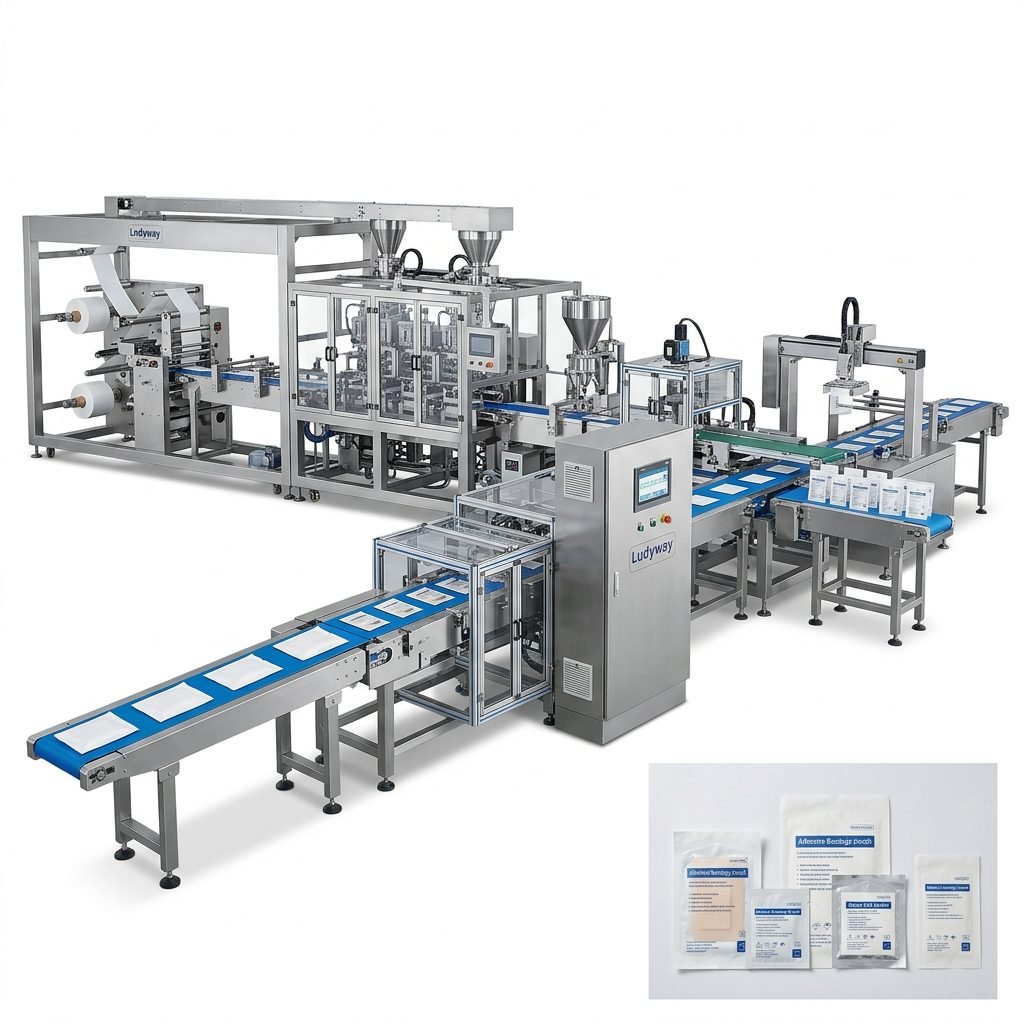
A rotary packaging machine does not operate in isolation. Evaluate how the machine integrates with upstream and downstream equipment, including:
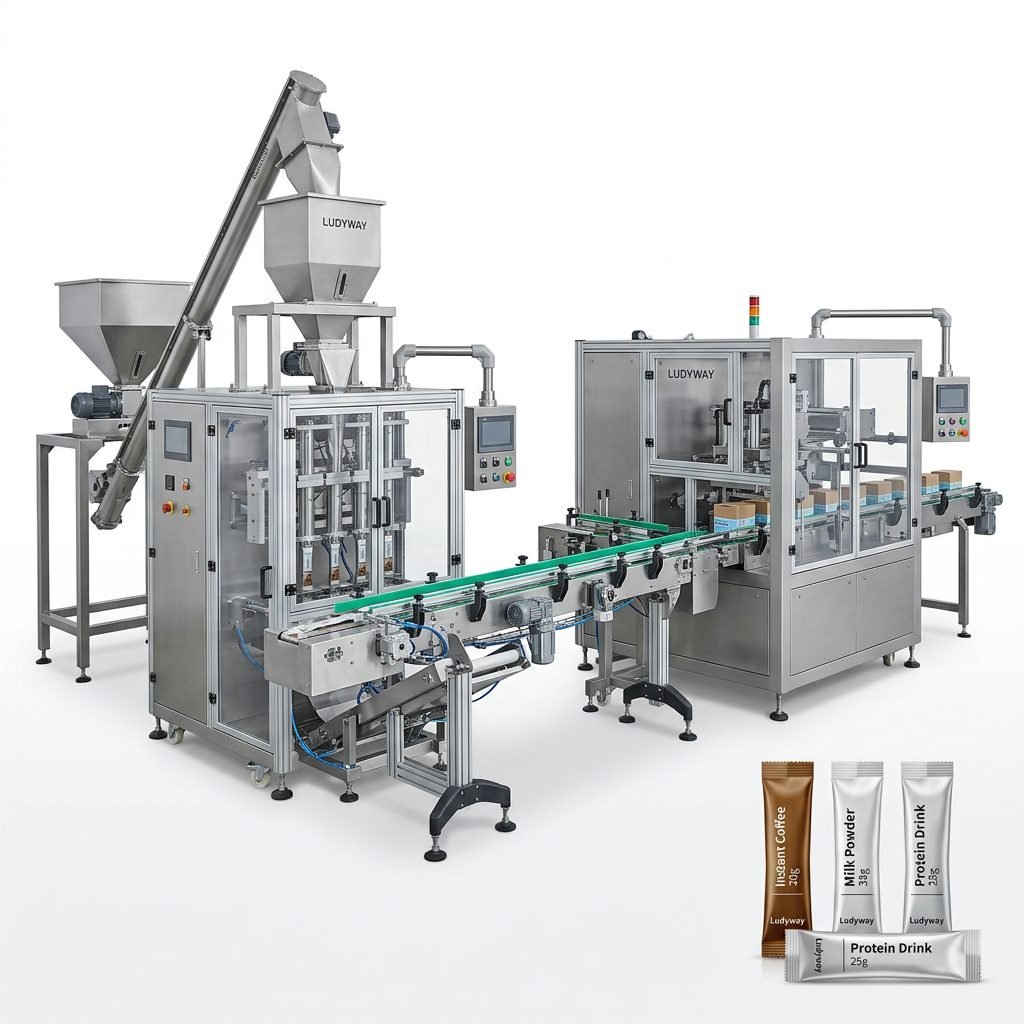
- Automatic feeding systems — vibratory feeders, screw conveyors, bucket elevators
- Inspection systems — checkweighers, metal detectors, X-ray inspection
- Coding and marking — inkjet printers, thermal transfer printers, laser coders
- Cartoning and case packing — automated cartoners, case packers, palletizers
Types of Rotary Packing Machines by Application
Different industries and products demand specific machine configurations. The table below outlines common rotary packing machine types and their primary applications:
| Machine Type | Filling System | Typical Applications |
|---|---|---|
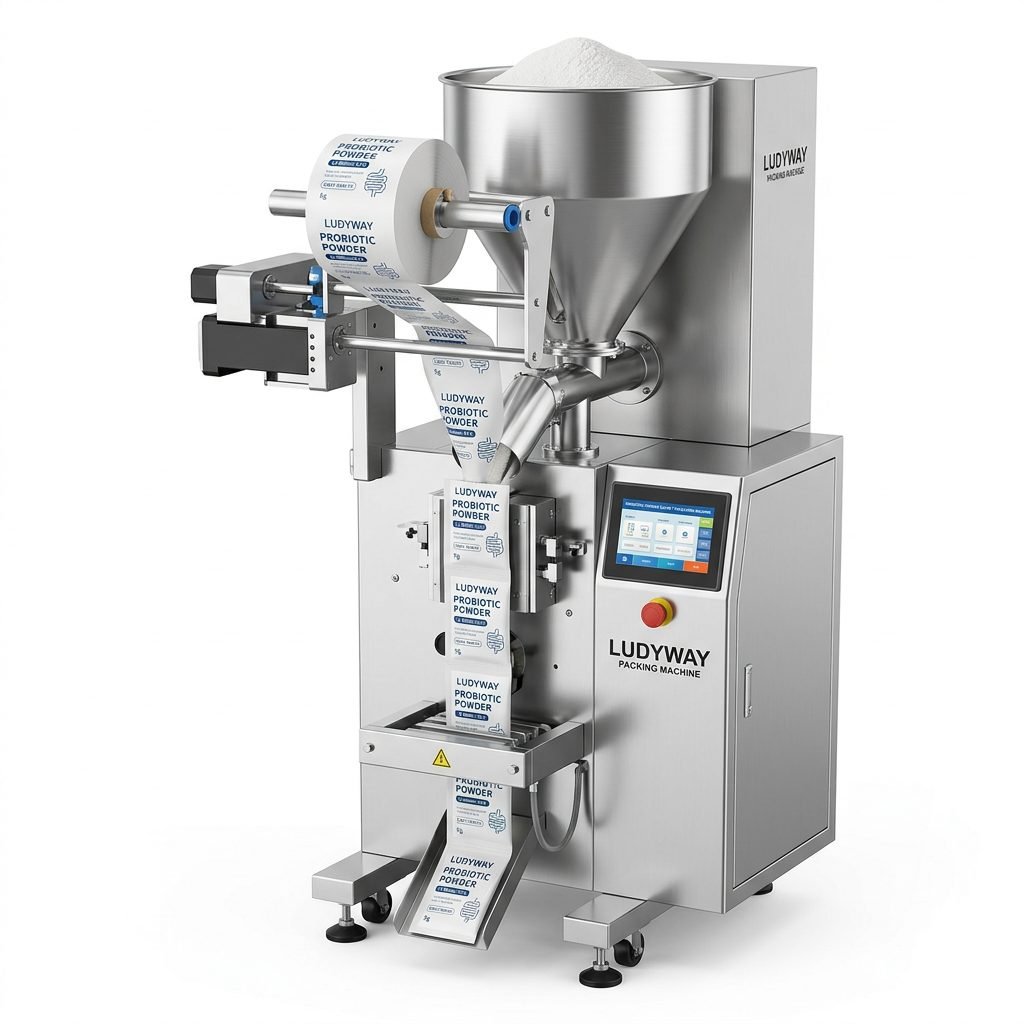
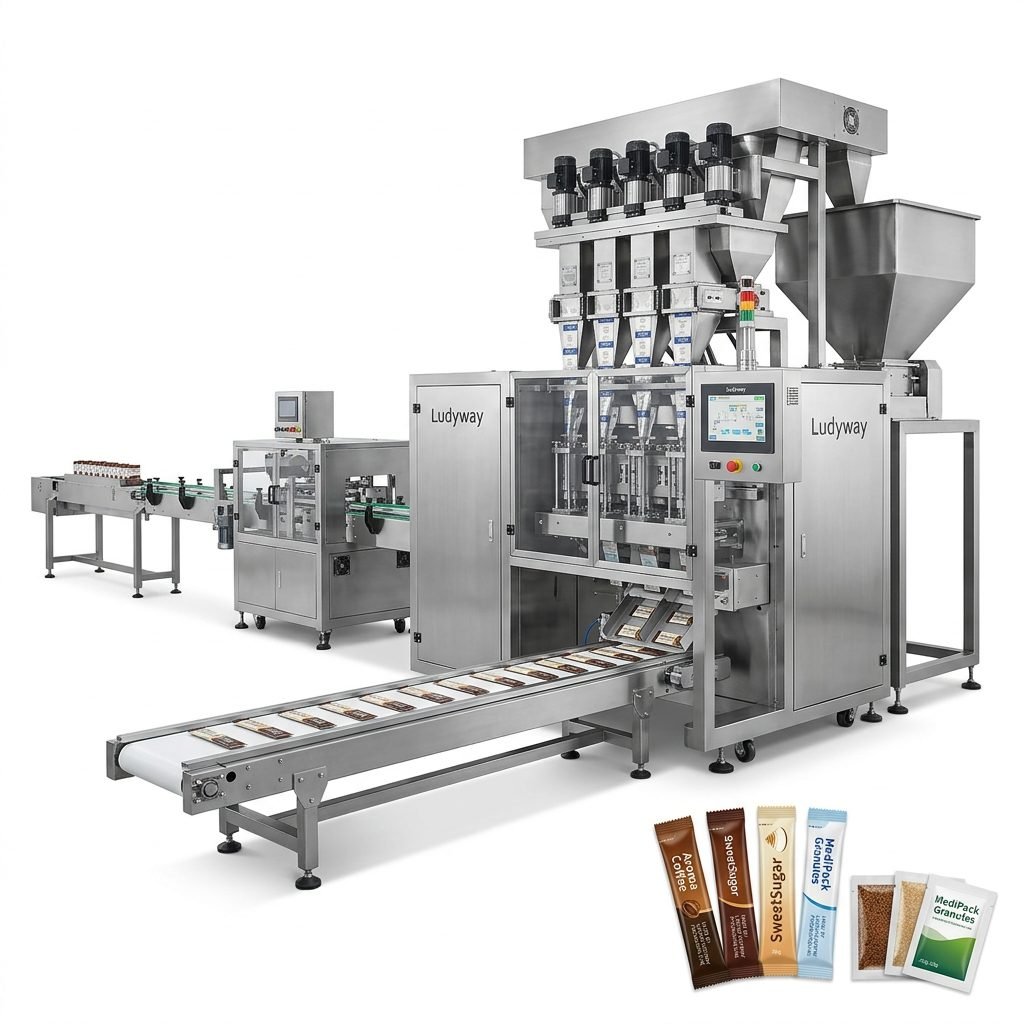
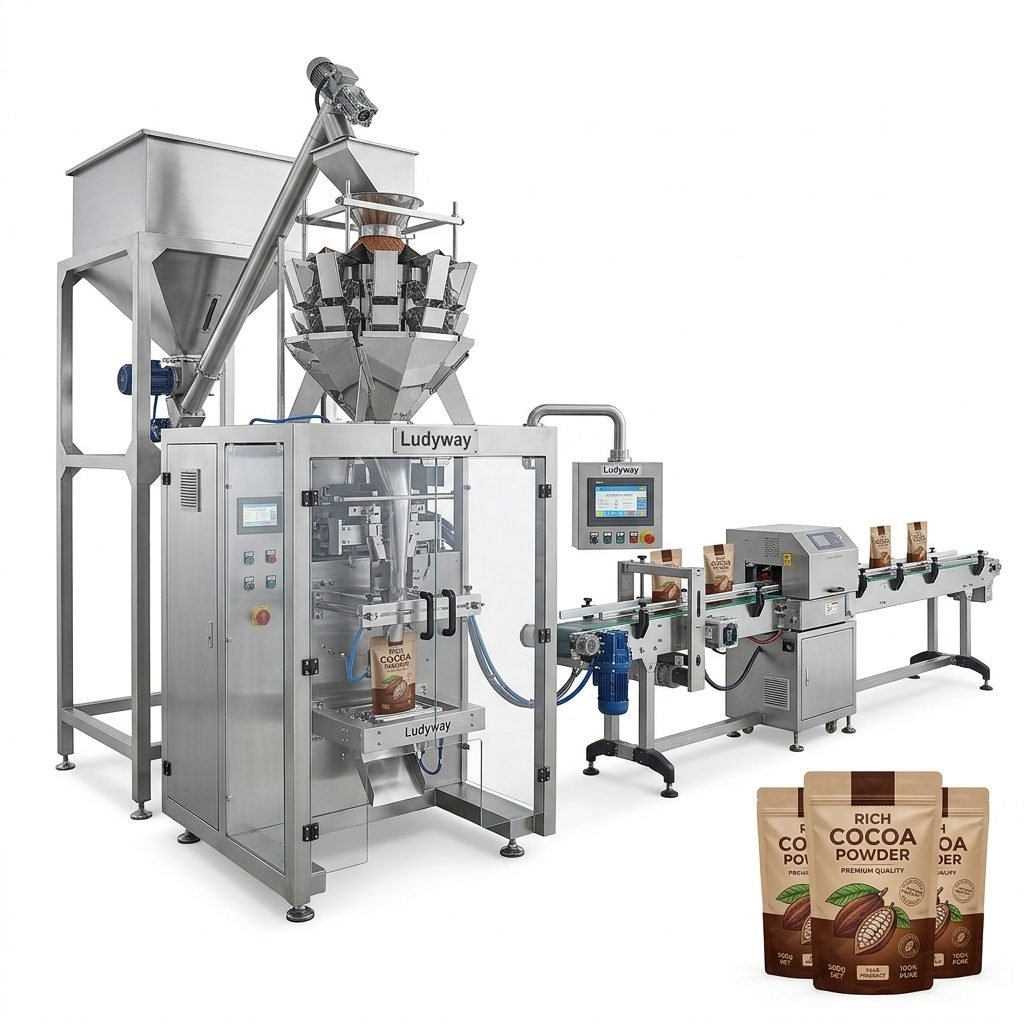
| Rotary Powder Packing Machine | Auger filler / Multi-head weigher | Milk powder, protein powder, spices, flour, coffee |
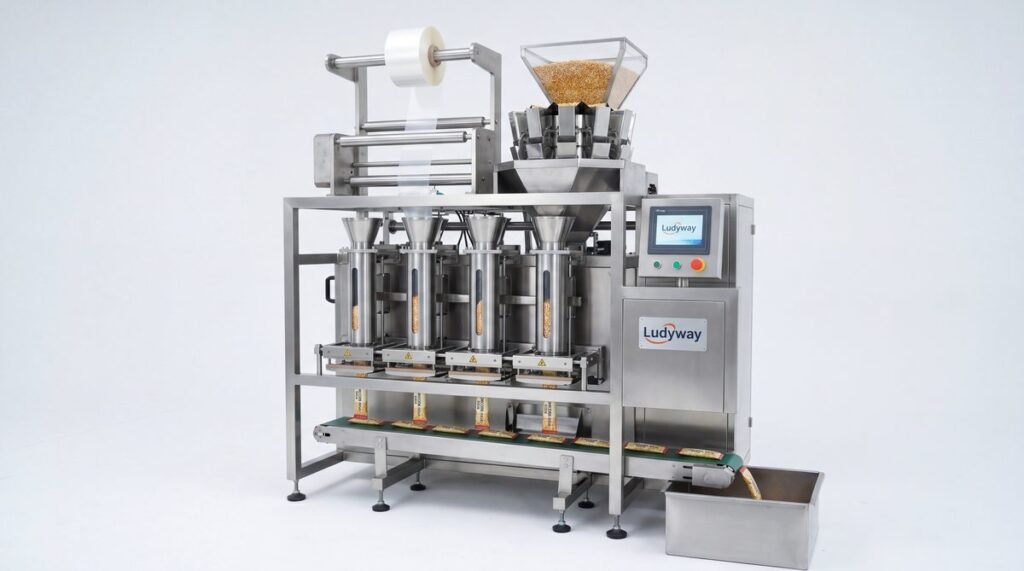
| Rotary Granule Packing Machine | Volumetric cup / Multi-head weigher | Sugar, salt, seeds, pet food, fertilizer granules |
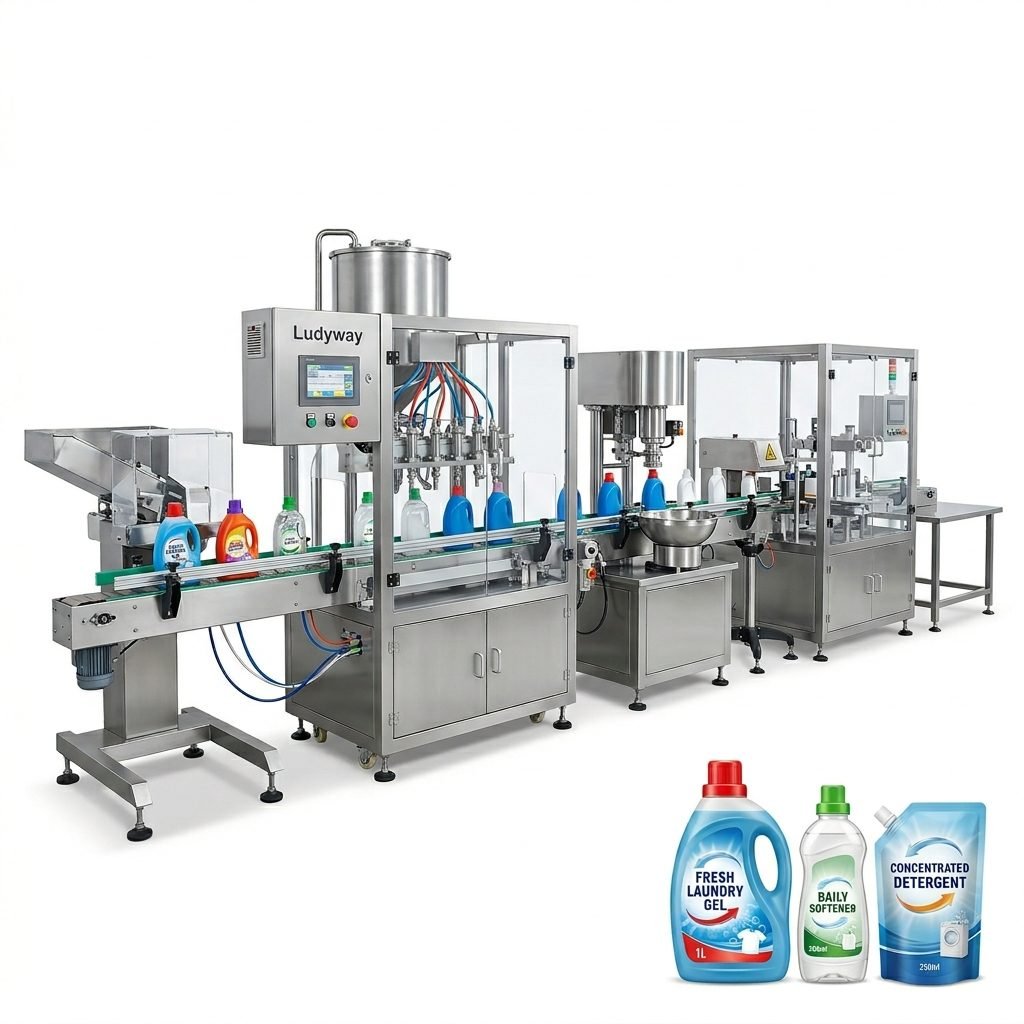
| Rotary Liquid Packing Machine | Piston filler / Peristaltic pump | Sauces, shampoos, oils, liquid detergents, serums |
| Rotary Stick Pack Machine | Auger / Volumetric / Piston | Single-serve beverages, supplements, instant coffee, honey |
Quality Standards and Compliance Requirements
When selecting a rotary packing machine, verify that the equipment meets relevant quality and safety standards. Key benchmarks include:
- ISO packaging standards — refer to ISO 55 series for packaging
- GMP compliance — essential for pharmaceutical and food-grade applications
- CE marking — required for equipment sold in the European market
- FDA-compliant materials — all product-contact surfaces must meet food-grade standards
- Electrical safety certifications — UL, CSA, or equivalent depending on the target market
Machines used in pharmaceutical packaging often require additional validation documentation, including IQ (Installation Qualification), OQ (Operational Qualification), and PQ (Performance Qualification) protocols.
Total Cost of Ownership Considerations
Beyond the initial purchase price, a comprehensive cost analysis should account for:
- Film waste rates — rotary machines with precise film registration typically generate less waste
- Energy consumption — continuous motion generally uses power more efficiently than intermittent systems
- Spare parts availability — ensure the manufacturer maintains inventory for critical wear components
- Changeover time — tool-less changeover designs reduce downtime between product runs
- Operator training requirements — intuitive HMI interfaces lower training costs
- Preventive maintenance schedules — clear maintenance protocols extend machine lifespan
A machine with a higher upfront cost but lower operating expenses often delivers superior return on investment over its service life compared to a budget alternative with higher waste, downtime, and maintenance costs.
Evaluating Manufacturer Capabilities
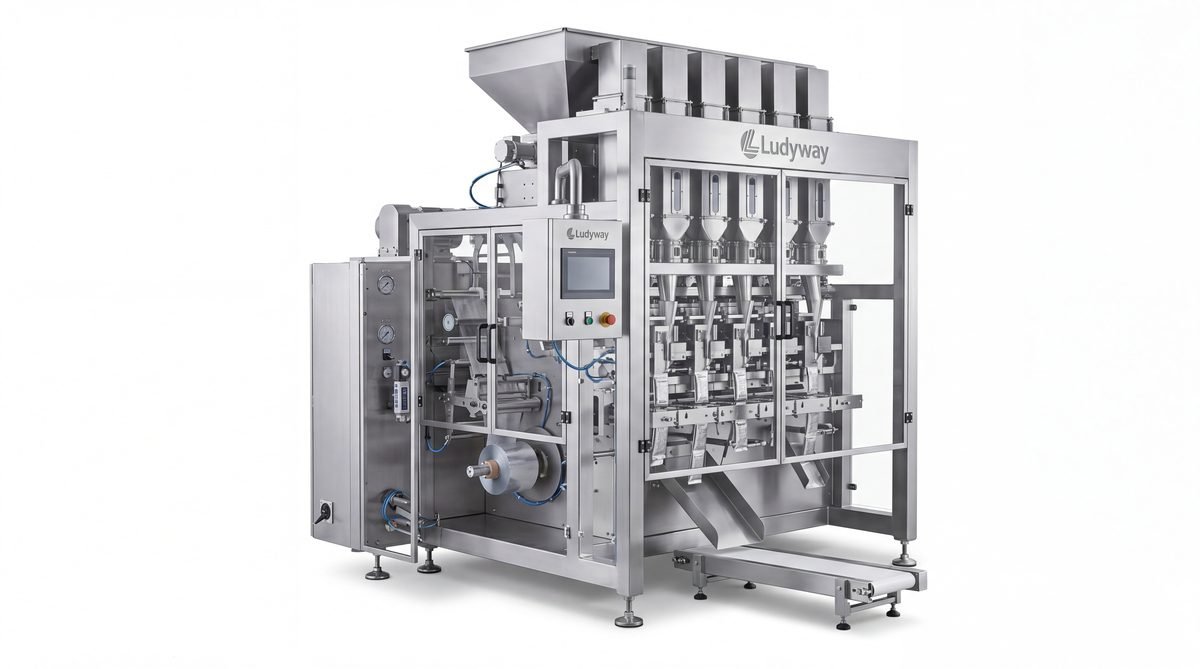
Choosing the right equipment partner is as important as choosing the right machine. A manufacturer with in-house engineering, application experience, and global service capabilities can provide long-term value beyond the initial sale. For instance, Ludyway Machinery, with over 30 years of industry experience and a 20,000-square-meter manufacturing facility, offers comprehensive support from equipment selection and customization through installation, commissioning, and after-sales service across more than 100 countries — an approach that helps manufacturers achieve reliable, scalable packaging operations.
Key manufacturer evaluation criteria include:
- Industry experience — proven track record with similar products and applications
- Customization capabilities — ability to tailor machines to specific product and production requirements
- Technical support infrastructure — availability of remote assistance, on-site service, and operator training
- Spare parts logistics — efficient parts supply chain to minimize downtime
- References and case studies — verifiable success stories from manufacturers in your industry
According to recent industry data, the global packaging machinery market continues to expand, driven by increasing automation adoption and demand for flexible packaging formats across diverse industries.
Making the Final Decision: A Step-by-Step Checklist
Use the following checklist to guide your evaluation process when selecting a rotary packing machine:
- Define your product specifications — particle size, density, flowability, moisture sensitivity
- Determine required output — current and projected production volumes in packs per minute
- Identify packaging format — stick pack, sachet, pouch dimensions and sealing requirements
- Verify film compatibility — material structure, thickness range, barrier requirements
- Assess facility constraints — available floor space, ceiling height, utility connections
- Review automation needs — integration with upstream feeding and downstream cartoning
- Confirm regulatory compliance — GMP, CE, FDA, ISO standards applicable to your market
- Evaluate manufacturer support — installation, training, spare parts, and after-sales service
- Calculate total cost of ownership — purchase price plus operating costs over the machine’s expected life
- Request a factory acceptance test (FAT) — validate performance with your actual product before shipment
Selecting the right rotary packaging machine is a strategic investment that impacts production efficiency, product quality, and long-term profitability. By carefully evaluating product characteristics, production requirements, machine configurations, compliance needs, and manufacturer capabilities, you can make a confident, well-informed purchasing decision that supports your business growth for years to come.