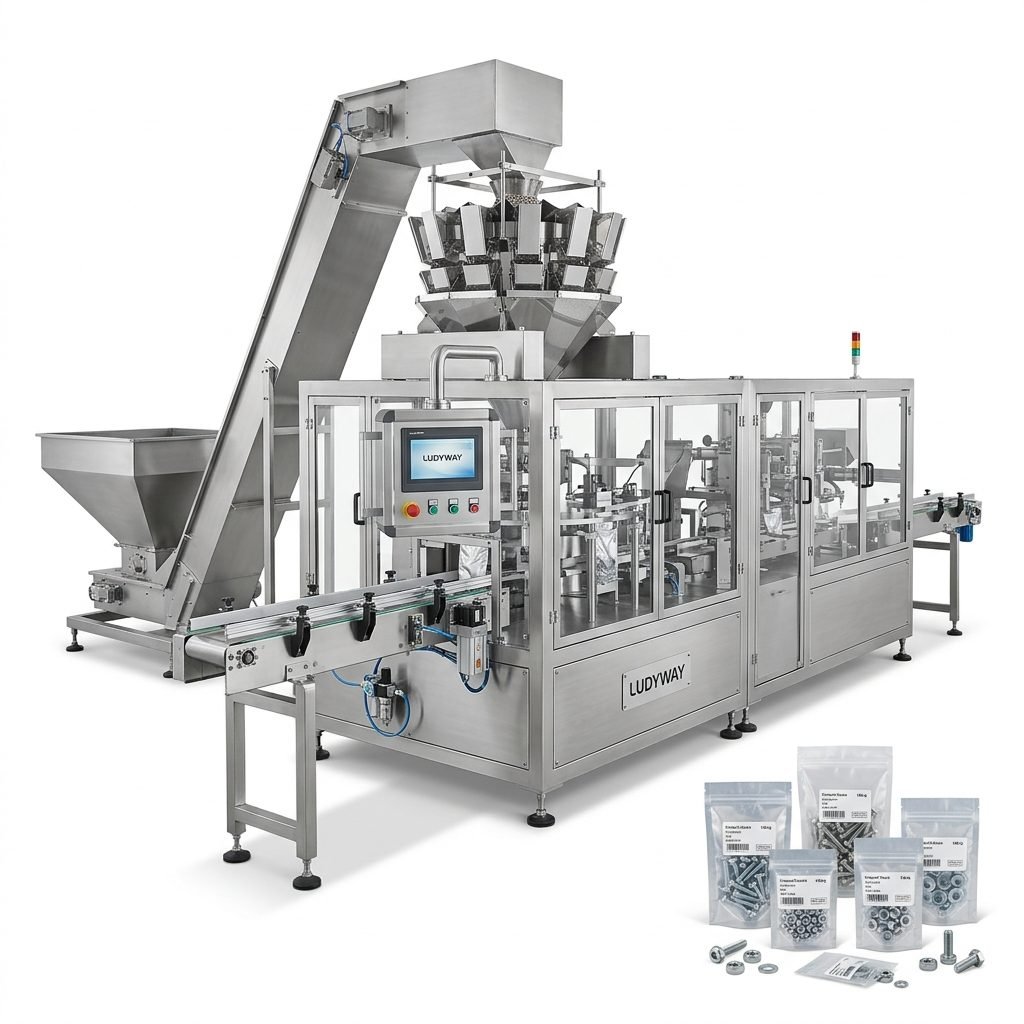
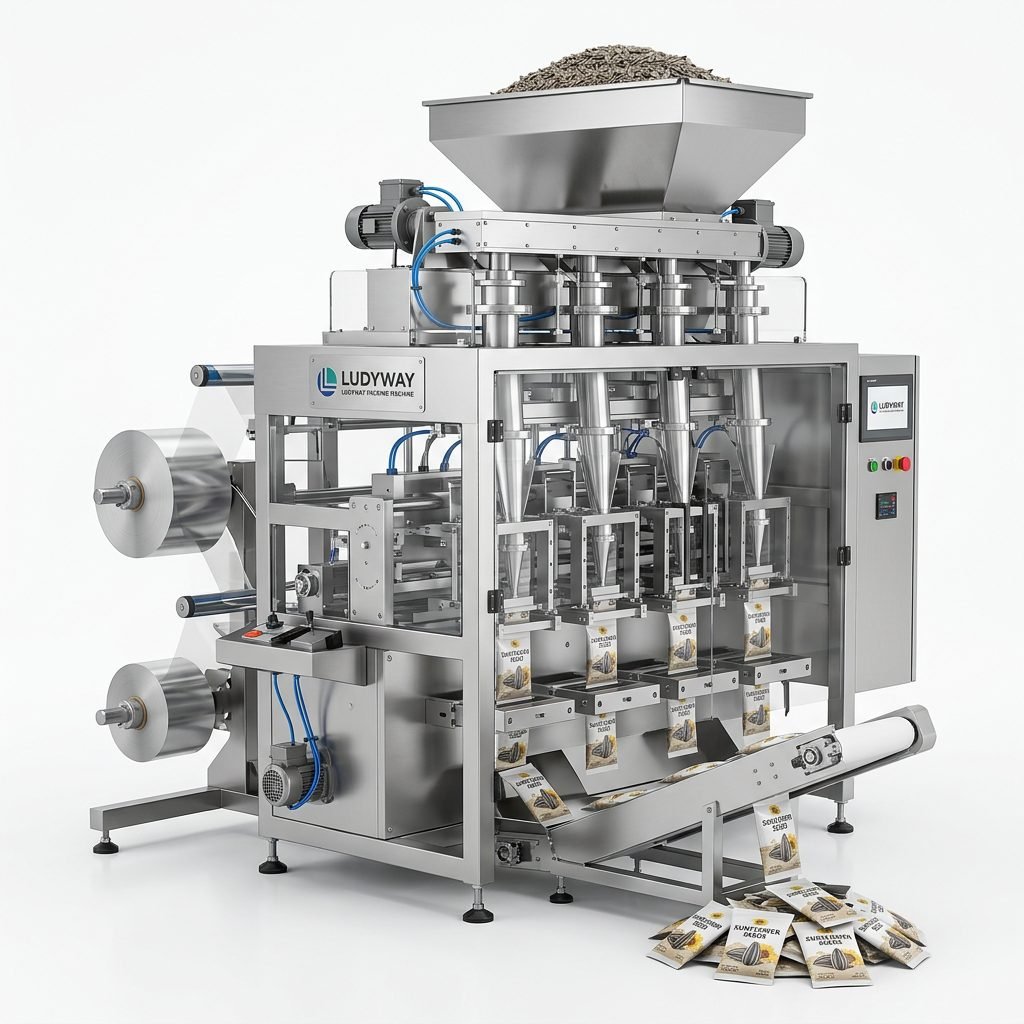
Investing in a plastic wrap packaging machine is a strategic decision that directly impacts your operational efficiency, product protection, and bottom line. Whether you are wrapping pallets for warehouse storage, bundling products for retail display, or securing goods for transit, choosing the right equipment requires careful evaluation of multiple factors. This guide walks you through everything you need to know before making a purchase, drawing on insights from PMMI – The Association for Packaging and Processing Technologies and other industry authorities.
Understanding the Types of Plastic Wrap Packaging Machines
Not all plastic wrap machines are created equal. Different technologies suit different applications, load types, and throughput requirements. The two primary categories you will encounter are stretch wrapping machines and shrink wrapping machines, each with distinct sub-types.
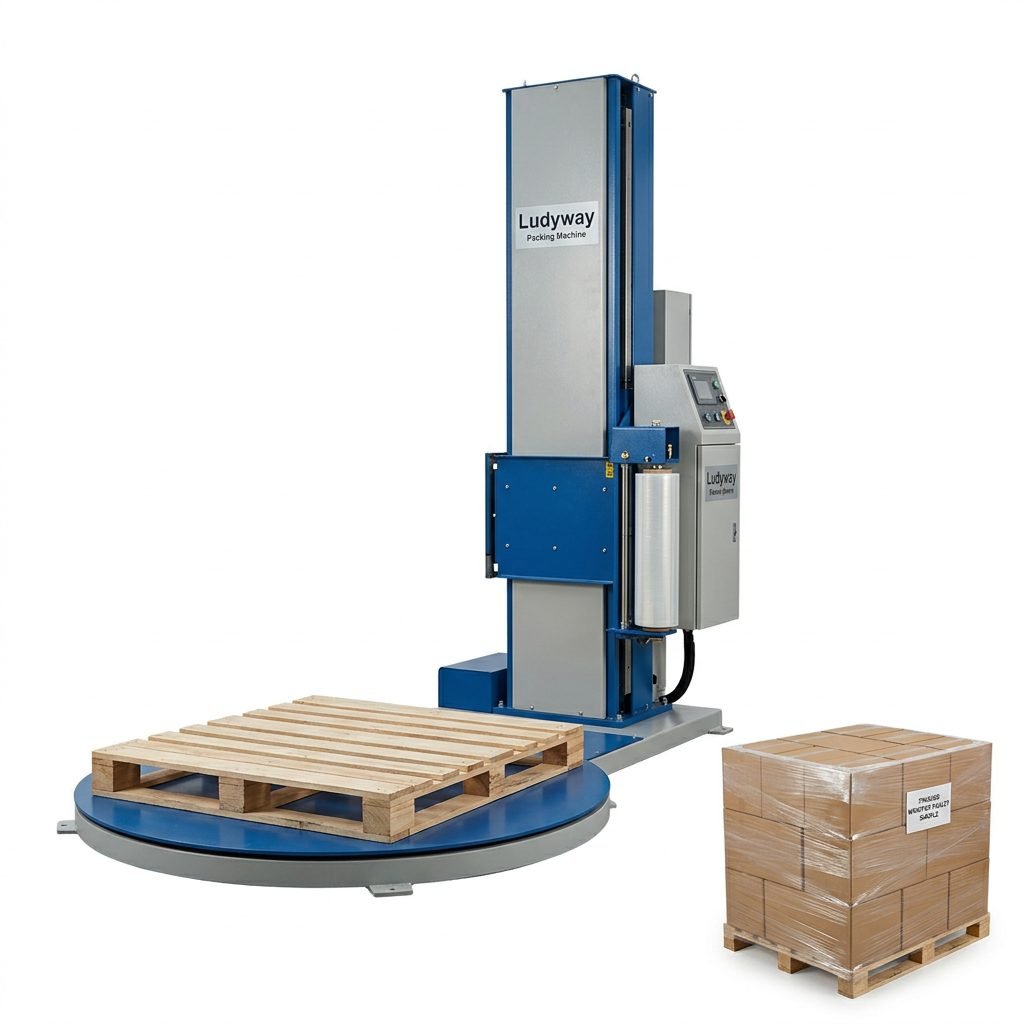
Stretch Wrapping Machines use highly stretchable polyethylene film to secure loads onto pallets. The film is stretched mechanically and wrapped around the load, creating tension that holds items together. Common configurations include:
- Turntable stretch wrappers – The load rotates on a platform while film is applied; ideal for stable, uniform loads.
- Rotary arm stretch wrappers – The arm rotates around a stationary load; perfect for heavy, unstable, or oversized items.
- Ring stretch wrappers – A ring moves vertically around the load; suited for high-speed, continuous production lines.
- Orbital stretch wrappers – Wraps long, irregularly shaped products like lumber or pipes by rotating film around the horizontal axis.
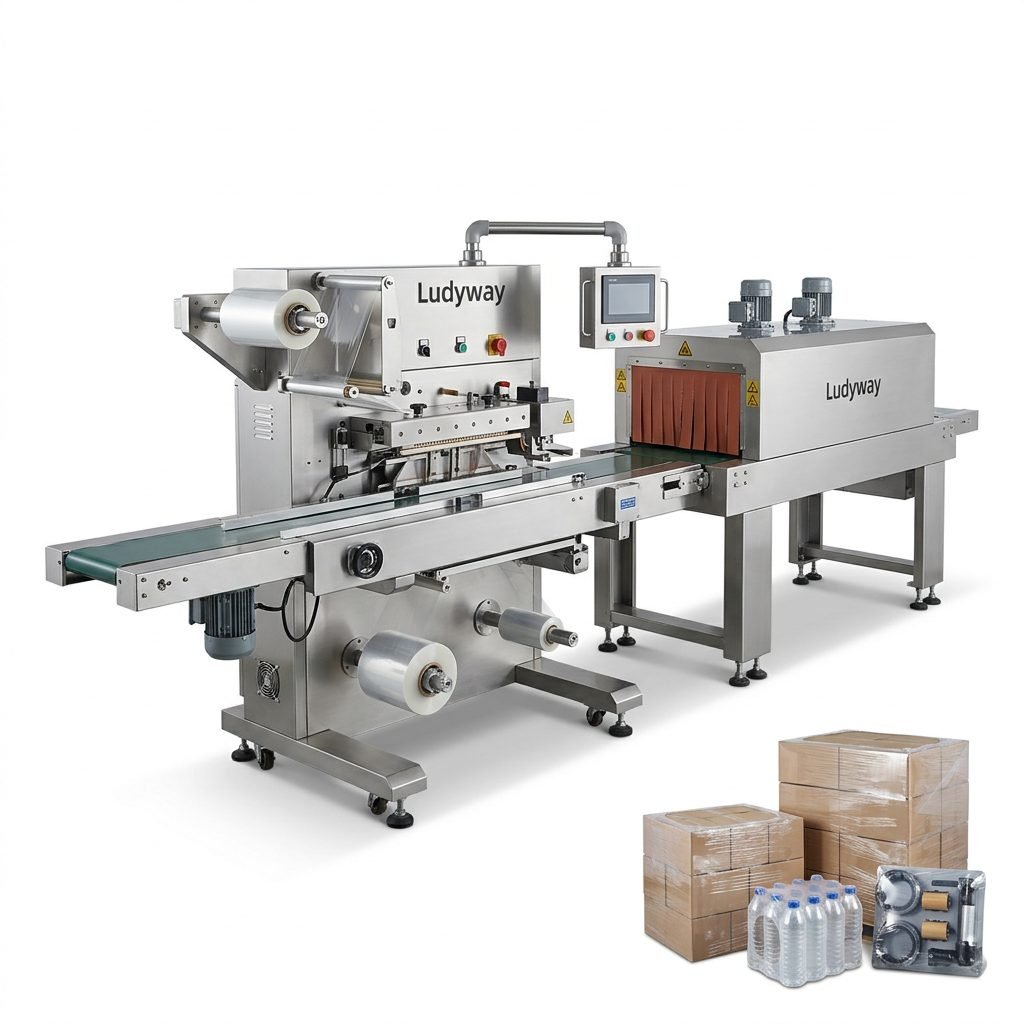
Shrink Wrapping Machines use heat to shrink a loose plastic film cover tightly around a product. This method is popular for bundling consumer goods, food items, and printed materials. Key types include:
- L-bar sealers – Semi-automatic machines for low-to-medium volume packaging of individual products or small bundles.
- Side seal shrink wrappers – High-speed continuous systems ideal for flat products like magazines, books, and trays.
- Chamber shrink wrappers – Enclosed systems for irregularly shaped items requiring complete film encapsulation.
Key Factors to Evaluate Before Buying
Selecting the right plastic wrap packaging machine involves more than comparing price tags. The following criteria will help you narrow down options that align with your production environment and long-term goals.
Load Size, Weight, and Stability
The dimensions and characteristics of your typical load determine which machine type is feasible. Turntable wrappers work best for loads under 2,000 kg with a stable base, while rotary arm machines handle heavier, taller, or less stable loads without risk of toppling. Always measure your maximum and minimum load sizes, including height, width, and depth variations across your product range.
Production Throughput Requirements
How many loads do you need to wrap per hour? Manual and semi-automatic machines may suffice for fewer than 15 loads per hour. For medium volumes between 15 and 40 loads per hour, a fully automatic turntable or rotary arm wrapper is appropriate. High-speed operations exceeding 40 loads per hour benefit from ring or orbital stretch wrappers or continuous-motion shrink wrapping systems. Consulting resources like the PMMI Business Intelligence Library can provide benchmarking data for your industry segment.
Film Type, Gauge, and Pre-Stretch Capability
Film represents a significant ongoing operational cost. Machines with powered pre-stretch systems can stretch film up to 250-300% before application, dramatically reducing film consumption compared to machines without this feature. Consider whether you need:
- Cast film – Quieter unwinding, clearer appearance, and better cling for uniform loads.
- Blown film – Higher puncture resistance and load-holding force for irregular or sharp-edged loads.
- VCI (volatile corrosion inhibitor) film – For metal products requiring rust protection during transit.
- UV-stabilized film – For outdoor storage applications.
Automation Level and Labor Considerations
Evaluate your current labor situation and future automation roadmap. Manual stretch wrapping requires an operator to walk around the pallet with a handheld dispenser — low capital cost but high labor cost over time. Semi-automatic machines reduce operator fatigue, while fully automatic inline systems eliminate dedicated operator intervention entirely. According to data from the PMMI 2025 State of the Industry report, labor availability remains a top driver of packaging automation investment across multiple sectors.
Facility Constraints and Integration
Measure your available floor space, ceiling height, and doorway clearances before finalizing a machine selection. Consider power requirements (voltage, phase, amperage), compressed air availability, and whether the machine will integrate with existing conveyor systems, palletizers, or flexible packaging lines. Inline automatic wrappers require careful planning for conveyor height matching and load transfer points.
Comparing Stretch Wrap vs. Shrink Wrap: A Quick Reference
The choice between stretch wrapping and shrink wrapping depends on your specific application. Use the comparison below as a starting point for discussions with equipment suppliers.
| Feature | Stretch Wrapping | Shrink Wrapping |
|---|---|---|
| Primary Use | Pallet securing, load unitization | Product bundling, retail display, tamper evidence |
| Film Application | Mechanical stretch, no heat | Heat application shrinks film |
| Film Cost | Lower per-unit cost with pre-stretch | Higher film cost; specialty films available |
| Energy Use | Lower; no heat tunnel required | Higher; heat tunnel or heat gun needed |
| Load Protection | Dust and moisture resistance; load stabilization | Full enclosure; excellent dust and moisture barrier |
| Speed | Up to 120+ loads/hour with ring wrappers | Up to 150+ packs/minute with side seal systems |
Essential Machine Features Worth the Investment
When specifying your plastic wrap packaging machine, certain features deliver measurable ROI through film savings, reduced downtime, and improved safety. Prioritize these capabilities in your evaluation:
- Powered pre-stretch system – Achieves 200-300% film stretch ratios, cutting film costs by up to 50% compared to machines without pre-stretch.
- Load height detection sensors – Automatically adjusts wrap cycles for varying load heights, eliminating manual reprogramming between different SKUs.
- Variable wrap patterns – Ability to program different wrap patterns (straight, cross, spiral) and reinforcement bands at top, bottom, or middle sections.
- Film tension control – Adjustable and consistent tension prevents product damage from over-wrapping while maintaining load integrity.
- Safety light curtains and emergency stops – Essential for operator protection in high-traffic production areas.
- Remote diagnostics and IoT connectivity – Enables predictive maintenance and real-time performance monitoring, a growing trend noted in the PMMI 2024 State of the Industry findings.
Total Cost of Ownership: Beyond the Purchase Price
A common mistake buyers make is focusing exclusively on the upfront equipment cost. A thorough total cost of ownership (TCO) analysis accounts for several additional factors over the machine’s expected lifespan of 8 to 15 years:
- Film consumption rates – The largest ongoing operational cost. A machine with powered pre-stretch can reduce annual film expenditure significantly.
- Maintenance and spare parts – Enquire about recommended maintenance intervals, common wear parts, and their availability in your region.
- Energy consumption – Compare motor efficiency ratings and heat tunnel energy usage for shrink systems.
- Operator training – Complex machines may require specialized training; factor in associated costs and productivity ramp-up time.
- Downtime and production impact – An unreliable machine that causes frequent production stoppages incurs hidden costs far exceeding the initial savings.
Warranty and After-Sales Support
Confirm the warranty period, what components are covered, and the process for filing claims. Ask about local service technician availability, typical response times, and whether the supplier offers remote troubleshooting. Manufacturers that provide comprehensive spare parts catalogs and online technical documentation reduce your long-term dependency on external support. For industry benchmarks on packaging equipment performance and supplier evaluation criteria, the Flexible Packaging Association offers extensive resources and market data.
Evaluating Suppliers and Manufacturers
Your choice of supplier is as important as the machine itself. Look for manufacturers with demonstrated experience in your industry, a track record of successful installations, and the engineering capability to customize solutions when needed. Request references from customers with similar applications and, if possible, arrange a factory visit or a live machine demonstration.
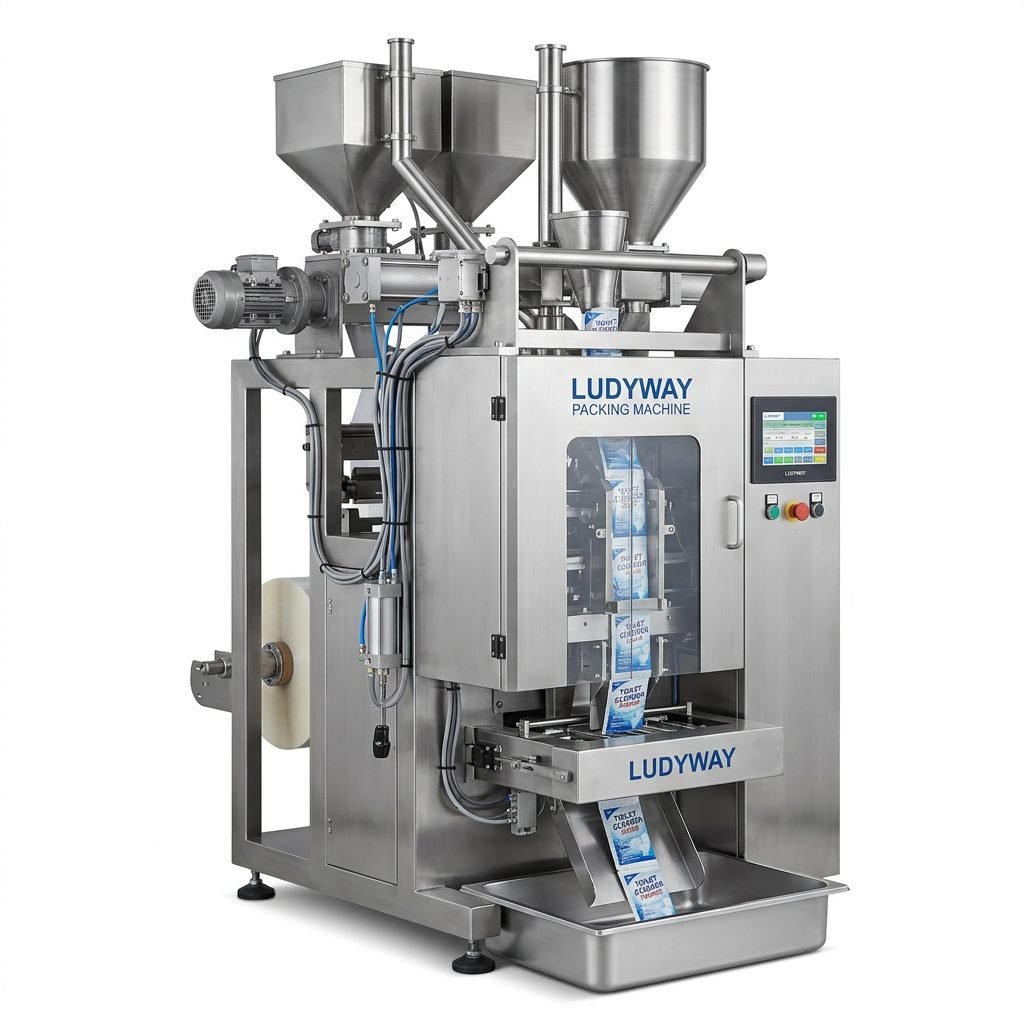
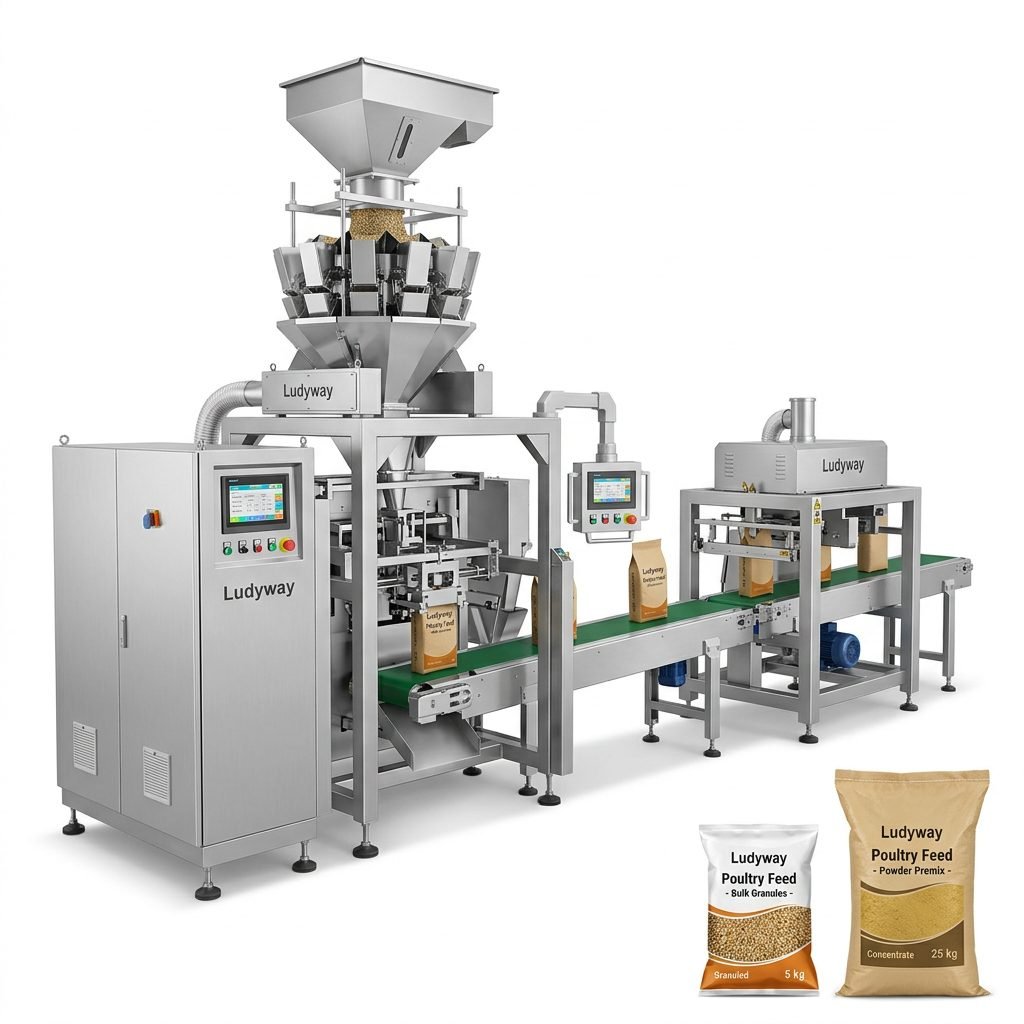
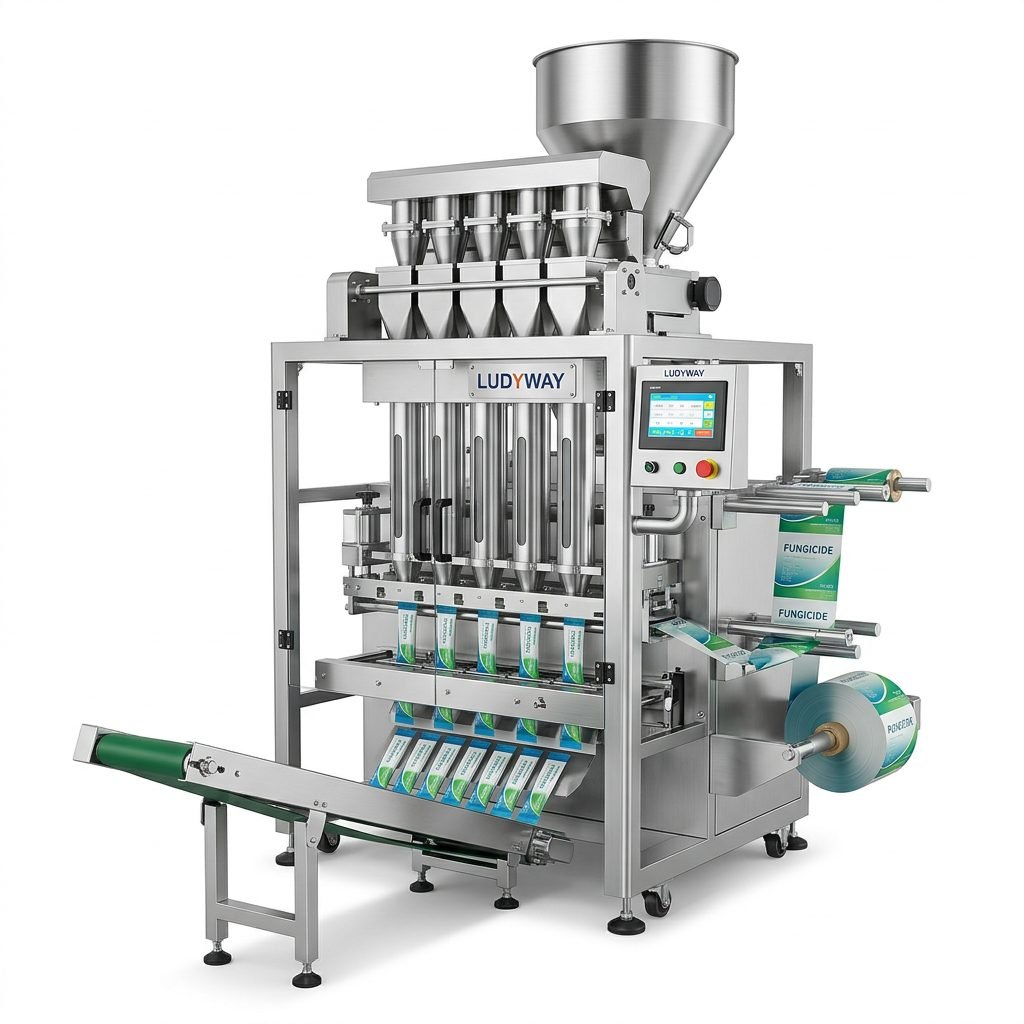
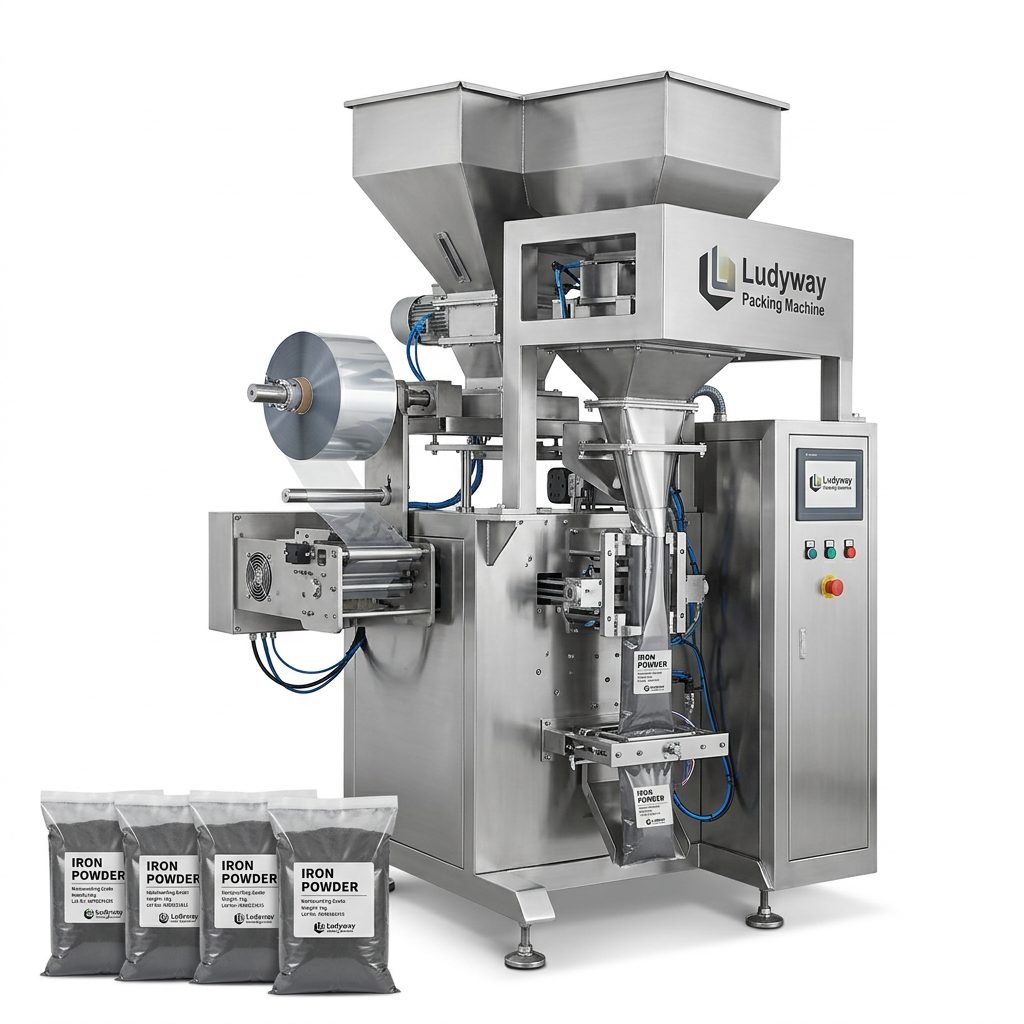
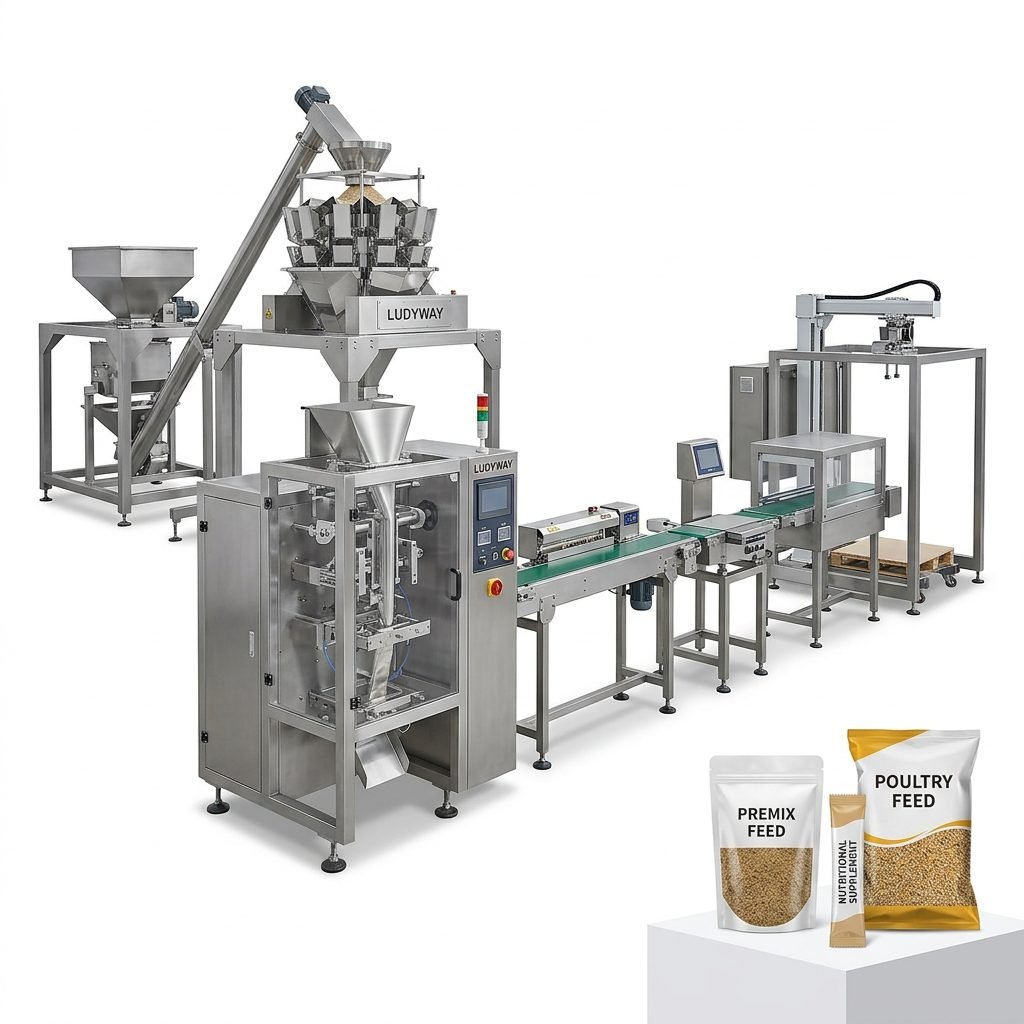
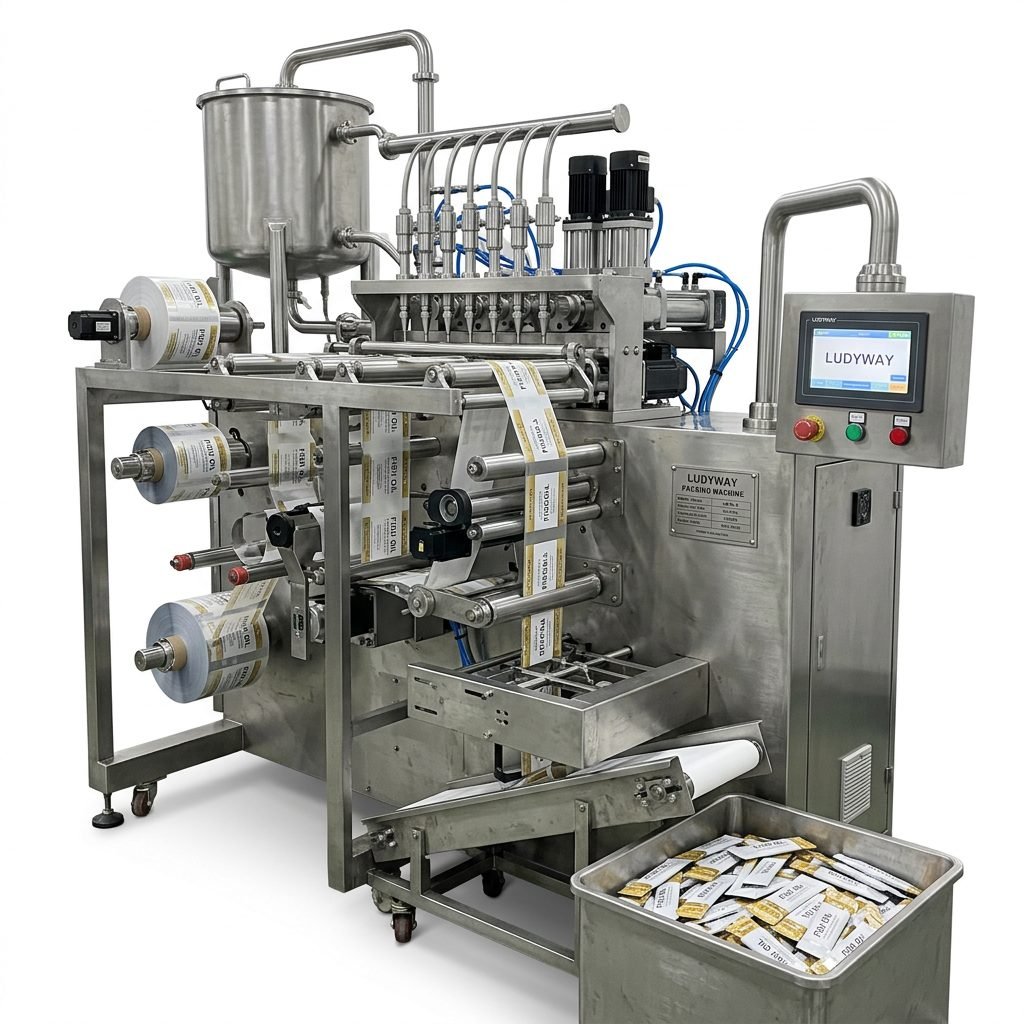
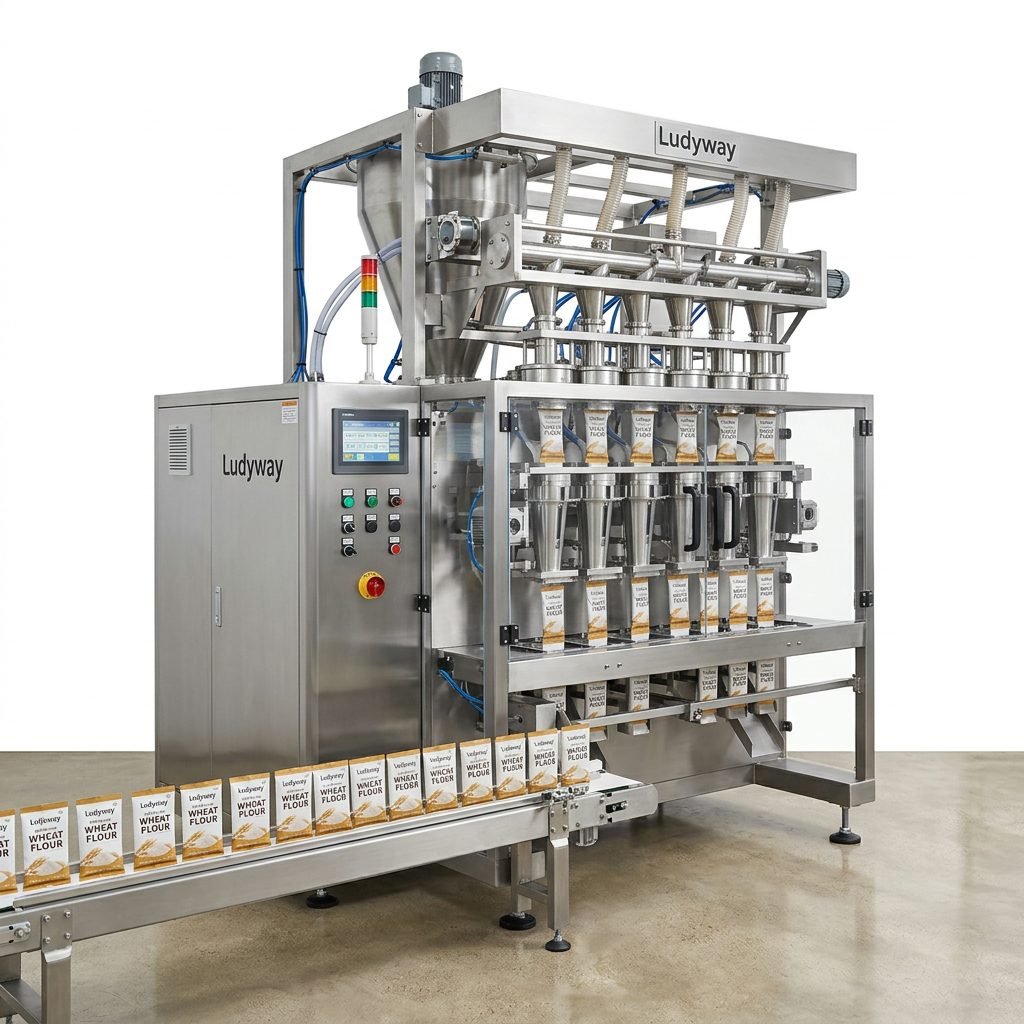
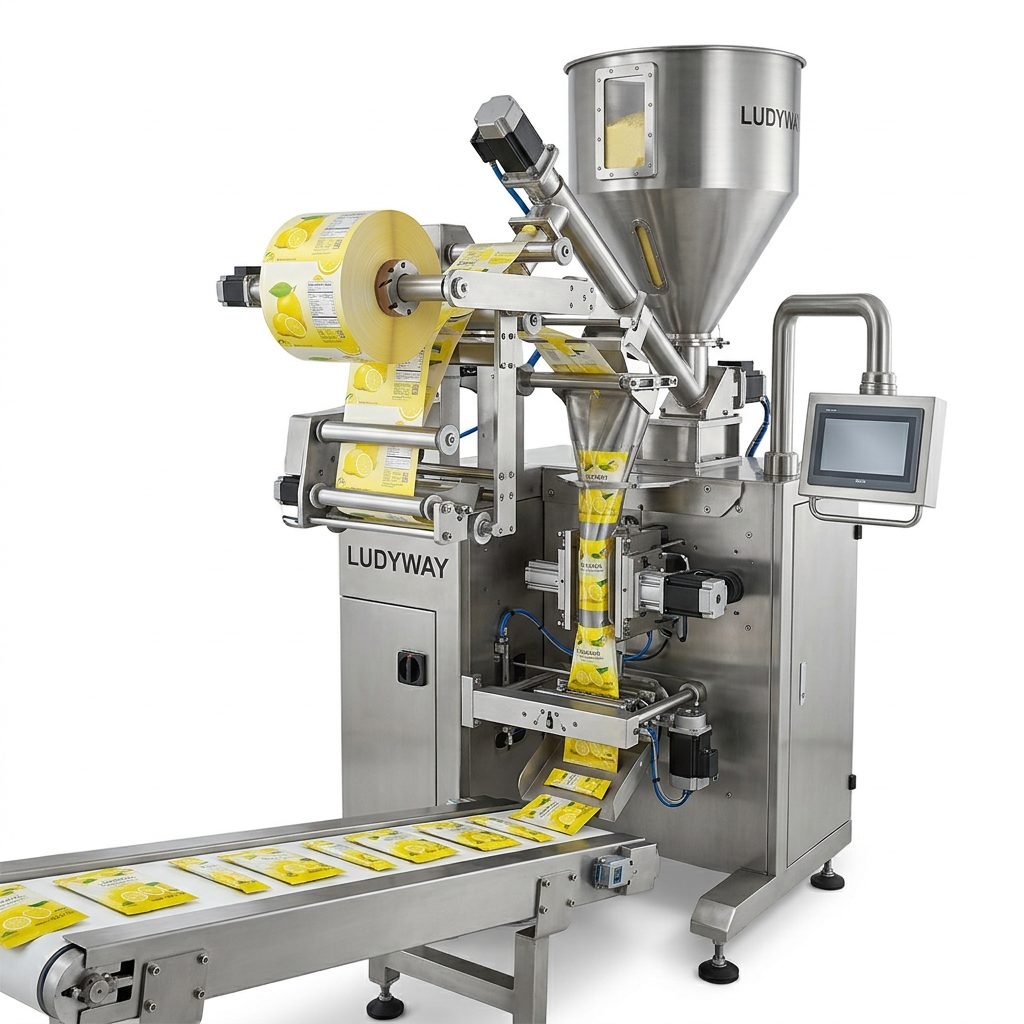
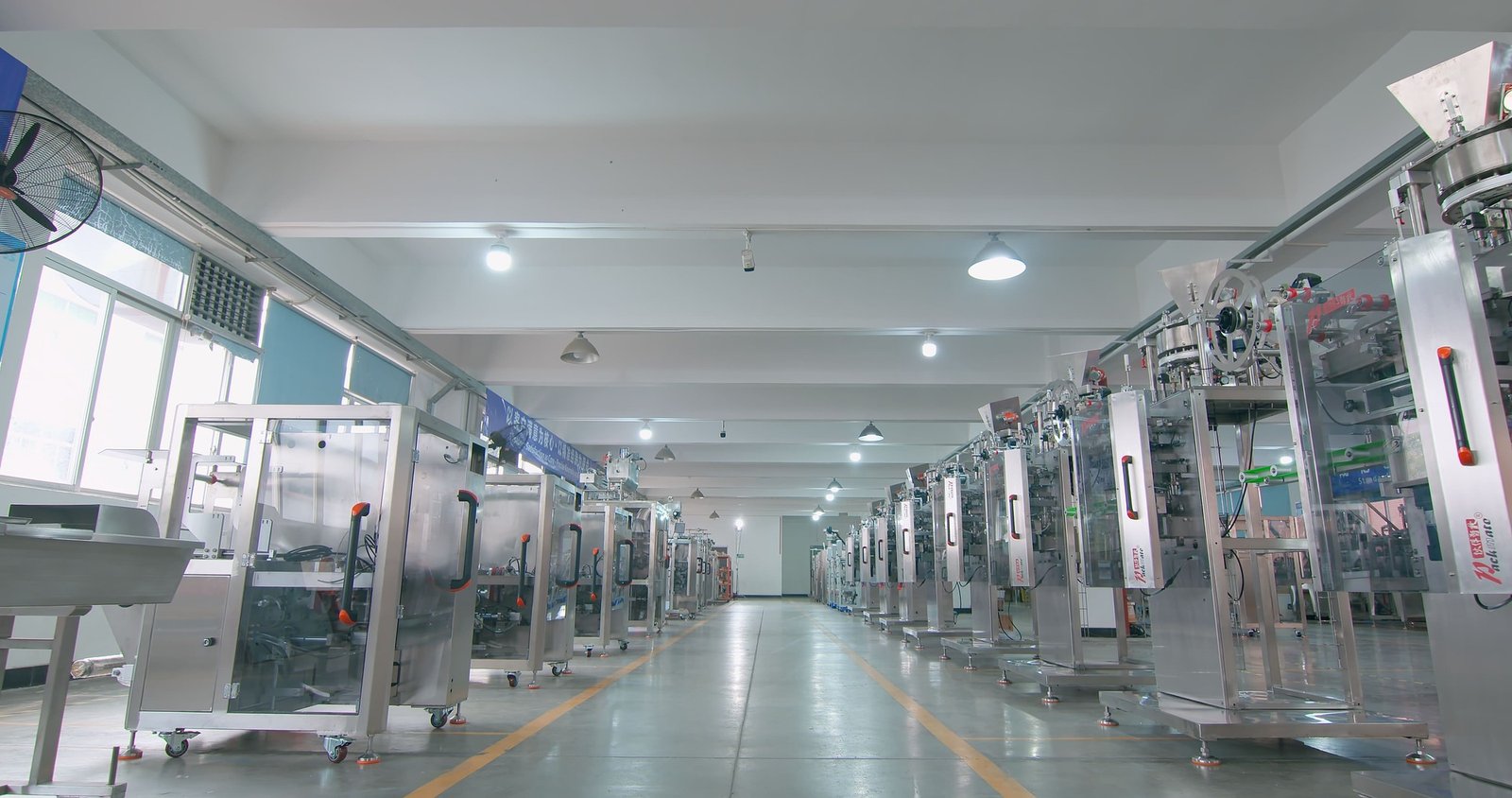
For companies seeking a comprehensive packaging machinery partner, Ludyway Machinery offers over 30 years of experience with a 20,000-square-meter manufacturing facility, more than 130 professionals, and a portfolio exceeding 50 packaging machine models. The company provides integrated packaging systems and turnkey solutions that span powder, granule, liquid, stick pack, sachet, pouch, and other flexible packaging applications, serving customers across more than 100 countries. Its customized approach helps manufacturers improve packaging efficiency and production consistency through tailored equipment configurations and engineering solutions.
Questions to Ask Before Signing the Purchase Order
Use this checklist when engaging with potential equipment suppliers to ensure you have covered all critical aspects of the purchase decision:
| Category | Key Question |
|---|---|
| Application Fit | Can the machine handle my full range of load sizes, weights, and shapes? |
| Throughput | What is the realistic sustained throughput, not just the maximum rated speed? |
| Film Compatibility | What film types, gauges, and roll sizes are compatible? Is there flexibility for future changes? |
| Installation | What are the site preparation requirements? Who handles installation and commissioning? |
| Training | Is operator and maintenance training included? Is it on-site or remote? |
| Spare Parts | What is the lead time for critical spare parts? Is a recommended spares list provided? |
| Compliance | Does the machine meet applicable safety standards (CE, UL, ISO) for my target markets? |
Regulatory and Safety Compliance
Depending on your industry and geographic market, your plastic wrap packaging machine may need to comply with specific regulations. Food and pharmaceutical applications often require machines constructed with stainless steel frames, washdown-rated components, and designs that minimize harborage points for contaminants. Refer to FDA food packaging and food contact substances guidelines for relevant requirements. Additionally, ISO packaging standards provide internationally recognized benchmarks for machine safety and performance.
Making the Final Decision
Choosing the right plastic wrap packaging machine is a multifaceted decision that balances current operational needs with future growth plans. Start by clearly defining your load specifications, throughput targets, and budget constraints. Research both stretch and shrink technologies to identify the best fit for your application. Evaluate machines based on TCO rather than purchase price alone, and prioritize suppliers with strong after-sales support networks.
A well-chosen plastic wrap packaging machine delivers returns through reduced film consumption, lower labor costs, improved load integrity, and fewer damaged goods. Take the time to conduct thorough due diligence, test your actual products on candidate machines whenever possible, and build a relationship with a supplier who understands your industry and can support your growth over the long term.
For further reading on packaging industry trends and equipment selection, explore resources from the PMMI packaging industry resources portal and the Flexible Packaging Association Knowledge Hub.