The Indian dairy industry is undergoing a remarkable transformation, and the demand for packaged butter is soaring. As organized retail expands and consumer preference shifts toward branded, hygienically packed products, setting up a high-efficiency butter packaging machine production line is no longer just an option—it’s a strategic necessity. Achieving high throughput, maintaining cold chain integrity, and ensuring precise weight control are the pillars of a successful setup. This guide walks you through selecting the right equipment, planning your layout, and scaling your operations effectively.
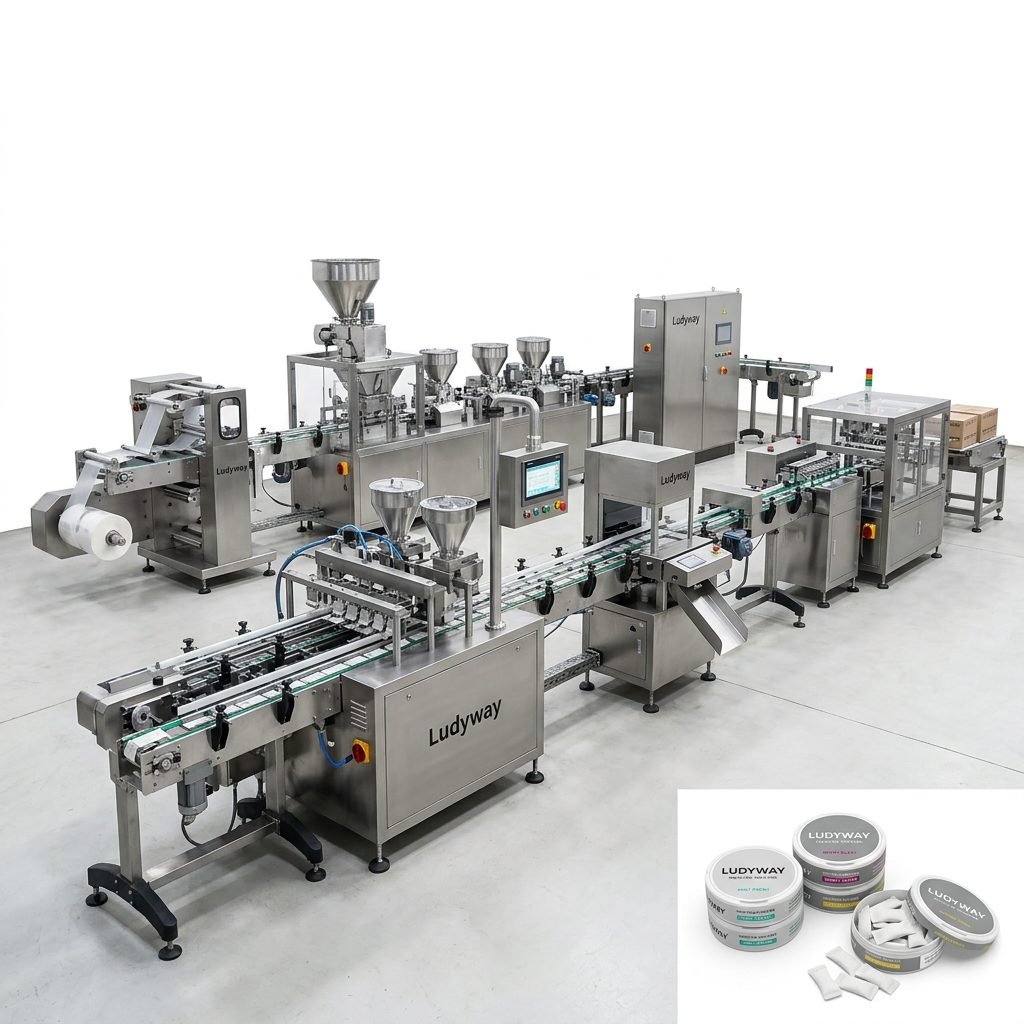
Understanding Butter Packaging Formats in the Indian Market
Before investing in machinery, you must define your primary packaging formats. The Indian market is diverse, catering to both household consumers and the HoReCa (Hotel/Restaurant/Café) segment. Common formats include:
- Parchment Paper Wraps: Traditional 100g and 500g blocks, requiring specialized folding and wrapping machines.
- Plastic Tub Filling: Ideal for table butter and spreads, ranging from 50g to 500g, using automated tub filling and sealing systems.
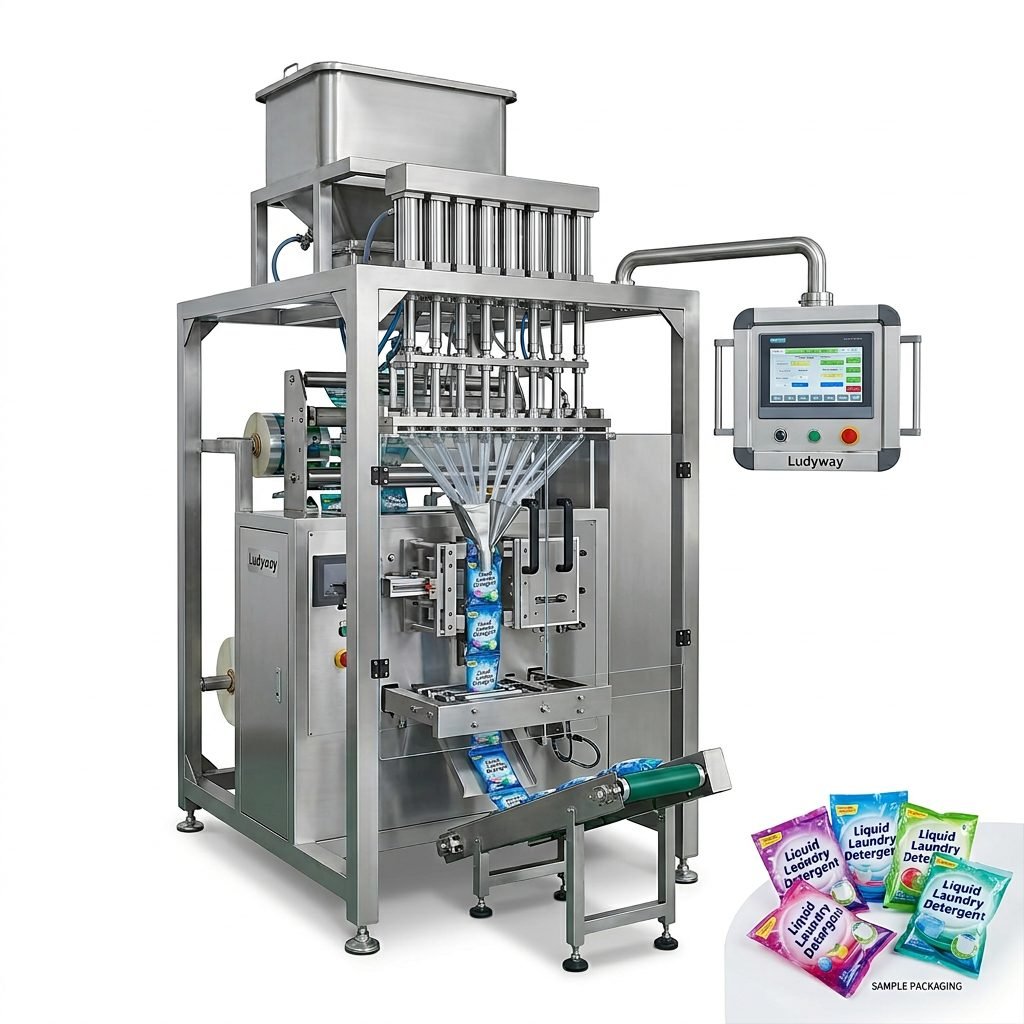
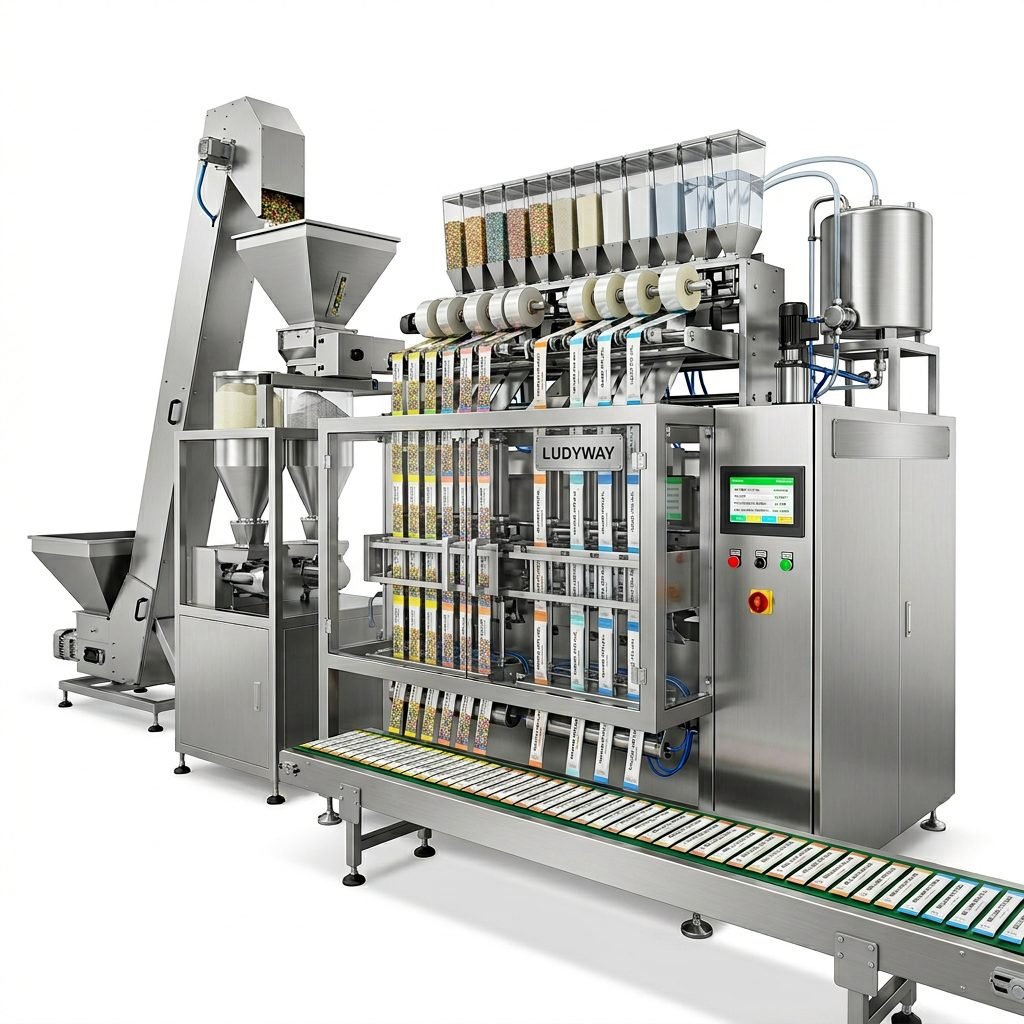
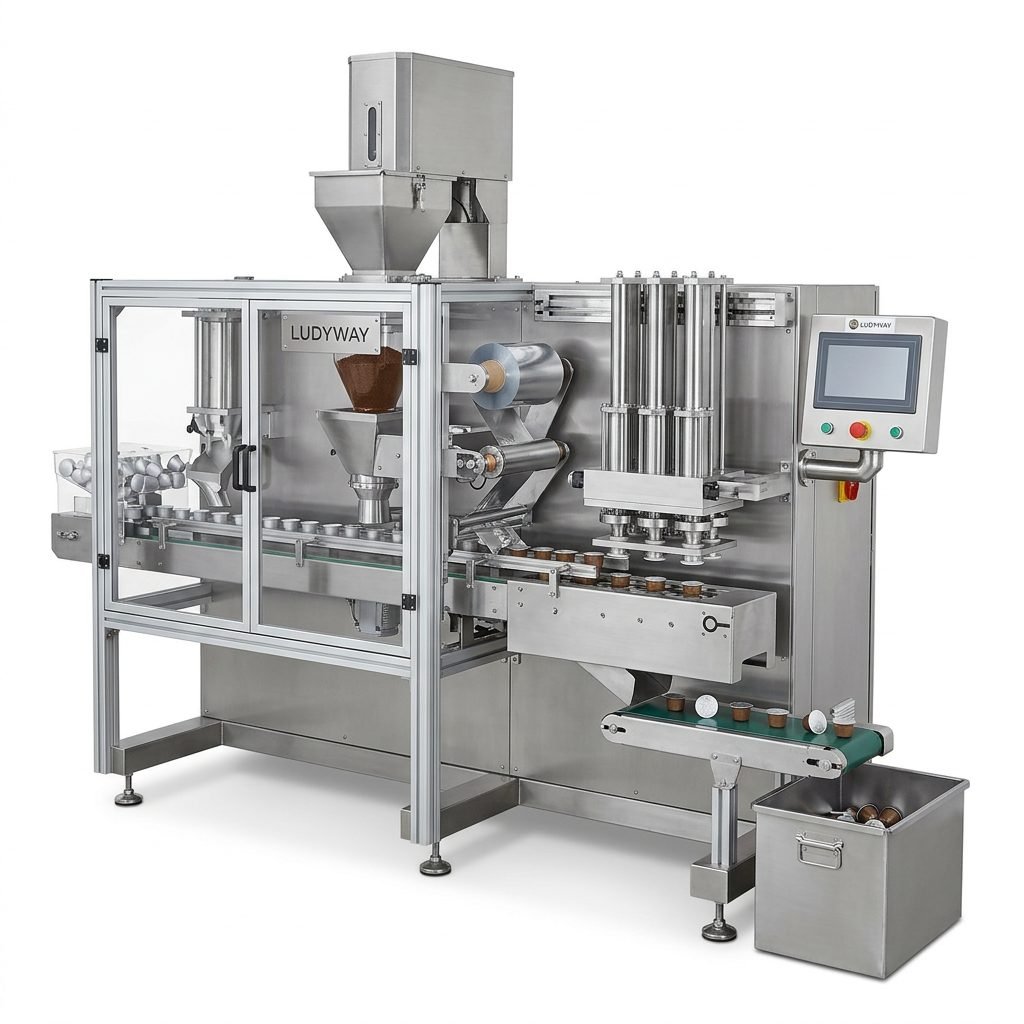
- Portion Control Packs: Single-serve 5g to 20g cups or sachets, demanding high-speed, multi-lane packaging machinery for precise dosing.
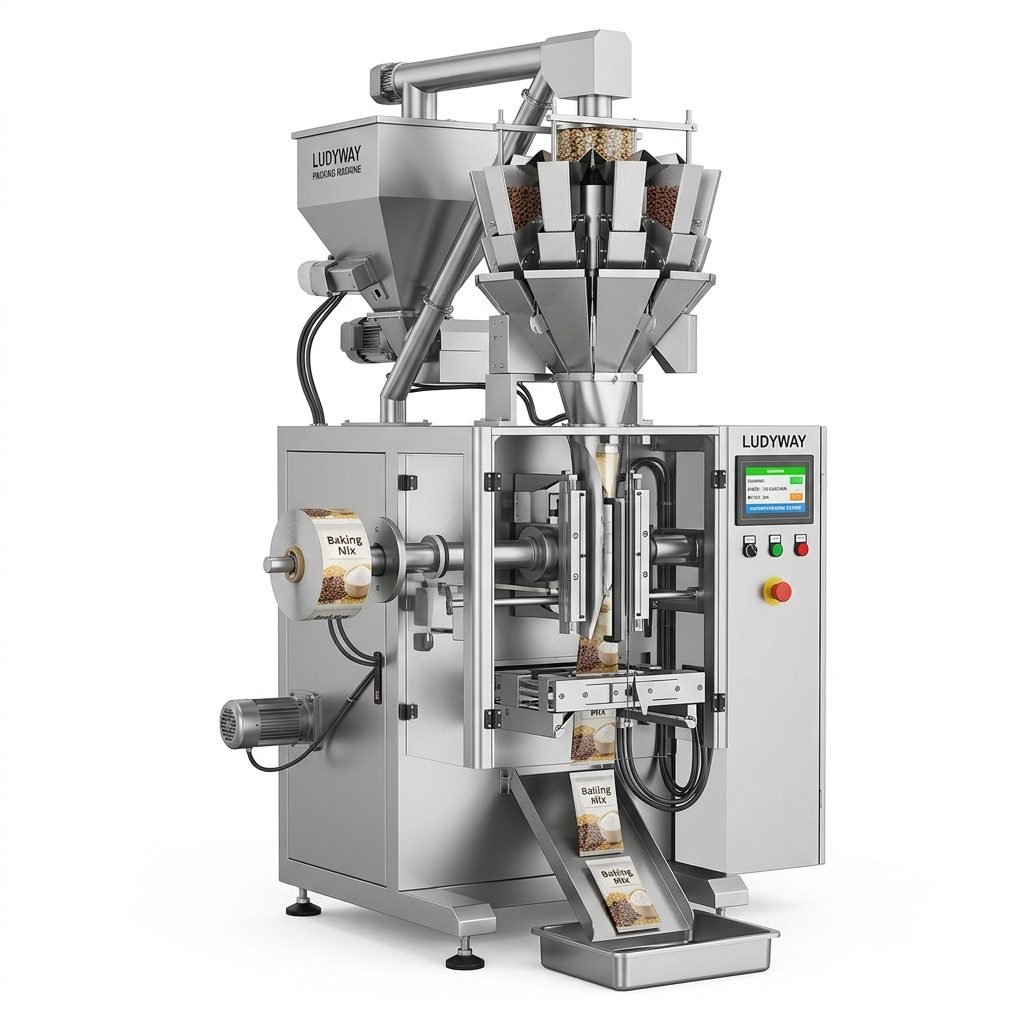
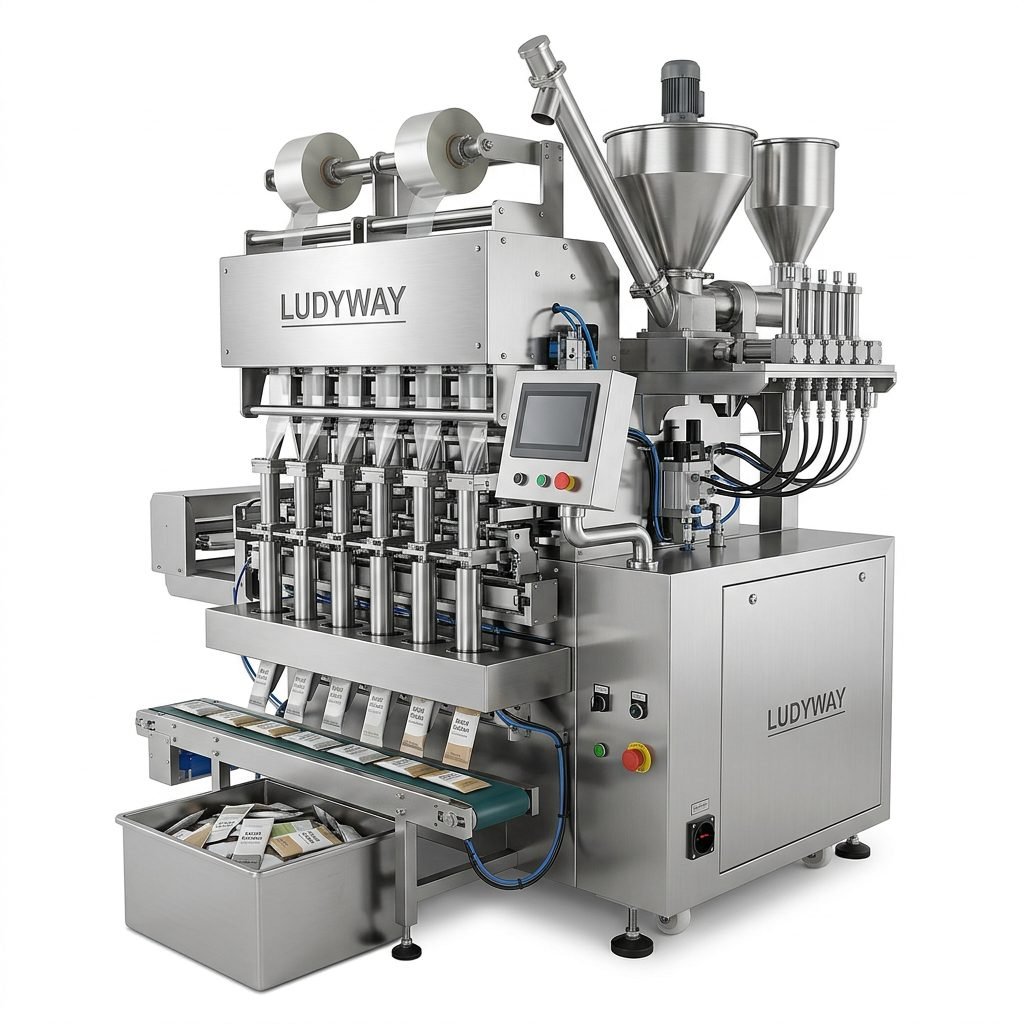
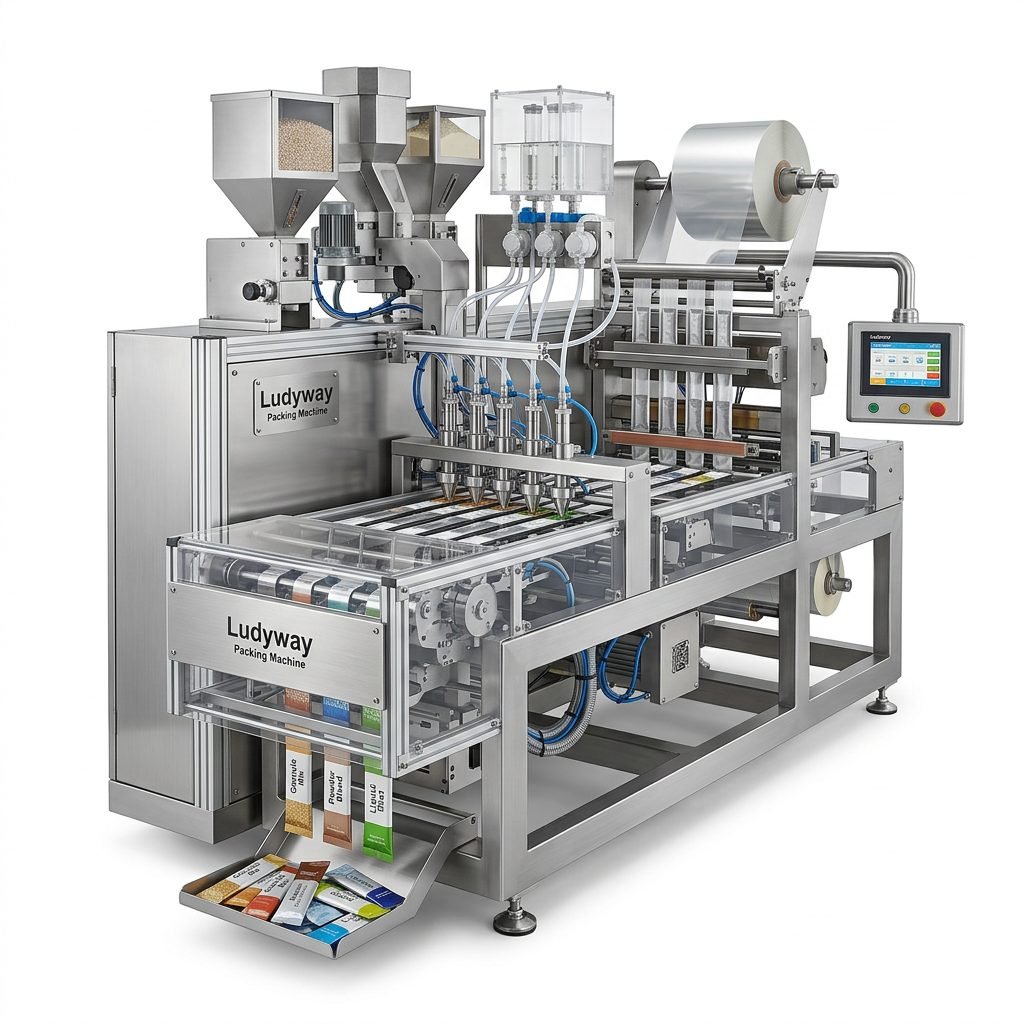
- Pillow Pouches & Stick Packs: Cost-effective for flavored butter or large institutional packs, utilizing horizontal or vertical form-fill-seal technology.
Key Machine Specifications to Prioritize
When evaluating a butter packaging line, tolerances are tight. Butter is a temperature-sensitive, viscous, and often sticky product. Your equipment must handle these physical properties without compromising speed.
Critical Technical Parameters
| Component | Specification Focus |
|---|---|
| Dosing System | Servo-driven piston or rotary filler with anti-drip nozzles |
| Temperature Control | Chilled hopper (8-12°C) to maintain butter consistency |
| Sealing Integrity | Heat or ultrasonic sealing resistant to grease leakage |
| Automation Level | PLC controlled with HMI touch screen for recipe management |
Production Speed Benchmarks
| Format | Optimal Speed (Packs/Min) |
|---|---|
| 100g Block Wrapping | 40 – 80 |
| 500g Tub Filling | 25 – 50 |
| 10g Portion Cup | 200 – 300 |
| Stick Pack | 400 – 600 (Multi-Lane) |
Planning the Facility Layout
Your factory layout in India must adhere to stringent FSSAI guidelines for dairy processing. Segregation of zones is critical to prevent cross-contamination. A properly designed line typically flows from the raw material cold storage to the processing area, then to the packaging hall, and finally to the finished goods cold store.
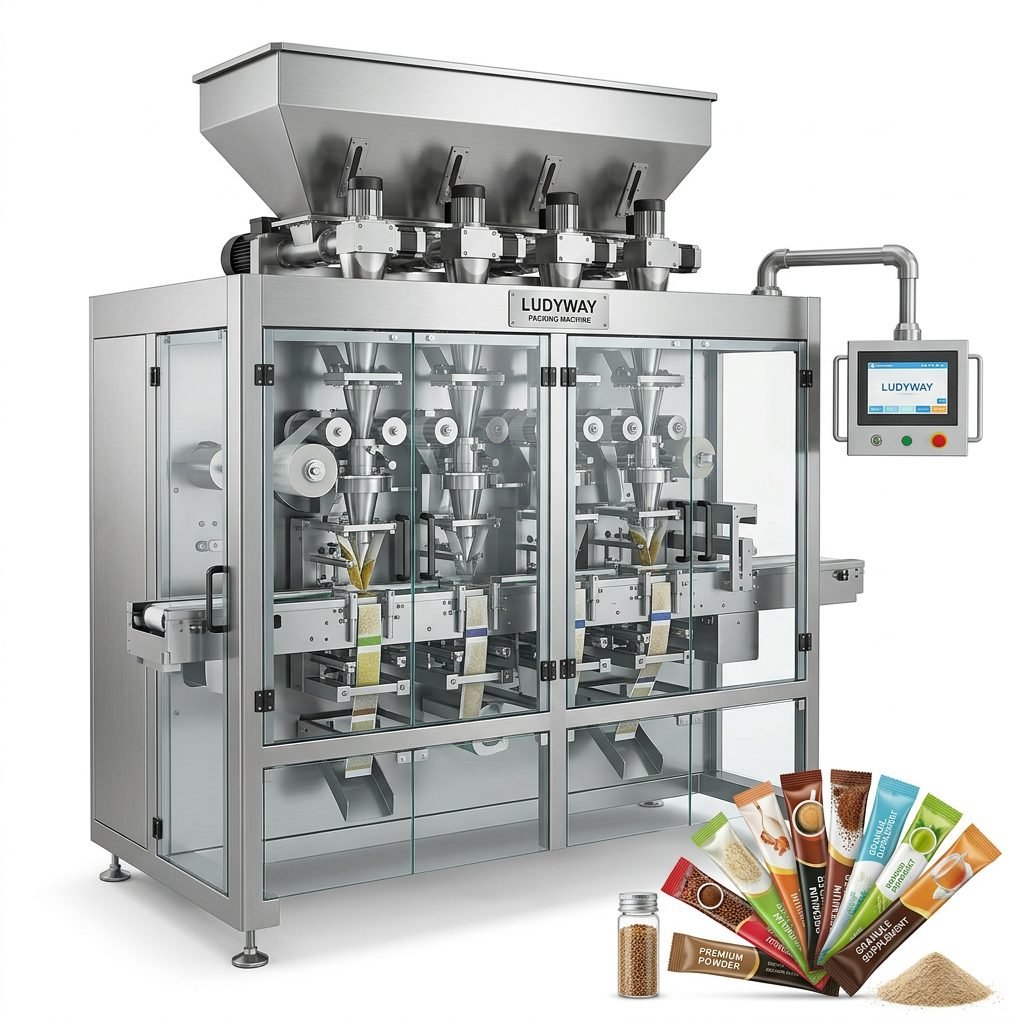
Integrating Essential Ancillary Equipment
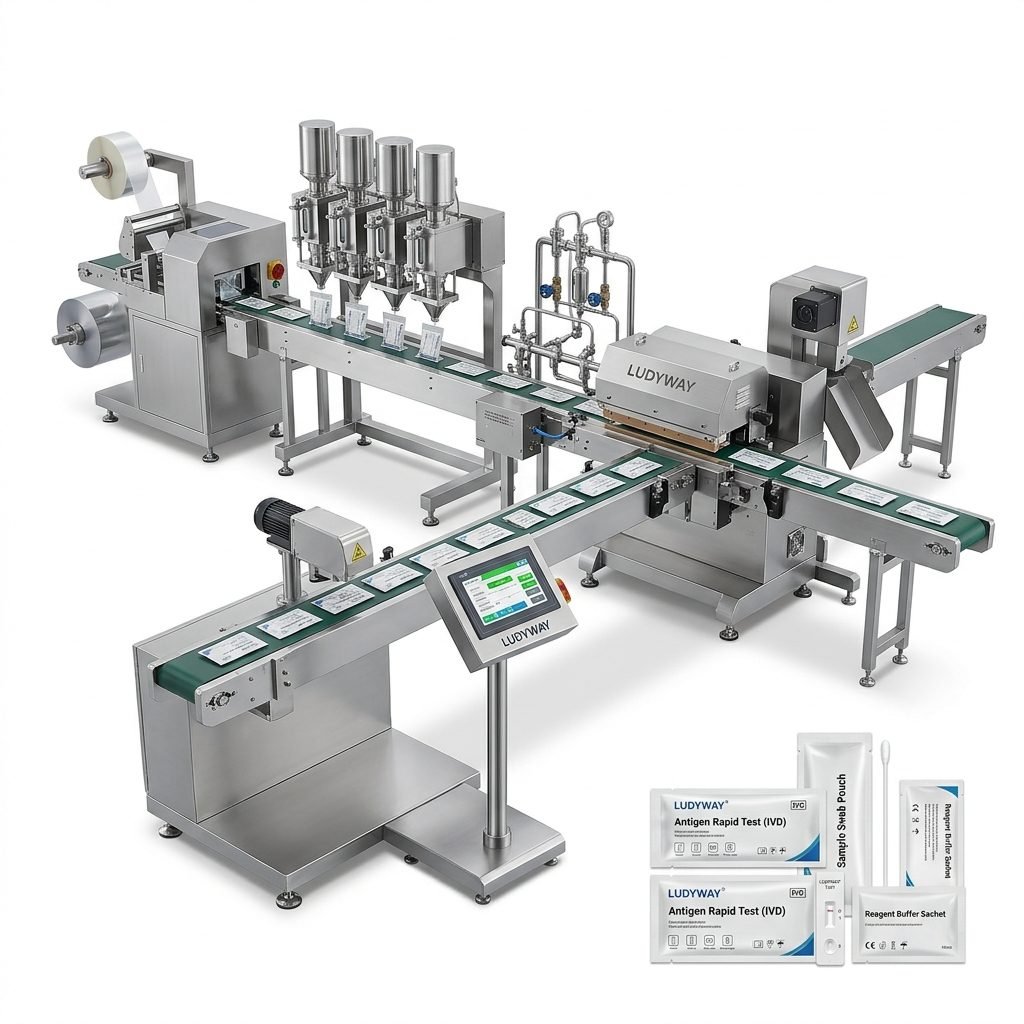
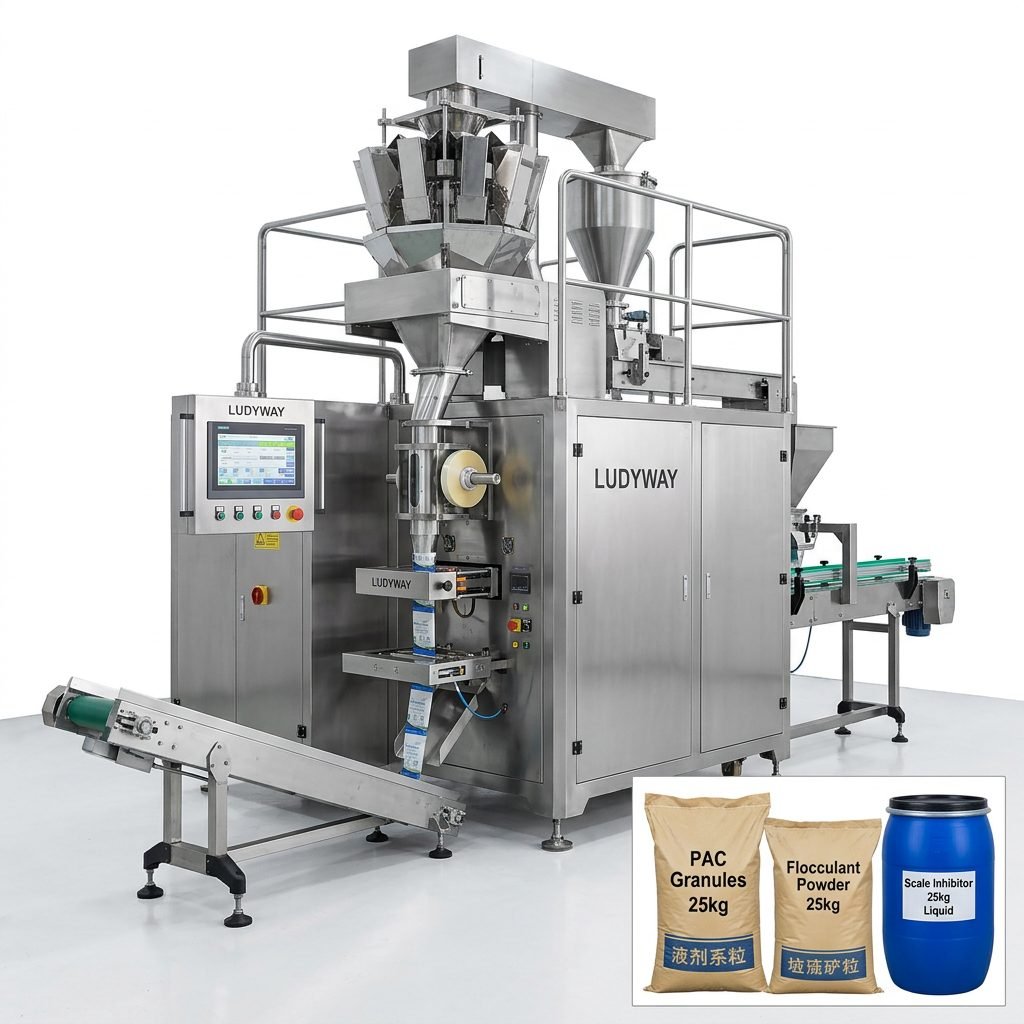
A standalone filler is not enough. To maximize uptime and product quality, you must integrate the line with upstream and downstream equipment. This creates a seamless, turnkey production ecosystem. Key ancillary components include:
- Inline Homogenizer/Churner: To ensure the butter texture is perfectly smooth before it enters the hopper.
- Metal Detector & Checkweigher: Non-negotiable for food safety compliance and reducing costly product giveaway. Refer to standards from ISO packaging standards for accuracy requirements.
- Dynamic X-Ray Inspection: For high-end export lines targeting markets with strict zero-contaminant policies.
- Automated Cartoning & Palletizing: Reduces manual labor dependency, a significant advantage in the current Indian market environment.
Navigating Indian Regulatory Standards
Compliance is the backbone of your packaging operation. The Food Safety and Standards Authority of India mandates strict adherence to packaging regulations. This includes the use of food-grade materials for all contact parts (like SS316 stainless steel). Furthermore, for international exports, your line must meet global benchmarks.
Adhering to FDA food contact substance regulations is essential if you plan to export to the US. Similarly, European packaging regulations dictate strict limits on packaging weight and recyclability. Your machinery should be designed to handle recyclable mono-materials or biodegradable films without sacrificing seal integrity.
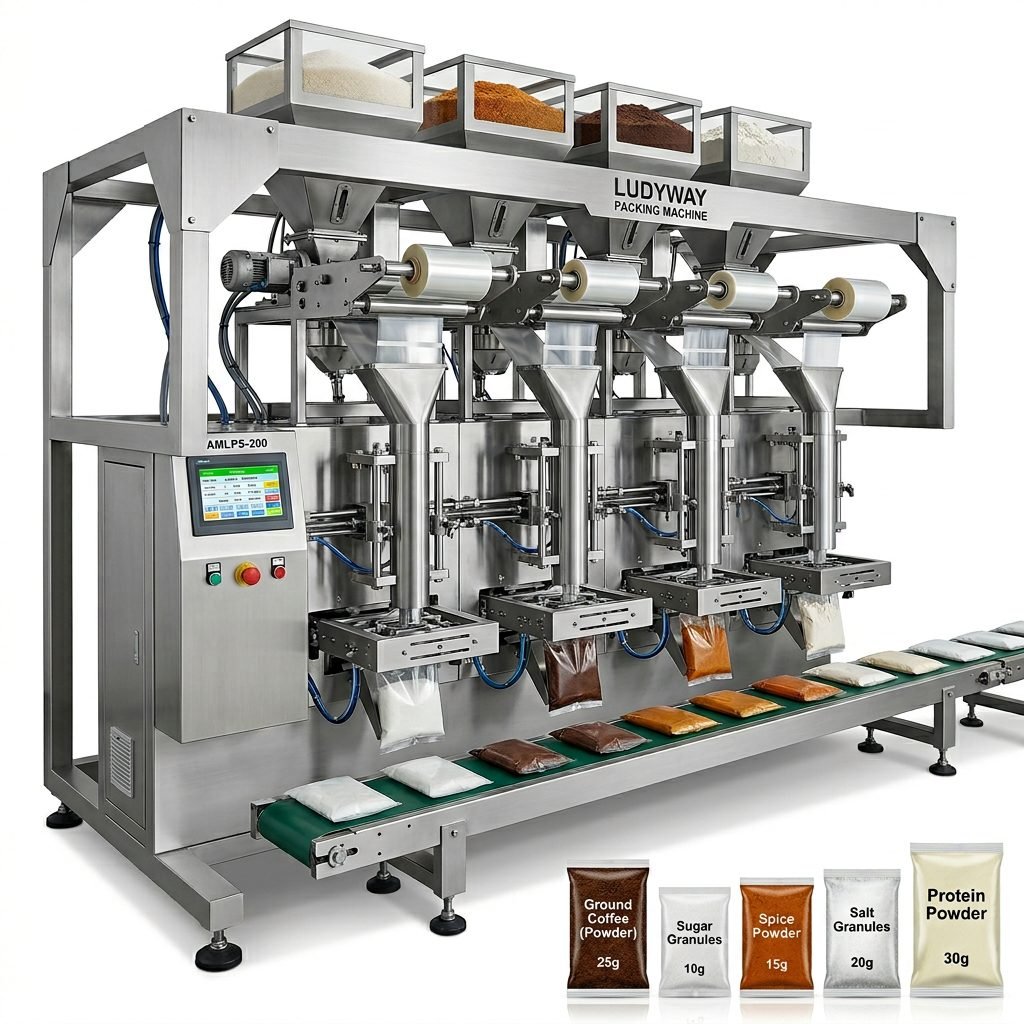
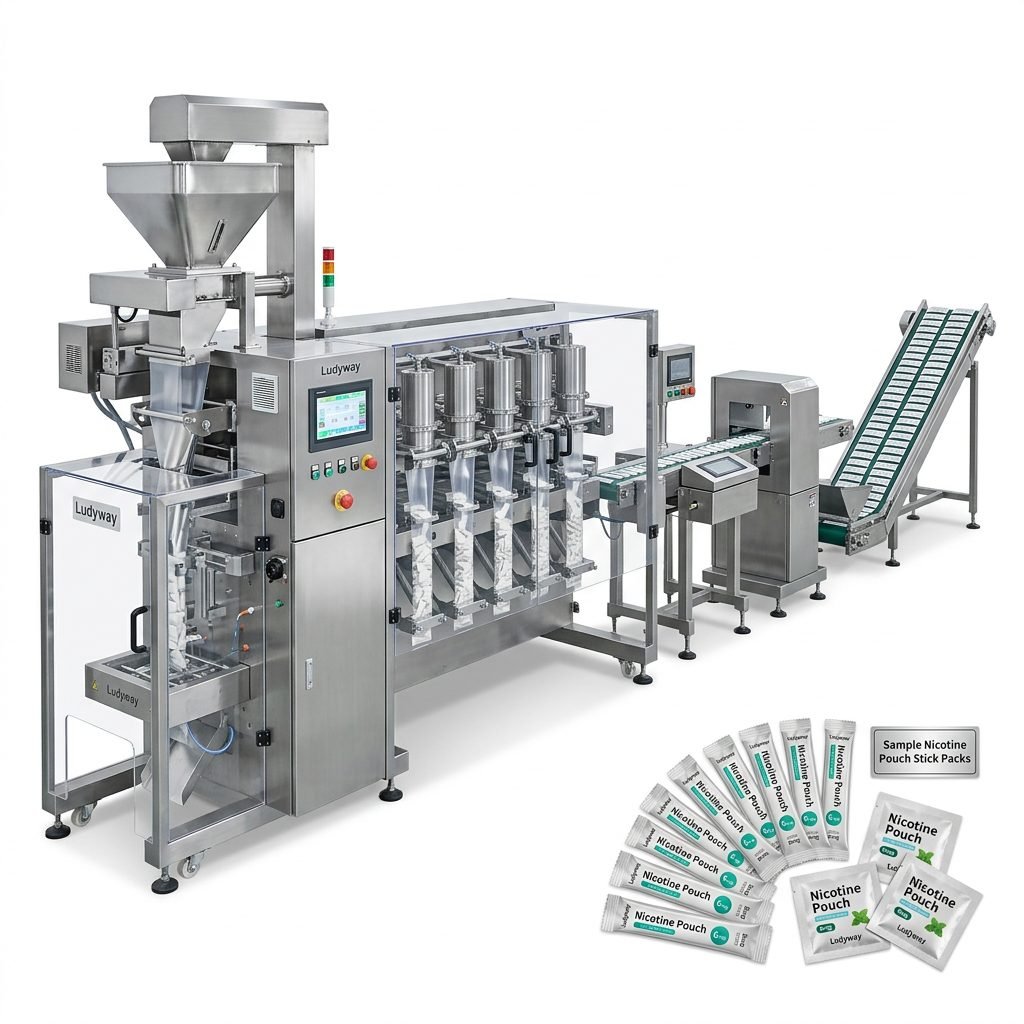
Overcoming Common Operational Bottlenecks
Based on extensive experience supplying global packaging solutions, Ludyway has identified common challenges dairy producers face in India. These often include inconsistent butter temperature causing smearing on film, inaccurate cuts on printed film, and foil seal failures. The solution lies in rigorous operator training and choosing machines with advanced servo-driven film tracking and automatic correction systems.
Installation, Training, and After-Sales Support
Setting up the line is just the beginning. The real test of a production line lies in its long-term reliability. When finalizing your project, ensure the supplier provides comprehensive on-site installation support and operator training. Downtime in the dairy industry, where raw material shelf life is limited, is costly. Look for partners who offer rapid-response remote diagnostics and readily available spare parts.
Tips for Scaling Production
- Start Modular: Invest in a machine that allows you to add lanes later, moving from a 4-lane stick pack to an 8-lane configuration as demand grows.
- Focus on Hygiene: Ensure your line supports Clean-in-Place (CIP) protocols to minimize downtime between batch changeovers.
- Data Integration: Opt for Industry 4.0 ready machines that can report OEE (Overall Equipment Effectiveness) data to your central ERP system.
Leveraging Industry Insights for Strategic Investment
The decision to automate your butter packaging is a significant capital expenditure, but the return on investment is driven by speed, hygiene, and reduced waste. By referencing reports from the PMMI Business Intelligence Library and the Flexible Packaging Association, you can benchmark your line’s performance against global standards and ensure your Indian facility is built for the future.