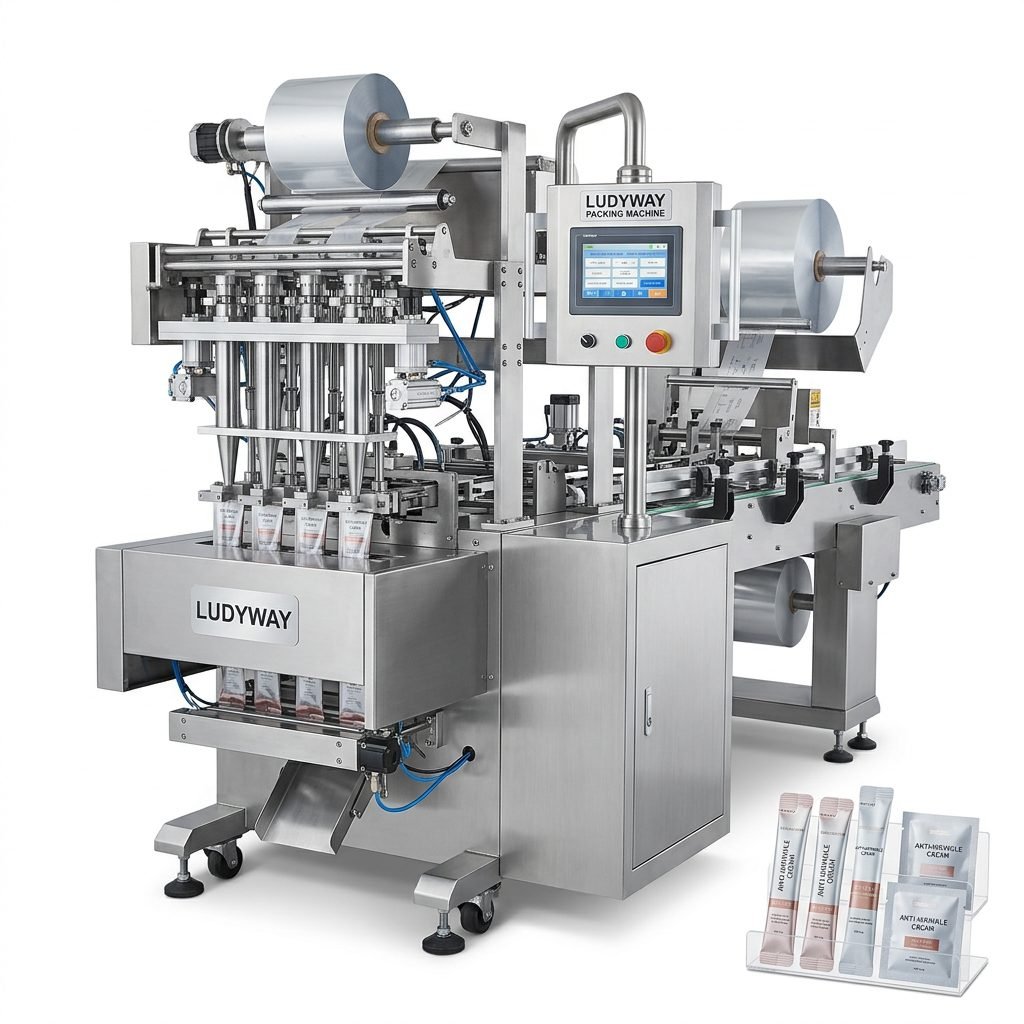
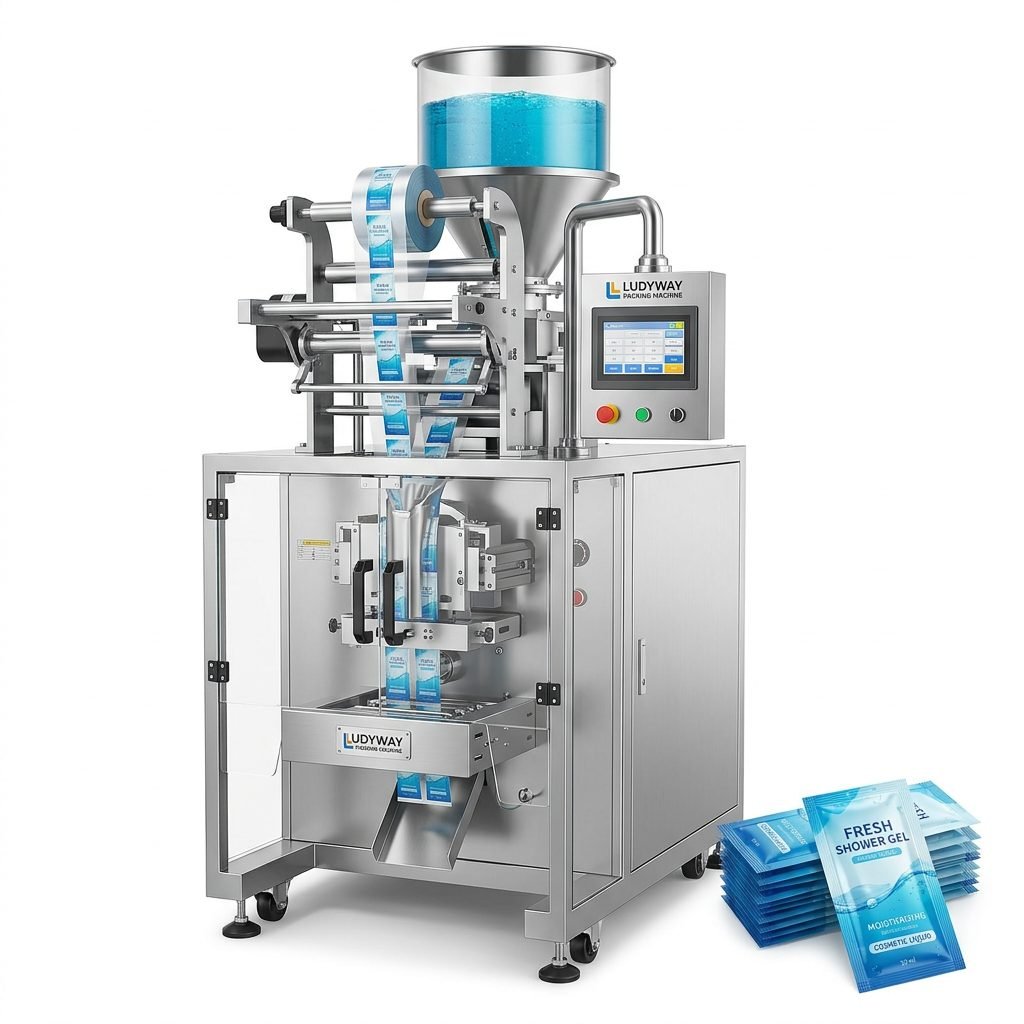
Investing in a packaging printer machine is a strategic decision that directly impacts product traceability, brand presentation, and production line efficiency. Whether you are coding expiration dates on food sachets, printing batch numbers on pharmaceutical pouches, or applying barcodes to cosmetic stick packs, the right printing technology ensures accuracy, speed, and compliance with industry regulations.
This guide walks you through the essential factors to evaluate before purchasing a packaging printer machine, helping you match the right technology to your product type, packaging material, and production environment.
Understanding the Role of a Packaging Printer Machine
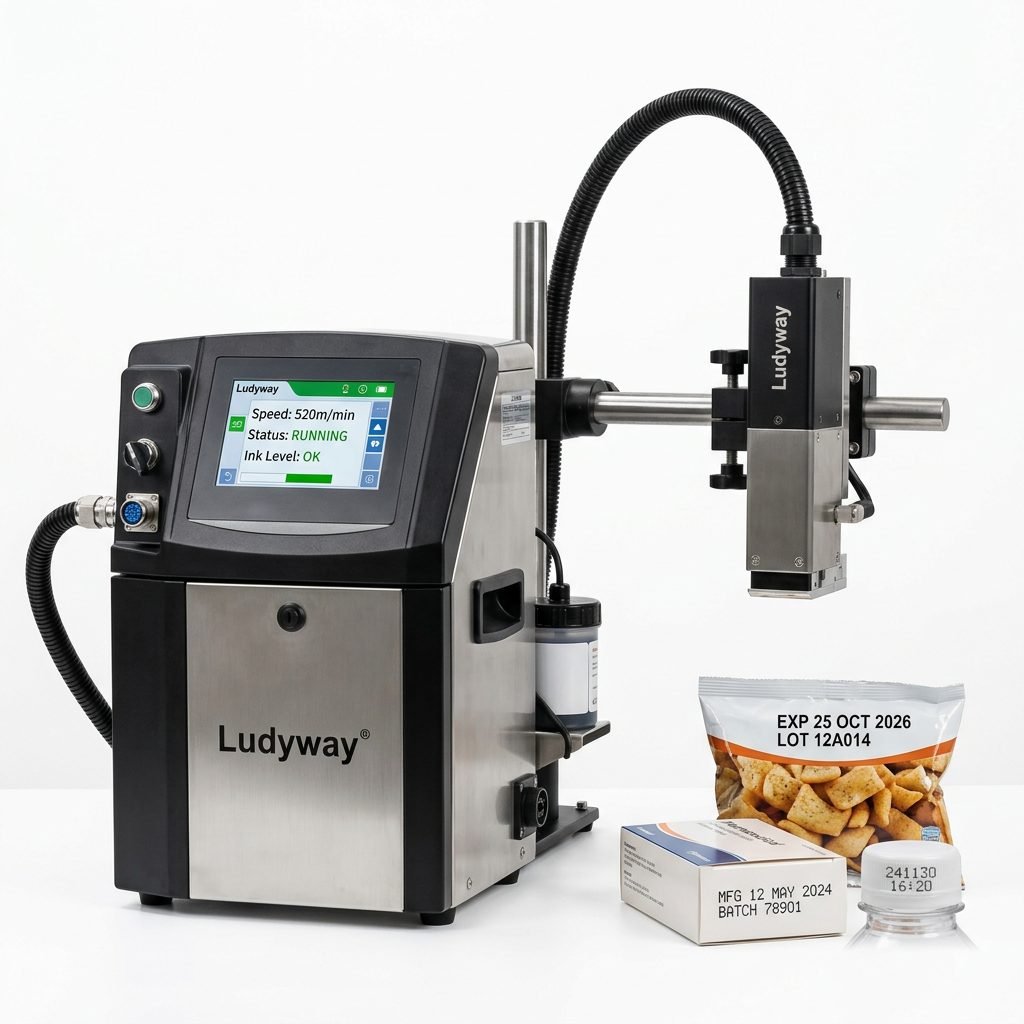
A packaging printer machine is not a standalone office printer. It is an industrial-grade coding and marking system integrated into a packaging production line. These machines print variable data — such as lot numbers, manufacturing dates, expiry dates, barcodes, QR codes, and logos — directly onto packaging materials including flexible film, labels, cartons, sachets, and pouches.
In regulated sectors like food and pharmaceutical packaging, accurate and legible coding is a legal requirement. Selecting the wrong printer can lead to recalls, rejected shipments, and costly production downtime.
Main Types of Packaging Printer Machines
Different printing technologies suit different applications, substrates, and speed requirements. Below are the four most common types used in modern packaging lines:
- Thermal Transfer Overprinters (TTO) — Ideal for flexible packaging films, TTO printers produce high-resolution codes and are widely used in snack, confectionery, and frozen food packaging.
- Continuous Inkjet Printers (CIJ) — Versatile and fast, CIJ systems print on nearly any surface and are common in beverage, dairy, and industrial product packaging.
- Laser Marking Systems — Offering permanent, smudge-free marking without consumables, laser coders are preferred for pharmaceutical, medical device, and high-end cosmetic packaging.
- Thermal Inkjet Printers (TIJ) — Compact and easy to integrate, TIJ printers work well for secondary packaging, carton coding, and lower-speed primary packaging applications.
Key Factors to Evaluate Before Buying
Choosing the right packaging printer machine requires a thorough evaluation of your operational requirements. The table below summarizes the critical decision factors:
| Factor | What to Consider |
|---|---|
| Substrate Compatibility | Ensure the printer works with your packaging material — film, foil, paper, carton, or labels. |
| Production Speed | Match the printer’s maximum line speed to your packaging machine’s throughput capacity. |
| Print Resolution | Barcodes and QR codes require higher DPI. Check if the printer meets GS1 or regulatory readability standards. |
| Environmental Conditions | Dust, humidity, and temperature variations affect printer performance. Choose accordingly. |
| Consumable Costs | Consider ink, ribbon, solvent, and replacement part expenses over the machine’s lifecycle. |
| Integration Capability | The printer should communicate seamlessly with your existing packaging machinery and factory management systems. |
| Regulatory Compliance | Verify adherence to ISO packaging standards and relevant FDA or EU labeling regulations. |
Substrate and Packaging Format Considerations
Not all printers perform equally across different packaging formats. Here is a quick reference:
- Sachets and Stick Packs: TTO or CIJ with fast-drying ink works best for high-speed multi-lane machines.
- Pouches and Bags: Laser or TTO delivers durable codes on laminated and metallized films.
- Cartons and Boxes: TIJ or laser provides clean, high-resolution text and graphics.
- Labels and Tags: Thermal transfer or inkjet printing offers flexibility for variable data.
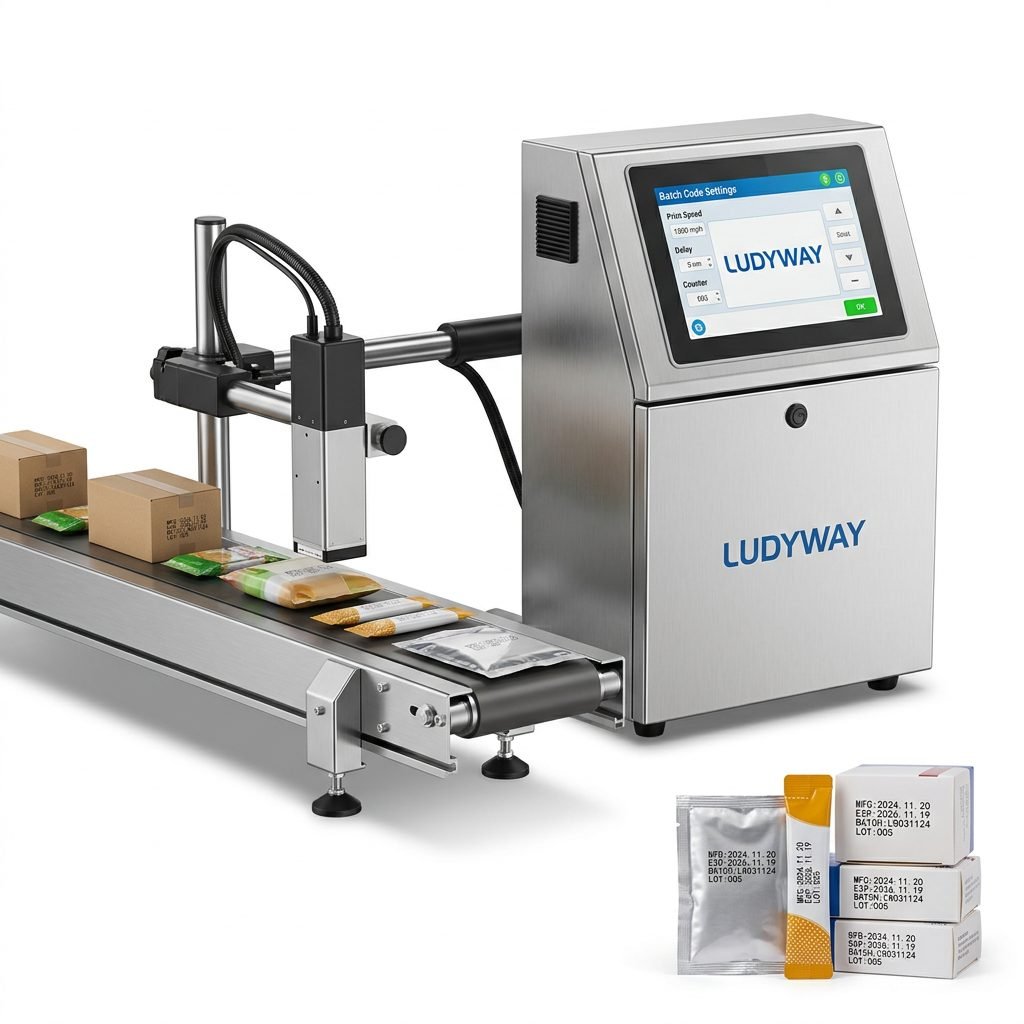
Integration with Your Packaging Production Line
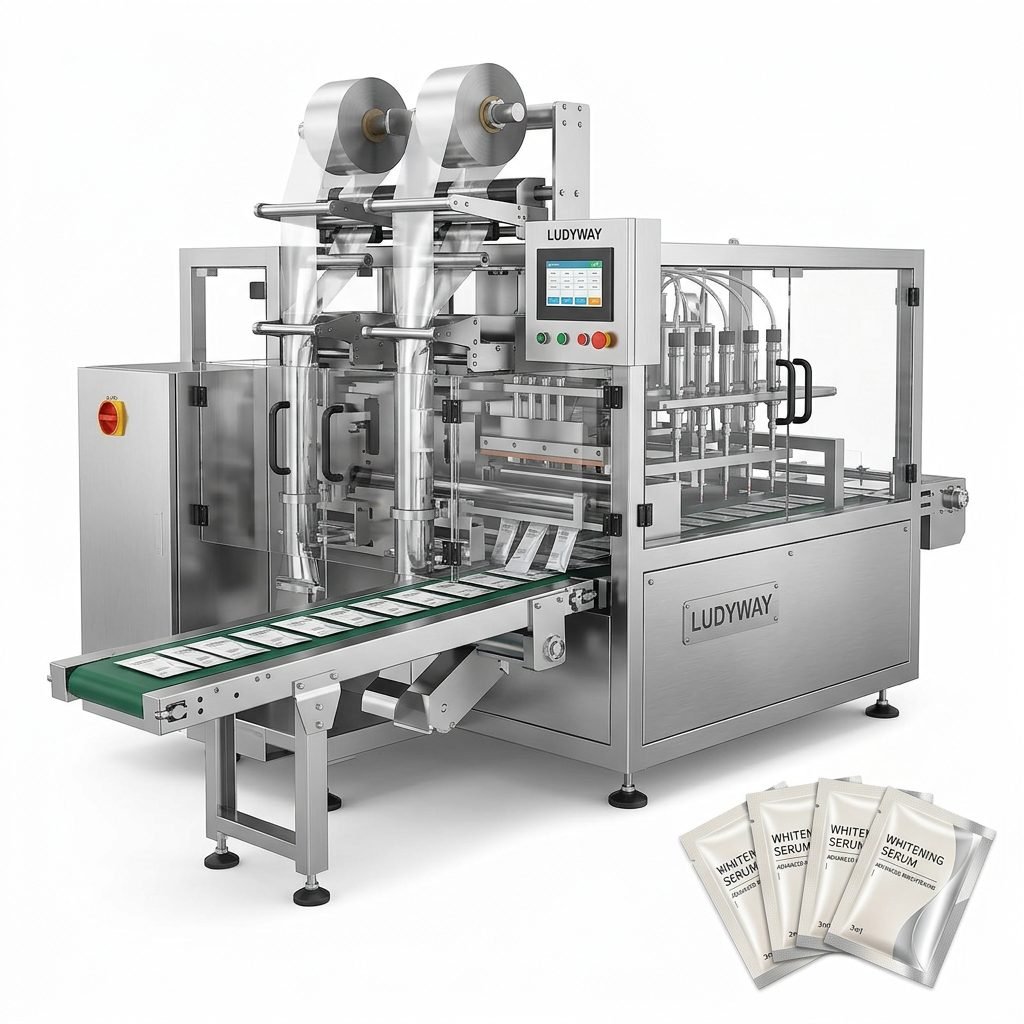
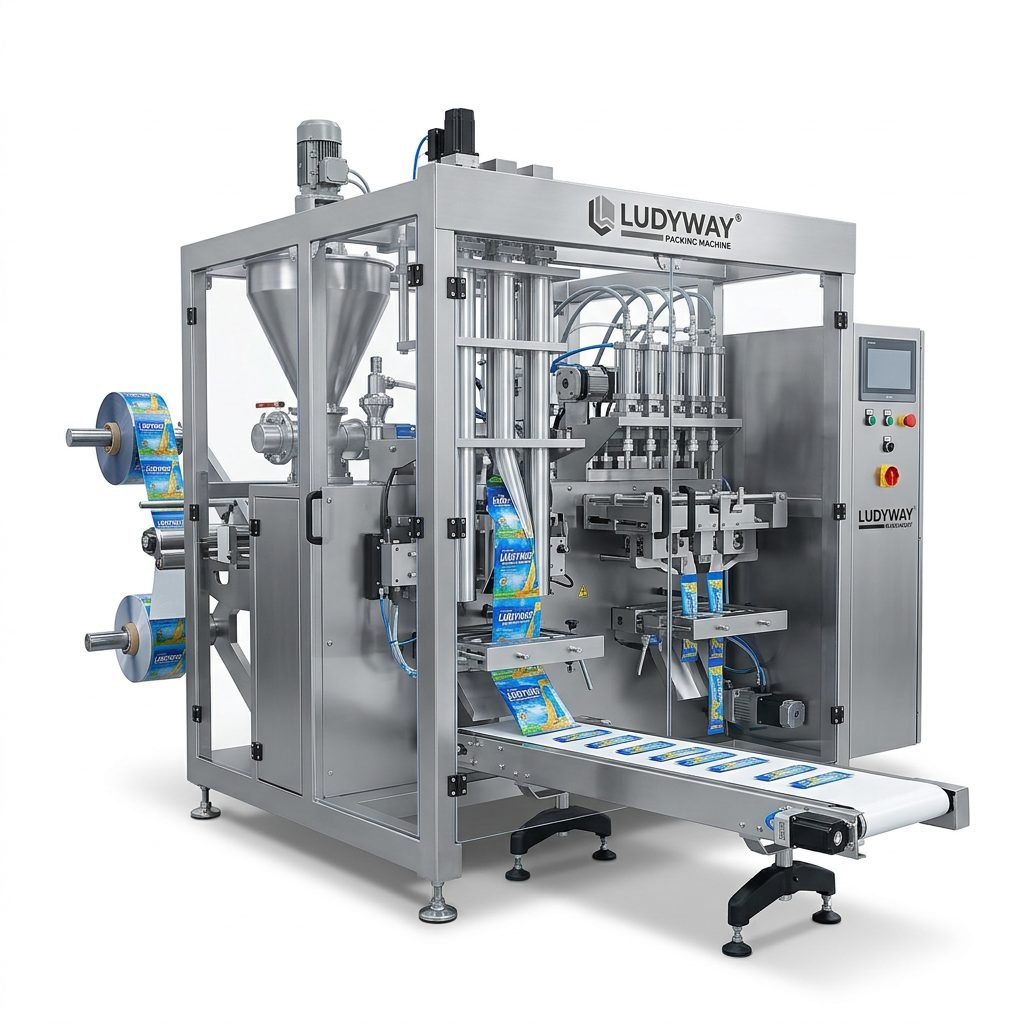
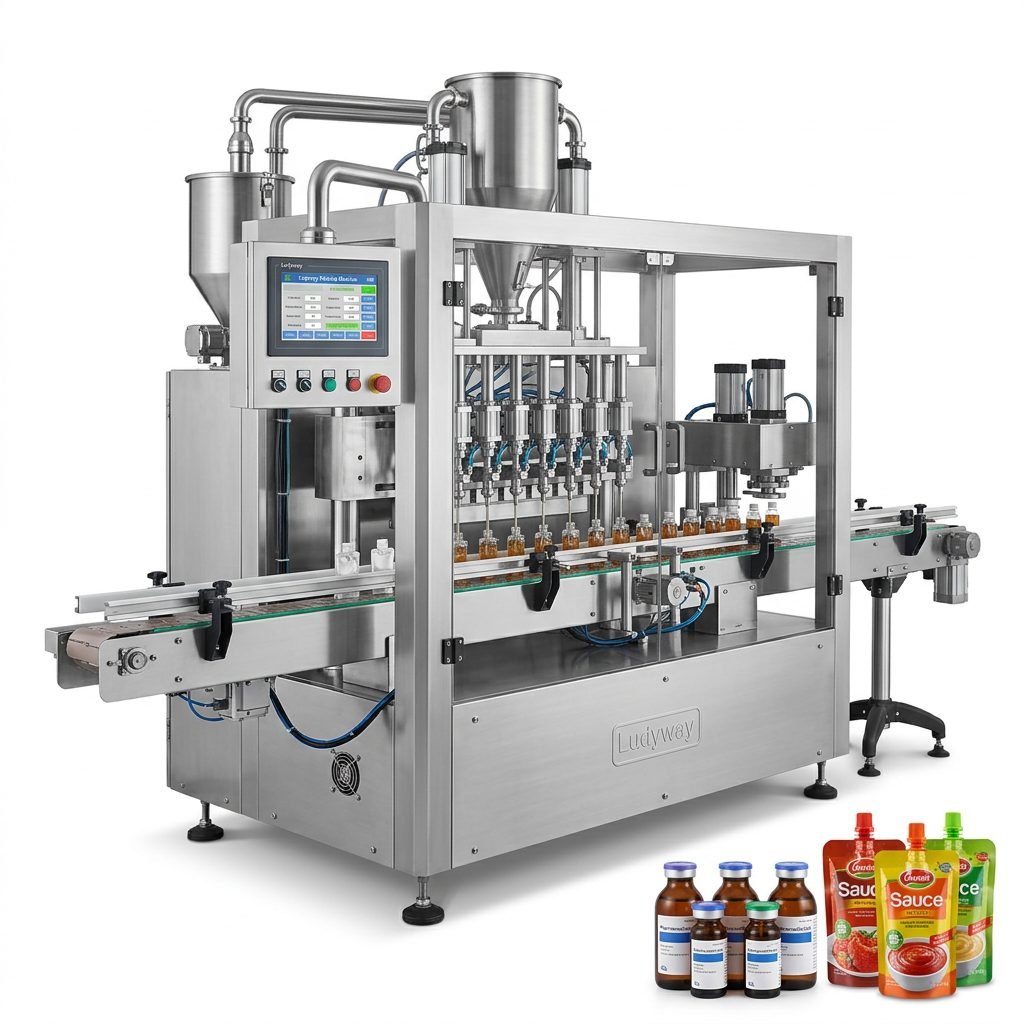
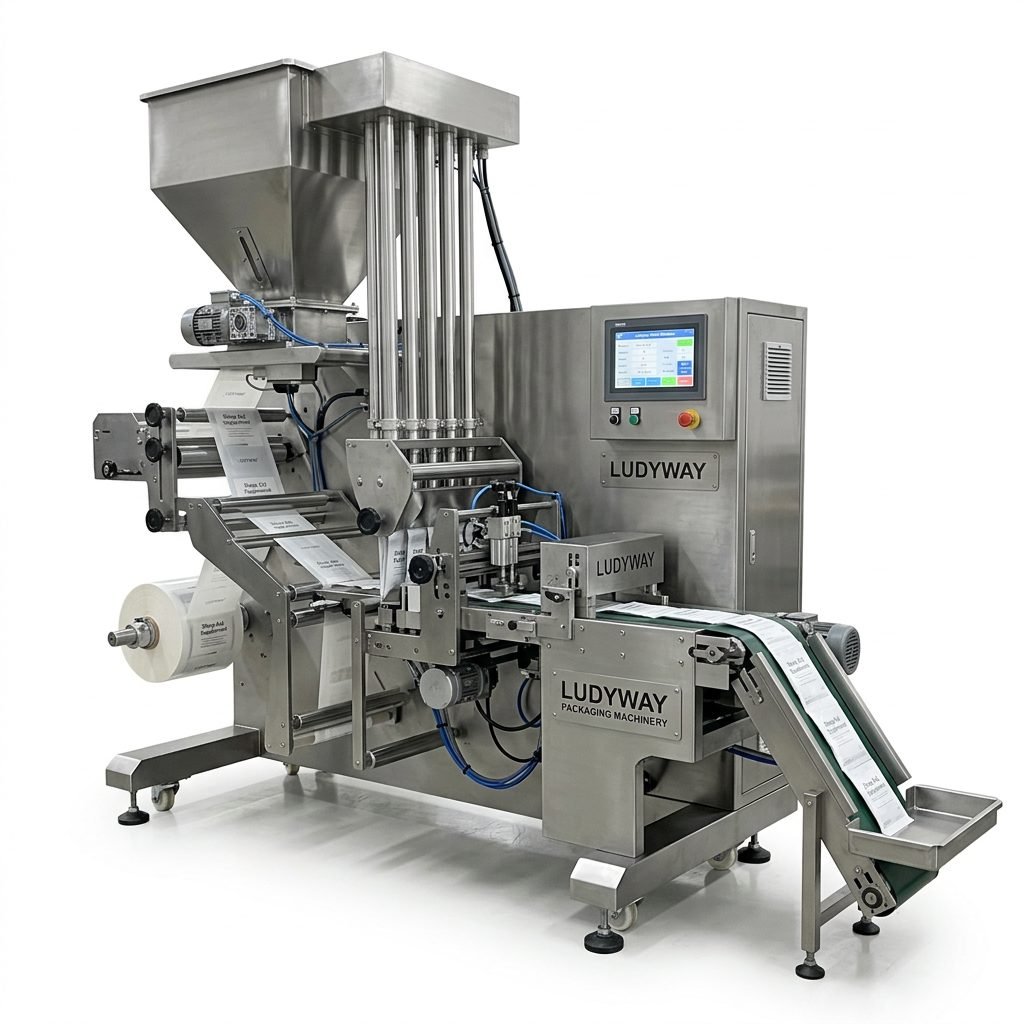
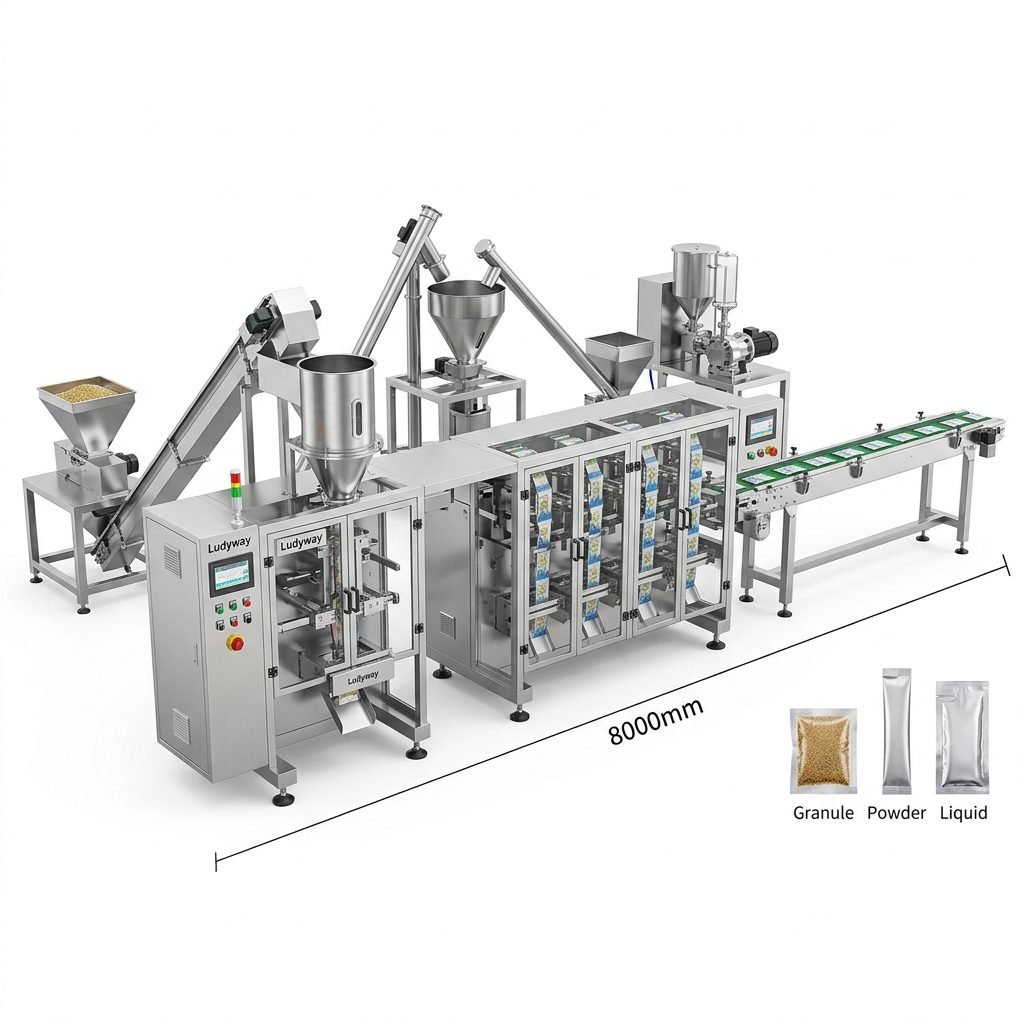
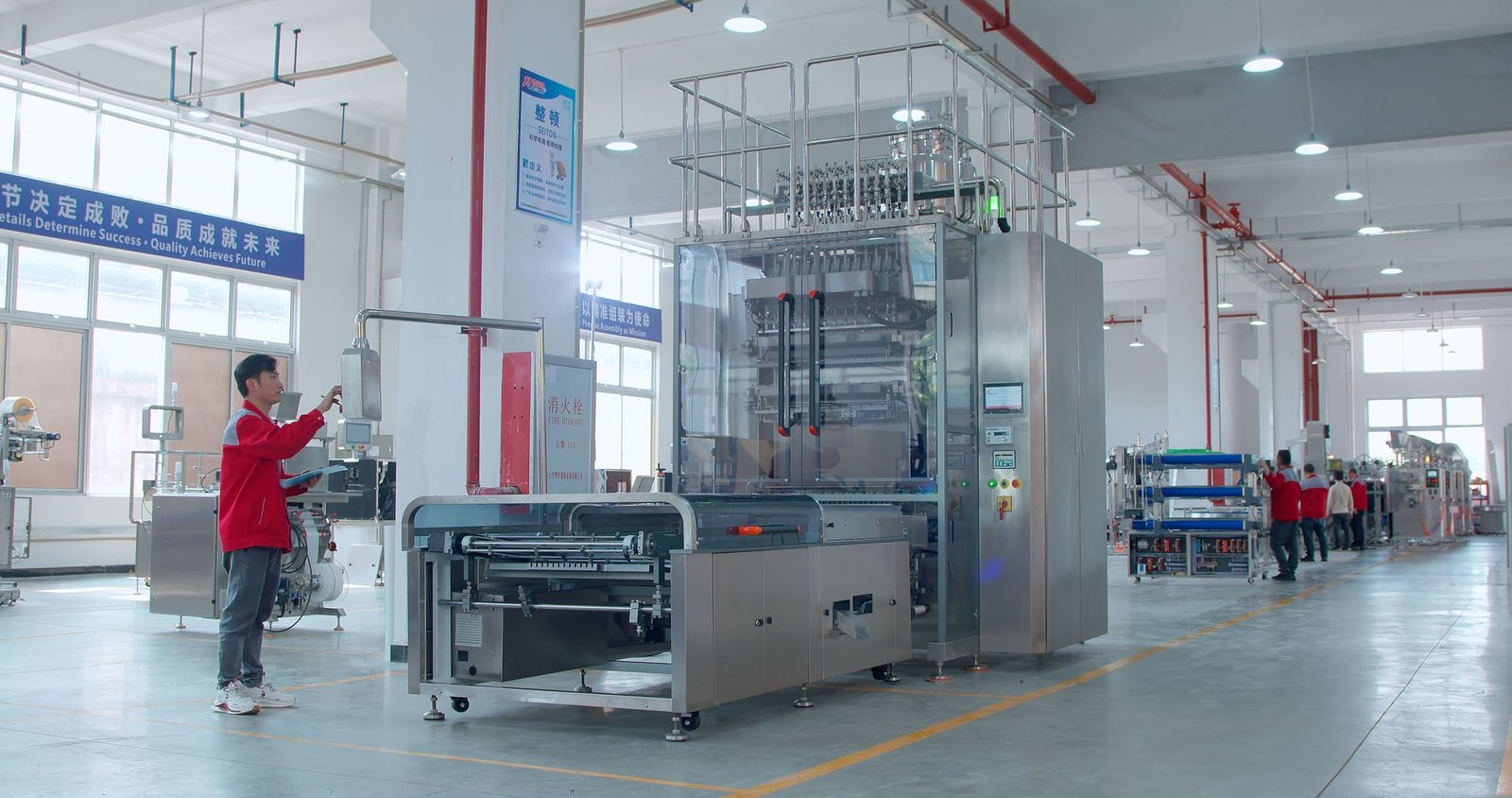
A packaging printer machine does not operate in isolation. It must synchronize with form-fill-seal machines, multi-lane sachet packers, pouch filling systems, conveyors, and inspection equipment. Proper integration ensures that every package receives the correct code at the right position without slowing down the line.
Manufacturers running high-speed automated packaging lines should look for printers with encoder inputs, network connectivity, and centralized control software. This allows real-time data updates, remote diagnostics, and seamless production tracking.
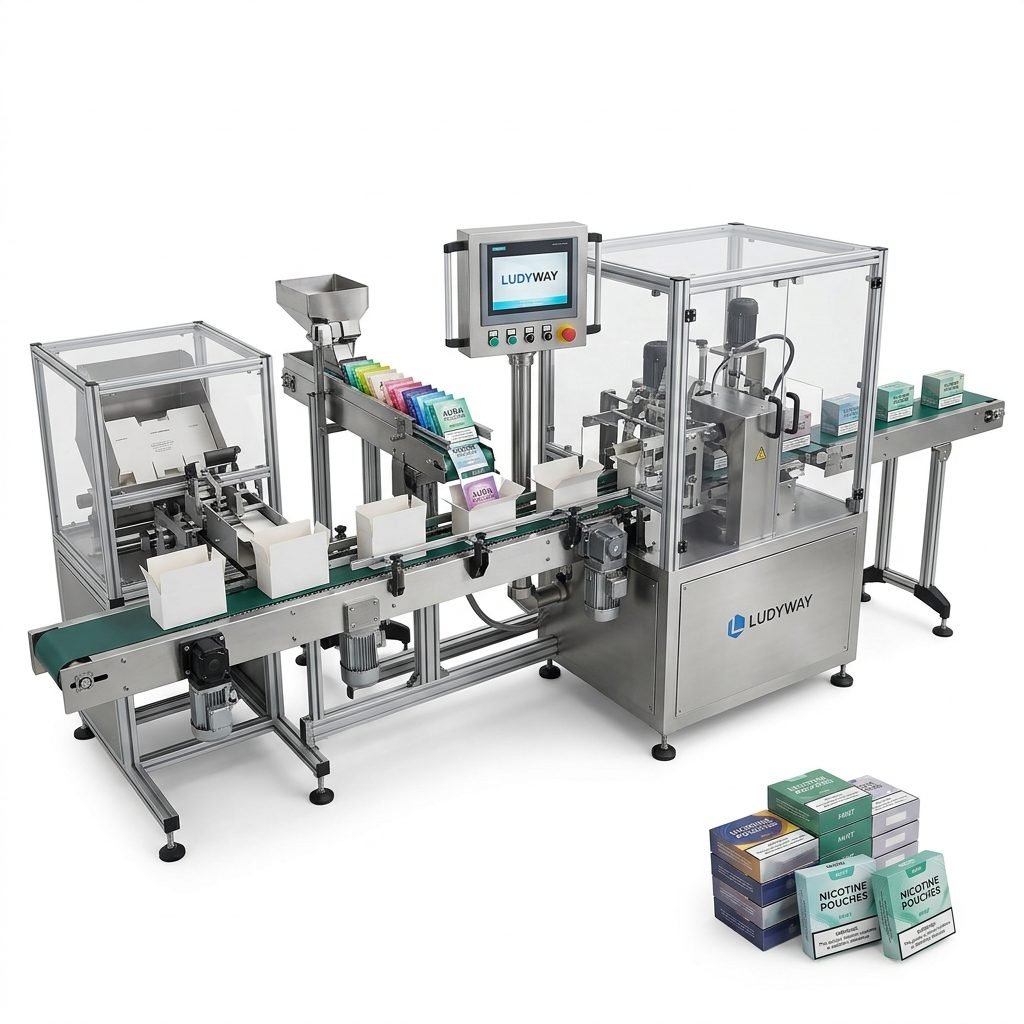
When evaluating suppliers, it is advantageous to work with a packaging machinery manufacturer that understands both the printing and packaging sides of the equation. For instance, Ludyway Machinery provides integrated packaging solutions that include compatible coding and marking systems configured for specific production requirements.
Cost Analysis: Upfront Price vs. Total Cost of Ownership
The purchase price of a packaging printer machine is only one part of the financial equation. A comprehensive cost analysis should include:
| Cost Component | Estimated Share of TCO |
|---|---|
| Initial equipment purchase | 20% – 40% |
| Consumables (ink, ribbon, solvents) | 35% – 55% |
| Preventive maintenance and spare parts | 10% – 15% |
| Operator training and technical support | 5% – 10% |
Laser systems typically have higher upfront costs but near-zero consumable expenses. Inkjet printers cost less initially but require ongoing supplies. Choose based on your expected production volume and runtime.
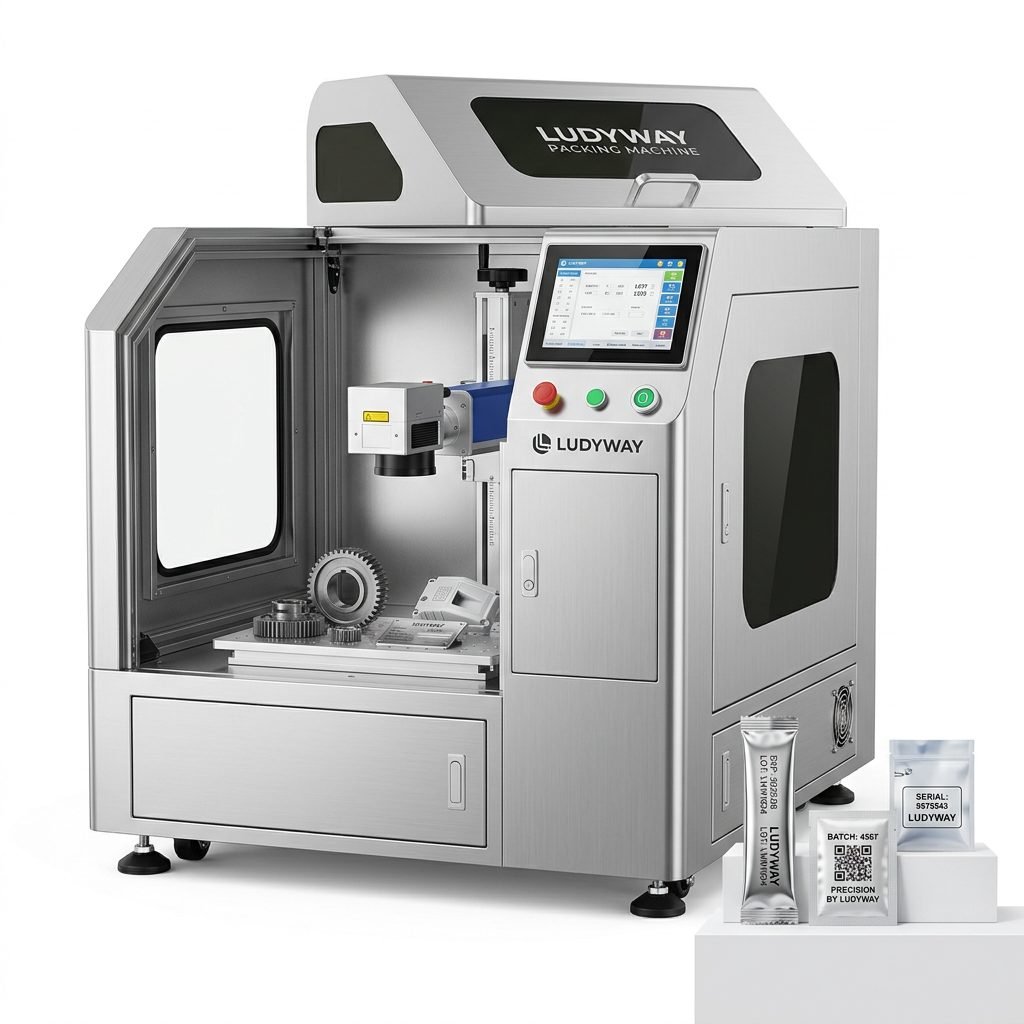
Compliance and Industry Standards
Regulatory compliance is non-negotiable in many sectors. Before purchasing a packaging printer machine, confirm that the system supports:
- GS1-128 barcode symbology for supply chain traceability
- 21 CFR Part 11 compliance for pharmaceutical electronic records
- Flexible packaging industry standards for print durability and adhesion
- EU FMD serialization requirements where applicable
- Food contact material safety for inks used on primary packaging
Questions to Ask Potential Suppliers
- What is the maximum print speed, and does it match my line speed?
- Can the printer handle my packaging substrate without adhesion or smudging issues?
- What is the expected consumable replacement frequency and cost?
- Does the system offer remote monitoring and diagnostic capabilities?
- Is on-site installation support and operator training included?
- What warranty and after-sales service terms are provided?
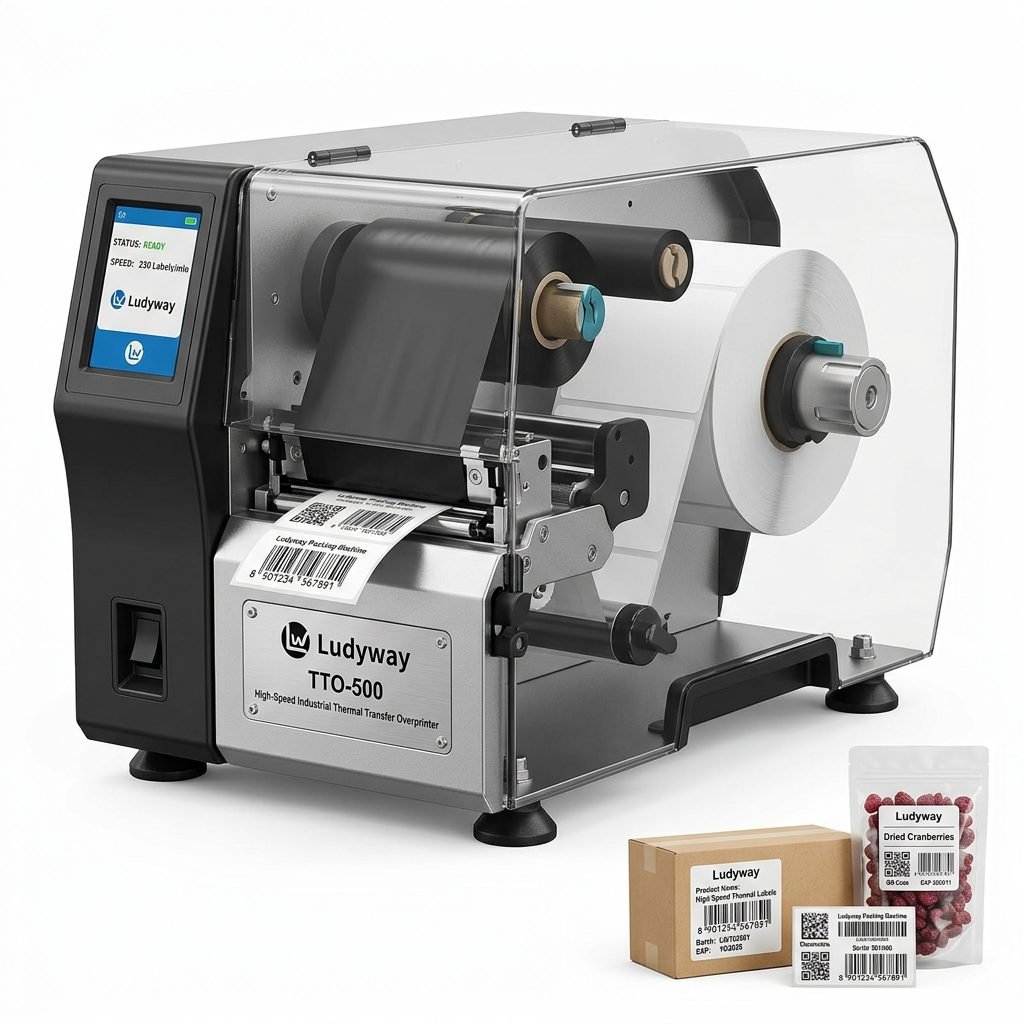
Future-Proofing Your Investment
As packaging lines become more automated and data-driven, choosing a packaging printer machine with upgrade potential is a smart move. Look for features such as:
- Industry 4.0 readiness with IoT connectivity
- Compatibility with centralized print management software
- Support for variable data printing and serialization
- Modular design allowing future upgrades or lane expansions
A forward-looking printer selection today can save significant costs when production requirements evolve.
Conclusion
Selecting the right packaging printer machine involves more than comparing technical specifications. It requires a holistic view of your packaging materials, production speed, regulatory obligations, integration needs, and long-term operational costs. By carefully evaluating these factors and consulting with experienced packaging industry resources, you can invest in a coding solution that enhances product quality, supports compliance, and delivers reliable performance across your packaging operations.
Whether you are upgrading a single machine or building a complete turnkey packaging line, the right printer technology makes a measurable difference in every package that leaves your facility.