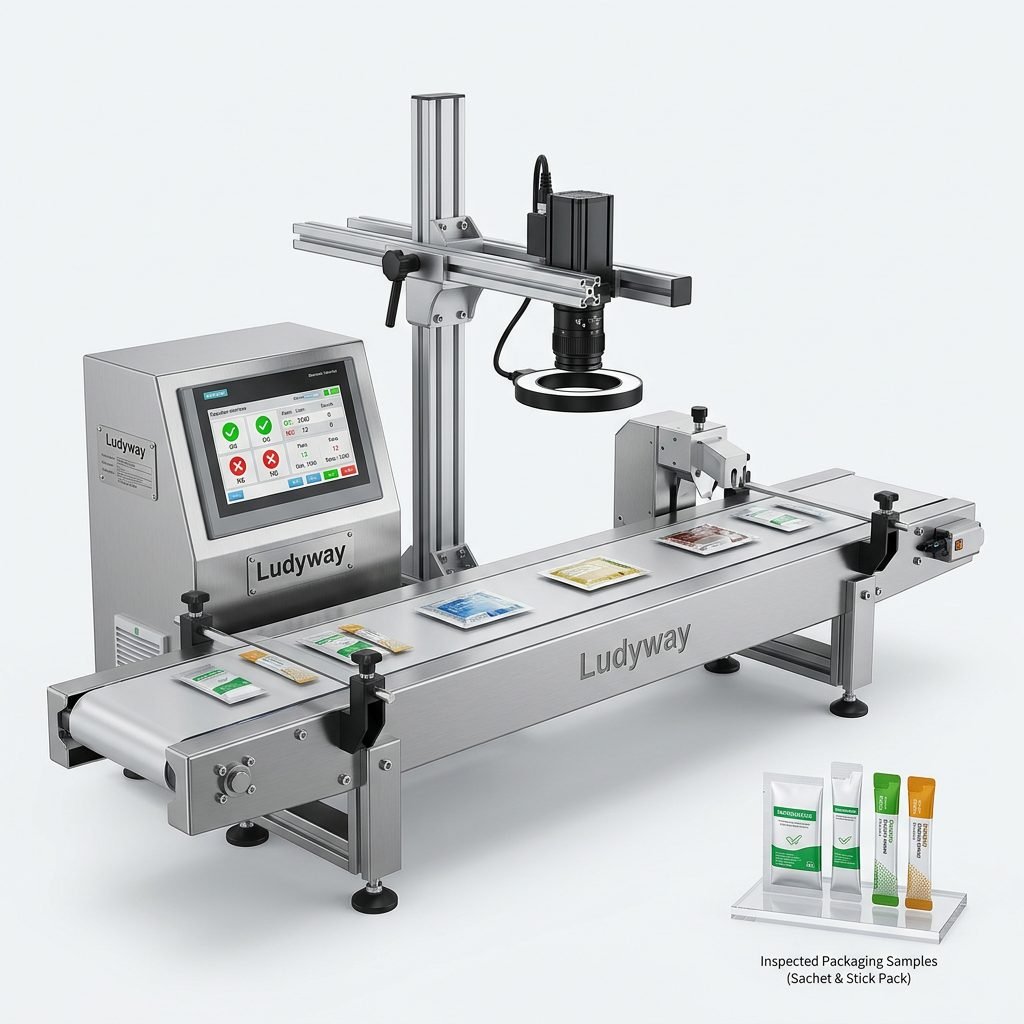
Investing in a Continuous Vertical Packaging (CVP) machine is a significant decision for any manufacturer dealing with powders, granules, or liquids. The right system can double your throughput and reduce product waste, while the wrong one can lead to costly downtime. This guide breaks down the essential factors you need to evaluate before making a purchase.
Step 1: Understand Your Product Characteristics
Packaging machinery is not a one-size-fits-all solution. The physical properties of your product will dictate the type of dosing system and film material required. Before contacting a supplier, you must define the following parameters:
- Flowability: Is your product a free-flowing granule (like sugar), a sticky powder (like maltodextrin), or a viscous liquid (like syrup)?
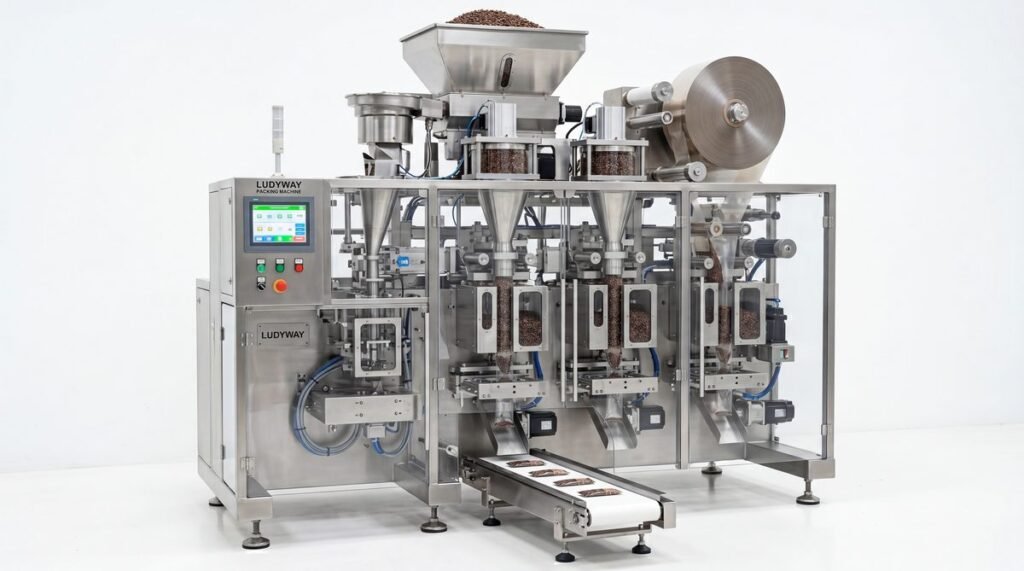
- Bulk Density: Light, dusty powders require different filling mechanisms (such as an auger filler) compared to heavy, dense granules (which often use volumetric cups).
- Hygroscopy: If your product absorbs moisture easily, you may need a machine capable of nitrogen flushing or operating in a climate-controlled environment.
Step 2: Matching the Machine Configuration to Your Format
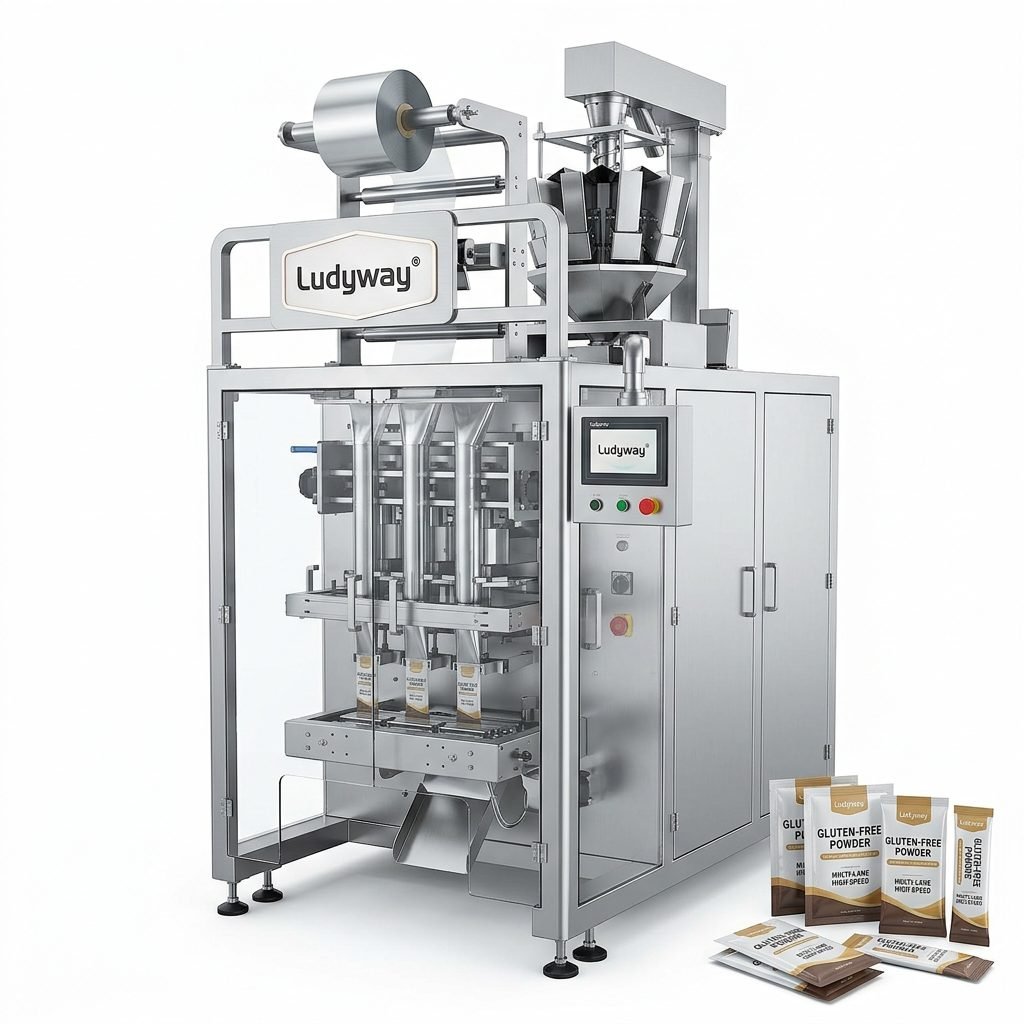
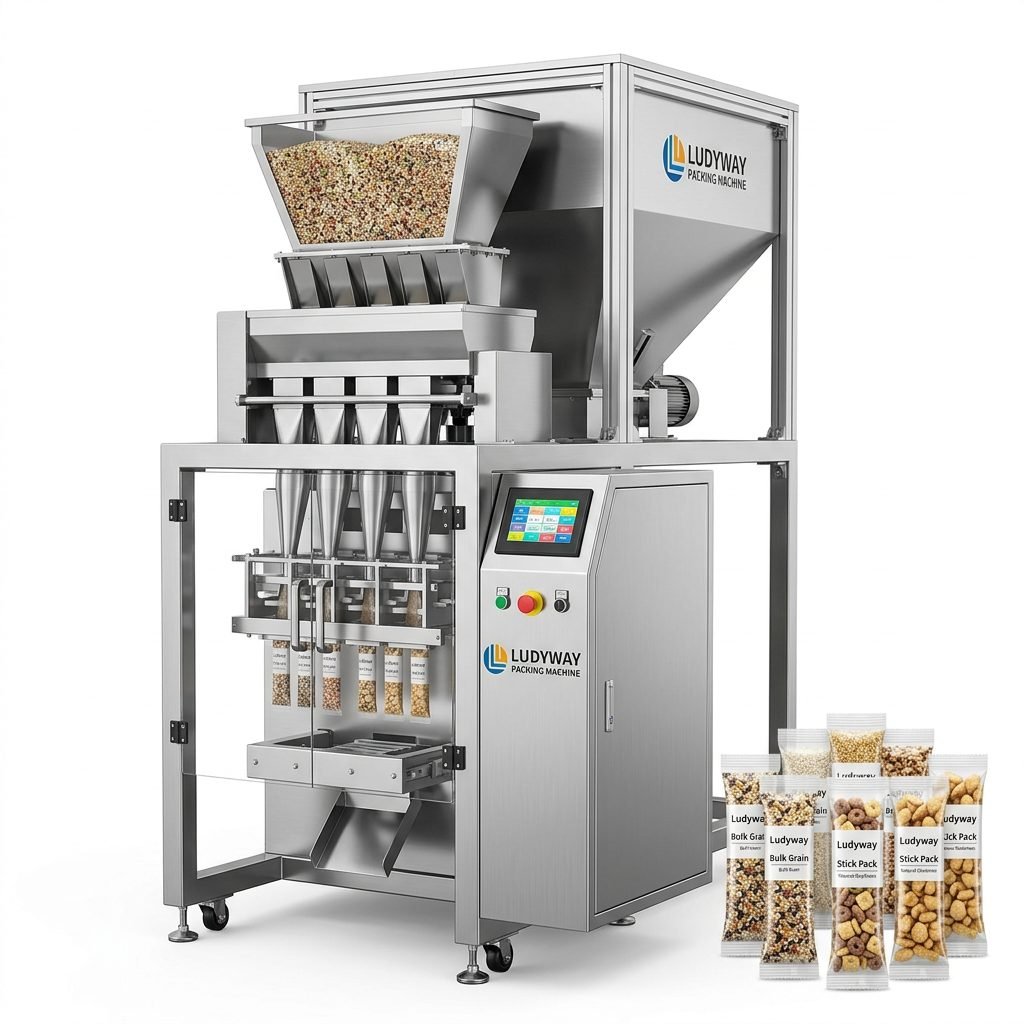
Modern CVP machines are highly modular. You need to match the configuration to your desired packaging format. Whether you are producing stick packs, three-side-seal sachets, or back-seal pillows, the jaw and sealing mechanisms will differ.
| Packaging Format | Best For | Key Advantage |
|---|---|---|
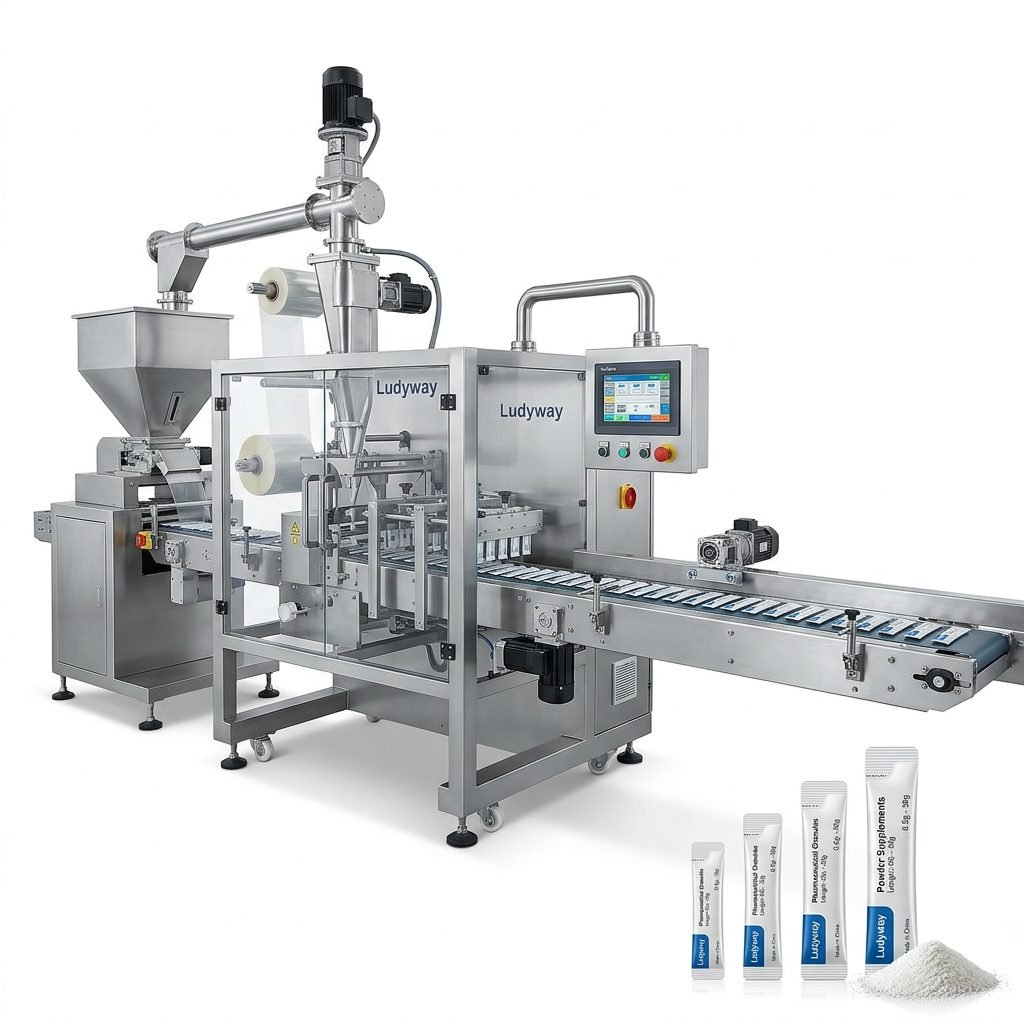
| Stick Pack | Single-serve powders, instant coffee, supplements | Portion control & portability |
| Three-Side Seal Sachet | Ketchup, shampoo, detergent liquids | Low-cost material usage |
| Gusseted Pouch | Tea, larger granular quantities | Shelf appeal & stability |
Step 3: Evaluating Speed and Real-World Output
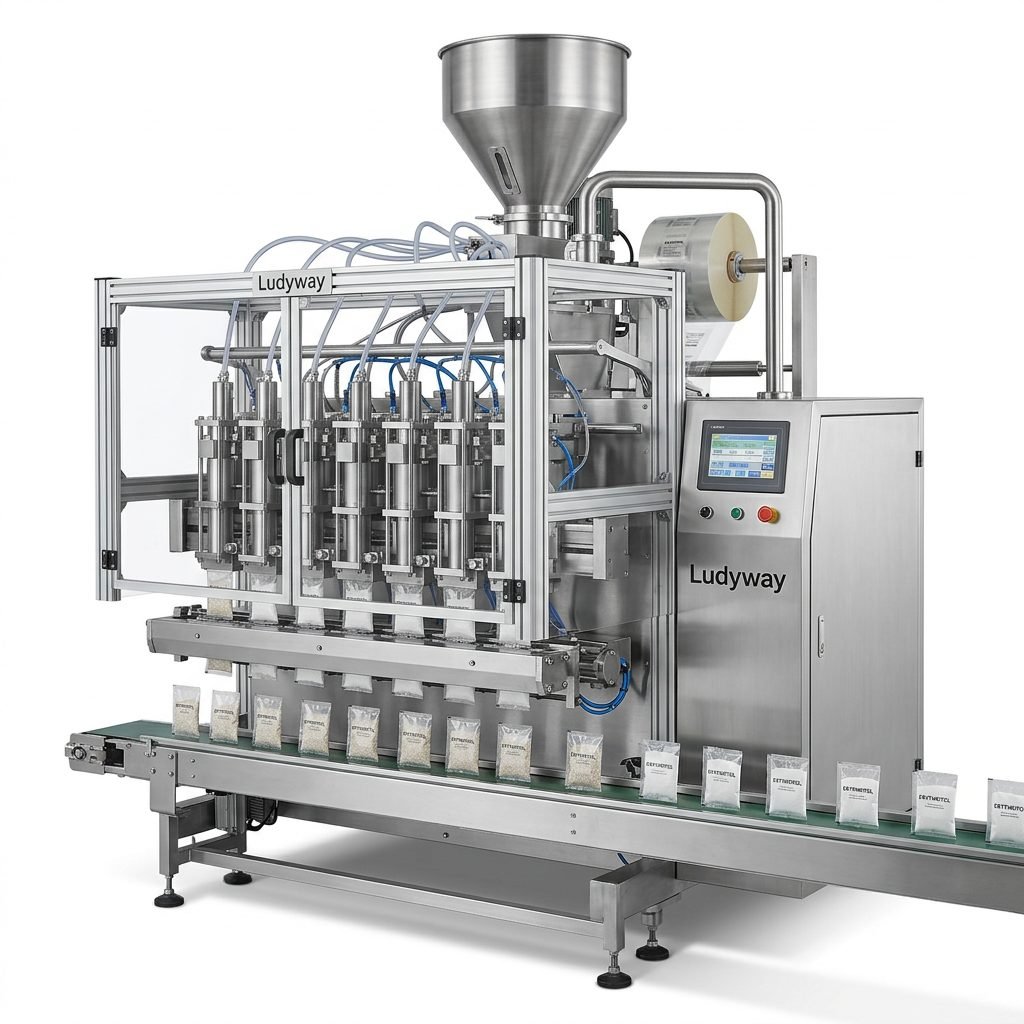
Manufacturers often quote maximum cycles per minute, but real-world output depends on film sealing time, product dosing accuracy, and film unwind capabilities. A multi-lane system can significantly multiply output even at moderate speeds.
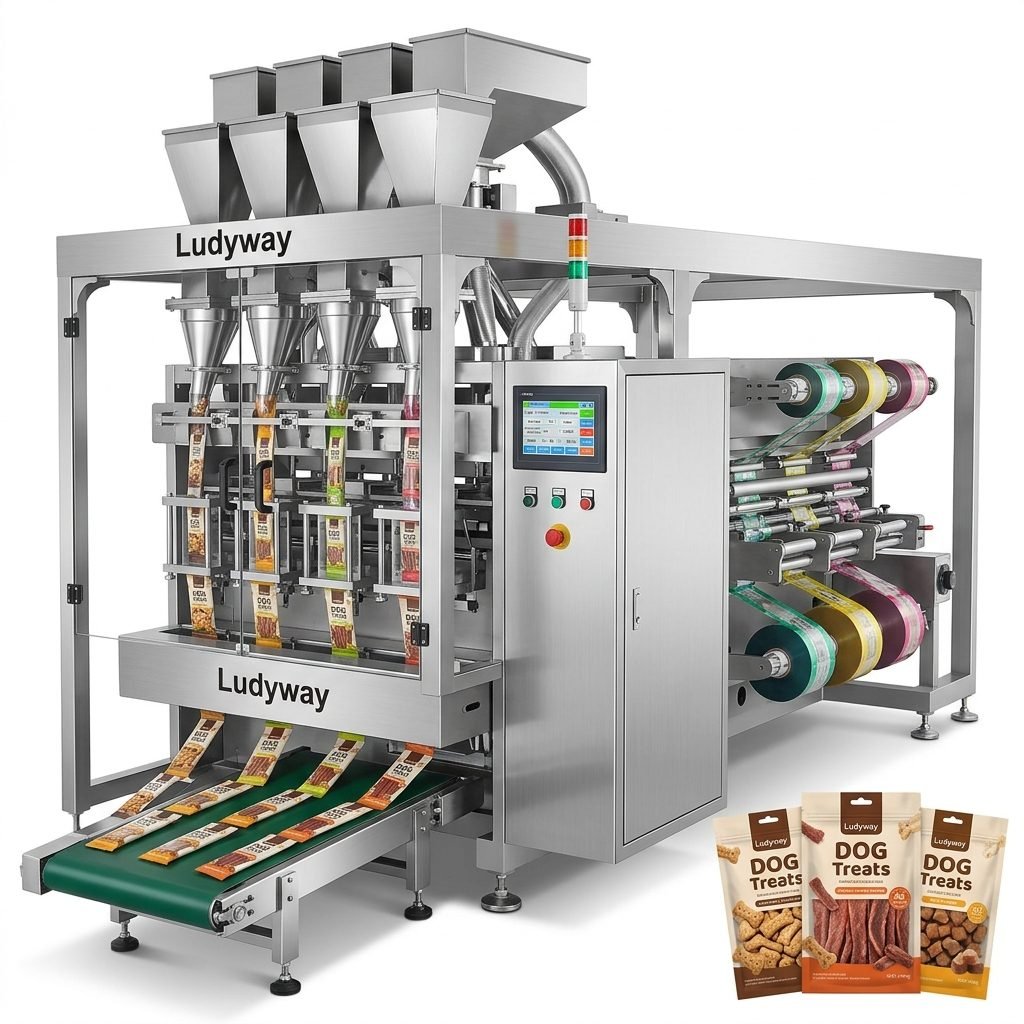
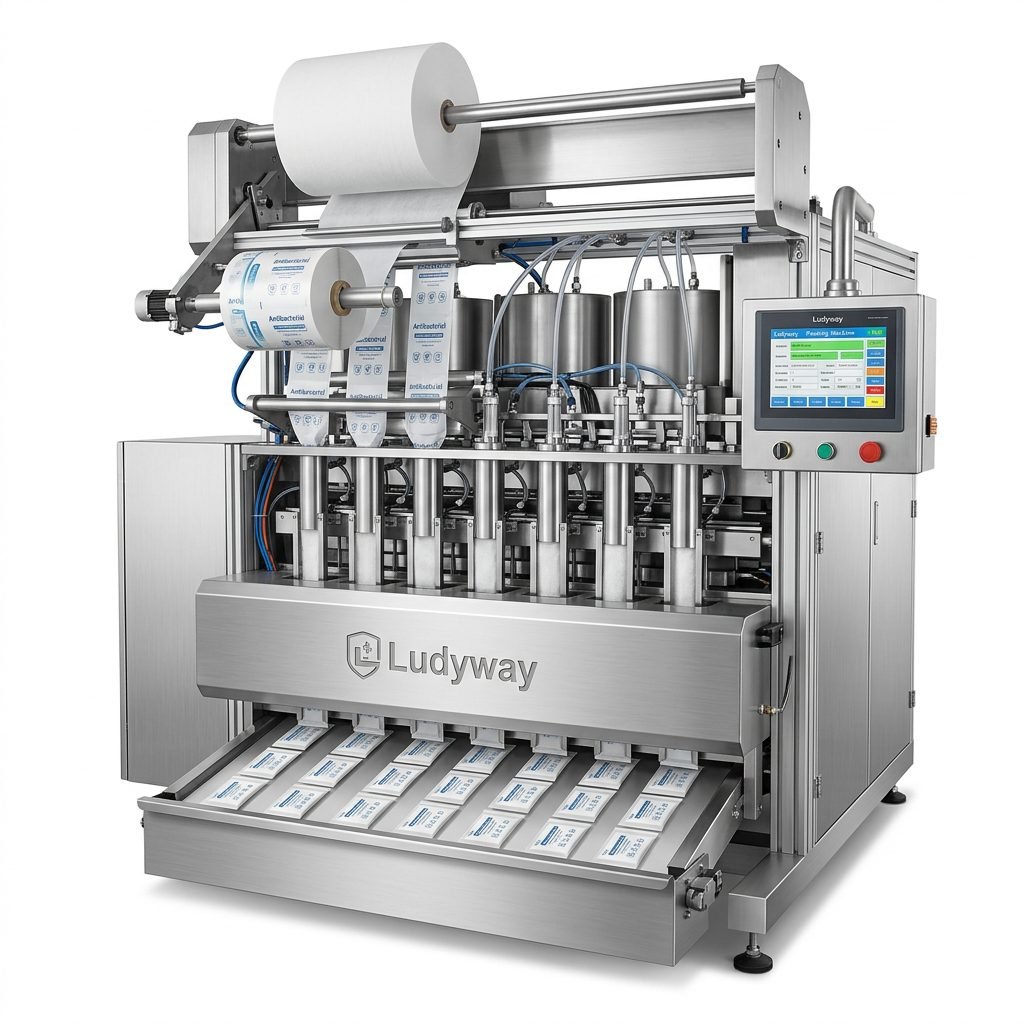
For high-demand industries, a multi-lane configuration is essential. For example, a 12-lane stick pack machine running at 60 cycles per minute can produce over 40,000 packs per hour, making it a crucial factor for businesses scaling up production.
Key Speed Considerations:
- Mechanical vs. Servo-Driven: Servo-driven machines offer adjustable stroke lengths and quicker changeovers, ideal for co-packers.
- Film Sealing Time: Laminated aluminum structures often require longer dwell time than single-layer plastics.
- Dosing Accuracy: High-speed auger fillers must maintain ±1% accuracy to prevent product loss.

Step 4: Customization and Turnkey Integration
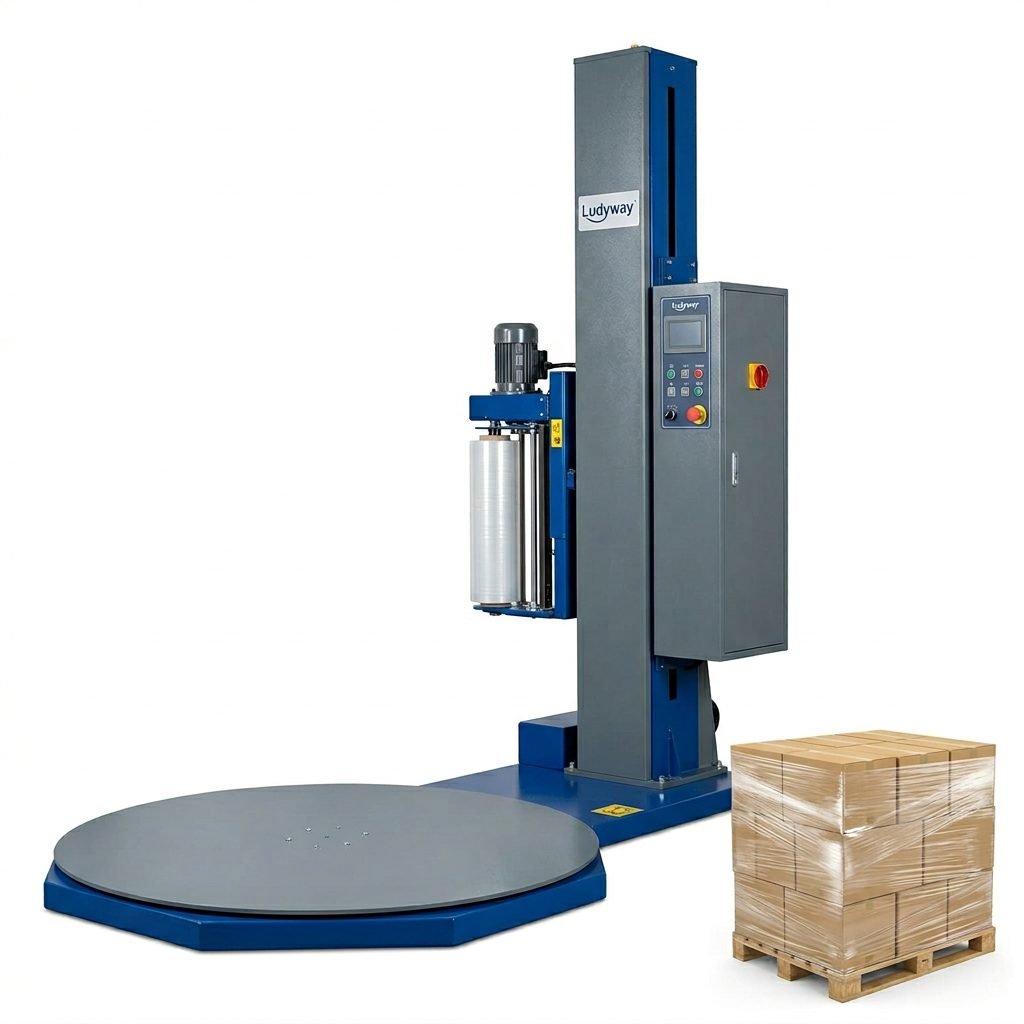
Beyond the primary machine, consider the upstream and downstream equipment. A turnkey packaging line ensures seamless integration of the feeding system, the primary packager, and the end-of-line equipment such as cartoners and palletizers.
As a leading provider of integrated solutions, Ludyway Machinery often assesses a customer’s factory layout to recommend custom configurations. This is particularly vital for products requiring strict hygiene standards, such as pharmaceutical powders and food additives. Customization options include cleanroom-compatible stainless steel structures, gas flushing capabilities, and integrated checkweighers.
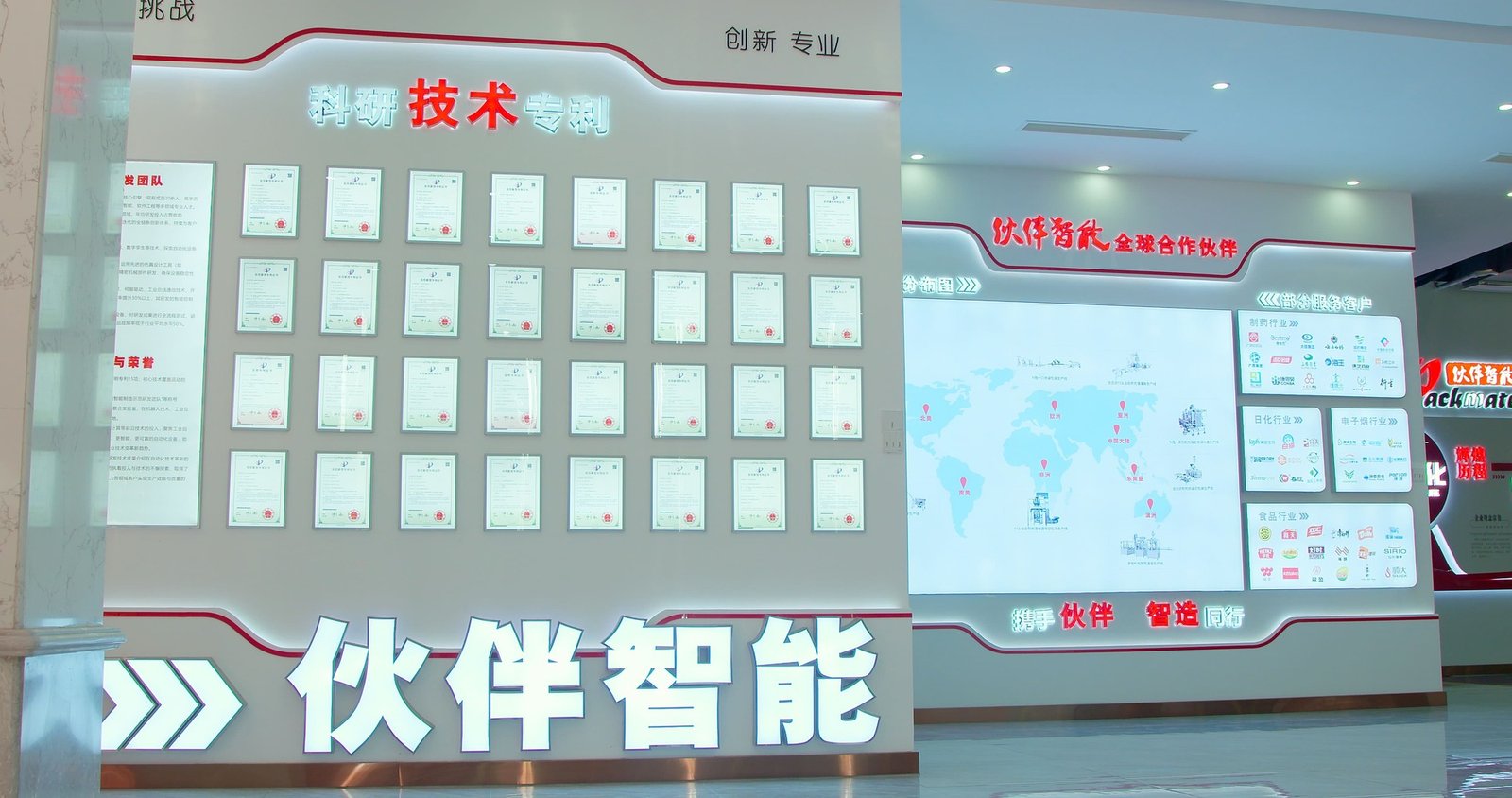
Essential Add-Ons for Full Automation:
- Programmable Logic Controllers (PLC) with touchscreen interfaces.
- Automatic splicers for continuous film roll changes.
- Liquid pumps for viscous products like shampoos or oils.
- Reject systems that eject underweight or defective packs before secondary packaging.
Step 5: Industry-Specific Requirements
Your industry dictates the engineering standards of the CVP machine. A machine packing industrial chemicals needs robust corrosion-resistant parts, while a food-grade application demands easy-teardown designs for CIP (Clean-in-Place) protocols. According to industry reports from the Packaging Machinery Manufacturers Institute (PMMI), sanitary design is the fastest-growing demand in the food packaging sector.
Common Industry Standards:
- Food & Beverage: IP65 washdown rating, stainless steel 304 or 316L.
- Pharmaceuticals: ISO 11607 compliance, track-and-trace serialization.
- Chemicals: Explosion-proof motors, Teflon-coated contact parts.
Step 6: Total Cost of Ownership (TCO)
The purchase price is just the beginning. Savvy buyers calculate the Total Cost of Ownership over a 5-10 year period. This includes the cost of spare parts, film waste rates, and energy consumption.
| Cost Factor | High-Impact Element | Savings Strategy |
|---|---|---|
| Film Consumption | Machine jaw width vs. bag width | Opt for machines with tighter center sealing to reduce trim waste. |
| Changeover Time | Manual adjustments vs. servo-driven memory | Servo systems can recall recipes, reducing downtime by 70%. |
| Maintenance | Sealing jaws and cutting tools | Select hardened steel or ceramic cutting blades for abrasive products. |
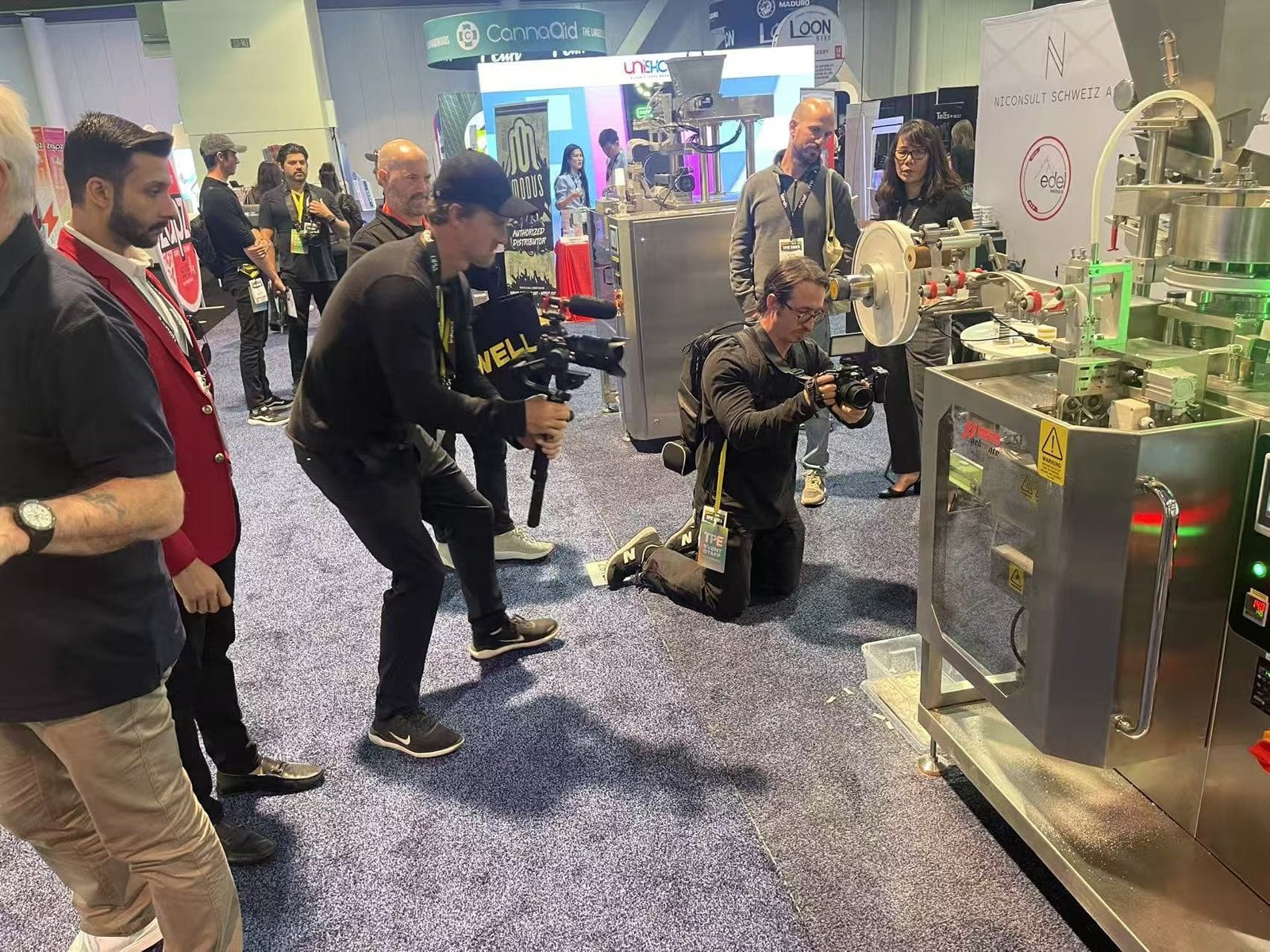
Step 7: Validating the Supplier’s Engineering Capability
When selecting a CVP packaging partner, look beyond the sales catalog. Verify their engineering depth. Can they provide factory acceptance testing (FAT)? Do they have in-house machine shops for custom parts? A manufacturer with decades of experience in flexible packaging will guide you on material compatibility and machine scalability, ensuring your line can handle future growth without a complete overhaul.
Final Checklist Before Signing the PO:
- Run a sample test video with your actual product and film.
- Confirm the frame is built for 24/7 operation (look for heavy-duty gussets and thick steel frames).
- Verify the availability of local technical support and global service capabilities.
- Ensure the control system uses brand-name components (like Siemens, Omron, or Allen-Bradley) for long-term parts availability.
Investing time in these seven evaluation steps will ensure your new CVP machine is an asset, not a liability. By aligning product characteristics, material requirements, and the supplier’s engineering expertise, you secure a packaging line capable of delivering consistent seals, accurate weights, and reliable output for years to come.