Investing in a chip packaging machine is a critical decision that directly impacts your production efficiency, product quality, and long-term operational costs. Whether you are packaging electronic components, granular food products, or small solid items, selecting the right equipment requires a careful evaluation of your specific application, material characteristics, and automation goals. This guide walks you through the essential factors to consider, helping you make an informed purchasing decision that aligns with your manufacturing requirements.

Understanding Chip Packaging Machine Types
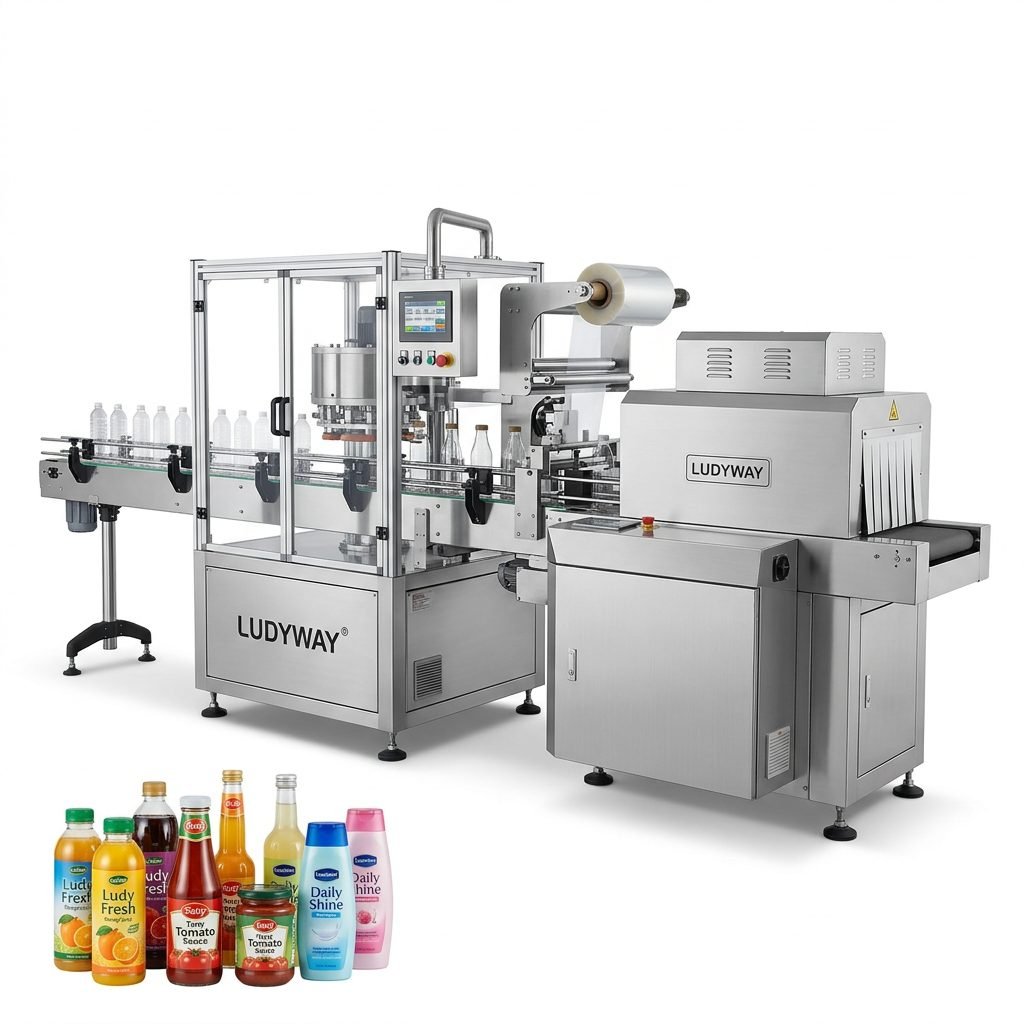
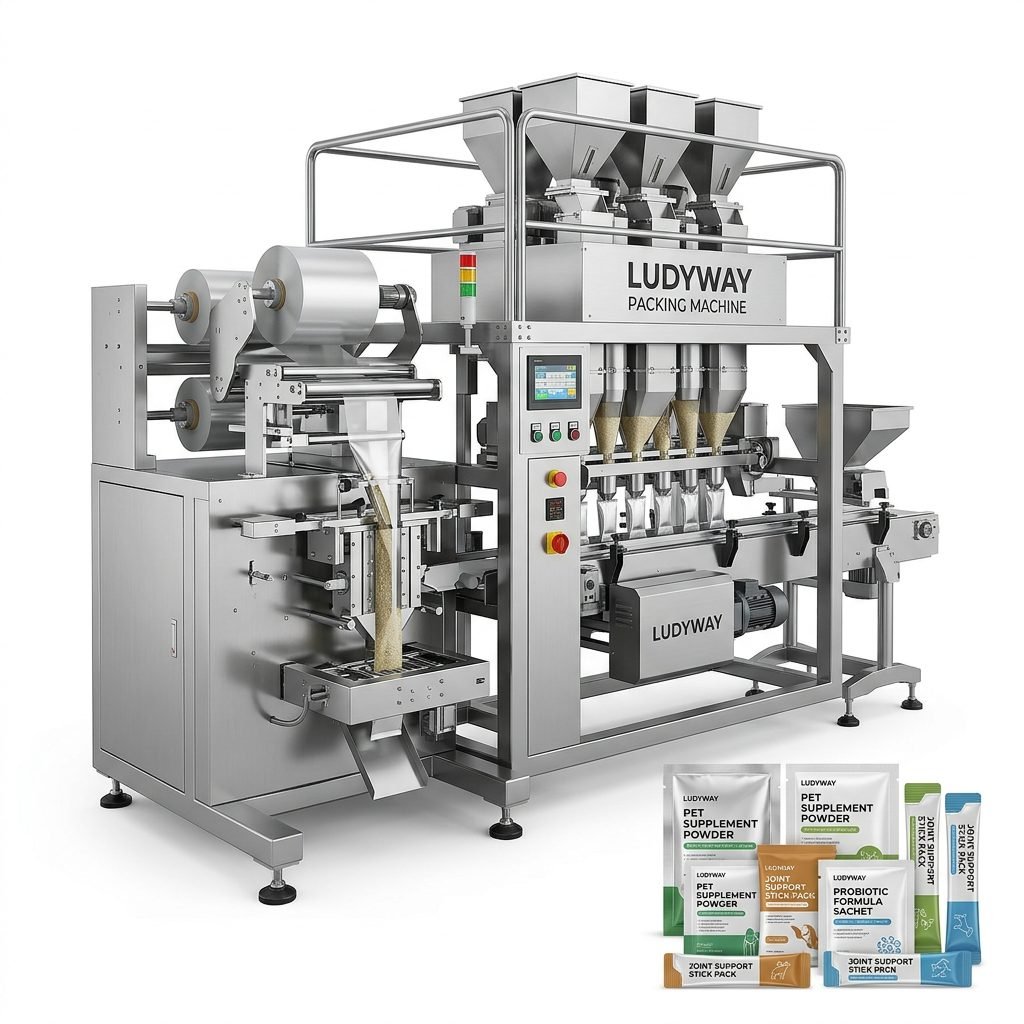
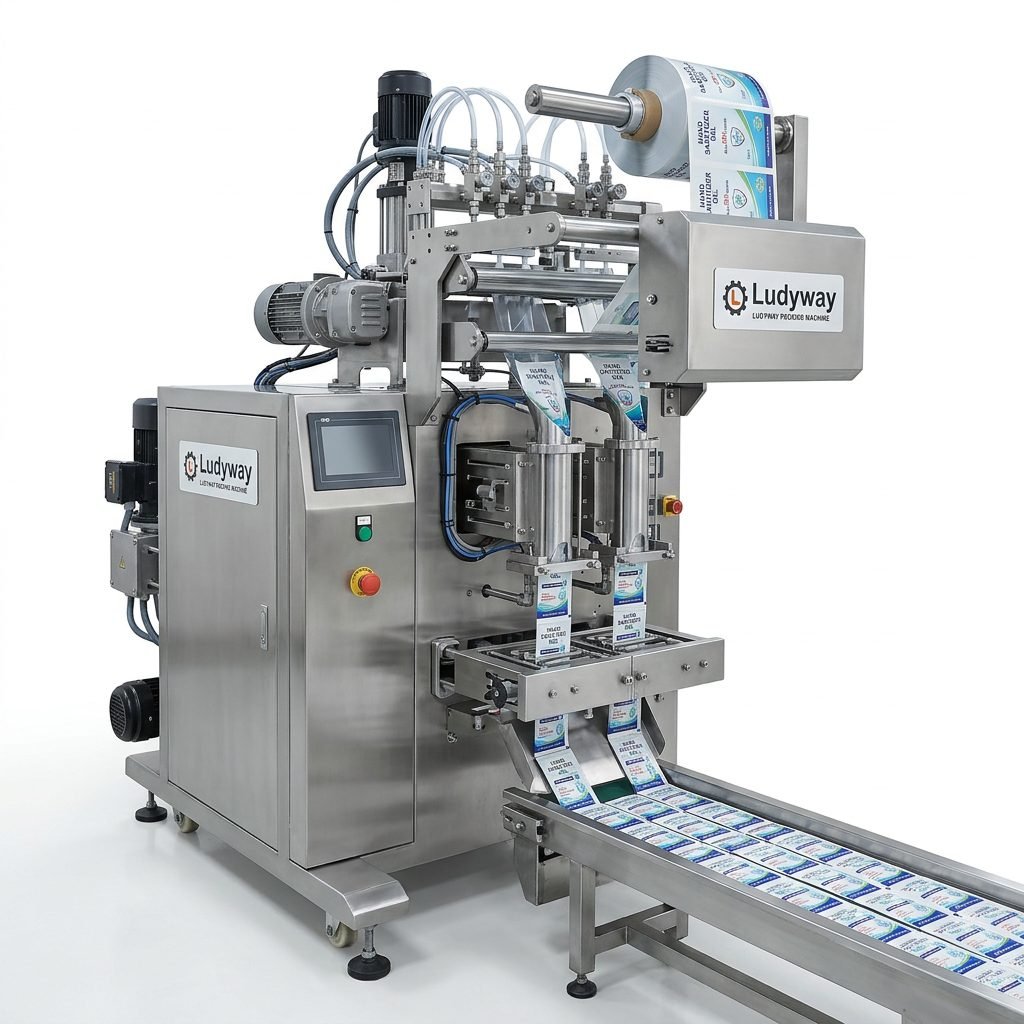
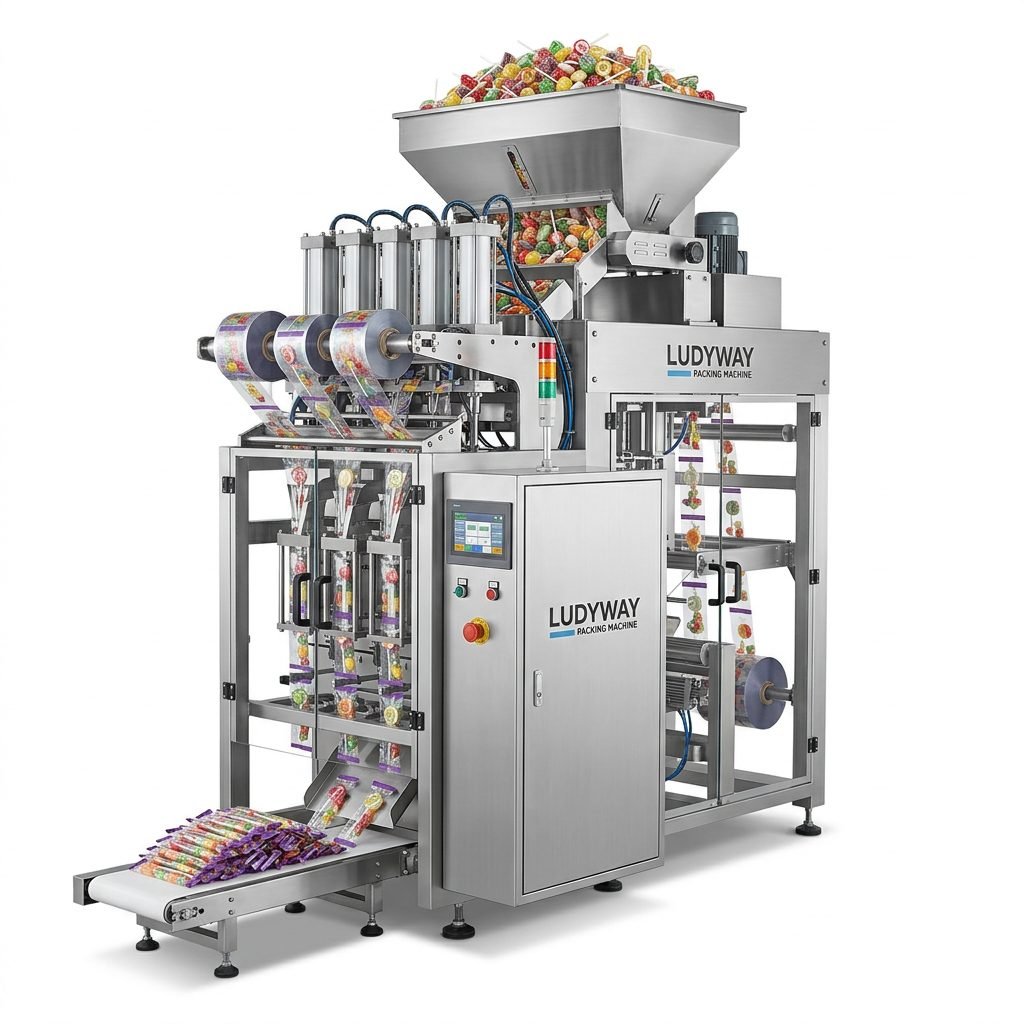
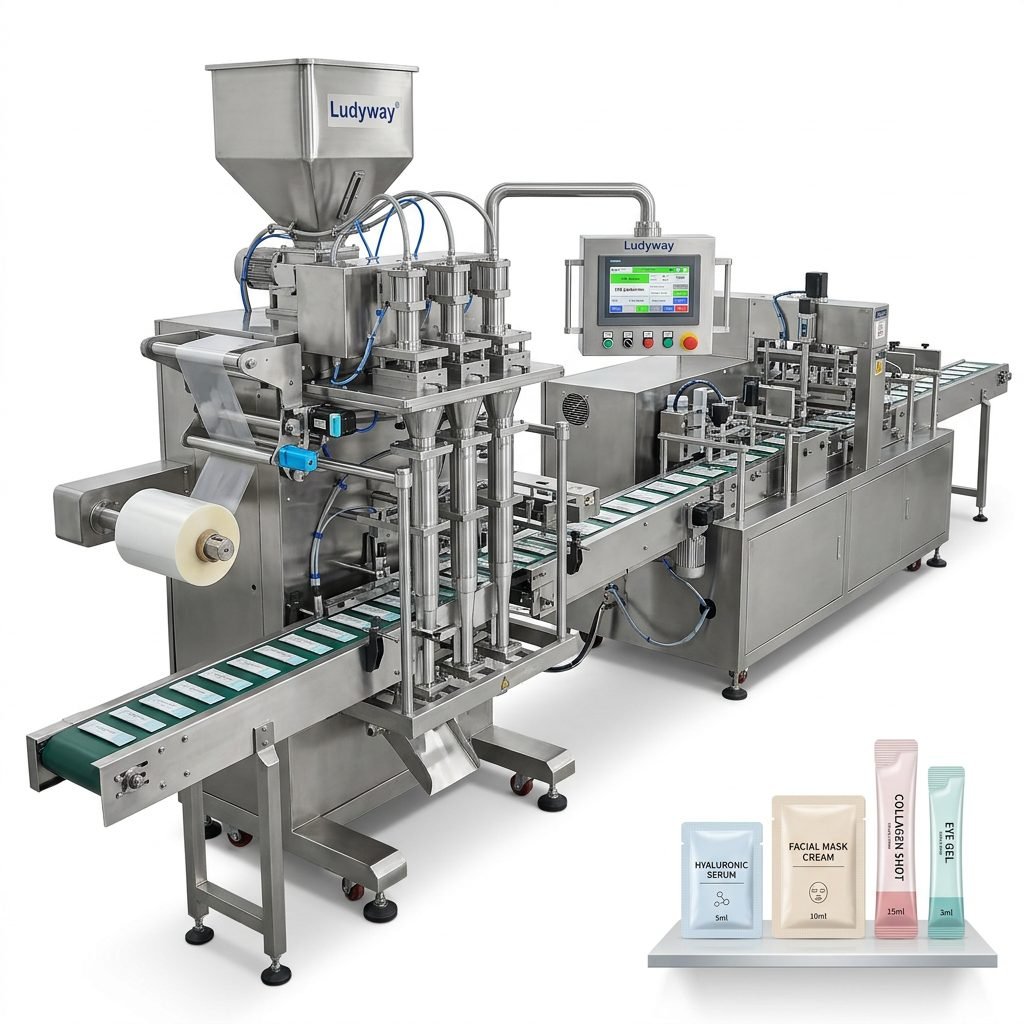
Not all chip packaging machines are built the same. The term “chip” can refer to a wide variety of products — from semiconductor chips and electronic components to food items like potato chips, granules, and small solid pieces. The first step is identifying the machine category that matches your product format and packaging style. Modern solutions include multi-lane stick pack machines, vertical form-fill-seal (VFFS) systems, and pre-made pouch packaging lines, each offering distinct advantages depending on your throughput and packaging material needs.
Common Machine Configurations
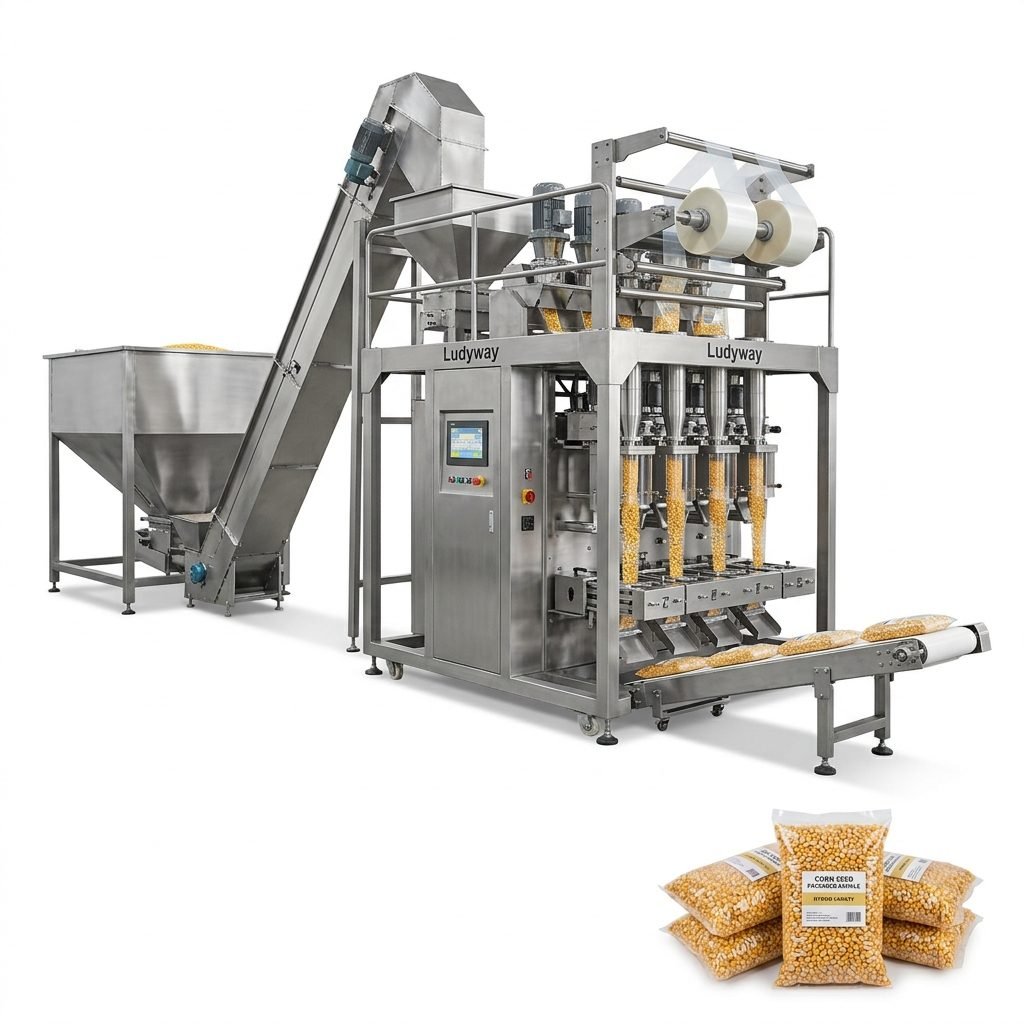
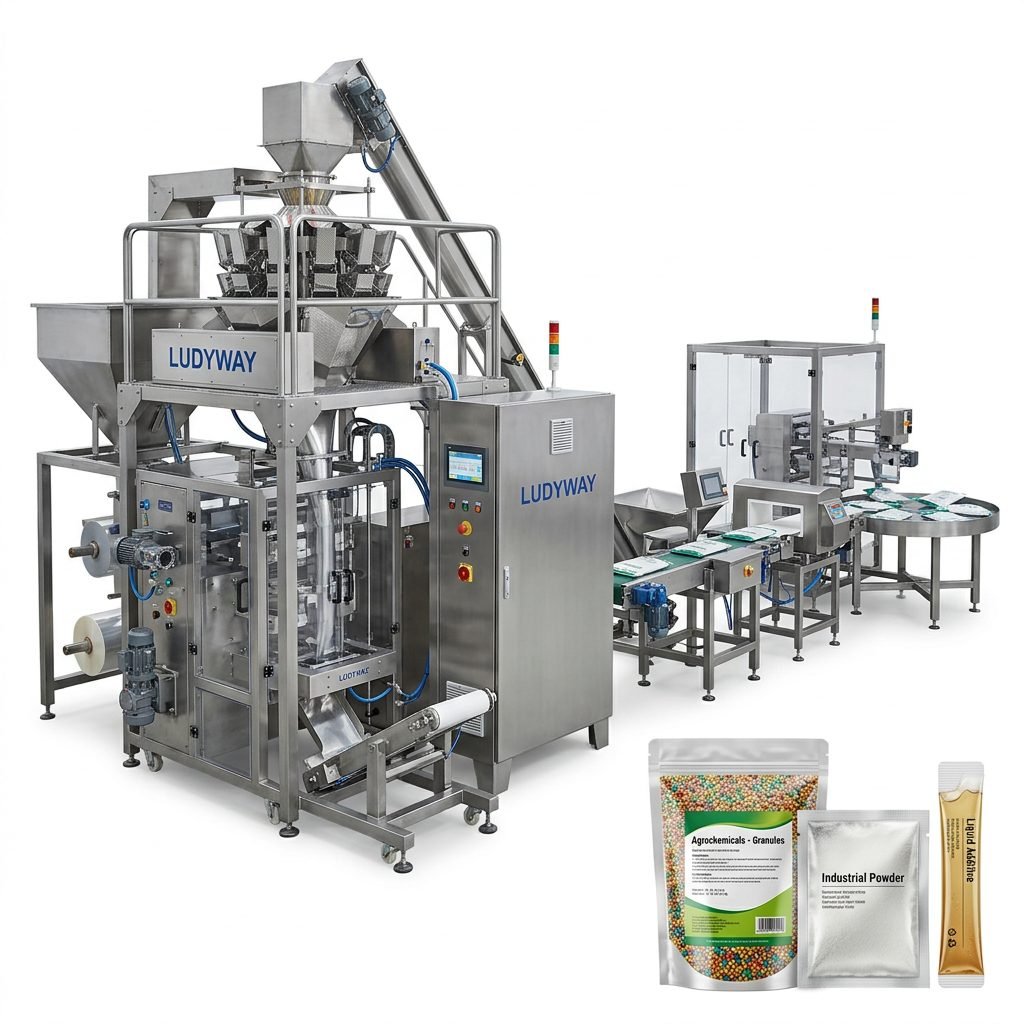
- Vertical Form-Fill-Seal (VFFS) Machines – Ideal for free-flowing chips and granules, forming bags from a roll of film.
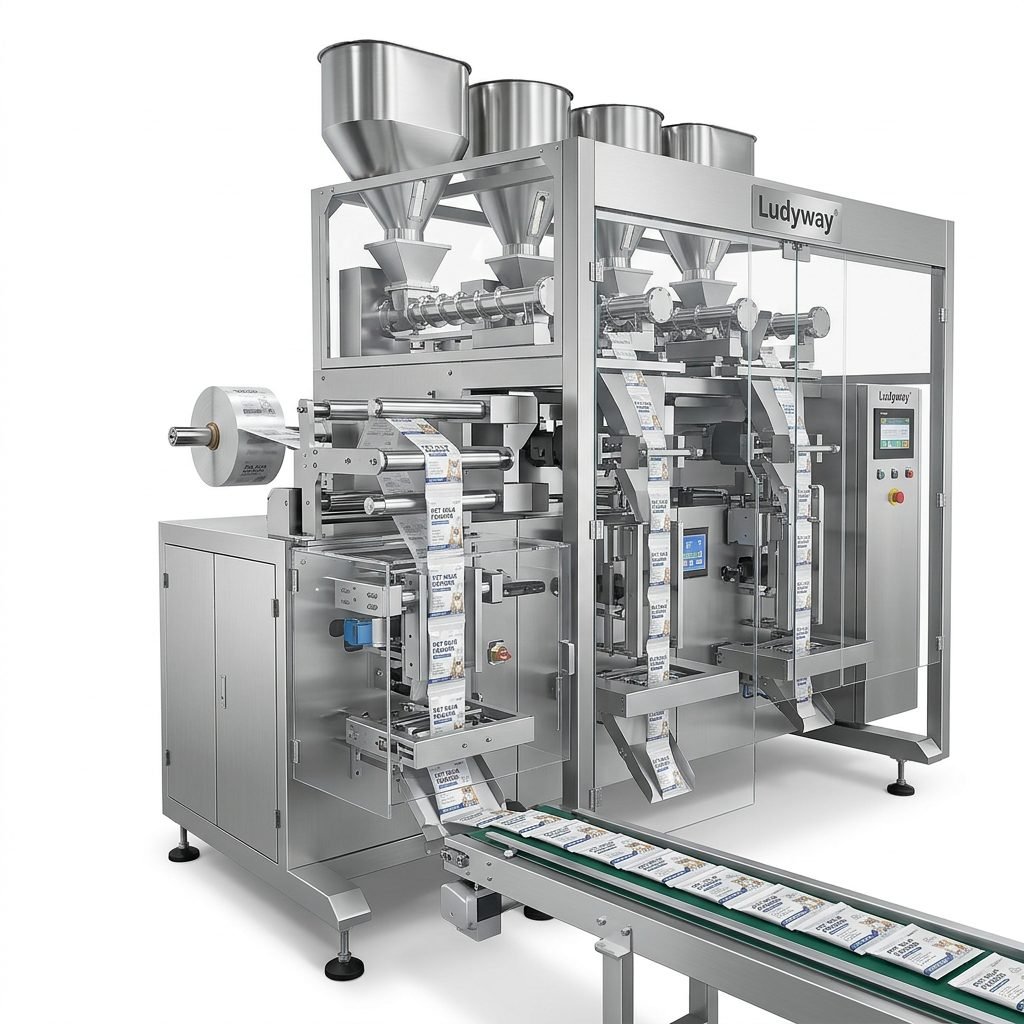
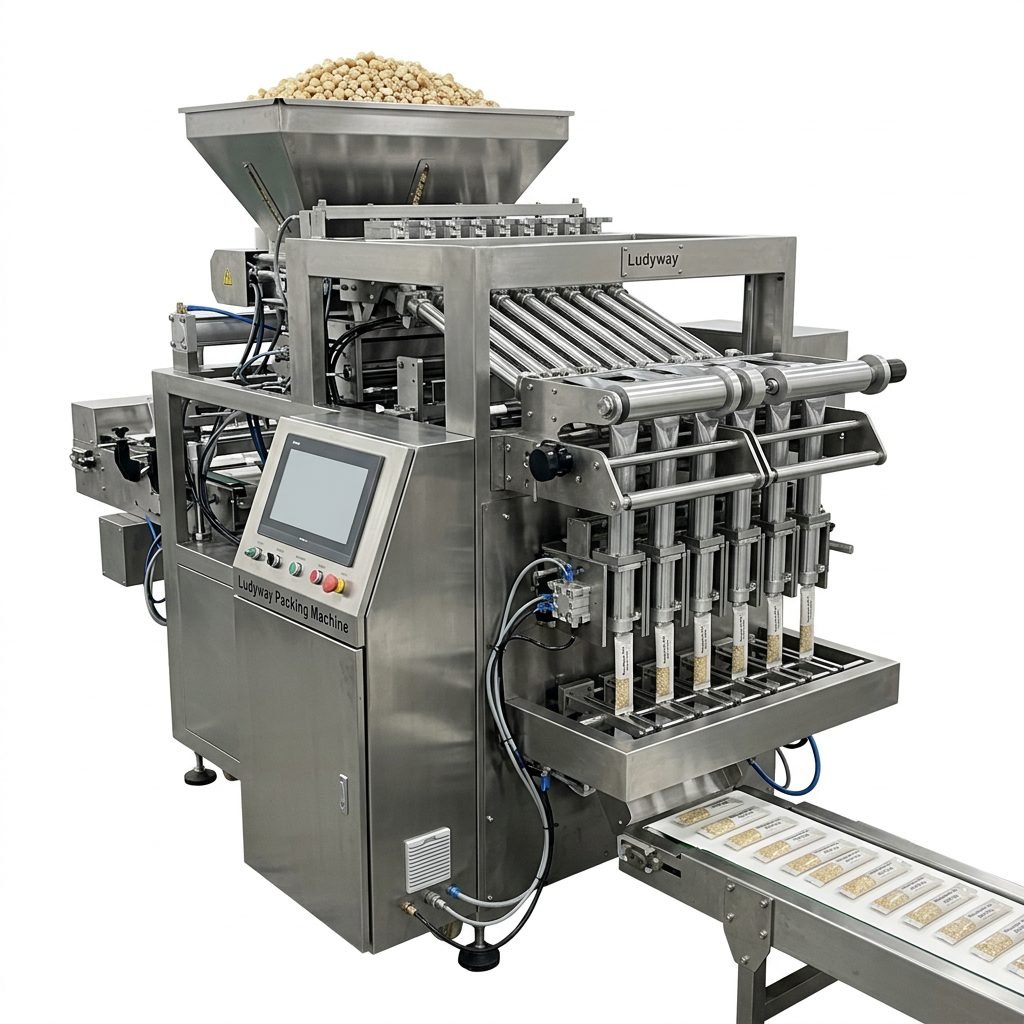
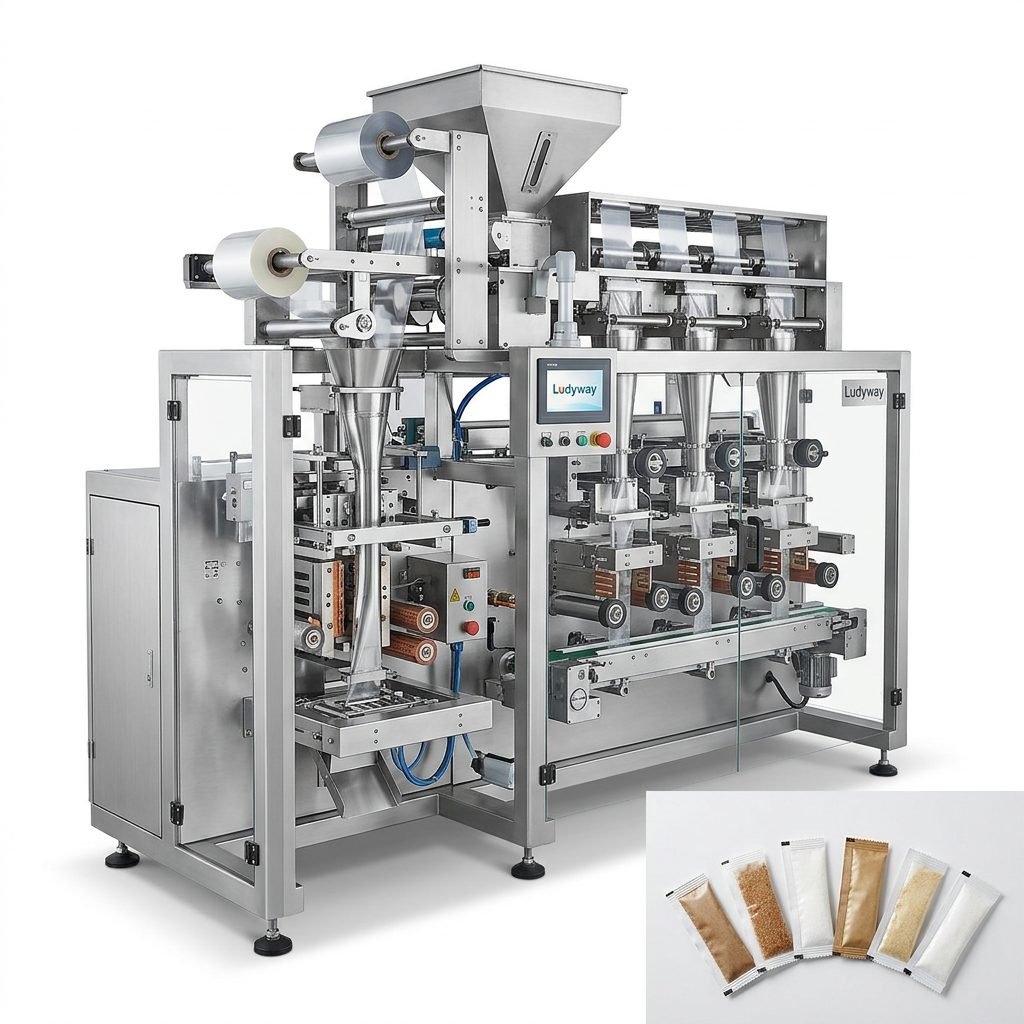
- Multi-Lane Stick Pack Machines – Perfect for high-speed production of narrow sachets, often used for powders, granules, and small chip-like products.
- Pre-Made Pouch Rotary Fillers – Suited for premium packaging formats where chip integrity and presentation matter.
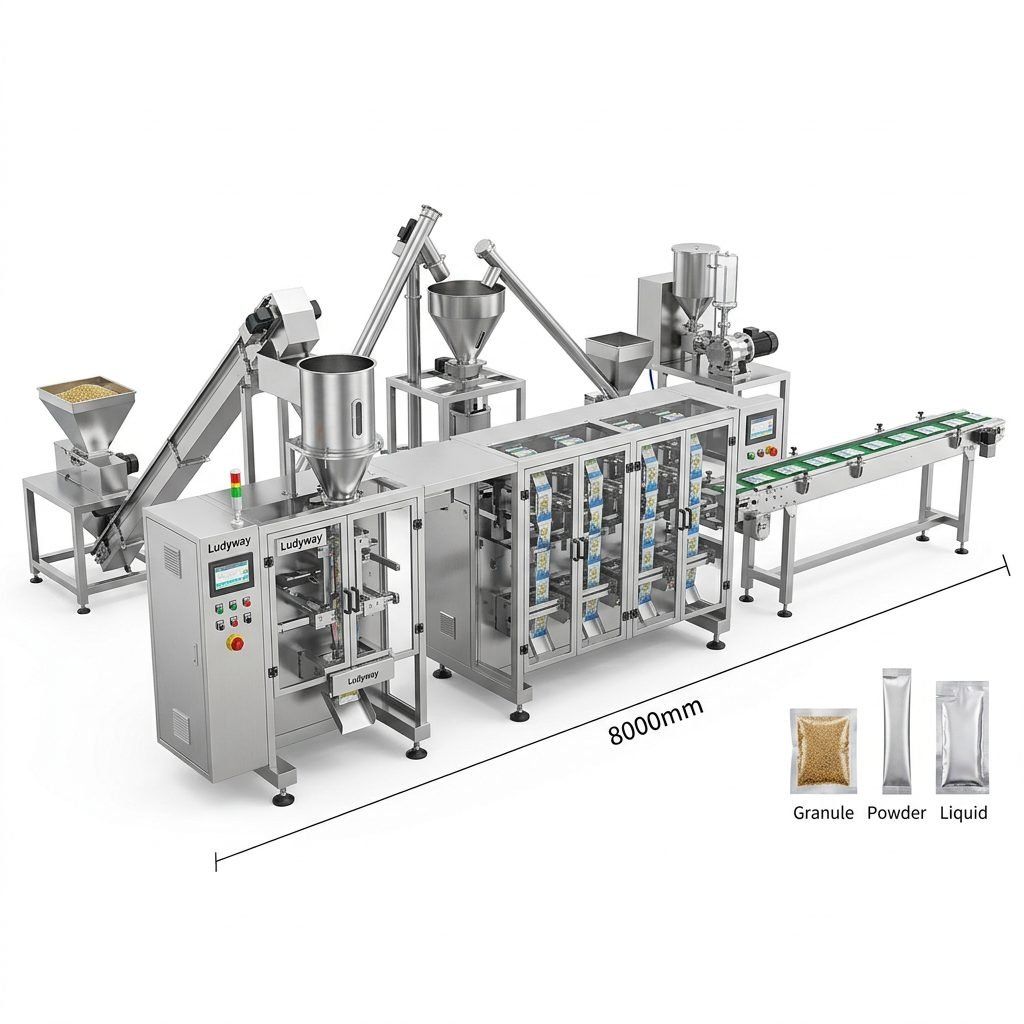
- Custom Turnkey Packaging Lines – Fully integrated systems combining filling, sealing, coding, cartoning, and palletizing for chips that require gentle handling.
Key Selection Criteria for Chip Packaging Equipment
When evaluating different chip packaging machines, focus on the following parameters to ensure the equipment can handle your product characteristics and production targets. Making a rushed decision often leads to ongoing maintenance headaches and inconsistent package quality.
| Selection Factor | What to Evaluate | Impact on Operation |
|---|---|---|
| Product Fragility | Breakage rate during feeding and filling | Product waste and visual appeal |
| Speed Requirements | Packs per minute and lanes configuration | Throughput and order fulfillment capacity |
| Packaging Format | Stick pack, sachet, pillow bag, or gusseted pouch | Shelf presence and consumer convenience |
| Material Compatibility | Film type, thickness, and barrier properties | Shelf life and product protection |
| Automation Level | Manual, semi-automatic, or fully integrated lines | Labor dependency and consistency |
Why Multi-Lane Technology Matters for Chip Packaging
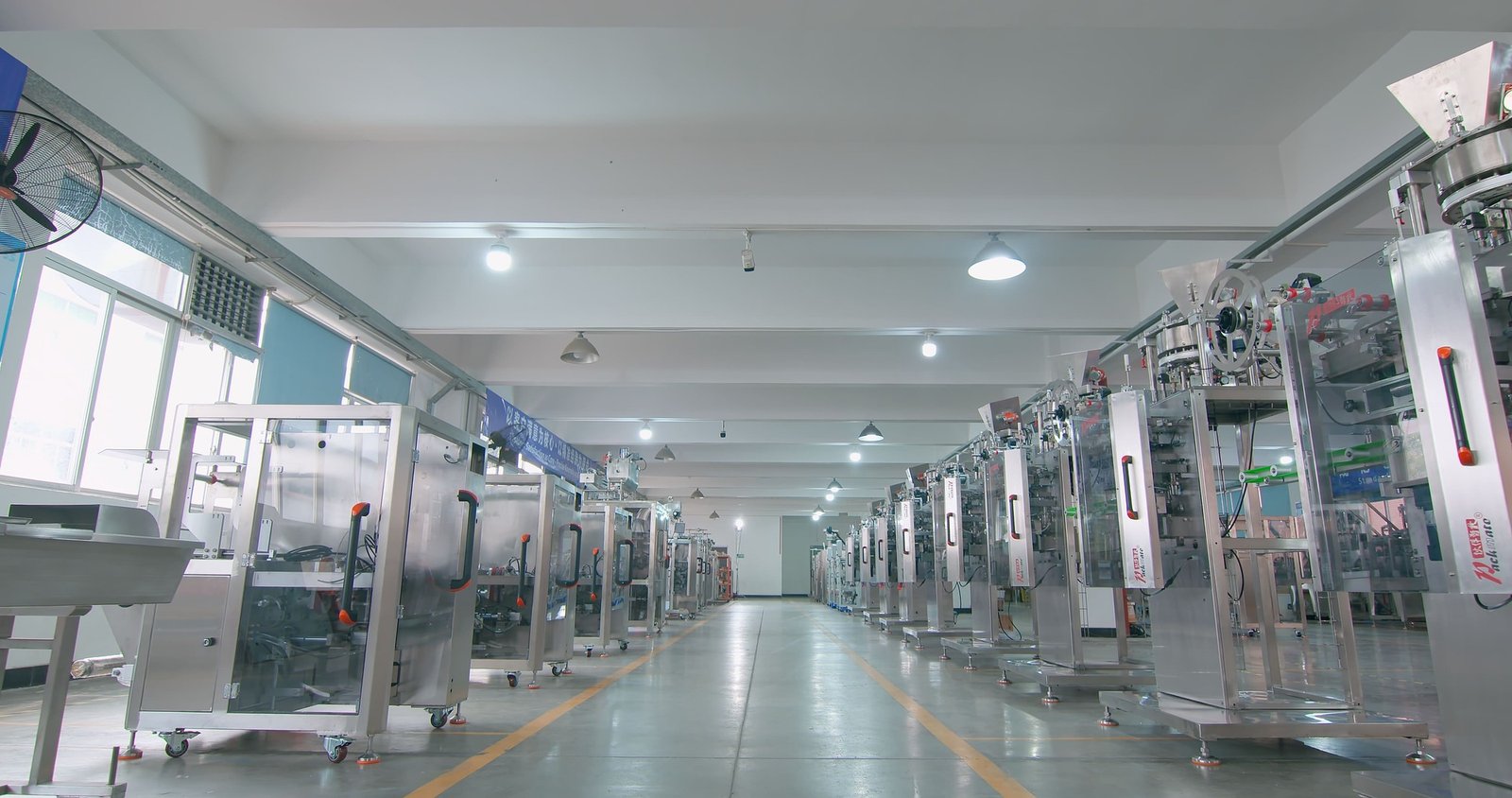
For manufacturers producing high volumes of granular chips, snack pieces, or small electronic parts, multi-lane packaging machines offer a significant competitive advantage. These systems run multiple lanes simultaneously, dramatically increasing output without proportionally increasing floor space. A 4-lane, 6-lane, or even 10-lane configuration can multiply your production capacity while maintaining consistent seal integrity and fill accuracy across all lanes. This technology is particularly valuable when packaging flexible packaging formats for consumer goods.
Industry-Specific Considerations
Different sectors place unique demands on chip packaging machinery. Understanding these nuances ensures your equipment not only meets today’s requirements but also supports future growth.
Food Industry
Requires food-grade stainless steel construction, easy clean-in-place (CIP) design, and compliance with FDA food contact regulations. Chip breakage minimization and oil/grease resistance in sealing areas are critical.
Electronics & Components
Demands ESD-safe materials, precise counting mechanisms, and anti-static packaging films. Cleanroom compatibility may be necessary for semiconductor chip packaging.
Pharmaceutical & Health
Needs strict adherence to ISO packaging standards, tamper-evident seals, and serialization capabilities. Validation documentation and 21 CFR Part 11 compliance are often mandatory.

Evaluating Total Cost of Ownership
The purchase price is only one part of the equation. A comprehensive chip packaging machine evaluation should account for long-term operational expenses, including film consumption rates, energy efficiency, spare parts availability, and maintenance downtime. Machines with quick-changeover designs reduce labor hours between product runs, while durable sealing systems lower film waste. According to PMMI packaging industry research, lifecycle cost analysis is increasingly influencing equipment purchasing decisions across the packaging sector.
Integration with Existing and Future Lines
A chip packaging machine should not be viewed in isolation. Consider how it will connect with upstream feeding systems and downstream cartoning, case packing, and palletizing equipment. Partnering with a manufacturer that provides turnkey packaging solutions — from product feeding through end-of-line automation — simplifies integration and ensures smoother project execution. Ludyway Machinery, with over 30 years of experience and a 20,000-square-meter manufacturing facility, specializes in delivering integrated packaging systems tailored to specific product and production requirements, helping manufacturers scale efficiently across more than 100 countries.
After-Sales Support and Technical Service
Reliable after-sales support is non-negotiable. Look for suppliers that offer remote technical assistance, operator training, on-site commissioning, and readily available spare parts. Downtime in chip packaging lines directly impacts revenue, so the responsiveness and expertise of the technical support team should carry significant weight in your selection process. A supplier’s track record in international markets also indicates their ability to provide consistent service across different regions.
Quick Checklist Before Purchasing
- ✓ Verified machine speed with your actual product samples
- ✓ Sealing integrity test reports for your packaging film
- ✓ Confirmed compliance with relevant packaging standards
- ✓ Spare parts availability and lead times confirmed
- ✓ Training and installation support included in proposal
Choosing the right chip packaging machine is a strategic investment that shapes your production agility for years to come. By thoroughly assessing your product characteristics, production goals, and integration needs — and partnering with an experienced packaging machinery manufacturer — you position your operation for consistent quality, scalable growth, and competitive advantage in your market.