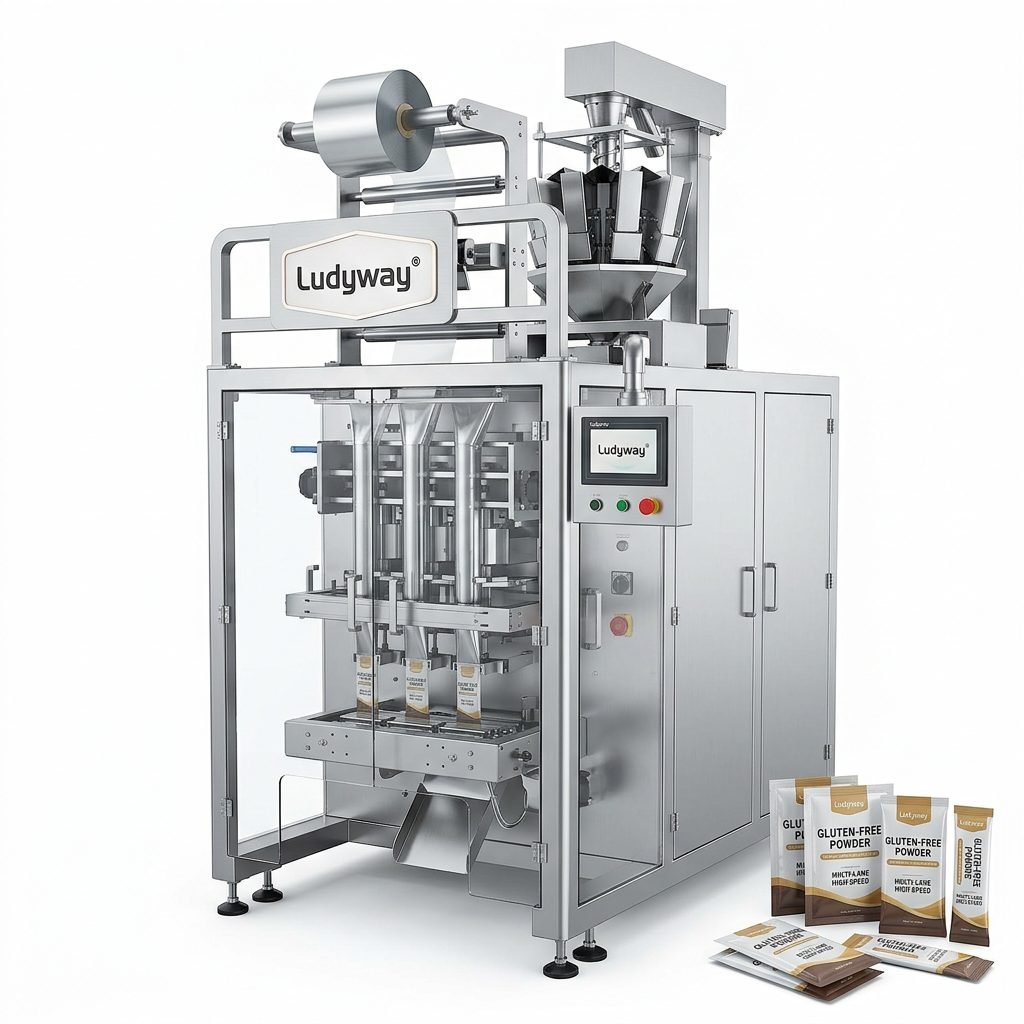
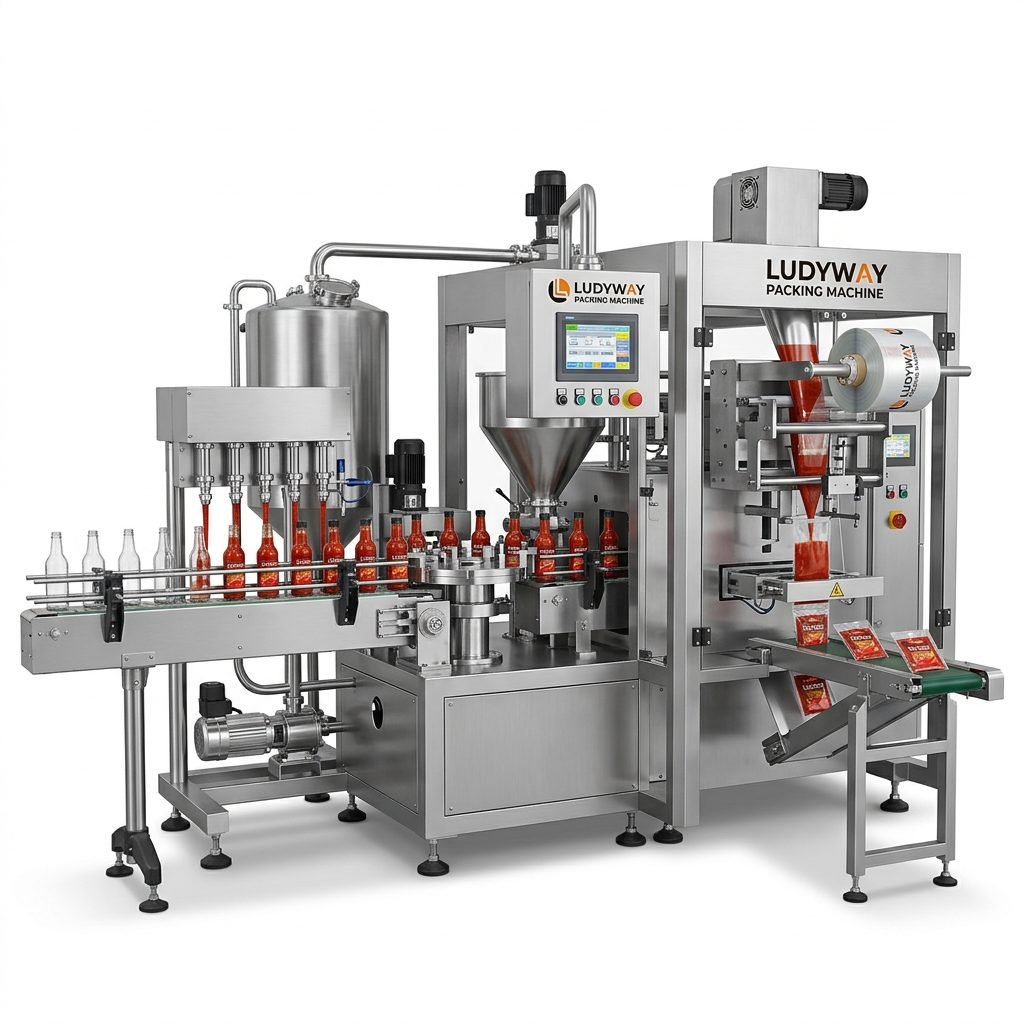
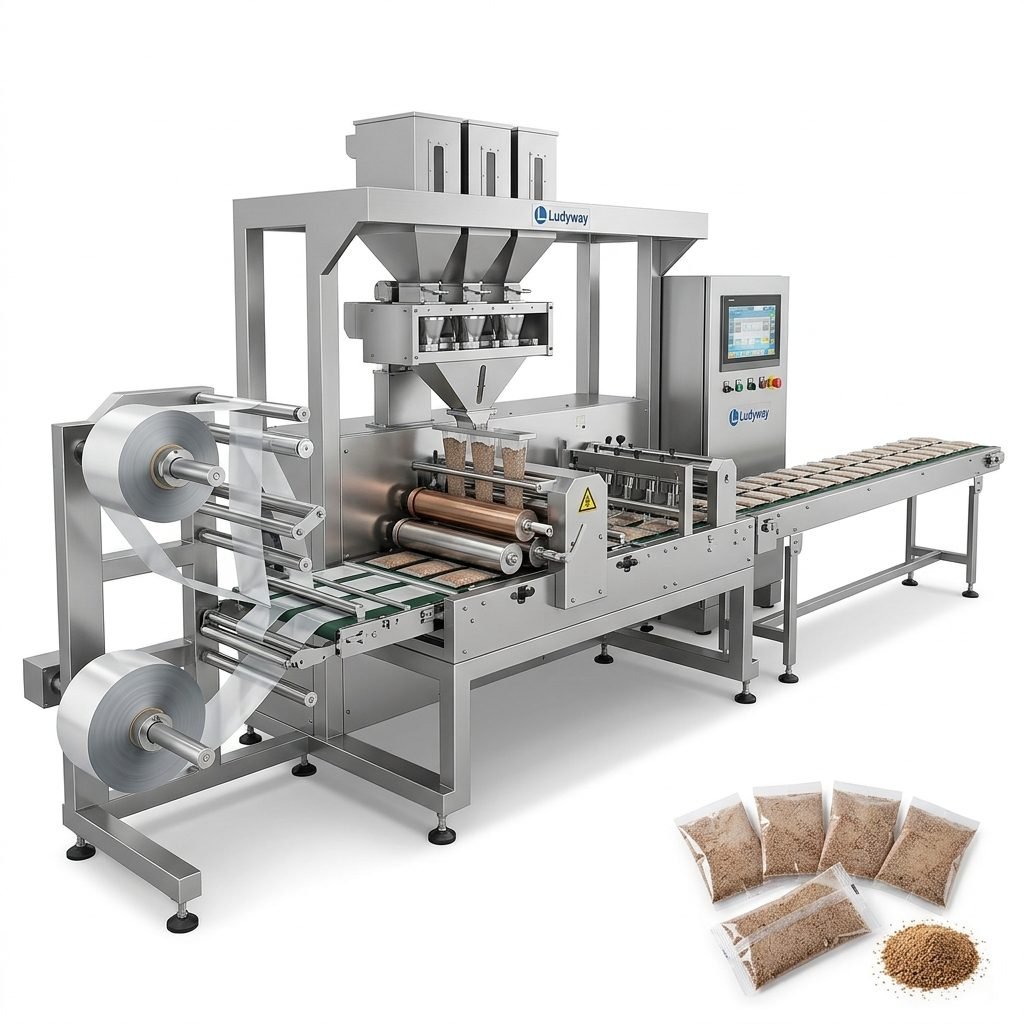
Investing in a thali packing machine is a strategic decision for food manufacturers, catering services, and industrial kitchens looking to scale their operations. Whether you are packaging traditional Indian meals, ready-to-eat lunch trays, or compartmentalized food products, selecting the right equipment requires a careful evaluation of automation levels, packaging materials, production speed, and regulatory compliance. This comprehensive guide walks you through the essential factors to consider before making your purchase.
Choosing the wrong system can lead to production downtime, packaging waste, and compromised food safety. As the global ready-to-eat meal market expands, manufacturers are increasingly turning to automatic packaging machinery to maintain consistency and meet demand. Understanding your operational needs is the first step toward finding a machine that integrates seamlessly with your production line.
Understanding Thali Packaging Formats and Machine Types
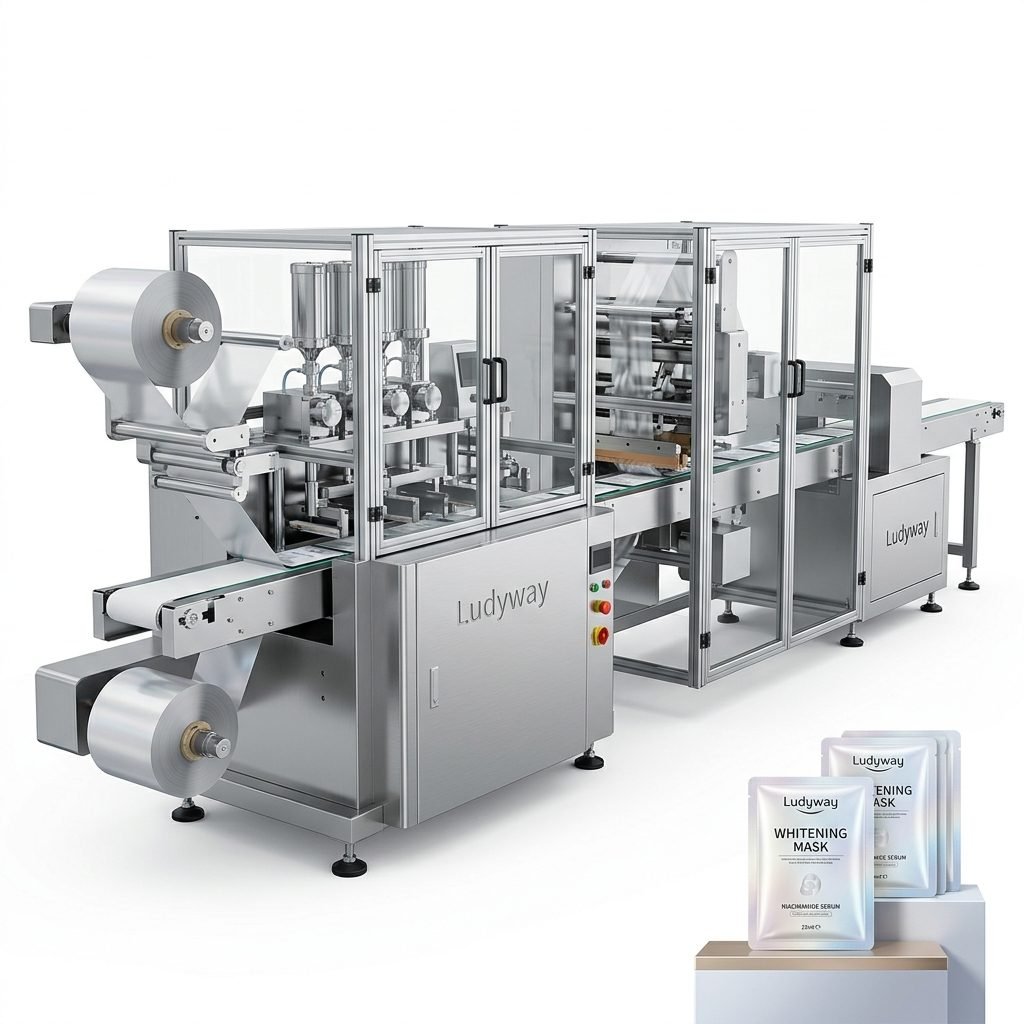
Thali packaging typically involves sealing meals in trays, containers, or flexible pouches with multiple compartments. The right machine depends on whether you are sealing pre-formed trays, using form-fill-seal technology, or employing flow wrapping for single-serve items. Common formats include:
- Tray sealing machines – Ideal for rigid containers with pre-formed compartments.
- Modified atmosphere packaging (MAP) systems – Extends shelf life by replacing oxygen with inert gases.
- Film wrapping machines – Suitable for lightweight, flexible packaging formats.
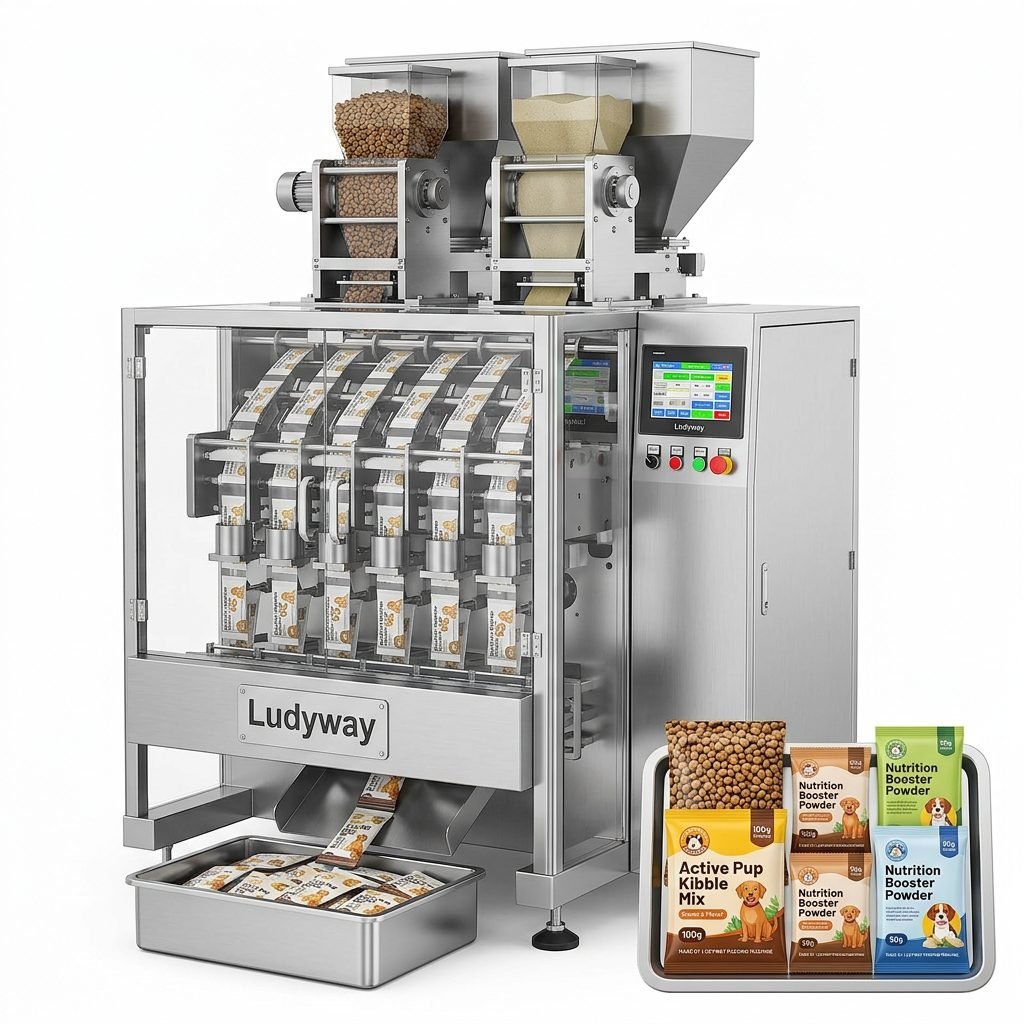
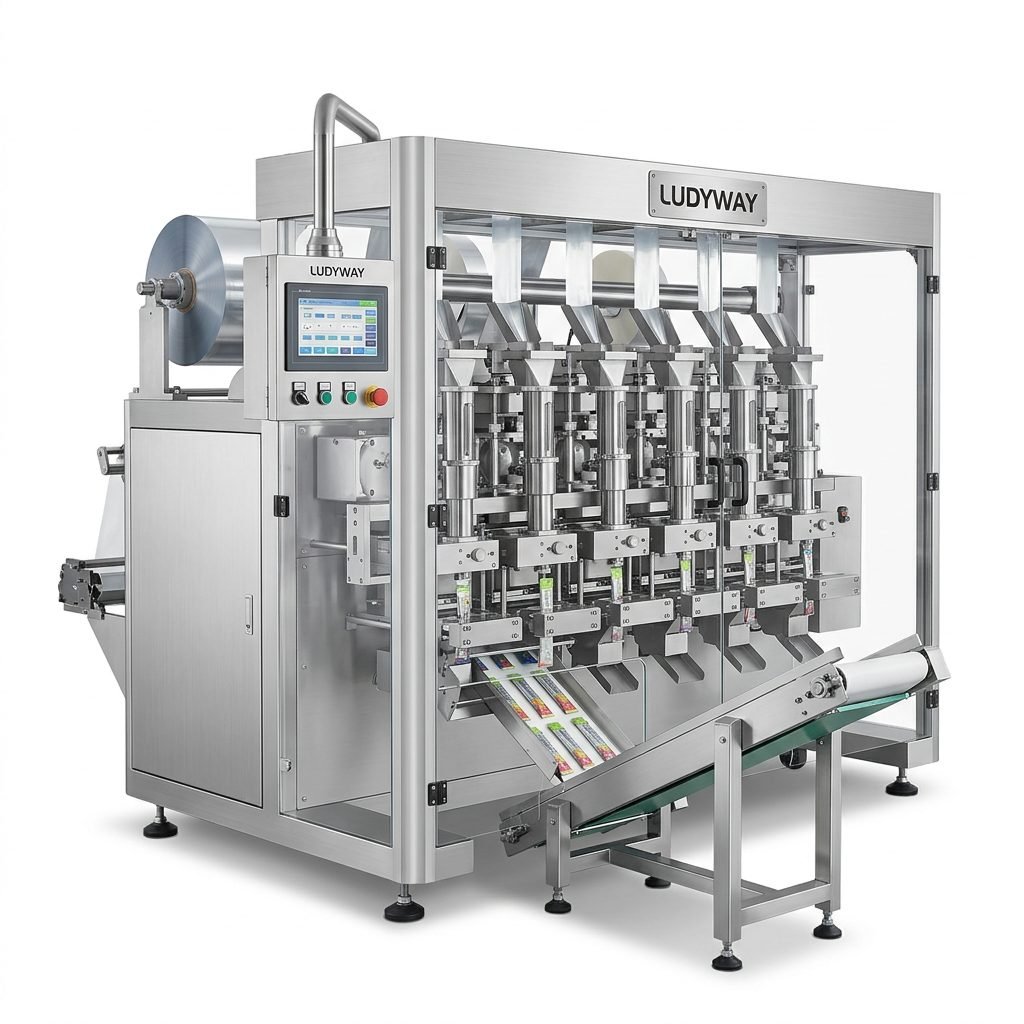
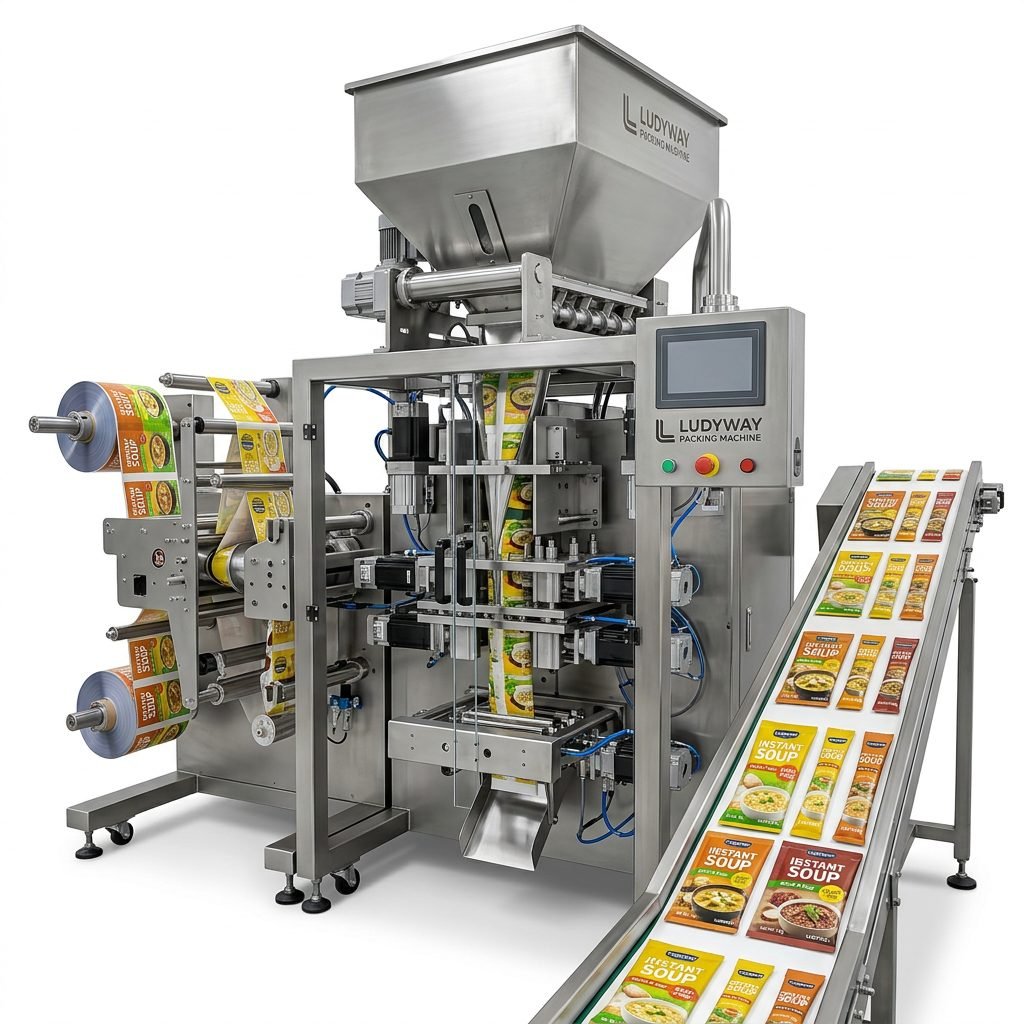
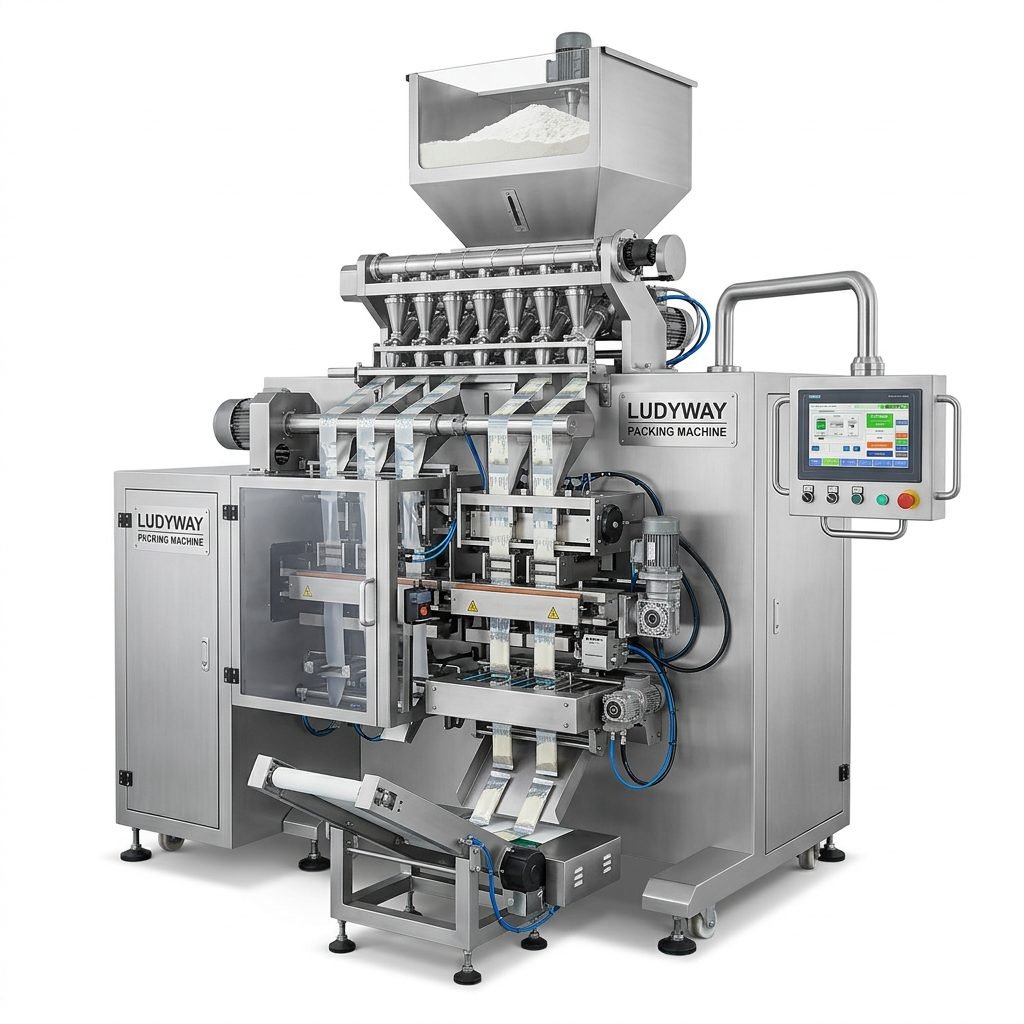
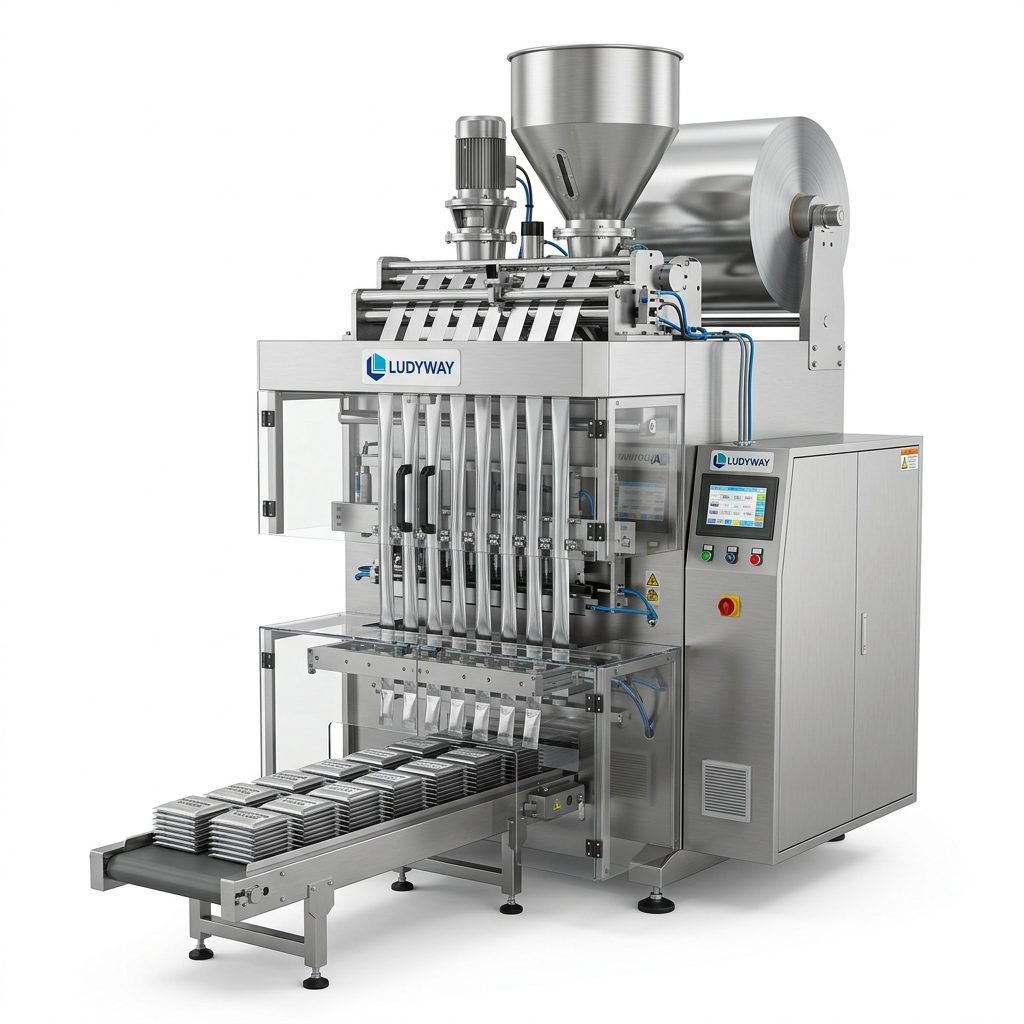
- Multi-lane sachet and pouch systems – For individual component packaging such as chutneys, powders, or spices.
Evaluating Production Speed and Automation Levels
Your anticipated production volume should directly influence the automation level of your thali packing equipment. Manual and semi-automatic machines suit small-scale operations, while fully automatic lines are essential for high-volume manufacturers. Key performance indicators to assess include:
- Cycles per minute – Determines output capacity per shift.
- Changeover time – Critical if you produce multiple meal varieties with different tray sizes.
- Integrated feeding systems – Automatic tray denesting, filling, and sealing reduce labor dependency.
- Inspection and rejection systems – Ensure seal integrity and product quality without manual checks.
For businesses scaling up, understanding the difference between modular and fully integrated lines is crucial. Industry resources like the PMMI Business Intelligence Library provide valuable data on automation trends in food packaging.
Material Compatibility and Seal Integrity
The compatibility between your packaging material and the machine’s sealing mechanism is critical for maintaining hygiene and preventing leaks. Thali trays are commonly made from PP, PET, aluminum foil, or multi-layer laminates. Confirm that the machine supports:
- Heat sealing, cold sealing, or ultrasonic sealing methods.
- Adjustable temperature and pressure controls for different film thicknesses.
- Gas flushing capabilities if MAP is required for extended shelf life.
- Reliable seal quality even with food residue or moisture presence.

Compliance with Food Safety Standards
Food packaging equipment must comply with regional and international safety regulations. Look for machines built with stainless steel frames, food-grade contact parts, and designs that facilitate easy cleaning. Key standards to verify include:
- FDA regulations for food contact substances, as detailed on the FDA Food Packaging and Food Contact Substances page.
- ISO packaging standards for terminally sterilized medical devices, if relevant, found in ISO 11607.
- European Commission regulations on Packaging and Packaging Waste.
- CE marking and other regional certifications depending on your market.
Cost Analysis: Beyond the Initial Price Tag
When budgeting for a thali packing machine, consider the total cost of ownership rather than just the upfront investment. Operational costs can significantly impact your long-term profitability. Evaluate these factors in your financial analysis:
| Cost Factor | Description | Impact |
|---|---|---|
| Energy Consumption | Power requirements for heating, cooling, pneumatic systems | Ongoing operational expense |
| Spare Parts | Availability and cost of seals, cutting blades, sensors | Direct maintenance cost |
| Film Waste | Precision of material feeding and cutting accuracy | Material efficiency and sustainability |
| Labor Requirements | Number of operators needed per shift | Staffing costs |
Customization and Flexibility for Diverse Menus
A significant challenge in thali packaging is handling diverse food textures—from dry rotis to liquid curries. Customizable machine configurations allow you to adjust filling volumes, tray sizes, and sealing parameters. Manufacturers like Ludyway Machinery offer engineering solutions that can be tailored to specific product characteristics and packaging requirements, ensuring that equipment grows with your business needs.

The Importance of After-Sales Support and Technical Assistance
Even the most robust thali packing machine requires regular maintenance, occasional troubleshooting, and access to genuine spare parts. Before finalizing your purchase, confirm that the supplier provides:
- Installation and commissioning services on-site.
- Comprehensive operator training programs.
- Remote technical assistance for quick issue resolution.
- A readily available inventory of spare parts.
- Warranty terms that cover key components.
For international buyers, evaluating the supplier’s global service network is essential. Resources from organizations like the PMMI Packaging Industry Resources can help you identify reputable equipment providers and understand service benchmarks in the packaging sector.
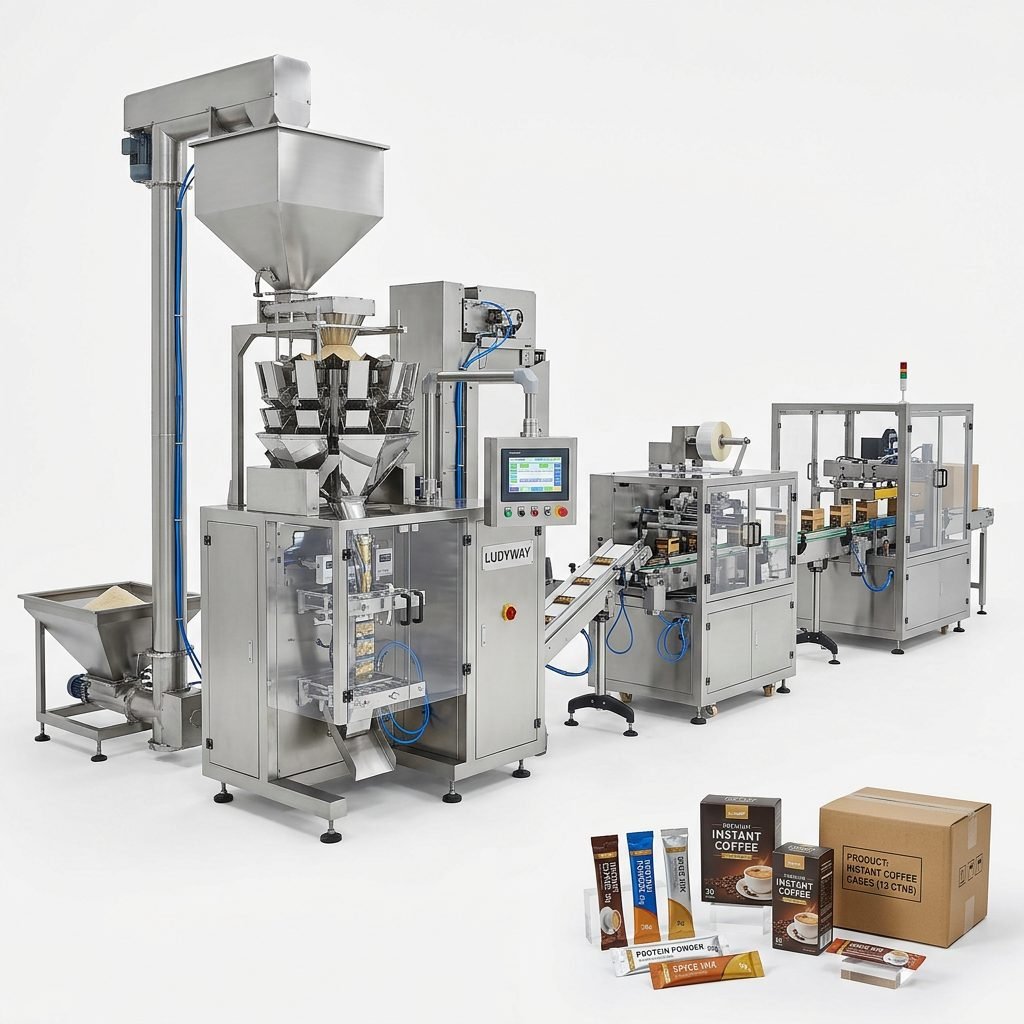
Integrating Your Thali Packing Machine into a Complete Production Line
A thali packing machine rarely operates in isolation. It needs to synchronize with upstream cooking and filling equipment and downstream cartoning or palletizing systems. Consider whether the machine supports:
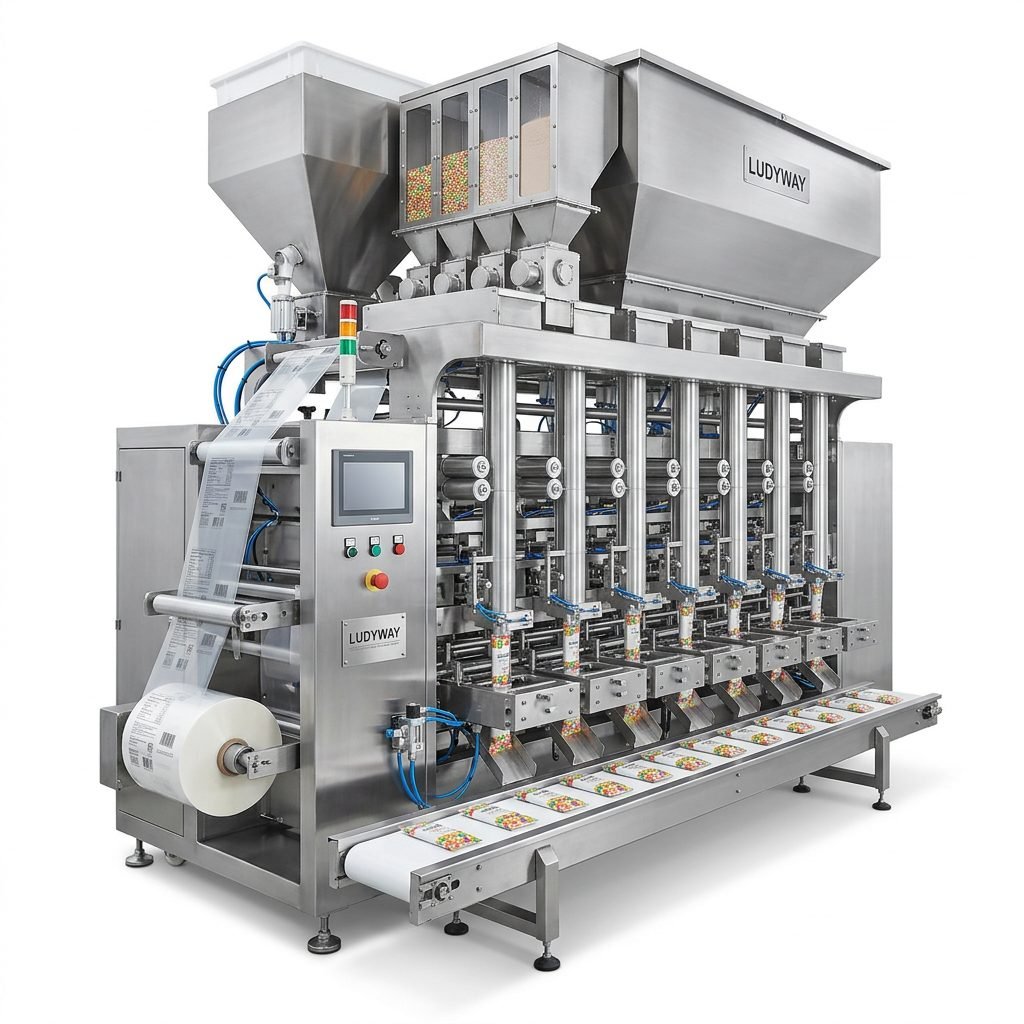
- Multi-lane configurations for parallel processing.
- Integration with automated feeding and dosing systems.
- Compatibility with coding, labeling, and inspection equipment.
- Data collection for production monitoring and traceability.
Supplier Selection and Industry Verification
Choosing a supplier with a proven track record in the flexible packaging industry reduces implementation risk. Look for manufacturers that can demonstrate experience across multiple food categories and packaging formats. The Flexible Packaging Association Industry Resources offers insights into material trends and supplier capabilities that can inform your decision-making process.
Check customer references, visit manufacturing facilities when possible, and request sample runs with your actual products. A supplier that offers comprehensive support—from initial consultation through installation and training—will help ensure your packaging operation achieves its performance goals.
Future-Proofing Your Packaging Investment
The food packaging industry is evolving rapidly, with increasing emphasis on sustainable materials, smart factory integration, and flexible production capabilities. As you evaluate thali packing machines, consider how easily the equipment can be upgraded or reconfigured. Industry reports available through the PMMI State of the Industry Reports provide valuable data on emerging trends that may influence your long-term equipment needs.
By taking a systematic approach to evaluating your production requirements, material compatibility, automation levels, and supplier capabilities, you can select a thali packing machine that delivers consistent performance, food safety compliance, and a strong return on investment for years to come.