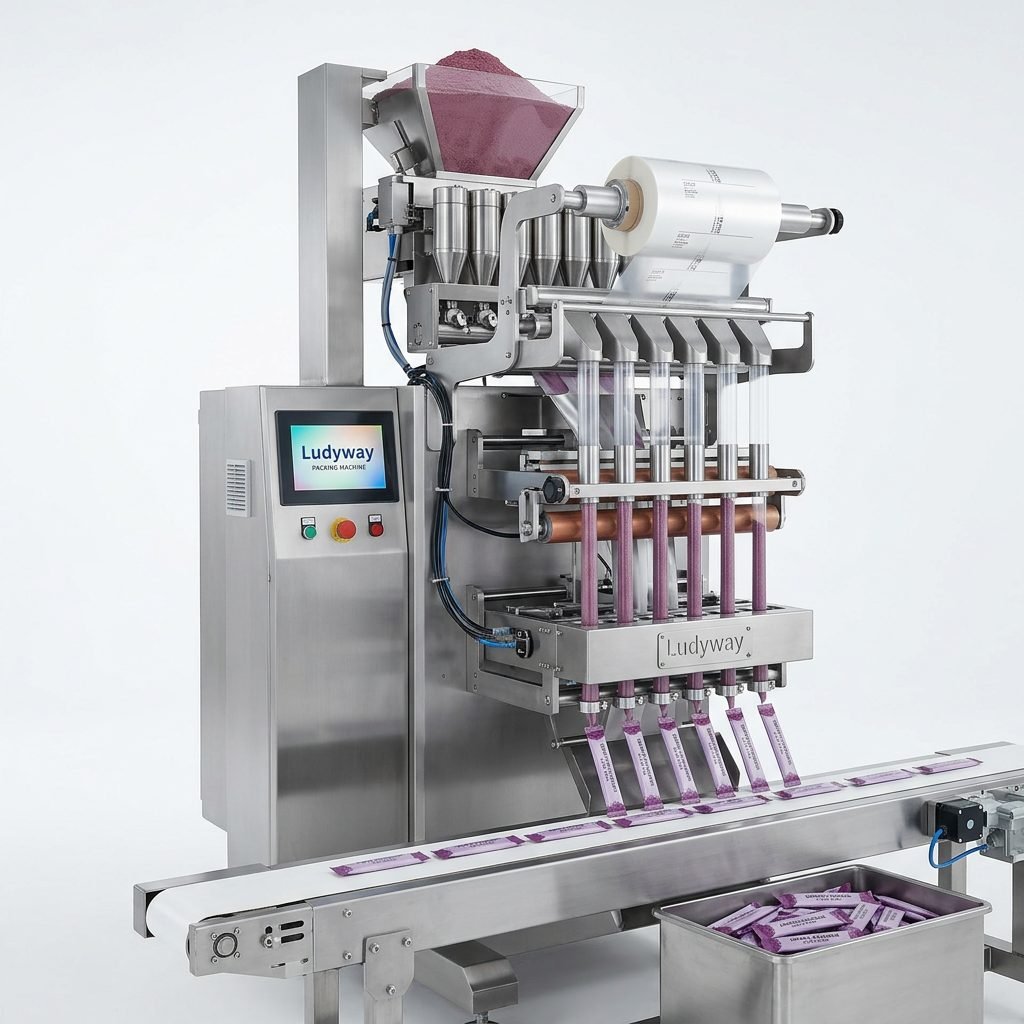
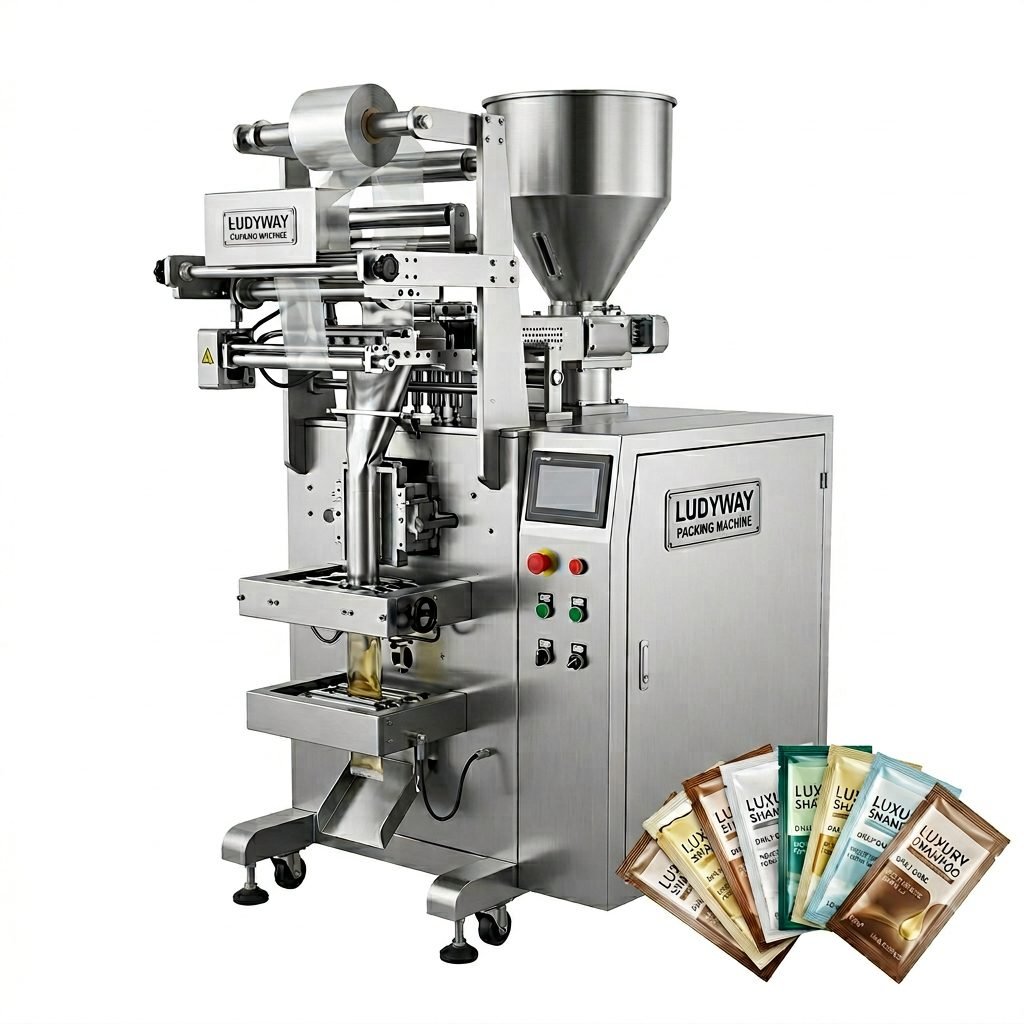
Investing in a thermoforming blister packaging machine is a significant decision for pharmaceutical manufacturers, medical device producers, and consumer goods companies. The right machine can streamline your entire packaging line, ensure product protection, and maintain regulatory compliance. The wrong one can lead to costly downtime, inconsistent seal quality, and production bottlenecks. This comprehensive buyer’s guide walks you through every critical factor you need to evaluate before making your purchase.
Understanding Thermoforming Blister Packaging Technology
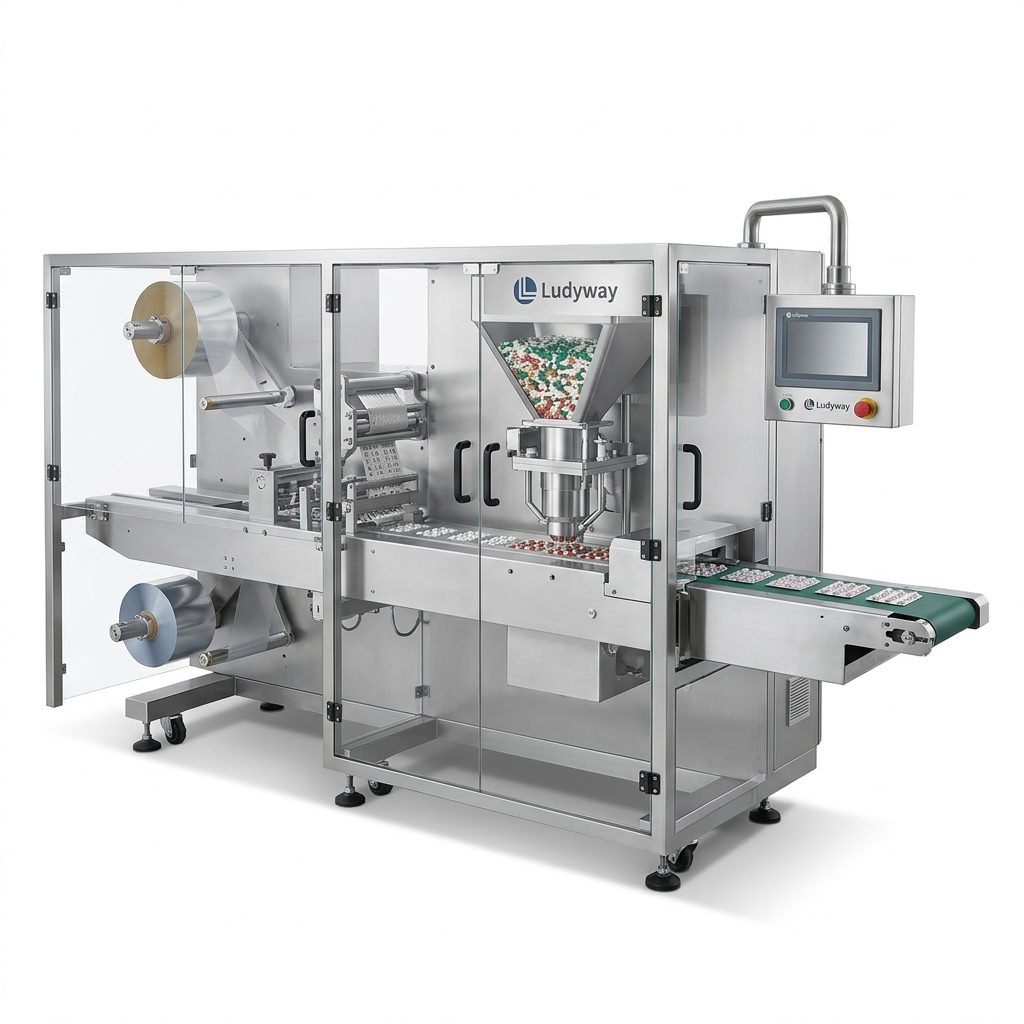
Thermoforming blister packaging is a process where a heated plastic sheet is formed into a cavity or pocket that holds a product, which is then sealed with a backing material such as foil, paper, or plastic film. This technology is widely used in the pharmaceutical, medical device, and consumer goods industries. The process involves three main stages: heating the plastic film, forming it into the desired blister shape using vacuum or pressure, and sealing the filled blister with a lidding material.
According to the PMMI packaging industry reports, the global blister packaging market continues to expand, driven by increasing demand for unit-dose packaging and tamper-evident solutions. Understanding the fundamentals of how these machines operate is essential before evaluating specific models.
Key Factors to Consider When Choosing a Thermoforming Blister Packaging Machine
Selecting the right equipment requires a thorough evaluation of your production needs, product characteristics, and operational environment. Here are the most critical factors to guide your decision:
1. Production Speed and Output Requirements
Production speed is one of the first specifications buyers consider. Thermoforming blister machines can range from semi-automatic units producing 30-50 cycles per minute to high-speed fully automatic lines exceeding 500 blisters per minute. Your required output should align with current and projected production volumes. Over-investing in speed you don’t need wastes capital; under-investing creates bottlenecks that limit growth.
2. Blister Format and Cavity Configuration
The machine must accommodate your specific blister dimensions and layout. Key considerations include:
- Maximum forming area – the physical size limit of each blister card
- Cavity depth – critical for accommodating products of varying thicknesses
- Cavity arrangement – single or multiple cavities per blister
- Index length – the distance the film advances between cycles
- Cutting configuration – whether the machine produces individual blisters or perforated strips
3. Material Compatibility and Film Handling
Different thermoforming machines handle different plastic materials with varying degrees of efficiency. Common forming films include PVC, PVDC, PET, PP, and aluminum-based laminates. Your machine must be capable of processing the specific materials required for your product’s stability and barrier needs. The FDA food contact substances regulations and ISO 11607 standards for medical device packaging provide important guidance on material selection based on your industry.
4. Sealing Technology and Integrity
The seal between the blister and lidding material is arguably the most critical quality parameter. Heat sealing is the most common method, using temperature, pressure, and dwell time to bond materials. Advanced machines offer multi-zone temperature control, pressure monitoring systems, and seal integrity inspection capabilities. For pharmaceutical applications, seal integrity directly impacts patient safety and regulatory compliance.
Comparing Types of Thermoforming Blister Packaging Machines
The market offers several distinct categories of blister packaging equipment. Understanding the differences helps narrow down your options effectively.
| Machine Type | Best For | Typical Speed Range | Key Advantage |
|---|---|---|---|
| Semi-Automatic Blister Machine | Small batches, R&D, contract packagers | 30-80 cycles/min | Lower investment, high flexibility |
| Fully Automatic Rotary Machine | Medium to high-volume production | 150-350 blisters/min | Continuous motion, consistent quality |
| High-Speed Flat-Plate Machine | Pharmaceutical mass production | 300-600+ blisters/min | Maximum output, integrated inspection |
| Inline Thermoforming Line | Large-format, non-pharma applications | Varies by configuration | Handles oversized blisters, versatile |
Industry Standards and Regulatory Compliance
Compliance with industry standards is non-negotiable, particularly in pharmaceutical and medical device packaging. Your thermoforming blister machine should support adherence to the following key standards:
- ISO 11607 – Packaging for Terminally Sterilized Medical Devices
- 21 CFR Part 211 – Current Good Manufacturing Practice for Finished Pharmaceuticals
- EU GMP Annex 1 – Manufacture of Sterile Medicinal Products
- FDA Packaging and Food Contact Substances Regulations
- ASTM F2096 – Standard Test Method for Detecting Gross Leaks in Packaging
- Flexible Packaging Association Industry Standards and Resources
Evaluating Total Cost of Ownership
The purchase price is only one component of the total cost. A comprehensive cost analysis should factor in:
- Initial capital expenditure – machine cost plus installation, commissioning, and training
- Tooling costs – forming and sealing tool sets for each blister format
- Material waste rates – especially during setup and changeover
- Energy consumption – heating systems can be significant energy users
- Maintenance and spare parts – availability and cost of replacement components
- Changeover time – impact on production scheduling and overall equipment effectiveness
- Operator training – skill requirements and ongoing training needs
ROI Calculation Example
Consider a machine that reduces material waste by 3% and increases throughput by 25% compared to an older model. For a facility producing 10 million blisters annually with a per-unit packaging cost of $0.08, these improvements could translate to annual savings exceeding $60,000 in materials alone, plus the revenue impact of increased capacity. These operational gains often justify a higher initial investment.
Supplier Evaluation Checklist
Choosing the right machine supplier is as important as choosing the right machine. A thorough supplier assessment should include:
- Industry experience and track record – years in business, installations completed, client references
- After-sales support – availability of technical support, response times, remote assistance capabilities
- Spare parts availability – local inventory, delivery lead times, parts pricing transparency
- Validation support – IQ/OQ/PQ documentation and on-site validation assistance for regulated industries
- Customization capabilities – ability to modify standard designs for specific product or process requirements
- Training programs – comprehensive operator and maintenance training offerings
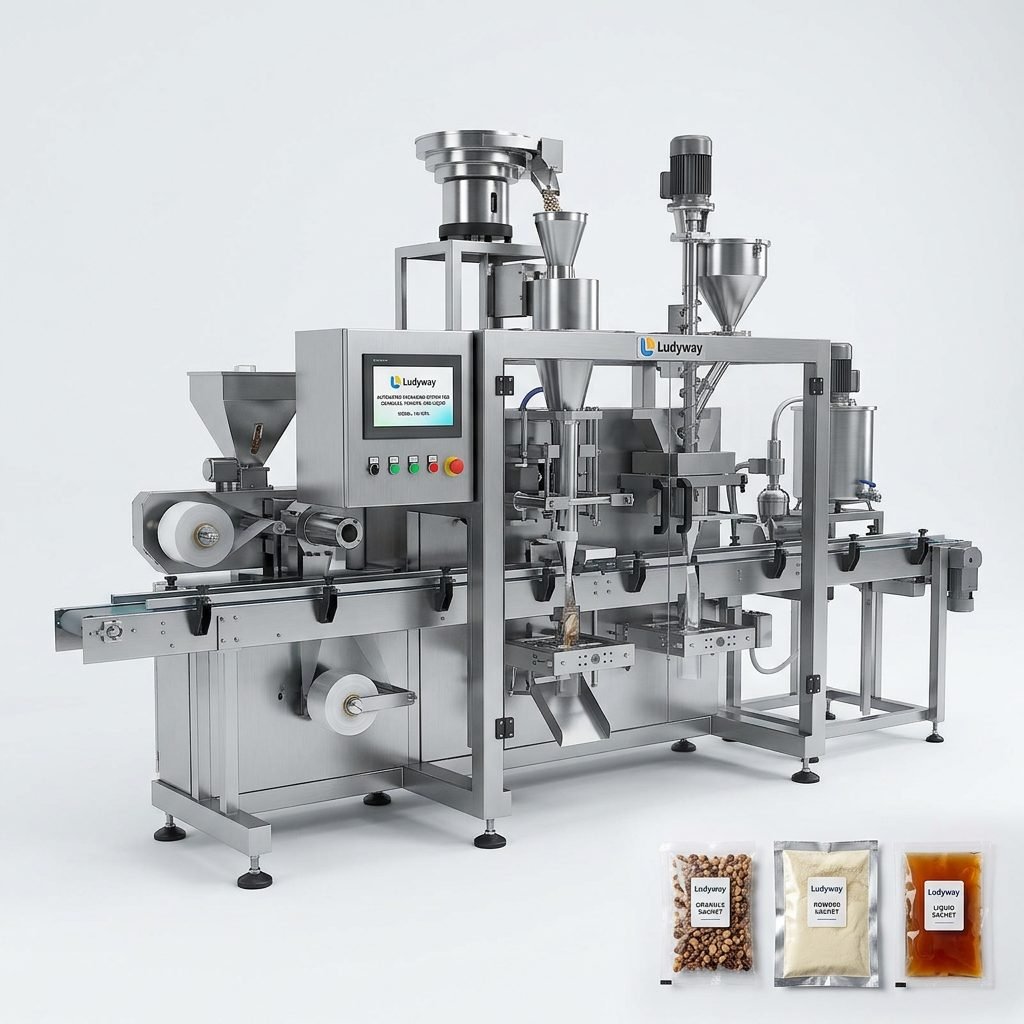
Working with an experienced packaging machinery partner can significantly reduce project risk. For instance, Ludyway Machinery, with over 30 years in the packaging industry and a 20,000-square-meter manufacturing facility, provides customized thermoforming blister solutions along with comprehensive technical support throughout the machine lifecycle. Evaluating a supplier’s total capability—not just their equipment specifications—leads to better long-term outcomes.
Automation and Integration Capabilities
Modern thermoforming blister machines rarely operate in isolation. Consider how the machine will integrate with your broader packaging line:
- Upstream integration – automatic feeding systems, product orientation, and counting mechanisms
- Downstream integration – cartoning machines, case packers, palletizers, and serialization systems
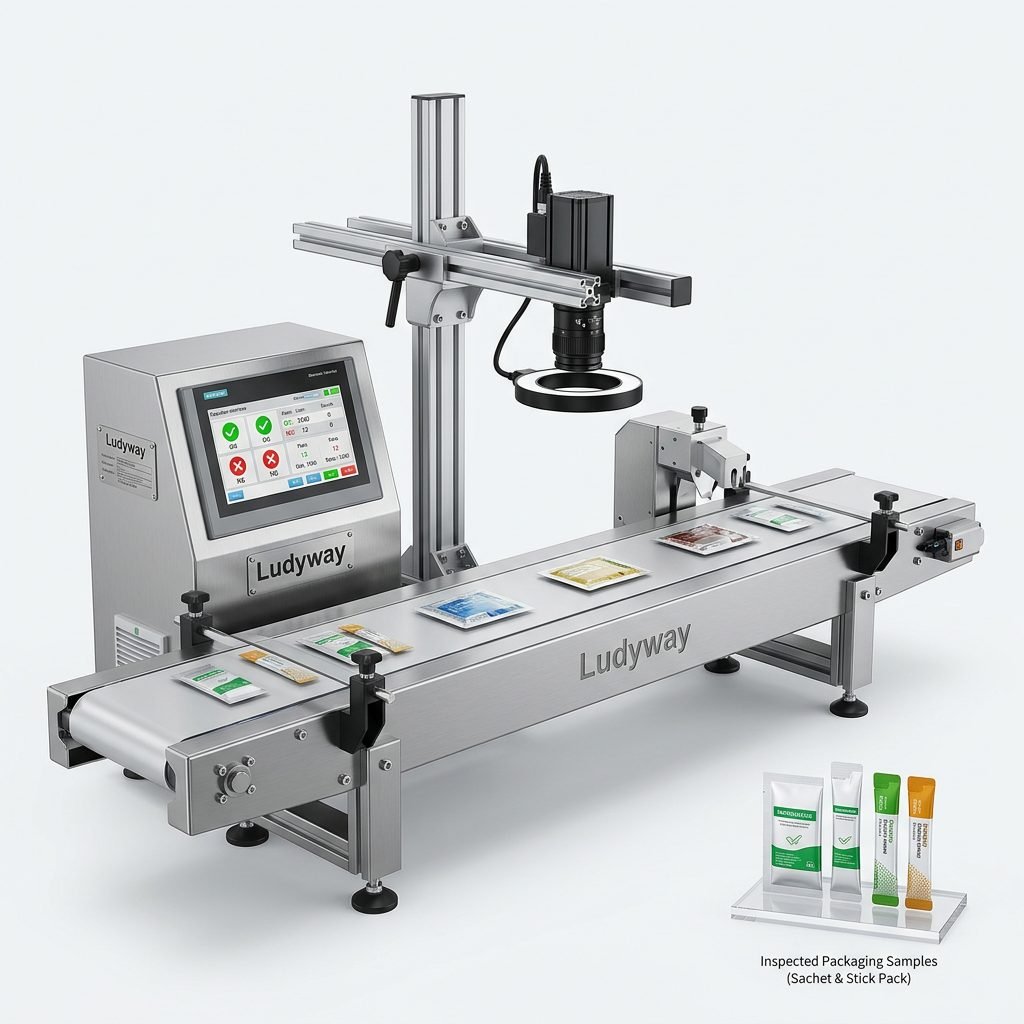
- Inspection systems – vision inspection for blister completeness, seal integrity testing, and print verification
- Track-and-trace – serialization and aggregation capabilities for pharmaceutical compliance
- Data connectivity – OEE monitoring, remote diagnostics, and integration with MES/ERP systems
According to PMMI business intelligence reports, packaging line integration and automation are among the top investment priorities for manufacturers seeking to improve operational efficiency.
Common Pitfalls to Avoid
Based on industry experience, here are the most frequent mistakes buyers make when selecting a thermoforming blister packaging machine:
- Underestimating future capacity needs – purchasing a machine that meets current demand but cannot scale
- Overlooking material changeover complexity – some machines require extensive downtime to switch between film types
- Ignoring facility requirements – compressed air, electrical supply, cleanroom classification, and floor space constraints
- Focusing solely on purchase price – neglecting total cost of ownership and operational efficiency
- Inadequate validation planning – failing to account for the time and resources needed for qualification in regulated environments
- Not testing with actual products and materials – relying on specifications alone without conducting factory acceptance tests
Making the Final Decision: A Step-by-Step Approach
A structured evaluation process helps ensure you select the optimal thermoforming blister packaging machine for your operation:
- Define your requirements – document product specifications, production volumes, blister formats, and regulatory needs
- Research available technologies – understand the different machine types and their capabilities
- Shortlist qualified suppliers – evaluate manufacturers based on experience, support infrastructure, and industry reputation
- Request detailed proposals – obtain quotations with complete technical specifications, tooling costs, and delivery timelines
- Conduct factory acceptance testing – run your actual products and materials on the proposed machine configuration
- Verify references – speak with existing customers about their experience with both the equipment and the supplier
- Negotiate terms – finalize pricing, warranty, service agreements, and training packages
- Plan for installation – prepare your facility, schedule commissioning, and arrange operator training
Frequently Asked Questions
What is the typical lifespan of a thermoforming blister packaging machine?
A well-maintained machine from a reputable manufacturer can operate effectively for 15 to 25 years. Regular preventive maintenance, timely replacement of wear components, and proper operator training significantly extend equipment life.
How long does changeover between blister formats typically take?
Changeover time varies significantly by machine design. Modern quick-change systems can complete a format change in 30 to 60 minutes, while older or more complex configurations may require 2 to 4 hours. This is an important factor to discuss with potential suppliers.
Can one machine handle multiple product types?
Yes, but with limitations. A thermoforming blister machine can typically handle products of varying sizes within its forming and sealing parameters. However, tooling changes are required for different blister formats, and material compatibility must be verified for each product-packaging combination.
What certifications should I look for in a blister packaging machine?
For pharmaceutical applications, the machine should support compliance with cGMP requirements and provide documentation for IQ/OQ/PQ validation. CE marking is required for machines used in the European Economic Area. Additional certifications may include UL listing for electrical safety and compliance with specific regulatory frameworks applicable to your market.
Selecting the right thermoforming blister packaging machine is a strategic investment that affects product quality, operational efficiency, and regulatory compliance for years to come. By thoroughly evaluating your requirements, understanding available technologies, and partnering with an experienced supplier, you can make a confident, informed decision that supports your long-term production goals. For further guidance, consult resources from PMMI – The Association for Packaging and Processing Technologies and the Flexible Packaging Association for the latest industry insights and technical standards.