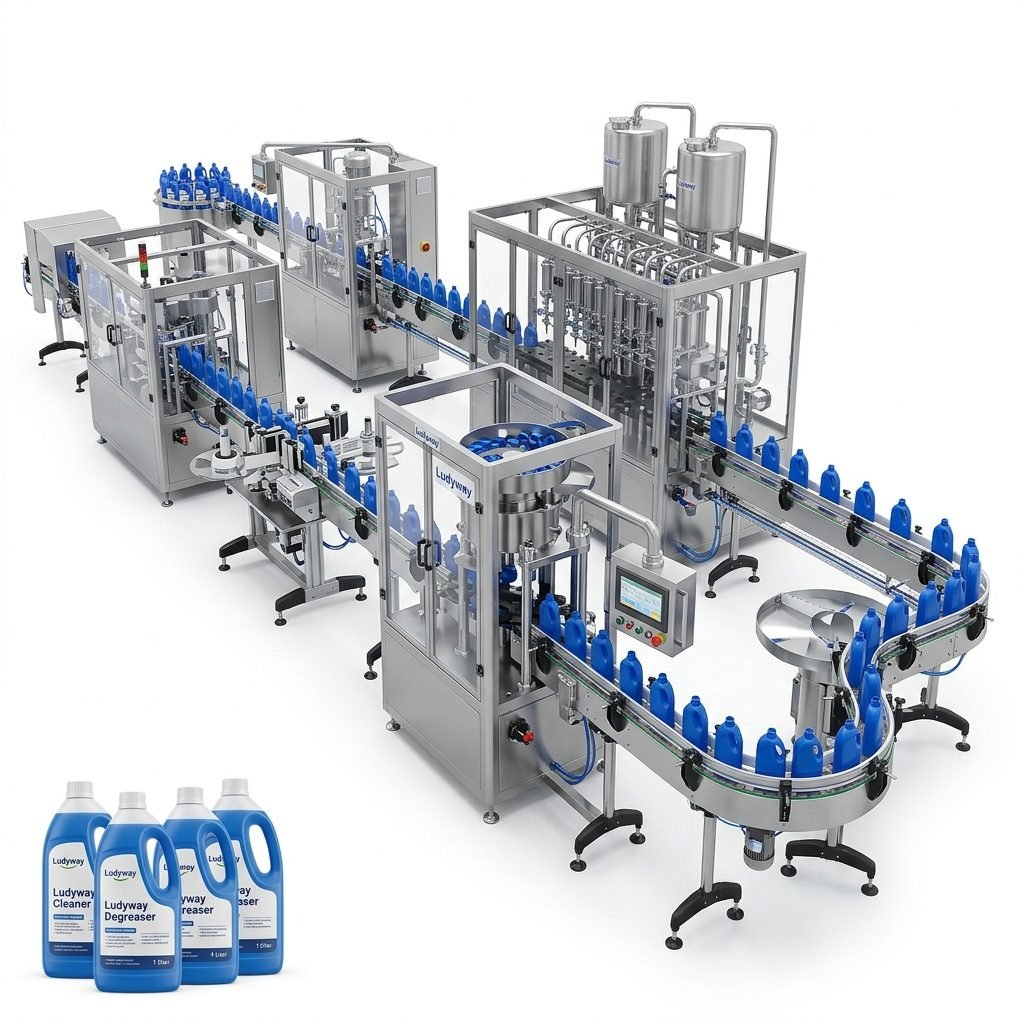
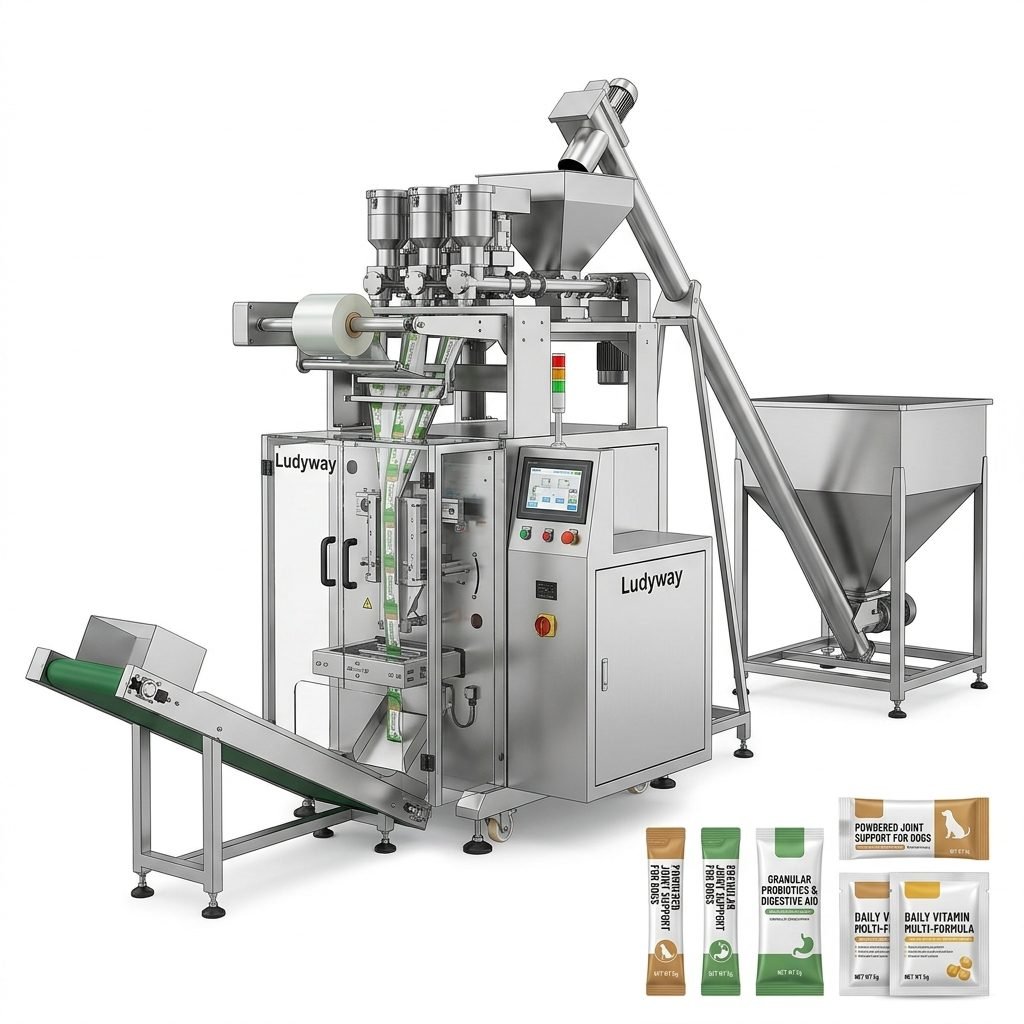
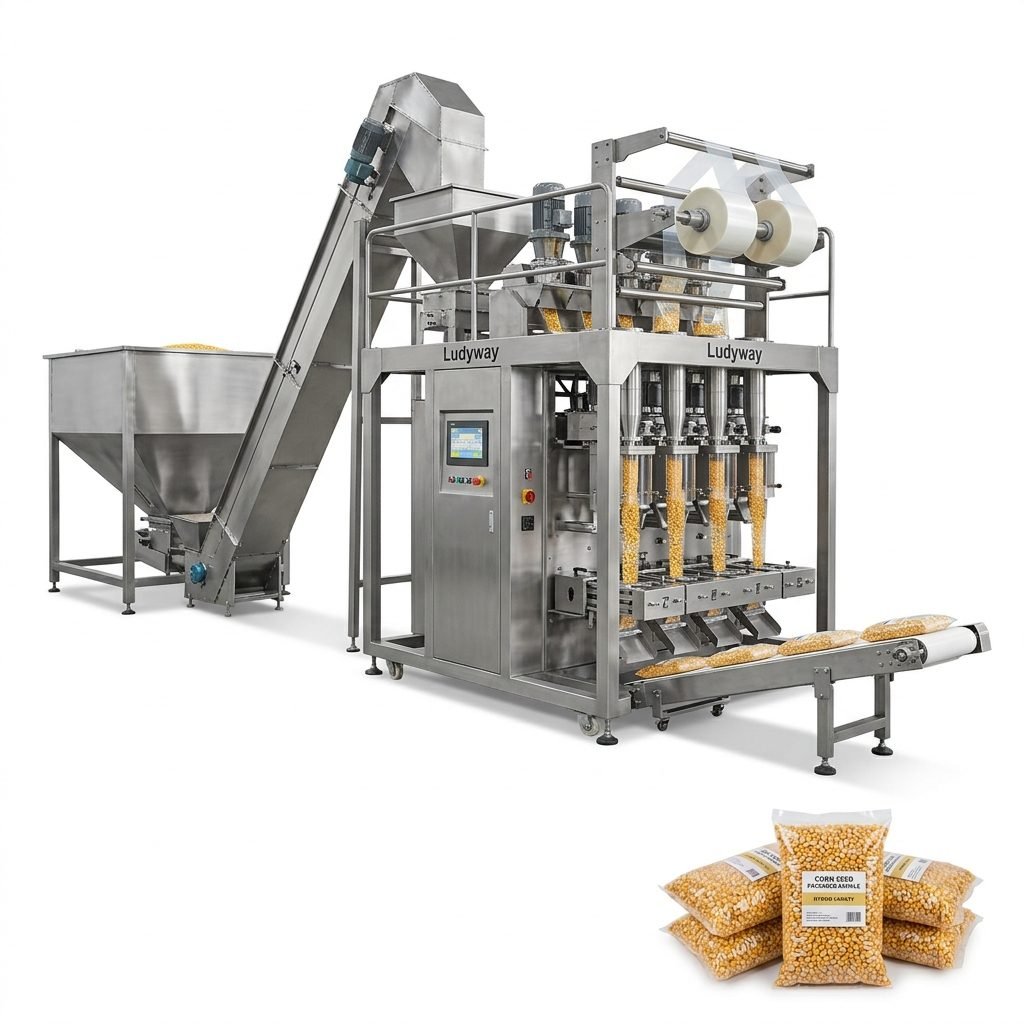
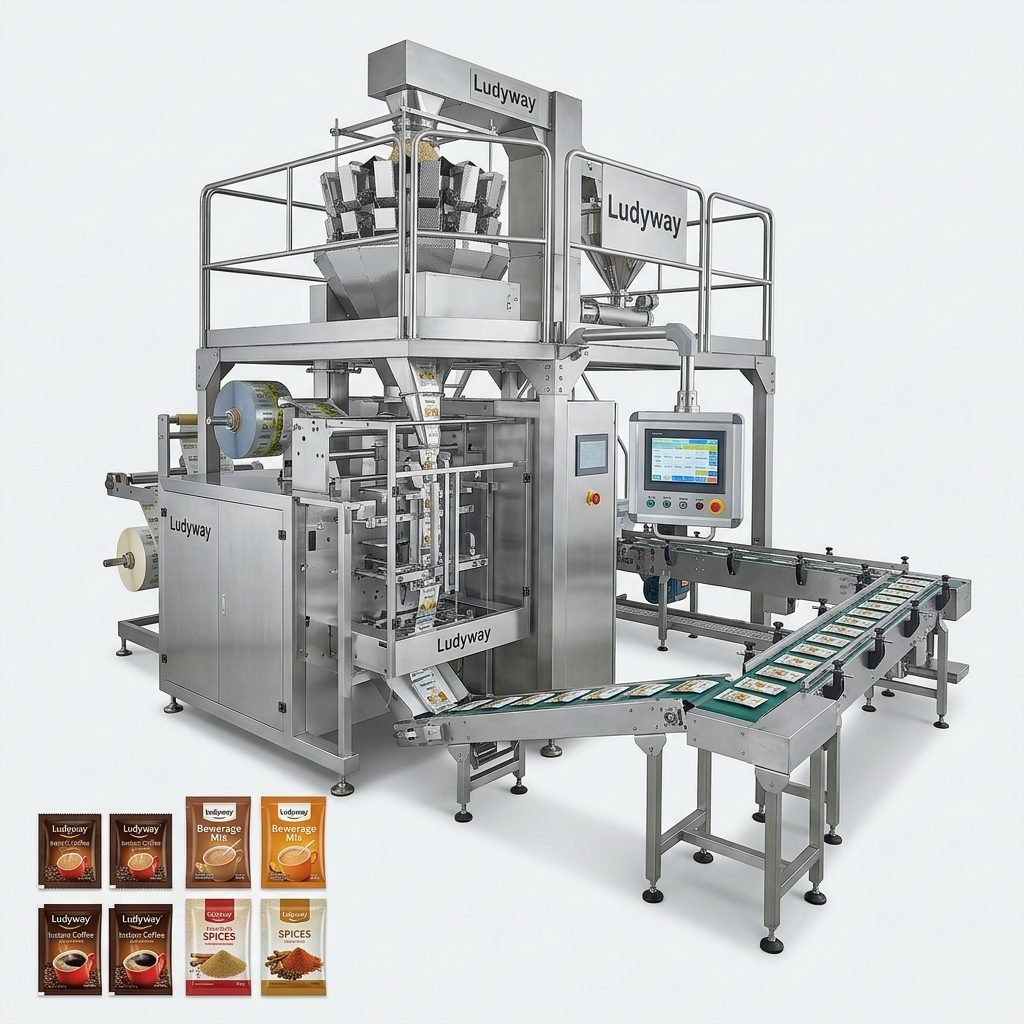
Investing in a Viking packaging machine — or similar high-performance automated equipment — represents a critical decision for manufacturers across the food, pharmaceutical, chemical, and consumer goods sectors. The right machine can dramatically improve production efficiency, reduce labor costs, and ensure consistent product quality. However, with a vast range of models, configurations, and technical specifications available, the selection process can feel overwhelming. This comprehensive buyer’s guide outlines the essential factors to evaluate, helping you make an informed, strategic choice tailored to your operational needs.

1. Understanding Your Product Characteristics
The starting point for any packaging machinery purchase is a thorough analysis of the product you intend to package. The physical and chemical properties of your product will dictate the most suitable dosing system, filling mechanism, and material handling approach. Key characteristics to define include:
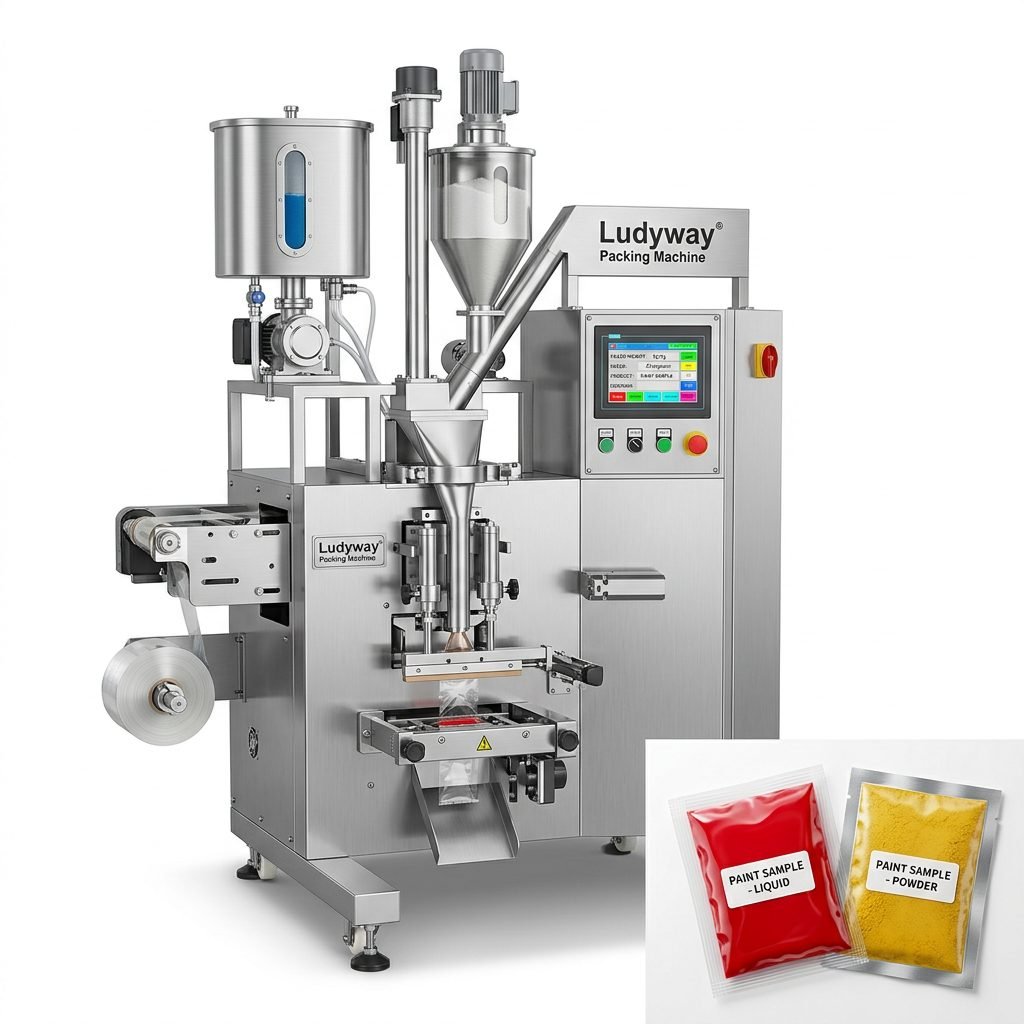
- Product state: Is it a free-flowing granule, a fine or cohesive powder, a viscous liquid, a paste, or a solid item? Each state requires a fundamentally different filling technology, from auger fillers for powders to piston pumps for liquids and volumetric cup fillers for granules.
- Flow characteristics: Does the product flow freely, or is it prone to bridging, clumping, or dusting? Powder packaging machines often need specialized agitation or mechanical assistance to ensure consistent filling accuracy.
- Sensitivity and hygiene: Products for the pharmaceutical or food and beverage industries typically require stainless steel construction, clean-in-place (CIP) capabilities, and compliance with relevant FDA food contact regulations.
- Particle size and density: These factors influence the design of the filling system and the type of sealing needed to prevent product entrapment in the seal area, which can lead to leaks and rejects.
A misalignment between product characteristics and machine design is one of the most common causes of poor packaging performance. Before contacting suppliers, having a detailed product specification sheet is essential for a productive conversation about custom packaging machinery solutions.
2. Defining Your Target Packaging Format
Modern packaging lines can produce an impressive variety of formats. Your brand strategy, distribution channel, and consumer convenience requirements will largely determine the optimal format. Common options in the flexible packaging space include:
| Packaging Format | Best Suited For | Key Advantage |
|---|---|---|
| Stick Packs | Single-serve powders, granules, liquids | Portability, precise portion control |
| Sachets / 3-Side Seal Pouches | Shampoos, sauces, powders, samples | Cost-effective, high-speed production |
| Stand-Up Pouches with Zipper | Snacks, pet food, resealable goods | Premium shelf appeal, resealability |
| Premade Pouch Filling & Sealing | Liquids, pastes, medical devices | High seal integrity, flexibility |
If your production requires multiple formats, a Viking packaging machine configured with a flexible platform might be an option. However, many manufacturers find that working with a partner offering a broad portfolio of specialized machines for each format yields better long-term efficiency. The choice between a dedicated stick pack machine, a sachet packaging machine, and a premade pouch system should align with your primary market demand and growth projections.

3. Evaluating Production Speed and Automation Level
Production capacity requirements are a decisive factor in machine configuration. A machine that is too slow creates a bottleneck; an oversized machine wastes capital and floor space. Speed needs are typically measured in packs per minute (PPM) but must be considered alongside operational efficiency.
Key considerations for speed and automation include:
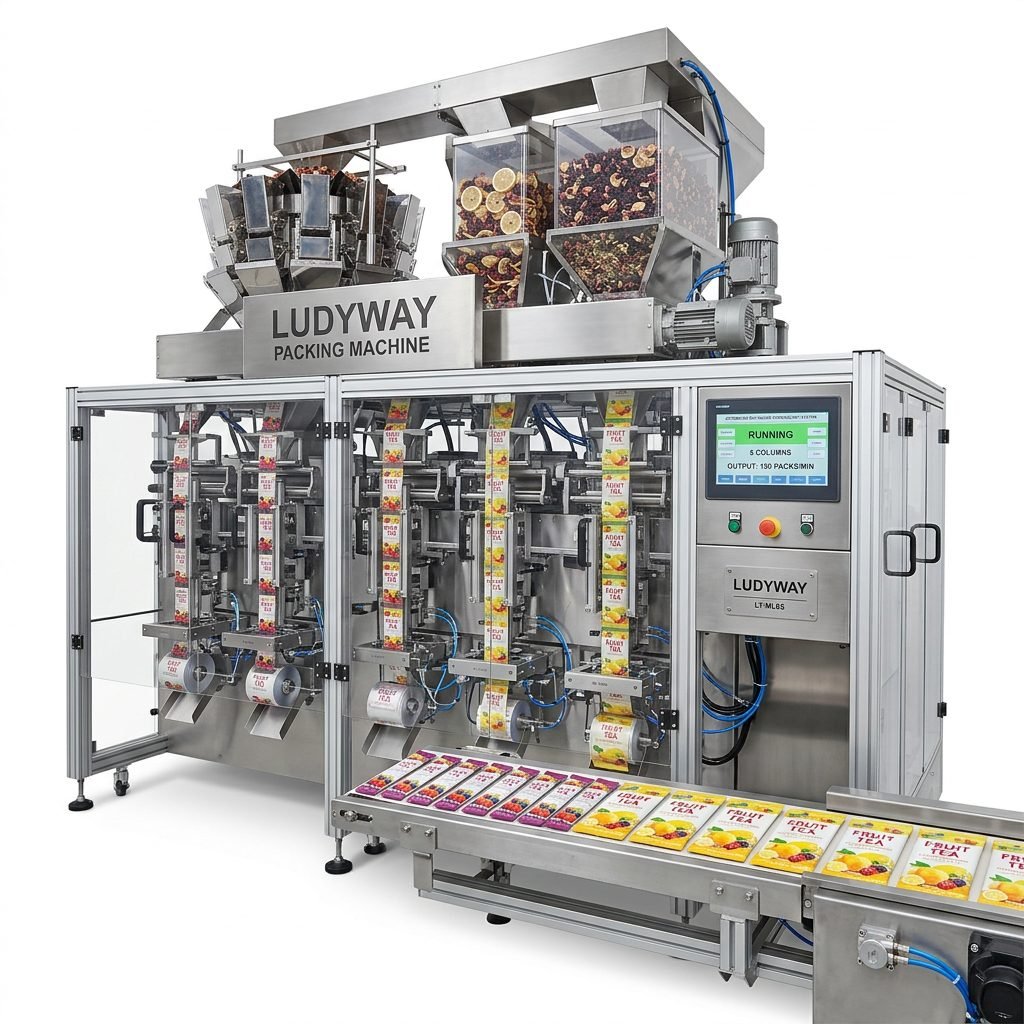
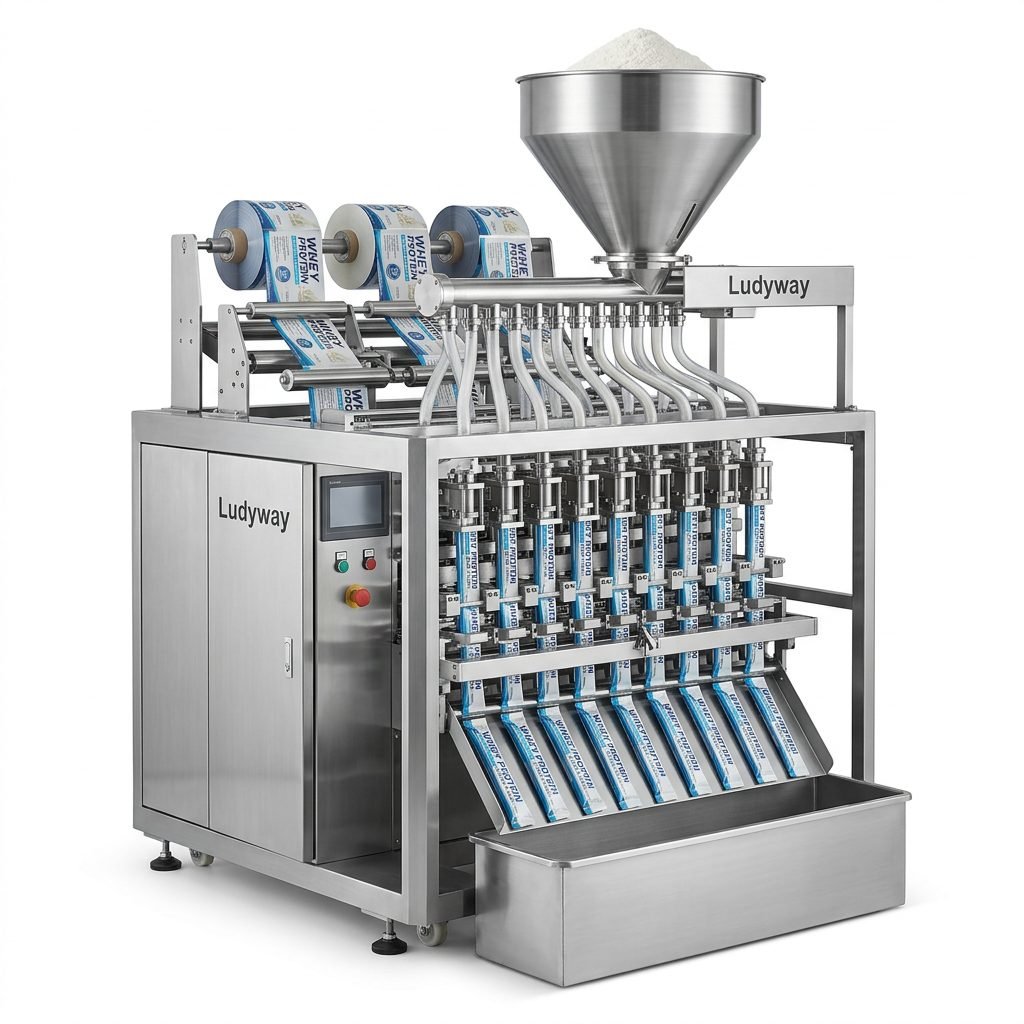
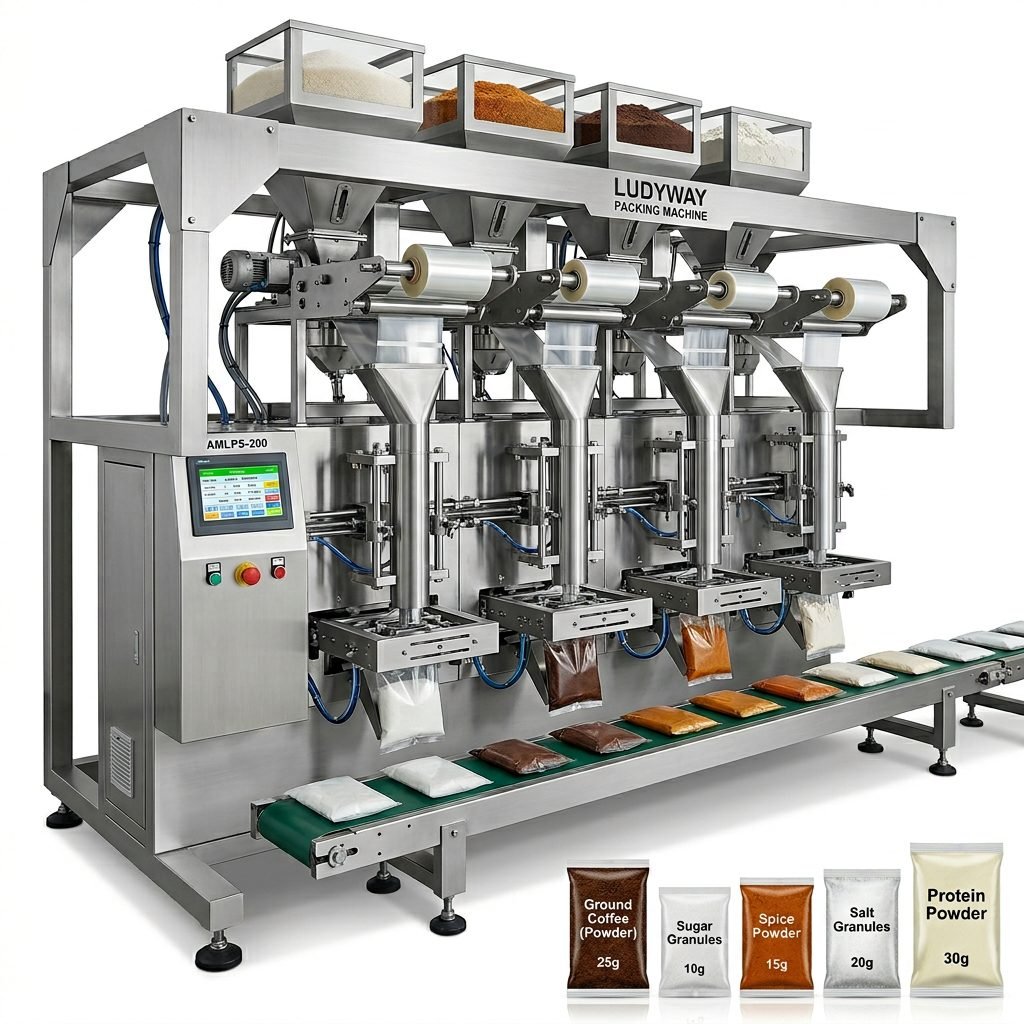
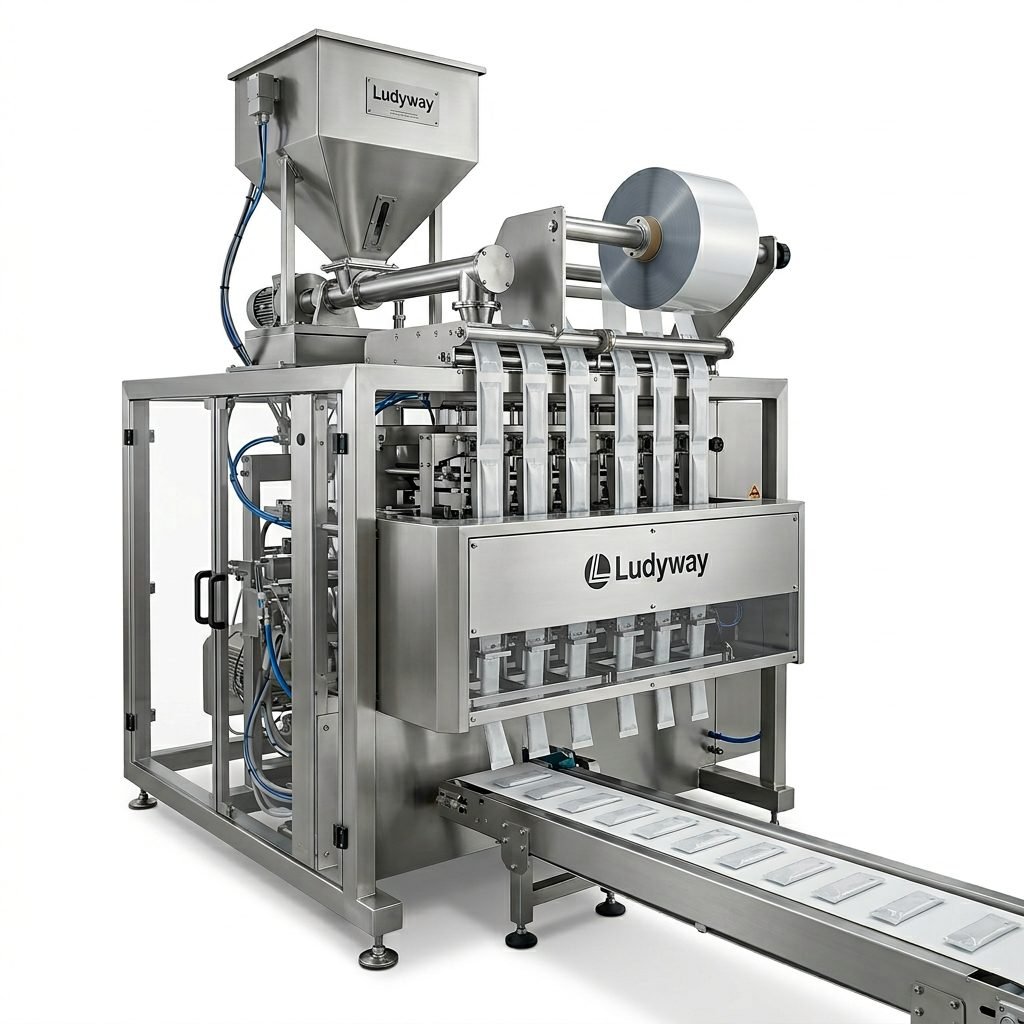
- Single-lane vs. multi-lane machines: A multi-lane packaging machine can produce 4, 6, 8, or more lanes simultaneously, multiplying throughput dramatically compared to a single-lane machine. This is a critical decision point for high-volume products like electrolyte powders or instant beverage sticks.
- Integration of auxiliary systems: Consider how the machine integrates with automatic feeding systems, weighing and counting units, coding and marking systems, and downstream cartoning and case packing equipment. A fully integrated line minimizes manual touchpoints.
- Changeover time: If you package multiple products or formats, rapid, tool-less changeover features significantly affect overall equipment effectiveness (OEE). A machine that takes hours to switch between products erodes productive time.
The level of automation should reflect your labor cost environment and quality consistency goals. Modern lines often feature servo-driven controls, HMI touchscreen interfaces, and automated film splicing and registration to sustain high output with minimal operator intervention.
Machine Speed and Format Reference
| Machine Configuration | Typical Products | Throughput Range |
|---|---|---|
| Single-Lane Stick Pack | Coffee, sugar, salt | 30–80 PPM |
| 4-Lane Sachet Machine | Shampoo, ketchup, sauces | 120–220 PPM |
| 8-Lane High-Speed Stick Pack | Nutritional powders, sweeteners | 300–600 PPM |
| Multi-Lane Pouch Line | Pet food, granular chemicals | Dependent on format |
4. Machine Construction, Material, and Compliance
The materials used to construct your packaging machine have a direct impact on its longevity, cleanability, and suitability for regulated industries. This is non-negotiable for sectors governed by strict certification requirements.
- Frame and contact parts: Machines intended for food, pharmaceutical, or health and nutraceutical applications must feature stainless steel 304 or 316L construction for all product contact surfaces. This prevents corrosion and facilitates effective sanitation.
- Certifications and standards: Verify that the equipment can meet relevant standards. Depending on your market and product, this may include CE certification, compliance with ISO packaging standards, or adherence to cGMP design principles for pharmaceutical packaging. Reviewing resources from PMMI’s industry intelligence can provide further context on global standards benchmarks.
- Electrical and pneumatic components: The reliability of a machine often depends on the quality of its underlying components. Leading manufacturers source PLC controllers, servo motors, sensors, and pneumatic cylinders from established global suppliers to ensure long-term parts availability and dependable performance.
- Washdown and ingress protection: For wet or dusty environments, look for appropriately rated IP (Ingress Protection) enclosures and sloped surfaces that prevent liquid pooling.

5. Supplier Capabilities: Manufacturing, Engineering, and Support
A packaging machine is a long-term capital investment. The capabilities of the packaging machinery manufacturer behind the equipment are as important as the machine specifications themselves. Evaluating a supplier’s infrastructure and support system is crucial for a successful partnership.
Ludyway Machinery, for example, operates a 20,000-square-meter manufacturing facility with more than 130 professionals, reflecting a deep investment in in-house manufacturing and engineering. When evaluating any partner, consider these aspects:
- In-house manufacturing depth: Does the company rely heavily on outsourced fabrication, or do they control core manufacturing processes? Greater in-house control often translates to better quality oversight and faster customization capabilities.
- Customization engineering: Standard machines rarely fit every application perfectly. Assess the supplier’s ability to customize dosing systems, bag dimensions, film handling, and automation layouts. A strong engineering team can design a machine around your product’s unique behavior, rather than forcing your product to fit a stock machine.
- Turnkey integration: If you need more than a standalone machine, evaluate the supplier’s experience in providing integrated packaging systems and turnkey production lines. From feeding and dosing to filling, sealing, coding, inspection, and cartoning, a single-source partner streamlines project management and accountability.
- Global service and technical support: Responsive technical support is vital to minimize downtime. Inquire about remote assistance, on-site installation and commissioning, operator training, and spare parts availability in your region. A supplier with a global footprint in over 100 countries indicates robust logistics and service infrastructure.
Reviewing resources from the Flexible Packaging Association can offer additional insights into industry trends and benchmarks for material and equipment performance in flexible packaging applications.
6. Total Cost of Ownership (TCO) and ROI Analysis
The purchase price of a Viking packaging machine or equivalent is just the starting point. A comprehensive financial evaluation should focus on the total cost of ownership over the machine’s expected lifecycle. This includes:
- Initial capital expenditure (machine, tooling, installation).
- Operating costs (film material waste rates, energy consumption, labor).
- Maintenance costs (preventive maintenance contracts, typical spare parts consumption).
- Downtime risk (the cost of lost production during unscheduled repairs).
A machine with a slightly higher upfront cost but significantly lower film waste, faster changeovers, and higher mechanical reliability often delivers a superior return on investment over 3-5 years. Request detailed performance data and reference visits to existing installations to validate supplier claims about efficiency, material waste rates, and seal integrity.
7. Future-Proofing Your Investment
The packaging market evolves continuously, driven by sustainability initiatives, changing consumer preferences, and new packaging waste regulations. Your machine should be adaptable enough to handle future shifts without requiring complete replacement. Consider these forward-looking factors:
- Recyclable and sustainable films: Can the machine run mono-material PE or PP recyclable films, which often have different sealing and slip characteristics compared to multi-layer laminates? This is becoming a prerequisite for brands aligning with flexible packaging sustainability goals.
- Digital connectivity: Does the machine support Industry 4.0 connectivity for production monitoring, OEE data capture, and integration with MES/ERP systems? Remote diagnostics capability is increasingly valuable.
- Modular design: A modular machine platform allows you to add new dosing units, upgrade control systems, or adapt to different bag formats and sizes in the future with less capital outlay compared to buying a new machine.
Making the Confident Choice
Selecting the right packaging machinery requires a balance of technical specification, supplier capability, and long-term strategic fit. By systematically working through product characteristics, packaging format, speed requirements, construction quality, and total cost of ownership, you narrow the field to solutions that genuinely match your production reality.
The goal is not simply to buy a machine, but to establish a reliable, efficient, and scalable packaging operation. Whether you’re upgrading from manual processes or expanding into new markets, the principles outlined in this guide will help you navigate the complexity of machine selection and arrive at a decision that supports your business growth for years to come.