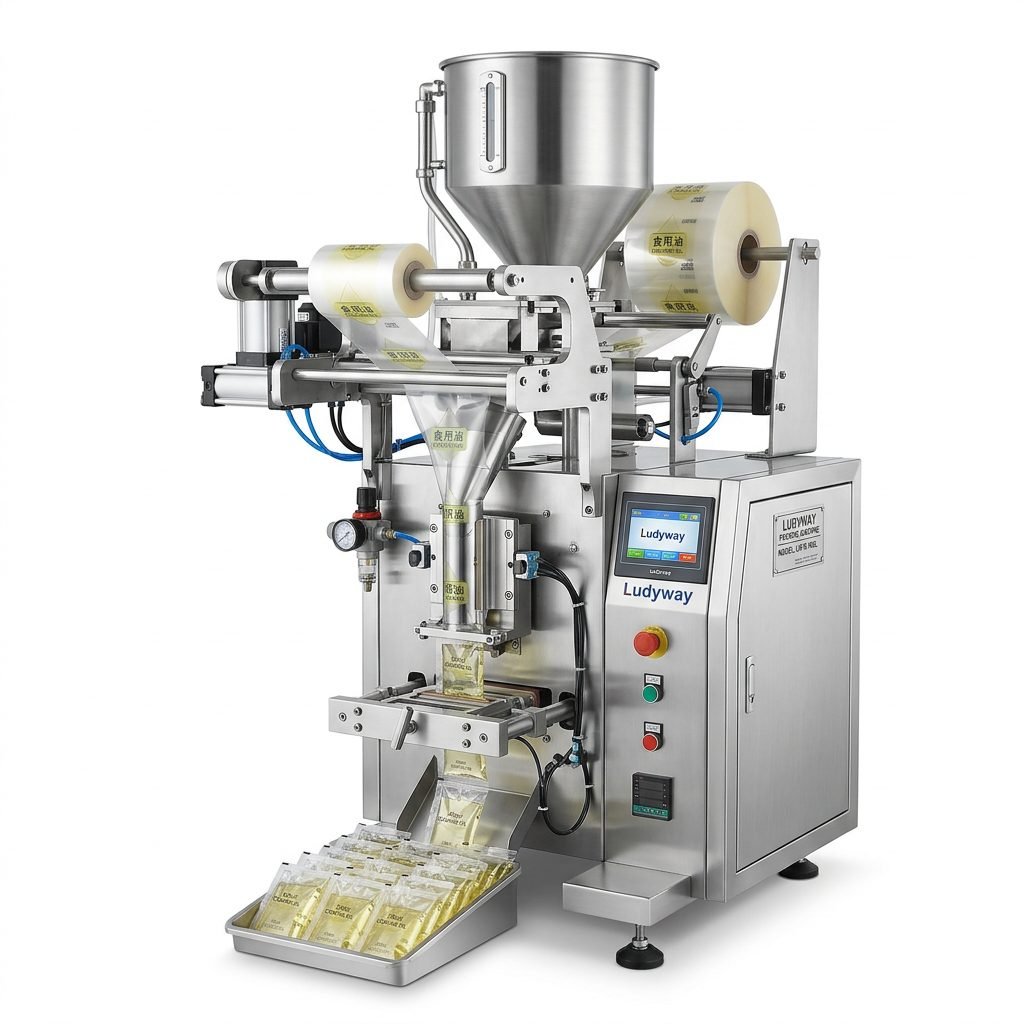
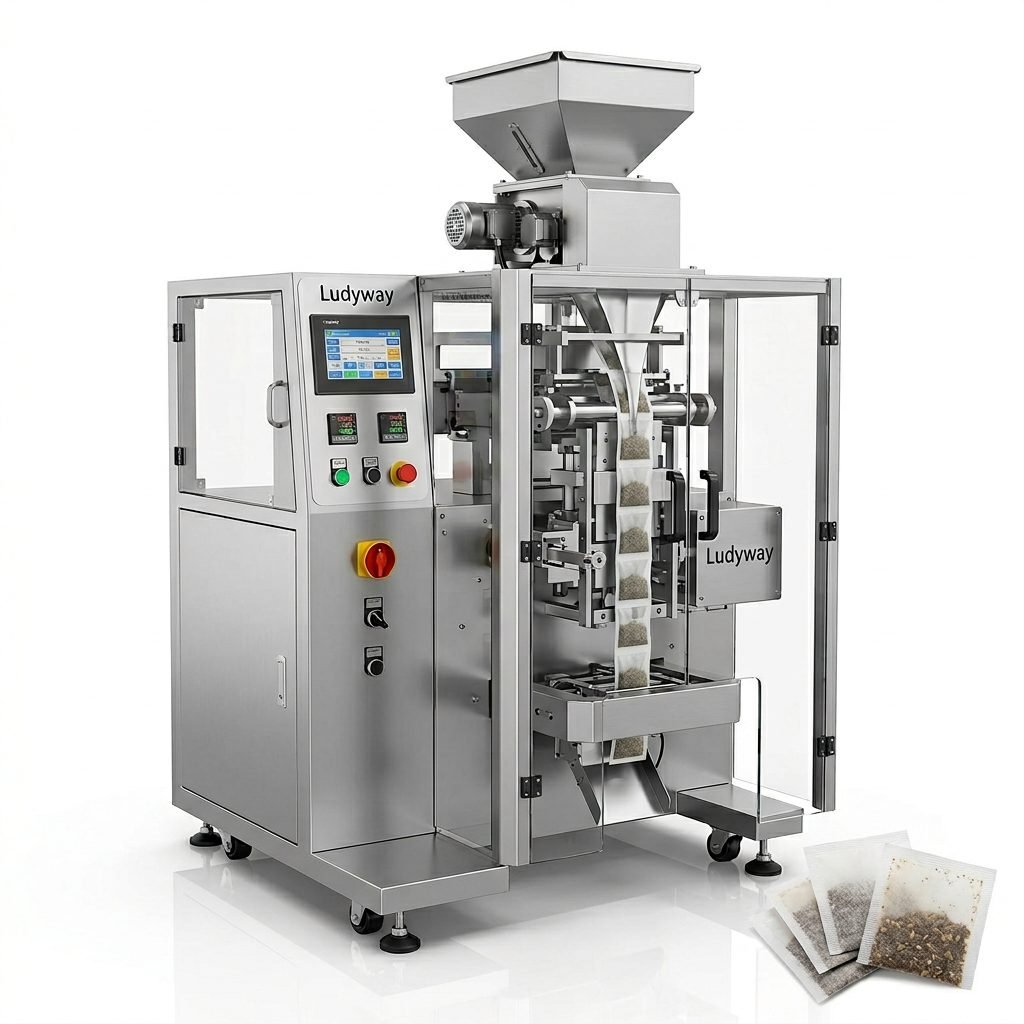
Investing in an automatic water packing machine is a significant decision for any beverage manufacturer, co-packer, or startup entering the bottled water market. The right equipment directly impacts your production efficiency, packaging quality, and long-term operational costs. This guide walks you through the critical factors to evaluate before making a purchase, ensuring you select a system that aligns with your production goals and business scale.
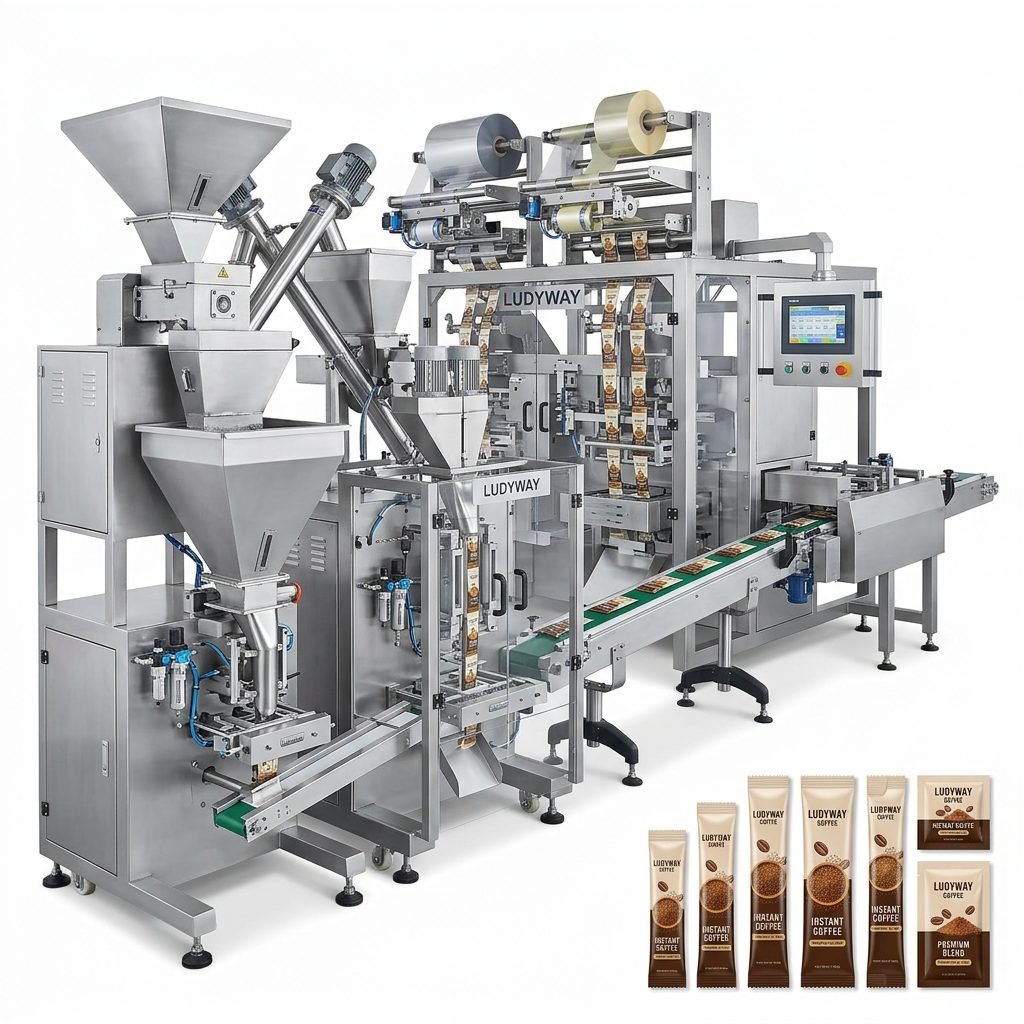
Understanding Automatic Water Packing Machine Configurations
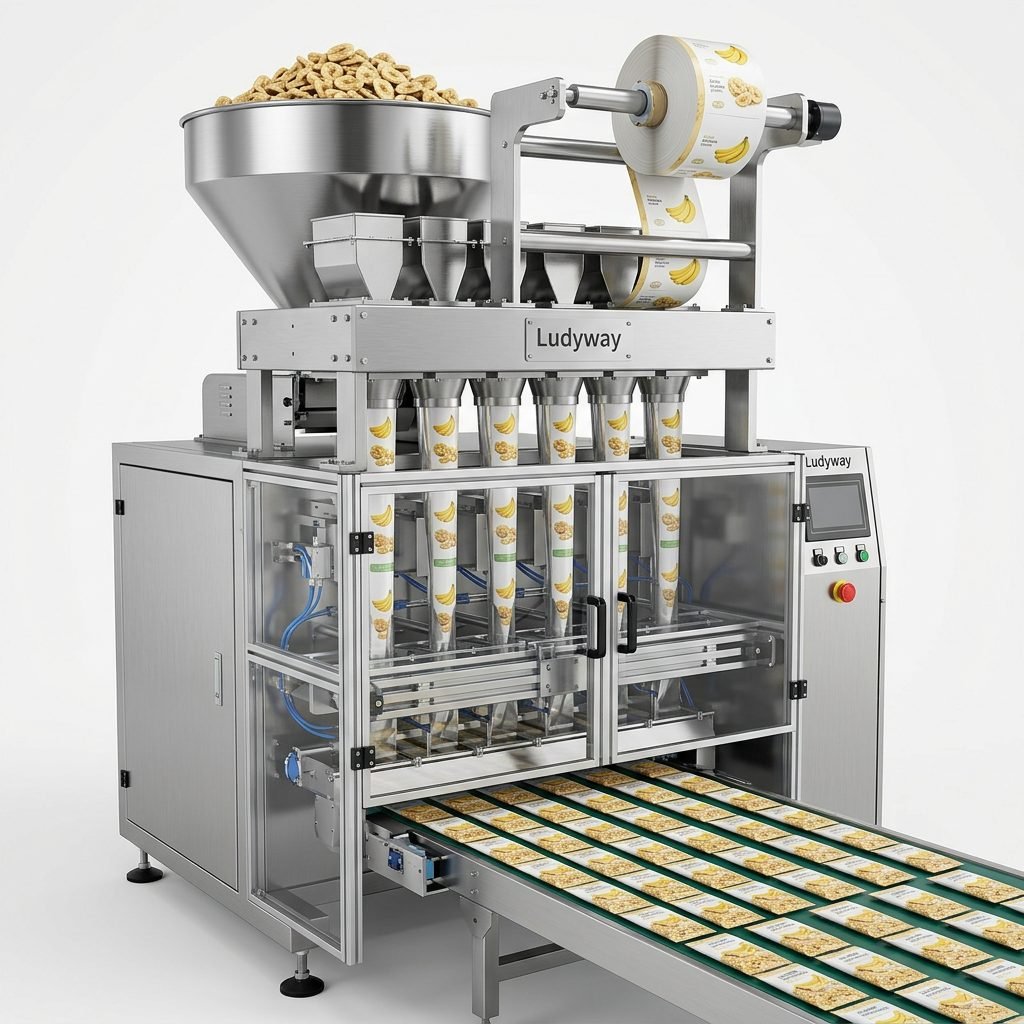
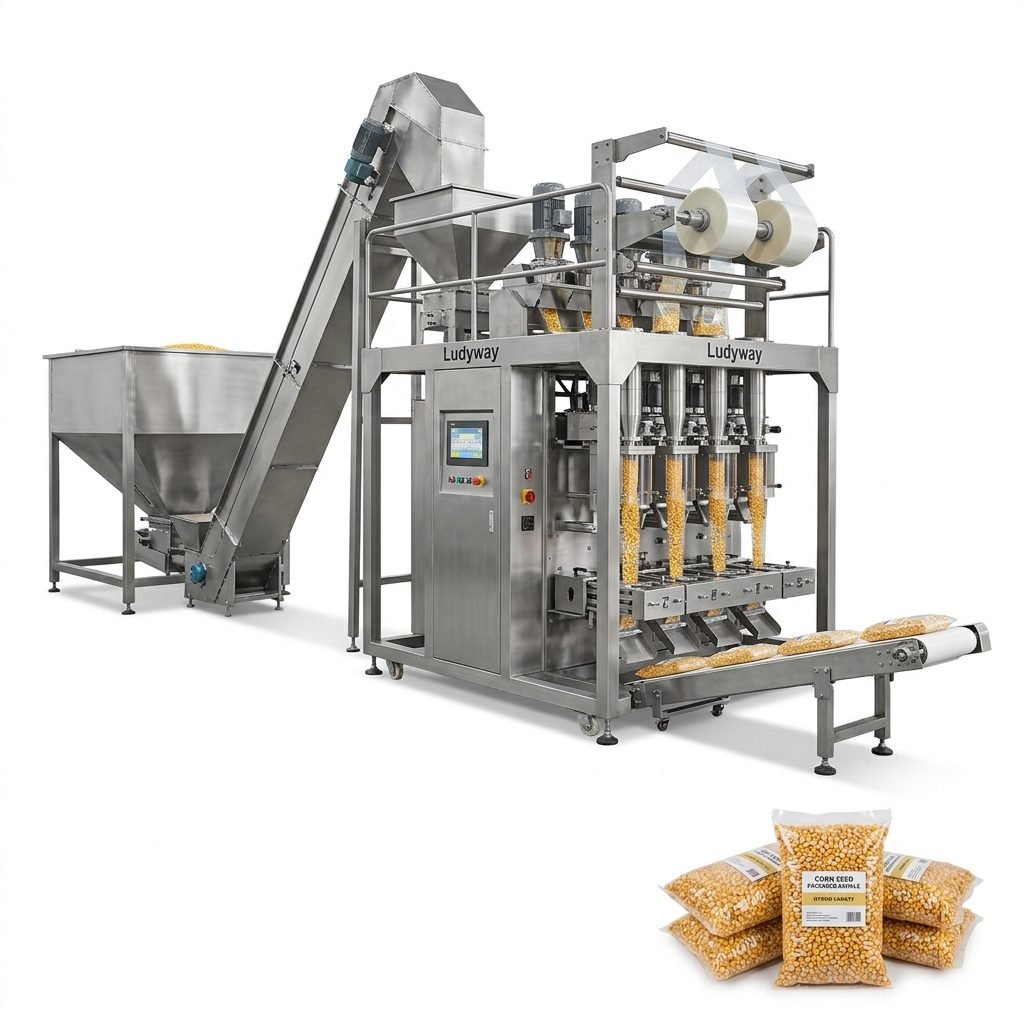
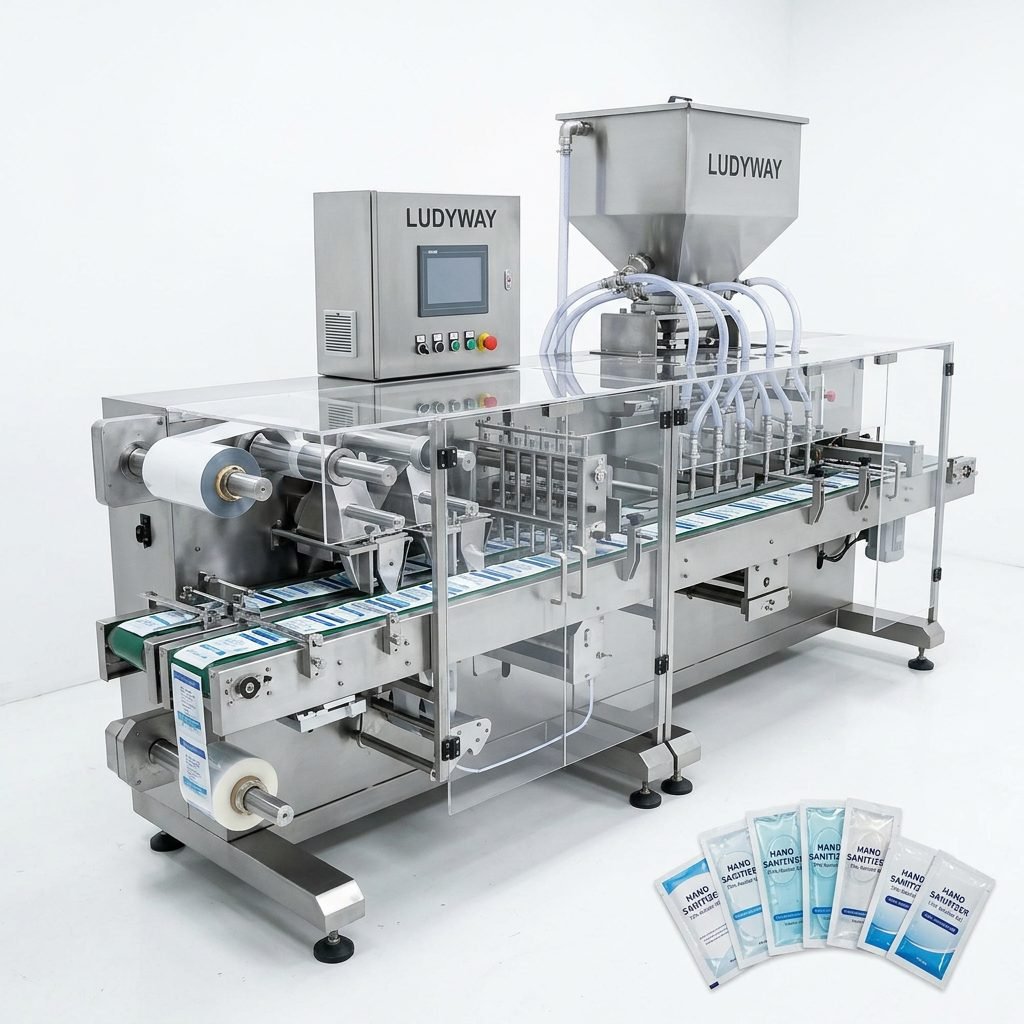
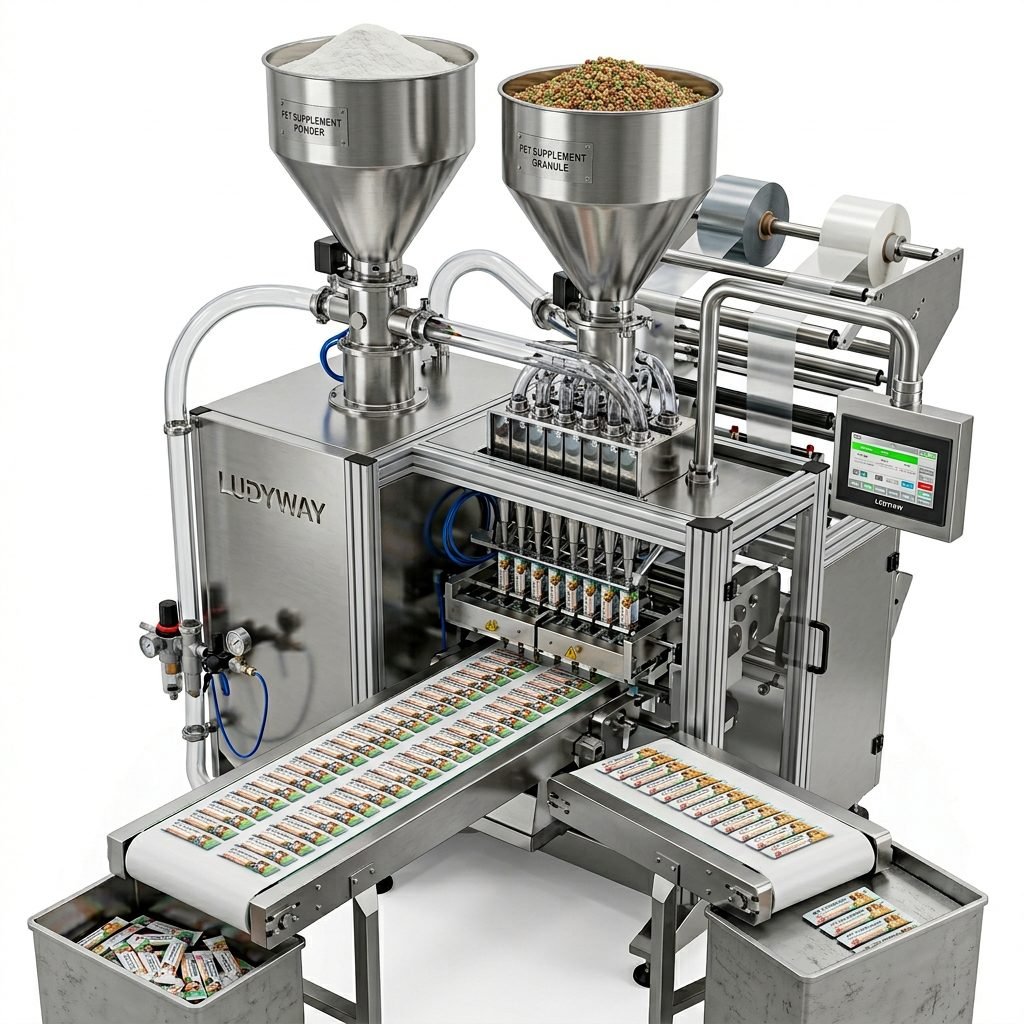
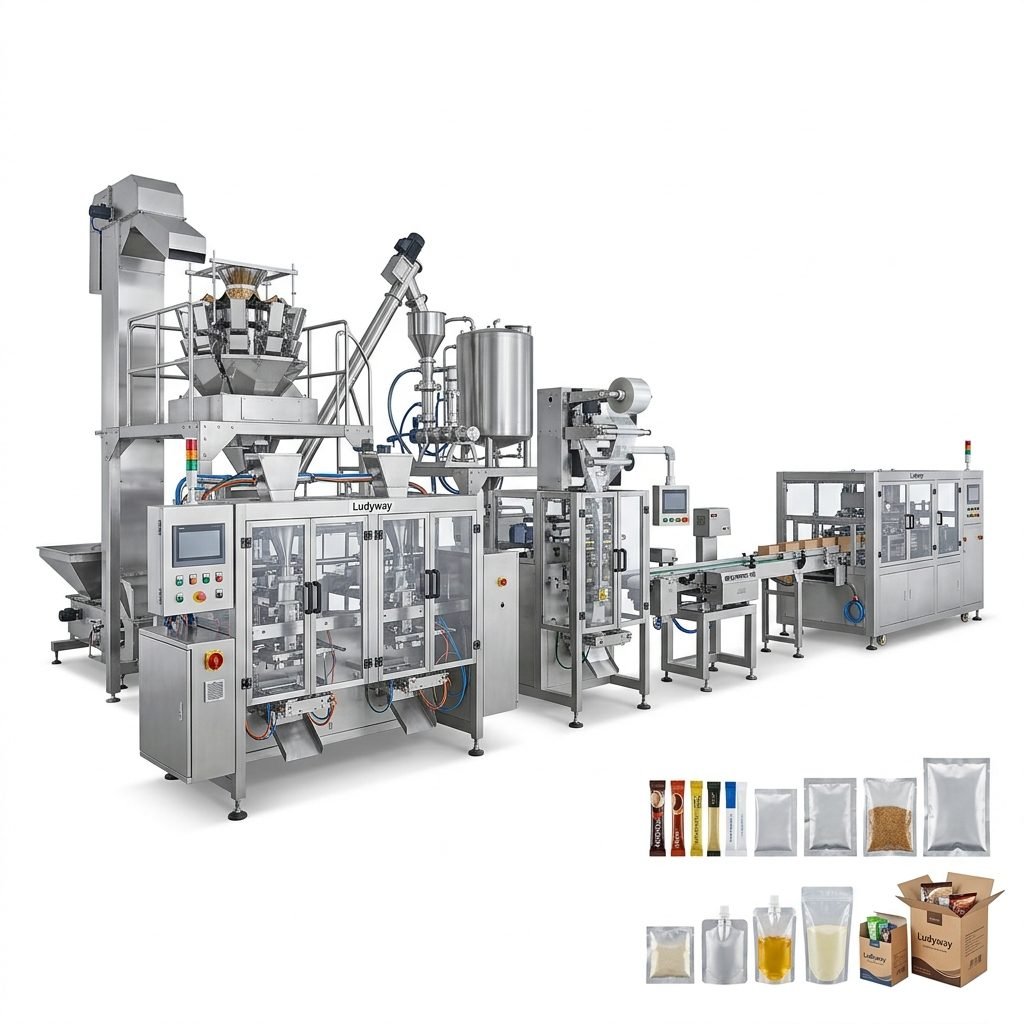
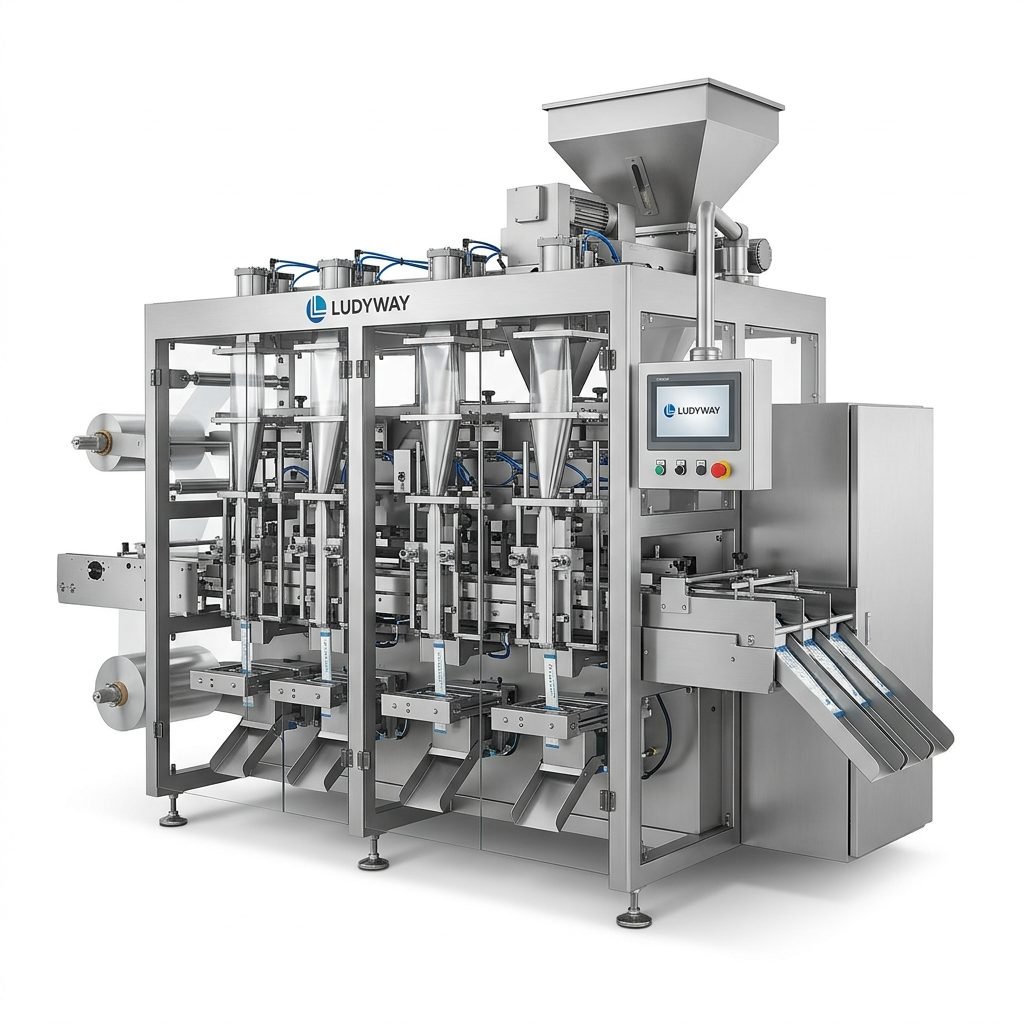
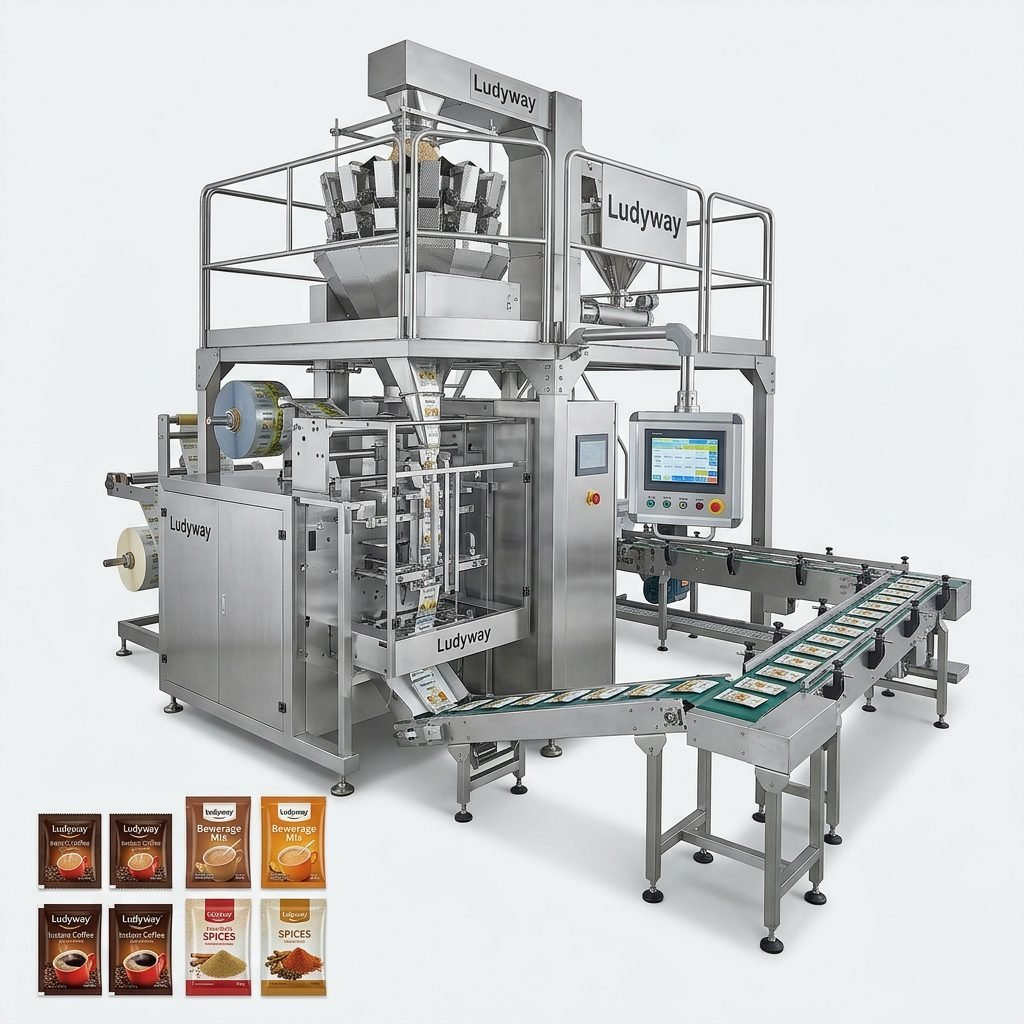
Not all water packing systems are built the same. Before comparing technical specifications, you must define your primary packaging format. Machines are generally categorized by the type of package they produce, such as single-serve sachets, multi-lane stick packs, premade pouches, or bottles.
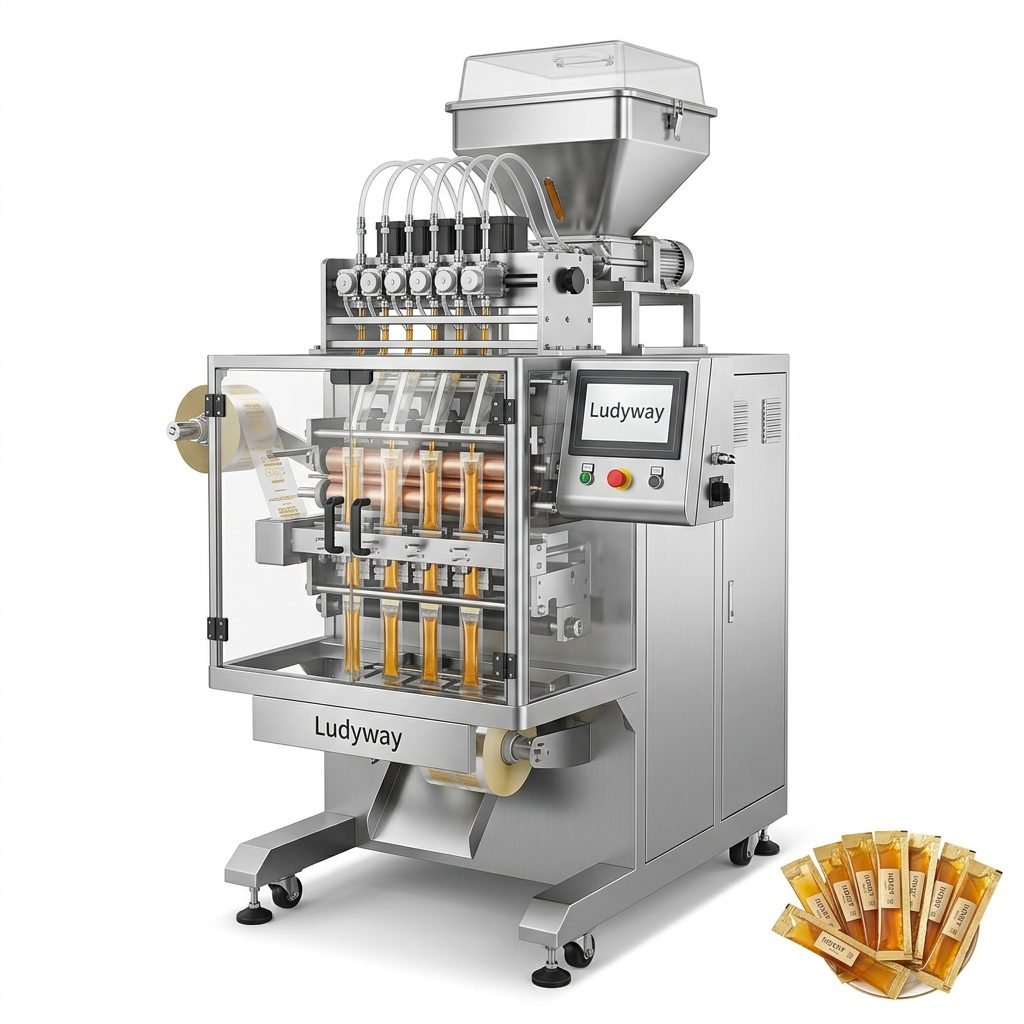
- Sachet & Stick Pack Machines: Ideal for single-serving purified water or electrolyte-infused water sold in emerging markets or for promotional use. These machines typically use horizontal or vertical form-fill-seal (FFS) technology.
- Bottle Filling Lines: Comprising rinsing, filling, and capping monoblocks, these are the industry standard for PET bottled water. Speeds can range from 3,000 to over 36,000 bottles per hour.
- Pouch Packing Systems: Growing in popularity for reducing plastic usage. Premade pouch rotary fillers offer superior seal integrity for water-based products.
Key Technical Specifications to Evaluate
When reviewing spec sheets, don’t just look at the maximum speed. Real-world performance depends on water viscosity, packaging film quality, and facility environmental conditions. Focus on these core metrics:
1. Production Speed and Throughput
Speed is usually measured in bags/pouches per minute (ppm) or bottles per hour (bph). For multi-lane sachet machines, a 10-lane line running at a moderate speed often outperforms a 4-lane line running at maximum mechanical velocity because it reduces film stress and sealing defects.
2. Filling Accuracy and Dosing Technology
Water is incompressible, making volumetric filling highly accurate. However, if you plan to introduce enhanced waters with minerals or flavors, you may need a servo-driven piston filler or magnetic flow meter to handle slight viscosity changes without losing accuracy. Look for systems offering ±0.5% to ±1% fill accuracy to minimize product giveaway.
3. Sealing Integrity and Material Compatibility
The weakest point of any water sachet or pouch is the seal. Since water is a dense liquid, hydraulic pressure during sealing can cause leakers if the machine lacks proper temperature control. Constant heat sealing systems with dual-jaw or rotary designs provide better control than intermittent systems for thin films.
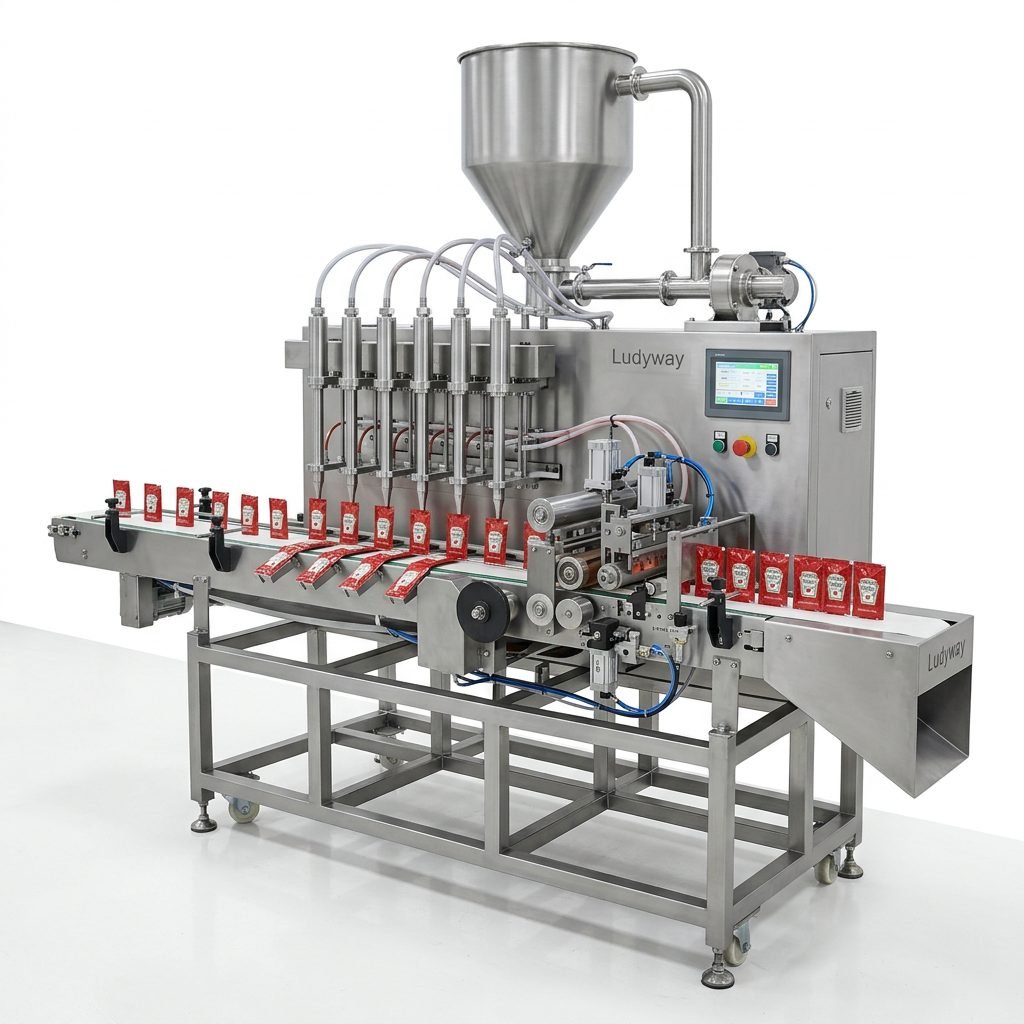
Automation Level and Labor Requirements
Modern automatic water packing machines range from semi-automatic units requiring manual loading of premade pouches to fully integrated systems that connect directly to upstream water treatment and downstream cartoning. Consider the total cost of ownership rather than just the initial capital expenditure.
| Automation Type | Labor Requirement | Best For |
|---|---|---|
| Semi-Automatic | 2–3 operators | Startups, low-volume production |
| Fully Automatic (Standalone) | 1 operator | Mid-scale plants, regional brands |
| Integrated Turnkey Line | 0.5–1 technician | High-volume manufacturing, export markets |
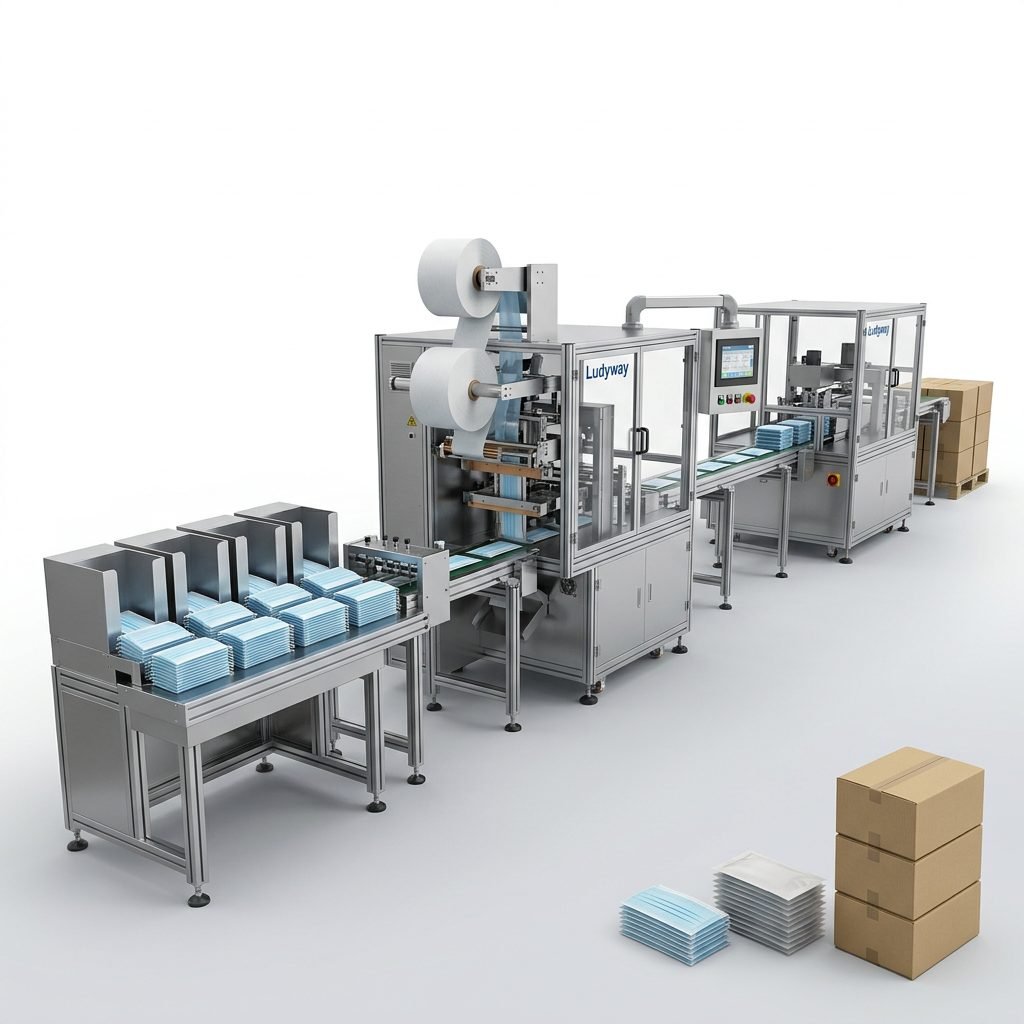
If you’re running a high-speed packaging operation, an integrated line with automatic film splicing, inline printing, and reject stations reduces downtime and ensures consistent output. Automating the secondary packaging stage—including cartoning and palletizing—can reduce direct labor costs by up to 60% compared to manual end-of-line handling.
Machine Construction and Hygiene Standards
Water packaging demands strict adherence to food safety standards. Stainless steel construction is non-negotiable, but you must distinguish between grades. AISI 304 stainless steel is the minimum requirement for frame and contact parts, while AISI 316L is recommended for any components exposed to aggressive cleaning agents or mineralized water formulations.
- Washdown-Ready Design: Sloped surfaces and IP65-rated electrical enclosures prevent water ingress during cleaning.
- Open Frame Construction: Facilitates visual inspection and quick changeovers between SKUs.
- Compliance Certifications: Ensure the machine meets relevant standards. Refer to resources from FDA food packaging regulations or ISO packaging standards when validating equipment for regulated markets.
Choosing the Right Packaging Material
Your machine must be compatible with the laminate structure you intend to use. Most water sachets and stick packs use multi-layer films combining PET, aluminum foil, and PE or CPP sealant layers. The sealant layer’s melting point dictates your machine’s sealing temperature settings. If you plan to switch between different film suppliers, a machine with digital temperature control and recipe management is essential to avoid sealing failures and film waste.
Pro Tip: Always test your specific water product and film combination on the machine before finalizing the purchase. Mineral content, slight carbonation, or even ambient humidity in your facility can affect sealing performance.
Evaluating After-Sales Support and Spare Parts
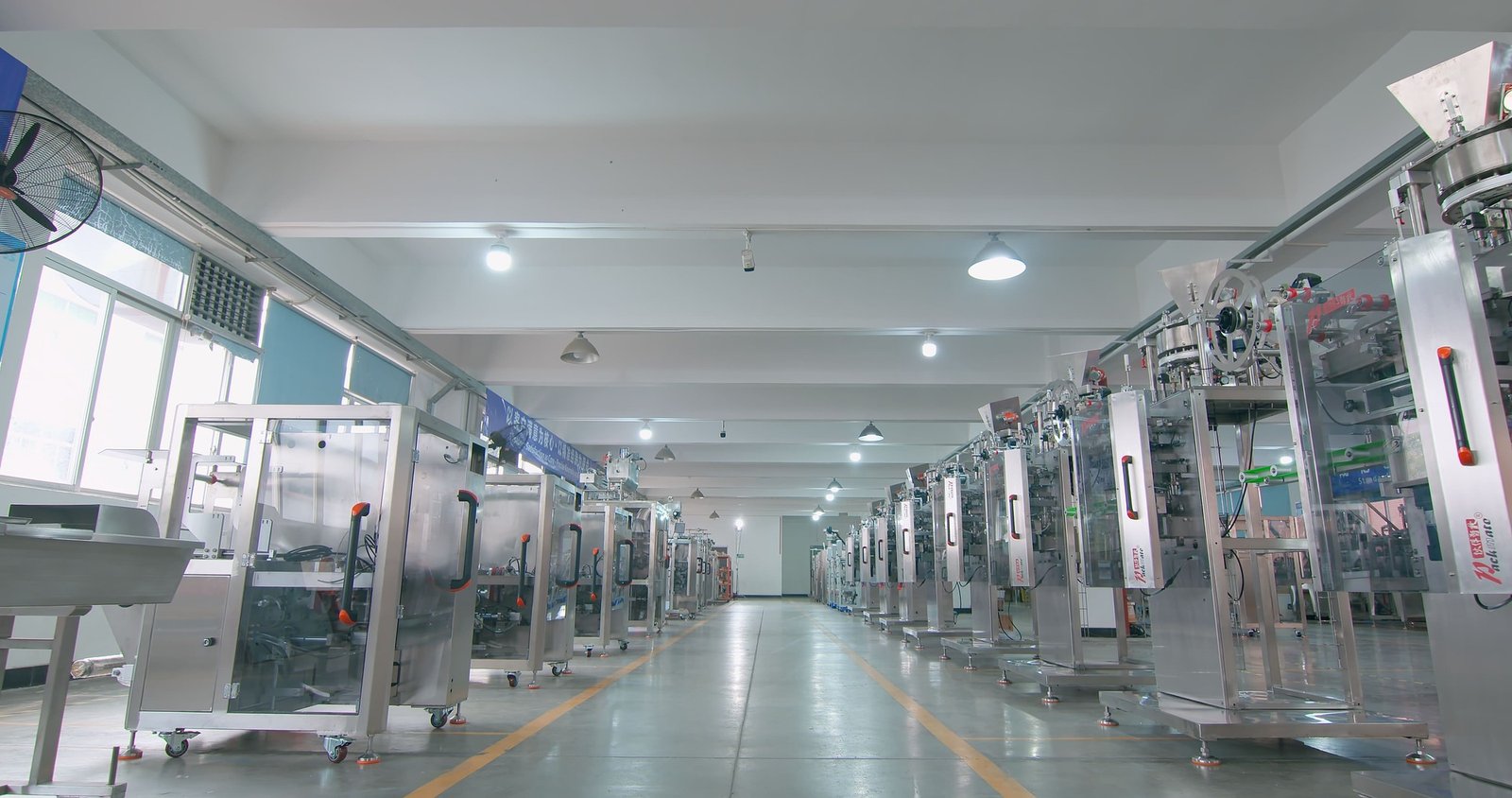
Even the most robust automatic water packing machine will eventually require maintenance. Before committing to a supplier, investigate their spare parts inventory, remote diagnostic capabilities, and typical response times for on-site service. A manufacturer with a global engineering and service network can significantly reduce your mean time to repair (MTTR). For example, Ludyway Machinery, a China-based packaging machinery manufacturer with over 30 years of industry experience, provides technical support throughout the project lifecycle, including installation, commissioning, and remote assistance to customers in more than 100 countries. This level of support helps maintain consistent production output and addresses operational issues efficiently.
Cost Considerations Beyond the Initial Price
The purchase price of a water packing machine is only one component of its total lifecycle cost. A comprehensive budget should factor in the following variables, which can vary dramatically between equipment suppliers:
- Energy Consumption: Servo-driven motors reduce power usage during idle periods compared to pneumatic systems.
- Film Waste Rate: Precise tension control and web tracking minimize the film wasted during splices and spline changes.
- Changeover Time: If you produce multiple sachet sizes or pouch formats, a machine with quick-release tooling and recipe-driven adjustments preserves uptime.
Power efficiency is becoming a key differentiator. Advanced lines now feature regenerative drives that capture braking energy and feed it back into the system, reducing overall consumption by meaningful percentages over the machine’s lifespan. When comparing quotes, ask suppliers for estimated operational cost data per million units produced.
Future-Proofing Your Packaging Line
Select an automatic water packing machine that accommodates your growth trajectory. Modular machine architectures allow you to add lanes, integrate checkweighers, or connect secondary packaging modules without replacing the entire filling system. If you anticipate entering new markets with different packaging formats—such as transitioning from sachets to stick packs or from premade pouches to form-fill-seal rolls—confirm that your primary machine platform supports those configurations through field-upgradable kits.
Industry trends indicate that flexible packaging formats continue gaining share in the water sector. According to the Flexible Packaging Association, lightweight materials and single-serve formats are reshaping production requirements for beverage manufacturers. Investing in versatile equipment now positions you to adapt as consumer preferences evolve.
Additionally, the packaging machinery market continues to grow, driven by automation adoption in food, beverage, and pharmaceutical sectors. For a broader perspective on market trends, check out the PMMI business intelligence reports, which offer detailed insights into machinery demand and technology shifts. Meanwhile, regulatory developments, such as those from the European Commission on packaging waste, influence material requirements and machine design standards globally.
Making the Final Decision
Choosing the right automatic water packing machine requires balancing speed, flexibility, hygiene compliance, and total lifecycle costs. Start by clearly defining your required output volume, packaging format, and available factory footprint. Conduct factory acceptance tests (FAT) with your actual water product and film laminates. Prioritize suppliers who offer comprehensive engineering support, training programs, and responsive after-sales service to safeguard your production uptime.
By systematically evaluating technical specifications, automation features, and material compatibility, you can select a packaging system that delivers consistent product quality, meets regulatory standards, and supports your business growth for years to come.
For more information on industry standards and packaging machinery best practices, visit resources from PMMI’s packaging resources library or explore data from the Flexible Packaging Association knowledge hub.