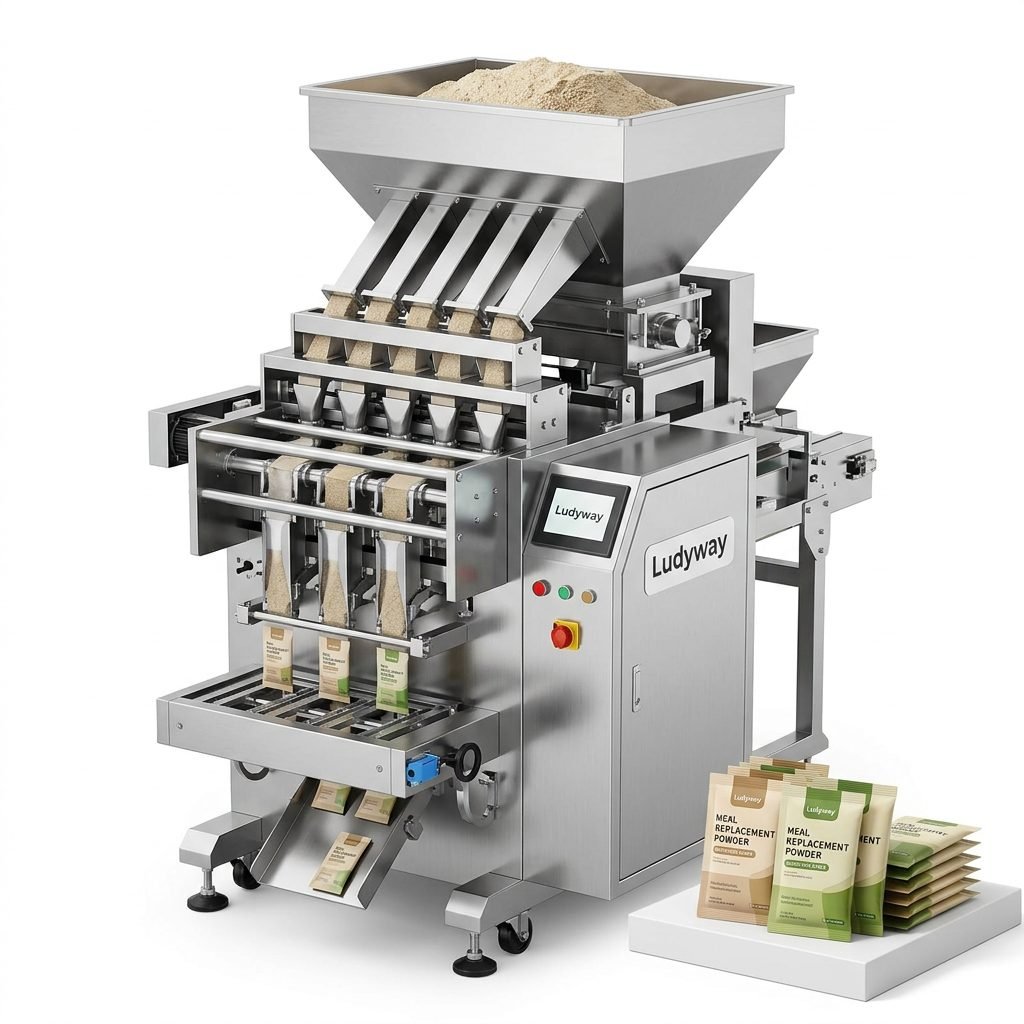
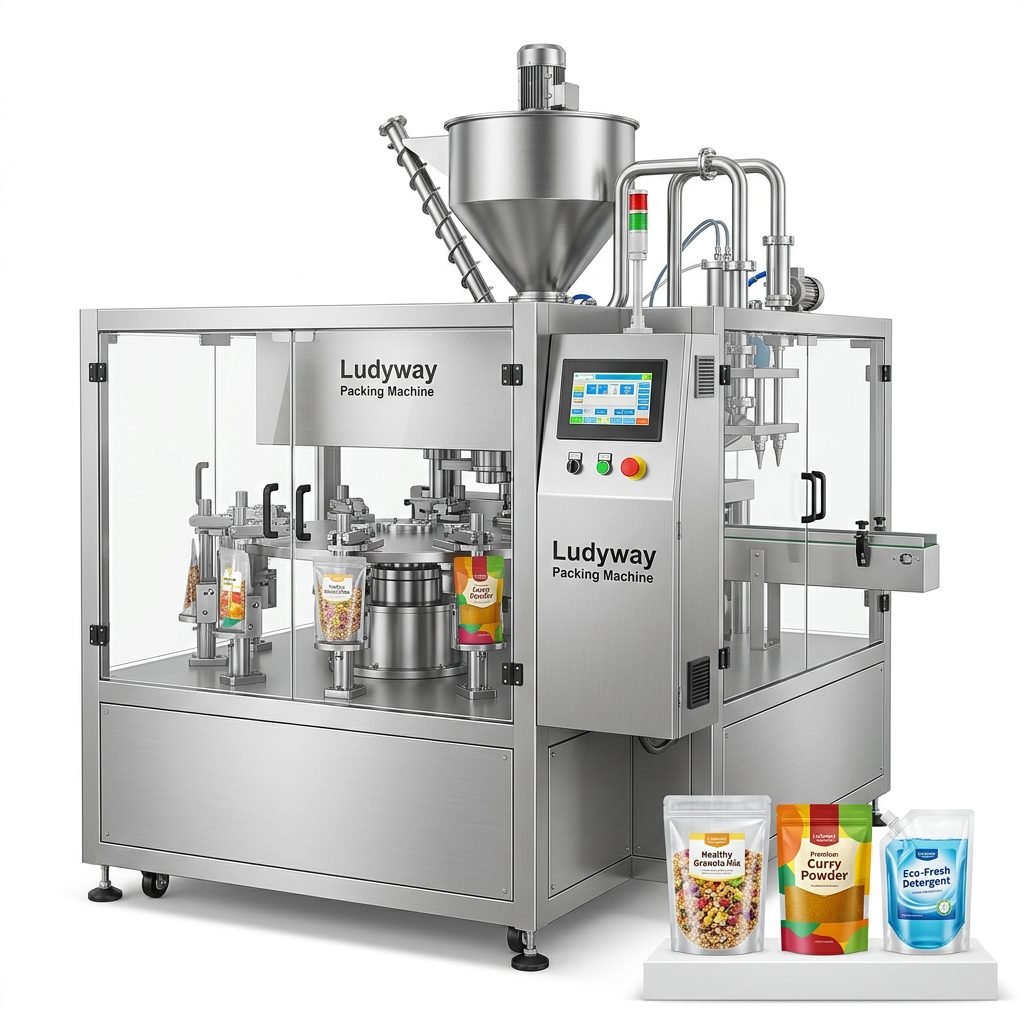
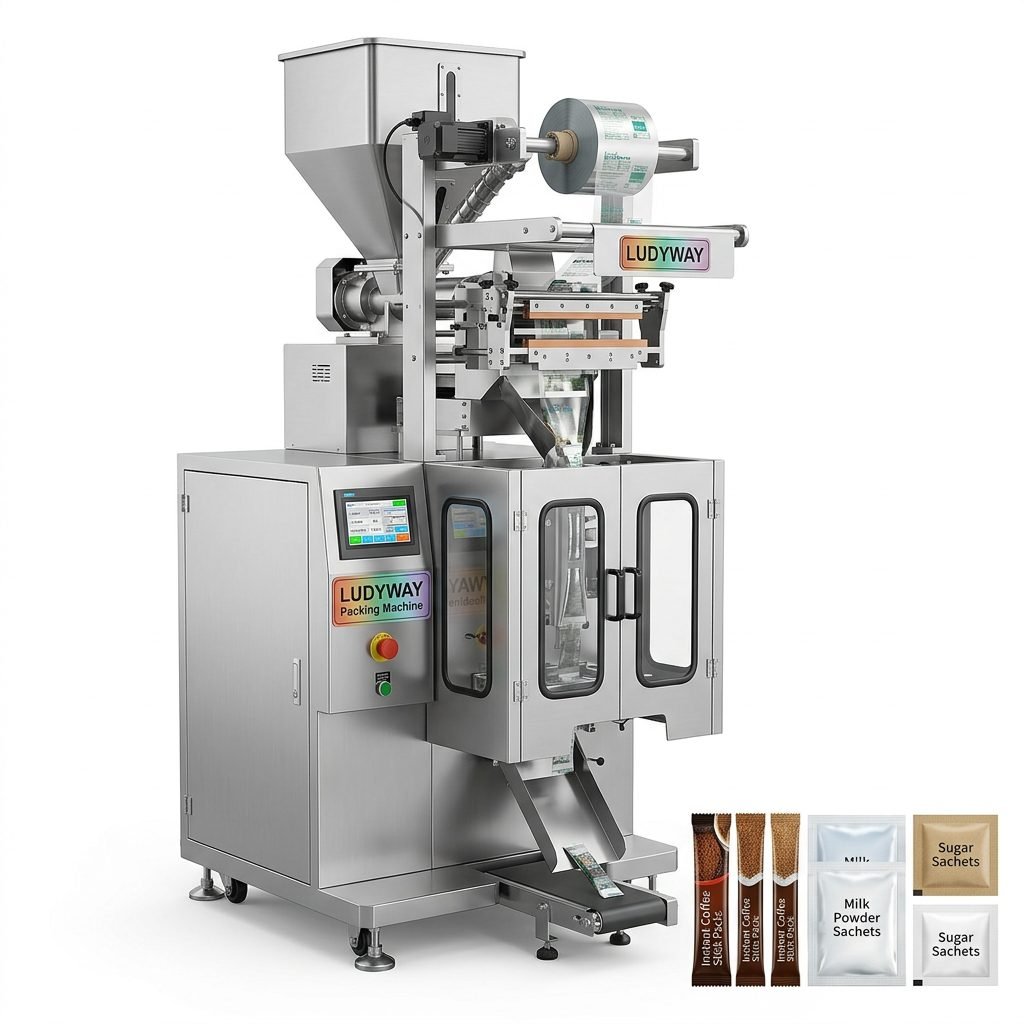
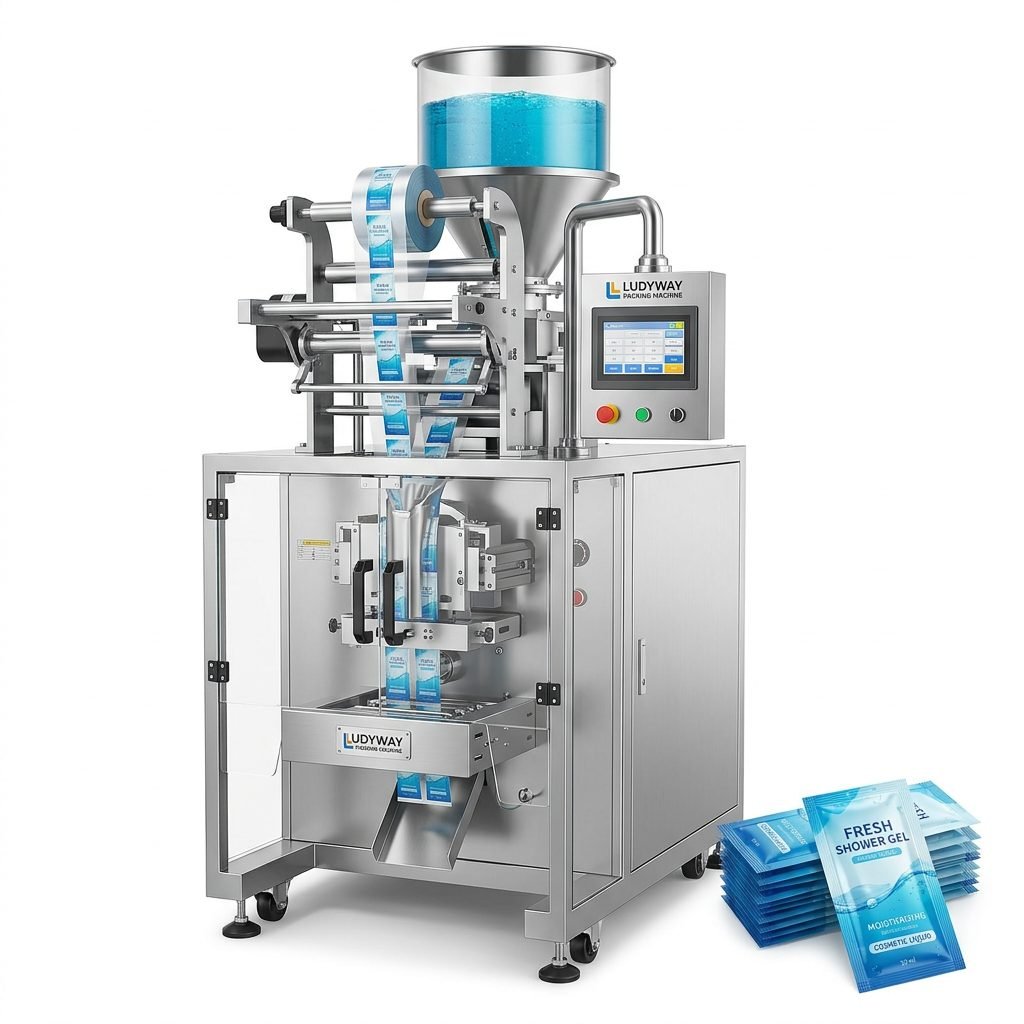
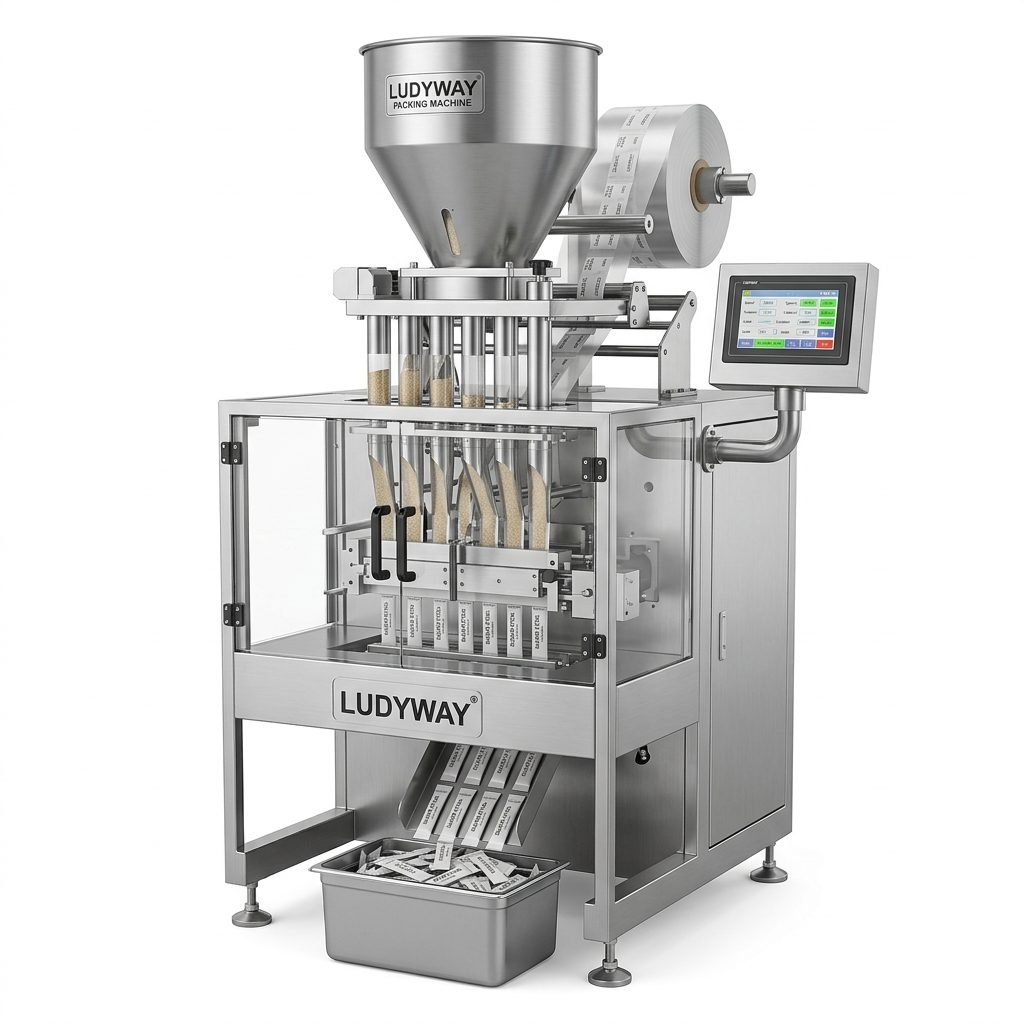
Investing in a pani pouch packing machine is a significant decision for manufacturers in the food, pharmaceutical, cosmetic, and chemical industries. The right machine can improve production efficiency, reduce packaging waste, and ensure consistent product quality. However, with a wide range of machine types, configurations, and suppliers available, selecting the best equipment for your specific application requires careful evaluation.
This comprehensive guide walks you through the key factors to consider when choosing a pani pouch packing machine, helping you make an informed purchase decision that aligns with your production goals, budget, and operational requirements. For a deeper understanding of current industry trends, the PMMI Business Intelligence Library provides extensive market data and packaging machinery insights.
Understanding Pani Pouch Packaging Machines
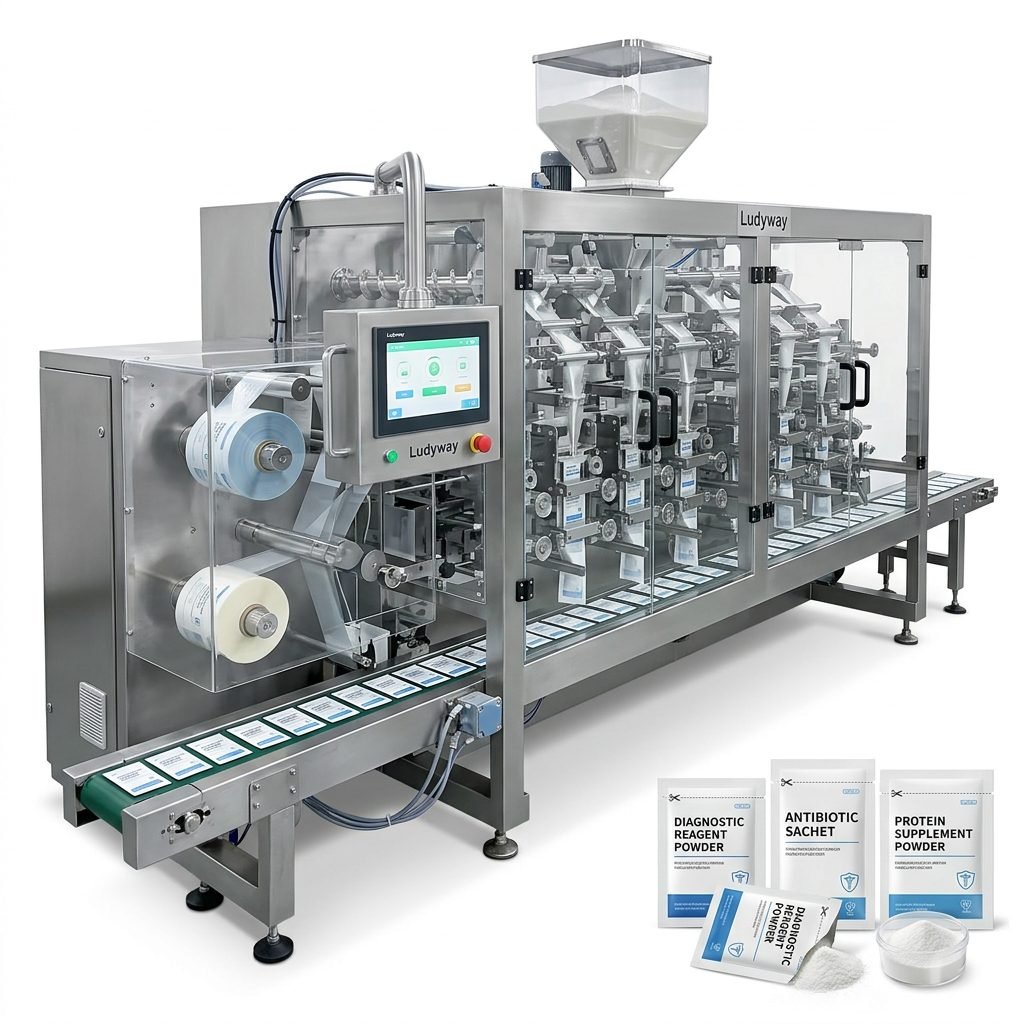
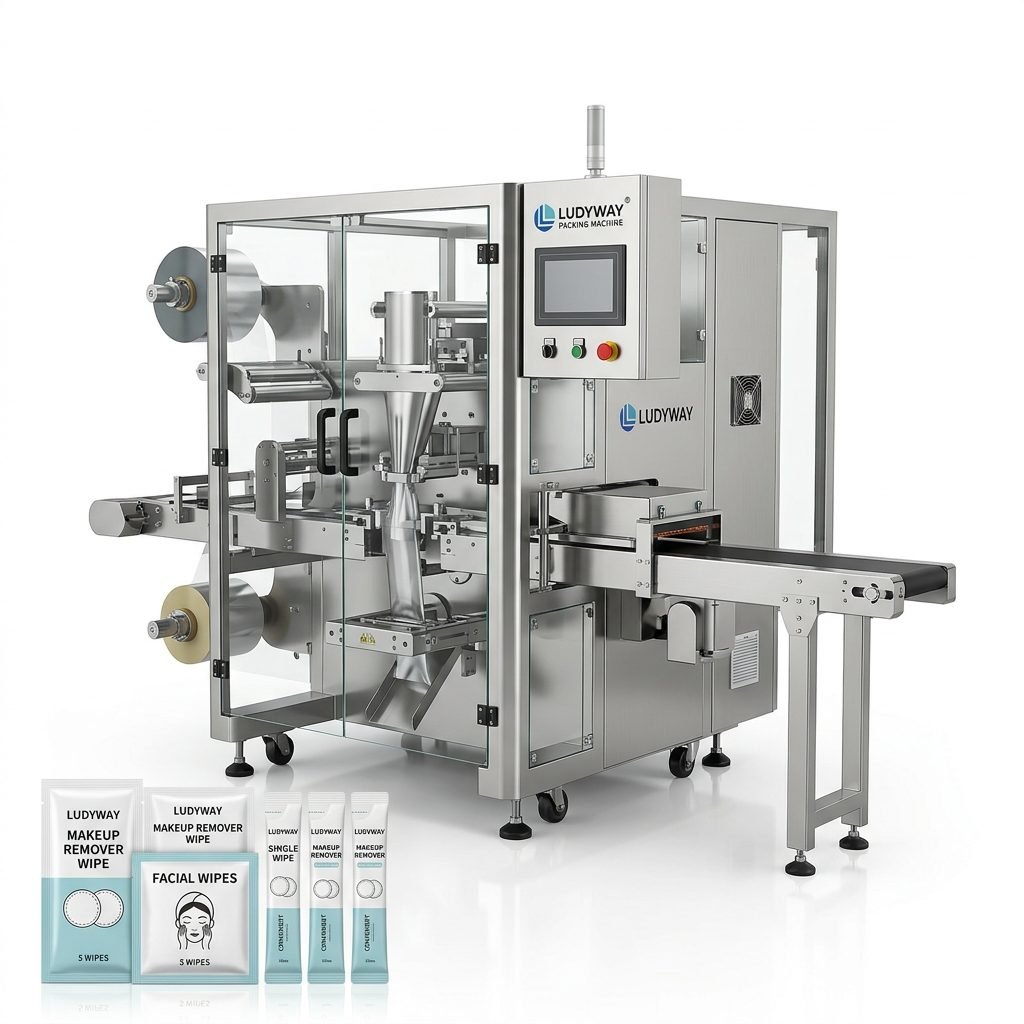
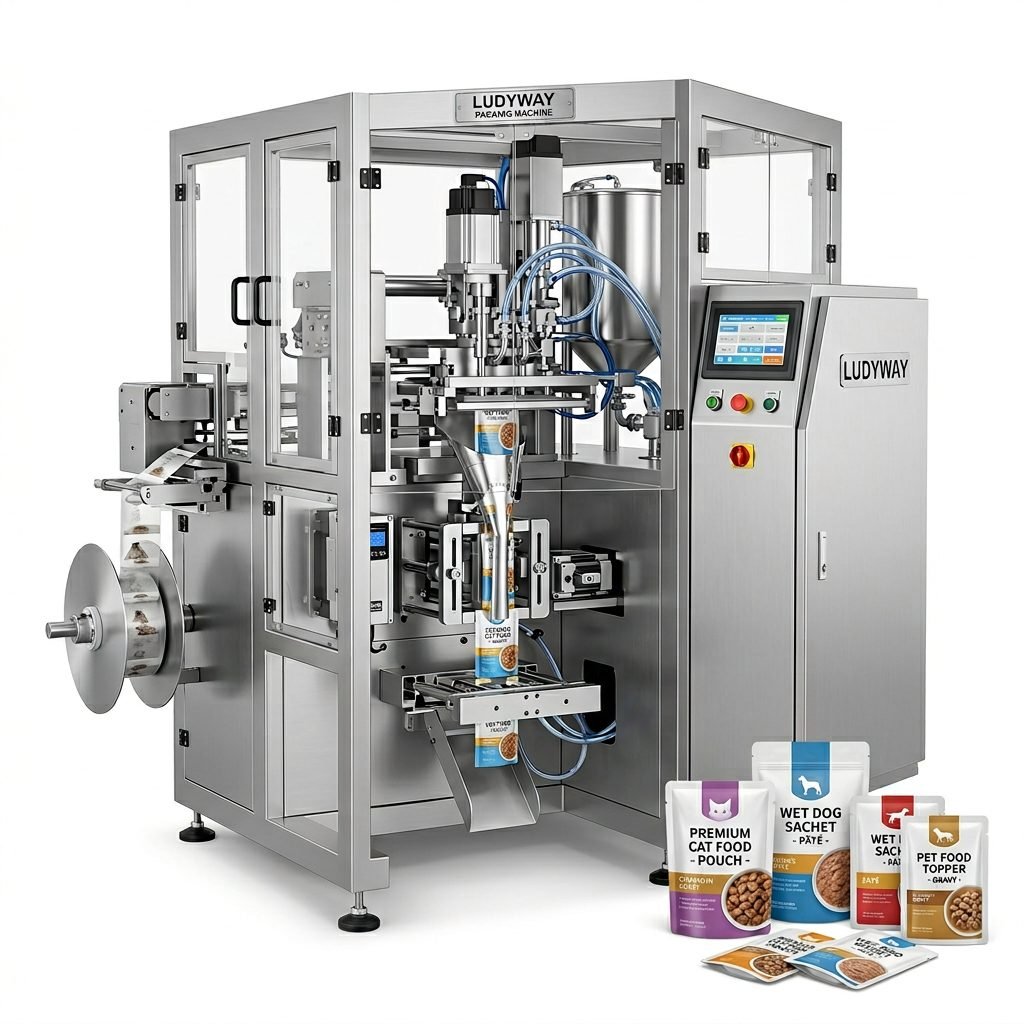
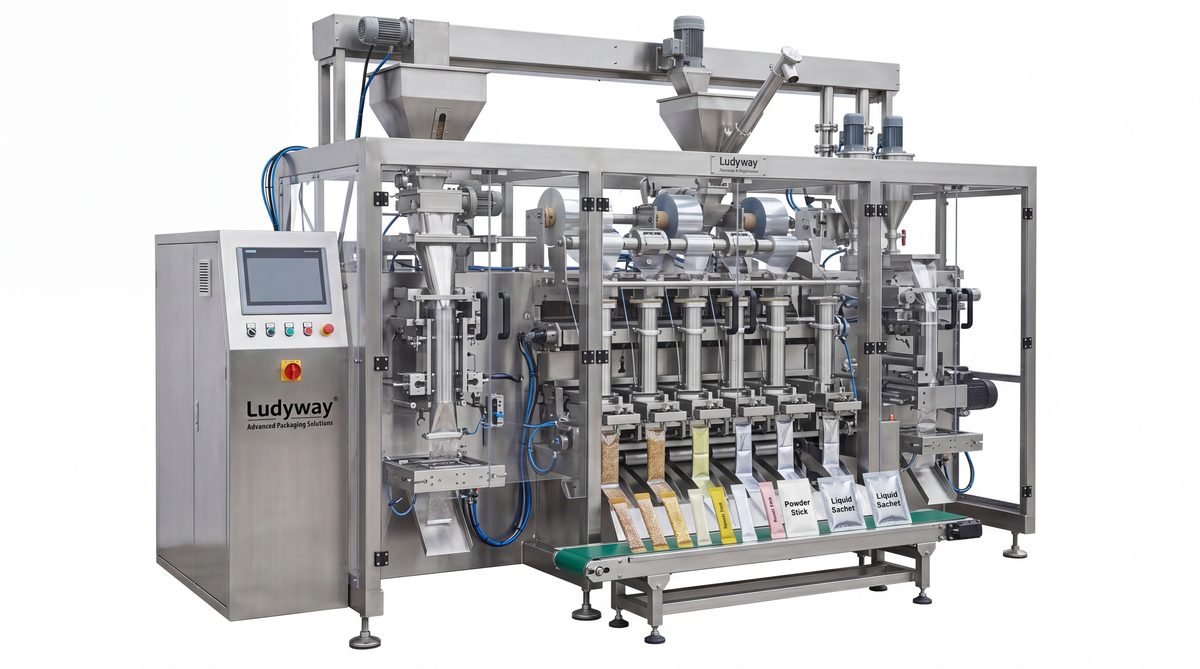
A pani pouch packing machine is designed to form, fill, and seal flexible pouches for liquid, powder, granule, or semi-viscous products. These machines are widely used for packaging water, juice, dairy products, edible oils, sauces, detergents, and pharmaceutical liquids in convenient single-use or multi-use pouch formats. The global flexible packaging market continues to expand, driven by consumer demand for portable, lightweight, and cost-effective packaging solutions. According to the Flexible Packaging Association, flexible packaging remains one of the fastest-growing segments in the packaging industry.
Modern pani pouch machines integrate automated filling systems, precision dosing mechanisms, and advanced sealing technology to deliver high-speed production with minimal human intervention. Whether you need a compact machine for small-batch production or a fully automated multi-lane system for high-volume output, understanding the core machine categories is the first step in your selection process.
Key Machine Types and Configurations
Selecting the right pani pouch packing machine starts with understanding the available configurations. Each type offers distinct advantages depending on your production volume, product characteristics, and packaging format requirements. The table below summarizes the most common machine categories and their typical applications:
| Machine Type | Best Suited For | Production Speed | Key Advantage |
|---|---|---|---|
| Single-Lane Pouch Machine | Small to medium batch production, startups | 30-60 pouches/min | Lower investment, easy to operate |
| Multi-Lane Pouch Machine | High-volume production, large manufacturers | 200-600+ pouches/min | Maximum output per shift |
| Vertical Form Fill Seal (VFFS) | Free-flowing powders and granules | 40-120 pouches/min | Compact footprint, versatile |
| Horizontal Form Fill Seal (HFFS) | Liquid products, pre-made pouches | 50-150 pouches/min | Superior seal integrity for liquids |
| Stick Pack Machine | Single-serve powder, liquid, and gel products | 300-800+ sticks/min | Ideal for portion-control packaging |
Critical Factors to Evaluate Before Purchase
Before contacting a supplier, define your production requirements clearly. The following checklist covers the essential evaluation criteria that will guide your machine selection process:
- Product Characteristics: Viscosity, temperature, particulate content, foaming tendency, and chemical compatibility all influence the choice of filling system, pump type, and material handling components. Liquid products with high viscosity require piston fillers or gear pumps, while free-flowing liquids work well with gravity or volumetric fillers.
- Pouch Size and Format: Determine the range of pouch dimensions you need to produce. Consider width, length, gusset options, and whether you need center-seal, three-side-seal, or four-side-seal pouch formats. Modular machines with quick-change parts offer greater flexibility for multiple pouch sizes.
- Production Speed Requirements: Calculate your target output per shift. A single-lane machine producing 40 pouches per minute may suffice for a startup, but high-demand operations often require multi-lane systems or stick pack machines capable of 400+ units per minute.
- Filling Accuracy: Precision dosing reduces product giveaway and ensures regulatory compliance. For pharmaceutical and high-value products, look for machines with servo-driven filling systems that achieve fill accuracy within ±0.5% or better.
- Packaging Material Compatibility: Your machine must handle the specific film structures you intend to use, including laminates, aluminum foil, polyethylene, and biodegradable materials. Verify seal temperature range, jaw configuration, and tension control capabilities.
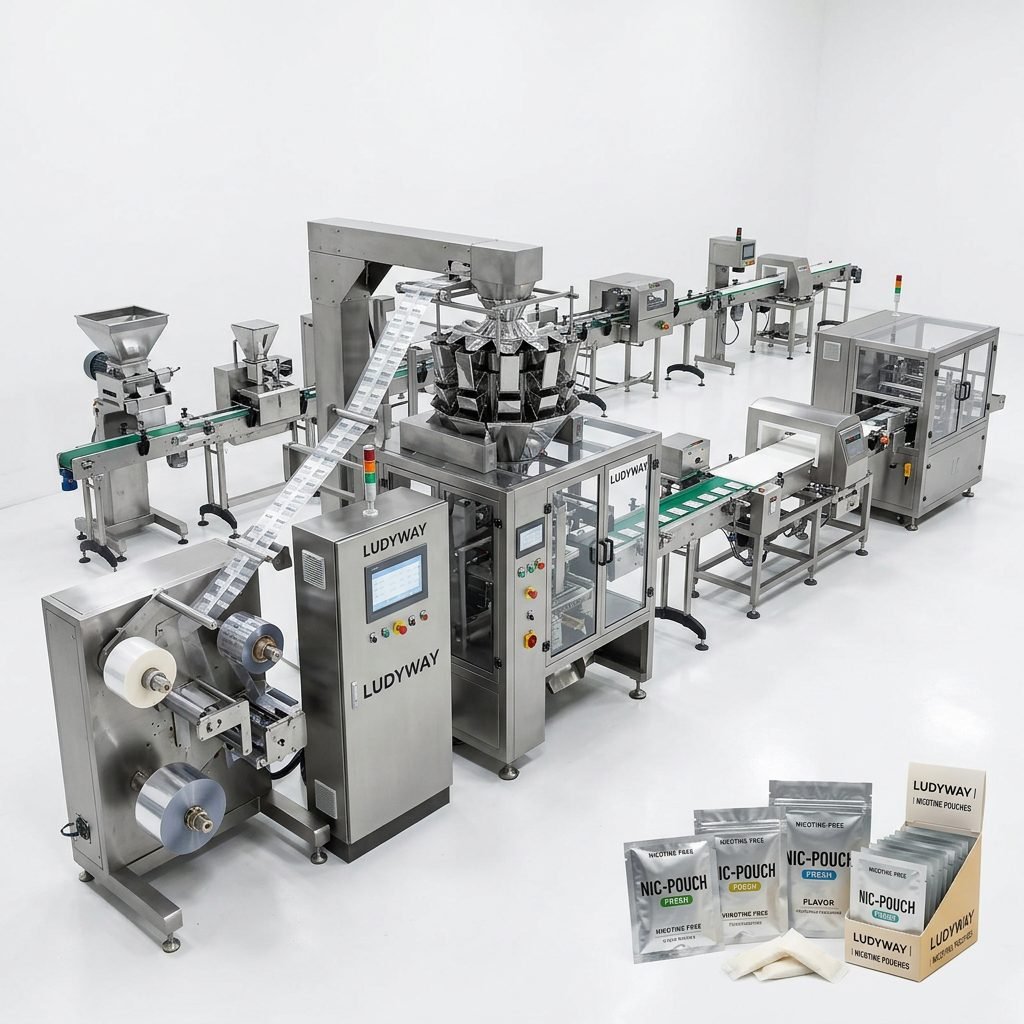
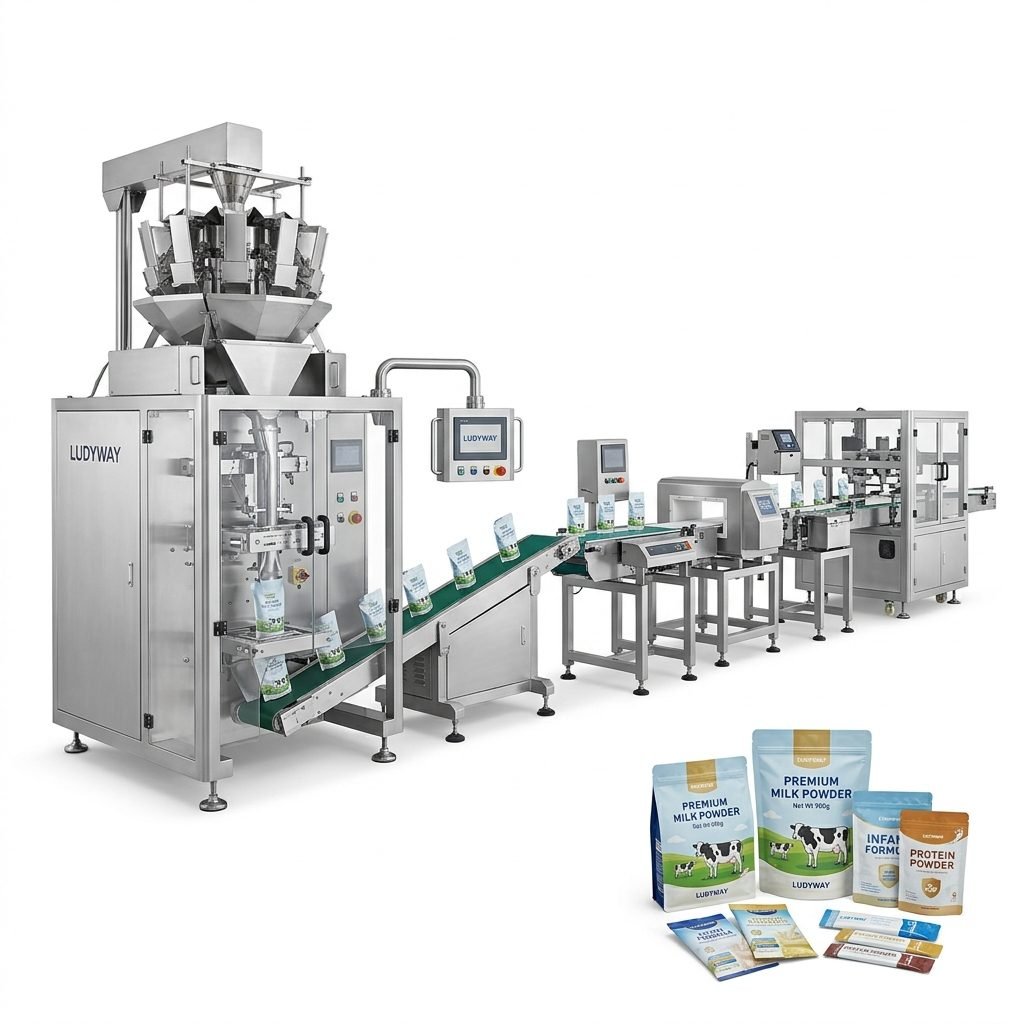
- Automation and Integration: Consider whether you need ancillary equipment such as automatic feeders, coding and marking systems, checkweighers, metal detectors, and cartoning machines. A turnkey solution that integrates multiple stages of the packaging process can streamline operations and reduce labor costs.
Industry-Specific Considerations
Different industries impose unique requirements on pani pouch packing machines. Understanding these sector-specific needs will help you select equipment that meets regulatory standards and operational expectations. The FDA Food Packaging and Food Contact Substances guidelines are essential reading for food and pharmaceutical manufacturers.
Food and Beverage Industry
Hygienic design is paramount. Look for machines constructed with stainless steel contact parts, easy-to-clean surfaces, and CIP (Clean-in-Place) compatibility. Pouch integrity is critical to prevent leakage and contamination during distribution. Machines should support MAP (Modified Atmosphere Packaging) or nitrogen flushing if extended shelf life is required for products like dairy-based pani drinks or fruit juices.
Pharmaceutical and Nutraceutical Applications
Pharmaceutical packaging demands validated processes, precision dosing, and strict adherence to cGMP guidelines. Machines must include features such as laminar flow compatibility, sterile filling environments, and comprehensive batch documentation capabilities. Seal integrity testing and vision inspection systems are often integrated to meet regulatory compliance standards outlined by organizations such as the FDA.
Cosmetics and Personal Care
This sector requires machines capable of handling a wide range of viscosities, from watery toners to thick creams and gels. Quick changeover between different product formulations and pouch sizes is a key requirement. Anti-drip nozzles, heated filling systems, and gentle product handling help maintain product quality and reduce waste.
Industrial and Chemical Products
Chemical compatibility is the primary concern. Machines must be constructed with corrosion-resistant materials and seals that withstand aggressive cleaning agents, solvents, and industrial fluids. Explosion-proof configurations may be required for volatile substances. Heavy-duty construction ensures long service life in demanding production environments.
Comparing Machine Technologies: Piston vs. Peristaltic vs. Gear Pump Fillers
The filling system is the heart of any pani pouch packing machine. Selecting the wrong filler type can lead to accuracy issues, product damage, and excessive downtime. The following comparison highlights the strengths and limitations of the three most common liquid filling technologies:
| Filler Type | Viscosity Range | Accuracy | Best Applications | Maintenance |
|---|---|---|---|---|
| Piston Filler | Low to very high | ±0.5% | Sauces, creams, gels, pastes | Moderate, wear parts need periodic replacement |
| Peristaltic Pump | Low to medium | ±1% | Sterile liquids, pharmaceuticals | Low, disposable tubing reduces contamination risk |
| Gear Pump | Low to medium | ±1-2% | Oils, solvents, low-viscosity liquids | Low, but sensitive to particulate wear |

Why Choose Ludyway as Your Packaging Machinery Partner
When sourcing a pani pouch packing machine, working with an experienced manufacturer can make the difference between a smooth implementation and ongoing operational challenges. Ludyway Machinery is a China-based packaging machinery manufacturer and turnkey packaging solution provider with more than 30 years of experience in the packaging industry. With a 20,000-square-meter manufacturing facility, more than 130 professionals, and over 50 packaging machine models, Ludyway combines manufacturing expertise, engineering capabilities, and application experience to help customers improve packaging efficiency and production capacity. Whether you need a single automatic packaging machine or a complete turnkey line, Ludyway provides customized solutions for manufacturers across food, pharmaceutical, cosmetic, and chemical industries.
Evaluating Total Cost of Ownership
The purchase price is only one component of your total cost of ownership (TCO). A comprehensive TCO analysis should account for the following elements over the machine’s expected service life:
- Spare Parts and Consumables: Sealing jaws, cutting blades, filters, gaskets, and pump components wear over time. Compare spare parts availability and pricing from different suppliers.
- Energy Consumption: High-speed machines with servo motors and intelligent power management systems can significantly reduce electricity costs compared to older pneumatic or clutch-driven designs.
- Labor Requirements: Automated machines reduce operator intervention. Multi-lane systems and integrated packaging lines can often be managed by a single operator, lowering ongoing labor expenses.
- Film Waste: Precise film registration, accurate tension control, and optimized sealing parameters minimize material waste. Even small improvements in film utilization translate to substantial savings in high-volume operations.
- Downtime Costs: Reliable machines with readily available technical support minimize production interruptions. Consider the supplier’s service network, remote diagnostic capabilities, and spare parts delivery times.
Quality Certifications and International Standards
For manufacturers exporting to regulated markets, machine certifications and compliance documentation are increasingly important. Look for suppliers that can provide equipment designed to meet applicable international standards. The ISO Packaging Standards provide a framework for quality, safety, and performance requirements. Machines built with CE marking, UL-listed components, or designed according to cGMP principles help streamline market access and regulatory approvals. Ludyway’s global growth trajectory reflects its focus on quality and international market requirements across more than 100 countries and regions.
Making the Final Decision: Key Questions to Ask Suppliers
Before finalizing your purchase, ask potential suppliers these critical questions to validate their capabilities and ensure the proposed solution meets your requirements:
- Can you provide video demonstrations of similar machines running comparable products?
- What is the standard lead time for manufacturing, delivery, and commissioning?
- Do you offer factory acceptance testing (FAT) and site acceptance testing (SAT)?
- What warranty coverage is included, and what are the extended warranty options?
- How do you handle spare parts supply and emergency technical support?
- Can the machine be upgraded or reconfigured in the future for new pouch formats or production requirements?
- What training programs do you provide for operators and maintenance personnel?
- Do you have reference customers in my industry or region that I can contact?
Common Mistakes to Avoid
Many buyers make avoidable errors when selecting a pani pouch packing machine. Being aware of these common pitfalls can save you from costly remediation efforts later:
- Underestimating Future Capacity Needs: A machine that meets today’s production volumes may become a bottleneck within 12-18 months if your business grows. Select equipment with some scalability or modular expansion capability.
- Overlooking Material Compatibility: Not all machines handle all film types equally well. Test your specific packaging materials on the proposed machine before committing to a purchase.
- Ignoring Infrastructure Requirements: Verify that your facility can accommodate the machine’s compressed air, electrical power, water, and ventilation needs. Floor space, ceiling height, and access for maintenance should also be confirmed.
- Choosing Based on Price Alone: The lowest upfront cost often leads to higher long-term expenses through increased downtime, reduced efficiency, and limited support. Evaluate value rather than just price.
- Skipping Operator Training: Even the most advanced machine will underperform if operators are not properly trained. Invest in comprehensive training from your supplier during installation and commissioning.
Conclusion
Choosing the right pani pouch packing machine requires a methodical approach that balances production requirements, product characteristics, budget constraints, and long-term operational goals. By evaluating machine types, filling technologies, industry-specific needs, and total cost of ownership, you can select equipment that delivers reliable performance and supports your business growth. Working with an experienced packaging machinery manufacturer that offers customized solutions, global technical support, and a commitment to quality helps ensure a successful investment that will serve your production needs for years to come.