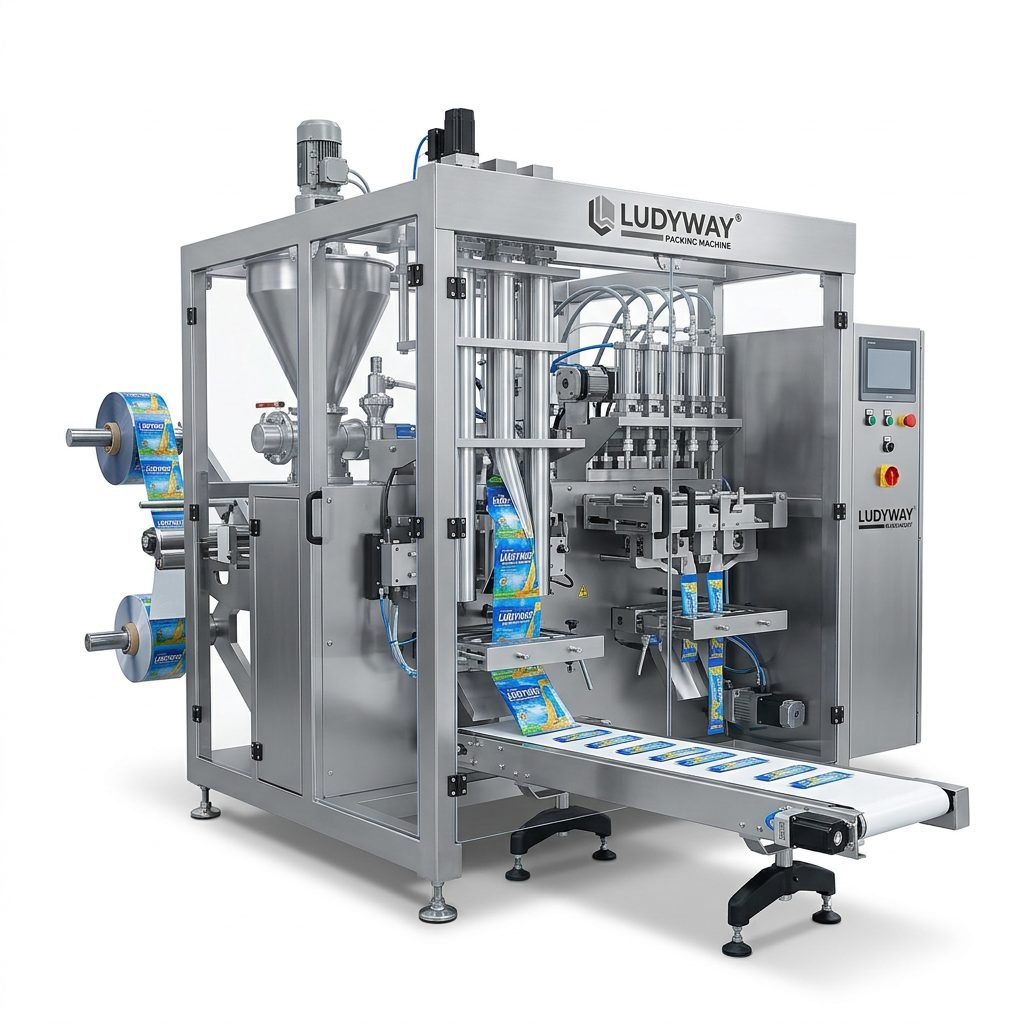
Selecting the right ground coffee packaging machine is one of the most critical decisions for coffee producers, roasters, and contract packers. The equipment you choose affects product freshness, production speed, shelf appeal, and ultimately your bottom line. With the global coffee market continuing to expand and consumer demand shifting toward convenient single-serve formats, investing in the right packaging technology has never been more important.
According to recent PMMI packaging industry data, the flexible packaging segment—including stick packs and sachets for ground coffee—is experiencing significant growth driven by portion control trends and on-the-go consumption patterns. This guide walks you through everything you need to evaluate when choosing a coffee packaging solution.
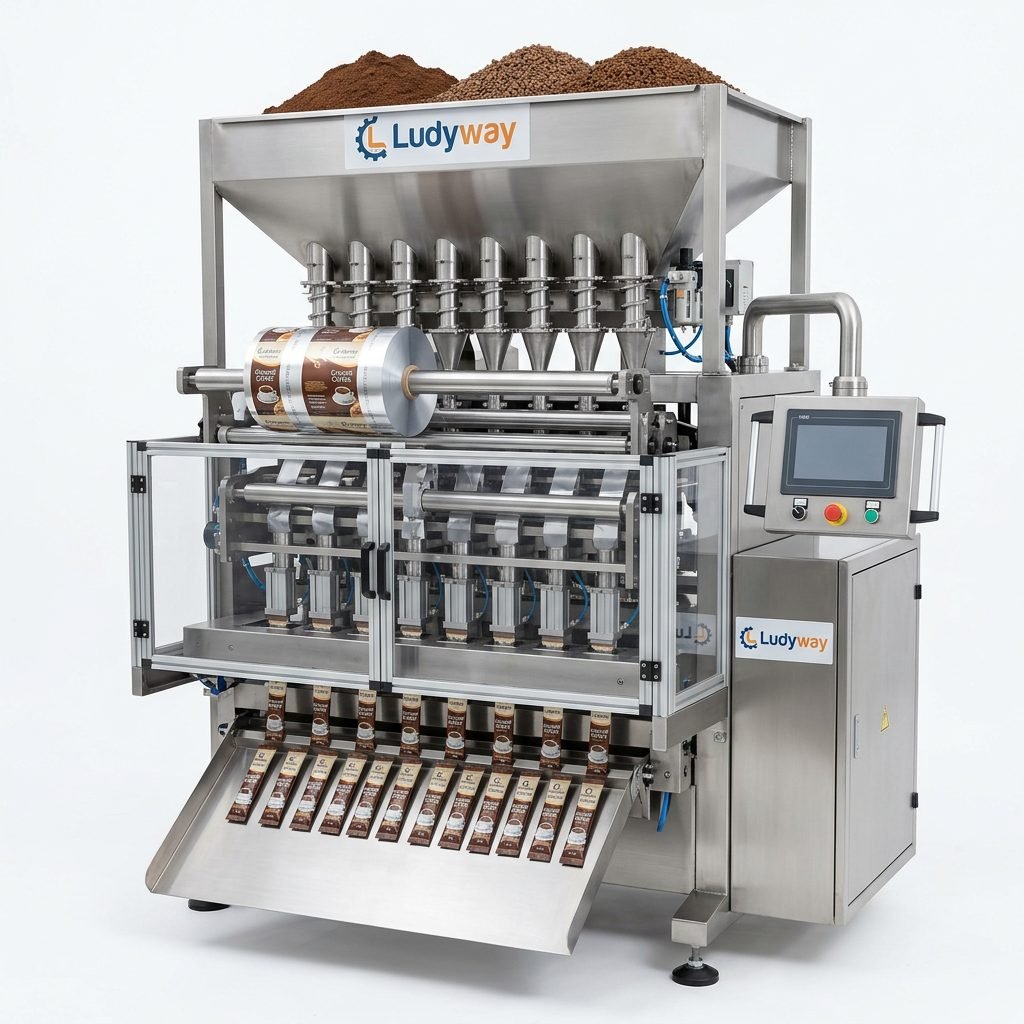
Understanding Coffee Packaging Machine Types
Before diving into specifications, it is essential to understand the main categories of coffee packaging equipment available on the market. Each type serves different production scales and packaging formats:
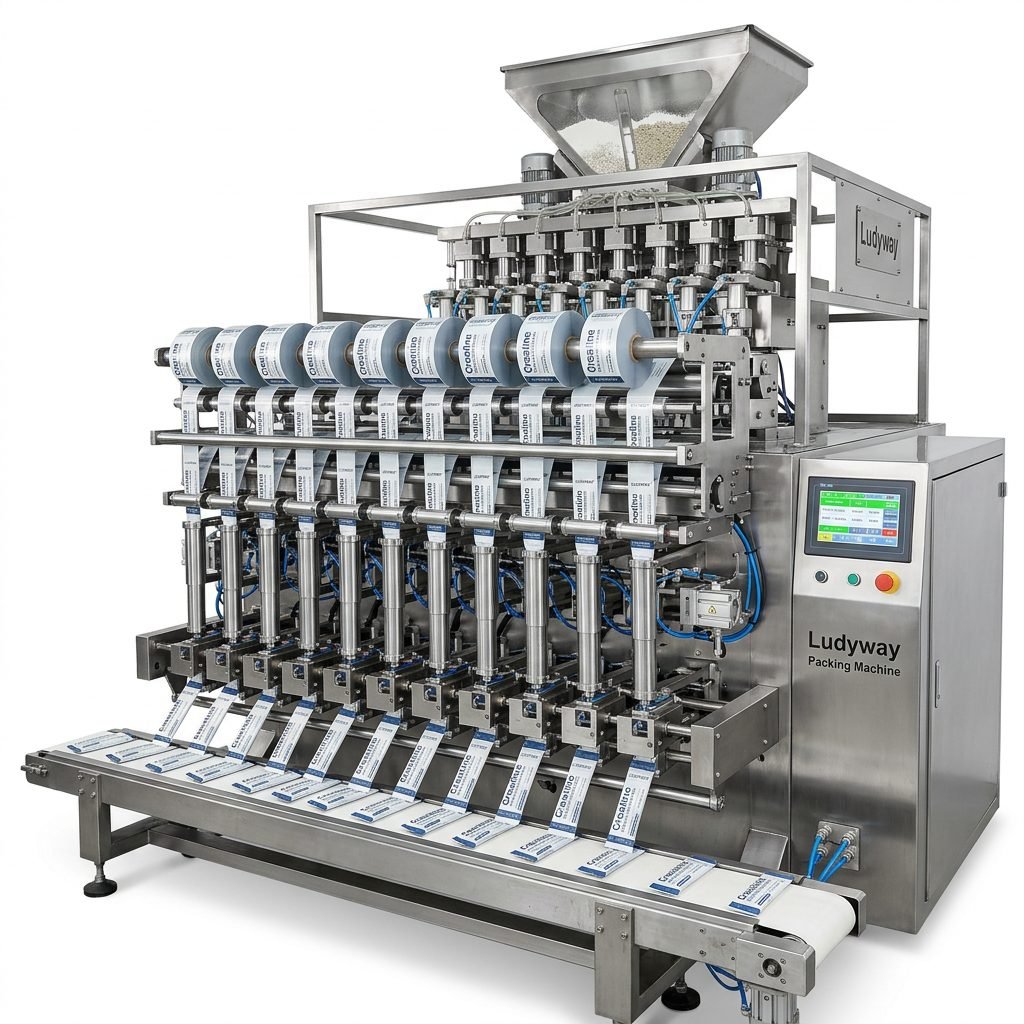
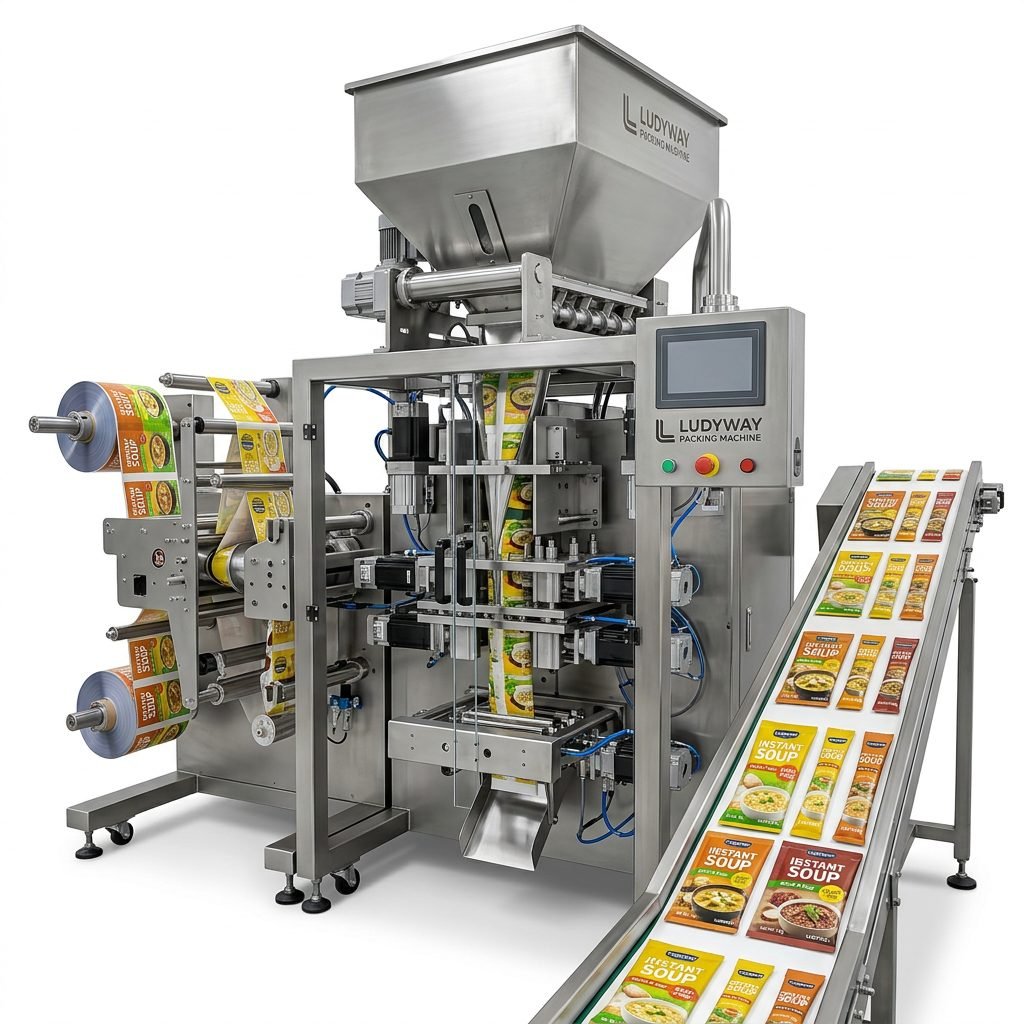
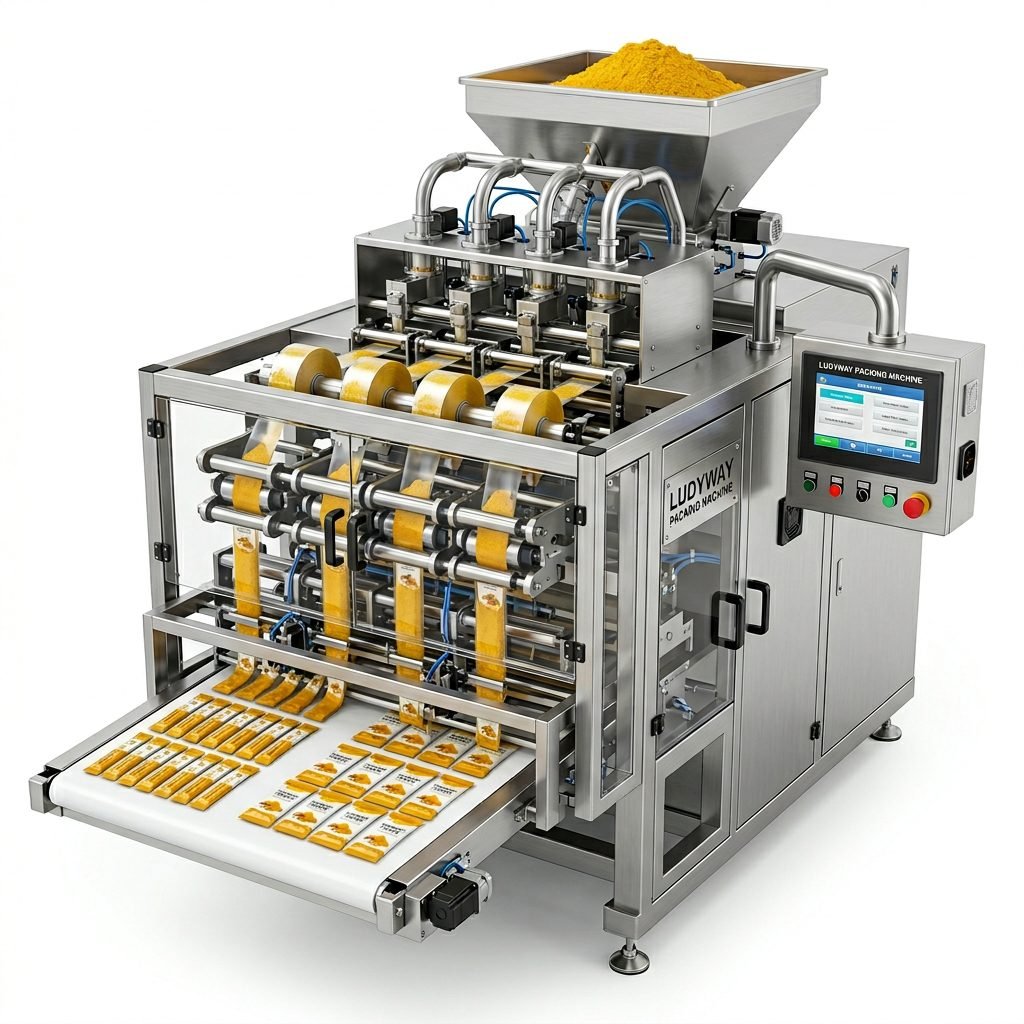
- Stick pack machines – Ideal for single-serve ground coffee portions, producing narrow sealed sticks typically containing 1-3 grams per pack
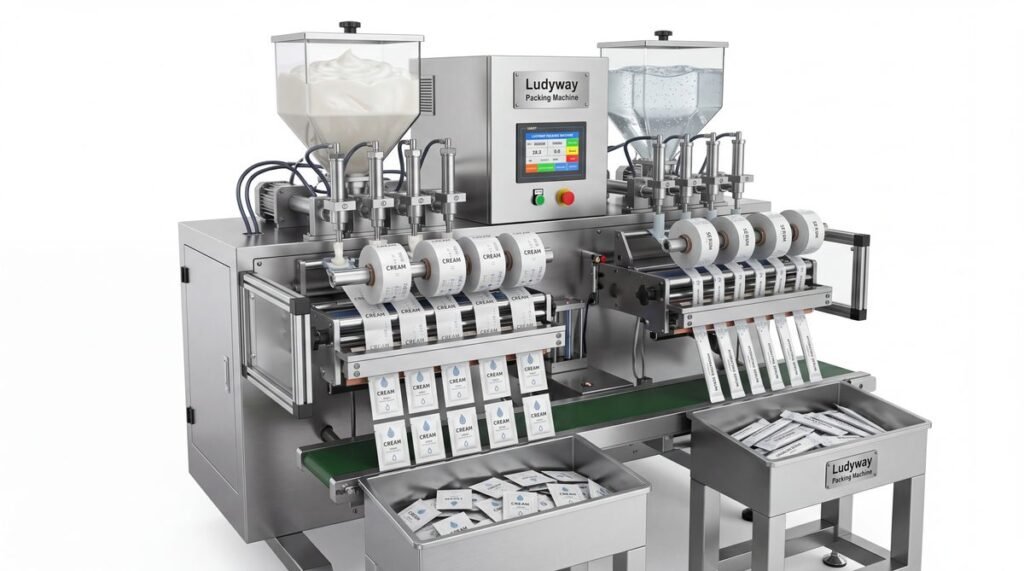
- Sachet packaging machines – Versatile systems handling flat or gusseted pouches for ground coffee in larger single-serve or multi-serve formats
- Multi-lane packaging systems – High-output equipment running 4 to 16 lanes simultaneously, dramatically increasing production capacity
- Premade pouch filling machines – Rotary or inline systems designed for filling and sealing pre-formed coffee pouches
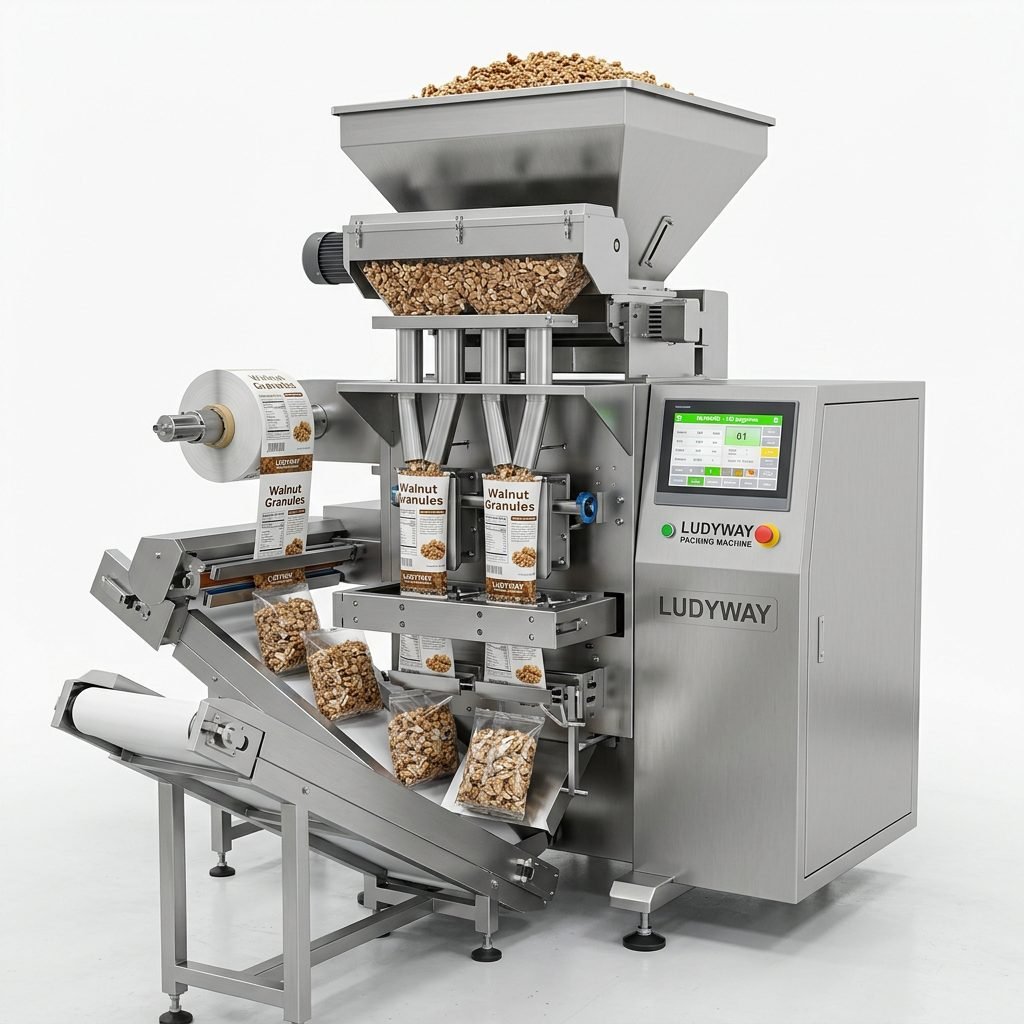
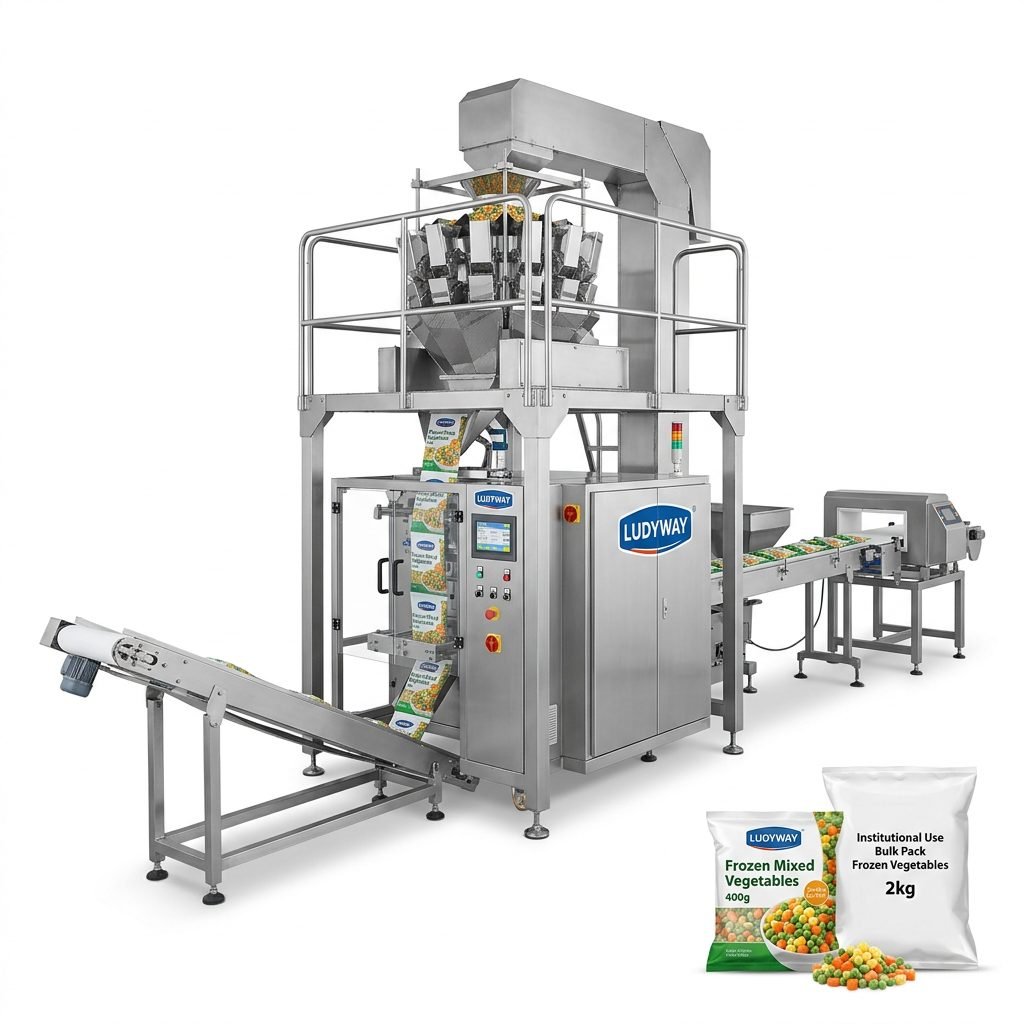
- Vertical form-fill-seal (VFFS) machines – Integrated systems that form bags from roll stock, fill ground coffee, and seal in one continuous operation
Key Factors to Evaluate Before Purchasing
Choosing the ground coffee packaging machine that matches your production requirements involves evaluating several interconnected factors. Skipping any of these assessments can lead to costly mismatches between your equipment and operational needs.
1. Production Speed and Output Requirements
Determine your current and projected daily or hourly output. A small roaster may need 30-60 packs per minute, while a large-scale contract packer might require 300-600 packs per minute per lane. Multi-lane systems multiply output proportionally—a 6-lane machine running at 60 cycles per minute delivers 360 packs per minute.
2. Packaging Material Compatibility
Ground coffee requires excellent barrier properties to maintain freshness. Your machine must handle the specific film structures you plan to use, whether that includes aluminum foil laminates, metallized PET, or multi-layer barrier films. Verify that the sealing system—heat seal, ultrasonic, or impulse—is compatible with your chosen packaging material.
3. Fill Accuracy and Dosing Technology
Coffee is a valuable commodity, and overfilling erodes margins quickly. Look for dosing systems with volumetric accuracy within ±1-2% of target weight. Auger fillers are commonly used for ground coffee, but vibratory feeders and combination weighers offer alternatives depending on your precision needs and coffee grind consistency.
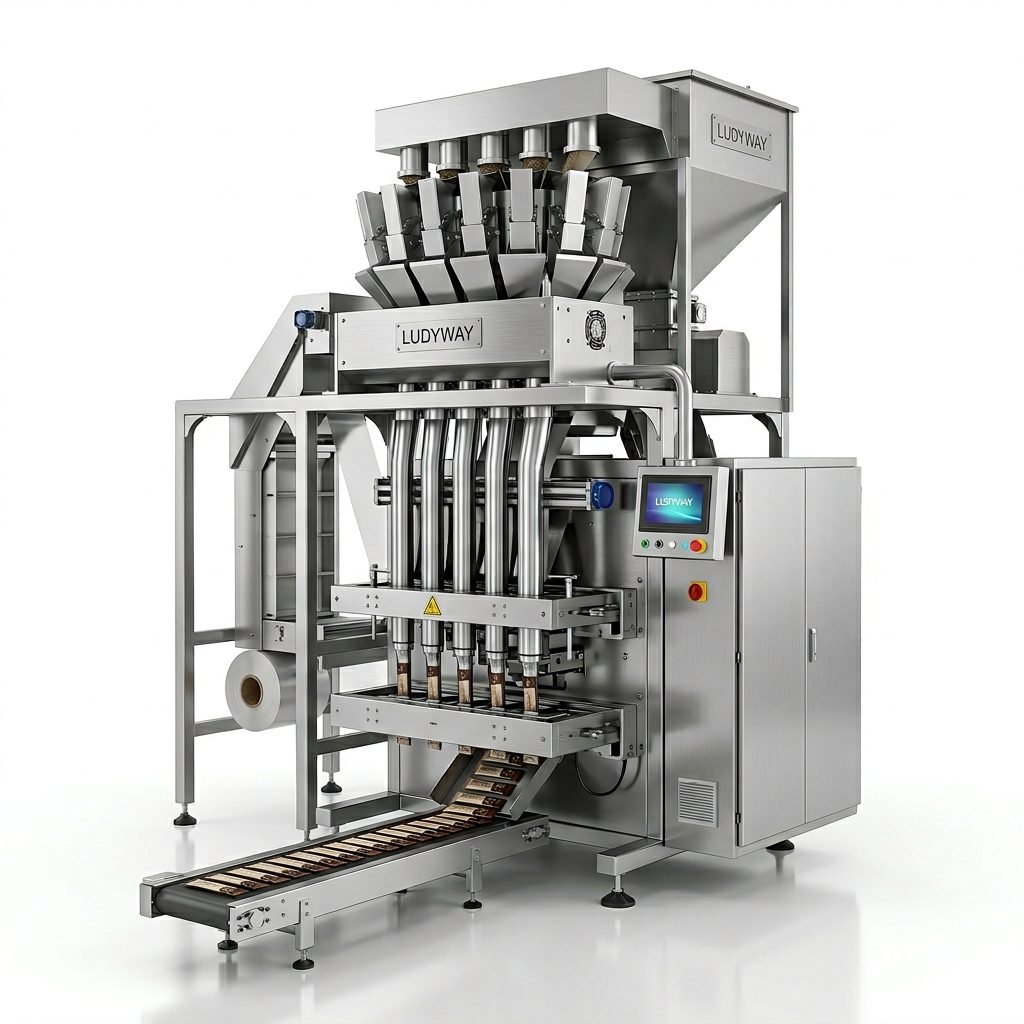
Multi-Lane vs. Single-Lane Systems
One of the most significant decisions when selecting a coffee packaging machine is whether to invest in a single-lane or multi-lane system. The table below compares the key differences:
| Feature | Single-Lane Machine | Multi-Lane Machine |
|---|---|---|
| Typical Output | 30–100 packs/min | 240–800+ packs/min |
| Floor Space | Compact footprint | Larger footprint, higher throughput per m² |
| Initial Investment | Lower upfront cost | Higher upfront, lower cost per pack |
| Changeover Complexity | Simple, quick | More complex, tool-less designs available |
| Best For | Small to medium roasters | High-volume, contract packers |
Automation Integration and Smart Features
Modern coffee packaging machines increasingly incorporate automation technologies that reduce manual intervention and improve consistency. Key automation features to look for include:
- Automatic film splicing – Minimizes downtime for roll changes on high-speed lines
- Servo-driven sealing and cutting – Delivers precise, repeatable seal quality with adjustable parameters
- Integrated checkweighing and reject systems – Ensures every pack meets weight specifications before leaving the line
- Nitrogen gas flushing – Critical for extending ground coffee shelf life by reducing oxygen in the headspace
- Vision inspection systems – Detects seal defects, print quality issues, and foreign objects automatically
- Data logging and OEE tracking – Enables performance monitoring and predictive maintenance scheduling
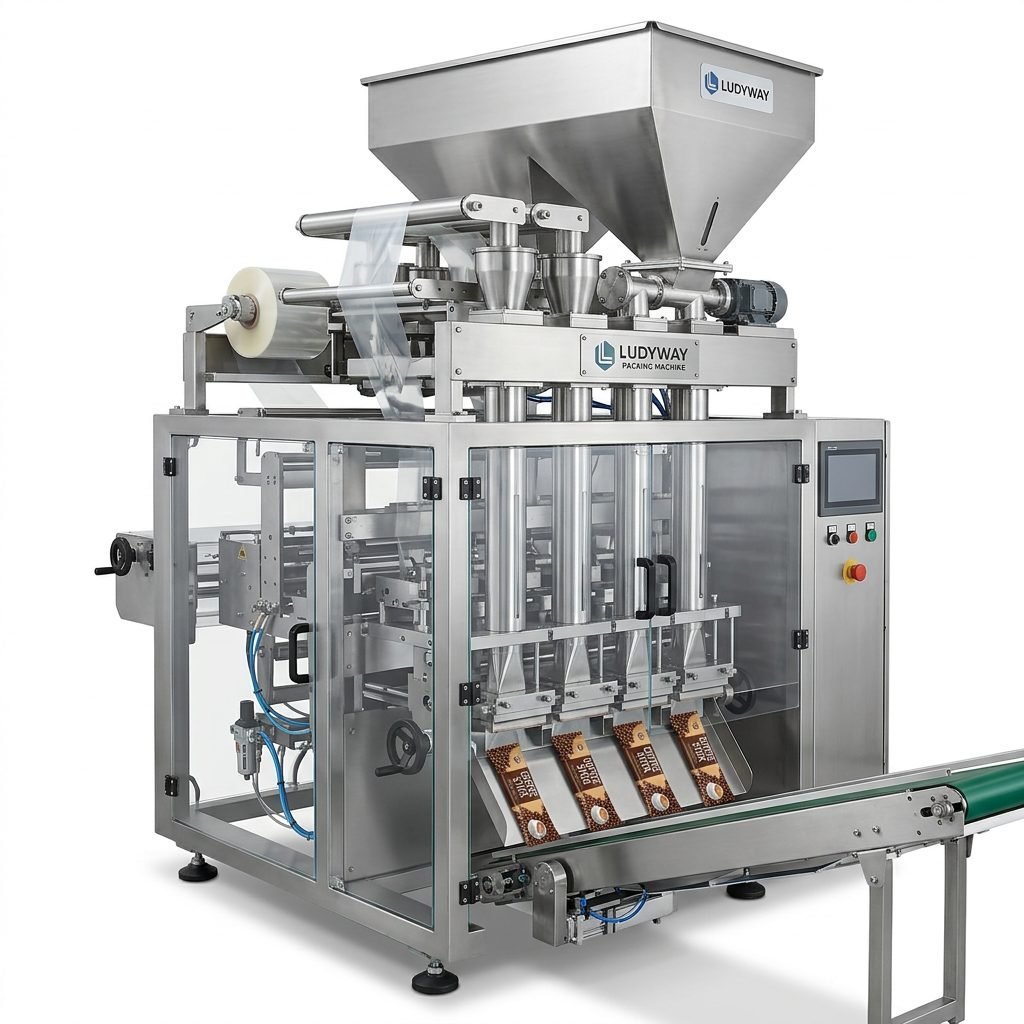
Bag Formats and Customization Options
Ground coffee is packaged in various formats depending on the target market and distribution channel. Your packaging machine should support the bag styles your customers expect:
- Stick packs – Slim, single-serve format popular in foodservice and on-the-go retail
- Three-side-seal sachets – Classic flat pouch for portion packs and samples
- Four-side-seal sachets – More rigid structure with better shelf presentation
- Gusseted pouches – Stand-up capability for retail shelf display
- Custom-shaped packs – Contour seals for brand differentiation
Leading packaging machinery manufacturers now offer quick-change tooling that allows switching between pack formats without extensive downtime, providing flexibility as market demands evolve.
Quality Standards and Regulatory Compliance
For coffee destined for international markets, equipment must meet applicable food safety and quality standards. Key certifications and considerations include:
- CE marking for equipment sold in the European Economic Area
- FDA-compliant food contact materials for the U.S. market
- ISO 22000 and HACCP principles integrated into machine design
- Stainless steel construction for all product contact surfaces
- Clean-in-place (CIP) compatibility for equipment handling flavored coffees
Refer to the FDA packaging and food contact substances guidelines and ISO packaging standards for detailed regulatory information relevant to your target markets.
After-Sales Support and Spare Parts Availability
A packaging machine is a long-term investment, and ongoing technical support is essential for maintaining productivity. Before committing to a supplier, evaluate:
- Availability of local service technicians or remote diagnostic capabilities
- Typical spare parts lead times for critical wear components
- Availability of operator training programs and documentation
- Warranty terms and extended service contract options
- Supplier track record in the coffee packaging industry
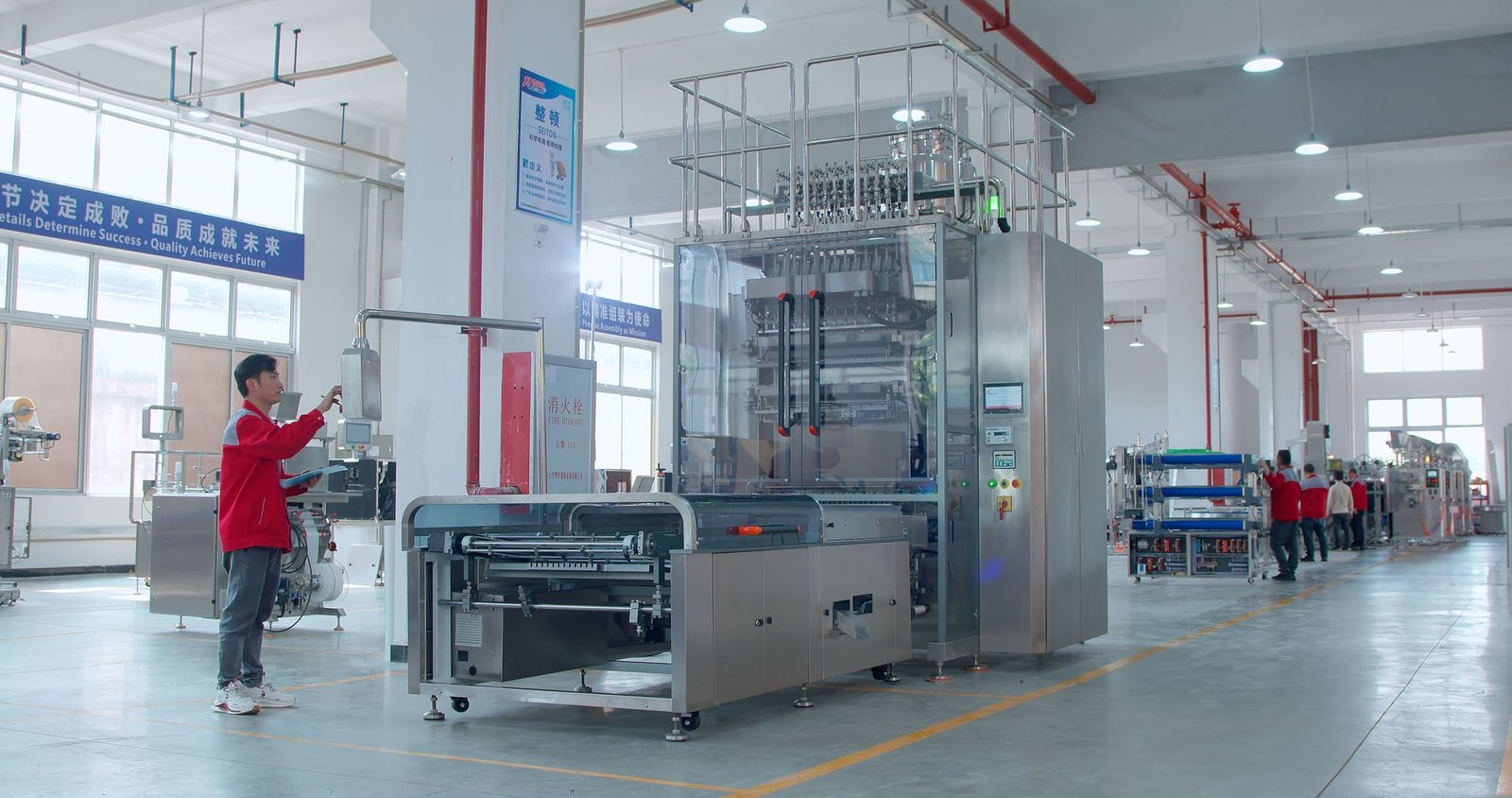
Turnkey vs. Standalone Machine Purchases
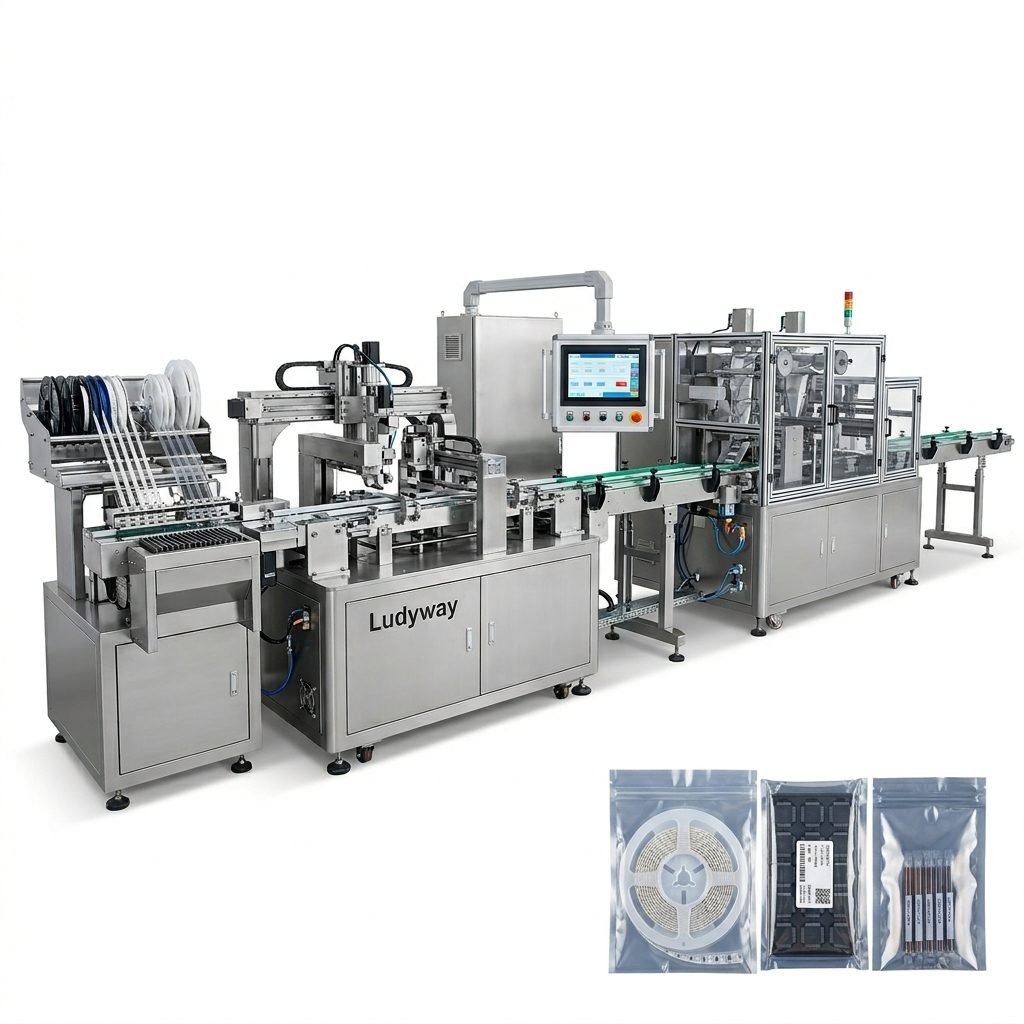
Many coffee packers benefit from integrated packaging lines rather than standalone machines. A turnkey solution might combine a ground coffee packaging machine with upstream grinding and dosing equipment plus downstream cartoning, case packing, and palletizing systems. This integrated approach provides:
- Single-source responsibility for the entire line
- Streamlined installation and commissioning
- Consistent automation and control architecture
- Simplified operator training across the system
- Easier ongoing maintenance coordination
Evaluating Total Cost of Ownership
The purchase price is only one component of what a coffee packaging machine costs over its lifetime. A thorough total cost of ownership (TCO) analysis should account for:
| Cost Category | Key Considerations |
|---|---|
| Energy Consumption | Servo-driven machines typically use 20-30% less energy than mechanical cam systems |
| Film Waste | Precision indexing and registration control minimize scrap during startups and splices |
| Maintenance Labor | Tool-less changeover designs reduce skilled labor requirements |
| Downtime Costs | Reliable equipment with local support minimizes production interruptions |
| Spare Parts | Standardized components from major suppliers reduce long-term parts costs |
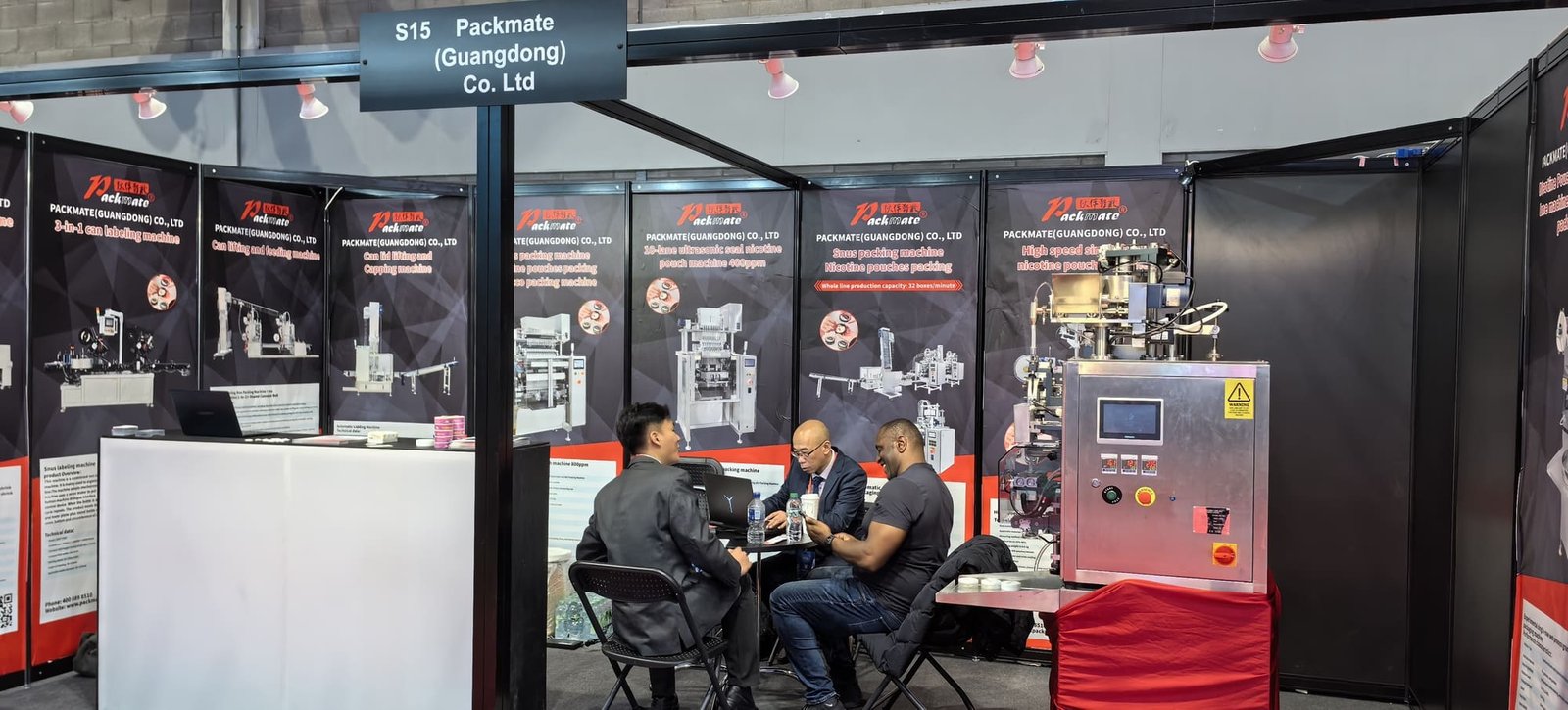
Questions to Ask Potential Suppliers
When engaging with packaging equipment manufacturers, asking the right questions helps you compare options objectively. Key questions include:
- Can you provide references from coffee packaging clients with similar production volumes?
- What is the expected seal integrity and leak rate for ground coffee applications?
- Does the machine support nitrogen flushing and modified atmosphere packaging?
- What is the maximum film roll diameter and estimated roll change frequency?
- How are changeovers between different bag sizes managed, and what is the typical changeover time?
- Is remote technical support and troubleshooting available for international customers?
- What warranty coverage is included, and what extended options are offered?
The Value of Working with an Experienced Manufacturer
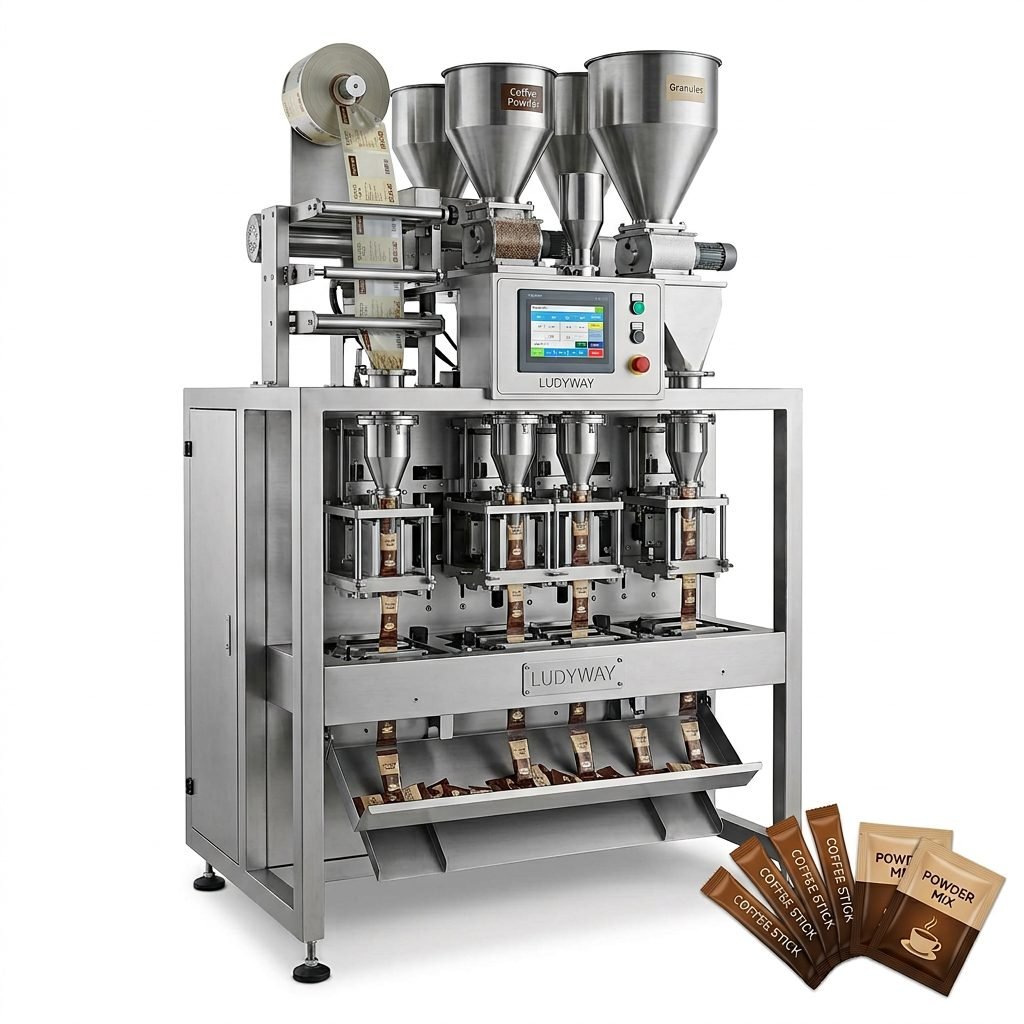
Packaging requirements vary significantly between coffee producers. Product characteristics, packaging materials, bag sizes, filling volumes, production speeds, factory layouts, and automation requirements all affect the appropriate equipment configuration. This is why customized packaging machinery and engineering solutions often deliver better long-term results than purely standardized machines. An experienced packaging machinery manufacturer with in-house engineering and manufacturing capabilities can evaluate your specific product and packaging requirements to recommend an appropriate machine configuration or complete packaging line—an approach that is particularly valuable for manufacturers looking to increase production capacity, automate manual packaging processes, or introduce new packaging formats.
For example, Ludyway Machinery—a China-based packaging machinery manufacturer with over 30 years of industry experience and a 20,000-square-meter manufacturing facility—provides customized ground coffee packaging solutions that can be configured for different production speeds, filling volumes, packaging materials, and bag formats. With more than 50 packaging machine models and a presence in over 100 countries, the company helps coffee producers worldwide select and configure suitable packaging technologies according to their specific production requirements. You can explore their approach to customized packaging solutions and learn more about their global growth and export milestones for additional context on the company’s market position.
Final Decision Checklist
Before finalizing your purchase decision, verify that your ground coffee packaging machine selection satisfies these essential criteria:
- Meets current and projected production volume requirements with room for growth
- Supports your required bag formats and sizes with acceptable changeover efficiency
- Is compatible with your packaging film specifications and barrier requirements
- Delivers consistent fill accuracy and seal quality validated through testing
- Complies with food safety regulations in all target markets
- Is backed by a supplier with proven coffee industry experience and responsive support
- Offers a favorable total cost of ownership when including energy, maintenance, and consumables
Taking a methodical approach to equipment evaluation—assessing not just the machine specifications but also the manufacturer’s engineering depth, industry experience, and after-sales commitment—helps ensure that your investment in coffee packaging technology delivers sustainable value for years to come. For further reading, the PMMI State of the Industry reports and the Flexible Packaging Association industry resources provide additional market intelligence and technical guidance for packaging professionals.