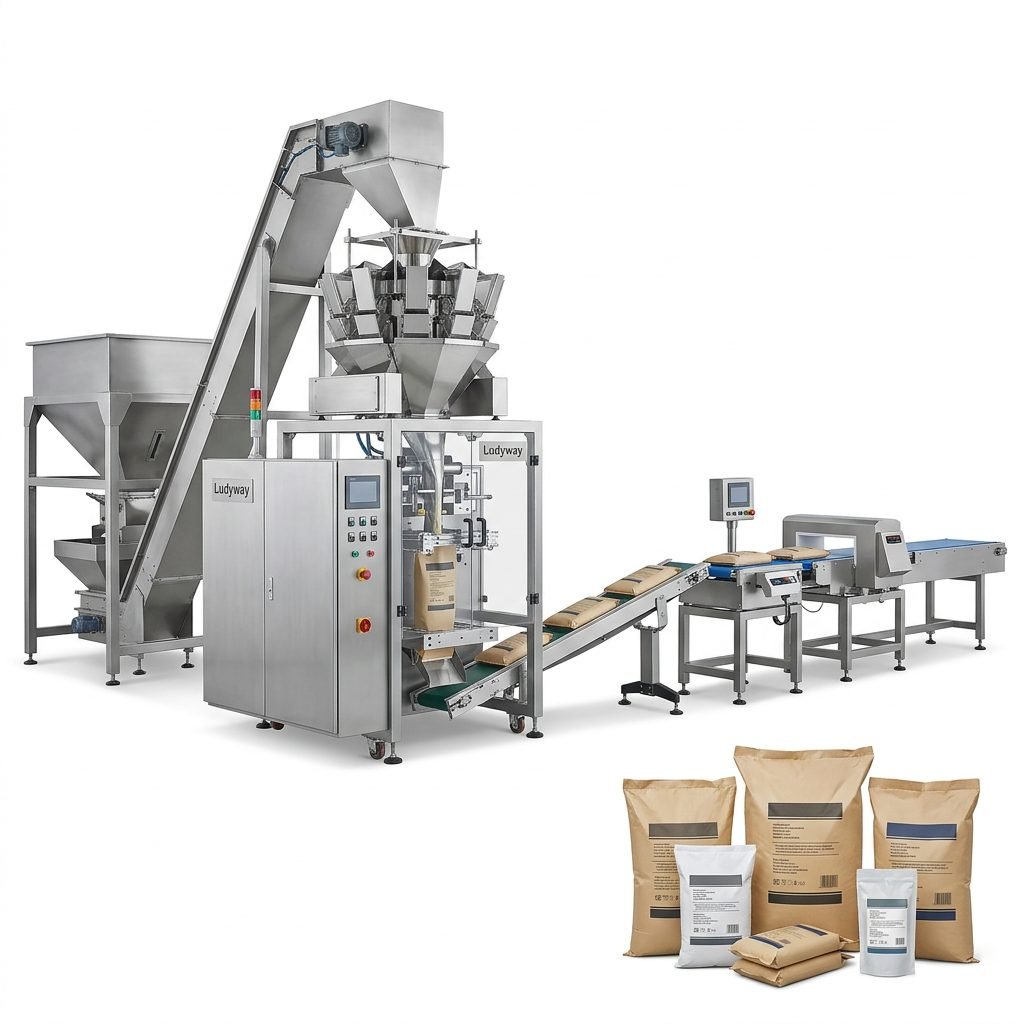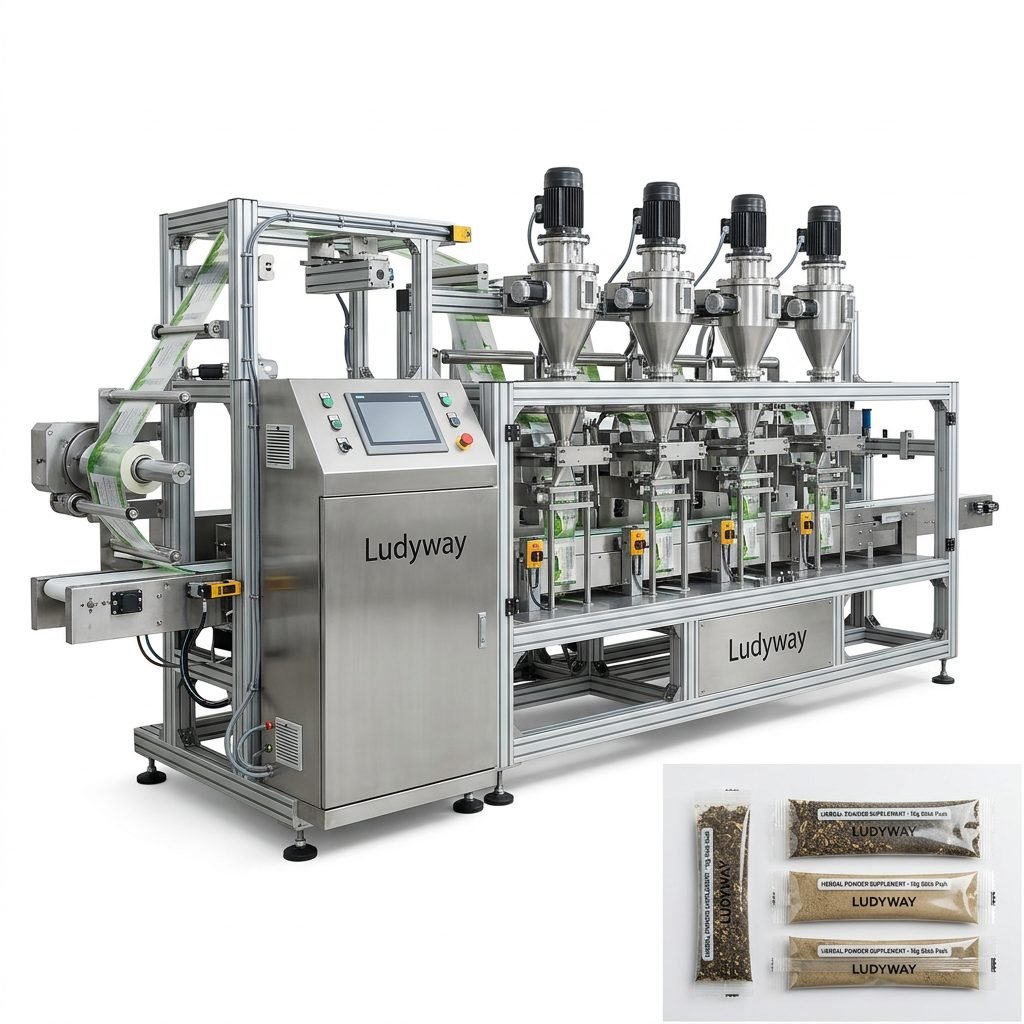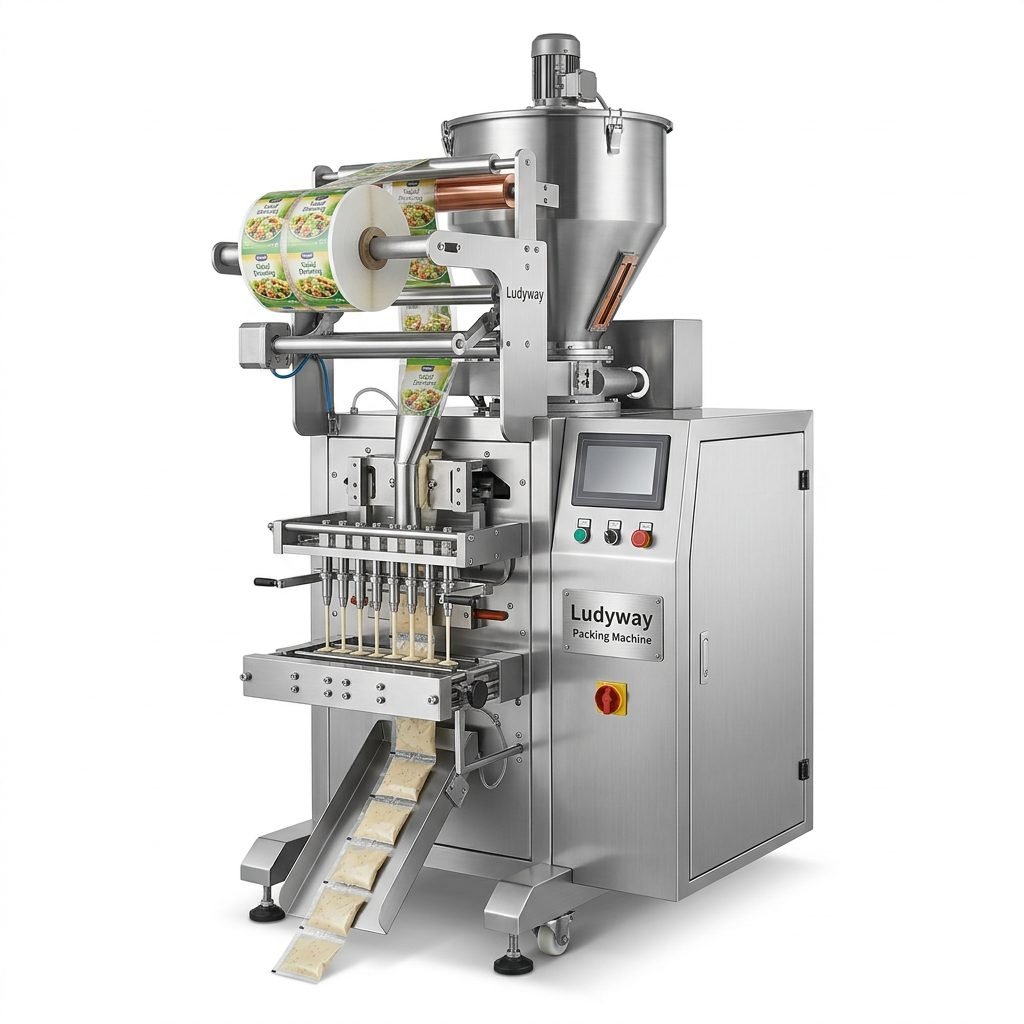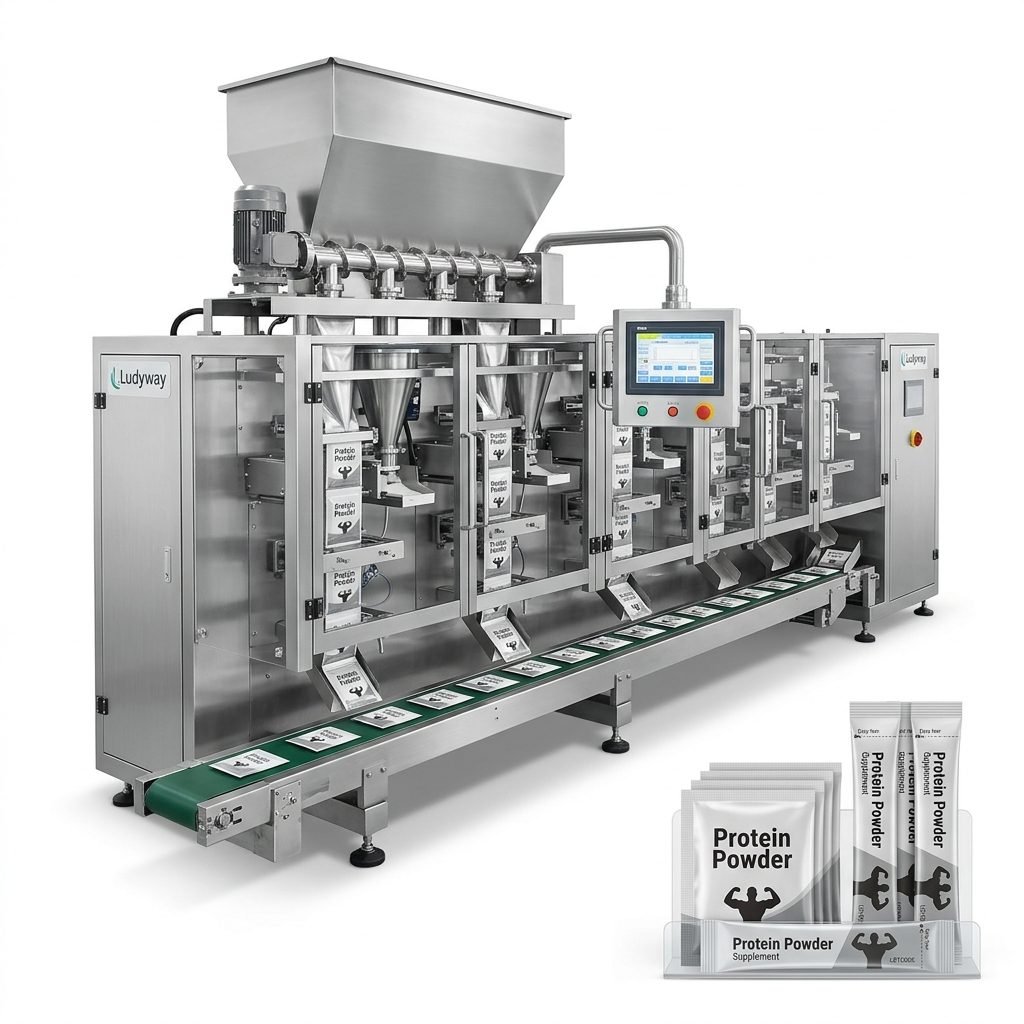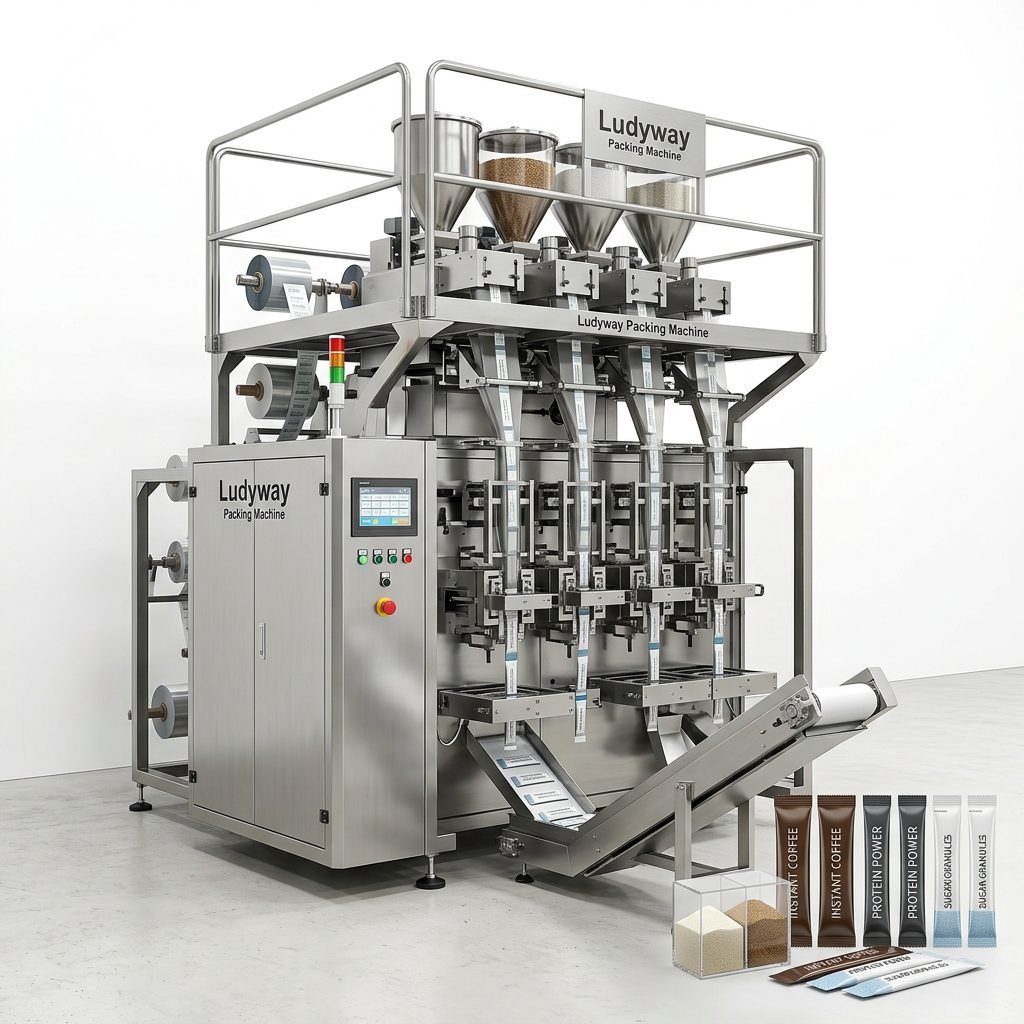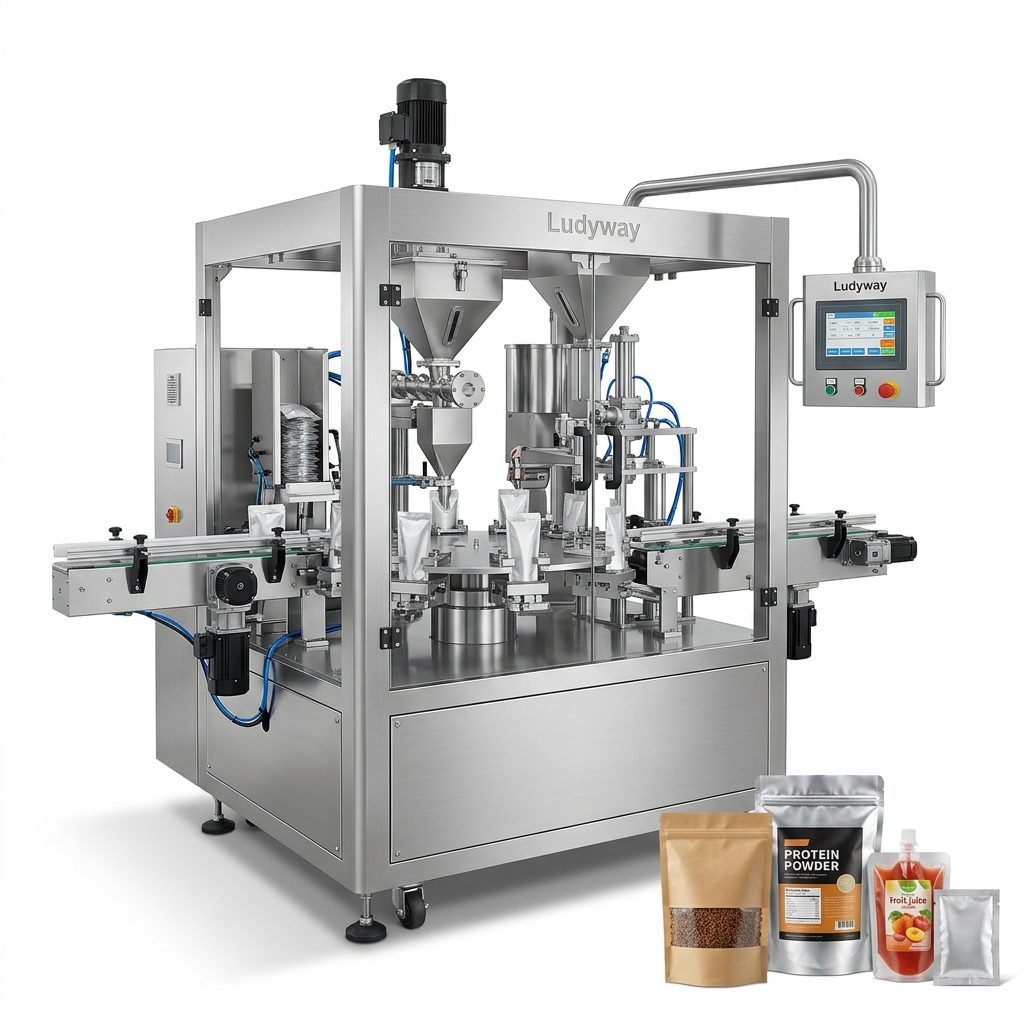
Understanding Premade Pouch Packaging Machines
A premade pouch packaging machine is a specialized piece of equipment designed to automatically open, fill, and seal pre-formed pouches. Unlike vertical form-fill-seal (VFFS) machines that create pouches from roll stock, these machines work with ready-made pouches that come in various shapes, sizes, and material structures. This approach offers manufacturers greater flexibility in packaging design, superior seal integrity, and the ability to handle a wider range of pouch formats including stand-up pouches, zipper pouches, spouted pouches, and flat pouches.
According to industry data from the PMMI Business Intelligence Library, the demand for flexible packaging machinery continues to grow as more brands shift toward convenient, shelf-ready pouch formats. Choosing the right premade pouch machine is a strategic decision that directly impacts production efficiency, product quality, and long-term operational costs.
Key Factors to Consider When Choosing a Premade Pouch Packaging Machine
Pouch Specifications and Compatibility
The first and most critical consideration is the range of pouch sizes and styles your machine needs to handle. Premade pouch machines vary significantly in their capabilities, and matching machine specifications to your pouch requirements is essential for reliable operation.
- Pouch width and height range: Machines have minimum and maximum pouch dimensions they can accommodate. Ensure your current and anticipated pouch sizes fall within these limits.
- Pouch style compatibility: Not all machines handle every pouch type. Verify compatibility with stand-up pouches, flat pouches, zipper pouches, spouted pouches, or shaped pouches.
- Material structure: Different film laminates, foil barriers, and paper-based materials may require different sealing parameters and gripper configurations.
- Gusset capacity: Side-gusset or bottom-gusset pouches require specific opening and filling mechanisms.
Product Characteristics
Your product’s physical properties directly determine the appropriate filling system and machine configuration. The Flexible Packaging Association emphasizes that matching filling technology to product behavior is crucial for achieving consistent fill accuracy and minimizing waste.
- Granules and powders: Require auger fillers, volumetric cup fillers, or multi-head weighers depending on particle size, flowability, and target accuracy. Free-flowing granules like sugar perform well with volumetric systems, while cohesive powders may need specialized auger mechanisms.
- Liquids and pastes: Need piston fillers, peristaltic pumps, or flow meters. Viscosity, foaming tendency, and temperature sensitivity all influence filler selection.
- Solid items: Hardware components, snacks, or irregular products may require count-fill systems, multi-head weighers, or manual loading stations.
- Hygiene requirements: Food, pharmaceutical, and cosmetic products demand sanitary construction, easy-clean designs, and compliance with relevant standards.

Production Speed and Capacity
Production throughput requirements are a defining factor in machine selection. Premade pouch machines range from semi-automatic models producing 15-25 pouches per minute to fully automatic rotary or inline systems capable of 60-120 pouches per minute or more. When evaluating speed, consider not just peak output but also changeover time between different pouch formats and products. A machine that runs at high speed but requires hours for format changes may deliver lower overall equipment effectiveness than a moderately fast machine with quick changeover capabilities.
Machine Configuration and Automation Level
Premade pouch packaging machines are available in several configurations, each suited to different production scales and operational models. The table below summarizes the main types and their typical applications.
| Machine Type | Speed Range (Pouches/min) | Best For | Key Features |
|---|---|---|---|
| Semi-Automatic Single-Station | 10-20 | Startups, small batches, contract packers | Manual pouch loading, affordable entry cost, easy to operate |
| Inline Multi-Station Automatic | 30-60 | Medium-scale production, varied pouch sizes | Modular design, good flexibility, moderate footprint |
| Rotary High-Speed System | 60-120+ | High-volume production, consistent pouch format | Continuous motion, maximum throughput, reduced labor |
| Turnkey Integrated Line | Custom | Full-scale manufacturing operations | Includes feeding, filling, sealing, coding, cartoning, palletizing |
Critical Features to Evaluate
Beyond basic machine specifications, several performance-critical features deserve careful evaluation during the selection process. These features directly impact machine reliability, product quality, and total cost of ownership.
- Sealing system quality: Look for precise temperature control, uniform pressure distribution, and dwell time adjustment. Poor sealing leads to leaks, product spoilage, and costly recalls.
- Pouch opening mechanism: Reliable pouch opening via vacuum suction cups, grippers, or air blast systems is essential for consistent filling. Double-check mechanisms for gusseted or static-prone pouches.
- Filling accuracy and versatility: Multi-head weighers offer superior accuracy for granules (±0.5-1g), while servo-driven auger fillers excel for powders. Consider future product variations when selecting the filling system.
- Changeover efficiency: Quick-release components, tool-less adjustments, and recipe-based settings significantly reduce downtime between production runs.
- Integration capabilities: Compatibility with upstream feeding systems and downstream equipment such as checkweighers, metal detectors, coding printers, and cartoning machines is vital for line efficiency.
- Control system and HMI: An intuitive touchscreen interface with multi-language support, data logging, and diagnostic capabilities simplifies operation and maintenance.

Budget and ROI Considerations
Investing in a premade pouch packaging machine involves balancing initial capital expenditure against long-term operational benefits. The table below outlines the key cost components and return factors to consider when building your business case.
| Cost Category | Description | Impact on ROI |
|---|---|---|
| Machine Purchase Price | Base equipment cost including standard filling system | High — typically 60-75% of total investment |
| Installation and Commissioning | On-site setup, integration, testing, and operator training | Medium — critical for achieving nameplate capacity quickly |
| Spare Parts and Maintenance | Wear components, seals, belts, filters, and scheduled service | Ongoing — typically 2-5% of machine cost annually |
| Labor Savings | Reduction in manual packaging headcount | High — often the primary ROI driver, payback in 12-24 months |
| Waste Reduction | Improved fill accuracy reduces product giveaway and rejects | Medium — cumulative savings over production volume |
Selecting the Right Supplier
Choosing the right equipment supplier is as important as selecting the machine itself. A reliable packaging machinery partner provides more than hardware — they deliver engineering expertise, application knowledge, and ongoing technical support. When evaluating suppliers, consider their industry experience, manufacturing capabilities, customization options, and after-sales service infrastructure.
For manufacturers seeking a comprehensive solution, Ludyway Machinery offers over 30 years of packaging industry experience with a 20,000-square-meter manufacturing facility, more than 130 professionals, and over 50 packaging machine models covering powder, granule, liquid, stick pack, sachet, and pouch applications. Their approach combines customized engineering with global technical support to help manufacturers develop efficient, automated packaging systems. For independent industry data and market trends, resources from PMMI’s State of the Industry reports provide valuable benchmarks for packaging machinery investment decisions.
Supplier Evaluation Checklist
- Industry experience and track record in your specific product category
- Manufacturing quality standards and international certifications
- Range of machine models and customization capabilities
- Availability of turnkey and integrated line solutions
- Installation, commissioning, and operator training services
- Spare parts availability and after-sales technical support
- References and case studies from similar applications
- Remote technical assistance and troubleshooting capabilities
Making the Final Decision
Selecting the right premade pouch packaging machine requires a methodical approach that balances technical requirements, production goals, and financial considerations. Start by clearly defining your pouch specifications and product characteristics, then evaluate machines against your throughput targets and automation needs. Pay close attention to sealing technology, filling accuracy, and changeover efficiency, as these factors have the greatest long-term impact on operational performance. Finally, choose a supplier who offers not just equipment but a comprehensive partnership that includes engineering support, customization, installation, training, and reliable after-sales service. With thorough evaluation and the right partner, your investment in premade pouch packaging technology can deliver significant gains in productivity, product quality, and market competitiveness.
Additional Resources: For more information on packaging machinery standards and industry best practices, visit the Flexible Packaging Association or explore PMMI packaging industry resources for market data and technical guidelines.