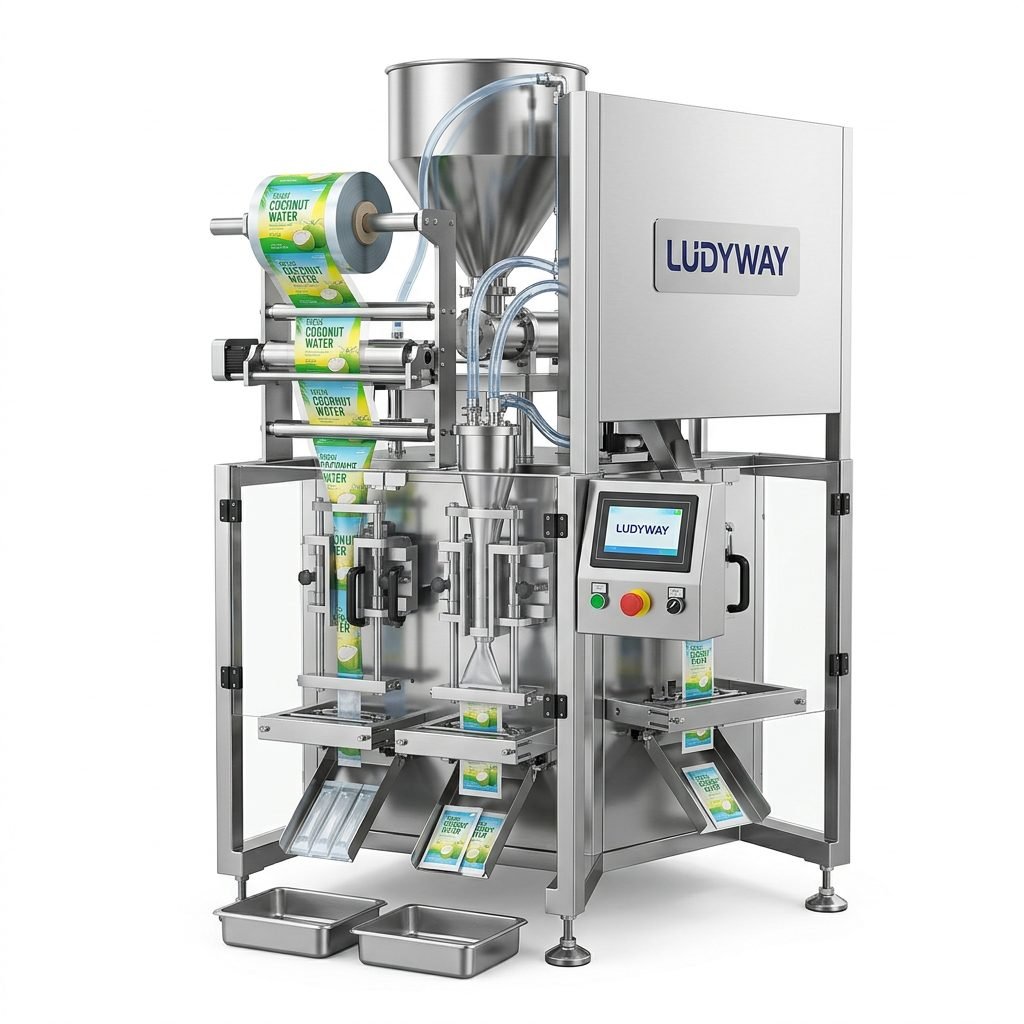
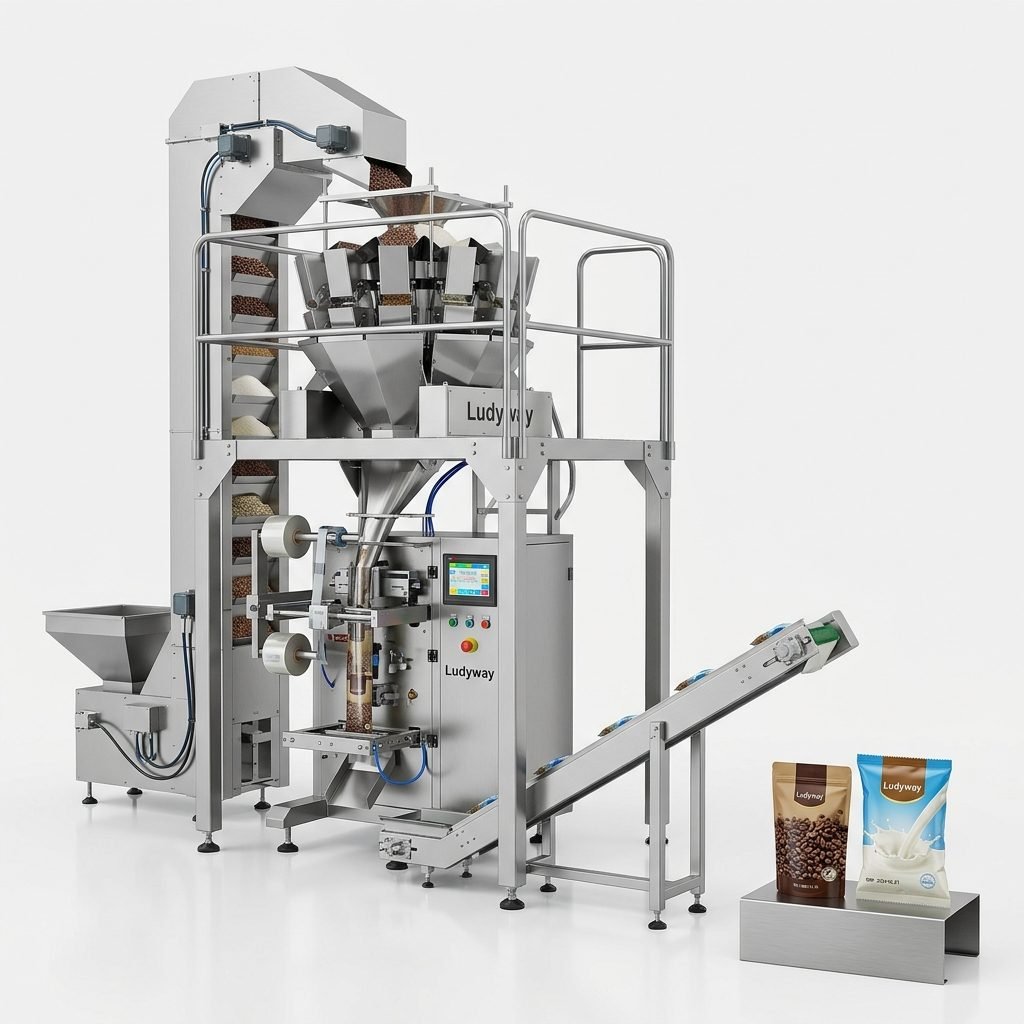
Selecting the right automatic food packaging machine is one of the most critical investment decisions for food manufacturers. The right equipment can significantly improve production efficiency, reduce labor costs, enhance product consistency, and extend shelf life. However, with the wide variety of packaging machinery available, making the wrong choice can lead to costly downtime, material waste, and operational bottlenecks. This comprehensive buyer’s guide walks you through every key factor to consider when choosing the ideal packaging machinery for your production needs.
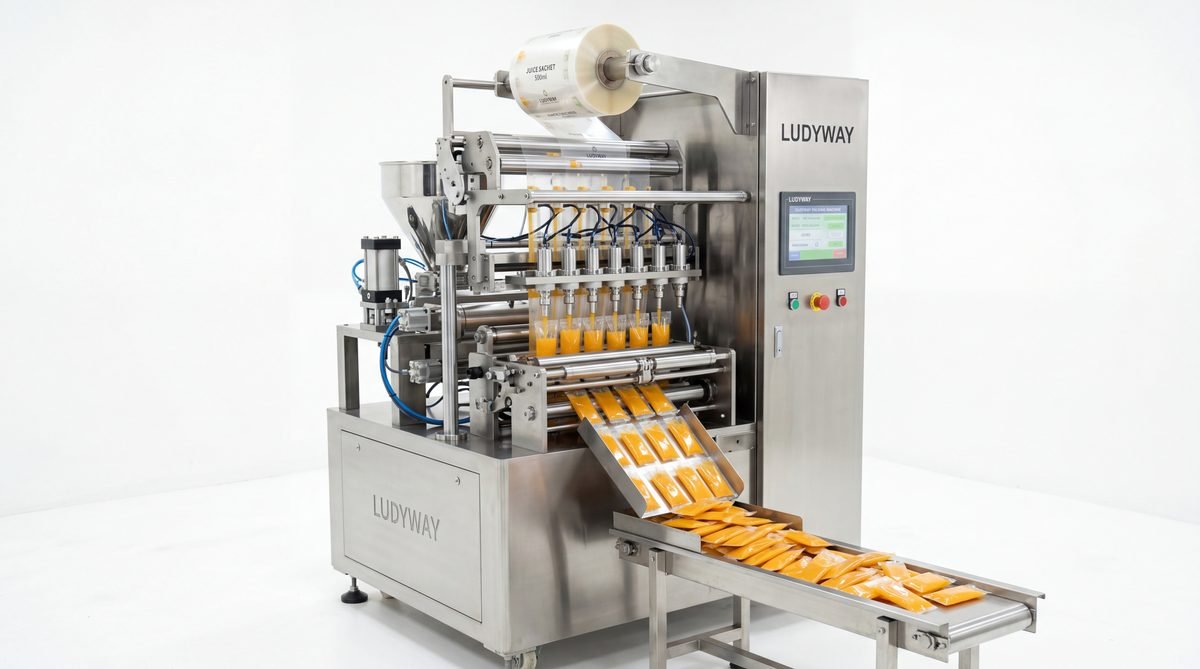
1. Understand Your Product Characteristics
Before evaluating any equipment, you must have a thorough understanding of the physical and chemical properties of the product you intend to package. Different products require fundamentally different filling and sealing technologies. Consider the following product attributes:
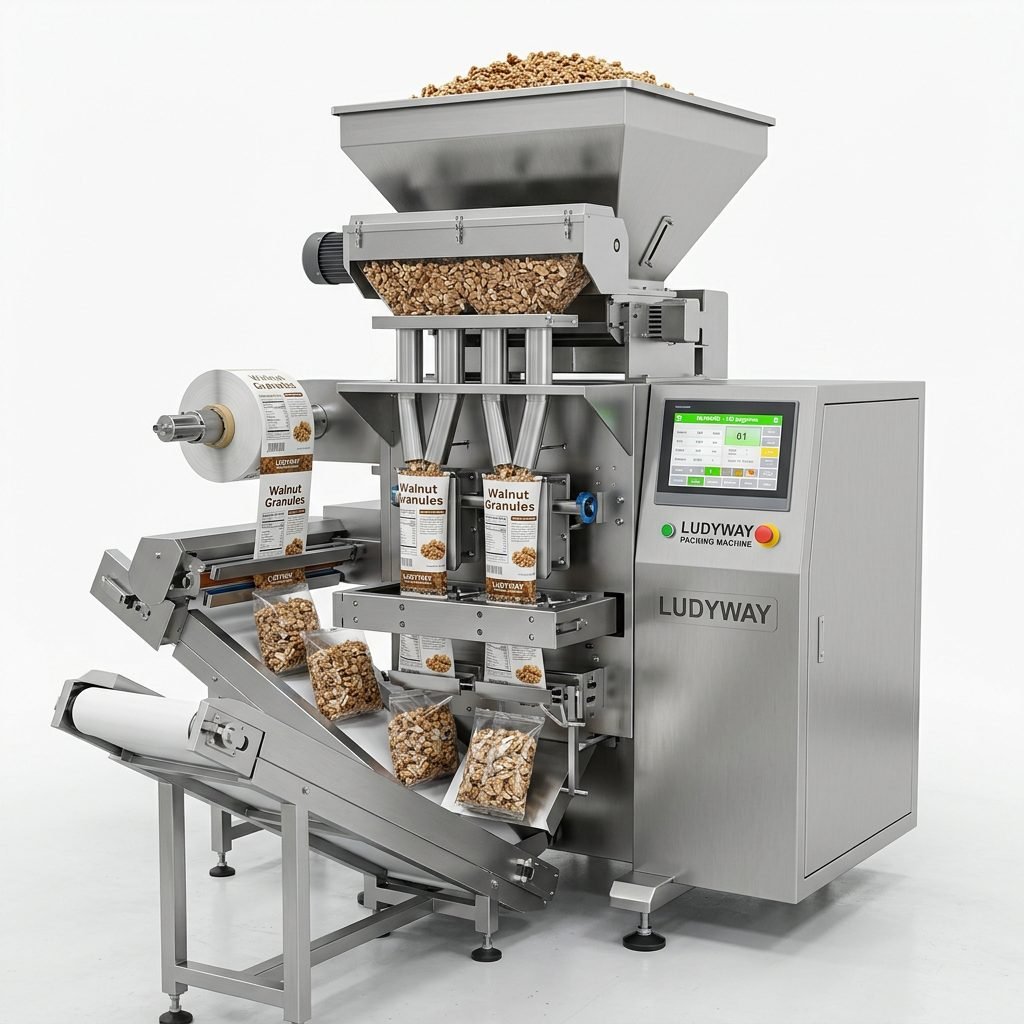
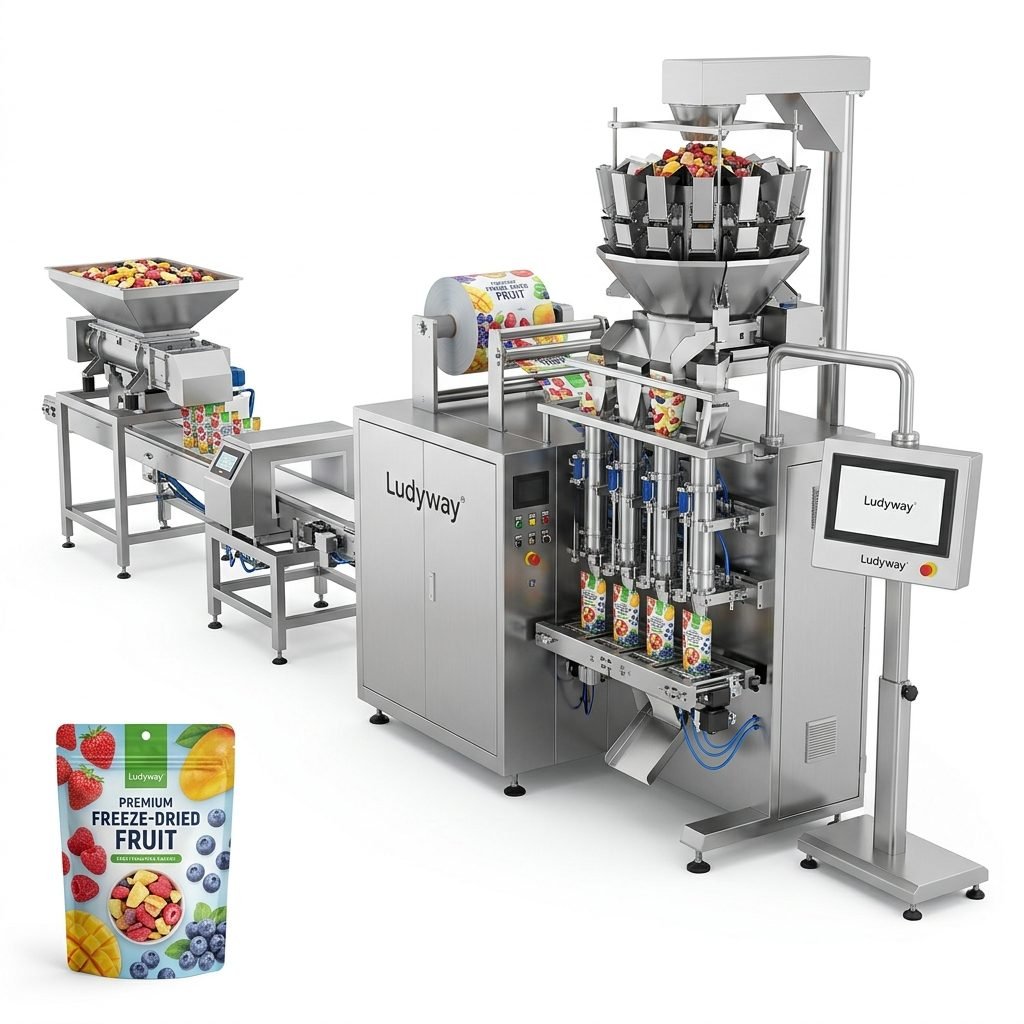
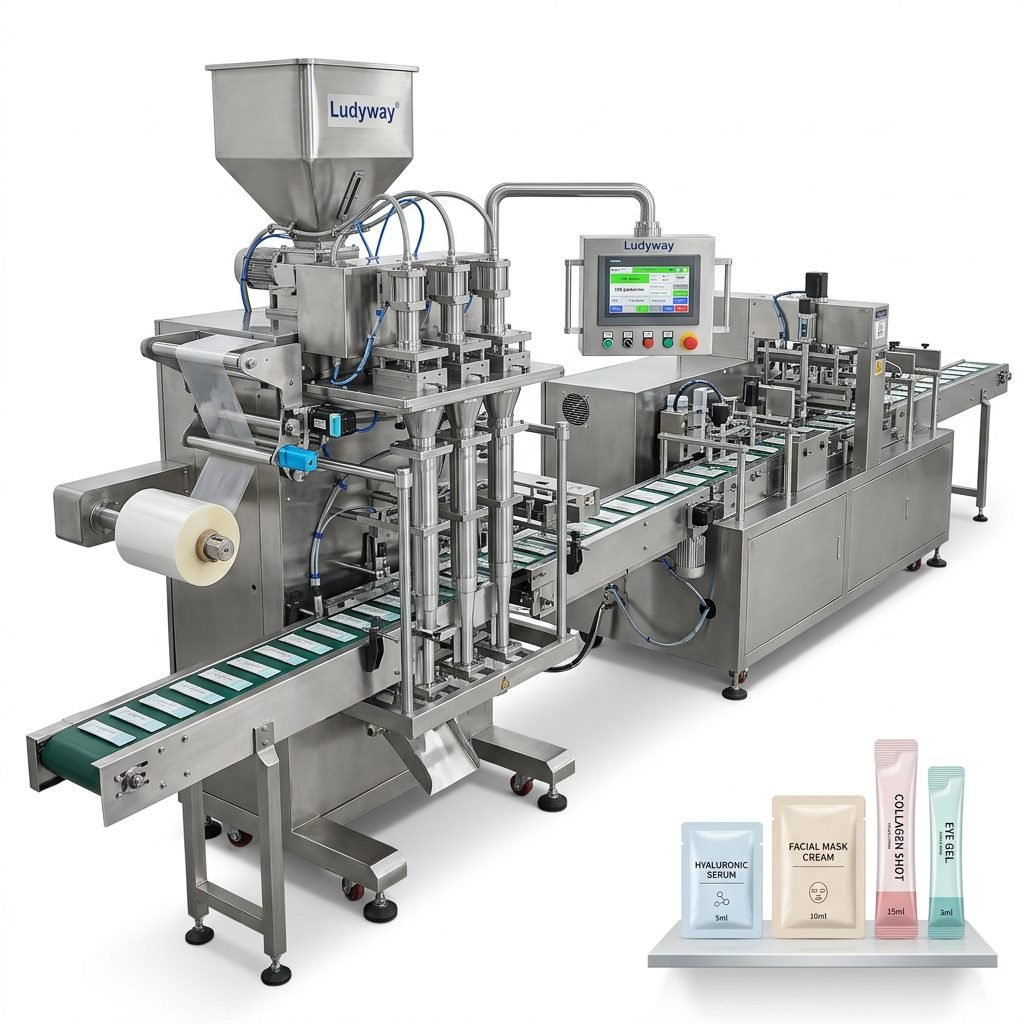
- Physical form: Is your product a powder, granule, liquid, paste, or solid piece? Each form requires specific dosing mechanisms—auger fillers for powders, piston fillers for liquids, or multi-head weighers for granules.
- Flow characteristics: Free-flowing materials like sugar behave very differently from cohesive powders like protein blends. Product flowability directly impacts filling accuracy and speed.
- Particle size and uniformity: Granule size distribution affects how consistently the product can be measured and dispensed by packaging equipment.
- Moisture sensitivity: Hygroscopic products require packaging machinery with excellent sealing integrity and possibly nitrogen flushing capabilities to prevent moisture absorption.
- Temperature sensitivity: Products like chocolate or certain fats may require temperature-controlled packaging environments.
2. Determine the Required Packaging Format
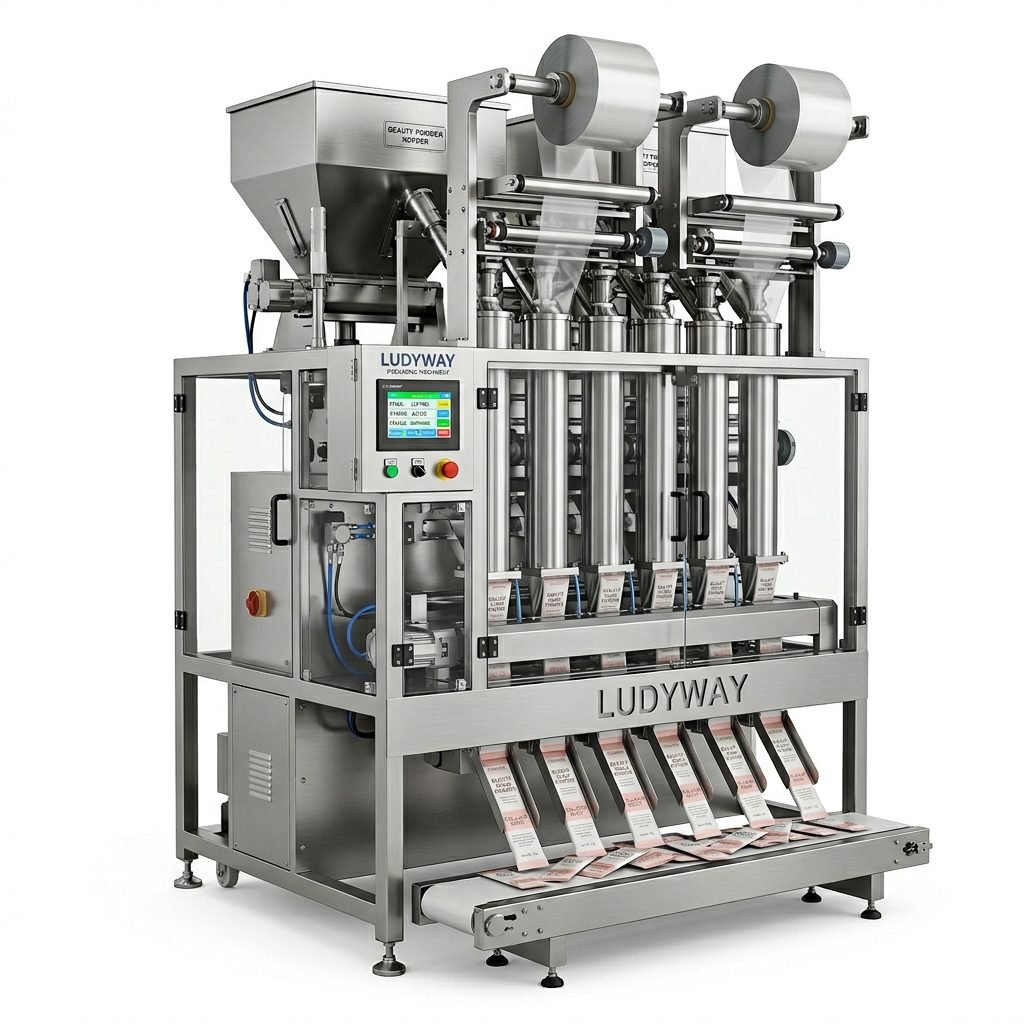
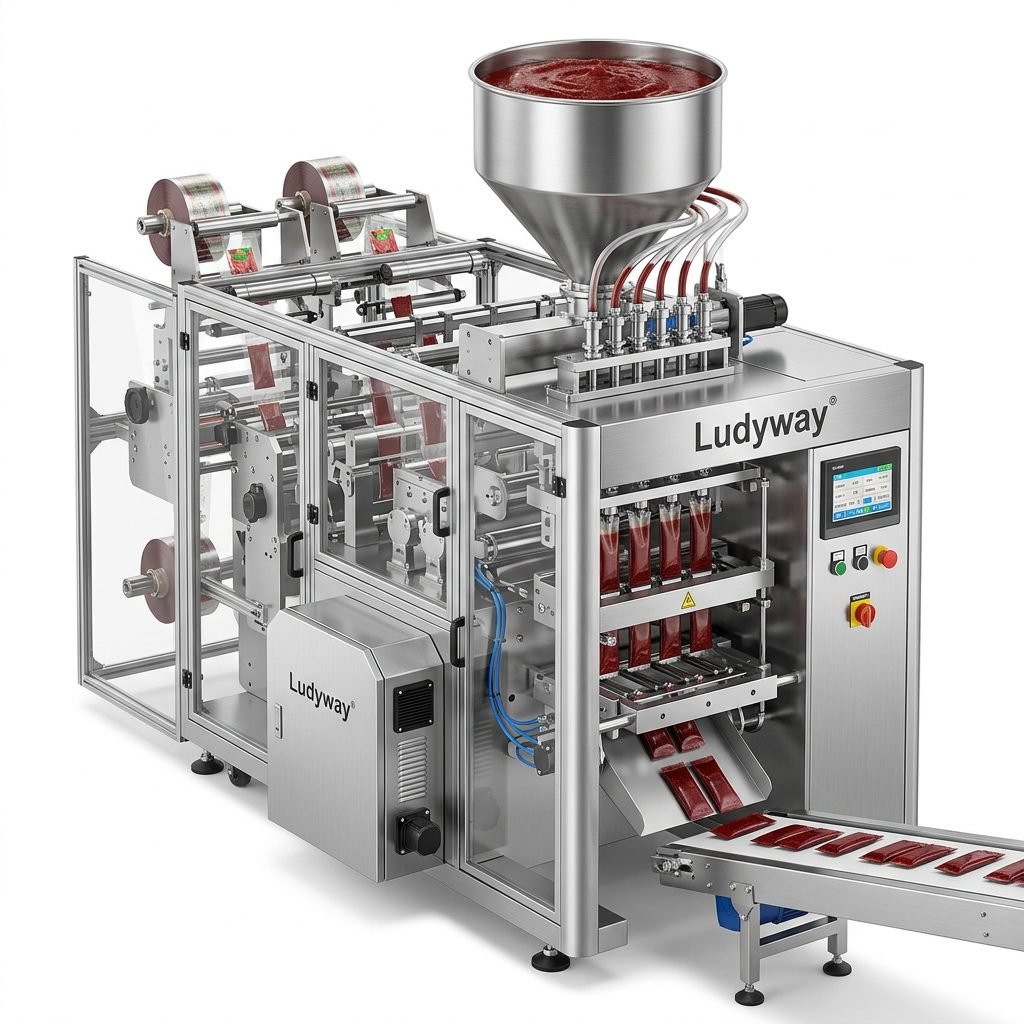
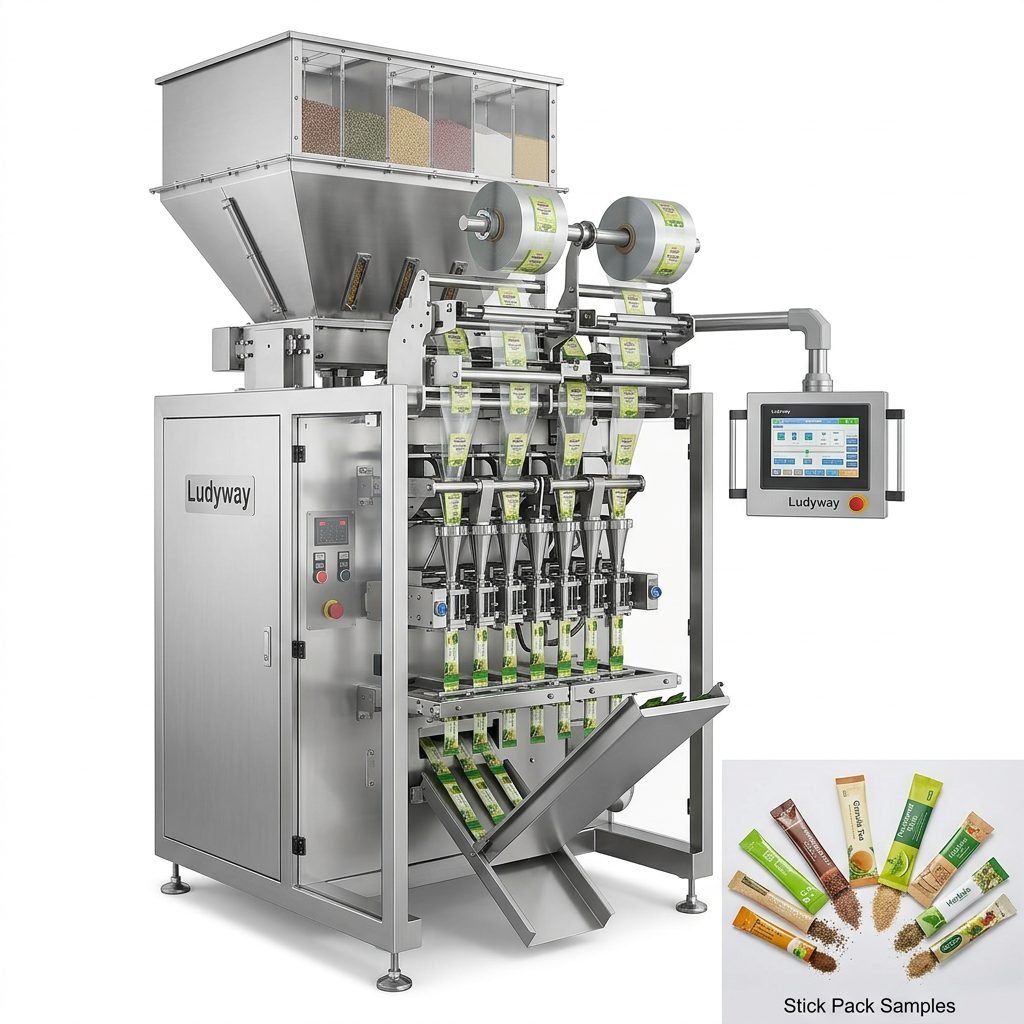
The packaging format you choose directly determines which type of machine you need. Common food packaging formats include sachets, stick packs, pouches, bags, bottles, and cartons. Each format serves different market needs and consumer preferences. Sachets and stick packs are ideal for single-serve portions, while larger pouches and bags suit family-sized products or bulk packaging. Your choice of packaging format should be guided by your target market, distribution channels, and flexible packaging requirements.
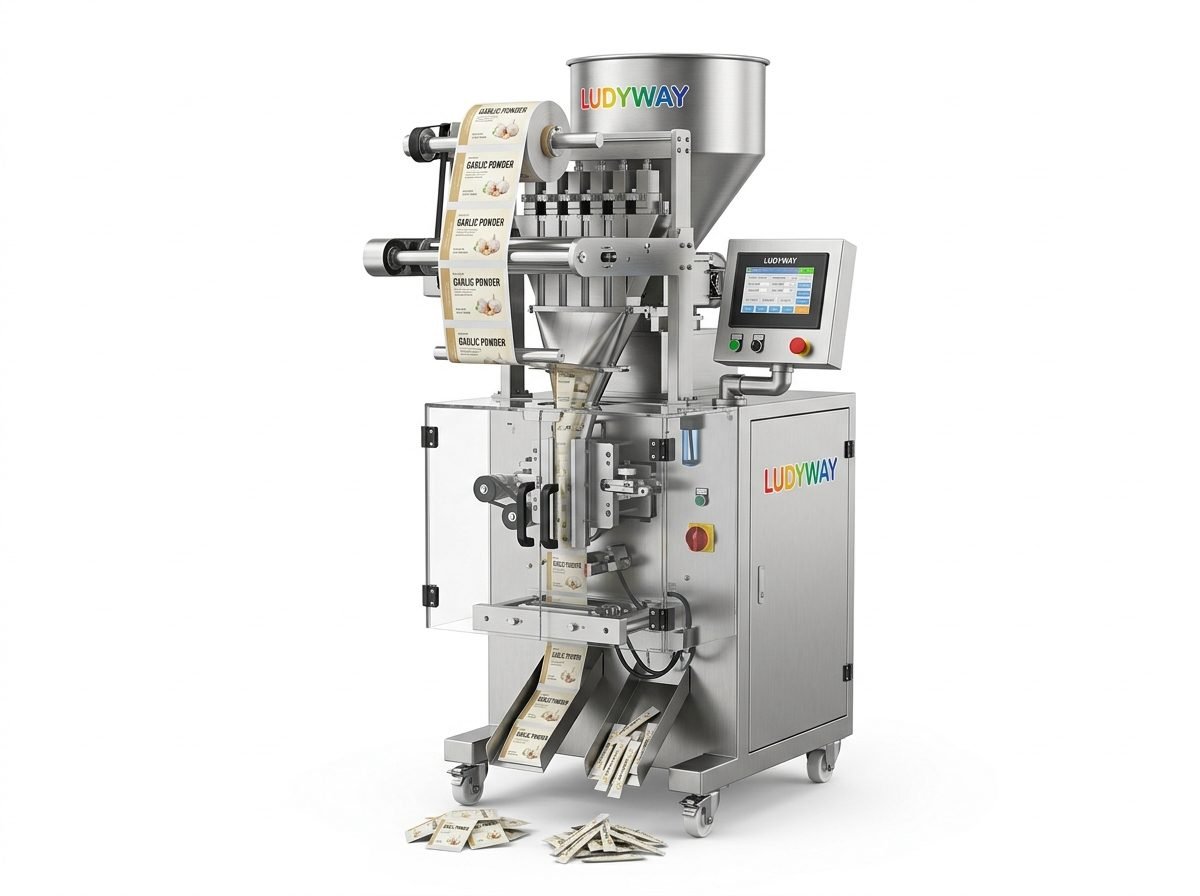
Key packaging format considerations include:
- Single-serve vs. multi-serve: Stick packs and small sachets for individual portions; larger bags for multi-use products.
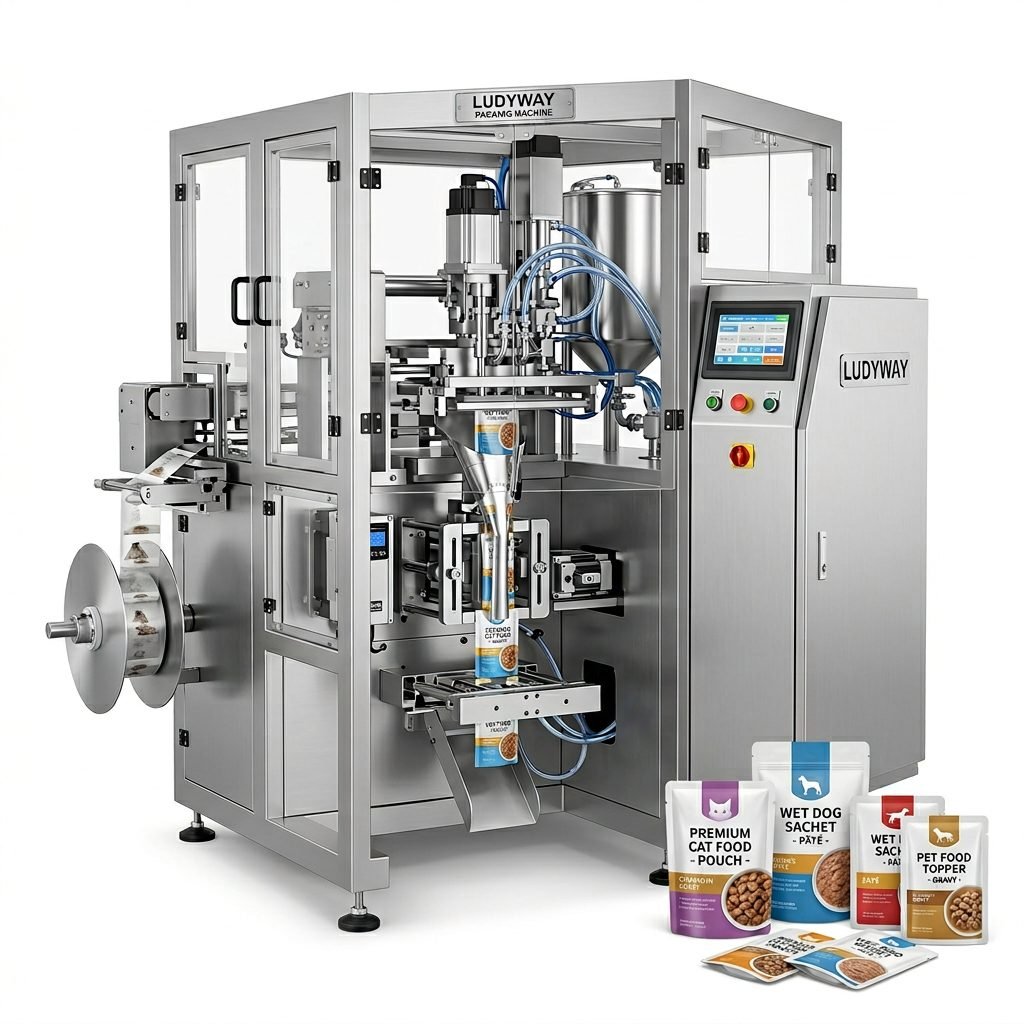
- Pillow, gusseted, or stand-up pouches: Stand-up pouches offer retail shelf appeal; pillow pouches are cost-effective for basic packaging.
- Resealable features: Zipper closures add convenience but require specialized sealing equipment.
- Material structure: Multi-layer films offer better barrier properties and are recommended for products requiring extended shelf life.
3. Evaluate Production Speed and Capacity Requirements
Production speed is a crucial factor that impacts your overall output and return on investment. Packaging speed is typically measured in packs per minute (ppm), and the required speed depends on your production volume targets. A machine that is too slow creates bottlenecks, while one that is unnecessarily fast may represent overinvestment. Use the following table to estimate your capacity needs:
| Production Scale | Typical Speed Range | Recommended Machine Type |
|---|---|---|
| Small / Startup | 30 – 60 ppm | Single-lane intermittent |
| Medium / Growing | 60 – 150 ppm | Multi-lane continuous motion |
| Large / Industrial | 150 – 400+ ppm | High-speed multi-lane servo-driven |
4. Assess the Level of Automation You Need
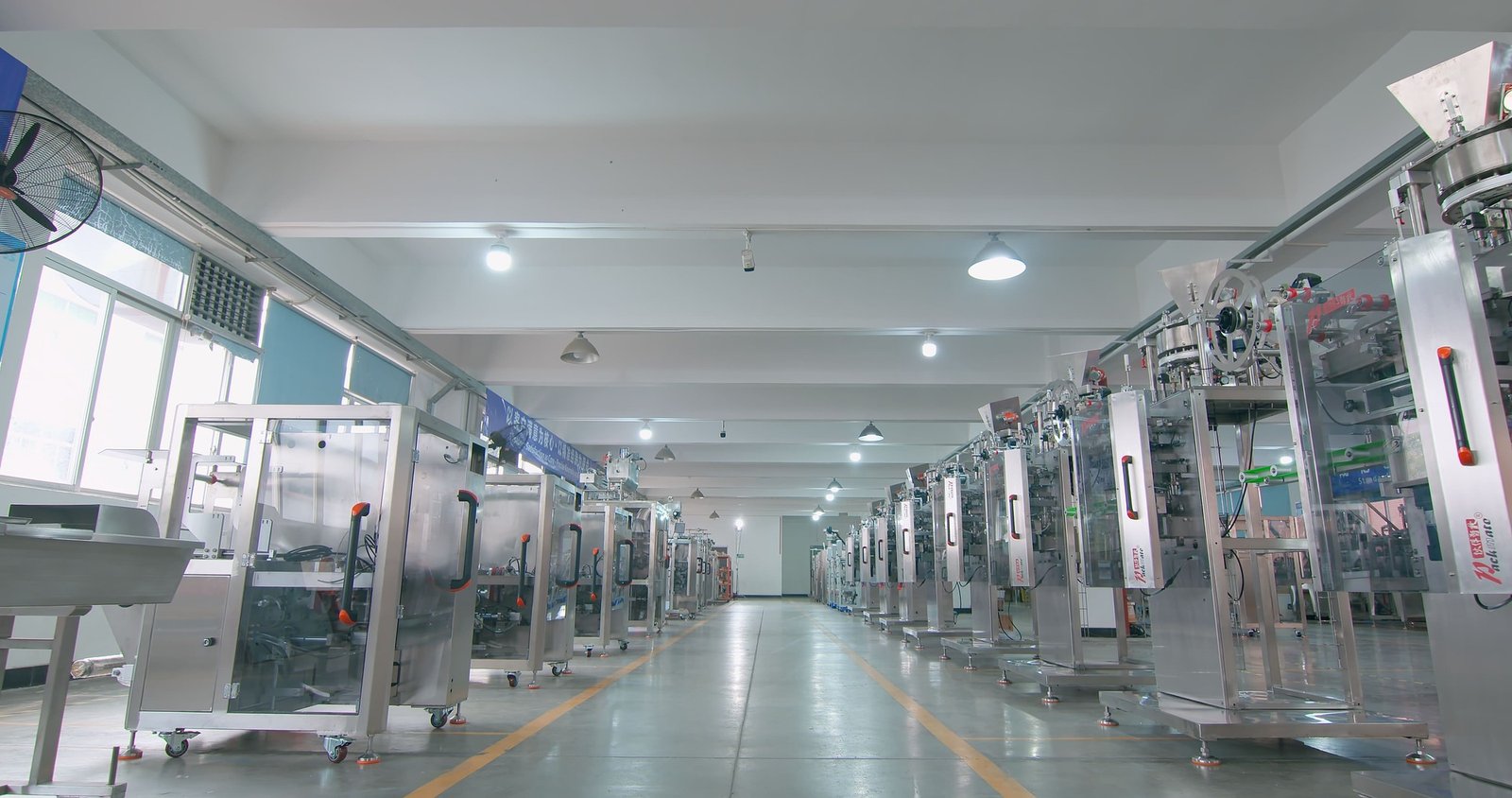
Modern automatic food packaging machines offer varying degrees of automation, from semi-automatic units requiring manual loading to fully integrated packaging lines that connect filling, sealing, coding, weighing, and cartoning in one continuous operation. The appropriate level of automation depends on your labor cost structure, production volume, and quality control requirements. Packaging industry standards recommend evaluating your automation needs based on long-term scalability rather than just current throughput.
Consider these automation features when comparing machines:
- Automatic film tracking and tension control for consistent seal quality
- Servo-driven motors for precise filling and reduced maintenance
- Integrated checkweighers and metal detectors for quality assurance
- Automated reject stations to remove non-conforming packages
- Remote monitoring capabilities for real-time production data access
5. Consider Packaging Material Compatibility
The packaging film or material you plan to use must be compatible with the machine’s sealing temperature range, film tension requirements, and forming characteristics. Common materials include BOPP, PET/PE laminates, aluminum foil laminates, and paper-based flexible packaging. Each material has different heat-sealing properties, barrier characteristics, and cost profiles. Verify with your flexible packaging supplier that your chosen material is suitable for high-speed automated packaging.
6. Check for Regulatory Compliance and Certifications
Food packaging machinery must comply with various food safety and quality regulations depending on your target market. If you export products, the machine should meet international standards. Key certifications and standards to look for include:
- Food-grade construction: All product-contact parts must be made of stainless steel (typically SUS304 or SUS316L) and comply with FDA food contact substance regulations.
- CE marking: Required for equipment sold in the European Economic Area, indicating conformity with EU safety, health, and environmental standards.
- ISO certification: Equipment designed to meet ISO packaging standards ensures consistent quality and international compatibility.
- GMP compliance: Machines used in pharmaceutical and nutraceutical food sectors should support Good Manufacturing Practice requirements.
7. Calculate Total Cost of Ownership
Beyond the initial purchase price, the total cost of ownership (TCO) includes installation, operator training, maintenance, spare parts, energy consumption, and potential downtime. A lower-priced machine may cost significantly more over its lifetime if it has higher failure rates or requires frequent part replacements. When evaluating quotations, request detailed information on:
- Warranty period and what it covers
- Availability and cost of spare parts in your region
- Typical maintenance intervals and associated costs
- Energy consumption per thousand packages
- Expected machine lifespan under normal operating conditions
8. Evaluate the Manufacturer’s Capabilities and Track Record
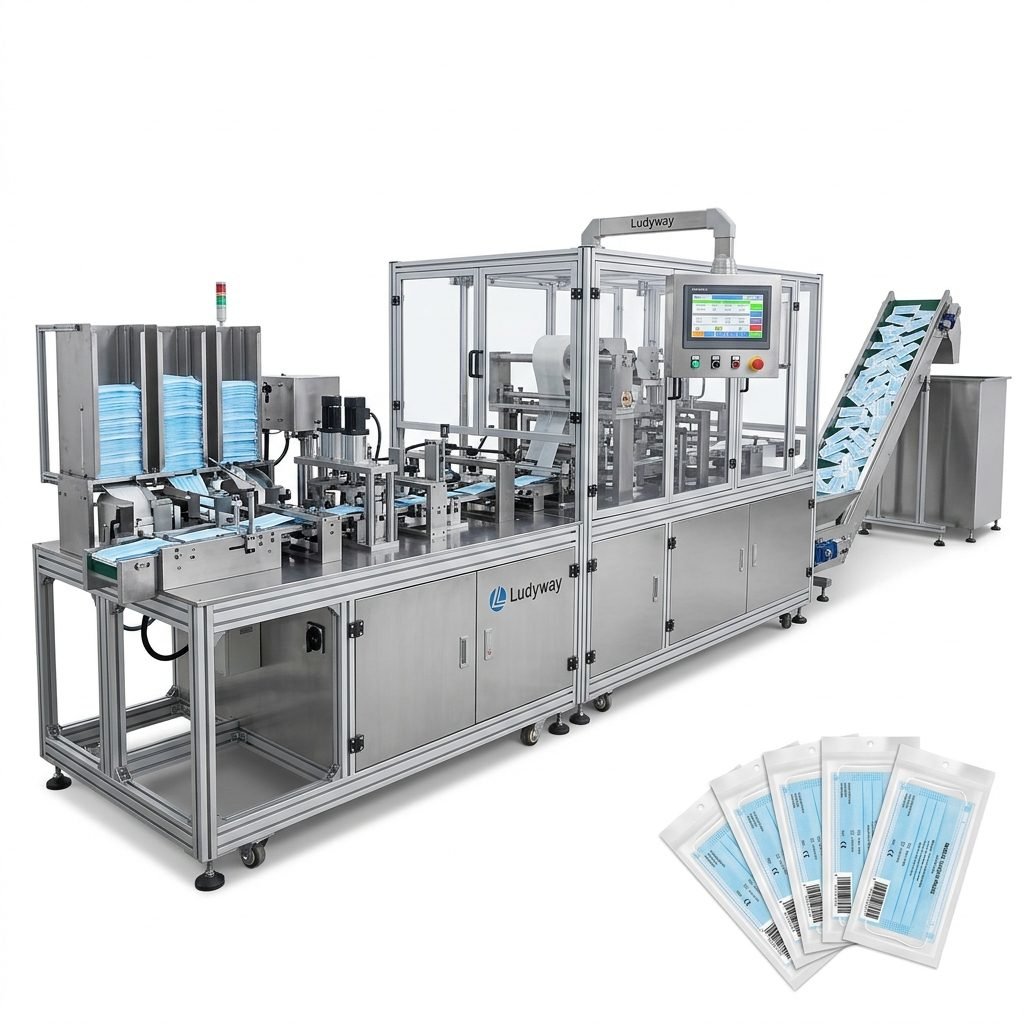
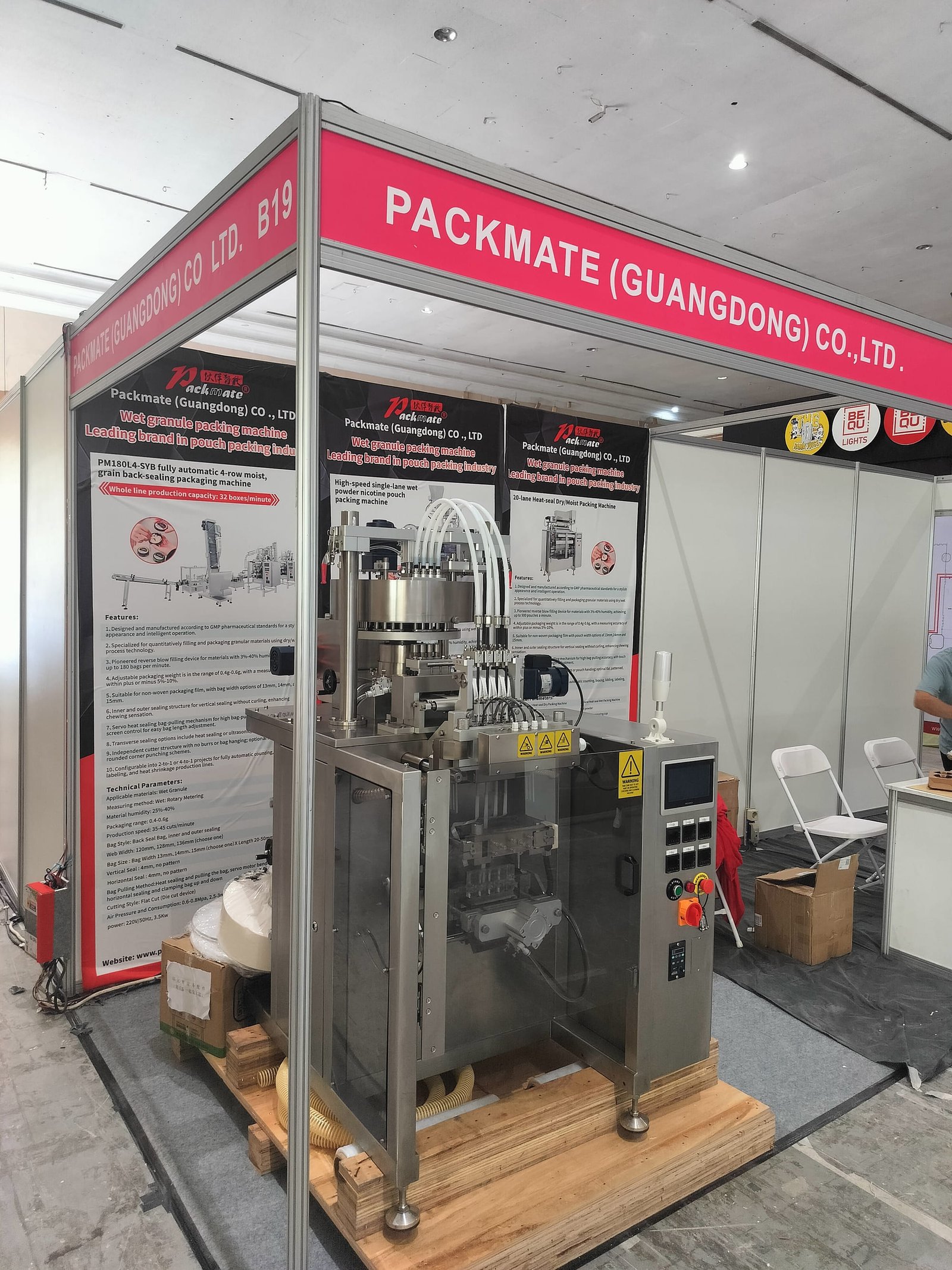
Choosing the right equipment manufacturer is as important as selecting the machine itself. A reliable packaging machinery manufacturer should offer not just hardware but also engineering support, customization capabilities, and responsive after-sales service. Look for manufacturers with a proven track record, in-house manufacturing facilities, and experience serving your industry. For instance, Ludyway Machinery brings more than 30 years of packaging industry experience with a 20,000-square-meter manufacturing facility and over 50 packaging machine models, serving customers across more than 100 countries.
Key manufacturer evaluation criteria include:
- Years of industry experience and number of installations worldwide
- In-house manufacturing capabilities versus outsourced production
- Customization engineering to adapt machines to your specific product
- Client references and case studies from your industry segment
- Global service network for timely technical support
9. Prioritize After-Sales Support and Service
Even the best packaging machinery requires periodic maintenance and occasional troubleshooting. Comprehensive after-sales support can make the difference between a productive packaging line and costly downtime. When evaluating suppliers, confirm the availability of remote technical assistance, on-site service visits, operator training programs, and readily available spare parts. A manufacturer that provides support throughout the entire project lifecycle—from machine selection and installation to commissioning and long-term maintenance—adds significant value beyond the equipment itself.
| Support Element | Why It Matters |
|---|---|
| Remote diagnostics | Enables quick issue resolution without on-site visits |
| Operator training | Reduces operational errors and improves machine efficiency |
| Spare parts inventory | Minimizes downtime with readily available replacement components |
| Warranty coverage | Protects your investment during the initial operating period |
10. Plan for Future Scalability
Your packaging needs today may not reflect your requirements in three to five years. Choosing a scalable packaging solution allows you to increase capacity without replacing entire systems. Modular machine designs enable you to add lanes, upgrade filling systems, or integrate additional automation modules as your production grows. When evaluating machinery, consider whether the manufacturer offers a clear upgrade path and whether the control systems support future integration with smart factory and industry 4.0 initiatives.
Frequently Asked Questions
What is the most important factor when choosing a food packaging machine?
The most critical factor is product compatibility. The machine must be designed to handle your specific product’s physical characteristics—whether powder, granule, liquid, or solid—with the appropriate filling technology and sealing system to ensure consistent quality and minimal waste.
How do I determine the right packaging speed for my production?
Calculate your daily or hourly production target and add a 20-30% buffer to account for changeovers, maintenance downtime, and future growth. This ensures your machine can comfortably meet current demand while accommodating expansion.
Should I choose a single-lane or multi-lane packaging machine?
Single-lane machines are suitable for lower production volumes and offer easier operation and changeover. Multi-lane machines multiply output by running several lanes simultaneously, making them ideal for high-volume production of single-serve sachets and stick packs. The choice depends on your volume requirements and product range diversity.
What type of after-sales support should I expect?
Look for manufacturers that provide remote technical support, on-site installation and commissioning, operator training, readily available spare parts, and warranty coverage. Strong after-sales support is essential for maintaining long-term production efficiency and addressing issues promptly.
Choosing the right automatic food packaging machine requires careful evaluation of your product characteristics, packaging format, production volume, automation needs, material compatibility, regulatory requirements, and total cost of ownership. By working with an experienced manufacturer that offers customized packaging solutions and comprehensive after-sales support, you can build a packaging line that delivers consistent results, scales with your business, and provides a strong return on investment over the long term.