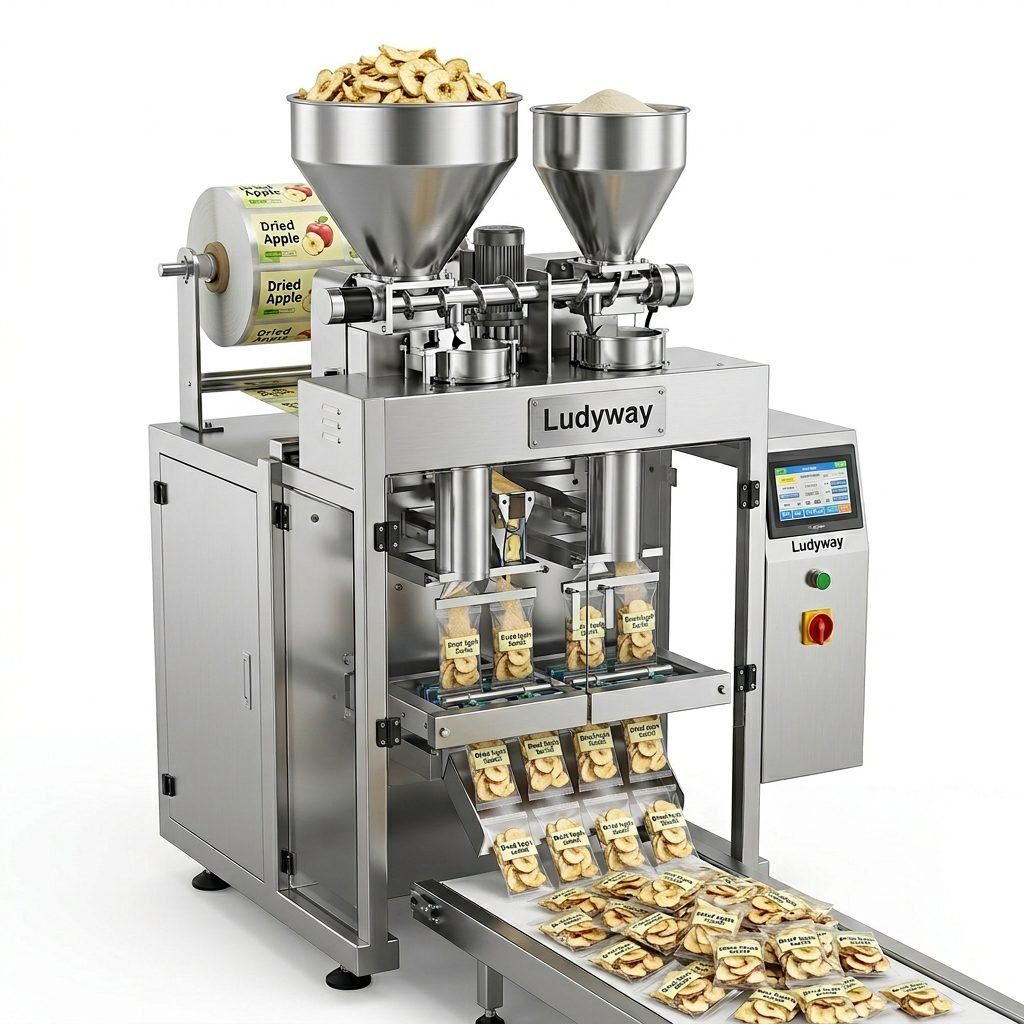
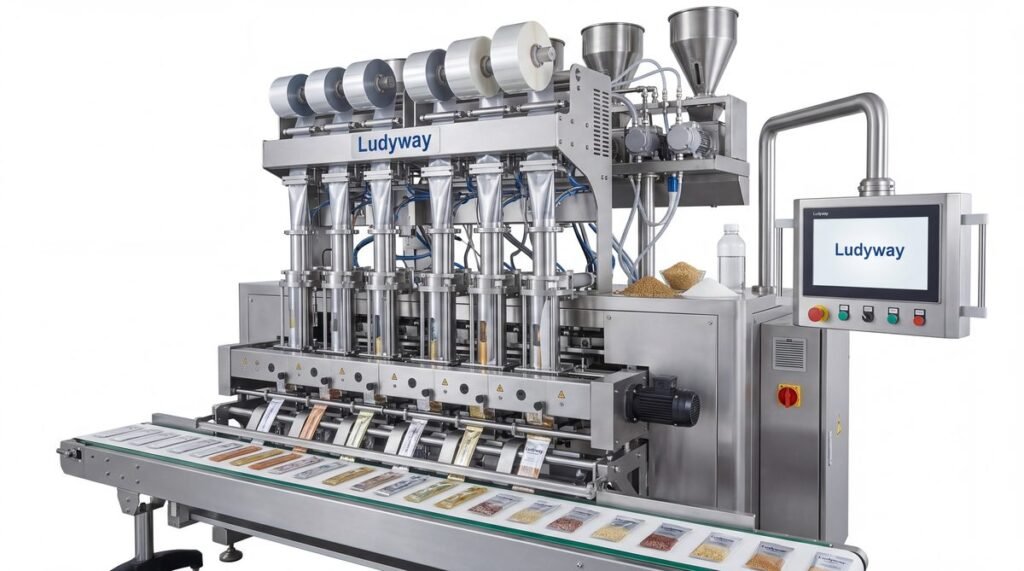
Investing in a cover packing machine is a major decision for any manufacturer. Whether you are packaging powders, granules, liquids, or solid products, the right equipment directly impacts your production efficiency, product quality, and bottom line. This guide walks you through every critical factor to consider before making your purchase.
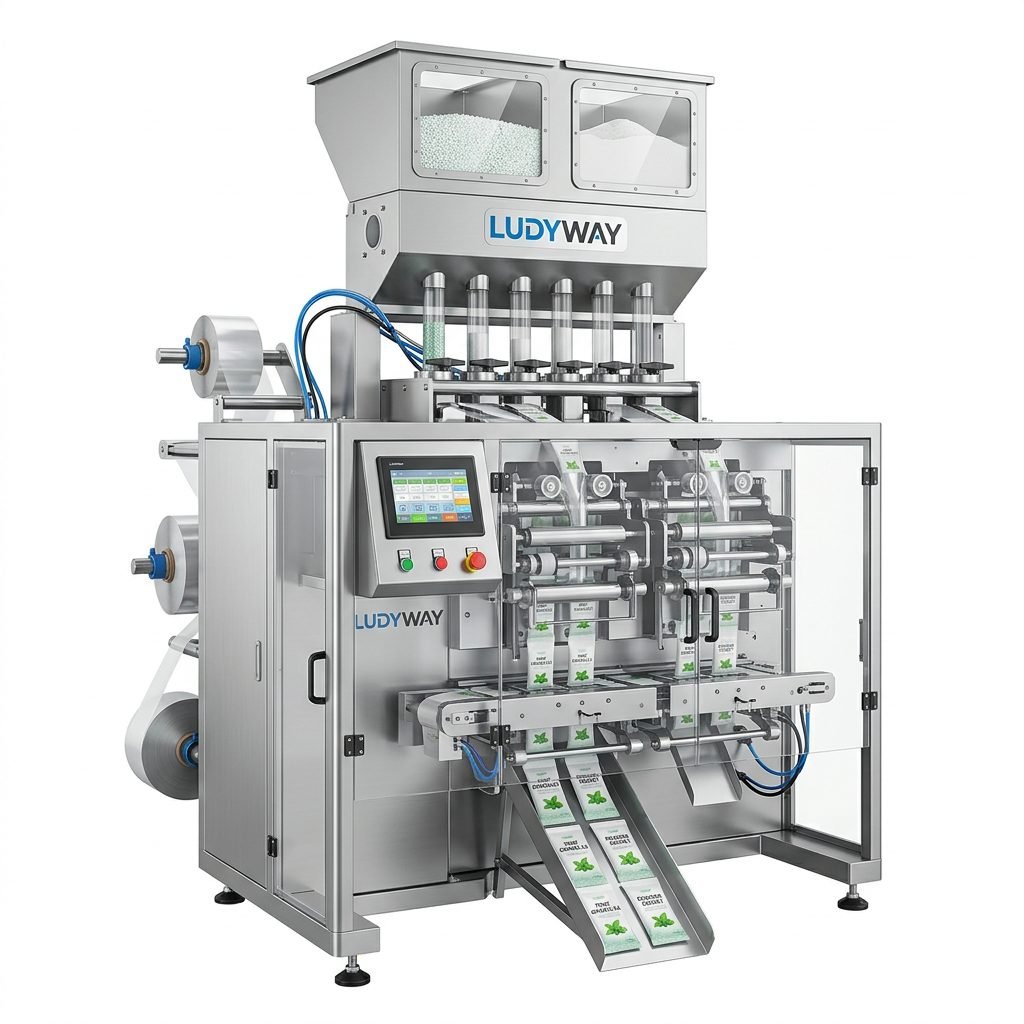
1. Understand Your Product and Packaging Requirements
Before comparing machine specifications, you must clearly define what you are packaging. The physical characteristics of your product determine which cover packing machine configuration will work best.
- Product state: Is it a free-flowing powder, sticky granule, viscous liquid, paste, or solid item? Each requires a specific filling system such as an auger filler, volumetric cup filler, piston filler, or multi-head weigher.
- Particle size and density: Fine powders behave differently from coarse granules. Dust generation, bulk density variations, and flowability all affect dosing accuracy.
- Hygroscopic or sensitive products: Products that absorb moisture or react with oxygen may require nitrogen flushing or vacuum sealing capabilities.
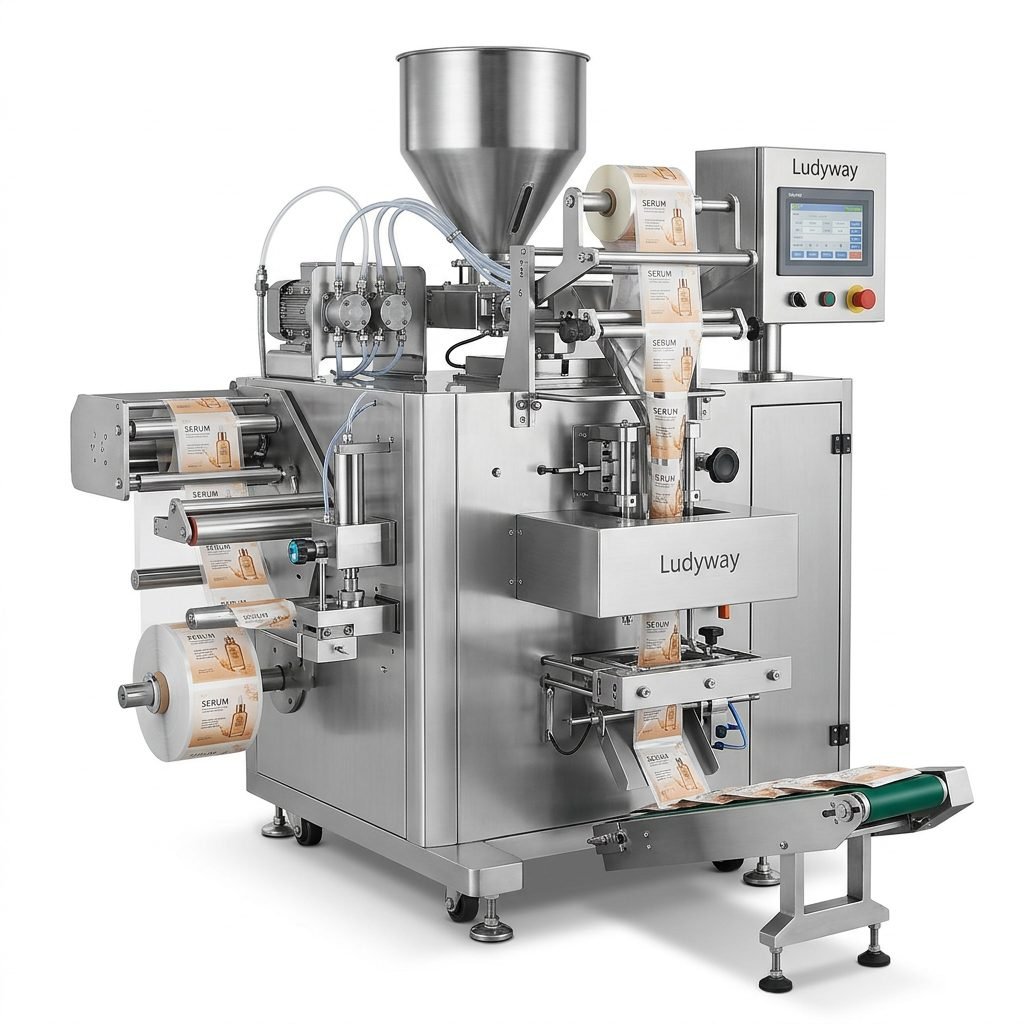
- Target packaging format: Are you filling pillow bags, gusseted pouches, stick packs, sachets, or flat pouches? The machine must be compatible with your desired bag style and size range.
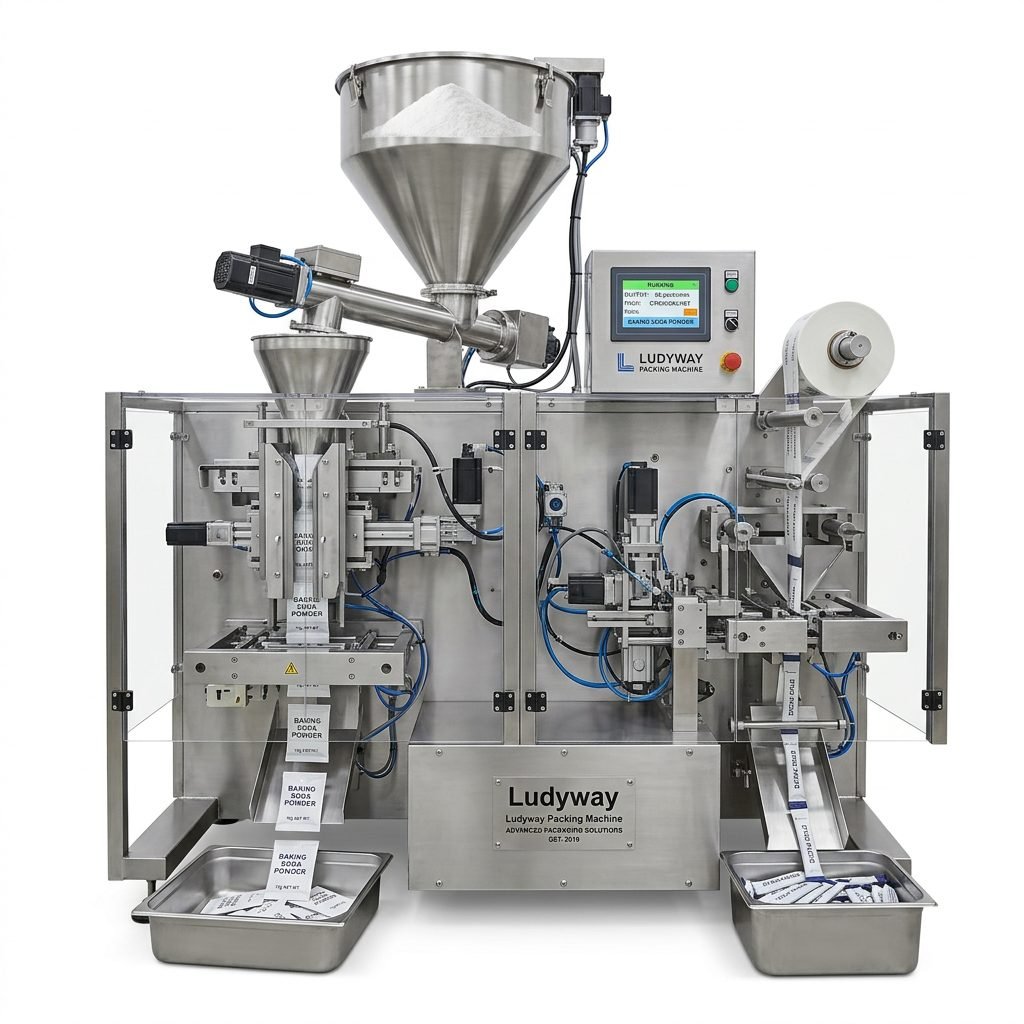
2. Production Speed and Output Requirements
Your production capacity needs should be matched to machine speed. However, rated speeds on specification sheets represent maximum theoretical output under ideal conditions. Real-world performance depends on product characteristics, bag size, and operator skill.
Speed Considerations by Machine Type
| Machine Configuration | Typical Speed Range | Best Suited For |
|---|---|---|
| Single-Lane Machine | 30–80 packs/min | Small to medium production volumes, frequent changeovers |
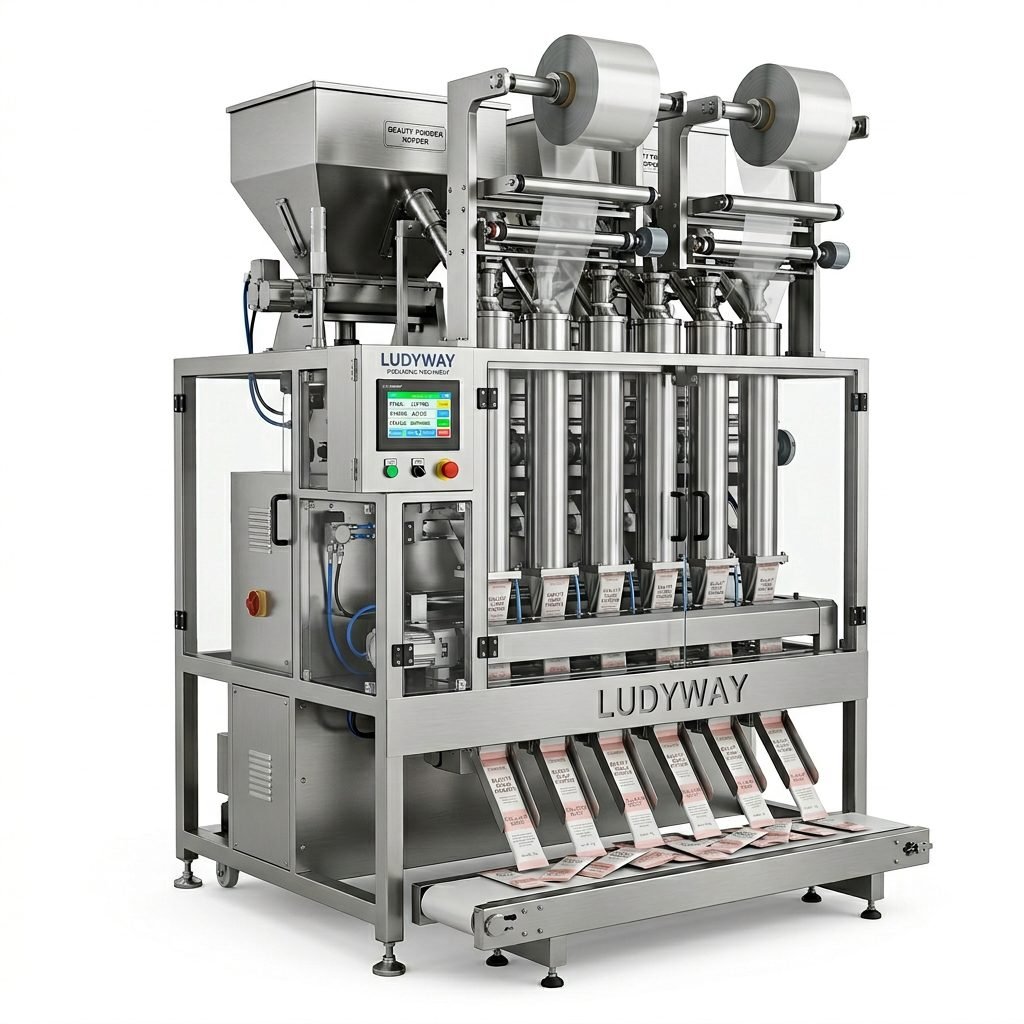
| Multi-Lane Machine (4–12 lanes) | 200–600+ packs/min | High-volume production, single product runs |
| Intermittent Motion | Up to 60 packs/min | Budget-conscious operations, simpler products |
| Continuous Motion | 80–200+ packs/min | 24/7 operations, high-speed requirements |
When evaluating speed, factor in downtime for changeovers, cleaning, and maintenance. A machine that runs at 100 packs per minute but takes two hours to switch between products may deliver less overall output than a slightly slower machine with quick-change features. For more insight on production optimization, resources like the PMMI Business Intelligence reports provide valuable industry benchmarks.
3. Filling Accuracy and Dosing Technology
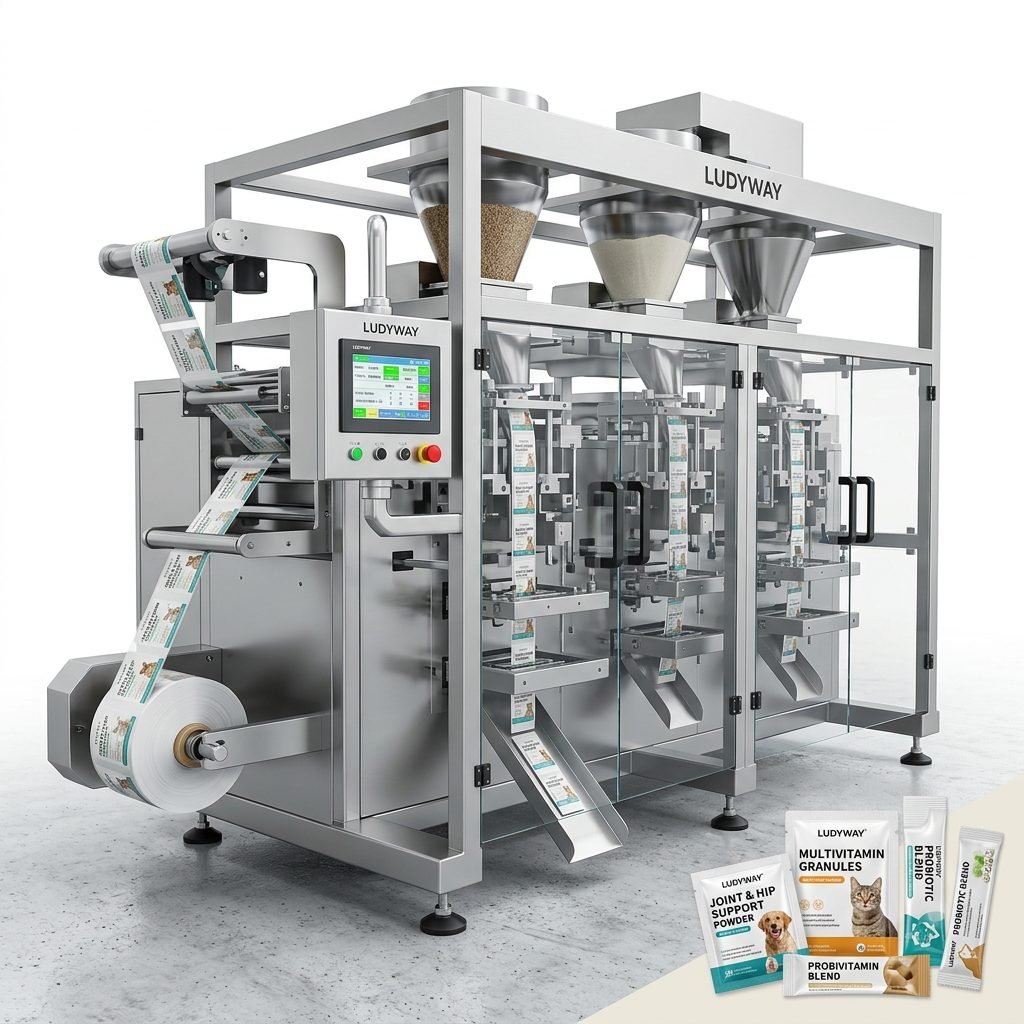
Filling accuracy directly affects product give-away costs and regulatory compliance. For pharmaceutical and nutraceutical products, dosing precision is non-negotiable. For food products, overfilling by even 1% can result in significant annual losses at high production volumes.
Common filling technologies include:
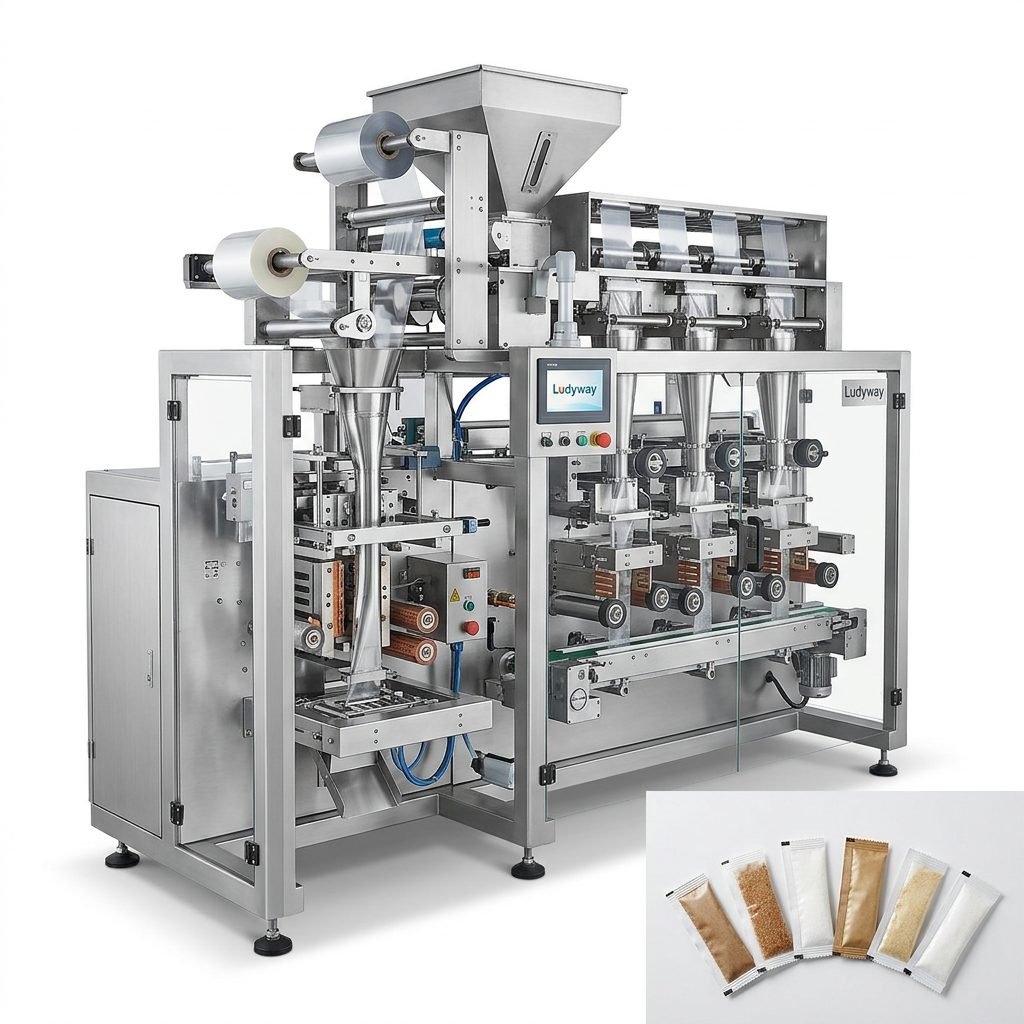
- Auger fillers: Best for fine powders, providing excellent accuracy with ±0.5–1% tolerance on most products. Ideal for milk powder, protein powder, and pharmaceutical powders.
- Volumetric cup fillers: Cost-effective for free-flowing granules like sugar, salt, and seeds. Accuracy ranges from ±1–3% depending on product consistency.
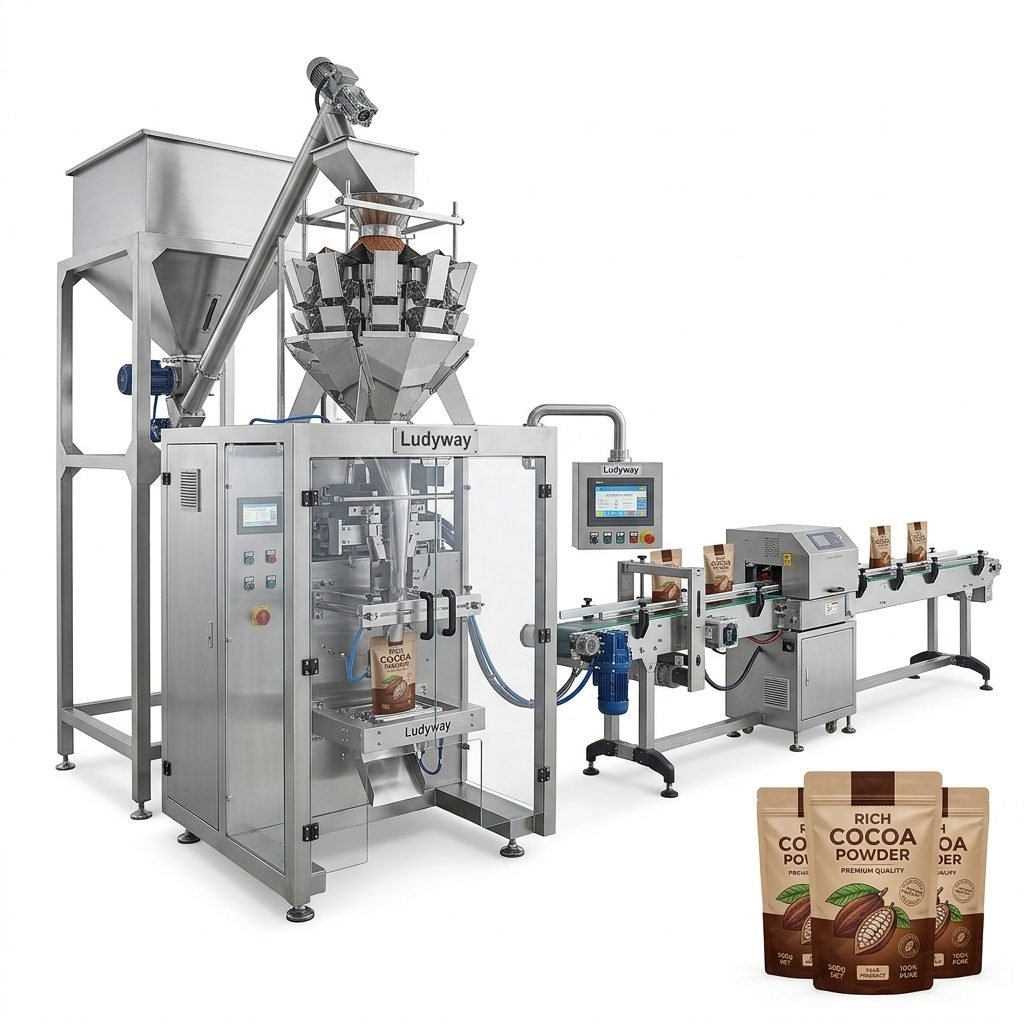
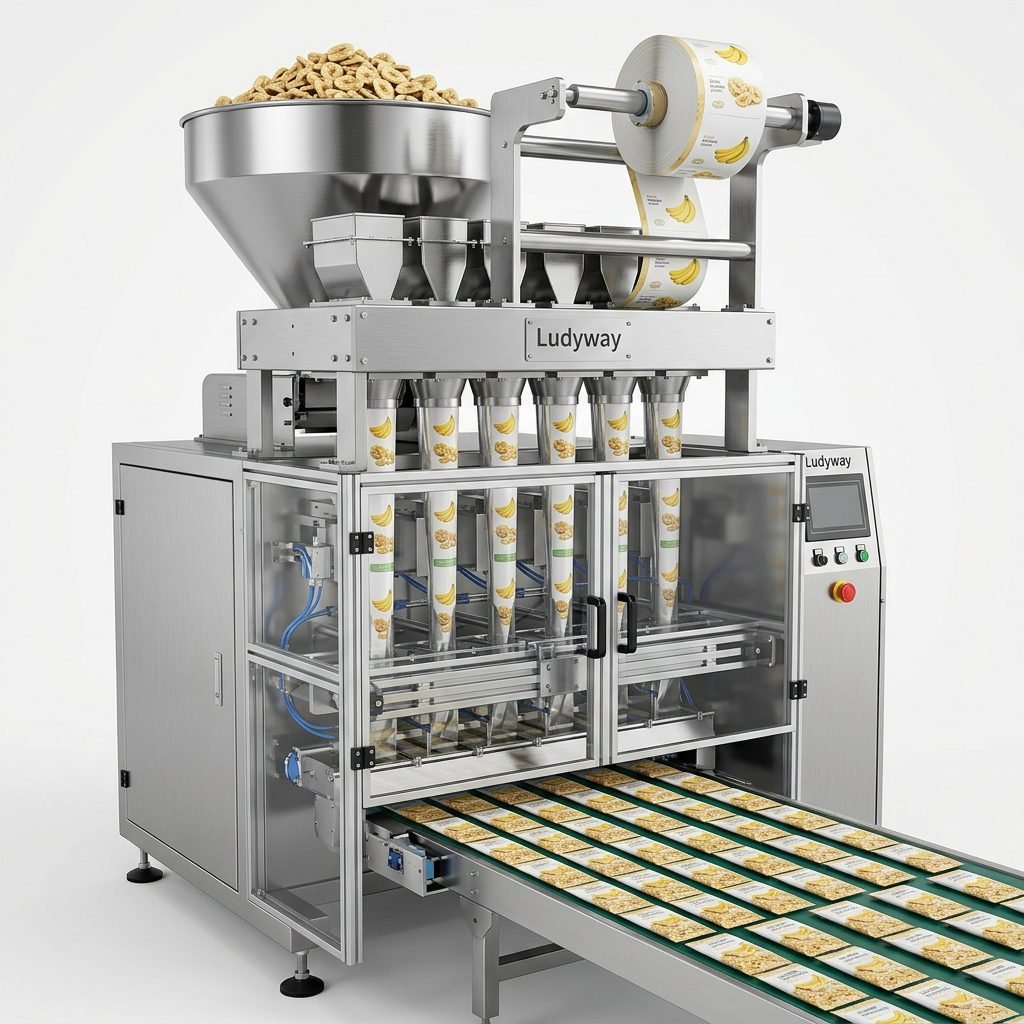
- Multi-head weighers: The most accurate option for granules and solid pieces, achieving ±0.1–0.5% accuracy. Commonly used for snacks, confectionery, and pet food.
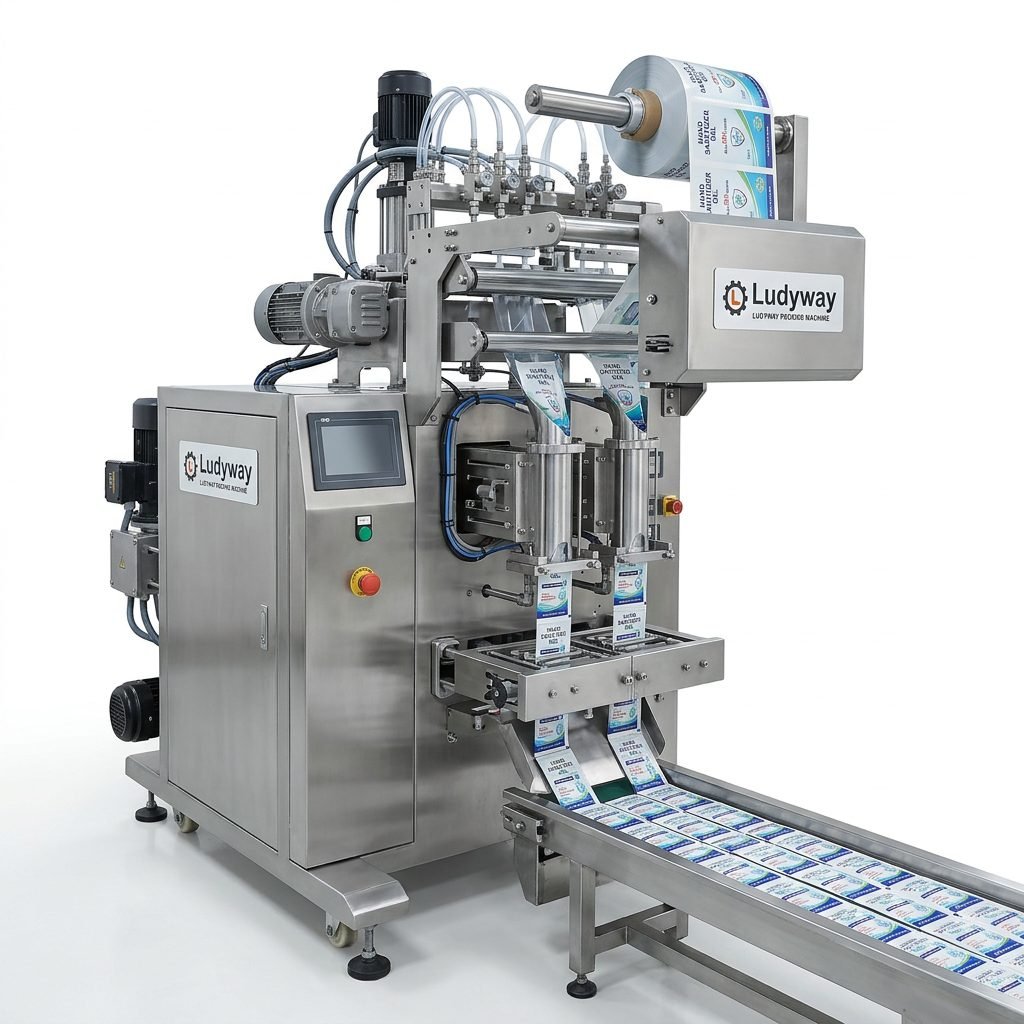
- Piston fillers: Designed for liquids, pastes, and creams. Accuracy depends on product viscosity and temperature.
- Liquid pumps: Suitable for low to medium viscosity liquids like oils, sauces, and cleaning products.
Verify that the machine supplier can provide accuracy test data with your actual product, not just generic specifications. Standards from organizations like the ISO packaging standards can serve as useful reference points for quality expectations.
4. Packaging Material Compatibility
Your cover packing machine must be compatible with your chosen packaging film or material. Key material considerations include:
- Film type: Laminated films, aluminum foil, paper-based laminates, and biodegradable materials each have different sealing characteristics.
- Seal strength requirements: Products that are heavy or require high barrier protection need stronger seals. The machine’s sealing temperature, pressure, and dwell time must be adjustable.
- Material thickness: Thicker films require different sealing parameters than thin films. Ensure the machine can handle your material range.
- Print registration: If your packaging has registered print designs, the machine needs a reliable photoelectric sensor system for accurate positioning.
The Flexible Packaging Association offers extensive resources on film selection and material trends that can inform your packaging decisions.
5. Machine Construction and Hygiene Standards
Build quality determines machine longevity and maintenance costs. Evaluate the following construction aspects:
Key Construction Features
- Frame material: Stainless steel (304 or 316 grade) is preferred for food and pharmaceutical applications. Carbon steel with protective coating may be acceptable for non-food industrial products.
- Product contact parts: Must be food-grade stainless steel or approved materials that meet FDA food contact regulations where applicable.
- Washdown capability: For food, dairy, and pharmaceutical applications, IP65 or higher rated components allow for cleaning with water and sanitizing agents.
- Enclosed construction: Fully enclosed machines protect product from contamination and operators from moving parts.
- Tool-free changeover: Quick-release components reduce downtime between product runs and improve operational flexibility.
6. Automation Level and Integration Capabilities
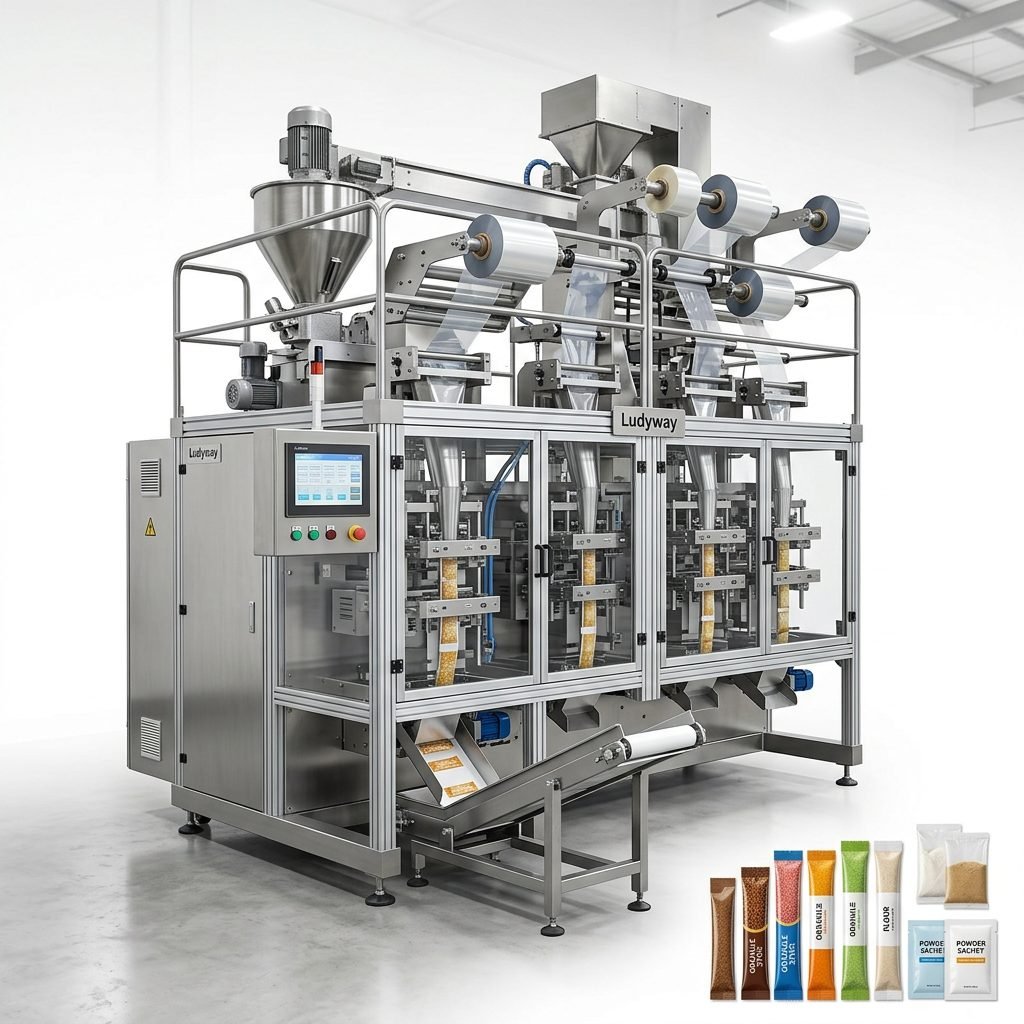
Modern cover packing machines range from semi-automatic units requiring significant operator involvement to fully automated systems that integrate with upstream and downstream equipment. Consider your current and future automation needs:
- Automated feeding: Vibratory feeders, screw conveyors, and bucket elevators that automatically supply product to the packaging machine reduce manual handling.
- In-line quality control: Checkweighers, metal detectors, X-ray inspection systems, and vision inspection can be integrated to ensure product quality.
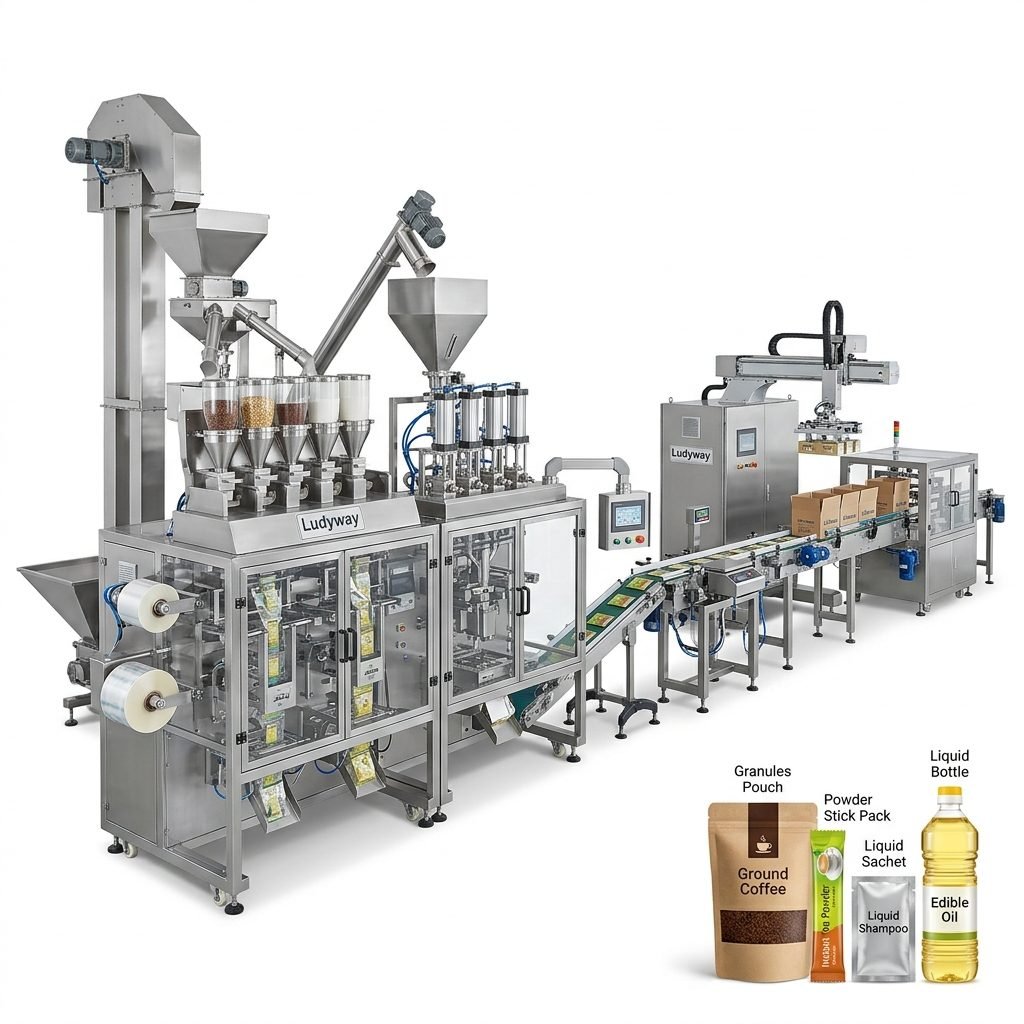
- Downstream automation: Cartoning machines, case packers, palletizers, and stretch wrappers can be connected for end-of-line automation.
- Data integration: Machines with PLC controls and networking capabilities allow integration with MES and ERP systems for production monitoring.
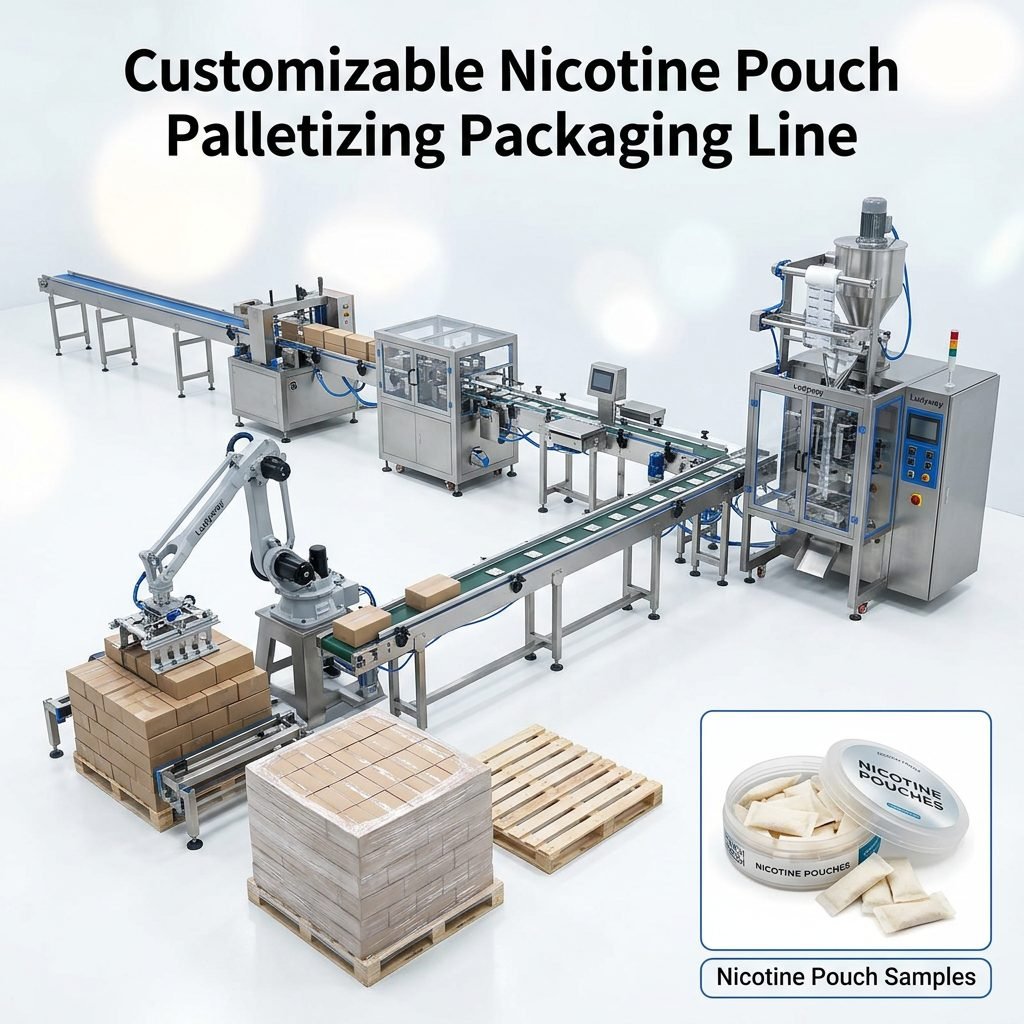
For manufacturers seeking turnkey packaging solutions, selecting a supplier that can provide integrated systems rather than just standalone machines simplifies project management. As a packaging machinery manufacturer with over 30 years of experience, Ludyway Machinery provides integrated packaging systems that connect multiple stages of the packaging process, from feeding through final palletizing, allowing customers to work with a single partner for equipment selection, system integration, and ongoing technical support.
7. Changeover and Flexibility
If your production involves multiple products, bag sizes, or packaging formats, machine changeover time is critical. Evaluate:
- Changeover time: How long does it take to switch between different bag sizes or products? Best-in-class machines can complete changeovers in under 30 minutes.
- Quick-change features: Look for machines with servo-driven adjustments, no-tool change parts, and recipe-based setup controls that store parameters for different products.
- Format flexibility: Can the machine run multiple bag styles (pillow, gusseted, stick pack, sachet) with minimal modification? Multi-format machines provide greater versatility.
8. Total Cost of Ownership
The purchase price of a cover packing machine is only one part of the total cost equation. Calculate the total cost of ownership (TCO) over the expected life of the equipment:
| Cost Category | Percentage of TCO | Key Considerations |
|---|---|---|
| Initial Purchase Price | 40–55% | Machine cost, shipping, import duties, installation |
| Spare Parts and Consumables | 15–25% | Sealing jaws, cutting blades, belts, filters, lubricants |
| Maintenance and Repairs | 10–20% | Scheduled and unscheduled maintenance, technician costs |
| Energy Consumption | 5–10% | Power usage, compressed air requirements |
| Operator Training and Labor | 5–10% | Training costs, operator staffing requirements |
9. Supplier Evaluation and Support
Choosing the right cover packing machine supplier is as important as choosing the right machine. Evaluate potential suppliers on:
- Industry experience: How many years has the supplier been manufacturing packaging machinery? Do they have references in your specific industry?
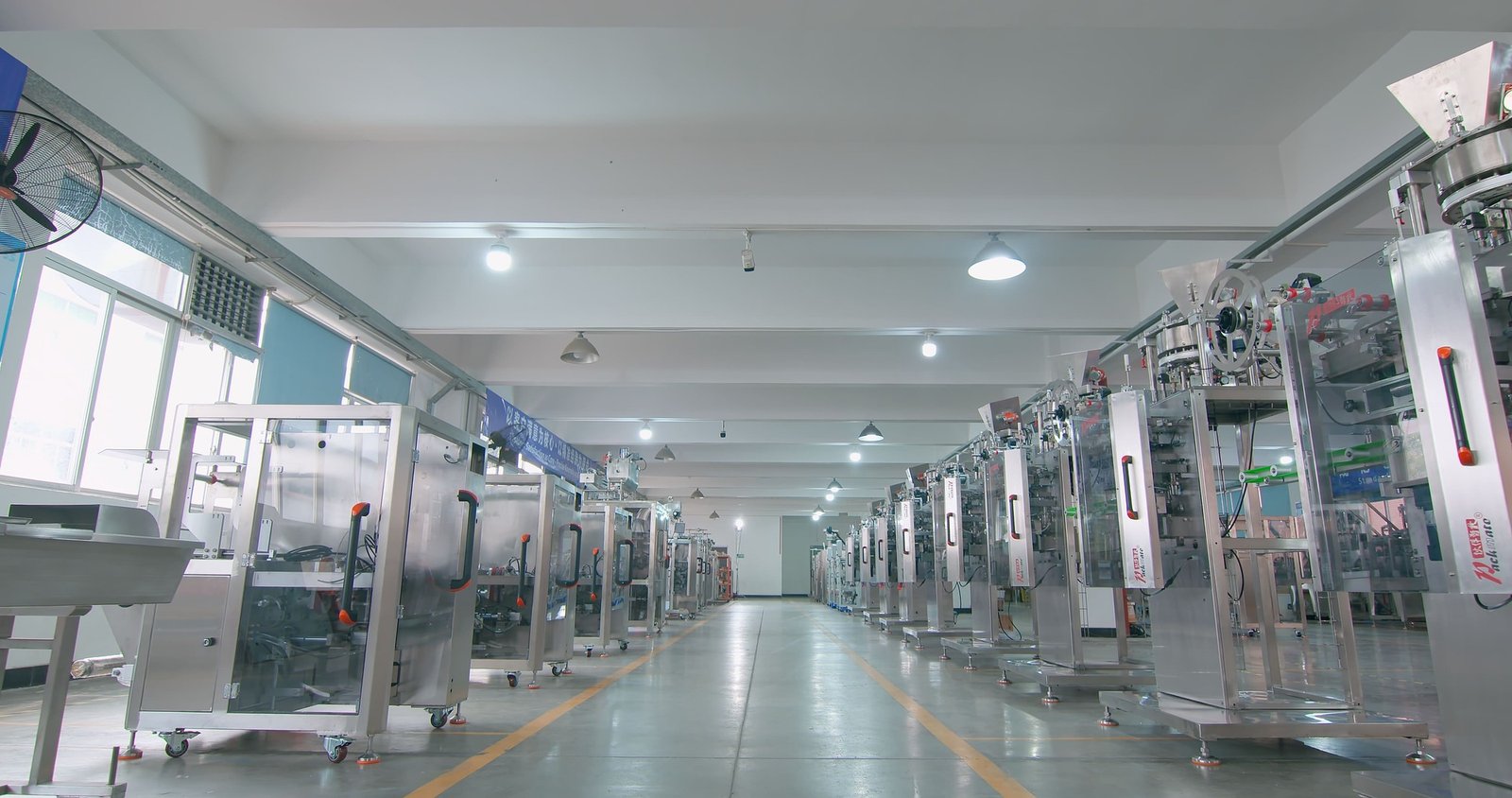
- Manufacturing capabilities: Does the supplier have in-house manufacturing and engineering teams? In-house production generally means better quality control and faster custom engineering.
- After-sales support: What warranty is offered? Is remote technical support available? How quickly can spare parts be shipped to your location?
- Installation and commissioning: Does the supplier provide on-site installation and operator training? Proper commissioning ensures the machine performs to specifications.
- Customization ability: Can the supplier modify standard machines to meet your specific requirements? Custom engineering capability is valuable for unique applications.
Industry trend data from PMMI’s State of the Industry reports can help you benchmark supplier capabilities against broader market developments.

10. Compliance and Certification Requirements
Depending on your industry and target markets, your cover packing machine may need to meet specific standards:
- Food industry: Machines should be designed according to food safety standards, with easy-to-clean surfaces and hygienic construction.
- Pharmaceutical: Equipment may require validation documentation and compliance with ISO 11607 packaging standards and GMP guidelines.
- CE marking: Required for machines sold in the European Economic Area, indicating conformity with EU safety and environmental requirements.
- Electrical safety: Machines should meet relevant electrical safety standards for your region, with proper grounding, emergency stops, and safety interlocks.
Information on packaging regulations in the European market is available from the European Commission’s packaging waste portal, which covers material and environmental compliance requirements.
11. Testing and Validation Before Purchase
Before committing to a purchase, insist on product testing with your actual materials:
- Factory Acceptance Testing (FAT): Visit the manufacturer’s facility to see the machine run with your product and packaging material, checking speed, accuracy, seal quality, and overall performance.
- Sample runs: Request sample packages produced on the same machine model you are considering, filled with your product.
- Reference visits: If possible, visit an existing customer using the same machine to understand real-world performance and reliability.
12. Future-Proofing Your Investment
A cover packing machine is a long-term investment. Consider how your needs may evolve:
- Modular design: Machines that allow for future upgrades (additional lanes, new filling systems, automation modules) protect your investment as production requirements grow.
- New packaging formats: Can the machine be adapted to run new bag styles or materials that you may introduce in the future?
- Industry 4.0 readiness: Machines with remote monitoring, data collection, and connectivity features enable predictive maintenance and production analytics.
- Sustainability requirements: Machines capable of running recyclable or biodegradable films position you well for evolving packaging regulations.
The Flexible Packaging Association’s regulatory affairs resources provide ongoing updates on sustainability trends and compliance requirements that may affect your future packaging choices.
Making Your Final Decision
Selecting the right cover packing machine requires balancing multiple factors: technical specifications, production capacity, total cost, and supplier reliability. The cheapest machine often becomes the most expensive when factoring in downtime, maintenance, and product waste. Similarly, the fastest machine may not be the best choice if your production volumes do not justify the investment.
Take time to thoroughly evaluate your product requirements, visit supplier facilities when possible, test with your actual products, and check references from manufacturers in your industry. A well-chosen cover packing machine will provide reliable service for a decade or more, making the due diligence effort well worth the investment.
Key Takeaways
- Define your product characteristics, packaging format, and production volume before evaluating machines.
- Match filling technology to your product type for optimal accuracy and minimal waste.
- Evaluate total cost of ownership, not just the initial purchase price.
- Select a supplier with proven industry experience, engineering capability, and responsive after-sales support.
- Test with your actual product and packaging material before making a final commitment.
- Consider future needs including capacity expansion, new formats, and sustainability requirements.
For detailed information on industry trends, you can explore resources from PMMI packaging industry resources and refer to EPA sustainable materials management guidelines for environmentally responsible packaging decisions.