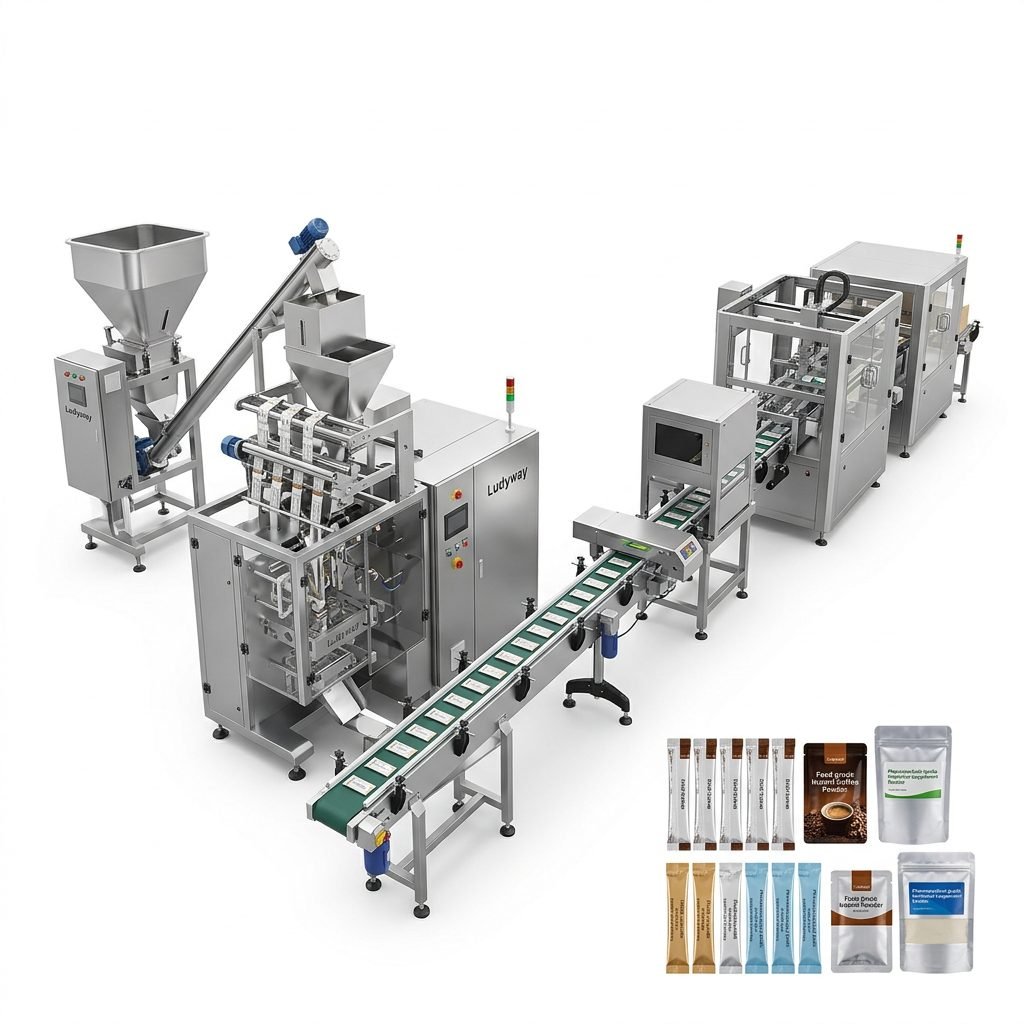
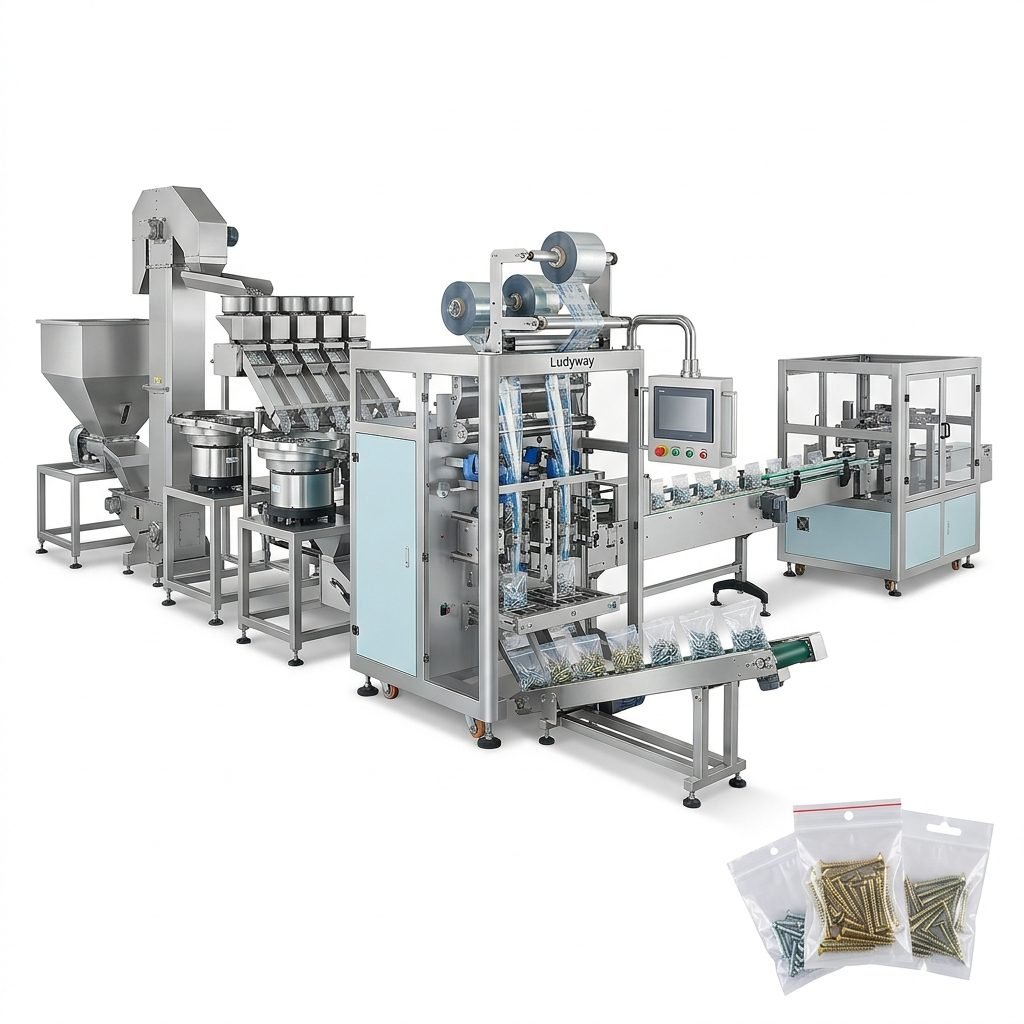
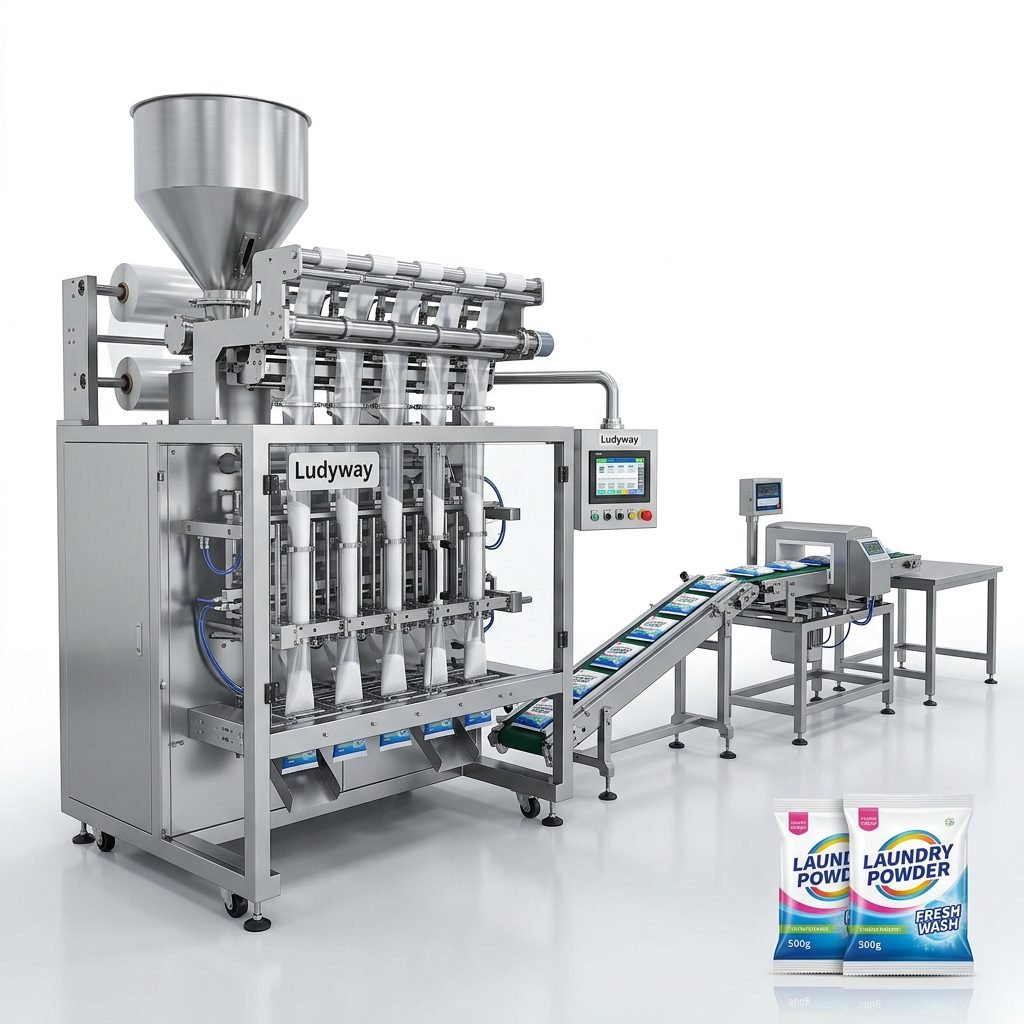
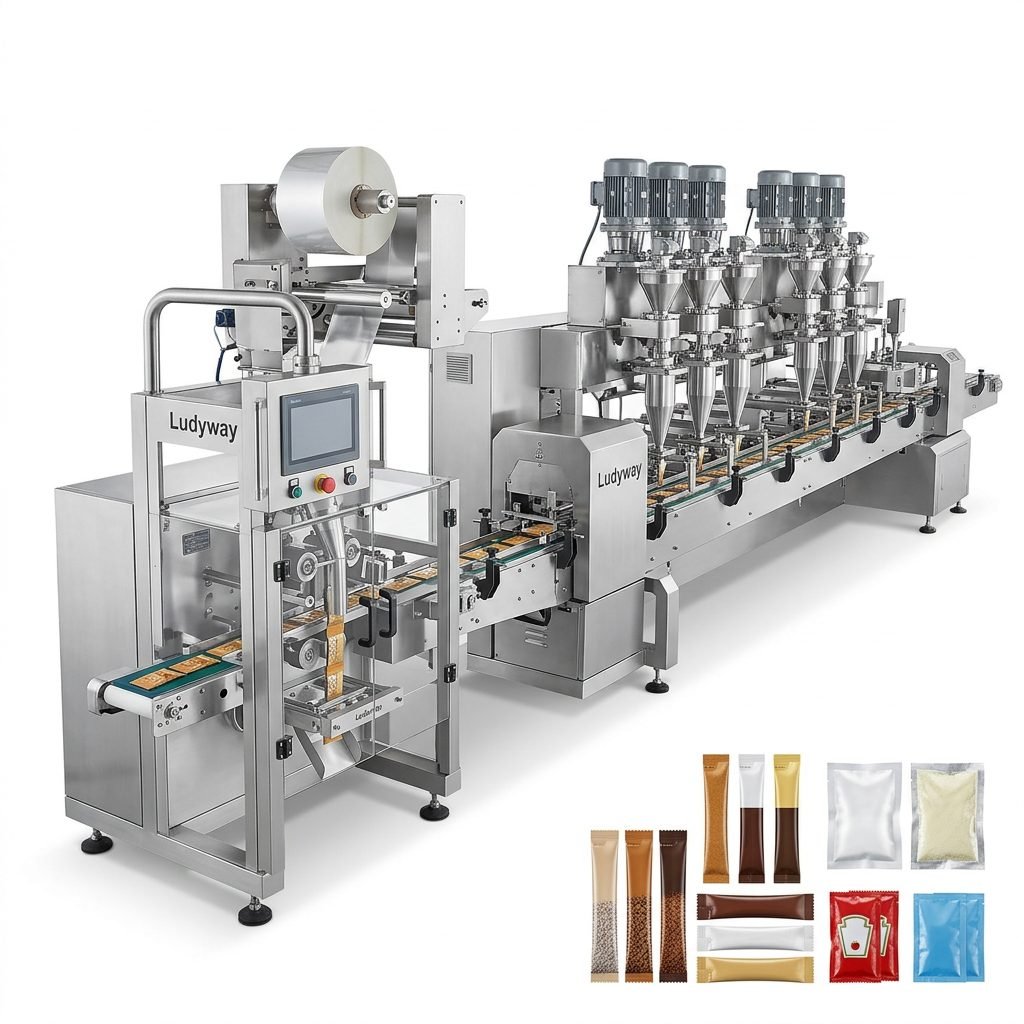
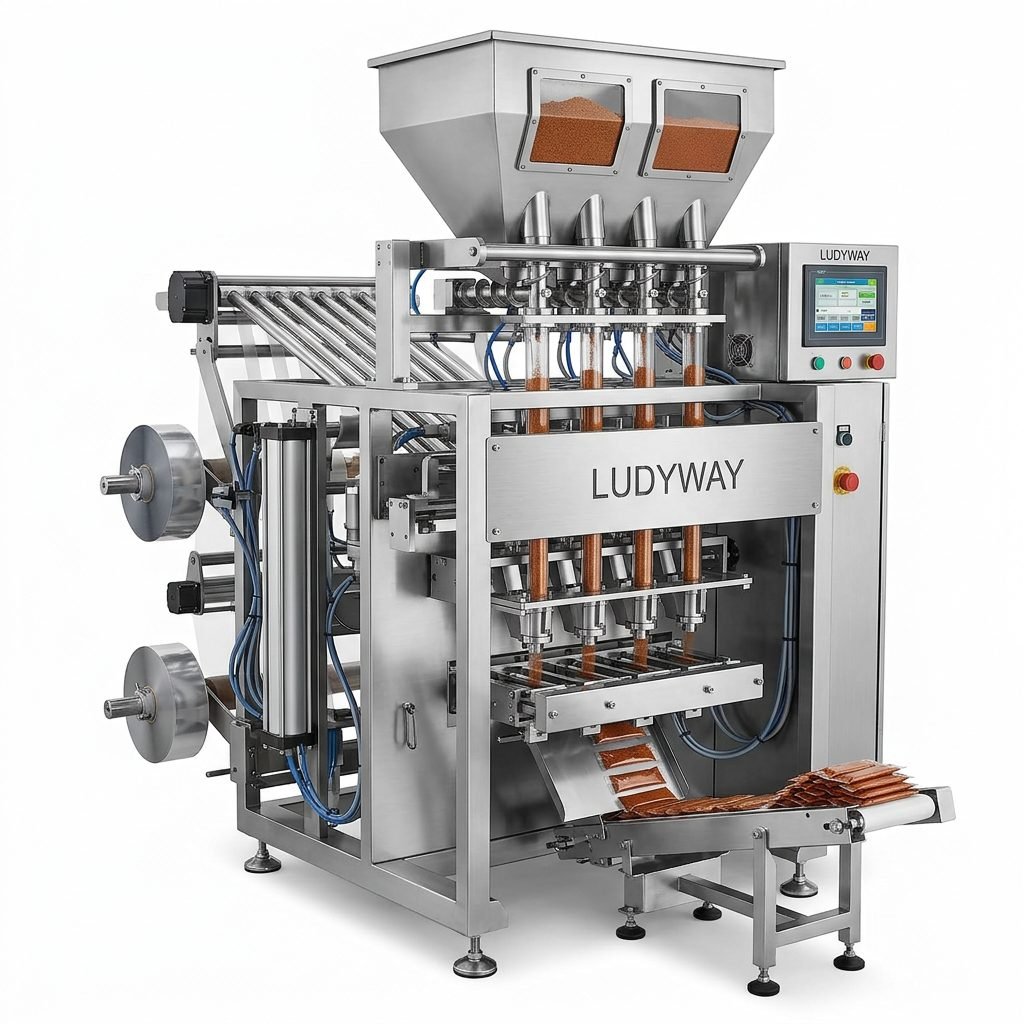
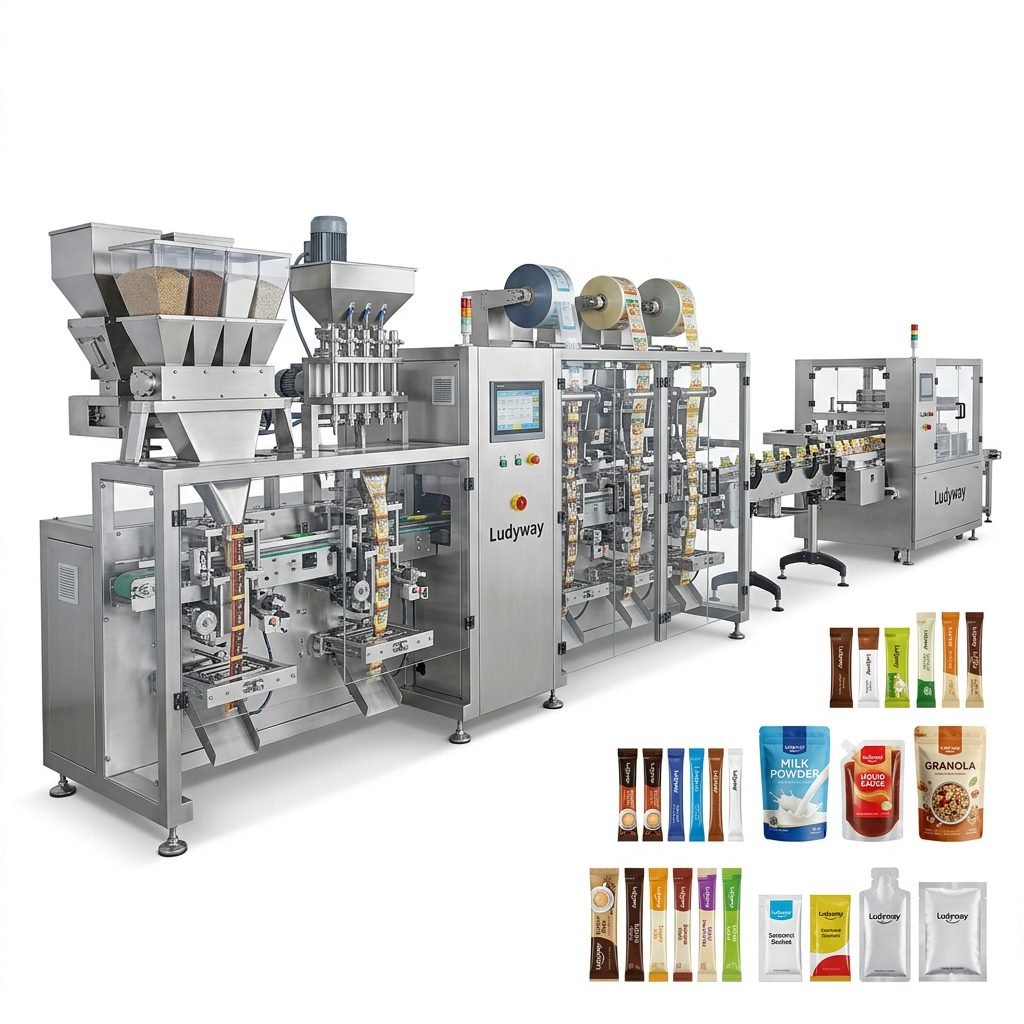
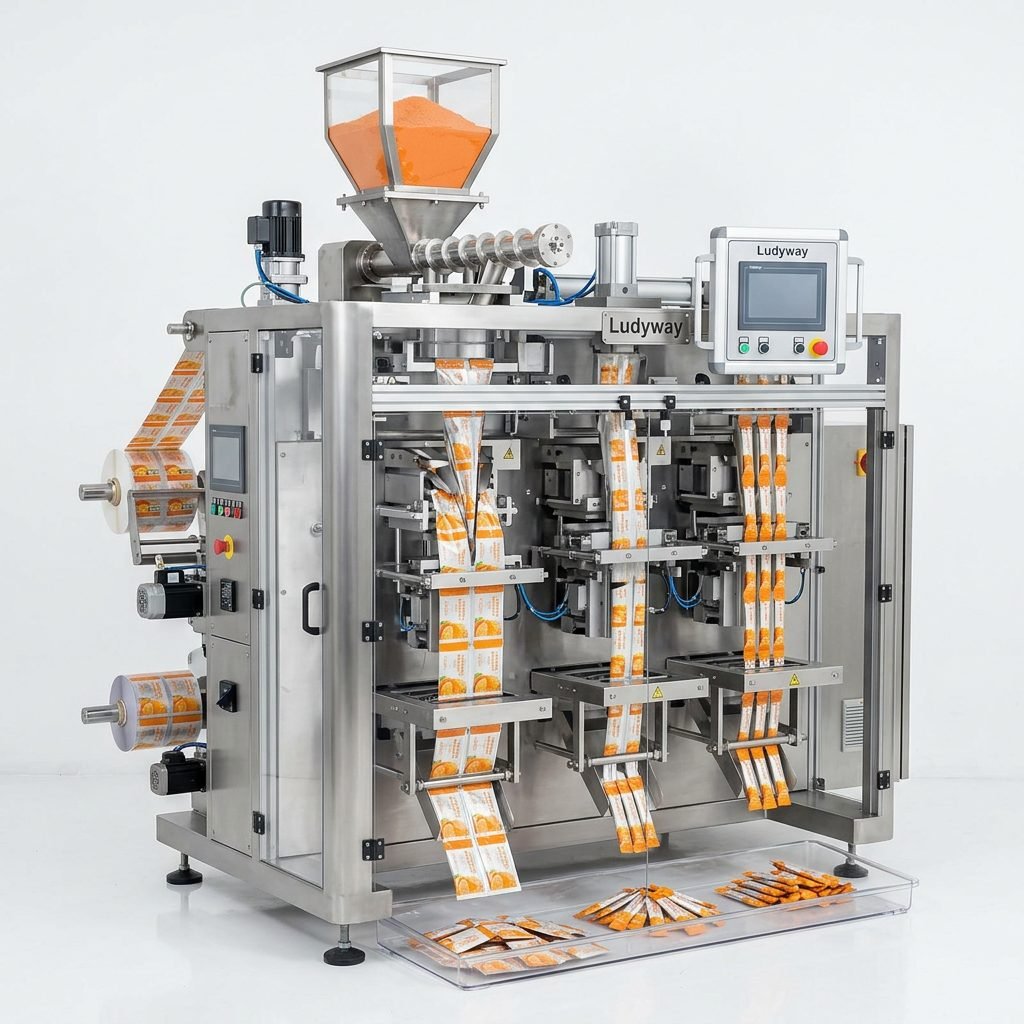
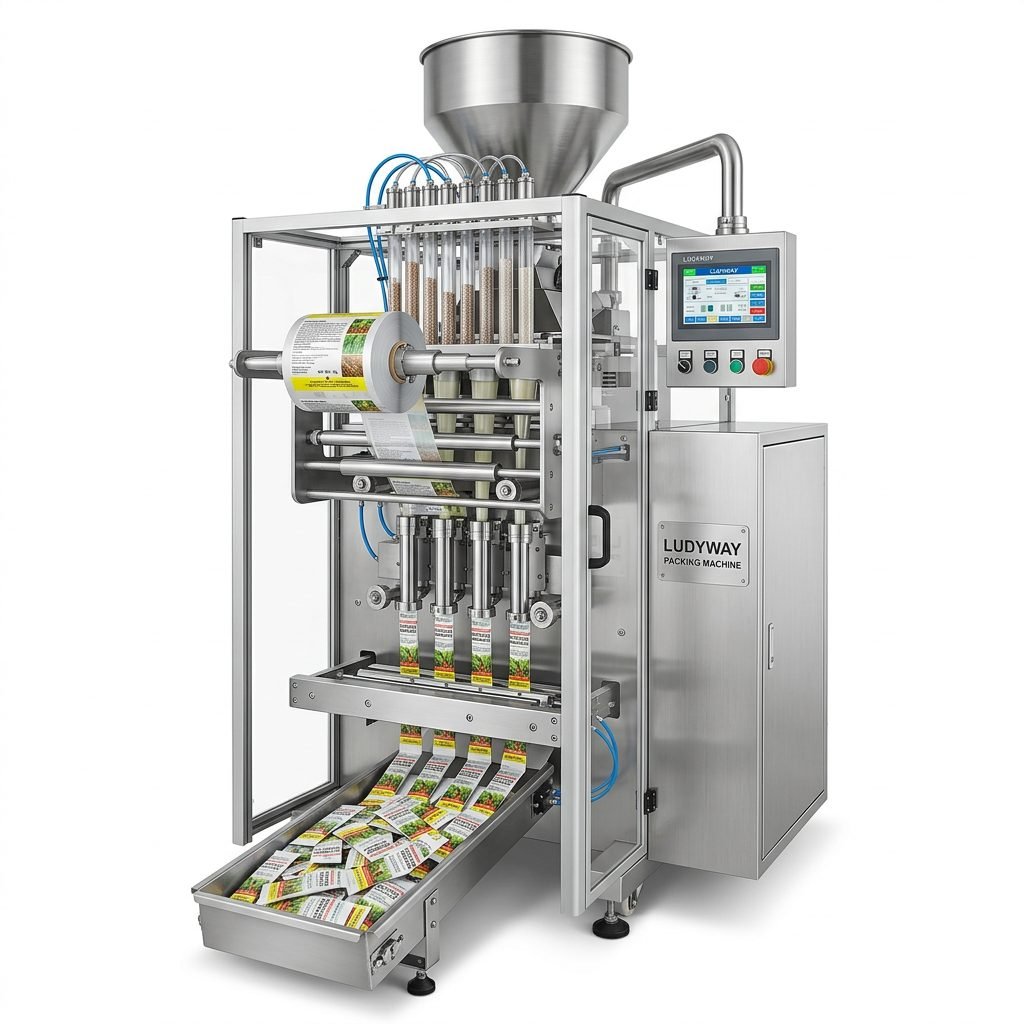
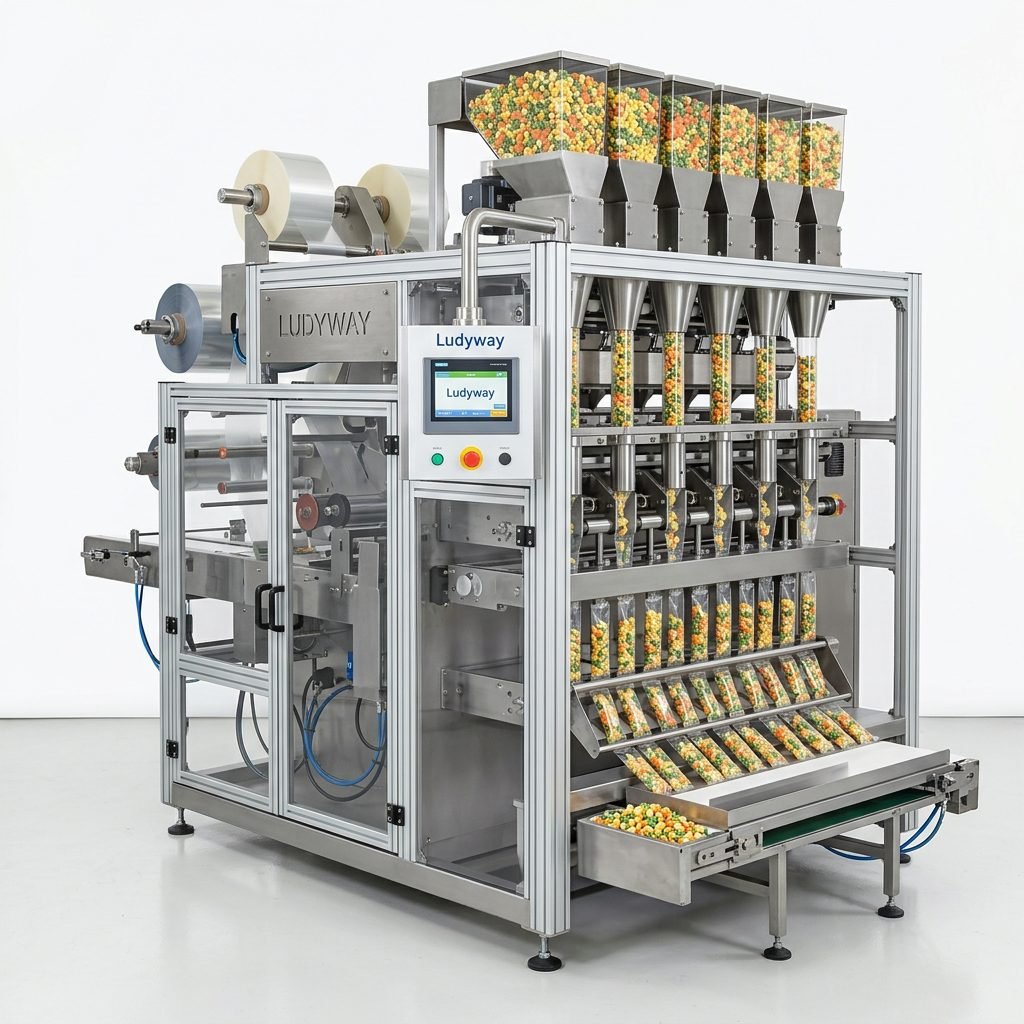
Investing in a sachet pouch packing machine is a significant decision for manufacturers across the food and beverage, pharmaceutical, cosmetic, and chemical industries. Whether you are packaging single-serve instant coffee, ketchup, shampoo, or medical powders, selecting the right equipment directly impacts your production efficiency, product quality, and long-term operational costs. This buyer’s guide breaks down the essential factors to consider before purchasing a sachet packaging machine.
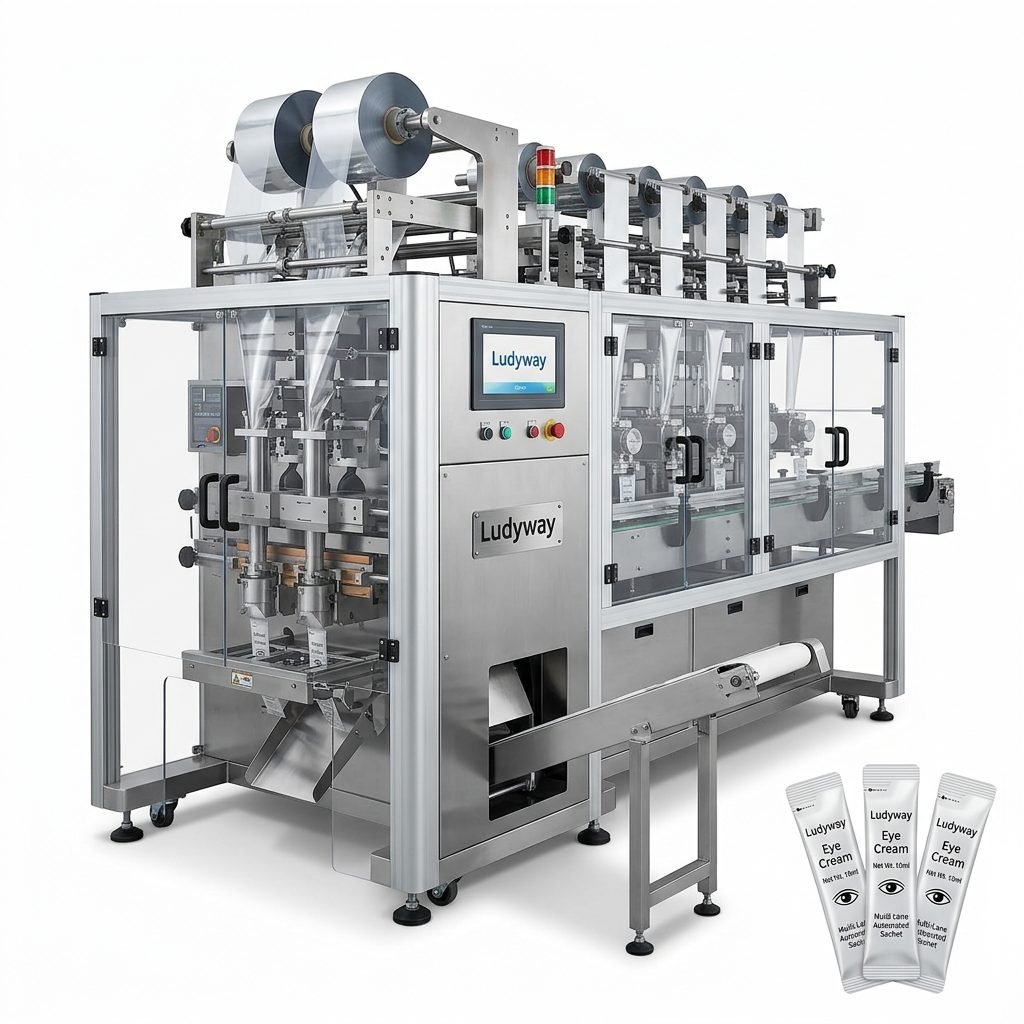
Understanding Sachet Packaging Formats
Before diving into technical specifications, it is crucial to define the packaging format your product requires. A sachet pouch packing machine typically handles a variety of styles, including three-side seal, four-side seal, and stick packs. The choice depends on your product’s physical properties.
- Stick Packs: Ideal for powders and granules like sugar, salt, and instant coffee. They offer portability and ease of use.
- Three-Side Seal Sachets: Common for liquid products such as ketchup, shampoo, and hand sanitizer.
- Four-Side Seal Sachets: Often used for high-barrier requirements or products needing a flatter profile, like medical patches or premium cosmetics.

Key Factors to Evaluate Before Buying
1. Product Characteristics: Liquid, Powder, or Granule?
The fundamental question is what you are filling. Is your product a free-flowing granule, a sticky powder, or a volatile liquid? Viscosity and density dictate the type of filling system required. For instance, a liquid packaging machine for shampoo requires piston pumps or gear pumps, while multi-lane stick pack machines for milk powder often use auger fillers.
| Product Type | Recommended Filler | Common Packaging Speed |
|---|---|---|
| Free-Flowing Granules (e.g., Sugar) | Volumetric Cup Filler | Up to 400 packs/min/lane |
| Fine Powders (e.g., Protein Powder) | Auger Filler | Up to 80 packs/min/lane |
| Liquids (e.g., Sanitizer) | Piston Pump | Up to 120 packs/min/lane |
| Pastes (e.g., Tomato Ketchup) | Gear Pump | Up to 100 packs/min/lane |
2. Production Capacity and Speed Requirements
Understanding your desired output per minute or shift is critical. A sachet machine’s speed is often measured in packs per minute per lane. If you are a startup, a single-lane machine might suffice. However, for large-scale production of items like sweetener sachets or pet treat sauces, a multi-lane packaging machine is significantly more efficient.
3. Film Material Compatibility
The packaging material significantly influences machine calibration. Machines must be compatible with a range of laminates such as PET/AL/PE, Paper/PE, or biodegradable films. The machine’s sealing temperature and pressure must align with your chosen roll stock to ensure airtight seals without wrinkles or weak spots. Check relevant standards from the Flexible Packaging Association to ensure material compliance.
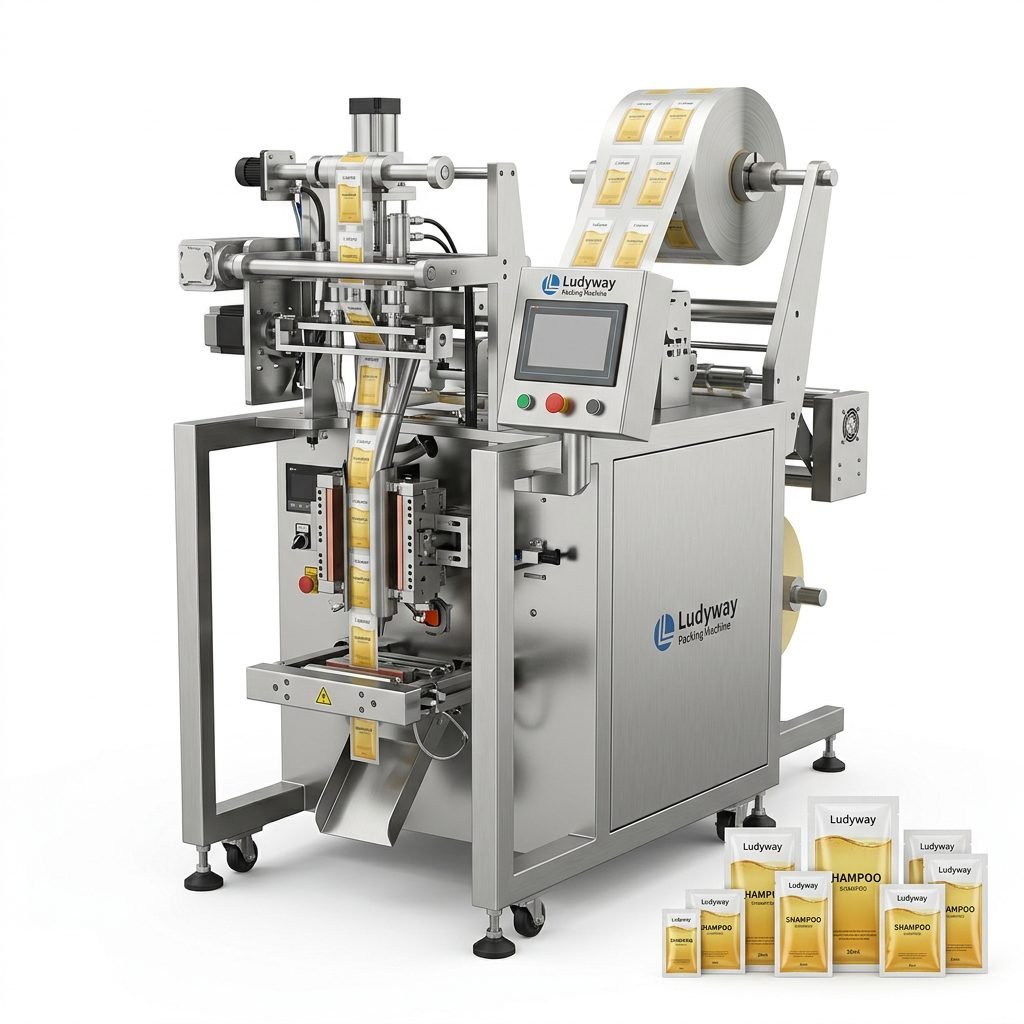
Multi-Lane vs. Single-Lane Machines
The debate between single and multi-lane configurations is central to choosing a sachet pouch packing machine. A single-lane machine is more straightforward and has a smaller footprint, suitable for limited runs. A multi-lane machine, however, can double or quadruple your output by forming several pouches simultaneously from a single master roll. For high-demand products like electrolyte powder packs or instant ketchup, the return on investment on a multi-lane system is typically achieved faster.
Automation and Turnkey Integration
Modern packaging lines go beyond just filling and sealing. A complete turnkey packaging solution often integrates multiple stages. You might need an automatic sachet machine connected to a cartoner, a checkweigher, or a palletizing system. Consider if you require:
- Inline Printing: Thermal transfer or inkjet coding for batch numbers and expiry dates.
- Conveying Systems: Bucket elevators or vacuum feeders to transport raw products to the top of the bagger.
- Quality Control: Vision inspection systems and metal detectors to reject faulty pouches automatically.
According to industry data from the PMMI – The Association for Packaging and Processing Technologies, the trend toward integrated automated packaging lines continues to accelerate as manufacturers seek to reduce manual labor and improve consistency.
Build Quality and Hygiene Standards
For industries like pharmaceuticals and food, the sachet pouch packing machine must adhere to strict Good Manufacturing Practices (cGMP). Look for machines constructed with SUS304 or SUS316 stainless steel. Easy disassembly for cleaning, wash-down capabilities, and protection against dust and water ingress are non-negotiable. The machine should also meet applicable standards referenced by organizations like the FDA for food contact substances and the ISO standard for packaging terminally sterilized medical devices if applicable.

The Importance of Customization
Standard machines rarely fit every manufacturer perfectly. You might need a customized approach for unique bag sizes, specific film cut-off lengths, or diverse product changeovers. When evaluating a supplier, assess their ability to provide customized packaging machinery. A partner with strong engineering capabilities can modify the machine to handle multi-product batches without extensive downtime. This is particularly valuable in the cosmetic packaging industry, where small, unique cream sachets require precise filling.
Supplier Support and Spare Parts
Even the most robust sachet machine requires servicing. Reliable after-sales service, operator training, and easy access to spare parts minimize production disruptions. With decades of industry experience, a manufacturer like Ludyway Machinery emphasizes global service, offering remote technical assistance and on-site support to customers in more than 100 countries. A strong service framework ensures your packaging line maintains peak performance over its lifecycle, supporting from machine selection to long-term troubleshooting.
Weighing Cost vs. Long-Term Value
Price is a significant factor, but the focus should be on Total Cost of Ownership (TCO). An inexpensive machine that constantly breaks down or consumes excessive film defeats the purpose. Evaluate the machine’s durability, energy efficiency, and waste rate. Investing in a high-speed sachet pouch packing machine with robust engineering might have a higher upfront cost but delivers superior consistency and a lower per-pack cost in the long run. For detailed market trends on packaging machinery investments, the PMMI Business Intelligence Library provides comprehensive state-of-the-industry reports.
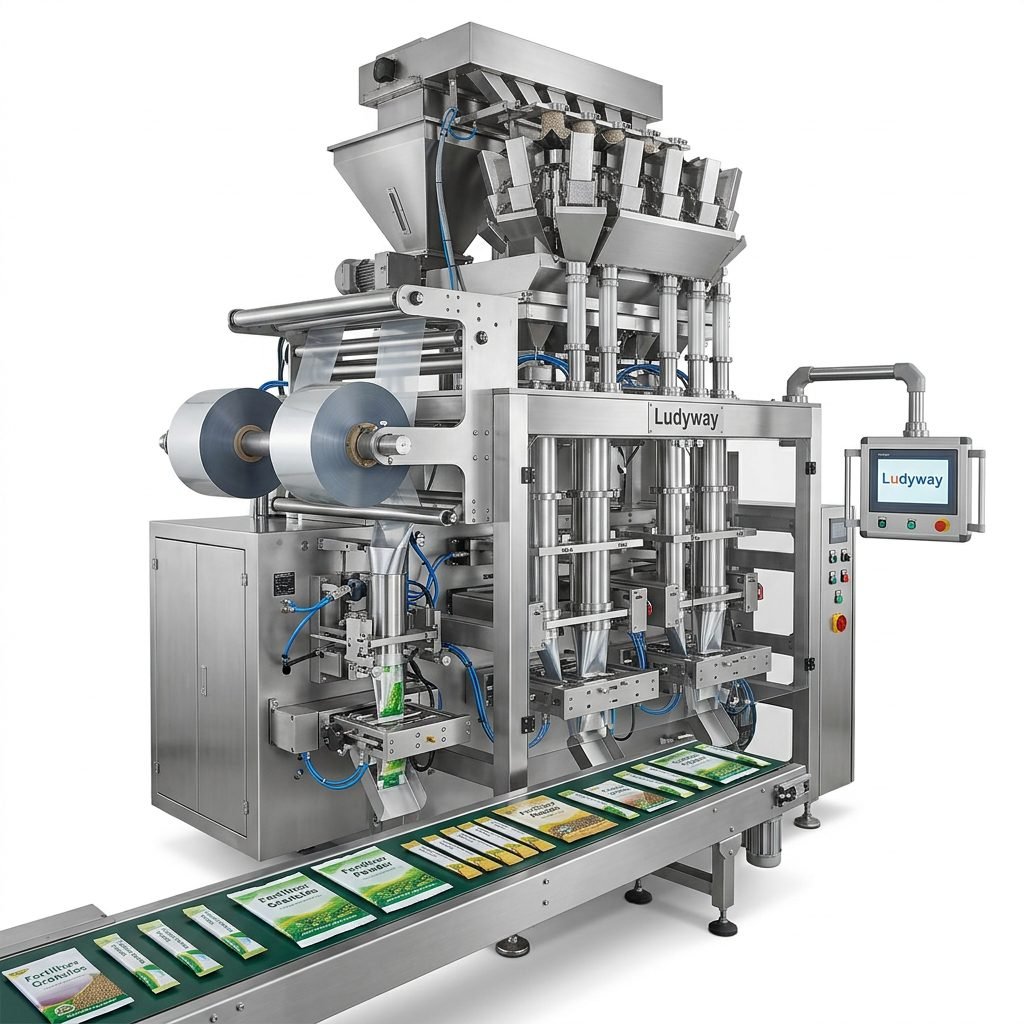
Emerging Trends: Smart Packaging and Sustainability
The packaging landscape is shifting. There is a growing demand for machines that can run recyclable mono-materials instead of traditional mixed plastics. Additionally, smart packaging machinery featuring IoT capabilities allows remote monitoring of machine uptime, production speed, and fault diagnosis. When selecting your next equipment, verify that the control system can integrate with your broader factory execution system (MES) for data-driven manufacturing. The European Commission’s packaging and packaging waste regulation is also pushing manufacturers to consider the sustainability of their packaging processes.
Key Questions to Ask Your Supplier
- What is the machine’s efficiency rate (actual output vs. theoretical max)?
- Is the machine capable of gas flushing (nitrogen) for extended shelf life?
- How long does a typical format changeover take?
- Are the sealing jaws independently servo-driven for precision?
- What safety certifications are included for the local market?
Selecting the right sachet pouch packing machine transforms your production from a bottleneck into a competitive advantage. By thoroughly assessing your product characteristics, packaging materials, and automation needs, you secure a system that delivers high efficiency, operational reliability, and consistent quality for years to come.