Investing in a parcel packing machine is a critical decision that directly impacts your operational efficiency, product quality, and bottom line. Whether you are scaling up from manual processes or upgrading an existing automated line, navigating the wide range of available technologies can be overwhelming. This guide breaks down the essential factors to consider, helping you evaluate your requirements, understand machine configurations, and ultimately select a system that aligns with your production goals.
1. Define Your Product and Packaging Specifications
Before comparing machine models, you must have a precise understanding of what you are packing and how you want it packaged. The physical characteristics of your product dictate the type of dosing and filling system required.
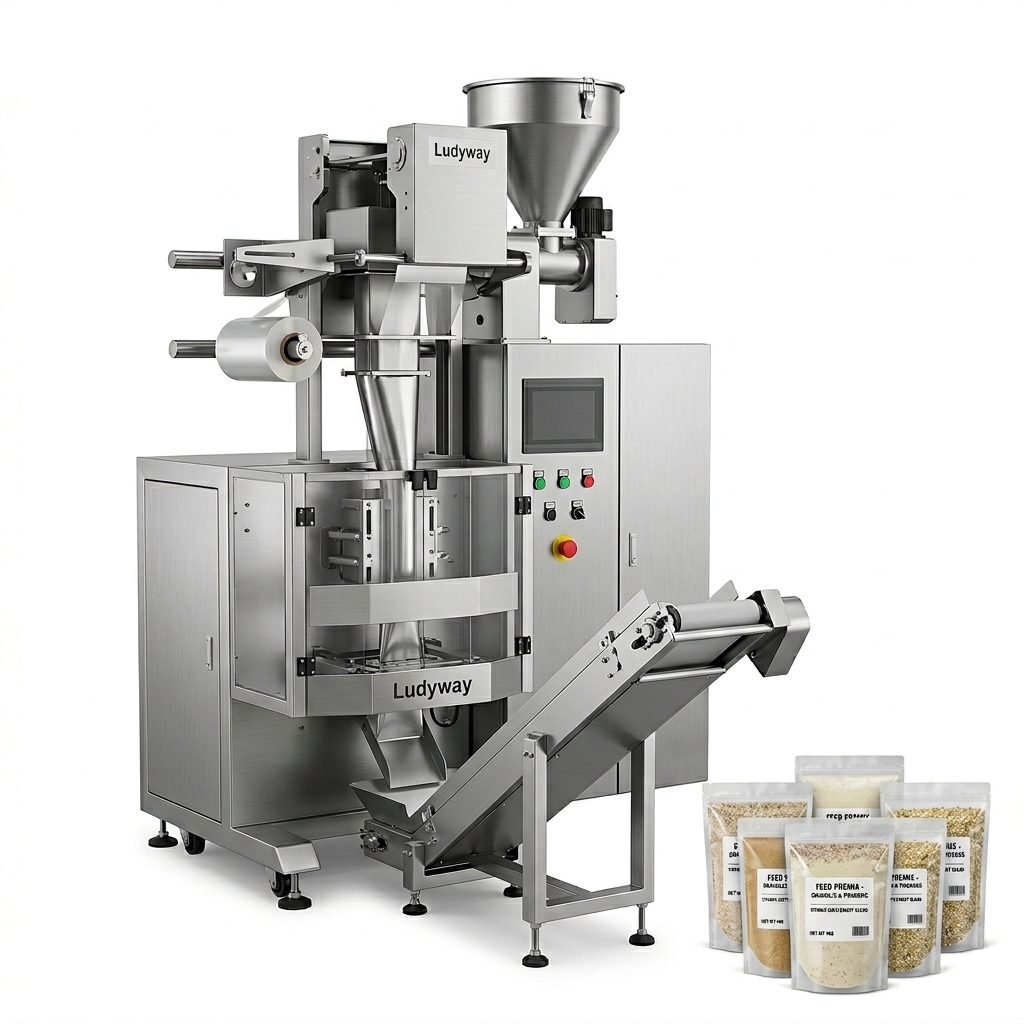
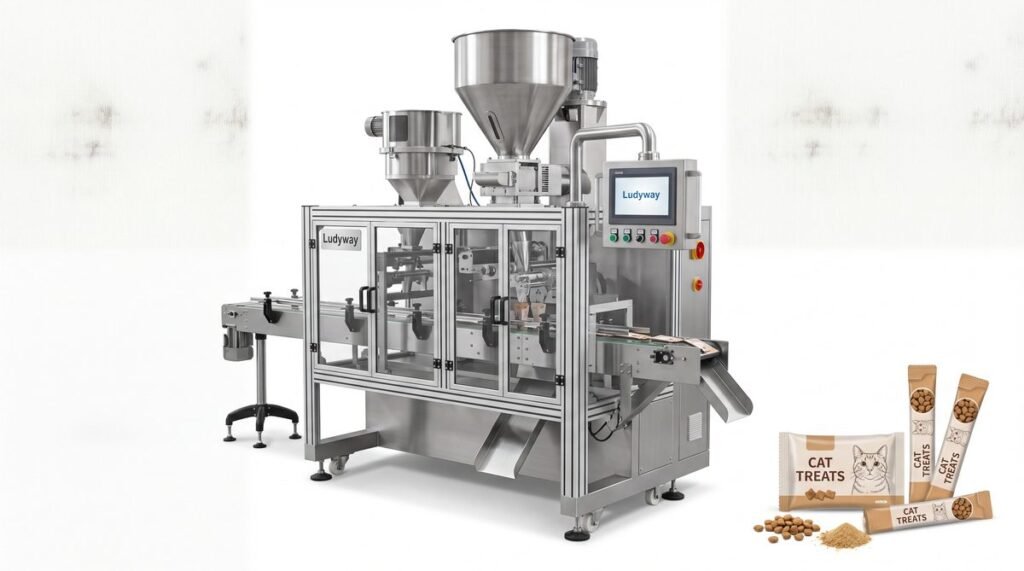
- Product State: Is it a free-flowing granule, a non-free-flowing powder, a viscous liquid, a paste, or a solid component? Precision auger fillers are typically preferred for fine powders, while volumetric cup fillers work well for uniform granules.
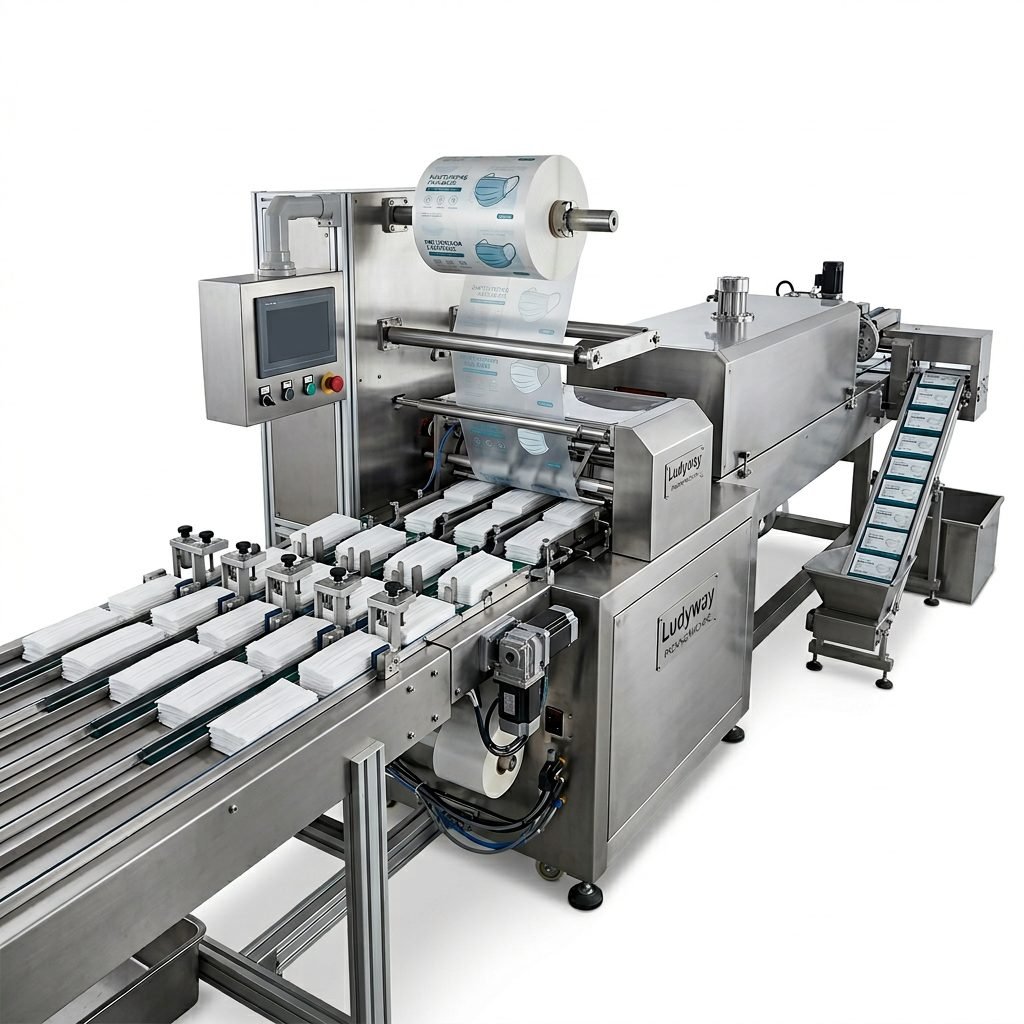
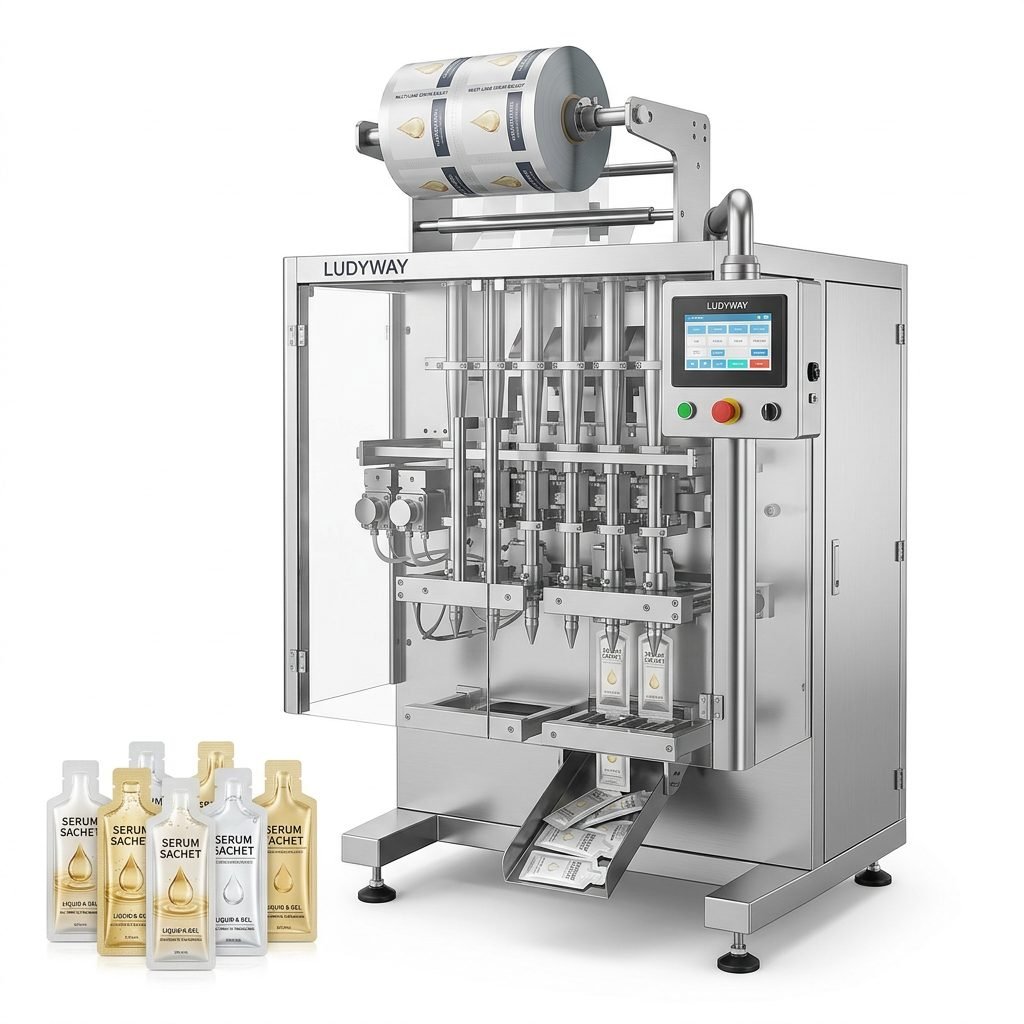
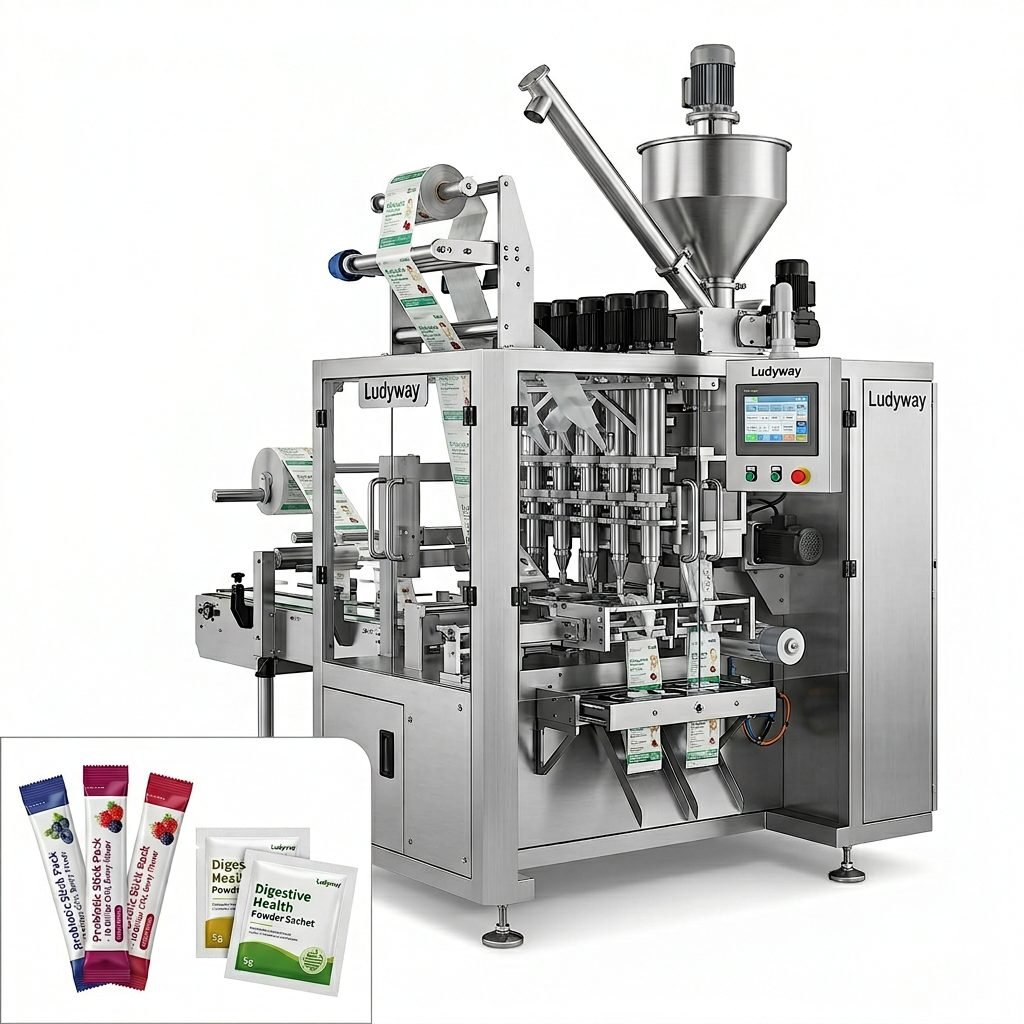
- Packaging Format: Do you require sachets, stick packs, pre-made pouches, or a vertical form-fill-seal (VFFS) configuration? The format significantly impacts the machine’s mechanical layout and speed capabilities.
- Bag Dimensions and Material: Specify the required width and length ranges. Additionally, the film material—such as laminated foils or biodegradable substrates—must be compatible with the machine’s sealing temperature and jaw design.
2. Evaluate Production Speed and Automation Levels
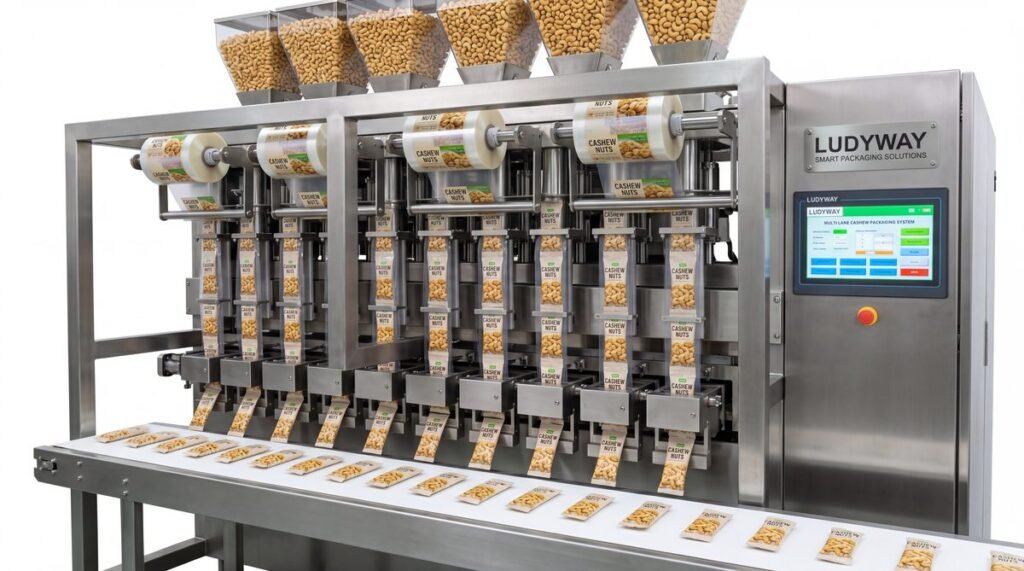
Speed requirements should be matched carefully with automation capabilities. It is not enough to look at the theoretical maximum speed; you need to understand the sustained performance over a multi-hour shift. Multi-lane machines, for instance, can multiply output by running several packaging channels simultaneously.
Consider the trade-off between output and flexibility. High-speed continuous motion machines are ideal for a single product with long production runs, while intermittent motion machines offer more flexibility for frequent changeovers. According to PMMI industry data, automation is increasingly focused on reducing downtime, with modern servo-driven systems allowing recipe changes at the touch of a button.
Key Automation Features to Look For
- Automatic film tension control and splice detection.
- Servo-driven jaw motion to minimize mechanical wear.
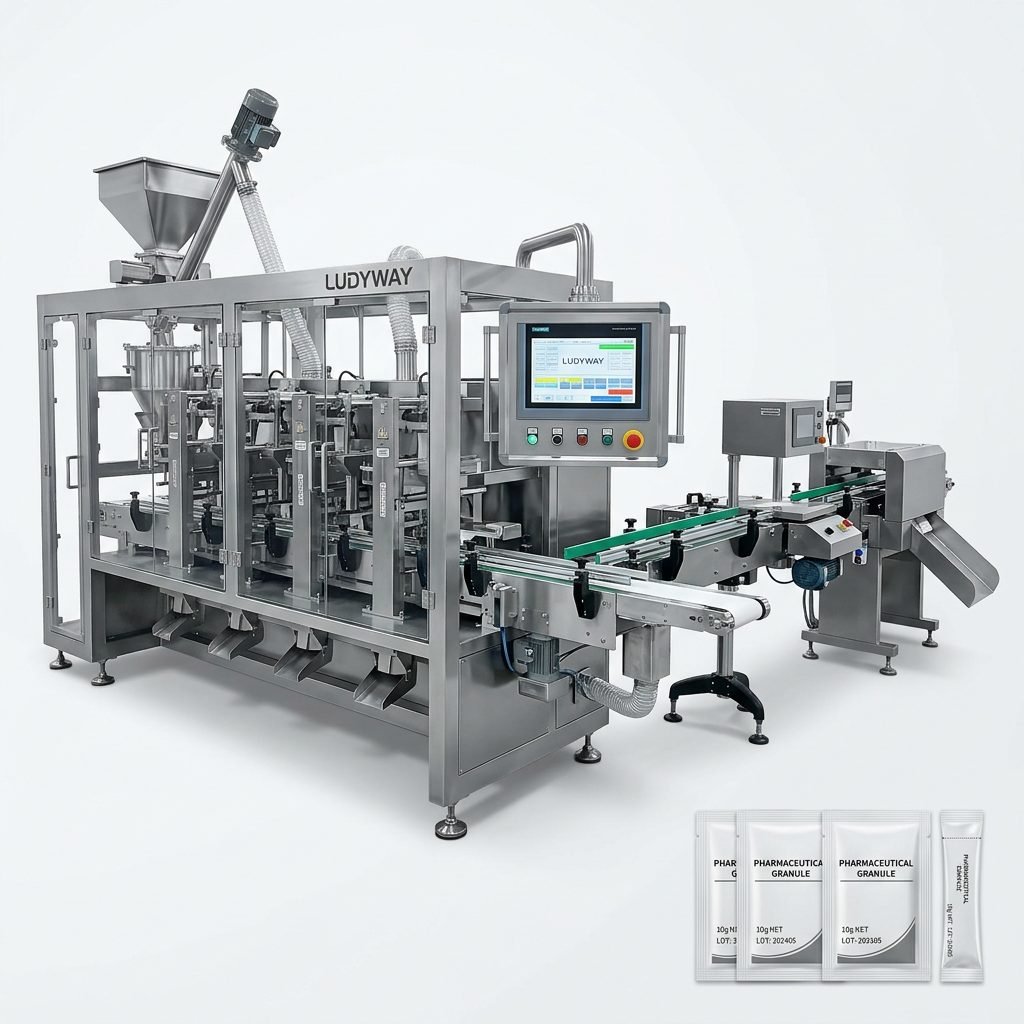
- Integration with checkweighers and metal detectors for in-line quality assurance.
- Remote diagnostic capabilities and IIoT readiness for predictive maintenance.
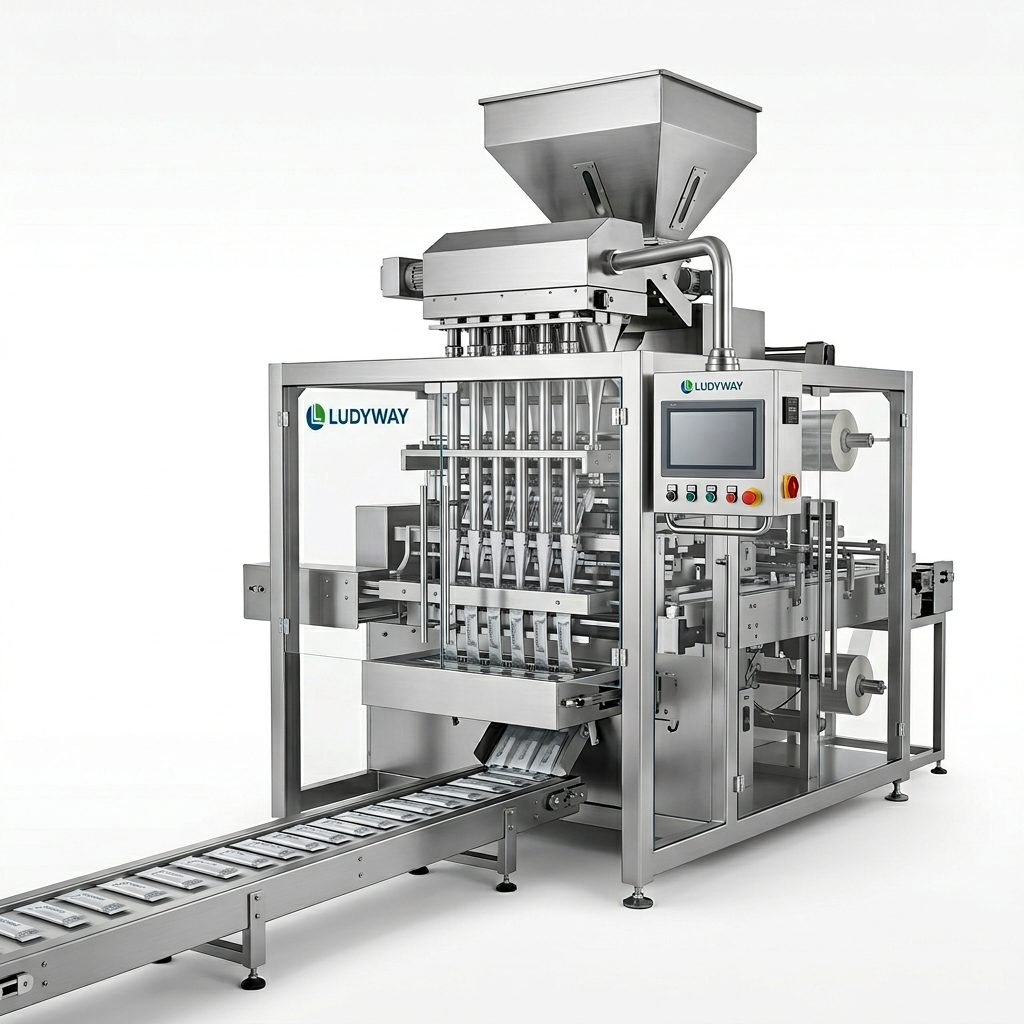
3. Machine Configuration: Weighing and Filling Technology
The dosing unit is the heart of the parcel packing machine. Choosing the wrong filling technology leads to product give-away, inaccurate weights, and material waste. Here is a breakdown of common configurations based on product flow characteristics:
| Technology Type | Best For | Advantages |
|---|---|---|
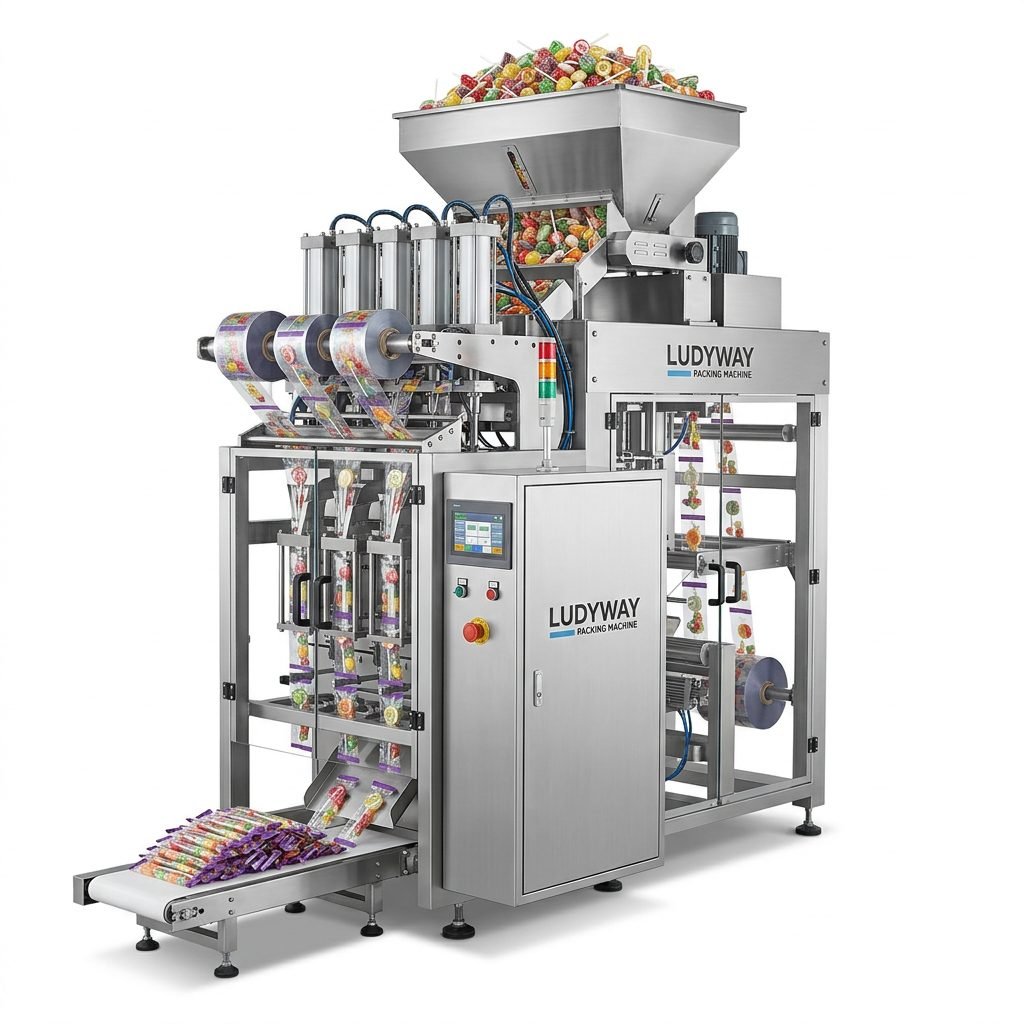
| Multi-Head Weigher | Granules, snacks, hardware | High speed and accuracy; target weight optimization |
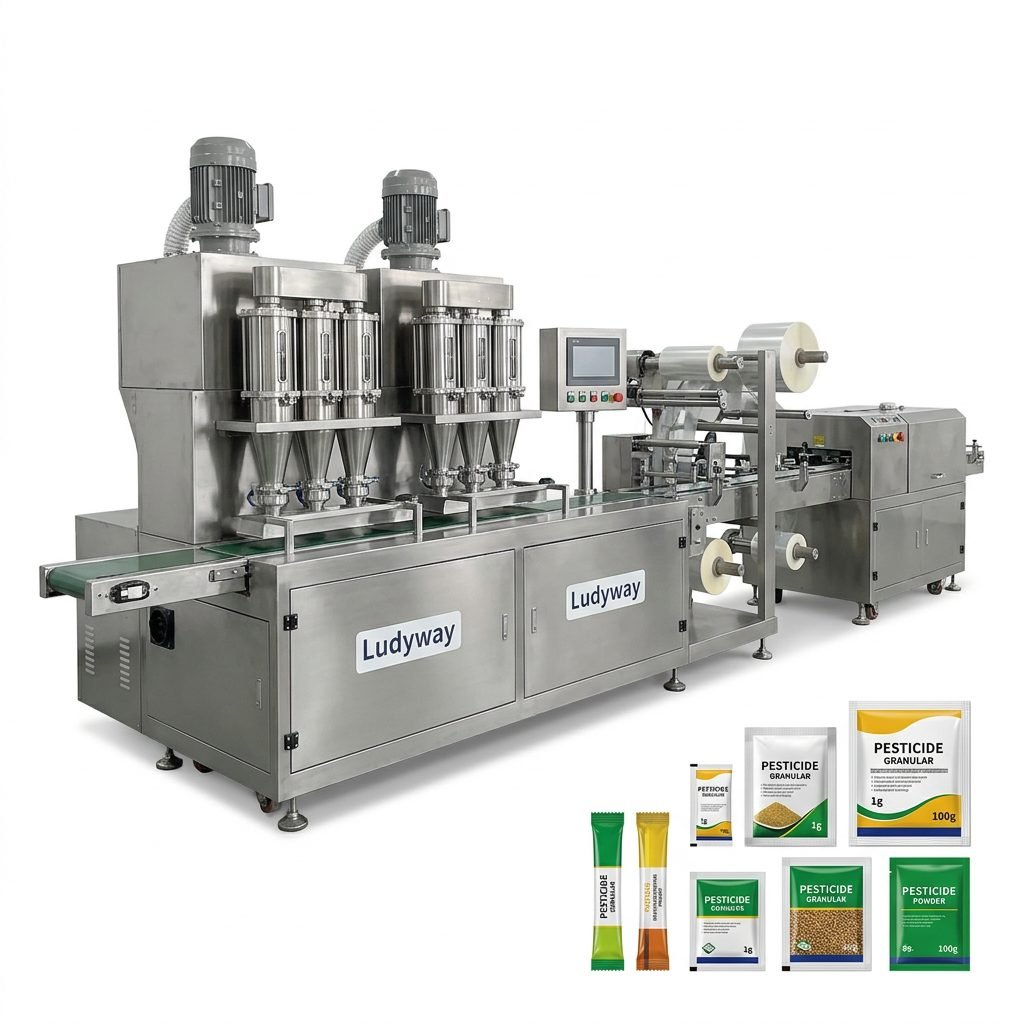
| Auger Filler | Fine powders, flour, spices | Dust-controlled; precise volumetric dosing |
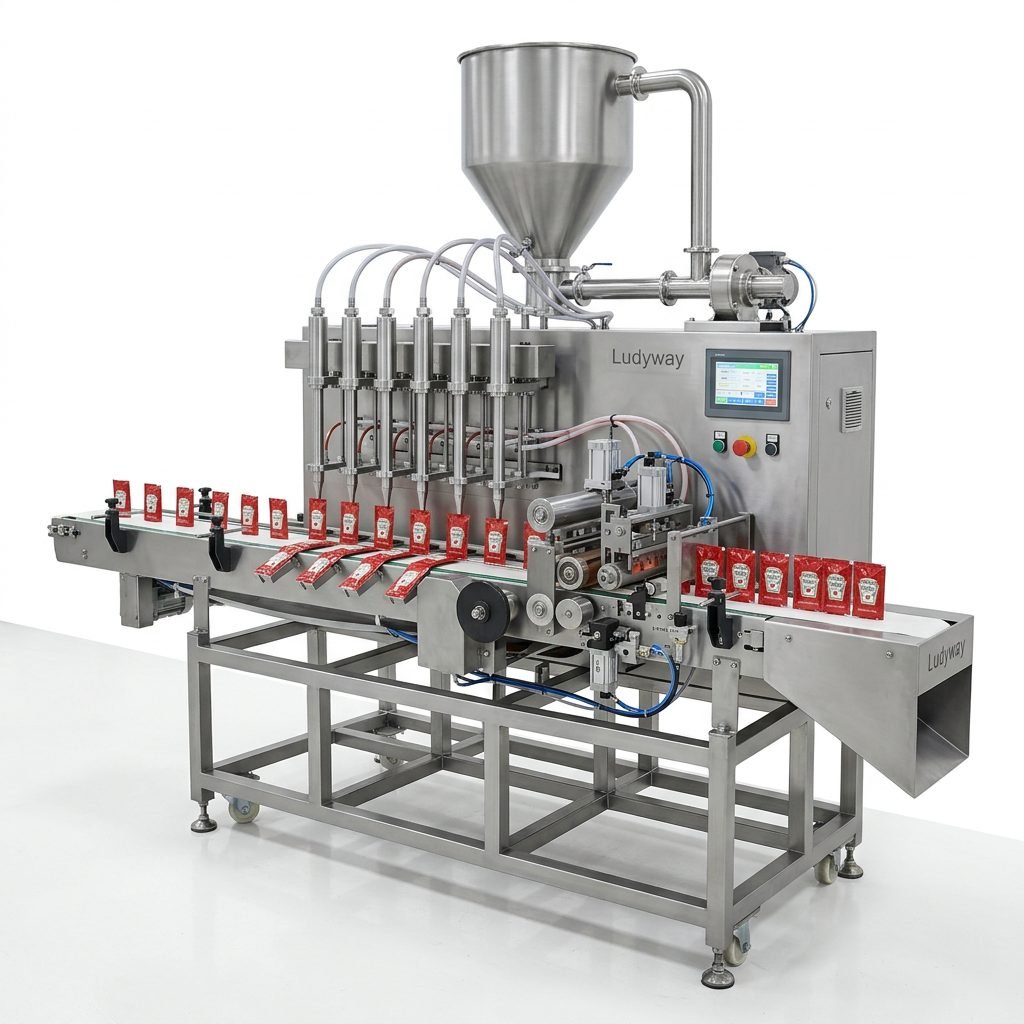
| Piston Filler | Liquids, pastes, creams | Handles a wide viscosity range; hygienic design available |
| Cup Volumetric Filler | Free-flowing granules | Cost-effective; simple to operate and maintain |
If your facility handles a diverse product portfolio, look for machines that support quick-change tooling for different filling modules. Compliance with ISO packaging standards is also essential, particularly for food and pharmaceutical sectors, where washdown capabilities and sanitary design are non-negotiable.
4. Integration with Upstream and Downstream Equipment
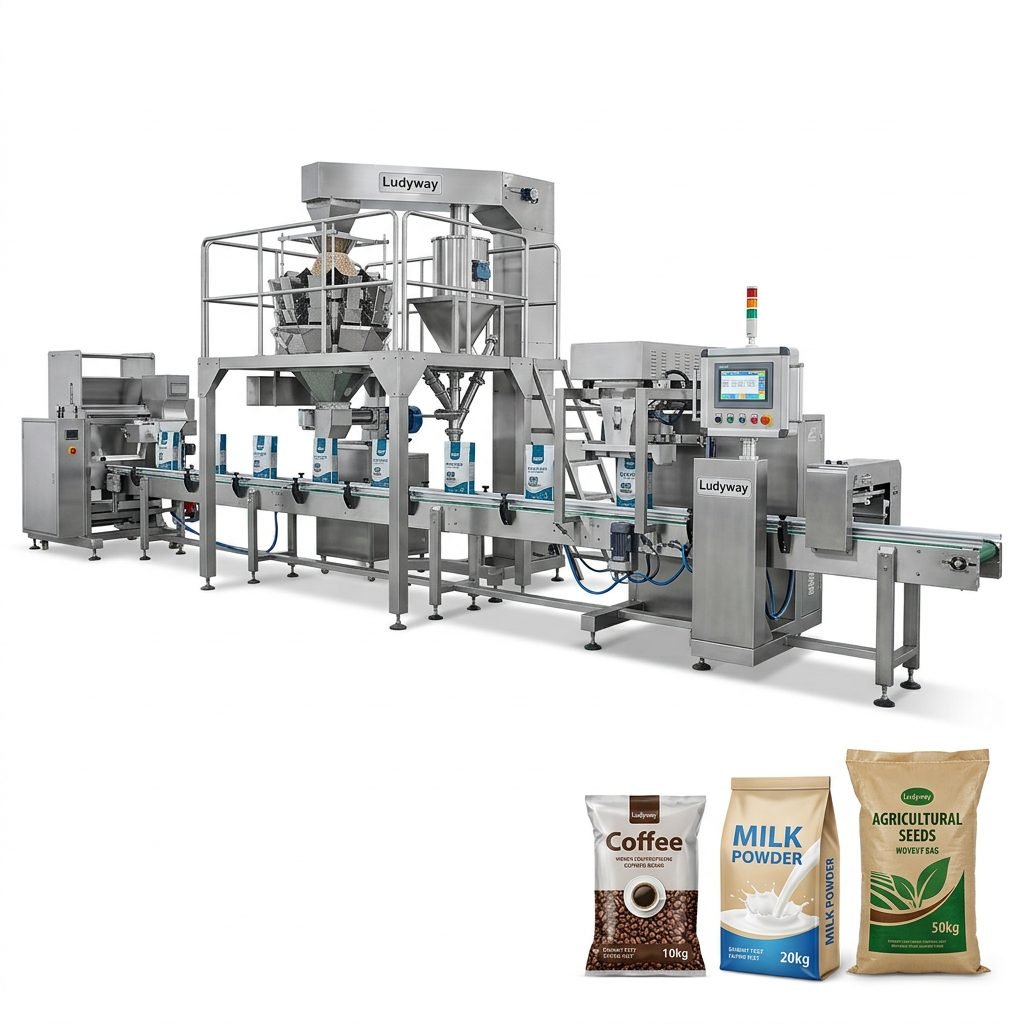
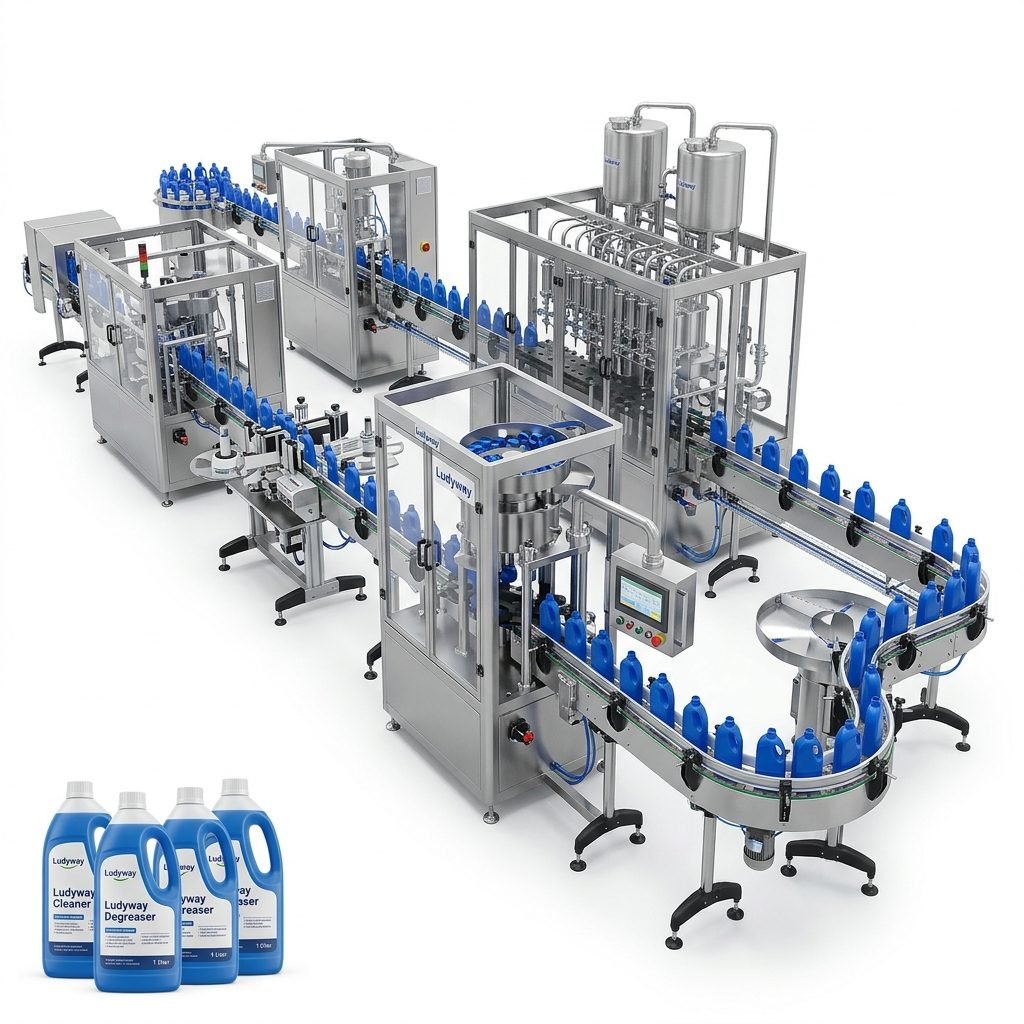
A parcel packing machine rarely operates in isolation. To avoid bottlenecks, assess how the machine will interface with your existing ecosystem. A comprehensive approach involves looking at the entire packaging line, from product feeding to secondary packaging.
- Upstream: Inclined conveyors, bucket elevators, or vacuum feeders must supply product consistently to the filling station.
- Downstream: Automatic cartoners, case packers, and robotic palletizers transform individual pouches into retail-ready and shipping-ready units.
- Line Integration: Opt for a single turnkey packaging solution partner when possible. This simplifies control system integration, minimizes communication issues, and ensures accountability rather than coordinating with multiple separate suppliers.
5. Total Cost of Ownership and ROI
The initial purchase price is only a fraction of the total cost of ownership (TCO). A capital-intensive machine can easily become a liability if it consumes excessive film, generates high scrap rates, or demands frequent technician visits. Evaluate these cost drivers:
- Film Yield: Machines with precise registration controls and minimal non-seal area designs reduce material waste significantly over time.
- Energy Efficiency: Servo-driven models typically consume less power than mechanically driven alternatives.
- Maintenance Costs: Standardized, globally recognizable components (such as widely available pneumatic actuators and PLCs) reduce lead times for spare parts.
- Product Give-Away: Overfilling marginally on each parcel compounds into substantial revenue loss. High-precision dosing technology is critical to controlling give-away rates.
6. Choosing a Long-Term Manufacturing Partner
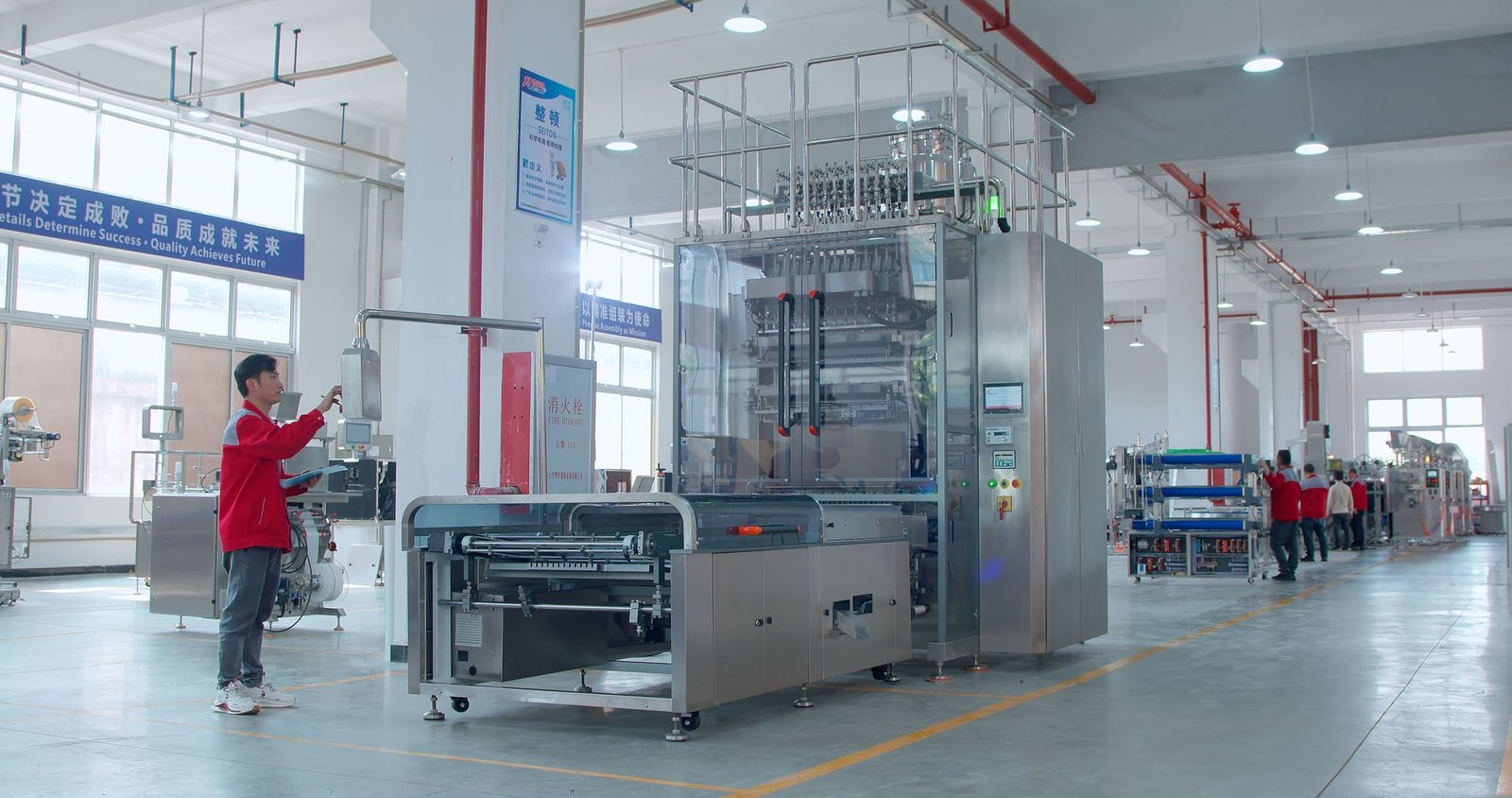
Beyond the machine specifications, the manufacturer’s engineering capability and after-sales support are pivotal. A supplier investing heavily in in-house manufacturing and application engineering can offer deeper customization for specialized packaging tasks, whether that involves modified seal patterns or customized dosing configurations for challenging products.
Working with a partner that delivers comprehensive project lifecycle support—from machine selection and installation to commissioning and remote troubleshooting—ensures sustained operational performance. For instance, Ludyway Machinery combines extensive in-house manufacturing expertise with global service capabilities, allowing clients to address diverse packaging requirements through a single point of contact. This integrated model is particularly valuable for manufacturers aiming to scale production capacity while maintaining consistency across multiple packaging lines.
7. Regulatory Compliance and Safety Standards
The relevant standards depend heavily on your industry. Food-grade applications must align with FDA food contact substance regulations, while pharmaceutical packaging may require compliance with validated processes and cleanroom-ready configurations. For medical devices, sterilization compatibility and adherence to ISO 11607 terminally sterilized medical device packaging standards are mandatory.
Additionally, review the mechanical safeguarding of the machine. CE marks, OSHA compliance, and interlocked safety guarding should be standard. An experienced manufacturer will provide the necessary documentation, supporting compliance with your local market requirements right from the outset.
Final Selection Checklist
As you narrow down your options, use a structured evaluation process. A reliable partner should be able to demonstrate performance through factory acceptance tests (FAT) and provide references from similar applications. For further insights on industry benchmarks, you can review annual state of the industry reports from PMMI and market analyses on flexible packaging growth.
By thoroughly assessing product requirements, machine configuration, integration needs, and long-term lifecycle costs, you can confidently invest in a parcel packing machine that not only meets today’s output targets but also adapts to future market demands.